Blog

  • Why Science Can’t Rule Out God

    Why Science Can’t Rule Out God

    A number of recent books and articles would have you believe that science has somehow disproved the existence of God. Their authors often claim that we know so much about how the universe works that God is simply unnecessary: We can explain all the workings of the universe without the need for a Creator.

    The Vast Knowledge of Science

    Science has indeed brought us immense understanding. The sum total of human knowledge doubles roughly every couple of years or less. In physics and cosmology, we can now claim to know what happened to our universe as early as a tiny fraction of a second after the Big Bang, something that may seem astounding. In chemistry, we understand the most complicated reactions among atoms and molecules, and in biology, we know how the living cell works and have mapped out our entire genome.

    But does this vast knowledge base disprove the existence of some kind of pre-existent outside force that may have launched our universe on its way?

    Historical Context: Science vs. Dogma

    Science won major victories against entrenched religious dogma throughout the 19th century, fundamentally altering our understanding of the natural world and humanity’s place within it. One of the pivotal moments came with the discovery of Neanderthal remains in Belgium, Gibraltar, and Germany. These findings revealed that humans were not the only hominids to occupy the earth, challenging the long-held belief in human uniqueness and prompting a reevaluation of our evolutionary history.

    In addition to the Neanderthal discoveries, paleontologists unearthed fossils and remains of now-extinct animals and plants, providing compelling evidence that flora and fauna evolve, live for millennia, and sometimes die off, ceding their place on the planet to better-adapted species. These findings lent strong support to the then-emerging theory of evolution, famously published by Charles Darwin in 1859. Darwin’s theory proposed that all species, including humans, evolved over time through a process of natural selection, further challenging traditional religious narratives of creation.

    In 1851, Leon Foucault’s ingenious experiment using a special pendulum provided definitive proof that the earth rotates. This experiment delivered a critical blow to geocentric models of the universe, which held that the sun revolved around a stationary Earth, a view supported by literal interpretations of certain religious texts. Foucault’s work helped to cement the heliocentric model initially proposed by Copernicus and further developed by Galileo.

    Geological discoveries throughout the same century dealt a devastating blow to the “young earth” hypothesis, which posited that Earth was only a few thousand years old, as calculated by some theologians based on biblical genealogies. Advances in geology demonstrated that Earth is, in fact, billions of years old, providing a timeline that could accommodate the slow and gradual processes described by evolutionary theory.

    All of these scientific advancements collectively defeated literal interpretations of Scripture, forcing a reexamination of religious dogma in light of empirical evidence. The 19th century thus marked a significant period in which science and religion were often seen in direct conflict, leading to a broader acceptance of scientific explanations for natural phenomena and human origins.

    Modern Science and the Existence of God

    But has modern science, from the beginning of the 20th century, proved that there is no God, as some commentators now claim? Science is an amazing, wonderful undertaking: it teaches us about life, the world, and the universe. But it has not revealed to us why the universe came into existence nor what preceded its birth in the Big Bang.

    Unanswered Questions in Science

    Biological evolution has not brought us the slightest understanding of how the first living organisms emerged from inanimate matter on this planet and how the advanced eukaryotic cells—the highly structured building blocks of advanced life forms—ever emerged from simpler organisms. Neither does it explain one of the greatest mysteries of science:

    • How did consciousness arise in living things?
    • Where do symbolic thinking and self-awareness come from?
    • What enables us to create great works of art, music, architecture, and literature?

    Science is nowhere near to explaining these deep mysteries.

    The Fine-Tuning of the Universe

    Much more important than these conundrums is the persistent question of the fine-tuning of the parameters of the universe: Why is our universe so precisely tailor-made for the emergence of life? This question has never been answered satisfactorily, and it may never find a scientific solution. The deeper we delve into the mysteries of physics and cosmology, the more the universe appears to be intricate and incredibly complex.

    The Creation of the Universe

    We know that 13.7 billion years ago, a gargantuan burst of energy initiated the creation of our universe. Then suddenly, the Higgs boson gave the universe its mass. Why did this happen? The mass constituted elementary particles—quarks and electrons—whose weights and electrical charges had to fall within immeasurably tight bounds for what would happen next.

    The Role of Probability

    The great British mathematician Roger Penrose calculated—based on only one of the hundreds of parameters of the physical universe—that the probability of the emergence of a life-giving cosmos was 1 divided by 10, raised to the power of 10, and again raised to the power of 123. This number is as close to zero as anyone has ever imagined.

    The Multiverse Theory

    Some scientists have proposed the existence of a multiverse—an infinite set of universes, each with its own parameters, offering an explanation for why the improbable can occur in some universes. While renowned physicists have explored the multiverse theory, it remains controversial within the scientific community. Critics argue that the multiverse theory does not meet the criteria of a scientific theory because it fails to make falsifiable claims, thereby challenging its scientific validity

    The Takeaway

    The incredible fine-tuning of the universe presents the most powerful argument for the existence of an immanent creative entity we may well call God. Lacking convincing scientific evidence to the contrary, such a power may be necessary to force all the parameters we need for our existence—cosmological, physical, chemical, biological, and cognitive—to be what they are.

    Science and religion are two sides of the same deep human impulse to understand the world, to know our place in it, and to marvel at the wonder of life and the infinite cosmos we are surrounded by. Let’s keep them that way, and not let one attempt to usurp the role of the other.

    Afterword

    This post does not aim to prove the existence of God. However, it is important to address the common misconception that science and atheism are inherently linked, as they are fundamentally separate domains.

    If someone is an atheist because they believe that science explains the creation of the universe without the need for a higher power, their rationale may be misguided.

    The case for atheism is rooted in the principle that all natural phenomena can be explained through empirical evidence and reason, rather than invoking a “god of the gaps” to account for currently unexplained phenomena.

    Online Sources

    Neanderthal Discoveries

    Theory of Evolution by Charles Darwin

    Leon Foucault and Earth’s Rotation

    Geological Discoveries

    Multiverse Theory

    Science and Religion

    Fine-Tuning of the Universe

    #ScienceAndReligion #GodAndScience #FineTuningArgument

  • The Muslim Question of Europe

    The Muslim Question of Europe

    Immigration has always been a hot topic in European discourse. From the waves of Turkish immigrants in Germany to Moroccan communities in the Netherlands, the challenges and triumphs of integrating into a new culture are manifold. While the common thread of Islam often ties these communities together, it is misleading and disrespectful to generalize all immigrants under a single religious or cultural label. As someone who has worked and lived in various parts of Western and Northern Europe, I have witnessed firsthand the complexities faced by Turkish immigrants, emphasizing the importance of understanding these nuances.

    The Misconception of a Unified Muslim Identity

    It is a common misconception that all Muslim immigrants in Europe share a unified identity. If Islam were the unifying force for Muslim European immigrants, we would see Moroccan immigrants in the Netherlands mingling effortlessly with Turkish immigrants. However, the reality is quite different. These two groups often do not get along, illustrating that cultural and national identities play a significant role beyond religious affiliation.

    The Turkish Immigrant Experience

    Having spent over a decade in Europe as a Turkish person born and raised in Turkey, I can speak specifically about the multiple-generation Turkish immigrants I had a chance to observe in Western Europe. It’s crucial to remember that many Turkish immigrants were invited to European countries to fill labor shortages in jobs that local citizens were unwilling to undertake. These jobs often involved conditions that were unacceptable for the local workforce, leading to an influx of unskilled laborers from Turkey, many of whom came from rural areas.

    A Frozen Turkish Identity

    An interesting phenomenon among Turkish immigrants is the preservation of a Turkish identity that no longer exists in Turkey. While Turkey has evolved socially, culturally, and politically, many Turkish immigrants cling to the version of Turkey they left behind. This frozen identity can create a disconnect not only with their host country but also with their homeland, as they try to preserve traditions and values that have since changed.

    The Role of Education in Integration

    Education plays a pivotal role in integration. In many European countries, immigrant children are often sent to religious schools by their parents, a choice permitted in the name of democracy. However, this segregation can hinder the integration process. Schools are where lifelong friendships are built and where children are exposed to diverse perspectives. When immigrant children are educated in environments limited to other Muslim children, they miss out on the opportunity to interact with peers from different backgrounds.

    My Secular Education Experience

    My personal experience with a strictly secular education highlights the benefits of a diverse learning environment. Throughout my primary and high school years, I formed relationships with children from various backgrounds, including conservative Muslims, modern Muslims, Jews, and Christians. These interactions enriched my understanding of different cultures and fostered a sense of unity and mutual respect.

    The Need for Secularization in Education

    For better integration of immigrant children, Europe needs to consider secularizing its education system, both private and state-run. Secular education would ensure that children from different backgrounds learn together, promoting inclusivity and social cohesion. It would also provide immigrant children with the opportunity to build friendships and networks beyond their immediate community, facilitating their integration into the broader society.

    Challenges and Opportunities

    The journey of integration is fraught with challenges, but it also presents numerous opportunities. By recognizing and addressing the unique experiences and needs of different immigrant communities, European countries can foster a more inclusive and harmonious society. This involves not only policy changes but also a shift in societal attitudes towards immigrants.

    The Takeaway

    In conclusion, the experiences of Turkish immigrants in Europe highlight the complexities of integration. Generalizing immigrants under a single religious or cultural label is both misleading and disrespectful. Understanding the nuances of each community, promoting secular education, and fostering inclusivity are essential steps towards better integration.

    #Immigration #Europe #Integration

  • For Its Sake, Islam Must Be Fair Game For Criticism

    For Its Sake, Islam Must Be Fair Game For Criticism

    In 2019, a significant controversy erupted involving a 16-year-old student from East Sussex, UK, named Abigail Ward. During a GCSE religious studies exam, Abigail expressed her strong disapproval of halal slaughter methods, describing them as “absolutely disgusting.” This comment led to her disqualification by the exam board OCR, which accused her of making “obscene, racial comments.”

    Following an appeal from her school, the decision was overturned. The school clarified that Abigail’s critique stemmed from her vegetarian beliefs and was directed at the practice of halal slaughter, not at Muslims themselves, highlighting an alarming trend toward censoring legitimate criticism of Islamic practices.

    The Growing Culture of Censorship

    The case of Abigail Ward is indicative of a broader issue: the increasing tendency to label any criticism of Islamic practices as ‘Islamophobia’ or even ‘racism’. Many individuals, like Ward, have faced accusations of bigotry for expressing critical views on certain Islamic practices or beliefs.

    The intent to shield religion from criticism to avoid causing offense is often driven by noble intentions. Muslims in the UK and elsewhere frequently experience discrimination and abuse, and it is vital to protect them from such treatment. However, this protection should not come at the expense of free speech. Existing laws already protect all individuals from discrimination, harassment, and violence, including Muslims. These rights must be upheld without stifling the right to express opinions and views freely.

    The Impact of Fear and Self-Censorship

    Despite the absence of blasphemy laws in England and Wales, there is a growing perception that Islam is afforded special protection from criticism and mockery. The rise in anti-Muslim bigotry, combined with the sensitivities of some religious fundamentalists, has made discourse around Islam increasingly fraught.

    Islamic extremists have long sought to silence any criticism or mockery of their religion. The 2015 terror attack on the French satirical magazine Charlie Hebdo and the assassination of Dutch filmmaker Theo van Gogh are stark examples of this. Such acts foster a climate of fear and self-censorship.

    The Role of Hate Speech Laws

    Hate speech laws have also contributed to the chilling effect on debate. The Racial and Religious Hatred Act of 2006 created various offenses involving ‘stirring up hatred’ against persons on religious grounds. To meet the threshold of stirring up hatred, the conduct must be threatening. Unlike race hate laws, being merely ‘abusive’ or ‘insulting’ is not sufficient. This distinction is crucial to protect freedom of expression, ensuring that criticism or expressions of antipathy towards religious beliefs or practices remain lawful.

    Despite these legal protections, the impression persists that people have the right not to be offended. Activists and social media mobs often call for police intervention when someone is perceived to have been ‘abusive’ or ‘insulting’ about Islam. This phenomenon was evident when Boris Johnson’s comments about Muslim women wearing burkas sparked outrage, prompting the head of the Metropolitan Police to clarify that his comments did not constitute a hate crime.

    The Dangers of Defining Islamophobia

    The term ‘Islamophobia’, which conflates race and religion, poses a serious threat to free speech. Attempts to define Islamophobia as “a type of racism that targets expressions of Muslimness or perceived Muslimness” could exacerbate the problem. This definition has been promoted by a coalition of regressive Islamic activists and left-wing progressives in the name of combating anti-Muslim bigotry.

    A recent ‘Anthology of Concerns’ over the APPG’s definition of Islamophobia highlights the dangers posed to liberal values by this concept. The report, supported by the National Secular Society, Christian Concern, Richard Dawkins, the Network of Sikh Organisations, Civitas, and the Quilliam Foundation, warns that adopting this definition could severely restrict civil liberties.

    Balancing Free Speech and Protection from Bigotry

    It’s undeniable that many Muslims in Britain face hostility and bigotry and are victims of racism. However, addressing anti-Muslim hatred by suppressing free speech is misguided. The government has wisely rejected the APPG’s definition but is still attempting to define Islamophobia, which is a mistake. As Professor Richard Dawkins aptly put it, “Islamophobia is an otiose word which doesn’t deserve definition”.

    The paralyzing fear that criticism of Islam or Islamic culture will be branded racist is dangerous. Many British Muslims would agree that there are aspects of Islam that warrant criticism: attitudes towards free speech, the treatment of women, LGBT people, Ahmadiyya Muslims, and non-believers often conflict with modern secular liberal values.

    Global Perspectives and Historical Context

    The importance of open discourse about Islam extends to all countries with large Muslim populations, such as Indonesia and Pakistan, the suppression of criticism often leads to severe penalties, including imprisonment and death. For instance, in Pakistan, blasphemy laws have been used to target and persecute religious minorities and dissenters. According to Human Rights Watch, these laws have contributed to a climate of fear and repression.

    Historical context also underscores the need for open criticism. The Enlightenment era in Europe saw the rise of critical thought and the questioning of religious dogma. Figures like Voltaire and Spinoza challenged the authority of the Church, paving the way for modern secular societies. Similarly, contemporary critiques of Islam can foster dialogue and reform within Muslim communities, promoting values of tolerance and human rights.

    The Takeaway

    While there are bigots who use opposition to Islam as a proxy for racism, it is crucial for secularists to challenge these racists. Simultaneously, it is equally important to resist efforts to achieve harmony through the suppression of speech. There is a significant conversation to be had about a religion that increasingly influences societies and politics worldwide, and this discussion must be free from mischievous and frivolous accusations of racism to ensure a healthy, open, and critical dialogue about Islam and its place in modern society.

    #FreeSpeech #IslamCriticism #ReligiousFreedom

  • The Secret Life of the Hijab: From Ancient Times to Now

    The Secret Life of the Hijab: From Ancient Times to Now

    The hijab, recognized globally as a symbol of modesty and religious devotion, is a prominent aspect of Islamic culture. While it is predominantly linked to Islam, it may surprise many to learn that the practice of wearing the hijab predates the emergence of Islam. Let’s delve into the historical roots of the hijab and how the Quran, the holy book of Islam, offers guidelines that resonate with pre-existing Arab cultural traditions with little regard for cultures that did not have such a tradition.

    The Pre-Islamic Origins of the Hijab

    The concept of veiling and covering one’s head and body was not exclusive to Islam and has deep historical roots in the pre-Islamic Arabian Peninsula. Various ancient cultures and civilizations practiced veiling as a symbol of modesty, social status, or religious affiliation. In this context, the hijab was worn by both men and women and was often associated with notions of honor, dignity, and protection from harsh desert environments.

    In pre-Islamic Arabia, veiling was not merely a religious practice but also held socio-cultural significance. Tribes and communities had distinct customs and traditions related to clothing, and the veil was an integral part of these customs. For instance, among some tribes, the veil signified a woman’s status and her connection to her tribe or clan. It was worn as a mark of honor and respect.

    Cultural Pervasiveness of Veiling

    Beyond the Arabian Peninsula, the practice of veiling can be traced back to ancient civilizations such as Mesopotamia, Persia, and the Byzantine Empire. In these societies, veiling was often a privilege of the upper classes and was used to signify social status and propriety. Women of higher social standing wore veils as a symbol of their nobility and to distinguish themselves from those of lower social ranks.

    Quranic Verses on Modesty

    The Quran provides specific instructions on modesty, which encompass both behavior and attire. For instance, Surah An-Nur (24:31) advises women to “draw their veils over their bosoms” and not to display their beauty except to their immediate family members. Similarly, Surah Al-Ahzab (33:59) instructs women to “draw their cloaks close around them” to be recognized as honorable and not be harassed.

    Islamic Influence on the Hijab

    With the emergence of Islam in the 7th century CE, the hijab acquired a new dimension. The Quran, regarded as the word of God in Islam, provides guidance on modesty and clothing for both men and women. Surah An-Nur (The Light) in the Quran contains verses that specifically address the issue of modesty and the hijab. It is crucial to note that these verses were revealed in a particular socio-cultural context, seeking to reform existing practices.

    The Quranic guidance on the hijab emphasizes modesty and instructs believing women to cover their hair and adornments in front of unrelated men, echoing the pre-existing practices in the Arabian Peninsula, just making it mandatory.

    Alignment with Existing Arab Traditions

    What is remarkable about the Quranic guidance on the hijab is its alignment with pre-Islamic traditions. By incorporating elements of pre-existing practices, the Quran facilitated the transition to Islamic norms without causing significant cultural upheaval.

    One cannot help but appreciate the kindness of God in making Islam, a religion that is said to have been sent for everyone on Earth, 7th-entury-Arab-society friendly.

    Global Adaptation

    As Islam expanded into regions such as Persia, India, and Africa, the practice of veiling adapted to local customs and traditions. In Persia, for instance, the hijab became integrated with the Persian practice of wearing the chador, a full-body cloak. In South Asia, the hijab was often combined with the traditional dupatta, a long scarf worn over the head and shoulders. This cultural adaptability ensured the widespread acceptance and practice of the hijab across different societies.

    Be fair. How could God have foreseen that one day, the hijab would become a tool for oppressing women?

    In a Nutshell

    The practice of wearing the hijab has a long history that predates the emergence of Islam. Its incorporation into Islamic teachings in a way that aligns with existing Arab cultural traditions is a testament to the fact that Arabs are the true chosen people and God wants everyone to adopt their way of life.

    Praise God!

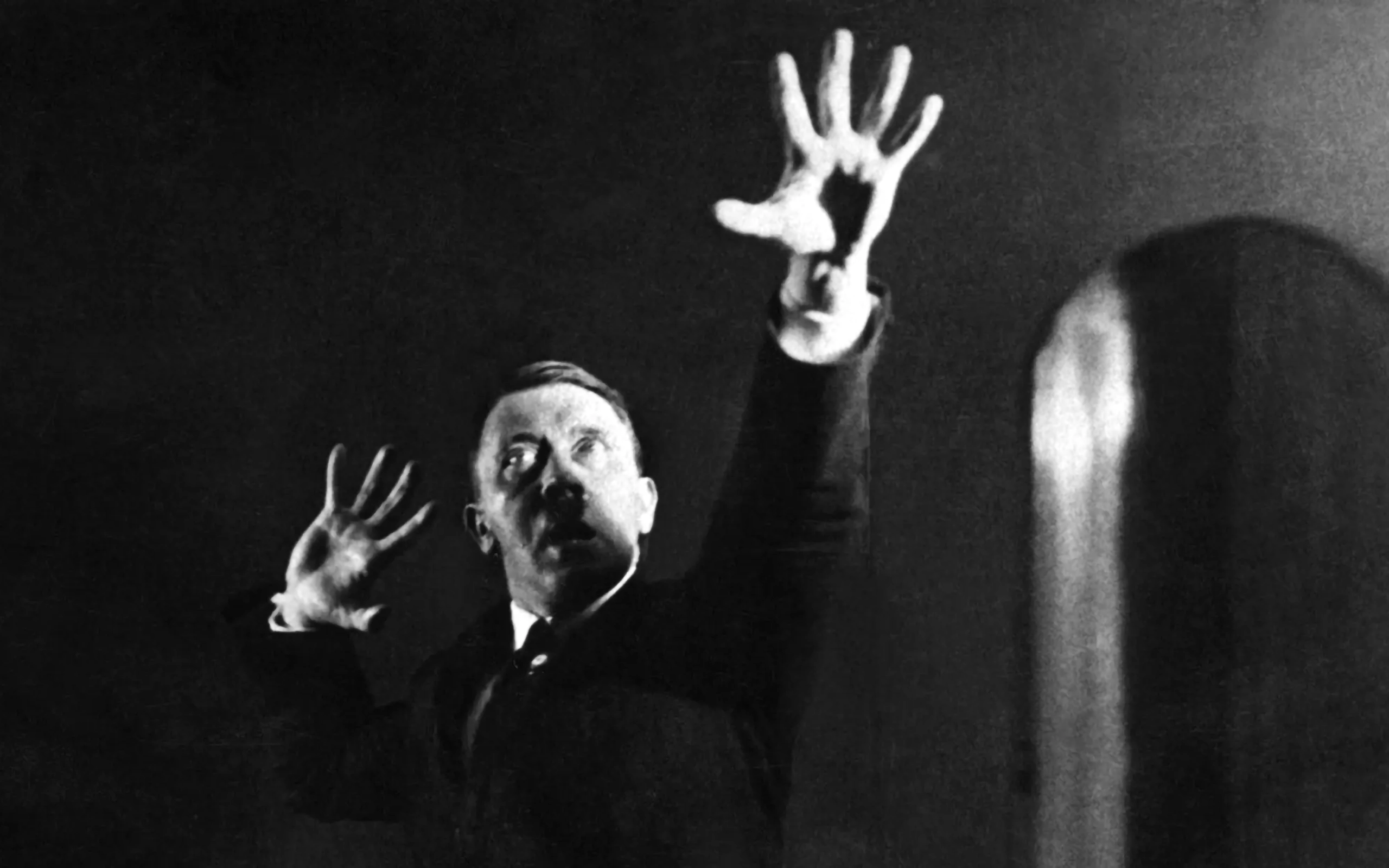
  • Hitler: The Nazi Messiah

    Hitler: The Nazi Messiah

    The figure of Adolf Hitler is shrouded in a mix of myth, horror, and mystery. One aspect of his life that continues to spark debate is his religious beliefs. Was Hitler a devout Christian, or did he merely use religion as a political tool to further his aims? By delving into historical records, speeches, and personal writings, we can attempt to unravel the complexities of Hitler’s relationship with Christianity and religion during his reign.

    The Early Years: Hitler’s Religious Background

    Adolf Hitler was born in 1889 in Austria, a predominantly Catholic region. He was baptized and raised in the Roman Catholic Church, attending church services regularly as a child. His parents, particularly his mother, were devout Catholics. However, as he grew older, Hitler’s relationship with the church and religion began to change.

    During his youth, Hitler’s experiences and interactions with religion were likely influenced by the socio-political climate of the time. The late 19th and early 20th centuries saw significant tension between the Catholic Church and secular authorities, which may have shaped Hitler’s views on religion.

    Hitler’s Public Stance on Christianity

    In his rise to power, Hitler often publicly identified as a Christian and made numerous references to God and divine providence in his speeches. He portrayed himself as a defender of Christian values and often spoke about the need to protect Germany from atheism and secularism. However, many historians argue that these statements were more about political strategy than genuine belief.

    Hitler’s references to Christianity were often intertwined with nationalism. He depicted Jesus not as a traditional religious figure, but as an Aryan fighter against Jewish influence. This reinterpretation of Christian doctrine served to align his anti-Semitic views with a form of twisted religious justification.

    Private Beliefs and Actions

    Despite his public proclamations of faith, there is substantial evidence suggesting that Hitler’s private beliefs were far more complex and contradictory. In his book Mein Kampf and other writings, Hitler rarely delves deeply into personal religious convictions, focusing instead on political ideology and racial theories.

    Several close associates and confidants of Hitler have documented his disdain for traditional Christianity. Joseph Goebbels, Heinrich Himmler, and other high-ranking Nazi officials noted that Hitler was skeptical of organized religion and often spoke derisively about it in private. These accounts paint a picture of a man who saw religion as a means to an end, rather than a core personal belief.

    The Nazi Regime and Religion

    The Nazi regime’s relationship with Christianity was multifaceted and often contradictory. On one hand, the Nazis sought to co-opt and manipulate Christian institutions to serve their purposes. They established the German Christian Movement, which attempted to align Protestant churches with Nazi ideology, promoting a version of Christianity stripped of its Jewish roots.

    On the other hand, the regime was highly suspicious of any religious institutions that could challenge its authority. Many clergy members who spoke out against Nazi policies were persecuted, imprisoned, or executed. The regime’s ultimate goal appeared to be the creation of a state-controlled religion that would replace traditional Christianity.

    The Role of Religion in Nazi Propaganda

    Religion played a significant role in Nazi propaganda. By invoking Christian imagery and language, the regime sought to garner support from the German populace, many of whom were devout Christians. Nazi propaganda often depicted Hitler as a messianic figure, chosen by divine providence to lead Germany to greatness.

    This manipulation of religious sentiment was a powerful tool in the regime’s arsenal. It allowed the Nazis to present their policies as not only politically necessary but also morally justified. The conflation of nationalism and religion helped to create a sense of unity and purpose among the German people.

    Hitler’s Anti-Semitism and Religion

    Hitler’s virulent anti-Semitism is perhaps the most well-documented aspect of his ideology. While his hatred for Jews was rooted in a complex mix of racial theories and socio-political grievances, it also had a pseudo-religious dimension. Hitler often framed his anti-Semitism in terms of a cosmic struggle between good and evil, casting Jews as the embodiment of all that was corrupt and degenerate.

    This pseudo-religious framing allowed Hitler to present his anti-Semitic policies as part of a divine mission. By portraying the extermination of Jews as a moral imperative, he sought to justify the atrocities committed under his regime.

    The Legacy of Hitler’s Religious Views

    The question of Hitler’s true religious beliefs continues to be a subject of debate among historians. Some argue that he was a devout Christian who believed in a form of Christianity distorted by his own ideological views. Others contend that he was fundamentally secular, using religion cynically to manipulate the masses.

    What is clear is that Hitler’s relationship with religion was complex and multifaceted. It was shaped by his upbringing, the socio-political climate of his time, and his own ideological ambitions. Whether or not he was a true believer, he understood the power of religion as a tool for control and manipulation.

    The Takeaway

    In the end, the question of whether Hitler was a devout Christian or not may be less important than understanding how he used religion to further his goals. His ability to manipulate religious sentiment for political gain was a key component of his rise to power and the implementation of his policies.

    By examining Hitler’s relationship with religion, we gain a deeper understanding of the ways in which faith can be co-opted and corrupted by those in power. It serves as a reminder of the importance of vigilance in protecting the integrity of religious institutions and the dangers of allowing ideology to distort fundamental beliefs.

    In exploring the complexities of Hitler’s faith, we are reminded of the broader lessons of history and the enduring importance of critical thinking in the face of propaganda and manipulation. The story of Hitler and religion is not just about one man’s beliefs, but about the broader dynamics of power, ideology, and the human capacity for both faith and deception.

    #WWIIHistory, #ReligiousPolitics, #HistoricalTruth

  • Beyond the Existence of Gods

    Beyond the Existence of Gods

    Throughout human history, the concept of a higher being has been a central theme in the tapestry of global cultures. Religions, with their rich traditions, narratives, and rituals, have provided frameworks for understanding the universe, morality, and the human condition. However, the discourse around faith often stagnates at the debate over the mere existence of a higher power. Instead, it is crucial to delve deeper into the distinct characteristics and claims of different religions. By doing so, adherents can present a more comprehensive case for why their depiction of God is the true one, fostering a more meaningful dialogue about faith.

    Moving Beyond Theism: A Comparative Approach

    Theism, the belief in the existence of a god or gods, is a foundational aspect of many religions. Yet, arguing for or against the existence of God can be an exercise in futility, as it often leads to an impasse. Instead, a more fruitful approach involves examining the unique elements of each religion’s conception of God. This comparative approach not only illuminates the diverse ways in which the divine is understood but also encourages adherents to articulate the distinctiveness of their faith traditions.

    The Nature of God: Attributes and Characteristics

    One way to differentiate between various religions is by examining the attributes and characteristics they ascribe to God. For example, in Christianity, God is often described as omnipotent, omniscient, and omnibenevolent. These attributes form the basis of the Christian understanding of God’s nature and relationship with humanity. In contrast, Hinduism presents a more complex picture with its concept of Brahman, an ultimate reality that manifests in myriad forms through various deities. Each deity embodies different aspects of the divine, reflecting a diverse and multifaceted view of God.

    Islam, on the other hand, emphasizes the oneness of God (Allah) and His attributes of mercy, justice, and sovereignty. The Quran articulates these attributes in a way that highlights both the transcendence and immanence of Allah. By focusing on these characteristics, Muslims can present a coherent and comprehensive understanding of God that distinguishes their faith from others.

    Revelation and Scripture: Sources of Divine Knowledge

    Another crucial aspect to consider is the nature of divine revelation and the scriptures that convey it. Different religions claim that their scriptures are the ultimate source of divine knowledge and guidance. For instance, Christians believe in the Bible as the inspired word of God, encompassing both the Old and New Testaments. The teachings of Jesus Christ, as recorded in the Gospels, are central to understanding the Christian faith.

    In Islam, the Quran is considered the literal word of God revealed to the Prophet Muhammad. It serves as the final and most complete revelation, superseding previous scriptures. The Quran’s linguistic beauty, depth, and coherence are often cited by Muslims as evidence of its divine origin.

    Similarly, Hinduism’s vast body of sacred texts, including the Vedas, Upanishads, and Bhagavad Gita, offers profound insights into the nature of the divine and the path to spiritual enlightenment. These texts are not just repositories of knowledge but are also considered to be imbued with divine presence.

    By examining these scriptures and the manner in which they were revealed, adherents can provide compelling reasons for the authenticity and superiority of their religious texts.

    The Role of Prophets and Founders

    Prophets and religious founders play a pivotal role in shaping the beliefs and practices of their respective religions. Christianity venerates Jesus Christ as the Son of God and the Savior of humanity. His life, death, and resurrection are seen as the fulfillment of God’s plan for salvation. The teachings and miracles of Jesus provide a direct connection to the divine and are central to Christian faith.

    In Islam, the Prophet Muhammad is regarded as the final messenger of God, whose life and teachings are meticulously documented in the Hadith. His exemplary character and the transformative impact of his message on Arabian society are often cited as evidence of his prophethood.

    Hinduism, with its more decentralized structure, recognizes a multitude of sages, saints, and avatars who have contributed to the spiritual wisdom of the faith. Figures like Krishna, Rama, and the Buddha (who is also revered in Buddhism) are seen as divine incarnations who have come to guide humanity.

    By studying the lives and teachings of these prophetic figures, adherents can argue for the unique authority and divine sanction of their religion.

    Ethical and Moral Teachings

    The ethical and moral teachings of a religion provide another avenue for demonstrating its truth and relevance. Christianity emphasizes love, forgiveness, and compassion, as exemplified by Jesus’ Sermon on the Mount. These principles have had a profound impact on Western moral and legal systems.

    Islam’s ethical framework, grounded in the Five Pillars, emphasizes worship, charity, fasting, and pilgrimage. Its comprehensive legal system, Sharia, offers guidance on all aspects of life, promoting justice, equity, and social harmony.

    Hinduism’s moral teachings, encapsulated in concepts like dharma (duty), karma (action and its consequences), and ahimsa (non-violence), provide a holistic approach to ethical living. The Bhagavad Gita, for instance, explores the moral dilemmas faced by individuals and offers timeless wisdom on righteous action.

    By highlighting the moral and ethical contributions of their faith, adherents can argue for its practical and spiritual benefits.

    Spiritual Experience and Transformation

    Finally, the transformative power of spiritual experiences and practices is a compelling argument for the truth of a religion. Christianity offers the experience of personal salvation and a relationship with God through prayer, worship, and the sacraments. Testimonies of conversion and miracles are often cited as evidence of God’s active presence in the world.

    Islam emphasizes the spiritual benefits of regular prayer, fasting during Ramadan, and the sense of community and solidarity fostered by these practices. The inner peace and spiritual growth experienced by Muslims are seen as signs of the truth of their faith.

    Hinduism offers a rich tapestry of spiritual practices, including yoga, meditation, and rituals, which lead to self-realization and union with the divine. The transformative experiences of saints and sages provide powerful testimony to the efficacy of these practices.

    Conclusion

    In essence, the focal point of religious discourse should shift from merely debating the existence of a higher being to a deeper exploration of the unique characteristics and claims of different religions. By encouraging adherents to articulate why their version of God is the true one, we can foster a more meaningful and enriching dialogue about faith. This approach not only respects the diversity of religious traditions but also enriches our understanding of the profound ways in which humans seek and experience the divine.

    #ReligiousDialogue #FaithExploration #ComparativeReligion

  • Hitler Is Irrelevant. Here Is Why.

    Hitler Is Irrelevant. Here Is Why.

    Throughout history, figures like Adolf Hitler have surfaced, and the unfortunate reality is that such individuals may appear again. Instead of focusing solely on why Hitler became the person he was, it is crucial to understand why he garnered substantial support among Germans during his time. This essay explores the socio-political and economic conditions in post-World War I Germany that facilitated Hitler’s rise to power and examines the factors that made his ideology appealing to many Germans.

    The Aftermath of World War I

    World War I left Germany in a state of turmoil. The war’s end saw the abdication of Kaiser Wilhelm II and the establishment of the Weimar Republic, a democratic government that was met with significant opposition and resentment from various factions within Germany. The Treaty of Versailles, signed in 1919, imposed punitive reparations on Germany, stripping it of territory, reducing its military capability, and demanding exorbitant financial reparations. These conditions plunged Germany into economic hardship and political instability.

    The harsh terms of the Treaty of Versailles created a sense of humiliation and betrayal among the German populace. Many Germans felt that their country had been unfairly treated and blamed the Weimar Republic for accepting the treaty’s terms. The treaty’s economic impact was devastating, leading to hyperinflation, unemployment, and widespread poverty. In this environment of despair and disillusionment, Adolf Hitler found fertile ground for his message.

    Hitler’s Emergence and Propaganda

    Adolf Hitler, initially an obscure figure with a distinctive mustache and a penchant for fiery oratory, began to rise in prominence within the National Socialist German Workers’ Party (NSDAP). Despite his initial lack of political influence, Hitler’s ability to articulate the frustrations and grievances of the German people made him a compelling figure. He directed blame towards various groups, particularly revolutionists and Jewish Germans, whom he scapegoated for Germany’s defeat in World War I and the subsequent hardships imposed by the Treaty of Versailles.

    Hitler’s propaganda was effective in creating a narrative of betrayal and victimhood. He portrayed himself and the NSDAP as the saviors of Germany, promising to restore its former glory and rectify the injustices inflicted by the treaty. His speeches were emotionally charged and appealed to the nationalistic and patriotic sentiments of many Germans who were desperate for change.

    The Political Landscape

    In the early 1930s, Germany’s political landscape was characterized by fragmentation and instability. The Weimar Republic was weakened by infighting among political parties and frequent changes in government. In this volatile environment, Hitler’s NSDAP began to gain traction. In the 1932 elections, the NSDAP became the largest party in the Reichstag (German parliament), although it did not hold an outright majority.

    Hitler’s appointment as Chancellor in January 1933 was a result of political maneuvering and the belief among conservative politicians that they could control him. However, Hitler quickly consolidated power. Through the Reichstag Fire Decree and the Enabling Act, he dismantled democratic institutions and established a totalitarian regime. Hitler’s ability to manipulate political processes and present himself as a strong leader capable of restoring order and national pride resonated with many Germans.

    Economic Recovery and National Pride

    One of the key factors that solidified Hitler’s support was his ability to deliver on promises of economic recovery. Through large-scale public works projects, rearmament, and policies aimed at achieving full employment, the Nazi regime managed to revive the German economy. The perceived economic success bolstered Hitler’s image as a competent and effective leader.

    Additionally, Hitler’s foreign policy successes, such as the remilitarization of the Rhineland and the annexation of Austria, were seen as defiance of the Treaty of Versailles and the restoration of German pride. These actions were popular among many Germans who felt humiliated by the treaty and yearned for a return to national greatness.

    The Role of Ideology and Anti-Semitism

    Hitler’s ideology, centered on notions of racial purity and Aryan superiority, also played a significant role in his rise to power. The NSDAP’s anti-Semitic propaganda portrayed Jews as the root cause of Germany’s problems, further fueling hatred and division. This scapegoating provided a convenient explanation for the complex socio-economic issues facing Germany and allowed Hitler to rally support by targeting a common enemy.

    The widespread acceptance of anti-Semitic beliefs in German society was not solely a product of Nazi propaganda; it drew on pre-existing prejudices and stereotypes. By tapping into these sentiments, Hitler was able to create a unifying and simplistic narrative that resonated with many Germans.

    The Takeaway

    The rise of Adolf Hitler and the support he garnered among Germans is a stark reminder of the dangers of demagoguery and the appeal of extremist ideologies during times of crisis. Understanding the complex factors that contributed to Hitler’s rise is essential for preventing similar occurrences in the future.

    Economic hardship, political instability, and a sense of national humiliation created an environment in which radical solutions and authoritarian figures became appealing. Hitler’s ability to exploit these conditions through effective propaganda and political maneuvering allowed him to consolidate power and lead Germany into one of the darkest periods in human history.

    By studying the past and recognizing the underlying issues that make certain ideologies attractive, we can work towards creating a more just and equitable society. This involves addressing economic inequality, fostering political stability, and promoting tolerance and understanding. Only by learning from history can we hope to prevent the rise of future tyrants and the recurrence of such atrocities.

    #History #WWI #NaziGermany

  • Whether God Exists Is Irrelevant

    Whether God Exists Is Irrelevant

    In today’s increasingly polarized world, it seems that everyone has an opinion on everything – and they’re not afraid to share it. From social media to public forums, we’re constantly bombarded with declarations of faith, lack thereof, and everything in between. But when it comes to the existence of God, I propose a radical idea: let’s keep it to ourselves.

    The Privacy of Belief

    Belief in a god, or the lack of such belief, is fundamentally a personal and private matter. It’s a conclusion each individual reaches based on their experiences, education, cultural background, and inner reflections. This deeply personal nature of belief is precisely why it should remain private.

    When we bring our beliefs into the public sphere, particularly with the intent to convince others or shape policy, we risk crossing a line that can lead to conflict, misunderstanding, and even oppression. History is rife with examples of religious beliefs being used to justify discrimination, violence, and the suppression of human rights. Conversely, state-enforced atheism has led to its own set of atrocities and human rights violations.

    The Futility of God Debates

    Public discussions about the existence of God are often exercises in futility. These debates rarely change anyone’s mind and frequently devolve into circular arguments or ad hominem attacks. The reason for this is simple: belief or disbelief in God is not typically arrived at through logical argumentation alone. It’s a complex interplay of factors that are deeply personal and often emotional.

    Moreover, these debates can be divisive, creating unnecessary rifts in communities and even families. They can lead to stereotyping and prejudice, with people making unfounded assumptions about others based solely on their religious beliefs or lack thereof.

    The Real Issue: Secularism

    Instead of focusing on whether God exists or not, our public discourse should center on a more practical and impactful topic: secularism. Secularism, the principle of separating religious institutions from state institutions, is crucial for ensuring freedom of belief for all citizens, regardless of their personal convictions.

    Secularism protects both believers and non-believers. It ensures that no single religious view can dominate government policy or infringe upon the rights of those who believe differently. It allows for a diversity of beliefs to coexist peacefully within a society, without any one group feeling marginalized or persecuted.

    Interestingly, the principle of secularism finds support from both atheists and many believers in industrialized nations. This common ground is far more fertile for productive public discourse than debates about the existence of God.

    The Problem with Religious and Atheistic Declarations in Public Discourse

    Statements like “I am a Christian and I want change” or “I am an atheist and I want change” are problematic for several reasons. First, they imply that one’s religious beliefs (or lack thereof) are relevant to public policy decisions. This runs counter to the principle of secularism, which holds that public policy should be based on reason, evidence, and the common good, not religious doctrine or personal beliefs about the supernatural.

    Second, these statements can be divisive, potentially alienating those who don’t share the same beliefs. They can create an “us vs. them” mentality that hinders cooperative problem-solving and compromise.

    Third, such declarations often oversimplify complex issues. Political and social problems rarely have solutions that align neatly with any particular religious or non-religious worldview. By framing issues in terms of religious identity, we risk overlooking nuanced, practical solutions in favor of ideological purity.

    The Uninteresting Nature of God’s Existence

    In my personal experience, I’ve found that the existence of God is not a particularly interesting or productive topic of conversation. I don’t know the religious views of most of my friends and family, and frankly, I don’t need to. Our relationships are built on shared experiences, mutual respect, and common interests – not on our metaphysical beliefs.

    This is not to say that spirituality or philosophy are unimportant. For many people, these are crucial aspects of their lives and identities. However, the specific question of whether God exists or not is often less relevant to daily life and human relationships than we might think.

    The Waste of Time in Belief Debates

    Debates about the existence of God are usually a waste of time. People believe what they believe, and these beliefs are often deeply rooted in personal experience, emotion, and cultural context. Logical arguments, no matter how well-crafted, rarely change these deeply held beliefs.

    Moreover, these debates often detract from more pressing and actionable issues. Instead of arguing about the existence of a divine being, we could be discussing how to address climate change, reduce poverty, improve education, or advance human rights. These are areas where concrete action can make a real difference in people’s lives, regardless of their religious beliefs.

    The Takeaway

    In conclusion, while belief in God (or lack thereof) is an important aspect of many people’s lives, it should remain a private matter. Public discussions about God’s existence are often unproductive and potentially divisive. Instead, our public discourse should focus on the principle of secularism – the separation of church and state – which protects the freedom of belief for all citizens.

    By keeping our beliefs private and focusing on secular principles in public life, we can create a society that respects diversity of thought while working together on common goals. We can move beyond unproductive debates about the supernatural and focus on tangible ways to improve our world for believers and non-believers alike.

    In the end, what matters most is not what we believe about the divine, but how we treat each other and the world we share. Let’s focus on that.

    #Secularism #BeliefPrivacy #ReligiousTolerance

  • Americans’ Crime Prevention Approach Is Bound to Fail

    Americans’ Crime Prevention Approach Is Bound to Fail

    In recent years, I’ve found myself increasingly fascinated by the stark differences in crime management between the United Kingdom and the United States. As an avid observer of international policy and social dynamics, I’ve often wondered: How does the UK manage to maintain relatively low crime rates without resorting to the death penalty or arming its police officers, especially when compared to the USA? This question has led me down a rabbit hole of research, reflection, and some surprising discoveries about the nature of crime prevention and societal well-being.

    Let’s start with some context. The UK, like most of Europe, has long abandoned the death penalty and maintains a police force that is largely unarmed. In contrast, the United States continues to implement capital punishment in many states and has a heavily armed police force. Despite these seemingly “tougher” measures, the US consistently reports higher crime rates than the UK. This paradox challenges our intuitions about crime and punishment, begging for a deeper examination.

    The European Perspective

    To understand the UK’s approach, we need to zoom out and look at the broader European context. Across the continent, there’s a prevailing philosophy that harsh punishments, including lengthy prison sentences and capital punishment, don’t necessarily create safer societies. In fact, many European policymakers and criminologists argue that such measures can be counterproductive, leading to higher rates of recidivism and failing to address the root causes of criminal behavior.

    The European model, which the UK largely follows, is built on three key principles. First, there is an emphasis on addressing the root causes of crime. Rather than focusing solely on punishing criminals, European systems aim to tackle the underlying social, economic, and personal factors that contribute to criminal behavior. This approach acknowledges that many crimes stem from complex issues such as poverty, lack of education, mental health problems, and social marginalization. By addressing these root causes, the justice system seeks to prevent crime from occurring in the first place.

    Second, rehabilitation over retribution is a cornerstone of the European approach. Prison time is viewed not just as a form of punishment, but as an opportunity for offenders to rehabilitate. The goal is to ensure that individuals leave prison better equipped to reintegrate into society than when they entered. This involves providing education, vocational training, mental health support, and other services that can help offenders turn their lives around. By focusing on rehabilitation, the system aims to reduce recidivism and promote long-term public safety.

    Finally, proportional deterrence is a key principle. European justice systems recognize that increasing prison sentences beyond a certain point doesn’t significantly enhance deterrence. Research indicates that the certainty of being caught and punished is a more effective deterrent than the severity of the punishment. Therefore, many European countries maintain a maximum sentence of around 20 years for most crimes, believing that this is sufficient to deter criminal behavior while also allowing for the possibility of rehabilitation. This approach balances the need for public safety with the recognition that overly harsh punishments can be counterproductive.

    The UK’s Approach in Action

    So how does this play out in the UK specifically? Let’s break it down:

    Community policing is a central tenet of UK law enforcement. Police forces emphasize building strong relationships with local communities to foster trust and cooperation. This approach not only makes it easier to prevent crime but also aids in solving cases when crimes do occur. By being visible and approachable, community police officers can better understand the unique needs and concerns of the neighborhoods they serve, leading to more effective and tailored crime prevention strategies.

    In line with the European model, the UK places a strong focus on rehabilitation. UK prisons offer a variety of educational and vocational programs aimed at reducing recidivism. These programs are designed to address the underlying factors that led to criminal behavior in the first place, such as lack of education, unemployment, and substance abuse. By equipping inmates with the skills and knowledge they need to succeed outside of prison, the system aims to break the cycle of reoffending and promote long-term reintegration into society.

    Restorative justice is another innovative approach being experimented with in the UK. These programs bring offenders and victims together to discuss the impact of the crime and work towards a meaningful resolution. This process not only helps victims find closure but also encourages offenders to take responsibility for their actions and understand the consequences of their behavior. Restorative justice can lead to more personal and community healing, reducing the likelihood of future offenses.

    The UK is also increasing its focus on mental health support within the justice system. There is a growing recognition of the link between mental health issues and criminal behavior. To address this, the UK has been expanding mental health services both in communities and within prisons. Providing appropriate mental health care can help prevent individuals from committing crimes in the first place and support those already in the system in their rehabilitation efforts.

    Ultimately, the UK’s social safety nets, while not perfect, play a crucial role in crime prevention. The social welfare system provides a safety net that can prevent some of the desperation that might lead to criminal activity. By offering support such as housing assistance, unemployment benefits, and healthcare, the system helps to mitigate the social and economic factors that can contribute to crime. Ensuring that individuals and families have access to basic needs can reduce the pressures that lead to criminal behavior, supporting a more stable and secure society.

    The Contrast with the US System

    The differences between the UK and US approaches are stark and multifaceted:

    One of the most notable differences is in incarceration rates. The US incarcerates a significantly higher proportion of its population compared to the UK. As of my last check, about 1 in every 100 US adults was behind bars, a rate unparalleled in the developed world. This high incarceration rate reflects a fundamental difference in how the two countries address crime and punishment.

    Another key difference is the privatization of prisons. The US has a large private prison industry, which some argue creates perverse incentives to maintain high incarceration rates. Private prisons profit from keeping their facilities full, potentially driving policies that favor longer sentences and increased incarceration. In contrast, the UK does not have the same level of reliance on private prisons, which helps to avoid these profit-driven incentives in the criminal justice system.

    The focus of the justice system also varies significantly. The US system often emphasizes punishment over rehabilitation, with longer sentences and harsher conditions. This punitive approach can lead to a cycle of reoffending, as individuals leave prison without the support and resources needed to reintegrate into society. In contrast, the UK places a stronger emphasis on rehabilitation, offering educational and vocational programs aimed at reducing recidivism and addressing the root causes of criminal behavior.

    The prevalence of armed police is another major difference. In the US, police officers are routinely armed, which can escalate situations and contribute to higher rates of fatal encounters between law enforcement and civilians. The UK, on the other hand, generally has unarmed police officers, with specialized armed units available for specific situations. This difference in policing practices can lead to vastly different outcomes in terms of public safety and community relations.

    Finally, the use of capital punishment sets the US apart from most developed nations, including the UK. While not practiced in all states, the continued use of the death penalty in the US is a significant point of divergence. The UK abolished capital punishment in the mid-20th century, reflecting a broader European trend towards viewing the death penalty as inhumane and ineffective as a deterrent. This difference highlights the contrasting philosophies towards justice and punishment in the two countries.

    The Role of Culture and History

    It’s crucial to recognize that these differences aren’t just about policy choices. They’re deeply rooted in cultural and historical factors. The UK’s approach is part of a broader European tradition that has, over centuries, moved towards more humanistic approaches to justice. The US, on the other hand, has a complex history with race, individualism, and frontier justice that continues to shape its approach to crime and punishment.

    Challenges and Criticisms

    It’s important to note that the UK system isn’t without its critics or challenges. Some argue that it’s too lenient on serious offenders. Others point out persistent issues with overcrowding in UK prisons and underfunding of rehabilitation programs. There are also ongoing debates about how to handle specific issues like knife crime among youth.

    Moreover, comparing crime rates between countries is notoriously tricky due to differences in how crimes are defined and reported. While the UK generally reports lower violent crime rates than the US, it has at times reported higher rates of some property crimes.

    Lessons and Reflections

    As I’ve delved into this topic, I’ve come to believe that the UK’s approach, while not perfect, offers valuable lessons for improving justice systems:

    Holistic thinking is crucial in crime prevention. It’s not just about what happens after a crime is committed; it’s about creating a society where fewer people feel the need or desperation to commit crimes in the first place. This involves addressing social, economic, and personal factors that contribute to criminal behavior, such as poverty, lack of education, and mental health issues. By taking a holistic approach, we can create environments that naturally deter crime and support individuals in leading law-abiding lives.

    The principle of humanity in justice emphasizes treating offenders with dignity and offering genuine paths to rehabilitation. This can break cycles of criminality more effectively than harsh punishment alone. Providing education, vocational training, and mental health support within the prison system helps offenders reintegrate into society and reduces the likelihood of reoffending. Recognizing the humanity of each individual and focusing on their potential for positive change can lead to a more just and effective criminal justice system.

    Community engagement is another vital lesson. When communities trust and work with law enforcement, everyone benefits. The UK’s model of unarmed community policing fosters this trust by making police officers more approachable and connected to the neighborhoods they serve. Building strong relationships between law enforcement and the community can lead to better crime prevention, more effective investigations, and a safer environment for everyone.

    Evidence-based policy is a cornerstone of the UK’s approach. Grounding policies in criminological research rather than populist tough-on-crime rhetoric ensures that the strategies employed are effective and based on solid evidence. This scientific approach allows for the implementation of programs and practices that have been proven to work, rather than those that simply sound tough or punitive.

    Lastly, the commitment to continuous improvement is essential. No system is perfect, and the UK continues to evolve its approach based on new evidence and changing societal needs. This willingness to adapt and improve ensures that the justice system remains effective and fair. By continually assessing and refining their strategies, the UK demonstrates the importance of being responsive to new information and societal changes, ensuring that their approach to justice remains relevant and effective.

    Looking Forward

    As we face global challenges in the 21st century, questions of crime, justice, and social cohesion will only become more critical. The UK’s approach offers a compelling alternative to the more punitive models seen in countries like the US. It suggests that creating safer societies isn’t about being tougher on crime, but smarter and more humane in our approach to justice and social welfare.

    For those of us in countries with higher crime rates and more punitive justice systems, the UK model provides food for thought. Could adopting some of these approaches lead to safer, more just societies? The evidence suggests it’s possible.

    Of course, no country can simply copy-paste another’s system. Cultural, historical, and institutional factors all play a role. But by studying successful models like the UK’s, we can start important conversations about reform and rethink our assumptions about what truly makes a society safe and just.

    As I conclude this exploration, I’m left with a sense of cautious optimism. The UK’s approach shows us that it’s possible to maintain public safety without resorting to the harshest punitive measures. It reminds us that at the heart of every criminal justice system should be a fundamental belief in human dignity and the possibility of redemption. In an era of global challenges and divisions, perhaps this more humane approach to justice is something we could all learn from.

    #CrimePrevention #JusticeReform #UKPolicing

  • Unpacking Religious Discrimination: A Nuanced Look at Faith, Choice, and Human Dignity

    Unpacking Religious Discrimination: A Nuanced Look at Faith, Choice, and Human Dignity

    In an increasingly diverse and interconnected world, the question of religious discrimination continues to spark heated debates. One argument that often surfaces is the notion that discriminating against people based on their religion is somehow more acceptable than other forms of prejudice because religion is perceived as a choice. This perspective, while seemingly logical on the surface, fails to grasp the complex nature of religious identity and the profound impact discrimination has on individuals and society as a whole.

    Let’s unpack this issue and explore why religious discrimination is not only morally wrong but also detrimental to the fabric of our communities.

    The Complexity of Religious Identity

    To understand why religious discrimination is problematic, we must first acknowledge that religious identity is far more nuanced than a simple choice. While it’s true that some individuals actively choose to convert to a particular faith later in life, for many others, religion is deeply intertwined with their upbringing, cultural heritage, and sense of self.

    From childhood, many people are immersed in the traditions, values, and beliefs of their family’s faith. This early exposure shapes their worldview, moral compass, and understanding of their place in the universe. As they grow, their religious identity becomes an integral part of who they are, influencing their daily lives, relationships, and decision-making processes.

    For these individuals, their faith is not merely a set of beliefs they can easily discard or switch at will. It’s a fundamental aspect of their identity, as intrinsic to their sense of self as their ethnicity or nationality. Asking someone to abandon or hide their religious identity is akin to asking them to deny a core part of themselves.

    Moreover, the idea that religion is always a choice oversimplifies the complex social, cultural, and sometimes political factors that influence religious affiliation. In some parts of the world, openly practicing a minority religion or leaving the dominant faith can lead to severe social ostracism, legal repercussions, or even physical danger. In these contexts, adhering to a particular religion may be less about personal choice and more about survival and community belonging.

    The Impact of Religious Discrimination

    Discrimination based on religion, akin to any form of prejudice, inflicts profound and far-reaching harm on both individuals and society at large. The consequences are manifold and impactful:

    Psychological harm emerges as a primary consequence, where individuals subjected to judgment, exclusion, or mistreatment due to their faith often endure feelings of isolation, anxiety, and depression. Such experiences can severely undermine one’s sense of self-worth and belonging within their community. Socially, religious discrimination fuels a divisive “us vs. them” mentality, erecting barriers that fragment society along religious lines. This fragmentation breeds heightened tension, misunderstanding, and even conflict between different groups.

    Beyond psychological and social divisions, religious discrimination restricts opportunities for affected individuals. It obstructs their access to employment, education, housing, and other societal resources essential for personal growth and contribution. Such exclusion not only stifles individual potential but also diminishes the diversity and dynamism that thrive in inclusive societies.

    Moreover, prolonged discrimination risks exacerbating radicalization tendencies. Persistent marginalization may drive individuals towards more extreme interpretations of their faith or compel them to seek refuge within closed, homogeneous communities. This retreat into extremism further intensifies societal rifts and complicates efforts towards mutual understanding and cooperation.

    Fundamentally, religious discrimination constitutes a violation of basic human rights. Freedom of religion or belief is enshrined as a fundamental human right under international law, essential for upholding human dignity and fostering inclusive societies. Discrimination grounded in religion undermines this foundational principle, perpetuating injustice and denying individuals their inherent right to live and express their beliefs without fear of prejudice or reprisal.

    The Fallacy of Judging Groups as Monoliths

    One of the most problematic aspects of religious discrimination is the tendency to view followers of a particular faith as a monolithic group. This oversimplification ignores the vast diversity of beliefs, practices, and interpretations that exist within any religious tradition.

    Just as it would be absurd to assume all Christians, Muslims, or Jews share identical views on every issue, it’s equally misguided to make sweeping judgments about individuals based solely on their religious affiliation. Within each faith, there exists a spectrum of beliefs, from liberal to conservative, from literal interpretations of sacred texts to metaphorical understandings.

    Moreover, an individual’s religious identity intersects with numerous other aspects of their personality, experiences, and social context. Two people who share the same faith may have wildly different political views, cultural practices, or personal values. Judging someone based solely on their religious label fails to recognize the complexity of human identity and experience.

    The Danger of Statistical Generalizations

    Some may argue that statistical data about certain religious groups justifies discrimination or prejudice. This line of thinking is not only ethically problematic but also logically flawed. It’s crucial to remember that correlation does not imply causation, and that socioeconomic factors, historical context, and other variables often play a more significant role in shaping group behaviors than religious affiliation alone.

    Furthermore, using statistics to justify discrimination against any group is a slippery slope that can lead to dangerous outcomes. History has shown us time and again how such “data-driven” prejudices can be manipulated to support horrific ideologies and actions, from racist policies to genocide.

    Instead of using statistics to reinforce stereotypes, we should strive to understand the complex factors that contribute to social issues and work towards addressing root causes rather than scapegoating entire religious communities.

    Promoting Understanding and Inclusion

    Rather than perpetuating discrimination based on religion, fostering understanding, dialogue, and mutual respect among diverse faith communities and between religious and non-religious individuals presents a more constructive path forward. Here are several approaches that can help us achieve this goal:

    Education plays a pivotal role in promoting religious literacy. By integrating teachings about various faith traditions into school curricula and community programs, we can enhance understanding of the beliefs, practices, and diversity within different religions. This knowledge equips individuals to engage respectfully with others whose beliefs may differ from their own, fostering a more inclusive society.

    Interfaith dialogue serves as another crucial avenue for building bridges of understanding. Encouraging open and respectful conversations among different religious groups facilitates the discovery of shared values and goals. Collaborative efforts in community service projects, cultural exchanges, and joint advocacy initiatives can further strengthen bonds and promote unity amidst diversity.

    Media representation also plays a significant role in shaping public perceptions. Supporting diverse and nuanced portrayals of religious individuals and communities in media can counter stereotypes and highlight the multifaceted nature of religious identities. By showcasing the richness and complexity of religious traditions, media can contribute to broader societal acceptance and appreciation of religious diversity.

    Legal protections are essential in safeguarding individuals from religious discrimination. Advocating for and enforcing laws that prohibit discrimination based on religion in all facets of public life ensures that everyone can freely practice their faith without fear of prejudice or bias. These legal safeguards uphold the fundamental rights of individuals and promote a society where religious differences are respected and celebrated.

    Personal reflection is equally vital in combating religious prejudice. By examining our own biases and assumptions about different religious groups, we can actively work to challenge and overcome them. Engaging in self-reflection encourages empathy and fosters a mindset of openness towards others, laying the groundwork for genuine dialogue and mutual respect.

    Lastly, emphasizing shared values and common ethical principles among religions can bridge divides and promote harmony. By focusing on universal humanitarian goals such as compassion, justice, and peace, we can transcend religious differences and unite in efforts to address societal challenges collaboratively.

    The Role of Individual Responsibility

    While it’s important to recognize the complex nature of religious identity and the harm caused by discrimination, this doesn’t mean that individuals should not be held accountable for their actions. If someone uses their religious beliefs to justify harmful behavior or to infringe upon the rights of others, it is entirely appropriate to criticize and challenge those specific actions or interpretations.

    The key is to focus on individual behavior and specific beliefs rather than making sweeping judgments about an entire religious group. We can and should engage in respectful dialogue about religious ideas, practices, and their impacts on society. But this engagement should come from a place of genuine curiosity and respect, not from a desire to discriminate or demean.

    The Takeaway

    Discriminating against people based on their religion is wrong not because faith is or isn’t a choice, but because it fails to recognize the complexity of human identity, violates fundamental human rights, and contributes to social division and conflict.

    Instead of judging individuals solely based on their religious affiliation, we should strive to create a society that values diversity, promotes understanding, and recognizes the inherent dignity of all people, regardless of their faith or lack thereof. By doing so, we can build stronger, more inclusive communities that benefit from the rich tapestry of human experience and belief.

    In the end, what matters most is not the label of our faith or philosophical worldview, but how we treat one another and contribute to the common good

    #ReligiousTolerance #FaithAndIdentity #EndDiscrimination