Category: History

Welcome to our History category, where we delve into the fascinating events, people, and cultures that have shaped our world. Here, you will find a rich collection of articles exploring diverse historical topics, from ancient civilizations to modern events. Our content is designed to both inform and inspire, offering in-depth analyses, captivating stories, and unique perspectives on the past.

Discover the grandeur of ancient empires, the turbulence of revolutions, and the remarkable individuals who made history. Our writers bring historical moments to life, highlighting lesser-known narratives and drawing connections to contemporary issues. Whether you’re a seasoned enthusiast or a curious newcomer, our History category has something for everyone.

Join us as we journey through time, uncovering the stories that have defined humanity’s path. With well-researched content, engaging multimedia, and interactive discussions, we aim to make history accessible and enjoyable for all. Explore, learn, and be inspired as we explore the remarkable tapestry of our collective past.

  • Why Religion Will Always Stay Relevant. Kinda.

    Why Religion Will Always Stay Relevant. Kinda.

    Have you ever wondered why certain events in history unfolded the way they did? Or why some conflicts seem to persist for centuries? Well, here’s a thought that might surprise you: You can’t fully grasp world history without knowing a thing or two about Abrahamic religions. That’s right – whether you’re a history buff, a curious student, or just someone who wants to understand the world better, diving into the holy books of these religions can be eye-opening.

    Now, before you roll your eyes and think, “Oh great, another lecture about religion,” hear me out. This isn’t about preaching or converting anyone. It’s about understanding the massive impact these belief systems have had on our world. So, let’s break it down and see why this knowledge is so crucial.

    Abrahamic Religions

    First things first – what exactly are we talking about when we say “Abrahamic religions”? These are the three major monotheistic religions that trace their roots back to the patriarch Abraham: Judaism, Christianity, and Islam. Together, they account for more than half of the world’s population. That’s a lot of people following beliefs that stem from the same source!

    The Power of Belief

    Now, imagine billions of people throughout history, all guided by these belief systems. It’s not hard to see how this could shape the course of human events, right? These religions have influenced everything from laws and governments to art and literature. They’ve been the cause of great acts of kindness and, unfortunately, terrible conflicts too.

    A Window to the Past

    Each of these religions has its own holy book (or books):

    • Judaism has the Tanakh, which includes the Torah
    • Christianity has the Bible (including the Old and New Testaments)
    • Islam has the Quran

    These texts aren’t just religious guidebooks. They’re historical documents that give us insights into ancient civilizations, cultural practices, and ways of thinking. Reading them can help us understand why people in different parts of the world behave the way they do, even today.

    Shaping the World Map

    Let’s talk about how these religions have literally shaped the world map. The Crusades, for instance, were a series of religious wars that had a huge impact on Europe and the Middle East. The spread of Islam influenced the rise and fall of empires across Asia, Africa, and parts of Europe. Jewish diaspora has led to communities establishing themselves all over the globe.

    When you look at a world map today, many of the borders you see were influenced by religious movements and conflicts. Pretty mind-blowing, right?

    Laws and Governance

    Ever wondered why certain laws exist in different countries? Many legal systems around the world have roots in religious teachings. The concept of the weekend, for example, comes from the Judeo-Christian tradition of the Sabbath. In some countries, Islamic law (Sharia) plays a significant role in the legal system.

    Understanding these religious influences helps us make sense of different societies and their rules. It’s like having a secret decoder ring for world cultures!

    Art and Architecture

    Now, let’s talk about something more visually appealing – art and architecture. Have you ever marveled at the beauty of a Gothic cathedral, an Islamic mosque, or ancient Jewish artifacts? These aren’t just pretty buildings or objects. They’re expressions of faith that tell us so much about the people who created them.

    Religious themes have inspired some of the world’s greatest artworks. From Michelangelo’s Sistine Chapel ceiling to intricate Islamic calligraphy, these masterpieces give us a window into the hearts and minds of people throughout history.

    Science and Education

    Here’s a surprising fact: religious institutions played a crucial role in preserving and advancing knowledge, especially during the Middle Ages. Monasteries kept libraries and copied books, Islamic scholars made huge strides in mathematics and astronomy, and many of the world’s oldest universities were founded by religious orders.

    Of course, there have also been conflicts between religious beliefs and scientific discoveries. Understanding this complex relationship helps us appreciate the journey of human knowledge and the challenges faced by scientists and thinkers throughout history.

    Language and Literature

    Did you know that many common phrases we use today come from religious texts? Expressions like “an eye for an eye,” “forbidden fruit,” or “peace be upon you” all have religious origins. Religious stories and concepts have influenced literature for centuries, from Dante’s “Divine Comedy” to modern novels.

    Even if you’re not religious, chances are you’ve been influenced by this linguistic and literary heritage. It’s part of our shared cultural DNA!

    Conflicts and Peacemaking

    Now for a more serious topic – conflicts. Many of history’s wars and disputes have had religious elements. The Thirty Years’ War in Europe, the ongoing Israeli-Palestinian conflict, and tensions in Northern Ireland are just a few examples.

    But here’s the flip side: religious leaders and movements have also been at the forefront of peacemaking efforts. Think of figures like Martin Luther King Jr., Mahatma Gandhi, or Desmond Tutu. Their faith-inspired actions changed the course of history.

    Understanding these conflicts and peace efforts gives us valuable insights into human nature and the complexities of society.

    The Modern World

    You might be thinking, “Okay, but that’s all in the past, right?” Not quite! Religious beliefs continue to play a significant role in today’s world. They influence political movements, social issues, and international relations.

    From debates about abortion and same-sex marriage to discussions on climate change and social justice, religious viewpoints often shape public discourse. Even in secular societies, the echoes of religious traditions can be felt in cultural norms and values.

    Why It Matters for You

    So, why should you care about all this if you’re not religious or not interested in becoming religious? Well, understanding these influences helps you in more ways than you might think. Let’s break it down.

    First off, it helps you make sense of current events and global politics. Many conflicts and tensions around the world have roots in religious differences or are influenced by religious beliefs. By understanding these backgrounds, you can better grasp why certain events unfold the way they do. It’s like having a key to decode complex situations that might otherwise seem baffling.

    Next, it opens up a whole new world of appreciation for art, literature, and cultural traditions. Think about it: so much of our cultural heritage is steeped in religious symbolism and stories. From Renaissance paintings to modern literature, religious themes and references are everywhere. When you understand these influences, you can enjoy and interpret these works on a deeper level. It’s like suddenly seeing in color after only seeing in black and white.

    Understanding religious influences also helps you communicate better with people from different backgrounds. In our increasingly connected world, you’re bound to interact with people whose beliefs and cultures differ from yours. Having a basic understanding of various religious perspectives can help you avoid misunderstandings and build stronger relationships. It’s a valuable tool for fostering empathy and respect.

    Moreover, many social and ethical debates have their roots in religious ideas. Whether it’s discussions about human rights, environmental stewardship, or medical ethics, religious thought has played a role in shaping these conversations. By understanding these influences, you can engage more meaningfully in important societal discussions, even if you don’t share the religious beliefs that inform them.

    Lastly, gaining knowledge about religious influences gives you a deeper appreciation for human history and diversity. Religions have been a driving force in human development, influencing everything from art and science to law and philosophy. Understanding this aspect of human experience enriches your perspective on our shared history and the incredible diversity of human cultures.

    The Takeaway

    Here’s the deal: whether you’re a believer, an atheist, or somewhere in between, the impact of Abrahamic religions on world history is undeniable. By familiarizing yourself with their holy books and teachings, you’re not signing up for a religion – you’re equipping yourself with a powerful tool for understanding the world.

    After all, history isn’t just about memorizing dates and names. It’s about understanding the forces that have shaped our world. And in that grand story, Abrahamic religions have played a starring role.

    #WorldHistoryInsights #ReligionAndSociety #UnderstandingCultures

  • Religious Tolerance and Atheism in the Islamic Empire

    Religious Tolerance and Atheism in the Islamic Empire

    The Ottoman Empire, one of history’s most powerful and long-lasting empires, is often remembered for its military might and territorial expansion. However, one of its most remarkable aspects was its approach to religious diversity. The Ottomans, as Muslims, considered Jews and Christians as “People of the Book,” recognizing their shared Abrahamic roots. This recognition led to a unique system of religious coexistence that lasted for centuries and left a lasting impact on the regions under Ottoman rule.

    The People of the Book

    The concept of “People of the Book” (Ahl al-Kitab in Arabic) is rooted in Islamic theology. It refers to followers of monotheistic religions that predate Islam, primarily Jews and Christians. The Quran acknowledges these faiths as having received divine revelation through their prophets and scriptures.

    As an Islamic state, the Ottoman Empire adopted this concept and applied it to its governance, allowing for a level of religious tolerance that was uncommon in many other parts of the world at the time.

    The Millet System

    The Ottoman Empire had a special way of dealing with different religious groups, which they called the “Millet System.” It was like having mini-communities within the big empire. Each religious group that the Ottomans recognized was called a “millet.”

    These millets had a lot of freedom to run their own affairs. It’s like they had their own little governments within the empire. They could make decisions about family matters and personal issues using their own religious laws. For example, if there were a dispute about a marriage or inheritance, they would solve it their own way.

    The millets also had some other important jobs. They collected taxes from their own people and gave them to the Ottoman government. They took care of their churches, synagogues, or other religious buildings. They even ran their own schools, teaching their children about their faith and culture.

    Now, it wasn’t all perfect. Non-Muslims had some rules they had to follow, including paying a special tax called “jizya.” But even with these rules, they could still practice their religion freely, wear their traditional clothes, speak their own languages, and keep their cultural traditions alive.

    The Millet System system helped different religious groups live side by side in the Ottoman Empire for many years. It wasn’t exactly equal to how Muslims were treated, but for its time, it was quite tolerant compared to many other places in the world.

    The Patriarchate of Constantinople

    One of the most striking examples of Ottoman religious tolerance was their treatment of the Ecumenical Patriarchate of Constantinople, the spiritual leader of Eastern Orthodox Christianity. When Sultan Mehmed II conquered Constantinople in 1453, he allowed the Patriarchate to continue functioning.

    In fact, Mehmed II went a step further. He not only preserved the existing Greek Orthodox Patriarchate but also established the Armenian Patriarchate of Constantinople in 1461, which was particularly significant because the Byzantines, who ruled before the Ottomans, had considered the Armenian Church heretical and did not allow it to operate within Constantinople’s walls.

    The Patriarchate’s continued presence in Istanbul (formerly Constantinople) to this day is a testament to this policy of religious tolerance. It remains one of the fourteen autocephalous Eastern Orthodox churches and is considered “first among equals” in the Eastern Orthodox communion.

    Atheism: A Modern Concept

    While the Ottoman Empire showed remarkable tolerance towards different faiths, the concept of atheism as we understand it today was largely absent. In the Ottoman worldview, and indeed in much of the world until the 19th century, the existence of God was considered self-evident.

    The idea that someone might not believe in any god at all was so foreign that such a person might be considered insane rather than heretical, a perspective that wasn’t unique to the Ottoman Empire but was common across Europe and the Near East.

    In Turkey, the modern successor state to the Ottoman Empire, atheism remained extremely rare until quite recently. Even as late as two decades ago, the number of self-proclaimed atheists in Turkey was negligible, which cannot be attributed solely to social pressure, as Turkey has had many openly atheist writers and artists, some of whom are considered national treasures.

    However, times are changing. Today, atheists make up about 3% of the Turkish population, with many more having left organized religion without necessarily identifying as atheists.

    The Historical View of God’s Existence

    Until the 19th century, the prevailing wisdom in Europe and the Near East was that our very existence was irrefutable proof of God’s existence. In this worldview, saying “there is no God” was considered as irrational as saying “I don’t exist.”

    This perspective helps explain why atheism, as we understand it today, was such a foreign concept in the Ottoman Empire and other societies of the time. The idea that the universe could exist without a divine creator was simply not part of the intellectual landscape.

    Legacy and Modern Implications

    The Ottoman approach to religious diversity left a lasting impact on the regions it once ruled. Many Balkan and Middle Eastern countries still have diverse religious populations, a legacy of the empire’s policies.

    However, it’s important to note that while the Ottoman system was progressive for its time, it wasn’t perfect by modern standards. Non-Muslims still faced certain restrictions and were not considered fully equal to Muslims under the law.

    Today, Turkey, as the successor state to the Ottoman Empire, continues to grapple with issues of religious freedom and secularism. While its constitution provides for freedom of religion, and Turkey is a party to the European Convention on Human Rights, there have been concerns about religious freedom violations, particularly for some non-Muslim citizens.

    The Takeaway

    The Ottoman Empire’s approach to religious diversity, rooted in the Islamic concept of “People of the Book,” created a remarkable system of coexistence. The continued presence of the Ecumenical Patriarchate in Istanbul stands as the living legacy of the Ottoman Empire.

    While the challenges we face today differ, the Ottoman example reminds us that diversity and faith can coexist, even in the most powerful empires.

    Sources

    https://en.wikipedia.org/wiki/Religion_in_Turkey

    https://books.openedition.org/ceup/2139?lang=en

    https://www.pewresearch.org/religion/2017/05/10/religious-belief-and-national-belonging-in-central-and-eastern-europe

    #OttomanEmpire, #ReligiousTolerance, #IslamicHistory

  • No Gays and Lesbians in the Ottoman Empire, But…

    No Gays and Lesbians in the Ottoman Empire, But…

    Before We Start

    I used to think the Ottoman Empire was a strictly Islamic empire that preceded the secular Turkish Republic, where I was born and raised. However, the more I read about it, the more I discover that the Empire wasn’t rigidly governed by Sharia law. The Westernization movement had already begun and progressed significantly long before the Republic’s establishment. Additionally, one of the reasons why Arabs sought independence was their perception that Turkish Islam was diluted and did not represent the true religion.


    The Ottomans

    The Ottoman Empire, spanning from the late 13th century until the early 20th century, was a vast and culturally rich territory. At its height, it encompassed parts of Southeast Europe, Western Asia, and North Africa, making it one of history’s most influential and enduring empires. This diverse empire was a melting pot of different cultures, religions, and traditions, which greatly influenced its social and political structures.

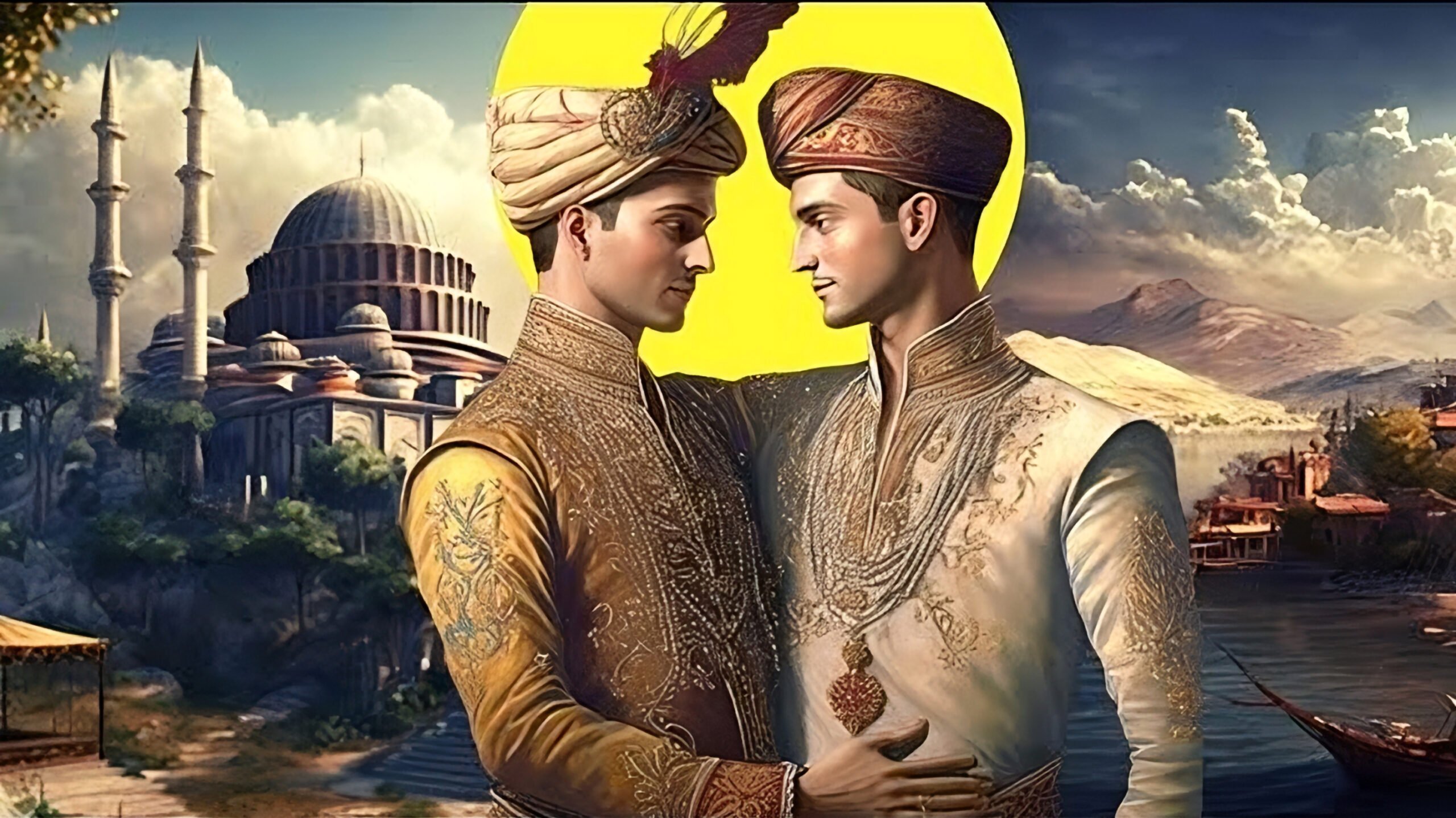
    The governance of the Ottoman Empire was characterized by a combination of Islamic religious laws (Sharia) and sultanic laws (Qanun). This unique blend helped shape the empire’s legal and social landscape. While Islamic law generally prohibited homosexuality, the enforcement of these laws was often lenient, allowing for a variety of social attitudes towards same-sex relationships to develop. This complexity is reflected in the empire’s literature, art, and social practices, which often subtly celebrated same-sex love and affection.

    By examining the historical context and societal attitudes of the Ottoman Empire, we uncover a fascinating narrative that challenges modern preconceptions about sexuality and relationships. Exploring the interplay between law, culture, and personal conduct provides a deeper understanding of how same-sex relationships were perceived and experienced in one of history’s most dynamic and multifaceted empires.

    Governance and Legal Systems

    The Ottoman Empire was governed by a combination of Islamic religious laws (Sharia) and secular sultanic laws (Qanun). The sultan’s decrees complemented religious laws to address the practical needs of ruling a diverse and expansive empire.

    Sharia Law

    Sharia law, derived from the Quran and Hadith (sayings and actions of the Prophet Muhammad), guided many aspects of life, including moral conduct, family matters, and criminal justice. It typically included strict prohibitions on sexual behaviors, including homosexuality, despite the fact that the Quran does not enforce any punishment for any kind of sexual behavior, including homosexuality. 

    Qanun Law

    Qanun laws were secular regulations issued by the Sultan to address issues not covered by Sharia. These laws were pragmatic and flexible, aimed at maintaining order and addressing the unique challenges of the empire’s diverse population. This flexibility often resulted in more lenient enforcement of laws related to personal conduct, including same-sex relationships.

    In Ottoman Culture, privacy was treated as sacred, and what people did behind closed doors was no one’s business, not even the government’s.

    Societal Attitudes

    Despite the strict legalistic perspectives on homosexuality, societal attitudes in the Ottoman Empire were complex and varied. The lenient enforcement of laws allowed for a range of social attitudes towards same-sex relationships to develop.

    Social Dynamics and Roles

    Active and Passive Partners

    In the Ottoman context, same-sex relationships were often viewed through the lens of roles, such as active (dominant) and passive (submissive) partners. This categorization focused more on the dynamics of the relationship rather than the gender of the individuals involved.

    Pederastic Relationships

    Pederastic relationships, involving older men and younger, beardless boys, were somewhat accepted in Ottoman society. These relationships were often seen as a form of mentorship and affection, similar to the practices seen in ancient Greece. The beauty and youth of the boys were celebrated in poetry and art, reflecting a cultural acceptance of these relationships.

    Cultural Expressions

    Ottoman literature and art frequently explored themes of same-sex love. Many poets celebrated such relationships, reflecting the nuanced social attitudes of the time.

    Poetry and Literature

    Ottoman poetry, especially the works of classical poets like Rumi and Hafiz, often included themes of love and beauty that transcended gender. These works celebrated the spiritual and emotional aspects of love, regardless of the genders involved.

    Visual Arts

    The visual arts also depicted same-sex relationships, often through subtle symbolism. Miniature paintings, a popular art form in the Ottoman Empire, sometimes illustrated scenes of intimate companionship and affection between men.

    Public and Private Spheres

    Public Perception

    Overt displays of same-sex affection were rare in the public sphere, largely due to the influence of Islamic moral codes. To be fair, However, the private sphere allowed for more freedom in personal relationships. The lenient enforcement of laws meant that same-sex relationships could exist relatively openly within certain social contexts.

    Privacy and Discretion

    The concept of privacy played a significant role in the acceptance of same-sex relationships. As long as such relationships remained discreet and did not challenge public morals or social order, they were often tolerated.

    Influence of Westernization

    The 19th century brought significant changes to the Ottoman Empire as Westernization began to take hold. European legal codes and cultural norms started to influence Ottoman society, leading to a shift in attitudes towards same-sex relationships.

    The Tanzimat period (1839–1876) was marked by a series of reforms aimed at modernizing the empire. These reforms included the adoption of European-style legal codes, which often criminalized homosexuality more strictly than traditional Ottoman laws.

    Cultural Shifts

    Westernization also brought changes in cultural attitudes. The stigmatization of homosexuality increased as Ottoman society began to align more closely with Western European perspectives of the time.

    The Takeaway

    The history of same-sex relationships in the Ottoman Empire is a testament to the complex interplay between law, culture, and social attitudes. While legal texts might have condemned such behaviors, the enforcement was often lenient, allowing a diverse array of relationships to flourish. Literature and art from the period provide a window into the nuanced and often celebrated expressions of same-sex love, offering a rich tapestry of human experience that challenges modern preconceptions.

    By understanding these historical contexts and societal attitudes, we can gain a deeper appreciation for the varied and evolving nature of human relationships across different cultures and eras.

    #OttomanHistory #LGBTQHistory #CulturalHeritage

  • Hitler: The Nazi Messiah

    Hitler: The Nazi Messiah

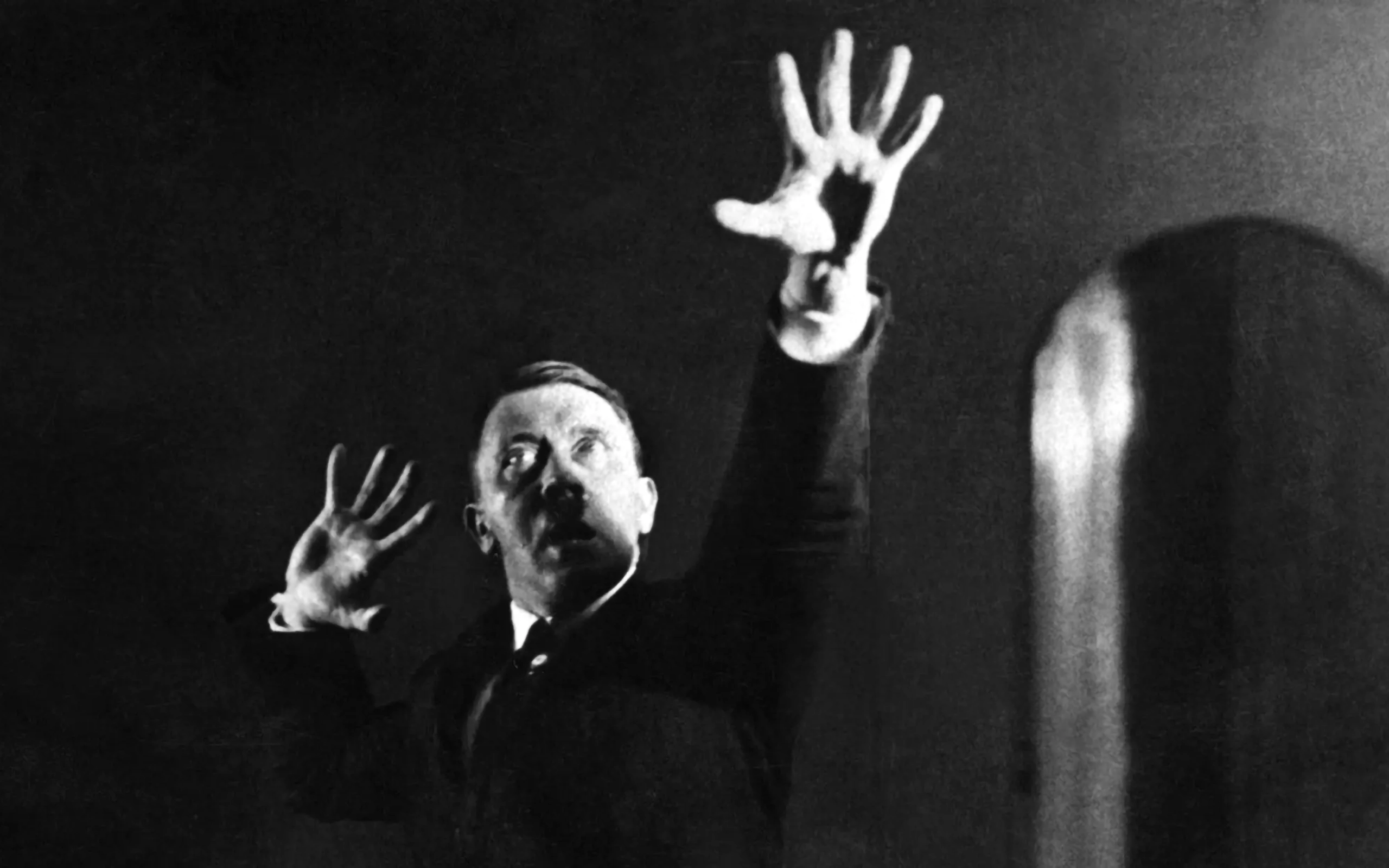
    The figure of Adolf Hitler is shrouded in a mix of myth, horror, and mystery. One aspect of his life that continues to spark debate is his religious beliefs. Was Hitler a devout Christian, or did he merely use religion as a political tool to further his aims? By delving into historical records, speeches, and personal writings, we can attempt to unravel the complexities of Hitler’s relationship with Christianity and religion during his reign.

    The Early Years: Hitler’s Religious Background

    Adolf Hitler was born in 1889 in Austria, a predominantly Catholic region. He was baptized and raised in the Roman Catholic Church, attending church services regularly as a child. His parents, particularly his mother, were devout Catholics. However, as he grew older, Hitler’s relationship with the church and religion began to change.

    During his youth, Hitler’s experiences and interactions with religion were likely influenced by the socio-political climate of the time. The late 19th and early 20th centuries saw significant tension between the Catholic Church and secular authorities, which may have shaped Hitler’s views on religion.

    Hitler’s Public Stance on Christianity

    In his rise to power, Hitler often publicly identified as a Christian and made numerous references to God and divine providence in his speeches. He portrayed himself as a defender of Christian values and often spoke about the need to protect Germany from atheism and secularism. However, many historians argue that these statements were more about political strategy than genuine belief.

    Hitler’s references to Christianity were often intertwined with nationalism. He depicted Jesus not as a traditional religious figure, but as an Aryan fighter against Jewish influence. This reinterpretation of Christian doctrine served to align his anti-Semitic views with a form of twisted religious justification.

    Private Beliefs and Actions

    Despite his public proclamations of faith, there is substantial evidence suggesting that Hitler’s private beliefs were far more complex and contradictory. In his book Mein Kampf and other writings, Hitler rarely delves deeply into personal religious convictions, focusing instead on political ideology and racial theories.

    Several close associates and confidants of Hitler have documented his disdain for traditional Christianity. Joseph Goebbels, Heinrich Himmler, and other high-ranking Nazi officials noted that Hitler was skeptical of organized religion and often spoke derisively about it in private. These accounts paint a picture of a man who saw religion as a means to an end, rather than a core personal belief.

    The Nazi Regime and Religion

    The Nazi regime’s relationship with Christianity was multifaceted and often contradictory. On one hand, the Nazis sought to co-opt and manipulate Christian institutions to serve their purposes. They established the German Christian Movement, which attempted to align Protestant churches with Nazi ideology, promoting a version of Christianity stripped of its Jewish roots.

    On the other hand, the regime was highly suspicious of any religious institutions that could challenge its authority. Many clergy members who spoke out against Nazi policies were persecuted, imprisoned, or executed. The regime’s ultimate goal appeared to be the creation of a state-controlled religion that would replace traditional Christianity.

    The Role of Religion in Nazi Propaganda

    Religion played a significant role in Nazi propaganda. By invoking Christian imagery and language, the regime sought to garner support from the German populace, many of whom were devout Christians. Nazi propaganda often depicted Hitler as a messianic figure, chosen by divine providence to lead Germany to greatness.

    This manipulation of religious sentiment was a powerful tool in the regime’s arsenal. It allowed the Nazis to present their policies as not only politically necessary but also morally justified. The conflation of nationalism and religion helped to create a sense of unity and purpose among the German people.

    Hitler’s Anti-Semitism and Religion

    Hitler’s virulent anti-Semitism is perhaps the most well-documented aspect of his ideology. While his hatred for Jews was rooted in a complex mix of racial theories and socio-political grievances, it also had a pseudo-religious dimension. Hitler often framed his anti-Semitism in terms of a cosmic struggle between good and evil, casting Jews as the embodiment of all that was corrupt and degenerate.

    This pseudo-religious framing allowed Hitler to present his anti-Semitic policies as part of a divine mission. By portraying the extermination of Jews as a moral imperative, he sought to justify the atrocities committed under his regime.

    The Legacy of Hitler’s Religious Views

    The question of Hitler’s true religious beliefs continues to be a subject of debate among historians. Some argue that he was a devout Christian who believed in a form of Christianity distorted by his own ideological views. Others contend that he was fundamentally secular, using religion cynically to manipulate the masses.

    What is clear is that Hitler’s relationship with religion was complex and multifaceted. It was shaped by his upbringing, the socio-political climate of his time, and his own ideological ambitions. Whether or not he was a true believer, he understood the power of religion as a tool for control and manipulation.

    The Takeaway

    In the end, the question of whether Hitler was a devout Christian or not may be less important than understanding how he used religion to further his goals. His ability to manipulate religious sentiment for political gain was a key component of his rise to power and the implementation of his policies.

    By examining Hitler’s relationship with religion, we gain a deeper understanding of the ways in which faith can be co-opted and corrupted by those in power. It serves as a reminder of the importance of vigilance in protecting the integrity of religious institutions and the dangers of allowing ideology to distort fundamental beliefs.

    In exploring the complexities of Hitler’s faith, we are reminded of the broader lessons of history and the enduring importance of critical thinking in the face of propaganda and manipulation. The story of Hitler and religion is not just about one man’s beliefs, but about the broader dynamics of power, ideology, and the human capacity for both faith and deception.

    #WWIIHistory, #ReligiousPolitics, #HistoricalTruth

  • Hitler Is Irrelevant. Here Is Why.

    Hitler Is Irrelevant. Here Is Why.

    Throughout history, figures like Adolf Hitler have surfaced, and the unfortunate reality is that such individuals may appear again. Instead of focusing solely on why Hitler became the person he was, it is crucial to understand why he garnered substantial support among Germans during his time. This essay explores the socio-political and economic conditions in post-World War I Germany that facilitated Hitler’s rise to power and examines the factors that made his ideology appealing to many Germans.

    The Aftermath of World War I

    World War I left Germany in a state of turmoil. The war’s end saw the abdication of Kaiser Wilhelm II and the establishment of the Weimar Republic, a democratic government that was met with significant opposition and resentment from various factions within Germany. The Treaty of Versailles, signed in 1919, imposed punitive reparations on Germany, stripping it of territory, reducing its military capability, and demanding exorbitant financial reparations. These conditions plunged Germany into economic hardship and political instability.

    The harsh terms of the Treaty of Versailles created a sense of humiliation and betrayal among the German populace. Many Germans felt that their country had been unfairly treated and blamed the Weimar Republic for accepting the treaty’s terms. The treaty’s economic impact was devastating, leading to hyperinflation, unemployment, and widespread poverty. In this environment of despair and disillusionment, Adolf Hitler found fertile ground for his message.

    Hitler’s Emergence and Propaganda

    Adolf Hitler, initially an obscure figure with a distinctive mustache and a penchant for fiery oratory, began to rise in prominence within the National Socialist German Workers’ Party (NSDAP). Despite his initial lack of political influence, Hitler’s ability to articulate the frustrations and grievances of the German people made him a compelling figure. He directed blame towards various groups, particularly revolutionists and Jewish Germans, whom he scapegoated for Germany’s defeat in World War I and the subsequent hardships imposed by the Treaty of Versailles.

    Hitler’s propaganda was effective in creating a narrative of betrayal and victimhood. He portrayed himself and the NSDAP as the saviors of Germany, promising to restore its former glory and rectify the injustices inflicted by the treaty. His speeches were emotionally charged and appealed to the nationalistic and patriotic sentiments of many Germans who were desperate for change.

    The Political Landscape

    In the early 1930s, Germany’s political landscape was characterized by fragmentation and instability. The Weimar Republic was weakened by infighting among political parties and frequent changes in government. In this volatile environment, Hitler’s NSDAP began to gain traction. In the 1932 elections, the NSDAP became the largest party in the Reichstag (German parliament), although it did not hold an outright majority.

    Hitler’s appointment as Chancellor in January 1933 was a result of political maneuvering and the belief among conservative politicians that they could control him. However, Hitler quickly consolidated power. Through the Reichstag Fire Decree and the Enabling Act, he dismantled democratic institutions and established a totalitarian regime. Hitler’s ability to manipulate political processes and present himself as a strong leader capable of restoring order and national pride resonated with many Germans.

    Economic Recovery and National Pride

    One of the key factors that solidified Hitler’s support was his ability to deliver on promises of economic recovery. Through large-scale public works projects, rearmament, and policies aimed at achieving full employment, the Nazi regime managed to revive the German economy. The perceived economic success bolstered Hitler’s image as a competent and effective leader.

    Additionally, Hitler’s foreign policy successes, such as the remilitarization of the Rhineland and the annexation of Austria, were seen as defiance of the Treaty of Versailles and the restoration of German pride. These actions were popular among many Germans who felt humiliated by the treaty and yearned for a return to national greatness.

    The Role of Ideology and Anti-Semitism

    Hitler’s ideology, centered on notions of racial purity and Aryan superiority, also played a significant role in his rise to power. The NSDAP’s anti-Semitic propaganda portrayed Jews as the root cause of Germany’s problems, further fueling hatred and division. This scapegoating provided a convenient explanation for the complex socio-economic issues facing Germany and allowed Hitler to rally support by targeting a common enemy.

    The widespread acceptance of anti-Semitic beliefs in German society was not solely a product of Nazi propaganda; it drew on pre-existing prejudices and stereotypes. By tapping into these sentiments, Hitler was able to create a unifying and simplistic narrative that resonated with many Germans.

    The Takeaway

    The rise of Adolf Hitler and the support he garnered among Germans is a stark reminder of the dangers of demagoguery and the appeal of extremist ideologies during times of crisis. Understanding the complex factors that contributed to Hitler’s rise is essential for preventing similar occurrences in the future.

    Economic hardship, political instability, and a sense of national humiliation created an environment in which radical solutions and authoritarian figures became appealing. Hitler’s ability to exploit these conditions through effective propaganda and political maneuvering allowed him to consolidate power and lead Germany into one of the darkest periods in human history.

    By studying the past and recognizing the underlying issues that make certain ideologies attractive, we can work towards creating a more just and equitable society. This involves addressing economic inequality, fostering political stability, and promoting tolerance and understanding. Only by learning from history can we hope to prevent the rise of future tyrants and the recurrence of such atrocities.

    #History #WWI #NaziGermany

  • A Brief History of Israel

    A Brief History of Israel

    The creation of Israel in 1948 was a watershed moment in modern history, embodying a complex interplay of religious aspirations, geopolitical strategies, and post-war realities. To understand this multifaceted event, it’s essential to delve into its origins, which are deeply rooted in both religious beliefs and the geopolitical strategies of Western powers, particularly Britain. This blog explores the foundational aspects of Israel’s establishment, the role of religious motivations, and the contemporary implications of this historical process.

    The Balfour Declaration and Britain’s Role

    The journey to the establishment of Israel can be traced back to World War I, a period marked by significant geopolitical maneuvering. Britain, seeking to undermine the Ottoman Empire’s control over the Middle East, sought alliances that would help it achieve this goal. One of the pivotal documents of this era was the Balfour Declaration of 1917. In this declaration, the British government expressed its support for the establishment of “a national home for the Jewish people” in Palestine. This was not merely a political maneuver but was also influenced by Britain’s religious and cultural milieu.

    Britain’s promise to the Arabs during World War I, encapsulated in the McMahon-Hussein Correspondence, assured them of independence in return for their revolt against the Ottoman Empire. However, these assurances were complicated by conflicting agreements, such as the Sykes-Picot Agreement, which secretly divided Ottoman lands between Britain and France. After the war, the League of Nations granted Britain the Mandate for Palestine, officially sanctioning its control over the region and its commitment to the Balfour Declaration.

    Migration and Settlement

    Following the Balfour Declaration, Jewish migration to Palestine increased significantly. This migration was driven by both religious aspiration and the dire need for a safe haven, especially in the context of rising anti-Semitism in Europe. The interwar period saw waves of Jewish immigrants settling in Palestine, purchasing land, and establishing communities. This influx was met with resistance from the Arab population, leading to growing tensions and conflicts.

    The Holocaust, which resulted in the genocide of six million Jews, accelerated the urgency for a Jewish homeland. The end of World War II saw a significant shift in international opinion, with growing support for the establishment of Israel. The United States and other Western countries played crucial roles in this process, recognizing the moral imperative to provide a refuge for the survivors of the Holocaust.

    Founding of Israel and the Biblical Prophecies

    The establishment of Israel in 1948, following the United Nations partition plan of 1947, was seen by many Christians, particularly Evangelicals, as a fulfillment of biblical prophecy. The notion that the return of the Jews to the Holy Land was a necessary precondition for the Second Coming of Christ is a deeply held belief among many Evangelicals in the United States. This belief continues to influence American foreign policy and public opinion regarding Israel.

    For Evangelical Christians, the creation of Israel is not merely a political event but a divine mandate. This perspective is rooted in a literal interpretation of the Bible, wherein prophecies about the gathering of Jews in their ancient homeland are seen as unfolding in real-time. This viewpoint contrasts sharply with more liberal Christian denominations, which often interpret biblical prophecies figuratively and focus on the moral and ethical teachings of Christianity rather than its eschatological aspects.

    Contrasting Views and Contemporary Implications

    The establishment of Israel has been a source of deep contention in the Middle East and beyond. For many Muslims, the creation of Israel on what they consider historically and religiously significant land represents a profound injustice. The displacement of Palestinian Arabs and the subsequent Arab-Israeli conflicts have left a lasting legacy of bitterness and hostility.

    The analogy of an independent Wyoming for Native Americans, with its implications of displacement and autonomy, can serve to highlight the complex emotions and political realities involved. Just as many Americans would likely resist the creation of a separate state for Native Americans within the US, so too have Palestinians and other Arabs opposed the establishment and expansion of Israel.

    This context is often exploited by extremist groups, who frame the West’s support for Israel as part of a broader war against Islam. While this framing is simplistic and ignores the nuances of international politics, it is not entirely without merit. The historical involvement of Western powers in the Middle East, driven by a mix of religious zeal and strategic interests, has undeniably contributed to the current state of affairs.

    Toward a Contemporary Solution

    Despite the historical grievances and ongoing conflicts, it is crucial to focus on finding a solution that acknowledges the contemporary realities. The state of Israel exists and is a thriving nation with a complex, multicultural society. Similarly, the Palestinian people have legitimate aspirations for statehood, dignity, and autonomy. Any viable solution must address the needs and rights of both populations.

    A two-state solution, which envisions an independent State of Palestine alongside the State of Israel, remains one of the most widely discussed and internationally supported frameworks for peace. This solution aims to reconcile the national aspirations of both Jews and Palestinians, providing security, sovereignty, and mutual recognition. However, the implementation of such a solution requires significant compromises and goodwill from both sides, as well as robust support from the international community.

    The Takeaway

    The establishment of Israel was a complex historical process driven by a combination of religious motivations, geopolitical strategies, and the tragic realities of the 20th century. While the role of Britain and other Western countries was pivotal, the ongoing support and influence of Evangelical Christians in the United States continue to shape the dynamics of the region.

    Understanding the historical context and the diverse perspectives involved is essential for anyone seeking to comprehend the current state of affairs in the Middle East. Acknowledging the deeply rooted grievances and working toward a fair and just solution is the only path to lasting peace. It is imperative to move beyond historical animosities and focus on building a future where both Israelis and Palestinians can coexist in peace and security.

    In the end, the goal should not be to dwell on past injustices but to find a path forward that respects the rights and aspirations of all people involved. Only through dialogue, empathy, and a commitment to justice can a sustainable and peaceful resolution be achieved.

  • Faith vs. Fact: Unveiling the Past

    Faith vs. Fact: Unveiling the Past

    The question of how we prove past events has lingered for centuries. It’s a question that ignites passionate debates, particularly when it comes to religious texts and historical figures. Recently, a comment sparked my curiosity: how do we know the events in the Bible actually happened?

    Belief vs. Knowledge: The Distinction Matters

    The answer isn’t as simple as flipping through a dusty book and declaring it truth. At its core, religion is built on faith — a belief system that doesn’t necessarily require concrete evidence. It’s a personal journey, a connection with something larger than ourselves. However, the Bible might not be the first port of call for those seeking historical knowledge.

    Let’s take the figure of Jesus as an example. Imagine a world where irrefutable proof of his existence surfaced. Imagine archaeological discoveries like an ossuary (bone box) inscribed with Jesus’ name alongside other first-century Judaean inscriptions or historical documents beyond the Bible that undeniably confirmed Jesus’ life and teachings. In such a scenario, religion as we know it might transform. We might shift from believing in Jesus to knowing about him, a monumental shift from faith to fact.

    But that’s not our reality. While a cornerstone of Christianity, the Bible isn’t universally accepted as historical documentation. The lack of irrefutable evidence doesn’t automatically disprove the Bible, but it does highlight the difference between faith and verifiable knowledge.

    Absence of Evidence vs. Evidence of Absence

    Here’s where things get interesting. The absence of evidence isn’t evidence of absence. Just because something isn’t explicitly documented doesn’t mean it didn’t happen. Ancient history is full of stories and figures whose existence is debated. Take Queen Nefertiti of Egypt, for example. Despite her captivating image on busts and reliefs, there’s no definitive information about her later life and final resting place. This absence of evidence fuels ongoing archaeological quests to uncover her tomb.

    However, when it comes to historical figures like Julius Caesar, the story changes. Caesar’s existence is corroborated by multiple sources beyond Roman records. Archaeological finds like the Theatre of Pompey, which Caesar commissioned, along with inscriptions from other nations like Gaul, and the sheer volume of information from Roman historians like Suetonius and Plutarch paint a clearer picture.

    This brings us to the crucial distinction between faith and knowledge. Knowledge demands evidence, a trail of breadcrumbs leading us back in time. Faith, on the other hand, doesn’t require the same level of verification. In some ways, faith thrives in the presence of unknowns. It allows us to fill the gaps with personal conviction.

    The Challenge of Religious Texts: Unveiling the Lens

    Now, some might argue that religious texts themselves can be considered evidence. But here’s the thing — these texts are often written long after the events they describe by people with a specific agenda. For instance, the Gospels in the New Testament were written decades after Jesus’ death, and scholars believe they were shaped by the early Christian communities’ evolving beliefs. Similarly, the Quran, the holy book of Islam, is believed to be a compilation of revelations delivered to Prophet Muhammad over 23 years. While these texts hold immense religious significance, their historical accuracy can be debated. They can be filtered through cultural lenses and personal interpretations, blurring the line between history and belief.

    So, how do we navigate the murky waters of the past? For historical events, the answer lies in a multi-pronged approach.

    Unveiling the Past: A Multi-Faceted Approach

    We scour archaeological sites, like the ongoing excavations at Pompeii that offer a glimpse into everyday life in a Roman city frozen in time. We decipher ancient languages, such as the Rosetta Stone’s inscription in three languages, allowing scholars to unlock the secrets of hieroglyphics. We piece together artifacts, like the scattered fragments of the Dead Sea Scrolls that shed light on Jewish life and beliefs during the Second Temple period. And we compare records from different cultures, like the clay tablets detailing trade agreements between Mesopotamia and neighboring civilizations, offering a more comprehensive picture of the ancient world. The more sources corroborate an event, the stronger the historical foundation becomes.

    But what about events outside the realm of traditional history? Religious experiences, for instance, are deeply personal and often defy easy categorization. Here, the concept of “evidence” takes a backseat. Individual testimonies and the transformative power of faith hold more weight. The conversion of St. Augustine, a prominent philosopher who turned to Christianity after a religious experience, is a powerful testament to the transformative nature of faith, even in the absence of traditional historical evidence.

    Beyond Proof: The Power of the Pursuit

    History is more than a collection of documented facts. It’s a tapestry woven from personal narratives, cultural shifts, and the ever-evolving understanding of the past.

    Perhaps the beauty lies in the pursuit itself. The journey to uncover the truth, whether through faith or historical inquiry, is a powerful human endeavor. It allows us to connect with those who came before us, understand our place in the grand scheme of things, and grapple with the mysteries that continue to shape our world.

    Think about the Rosetta Stone again. Before its discovery, deciphering hieroglyphics was a frustrating puzzle. The ability to finally read these ancient Egyptian texts opened a window into their civilization, their beliefs, and their daily lives. It wasn’t just about facts and dates; it was about understanding an entire culture.

    Similarly, the ongoing debate about the historicity of King Arthur and the Knights of the Round Table isn’t just about proving or disproving a single figure. It’s about delving into the medieval world, the concept of chivalry, and the power of storytelling.

    The Takeaway

    The quest to understand the past, particularly when it involves figures and events from religious texts, presents a complex interplay between faith and fact. Faith, rooted in personal belief and spiritual conviction, often exists independently of empirical evidence. It’s said to provide a profound sense of connection and meaning that does not rely on historical verification. In contrast, pursuing historical knowledge seeks tangible evidence to construct a verifiable past narrative.

    The distinction between belief and knowledge is crucial. While faith thrives in the absence of concrete evidence, allowing individuals to interpret and fill gaps with personal conviction, historical inquiry demands a rigorous analysis of archaeological finds, written records, and corroborative sources. This meticulous process can unveil a clearer picture of past events and figures, although it often leaves certain mysteries unsolved.

    While religious texts may be deeply significant to billions of people, they must be examined through a critical lens when assessed as historical documents. Their creation, influenced by the contexts and intentions of their authors, can blur the line between sacred stories and historical facts. Yet, these texts hold immense cultural and religious value, shaping the beliefs and practices of countless communities.

    Ultimately, the pursuit of understanding the past — whether through the lens of faith or the rigor of historical inquiry — is a fundamental human endeavor. It allows us to connect with our ancestors, comprehend the evolution of cultures and beliefs, and navigate the mysteries that continue to shape our world.

  • Christians, Colonialism, and the Bloodshed of History

    Christians, Colonialism, and the Bloodshed of History


    It is often overlooked how the Christian faith, when wielded as a tool of empire, has been a harbinger of immense suffering. From the early missionaries who spread their beliefs with the sword to the more modern colonial administrators who justified their actions through a veneer of religious duty, millions of lives have been taken in the name of Christianity.

    The Slaughter in the Americas

    The Christian colonizers in the Americas didn’t just bring their faith; they brought devastation. Entire civilizations were decimated through disease, warfare, and forced conversion. The Aztecs, the Mayans, and countless other indigenous groups faced not just physical annihilation but also cultural eradication. The Catholic Church’s role in these conquests, often through its missionaries, is a dark chapter in history, one where the pursuit of spiritual dominion was often synonymous with the destruction of human lives and cultures.

    World Wars and the Church’s Role

    The fact that Christian nations sparked the World Wars serves as a golden piece of evidence for “Christian violence.” Both World War I and II resulted in immense loss of life, with the historical alignment of the Church with different empires and political agendas exacerbating the chaos. The death toll reached tens of millions, serving as a stark reminder of the catastrophic outcomes that can result from the misuse of ideology and faith.

    The Middle East: A Region Exhausted by Foreign Interference

    The modern history of the Middle East is a complex tapestry of empires, wars, and external interference. From the Ottoman Empire’s decline, influenced heavily by European powers, to the imposition of artificial borders post-World War I, the region has been a playground for geopolitical maneuvers. The West’s interventions, often justified under the guise of spreading democracy or combating extremism, have drained the life out of the Middle East, leaving behind a trail of chaos, suffering, and unrest.

    The Iraq Invasion: A Catastrophic Lie

    One of the most egregious examples of modern Christian interference in the Middle East is the 2003 invasion of Iraq. The justification for this invasion was the alleged existence of weapons of mass destruction (WMDs) under Saddam Hussein’s regime, claims that were later proven to be unfounded. This invasion, spearheaded by the United States and supported by several Christian-majority nations, led to the death of approximately 250,000 Iraqis.

    The consequences of the Iraq invasion were devastating and far-reaching. The dismantling of the Iraqi state infrastructure, combined with the sectarian violence that ensued, plunged the country into chaos. The power vacuum created by the invasion facilitated the rise of extremist groups like ISIS, leading to further bloodshed and instability in the region. The Iraqi people, who bore the brunt of this ill-conceived war, continue to suffer from its aftermath, with ongoing violence and humanitarian crises.

    Photo by Alicia Quan on Unsplash

    Jews and Muslims in Spain

    In Spain, both Jews and Muslims were subject to horrific persecution under the Christian monarchs. The Alhambra Decree in 1492 expelled the Jews, and the Reconquista, which culminated in 1492, saw the forced conversion or expulsion of Muslims. These actions were not merely political but deeply rooted in a religious fervor that sought to purify the nation of its non-Christian elements, leading to centuries of cultural and intellectual loss.

    The Holocaust: A Christian Atrocity

    The Holocaust is one of the darkest chapters in human history, where six million Jews were systematically exterminated. The Christian world, particularly in Europe, bore a heavy responsibility for this genocide. The Nazis, who orchestrated the genocide, were heavily influenced by Christian anti-Semitic ideology. The gas chambers and crematoria were the ultimate manifestation of a long-standing hatred that had been nurtured within Christian societies.

    Islam and the Misleading Binary

    In contemporary discourse, the division of people into Christians, Muslims, and Jews often oversimplifies and misrepresents the complexities of belief systems and their followers. While it is true that terrorist organizations exploit Islam for their agendas, it is equally important to recognize that the roots of conflict are often deeply embedded in historical grievances and foreign interventions.

    Colonial Legacy and Modern Conflict

    The Arab world’s issues with Western countries are not new. They are rooted in a history of colonialism and subsequent interventions that have left scars on the social and political fabric of the region. The US, despite its secular and democratic ideals, has often been viewed with suspicion and mistrust. This mistrust is not just a relic of the past but a living reality, shaped by decades of policies that have alternately supported and undermined regional stability.

    Secular Nations’ Skepticism Towards the US

    Even secularists in Turkey and Iran, despite their complex relationships with the US, often exhibit a profound skepticism towards American policies. This distrust is compounded by a history of alliances that have shifted with geopolitical tides, leaving a legacy of betrayal and conflict. The American Federal Government’s track record in the Middle East has been inconsistent at best, making it difficult for many in the region to place their faith in American promises or support.

    The Takeaway

    It is crucial to move beyond simplistic narratives that divide the world into good and evil based on religious identities. The history of Christianity is rife with both profound contributions to human civilization and equally profound atrocities. The same can be said for Islam and Judaism. Understanding this complexity is essential for fostering a more nuanced and empathetic world, one that recognizes the shared humanity across all cultures and faiths.


    Further Reading

    https://en.wikipedia.org/wiki/Christianity_and_colonialism

    https://www.encyclopedia.com/history/encyclopedias-almanacs-transcripts-and-maps/christianity-and-colonial-expansion-americas

    https://academic.oup.com/book/5147/chapter/147757780

    https://www.britannica.com/event/Iraq-War

  • How the West Fueled Homophobia in the Ottoman Empire

    How the West Fueled Homophobia in the Ottoman Empire

    The narrative of LGBTQ+ rights often paints a picture of a relentless march towards progress, with the West at the forefront. However, history holds a more nuanced truth, particularly when examining the Ottoman Empire. In the 18th century, the empire stood as a surprising outlier, having decriminalized homosexuality. This period of tolerance, however, was tragically cut short due to mounting pressure from Western powers, particularly France and the UK, fueling homophobia in the Ottoman Empire.

    A Society of Relative Acceptance

    Ottoman society, though not entirely devoid of prejudice, exhibited a remarkable degree of tolerance towards homosexuality compared to its European counterparts. Same-sex relationships were not explicitly outlawed, and certain social circles even embraced expressions of same-sex desire. This acceptance stemmed from a confluence of factors. First, Islamic jurisprudence, while outlining specific punishments for certain sexual acts, did not explicitly criminalize homosexuality itself. Second, the concept of privacy within the Ottoman household limited state intervention in personal matters. Finally, the Ottomans incorporated elements of Byzantine and Roman legal traditions, which, while not condoning homosexuality, did not treat it as a capital offense.

    The Rise of the “Other”

    This relative tolerance began to erode in the 18th century with increased interaction between the Ottomans and Western Europe. According to Dr. Michael Erdman, the Head of Middle Eastern and Central Asian Collections at the British Library, France and Britain, amidst growing colonial ambitions, viewed the Ottoman Empire with a mixture of fascination and disdain. They were captivated by the Ottomans’ cultural richness but also repelled by aspects that deviated from their own rigid social norms. Homosexuality, a subject of intense social stigma and legal persecution in Europe, became a particular point of contention.

    The Weaponization of Morality

    France and Britain, seeking to exert influence over the Ottomans, weaponized their own moral codes. They painted the Ottomans’ tolerance as a sign of societal decay and degeneracy. Diplomatic channels buzzed with pronouncements about the “unnatural practices” flourishing in the East. Travelogues penned by European visitors brimmed with exaggerated accounts of Ottoman vice, often focusing on homosexuality. These narratives served a dual purpose: demonizing the Ottomans and presenting Western Europe, particularly France and Britain, as bastions of morality.

    The Corrosive Effect

    The relentless pressure from Western powers had a corrosive effect on Ottoman society. While the empire initially resisted these external pressures, cracks began to appear. The intellectual elite, increasingly exposed to European ideas, began to internalize Western homophobia. Ottoman legal scholars, wrestling with the legitimacy of their own traditions in the face of sustained European critique, started to reinterpret Islamic law in a more restrictive manner. This shift, however, was not uniform. Popular attitudes towards homosexuality remained more nuanced, with pockets of tolerance persisting.

    A Legacy of Intolerance

    The late 19th century witnessed a dramatic shift. The Ottoman Empire, weakened by internal strife and external pressures, bowed to Western influence. Homosexuality was criminalized in the late 18th or early 19th century, mirroring the legal codes of France and Britain. This decision not only reflected a shift in legal interpretation but also served as a symbolic gesture of appeasement towards the West. The legacy of this decision continues to resonate today. Turkey, the successor state to the Ottoman Empire, has yet to fully decriminalize homosexuality, and societal attitudes remain marked by a strain of homophobia introduced from abroad.

    Unveiling the Hypocrisy

    The pressure exerted by France and Britain exposes a fundamental hypocrisy. French and Brits, while often directly or indirectly associating Islam with homophobia, France and Britain themselves were rife with prejudice and persecution. The public shaming and legal punishments meted out to those suspected of same-sex relations in Europe and its colonies stand in stark contrast to the relative tolerance exhibited by the Ottomans.

    The Takeaway

    The story of the Ottoman Empire challenges the simplistic narrative of Western progress on LGBTQ+ rights. It compels us to acknowledge the complex interplay of cultures and the weaponization of morality for geopolitical gain. Re-examining this history allows us to move beyond self-congratulatory narratives and fosters a more nuanced understanding of the ongoing struggle for LGBTQ+ rights globally. It is a call to recognize the progress made but also a reminder of the vigilance required to prevent the erosion of hard-won freedoms, both within and beyond our borders.

    Further Reading

  • Why Every Civilization Believed in Gods

    Why Every Civilization Believed in Gods

    For millennia, humanity has gazed at the vastness of the cosmos, the intricate dance of nature, and the spark of life within ourselves, and pondered one profound question: are we alone? The answer, as evidenced by every ancient civilization we’ve encountered, has overwhelmingly been a resounding no. From the majestic pyramids dedicated to Egyptian gods to the intricate pantheons of Greece and Rome, every culture has embraced a belief in a higher power, or more accurately, a multitude of higher powers.

    This inherent tendency towards faith is perhaps unsurprising. The world around us, from the delicate balance of ecosystems to the awe-inspiring complexity of the human body, often appears meticulously designed. In the absence of scientific understanding, attributing these wonders to the works of powerful deities seems a logical conclusion.

    How Civilizations Explained the Unexplained

    Each civilization developed its own unique tapestry of gods and goddesses, reflecting their cultural values and societal structures. The Egyptians, with their dependence on the Nile’s annual floods, worshipped deities like Osiris, the god of agriculture, and Isis, the goddess of fertility. The Greeks, a seafaring people, saw Poseidon, the god of the sea, as a crucial figure, while the Romans, with their emphasis on law and order, revered Jupiter, the king of the gods.

    This wasn’t just about explaining the natural world. Deities were often seen as playing an active role in human affairs, influencing love, war, health, and prosperity. People sought to appease these powerful beings through offerings, prayers, and rituals, hoping to curry favor and avoid misfortune.

    Bridging the Divide: The Politics of Polytheism

    Interestingly, the existence of multiple gods also offered a pragmatic solution for diplomacy. When civilizations interacted, leaders sometimes incorporated each other’s deities into their own pantheon. This act of acknowledging foreign gods served a dual purpose: it fostered a sense of shared belief, promoting peaceful coexistence, and it potentially ensured that the “adopted” deities wouldn’t unleash their wrath on the new worshippers.

    The Evolution of Belief: When Gods Adapt to Changing Times

    It’s important to remember that religious belief systems are not static. As societies evolve, so too do their conceptions of the divine. Take, for instance, Allah as an example. While Allah was certainly a pre-Islamic deity in the Arabian peninsula, Islam fundamentally reshaped the concept. The all-encompassing, merciful Allah of Islam bears little resemblance to the local gods worshipped by the Arabs before the rise of Islam. This transformation reflects the changing social and political landscape of the region.

    Judaism and the Rise of Monotheism

    Judaism, another religion you mentioned, presents a unique case. Unlike the polytheistic traditions prevalent at the time, Judaism championed the concept of a single, all-powerful God, Yahweh (or Jehovah). This belief system, emphasizing a covenant between God and a chosen people, the Jews, had a profound impact on the development of Western religion.

    Beyond Centrism: Universality in the Human Experience of Faith

    It’s important to avoid portraying these belief systems as solely ethnocentric. While cultural context undoubtedly shapes how deities are perceived, the core human experience of seeking meaning and purpose in a vast universe transcends geographical boundaries. The concept of a higher power, regardless of its specific form, has provided comfort, guidance, and a sense of order for countless generations.

    The Enduring Power of Belief

    Even in our modern, scientific age, belief in a higher power persists. While the explanations for natural phenomena have shifted, the fundamental human desire to connect with something larger than ourselves remains. From the intricate cosmologies of established religions to the rise of new spiritual movements, the human search for meaning in the universe continues. Whether it takes the form of a single, all-powerful deity or a pantheon of gods and goddesses, the concept of a higher power has served as a cornerstone of human experience for millennia, and it seems likely to remain so in the foreseeable future.