Tag: Democracy

  • The Democratic Paradox: Defending Freedom Against the People’s Will

    The Democratic Paradox: Defending Freedom Against the People’s Will

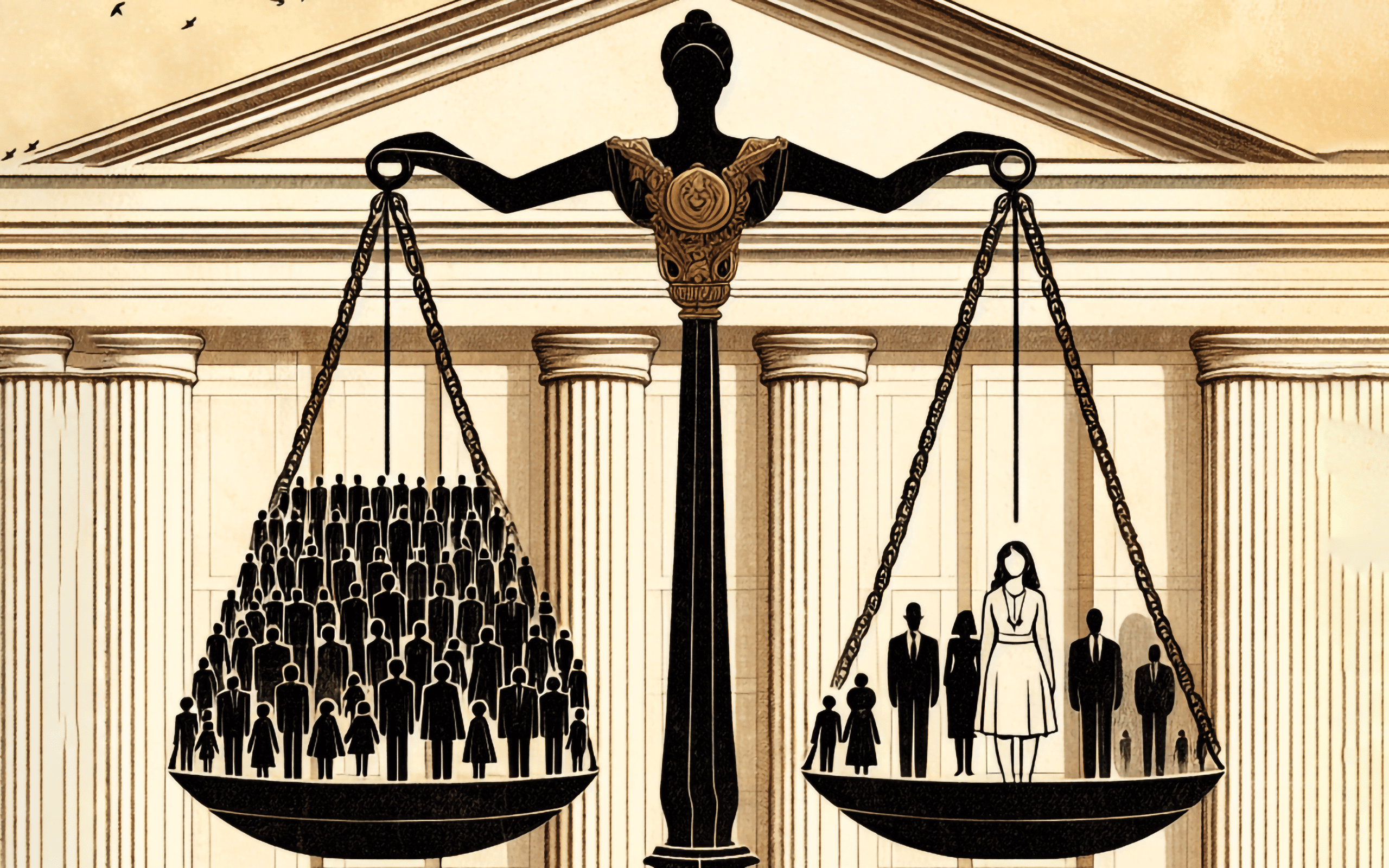
    In today’s political landscape, we often hear the term “democracy” thrown around as if it were synonymous with majority rule. However, this simplistic view fails to capture the true essence and complexity of democratic systems. Democracies are not, and should not be, the dictatorships of majorities. Instead, they represent a delicate balance between the will of the people and the protection of fundamental rights for all individuals, regardless of their status as part of the majority or minority.

    The Foundations of Democracy

    At its core, democracy is a system of government that derives its legitimacy from the people. The word itself comes from the Greek “demos” (people) and “kratos” (rule or power). While this definition might suggest that the majority should always have its way, modern democracies have evolved to incorporate safeguards that protect the rights of all citizens, not just those in the majority.

    One of the most important documents that outlines these fundamental rights is the Universal Declaration of Human Rights, adopted by the United Nations General Assembly in 1948. This declaration sets forth a comprehensive list of rights that should be protected in any democratic society, including freedom of expression, freedom of religion, the right to privacy, and protection from discrimination.

    The Tyranny of the Majority

    The concept of the “tyranny of the majority” was famously discussed by political philosophers like John Stuart Mill and Alexis de Tocqueville. They recognized that unchecked majority rule could lead to the oppression of minority groups and the erosion of individual liberties.

    Consider, for example, the hypothetical scenario where a majority of the population finds certain consensual sexual acts between adults immoral. Should a democracy have the power to ban these acts simply because most people disapprove of them? The answer, in a truly democratic society, is no. Personal freedoms and the right to privacy should be protected, even when they conflict with majority opinion.

    Similarly, what if at some point in the future, a majority of citizens in a country were to find a particular religion or lack thereof (such as Christianity or atheism) immoral? Should the government be able to outlaw these beliefs or practices? Again, the answer is a resounding no. Freedom of religion and belief is a fundamental human right that should be protected in any genuine democracy.

    Checks and Balances: The Role of the Judiciary

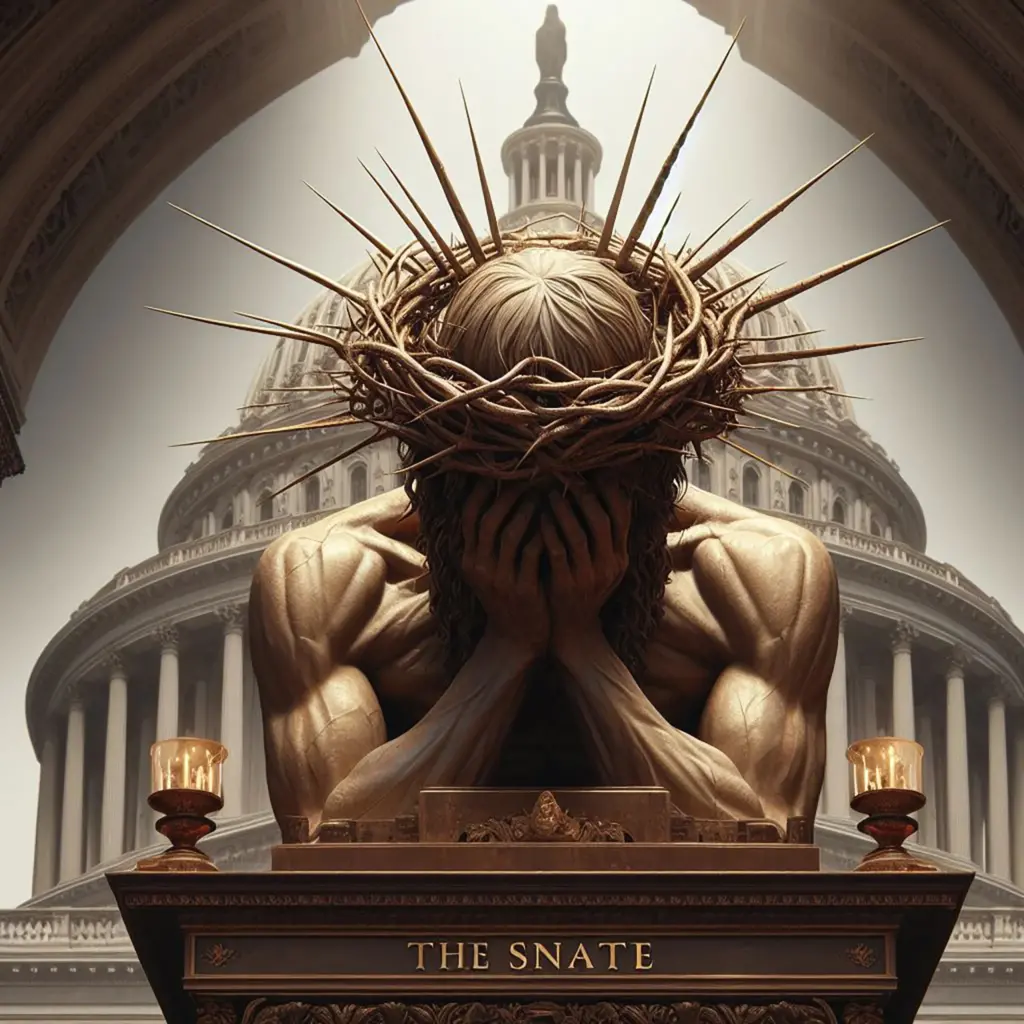
    To protect against the potential abuses of majority rule, healthy democracies typically incorporate a system of checks and balances. While the executive and legislative branches of government are often directly elected and thus reflect the will of the majority, the judicial branch is designed to be independent and impartial.

    The role of the judiciary in a democracy is crucial. It serves as a guardian of the constitution and protects the rights of all citizens, including those in the minority. When laws passed by the majority infringe upon the fundamental rights of individuals or minority groups, it is the judiciary’s responsibility to strike down these laws as unconstitutional.

    This independence of the judiciary is what allows democracies to protect minority rights even in the face of majority opposition. It ensures that the fundamental principles of democracy, including individual liberty and equality before the law, are upheld regardless of popular opinion at any given time.

    The Importance of Minority Rights in Democracy

    Protecting minority rights is not just a moral imperative; it is essential for the long-term stability and success of democratic societies. When minority groups feel that their rights are respected and protected, they are more likely to participate in the democratic process and feel invested in society as a whole.

    Moreover, today’s minority could be tomorrow’s majority. By ensuring that all groups have their rights protected, democracies create a more stable and fair system for everyone. This protection extends beyond just ethnic or religious minorities to include any group that may find itself outnumbered on a particular issue.

    Balancing Majority Will and Minority Rights

    While the protection of minority rights is crucial, it’s important to acknowledge that this can sometimes create tension with the principle of majority rule. Finding the right balance between these two aspects of democracy is an ongoing challenge for all democratic societies.

    For instance, how do we determine which rights are so fundamental that they should be protected even against the will of the majority? How do we ensure that the protection of minority rights doesn’t lead to a situation where small groups can effectively veto the will of the majority on all issues?

    These are complex questions without easy answers. Different democracies around the world have found different ways to address these challenges, often through constitutional provisions, strong judicial systems, and robust civil society organizations that advocate for the rights of various groups.

    The Role of Education and Civic Engagement

    For a democracy to truly function as more than just majority rule, it requires an educated and engaged citizenry. People need to understand not just their own rights, but also the importance of protecting the rights of others, even when they disagree with them.

    Civic education plays a crucial role in this process. By teaching people about the principles of democracy, the importance of minority rights, and the dangers of unchecked majority rule, we can create a society that is better equipped to navigate the complex challenges of democratic governance.

    Moreover, active civic engagement – through voting, participating in public discourse, and holding elected officials accountable – is essential for ensuring that democracy remains vibrant and responsive to the needs of all citizens.

    The Takeaway

    In conclusion, while democracy is often associated with majority rule, it is far more complex and nuanced than that. True democracy involves a delicate balance between the will of the majority and the protection of fundamental rights for all individuals, regardless of their status as part of the majority or minority.

    By incorporating systems of checks and balances, particularly through an independent judiciary, democracies can protect against the tyranny of the majority and ensure that the rights of all citizens are respected. This protection of minority rights is not just a moral imperative but is essential for the long-term stability and success of democratic societies.

    As citizens of democratic nations, it is our responsibility to understand these principles, engage actively in the democratic process, and work towards creating societies that truly embody the ideals of democracy – societies that respect the will of the majority while steadfastly protecting the rights of all.

    #DemocracyMatters #MinorityRights #CivilLiberties

  • When Truth Will Get You Imprisoned

    When Truth Will Get You Imprisoned

    “It is dangerous to be right when the government is wrong.” This saying cuts to the heart of one of the greatest paradoxes of modern society – that telling the truth, something virtuous and ethically correct, can potentially lead to persecution, punishment, and loss of freedom. Freedom of speech, the ability to express one’s views and opinions without fear of retaliation, is enshrined as a fundamental human right. Yet this right is frequently violated, abused, and curtailed by governments and those in power seeking to control the narrative and suppress dissenting voices.

    Why is the free exchange of ideas and information so threatening to authorities and regimes? The answer lies in the immense power of truth to challenge, undermine, and dismantle unjust systems, oppressive policies, and corrupt leadership. A public operating with full access to facts and knowledge represents an existential threat to any ruling entity based on deception, manipulation, and the subjugation of its citizens. Unencumbered speech allows for accountability, oversight, criticism – all anathema to authoritarianism.

    It is for this reason that freedom of expression is one of the first casualties when democracy erodes. Historically, the decline of open discourse and a stranglehold on information precedes far graver human rights violations. As George Orwell understood so well in his seminal novel 1984, those who control the present also control the past and future. Manipulation of truth becomes a key instrument of control.

    In the world’s most repressive societies, speaking out against the government is an act of immense courage that can carry life-or-death consequences. Countless journalists, activists, and ordinary citizens have faced imprisonment, torture, and execution for daring to challenge official narratives or expose wrongdoing by those in power. Far from being seen as patriotic truth-tellers, they are branded as threats, traitors, and enemies of the state.

    What makes this reality all the more insidious is that populations can become so conditioned by propaganda that they turn on those speaking up for their rights and freedoms. Stockholm Syndrome on a societal scale, where the oppressed internalize the rhetoric of their oppressors. Breaking free from this psychological bondage requires unyielding bravery in confronting harsh penalties for exercising freedom of speech that questions authority.

    However, grave crackdowns on expression are not solely limited to overtly authoritarian states. Attacks on press freedom and the muzzling of inconvenient truths frequently occur in democracies and nations that otherwise champion civil liberties. Here, the backlash for speaking truth to power may be more insidious – social and professional ostracization, legal harassment, damage to reputation and livelihood. But the message is equally clear: there will be consequences for those who disrupt the system’s approved version of events.

    American whistleblowers like Edward Snowden, Chelsea Manning, and Daniel Ellsberg know this all too well. Their leaking of classified information to expose government misdeeds and unconstitutional actions such as illegal surveillance and war crimes resulted in criminal charges and lives upended. Similarly, corporate and political titans have frequently abused defamation laws and the court system to intimidate journalists and critics who air unsavory facts about their conduct. At times, the media has even opted for preemptive self-censorship to avoid potential repercussions.

    Limiting the freedom of speech, whether by outright criminalization or insidious coercion, constitutes an assault on enlightenment values and the human capacity for progress. It impedes our understanding of the world around us, hampers the dissemination of vital information, and prevents accountability for those who wield power. It obstructs the free debates and open exchange of ideas that are essential for societies to evolve, reform, and improve.

    Ultimately, the fear of facing reprisal and retribution for expressing contrarian views and confronting difficult truths stems from unjust and imbalanced power dynamics in which an empowered few have disproportionate ability to punish those who speak up. Whether by government edict, monopolistic corporate control, or overwhelming concentrations of wealth, inequality allows dominant forces to marginalize, silence, and quash opposition.

    For truth to be expressed freely without risk of repercussions, the playing field must be leveled. Freedom of speech needs robust institutional safeguards, anti-monopoly measures to check the centralization of information and platforms, a vigorous culture of whistleblowing and civil disobedience, and most critically, a more equitable distribution of economic and political power.

    Only once speech can flow unobstructed, once all citizens gain a meaningful voice, and once hierarchy cannot so easily dictate consequences for those who express dissent – only then can the proclamation “the truth shall set you free” be realized. Until such a reckoning, the truthful will remain endangered by the very systems they seek to reform through open discourse and the sharing of facts.

    As we have seen time and again, the path to justice and a more enlightened society is arduous, with those who dare to shine light on uncomfortable realities frequently met with persecution, alienation, and damage to their lives. But it is a path that must be traveled, risks notwithstanding. For it is only through the relentless pursuit and dissemination of truth, however inconvenient it may be, that repression is dismantled, injustice remedied, and societal progress achieved.

    The choice is clear – continue allowing silence through intimidation and the perpetuation of falsehoods, myths, and autocracy – or embrace the difficulties inherent in airing unpleasant realities and building a freer, more informed world. Safeguarding freedom of speech and empowering all to voice their truths is vital to developing societies that value ethics, transparency, and human dignity. Though the consequences of dissent have always been grave, the consequences of its absence are even graver for the human spirit.

  • The Biggest Flaw in American Democracy

    The Biggest Flaw in American Democracy

    Democracy is a crucial pillar of political legitimacy in the modern world, with its various forms offering distinct characteristics and implications for governance. The presidential and parliamentary systems, prevalent in the United States and countries like the United Kingdom, the Republic of Ireland, Germany, and the Netherlands, respectively, represent two key paradigms of democratic governance. The contrast between the presidential system vs parliamentary system reveals the diversity of democratic processes and their impact on governance efficacy and democratic ethos.

    Presidential System and Its Fixed Mandate

    A fixed term marks the presidential system in the United States for the head of state and government, the President, who is elected every four years. This system grants significant executive power to the President, independent of the legislature. This separation of powers is designed to prevent the concentration of power and ensure checks and balances, but it can also lead to a democratic deficit. In the presidential system, once the President is elected, they do not necessarily need continuous consent from the governed to remain in office, barring an impeachable offense.

    This separation of powers in the presidential system vs parliamentary system leads to unique governance dynamics. While the checks and balances in the presidential system aim to safeguard against abuse of power, the President’s fixed mandate can mean governance without necessarily reflecting the current will of the people. The President’s authority to direct policies, issue pardons, and influence the government’s direction continues unabated, potentially leading to a governance style that is ‘for the office’ rather than ‘for the people.’

    Parliamentary System and Its Continuous Mandate

    In contrast, the parliamentary system operates on a different principle. The head of government, the Prime Minister, must maintain the legislature’s confidence, which is directly representative of the electorate. In countries like the United Kingdom, the Republic of Ireland, Germany, and the Netherlands, the parliamentary system ensures that the government aligns with the constituents’ will. The Prime Minister’s tenure is contingent upon the support of the majority, reflecting a continuous democratic process. Unlike the presidential system, this system allows for immediate rectification of unpopular leadership.

    The parliamentary system’s focus on continuous consent underscores a key difference between the presidential system vs parliamentary system. In parliamentary democracies, if the Prime Minister loses the legislature’s confidence, it can trigger a motion of no confidence, potentially leading to their removal and even the dissolution of the government. This flexibility creates a more dynamic form of democracy, with governance remaining responsive to the electorate’s changing sentiments.

    Why the Difference? A Historical Perspective

    The distinctions between the presidential system vs parliamentary system have historical roots. The United States’ founding fathers envisioned a democracy where a leader, directly elected by the people, would replace the monarchy. This foundational idea underpinned the creation of the presidential system, emphasizing a separation of powers to avoid concentrated authority.

    Conversely, the parliamentary system evolved over time in Europe, particularly in the United Kingdom. The role of the Prime Minister began as a spokesperson for the cabinet but eventually became the head of the executive branch, with the monarch assuming a ceremonial role. This evolution allowed the parliamentary system to develop a continuous mandate model, requiring the head of government to maintain legislative support, reflecting the electorate’s will.

    The Quest for a More Perfect Democracy

    Comparing the presidential system vs parliamentary system reveals a broader quest for a more perfect democracy. The presidential system’s stability and separation of powers contrast with the parliamentary system’s flexibility and responsiveness. While each system has its merits and flaws, the ultimate goal is to ensure governance that reflects the people’s will.

    The debate between the presidential system vs parliamentary system is ongoing, as each has unique advantages and challenges. Ultimately, the ideal democratic system balances stability with adaptability, ensuring that governance is by the people, for the people, and responsive to their evolving aspirations. The different structures of these systems remind us that democracy is a complex and ever-evolving process.

  • Is State Atheism Every Atheist’s Utopia?

    Is State Atheism Every Atheist’s Utopia?


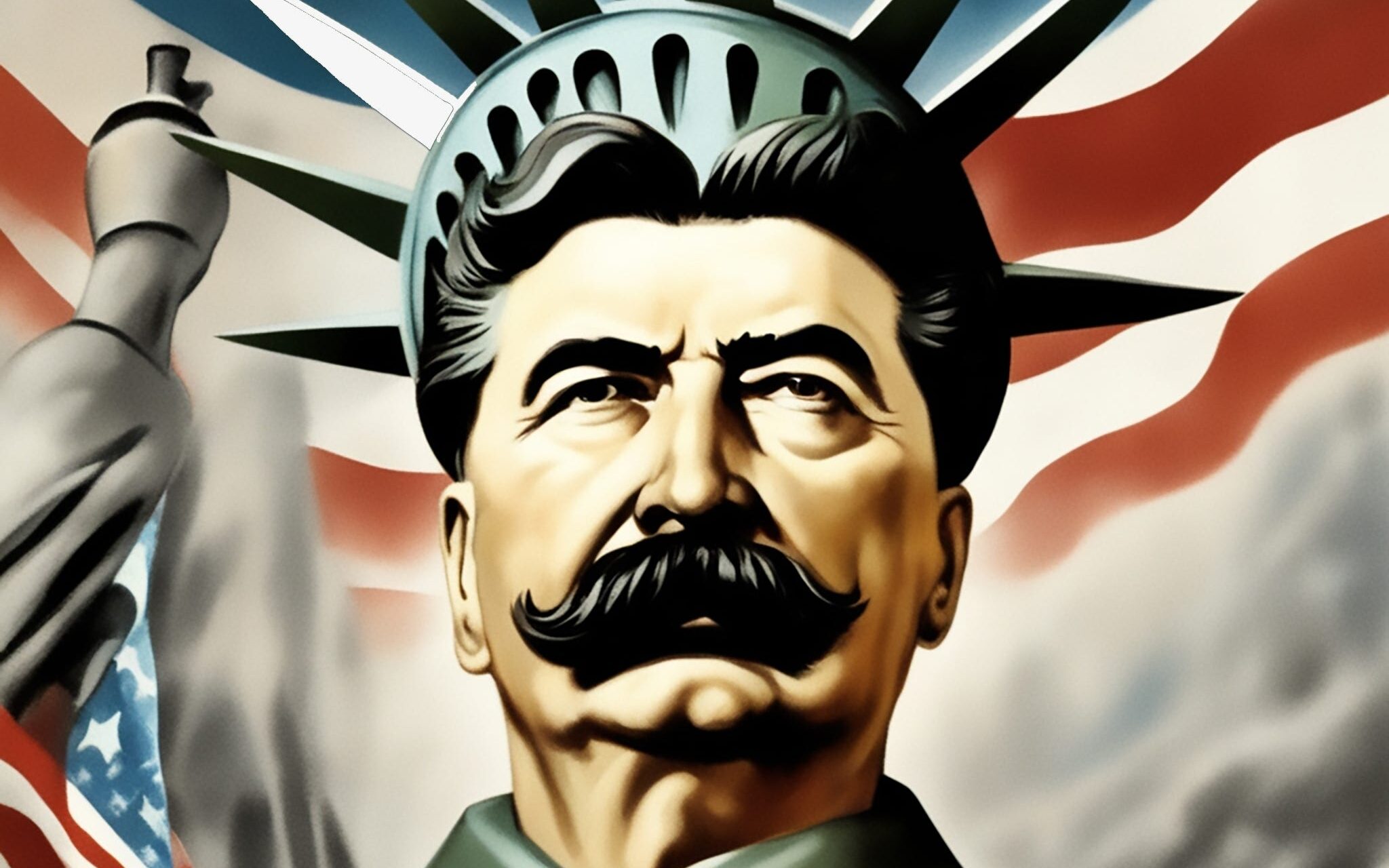
    State atheism is a form of governance in which a government actively promotes atheism while suppressing religious freedom and practices, often associated with anti-theistic sentiments. Throughout the 20th century, various communist regimes have adopted state atheism policies, with the Soviet Union being a prominent example. From 1922 to 1991, the Soviet Union, particularly during the Stalinist era, aggressively pushed for state atheism and curbed public religious expression. Additionally, other countries like East Germany and Czechoslovakia also implemented strong state atheism policies, aiming not only to eliminate religion from the public sphere but also to replace it with state-sanctioned ideologies.

    Secularism in Western Societies

    In the modern Western context, individuals who identify as irreligious often champion the concept of separation of church and state, unassociated with the suppression of religious practices or expressions; rather, it’s about maintaining a secular space within governmental institutions. The predominant view among atheists, as well as mainstream Christians, in these societies, is that the state should adopt a position of neutrality towards religion, neither supporting nor condemning any particular religious belief system.

    Secularists argue that personal religious beliefs, or the absence thereof, should not have any bearing on formulating government policies or enacting laws. They advocate for a secular approach where decisions and policies are informed by rational deliberation, empirical evidence, and a commitment to egalitarian principles rather than being influenced by religious texts or doctrines.

    The rationale behind secularism is pursuing an inclusive society where all citizens, irrespective of their faith or non-faith background, receive equal treatment before the law. It is also driven by the conviction that public policy should be the product of logical reasoning and scientific knowledge, ensuring that governance is conducted fairly, transparently, and justifiable to all members of society without privileging or marginalizing any group based on their religious convictions.

    This secular perspective is deeply embedded in the desire to uphold fundamental human rights, including the freedom of religion and belief, and to prevent the state from becoming an instrument for promoting particular religious ideologies. It is a commitment to the idea that a diverse and pluralistic society can thrive only when the state provides a neutral ground where various beliefs can coexist peacefully and where individuals are free to practice their religion privately without interference from the government.

    Secularism Worldwide

    Secularism has been adopted by various countries worldwide, each interpreting and implementing it in a manner that aligns with their unique cultural and historical contexts.

    France, for instance, has a strict form of secularism known as laïcité, which not only separates church and state but also restricts the visibility of religion in public life. This approach aims to protect the state from religious influence and to safeguard individual freedoms, including the freedom of belief and the freedom to live without religion.

    Mexico’s brand of secularism emerged from its revolution and is enshrined in its constitution, emphasizing the state’s neutrality towards religion and the prohibition of religious influence in governmental affairs.

    South Korea, while not officially secular, exhibits a strong secular tendency in its governance. The country has no state religion, and its constitution guarantees freedom of religion and forbids the state from privileging any religion.

    Turkey has a unique interpretation of secularism, deeply rooted in the principles set by Mustafa Kemal Atatürk, the founder of modern Turkey. Turkish secularism, inspired by the French laïcité, involves state control over religious institutions to ensure that religion does not interfere with civil and political rights.

    Despite the differences in how secularism is practiced, these countries share the objective of creating a neutral state environment where religion does not dictate political decisions, ensuring that all citizens, irrespective of their religious affiliations, are treated equally under the law and have the freedom to practice their beliefs without state interference.

    The commitment to secularism reflects a broader dedication to upholding individual freedoms, promoting equality, and fostering a diverse society where multiple viewpoints and ways of life coexist peacefully. It’s a balancing act that requires constant negotiation between the state’s role in public life and the private religious beliefs of its citizens.

    In a Nutshell: State Atheism

    The distinction between state atheism and secularism is profound and has significant implications for a society’s governance and culture. Unlike state atheism, secularism is about balancing the freedom of individuals to practice their religion with the need to maintain a neutral, non-religious public domain where all citizens can participate on equal footing. It is a cornerstone of modern democratic societies that value diversity and individual freedoms.

    On the other hand, state atheism has historically been linked with anti-theistic policies, which is contrary to the wishes of Western atheists, who do not wish to “ban God” but rather to maintain a secular state where religion is kept private and distinct from political affairs, reflecting a broader commitment to individual liberties and the equitable treatment of all citizens, regardless of their personal beliefs.

    Sources

    State atheism – Wikipedia
    State atheism or atheist state is the incorporation of hard atheism or non-theism into political regimes. It is…en.wikipedia.org

    Secularism – Wikipedia
    Secularism (/sɛkjʊləˌɹɪzəm/, sek-YOO-lər-iz-em ) is the principle of being indifferent to or skeptical and/or critical…en.wikipedia.org

    Secular Countries 2024
    While religion is the belief in a spiritual higher power (usually God) and atheism is a belief that such powers do not…worldpopulationreview.com

    Wikiwand – State atheism
    State atheism or atheist state is the incorporation of hard atheism or non-theism into political regimes. It is…www.wikiwand.com

    Secularism Examples – An Overview
    Democratic countries like India and other developed countries of the world are examples of secularism. Learn more about…byjus.com

    Atheism | Definition, History, Beliefs, Types, Examples, & Facts
    Atheism, the critique and denial of metaphysical beliefs in God or spiritual beings. As such, it is usually…www.britannica.com

    The Five Models for State and Religion: Atheism, Theocracy, State Church, Multiculturalism, and…
    This article deals with one of the perennial questions of legal and political philosophy, ie, how the state should…www.degruyter.com

    Internet Encyclopedia of Philosophy
    The term “atheist” describes a person who does not believe that God or a divine being exists. Worldwide there may be as…iep.utm.edu

    Secularism in Western societies
    Abstract. ‘Secularism in Western societies’ begins by considering the city states of Ancient Greece and then the rise…academic.oup.com

  • How American Evangelicals are Reshaping the US.

    How American Evangelicals are Reshaping the US.

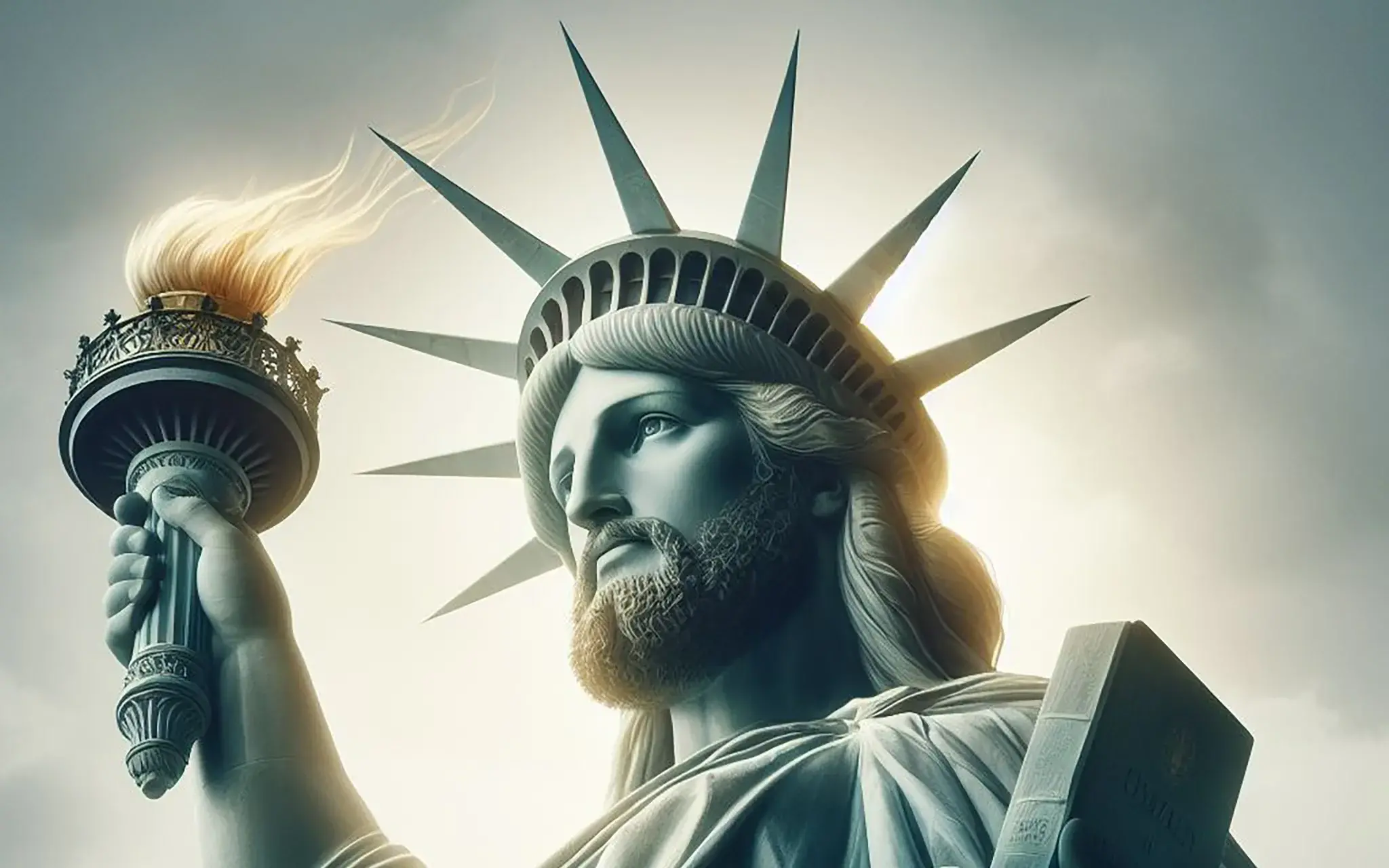
    In the 21st century, Christianity has taken different paths on either side of the Atlantic, reflecting the complex relationship between religion, politics, and societal norms. While Europe is experiencing a decline in the public discussion of Christianity, the United States remains a stronghold where Christianity, especially the denomination of American Evangelicals, holds significant sway, permeating the political landscape and actively shaping policy debates.

    Throughout the European continent, there has been a noteworthy decline in religious presence and influence in public life, resulting in religious discourse being relegated to the private realm and confined to the personal beliefs of individuals. Christianity, historically a cornerstone of European identity, is now experiencing a lesser influence amidst the rapid pace of modernity and the shift away from traditional religious affiliations. The political arena, which used to be a stage for religious discourse, has now adopted a mostly secular framework, mirroring a broader societal shift away from traditional religious beliefs, changing how people perceive their interactions with religion and the relationship between religion and society.

    Conversely, the United States has observed the emergence of Evangelical Christianity as a formidable political force in recent years. The eagerness of Evangelical believers has translated into a potent political constituency, championing causes aligned with their doctrinal beliefs and challenging prevailing secular norms. The fusion of religion and politics has led to the intertwining of faith with governance to an extent unparalleled in many other Western democracies, sparking contentious debates about the boundaries between faith and governance and raising concerns about the encroachment of religious ideologies on democratic principles.

    As a result, questions have been raised about the role of religion in shaping public policy and the extent to which it should be allowed to influence the political process in the United States. While some argue that religion has a legitimate role to play in public life, others warn against the dangers of religious extremism and the erosion of democratic values.

    The role of Evangelical Christians in shaping public policy and discourse has become a topic of intense debate over time. While some argue that the movement’s inclination to prioritize doctrinal teachings over empirical evidence poses a challenge to the foundation of rational discourse and scientific inquiry, others contend that religious convictions are valid in shaping public policy.

    American Evangelicals’ advocacy of specific policies, often rooted in religious convictions rather than secular reasoning, has prompted broader discussions about the compatibility of religious faith with the principles of a pluralistic democracy. As a result, there are concerns that religious motivations on public policy could undermine the fundamental tenets of American democracy and threaten the rights and freedoms of citizens, irrespective of their religious affiliations.

    Furthermore, some Evangelical leaders have expressed the ambition to reshape the nation per their religious beliefs, reigniting debates about the separation of church and state, with critics expressing concern that such efforts could lead to the erosion of the secular nature of the state and the establishment of a theocracy.

    In light of these debates, it is increasingly important for Americans to reconsider the appropriate role of religious beliefs in shaping public policy and discourse and to ensure that the rights and freedoms of all citizens are protected, regardless of their religious affiliations or lack thereof.

    In a Nutshell

    The role of religion in governance, the boundaries between faith and reason, and the preservation of democratic values are complex dynamics that societies on both sides of the Atlantic are grappling with. As Christianity evolves in response to changing social landscapes, its interplay with politics continues to shape the contours of contemporary society, prompting reflection and debate on the nature of democracy, pluralism, and the common good.

    Even though Christianity has receded into the background in Europe, it remains a dynamic and influential force in the United States, highlighting the complex relationship between religion, culture, and politics. The conversation about the role of religion in public life is likely to persist as societies evolve, reflecting the ongoing negotiation between faith and secularism in the modern world. The relationship between religion and politics is a crucial aspect of contemporary culture, and the conversation around it will continue to influence the direction of democratic values and pluralism.


    Further Reading: Who Are American Evangelicals?

    American Evangelicals are a diverse group of Christians in the United States who share common religious beliefs, practices, and cultural values centered around the evangelical tradition. This tradition is marked by a strong emphasis on the authority of the Bible, the necessity of personal conversion or being “born again,” active evangelism, and the belief in Jesus Christ’s atonement for humanity’s sins. Despite this shared theological foundation, American Evangelicals are a heterogeneous group with varying views on politics, culture, and social issues. This essay explores the origins, beliefs, key characteristics, cultural impact, and political influence of American Evangelicals.

    Origins and Historical Context

    The term “evangelical” derives from the Greek word “euangelion,” meaning “good news” or “gospel.” Historically, evangelicalism has roots in the Protestant Reformation and emerged as a distinct movement in the 18th century with figures like John Wesley and George Whitefield. In the United States, evangelicalism gained prominence during the Great Awakenings—periods of religious revival in the 18th and 19th centuries. These revivals emphasized individual conversion, passionate preaching, and widespread evangelism.

    Core Beliefs and Practices

    American Evangelicals hold certain core beliefs and practices that distinguish them from other Christian groups:

    • Biblical Authority: Evangelicals regard the Bible as the ultimate authority in matters of faith and practice. They typically interpret it as the literal or inspired word of God.
    • Personal Conversion: A central tenet of evangelicalism is the belief in the need for personal conversion or being “born again.” This experience marks a turning point in one’s spiritual journey, leading to a personal relationship with Jesus Christ.
    • Evangelism: Evangelicals believe in sharing the Christian message and actively seeking to convert others. This missionary mindset has fueled a significant portion of evangelical outreach, both within the United States and globally.
    • Atonement through Christ: Evangelicals believe that Jesus Christ’s death and resurrection are central to human salvation. This belief underscores the importance of the cross and the redemptive power of Christ’s sacrifice.

    Cultural Impact and Diversity

    American Evangelicals are a diverse group, encompassing various denominations and theological perspectives. They include Baptists, Pentecostals, Methodists, Presbyterians, and non-denominational Christians, among others. This diversity leads to a wide range of worship styles, from traditional liturgies to more contemporary, music-driven services.

    Culturally, American Evangelicals have had a significant impact on the broader American landscape. They have established religious institutions, including churches, schools, and media networks. Their influence extends to music and entertainment, with Christian music and literature forming a vibrant industry.

    Political Influence and Controversies

    In recent decades, American Evangelicals have become increasingly involved in political and social issues, shaping the national conversation on topics like abortion, same-sex marriage, religious freedom, and education. This political engagement, often aligned with conservative values, has been both a source of strength and a point of controversy within the evangelical community.

    The rise of the Religious Right in the late 20th century signaled a growing alignment between evangelicalism and conservative politics. Figures like Jerry Falwell and Pat Robertson played pivotal roles in mobilizing evangelicals for political causes. However, this alignment has also generated criticism, with some arguing that the close relationship between religion and politics can compromise the spiritual focus of evangelicalism.

    In a Nutshell

    American Evangelicals represent a complex and multifaceted group within the broader context of American Christianity. While united by common religious beliefs and practices, they exhibit considerable diversity in theology, worship styles, and cultural engagement. Their influence on American society, culture, and politics is substantial, often shaping national debates on moral and social issues. As American society continues to evolve, so will the role and impact of American Evangelicals, ensuring their relevance in shaping the country’s religious and cultural landscape.