Tag: Ethics

  • Godless and Goodness: The Connection That’ll Make You Question Everything

    Godless and Goodness: The Connection That’ll Make You Question Everything

    In the minds of many people religion and morality are often intertwined. Not surprisingly, the question frequently arises: Why do atheists follow a moral code instead of simply doing whatever they feel like? Today, we’ll focus on the nature of morality, its origins, and its place in society – both religious and secular.

    That idea that morality and religion are inseparable has been ingrained in many cultures for centuries, so much so that most don’t give it another thought. Consequently, some wonder how those without religious beliefs can possibly navigate the murky waters of right and wrong, as it was their religion that invented morality.

    Does Religion Make People Moral?

    Nearly 3% of the adult population in the United States is either in prison or on parole, which is particularly noteworthy because the US is widely recognized as one of the most religious countries in the Western world, so much so that according to Pew Research 55% American population pray daily while this is merely 6% in the UK, 30% in Greece, 60% in Turkey, and 87% in Iran.

    If the hypothesis that religion is the sole or primary source of morality were to be true, one would expect to see lower rates of incarceration in such a devout nation.

    Conversely, let’s turn our attention to Japan. In this East Asian country, where Abrahamic religions have not made a significant impact, we find one of the most peaceful societies in the world. Japan’s low crime rates and social harmony stand in stark contrast to the assumption that religious belief is necessary for a moral society.

    The plot thickens when we consider certain Middle Eastern countries. Despite having highly religious populations, many of these nations grapple with widespread corruption. This further challenges the notion that religious devotion automatically translates to moral behavior on a societal level.

    Whether religion is detrimental to morality is a separate matter, and I will leave that discussion to others. However, the examples given at least illustrate that religion is not a must for morality, and religiosity does not necessarily translate into moral societies.

    The Universal Thread of Morality

    So, if religion isn’t the sole source of morality, what is? The answer may lie in what we might call “common decency” – a basic sense of right and wrong that seems to transcend cultural and religious boundaries.

    Think about your own circle of friends and acquaintances. Chances are, you know people from various backgrounds – some religious, some not. Among your religious friends, there may be those who are deeply devout yet not extreme in their views. Now, ask yourself: Is it really the fear of divine punishment that keeps these individuals from engaging in harmful or illegal activities?

    For most people, regardless of their beliefs, the decision not to harm others or break laws stems from a more fundamental place. It’s rooted in empathy, social conditioning, and an understanding of the consequences of our actions – both for ourselves and for society at large.

    The Secular Moral Compass

    But what drives people, whether they believe in a god or not, to follow moral codes?

    First, empathy and compassion matter a lot. People naturally understand and share the feelings of others, and this empathy guides many of our moral choices.

    Second, we benefit from living in a stable society. Following moral rules helps keep things stable and makes life better for everyone.


    Third, philosophical thinking provides another reason. Throughout their lives, most people spend a lot of time sorting out what is right and wrong, and, when the time comes, act on their instincts.

    There’s also an evolutionary angle. Some believe our sense of right and wrong comes from the need for cooperation and helping each other, which helped our ancestors survive.

    Additionally, acting morally usually leads to good outcomes for us personally, such as stronger relationships, a good reputation, and a clear conscience.

    Cultural influence plays a role too. We are shaped by the values and norms of our culture, many of which involve moral ideas.

    Finally, acting ethically often aligns with our own long-term interests. It helps build trust, creates positive relationships, and contributes to a healthy society.

    The Universality of Ethics

    One of the most compelling arguments for the independence of morality from religion is the remarkable similarity of basic ethical principles across different cultures and belief systems. Concepts like fairness, reciprocity, and the prohibition of murder are nearly universal, appearing in societies with vastly different religious backgrounds – or none at all.

    This universality suggests that these moral principles arise from something more fundamental than religious texts or traditions. They seem to emerge from our shared human experience, our need to live cooperatively, and our capacity for reason and empathy.

    Criticism

    Of course, discussing morality – religious or secular—is never simple. Both religious and non-religious moral systems face criticism.

    Religious morality is often criticized for being rigid or based on outdated cultural norms, which can lead to conflicts when different religious groups have opposing moral views.

    Secular morality, on the other hand, is sometimes accused of being relativistic or lacking a solid foundation. Critics argue that without a divine authority, moral rules become arbitrary. However, the existence of God does not depend on the utility of the concept of God.

    The Takeaway

    As societies become increasingly diverse and interconnected, it makes sense to move beyond the false dichotomy of religious morality versus moral chaos. Humans – religious and non-religious alike—are capable of moral reasoning, ethical behavior, and compassion.

    Rather than judgementally asking why atheists follow moral codes, perhaps everyone should ask themselves how we can encourage ethical behavior regardless of belief systems.

    #MoralityAndReligion #EthicsWithoutGod #SecularEthics
  • God’s Out-of-Office Reply to Corrupt Countries

    God’s Out-of-Office Reply to Corrupt Countries

    Corruption remains a persistent challenge in global politics and governance, affecting nations worldwide. The Corruption Perceptions Index (CPI), published annually by Transparency International, provides remarkable insights into the perceived levels of public sector corruption in different countries. Today, we will take a closer look at the top 10 most corrupt countries according to the CPI and explore what this list tells us about morality, religion, and governance.

    The Top 10 Most Corrupt Countries

    According to the latest CPI data, the following countries are ranked as the most corrupt in the world:

    1. Somalia
    2. Syria
    3. South Sudan
    4. Venezuela
    5. Yemen
    6. North Korea
    7. Burundi
    8. Haiti
    9. Libya
    10. Equatorial Guinea

    Bear in mind that this ranking is based on perceptions of public sector corruption, as measured by expert assessments and opinion surveys.

    What Does This List Tell Us?

    Looking at this list, it’s clear that these countries face significant challenges in terms of governance, stability, and the rule of law. Many of them have been plagued by ongoing conflicts, political instability, or authoritarian regimes, raising some interesting questions about the relationship between corruption, morality, religion, and governance.

    The Role of Religion and Morality

    One striking observation from the list of the most corrupt countries is that many have strong religious influences in their societies and governance structures. However, their presence on this list suggests that religious beliefs alone are not sufficient to prevent corruption or ensure ethical governance. This highlights an important point: the mere presence of religious or moral teachings does not guarantee that corruption will be minimized or eliminated.

    The fear of divine judgment does not seem to be the primary factor keeping morality intact in these societies. If religious teachings were enough to curb corruption effectively, we might expect to see a different set of countries on this list. Instead, this data suggests that other factors, such as political stability, economic development, and institutional strength, play a more significant role in shaping governance and reducing corruption.

    The Focus of Morality

    In many religious countries, there is often a strong emphasis on personal morality, particularly concerning sexual behavior and relationships. While these concerns may be contextually important, focusing solely on regulating personal morality, caring merely about sex before marriage, and caring too much about the hymens of women clearly fail to address the broader issues affecting good morality, governance and societal well-being.

    Concentrating on issues like sexual conduct is easy because they are visible and can be easily legislated. However, this focus distracts from addressing more complex systemic issues like corruption, which has a real impact on societal health.

    The Impact of Corruption

    Corruption has far-reaching effects that extend beyond just politics. It impacts economic development, social equality, and the overall quality of life. When corruption is rampant, it discourages investment, which is essential for economic growth. Investors and businesses are reluctant to engage in environments where bribes and dishonesty are prevalent, leading to economic stagnation. This stagnation results in fewer job opportunities and hampers overall economic advancement.

    Additionally, corruption contributes to greater inequality. When wealth and power are concentrated in the hands of a few corrupt officials and business leaders, the majority of people are left with less. This creates a society where only a small portion thrives while many struggle to meet their basic needs. The widening gap between the rich and poor makes social mobility and economic advancement more difficult for the majority.

    Corruption also undermines public institutions. Government agencies, law enforcement, and public services become ineffective when they are tainted by corruption. Rather than serving the common good, these institutions may become tools for a few powerful individuals, diminishing their ability to function properly and eroding public trust.

    Moreover, widespread corruption erodes trust in government and public institutions. Citizens may feel that the system is rigged against them and that their voices are ignored. This lack of trust can lead to social unrest and a weakened sense of community, as people become disconnected and disillusioned with their leaders.

    Finally, corruption is often linked with human rights violations. Those in power who are focused on their own enrichment may use oppressive tactics to maintain control and silence dissent. This can result in abuses such as unlawful detentions, violence, and suppression of freedoms. Thus, corruption affects not only the material well-being of individuals but also their fundamental rights and freedoms.

    The Takeaway

    In conclusion, while religion and personal morality are important, they alone are not sufficient to ensure good governance or prevent corruption. Addressing systemic issues and focusing on broader aspects of governance, economic development, and institutional integrity is crucial for creating a just and equitable society.of society, but it’s one that’s crucial for building a more just and equitable world for all.

    #GlobalCorruption #TransparencyMatters #GoodGovernance

  • The Hijab: Tracing the Journey of a Complex Symbol

    The Hijab: Tracing the Journey of a Complex Symbol

    The history of hijab is a narrative that intertwines with the very essence of Islamic culture and identity. This iconic head covering, embraced by numerous Muslim women globally, is not merely a religious emblem but a historical artifact that transcends spiritual confines. The evolution of the hijab through ages and societies unveils a complex mosaic of cultural customs, societal standards, and religious convictions that have collectively influenced its current form and meaning.

    Embark with us on a journey through time, as we uncover the pre-Islamic antecedents of the hijab, its doctrinal establishment within the Quran, and its extraordinary capacity to mold itself to the variegated tapestries of cultures worldwide.

    Ancient Roots: The Pre-Islamic Origins of Veiling

    The history of hijab is a complex tapestry that intertwines with the cultural and social norms of ancient civilizations, long before the advent of Islam. The tradition of veiling, which encompasses the covering of the head and body, has its roots in societies that flourished in the Middle East, Asia, Africa, and Europe, with evidence dating back to the 4th millennium BCE.

    In the societal landscape of the pre-Islamic Arabian Peninsula, the hijab was more than a religious symbol; it was woven into the very fabric of daily life. It served as an indicator of social hierarchy, with veils of varying styles and materials denoting the distinctions between free women, slaves, and the elite. The hijab also played a role in communicating marital status, tribal connections, and provided a shield against the elements in a punishing desert climate.

    The history of hijab reveals that this practice was not solely the domain of women. Men of distinction and those holding religious office also embraced the veil, wearing it as a badge of honor and respectability. This shared custom highlights the veil’s broader cultural importance, transcending gender and emphasizing its entrenched role in the traditions of the region.

    The Quranic Guidance: Modesty and Continuity

    With the emergence of Islam in the 7th century CE, the history of hijab evolved to embody a religious mandate for Muslim women. The Quran, revered as the divine revelation by Muslims, delineated principles of modesty and attire applicable to both genders.

    An-Nur (The Light), a chapter within the Quran, specifically tackled the subject of the hijab, directing faithful women to drape their coverings across their chests and to reveal their beauty solely to their immediate family and servants. These injunctions were disclosed amidst the nascent Muslim society in Medina, establishing a code for modest apparel and conduct.

    The Quranic directives concerning the hijab did not signify a drastic shift from the pre-Islamic Arabian customs. Rather, they aimed to refine and affirm the entrenched societal ethos of modesty and respect. The Quran abstained from dictating a definitive style or type of veil, thus permitting interpretations and adjustments in harmony with regional traditions and inclinations.

    This methodology enabled a fluid transition from pre-Islamic customs to Islamic standards, acknowledging the significance of cultural persistence and heterogeneity. The Quranic teachings on the hijab found resonance among the Arab populace, as they were in accord with their enduring cultural legacy, now enriched with a spiritual dimension.

    History of Hijab
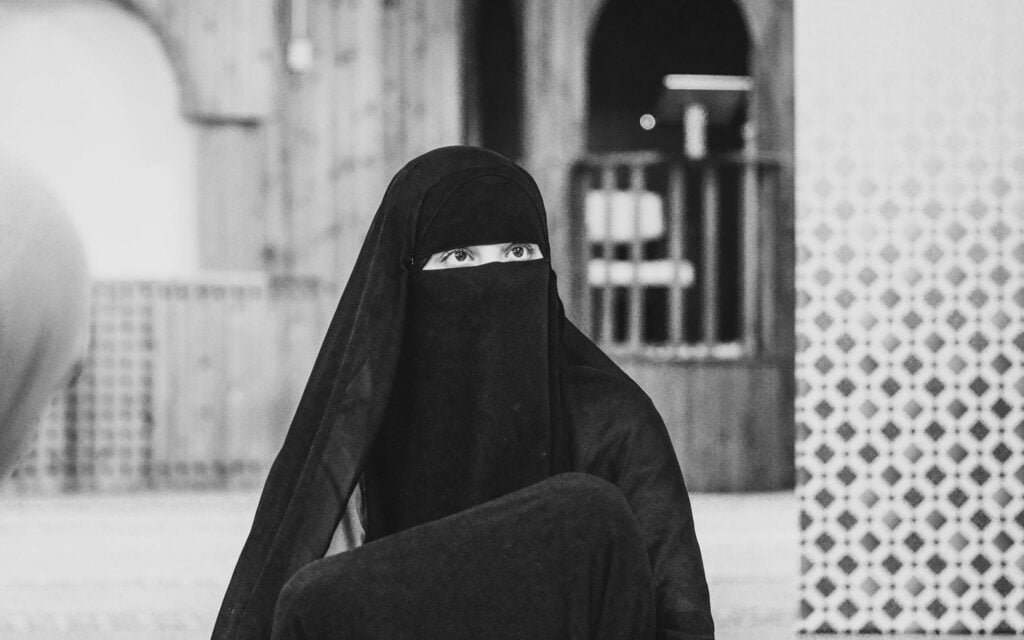
    Photo by Elin Tabitha on Unsplash

    Embracing Diversity: The Hijab’s Global Journey

    As Islam expanded from the Arabian Peninsula, the history of hijab unfolded into a spectrum of expressions, mirroring the myriad cultures it touched. The hijab manifested in forms ranging from the airy headscarves of arid deserts to the comprehensive burqas and chadors of cooler locales, with Muslim women globally adopting diverse styles and interpretations.

    This versatility enabled the hijab’s core values—modesty, honor, and devotion—to blend with different cultural aesthetics and practical needs. The variety in hijab styles stood as evidence of the faith’s flexibility to integrate into local customs while upholding its foundational tenets.

    In certain areas, the hijab interwove with cultural identity, surpassing its religious connotations to become an emblem of heritage and a bulwark against discrimination or subjugation. For numerous Muslim women, wearing the hijab signified not just a religious act but also an affirmation of their cultural lineage and a bold challenge to societal prejudices.

    On the flip side, the hijab sometimes sparked controversy, igniting discussions on women’s autonomy, secular values, and the apparent clash between religious practices and contemporary norms. These divergent views underscore the intricate interplay of faith, culture, and social-political factors that have influenced the ongoing dialogue about the hijab.

    Contemporary Discourse: Personal Choice and Evolving Narratives

    In the modern era, the history of hijab continues to be a significant aspect of identity for numerous Muslim women, though the reasons for its adoption are highly individualized. For some, it is an unwavering commitment to religious tenets and a conduit to their spirituality. For others, the hijab serves as a proud emblem of their cultural legacy, a stand against societal prejudices, or a declaration of personal empowerment and autonomy.

    Conversely, there are voices that critique the hijab as a relic of patriarchal norms, at odds with contemporary values of gender parity and personal liberty. Such varied viewpoints underscore the vibrant debate surrounding the hijab, its symbolism, and its role in today’s world.

    It is essential to acknowledge the hijab as a complex entity, influenced by a confluence of religious beliefs, cultural traditions, individual choices, and the dynamics of social and political environments. The history of hijab is characterized by a diverse array of practices, interpretations, and ongoing narratives

    In a Nutshell: History of Hijab

    The history of hijab is marked by a profound journey that reflects the intricate layers of cultural, religious, and personal significance it holds. Its roots extend into the depths of ancient customs that existed well before Islam, highlighting the enduring traditions that have shaped its progression.

    The Quran’s teachings on the hijab aimed to resonate with pre-Islamic Arab traditions, ensuring cultural continuity while infusing the practice with a spiritual essence. This strategy enabled a smooth transition, allowing the hijab to find relevance and acceptance across diverse cultures as Islam’s reach extended worldwide.

    Throughout its passage across various lands and times, the hijab has shown remarkable adaptability, adopting an array of styles and meanings. This flexibility has allowed the principles of modesty and devotion to meld seamlessly with different cultural expressions and practical needs, showcasing the religion’s capacity to assimilate into a multitude of traditions.

    In today’s society, the hijab remains a dynamic topic of conversation, with its interpretations and relevance continually evolving amid shifting social norms and individual viewpoints. While some may view it as a vestige of oppression, others celebrate it as a token of pride, identity, and autonomy.

    The extensive and intricate history of hijab defies oversimplified accounts, prompting a deeper appreciation for its complex nature. Understanding its varied beginnings, cultural evolutions, and the personal connotations it carries is vital for nurturing an empathetic and comprehensive discourse on this iconic emblem of Islamic heritage and belief.


    Sources

    https://www.britannica.com/topic/hijab

    https://www.eiu.edu/historia/Slininger2014.pdf

    https://en.wikipedia.org/wiki/Hijab


    Further Reading: The Meaning of Hijab

    The hijab, a head covering worn by Muslim women, is often shrouded in misconception. More than just a piece of cloth, it represents a complex tapestry woven from religious devotion, cultural identity, and personal choice. Understanding its history and significance requires us to delve deeper.

    Rooted in Tradition:

    The hijab’s story predates Islam. Ancient civilizations across the globe employed veiling practices, signifying social status, marital status, and protection from the elements. In pre-Islamic Arabia, the hijab served similar purposes, with variations in style reflecting social hierarchy. This established the practice of head covering as a cultural norm, a foundation upon which Islamic teachings would build.

    A Divine Directive:

    The emergence of Islam in the 7th century CE introduced a religious dimension to the hijab. The Quran, the holy book of Islam, emphasizes modesty in dress for both men and women. Specific verses within the Quran instruct women to cover their chests and maintain a certain level of decorum. These directives did not introduce a completely new concept, but rather refined existing customs and imbued them with religious significance.

    A Spectrum of Expressions:

    As Islam spread across the globe, the hijab adapted to diverse cultures. From the airy headscarves of desert regions to the all-encompassing burqas of colder climates, Muslim women adopted styles that resonated with their local traditions. This adaptability reflects the Quran’s flexible approach, allowing interpretations to coexist with regional customs as long as the core principles of modesty were upheld.

    Beyond the Veil:

    The hijab has transcended its religious roots, becoming a symbol of cultural identity for many Muslim women. In some regions, it serves as a marker of heritage and a shield against discrimination. For others, it’s a declaration of empowerment, a way to reclaim their narrative and challenge societal stereotypes.

    A Spark for Debate:

    The hijab also ignites controversy. Some view it as a symbol of patriarchal oppression, restricting women’s freedom. Others see it as a personal choice, a way to express their faith and values. This ongoing dialogue highlights the complex interplay of religion, culture, and social factors that shape the conversation surrounding the hijab.

    A Representation of Self:

    In today’s world, the reasons for wearing the hijab are as diverse as the women who wear it. For some, it’s a steadfast commitment to their faith. For others, it’s a cultural marker or a statement of personal empowerment. There is no single narrative, and appreciating the hijab requires acknowledging its multifaceted nature.

    The hijab’s journey is a testament to its rich history and evolving significance. It’s a call to move beyond simplistic narratives and embrace the complexity of this powerful symbol. By understanding its cultural roots, religious underpinnings, and personal interpretations, we can foster a more nuanced and respectful dialogue about the hijab and the women who wear it.

  • Richard Dawkins: A Rational Voice in a World Divided by Ideology

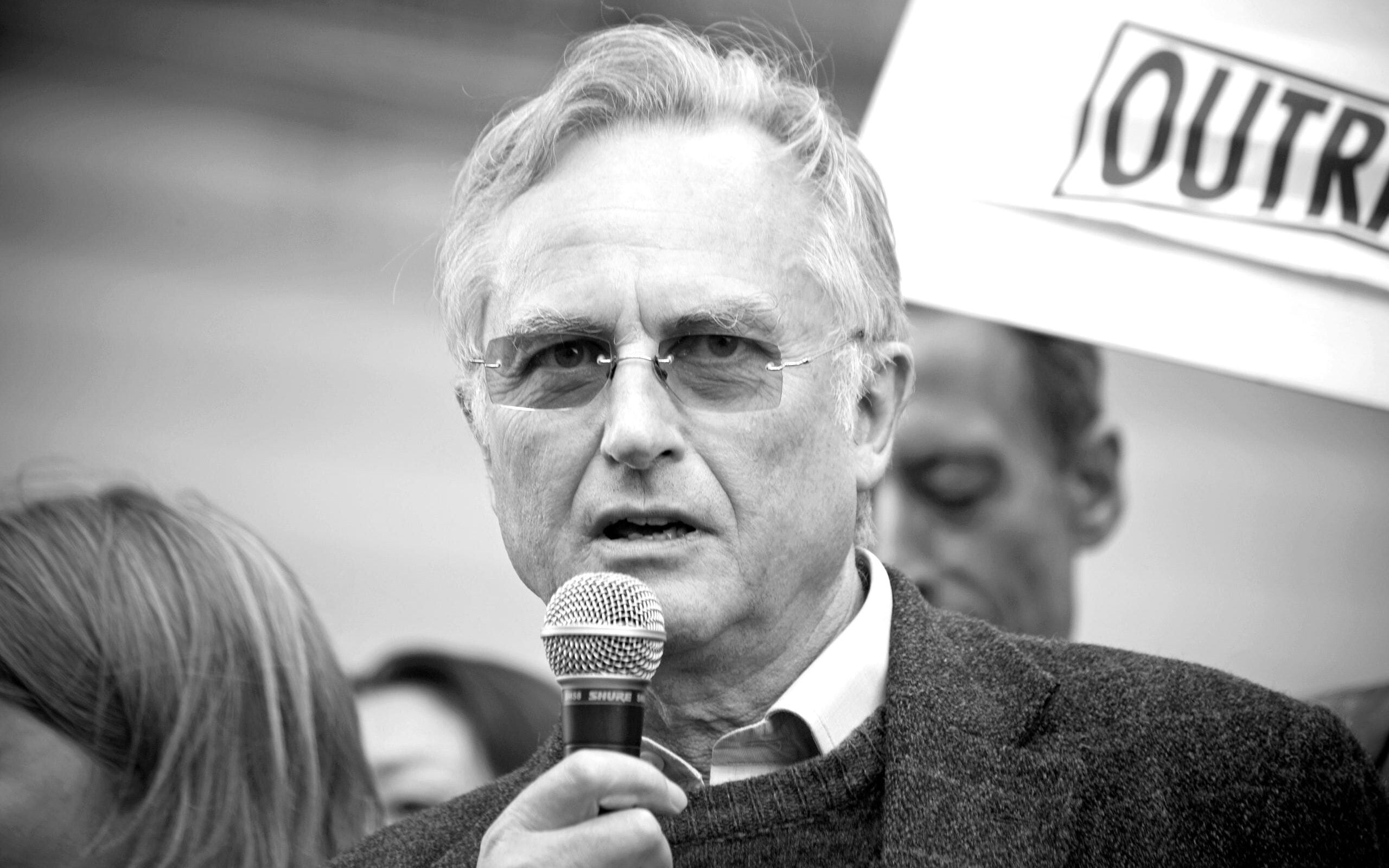
    Richard Dawkins: A Rational Voice in a World Divided by Ideology

    Richard Dawkins stands as a beacon of rationality in a world often torn apart by ideological strife and conflicting philosophies. His contributions to science, particularly through his seminal work “The Selfish Gene,” have sparked admiration and controversy. Richard Dawkins consistently championed secularism and scientific reasoning as an evolutionary biologist, ethologist, and author, earning him acclaim and criticism.

    The Pursuit of Fairness

    Fairness is a concept that resonates deeply with human nature, influencing our societal structures, policies, and personal convictions. The belief in the equitable application of principles has shaped our collective consciousness. For example, the notion that human breeding should be exempt from scientific scrutiny is held by many as a standard of fairness, aiming to eliminate discrimination.

    This quest for equity is also reflected in our cultural narratives, where stories of heroines overcoming formidable male adversaries have gained popularity, symbolizing the triumph of justice.

    The Immutable Laws of Nature According

    Richard Dawkins invites us to examine our beliefs critically, warning against the blind pursuit of fairness that might lead us to neglect the immutable laws of nature. He argues that human breeding is a biological reality like any other species. While fairness and compassion are noble pursuits, they should not overshadow the fundamental principles that govern the natural world.

    Richard Dawkins suggests that acknowledging biological realities is not an endorsement of racism but rather a recognition of the complexities of human existence.

    Gender Identity and Fairness

    The debate over gender identity has thrust Richard Dawkins into the limelight once more. His hesitance to fully endorse the view that “trans women are women in every respect” has sparked debate. Richard Dawkins’ stance is rooted in his commitment to rationality and factual analysis.

    While he supports the right of individuals to self-identify, Richard Dawkins also acknowledges the biological basis of sex, which plays a crucial role in our physiology. He advocates for a balanced approach that honors both personal identity and biological facts.

    In a Nutshell

    Richard Dawkins remains a polarizing figure, unafraid to question mainstream views and stimulate intellectual debate. His focus on the realities of nature, even when they conflict with our ideals of fairness, underscores the importance of maintaining intellectual integrity over conforming to popular opinion.

    Though sometimes seen as controversial, Richard Dawkins’ perspectives provide valuable insights into addressing complex societal issues. A more inclusive and rational society can be achieved by taking a nuanced approach that honors our desire for fairness and the fundamental principles of nature.