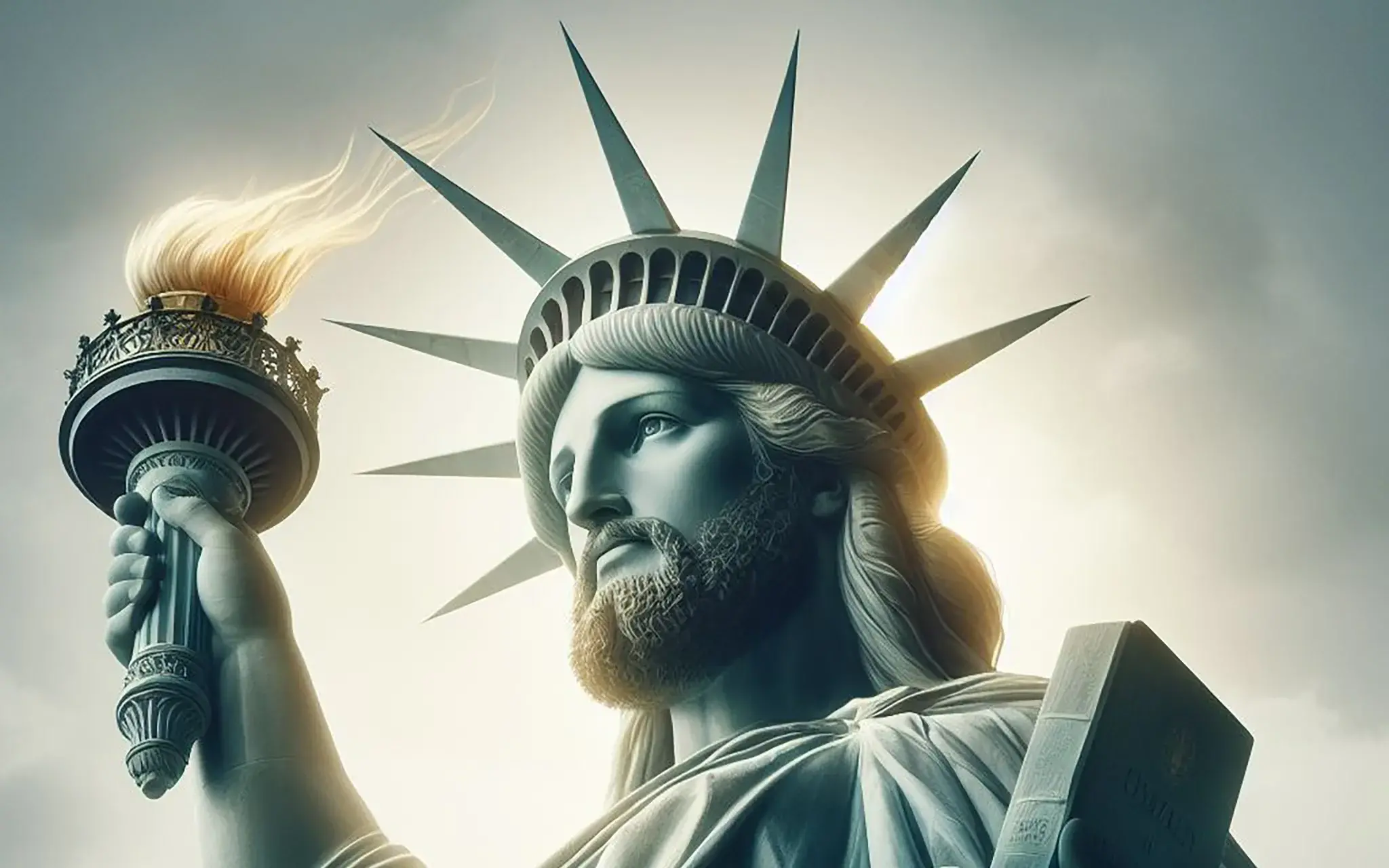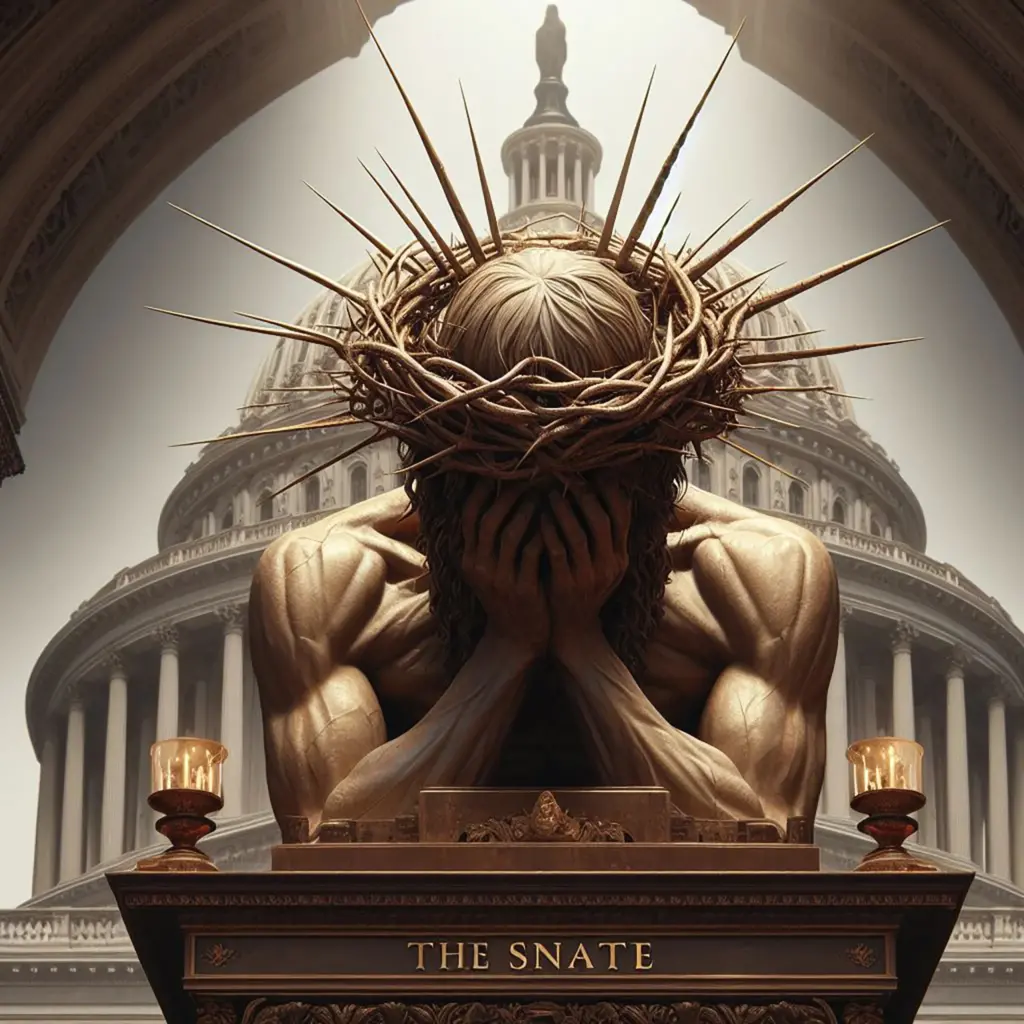
The United States has long prided itself on being a bastion of religious freedom and secularism, with a strict separation of church and state enshrined in the Constitution. However, the intersecting forces of Christianity, atheism, and the interpretation of secularism have created complex dynamics that both uphold and threaten true religious liberty in modern America. Let’s explore God’s role in the Separation of Church and State in America.
The Founding Vision of Secularism
When the Founding Fathers drafted the Constitution and Bill of Rights, they envisioned a secular government that would not officially endorse or be influenced by any particular religious doctrine. This idea of separating religious matters from affairs of the state stood in contrast to the state-sanctioned religions that had caused so much oppression and conflict throughout European history.
By keeping the government secular and neutral towards religion, the Founders hoped to ensure that all citizens could freely practice their faith (or lack thereof) without facing discrimination or coercion. This secularism was meant to be a unifying force, creating an equitable public square where people of all beliefs could coexist. As Thomas Jefferson famously said, the government should erect “a wall of separation between church and state.”

Hitler, Nazism and Religion
What happened on April 3, AD 33, in Jerusalem?

No Gays and Lesbians in the Ottoman Empire, But…
The Christian Nation Debate
Despite this founding vision, there has long been a strain of political Christianity in America, asserting that the nation has an inherent Christian identity that should be reflected in its laws and institutions. Groups advocating this “Christian nation” narrative have pushed for policies like teaching creationism in schools, installing religious monuments on public property, and limiting rights around issues like abortion and LGBTQ equality.
Proponents of this view often cite the religious beliefs of many Founders and historical references to Christianity in early American documents and events. They see secularism as an attack on the nation’s Christian heritage and values. Critics, however, argue that this interpretation is a misreading of history that would effectively establish a state religion, violating the First Amendment.
The Rise of the Religious Right
The debate over America’s secular or Christian identity took on renewed enthusiasm in the late 20th century with the rise of the politically powerful religious proper movement. Galvanized by issues like the Roe v. Wade Supreme Court decision legalizing abortion, these conservative Christian groups organized to inject their interpretations of Biblical morality into politics and policymaking at all levels of government.
From advocating for socially conservative policies to mobilizing evangelical voters, the religious right became a potent political force. Its influence peaked during the Republican administrations of Ronald Reagan and George W. Bush. While the power of religious rights has ebbed and flowed in recent years, it remains a major factor shaping the national discourse around the role of religion in public life.
Atheism and Anti-Religious Sentiment
On the other side of the debate stand atheist activists who have pushed for a stricter separationist interpretation of secularism that would remove virtually all religious presence from civic affairs. Groups like the Freedom From Religion Foundation have launched legal battles to tear down public religious displays and halt practices like legislative prayer.
While the constitutional rationale is to maintain a strict neutrality between religion and state, atheist rhetoric sometimes takes on a more militantly anti-religious tone that paints all religious influence as inherently oppressive. This has fueled a backlash from religious communities, who see it as an attack on their freedom of expression and an attempt to purge faith from the public square altogether.
The atheist argumentation often hinges on equating true secularism with the absence of religion rather than state neutrality that allows religion to exist in society while being separate from political institutions. This narrow view has alienated many religious Americans and made them skeptical of the broader secularist cause.

Bloody Christianization of the Americas

Belief Is Not a Choice

Moral Quandary of Capital Punishment
Finding the Balance in Separation of Church and State in America
Between the religious right’s vision of a Christianity-infused public sphere and atheist groups’ desire to excise religion from civic life completely lies the founding model of secularism – a neutral government that neither promotes nor inhibits religious belief and expression. Polling consistently shows most Americans favor this balanced approach that allows personal faith while preventing a state-sponsored religion.
Achieving this balance requires people of all faiths and none to respect America’s secular foundations while embracing the diversity of religious and non-religious views. Mainstream Christians must stand up to the excesses of the religious right and its attempts to impose a de facto Christian nationalism. At the same time, atheists should avoid the unproductive mockery of religion and recognize that secularism protects their rights as much as those of the devout.
By working together to uphold the First Amendment’s delicate balance, believers, nonbelievers, and Americans of all persuasions can ensure a healthy pluralism where religious liberty truly means freedom for all. Secularism should be seen not as anti-religious hostility but as the impartial referee allowing faith to flourish in the private sphere while keeping dogma out of government.
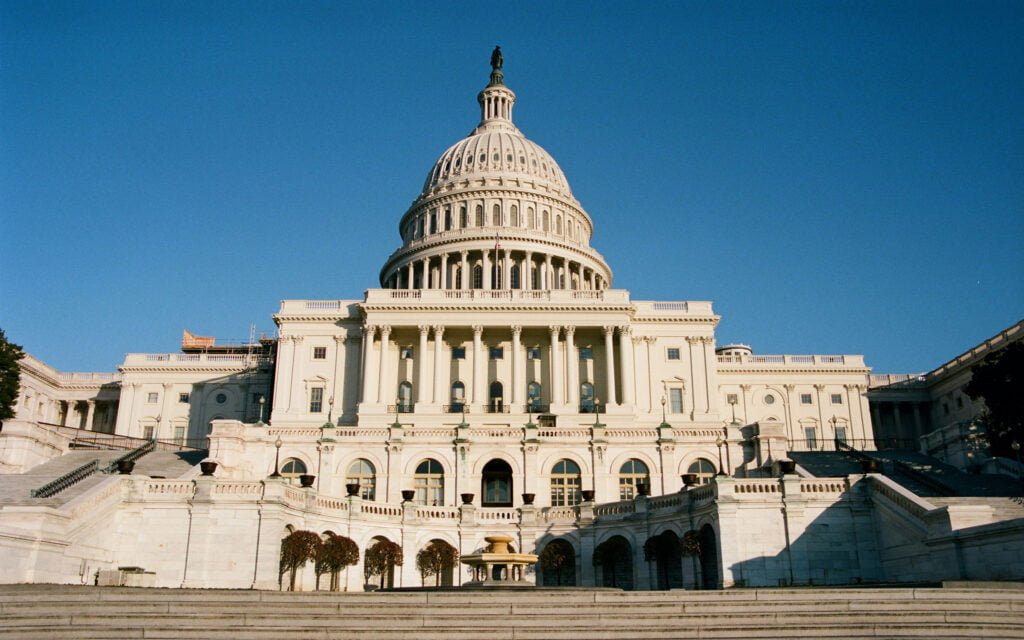
The Path Forward: Separation of Church and State in America
Ultimately, the solution is not to glorify Christianity or atheism as America’s sanctioned worldview but to reinvigorate and defend the secular ideals laid out by the Founding Fathers. By maintaining a neutral government and fostering an environment where diverse beliefs can coexist without marginalization, the United States can remain a beacon of true religious freedom and democratic pluralism.
This requires mutual understanding, vigorous civic engagement, and a commitment to the common good that transcends sectarian agendas. Christians must respect that they aren’t a privileged religious class. Atheists and secular activists must recognize that religion isn’t going away and respect its place in civil society. And all sides should support public policies and norms that protect the secular character of American democracy.
When secularism works as intended, it creates a system where people practice their faith or lack thereof without interference and come together on common civic causes – united by shared values like freedom, equality, and human dignity. With open and pluralistic secularism as the standard, America can live up to its founding ideals and be a place where religious liberty truly means liberty for all.
Further Reading: History of Separation of State and Church in America
The history of the separation of church and state in America is a complex and fascinating journey that reflects the evolving relationship between religion and governance. From the earliest days of European colonization to the present day, this principle has been a cornerstone of American democracy, shaped by historical events, legal battles, and societal shifts.
The concept of separating church and state has its roots in European history, particularly the religious conflicts that plagued the continent during the Reformation and Counter-Reformation periods. Many of the first European settlers in America were seeking refuge from religious persecution, and their experiences profoundly influenced the development of religious freedom in the New World.
One of the earliest expressions of the separation of church and state in America can be found in the Virginia Statute for Religious Freedom, authored by Thomas Jefferson in 1777. This statute, which later served as a model for the First Amendment to the United States Constitution, declared that “no man shall be compelled to frequent or support any religious worship, place, or ministry whatsoever.”
The First Amendment, ratified in 1791 as part of the Bill of Rights, enshrined the principle of religious freedom and prohibited the establishment of a state religion. It states, “Congress shall make no law respecting an establishment of religion, or prohibiting the free exercise thereof.” This amendment laid the foundation for the separation of church and state in America, ensuring that the government would neither promote nor interfere with religious beliefs and practices.
Despite these constitutional protections, the relationship between religion and government in America has been the subject of ongoing debate and controversy. Throughout the 19th and early 20th centuries, various religious groups vied for influence in the public sphere, leading to conflicts over issues such as prayer in schools, government funding for religious institutions, and the teaching of evolution.
One landmark Supreme Court case that helped to clarify the boundaries between church and state was Engel v. Vitale in 1962. In this case, the Court ruled that state-sponsored prayer in public schools violated the Establishment Clause of the First Amendment, further reinforcing the principle of secularism in the public education system.
Another significant legal development came in 1971 with Lemon v. Kurtzman, which established the “Lemon test” for determining whether a government action violates the Establishment Clause. According to this test, a law must have a secular purpose, must not advance or inhibit religion, and must not result in excessive entanglement between church and state.
In recent decades, debates over issues such as school vouchers, public displays of religious symbols, and the role of religion in public policy have continued to shape the interpretation and application of the separation of church and state in America. While the principle remains a fundamental aspect of American democracy, its precise boundaries and implications continue to be contested and refined through legal battles, political discourse, and societal change.
In conclusion, the history of the separation of church and state in America reflects a constant tension between religious freedom and governmental authority. From the colonial era to the present day, this principle has been enshrined in law, tested in the courts, and shaped by the diverse religious landscape of the nation. While challenges and controversies persist, the separation of church and state remains a cornerstone of American democracy, ensuring that individuals are free to practice their faith without interference from the government and that the government remains neutral in matters of religion.