Tag: Evolutionary Psychology

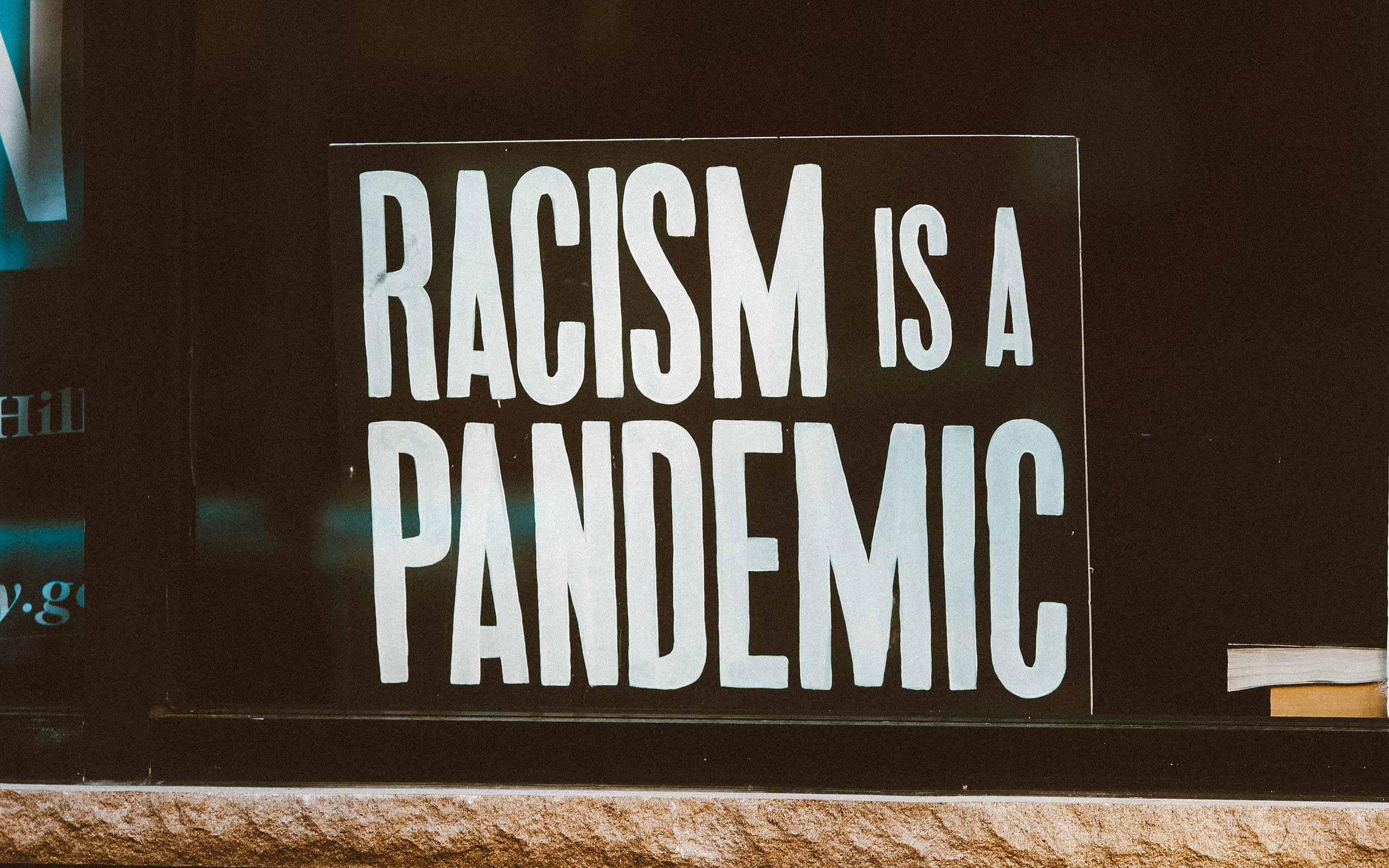
  • Why Racism Is a Common Social Disease

    Why Racism Is a Common Social Disease

    We like to think that in the modern, enlightened world, racism should be a thing of the past. After the horrors of the Holocaust, the success of the Civil Rights movement, and worldwide efforts to promote equality and human rights, overt racism has rightly become socially and legally unacceptable in most societies. But the sad reality is that racism continues to be one of the most pervasive and insidious social diseases afflicting people around the globe.

    From violence, discrimination and institutional barriers faced by ethnic minorities in Western nations, to ethnic cleansing in the Balkans and genocide of the Rohingya people in Myanmar, racism proves to be a disease that is incredibly difficult to eradicate fully. It adapts and resurfaces in new forms over different eras and geographies. Like a coronavirus, just when we think we’ve overcome one virulent racist strain, another mutation emerges.

    A Virus of the Mind

    No matter where you look in the world, you’ll find examples of people being judged, treated differently, denied opportunities, or subjected to prejudice, hate speech, and even violence based solely on the color of their skin or their ethnic background. This loathsome affliction persists by digging its roots deep into the soil of human psychology, fear, ignorance, and tribalism.

    At its core, racism stems from the erroneous, unscientific notion that race is a biological reality determining a person’s character, abilities, behavior or worth as a human being. It defies logic and contradicts moral and ethical principles of justice, equality and human rights. And yet, overt and subtle racist attitudes continue to be passed down from generation to generation like a mutating virus, adapting to cultural shifts but remaining an underlying condition.

    Tribalism and In-Group Bias

    Part of what allows racism to keep spreading is our natural tendency toward in-group favoritism rooted in our evolutionary psychology. From an evolutionary standpoint, humans evolved to form tight-knit tribes and communities in order to protect scarce resources and survive threats. We’re hardwired to unconsciously categorize people into “us vs. them” and view outsiders with suspicion, mistrust, or even fear. Our brains reinforced this us/them mentality as an adaptation to preserve our gene pool.

    While this evolutionary hangover made sense when humans lived in small clans, it’s now a dangerous liability in our globalized world. Overcoming these innate psychological leanings and biases takes active, conscious effort through cross-cultural education and immersion. It requires being exposed to people from other backgrounds and cultures at an early age. It means recognizing our common humanity beneath superficial differences. Unfortunately, in many segregated parts of the world, racial divides persist and racist stereotypes and misconceptions fester unchallenged.

    Scapegoating and Insecurity

    Even worse, racism often gets turbocharged and weaponized during times of economic insecurity, societal upheaval or scarcity of resources. Demagogues throughout history have found that one of the easiest ways to redirect anger, fear and insecurity is to scapegoat vulnerable minority out-groups as a simplistic solution to complex societal problems. All too often, embattled majorities have lashed out at ethnic or religious groups, viewing them as a threat to their supremacy or way of life.

    We saw this during the Great Depression with racist rhetoric toward Jewish people, Hispanics and other minorities get amplified. Today, we see the same dehumanizing rhetoric toward immigrants, Muslims and other groups surge alongside economic turmoil, changing demographics, and political upheaval. In both cases, the “other” gets painted as the root cause exploiting societal grievances, rather than addressing systemic drivers of inequality and hardship.

    Fear of the “Other”

    At the same time, racism and xenophobia also exploit the human psychological condition of discomfort with change, unfamiliarity and anything that deviates from the known norm. Diversity can be unsettling on a primal level for many people. Our instincts raise red flags about foreign cultures, different physical appearances, or unfamiliar customs. This fear of the “other” is a survival mechanism hardwired into our brains from our evolutionary past.

    Overcoming those gut reactions requires open-mindedness, reason, and empathy – qualities that unfortunately aren’t always in ample supply when people feel economically or culturally threatened. Without conscious effort to expand our perspectives, racist attitudes can take root from that seedbed of ignorance and fear of anything unfamiliar.

    Evolving Forms

    Even in our modern age of intensifying globalization, diversity, and information sharing, racist attitudes and prejudices find ways to seep into new environments and mutate into more socially acceptable forms. While government policies, human rights advocacy and social conditioning have largely eradicated overt, bulletproof racism, the poison adapts to evade detection and rejection. It becomes more insidious, coded and harder to pinpoint.

    Today, rather than blatant segregation or cross burnings, we face resurgent ethnic nationalisms, mainstreaming of hate speech under free speech protections, coded racist rhetoric from political leaders targeting minorities or immigration, and daily microaggressions manifesting from persisting unconscious biases. The work of eradicating racism in its modern, morphed forms is as insidious as any medieval pandemic.

    The Treatment Plan

    So how do we fight such a widespread, persistent social disease that keeps adapting and proving so resistant to our eradication efforts? Curing the racism pandemic requires a sustained, multi-pronged effort to vaccinate societies with education, cross-cultural exchange and immersion from an early age, expanded economic opportunity, and equal enforcement of legal/political protections regardless of race.

    It requires being vigilant in calling out racist behaviors, rhetoric and any attempts to normalize discrimination – no matter how subtle or coded. It means taking aggressive steps to dismantle discriminatory systems and racial disparities across policing, housing, employment, lending, and other facets of society. It means promoting positive narratives and media representation that celebrate our diversity while humanizing all races and ethnicities.

    Most importantly, it takes each of us looking inward to recognize our own potential biases – both conscious and unconscious – and consciously reprogramming our ingrained psychological impulses to sort people into “us vs. them.” We must learn to truly celebrate our diversity as a source of societal strength, while recognizing our common humanity unites us. It’s an incredibly difficult task, as these racist attitudes have persisted across millennia, but the antidote starts with open and curious hearts and minds.

  • Evolutionary Psychology Behind Supporting Trumps

    Evolutionary Psychology Behind Supporting Trumps

    It’s been a tumultuous political season, as is often the case in the thick of election years. But something that has really struck me, and I imagine I am not alone this time around, is how fervently some people continue to support their favored candidates and political figures, even after those leaders have done or said things that seem to violate the supporters’ own moral values. On both sides of the aisle, ardent voters make impassioned defenses and complex justifications for the controversial words and deeds of their political heroes. Standard bearers get away with ethical breaches and misdeeds that would be radioactive for most regular citizens. Why is this the case? The Evolutionary Psychology of Tribalism may offer some insight.

    The Evolution of Tribalism

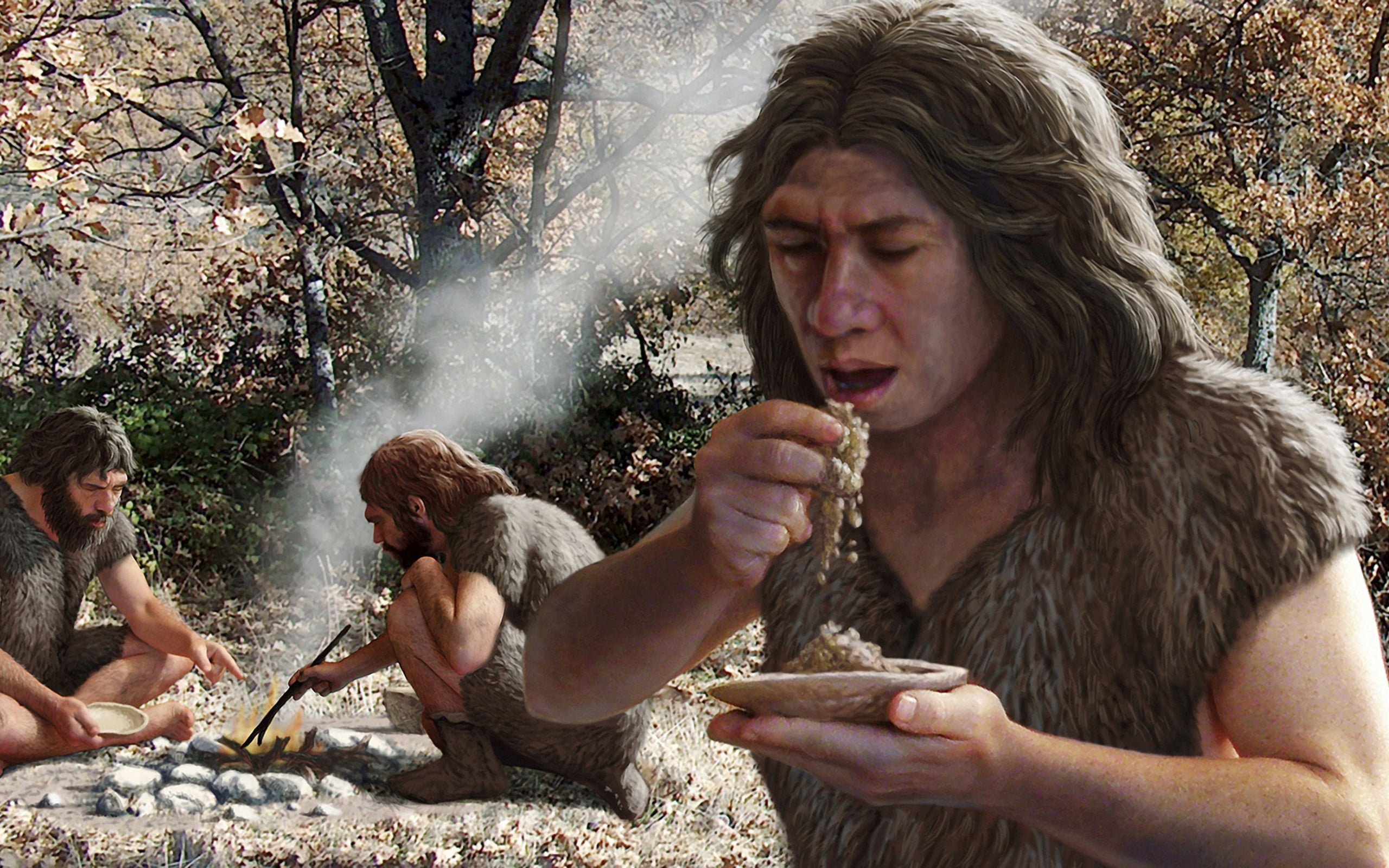
    Throughout the ancestral environment in which our species evolved, humans lived in relatively small tribes or bands of around 100-200 individuals. Being part of a tightly cooperating in-group was essential for survival against hostile outsiders, predators, and the harsh environments our ancestors inhabited.

    Those who were able to form stronger coalitions and display unshakable solidarity and loyalty within their bands had a major evolutionary advantage. Favoring one’s in-group – even when some members enacted transgressions – helped ensure the cohesion of the entire tribe against threatening out-groups.

    This deeply ingrained psychology of forming insular, favored groups and showing biased loyalty toward them likely underpins much of our modern political behavior and affiliation. Politicians skillfully craft narratives to reinforce an “us vs them” mentality and portray themselves as the champion of a favored in-group.

    The Halo Effect and Moral Credentialing

    Even once a politician has secured a loyal base of supporters, there are other evolved psychological biases that may help them maintain allegiance despite moral failings. The “halo effect” refers to how we tend to assume an array of positive traits in someone based on a few perceived positives. Similarly, the tendency for “moral credentialing” means we grant “moral passes” to those who have preemptively demonstrated their values alignment with us.

    In other words, because a particular politician has established themselves as “one of us” and signaled shared values in some areas, we extend them inflated “halos” of character and implicitly excuse transgressions that we might crucify others over. As long as they hit enough of our moral credentialing checkboxes, we show a strong status quo bias toward favoring them.

    Authority, Dominance, and Deference

    Many evolutionary psychologists argue that humans developed domain-specific psychologies for evaluating and deferring to authority figures and dominant leaders. Those who were able to identify and fall in line behind skilled, decisive leaders had better chances of survival.

    While these instincts may have been adaptive in our ancestral small-scale social groups, they can become overzealously applied to modern leadership roles like politicians. Once a political figure has been recognized as an authentic authority worthy of deference, the human tendency is to be strongly biased toward believing in them and justifying their actions – even unethical ones that should logically disqualify them.

    We evolved to respect displays of competence, confidence, strength, and dominance. Skilled politicians have learned to broadcast precisely those signals. The evolved human psyche may then struggle to override our automatic deference response, no matter how immoral the leader’s actions become.

    The Need for Identity and Belonging

    Finally, the human needs for identity fusion, belonging, and shared meaning are extremely powerful drivers of our thoughts and behaviors. We are a profoundly socially inspired species that depends on being part of Define groups and belief systems.

    When someone like a political leader becomes a key part of an individual’s sense of identity and values, it creates a mode of psychological ownership. To turn against that leader would be to turn against a piece of oneself. Psychologically, resisting affiliation to that person creates deeply unpleasant cognitive dissonance and alienation.

    Politicians know this and actively foster identity mergers and tribalism among their supporters. By convincing people that supporting them is tantamount to living out one’s core values and worldview, they make dissent incredibly difficult. Any scandal or immoral behavior must either be justified or ignored to protect one’s entire sense of identity.

    The Road Ahead

    While these psychological forces are potent, they don’t make us automatons. Humans also have remarkable capacities for self-awareness, ethical reasoning, and overriding more primitive biases. But doing so requires recognizing the deep evolutionary roots that incline us toward blind allegiance despite moral transgressions.

    By better understanding these influences, we can strive to hold our leaders to consistent standards – judging them as individuals rather than extensions of our in-groups. We are the only political constituency to which we owe unwavering loyalty. All other allegiances must be rationally reassessed based on observed behavior, not the distorting lenses of our tribal psychologies.

    Further Reading: Evolutionary Psychology of Tribalism

    The Evolutionary Approach to Political Psychology

    Evolutionary Political Psychology – Aarhus Universitet

    Evolutionary Political Psychology: On the Origin and Structure

    Psychological barriers to evolutionary psychology: Ideological bias and coalitional adaptations

  • Violence Is God’s Gift. Here Is Why.

    Violence Is God’s Gift. Here Is Why.

    At first glance, violence seems antithetical to the beauty and serenity we associate with the natural world. The brutal killing of prey by predators, the vicious competition for mates and territory, and the suffering inflicted by natural disasters all appear to contradict our idealized vision of nature as a harmonious paradise. However, a closer examination reveals that violence is not just an unavoidable aspect of the wild, but a vital force that maintains the delicate balance of ecosystems and drives the evolution of life itself.

    Far from being aberrant or gratuitous, violence plays several crucial roles. Predation keeps population levels in check, preventing any one species from proliferating unchecked and exhausting resources. Internecine conflicts within species ensure that only the fittest individuals reproduce, strengthening bloodlines over generations. Even natural disasters like fires, floods, and disease outbreaks act as agents of population control and habitat resetting that create opportunities for new growth. In short, violence is nature’s way of ensuring sustainability and evolutionary progress.

    The Consequences of Eradicating Violence

    To illustrate the indispensable role of violence, let us imagine a world in which it was entirely eliminated from the natural order. At first, this might seem like an idyllic vision – all creatures could live out their lives peacefully, free from harm. But the ramifications of such a change would be devastating and far-reaching.

    In the absence of predators and disease, virtually all species would experience unchecked population growth, breeding exponentially until their numbers hit the absolute ceiling of what the environment could sustain. Forests would become overgrazed, waterways depleted, and the landscape gradually stripped of biodiversity as dominant species consumed all available resources.

    The collapse would likely begin with the least adaptable specialists going extinct first as their narrow ecological niches disappeared. But even the hardiest generalists would soon find themselves in a slow-motion mass extinction event as habitats were utterly consumed. Rather than the bucolic utopia we might envision, an end to violence in nature would eventually reduce the planet to a near-lifeless husk.

    The Paradox of Suffering

    While the above thought experiment underscores the vital role of violence, it does not negate the reality that nature can be harsh, brutal, and unforgiving. Countless animals suffer agonizing deaths at the jaws or talons of predators. Others endure starvation, debilitating injuries, illnesses, or exposure as they struggle to survive. Even among those spared such dramatic fates, day-to-day existence in the wild can be a grinding misery of hunger, fear, discomfort and ceaseless labor.

    And it is not just the perceived lower animals enduring these hardships. In ecosystems from Africa’s savannas to Arctic tundra, it is not uncommon for prey animals to witness horrific attacks on their mothers, offspring or herd-mates. Can behaviors like mate-guarding, territoriality, and infanticide really be deemed “natural” just because they occur in nature? Isn’t there an inherent moral quandary in venerating the collective outcomes of evolution while averting our eyes from its cruelties enacted upon individuated, suffering beings?

    This is the great paradox at the heart of nature’s marvelous violence. While necessary for the greater good of life as a whole, it is built upon a foundation of individual pain, terror, and deprivation capable of eliciting our empathy and moral outrage. Appreciating nature’s grandeur means confronting its brutalities head-on.

    Violence as an Impetus for Change

    While the scope of suffering in nature can instill a sense of moral unease, it also serves as a powerful catalyst driving the changeability and dynamism that makes life on Earth so vibrant. Just as forest fires clear out old growth to make way for new, violence is one of the principal agents introducing genetic and environmental volatility into ecosystems.

    Evolutionary forces like natural selection are unthinkable without the “struggle for existence” that violence embodies. It is the existential stresses of starvation, predation, competition and hazard that separate the fit from the unfit, preserving advantages and purging maladaptive traits over successive generations. This interplay maintains species resilience and equips life to meet new challenges as environments shift.

    Violence amplifies this dynamism further by presenting shocks and discontinuities that can radically reshuffle ecosystems. A new pack of wolves moving into a region, for instance, will trigger cascading consequences as their predation alters the behaviors, population densities, and even evolutionary trajectories of their prey over time. Forests and landscapes evolve just as profoundly in the wake of disturbances like storms, fires, or geological events that wipe out swathes of biomass.

    Human-Induced Violence

    Thus far we have focused on violence as an innate mechanism of the unsullied natural world. But in this age of human civilizations and widespread environmental impacts, we must also consider the violence inflicted by our own species through behaviors like habitat destruction, overhunting, pollution, and greenhouse gas emissions.

    This human-driven violence presents a paradox of its own. Even as we recoil from depictions of gruesome predation or mass death events in nature documentaries, we ourselves are perpetrating even more extreme violence on a global scale through ecocide and a man-made mass extinction crisis. While natural violence maintains balance and dynamism, human violence often breeds scarcity and catalyzes ecosystem collapse.

    At the same time, there are ways in which human violence can mirror natural processes, however imperfectly. Practices like hunting, culling, and prescribed burning can sustainably reset and rejuvenate forests and wildlife populations when conducted judiciously. Modern conservation corridors act as artificially preserved evolutionary bottlenecks helping maintain gene flow and biodiversity. But such measures are temporary band-aids compared to the far more disruptive march of global warming, habitat loss, and defaunation that threatens to rewrite the rules and constraints shaping violence’s role in nature.

    In a Nutshell

    As difficult as it is to accept, violence is an indispensable part of the cycles of life and death that sustain our planet’s biodiversity and ecosystems. From culling populations to resetting habitats to driving adaptation, nature’s harsh enforcement of the survival of the fittest enables the incredibly rich, complex web of life we observe and cherish today. While the ethics of suffering give us philosophical pause, the alternatives of stagnation, uniformity, and ecological collapse are far more troubling in the long run.

    The key is to regard the violence of the natural world as something to be respected and understood holistically rather than judged through a human moral lens. Like any great creative force, it contains multitudes of terrors and beauties inextricably intertwined. To appreciate nature is to accept its awesome, awe-inspiring contradictions.

  • Evolutionary Psychology of Religion

    Evolutionary Psychology of Religion


    Let’s explore the fascinating interplay between religion and evolution through the lens of the evolutionary psychology of religion. During their formative years, children often absorb their parents’ teachings unquestioningly. This phenomenon is rooted in an evolutionary imperative: parents transmit vital survival skills to their offspring, ensuring their prosperity and the continuation of the species.

    In this critical developmental phase, children’s minds are remarkably receptive to their caregivers’ beliefs. Consequently, parents’ religious inclinations significantly shape their children’s religious identities. This pattern is consistently observed, with Muslim parents typically raising Muslim children and Christian parents usually having Christian offspring. The intricate dance between religion and evolution continues to captivate researchers and thinkers alike.

    The Challenge of Conversion

    The evolutionary psychology of religion suggests that early religious indoctrination poses a significant obstacle to conversion in later life. As individuals attain cognitive maturity and develop a capacity for skepticism, embracing a new religious ideology becomes a formidable challenge. The beliefs and worldviews deeply embedded during childhood erect a strong psychological barrier against different belief systems.

    To persuade a skeptical mind to adopt a new religion, a considerable amount of evidence, cogent reasoning, and transformative personal experiences are often necessary to counteract the pre-existing belief system. Thus, the journey of conversion is akin to an arduous climb, requiring individuals to surmount the entrenched convictions of their youth.

    The Evolutionary Perspective

    From an evolutionary standpoint, transmitting religious beliefs from parents to offspring can be viewed as a form of cultural inheritance. Just as genetic traits are passed down through generations, cultural values, beliefs, and practices are also propagated, shaping the cognitive landscapes of subsequent generations.

    This cultural inheritance mechanism serves as a means of preserving and perpetuating the belief systems that have proven conducive to the survival and well-being of a particular group or society. Religious teachings often encompass moral codes, social norms, and behavioral guidelines that have evolved over time to promote cooperation, cohesion, and resilience within a community.

    The Interplay of Reason and Evolutionary Psychology of Religion

    While the evolutionary perspective sheds light on the mechanisms behind the transmission of religious beliefs, it does not negate the role of reason and critical thinking in shaping one’s worldview. As individuals mature and develop cognitive abilities, they gain the capacity to question, analyze, and potentially reject or modify the beliefs they have inherited.

    The interplay between reason and belief is a complex and ongoing process, influenced by factors such as education, exposure to diverse perspectives, and personal experiences. While some individuals may undergo a religious transformation and embrace a different belief system, most others stick to unreason taught them as children. 

    In a Nutshell: Evolutionary Psychology of Religion

    The evolutionary psychology of religion provides a nuanced framework for understanding the intricate relationship between religious development and evolutionary processes. The early childhood period, heavily influenced by parental guidance, is critical in shaping religious identities, presenting a significant hurdle for conversion among the skeptical. From an evolutionary perspective, the propagation of religious beliefs can be seen as a form of cultural transmission that aids in the preservation and spread of belief systems that benefit certain groups or societies.

    Nonetheless, it’s essential to recognize the role of reason and critical thinking in shaping individual worldviews. As individuals mature and their cognitive abilities develop, they gain the capacity to scrutinize, assess, and potentially revise or reject the inherited beliefs. The interplay between reason and faith is an ongoing, dynamic journey influenced by diverse factors such as education, exposure to different ideas, and personal experiences.

    In essence, delving into the ties between religion and evolution fosters a profound and contemplative discourse, one that appreciates the complex interplay of biological, cultural, and intellectual forces that mold our beliefs and viewpoints.


    Further Reading

    Evolutionary Psychology of Religion

    • “The God Delusion” by Richard Dawkins
    • “The Cognitive and Evolutionary Psychology of Religion” by Robert N. McCauley & Eileen Barker in Religion, Brain & Behavior (2004)
    • The Clergy Project

    Transmission of Religious Beliefs

    • “The Cultural Evolution of Religion” by Joseph Henrich in Proceedings of the Royal Society B (2004)
    • “Nurture by Nature” by Jean Liedloff

    The Role of Reason and Critical Thinking

    • “The interplay between reason and religion” by Justin L. Barrett in Trends in Cognitive Sciences (2012)
    • “Thinking, Fast and Slow” by Daniel Kahneman

    What Is Evolutionary Psychology?

    Evolutionary psychology is a theoretical approach to understanding human behavior and cognition, focusing on how evolutionary processes, particularly natural selection, have shaped the human mind and behavior. It suggests that many human behaviors and mental processes have evolved over millions of years to solve adaptive problems faced by our ancestors. Here’s a detailed exploration of what evolutionary psychology is, its foundational principles, and some examples illustrating how it applies to modern human behavior:

    Core Principles of Evolutionary Psychology

    1. Natural Selection and Adaptation: Evolutionary psychology is grounded in the principles of Darwinian evolution, which emphasize that organisms adapt to their environments over time. Traits and behaviors that improve reproductive success tend to be passed down through generations.
    2. Psychological Mechanisms: Evolutionary psychologists posit that the human brain consists of a collection of psychological mechanisms or “modules” that have evolved to address specific adaptive challenges. These modules are responsible for different aspects of cognition and behavior, such as language acquisition, social interactions, mate selection, and more.
    3. Environment of Evolutionary Adaptedness (EEA): This concept refers to the ancestral environment in which these psychological mechanisms evolved. Evolutionary psychologists suggest that many modern behaviors can be understood by considering the challenges faced by early humans in their environment.
    4. Adaptive Problems and Solutions: Evolutionary psychology focuses on identifying adaptive problems that our ancestors faced, such as finding food, avoiding predators, and reproducing. The field seeks to understand how various psychological mechanisms evolved to address these problems.

    Key Topics in Evolutionary Psychology

    1. Mate Selection and Reproduction: Evolutionary psychologists often study mate selection to understand how individuals choose partners based on evolutionary factors. For example, certain physical traits, such as symmetry, are believed to signal genetic fitness, influencing mate choice.
    2. Parenting and Kinship: Parental investment theory explores how much effort parents invest in raising offspring, with differences in investment between males and females. This can help explain certain behaviors related to parenting and kin relationships.
    3. Social Behavior and Cooperation: Human societies exhibit complex social behaviors, including cooperation, altruism, and aggression. Evolutionary psychology examines how these behaviors might have evolved to increase group cohesion and individual survival.
    4. Language and Communication: The evolution of language is another key topic, with research exploring how linguistic capabilities could have provided an adaptive advantage, facilitating communication and cooperation.
    5. Emotion and Decision-Making: Emotions play a central role in human behavior. Evolutionary psychology examines how emotions like fear, anger, and love evolved to influence decision-making in adaptive ways.

    Criticisms and Controversies

    Despite its intriguing insights, evolutionary psychology has faced criticism and controversy. Some of the common critiques include:

    • Reductionism: Critics argue that evolutionary psychology reduces complex behaviors to simplistic evolutionary explanations, overlooking cultural and social factors.
    • Determinism: Some believe that evolutionary psychology overemphasizes genetic determinism, neglecting the role of individual choice and environmental influences.
    • Ethical Concerns: There are ethical concerns about how evolutionary explanations could be used to justify harmful behaviors or stereotypes.

    In a Nutshell

    Evolutionary psychology offers a framework for understanding human behavior through the lens of evolution and natural selection. It provides insights into why we behave the way we do, emphasizing the adaptive functions of various psychological mechanisms. While it has made significant contributions to our understanding of human nature, it is essential to consider its limitations and the broader context in which human behavior develops.