Tag: Humanity

  • Unveiling the Missing Links

    Unveiling the Missing Links

    A common misconception about evolution is that it must proceed in discrete leaps, with one species abruptly “evolving into” another. This perspective stems from a flawed interpretation of evolutionary theory and the concept of “missing links.” In reality, evolution is an exquisitely gradual process, with one species slowly and incrementally transitioning into a new form over immense timescales. The fossil record doesn’t show clean breaks, but rather a continuous tapestry of incremental change between ancestral and descendent organisms.

    Any fossil that represents an intermediate form along this continuum could be considered a “missing link” — connecting the evolutionary threads between what came before and what came after. Far from being mere gaps to be filled, these transitional fossils provide invaluable evidence illuminating the pathways of evolutionary transformations. Even more compelling are the living organisms today that appear to be caught in the midst of a major transition, offering a breathtaking glimpse into the dynamic processes that so slowly reforge one species into another over eons.

    From Sea to Land: Hand-Fish Blazing the Trail

    Perhaps the most famous example of this is the terrestrial fish of the family Cyclopteridae, including the Hawaiian and Ecuadorian handfish. Using their reformed pectoral fins as limbs, these fish can spend considerable time out of the water, “walking” across land and even scaling rocky outcrops. Their labored forays onto dry terra firma may seem comical, but they represent an almost unfathomable evolutionary transition in action: the inching shift from a fully ocean-going mode of life to an amphibious existence straddling both marine and terrestrial realms.

    In these plucky handfish, we witness a potential early stage of a grand evolutionary transition that first occurred over 360 million years ago, when hardy fin-bearers first dragged themselves out of primordial seas to bask and perhaps forage on the uncharted shores. These unlikely colonists would give rise to the first tetrapods — four-limbed vertebrates that traded their fins for more robust legs and feet. All terrestrial vertebrates (including humans) arose from these ancient amphibious voyagers that metamorphosed from free-swimming fish into sturdy land explorers.

    Avian Mariners: Penguins Evolving Aquatic Mastery

    While the unpresuming hand fish may seem an extreme example, they highlight how major evolutionary shifts likely arise not in abrupt leaps but in a gradual and incremental coin-flipping back and forth — with some individuals in a population tentatively exploiting new ecological niches and opportunities while others remain committed to the ancestral state. Over time, this coin-flipping ultimately becomes irreversibly biased in one direction as environmental pressures lock in the genetic and morphological path forward.

    This principle is echoed throughout the living world today in creatures that appear suspended between the last vestiges of their ancestral form and the first inklings of a radically divergent future embodiment. Their existence provides insightful, real-time snapshots of the ever-unfolding drama of evolutionary transitions.

    Among birds, few lineages seem as evolutionarily unresolved as the penguins. The specialized marine adaptations of these “almost-fish” creatures are self-evident — their streamlined bodies, flipper-like wings, counter-shaded coloration, and other ocean-going specializations clearly echo their ancestral life as warm-blooded marine hunters. And yet, penguins remain steadfastly bipedal on land, still traveling about on their ancestral pair of avian limbs in the classically upright “dinosaur” posture of their long-extinct theropod dinosaur forebears.

    In the penguins, we glimpse an order of birds caught midway through the transition from aerial existence to marine, their antique adaptations for flight repurposed to aid an unexpectedly aquatic life — one that perhaps someday may fully sever their remaining ties to the land and an airborne legacy.

    Sea Cows and Whales: Drifting Towards an Aquatic Destiny

    The semi-aquatic lifestyles of marine iguanas and sea lions (to name but two examples) similarly capture arboreal and terrestrial vertebrates in the midst of testing the waters towards a more comprehensive oceanic future. Meanwhile, the opposite transition is embodied by amphibious fish and semi-terrestrial invertebrates like terrestrial crabs and certain arachnids — tentatively exploring a foothold in a terrestrial realm from which their ancestors washed ashore millions of years before.

    Among mammals, hippos (with their aquatic rhino-kin) are poster children for this same grand evolutionary theme. These behemoth “river horses” dwell in a semi-aquatic world, relegating their mammalian terrestrial legacy to wading about in bodies of water and grazing in the grassy shallows. Their barrel-shaped bodies, webbed feet, minimized legs, depressed nostrils, and other aquatic specializations have unmistakable analogs in the cetacean lineages (whales and dolphins) — evolutionary cousins that once shared a common amphibious proto-cetacean ancestor before taking the irreversible plunge into a permanent marine existence some 50 million years ago.

    Seeing these semi-aquatic mega-herbivores in repose makes one ponder whether natural selection may someday coax them down a path towards a more comprehensively hydro-dynamic future — perhaps gradually sundering them from their remaining terrestrial ties altogether to become the fully aquatic successors of their marine sirenian relatives, the manatees, and dugongs.

    Human and Chimp: The Ultimate Trans-Species

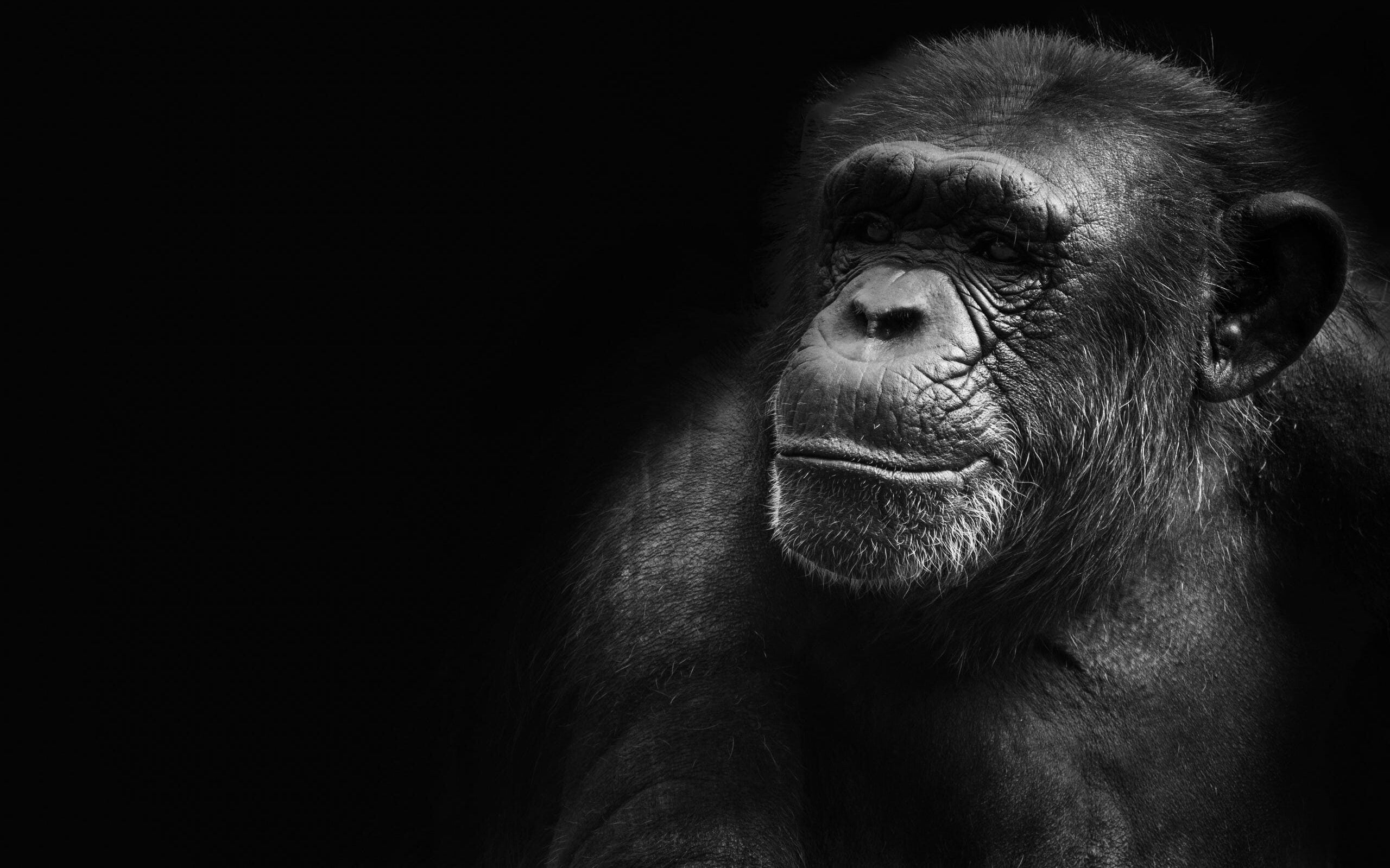
    There can be few finer bookends for the stunning malleability and transformative power of evolution than a juxtaposition of our own species with our famous evolutionary cousins, the chimpanzees. Looking at side-by-side representations of ourselves and these magnificent apes makes it abundantly clear that we share the unmistakable hallmarks of our recent divergence from a common ancestor only some 6–7 million years in the past.

    And yet, for all our apparent outward similarities, that profound evolutionary gulf becomes equally evident in the highly derived anatomical and cognitive adaptations that have come to utterly remake the human form — from our deftly re-sculpted hands and feet and extraneously reinforced obstetric channels to our massively expanded cranial architecture housing our swollen Brobdingnagian neural engines (our brains being 3–4 times the volume of those cradled in our chimpanzee cousins’ crania).

    In so many ways, a purposeful inspection of ourselves and our nearest shrunken shadows reveals a living trans-species: a chimera, clinging to the tattered remnants of our arboreal forebears, but with the bulk of our anatomical toolkit and neurocognitive constitution already dramatically reconstructed and transmogrified to suit not the arboreally frenetic existence of a forest ape, but the upright peregrinations and cerebrally baroque demands of a truly terrestrial, unshackled life. Little wonder Charles Darwin described us as “quintessential transitional creatures.”

    Into the Singularity: Humans in Metamorphosis?

    Even more radically, some biologists have theorized that humans today may represent a liminal state not just between our ape ancestors and our terrestrial posterity, but perhaps even an intermediate stage in the genesis of a separate lineage altogether: one whose rapidly metamorphic technological inventions and culture may one day definitively eclipse and supersede our purely biological origins and open a profound new chapter on an inconceivable evolutionary scale — an epoch of intelligence unbound, a post-Biological transition whose emergence we may be blinking forward into today.

    The Takeaway

    Whether one ventures to such speculative heights or remains firmly grounded, it is clear that the living world today teems with myriad organisms caught in various stages of transition — striking chords between what came before and what will follow. Far from being gaps or shortcomings, these “missing links” emblematize the breathtaking fluidity and dynamism inherent in the evolutionary process — fractal emanations of Nature’s eternal opus of mutation, transformation, and reinvention.

  • A Brief History of Man from the Dawn of Life to the Moon

    A Brief History of Man from the Dawn of Life to the Moon


    The story of human evolution is a captivating saga, stretching back billions of years and culminating in the remarkable creature you are today. It’s a journey that begins not with a bang, but with a whimper — the emergence of single-celled life on a young Earth.

    The First Sparks of Life (3.8 Billion Years Ago)

    Our tale starts with the most basic of beginnings: microscopic, single-celled organisms called prokaryotes. These were simple entities, lacking the complexity of modern cells. Yet, within their basic structure, the fundamental processes of life — like obtaining energy and replicating — were taking root. These tiny pioneers, believed to have arisen around 3.8 billion years ago, laid the groundwork for all life that would follow.

    The Rise of Complexity (Over Billions of Years)

    Over eons, these simple cells diversified and evolved. Some developed a more complex structure, becoming eukaryotes with a true nucleus and specialized compartments within the cell. These advancements unlocked new possibilities, paving the way for the emergence of multicellular organisms. Early multicellular lifeforms, like algae and fungi, were the first steps toward the incredible diversity of plants and animals that would eventually dominate the planet.

    A Pivotal Turning Point: The Evolution of Animals (Around 600 Million Years Ago)

    The rise of animals marked a significant leap in the evolutionary timeline. These multicellular organisms possessed specialized cells for different functions, allowing for greater complexity and movement. Among this diverse group, vertebrates emerged — creatures defined by a backbone that provided support and structure. A lineage of small, shrew-like mammals, particularly adept at surviving in challenging environments, would become crucial players in the next chapter of our story.

    The Primate Lineage (Over 66 Million Years Ago)

    From these early mammals, the ancestors of primates, including humans, branched out. Over millions of years, these primate forebears adapted to life in the trees. This arboreal lifestyle led to the development of key traits — grasping hands for better maneuverability, binocular vision for improved depth perception, and a gradual increase in brain size.

    The First Hominins (Around 4 Million Years Ago)

    The first recognizable human ancestors, classified under the genus Australopithecus, emerged in Africa roughly 4 million years ago. These early hominins possessed a groundbreaking capability — they walked upright on two legs. Bipedalism, as it’s called, freed up their hands for carrying tools and manipulating objects, a defining characteristic that would propel our lineage forward.

    Our Evolutionary Kin: Homo Erectus and Neanderthalensis (Over 2 Million Years Ago)

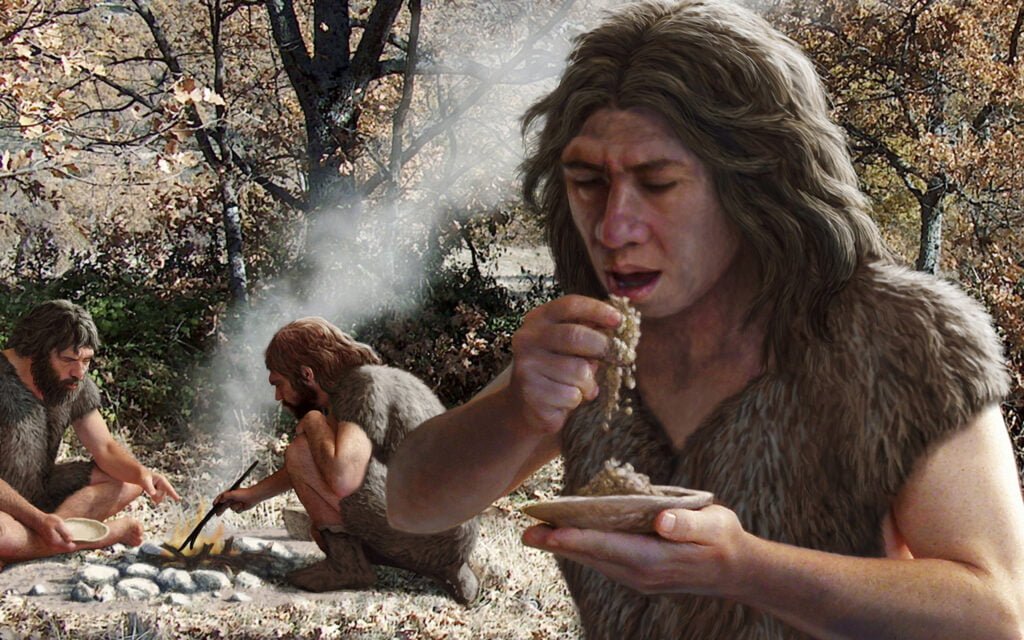
    The genus Homo, encompassing our direct ancestors, emerged next. Species like Homo erectus, with their larger brains and ability to control fire, represent a significant advancement. Later, Homo neanderthalensis, with their complex social structures and advanced toolmaking skills, shared the Earth with early Homo sapiens for a period.

    The Arrival of Homo Sapiens (Around 300,000 Years Ago)

    Finally, around 300,000 years ago, our own species, Homo sapiens, took center stage. These modern humans possessed a larger brain, allowing for sophisticated cognitive abilities, complex language, and the capacity for innovation. Our ability to fashion advanced tools, coupled with our exceptional problem-solving skills, propelled our progress and laid the foundation for the technological and cultural achievements that define our world today.

    A Branching Evolutionary Tree

    It’s important to note that human evolution wasn’t a linear path from Australopithecus to Homo sapiens. The evolutionary tree is more like a bush, with various hominin species emerging and sometimes coexisting. For instance, recent discoveries suggest interbreeding between early Homo sapiens and Neanderthals, adding another layer of complexity to our evolutionary history.

    The Role of Climate Change

    Climate change has also played a significant role in shaping our evolution. Fluctuations in temperature, ice ages, and periods of drought all exerted pressure on our ancestors, forcing them to adapt or perish. For example, the development of bipedalism in Australopithecus might be linked to a shift from dense forests to more open savannas.

    The Dawn of Tool Use (Over 3 Million Years Ago)

    A defining feature of human evolution is our tool use. While some animals exhibit rudimentary tool manipulation, our ancestors took it to a whole new level. Early hominins used sharpened stones and bones for cutting and scraping, a skill that would become increasingly sophisticated over time. The ability to craft tools not only aided in acquiring food and defending against predators but also sparked innovation and problem-solving.

    The Emergence of Language (Around 100,000 Years Ago)

    The development of language is another defining characteristic of our species. The exact origins of language remain shrouded in mystery, but evidence suggests it emerged around 100,000 years ago with early Homo sapiens. Language allowed for complex communication, enabling our ancestors to share ideas, collaborate on tasks, and transmit knowledge across generations. This revolutionized social interaction and fostered the development of culture.

    The Rise of Culture (Around 50,000 Years Ago)

    Culture, encompassing everything from art and music to rituals and beliefs, is a hallmark of human existence. The earliest evidence of cultural expression comes from around 50,000 years ago, with the emergence of cave paintings, intricate tools, and symbolic objects. These artifacts hint at a growing capacity for abstract thought, imagination, and storytelling. Culture served to bind communities together, fostering a sense of shared identity and purpose.

    The Cognitive Leap (Around 70,000 Years Ago)

    Around 70,000 years ago, a significant cognitive leap occurred, sometimes referred to as the “Behavioral Modernity Revolution.” This period witnessed a surge in technological innovation, with the development of sophisticated tools like barbed points for hunting and needles for sewing clothing. Symbolic art became more elaborate, with the emergence of figurines and engravings. This advancement in cognitive abilities suggests a shift in how our ancestors processed information, planned for the future, and interacted with the world around them.

    The Last Ice Age (Around 110,000 to 11,700 Years Ago)

    The Earth’s climate has undergone dramatic shifts throughout history, and the last Ice Age, spanning roughly 110,000 to 11,700 years ago, significantly impacted human evolution. Our ancestors faced harsh conditions, with vast swathes of the planet covered in glaciers. This period likely intensified competition for resources, pressuring them to develop new survival strategies. The challenges of the Ice Age might have played a role in promoting cooperation, innovation, and the development of complex social structures.

    The Rise of Agriculture (Around 12,000 Years Ago)

    A pivotal moment in human history arrived around 12,000 years ago with the rise of agriculture. This transition from a hunter-gatherer lifestyle to one based on cultivating crops and domesticating animals marked a significant shift in our relationship with the environment. Agriculture enabled the development of permanent settlements, population growth, and the rise of complex societies.

    The Evolution Continues

    Human evolution is not a static process; it continues to this day, albeit at a much slower pace. Modern advancements in medicine, technology, and nutrition have altered our environment and shaped our selection pressures. The future of human evolution remains uncertain, but understanding our remarkable past offers invaluable insights into who we are and where we might be headed.

    Concluding Thoughts on the History of Man

    The story of human evolution is a testament to the power of adaptation, innovation, and the ability to learn and build upon the knowledge of previous generations. From our humble, single-celled origins to our current state as a technologically advanced species, the journey has been extraordinary. As we continue to explore the universe and push the boundaries of knowledge, a deeper understanding of our evolutionary heritage becomes ever more crucial. It reminds us of our place within the web of life and the incredible forces that have shaped us into the beings we are today.


    Further Reading

    The Smithsonian Institution’s Human Origins Program
    The Hall of Human Origins offers a welcoming place to explore one of the most exciting areas of science, the study of…humanorigins.si.edu

    Understanding Evolution
    Your one-stop source for information on evolutionevolution.berkeley.edu

    Human Evolution
    Learn how early humans evolved from Homo habilis, to Homo erectus, to Homo sapiens and developed basic survival tools.education.nationalgeographic.org

    Human Evolution | PBS LearningMedia
    Find lessons on Human Evolution for all grades. Free interactive resources and activities for the classroom and home.www.pbslearningmedia.org

    The evolution of man
    BBC > Science & Nature > Prehistoric Life > Human Beginnings > The Evolution of Manwww.bbc.co.uk

    Human evolution overview (video) | Khan Academy
    Learn for free about math, art, computer programming, economics, physics, chemistry, biology, medicine, finance…www.khanacademy.org

    The Leakey Foundation
    The Leakey Foundation’s mission is to increase scientific knowledge, education, and public understanding of human…leakeyfoundation.org

    The Origin and Legacy of the Human Age
    Whether we live a million more years or another week is up to uswww.scientificamerican.com

    https://www.amnh.org/exhibitions/permanent/human-origins

  • How We Discovered The Ape Within Us

    How We Discovered The Ape Within Us


    For centuries, humans have grappled with the question of our origins and our place in the natural world. It wasn’t until the groundbreaking work of scientists like Charles Darwin and Thomas Huxley that we began to unravel the profound truth: humans are not a separate creation from other animals, but rather a branch of the great ape family tree. This realization shattered long-held beliefs and sparked heated debates, but ultimately paved the way for a deeper understanding of our evolutionary past.

    The Ancient Observers

    Long before modern science, ancient philosophers and naturalists had observed the striking similarities between humans and apes. Aristotle, the famous Greek philosopher, noted the resemblance between apes and humans in his writings. In the 3rd century BCE, the Roman writer Claudius Aelianus remarked on the human-like behaviors of apes, such as their ability to learn and their social nature.

    However, these early observations were often dismissed or interpreted through the lens of religious beliefs, which placed humans as a separate and superior creation from animals.

    The Dawn of Evolutionary Theory

    It wasn’t until the 19th century that the scientific foundations were laid for understanding our true kinship with apes. In 1859, Charles Darwin published his revolutionary work, “On the Origin of Species,” which introduced the theory of evolution by natural selection. While Darwin initially shied away from explicitly linking humans to apes, his groundbreaking ideas paved the way for further exploration of our evolutionary origins

    The Ape-Man Debate

    One of the fiercest proponents of the ape-human connection was Thomas Huxley, a renowned biologist and staunch supporter of Darwin’s theory. In 1863, Huxley delivered a powerful lecture titled “Evidence as to Man’s Place in Nature,” where he presented compelling anatomical and physiological evidence that humans and apes share a common ancestor.

    Huxley’s bold assertions ignited a firestorm of controversy, as they challenged deeply rooted religious and cultural beliefs about human exceptionalism. The debate between Huxley and his opponents, such as Richard Owen, the renowned anatomist, became known as the “Ape-Man Debate,” a clash of ideas that captivated the public imagination.

    The Missing Link

    As the debate raged on, scientists sought to find the elusive “missing link” — a fossil that would bridge the evolutionary gap between apes and humans. In 1891, a remarkable discovery was made in Java, Indonesia: the fossilized remains of a human-like creature, later named Homo erectus, which lived around 1.8 million years ago.

    While not the direct ancestor of modern humans, Homo erectus provided tangible evidence of our ape-like ancestors, further solidifying the evolutionary connection. Additional fossil discoveries, such as the famous “Lucy” skeleton found in Ethiopia in 1974, continued to shed light on our ancient primate relatives.

    The Genetic Evidence

    In the latter half of the 20th century, a new field of study emerged that would provide the most compelling evidence yet of our ape ancestry: molecular biology. By comparing the genetic makeup of humans and other primates, scientists were able to quantify the remarkable similarities between our species.

    Groundbreaking studies revealed that humans share over 98% of our DNA with chimpanzees and bonobos, our closest living relatives in the ape family. This genetic evidence, coupled with the fossil record and anatomical comparisons, cemented our place as a branch on the ape evolutionary tree.

    In a Nutshell

    The journey to unraveling our ape origins was long and arduous, fraught with religious and cultural resistance. However, through the tireless efforts of scientists like Darwin, Huxley, and countless others, the truth emerged: we are not a separate creation, but an integral part of the rich tapestry of life on Earth, sharing a common ancestry with our ape cousins.

    This realization not only deepens our understanding of our past but also shapes our perspective on our present and future. By embracing our evolutionary roots, we can better appreciate our place in the natural world and how interconnected life on our planet is.


    Further Reading

    Nested Hierarchies, the Order of Nature: Carolus Linnaeus
    Homo sapiens, Tyrannosaurus rex, Escherichia coli -our English conversation is littered with pairs of Latin names for…evolution.berkeley.edu

    Human taxonomy – Wikipedia
    From Wikipedia, the free encyclopedia Homo (“humans”) Scientific classification Genus: Homo Linnaeus, 1758 Type species…en.wikipedia.org

    Human evolutionary genetics – Wikipedia
    Human evolutionary genetics studies how one human genome differs from another human genome, the evolutionary past that…en.wikipedia.org

    How humans and apes are different, and why it matters
    Why it’s important to study the deep similarities, and the critical differences, between humans and the apes to seek an…www.sciencedaily.com

    New Fossil Discovery May Change What We Know About Human Evolution
    The ancient species Homo naledi had small brains and seems to have intentionally carried their dead into caveswww.smithsonianmag.com


    A Brief History of Human Evolution From the Dawn of Life

    The journey of human evolution is a remarkable story that spans billions of years, tracing its origins back to the most humble and microscopic of beginnings – the unicellular organism. These single-celled lifeforms, tiny though they were, laid the foundation for the incredible diversity of life that would eventually emerge on our planet, including the rise of our own species, Homo sapiens.

    The earliest forms of unicellular life are believed to have arisen on Earth around 3.8 billion years ago, simple prokaryotic cells that lacked a true nucleus or membrane-bound organelles. These primitive cells, powered by the chemical reactions of their internal metabolic processes, represented the first stirrings of life on our planet.

    The Rise of Complexity

    Over vast stretches of time, these unicellular organisms diversified and evolved, giving rise to more complex eukaryotic cells with a true nucleus and specialized organelles. It was from these eukaryotic cells that the first multicellular organisms emerged, a pivotal moment in the grand tapestry of evolution. These early multicellular lifeforms, such as simple algae and fungi, paved the way for the subsequent emergence of more complex lifeforms, including the earliest animals and plants.

    The Evolutionary Leap to Multicellularity

    The evolution of animals, in particular, set the stage for the eventual rise of vertebrates, a diverse group of organisms characterized by the possession of a backbone or spinal column. Among these vertebrates, a lineage of small, shrew-like mammals emerged, adapted to a nocturnal lifestyle and possessing a remarkable ability to adapt and survive.

    The Primate Lineage

    It was from this lineage of early mammals that the ancestors of primates, including humans, eventually emerged. Over millions of years, these primate ancestors underwent a series of evolutionary changes, adapting to life in the trees and developing traits such as grasping hands, binocular vision, and increased intelligence.

    The First Human Ancestors

    The first true human ancestors, members of the genus Australopithecus, emerged around 4 million years ago in Africa. These early hominins walked upright on two legs, a trait that would become a defining characteristic of our species. Over time, the genus Homo emerged, with species like Homo erectus and Homo neanderthalensis representing important milestones in our evolutionary journey.

    The Emergence of Homo Sapiens

    Finally, around 300,000 years ago, our own species, Homo sapiens, appeared on the evolutionary stage. These modern humans possessed a larger brain, advanced cognitive abilities, and a capacity for language and complex tool-making that set them apart from their predecessors.

    The Legacy of Evolution

    From these humble beginnings as unicellular organisms, our species has undergone an extraordinary journey of evolution, one that has taken us from the microscopic realm to the heights of technological and cultural achievement. Yet, despite our remarkable progress, we remain inextricably linked to the vast web of life that surrounds us, a testament to the incredible power of evolution to shape and transform the living world.

  • What Is It To Be an Ape?

    What Is It To Be an Ape?


    For centuries, the human-ape evolutionary connection has been a topic of intense debate within the scientific community. While it is widely acknowledged that humans belong to the primate order, the question of whether we should be classified as members of the ape family has sparked intellectual discourse and rigorous examination. This evolutionary link between humans and apes is supported by a wealth of anatomical, genetic, and behavioral evidence that warrants a thorough exploration.

    Through the lens of anatomical similarities, the striking resemblances between humans and other great apes, such as chimpanzees, gorillas, and orangutans, are undeniable. From the structure of our skeletal system and muscular arrangement to the presence of vestigial traits like tailbones and wisdom teeth, the anatomical parallels paint a compelling picture of our shared evolutionary heritage.

    Furthermore, the advancement of genetic studies has unveiled the profound genetic kinship between humans and apes. With an overwhelming similarity in our genetic makeup, the evidence suggests that we share a common ancestor with our ape counterparts, solidifying the Human-ape evolutionary connection as a scientifically grounded concept.

    Behavioral observations also lend credence to this connection. The intricate social structures, tool-making abilities, and displays of emotions exhibited by apes bear striking resemblances to human behaviors, hinting at our shared evolutionary roots and cognitive capabilities.

    Join us as we delve into the multifaceted aspects of the our evolutionary connection to apes, a perspective that challenges preconceived notions and invites us to embrace our place within the grand tapestry of primate evolution.

    Anatomical Evidence

    Underscoring our evolutionary connection to apes, the anatomical similarities between humans and other apes are striking and impossible to ignore. Like our closest genetic relatives, chimpanzees and gorillas, we possess a suite of physical characteristics that firmly place humans within the ape family. One of the most conspicuous traits exemplifying this connection is the absence of a tail, a defining characteristic of apes that sets them apart from monkeys.

    Moreover, the human-ape evolutionary connection is further reinforced by the shared presence of opposable thumbs and the ability to grasp objects with precision among humans and other apes. This adaptation has been instrumental in the development of our advanced tool-making capabilities, a hallmark of human culture and ingenuity that finds its roots in our ape ancestry.

    Genetic Evidence

    Reinforcing the human-ape evolutionary connection, the field of molecular biology has provided compelling evidence of our close genetic kinship with other apes. Through the analysis of DNA sequences, scientists have established that humans share a remarkable 98.8% of their genetic makeup with chimpanzees, our closest living relatives. This staggering genetic similarity underscores the evolutionary ties that bind us to the ape lineage and solidifies the human-ape evolutionary connection.

    Furthermore, studies of genetic markers and genomic architecture have revealed that humans and other apes share a common ancestor that lived approximately 6 million years ago. This shared ancestry, coupled with the high degree of genetic similarity, provides a strong foundation for classifying humans as an ape species within the context of the human-ape evolutionary connection.

    The genetic evidence, from our near-identical DNA sequences to our shared ancestral roots, paints an unequivocal picture of the evolutionary bond between humans and apes, cementing the human-ape evolutionary connection as a scientifically validated reality.CopyRetry

    Behavioral and Cognitive Evidence

    Extending beyond the realms of anatomy and genetics, the human-ape evolutionary connection is further reinforced by the range of behaviors and cognitive capacities that humans exhibit, which are quintessentially ape-like. Like our ape cousins, we live in complex social groups, engage in intricate communication through language and gestures, and exhibit advanced problem-solving abilities – traits that are hallmarks of our shared evolutionary heritage.

    Moreover, the human-ape evolutionary connection is underscored by the capacity for empathy, self-awareness, and emotional intelligence that humans possess – traits that were once thought to be unique to our species but have since been observed in varying degrees among other apes. These cognitive and behavioral parallels further reinforce the notion that humans are indeed part of the ape family.

    The behavioral and cognitive evidence, from our intricate social structures to our emotional depth, paints a compelling picture of the evolutionary bond between humans and apes, cementing our connection as a multifaceted and scientifically grounded perspective.

    Evolutionary Perspective

    From an evolutionary standpoint, the classification of humans as an ape species is a logical and parsimonious conclusion that further solidifies the human-ape evolutionary connection. The theory of evolution, supported by overwhelming scientific evidence, posits that all life on Earth is connected through a vast web of shared ancestry. Humans, like all other species, have evolved from earlier forms of life, tracing our lineage back to the common ancestor we share with other apes, underscoring the undeniable human-ape evolutionary connection.

    To deny our ape heritage would be to reject the fundamental principles of evolutionary biology and the overwhelming evidence that supports our kinship with these remarkable creatures, effectively dismissing our well-established evolutionary connection to apes.

    The evolutionary perspective, grounded in scientific rigor and backed by a wealth of evidence, firmly establishes the human-ape evolutionary connection as an inescapable reality, reinforcing the notion that humans are indeed members of the ape family.

    In a Nutshell

    The cumulative weight of anatomical, genetic, behavioral, and evolutionary evidence compels us to embrace the scientific consensus that humans are, indeed, an ape species – a conclusion that reinforces the profound human-ape evolutionary connection. While this classification may initially seem unsettling to some, it is a testament to our remarkable evolutionary journey and the interconnectedness of all life on our planet, underscored by our undeniable connection to apes.

    By acknowledging our place within the ape family through the lens of our evolutionary connection, we not only gain a deeper understanding of our origins but also a profound appreciation for the biodiversity that surrounds us. Ultimately, this recognition should inspire us to become better stewards of our planet and to protect the habitats and well-being of our ape cousins, with whom we share an indelible evolutionary bond as highlighted by the human-ape evolutionary connection.

    Embracing our link to other apes is a scientific imperative, a humbling acknowledgment of our place in nature, and a call to action to preserve the remarkable diversity of life that has evolved in our shared planetary home.


    Further Reading

    1. “Humans are apes: an introduction to human evolution” by Stanford University Link: https://humanorigins.si.edu/education/introduction-human-evolution
    2. “Humans are apes” by the Australian Museum Link: https://australianmuseum.net.au/learn/science/human-evolution/humans-are-apes/
    3. “Are humans apes?” by the Cleveland Museum of Natural History Link: https://www.cmnh.org/CMNH/media/CMNH_Media/documents/pdf/Humans-are-Apes.pdf
    4. “Humans are apes: a primatological perspective” by the American Museum of Natural History Link: https://www.amnh.org/exhibitions/permanent/human-origins-and-cultural-halls/anne-d.-moehlman-hall-of-human-origins/dna-research

    Extant Ape Species

    Of all the animals on Earth, apes are among our closest genetic relatives in the animal kingdom. Apes, including humans, belong to the primate order and are part of the superfamily Hominoidea. There are several extant, or living, ape species that continue to exist in the present day.

    Humans (Homo sapiens) are a species of great ape that evolved in Africa before migrating across the globe over tens of thousands of years. As the only surviving species of the Homo genus of great apes, modern humans are characterized by their high intelligence, upright bipedal locomotion, ability to construct complex tools and technologies, and development of language and culture.

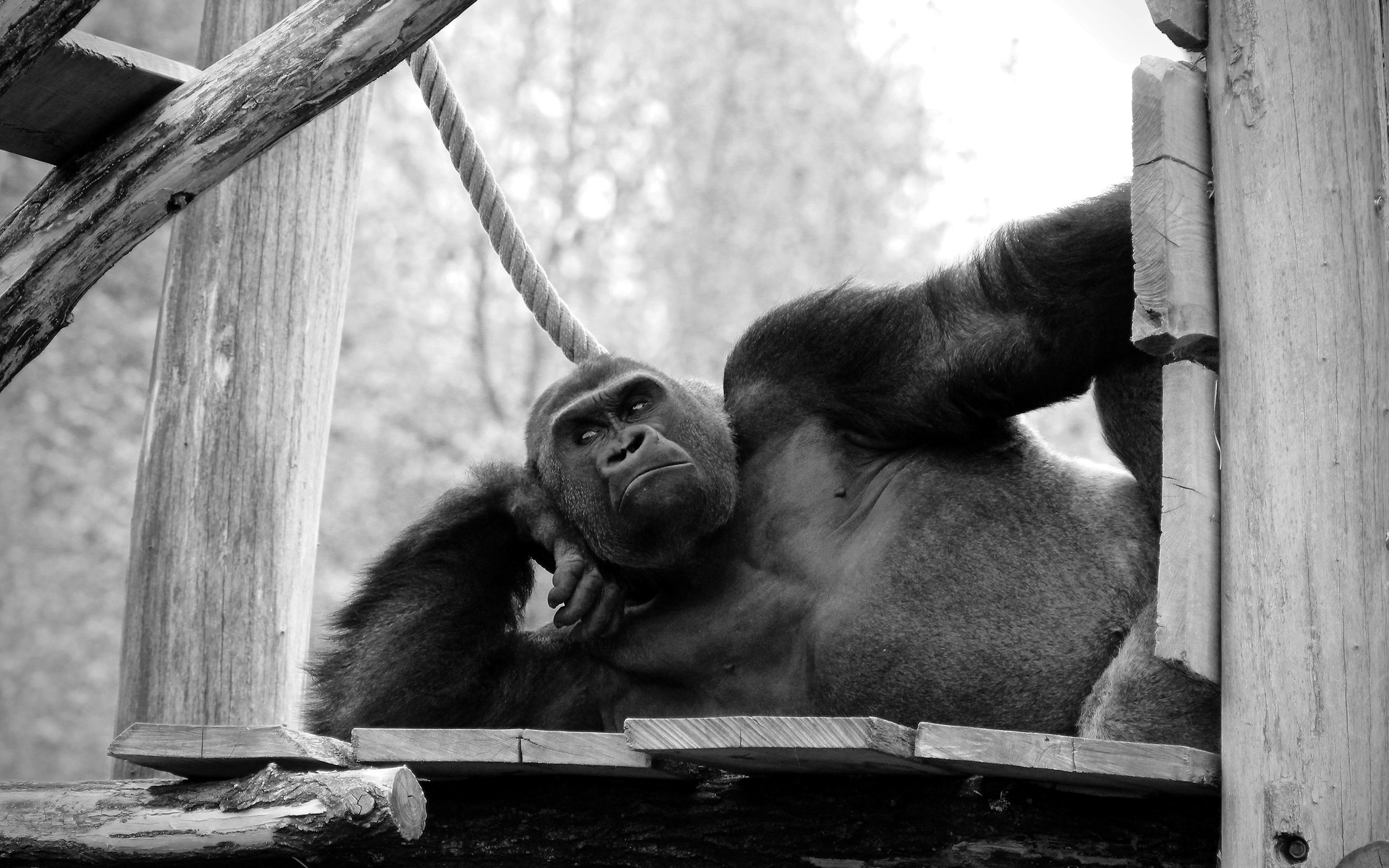
    The other great apes are gorillas, chimpanzees, bonobos, and orangutans. These apes are characterized by their high intelligence, use of tools, upright posture, and lack of a tail.

    Gorillas are the largest living primates after humans, with the western and eastern lowland gorillas found in equatorial Africa. Mountain gorillas, a subspecies critically endangered due to habitat loss and poaching, dwell in the mountainous forests of central Africa.

    Chimpanzees are our closest genetic relatives after bonobos, sharing around 98% of our DNA. Common chimpanzees use basic tools and communicate with vocalizations and gestures. The bonobo is the other chimpanzee species native to the Congo basin.

    The orangutan is the only great ape found in Asia, with species inhabiting the islands of Sumatra and Borneo. These large, arboreal apes have reddish fur and are known for their intelligence and solitary lifestyle.

    Aside from the great apes, the other living apes are the gibbons or lesser apes found in the rainforests of Southeast Asia. Species like the siamang and white-handed gibbon are renowned for their loud, haunting calls.

    As our closest genetic relatives, the study and conservation of non-human ape species is critically important. Along with our own species, these primates offer insights into ape evolution and behavior. Ensuring the survival of great apes and lesser apes helps preserve a precious part of our collective heritage on Earth.

  • Literalism vs. Contextualism: Unpacking Biblical Interpretation

    Literalism vs. Contextualism: Unpacking Biblical Interpretation

    The Bible is one of the most significant and extensively read books throughout history. Revered by billions as the divine word, a moral compass, and the cornerstone of their beliefs, it is nonetheless a complex and debated text. Comprising various genres, authors, and viewpoints, it spans millennia of history and cultural development. The Bible is not a single, cohesive document; rather, it is a compilation of varied and sometimes conflicting texts, mirroring the human and historical circumstances of their creation. Consequently, Biblical interpretation is not an easy or direct task but an intricate and demanding endeavor that necessitates thoughtful and analytical engagement.

    When studying the Bible, a primary question is whether its content should be interpreted literally, figuratively, or through a combination of both. This inquiry profoundly affects our comprehension and application of biblical teachings and narratives in contemporary life. For instance, reconciling the Genesis creation narrative with scientific theories of evolution and geological data presents a challenge. Additionally, addressing the seeming discrepancies and variances within and across the biblical texts is essential. It is also crucial to consider the ethical and moral dilemmas posed by biblical laws and stories, including issues of slavery, violence, gender roles, and sexuality. Understanding the historical and cultural contexts of the Bible’s authors and their original audience is vital to accurately translating and applying the Bible’s messages to modern-day circumstances and environments.

    Join us as we delve into several questions, including whether one should take the Bible seriously. We will scrutinize the arguments and viewpoints of various biblical interpretation approaches, such as literalism, historical-critical, and contextual, assessing their merits and demerits.

    Literalism in Biblical Interpretation

    Literalism, a prevalent approach to understanding the Bible, asserts that the sacred text should be read and comprehended according to its plain and straightforward meaning. Advocates of literalism view the Bible as the inerrant and infallible word of God, where every word and detail holds historical and scientific accuracy. They maintain that the Bible is clear and consistent and admits only one correct interpretation for each passage. Typically, literalists adopt a conservative and traditional stance on ethical and moral issues, guided by biblical laws and commands.

    Arguments in Favor of Literalism:

    • Literalism upholds the Bible’s authority and inspiration, affirming that it is God’s word, devoid of falsehood or error. By doing so, it maintains the integrity and unity of the entire text, avoiding selective acceptance or figurative interpretations.
    • Literalism provides a clear and objective standard for understanding and applying the Bible. It avoids the ambiguity that arises from subjective reasoning or personal experience, which can lead to diverse interpretations.
    • Literalists assume that biblical writers communicated directly and transparently. Acknowledging historical and cultural contexts, they take the text at face value, avoiding modern assumptions or foreign perspectives.

    Challenges and Criticisms to Literalism

    • Literalism overlooks the literary and rhetorical aspects of biblical writings. For instance, it fails to recognize the poetic and symbolic nature found in Psalms, Proverbs, and Revelation, as well as the use of metaphors, similes, hyperbole, and irony throughout the text.
    • Literalism clashes with scientific evidence and historical facts that challenge biblical accounts. The creation story, the flood, the exodus, and miracles often conflict with empirical knowledge. Additionally, discrepancies within and between biblical books pose interpretive challenges.
    • By imposing an inflexible framework, literalism may not always address diverse contexts and situations. It neglects the dynamic nature of the biblical tradition, which evolves through ongoing dialogue between God and humanity.

    Historical-Critical Approach to Biblical Interpretation

    The historical-critical approach to understanding the Bible views it as a historical and human document, subject to rigorous methods and tools of analysis. Unlike literalism, which emphasizes the text’s plain meaning, historical-critical scholars recognize the Bible’s complexity and multifaceted nature. Let’s delve into the arguments for and against this approach:

    Arguments in Favor of Historical-Critical Interpretation

    • Historical-critical scholars acknowledge that biblical writers and their audiences lived in specific historical and cultural contexts. They recognize that these ancient authors reflected their own times, experiences, and understandings in their writings. By doing so, historical-critical interpretation avoids imposing modern assumptions on the text.
    • This approach uncovers the layers beneath the biblical surface. Scholars reveal the theological developments, debates, and implicit meanings within and between biblical texts by examining historical and literary contexts. It sheds light on the creative ways biblical writers engaged with their challenges.
    • Historical-critical interpretation allows us to distinguish between essential and incidental elements in the Bible. It bridges the timeless and the timely, enabling us to apply biblical teachings and stories to our contemporary contexts. Embracing diverse perspectives encourages dialogue and enriches our understanding of the biblical tradition.

    Challenges and Criticisms to Historical-Critical Interpretation

    • Critics argue that historical-critical analysis diminishes the Bible’s divine authority. By emphasizing its human origins, this approach denies supernatural guidance and involvement. It challenges the traditional view of the Bible as the infallible word of God.
    • Historical-critical scholarship dissects the Bible into parts, focusing on differences rather than similarities. Consequently, it offers multiple interpretations and conclusions, leaving readers with uncertainty. Some find this lack of definitive answers unsettling.
    • While historical-critical analysis enriches our understanding, it can alienate biblical writings from the faith and life of religious communities. Those who view the Bible as sacred and divine may struggle with this scholarly detachment.

    Contextual Biblical Interpretation: Bridging Divine and Human Perspectives

    The contextual approach to biblical interpretation emphasizes understanding the Bible in relation to both its historical context and the contemporary reader’s situation. Contextual scholars recognize that the Bible is not solely divine or solely human; it embodies both aspects. Let’s explore the arguments for and against this approach:

    Arguments in Favor of Contextual Interpretation:

    • Contextual interpretation affirms that the Bible is both God’s word and a human response to God. It recognizes that God speaks through the biblical writings, and humans engage with them. By preserving the integrity and unity of the Bible, contextual interpretation avoids extremes like literalism or historical-critical analysis.
    • Contextual interpretation allows us to relate biblical teachings and stories to our own contexts and challenges. It encourages dialogue and diversity by inviting engagement from various perspectives. Appreciating the richness and complexity of the biblical tradition becomes possible through this lens.
    • Contextual scholars acknowledge that biblical writers and their audiences lived in specific historical and cultural contexts. They recognize that these ancient authors reflected their own times, experiences, and understandings in their writings. Contextual interpretation appreciates biblical texts’ historical and cultural diversity by considering different genres, sources, traditions, and perspectives.
    • Contextual interpretation delves into historical and literary contexts, revealing theological developments and debates within biblical communities. It exposes implicit meanings and creative ways biblical writers engaged with their challenges.

    Challenges and Criticisms to Contextual Interpretation:

    • Critics argue that contextual interpretation weakens the Bible’s divine authority. By acknowledging its human origins and imperfections, this approach challenges the traditional view of the Bible as solely God’s word.
    • Contextual scholars bring their own biases and assumptions to the interpretation process. This subjectivity can lead to multiple conflicting interpretations and leave readers without clear guidance.
    • Contextual interpretation may detach biblical writings from their original purpose and message. Ancient authors may not have anticipated reading and applying their texts in diverse contexts.

    In a Nutshell

    The issue of taking the Bible seriously transcends a simple yes or no answer; it’s about the manner and reasons for doing so. Rather than outright acceptance or dismissal, it involves an active engagement with the text. Understanding the Bible is not about pinpointing a single correct interpretation but recognizing its essential role in grasping Western history and society.

    The Debate Between Bible Literalists vs Contextualists

    For centuries, there has been an ongoing debate within Christianity over how to interpret the Bible. On one side are the literalists, who believe the Bible should be taken completely literally, word-for-word. On the other side are the contextualists, who believe the Bible should be interpreted within its historical and cultural context. This debate has shaped Christian theology and doctrine throughout history.

    Early Literalism

    The early Christians were generally literalists when it came to interpreting the Bible. They took the stories and teachings at face value, ascribing to them a literal and historical truth. This literalist view was the dominant perspective throughout the first several centuries of Christianity.

    However, even in these early years, there were hints of contextualism. Some Church Fathers like Origen argued for allegorical interpretations of certain passages, looking for deeper symbolic meanings beneath the literal text. But by and large, literalism held sway.

    Medieval Scholasticism and the Growth of Contextualism

    During the Middle Ages, the literalist view was still prevalent, but the rise of scholasticism and a revived interest in Greek philosophy led to more widespread use of contextual analysis. Scholars like Thomas Aquinas incorporated Aristotelian methods of analysis and questioned whether the Bible always meant exactly what it said in a literal sense.

    This scholastic method opened the door for more allegorical and symbolic interpretations of scripture. The four-fold method became popular, which looked at literal, allegorical, moral, and anagogical meanings behind biblical passages. Contextualism was on the rise, even if it was still a minority view.

    The Protestant Reformation and Literalism’s Resurgence

    In the 16th century, the Protestant Reformation brought a resurgence of literalism. Protestant scholars like Martin Luther and John Calvin rejected many of the allegorical interpretations of the Catholic Church. They argued for a more literal, historical reading of scripture, free from non-biblical traditions.

    This literalist bent was amplified by the growing use of the historical-grammatical method of interpretation, which stressed looking at the original languages, contexts, and grammatical structures to understand the author’s literal intent. The Protestant principle of sola scriptura (by scripture alone) reinforced this literalist trend.

    19th Century Debates and the Emergence of Modern Contextualism

    In the 19th century, new developments like the Higher Criticism movement, which analyzed the Bible’s historical origins and authorship, combined with growing scientific discoveries, posed challenges to biblical literalism. This led to a flourishing of contextualist approaches.

    Liberal theologians and scholars argued that the Bible had to be understood within its ancient contexts and that its stories and teachings should not always be taken as literal historical facts. On the other side, fundamentalists like those behind the Niagara Bible Conference clung strongly to biblical inerrancy and literalism as a backlash against modernist thinking.

    This literal vs. contextual debate raged throughout the 19th and into the 20th centuries, shaping Christian doctrinal disputes over issues like creationism vs evolution and inspiring the “fundamentalist-modernist” controversies.

    20th Century and Beyond – A Diversity of Views

    In the 20th and 21st centuries, this historical debate has continued in various forms across Christian denominations and traditions. Most mainstream Christian institutions have adopted some level of contextual interpretation, while still maintaining core literal beliefs about Christ’s divinity, the resurrection, etc.

    Within these churches, a diversity of views exists, with some being more literalist and others more contextualist when it comes to specific teachings and biblical books. Literalism remains very strong in certain evangelical, fundamentalist, and conservative churches. Meanwhile, liberal and progressive churches tend to interpret scripture through a more contextualist lens.

    At the scholarly level, there is also a wide range of approaches drawing from literalism, contextualism, and other methods like reader-response criticism and postmodern interpretation. The historical debate continues unabated, shaping how each new generation of Christians understands the Bible.