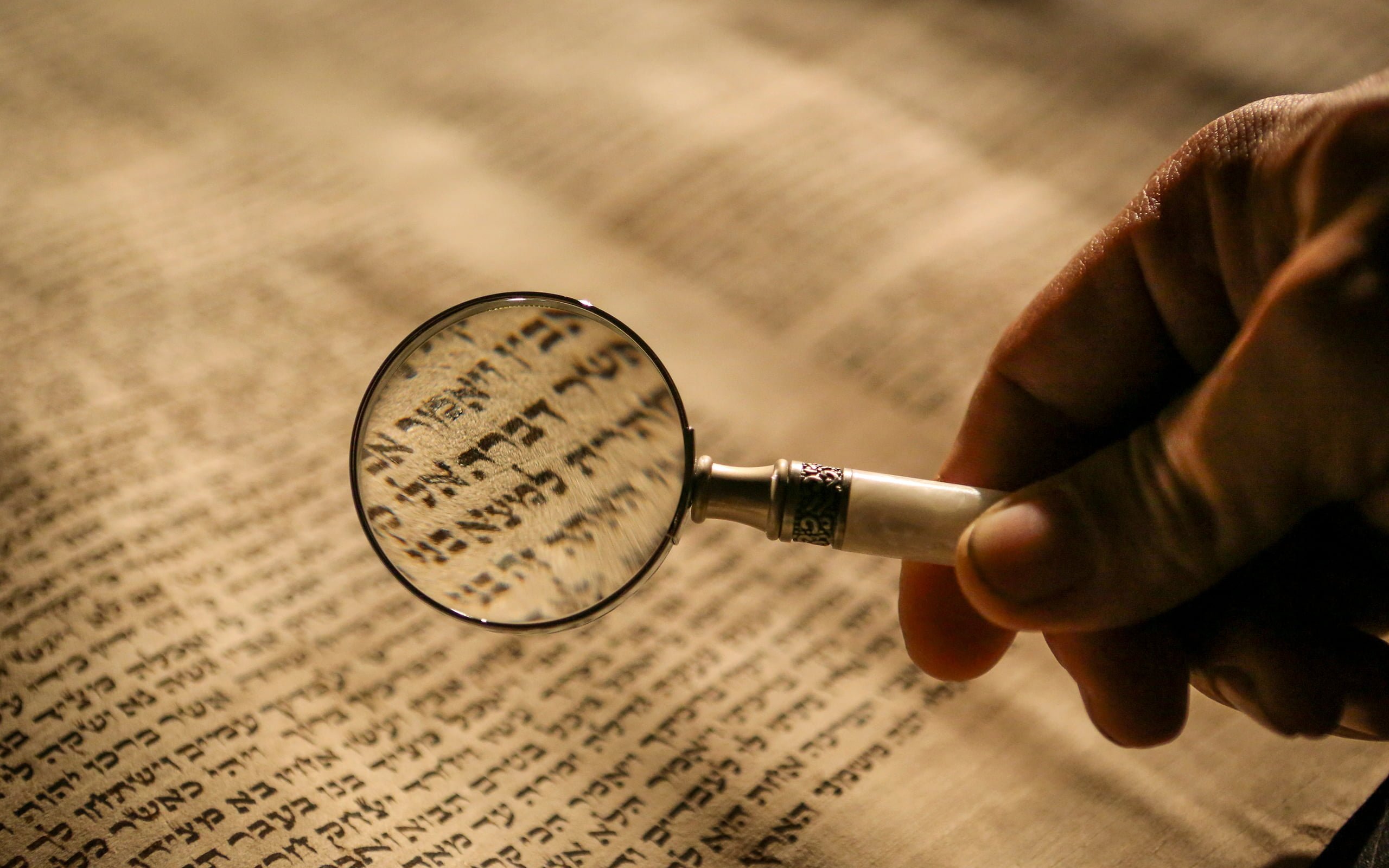
The question of how we prove past events has lingered for centuries. It’s a question that ignites passionate debates, particularly when it comes to religious texts and historical figures. Recently, a comment sparked my curiosity: how do we know the events in the Bible actually happened?
Belief vs. Knowledge: The Distinction Matters
The answer isn’t as simple as flipping through a dusty book and declaring it truth. At its core, religion is built on faith — a belief system that doesn’t necessarily require concrete evidence. It’s a personal journey, a connection with something larger than ourselves. However, the Bible might not be the first port of call for those seeking historical knowledge.
Let’s take the figure of Jesus as an example. Imagine a world where irrefutable proof of his existence surfaced. Imagine archaeological discoveries like an ossuary (bone box) inscribed with Jesus’ name alongside other first-century Judaean inscriptions or historical documents beyond the Bible that undeniably confirmed Jesus’ life and teachings. In such a scenario, religion as we know it might transform. We might shift from believing in Jesus to knowing about him, a monumental shift from faith to fact.
But that’s not our reality. While a cornerstone of Christianity, the Bible isn’t universally accepted as historical documentation. The lack of irrefutable evidence doesn’t automatically disprove the Bible, but it does highlight the difference between faith and verifiable knowledge.
Absence of Evidence vs. Evidence of Absence
Here’s where things get interesting. The absence of evidence isn’t evidence of absence. Just because something isn’t explicitly documented doesn’t mean it didn’t happen. Ancient history is full of stories and figures whose existence is debated. Take Queen Nefertiti of Egypt, for example. Despite her captivating image on busts and reliefs, there’s no definitive information about her later life and final resting place. This absence of evidence fuels ongoing archaeological quests to uncover her tomb.
However, when it comes to historical figures like Julius Caesar, the story changes. Caesar’s existence is corroborated by multiple sources beyond Roman records. Archaeological finds like the Theatre of Pompey, which Caesar commissioned, along with inscriptions from other nations like Gaul, and the sheer volume of information from Roman historians like Suetonius and Plutarch paint a clearer picture.
This brings us to the crucial distinction between faith and knowledge. Knowledge demands evidence, a trail of breadcrumbs leading us back in time. Faith, on the other hand, doesn’t require the same level of verification. In some ways, faith thrives in the presence of unknowns. It allows us to fill the gaps with personal conviction.
The Challenge of Religious Texts: Unveiling the Lens
Now, some might argue that religious texts themselves can be considered evidence. But here’s the thing — these texts are often written long after the events they describe by people with a specific agenda. For instance, the Gospels in the New Testament were written decades after Jesus’ death, and scholars believe they were shaped by the early Christian communities’ evolving beliefs. Similarly, the Quran, the holy book of Islam, is believed to be a compilation of revelations delivered to Prophet Muhammad over 23 years. While these texts hold immense religious significance, their historical accuracy can be debated. They can be filtered through cultural lenses and personal interpretations, blurring the line between history and belief.
So, how do we navigate the murky waters of the past? For historical events, the answer lies in a multi-pronged approach.
Unveiling the Past: A Multi-Faceted Approach
We scour archaeological sites, like the ongoing excavations at Pompeii that offer a glimpse into everyday life in a Roman city frozen in time. We decipher ancient languages, such as the Rosetta Stone’s inscription in three languages, allowing scholars to unlock the secrets of hieroglyphics. We piece together artifacts, like the scattered fragments of the Dead Sea Scrolls that shed light on Jewish life and beliefs during the Second Temple period. And we compare records from different cultures, like the clay tablets detailing trade agreements between Mesopotamia and neighboring civilizations, offering a more comprehensive picture of the ancient world. The more sources corroborate an event, the stronger the historical foundation becomes.
But what about events outside the realm of traditional history? Religious experiences, for instance, are deeply personal and often defy easy categorization. Here, the concept of “evidence” takes a backseat. Individual testimonies and the transformative power of faith hold more weight. The conversion of St. Augustine, a prominent philosopher who turned to Christianity after a religious experience, is a powerful testament to the transformative nature of faith, even in the absence of traditional historical evidence.
Beyond Proof: The Power of the Pursuit
History is more than a collection of documented facts. It’s a tapestry woven from personal narratives, cultural shifts, and the ever-evolving understanding of the past.
Perhaps the beauty lies in the pursuit itself. The journey to uncover the truth, whether through faith or historical inquiry, is a powerful human endeavor. It allows us to connect with those who came before us, understand our place in the grand scheme of things, and grapple with the mysteries that continue to shape our world.
Think about the Rosetta Stone again. Before its discovery, deciphering hieroglyphics was a frustrating puzzle. The ability to finally read these ancient Egyptian texts opened a window into their civilization, their beliefs, and their daily lives. It wasn’t just about facts and dates; it was about understanding an entire culture.
Similarly, the ongoing debate about the historicity of King Arthur and the Knights of the Round Table isn’t just about proving or disproving a single figure. It’s about delving into the medieval world, the concept of chivalry, and the power of storytelling.
The Takeaway
The quest to understand the past, particularly when it involves figures and events from religious texts, presents a complex interplay between faith and fact. Faith, rooted in personal belief and spiritual conviction, often exists independently of empirical evidence. It’s said to provide a profound sense of connection and meaning that does not rely on historical verification. In contrast, pursuing historical knowledge seeks tangible evidence to construct a verifiable past narrative.
The distinction between belief and knowledge is crucial. While faith thrives in the absence of concrete evidence, allowing individuals to interpret and fill gaps with personal conviction, historical inquiry demands a rigorous analysis of archaeological finds, written records, and corroborative sources. This meticulous process can unveil a clearer picture of past events and figures, although it often leaves certain mysteries unsolved.
While religious texts may be deeply significant to billions of people, they must be examined through a critical lens when assessed as historical documents. Their creation, influenced by the contexts and intentions of their authors, can blur the line between sacred stories and historical facts. Yet, these texts hold immense cultural and religious value, shaping the beliefs and practices of countless communities.
Ultimately, the pursuit of understanding the past — whether through the lens of faith or the rigor of historical inquiry — is a fundamental human endeavor. It allows us to connect with our ancestors, comprehend the evolution of cultures and beliefs, and navigate the mysteries that continue to shape our world.