Tag: Philosophy

  • Do Atheists Have Beliefs Just Like Believers?

    Do Atheists Have Beliefs Just Like Believers?

    Have you ever found yourself pondering the nature of belief? Maybe you’ve wondered if atheists, who don’t believe in God, actually hold beliefs of their own. Well, you’re not alone! This question has come up in countless debates and discussions, and today, we’re going to give another go to answer it.

    Let’s start with a common assumption: atheists don’t necessarily have ny beliefs. But is that really true?

    Atheism 101

    Before we go any further, let’s clear up what atheism actually is. At its core, atheism is simply the absence of belief in gods or deities. That’s it. It doesn’t necessarily mean a person believes there are definitely no gods; it just means they don’t actively believe in any.

    Now, here’s where it gets interesting. Just because atheists don’t believe in gods, does it inherently mean they don’t have any beliefs at all?

    The Scientific Worldview

    For example, atheists on Medium tend to believe that “There is always natural causes for everything that happens in the world around us.”, which is indeed a common perspective among many atheists in the West, and it’s closely tied to the scientific worldview.

    This belief in natural causes is often called “naturalism,” and it’s a philosophical stance that everything in the universe can be explained through natural processes, without the need for supernatural explanations. That being said, this isn’t unique to atheism — many religious people in the West also accept scientific explanations for natural phenomena to varying extends.

    However the belief in natural causes is itself an assumption. It can’t be proven with 100% certainty, just like the existence of God can’t be definitively proven or disproven. So, in a way, atheists who hold this view are indeed exercising a form of belief.

    It’s Not Just Black and White

    Now, let’s shake things up a bit. Belief isn’t a simple yes-or-no matter. It’s more like a spectrum, with different levels of certainty. Some atheists might say, “I’m absolutely certain there are no gods,” while others might say, “I don’t see any evidence for gods, but I can’t be 100% sure.”

    This spectrum of belief applies to religious people too. Some might have unwavering faith, while others might have moments of doubt. The point is, both atheists and religious believers can have varying degrees of certainty in their positions.

    The Unavoidable Nature of Belief

    To be fair, it’s practically impossible to go through life without some form of belief. We all have to make assumptions about reality to function in our daily lives. For example:

    • We believe our senses generally give us accurate information about the world.
    • We believe that other people have minds and aren’t just robots or figments of our imagination.
    • We believe that the sun will rise tomorrow, based on our past experiences.

    These are all beliefs that most of us have hold in order to function, regardless of our stance on religion or the existence of gods. They’re so fundamental that we often don’t even think about them as beliefs.

    The Role of Evidence and Reason

    Now, you might be thinking, “But wait, aren’t atheists all about evidence and reason?” And you’d be right! Many atheists pride themselves on basing their worldview on empirical evidence and logical reasoning.

    However, the very belief in the importance of evidence and reason is itself a philosophical position. It’s a belief about how we should approach understanding the world. And while it’s a belief that has proven incredibly useful and reliable, it’s still, at its core, a belief.

    The Uncertainty

    All these bring us to an important point: Does this uncertainty mean atheists and theists are in the same boat, both relying on faith without irrefutable evidence? Not exactly. There’s a major difference between believing that a deity walked the earth 2,000 years ago, died, and was resurrected, and believing that the sun will set in the evening.

    What we’ve gone through so far merely suggests that when we dig down to the basics, the nature of reality itself becomes open to question, which demands humility in claiming absolute certainty about anything.

  • Are Billions of Believers Wrong?

    Are Billions of Believers Wrong?

    Religious belief has been a cornerstone of human civilization for millennia; as a result, atheism often finds itself in a challenging position. The question posed to atheists is simple and complex at the same time: Do atheists truly maintain that more than 7 billion people today, and roughly 100 billion people throughout the history of our species, are entirely wrong in their belief in a deity?

    This question touches on several important aspects of the debate between theism and atheism, including the nature of belief, the validity of popular opinion, and the importance of evidence in forming worldviews. Let’s delve deeper into these issues and examine the atheist perspective on this complex matter.

    The Fallacy of Argumentum ad Populum

    One of the first points to address is the implicit appeal to popularity in the question. The fact that billions of people believe in a deity doesn’t necessarily make that belief accurate. This logical fallacy, known as argumentum ad populum or the bandwagon fallacy, suggests that an idea must be accurate simply because many people believe it.

    History provides numerous examples of widely held beliefs that were later proven false. The response to the question astutely points out one such example: “For two millennia people believed corn and sweaty shirts created mice.” This refers to the concept of spontaneous generation, an idea proposed by Aristotle and widely accepted until the 19th century. Despite its longevity and popularity, this belief was ultimately disproven through scientific investigation.

    This historical example serves as a potent reminder that the number of people believing in something, or the duration of that belief, is not a reliable indicator of its truth. It underscores the importance of skepticism and the need for evidence-based reasoning, which are fundamental principles of the atheist worldview.

    The Human Tendency to Seek Explanations

    The response also touches on an important aspect of human psychology: our innate desire to find explanations for the world around us. As stated, “We live in a world where everything is the result of something else. It is the logical and easy conclusion to find a God in that sense.”

    This observation highlights the appeal of theistic beliefs. The concept of a divine creator offers a seemingly simple explanation for the complexities of the universe and our existence within it. It provides answers to profound questions about the origin of life, the purpose of existence, and the nature of morality.

    However, the response goes on to point out a crucial flaw in this reasoning: “Yet this conclusion usually fails in itself because it cannot explain where Gods come from.” This touches on the problem of infinite regress. This philosophical conundrum challenges the idea of a first cause or prime mover. If everything must have a cause, then what caused God? And if God doesn’t need a cause, why does the universe need one?

    This line of thinking demonstrates the atheist commitment to logical consistency. While the idea of a deity may offer comfort and apparent explanations, it often raises more questions than it answers when subjected to rigorous logical scrutiny.

    The Nuanced Position of Atheism

    Perhaps the most important point raised in the response is the clarification of the atheist position: “Atheists do not have any claims; in other words, atheists do not say there is no God. But they reject the notion that there is enough evidence for God’s existence.”

    This statement addresses a common misconception about atheism. Many people assume that atheists categorically deny the existence of any deity. In reality, most atheists take a more nuanced position. They don’t claim absolute certainty that no gods exist; rather, they assert that there isn’t sufficient evidence to justify belief in any gods.

    This stance aligns with the principle of the burden of proof in logical argumentation. Generally, the burden of proof lies with the person making a positive claim. Atheists argue that theists, who claim that a god or gods exist, bear the responsibility of providing evidence for that claim. In the absence of compelling evidence, atheists withhold belief.

    The response acknowledges a critical caveat: “However, most [atheists] are well aware [that] absence of evidence doesn’t mean evidence for absence.” This demonstrates intellectual honesty and an understanding of the limitations of knowledge. Atheists generally recognize that it’s impossible to prove a universal negative – that no gods exist anywhere in the universe. Instead, they maintain a skeptical position, open to evidence but unconvinced by the arguments and evidence presented thus far.

    The Importance of Evidence and Skepticism

    The final point made in the response draws a parallel between belief in gods and religion in other supernatural entities: “But of course, this applies to unicorns too.” This comparison serves to illustrate the consistent application of skepticism and evidential standards that atheists advocate.

    Most people don’t believe in unicorns, not because they can prove they don’t exist, but because there’s no reliable evidence. Atheists apply this same reasoning to claims about deities. They argue that extraordinary claims require extraordinary evidence and that the existence of a supreme being certainly qualifies as an extraordinary claim.

    This emphasis on evidence and skepticism is at the heart of the atheist worldview. It’s not about denying the experiences or beliefs of others, but about promoting a method of understanding the world based on observable evidence, logical reasoning, and scientific inquiry.

    The Takeaway

    The question of whether atheists believe that billions of people throughout history have been wrong about the existence of gods is complex and multifaceted. While it may seem audacious for a minority viewpoint to challenge such a widely held belief, the atheist position is grounded in principles of logical reasoning, evidential standards, and intellectual honesty.

    Atheists don’t necessarily claim that all believers are “completely wrong.” Instead, they argue that the evidence presented for the existence of deities is insufficient to justify belief. They recognize the human tendency to seek explanations and find meaning, but they advocate for a more rigorous, evidence-based approach to understanding the world.

    In the end, the atheist perspective isn’t about dismissing the beliefs of others, but about promoting critical thinking, skepticism, and a commitment to following the evidence wherever it leads. It’s a worldview that values intellectual integrity over comfort, and that seeks to understand the universe through observation, reason, and science.

    As our understanding of the world continues to evolve, it’s crucial that we remain open to new evidence and willing to challenge our assumptions. Whether one is a theist or an atheist, this approach to knowledge and belief can lead to a deeper, more nuanced understanding of our world and our place in it.

    #Atheism #CriticalThinking #ReligiousDebate

  • Is Reality Real?

    Is Reality Real?

    The question of whether our reality is real has intrigued philosophers, scientists, and thinkers for centuries. Join us in exploring this profound question from a non-religious perspective, particularly addressing the skepticism of those who seek certainties grounded in scientific evidence. This inquiry inevitably leads us to consider the nature of consciousness, the possibility of simulated realities, and the implications of such ideas on our understanding of existence.

    The Quest for Certainties in a Scientific World

    In today’s secular and scientifically driven society, many individuals reject the notion of gods or any metaphysical entities. They demand empirical evidence for any claims, often viewing anything beyond the scope of current scientific understanding as implausible or heretical. This mindset reflects a hunger for a world that aligns with Newtonian consciousness, where everything can be explained through observable and measurable phenomena.

    However, to truly grapple with the question of reality, we must delve deeper into the nature of consciousness and the potential limitations of human knowledge and technological advancements. One significant aspect to consider is whether humans can ever simulate consciousness, a question that lies at the heart of the simulation argument.

    The Simulation Argument

    In 2003, philosopher Nick Bostrom proposed a trilemma known as the “simulation argument.” This argument suggests that one of three unlikely-seeming propositions must be true:

    1. The fraction of human-level civilizations that reach a posthuman stage (capable of running high-fidelity ancestor simulations) is very close to zero.
    2. The fraction of posthuman civilizations that are interested in running simulations of their evolutionary history, or variations thereof, is very close to zero.
    3. The fraction of all people with our kind of experiences that are living in a simulation is very close to one.

    Bostrom’s argument does not assert that we are living in a simulation, but it highlights the logical possibility and raises intriguing questions about the nature of our reality.

    Technological Advancements and the Nature of Reality

    In the two decades since Bostrom’s proposal, we have witnessed remarkable advancements in virtual reality (VR) and artificial intelligence (AI). Virtual reality is becoming increasingly sophisticated, offering immersive experiences that blur the line between the real and the artificial. Yet, current VR technology primarily manipulates vision, and we have yet to fully integrate virtual smell, touch, and hearing.

    The advancements in AI also suggest a future where creating high-fidelity simulations of consciousness could become feasible. Given the progress made in less than five centuries since Nicolaus Copernicus, it is difficult to assert with certainty that humans will never succeed in simulating consciousness. Our technological trajectory indicates that what seems impossible today may become achievable in the future.

    Manipulating Human Perception

    Our understanding of reality is heavily influenced by our sensory perceptions. The brain constructs our experience of the world based on input from our senses. This notion is supported by various phenomena that demonstrate how easily our senses can be manipulated. For instance, the use of mirrors to alleviate phantom limb pain, the creation of 3D images on 2D surfaces, and the perception of continuous motion from discrete frames in movies all illustrate the brain’s capacity to interpret and create a coherent sense of reality from limited or altered information.

    Furthermore, experiments with substances like mercury and dry water, which create the sensation of wetness without actual water, reinforce the idea that our sensory experiences can be simulated or altered. If our senses can be so easily deceived, is it really improbable that a future civilization could create a simulation indistinguishable from reality?

    Is reality real?
    Photo by julien Tromeur on Unsplash

    The Probability of Simulated Realities

    If we accept that it is not impossible to simulate human consciousness and that a posthuman civilization might have both the capability and the desire to run such simulations, we must confront the possibility that our reality might be a simulation. The sheer scale of technological advancements and the ongoing exploration of AI and VR suggest that simulating human experiences could eventually be within our reach.

    This line of reasoning brings us back to Bostrom’s trilemma. If posthuman civilizations can create simulations and have a reason to do so, then the likelihood that we are currently living in a simulation increases. Is this scenario really far-fetched? Isn’t this a logical extension of our current understanding of technology and consciousness?

    Implications and Reflections

    Contemplating the possibility that our reality might not be real has profound implications for our understanding of existence, identity, and the nature of the universe. It challenges our perception of what is possible and urges us to reconsider the boundaries of human knowledge and capability.

    Moreover, this inquiry does not diminish the importance of scientific exploration and empirical evidence. Instead, it expands our perspective, encouraging us to remain open to new possibilities and to question the limitations of our current understanding.

    In a Nutshell

    The question of whether our reality is real is a complex and deeply philosophical one. It forces us to confront the nature of consciousness, the potential for technological advancements, and the limitations of human knowledge. While current evidence does not provide definitive answers, the exploration of these ideas enriches our understanding of the world and our place within it.

    As we continue to advance technologically, the lines between reality and simulation may blur even further, compelling us to remain curious, skeptical, and open-minded. In the quest for certainty, it is essential to acknowledge the vast unknown and embrace the possibility that reality, as we perceive it, may be far more complex and enigmatic than we can currently comprehend.

  • Daniel Dennett and Lives Dedicated to an Illusion

    Daniel Dennett and Lives Dedicated to an Illusion

    In philosophy and public discourse, few statements have stirred as much controversy as the one attributed to Daniel Dennett, a prominent American philosopher known for his work on consciousness, free will, and the philosophy of mind. The quote in question goes, “There’s simply no polite way to tell people they’ve dedicated their lives to an illusion.” The sentiment Dennett expresses, according to a 2013 New York Times article, is problematic on multiple levels. Let’s delve into why this statement, regardless of its origin, is indefensible and how it undermines constructive dialogue, personal autonomy, and the very foundations of philosophical inquiry.

    There’s simply no polite way to tell people they’ve dedicated their lives to an illusion.
    Daniel Dennett

    The Arrogance of Certainty

    Daniel Dennett’s statement is troubling because it presupposes that the speaker has an infallible grasp on what constitutes reality versus illusion. This is a grandiose claim, especially considering that even in the hard sciences, our understanding of reality is constantly evolving. In philosophy, the nature of reality has been debated for millennia, from Plato’s allegory of the cave to modern discussions of simulation theory. To claim certainty in such a context is not just arrogant; it’s antithetical to the spirit of philosophical inquiry.

    Rudeness as a Philosophical Tool

    Moreover, the quote implies that it’s acceptable, even necessary, to be impolite or rude when conveying this supposed truth, which makes the statement truly indefensible. Rudeness and disrespect are not philosophical tools; they’re barriers to understanding. When we demean or belittle someone’s beliefs, we don’t open their minds; we close them. People naturally become defensive when attacked, making them less likely to engage with new ideas. This is basic psychology, not philosophical rocket science.

    The Myth of the Impolite Truth

    The idea that there’s “no polite way” to convey a message is also logically flawed. Politeness is not about softening hard truths; it’s about respecting the humanity of the person you’re addressing. It’s about recognizing that even if you believe someone is wrong, they’re still thinking, feeling, and deserving of dignity. Philosophers like Immanuel Kant argued for treating people as ends in themselves, not merely as means. Even if you believe someone’s life is built on an illusion, treating them rudely reduces them to a target for your supposed wisdom, violating their autonomy and dignity.

    The Perils of Intellectual Elitism:

    Furthermore, the quote smacks of intellectual elitism. It suggests that the speaker has reached a level of enlightenment that gives them the right to judge others’ lives. This is not only arrogant but also contradicts the democratic ideal of philosophy. From the Socratic dialogues to modern-day discussion forums, philosophy thrives on the exchange of ideas among equals. When we elevate ourselves to judges of others’ lives, we stifle this exchange. We create an us-versus-them mentality where “we” have the truth, and “they” live in illusion. This is the language of dogma, not philosophy.

    The Psychological Impact of Judgment

    Let’s also consider the psychological impact of such a statement. Telling someone they’ve wasted their life or dedicated it to an illusion is not a trivial matter. It can lead to existential crises, depression, or a loss of purpose. Even if you believe you have the truth, is it ethical to potentially shatter someone’s psychological well-being? Philosophers like John Stuart Mill argued for the harm principle — that our actions are only justifiable if they prevent harm to others. Causing psychological harm to prove a philosophical point is, at best, ethically dubious.

    The Subjectivity of Meaning

    The quote also fails to consider the subjective nature of meaning and value. What one person considers an illusion might be the very thing that gives another’s life purpose. Consider religious believers. To an atheist, their beliefs might seem illusory. But for the believer, their faith might provide comfort, community, and a framework for ethical living. Who are we to say their lives are wasted? As existentialist philosophers like Jean-Paul Sartre argued, we create our own meaning. Imposing our definition of a “meaningful life” on others is a form of bad faith.

    The Dynamic Nature of Lives

    Moreover, the idea that we can definitively judge someone’s life as wasted or dedicated to an illusion is shortsighted. Lives are not static; they’re ongoing narratives. Someone you believe is living in illusion today might have an epiphany tomorrow. Or they might use their “illusory” beliefs to do tangible good in the world. History is replete with examples of people whose beliefs we might consider misguided but who nevertheless made positive contributions. To dismiss their lives as wasted is to ignore the complexity of human existence.

    The Role of Doubt in Philosophy

    The quote also ignores the role of doubt and uncertainty in philosophical growth. Socrates, often considered the father of Western philosophy, famously claimed that the only thing he knew was that he knew nothing. This humble acknowledgment of our limitations is a cornerstone of philosophical inquiry. When we become so certain of our views that we feel justified in rudely imposing them on others, we’ve lost this humility. We’ve closed ourselves off to the possibility that we might be wrong, that there might be value in perspectives we currently dismiss as illusions.

    The Misuse of the Quote

    Another problematic aspect of the quote is its potential for misuse. As you rightly point out, it wouldn’t seem out of place coming from a religious fundamentalist. Imagine a zealot using this logic to justify rudeness towards non-believers. “There’s no polite way to tell atheists they’re going to hell,” they might say. This reveals the danger of the quote’s logic. It can be used to justify rudeness and intolerance from any ideological standpoint, not just a secular or philosophical one. In endorsing such a statement, we provide ammunition to dogmatists of all stripes. 

    The Power of Kindness in Persuasion

    The quote also fails to account for the persuasive power of kindness and respect. History shows that minds are changed more often by compassion than by confrontation. Consider figures like Martin Luther King Jr. or Mahatma Gandhi. Their success lay not in rudely dismissing their opponents’ views but in appealing to shared values with dignity and respect. In philosophy, too, the most influential thinkers are often those who engage opposing views with rigor and respect, not those who dismiss them as illusions.

    The Fallacy of Binary Thinking

    Moreover, the quote assumes a binary: either you agree with me, or you’re living in illusion. This black-and-white thinking is the antithesis of nuanced philosophical discourse. Reality is complex, and so are people’s relationships with it. Someone might hold some beliefs we consider illusory while having profound insights in other areas. By labeling their entire life an illusion, we miss the opportunity to learn from those insights. We engage in the fallacy of ad hominem, attacking the person rather than engaging with their ideas.

    The Social Context of Beliefs

    The quote also overlooks the social context of beliefs. Our views are shaped by our upbringing, culture, and experiences. Someone born into a deeply religious community, for example, might find it harder to question those beliefs. Telling them rudely that their life is an illusion ignores these social factors. It places all the blame on the individual, neglecting the role of societal influences. This goes against the insights of philosophers like Michel Foucault, who highlighted how power structures shape our understanding of truth.

    The Pragmatic Implications

    Lastly, let’s consider the pragmatic implications of this quote. If we accept its logic, we’re endorsing a world where civil discourse is replaced by self-righteous pronouncements. Where instead of engaging in dialogue, we simply declare others deluded. This doesn’t lead to understanding or progress; it leads to polarization and conflict. In an era already rife with division, do we really want to provide philosophical justification for more hostility?

    In a Nutshell

    The quote, “There’s simply no polite way to tell people they’ve dedicated their lives to an illusion,” is indefensible. It conflates rudeness with truth-telling, ignores the complexity of human lives, and undermines the very spirit of philosophical inquiry. It promotes a dogmatic, elitist approach to ideas that stifles dialogue and understanding.

    Philosophy, at its best, is a tool for understanding, not a weapon for belittling others. It’s about questioning our assumptions, respecting different perspectives, and acknowledging our own fallibility. It’s about engaging in respectful dialogue, even — especially — with those we disagree with. The path to wisdom isn’t paved with rude dismissals of others’ lives. It’s paved with humility, empathy, and a recognition that in the grand tapestry of human experience, we’re all grappling with our own versions of truth and illusion. Let’s walk this path together, with politeness, respect, and an open mind. That’s not just good philosophy; it’s good humanity.

    Afterword

    This article critically examines Daniel Dennett’s quote, “There’s simply no polite way to tell people they’ve dedicated their lives to an illusion,” primarily focusing on the quote itself rather than its context within his 2013 interview or his other works. This approach is chosen because the sentence is frequently quoted in isolation, necessitating an analysis of its standalone significance.

    Daniel Dennett’s Philosophy

    Daniel Dennett is a prominent American philosopher, cognitive scientist, and author, renowned for his contributions to the philosophy of mind, science, and biology. His work often intersects with the fields of cognitive science and evolutionary biology, providing a comprehensive view of consciousness, free will, and the nature of human existence. This essay delves into Dennett’s key philosophical ideas, emphasizing his theories on consciousness, free will, and evolution.

    The Nature of Consciousness

    Daniel Dennett’s exploration of consciousness is perhaps his most well-known contribution to philosophy. He challenges traditional views, arguing that consciousness is not a single, unified phenomenon but rather a collection of mental processes.

    The Intentional Stance

    Central to Dennett’s theory of consciousness is the concept of the “intentional stance.” This is the idea that to understand and predict the behavior of a system (whether a human, animal, or machine), one can ascribe beliefs, desires, and intentions to it. Dennett posits that this approach is a powerful tool for understanding complex systems, including the human mind.

    Multiple Drafts Model

    Dennett’s “Multiple Drafts” model further elaborates on his theory of consciousness. He suggests that there is no single, definitive “stream of consciousness” but rather multiple, parallel processes occurring in the brain. These processes are like drafts of a narrative, being continuously revised and edited, with no central “observer” overseeing them. This model challenges the Cartesian notion of a central theater of consciousness and supports a more decentralized view of mental processes.

    Free Will and Determinism

    Dennett’s views on free will are deeply intertwined with his understanding of consciousness. He aims to reconcile the concept of free will with a scientifically deterministic worldview.

    Compatibilism

    Dennett is a leading advocate of compatibilism, the belief that free will is compatible with determinism. He argues that free will should not be understood as the ability to have acted differently in an identical situation, but rather as the capacity to act according to one’s reasons and motives. This perspective maintains that human beings can be morally responsible for their actions even in a deterministic universe.

    Evolutionary Perspective on Free Will

    Dennett also incorporates evolutionary theory into his discussion of free will. He suggests that free will evolved as an advantageous trait, allowing organisms to make complex decisions and adapt to their environments more effectively. This evolutionary perspective helps to demystify free will, grounding it in natural processes rather than supernatural or metaphysical concepts.

    Evolution and the Mind

    Dennett’s work on evolution extends beyond free will to encompass the origins and development of the human mind.

    Darwinian Thinking

    A staunch proponent of Darwinian evolution, Dennett applies Darwin’s ideas to the evolution of the mind. He argues that mental phenomena, like physical traits, can be understood as products of evolutionary processes. This approach challenges the idea that human consciousness and cognition are fundamentally different from other natural phenomena.

    Memetics

    One of Dennett’s significant contributions to evolutionary theory is his work on memetics, the study of how ideas and cultural phenomena spread and evolve similarly to genes. Dennett posits that memes, like genes, undergo a process of natural selection, where the most successful ideas propagate and persist in the cultural landscape. This theory provides a framework for understanding how human culture and cognition have evolved over time.

    Conclusion

    Daniel Dennett’s philosophical work offers a comprehensive and scientifically informed perspective on consciousness, free will, and evolution. By challenging traditional notions and incorporating insights from cognitive science and evolutionary biology, Dennett provides a robust framework for understanding the complexities of the human mind and its place in the natural world. His ideas continue to provoke thought and inspire further exploration in both philosophy and science.

  • The Blurry Line Between Natural and Supernatural

    The Blurry Line Between Natural and Supernatural

    Carl Sagan’s famous dictum “extraordinary claims require extraordinary evidence,” often referred to as the “Sagan Standard,” has become a cornerstone principle in the realms of scientific skepticism and critical thinking. At first glance, it seems like an unassailable maxim. However, upon closer examination, this widely-cited phrase reveals some hidden complexities that are worth unpacking about the natural and supernatural.

    Defining the “Extraordinary”

    The crux of the issue lies in how we define what constitutes an “extraordinary” claim versus an ordinary one. Sagan seemed to be using the term as a stand-in for phenomena that appear to violate or defy our current established scientific principles and understanding of the natural world – claims that perhaps veer into realms that could be considered paranormal or even supernatural.

    The Paradox of Proving the Supernatural

    However, this is where a paradox emerges. If we accept the premise that something is truly supernatural or miraculous and thereby exists completely outside the known natural world, wouldn’t that by definition place it outside the scope and ability of scientific evidence and inquiry altogether? The scientific method is designed to probe and explain the natural, physical universe around us. But if a phenomenon operates by principles that transcend the conventional laws of nature, how could scientific evidence from within this world ever verify its existence?

    Quantum Strangeness and the Malleable “Extraordinary”

    To illustrate the blurring of this line, we can look to modern quantum mechanics. Theories like quantum entanglement or experiments like the double-slit paradox, where individual particles appear to defy our macroscopic sense of reality, undeniably reflect the bizarre, counterintuitive nature of the universe at its core. From our ordinary perspectives, these concepts appear almost paranormal. And yet, based on vast theoretical and empirical evidence, these outlandish quantum phenomena are simply how reality operates at its most fundamental levels.

    The Extraordinary Becoming Ordinary

    Wouldn’t something like quantum entanglement have been dismissed as extraordinary pseudoscience deserving of no consideration, if not for the overwhelming evidence from multiple lines of inquiry substantiating it? Here, the “extraordinary” is not relegated to the fringes but becomes a core part of our understanding of the natural world, simply because it aligns with our evolving scientific models.

    Placebo Power and Alternative Healing

    This conundrum reveals itself in other domains too. In medicine, we have the documented phenomenon of placebo effects catalyzing real symptom changes through mere belief. From a Western scientific mindset grounded in materialism, the idea that consciousness could overrule physiological dysfunction seems almost mystical. Apply this to claims of spontaneous remissions at places of pilgrimage or through alternative healing practices. Even with strong empirical evidence, the same people who half-heartedly demand evidence would still dismiss it as an “extraordinary” claim defying conventional medical science, unworthy of consideration unless meeting an arbitrarily elevated evidence bar.

    The Fine-Tuned Universe and Arguments from Ignorance

    Sagan’s example of the apparent fine-tuning of physical constants as potentially compelling evidence for an intelligent creative force also illustrates the difficulty of these delineations. Is the “fine-tuning” truly “extraordinary” enough to constitute proof of the supernatural? Or are we falling victim to the “God of the gaps” fallacy by attributing unexplained anomalies to divine forces?

    Defending Against Cultural Biases

    Perhaps the true wisdom is that Sagan’s dictum should be a starting point for more scientific rigor, not necessarily an absolute litmus test for determining the possible or impossible. We must be cautious about letting cultural biases cloud our judgment over what constitutes “extraordinary evidence.” Just because a phenomenon defies Western conventions doesn’t necessarily make it paranormal if substantiated.

    Embracing Uncertainty at the Boundaries

    Ultimately, science should acknowledge that our current working models, while stunningly effective, are incomplete representations of an underlying reality that may permanently elude human intellect. Strict delineations between ordinary and extraordinary may be more malleable than assumed. The cosmos has repeatedly subverted our intuitions about the “natural” and “possible.” Perhaps the greatest extraordinary evidence lies in retaining an open yet critical mind as we navigate the fertile terrain where our knowledge frameworks are tested.

    Recommended Reading

    Here are some online resources you can find that discuss the topic of the blurry line between natural and supernatural:

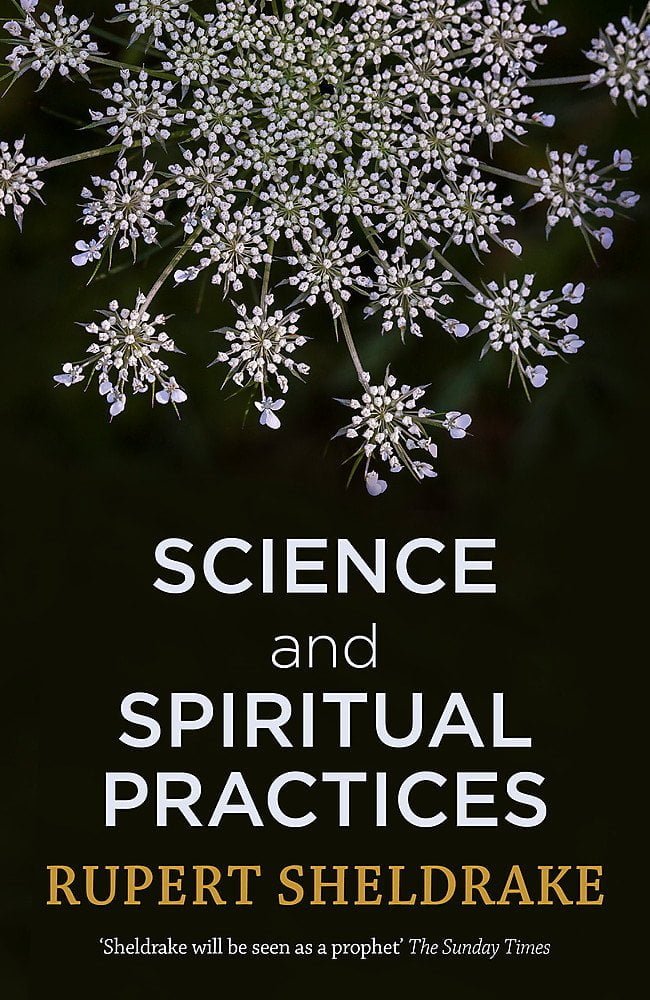
    Science And Spiritual Practices by Rupert Sheldrake

    This 2012 book by Rupert Sheldrake, a British biologist and parapsychologist, explores the relationship between science and spirituality. Sheldrake argues that science is too narrow in its focus and that there are many phenomena that cannot be explained by materialism. He discusses topics such as telepathy, near-death experiences, and the placebo effect.

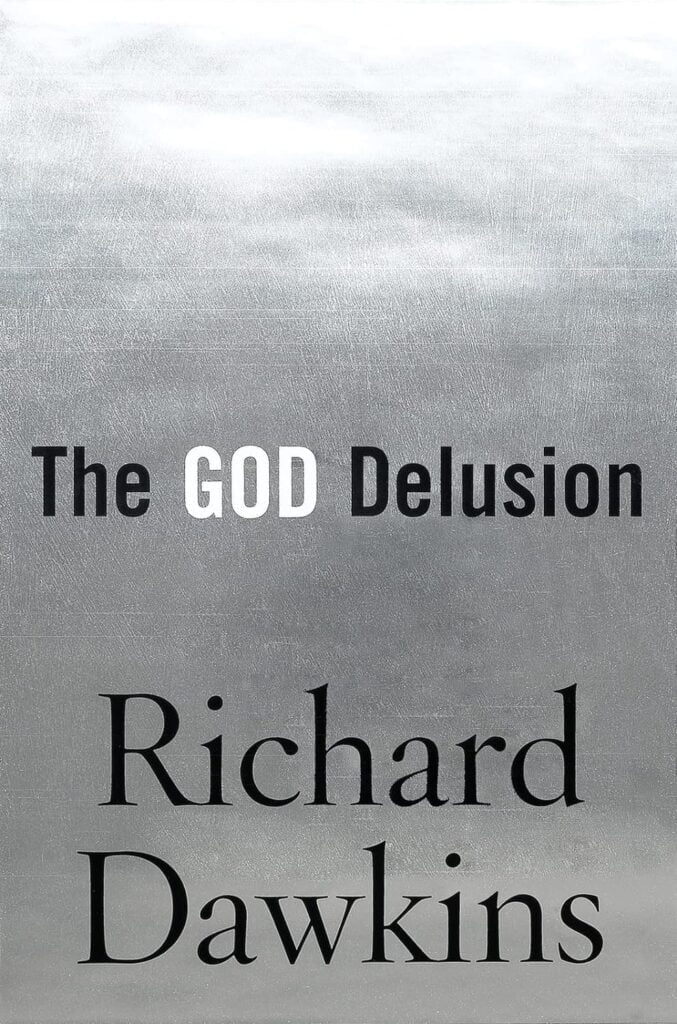
    The God Delusion by Richard Dawkins

    This 2006 book by Richard Dawkins, a British evolutionary biologist, is a critique of religion. Dawkins argues that God does not exist and that religion is a delusion. He discusses topics such as the argument from design, the problem of evil, and the nature of faith.

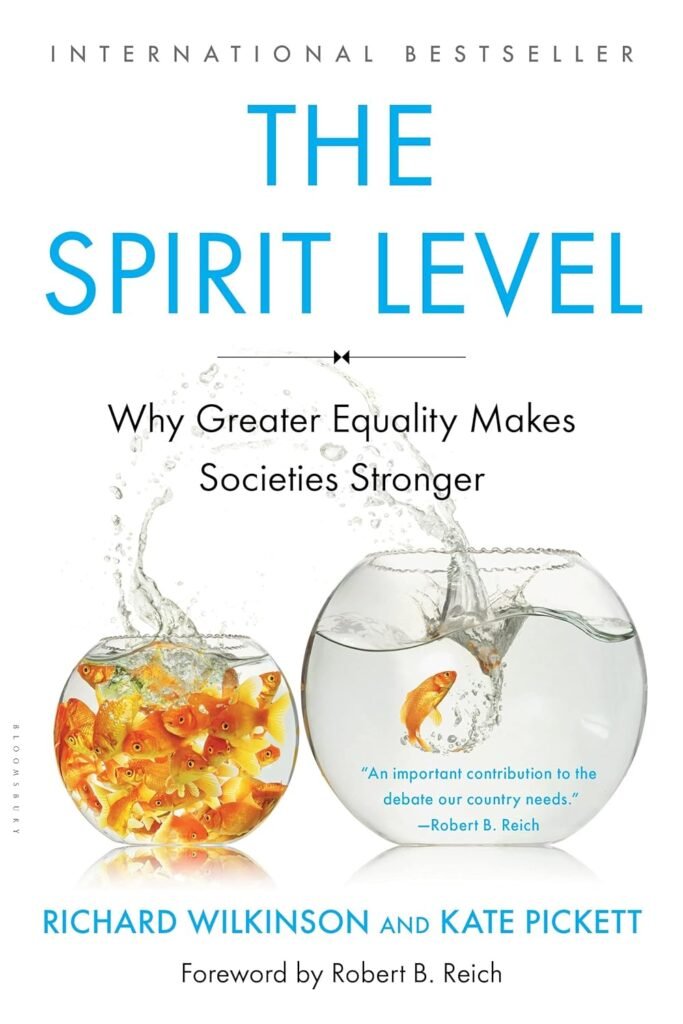
    The Spirit Level by Richard Wilkinson and Kate Pickett

    This 2009 book by Richard Wilkinson and Kate Pickett, examines the relationship between social inequality and a variety of social problems. The authors argue that more equal societies are better off in terms of a variety of social indicators, such as crime, health, and education.

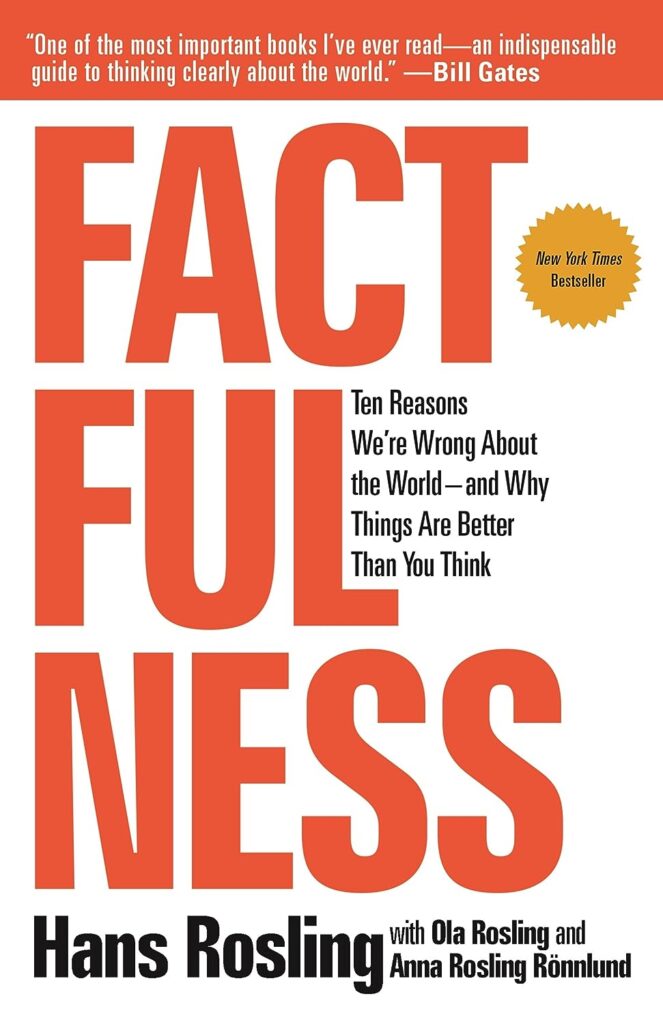
    Factfulness: Ten Reasons We’re Wrong About the World – and Why Things Are Better Than You Think by Hans Rosling

    This 2018 book by Hans Rosling, a Swedish physician and global health researcher, challenges our perception of the world. Rosling argues that the world is actually getting better in many ways, and that we are often too pessimistic in our outlook.

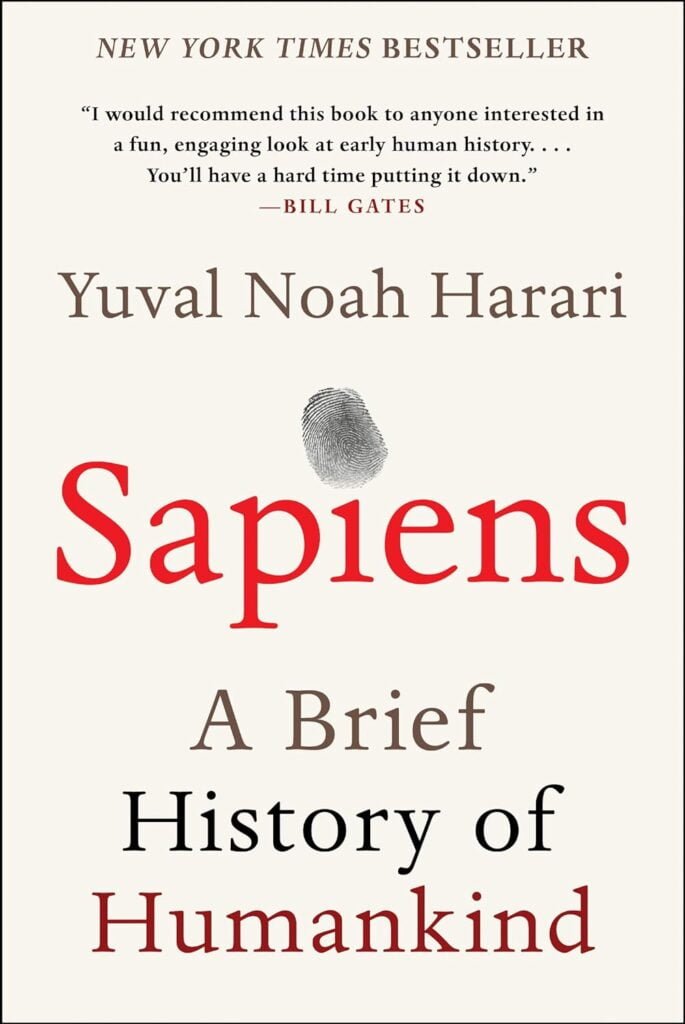
    Sapiens: A Brief History of Humankind by Yuval Noah Harari

    This 2014 book by Yuval Noah Harari, a Israeli historian, examines the history of humankind from our evolutionary origins to the present day. Harari explores topics such as the development of language, agriculture, and religion.

  • Can We Refute God?

    Can We Refute God?

    Belief in the existence of at least one higher power is a profoundly subjective matter, intertwining human emotions and philosophical perspectives. For many, the concept of a higher power provides a sense of purpose, comfort, and meaning. It shapes cultural narratives and individual lives, influencing ethics, morality, and personal identity. The belief in a higher power is often rooted in personal experiences, upbringing, and emotional needs, making it a profoundly personal matter that transcends objective analysis. While some may refute God, others find solace and guidance in their faith. Ultimately, the question of whether a higher power exists remains a deeply contemplative and multifaceted inquiry.

    Emotional and Philosophical Dimensions

    Humans are inherently emotional beings, inheriting beliefs that often reflect our emotional landscapes. The need for security, the search for meaning, and the desire to understand our place in the universe drive many toward the concept of a higher power. Philosophically, the idea of a higher power addresses existential questions that science and reason alone may not satisfy. It answers the why of existence rather than the how, offering a narrative connecting the individual to a more significant, often benevolent force.

    Scientific Evidence and the Higher Power

    When asserting that there is zero evidence for a higher power, one typically refers to scientific evidence, which relies on empirical data, reproducibility, and objective validation. Scientific methodologies are designed to test hypotheses through controlled experiments and observable phenomena. By its very nature, science excludes subjective experiences and eyewitness testimony as robust evidence, which is essential for understanding the physical world but has limitations when applied to prove or refute God, and all other metaphysical entities.

    Limitations of Scientific Inquiry

    Scientific evidence is inherently limited to the observable and measurable aspects of reality. The concept of a deity or higher power often lies beyond the empirical scope of science. Deities are typically considered supernatural entities, existing outside the parameters of physical laws. As such, they cannot be tested or observed in the same way as natural phenomena. This does not invalidate the belief in higher powers but highlights scientific inquiry’s boundaries. It is a category error to demand scientific proof for something that, by definition, exists outside the purview of science. 

    Human Invention of Deities

    Knowing what we know, no compelling reason exists to believe that any specific deity is not a human invention. Throughout history, diverse cultures have created a myriad of gods and goddesses, each reflecting their society’s values, fears, and aspirations. These deities often serve social functions, such as enforcing moral codes, explaining natural events, and unifying communities under a shared belief system. The anthropological perspective suggests that gods are products of human imagination and cultural evolution.

    Uncertainty and the Nature of Reality

    However, we cannot categorically state that there are no entities that humans would consider godly. Our understanding of reality is limited and constantly evolving. Advances in physics, particularly in quantum mechanics and cosmology, have revealed the universe to be far stranger and more complex than previously imagined. Concepts such as parallel universes, higher dimensions, and the fundamental nature of consciousness challenge our conventional understanding and suggest that reality may hold surprises beyond our current comprehension.

    The Imitation of Consciousness

    One intriguing aspect of this uncertainty is the possibility that what we consider consciousness might not be exclusive to biological entities. As artificial intelligence advances, questions arise about the nature of consciousness and the potential for machines to develop awareness. If consciousness can emerge from non-biological substrates, the line between creator and creation blurs. This raises the possibility that entities with god-like attributes could exist, created either by advanced civilizations or as emergent properties of complex systems.

    Philosophical Implications

    The philosophical implications of such possibilities are profound. If higher powers exist as emergent properties or creations of advanced intelligence, our understanding of divinity and its relationship to humanity would need reevaluation. This perspective aligns with certain interpretations of pantheism and panentheism, which view the divine as inherent in the fabric of the universe itself. It also resonates with some interpretations of transhumanism, where the future of human evolution involves merging with advanced technologies, potentially achieving god-like capabilities.

    The Takeaway

    Believing in a higher power is ultimately subjective and deeply intertwined with human emotions and philosophical perspectives. By its nature, scientific evidence cannot encompass deities as they lie outside the scope of empirical inquiry. While historical and cultural analysis suggests that deities are human inventions, our limited understanding of reality leaves room for the possibility that entities humans would consider godly could exist. If anything, this ongoing uncertainty invites a humble and open-minded approach to the profound questions embedded in human nature.

    In essence, science is not to prove or refute God.


    Further Reading: Scientists Who Tried to Prove or Refute God

    The quest to prove or refute God through scientific means has captivated many great minds throughout history. While science deals with the observable and testable natural world, the supernatural realm of a supreme deity exists beyond its scope. Nonetheless, several scientists have grappled with this profound question, attempting to reconcile faith and reason. Their efforts have sparked intense debates and challenged conventional wisdom, leaving an indelible mark on the intersection of science and religion.

    One of the earliest and most influential figures in this endeavor was René Descartes, the 17th-century French philosopher and mathematician. Descartes sought to establish a firm foundation for knowledge, leading him to the famous phrase “I think, therefore I am.” In his metaphysical writings, he attempted to prove God’s existence through reason alone, using arguments based on the idea of a perfect being and the concept of causality. While his arguments were later critiqued and challenged, Descartes’ efforts laid the groundwork for subsequent thinkers to explore the relationship between science and religion.

    In the 18th century, the Age of Enlightenment saw a surge of scientific discoveries and a growing emphasis on reason and empiricism. Philosophers like Voltaire and David Hume questioned traditional religious beliefs and sought to apply rational scrutiny to the existence of God. Hume’s famous argument against miracles, which posited that it is always more likely that a reported miracle is a product of human error or deceit than a violation of the laws of nature, became a cornerstone of skeptical thought.

    The 19th century witnessed a remarkable figure in Charles Darwin, whose theory of evolution by natural selection revolutionized our understanding of life’s origins and challenged the biblical account of creation. While Darwin himself was reluctant to wade into the debate over God’s existence, his work ignited heated controversies between proponents of science and defenders of religious doctrine. The implications of evolutionary theory continue to shape discussions on the intersection of science and faith to this day.

    In the 20th century, advances in physics and cosmology reignited the debate over God’s role in the universe. Albert Einstein, one of the most renowned scientists of all time, famously remarked, “Science without religion is lame, religion without science is blind.” While Einstein rejected the notion of a personal God, he believed in a cosmic intelligence or rationality underlying the universe’s order and beauty, a concept he referred to as “the Old One.”

    More recently, scientists like Richard Dawkins and Lawrence Krauss have taken a firm stance against the existence of God, using scientific evidence and reasoning to challenge religious beliefs. Dawkins’ book “The God Delusion” became a bestseller and sparked widespread discussions on the compatibility of science and religion. Krauss, on the other hand, has argued that modern physics and cosmology provide a compelling alternative to the need for a divine creator, proposing that the universe could have emerged from nothing.

    On the other side of the debate, scientists like Francis Collins and John Polkinghorne have sought to reconcile their religious beliefs with scientific knowledge. Collins, the former director of the National Institutes of Health and a devout Christian, has argued that science and faith can coexist, pointing to the complexity and beauty of the natural world as evidence of a divine creator. Polkinghorne, a theoretical physicist turned Anglican priest, has explored the intersection of theology and quantum physics, suggesting that the inherent uncertainties in quantum mechanics leave room for divine intervention.

    While the debate using science to prove or refute God continues, it is clear that the pursuit has captivated some of the greatest minds in history. Whether driven by faith, skepticism, or a desire for understanding, these scientists have challenged conventional thinking and pushed the boundaries of human knowledge. Their efforts have enriched our understanding of the natural world and the profound questions that lie beyond the realm of science, reminding us of the enduring human quest for truth and meaning.

  • The Futility of God Debate and Power of Open Dialogue

    The Futility of God Debate and Power of Open Dialogue

    For centuries, the question of whether a higher power exists has sparked impassioned God debates and divisions among humanity. Believers cling to their faith as a source of meaning, comfort, and spiritual enlightenment. Atheists, grounded in skepticism and rationality, demand empirical proof and dismiss the supernatural. When these fundamentally disparate worldviews collide head-on, the discourse often devolves into a combative arena where the principal aim is not mutual understanding but aggressive debate with the goal of emerging victorious.

    This adversarial framing, however, is misguided and unproductive. Treating dialogues about religious beliefs as battles to be won is an exercise in futility that rarely results in changed minds or newfound common ground. Rather, it entrenches existing biases and erects higher barriers to meaningful connection across different perspectives. The way forward lies not in fruitless debate but in reimagining these interactions as opportunities for empathetic listening, expanded awareness, and the discovery of our shared hopes and values as human beings.

    The Pitfalls of Fruitless Debate

    At the core of the limitations of the God debates lies the inherent personal nature of faith. Shaped by a complex tapestry of life experiences, cultural backgrounds, and deeply held convictions, faith transcends simple arguments. For the devout, belief in a higher power serves as an anchor in the storm of existence, offering solace, purpose, and a framework for comprehending the universe’s mysteries.

    On the other side of the God debate spectrum, atheism prioritizes reason and evidence. Skepticism toward the supernatural reigns supreme, with empirical data, rational inquiry, and logic seen as the keys to unlocking truth. When these paradigms rooted in faith clash with those demanding proof and materiality, the God debate becomes a battleground. Each side speaks a different philosophical language, their axioms as distant as stars.

    The result? Entrenched positions and adversarial dynamics. Believers and non-believers cling to their corners, attempting to dismantle the other’s worldview through rhetoric, logic, and dismissal of core tenets. This quest to “win” the God debate through argumentative force sacrifices true understanding and dehumanizes the opposition.

    The ego’s yearning for victory further cripples the God debate. When convictions become battlegrounds for intellectual dominance rather than spaces for exploring differences, the purpose is lost. Minds remain stubbornly closed, and people leave more entrenched than before. This is a tragedy, considering the enriching potential of engaging with diverse systems of meaning and interpretation.

    The truth is, for most, beliefs surrounding God are not products of mere rational convincing. They emerge from the very core of our being, reflecting how we ascribe meaning to life itself. To treat these profound perspectives as ideas to be adopted or discarded through forceful arguments in the God debate fundamentally disregards the human experience that birthed them.

    A Wiser Path Forward

    Yet, avoiding discussing these existential questions within the realm of God debates would be an immense loss for both collective understanding and individual growth. Exploring our divergent beliefs about whether a higher power exists has immense potential as a catalyst for bridging ideological divides and illuminating the full depth of the human condition across cultures and creeds.

    However, to actualize this possibility, a fundamental reframing of God debates is required. Rather than approaching faith-based discourse as a detached thought experiment or a God debate to be won at all costs, we must treat it as an intensely personal window into how others derive meaning and grapple with life’s profundities. In doing so, the importance shifts from dogmatic conflict within God debates towards cultivating greater empathy, intellectual flexibility, and mutual respect.

    There is immense value in truly listening to perspectives different than our own within God debates, with an openness to have our horizons expanded. By seeking to understand the emotional anchors, life experiences, and reasoning that shapes each person’s relationship to faith and existential questions, space is created for greater empathy and appreciation of the diverse lenses through which humankind interprets its reality.

    After all, religion and questions of faith do not exist in a vacuum – throughout history, they have been intimately intertwined with cultural identity, moral and ethical foundations, community preservation, and spiritual expression. To arrogantly discard the beliefs of others without attempting to understand their origins and psychological significance is to ignore the very essence of the human experience, even within the context of God debates.

    An attitude of open curiosity and willingness to enter unfamiliar philosophical ecosystems with humility allows for personal growth and enlightenment that are inaccessible when the mind is closed during God debates. Whether an atheist gaining new appreciation for the inner worlds that religious faith can open or a believer considering novel philosophical frameworks, the benefits of respectful cross-perspective engagement within God debates are manyfold.

    Furthermore, the attempt at mutual understanding within God debates often reveals commonalities that transcend religious divides. Beneath seemingly irreconcilable differences about the existence of God lie shared human yearnings – for love, purpose, ethical actualization, inner peace, and sensemaking of the unknown. Progressively mining these commonalities by remaining open to our differences as entry points for connection rather than sources of conflict within God debates strengthens social cohesion and collective empathy.

    In our increasingly pluralistic societies, fostering tolerance and mutual understanding across ideological lines is not only enriching but essential. Reimagining religious discourse, including God debates, as a source of interpersonal connection and insight rather than conflict promotes the healing of historical divides and cultivates inclusive communities united by compassion and appreciation of diverse meaning-making.

    The relentless human drive to understand our origins and place in the cosmos will never abate. Whether contemplating the divine, dissecting the mysteries of existence through scientific empiricism, or syncretically embracing various sources of enlightenment, these spiritual strivings reflect our great capacity for seeking profundity amidst the vastness.

    To cling stubbornly to the pretense that one perspective has achieved absolute truth and thus must invalidate all others within God debates is to neglect the awe-inspiring complexity of both the universe and human consciousness. A wiser approach recognizes that beliefs about the metaphysical represent separate yet equally valid lenses for perceiving the enigma of being itself.

    In this light, polarizing God debates give way to complementary portfolios of meaning – with religious faith and philosophical doubt existing not in conflict but in dynamic interplay. Either perspective alone is incomplete, yet their paradoxical convergence reflects the awesome difficulty in unraveling the full essence of existence through any singular ideological focus, even within the realm of God debates.

    Ancient Wisdom for a Modern World

    For millennia, the god debate has raged, fracturing traditions and igniting ferocious contention. Yet, perhaps the key to a more enlightened discourse has been hiding in plain sight, woven into the very fabric of those same religions and philosophies.

    Mystics and transcendent thinkers throughout history have warned us of the human ego’s need for conceptual conquest. This need, they argue, fundamentally distorts our ability to grapple with existential questions. Eastern philosophies, from Buddhism to Taoism, promote holding seemingly contradictory ideas in balance, finding equilibrium instead of eradicating them through dogmatic insistence in the god debate. Surrendering the desperate need to be “right” opens the door to perceiving truth from multiple angles, fostering a nuanced understanding that transcends the confines of the traditional god debate.

    Socrates, a founding voice of Western philosophy, emphasized the importance of recognizing our limitations. He believed wisdom lay in “knowing how little we know,” a perspective at odds with the certitude that often taints the god debate. Perhaps, the very essence of enlightenment lies in approaching these ultimate questions with perpetual openness and an acceptance of our ignorance.

    Furthermore, many scholars, both religious and non-religious, recognize the psychological dangers of clinging to rigid belief systems as a form of identity. When beliefs become static shields against uncertainty, they morph from tools of exploration into impediments, fueling the divisions that plague the god debate. Instead, when we traverse the vastness of questions regarding faith, higher powers, and existence itself, wisdom lies in embodying the very curiosity and humility these traditions extol.

    Rather than clinging to concrete answers for ego-reinforcement or a sense of belonging, the path to deeper truth and growth lies in abandoning rigid dogmatism altogether. In its place, an ethos of perpetual seeking – of asking questions rather than insisting on pre-determined answers – breathes new life into the stale air of the god debate. God debates recede, replaced by dialogues fostering mutual learning and wonder. With rigid attachment abandoned, paradoxes become recognized opportunities for integrating complementary insights. Ultimately, the conversation evolves from a competition of “who is right” to a collective exploration of the sublime mysteries of being itself.

    The Way Forward 

    The human spirit has long grappled with the God debates, those existential inquiries into our universal origins. These profound contemplations, meant to illuminate truth, often devolve into ego-driven clashes. Forceful rhetoric and attempts at conversion turn these dialogues into battlegrounds for intellectual dominance.

    This adversarial framing is deeply flawed. Treating religious beliefs and ultimate questions as debates rather than explorations erects walls to understanding. It strengthens existing biases, diminishes appreciation for diverse experiences, and sacrifices connection for pride and dogma.

    A wiser approach recognizes that beliefs about the metaphysical are intensely personal, woven from the intricate tapestry of our cultural, emotional, and existential landscapes. To arrogantly dismiss another’s perspective without understanding its significance is to ignore the very essence of the human experience we seek to illuminate.

    By reframing religious discourse through open curiosity, a willingness to expand our horizons, and the courage to hold the tension of paradox, we open a portal to realms of growth, enlightenment, and collective understanding that rigid certainty obstructs. Humility and perpetual seeking breathe new life into stale polemics, transforming them into dynamic dialogues fueled by mutual learning and wonder.

    Within this cross-perspective connection emerge profound commonalities that transcend ideological divides. Shared human values, ethical foundations, and existential yearnings unite us more than any God debate could fracture. When we cultivate an empathetic understanding of how others find meaning and guidance in the vastness of existence, we witness parallels far more binding than any God debate could break.

    In our increasingly pluralistic world, fostering respectful cross-pollination of beliefs is not just enriching, it’s essential. It upholds the diversity and social cohesion that catalyzes human flourishing. Cultivating the wisdom to hold seemingly incompatible truths in balanced exploration heals historical divides and strengthens the ethics of coexistence. It illuminates our shared awesome responsibility to seek maximal understanding and steward this miracle of existence we all inhabit.

    The path forward transcends fruitless conflict. It embraces courage, openness, and profound humility when confronting life’s great mysteries. We must recognize the full spectrum of religious, philosophical, and scientific investigations as invaluable vantage points, offering incomplete yet complementary insights into the enigma of being itself.

    In this light, polarizing God debates fade away, and rigid dogmas dissolve into dynamic portfolios of meaning-making. It becomes an eternal conversation where all thoughtful perspectives are reverently engaged as facets of an inconceivable cosmic whole. The ultimate answer may forever elude us, yet the humble search itself sparks transcendence, igniting our shared capacities for wisdom, awe, and illuminating our collective identities as heroic meaning-seekers united by our very quest.

    Across cultures, faiths, and worldviews, ancient teachings have long imparted the paradoxical truth: wisdom flourishes not from fortresses of certainty, but from surrendering the ego and its attachment to being right. In the space of “not knowing,” unbounded curiosity and universal wonder blossom.

    When traversing the eternal human questions surrounding existence, faith, and cosmic origins, perhaps we should embody this sacred openness. Let us temper our drive for rigid resolution with a perpetual deference to life’s awesome complexities. In doing so, the discourse evolves from wanting to spiritually elevating – a journey of souls exploring reality’s unfathomable kaleidoscope together, with more empathy and awe than certainty could ever aspire to.

    Further Reading on God Debate

    The futility of God debates:

    The power of open dialogue:

  • Fine-Tuned Universe, Best Argument Against Atheism?

    Fine-Tuned Universe, Best Argument Against Atheism?

    Scientists frequently express amazement at the seemingly fine-tuned universe, where the exact values of physical constants and laws appear precisely calibrated to sustain life. This extraordinary precision is vital; even minor variations in these constants might lead to a barren universe devoid of stars, planets, and the chemical processes necessary for life.

    The intricate equilibrium of our universe prompts deep inquiries into the genesis and framework of the cosmos, compelling scientists to demystify the enigma of its precise orchestration. The improbability of such ideal conditions emerging by chance evokes wonder and inquisitiveness, propelling the quest for fundamental principles or insights that might illuminate this fine-tuning.

    Embark with us on a journey to decipher the puzzle of the fine-tuned universe through both scientific and theological lenses.

    Photo by NASA on Unsplash

    The Multiverse: A Universe of Possibilities

    The immensity of the cosmos has always fascinated humanity, prompting us to ponder the beginnings and framework of the universe, as well as our place in it. The multiverse hypothesis, emerging from diverse physics and cosmology disciplines, introduces a profound and intriguing concept: our universe is not the only one, but merely a part of a potentially boundless ensemble of universes.

    At the core of the multiverse hypothesis lies the enigmatic domain of quantum mechanics. The many-worlds interpretation, a controversial yet fascinating view on quantum events, suggests that all possible outcomes of a quantum occurrence do happen. This implies that every choice, every quantum-level random event, causes the universe to split into separate realities. Each reality holds a distinct version of existence, possibly including every imaginable variation of physical laws and constants. Such a vast collection of alternatives could explain the variety within our universe, hinting at countless different realities beyond our own.

    An exciting aspect of multiverse theory stems from inflationary cosmology, which suggests that the early universe experienced a rapid expansion known as inflation. If this inflation occurred unevenly across space, different areas might have stopped inflating at various times. These areas could have developed into isolated “bubble universes,” each with its own physical laws and constants. Inflation, therefore, might have produced a vast, potentially infinite collection of universes, making the observed diversity a matter of statistical probability.

    String theory, which aims to reconcile nature’s fundamental forces, introduces another layer to the multiverse concept by proposing that fundamental particles are not point-like but rather tiny, vibrating strings. The way these strings vibrate determines the properties of the particles they represent. String theory allows for many possible configurations, each of which could result in a different set of physical laws and constants, suggesting that each configuration might correspond to a separate universe within the multiverse, offering a theoretical foundation for the existence of multiple physical realities.

    The multiverse concept provides a fertile context for the anthropic principle, which posits that our universe is observable because if it were fundamentally different, we wouldn’t exist to observe it. Given a vast multiverse with diverse physical laws and constants, it’s unsurprising that at least one universe would have the right conditions for life as we know it, negating the need for a “designer” to fine-tune the universe for our existence. This offers an alternative explanation for the precise alignment of physical constants that enable life.

    Furthermore, the multiverse theory could address the fine-tuned universe problem, which arises from the observation that many physical constants in our universe appear precisely calibrated for the existence of stars, planets, and life. The odds of these constants randomly aligning to support life seem incredibly slim. However, in a multiverse with countless universes and varying constants, the statistical likelihood that at least one universe would have the exact conditions for life makes our universe seem less like a perplexing outlier and more like a natural outcome within an immense cosmic landscape.

    Although the multiverse hypothesis extends beyond the scope of directly observable science, its potential to explain the complexity and variety of the universe is clear. It challenges us to reconsider our place in the cosmos, moving from the concept of a single universe to a vast array of possibilities. With technological advancements and a deeper understanding of the cosmos, exploring the multiverse’s mysteries is a fascinating and persistent endeavor.

    God Hypothesis

    The God hypothesis proposes the existence of a divine creator or supreme being as the fundamental reason for the universe’s origin, structure, and purpose, encompassing its laws, complexity, and life.

    The fine-tuned universe issue, which underscores the apparently unlikely calibration of physical constants necessary for life, leads to diverse interpretations. Unlike scientific methods, the God hypothesis provides an explanation based on faith and the notion of a divine architect.

    At the heart of the God hypothesis lies the concept of purposeful design. The complex and life-sustaining characteristics of the universe are seen as the handiwork of a creator who intentionally shaped the cosmos with particular conditions in mind. The unlikely values of physical constants, the laws governing physics, and the initial conditions leading to our universe’s birth are viewed not as coincidental or statistically necessary but as deliberate choices by a designer imbued with intent and significance, indicating a purposeful creation rather than a random event.

    Proponents of the God hypothesis often regard it as a straightforward and explanatory model. It provides a singular response to the question of why the universe is conducive to life, avoiding the need for speculative and presently unobservable notions such as the multiverse, which suggests an extensive collection of invisible universes. For these individuals, invoking a divine creator offers a lucid and all-encompassing rationale that aligns with their beliefs and perception of existence.

    The God hypothesis extends beyond empirical science into philosophical and theological domains, addressing questions of the universe’s origin, purpose, and meaning through religious and metaphysical lenses. This contrasts with scientific inquiry grounded in evidence and testable theories within the natural world. Advocates of the God hypothesis may suggest that science’s inherent limitations prompt the need for supernatural or metaphysical explanations to account for the universe’s complexity and apparent fine-tuning.

    There are epistemological distinctions between the God hypothesis and scientific hypotheses. The God hypothesis exists outside the scope of methodological naturalism, the principle that underpins scientific investigation by seeking natural causes for observed phenomena. Based on faith and metaphysical contemplation, the God hypothesis is separate from scientific hypotheses, which are contingent upon empirical evidence and the possibility of testing.

    In summary, the God hypothesis presents a unique viewpoint on the fine-tuned universe issue. Although it does not conform to the principles of scientific investigation, it appeals to those who seek meaning and explanation in the idea of a divine creator. Acknowledging the essential distinctions between this perspective and scientific explanations is vital for appreciating the varied methods humans employ to confront the enigmas of the universe and our existence in it.

    Photo by John Fowler on Unsplash

    It Is Not a Black-and-White World

    Some believe we are presented with only two options: either a deity created the universe and life on Earth through supernatural means, or no deity exists at all, which is a false dichotomy.

    A prominent concept that helps us understand the universe’s apparent fine-tuning is the Non-Overlapping Magisteria (NOMA), introduced by Stephen Jay Gould.

    This concept posits that science and religion explore separate domains of knowledge, known as “magisteria.” Science investigates the empirical universe, building theories based on observable evidence and repeatable experiments. Religion, conversely, addresses profound ethical, existential, and metaphysical questions, often beyond the physical world. From this standpoint, the multiverse theory, which examines the universe’s structure and mechanics, does not inherently conflict with or disprove the existence of a deity, as they pertain to entirely separate realms.

    However, alternative viewpoints question this strict division. Certain theistic beliefs harmonize the concept of the multiverse with the existence of a divine creator by suggesting that God is the originator of the multiverse itself. This implies that God did not just create our particular universe but also the laws and constants that govern the myriad of universes within the multiverse. Thus, the multiverse is seen as an extension of a larger divine scheme rather than a contradiction.

    Additionally, the significance of metaphysical and theological interpretations must be recognized. These interpretations provide a unique layer of comprehension that often goes beyond scientific explanations. From this vantage point, the existence of God does not depend solely on deciphering the universe’s physical complexities. Rather, it is an act of faith anchored in profound philosophical and theological structures that search for meaning outside the physical domain. Even if the multiverse offers a scientific rationale for the fine-tuned universe, it does not necessarily invalidate these beliefs based on faith.

    It’s also crucial to acknowledge the limitations of scientific explanations. While the multiverse theory may account for the fine-tuning observed in our universe, it could lead to more profound existential inquiries. Questions like why the multiverse exists or why the laws of physics vary across universes may elude scientific explanation and require interpretations that could be theological in nature.

    The connection between the multiverse and the divine largely depends on one’s concept of God. Various religions and philosophical doctrines offer widely differing perspectives on the divine. To some, God is deeply integrated into the universe’s fabric, with its intricate design reflecting God’s active involvement. To others, God represents a more abstract, deistic force external to the universe and does not intervene in its dynamics. The multiverse concept could profoundly challenge certain views of God but may not affect other beliefs.

    Photo by Casey Horner on Unsplash

    In a Nutshell: Fine-Tuned Universe

    The interaction between the Multiverse and Divine hypotheses provides a complex framework for reflection, transcending the dichotomy of solely scientific or theological explanations for the universe. It uncovers the intricacies involved in harmonizing the expansive theories of the multiverse with the intimate, belief-based notions of a divine creator. The Non-Overlapping Magisteria (NOMA) principle proposes a harmonious existence between science and religion, each addressing distinct aspects of human comprehension. However, conversations often blend these realms, pushing the limits of our knowledge and beliefs.

    Certain theological views incorporate the multiverse as an aspect of divine creation, portraying a God not confined by our universe but rather as the designer of a vast multiverse, with each universe serving as evidence of divine limitless imagination, thus broadening the traditional understanding of God to one capable of creating endless possibilities. In contrast, some argue that the precise and purposeful design of the universe suggests a God intricately involved in creation’s details, indicating a universe intentionally formed for life. These differing perspectives underscore the variety within theological discourse, showing the diverse interpretations of the divine across various belief systems.

    As science progresses and pushes the limits of our knowledge, it may help us grasp the intricacies of the universe’s fine-tuning. Yet, the profound existential queries about purpose and significance might always remain within the sphere of individual belief and philosophical contemplation. Whether viewed through the prism of science, faith, or a combination thereof, delving into the origins and framework of the universe continues to be a deeply significant pursuit, driving us to search for insights that extend beyond what we can see, into the domains of the theoretical and the spiritual.

  • 50 Shades of Humanity

    50 Shades of Humanity

    The complex nature of race in society is both fascinating and perplexing because it lacks a solid biological foundation. We’ve created arbitrary divisions based on physical appearance while ignoring the minuscule genetic differences between us, which calls for a shift in perspective. Race as a social construct must be recognized over and above any biological classification.

    Labeling someone as “white” doesn’t guarantee a stronger genetic link to others labeled the same, compared to people of different racial categories. Our DNA is a complex mosaic, reflecting a rich tapestry of ancestries. Fitting people into distinct racial boxes oversimplifies the beautiful complexity of human diversity. Race as a social construct often leads to misunderstandings and problems rather than providing valuable insights into our shared humanity.

    The concept of race persists in our interconnected world, though its dynamic is changing. As people from diverse backgrounds marry and build families, the once clear-cut racial boundaries are blurring. Imagine it like an artist’s palette – blending different colors creates new and unique shades. These changes suggest a future where traditional racial classifications hold less weight, highlighting the fluidity and interconnectedness of human identities.

    The focus on race in the United States is somewhat paradoxical, considering the country’s diverse and mixed heritage. Celebrating our origins and the unique cultural contributions we bring to the world is vital. However, emphasizing race as a primary identifier may be outdated. Instead, we should embrace the richness and complexity of our identities.

    Race as a Social Construct - A black and white raised fist.
    Photo by visuals on Unsplash

    Honoring one’s heritage and family history is definitely commendable. It connects us to our unique stories and ancestral roots. However, it’s worth considering the concept of pride based solely on genetics and geographic lineage, like skin color. True pride should stem from our accomplishments, actions, and inner character, not the circumstances of our birth. It’s about the values we hold, the contributions we make, and the paths we forge through our choices and actions.

    Science reveals our incredible similarity as humans, with 99.9% shared DNA. The tiny variations that influence our appearance represent a minuscule portion of our genetic makeup. This reinforces the concept of race as primarily a social and historical construct, not a biological one. These slight differences are too insignificant to justify traditional racial classifications. Our shared humanity holds much greater weight than superficial physical variations.

    The idea of changing one’s “race” through science is more science fiction than reality. Despite genetic advancements, altering racial traits sparks complex ethical and scientific debates. This highlights the limited scientific basis of race. The ethical concerns surrounding such hypothetical modifications emphasize the need to view race as a social construct, not a biological one. Our focus should be on the richness and diversity of human experiences, not altering insignificant characteristics.

    As the world becomes more interconnected, progress brings people from diverse backgrounds closer. This global interaction leads to a beautiful amalgamation of cultures and identities.

    Race as a Social Construct -  Leaves in different colors
    Photo by visuals on Unsplash

    As we navigate our identities in this expansive, interconnected world, it’s vital to embrace the precious elements of our cultures and discard outdated concepts of race.

    Race, as a social construct, has limited our understanding of humanity. We should aim to cultivate a global community where the core of our humanity surpasses labels, honoring both our collective and individual identities beyond the limitations of racial classification. Concentrating on our common experiences and the wealth of cultural diversity, we can lay the groundwork for a society that acknowledges each person simply as a human being, bonded by our distinct and shared traits.

  • Richard Dawkins: A Rational Voice in a World Divided by Ideology

    Richard Dawkins: A Rational Voice in a World Divided by Ideology

    Richard Dawkins stands as a beacon of rationality in a world often torn apart by ideological strife and conflicting philosophies. His contributions to science, particularly through his seminal work “The Selfish Gene,” have sparked admiration and controversy. Richard Dawkins consistently championed secularism and scientific reasoning as an evolutionary biologist, ethologist, and author, earning him acclaim and criticism.

    The Pursuit of Fairness

    Fairness is a concept that resonates deeply with human nature, influencing our societal structures, policies, and personal convictions. The belief in the equitable application of principles has shaped our collective consciousness. For example, the notion that human breeding should be exempt from scientific scrutiny is held by many as a standard of fairness, aiming to eliminate discrimination.

    This quest for equity is also reflected in our cultural narratives, where stories of heroines overcoming formidable male adversaries have gained popularity, symbolizing the triumph of justice.

    The Immutable Laws of Nature According

    Richard Dawkins invites us to examine our beliefs critically, warning against the blind pursuit of fairness that might lead us to neglect the immutable laws of nature. He argues that human breeding is a biological reality like any other species. While fairness and compassion are noble pursuits, they should not overshadow the fundamental principles that govern the natural world.

    Richard Dawkins suggests that acknowledging biological realities is not an endorsement of racism but rather a recognition of the complexities of human existence.

    Gender Identity and Fairness

    The debate over gender identity has thrust Richard Dawkins into the limelight once more. His hesitance to fully endorse the view that “trans women are women in every respect” has sparked debate. Richard Dawkins’ stance is rooted in his commitment to rationality and factual analysis.

    While he supports the right of individuals to self-identify, Richard Dawkins also acknowledges the biological basis of sex, which plays a crucial role in our physiology. He advocates for a balanced approach that honors both personal identity and biological facts.

    In a Nutshell

    Richard Dawkins remains a polarizing figure, unafraid to question mainstream views and stimulate intellectual debate. His focus on the realities of nature, even when they conflict with our ideals of fairness, underscores the importance of maintaining intellectual integrity over conforming to popular opinion.

    Though sometimes seen as controversial, Richard Dawkins’ perspectives provide valuable insights into addressing complex societal issues. A more inclusive and rational society can be achieved by taking a nuanced approach that honors our desire for fairness and the fundamental principles of nature.