Few threads in human governance are as contentious as the relationship between state and faith. As we navigate the complexities of the 21st century, an intriguing phenomenon demands our attention: state atheism, a concept often misunderstood and frequently misrepresented, offers a fascinating lens through which to examine the delicate balance between secular governance and religious freedom.
Defining State Atheism
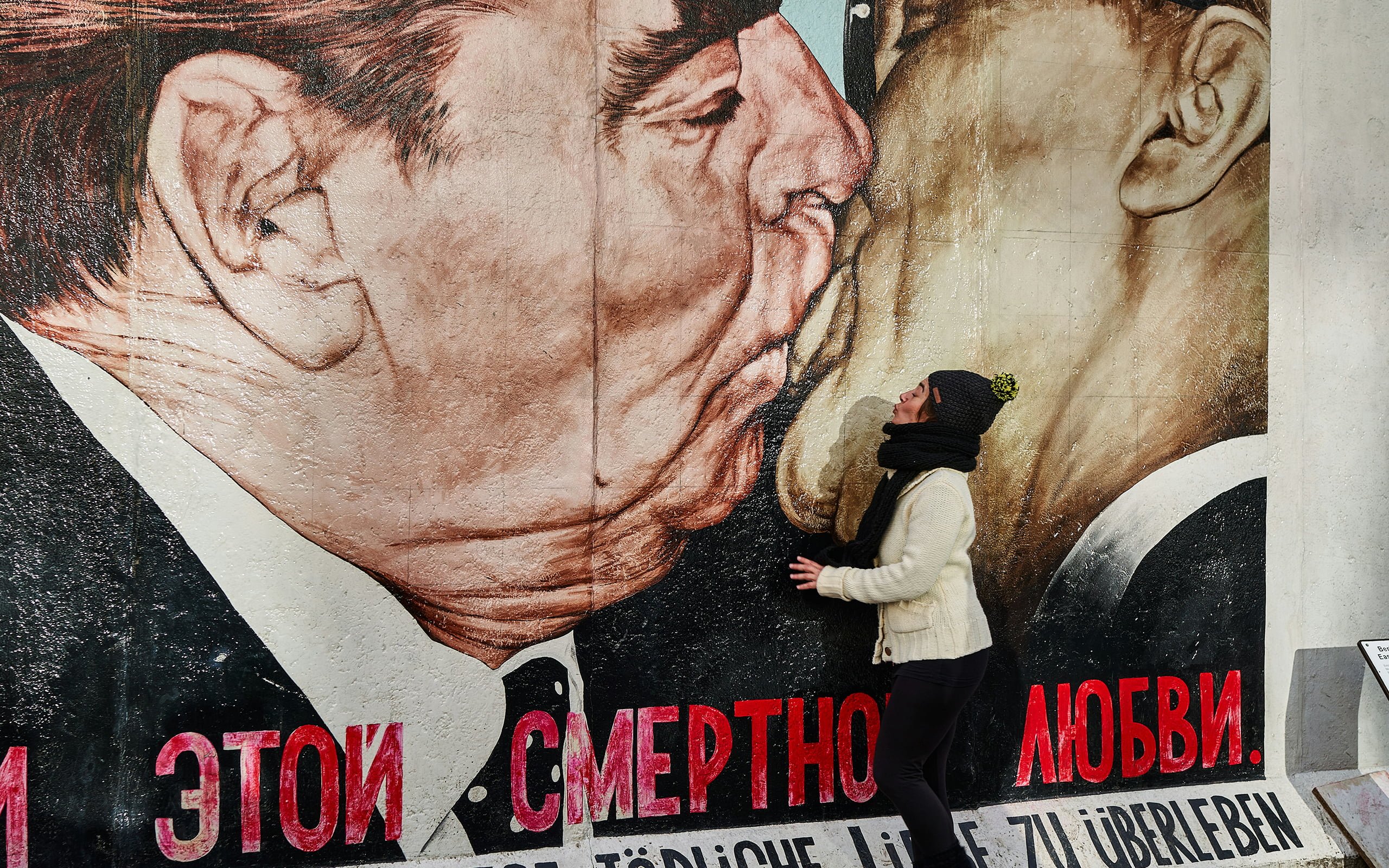
Fundamentally, state atheism is more than just opposing religion in public life. It represents a proactive approach in which a government actively advances atheistic ideas while also distancing itself from religious institutions. However, this approach often ventures into contentious and, at times, very unsettling areas, going much beyond the well-known concept of secularism.
As someone who is most interested in political systems, I’ve often pondered the motivations behind such a stark governmental position. Is it born from a genuine belief in the benefits of a godless society, or does it stem from a desire for absolute control over citizens’ thoughts and beliefs? The answer, I suspect, lies somewhere in the murky waters between ideology and power.
Historical Context
The Soviet Union casts a looming shadow over any discussion of official atheism. This large country began what can only be called a massive and disastrous experiment in godless administration from 1922 to 1991. The intensity with which religious expression was repressed during this time serves as a clear reminder of the abuse risk present in every system that aims to regulate an individual’s beliefs.
However, to interpret official atheism solely from a Soviet standpoint would be to oversimplify the reality. From Albania to China, several nations have embraced their own versions of this concept, each with unique characteristics that are a reflection of their particular historical and cultural contexts, which I find especially interesting because they show how political views may be adapted to certain geographic circumstances.
The Paradox of Enforced Disbelief
The irony of governmental atheism is too strong to overlook. In its passionate pursuit of a society free from religious influence, it often builds a system that is a reflection of the exact structures it seeks to eliminate. When imposed with religious fervor, state-approved atheism adopts the traits of a distinct secular religion, complete with dogmas, ceremonies, and heresies.
This issue raises significant questions concerning the nature of belief and the boundaries of the government’s authority. Is it possible for a state to pass laws in line with the opinions of its people, or does this only serve to suppress genuine religious convictions? Religions’ ability to withstand persecution only demonstrates that spirituality is a trait that is difficult to destroy in people.
Contemporary Reflections
Official atheism, as applied by former communist countries, appears increasingly out of touch with the modern global environment. Still, its echoes can be heard worldwide in more subdued forms of forceful secularism or governmental atheism.
Distinguishing these modern manifestations from the more extreme historical versions is crucial. Today’s extreme secularism sometimes takes the shape of atheistic management, eliminating religious symbols and displays from public spaces for the sake of fairness. Though these laws are not overtly coercive, they still elicit strong feelings about the role of religion in public life.
The Unintended Consequences
When we look back at the history of official atheism, we must confront its unanticipated consequences. Rather than instituting the rational, atheistic utopias that their advocates had dreamed of, these regimes often fostered cultures of distrust, anxiety, and cultural loss. Suppression of religious expression sometimes led to the disintegration of long-standing social bonds and rich cultural customs.
Moreover, state ideologies and personality cults that demanded a dedication strikingly similar to religious faith frequently filled the void left by the forced eradication of religion from public life. This observation brings us to a depressing conclusion: political decrees are not easily able to erase the human predisposition towards believing, whether it be religious or ideological.
Looking Forward
What can we learn from the experiment state atheism as we turn to the future? The significance of true pluralism, or a system that permits a range of beliefs, including the freedom to not believe, is arguably the most important. State atheism’s shortcomings should be considered as a cautionary tale about the dangers of any society that tries to impose a specific worldview—religious or atheistic—on its whole population under the disguise of the greater good.
Building political systems where people’s freedom of conscience is respected above all else, where people of different religions and none at all can coexist, and where governance is really neutral in matters of belief are the tasks facing our interconnected globe. If we wish to build a more peaceful world, we must make this difficult effort.
The Takeaway
If anything, our challenge going forward is to take what we can from these past trials and work toward striking a balance that honors people’s strongly held beliefs as well as the secular nature of contemporary government. By accepting this complexity, we can only hope to build societies that are truly free, diverse, and tolerant of various viewpoints on the divine—or lack thereof.
In 2019, a significant controversy erupted involving a 16-year-old student from East Sussex, UK, named Abigail Ward. During a GCSE religious studies exam, Abigail expressed her strong disapproval of halal slaughter methods, describing them as “absolutely disgusting.” This comment led to her disqualification by the exam board OCR, which accused her of making “obscene, racial comments.”
Following an appeal from her school, the decision was overturned. The school clarified that Abigail’s critique stemmed from her vegetarian beliefs and was directed at the practice of halal slaughter, not at Muslims themselves, highlighting an alarming trend toward censoring legitimate criticism of Islamic practices.
The Growing Culture of Censorship
The case of Abigail Ward is indicative of a broader issue: the increasing tendency to label any criticism of Islamic practices as ‘Islamophobia’ or even ‘racism’. Many individuals, like Ward, have faced accusations of bigotry for expressing critical views on certain Islamic practices or beliefs.
The intent to shield religion from criticism to avoid causing offense is often driven by noble intentions. Muslims in the UK and elsewhere frequently experience discrimination and abuse, and it is vital to protect them from such treatment. However, this protection should not come at the expense of free speech. Existing laws already protect all individuals from discrimination, harassment, and violence, including Muslims. These rights must be upheld without stifling the right to express opinions and views freely.
The Impact of Fear and Self-Censorship
Despite the absence of blasphemy laws in England and Wales, there is a growing perception that Islam is afforded special protection from criticism and mockery. The rise in anti-Muslim bigotry, combined with the sensitivities of some religious fundamentalists, has made discourse around Islam increasingly fraught.
Islamic extremists have long sought to silence any criticism or mockery of their religion. The 2015 terror attack on the French satirical magazine Charlie Hebdo and the assassination of Dutch filmmaker Theo van Gogh are stark examples of this. Such acts foster a climate of fear and self-censorship.
The Role of Hate Speech Laws
Hate speech laws have also contributed to the chilling effect on debate. The Racial and Religious Hatred Act of 2006 created various offenses involving ‘stirring up hatred’ against persons on religious grounds. To meet the threshold of stirring up hatred, the conduct must be threatening. Unlike race hate laws, being merely ‘abusive’ or ‘insulting’ is not sufficient. This distinction is crucial to protect freedom of expression, ensuring that criticism or expressions of antipathy towards religious beliefs or practices remain lawful.
Despite these legal protections, the impression persists that people have the right not to be offended. Activists and social media mobs often call for police intervention when someone is perceived to have been ‘abusive’ or ‘insulting’ about Islam. This phenomenon was evident when Boris Johnson’s comments about Muslim women wearing burkas sparked outrage, prompting the head of the Metropolitan Police to clarify that his comments did not constitute a hate crime.
The Dangers of Defining Islamophobia
The term ‘Islamophobia’, which conflates race and religion, poses a serious threat to free speech. Attempts to define Islamophobia as “a type of racism that targets expressions of Muslimness or perceived Muslimness” could exacerbate the problem. This definition has been promoted by a coalition of regressive Islamic activists and left-wing progressives in the name of combating anti-Muslim bigotry.
A recent ‘Anthology of Concerns’ over the APPG’s definition of Islamophobia highlights the dangers posed to liberal values by this concept. The report, supported by the National Secular Society, Christian Concern, Richard Dawkins, the Network of Sikh Organisations, Civitas, and the Quilliam Foundation, warns that adopting this definition could severely restrict civil liberties.
Balancing Free Speech and Protection from Bigotry
It’s undeniable that many Muslims in Britain face hostility and bigotry and are victims of racism. However, addressing anti-Muslim hatred by suppressing free speech is misguided. The government has wisely rejected the APPG’s definition but is still attempting to define Islamophobia, which is a mistake. As Professor Richard Dawkins aptly put it, “Islamophobia is an otiose word which doesn’t deserve definition”.
The paralyzing fear that criticism of Islam or Islamic culture will be branded racist is dangerous. Many British Muslims would agree that there are aspects of Islam that warrant criticism: attitudes towards free speech, the treatment of women, LGBT people, Ahmadiyya Muslims, and non-believers often conflict with modern secular liberal values.
Global Perspectives and Historical Context
The importance of open discourse about Islam extends to all countries with large Muslim populations, such as Indonesia and Pakistan, the suppression of criticism often leads to severe penalties, including imprisonment and death. For instance, in Pakistan, blasphemy laws have been used to target and persecute religious minorities and dissenters. According to Human Rights Watch, these laws have contributed to a climate of fear and repression.
Historical context also underscores the need for open criticism. The Enlightenment era in Europe saw the rise of critical thought and the questioning of religious dogma. Figures like Voltaire and Spinoza challenged the authority of the Church, paving the way for modern secular societies. Similarly, contemporary critiques of Islam can foster dialogue and reform within Muslim communities, promoting values of tolerance and human rights.
The Takeaway
While there are bigots who use opposition to Islam as a proxy for racism, it is crucial for secularists to challenge these racists. Simultaneously, it is equally important to resist efforts to achieve harmony through the suppression of speech. There is a significant conversation to be had about a religion that increasingly influences societies and politics worldwide, and this discussion must be free from mischievous and frivolous accusations of racism to ensure a healthy, open, and critical dialogue about Islam and its place in modern society.
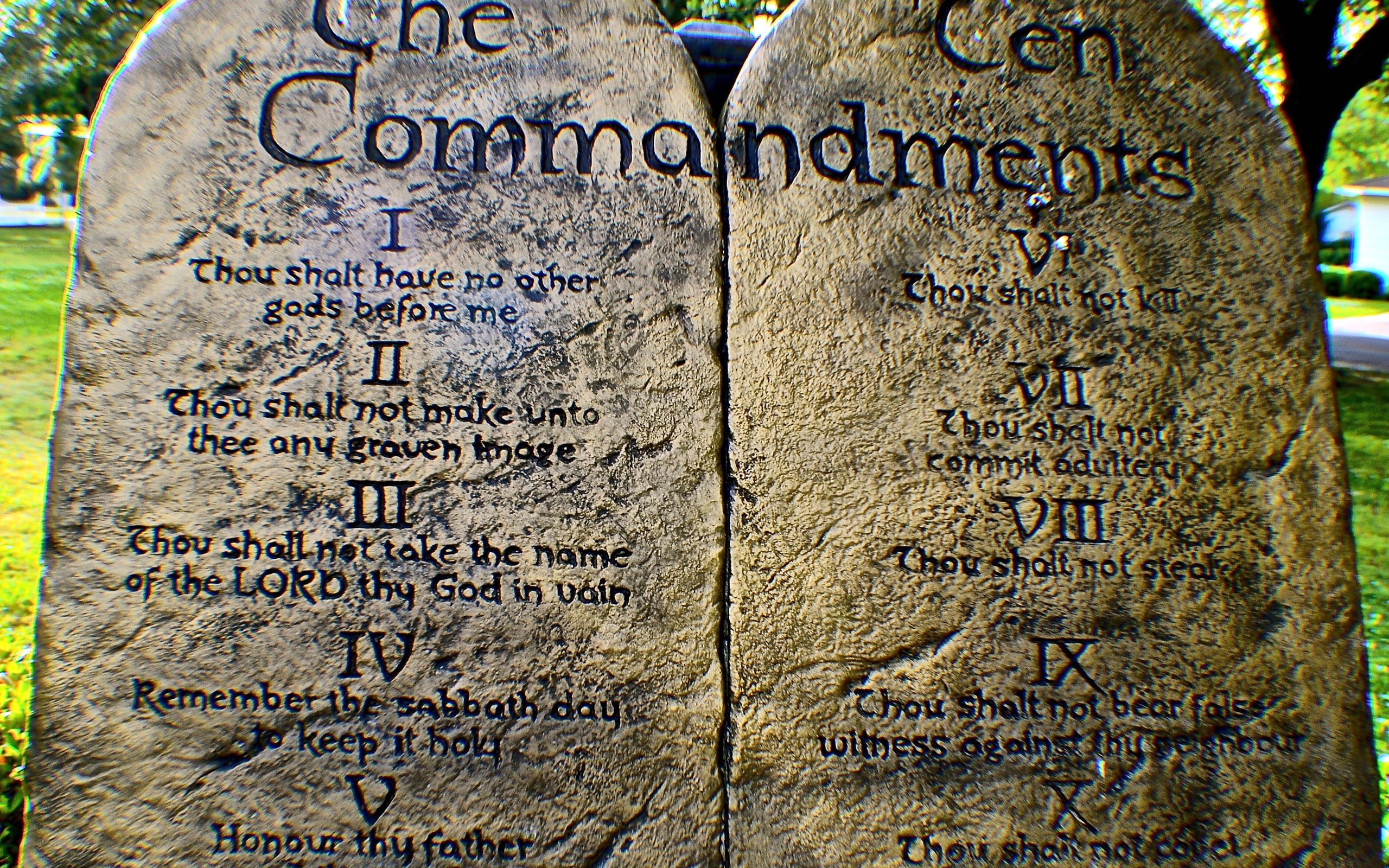
The news hit me like a cold splash. Louisiana, a state I’d always associated with vibrant Mardi Gras celebrations and rich musical heritage, was mandating the Ten Commandments to be displayed in public schools. My initial reaction was one of disappointment, tinged with a touch of confusion. Here I was, reading about a state in a developed nation taking steps what one would expect from underdeveloped countries.
I was born and raised in Turkey. Back when Erdogan rose to power in Turkey, in a state with a constitution that says Turkey is a secular republic, more than two deceased ago, anxieties flared about a potential shift towards an Iran-like theocracy. Ironically, despite Erdogan’s religious leanings, such a move – forcing religious texts into schools – feels unthinkable in modern Turkey. The backlash would be swift and fierce. University students, the very demographic Erdogan relies on, would be the first to erupt in protest. Secular Turks, who initially tolerated Erdogan, would likely abandon him. Interestingly, a significant portion of the protestors would likely be Muslims themselves, valuing their faith while fiercely guarding the secular foundation of the state.
So, how can Louisiana, in a nation built on the idea of separation between church and state, allow this to happen? Does this not erode the very principles of religious freedom by singling out a specific set of beliefs? And what about the political ramifications? Does the governor truly believe this will resonate with the electorate?
There are a few factors at play here, I suspect. Firstly, the United States has a complex relationship with religion. While the Constitution guarantees freedom of religion, it also enforces a separation between church and state. This creates a constant tension, with interpretations and legal battles often defining the boundaries.
Secondly, Louisiana, and the Southern region in general, has a strong Christian identity. This doesn’t equate to everyone endorsing the display of the Ten Commandments in schools, but it creates a receptive environment for such a proposal, at least amongst certain segments of the population.
Thirdly, the political landscape plays a role. The governor may be calculating that appealing to this religious base will secure votes. However, this is a gamble. Opponents of the mandate, both religious and secular, may mobilize against him. There’s also the potential for legal challenges, citing the Establishment Clause of the First Amendment, which prohibits the government from favoring one religion over another.
Ultimately, the true impact of this decision remains to be seen. Will it be a symbolic gesture with limited consequences, or will it open the door for further religious intrusion in public spaces?
The bigger question, however, lies with the Christian community itself. Don’t the people of Louisiana, steeped in their faith, understand the slippery slope this creates? Don’t they see how this undermines the very notion of religious freedom by turning a sacred text into a political tool?
The hope lies in a unified response. Christians who value secularism should join forces with those of other faiths, or no faith at all, to oppose this move. Louisiana deserves better. It deserves a school system that fosters critical thinking and inclusivity, not one that prescribes a specific set of beliefs.
Perhaps, by raising their voices, Louisianans can ensure that their classrooms remain bastions of knowledge, open to all, regardless of religious affiliation. The fight for secularism, it seems, is a constant battle, one that requires vigilance across cultures and continents.
The principle of separating church and state is foundational to American democracy. It is enshrined in the First Amendment of the U.S. Constitution, which states, “Congress shall make no law respecting an establishment of religion, or prohibiting the free exercise thereof.”, a statement often interpreted as a directive for the government to refrain from making laws based on religious doctrine. However, a significant and usually overlooked aspect of this principle pertains to elected officials refraining from injecting their personal religious beliefs into the political sphere.
The misunderstanding of this principle has led to a pervasive and troubling trend in American politics. Despite elected officials’ constitutional oaths, many continue to blur the lines between their religious convictions and legislative responsibilities, which not only undermines the secular foundation of the U.S. government but also threatens the inclusivity and pluralism that are hallmarks of a healthy democracy.
The Historical Context
To fully grasp the significance of this issue, we must first revisit the historical context in the establishment of the separation of church and state. The American Founding Fathers, influenced by Enlightenment thinking in Europe, recognized the dangers of intertwining religion with governance. They had witnessed the strife and persecution that religious conflicts had wrought in Europe and sought to avoid such pitfalls in the new republic.
Thomas Jefferson, one of the most vocal advocates for this separation, articulated his views clearly in a letter to the Danbury Baptist Association in 1802, where he wrote,
I contemplate with sovereign reverence that act of the whole American people which declared that their legislature should ‘make no law respecting an establishment of religion, or prohibiting the free exercise thereof,’ thus building a wall of separation between Church & State.
The metaphorical wall Jefferson envisioned was to protect both religious freedom and the integrity of the government.
Misinterpretations and Misuses
Despite this clear intent, the separation of church and state has been subject to varying interpretations and misuses over the years. Some argue that this separation only restricts the government from establishing an official religion or from favoring one religion over another. While this is undoubtedly true, it represents a narrow view of the principle. The broader and more crucial interpretation is that elected officials should not let their personal religious beliefs dictate public policy.
Unfortunately, politicians often conveniently ignore this broader interpretation and invoke religious rhetoric and principles to justify policy decisions, from issues like abortion and same-sex marriage to education and healthcare, both alienating citizens who do not share the same religious beliefs and compromising the objectivity and fairness that are essential to good governance.
Preventing the Dictatorship of the Majority
One of the most compelling reasons for maintaining a strict separation of church and state is to prevent the establishment from becoming a dictatorship of the majority. When politicians allow their religious beliefs to influence legislation, they risk imposing the religious convictions of the majority onto the minority. This not only violates the rights of individuals to freedom of conscience but also erodes the very foundation of a democratic society, which is built on the principles of equality and justice for all.
The concept of the “tyranny of the majority” was a significant concern for the Founding Fathers. They understood that a democracy must protect minority rights against the potential overreach of majority rule. By keeping religion out of government, we ensure that laws are created based on common values and rational debate rather than religious dogma, which can be divisive and exclusionary.
The Impact on Policy and Governance
When politicians allow their religious beliefs to influence their policy decisions, it can lead to exclusionary and discriminatory legislation. For instance, it is not uncommon for politicians to justify laws restricting reproductive rights on religious grounds, even though not all citizens share those religious views. Similarly, attempts to deny rights to LGBTQ+ individuals are frequently couched in religious rhetoric, ignoring the secular and inclusive principles that should guide our laws.
This practice also undermines the trust that citizens have in their government. When laws appear to be based on the personal beliefs of a few rather than the collective good of all, it erodes the legitimacy of those laws and the institutions that enforce them. Moreover, it creates a divisive political climate where citizens feel compelled to defend their personal beliefs rather than engage in constructive dialogue about the common good.
The Role of Politicians
Politicians are responsible for representing all of their constituents, not just those who share their religious views, meaning they must strive to make decisions based on evidence, reason, and the principles of justice and equality. While it is natural for personal beliefs to inform one’s values and perspectives, these should not be the basis for public policy in a pluralistic society.
Elected officials must also be mindful of the symbolic power of their words and actions. When they invoke religious language or attend religious events in their official capacity, they send a message about the role of religion in government. Even if unintentional, this can create a perception of favoritism or exclusion detrimental to the social fabric.
Moving Forward
Addressing this issue requires a concerted effort from both politicians and citizens. Politicians must recommit to the principle of secular governance, ensuring that they ground their decisions on rational, inclusive, and evidence-based considerations. They must also be transparent about the factors influencing their decisions, helping to build trust and accountability.
Citizens, on the other hand, have a role to play in holding their elected officials accountable by being vigilant about how religion is brought into politics and speaking out against instances where politicians violate this principle. Importantly, citizens must speak out against politicians mixing their religious beliefs into politics even when they share the same religious beliefs as those politicians. Upholding the principle of secular governance is crucial, regardless of personal religious alignment, to protect the rights and freedoms of all. Supporting candidates who demonstrate a commitment to secular governance and the principles of equality and justice is essential. By doing so, citizens can help ensure that the government remains a neutral and fair arbiter of the public good, rather than a tool for imposing the beliefs of one group over others.
The Takeaway
The separation of church and state is not only a constitutional mandate, but also a cornerstone of any fair and inclusive democracy. By ensuring that religion does not dictate public policy, citizens must protect the rights and freedoms of all individuals, regardless of their beliefs, in order to prevent the establishment from becoming a dictatorship of the majority. Additionally, it is important for citizens to recognize and address any misunderstanding surrounding this principle, reaffirming their commitment to a government that serves all people equally and justly.
A Brief History of Church and State
The relationship between church and state has been one of the most enduring and complex themes throughout human history. It’s a story of power struggles, alliances, and profound societal shifts. This essay explores this intricate dance, tracing its evolution from ancient civilizations to the modern concept of separation.
Before Christianity: A Blurring of Lines
In the ancient world, clear distinctions between religious and political authority rarely existed. Pharaohs in Egypt, emperors in Rome, and kings in Mesopotamia often held both secular and religious power. Rulers were seen as divinely chosen, and their decrees were intertwined with religious edicts. This close association offered stability and legitimacy to these empires.
The Rise of Christianity and the Seeds of Change
The arrival of Christianity in the Roman Empire challenged this established order. Early Christians, facing persecution, emphasized a separation between their spiritual realm and the earthly authority of the Roman state. However, with the conversion of Emperor Constantine in the 4th century, Christianity became the official religion of Rome. This marked a turning point, forging a powerful alliance between church and state.
The Power Struggle: Popes vs. Emperors
The following centuries witnessed a constant power struggle between the papacy and various European empires. The Holy Roman Empire, established by Charlemagne, aimed to unify political and religious authority under the Emperor. Popes, however, asserted their primacy in spiritual matters, leading to clashes like the Investiture Controversy, where control over appointing bishops was contested.
The Reformation and the Seeds of Pluralism
The Protestant Reformation in the 16th century shattered the religious and political unity of Europe. The rise of Protestantism challenged the Catholic Church’s authority, leading to the creation of new denominations and the concept of religious pluralism. This splintering of religious authority weakened the idea of a single, unified church governing alongside a single state.
John Locke and the Rise of Individual Liberty
Philosophers of the Enlightenment, like John Locke, played a crucial role in shaping the modern concept of separation. Locke argued for individual conscience as a fundamental right, independent of state control. This emphasis on individual liberty laid the groundwork for the separation of church and state in modern democracies.
The American Experiment and the “Wall of Separation”
The founding fathers of the United States, many of whom had fled religious persecution in Europe, were determined to prevent a state-sanctioned church. The First Amendment’s Establishment Clause enshrined this principle, stating that Congress “shall make no law respecting an establishment of religion, or prohibiting the free exercise thereof.” This created a “wall of separation” between church and state, a phrase famously used by Thomas Jefferson.
The Modern Landscape: A Spectrum of Relationships
Today, the relationship between church and state varies greatly across the globe. Some European countries maintain established churches, while others have a strict separation. In many Muslim-majority nations, religious law plays a significant role in governance. The concept of secularism, emphasizing a separation of the state from religion, is a dominant force in many modern democracies.
The Take Away
The history of church and state is a story of power, conflict, and ultimately, a search for balance. The tension between religious authority and secular governance continues to be debated. From debates on religious symbols in public spaces to the influence of religious institutions on social policies, the relationship between church and state remains a relevant and complex topic in our modern world.