Tag: Scientific Method

  • When No Clue Is the Only Clue

    When No Clue Is the Only Clue

    At some point in your life, you must have heard the phrase “absence of evidence is not evidence of absence” at least once. It might sound like a tongue twister, but this powerful statement holds a wealth of wisdom, especially in all btanches of science, critical thinking, and everyday life. Today, we’re going to unpack this concept and explore why it’s so important in our quest for knowledge and understanding.

    What Does It Mean?

    At its core, “absence of evidence is not evidence of absence” means that just because we haven’t found proof of something doesn’t necessarily mean that it doesn’t exist or isn’t true. In other words, a lack of evidence doesn’t automatically disprove an idea or theory.

    This concept is crucial in many fields, from scientific research to criminal investigations and even in our day-to-day lives, reminding us to keep an open mind and not jump to conclusions too quickly.

    The Scientific Perspective

    In science, open-mindedness is particularly important. Scientists are always searching for evidence to support or disprove theories. But here’s the thing: just because they haven’t found evidence for something yet, it doesn’t mean they never will.

    Take the search for extraterrestrial life, for example. We haven’t found concrete evidence of aliens yet, but that doesn’t mean they don’t exist. It just means we haven’t discovered them (if they’re out there). Scientists continue to explore and search because they understand that the absence of evidence isn’t the final word.

    Another great example is the concept of dark matter. For years, scientists observed that there seemed to be more gravity in the universe than could be explained by the visible matter we can see. To explain this phenomenon, they proposed the existence of dark matter. While we still haven’t directly observed dark matter, the absence of direct evidence doesn’t mean it doesn’t exist. Scientists continue to research and look for ways to detect it.

    The Multiverse Theory

    Let’s talk a bit about a mind-bending example: the multiverse theory, which suggests that our universe might be just one of many universes existing parallel to each other, and the possibility of more than one universe has captured the imagination of scientists and sci-fi enthusiasts alike.

    Currently, we don’t have conclusive evidence that other universes exist. But does that mean we should dismiss the idea entirely? Not at all! The absence of evidence for the multiverse doesn’t prove it doesn’t exist. It simply means we haven’t found a way to detect or observe other universes yet – if they’re out there.

    Scientists continue to work on this theory because they understand that our current lack of evidence doesn’t rule out the possibility. Who knows? Future technological advancements or new theoretical frameworks might one day allow us to find evidence for or against the multiverse theory.

    The Impossibility of Proving a Negative

    Another important aspect of this concept is the difficulty – often impossibility – of proving a negative. This is where the famous example of Russell’s Teapot comes in.

    Philosopher Bertrand Russell proposed a thought experiment: imagine he claimed that a teapot was orbiting the Sun somewhere between Earth and Mars, but it was too small to be detected by our telescopes. It would be absurd to expect others to believe this claim simply because they couldn’t prove it wrong.

    This example illustrates why the burden of proof usually lies with the person making a claim, not with those skeptical of it. It’s nearly impossible to prove that something doesn’t exist anywhere in the universe. The absence of evidence for Russell’s teapot isn’t proof that it doesn’t exist, but it’s also not a reason to believe that it does.

    Practical Applications in Everyday Life

    This principle isn’t just for scientists and philosophers – it has practical applications in our daily lives too. Here are a few examples:

    • Just because your friend hasn’t called you in a while doesn’t necessarily mean they don’t care about you. There could be many reasons for their silence that you’re unaware of.
    • Not hearing back from a company after an interview doesn’t automatically mean you didn’t get the job. They might still be in the decision-making process.
    • The absence of symptoms doesn’t always mean you’re not ill. Some conditions can be present without obvious signs, which is why regular check-ups are important.
    • Just because there’s no evidence linking a suspect to a crime doesn’t necessarily mean they’re innocent. It just means there’s not enough evidence to prove guilt.

    The Importance of Keeping an Open Mind

    Understanding that the absence of evidence is not evidence of absence encourages us to keep an open mind. It reminds us that our current knowledge is limited and that there’s always more to learn and discover.

    However, open-mindedness doesn’t mean we should equal probability to any claim or theory without conclusive evidence that comes our way. Skepticism is healthy and necessary. It is just that we should be willing to consider new ideas and be open to changing our minds if new evidence comes to light.

    Know Your Limits

    While it’s important to remember that absence of evidence isn’t evidence of absence, we also need to be careful not to take this principle too far. If we’ve looked extensively for something and found no evidence, it’s often reasonable to think it probably doesn’t exist – even if we can’t be 100% certain.

    Let’s consider some examples to understand this better:

    Unicorns, Space Teapots and Vulcan

    There’s no good reason to believe that unicorns or teapots orbiting the sun exist. It wouldn’t make sense to spend time and resources searching for these.

    However, scientists though it was worthwhile to look for a a hypothetical planet called Vulcan orbitting between Mercury and the Sun because it potentially explain peculiarities in Mercury’s orbit. Ultinately, Einstein’s theory of general relativity later explained these anomalies without the need for an extra planet.

    Alien Life

    Our galaxy, the Milky Way, is estimated to have between 200-400 billion stars. Even more mind-boggling, scientists think there could be around 2 trillion galaxies in the part of the universe we can see. With numbers this big, even if the chance of life emerging is small, it’s quite possible that it has happened at least once more in the universe besides Earth, making scientists believe it’s sensible to keep looking for signs of alien life.

    Multiverse and Many-Worlds Theories

    Some scientific ideas, like the Multiverse Theory and the Many-Worlds Theory, are appealing to scientists even though we don’t have direct evidence for them yet. The Multiverse Theory helps explain why our universe seems to be “just right” for life to exist, which otherwise seems like an incredibly lucky coincidence. The Many-Worlds Theory offers an explanation for why particles behave differently when we observe them compared to when we don’t. These theories solve some puzzling problems in physics, which is why scientists continue to explore them despite the current lack of direct evidence.

    The key is to balance open-mindedness with critical thinking and respect for the evidence we do have.

    The Takeaway

    “Absence of evidence is not evidence of absence” is more than just a catchy phrase. It’s a reminder of the limits of our knowledge and the importance of continued exploration and learning.

    Remember, some of the greatest discoveries in history came from people who were willing to look beyond the absence of evidence and ask, “What if?” So go ahead, embrace the uncertainty, and keep exploring.

    #CriticalThinking #SciencePhilosophy #EvidenceBasedReasoning

  • How to Disprove the Evolutionary Theory

    How to Disprove the Evolutionary Theory


    Science thrives on evidence. Theories, the cornerstones of scientific understanding, are built upon a foundation of facts and observations. The more facts that support a theory, the stronger it becomes. In the realm of biology, the theory of evolution reigns supreme, forming the bedrock of our understanding of life on Earth. But what makes it so strong, and how resistant is it to being challenged? Let’s delve into the world of evidence and explore the robustness of the theory of evolution.

    Toppling Titans: Challenging Established Theories

    Imagine a grand, imposing building — a theory so well-established that it seems unshakeable. To refute such a theory, one with a vast amount of supporting evidence requires a multi-pronged attack. Here are the main strategies challengers might employ:

    • Demolishing the Bricks: The first approach involves chipping away at the theory’s foundation — the facts themselves. This means demonstrating that the evidence supporting the theory is flawed or misinterpreted. It’s a tough task, as established theories are built upon a mountain of data.
    • Predicting the Unpredictable: Another strategy involves making predictions based on the theory that demonstrably fail. If the theory’s predictions consistently clash with reality, it throws its validity into question. This is a high-risk approach, as failed predictions can easily expose flaws in the challenger’s understanding rather than the established theory.
    • Building a Better Castle: The final option is to create an entirely new theory that explains all the existing evidence supporting the established theory, while also providing better explanations for newly discovered phenomena. This is the most challenging approach, as it necessitates a comprehensive explanation that surpasses the established theory in every aspect.

    Imperfect Yet Powerful: The Evolutionary Landscape

    The theory of evolution is not a monolithic entity. It acknowledges areas of uncertainty and invites refinement with new evidence. Some aspects are hypotheses, some remain unknown, and some may be revised as new information comes to light. However, the core principles of evolution — descent with modification through natural selection — are incredibly robust.

    Here’s why overthrowing the theory of evolution is highly improbable:

    • The Sheer Volume of Evidence: Mountains of evidence from various disciplines — paleontology, genetics, comparative anatomy — converge to support evolution. To refute it, one would need to explain away this vast body of data simultaneously.
    • Predictive Power: Evolution has made numerous successful predictions, from the existence of transitional fossils to the patterns of antibiotic resistance in bacteria. Consistent success in predicting future observations strengthens the theory considerably.
    • The Challenge of a Better Theory: No current alternative theory can comprehensively explain all the evidence for evolution while also providing a superior explanation for new discoveries. Any challenger must not only explain existing data but also predict future observations with greater accuracy.

    Evolution: A Pillar of Modern Science

    Alongside other robust scientific theories like gravity and plate tectonics, the theory of evolution stands tall. It’s constantly evolving (pun intended) as new discoveries are incorporated, but its core principles remain unshaken. While details might be refined in the future, the fundamental idea of descent with modification through natural selection has been rigorously tested and remains the most comprehensive explanation for the diversity of life on Earth.

    The beauty of science lies in its willingness to adapt and improve. New evidence can lead to revisions within a theory, or even the development of entirely new ones. However, for a theory as established and well-supported as evolution, the bar for replacement is exceptionally high. The challenger must not only explain everything the current theory does, but also offer a more comprehensive and predictive framework.

    Evolution is not just a theory; it’s a unifying principle that underpins our understanding of life. It’s a testament to the power of evidence-based exploration and serves as a springboard for further discoveries in biology. As we continue to explore the natural world, the theory of evolution will undoubtedly be refined and expanded upon, but its core principles will likely remain the cornerstone of biological understanding for generations to come.


    Online Sources

  • On the Supernatural

    On the Supernatural

    The human desire to understand the universe around us is a primal one. Science, with its rigorous methods and emphasis on objectivity, has been an incredibly powerful tool in unraveling the mysteries of the cosmos. However, there exists a realm beyond the tangible, the realm of the supernatural — ghosts, spirits, divine intervention — that science often struggles to grapple with.

    This post isn’t about advocating for the existence of the supernatural. It’s about exploring the inherent challenges that arise when we try to apply the rigid framework of science to phenomena that, by their very nature, exist outside of their domain. The core issue lies in the way we handle evidence, or rather, the lack thereof.

    The Scientific Skeptic’s Eye

    Science thrives on repeatable experiments and verifiable data. It demands clear explanations and rejects anything that cannot be definitively explained within its current understanding. This is a perfectly reasonable stance. After all, how can we trust something that can’t be consistently observed and measured?

    However, this very strength of science becomes its limitation when dealing with the supernatural. Suppose you experience an inexplicable event, a haunting in your old house, a premonition that comes true. Science, by its very design, can’t conclusively prove or disprove such an experience. It can’t recreate the haunting, nor can it definitively explain the premonition.

    The Unknown vs. The Supernatural: A Delicate Dance

    The knee-jerk reaction in such situations is to label the experience as “unknown.” This umbrella term encompasses everything from scientific mysteries yet to be solved to psychological quirks of the human mind. While this approach keeps the scientific method intact, it leaves us with a nagging question: where does the supernatural fit in?

    Here’s the crux of the issue. When faced with something unexplainable, wouldn’t it be more logical to consider the possibility of what we perceive as supernatural, even if we can’t definitively prove it? Instead, we often relegate it to the realm of the “unknown,” effectively pushing the possibility of the supernatural out of the scientific conversation altogether.

    This creates a frustrating situation for those who have had genuine experiences that defy easy explanations. Their stories are dismissed as figments of the imagination or psychological anomalies. This dismissive attitude can be particularly disheartening for those seeking a genuine understanding of these unexplainable events.

    The Importance of Open-Mindedness

    This isn’t to say that every unexplained phenomenon needs to be attributed to the supernatural. There’s a healthy dose of skepticism that needs to be applied. However, a complete dismissal of what we perceive as supernatural based solely on the inability to definitively prove it is equally unhelpful.

    Perhaps a more productive approach lies in acknowledging the limitations of science in this specific domain — we are nowhere close to fully understanding what the universe is capable of and what it is not. We can accept that the methods used to study the physical world might not be readily applicable to the ethereal. This doesn’t mean abandoning science altogether; it simply means recognizing that different questions require different approaches.

    Alternative Paths: Embracing the Unexplained

    Many cultures throughout history have developed rich traditions for exploring the non-physical realm. Shamans, mediums, and mystics all have practices that attempt to interact with forces beyond our everyday understanding. While these practices might seem outlandish to the scientific mind, they offer valuable perspectives on human consciousness and our connection to something larger than ourselves.

    The key lies in fostering a dialogue between science and these alternative ways of knowing. Perhaps through collaboration, we can develop new investigative methods to explore the unexplained without compromising the core principles of scientific inquiry.

    The Power of Personal Experience

    Ultimately, the question of the supernatural can be a deeply personal one. Each of us may have our own experiences that challenge our understanding of the world. While science may not be able to validate those experiences, they still hold weight in our personal narratives.

    Dismissing these experiences as mere figments of the imagination can be dismissive of the profound impact they can have on an individual’s life. Instead, perhaps we can create a space where these experiences can be shared and explored openly, without the pressure to conform to a purely scientific explanation.

    Conclusion

    Science and the supernatural may seem like diametrically opposed concepts, but perhaps they don’t have to be. By acknowledging the limitations of science in this specific domain and embracing alternative approaches with an open mind, we can begin to bridge the gap between the known and the unknown.

    The supernatural may forever remain a mystery, but that doesn’t mean we can’t find meaning and value in exploring it. After all, the universe is a vast and intricate place, and perhaps science, for all its advancements, is simply not equipped to explain it all. It’s in this space of the unexplained that the power of the supernatural lies, waiting to be explored with curiosity, respect, and a healthy dose of skepticism.

    Remember, both the man who proposed our modern understanding of the atom as building blocks and the man who discovered that doctors were spreading disease through an invisible medium by not washing their hands before surgery died in mental health institutions.

  • The Blurry Line Between Natural and Supernatural

    The Blurry Line Between Natural and Supernatural

    Carl Sagan’s famous dictum “extraordinary claims require extraordinary evidence,” often referred to as the “Sagan Standard,” has become a cornerstone principle in the realms of scientific skepticism and critical thinking. At first glance, it seems like an unassailable maxim. However, upon closer examination, this widely-cited phrase reveals some hidden complexities that are worth unpacking about the natural and supernatural.

    Defining the “Extraordinary”

    The crux of the issue lies in how we define what constitutes an “extraordinary” claim versus an ordinary one. Sagan seemed to be using the term as a stand-in for phenomena that appear to violate or defy our current established scientific principles and understanding of the natural world – claims that perhaps veer into realms that could be considered paranormal or even supernatural.

    The Paradox of Proving the Supernatural

    However, this is where a paradox emerges. If we accept the premise that something is truly supernatural or miraculous and thereby exists completely outside the known natural world, wouldn’t that by definition place it outside the scope and ability of scientific evidence and inquiry altogether? The scientific method is designed to probe and explain the natural, physical universe around us. But if a phenomenon operates by principles that transcend the conventional laws of nature, how could scientific evidence from within this world ever verify its existence?

    Quantum Strangeness and the Malleable “Extraordinary”

    To illustrate the blurring of this line, we can look to modern quantum mechanics. Theories like quantum entanglement or experiments like the double-slit paradox, where individual particles appear to defy our macroscopic sense of reality, undeniably reflect the bizarre, counterintuitive nature of the universe at its core. From our ordinary perspectives, these concepts appear almost paranormal. And yet, based on vast theoretical and empirical evidence, these outlandish quantum phenomena are simply how reality operates at its most fundamental levels.

    The Extraordinary Becoming Ordinary

    Wouldn’t something like quantum entanglement have been dismissed as extraordinary pseudoscience deserving of no consideration, if not for the overwhelming evidence from multiple lines of inquiry substantiating it? Here, the “extraordinary” is not relegated to the fringes but becomes a core part of our understanding of the natural world, simply because it aligns with our evolving scientific models.

    Placebo Power and Alternative Healing

    This conundrum reveals itself in other domains too. In medicine, we have the documented phenomenon of placebo effects catalyzing real symptom changes through mere belief. From a Western scientific mindset grounded in materialism, the idea that consciousness could overrule physiological dysfunction seems almost mystical. Apply this to claims of spontaneous remissions at places of pilgrimage or through alternative healing practices. Even with strong empirical evidence, the same people who half-heartedly demand evidence would still dismiss it as an “extraordinary” claim defying conventional medical science, unworthy of consideration unless meeting an arbitrarily elevated evidence bar.

    The Fine-Tuned Universe and Arguments from Ignorance

    Sagan’s example of the apparent fine-tuning of physical constants as potentially compelling evidence for an intelligent creative force also illustrates the difficulty of these delineations. Is the “fine-tuning” truly “extraordinary” enough to constitute proof of the supernatural? Or are we falling victim to the “God of the gaps” fallacy by attributing unexplained anomalies to divine forces?

    Defending Against Cultural Biases

    Perhaps the true wisdom is that Sagan’s dictum should be a starting point for more scientific rigor, not necessarily an absolute litmus test for determining the possible or impossible. We must be cautious about letting cultural biases cloud our judgment over what constitutes “extraordinary evidence.” Just because a phenomenon defies Western conventions doesn’t necessarily make it paranormal if substantiated.

    Embracing Uncertainty at the Boundaries

    Ultimately, science should acknowledge that our current working models, while stunningly effective, are incomplete representations of an underlying reality that may permanently elude human intellect. Strict delineations between ordinary and extraordinary may be more malleable than assumed. The cosmos has repeatedly subverted our intuitions about the “natural” and “possible.” Perhaps the greatest extraordinary evidence lies in retaining an open yet critical mind as we navigate the fertile terrain where our knowledge frameworks are tested.

    Recommended Reading

    Here are some online resources you can find that discuss the topic of the blurry line between natural and supernatural:

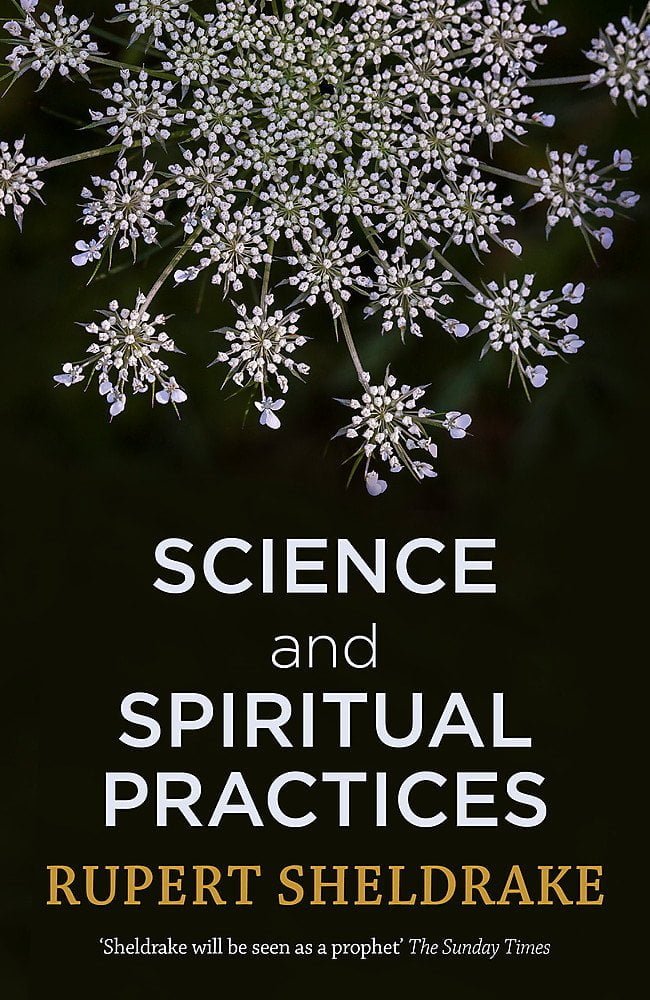
    Science And Spiritual Practices by Rupert Sheldrake

    This 2012 book by Rupert Sheldrake, a British biologist and parapsychologist, explores the relationship between science and spirituality. Sheldrake argues that science is too narrow in its focus and that there are many phenomena that cannot be explained by materialism. He discusses topics such as telepathy, near-death experiences, and the placebo effect.

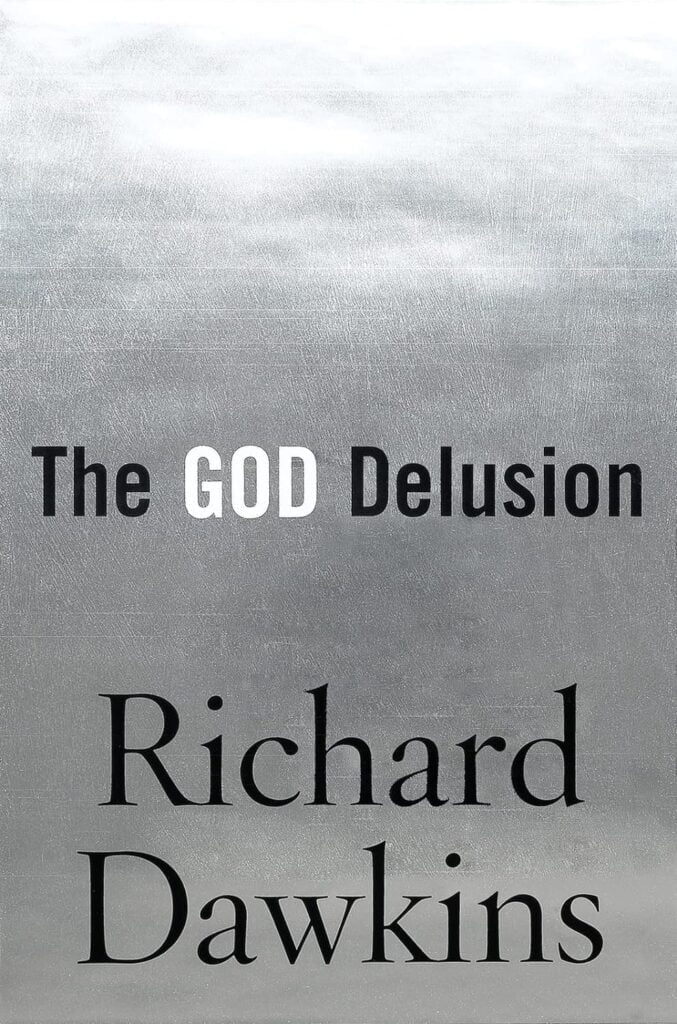
    The God Delusion by Richard Dawkins

    This 2006 book by Richard Dawkins, a British evolutionary biologist, is a critique of religion. Dawkins argues that God does not exist and that religion is a delusion. He discusses topics such as the argument from design, the problem of evil, and the nature of faith.

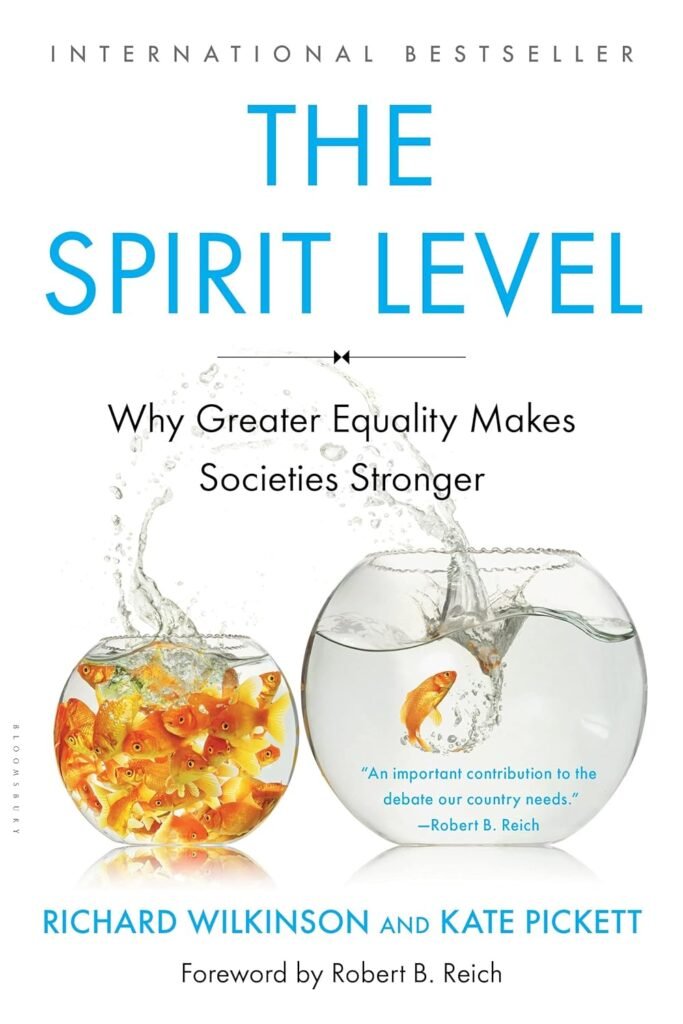
    The Spirit Level by Richard Wilkinson and Kate Pickett

    This 2009 book by Richard Wilkinson and Kate Pickett, examines the relationship between social inequality and a variety of social problems. The authors argue that more equal societies are better off in terms of a variety of social indicators, such as crime, health, and education.

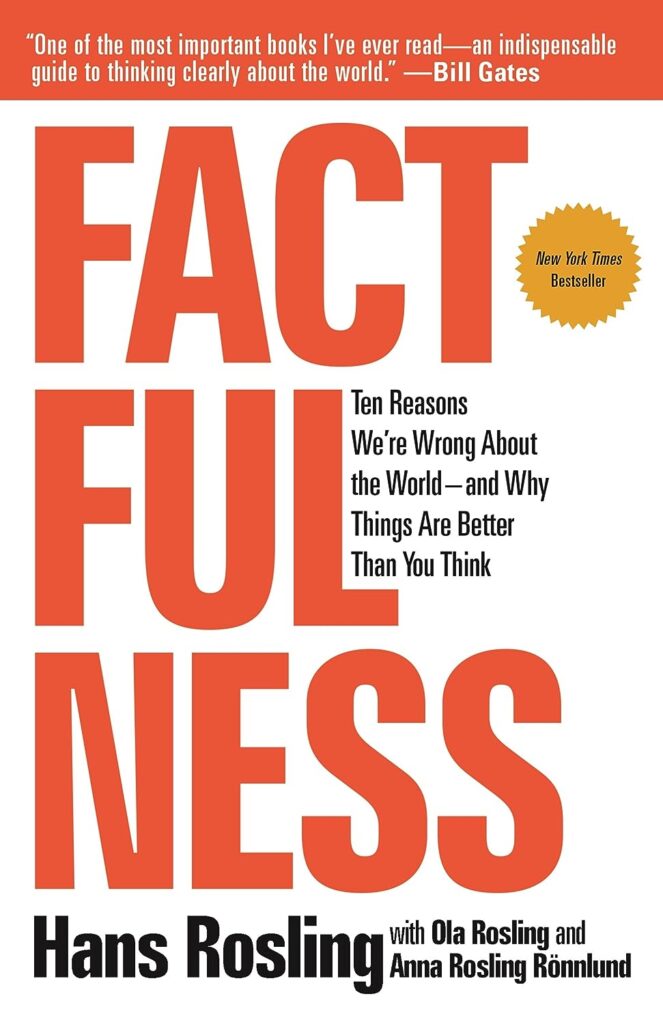
    Factfulness: Ten Reasons We’re Wrong About the World – and Why Things Are Better Than You Think by Hans Rosling

    This 2018 book by Hans Rosling, a Swedish physician and global health researcher, challenges our perception of the world. Rosling argues that the world is actually getting better in many ways, and that we are often too pessimistic in our outlook.

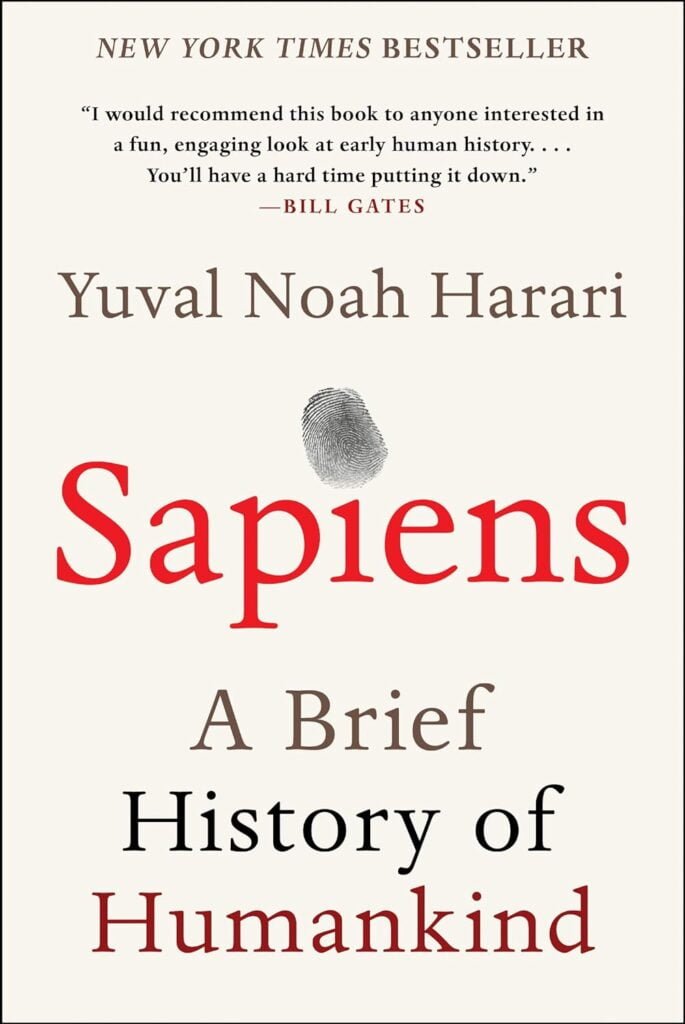
    Sapiens: A Brief History of Humankind by Yuval Noah Harari

    This 2014 book by Yuval Noah Harari, a Israeli historian, examines the history of humankind from our evolutionary origins to the present day. Harari explores topics such as the development of language, agriculture, and religion.

  • Does It Matter If a Scientist Is an Atheist, Christian or Muslim?

    Does It Matter If a Scientist Is an Atheist, Christian or Muslim?

    The interplay between personal beliefs and scientific objectivity has long been debated and scrutinized. While science is founded on empiricism, rationality, and impartiality, scientists are human beings with their own values, experiences, and worldviews. The question arises: Can scientists separate their personal convictions from their scientific endeavors, or do these convictions inevitably shape their approach and findings? This essay explores the complexities of this issue and argues for the importance of maintaining a clear distinction between religion and science to prevent scientific bias.

    The Pursuit of Objectivity

    Objectivity is a cornerstone of the scientific method. Science thrives on the ability to observe, measure, and interpret data without the influence of personal biases or preconceptions. Ideally, scientists should approach their research with an open mind, willing to follow the evidence wherever it leads, regardless of their personal beliefs or desires.

    However, achieving complete objectivity is a challenging endeavor. Scientists are not immune to the influence of their upbringing, cultural background, and life experiences. These factors can shape their perspectives and introduce unconscious biases, even in the most rigorous scientific investigations.

    The Role of Personal Convictions

    Personal convictions, whether religious, philosophical, or ideological, can potentially influence a scientist’s approach to their work. For example, a scientist with strong religious beliefs may be more inclined to interpret data in a way that aligns with their faith, consciously or unconsciously.

    It is important to note, however, that personal convictions do not inherently preclude objectivity. Many scientists with deeply held beliefs have made groundbreaking contributions to their fields while maintaining rigorous scientific standards and allowing the evidence to guide their conclusions.

    Separating Religion and Science

    To avoid inadvertently giving the impression of an atheist bias within the scientific community, it is crucial to maintain a clear separation between religion and science. Science operates within the realm of empirical observation and verifiable evidence, while religion concerns itself with matters of faith and spiritual beliefs.

    Introducing religious concepts or debates into scientific discourse can lead to confusion and undermine the integrity of scientific inquiry. Science should remain focused on understanding the natural world through rational and objective means, without the influence of religious dogma or supernatural explanations.

    Scientific Bias
    Photo by Milad Fakurian

    Atheist, Christian and Muslim Scientists

    When the religious beliefs of a scientist are highlighted, more often than not, it suggests that their scientific work is influenced by those beliefs, rather than simply being an aspect of their personal identity. Thus, emphasizing the number of atheist scientists to advocate for atheism can inadvertently reinforce a stereotype of bias, affecting both religious and non-religious scientists alike. 

    Science, as a discipline, is neutral and does not serve to affirm or negate the existence of deities. Therefore, it is prudent to avoid conflating atheism with scientific integrity or discovery.

    Embracing Diversity of Thought

    While maintaining objectivity is paramount, it is also important to recognize the value of diverse perspectives and approaches within the scientific community. Scientists from different cultural, religious, and philosophical backgrounds can bring unique insights and ideas that enrich the scientific discourse.

    By fostering an environment of open-mindedness and respectful dialogue, scientists can challenge one another’s assumptions, identify potential biases, and collectively strive for a more comprehensive understanding of the phenomena under study.

    Peer Review and Replication vs Scientific Bias

    One of the most effective safeguards against personal biases in science is the peer review process. Scientific findings are rigorously scrutinized by other experts in the field, who assess the methodology, data analysis, and conclusions for potential flaws or biases.

    Additionally, the principle of replication allows for independent verification of results, further reducing the impact of individual biases or personal convictions. If a study’s findings cannot be replicated by others, it calls into question the validity of the initial conclusions.

    In a Nutshell

    In conclusion, while personal convictions are an inherent part of the human experience, they should not be allowed to unduly influence the pursuit of scientific knowledge. Scientists must strive for objectivity and impartiality, relying on empirical evidence and rigorous methodology to guide their investigations.

    By maintaining a clear separation between religion and science, embracing diversity of thought, and upholding the principles of peer review and replication, the scientific community can mitigate the impact of personal biases and advance our understanding of the natural world.

    Ultimately, the goal of science is to uncover truth through rational inquiry and verifiable evidence, regardless of individual beliefs or convictions.