Tag: Wealth Distribution

  • The American Dream: A Modern-Day Lullaby

    The American Dream: A Modern-Day Lullaby

    In the United States, a country renowned for its opportunities and liberties, the actual wealth distribution sharply contrasts with the esteemed American Dream. Contrary to the popular belief that diligence and resolve can propel anyone to affluence, statistical evidence paints an alternate narrative: a significant portion of the nation’s wealth is accumulated by a minuscule segment of its populace, relegating the majority to vie for the remnants. We invite you to explore the origins and consequences of this economic disparity in U.S. wealth distribution and consider its implications for the American financial structure amidst considerations of education and self-awareness.

    The Divide Widens in U.S. Wealth Distribution

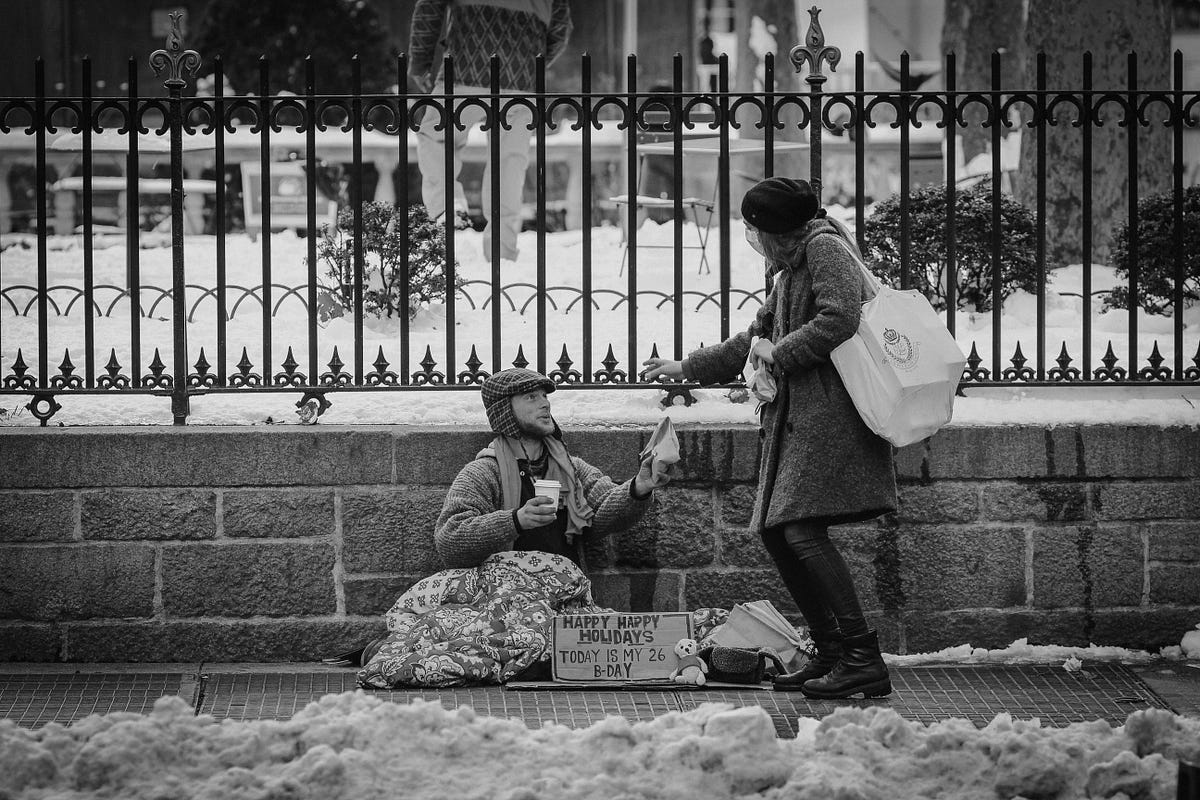
    The extreme concentration of wealth among a select few goes beyond mere statistics; it signifies a growing gap that threatens the unity of our society. When just 10% of the population controls two-thirds of the nation’s wealth, while the bottom half holds a mere 2.6%, the extent of this inequality becomes clear. This alarming imbalance is not just a numerical difference; it indicates deep-rooted systemic flaws that perpetuate poverty and exclusion, trapping many individuals in unending cycles of economic hardship. The consequences of this divide are extensive, affecting fundamental aspects of life such as equal access to education and healthcare, and undermining the stability and well-being of communities across the country.

    U.S. Wealth Distribution
    Photo by John Moeses Bauan on Unsplash

    Propaganda and Perception

    The battle against economic inequality is not just about redistributing wealth; it’s also about changing societal attitudes. Efforts to address this inequity often face strong resistance, portrayed as attacks on personal freedoms and the American way of life.

    This depiction, ingrained in the public consciousness, acts as a powerful tool for the wealthy elite, who use it to align the economically disadvantaged with those benefiting from the status quo. By labeling any wealth redistribution proposals as steps toward communism, these groups effectively silence dissent and maintain their power. They cloak their agendas in patriotism and liberty, while the mistaken association of communism with atheism adds to the confusion, obstructing the path to a fairer society.

    In the United States, opposition to wealth redistribution is rooted in the cultural ideal of ‘rugged individualism,’ which values self-sufficiency and independence, often resulting in resistance to government involvement in social programs like welfare and healthcare. For example, despite growing income and wealth disparities in recent decades, a substantial portion of the electorate consistently opposes redistribution, favoring reductions in welfare rather than tax increases.

    Challenges to Change

    Despite increased recognition of the disparities, effecting systemic change remains a formidable challenge. The principles of capitalism, meritocracy, and individualism are not merely economic concepts but are ingrained in the American consciousness, forming a robust ideological framework that upholds the status quo. For those in positions of privilege, these principles validate a sense of deservedness and a staunch opposition to altering the system. Conversely, for those marginalized by the current economic structure, these same ideals can engender a sense of disenchantment and a belief in the futility of striving for change. To surmount this deeply rooted ideological stronghold, it is imperative to engage in a concerted societal endeavor that critically examines and deconstructs these long-standing convictions, thereby questioning the very bedrock of the prevailing economic paradigm.

    Consider the case of affirmative action policies in the United States. Despite decades of efforts to address historical injustices and systemic inequalities in access to education and employment, resistance to such policies remains strong. Advocates argue that affirmative action programs are essential for promoting diversity and leveling the playing field, especially for marginalized communities.

    However, opponents often cite principles of meritocracy and individualism, asserting that such policies undermine the idea of rewarding hard work and talent, which reflects the deep-seated ideological framework described in the passage, wherein the principles of capitalism and meritocracy validate existing structures of privilege for some while perpetuating barriers for others.
    U.S. Wealth Distribution
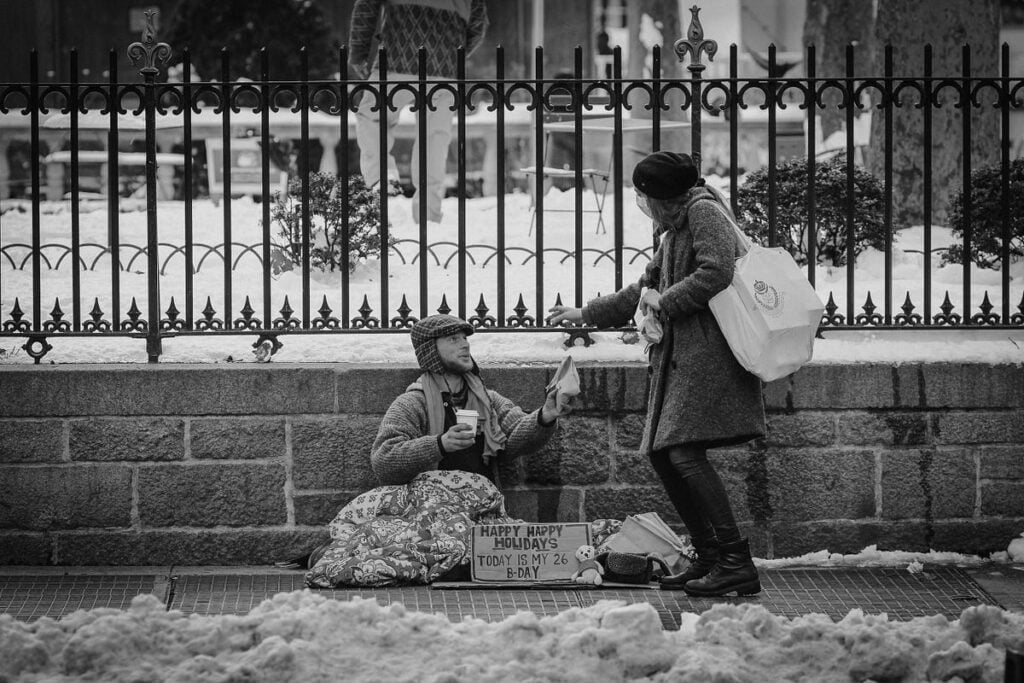
    Photo by John Tyson on Unsplash

    Free Loaders

    Proponents of the status quo argue that the economic challenges of the US are largely due to immigrants and social programs, labeling those who benefit from them as freeloaders. They advocate for reducing the 2.6% share of wealth owned by half of the American population and reallocating it to a smaller group.

    In a system where wealth generates more wealth, the core problem is clear. The elite and their heirs, whom some might call the actual freeloaders, accumulate wealth with ease, while the less fortunate typically inherit a legacy of poverty, insufficient education, and limited opportunities from their ancestors.

    The Path Forward

    The journey toward a more equitable future is one that transcends the confines of partisan debate and ideological rifts. At the heart of this endeavor lies a commitment to comprehensive education that encompasses not only financial understanding but also the cultivation of critical thinking and empathetic understanding. By equipping individuals with the knowledge to navigate systemic complexities and fostering an appreciation for our shared humanity, we lay the groundwork for overcoming societal divides. Cultivating a culture anchored in unity and mutual respect is paramount. Equally important is galvanizing a collective resolve to champion and enact systemic reforms. Through persistent collective efforts and a unified pursuit of fairness, we can unravel the intricate causes of economic disparity.

    In a Nutshell: U.S. Wealth Distribution

    The stark disparities in wealth distribution in America indicate that the system is broken, not a reflection of individual failure or lack of effort. Confronting this reality requires courage, a willingness to challenge deeply ingrained beliefs, and to question the power structures that uphold the status quo. By fostering a society that values education, self-awareness, and empathy, Americans can lay the groundwork for a more equitable and just economic system that uplifts the most vulnerable and honors the promise of the American Dream for all.

    Sources

    https://www.stlouisfed.org/open-vault/2020/december/has-wealth-inequality-changed-over-time-key-statistics

    https://www.pewresearch.org/social-trends/2020/01/09/trends-in-income-and-wealth-inequality

    https://usafacts.org/articles/us-wealth-distribution-and-inequality-recession-pandemic-2020

    https://www.weforum.org/agenda/2022/07/household-income-distribution-wealth-inequality-united-states

    https://www.stlouisfed.org/institute-for-economic-equity/the-state-of-us-wealth-inequality

  • The American Dream: A Path to Slumber

    The American Dream: A Path to Slumber

    In the United States, a nation celebrated for its promise of opportunity and freedom, the reality of wealth distribution starkly contradicts the cherished American Dream. Despite the belief that hard work and determination can lift anyone into prosperity, the numbers reveal a different story: a vast majority of the country’s wealth is hoarded by a small fraction of its population, leaving the rest to contend with scraps.

    Join us in dissecting the roots and ramifications of this economic inequality, examining how it challenges the American financial system against a backdrop of education and self-awareness.

    The Divide Widens

    The stark concentration of wealth among a select few transcends mere statistics; it signifies a widening gulf that endangers the very cohesion of our society. When a mere 10% of the populace wields control over two-thirds of the nation’s wealth while the bottom half clings to a scant 2.6%, the magnitude of this inequality becomes starkly evident. This alarming imbalance is not simply a numerical discrepancy; it is indicative of entrenched systemic flaws that perpetuate poverty and exclusion, ensnaring countless individuals in relentless cycles of economic stagnation. The ramifications of this divide are far-reaching, impinging upon fundamental aspects of life such as equitable access to education and healthcare and undermining the stability and well-being of communities nationwide.

    A homeless man sleeping on a bank in the city.
    Photo by John Moeses Bauan on Unsplash

    Propaganda and Perception

    The struggle against economic disparity is not solely a matter of wealth redistribution; it is equally a campaign to transform societal perceptions. Initiatives to rectify this imbalance often encounter robust opposition, depicted as assaults on individual freedoms and the quintessential American lifestyle.

    This portrayal, deeply embedded in the collective psyche, serves as a potent instrument for the affluent elite, manipulating it to align the economically disadvantaged with those who prosper under the current system. By characterizing any suggestion of wealth redistribution as a precursor to communism, these entities effectively stifle opposition and perpetuate their dominance. Moreover, they drape their self-serving agendas in the veneer of nationalism and freedom. The erroneous conflation of communism with atheism further complicates the discourse, hindering the progress towards a more equitable society.

    The resistance to wealth redistribution in the United States can be exemplified by the cultural legacy of ‘rugged individualism,’ which emphasizes self-reliance and personal independence, often leading to opposition against government intervention in areas such as welfare and healthcare. For instance, despite the significant increase in income and wealth inequality over the past decades, a large segment of American voters remains steadfast in their opposition to redistribution, preferring to cut welfare spending rather than increase taxes.

    Challenges to Change

    Despite increased recognition of the disparities, effecting systemic change remains a formidable challenge. The principles of capitalism, meritocracy, and individualism are not merely economic concepts but are ingrained in the American consciousness, forming a robust ideological framework that upholds the status quo. For those in positions of privilege, these principles validate a sense of deservedness and a staunch opposition to altering the system. Conversely, for those marginalized by the current economic structure, these same ideals can engender a sense of disenchantment and a belief in the futility of striving for change. To surmount this deeply rooted ideological stronghold, it is imperative to engage in a concerted societal endeavor that critically examines and deconstructs these long-standing convictions, thereby questioning the very bedrock of the prevailing economic paradigm.

    Consider the case of affirmative action policies in the United States. Despite decades of efforts to address historical injustices and systemic inequalities in access to education and employment, resistance to such policies remains strong. Advocates argue that affirmative action programs are essential for promoting diversity and leveling the playing field, especially for marginalized communities.

    However, opponents often cite principles of meritocracy and individualism, asserting that such policies undermine the idea of rewarding hard work and talent, which reflects the deep-seated ideological framework described in the passage, wherein the principles of capitalism and meritocracy validate existing structures of privilege for some while perpetuating barriers for others.

    Photo by John Tyson on Unsplash

    Free Loaders

    If we listen to the status quo supporters, they suggest that the US’s economic problems stem predominantly from immigrants and social programs, naming the people who use them as freeloaders. They propose decreasing the 2.6% wealth share held by half Americans and redistributing it among fewer people.

    In a system where wealth begets wealth, the fundamental issue is evident. The elite and their descendants, the true freeloaders, amass riches effortlessly, while the underprivileged often inherit a cycle of poverty, inadequate education, and diminished prospects from their forebears.

    The Path Forward

    The journey toward a more equitable future is one that transcends the confines of partisan debate and ideological rifts. At the heart of this endeavor lies a commitment to comprehensive education that encompasses not only financial understanding but also the cultivation of critical thinking and empathetic understanding. By equipping individuals with the knowledge to navigate systemic complexities and fostering an appreciation for our shared humanity, we lay the groundwork for overcoming societal divides. Cultivating a culture anchored in unity and mutual respect is paramount. Equally important is galvanizing a collective resolve to champion and enact systemic reforms. Through persistent collective efforts and a unified pursuit of fairness, we can unravel the intricate causes of economic disparity.

    In a Nutshell

    The stark disparities in wealth distribution in America indicate that the system is broken, not a reflection of individual failure or lack of effort. Confronting this reality requires courage, a willingness to challenge deeply ingrained beliefs, and to question the power structures that uphold the status quo. By fostering a society that values education, self-awareness, and empathy, Americans can lay the groundwork for a more equitable and just economic system that uplifts the most vulnerable and honors the promise of the American Dream for all.