Author: Tamer Aydogdu

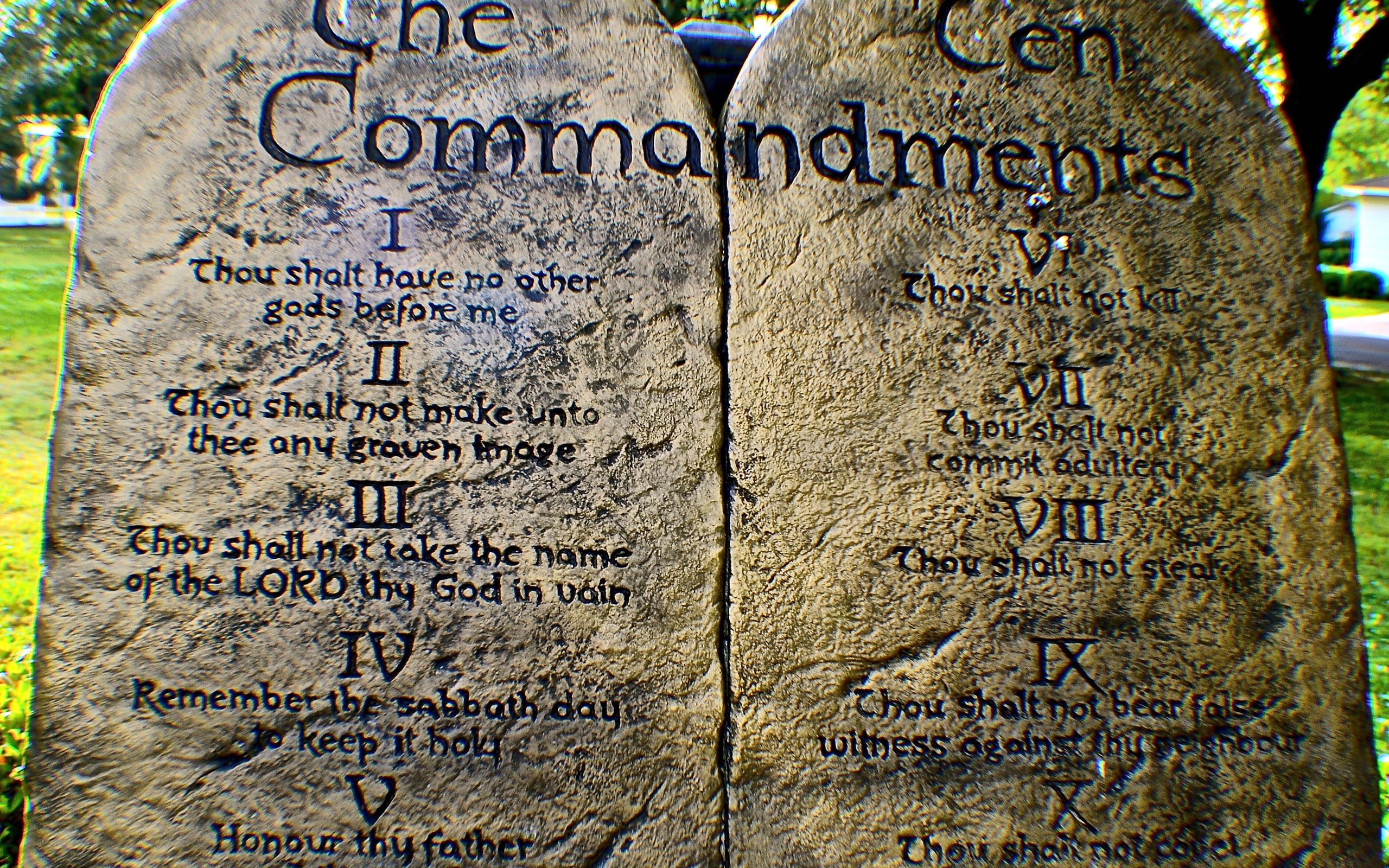
  • The Ten Commandments in Classrooms? Louisiana and the Paradox of Secularism

    The Ten Commandments in Classrooms? Louisiana and the Paradox of Secularism

    The news hit me like a cold splash. Louisiana, a state I’d always associated with vibrant Mardi Gras celebrations and rich musical heritage, was mandating the Ten Commandments to be displayed in public schools. My initial reaction was one of disappointment, tinged with a touch of confusion. Here I was, reading about a state in a developed nation taking steps what one would expect from underdeveloped countries.

    I was born and raised in Turkey. Back when Erdogan rose to power in Turkey, in a state with a constitution that says Turkey is a secular republic, more than two deceased ago, anxieties flared about a potential shift towards an Iran-like theocracy. Ironically, despite Erdogan’s religious leanings, such a move – forcing religious texts into schools – feels unthinkable in modern Turkey. The backlash would be swift and fierce. University students, the very demographic Erdogan relies on, would be the first to erupt in protest. Secular Turks, who initially tolerated Erdogan, would likely abandon him. Interestingly, a significant portion of the protestors would likely be Muslims themselves, valuing their faith while fiercely guarding the secular foundation of the state.

    So, how can Louisiana, in a nation built on the idea of separation between church and state, allow this to happen? Does this not erode the very principles of religious freedom by singling out a specific set of beliefs? And what about the political ramifications? Does the governor truly believe this will resonate with the electorate?

    There are a few factors at play here, I suspect. Firstly, the United States has a complex relationship with religion. While the Constitution guarantees freedom of religion, it also enforces a separation between church and state. This creates a constant tension, with interpretations and legal battles often defining the boundaries.

    Secondly, Louisiana, and the Southern region in general, has a strong Christian identity. This doesn’t equate to everyone endorsing the display of the Ten Commandments in schools, but it creates a receptive environment for such a proposal, at least amongst certain segments of the population.

    Thirdly, the political landscape plays a role. The governor may be calculating that appealing to this religious base will secure votes. However, this is a gamble. Opponents of the mandate, both religious and secular, may mobilize against him. There’s also the potential for legal challenges, citing the Establishment Clause of the First Amendment, which prohibits the government from favoring one religion over another.

    Ultimately, the true impact of this decision remains to be seen. Will it be a symbolic gesture with limited consequences, or will it open the door for further religious intrusion in public spaces?

    The bigger question, however, lies with the Christian community itself. Don’t the people of Louisiana, steeped in their faith, understand the slippery slope this creates? Don’t they see how this undermines the very notion of religious freedom by turning a sacred text into a political tool?

    The hope lies in a unified response. Christians who value secularism should join forces with those of other faiths, or no faith at all, to oppose this move. Louisiana deserves better. It deserves a school system that fosters critical thinking and inclusivity, not one that prescribes a specific set of beliefs.

    Perhaps, by raising their voices, Louisianans can ensure that their classrooms remain bastions of knowledge, open to all, regardless of religious affiliation. The fight for secularism, it seems, is a constant battle, one that requires vigilance across cultures and continents.

    #ReligiousFreedom, #SeparationOfChurchAndState, #LouisianaPolitics

  • Breast Covering and Hijab: Examining Societal Control Over Women’s Bodies

    Breast Covering and Hijab: Examining Societal Control Over Women’s Bodies

    In many societies around the world, there exists an expectation, often enforced by law or strong social norms, that women should cover their breasts in public spaces. This requirement stands in stark contrast to the lack of similar expectations for men, despite the fact that breasts are not sexual organs. When we examine this norm closely, we find striking parallels to the practice of requiring women to wear hijab in certain cultures and religions. While the degree and context of these practices differ, they both stem from a common root: societal control over women’s bodies.

    The Non-Sexual Nature of Breasts

    To understand the issue at hand, we must first acknowledge a fundamental biological fact: breasts are not sexual organs. Their primary biological function is to produce milk for infant nourishment. The sexualization of breasts is a cultural phenomenon, not a biological imperative. This cultural construct varies widely across different societies and historical periods, highlighting its arbitrary nature. Despite this, many cultures, particularly in the West and those influenced by Western norms, have deeply ingrained the idea that female breasts must be covered in public. This expectation is so normalized that it’s often unquestioned, leading to legal and social sanctions against women who choose not to comply.

    The Parallel with Hijab

    The requirement for women to wear hijab, a head covering worn by some Muslim women, is often seen as distinct from Western dress codes. However, when we examine the underlying principles, we find striking similarities. Both practices focus on covering specific parts of the female body deemed ‘inappropriate’ for public view. They are based on cultural or religious norms rather than biological necessity and place the burden of ‘modesty’ primarily on women. Often, these practices involve legal or social penalties for non-compliance and are justified by arguments about morality, social order, or protection from male gaze. The key difference lies in the extent and specific body parts involved, but the fundamental concept of controlling women’s bodies and appearance remains consistent.

    Historical Context

    The history of breast covering and hijab reveals much about their origins and purposes. In many Western societies, the norm of covering female breasts became widespread during the Victorian era, a period known for its restrictive views on sexuality and morality. This shift coincided with changing societal structures and gender roles, often aimed at controlling women’s sexuality and maintaining patriarchal power structures. Similarly, the practice of hijab has evolved over time and varies greatly across different Islamic cultures. While often framed as a religious requirement, its interpretation and implementation have been influenced by cultural, political, and social factors throughout history.

    Societal Control and Body Autonomy

    At the heart of both practices lies the issue of societal control over women’s bodies. By dictating what parts of the female body must be covered, society asserts its authority over women’s personal choices and bodily autonomy. This control is often justified through arguments about morality, social order, or protection, but it ultimately reinforces the idea that women’s bodies are not their own to govern. This mindset can have far-reaching consequences. It can contribute to the objectification of women, where their worth is tied to their appearance and adherence to societal norms. It can also foster a culture of victim-blaming, where women are held responsible for the actions of others based on their dress.

    The Impact on Women’s Lives

    The requirement to cover breasts or wear hijab can significantly impact women’s daily lives. In cultures where breast covering is strictly enforced, women may face limitations in activities like breastfeeding in public, participating in certain sports, or simply feeling comfortable in hot weather. Similarly, in contexts where hijab is mandatory, women’s choices in education, employment, and social interactions can be affected. Moreover, these requirements can create a double standard where women’s bodies are sexualized and policed in ways that men’s are not. This disparity can reinforce gender inequality and limit women’s freedom of expression and movement in public spaces.

    Cultural Relativism and Personal Choice

    It’s crucial to approach this topic with an understanding of cultural relativism. Different societies have varying norms and values, and it’s important not to impose one cultural standard on another. However, this doesn’t preclude critical examination of these practices and their impacts on women’s rights and freedoms. It’s also essential to recognize that for some women, covering certain parts of their body, whether breasts or hair, is a personal choice that can be empowering and meaningful. The key issue is not the act of covering itself, but the societal pressure or legal requirement to do so.

    Challenging the Status Quo

    In recent years, movements like “Free the Nipple” have emerged to challenge the double standard of breast covering laws. These initiatives argue for women’s right to choose whether to cover their breasts, just as men have this choice. Similarly, in some Muslim-majority countries and communities, women have been pushing back against mandatory hijab laws, asserting their right to decide how they dress. These movements highlight the growing awareness of the arbitrary nature of these requirements and the desire for greater bodily autonomy. They also spark important conversations about gender equality, social norms, and the role of law in regulating personal choices.

    The Role of Education and Dialogue

    Addressing these deeply ingrained societal norms requires comprehensive education and open dialogue. This includes teaching about body positivity and the non-sexual nature of breasts, promoting understanding of diverse cultural practices and personal choices regarding dress, encouraging critical thinking about societal norms and their impacts on gender equality, and fostering discussions about consent, respect, and personal boundaries. By engaging in these conversations, we can work towards a society that respects individual choices and bodily autonomy while also understanding the cultural contexts in which these choices are made.

    The Takeaway

    The parallels between requiring women to cover their breasts and mandating the wearing of hijab reveal a common thread of societal control over women’s bodies. While the extent and specific manifestations differ, both practices reflect a mindset that places the burden of ‘modesty’ on women and asserts control over their personal choices. As we move forward, it’s crucial to question these norms and their underlying assumptions, which doesn’t necessarily mean advocating for a single standard of dress or behavior but rather promoting a society where individuals have the freedom to make choices about their own bodies without fear of legal repercussions or social ostracism.

    Ultimately, the goal must be to create a world where women’s bodies are not policed or sexualized against their will, where personal choice is respected, and where the focus is on treating all individuals with dignity and respect, regardless of their appearance or dress.

    Further Reading

    https://www.washingtoninstitute.org/policy-analysis/womens-dress-iran-islamic-sitr-political-hijab

    https://link.springer.com/chapter/10.1007/978-3-030-73276-9_9

    https://www.jurist.org/features/2024/03/11/breaking-barriers-a-global-review-of-legislative-reform-on-womens-rights

    https://www.abc.net.au/news/2024-03-06/house-of-gods-exploring-hijab-islam-muslim-women/103376332

    https://journals.plos.org/plosone/article?id=10.1371/journal.pone.0199537

    #BodyAutonomy #GenderEquality #CulturalNorms

  • Debunking the Myth: Scandinavian “Socialism” and Its True Nature

    Debunking the Myth: Scandinavian “Socialism” and Its True Nature

    In recent years, the economic and social systems of Scandinavian countries have garnered significant attention globally, often being hailed as successful examples of “socialism” in action. However, this characterization is not only inaccurate but also obscures the true nature of these economies and the principles that underpin their success. To understand the Scandinavian model, we must first disentangle the concepts of socialism and social democracy, and examine how these countries have crafted a unique blend of capitalist markets and comprehensive social welfare programs.

    The Misconception of Scandinavian Socialism

    A common misconception persists that countries like Sweden, Norway, Denmark, and Finland operate under socialist systems. This misunderstanding stems from a conflation of socialism with the extensive welfare states and social programs that are hallmarks of these nations. However, it’s crucial to recognize that socialism, in its true form, involves state ownership of the means of production and centralized economic planning. This is decidedly not the case in Scandinavian countries.

    Defining Social Democracy

    What Scandinavian countries actually practice is a form of social democracy. This political and economic approach seeks to harness the productive power of capitalist markets while simultaneously implementing strong social safety nets and regulatory frameworks to ensure a more equitable distribution of wealth and opportunities. It’s a “middle way” between unfettered capitalism and state-controlled socialism, aiming to balance economic efficiency with social welfare.

    The Capitalist Foundation of Scandinavian Economies

    Contrary to popular belief, Scandinavian countries boast vibrant and competitive capitalist markets. These nations consistently rank high in indices of economic freedom and ease of doing business. They are home to numerous globally successful companies, from IKEA and Volvo in Sweden to Maersk in Denmark and Nokia in Finland. The private sector plays a dominant role in these economies, with most businesses privately owned and operated.

    What sets these countries apart is not an absence of capitalism, but rather how they’ve chosen to regulate their markets and redistribute wealth through taxation and social programs. This approach aims to mitigate some of the harsher effects of pure capitalism while maintaining its innovative and productive aspects.

    The Role of Social Welfare Programs

    The extensive social welfare systems in Scandinavian countries are indeed a defining feature of their model. These include comprehensive healthcare coverage, free education through university level, generous parental leave policies, and robust unemployment benefits. However, these programs are not socialist in nature; rather, they represent a societal choice to pool resources through high taxation to provide a strong social safety net.

    It’s worth noting that these welfare programs are not without their challenges. The high tax rates required to fund them can be a point of contention, and there are ongoing debates about the sustainability of such extensive benefits in the face of demographic changes and global economic pressures.

    Cultural Factors and Social Cohesion

    One cannot discuss the success of the Scandinavian model without considering the cultural factors that contribute to its effectiveness. These societies are characterized by high levels of social trust, a strong work ethic, and a cultural emphasis on collective well-being alongside individual success. There’s a widespread acceptance of high taxation as a necessary trade-off for comprehensive social services.

    This cultural backdrop plays a crucial role in the functioning of their economic systems. The high degree of social cohesion and trust in institutions helps to reduce friction in the implementation of policies and fosters a sense of collective responsibility that underpins the welfare state.

    Economic Performance and Quality of Life

    The success of the Scandinavian model is evident in various economic and social indicators. These countries consistently rank among the highest in the world in terms of quality of life, happiness indices, and economic competitiveness. They have managed to achieve high standards of living, relatively low income inequality, and strong social mobility while maintaining competitive and innovative economies.

    However, it’s important to note that this success is not solely attributable to their economic policies. Factors such as relatively small, homogeneous populations, abundant natural resources (particularly in Norway), and a history of political stability have all played roles in shaping these outcomes.

    Challenges and Adaptations

    The Scandinavian model is not without its challenges. Globalization, demographic shifts, and the changing nature of work all pose threats to the traditional welfare state model. In response, these countries have been adapting their policies, sometimes scaling back benefits or introducing market-oriented reforms to ensure the sustainability of their systems.

    For instance, Sweden implemented significant reforms in the 1990s to reduce public spending and increase market flexibility. These changes were made in response to economic difficulties but were carried out in a way that preserved the core principles of the social democratic model.

    Lessons for Other Countries

    While the specific policies of Scandinavian countries may not be directly transferable to other contexts, there are valuable lessons to be drawn from their approach. The ability to balance market dynamics with social welfare, the importance of social cohesion and trust in institutions, and the willingness to adapt policies in the face of changing circumstances are all principles that could inform policy discussions in other nations.

    However, it’s crucial to recognize that the success of the Scandinavian model is not solely due to its economic policies or the attitudes of its people, but rather a complex interplay of historical, cultural, and economic factors. Any attempt to emulate this model must take into account the unique context of the country in question.

    The Takeaway

    The characterization of Scandinavian countries as socialist is a misrepresentation that obscures the true nature of their economic systems. These nations operate capitalist markets with strong social safety nets – a model more accurately described as social democracy. The success of this approach stems from a careful balance of market forces and social welfare, underpinned by cultural factors that support high levels of social trust and cohesion.

    As we look to address economic and social challenges globally, the Scandinavian model offers valuable insights. However, it’s essential to approach these lessons with nuance, recognizing that successful economic models are not one-size-fits-all solutions but rather complex systems shaped by a multitude of factors. The key takeaway is not to replicate the Scandinavian system wholesale, but to understand the principles that drive its success and consider how these might be adapted to different contexts.

    Ultimately, the success of any economic model depends not just on its theoretical soundness, but on its alignment with the values, culture, and specific circumstances of the society it serves. The Scandinavian experience demonstrates that it is possible to harness the power of markets while also prioritizing social welfare – a balance that continues to evolve in response to the challenges of the 21st century.

    #NordicModel #SocialDemocracy #EconomicMyths

  • The Hollow Patriotism of Populist Politicians: A Sign of National Insecurity

    The Hollow Patriotism of Populist Politicians: A Sign of National Insecurity

    In recent years, a troubling trend has emerged across the global political landscape, particularly in the Middle East and beyond. Politicians and public figures have increasingly resorted to questioning the patriotism of their opponents or citizens who express dissenting views. This phenomenon, often accompanied by grandiose displays of nationalism and religious fervor, has become a staple of populist rhetoric. However, upon closer examination, this behavior reveals more about the insecurities of a nation and its leaders than it does about their strength or conviction.

    The Facade of Excessive Patriotism

    At first glance, fervent displays of patriotism might seem like a testament to national pride and unity. Flags wave, anthems blare, and politicians wrap themselves in the mantle of religious and nationalist symbols. But beneath this veneer of strength often lies a profound sense of vulnerability and insecurity. Truly powerful and confident nations don’t feel the need to constantly reassert their patriotic credentials. They understand that genuine patriotism is demonstrated through actions that benefit the country and its citizens, not through symbolic gestures or rhetorical flourishes. When a country is secure in its identity and values, it can withstand criticism, dissent, and even provocative acts without resorting to knee-jerk displays of nationalism.

    Consider, for instance, the reactions to flag burning in different countries. In some nations, this act is met with severe legal consequences and public outrage, while in others, it’s viewed as an unfortunate but protected form of expression. The latter approach often indicates a society confident enough in its foundations to tolerate even the most extreme forms of protest.

    The Manipulation of Religious Sentiment

    Closely tied to the exploitation of patriotic symbols is the manipulation of religious sentiment for political gain. Populist politicians frequently invoke religious imagery and language to appeal to voters, presenting themselves as defenders of faith and traditional values. This strategy is particularly prevalent in regions where religion plays a significant role in public life, such as the Middle East. However, the constant need to affirm one’s religious credentials in the political arena can be seen as a sign of insecurity rather than genuine piety. Leaders who are truly guided by their faith often demonstrate it through their actions and policies, not by constantly proclaiming their devotion or using religion as a cudgel against their opponents.

    Moreover, the exploitation of religious sentiment for political purposes often runs counter to the core tenets of the faith itself. Many religious traditions emphasize humility, compassion, and unity – values that are frequently at odds with the divisive and self-aggrandizing rhetoric of populist politicians.

    The Populist Playbook

    The playbook of populist politicians who rely on patriotic and religious manipulation is remarkably consistent across different contexts. They create an “us vs. them” narrative by painting critics or opponents as unpatriotic or irreligious, creating a false dichotomy that simplifies complex issues and rallies supporters. These leaders emphasize symbols over substance, focusing on flags, anthems, and religious symbols to avoid addressing substantive policy issues. They appeal to nostalgia, often invoking a mythical past when the nation was “great” and promising to return to those glory days. By questioning the patriotism of critics, populists can deflect criticism and avoid addressing legitimate concerns about their leadership or policies. They also create external enemies, blaming national problems on foreign influences or minority groups to foster a siege mentality that can be exploited for political gain.

    The Irony of Insincerity

    Perhaps the most striking aspect of this phenomenon is the irony that often underlies it. The very politicians who most vociferously proclaim their patriotism and religious devotion are frequently the least likely to embody these values in their actions. This disconnect arises because these leaders understand the power of patriotic and religious rhetoric as a tool for manipulation. They recognize that by appealing to voters’ sense of national pride and religious identity, they can garner support without having to deliver substantive policies or demonstrate genuine leadership. In essence, these politicians are willing to exploit the very symbols and beliefs they claim to revere for personal political gain. This calculated approach reveals a fundamental lack of respect for both the nation and the faith they purport to champion.

    The Consequences of Hollow Patriotism

    The ramifications of this brand of hollow patriotism extend far beyond the political arena. When national symbols and religious faith are consistently weaponized for political purposes, it can lead to an erosion of national unity. Instead of fostering a sense of shared identity, this approach often deepens societal divisions. It can stifle dissent, as citizens may become hesitant to voice legitimate concerns for fear of being labeled unpatriotic. The focus on patriotic displays can distract from real issues, diverting attention from pressing national problems. Excessive nationalism can damage a country’s international reputation, harming its standing in the global community. Furthermore, when patriotic symbols are overused for political gain, their meaning and impact can be diminished, leading to a devaluation of genuine patriotism.

    The Path Forward: Genuine Patriotism and Leadership

    In contrast to the hollow patriotism of populist rhetoric, genuine national strength and leadership are characterized by confidence in national institutions. Strong nations trust in the resilience of their political and social systems. True patriotism recognizes that a nation’s strength lies in its diversity of thought and background, embracing rather than suppressing differences. Effective leaders prioritize addressing real challenges over symbolic gestures, focusing on substantive issues that affect citizens’ lives. Confident nations view criticism as a mechanism for improvement rather than a threat, respecting dissent as a vital part of democratic discourse. Politicians who truly love their country lead by example, embodying the values they espouse through ethical leadership.

    The Takeaway

    The tendency to question others’ patriotism or manipulate religious sentiment for political gain is not a sign of national strength but of profound insecurity. It reflects a lack of confidence in the foundations of the nation and a willingness to exploit citizens’ deepest beliefs for personal or political advantage. As citizens and voters, it’s crucial to recognize these tactics for what they are: a smokescreen designed to obscure a lack of substantive leadership. True patriotism and genuine faith are demonstrated through actions that benefit the nation and uphold moral values, not through empty rhetoric or divisive posturing.

    The path to national strength and unity lies not in grand displays of patriotism or religious fervor, but in fostering a society that is confident enough in its values to embrace diversity, encourage critical thinking, and focus on addressing the real challenges that face the nation. Only then can a country truly stand strong on the global stage, secure in its identity and purpose.

    #HollowPatriotism #PopulistTactics #TrueLeadership

  • Atheists Care More About Christianity Than Evangelists

    Atheists Care More About Christianity Than Evangelists

    In today’s polarized climate, it often seems that atheists and secular-minded individuals are more passionate about the integrity of Christianity than the very evangelists who claim to uphold it. This might sound paradoxical, but there’s a compelling argument to be made here. Those who push for a clear separation of church and state seem to have a deeper respect for the essence of Christianity than those who intertwine their political agendas with religious rhetoric. Let me explain why.

    The Founding Fathers and Secular Principles

    The founding fathers of the United States, despite many being personally religious, were firm advocates for the separation of church and state. This principle was rooted in their understanding of the dangers posed by theocracy and religious favoritism, which had plagued Europe for centuries. They envisioned a country where governance was based on secular principles, ensuring freedom of religion by preventing the government from endorsing or imposing any particular faith.

    However, the concept of separation of church and state is often misunderstood. Many believe it simply means not passing laws that favor one religion over another. While this is true, it is only part of the equation. The more significant aspect is preventing religious influence from seeping into political governance, which can lead to manipulation and exploitation of religious sentiments for personal or political gain.

    Modern Violations of the Separation Principle

    A glaring example of this violation occurred on July 21, 2024, when Louisiana’s governor signed a bill into law requiring public schools to display the Ten Commandments. This action is a clear breach of the separation of church and state. It’s not just about promoting a religious text in a public institution; it’s about the intent behind such a move.

    The governor likely knows that this law is unconstitutional, and everyone familiar with the principles of American governance knows it too. So, why push for such legislation? The answer lies in political manipulation. By aligning with religious symbols and sentiments, politicians can garner support from religious communities, presenting themselves as defenders of faith and morality. But do they genuinely care about the Ten Commandments, or is it merely a tool for political leverage? If they really care, why offer Christianity as a tool to non-believer politicians to further their careers?

    The Secularist Perspective

    Christian secularists often find themselves at the forefront of defending the separation of church and state. To them, it’s not about opposing religion but preserving the sanctity of governance and religion. When politicians use Christianity as a tool for political gain, it not only undermines democratic principles but also taints the purity of the religion.

    Consider the implications: if Christianity is wielded as a political tool, it becomes subject to the whims and manipulations of those in power, which not only dilutes its spiritual significance but also opens it up to exploitation. Atheists, in their push for secularism, inadvertently protect Christianity from being used and abused in the political arena. They recognize that true faith should be personal and voluntary, not coerced or incentivized by political maneuvering.

    The Hypocrisy of Religious Politicians

    Many politicians who champion religious causes and blur the lines between church and state often do not adhere to the tenets they promote. If they truly believed in the teachings of Christianity, they would avoid using it for personal gain and would respect the principle of keeping religion out of politics. The fact that they don’t suggest a lack of genuine commitment to the faith they claim to uphold.

    For instance, if a politician truly cared about the Ten Commandments, they would understand the importance of the commandment against bearing false witness. Yet, political campaigns are rife with misinformation and deceit. The selective application of religious principles reveals a deeper hypocrisy: religion is valuable to them only as long as it serves their interests.

    A Call for Integrity

    The irony is that atheists and secularists, who often face criticism from religious communities, may care more about the integrity of Christianity than those who claim to be its defenders. They push for a society where religion is a matter of personal conviction, not public policy. In doing so, they aim to protect the essence of faith from becoming a pawn in political games.

    If Christianity is true, as many believe, then the greatest disservice is to offer Jesus on a golden plate for politicians to use as a tool for personal gain, which not only disrespects the faith but also risks divine judgment. People who facilitate politicians to manipulate religious sentiments may find themselves on the wrong side of the very God they claim to serve.

    The Takeaway

    The separation of church and state is not just a constitutional mandate but a safeguard for governance and religion. Atheists and secular-minded individuals, in their advocacy for this principle, knowingly or unknowingly, show a deep respect for the purity of faith. They recognize the dangers of intertwining religion with politics and strive to protect both from mutual corruption.

    In the end, those who truly care about Christianity should be wary of its exploitation in the political realm. They should advocate for a clear boundary between faith and governance, ensuring that religion remains a personal, sacred matter, free from the taint of political ambition. It is only then that the true spirit of Christianity—and indeed any faith—can flourish for those who want to believe.

    #ChurchAndState #FaithAndPolitics #SecularValues

  • Are Billions of Believers Wrong?

    Are Billions of Believers Wrong?

    Religious belief has been a cornerstone of human civilization for millennia; as a result, atheism often finds itself in a challenging position. The question posed to atheists is simple and complex at the same time: Do atheists truly maintain that more than 7 billion people today, and roughly 100 billion people throughout the history of our species, are entirely wrong in their belief in a deity?

    This question touches on several important aspects of the debate between theism and atheism, including the nature of belief, the validity of popular opinion, and the importance of evidence in forming worldviews. Let’s delve deeper into these issues and examine the atheist perspective on this complex matter.

    The Fallacy of Argumentum ad Populum

    One of the first points to address is the implicit appeal to popularity in the question. The fact that billions of people believe in a deity doesn’t necessarily make that belief accurate. This logical fallacy, known as argumentum ad populum or the bandwagon fallacy, suggests that an idea must be accurate simply because many people believe it.

    History provides numerous examples of widely held beliefs that were later proven false. The response to the question astutely points out one such example: “For two millennia people believed corn and sweaty shirts created mice.” This refers to the concept of spontaneous generation, an idea proposed by Aristotle and widely accepted until the 19th century. Despite its longevity and popularity, this belief was ultimately disproven through scientific investigation.

    This historical example serves as a potent reminder that the number of people believing in something, or the duration of that belief, is not a reliable indicator of its truth. It underscores the importance of skepticism and the need for evidence-based reasoning, which are fundamental principles of the atheist worldview.

    The Human Tendency to Seek Explanations

    The response also touches on an important aspect of human psychology: our innate desire to find explanations for the world around us. As stated, “We live in a world where everything is the result of something else. It is the logical and easy conclusion to find a God in that sense.”

    This observation highlights the appeal of theistic beliefs. The concept of a divine creator offers a seemingly simple explanation for the complexities of the universe and our existence within it. It provides answers to profound questions about the origin of life, the purpose of existence, and the nature of morality.

    However, the response goes on to point out a crucial flaw in this reasoning: “Yet this conclusion usually fails in itself because it cannot explain where Gods come from.” This touches on the problem of infinite regress. This philosophical conundrum challenges the idea of a first cause or prime mover. If everything must have a cause, then what caused God? And if God doesn’t need a cause, why does the universe need one?

    This line of thinking demonstrates the atheist commitment to logical consistency. While the idea of a deity may offer comfort and apparent explanations, it often raises more questions than it answers when subjected to rigorous logical scrutiny.

    The Nuanced Position of Atheism

    Perhaps the most important point raised in the response is the clarification of the atheist position: “Atheists do not have any claims; in other words, atheists do not say there is no God. But they reject the notion that there is enough evidence for God’s existence.”

    This statement addresses a common misconception about atheism. Many people assume that atheists categorically deny the existence of any deity. In reality, most atheists take a more nuanced position. They don’t claim absolute certainty that no gods exist; rather, they assert that there isn’t sufficient evidence to justify belief in any gods.

    This stance aligns with the principle of the burden of proof in logical argumentation. Generally, the burden of proof lies with the person making a positive claim. Atheists argue that theists, who claim that a god or gods exist, bear the responsibility of providing evidence for that claim. In the absence of compelling evidence, atheists withhold belief.

    The response acknowledges a critical caveat: “However, most [atheists] are well aware [that] absence of evidence doesn’t mean evidence for absence.” This demonstrates intellectual honesty and an understanding of the limitations of knowledge. Atheists generally recognize that it’s impossible to prove a universal negative – that no gods exist anywhere in the universe. Instead, they maintain a skeptical position, open to evidence but unconvinced by the arguments and evidence presented thus far.

    The Importance of Evidence and Skepticism

    The final point made in the response draws a parallel between belief in gods and religion in other supernatural entities: “But of course, this applies to unicorns too.” This comparison serves to illustrate the consistent application of skepticism and evidential standards that atheists advocate.

    Most people don’t believe in unicorns, not because they can prove they don’t exist, but because there’s no reliable evidence. Atheists apply this same reasoning to claims about deities. They argue that extraordinary claims require extraordinary evidence and that the existence of a supreme being certainly qualifies as an extraordinary claim.

    This emphasis on evidence and skepticism is at the heart of the atheist worldview. It’s not about denying the experiences or beliefs of others, but about promoting a method of understanding the world based on observable evidence, logical reasoning, and scientific inquiry.

    The Takeaway

    The question of whether atheists believe that billions of people throughout history have been wrong about the existence of gods is complex and multifaceted. While it may seem audacious for a minority viewpoint to challenge such a widely held belief, the atheist position is grounded in principles of logical reasoning, evidential standards, and intellectual honesty.

    Atheists don’t necessarily claim that all believers are “completely wrong.” Instead, they argue that the evidence presented for the existence of deities is insufficient to justify belief. They recognize the human tendency to seek explanations and find meaning, but they advocate for a more rigorous, evidence-based approach to understanding the world.

    In the end, the atheist perspective isn’t about dismissing the beliefs of others, but about promoting critical thinking, skepticism, and a commitment to following the evidence wherever it leads. It’s a worldview that values intellectual integrity over comfort, and that seeks to understand the universe through observation, reason, and science.

    As our understanding of the world continues to evolve, it’s crucial that we remain open to new evidence and willing to challenge our assumptions. Whether one is a theist or an atheist, this approach to knowledge and belief can lead to a deeper, more nuanced understanding of our world and our place in it.

    #Atheism #CriticalThinking #ReligiousDebate

  • The Surprising Secular Resilience of Turkey: A Returning Expat’s Perspective

    The Surprising Secular Resilience of Turkey: A Returning Expat’s Perspective

    When I boarded the plane to return to Turkey after nearly two decades abroad, I braced myself for what I imagined would be a dramatically transformed nation. The Turkey I left behind in the early 2000s was a secular republic with a strong Kemalist tradition, but the intervening years had seen the rise and entrenchment of Recep Tayyip Erdogan’s Justice and Development Party (AKP). As an expat watching from afar, I had absorbed the narrative of Turkey’s increasing Islamization, expecting to find a country where secular traditions had been eroded and religious conservatism reigned supreme.

    What I discovered upon my return was far more nuanced and, in many ways, surprisingly reassuring. Yes, Turkey has changed under Erdogan’s long rule, but not always in the ways I had anticipated. The reality I encountered challenged my preconceptions and offered a fascinating contrast to the religious and political dynamics I had observed in my years living in the United States.

    Social Progress Amidst Religious Influence

    One of the first things I noticed was a positive change in social attitudes. The discrimination against women wearing headscarves, once a contentious issue in Turkey’s public sphere, had largely disappeared. This shift represented progress towards individual freedom of expression, rather than the wholesale Islamization I had feared. It was a reminder that secularism, at its best, should protect religious expression as much as it guards against religious imposition.

    Of course, the influence of religion in Turkish society and politics has indeed grown in certain areas. There’s no denying the government’s favoritism toward religious organizations or the proliferation of religious programming on television. However, what struck me most was not these changes, but the resilience of Turkey’s secular traditions in the face of them.

    The Surprising Strength of Turkish Secularism

    The opposition in Turkey vigorously defends secularism, keeping it at the forefront of political discourse. This stands in stark contrast to the United States, where I was surprised to find that religion plays a much more central role in politics than in contemporary Turkey. While living in America, I had become accustomed to political debates that often revolved around religious values and identity. In Turkey, unless Erdogan makes a particularly controversial statement, religion rarely takes center stage in political discussions.

    This observation led me to a startling realization: in many respects, the United States appears less secular than Turkey. Take, for example, the issues of prostitution and abortion. Both remain legal in Turkey and, more importantly, they’re not constant topics of heated debate as they are in the US. The relative absence of these discussions from Turkish political discourse speaks volumes about the country’s secular foundations.

    Turkish Islamists and American Evangelicals

    The parallels between Turkish Islamists and American Evangelicals are striking and deserve exploration. Both groups wield significant influence in their respective countries’ politics and social spheres. Interestingly, many Turkish Islamists even use translated books from American Evangelical authors to teach their children. However, there’s a crucial difference that sets them apart: the Turkish attitude towards science.

    Science and Religion: An Unexpected Harmony

    In Turkey, there’s a high regard for science and scientists that spans across ideological lines, including among Islamists. This respect for scientific achievement was evident in the pride many Turks, including conservative Muslims, took in the BioNTech-Pfizer COVID-19 vaccine. The fact that one of the lead scientists behind its development was a Turkish-German was a source of national pride that transcended religious boundaries.

    This scientific reverence does have its limits, particularly when it comes to evolutionary biology. While Turkish universities still teach evolution, it has been removed from high school curricula. However, even here, the approach of Turkish Islamists differs significantly from that of many American creationists. Turkish conservatives generally accept the scientific consensus on the age of the Earth (4.5 billion years) and interpret the Quranic creation story as occurring over six eras rather than literal days. There’s a noticeable absence of young-Earth creationism or debates about the literal truth of religious myths like Noah’s flood.

    The Spectrum of Turkish Secularism

    This willingness to reconcile religious belief with scientific understanding reflects a more flexible approach to faith that I found refreshing. It’s an attitude that seems to echo the words of Mustafa Kemal Atatürk, the founder of modern Turkey, who said: “In human life, you will find players of religion until the knowledge and proficiency in religion will be cleansed from all superstitions, and will be purified and perfected by the enlightenment of real science.”

    So what does all this mean for Turkey’s place on the spectrum of secularism? It’s a complex question without a simple answer. Turkey today is home to a diverse range of ideological positions: conservative secularists, liberal secularists, nationalist secularists, and even what might be called “secularist Islamists” – those who maintain strong religious beliefs but support the separation of religion and state.

    Rethinking Secularism: Turkey and the US

    Is Turkey very secular by global standards? Perhaps not. The influence of religion on politics and society is undeniably stronger than in many Western European nations. However, the current situation in the United States – with its intense religious rhetoric in politics, debates over teaching evolution, and challenges to abortion rights – makes Turkey appear remarkably secular by comparison.

    This unexpected contrast has led me to reflect on the nature of secularism itself. Often, we think of secularism as a linear progression: societies move from religious to secular as they modernize. But Turkey’s example suggests a more complex reality. Here is a country that has experienced a religious revival in its politics yet maintains a strong secular tradition. It’s a place where scientific achievement is celebrated alongside religious belief, and where the debate between secularism and religion remains vigorous but doesn’t dominate every aspect of political life.

    Lessons Learned: The Danger of Oversimplification

    My experience returning to Turkey has taught me the danger of oversimplification when it comes to understanding the relationship between religion and politics in any society. The narrative of Turkey’s Islamization under Erdogan, while not entirely unfounded, fails to capture the nuanced reality on the ground. It overlooks the resilience of secular institutions and traditions, the complex attitudes of Turkish Muslims towards science and modernity, and the ongoing negotiation between religious and secular forces in Turkish society.

    Moreover, my time in Turkey has prompted me to reconsider my perceptions of secularism in the United States. I’ve come to realize that the absence of an official state religion doesn’t necessarily equate to a truly secular political culture. The prominence of religious rhetoric and religiously motivated policies in American politics stands in stark contrast to the more subdued role of religion in Turkish political discourse, despite Turkey’s official embrace of Islam.

    The Takeaway

    This comparative perspective offers valuable insights into the diverse ways societies can negotiate the relationship between religion and the state. It challenges us to move beyond simplistic categorizations of “secular” and “religious” nations and to consider instead the specific historical, cultural, and political factors that shape each country’s approach to these issues.

    As I continue to readjust to life in Turkey, I find myself constantly reassessing my assumptions and expectations. The country I’ve returned to is neither the secular bastion I left two decades ago nor the Islamist state I feared I might find. Instead, it’s a dynamic and complex society grappling with questions of identity, modernity, and the proper role of religion in public life.

    In many ways, Turkey serves as a fascinating case study in the ongoing global conversation about secularism, democracy, and religious freedom. Its experience demonstrates that these concepts are not fixed or universal but are constantly being redefined and renegotiated within specific cultural contexts.

    As we look to the future, both Turkey and the United States face challenges in balancing religious freedom with secular governance. By comparing and contrasting their experiences, we can gain valuable insights into the complexities of this balancing act and perhaps find new ways to foster societies that respect both religious belief and secular principles.

    In the end, my return to Turkey has been a journey of discovery, challenging my preconceptions and offering new perspectives on the interplay of religion, politics, and society. It’s a reminder that the world is often more complex and surprising than we expect – and that there’s always value in reassessing our assumptions and looking at familiar issues from new angles.

    #TurkishSecularism #ReligionAndPolitics #ComparativePolitics
  • A Brief History of Israel

    A Brief History of Israel

    The creation of Israel in 1948 was a watershed moment in modern history, embodying a complex interplay of religious aspirations, geopolitical strategies, and post-war realities. To understand this multifaceted event, it’s essential to delve into its origins, which are deeply rooted in both religious beliefs and the geopolitical strategies of Western powers, particularly Britain. This blog explores the foundational aspects of Israel’s establishment, the role of religious motivations, and the contemporary implications of this historical process.

    The Balfour Declaration and Britain’s Role

    The journey to the establishment of Israel can be traced back to World War I, a period marked by significant geopolitical maneuvering. Britain, seeking to undermine the Ottoman Empire’s control over the Middle East, sought alliances that would help it achieve this goal. One of the pivotal documents of this era was the Balfour Declaration of 1917. In this declaration, the British government expressed its support for the establishment of “a national home for the Jewish people” in Palestine. This was not merely a political maneuver but was also influenced by Britain’s religious and cultural milieu.

    Britain’s promise to the Arabs during World War I, encapsulated in the McMahon-Hussein Correspondence, assured them of independence in return for their revolt against the Ottoman Empire. However, these assurances were complicated by conflicting agreements, such as the Sykes-Picot Agreement, which secretly divided Ottoman lands between Britain and France. After the war, the League of Nations granted Britain the Mandate for Palestine, officially sanctioning its control over the region and its commitment to the Balfour Declaration.

    Migration and Settlement

    Following the Balfour Declaration, Jewish migration to Palestine increased significantly. This migration was driven by both religious aspiration and the dire need for a safe haven, especially in the context of rising anti-Semitism in Europe. The interwar period saw waves of Jewish immigrants settling in Palestine, purchasing land, and establishing communities. This influx was met with resistance from the Arab population, leading to growing tensions and conflicts.

    The Holocaust, which resulted in the genocide of six million Jews, accelerated the urgency for a Jewish homeland. The end of World War II saw a significant shift in international opinion, with growing support for the establishment of Israel. The United States and other Western countries played crucial roles in this process, recognizing the moral imperative to provide a refuge for the survivors of the Holocaust.

    Founding of Israel and the Biblical Prophecies

    The establishment of Israel in 1948, following the United Nations partition plan of 1947, was seen by many Christians, particularly Evangelicals, as a fulfillment of biblical prophecy. The notion that the return of the Jews to the Holy Land was a necessary precondition for the Second Coming of Christ is a deeply held belief among many Evangelicals in the United States. This belief continues to influence American foreign policy and public opinion regarding Israel.

    For Evangelical Christians, the creation of Israel is not merely a political event but a divine mandate. This perspective is rooted in a literal interpretation of the Bible, wherein prophecies about the gathering of Jews in their ancient homeland are seen as unfolding in real-time. This viewpoint contrasts sharply with more liberal Christian denominations, which often interpret biblical prophecies figuratively and focus on the moral and ethical teachings of Christianity rather than its eschatological aspects.

    Contrasting Views and Contemporary Implications

    The establishment of Israel has been a source of deep contention in the Middle East and beyond. For many Muslims, the creation of Israel on what they consider historically and religiously significant land represents a profound injustice. The displacement of Palestinian Arabs and the subsequent Arab-Israeli conflicts have left a lasting legacy of bitterness and hostility.

    The analogy of an independent Wyoming for Native Americans, with its implications of displacement and autonomy, can serve to highlight the complex emotions and political realities involved. Just as many Americans would likely resist the creation of a separate state for Native Americans within the US, so too have Palestinians and other Arabs opposed the establishment and expansion of Israel.

    This context is often exploited by extremist groups, who frame the West’s support for Israel as part of a broader war against Islam. While this framing is simplistic and ignores the nuances of international politics, it is not entirely without merit. The historical involvement of Western powers in the Middle East, driven by a mix of religious zeal and strategic interests, has undeniably contributed to the current state of affairs.

    Toward a Contemporary Solution

    Despite the historical grievances and ongoing conflicts, it is crucial to focus on finding a solution that acknowledges the contemporary realities. The state of Israel exists and is a thriving nation with a complex, multicultural society. Similarly, the Palestinian people have legitimate aspirations for statehood, dignity, and autonomy. Any viable solution must address the needs and rights of both populations.

    A two-state solution, which envisions an independent State of Palestine alongside the State of Israel, remains one of the most widely discussed and internationally supported frameworks for peace. This solution aims to reconcile the national aspirations of both Jews and Palestinians, providing security, sovereignty, and mutual recognition. However, the implementation of such a solution requires significant compromises and goodwill from both sides, as well as robust support from the international community.

    The Takeaway

    The establishment of Israel was a complex historical process driven by a combination of religious motivations, geopolitical strategies, and the tragic realities of the 20th century. While the role of Britain and other Western countries was pivotal, the ongoing support and influence of Evangelical Christians in the United States continue to shape the dynamics of the region.

    Understanding the historical context and the diverse perspectives involved is essential for anyone seeking to comprehend the current state of affairs in the Middle East. Acknowledging the deeply rooted grievances and working toward a fair and just solution is the only path to lasting peace. It is imperative to move beyond historical animosities and focus on building a future where both Israelis and Palestinians can coexist in peace and security.

    In the end, the goal should not be to dwell on past injustices but to find a path forward that respects the rights and aspirations of all people involved. Only through dialogue, empathy, and a commitment to justice can a sustainable and peaceful resolution be achieved.

  • Faith vs. Fact: Unveiling the Past

    Faith vs. Fact: Unveiling the Past

    The question of how we prove past events has lingered for centuries. It’s a question that ignites passionate debates, particularly when it comes to religious texts and historical figures. Recently, a comment sparked my curiosity: how do we know the events in the Bible actually happened?

    Belief vs. Knowledge: The Distinction Matters

    The answer isn’t as simple as flipping through a dusty book and declaring it truth. At its core, religion is built on faith — a belief system that doesn’t necessarily require concrete evidence. It’s a personal journey, a connection with something larger than ourselves. However, the Bible might not be the first port of call for those seeking historical knowledge.

    Let’s take the figure of Jesus as an example. Imagine a world where irrefutable proof of his existence surfaced. Imagine archaeological discoveries like an ossuary (bone box) inscribed with Jesus’ name alongside other first-century Judaean inscriptions or historical documents beyond the Bible that undeniably confirmed Jesus’ life and teachings. In such a scenario, religion as we know it might transform. We might shift from believing in Jesus to knowing about him, a monumental shift from faith to fact.

    But that’s not our reality. While a cornerstone of Christianity, the Bible isn’t universally accepted as historical documentation. The lack of irrefutable evidence doesn’t automatically disprove the Bible, but it does highlight the difference between faith and verifiable knowledge.

    Absence of Evidence vs. Evidence of Absence

    Here’s where things get interesting. The absence of evidence isn’t evidence of absence. Just because something isn’t explicitly documented doesn’t mean it didn’t happen. Ancient history is full of stories and figures whose existence is debated. Take Queen Nefertiti of Egypt, for example. Despite her captivating image on busts and reliefs, there’s no definitive information about her later life and final resting place. This absence of evidence fuels ongoing archaeological quests to uncover her tomb.

    However, when it comes to historical figures like Julius Caesar, the story changes. Caesar’s existence is corroborated by multiple sources beyond Roman records. Archaeological finds like the Theatre of Pompey, which Caesar commissioned, along with inscriptions from other nations like Gaul, and the sheer volume of information from Roman historians like Suetonius and Plutarch paint a clearer picture.

    This brings us to the crucial distinction between faith and knowledge. Knowledge demands evidence, a trail of breadcrumbs leading us back in time. Faith, on the other hand, doesn’t require the same level of verification. In some ways, faith thrives in the presence of unknowns. It allows us to fill the gaps with personal conviction.

    The Challenge of Religious Texts: Unveiling the Lens

    Now, some might argue that religious texts themselves can be considered evidence. But here’s the thing — these texts are often written long after the events they describe by people with a specific agenda. For instance, the Gospels in the New Testament were written decades after Jesus’ death, and scholars believe they were shaped by the early Christian communities’ evolving beliefs. Similarly, the Quran, the holy book of Islam, is believed to be a compilation of revelations delivered to Prophet Muhammad over 23 years. While these texts hold immense religious significance, their historical accuracy can be debated. They can be filtered through cultural lenses and personal interpretations, blurring the line between history and belief.

    So, how do we navigate the murky waters of the past? For historical events, the answer lies in a multi-pronged approach.

    Unveiling the Past: A Multi-Faceted Approach

    We scour archaeological sites, like the ongoing excavations at Pompeii that offer a glimpse into everyday life in a Roman city frozen in time. We decipher ancient languages, such as the Rosetta Stone’s inscription in three languages, allowing scholars to unlock the secrets of hieroglyphics. We piece together artifacts, like the scattered fragments of the Dead Sea Scrolls that shed light on Jewish life and beliefs during the Second Temple period. And we compare records from different cultures, like the clay tablets detailing trade agreements between Mesopotamia and neighboring civilizations, offering a more comprehensive picture of the ancient world. The more sources corroborate an event, the stronger the historical foundation becomes.

    But what about events outside the realm of traditional history? Religious experiences, for instance, are deeply personal and often defy easy categorization. Here, the concept of “evidence” takes a backseat. Individual testimonies and the transformative power of faith hold more weight. The conversion of St. Augustine, a prominent philosopher who turned to Christianity after a religious experience, is a powerful testament to the transformative nature of faith, even in the absence of traditional historical evidence.

    Beyond Proof: The Power of the Pursuit

    History is more than a collection of documented facts. It’s a tapestry woven from personal narratives, cultural shifts, and the ever-evolving understanding of the past.

    Perhaps the beauty lies in the pursuit itself. The journey to uncover the truth, whether through faith or historical inquiry, is a powerful human endeavor. It allows us to connect with those who came before us, understand our place in the grand scheme of things, and grapple with the mysteries that continue to shape our world.

    Think about the Rosetta Stone again. Before its discovery, deciphering hieroglyphics was a frustrating puzzle. The ability to finally read these ancient Egyptian texts opened a window into their civilization, their beliefs, and their daily lives. It wasn’t just about facts and dates; it was about understanding an entire culture.

    Similarly, the ongoing debate about the historicity of King Arthur and the Knights of the Round Table isn’t just about proving or disproving a single figure. It’s about delving into the medieval world, the concept of chivalry, and the power of storytelling.

    The Takeaway

    The quest to understand the past, particularly when it involves figures and events from religious texts, presents a complex interplay between faith and fact. Faith, rooted in personal belief and spiritual conviction, often exists independently of empirical evidence. It’s said to provide a profound sense of connection and meaning that does not rely on historical verification. In contrast, pursuing historical knowledge seeks tangible evidence to construct a verifiable past narrative.

    The distinction between belief and knowledge is crucial. While faith thrives in the absence of concrete evidence, allowing individuals to interpret and fill gaps with personal conviction, historical inquiry demands a rigorous analysis of archaeological finds, written records, and corroborative sources. This meticulous process can unveil a clearer picture of past events and figures, although it often leaves certain mysteries unsolved.

    While religious texts may be deeply significant to billions of people, they must be examined through a critical lens when assessed as historical documents. Their creation, influenced by the contexts and intentions of their authors, can blur the line between sacred stories and historical facts. Yet, these texts hold immense cultural and religious value, shaping the beliefs and practices of countless communities.

    Ultimately, the pursuit of understanding the past — whether through the lens of faith or the rigor of historical inquiry — is a fundamental human endeavor. It allows us to connect with our ancestors, comprehend the evolution of cultures and beliefs, and navigate the mysteries that continue to shape our world.

  • Christians, Colonialism, and the Bloodshed of History

    Christians, Colonialism, and the Bloodshed of History


    It is often overlooked how the Christian faith, when wielded as a tool of empire, has been a harbinger of immense suffering. From the early missionaries who spread their beliefs with the sword to the more modern colonial administrators who justified their actions through a veneer of religious duty, millions of lives have been taken in the name of Christianity.

    The Slaughter in the Americas

    The Christian colonizers in the Americas didn’t just bring their faith; they brought devastation. Entire civilizations were decimated through disease, warfare, and forced conversion. The Aztecs, the Mayans, and countless other indigenous groups faced not just physical annihilation but also cultural eradication. The Catholic Church’s role in these conquests, often through its missionaries, is a dark chapter in history, one where the pursuit of spiritual dominion was often synonymous with the destruction of human lives and cultures.

    World Wars and the Church’s Role

    The fact that Christian nations sparked the World Wars serves as a golden piece of evidence for “Christian violence.” Both World War I and II resulted in immense loss of life, with the historical alignment of the Church with different empires and political agendas exacerbating the chaos. The death toll reached tens of millions, serving as a stark reminder of the catastrophic outcomes that can result from the misuse of ideology and faith.

    The Middle East: A Region Exhausted by Foreign Interference

    The modern history of the Middle East is a complex tapestry of empires, wars, and external interference. From the Ottoman Empire’s decline, influenced heavily by European powers, to the imposition of artificial borders post-World War I, the region has been a playground for geopolitical maneuvers. The West’s interventions, often justified under the guise of spreading democracy or combating extremism, have drained the life out of the Middle East, leaving behind a trail of chaos, suffering, and unrest.

    The Iraq Invasion: A Catastrophic Lie

    One of the most egregious examples of modern Christian interference in the Middle East is the 2003 invasion of Iraq. The justification for this invasion was the alleged existence of weapons of mass destruction (WMDs) under Saddam Hussein’s regime, claims that were later proven to be unfounded. This invasion, spearheaded by the United States and supported by several Christian-majority nations, led to the death of approximately 250,000 Iraqis.

    The consequences of the Iraq invasion were devastating and far-reaching. The dismantling of the Iraqi state infrastructure, combined with the sectarian violence that ensued, plunged the country into chaos. The power vacuum created by the invasion facilitated the rise of extremist groups like ISIS, leading to further bloodshed and instability in the region. The Iraqi people, who bore the brunt of this ill-conceived war, continue to suffer from its aftermath, with ongoing violence and humanitarian crises.

    Photo by Alicia Quan on Unsplash

    Jews and Muslims in Spain

    In Spain, both Jews and Muslims were subject to horrific persecution under the Christian monarchs. The Alhambra Decree in 1492 expelled the Jews, and the Reconquista, which culminated in 1492, saw the forced conversion or expulsion of Muslims. These actions were not merely political but deeply rooted in a religious fervor that sought to purify the nation of its non-Christian elements, leading to centuries of cultural and intellectual loss.

    The Holocaust: A Christian Atrocity

    The Holocaust is one of the darkest chapters in human history, where six million Jews were systematically exterminated. The Christian world, particularly in Europe, bore a heavy responsibility for this genocide. The Nazis, who orchestrated the genocide, were heavily influenced by Christian anti-Semitic ideology. The gas chambers and crematoria were the ultimate manifestation of a long-standing hatred that had been nurtured within Christian societies.

    Islam and the Misleading Binary

    In contemporary discourse, the division of people into Christians, Muslims, and Jews often oversimplifies and misrepresents the complexities of belief systems and their followers. While it is true that terrorist organizations exploit Islam for their agendas, it is equally important to recognize that the roots of conflict are often deeply embedded in historical grievances and foreign interventions.

    Colonial Legacy and Modern Conflict

    The Arab world’s issues with Western countries are not new. They are rooted in a history of colonialism and subsequent interventions that have left scars on the social and political fabric of the region. The US, despite its secular and democratic ideals, has often been viewed with suspicion and mistrust. This mistrust is not just a relic of the past but a living reality, shaped by decades of policies that have alternately supported and undermined regional stability.

    Secular Nations’ Skepticism Towards the US

    Even secularists in Turkey and Iran, despite their complex relationships with the US, often exhibit a profound skepticism towards American policies. This distrust is compounded by a history of alliances that have shifted with geopolitical tides, leaving a legacy of betrayal and conflict. The American Federal Government’s track record in the Middle East has been inconsistent at best, making it difficult for many in the region to place their faith in American promises or support.

    The Takeaway

    It is crucial to move beyond simplistic narratives that divide the world into good and evil based on religious identities. The history of Christianity is rife with both profound contributions to human civilization and equally profound atrocities. The same can be said for Islam and Judaism. Understanding this complexity is essential for fostering a more nuanced and empathetic world, one that recognizes the shared humanity across all cultures and faiths.


    Further Reading

    https://en.wikipedia.org/wiki/Christianity_and_colonialism

    https://www.encyclopedia.com/history/encyclopedias-almanacs-transcripts-and-maps/christianity-and-colonial-expansion-americas

    https://academic.oup.com/book/5147/chapter/147757780

    https://www.britannica.com/event/Iraq-War