Author: Tamer Aydogdu

  • American Atheists Are Weaker Together

    American Atheists Are Weaker Together

    Many people over thirty can attest to the difficulty of making new friends outside of work, especially if you have moved to a place as an adult. Therefore, as an expat living in New York, I thought attending an event for atheists in the Upper West Side might be an excellent way to meet like-minded people. However, when I checked the schedule for the event, I suddenly got filled with guilt and confusion and eventually decided not to go. Only years later, I realized that the cause of my guilt that day was the fact that attending a meeting of atheists went against my secularist principles.

    The Rise of Evangelicals in the US

    Evangelicalism has been a force in American politics since at least the 19th century, but its direction and influence have fluctuated over time. The modern alignment of evangelicals with the Republican party can be traced back to the civil rights era, particularly following the Brown v. Board Supreme Court decision, which outlawed public school segregation. In response, white evangelical communities created private “segregation academies” as a form of opposition to desegregation, framed as an expression of religious freedom rather than a defense of racial segregation.

    Evangelicals’ political engagement became more pronounced in the 1980s, as they emerged as a key Republican voting bloc, especially during Ronald Reagan’s and George W. Bush’s presidencies.

    American evangelicals’ active political engagement and strong Republican partisanship are relatively new and have significantly impacted presidential elections. The federal government’s intervention in local autonomy and the perceived favoring of African Americans and Latinos over whites were among the factors that led white evangelical leaders to argue for a political shift toward the modern Republican Right.

    Moreover, the backlash against right-wing evangelicals is also reshaping American politics and faith. Some sociologists believe that the rising number of non-religious Americans is a reaction against right-wing evangelicals. The movement’s insertion of religion in public debate and uncompromising style of public discourse has alienated many non-adherents and members of the larger public.

    Evangelicalism’s influence extends well beyond its religious orbit, significantly influencing American politics and culture since the 1970s, culminating with the Reagan Revolution and the rise of the Religious Right. Politically, evangelicals are highly active in advancing anti-abortion, anti-same-sex marriage, and “family values” positions to restore the country to its perceived Christian roots. However, it’s important to note that not all evangelicals agree about politics, and within evangelicalism, there exist racial differences.

    Photo by Tyler Nix on Unsplash

    The Rise of Irreligion in the US

    Although atheism is often viewed with suspicion in the public sphere historically, it has nonetheless played a role in shaping the secular and liberal aspects of American culture, particularly since the mid-20th century.

    In response to the surge of Christian fundamentalism in the 1920s, atheists launched legal initiatives to defend civil liberties and contest the intertwining of church and state, resulting in the emergence of influential figures such as Madalyn Murray O’Hair, who founded American Atheists in 1963 and served as its president until 1986. O’Hair was a staunch advocate for atheism and the strict separation of church and state, famously challenging mandatory prayer and Bible reading in public schools through the landmark Murray v. Curlett lawsuit, which was consolidated with Abington School District v. Schempp (1963) and led to a Supreme Court ruling that deemed such practices unconstitutional.

    The political leanings of atheists and agnostics tend to skew towards the left, and their impact has been notably significant within the Democratic Party. American atheists and agnostics are generally more politically active than white evangelicals. For instance, in 2020, 18% of atheists and 16% of agnostics reported participating in a political march or rally, compared to just 5% of white evangelicals. Moreover, half of all atheists and 43% of agnostics made political donations, highlighting their engagement and influence in political matters.

    Photo by Timon Studler on Unsplash

    Evangelicals versus Secularism

    The frustration of American atheists is understandable given Evangelicals’ history of making political demands that conflict with the principle of secularism.

    For example, the advocacy for school prayer and Bible readings in public schools by evangelical groups reflects their desire to see their religious convictions reflected in the educational environment. This has been a contentious issue, as it directly challenges the secular principle of separating church and state enshrined in the U.S. Constitution. The Supreme Court has historically ruled against such practices, citing the Establishment Clause of the First Amendment, which prohibits the government from making any law respecting an establishment of religion.

    On the topic of abortion, evangelical Christians have been vocal in their opposition, advocating for legislation that would limit or outright ban the procedure. This stance is often perceived as an attempt to legislate morality based on religious beliefs, which conflicts with the secular framework of the nation. The debate over abortion rights continues to be a polarizing subject, with evangelicals playing a significant role in the political discourse surrounding it.

    Regarding LGBTQ+ rights, there has been significant resistance from evangelical organizations to laws that aim to protect these rights, including same-sex marriage and anti-discrimination statutes. Evangelicals often argue that such laws are contrary to their religious doctrines, which has led to a complex dialogue about the balance between religious freedom and civil rights.

    Some evangelicals’ push for the inclusion of creationism or intelligent design in public school science curricula is another example of the tension between religious beliefs and secular education. Critics argue that teaching creationism in science classes undermines the scientific method and conflates faith with empirical inquiry.

    Lastly, the efforts to maintain or erect religious symbols on public property have sparked debates about the role of religion in public spaces. While evangelicals assert that these symbols are part of the country’s heritage, opponents argue that their presence on government property violates the principle of secularism and the separation of church and state.

    These examples highlight the ongoing debate regarding the impact of religious beliefs on public policy and the degree to which they ought to inform a secular society’s laws and cultural norms. This includes monuments on public property, which may conflict with secularist ideals.

    These demands reflect a broader debate about the role of religion in public life and the extent to which religious beliefs should influence government policy and legislation. While evangelicals may downplay religious expression in certain secular collaborations, their political demands often emphasize the country’s “Christian heritage” and promote forms of ethnoreligious nationalism.

    Photo by Jed Villejo on Unsplash

    Atheism versus Secularism

    The personal conviction in the existence or non-existence of a deity is an intensely private matter. Asserting one’s atheism in the context of political advocacy is no more appropriate than invoking one’s Christianity for the same purpose. Public declarations of atheism, coupled with calls for changes to uphold secularism, can be misconstrued as an antagonistic stance against religion, providing fodder for populist politicians to manipulate the narrative. In the collective struggle for secularism, atheists are weaker together unless they side with secularist theists.

    Madalyn Murray O’Hair’s activism serves as a case in point. The question arises whether her intent was to challenge religious beliefs or to reinforce the separation of church and state. The cessation of mandatory prayer and Bible reading in public schools was not a concession to atheistic preferences but rather a reaffirmation of secular principles. The outcome represented a triumph for secularism, not atheism.

    It is imperative, particularly for Americans, to discern that just as some may exploit religious sentiments, others may leverage anti-religious sentiments for their ends. Political movements should thus operate within the framework of secularism, advocating for reforms that fortify secular values rather than pursuing an agenda aimed at a future devoid of religion. The focus should remain on preserving the secular fabric of society, ensuring that personal beliefs, whether religious or atheistic, do not infringe upon the neutral governance of a pluralistic nation.

    The challenge for American atheists is not to distance themselves from their beliefs but to find common ground with those who, while holding different metaphysical views, are committed to a secular state. This approach requires a nuanced understanding of secularism, which recognizes the value of religious freedom as much as it does the absence of religion in governmental affairs. It’s about advocating for a public sphere where religious beliefs do not dictate policy, but also where atheism is not positioned as the only rational outcome of a secular society.

    In navigating the complexities of American politics and society, atheists might find it more productive to focus on issues of mutual concern with secular theists. These issues can range from defending science education from religious encroachment to ensuring that laws are based on reason and evidence rather than scripture. By doing so, they can demonstrate that secularism does not equate to atheism but to a broader principle of keeping government and religious institutions separate for the benefit of all, regardless of personal belief.

    This strategy also involves engaging in broader coalitions that might include religious groups with a history of advocating for the separation of church and state. Such alliances can be powerful, as they showcase a united front against the imposition of any single belief system on the diverse tapestry of American society. In these coalitions, atheists can most effectively contribute to preserving and strengthening secular democracy.

    Moreover, atheists must be vigilant in their advocacy, ensuring that their efforts do not inadvertently mirror the exclusivity they criticize in religious fundamentalism. This means embracing a pluralistic approach to secular activism, one that welcomes diverse voices and perspectives, including those of religious minorities who often face the brunt of theocratic policies. By doing so, atheists can help build a more inclusive movement that better represents the varied landscape of American belief and unbelief.

    In a Nutshell

    While the instinct among atheists to gather and advocate for a secular society is understandable, their efforts might be more impactful if they adopt a strategy emphasizing inclusivity and coalition-building. By working alongside secular theists and other allies, atheists can help foster a society where secularism serves as a foundation for freedom and equality, not as a battleground for religious dominance. This approach not only aligns with the principles of a pluralistic society but also strengthens the cause of secularism itself, ensuring that it remains a safeguard for all Americans, believers and non-believers alike.


  • The American Dream: A Path to Slumber

    The American Dream: A Path to Slumber

    In the United States, a nation celebrated for its promise of opportunity and freedom, the reality of wealth distribution starkly contradicts the cherished American Dream. Despite the belief that hard work and determination can lift anyone into prosperity, the numbers reveal a different story: a vast majority of the country’s wealth is hoarded by a small fraction of its population, leaving the rest to contend with scraps.

    Join us in dissecting the roots and ramifications of this economic inequality, examining how it challenges the American financial system against a backdrop of education and self-awareness.

    The Divide Widens

    The stark concentration of wealth among a select few transcends mere statistics; it signifies a widening gulf that endangers the very cohesion of our society. When a mere 10% of the populace wields control over two-thirds of the nation’s wealth while the bottom half clings to a scant 2.6%, the magnitude of this inequality becomes starkly evident. This alarming imbalance is not simply a numerical discrepancy; it is indicative of entrenched systemic flaws that perpetuate poverty and exclusion, ensnaring countless individuals in relentless cycles of economic stagnation. The ramifications of this divide are far-reaching, impinging upon fundamental aspects of life such as equitable access to education and healthcare and undermining the stability and well-being of communities nationwide.

    A homeless man sleeping on a bank in the city.
    Photo by John Moeses Bauan on Unsplash

    Propaganda and Perception

    The struggle against economic disparity is not solely a matter of wealth redistribution; it is equally a campaign to transform societal perceptions. Initiatives to rectify this imbalance often encounter robust opposition, depicted as assaults on individual freedoms and the quintessential American lifestyle.

    This portrayal, deeply embedded in the collective psyche, serves as a potent instrument for the affluent elite, manipulating it to align the economically disadvantaged with those who prosper under the current system. By characterizing any suggestion of wealth redistribution as a precursor to communism, these entities effectively stifle opposition and perpetuate their dominance. Moreover, they drape their self-serving agendas in the veneer of nationalism and freedom. The erroneous conflation of communism with atheism further complicates the discourse, hindering the progress towards a more equitable society.

    The resistance to wealth redistribution in the United States can be exemplified by the cultural legacy of ‘rugged individualism,’ which emphasizes self-reliance and personal independence, often leading to opposition against government intervention in areas such as welfare and healthcare. For instance, despite the significant increase in income and wealth inequality over the past decades, a large segment of American voters remains steadfast in their opposition to redistribution, preferring to cut welfare spending rather than increase taxes.

    Challenges to Change

    Despite increased recognition of the disparities, effecting systemic change remains a formidable challenge. The principles of capitalism, meritocracy, and individualism are not merely economic concepts but are ingrained in the American consciousness, forming a robust ideological framework that upholds the status quo. For those in positions of privilege, these principles validate a sense of deservedness and a staunch opposition to altering the system. Conversely, for those marginalized by the current economic structure, these same ideals can engender a sense of disenchantment and a belief in the futility of striving for change. To surmount this deeply rooted ideological stronghold, it is imperative to engage in a concerted societal endeavor that critically examines and deconstructs these long-standing convictions, thereby questioning the very bedrock of the prevailing economic paradigm.

    Consider the case of affirmative action policies in the United States. Despite decades of efforts to address historical injustices and systemic inequalities in access to education and employment, resistance to such policies remains strong. Advocates argue that affirmative action programs are essential for promoting diversity and leveling the playing field, especially for marginalized communities.

    However, opponents often cite principles of meritocracy and individualism, asserting that such policies undermine the idea of rewarding hard work and talent, which reflects the deep-seated ideological framework described in the passage, wherein the principles of capitalism and meritocracy validate existing structures of privilege for some while perpetuating barriers for others.

    Photo by John Tyson on Unsplash

    Free Loaders

    If we listen to the status quo supporters, they suggest that the US’s economic problems stem predominantly from immigrants and social programs, naming the people who use them as freeloaders. They propose decreasing the 2.6% wealth share held by half Americans and redistributing it among fewer people.

    In a system where wealth begets wealth, the fundamental issue is evident. The elite and their descendants, the true freeloaders, amass riches effortlessly, while the underprivileged often inherit a cycle of poverty, inadequate education, and diminished prospects from their forebears.

    The Path Forward

    The journey toward a more equitable future is one that transcends the confines of partisan debate and ideological rifts. At the heart of this endeavor lies a commitment to comprehensive education that encompasses not only financial understanding but also the cultivation of critical thinking and empathetic understanding. By equipping individuals with the knowledge to navigate systemic complexities and fostering an appreciation for our shared humanity, we lay the groundwork for overcoming societal divides. Cultivating a culture anchored in unity and mutual respect is paramount. Equally important is galvanizing a collective resolve to champion and enact systemic reforms. Through persistent collective efforts and a unified pursuit of fairness, we can unravel the intricate causes of economic disparity.

    In a Nutshell

    The stark disparities in wealth distribution in America indicate that the system is broken, not a reflection of individual failure or lack of effort. Confronting this reality requires courage, a willingness to challenge deeply ingrained beliefs, and to question the power structures that uphold the status quo. By fostering a society that values education, self-awareness, and empathy, Americans can lay the groundwork for a more equitable and just economic system that uplifts the most vulnerable and honors the promise of the American Dream for all.

  • Bloody Christianization of the Americas

    Bloody Christianization of the Americas

    The Spanish colonization and Christianization of the Americas mark a crucial chapter in world history, characterized by profound cultural exchanges, the birth of new societies, and the tragic unfolding of violence against indigenous populations.

    Join us in exploring the violent actions carried out by Spanish Christians during its colonization efforts, including conquests and massacres, the encomienda system, forced conversions, the Spanish Inquisition, and the repression of indigenous resistance.

    Conquest and Massacres

    Driven by the quest for gold and glory and the expansion of Spanish territory, the Spanish conquistadors led a series of military expeditions in the Americas during the 16th century. The most notable figures among them were Hernán Cortés and Francisco Pizarro.

    In 1519, Cortés initiated the conquest of the Aztec Empire, which was located in present-day Mexico. His military campaign was marked by brutal battles, strategic alliances with discontented indigenous groups, and the exploitation of Aztec superstitions. After months of warfare, Cortés managed to capture Tenochtitlán, the Aztec capital, in 1521, resulting in the death of thousands of Aztecs and the destruction of their cities and cultures. The fall of Tenochtitlán is considered one of the most significant events in the Americas’ history and often associated with the end of the Aztec civilization.

    Similarly, Pizarro conquered the Inca Empire in South America by capturing its emperor, Atahualpa, in 1532. This conquest was also marked by massacres of indigenous populations and the destruction of their cultural heritage. The Spanish forces were superior in military technology and tactics, which gave them an upper hand over the indigenous populations. The fall of the Inca Empire, like the Aztec Empire, had a significant impact on the history of the Americas. It marked the end of an ancient civilization and the beginning of Spanish colonial rule in South America.

    Encomienda System

    Following the Spanish conquests in the Americas, the Spanish Crown implemented a socio-economic policy known as the encomienda system to protect and Christianize the indigenous populations encountered by the Spanish conquistadors. It was purportedly established to create a framework where the Spanish settlers, or encomenderos, would be responsible for the indigenous peoples’ welfare, protection, and spiritual guidance. In return, the indigenous communities were expected to offer tribute through labor, goods, or both.

    However, the theoretical intentions behind the encomienda system starkly contrasted with its practical application. In reality, it effectively granted Spanish colonizers the legal right to demand labor and tribute from the indigenous populations. This exploitation was not limited to agricultural labor; indigenous peoples were also compelled to work in silver mines and plantations, often under exceedingly harsh and inhumane conditions. The labor was grueling, with extended hours and minimal rest, leading to severe physical and psychological distress among the indigenous workers.

    The encomienda system facilitated widespread abuse, as encomenderos wielded significant power over the indigenous peoples. Reports of brutality, forced labor, and other forms of violence were rampant. The indigenous populations found themselves in a vicious cycle of exploitation, with little recourse to justice or relief from their oppressors. The Spanish Crown’s attempts to reform the system and mitigate abuses, such as the New Laws of 1542, were often met with resistance from the colonizers and were inadequately enforced.

    Moreover, the introduction of the encomienda system had catastrophic effects on the demographic landscape of the indigenous populations. The forced labor regime, combined with the disruption of indigenous societies, contributed significantly to the decline of indigenous populations, which was already dropping due to the introduction of European diseases such as smallpox, measles, and influenza.

    Christianization of the Americas: Forced Conversions

    The Spanish Crown, in a bid to extend its dominion not only territorially but also spiritually, embarked on a rigorous campaign of forced conversion of the indigenous populations in the Americas. This campaign was fervently supported by the Catholic Church, which saw the New World as fertile ground for the expansion of Christendom. The Crown and the Church’s joint efforts were rooted in a belief in the superiority of Christianity, coupled with a desire to civilize what they perceived as the ‘heathen’ indigenous peoples.

    Missionaries, often members of mendicant orders such as the Franciscans, Dominicans, and later, the Jesuits, were dispatched to the New World to carry out this monumental task of conversion. These missionaries, though sometimes genuinely motivated by a desire to save indigenous souls, were frequently accompanied by armed Spanish soldiers. This combination of spiritual and military force underscored the dual nature of the Spanish conquest as both a physical and spiritual endeavor.

    The process of conversion was aggressive and uncompromising. Indigenous spiritual practices, which were deeply intertwined with social and cultural identities, were labeled as pagan, barbaric, and even demonic. Efforts to Christianize the indigenous populations often involved the destruction of sacred sites, idols, and texts, which were integral to indigenous religions and worldviews. This not only represented a loss of spiritual autonomy for the indigenous peoples but also a deliberate erasure of their cultural heritage.

    Resistance to conversion was met with severe repercussions. Indigenous individuals or communities that resisted the imposition of Christianity faced violence, torture, or even death. Such punitive measures were not merely acts of punishment but served as stark warnings to others about the consequences of defiance. The colonizers rationalized this harsh approach to forced conversion as a necessary evil, justified by the ultimate goal of saving indigenous souls.

    Beyond the spiritual conquest, the policy of forced conversion served as a potent tool for social and political control. By dismantling indigenous belief systems and forcibly integrating indigenous peoples into the Christian fold, the Spanish aimed to undermine indigenous social structures and incorporate them into colonial society as subservient members. This was not just about saving souls but about facilitating more accessible governance and exploitation of the indigenous populations. Conversion to Christianity was seen as a step towards ‘civilizing’ the indigenous peoples, making them more amenable to Spanish laws, customs, and economic demands.

    Spanish Inquisition

    The Spanish Inquisition, instituted in 1478 by the Catholic Monarchs Ferdinand II of Aragon and Isabella I of Castile, was initially conceived as a mechanism to unify their kingdoms under a single religious doctrine. The Inquisition’s primary aim was to identify and eliminate heresy among the Christian population, focusing mainly on the conversos (Jews who had converted to Christianity) and Moriscos (Muslims who had converted to Christianity), suspected of secretly practicing their former religions. However, the scope of the Inquisition broadened significantly with Spain’s expansion into the New World. By the late 15th and early 16th centuries, as Spain established its colonial empire in the Americas, the Inquisition’s repressive arm extended across the Atlantic, marking the beginning of a sinister chapter in the history of the Spanish colonies.

    In the Americas, the Inquisition’s mission adapted to the new social and religious landscape, yet its primary objective remained to maintain Catholic orthodoxy. This mission now included the vast indigenous populations encountered by the Spanish conquistadors, African slaves brought over to work in the mines and plantations, and even Spanish settlers themselves. The Inquisition was vigilant in rooting out any deviations from Catholic doctrine, viewing the diverse religious practices and beliefs of these groups as a threat to the spiritual and social order of the colonies.

    Indigenous peoples, with their rich tapestry of spiritual traditions, became targets for conversion and indoctrination. The Inquisition monitored the newly converted indigenous Christians with suspicion, ready to punish any relapse into pre-Christian beliefs and practices. African slaves, too, were scrutinized for their adherence to African religious traditions, which were often clandestinely practiced alongside or syncretized with Christian beliefs. Spanish colonists were not immune to the Inquisition’s reach; those suspected of heresy, blasphemy, or secretly practicing Judaism or Islam faced the prospect of investigation and punishment.

    The methods employed by the Inquisition in the Americas were as severe as those used in Spain. Accusations of heresy could lead to arrest and imprisonment, often without clear evidence or the right to a fair defense. Torture was sanctioned as a means to extract confessions from the accused, employing barbaric techniques that inflicted severe pain and suffering. Executions, particularly by burning at the stake, were public spectacles designed to instill fear in the population and deter any deviation from Catholic orthodoxy. Forced conversions were imposed on those who practiced or were suspected of adhering to non-Christian beliefs under the threat of severe penalties.

    The presence of the Inquisition in the Americas contributed significantly to an atmosphere of fear, repression, and paranoia. It served as a powerful tool for the Spanish Crown and the Catholic Church to enforce religious and ideological conformity, ensuring that the colonial territories remained firmly under their control. The Inquisition’s activities in the Americas were not only a means of spiritual domination but also facilitated the social and political subjugation of diverse populations, embedding a legacy of trauma and division.

    The Inquisition’s reach into the Americas is a testament to the extreme measures taken by the Spanish Crown and the Catholic Church to maintain their hegemony. It exemplifies the dark side of the colonial enterprise, where the quest for religious uniformity justified the use of torture, terror, and violence. The impact of the Inquisition’s actions in the Americas left deep scars on the societies it touched, echoes of which can still be felt in the cultural and religious landscapes of the region today.

    Repression of Indigenous Resistance

    The Spanish colonization and subsequent Christianization of the Americas was marked by profound resistance from indigenous populations, whose responses to Spanish rule varied widely across different regions and periods. Despite the devastating impact of military conquest, disease, and socio-economic disruption, indigenous communities employed a range of strategies to resist Spanish domination. These acts of resistance included armed uprisings, the clandestine practice of traditional religions, the preservation of cultural practices and languages, and strategic accommodations with Spanish authorities to safeguard aspects of their autonomy.

    Armed rebellions were among the most direct forms of resistance, as indigenous groups sought to expel the Spanish through military force. The Spanish oppressive policies, including forced labor systems like the encomienda and mita, the imposition of Christianity, and the usurpation of indigenous lands often sparked these uprisings. The rebels utilized their knowledge of local terrains in guerrilla warfare against the better-armed Spanish forces, although they were frequently at a technological disadvantage.

    One of the most significant and successful indigenous uprisings against Spanish colonial rule was the Pueblo Revolt of 1680. Led by a religious leader named Popé, the Pueblo peoples of present-day New Mexico coordinated a widespread rebellion that succeeded in expelling Spanish settlers and authorities from the region. The revolt was fueled by grievances over Spanish attempts to eradicate indigenous religions, the imposition of forced labor, and the appropriation of resources. The Pueblo people managed to reclaim their autonomy for over a decade, reestablishing their religious practices and governance structures.

    However, the Spanish response to such acts of resistance was often swift and merciless. In the years following the Pueblo Revolt, Spanish authorities launched military campaigns to retake control of the region. These campaigns were marked by extreme violence, including massacres of indigenous communities, the destruction of sacred sites, and the forced relocation of populations. The Spanish sought not only to reassert their dominance but also to send a clear message intended to deter future rebellions. Despite their eventual success in quelling the Pueblo Revolt, the Spanish were forced to adopt a more conciliatory approach, granting certain concessions to indigenous communities, such as greater religious tolerance and the abolition of some of the most burdensome labor demands.

    Beyond armed rebellion, indigenous resistance also took more subtle forms, such as preserving cultural practices and beliefs in the face of efforts to impose Spanish culture and Christianity. Indigenous peoples often adapted to Spanish rule by incorporating elements of their traditional practices into Catholic rituals, a process known as syncretism. This allowed them to maintain a connection to their ancestral beliefs while outwardly conforming to Spanish demands. Similarly, indigenous languages and oral traditions were crucial in preserving cultural identities and histories, often in secret and against Spanish prohibitions.

    The resistance of indigenous populations to Spanish Christianization of the Americas was multifaceted, encompassing violent and non-violent strategies that reflect the diverse ways indigenous communities sought to defend their autonomy, culture, and way of life against overwhelming odds. The legacy of this resistance is evident in the survival and revitalization of indigenous cultures and languages across the Americas despite centuries of colonial oppression and marginalization.

    Conclusion

    The Spanish colonization and Christianization of the Americas is a story of contrasts, marked by the clash of civilizations, the melding of cultures, and the undeniable progress of establishing new societies. However, it is also a story marred by the violence inflicted upon indigenous populations. The conquests and massacres, the encomienda system, forced conversions, the Spanish Inquisition and the repression of indigenous resistance illustrates the dark side of this historical epoch, leading to the decimation of indigenous populations and having lasting impacts on the Americas’ social and cultural, and demographic landscapes.

  • What happened on April 3, AD 33, in Jerusalem?

    What happened on April 3, AD 33, in Jerusalem?

    Resurrection embodies the concept of returning to life after death, revered, celebrated, and deeply ingrained in humanity’s spiritual and cultural awareness. The resurrection of Jesus Christ, detailed in the New Testament, stands as a significant event that has influenced history and emerged as a potent symbol of the world’s predominant religion.

    Join us as we explore what might have occurred in Jerusalem 2000 years ago and consider how such an event would be interpreted today.

    Resurrection in the Morgue, AD 1969

    In the heart of the 1960s, a decade marked by transformation and upheaval, a family in a quiet town faced their own personal revolution. It began with an innocent mistake: a young girl, full of life and curiosity, accidentally consumed a considerable amount of antiepileptic drugs belonging to her uncle. The medication, potent and unforgiving, swiftly coursed through her veins, ushering her into a dangerous slumber.

    Frantic and fraught with fear, her family rushed her to the nearest hospital, their hearts heavy with dread. The medical team sprang into action, a flurry of white coats and urgent voices, but despite their efforts, the girl’s vital signs waned. In a solemn declaration, she was pronounced dead, her body transported to the cold stillness of the hospital’s morgue.

    The morgue, where stories are thought to end, became the unexpected setting for this tale’s dramatic turn. As the chief physician conducted his final, sad duty, a routine procedure to confirm death, something extraordinary happened. The sharp pierce to the sole of the girl’s foot, meant to be a silent confirmation of her passing, instead provoked a startling response — a twitch, a gasp, a sign of life.

    This miraculous moment, a reaction in the realm of the deceased, ignited a cascade of questions. Was this a case of medical resurrection, a return from the clutches of death? Or had the girl never truly crossed that final threshold? The incident challenged the definitions of life and death, blurring the lines between the two.

    Once shrouded in grief, the family found themselves enveloped in a bewildering joy. Their daughter, whom they had mourned, was with them once more, breathing, moving, alive. The hospital, a place of healing, had become a sanctuary of hope, a witness to a phenomenon that defied explanation.

    As we reflect on this story, we are compelled to consider the implications of such an event in the context of historical and religious narratives of resurrection. The tale of Jesus Christ, who was said to have risen from the dead, has long been a source of faith and inspiration. Yet, in the light of modern sensibilities and scientific understanding, we are inclined to seek logical explanations over mystical ones.

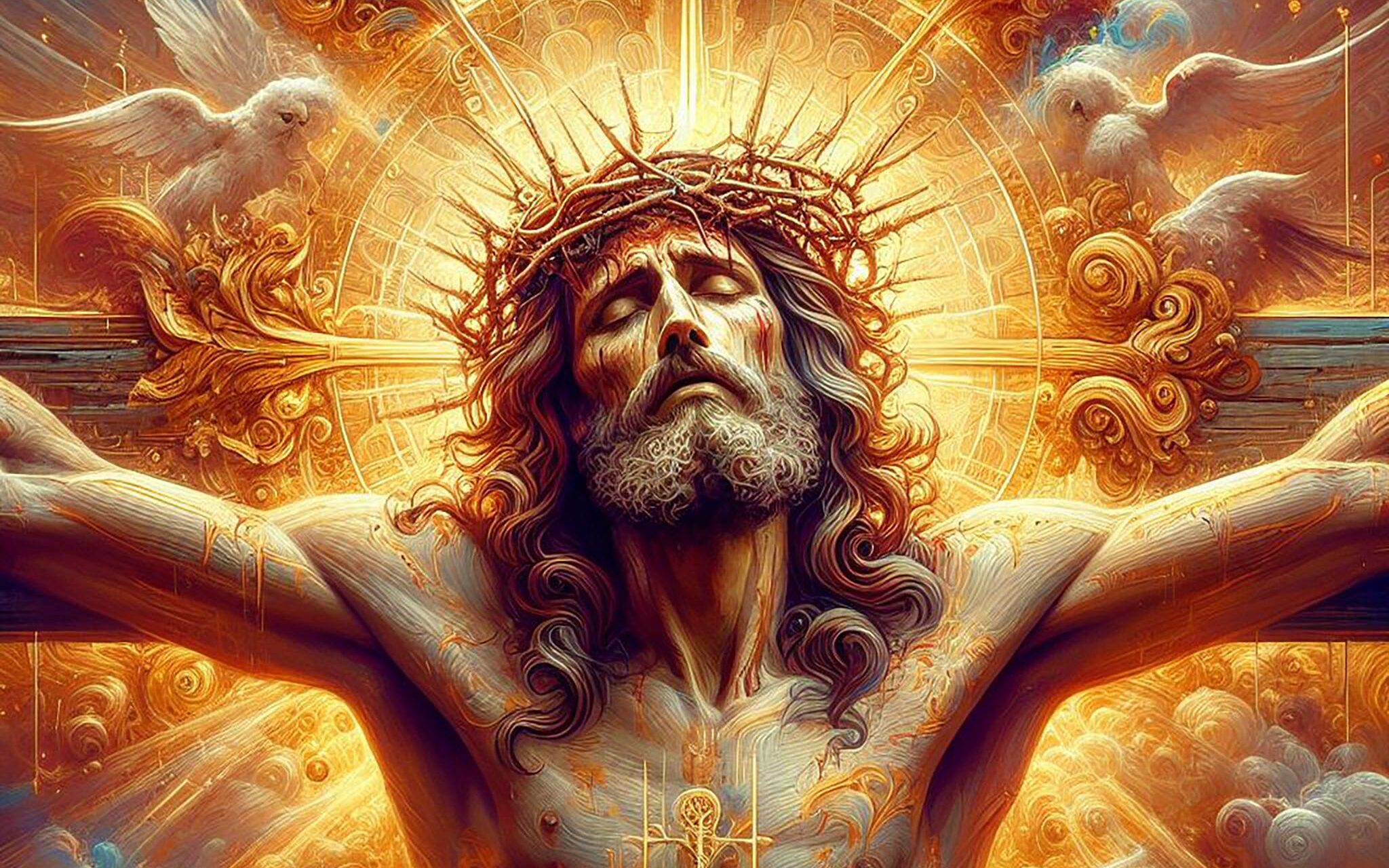
    Resurrection of Jesus Christ - On Cross

    The resurrection of Jesus Christ in Jerusalem, AD 33

    In the bustling city of Jerusalem, amidst the tension of political unrest and religious fervor, a man named Jesus emerged as a beacon of hope and wisdom. His teachings stirred hearts and challenged conventions, drawing crowds wherever he went.

    But as whispers of rebellion grew louder, so did the fears of the ruling authorities. Betrayed by one of his own disciples, Jesus was arrested and subjected to a mock trial. Despite the unjust accusations, he bore his suffering with quiet strength, staying true to his message of love and forgiveness.

    Carrying a heavy wooden cross, Jesus was led through the dusty streets to Golgotha, where he would face the ultimate sacrifice. Nailed to the cross, he endured unbearable pain, yet his words were merciful: “Father, forgive them, for they know not what they do.”

    As darkness descended upon the land, Jesus breathed his last, his body taken down and placed in a tomb. But the story did not end there.

    Three days later, his tomb was found empty, and rumors began to spread like wildfire. Grief-stricken Mary Magdalene, a follower of Jesus, encountered a figure she thought to be the gardener, only to realize it was her beloved teacher, risen from the dead.

    Jesus brought hope to the hopeless through his resurrection and light to the darkest of nights. His crucifixion became the ultimate symbol of redemption, offering salvation to all who would believe.

    In the contemporary era, dominated by scientific inquiry and technological advancement, the ancient resurrection stories are often viewed through skepticism. The modern mind, shaped by empirical evidence and rational thought, tends to question the veracity of such accounts. This skepticism is not just confined to religious narratives but extends to any claim of resurrection or return from death.

    When confronted with modern-day occurrences that echo these ancient tales, such as the incident of the girl in the morgue, our first instinct is to turn to medical science for answers. We probe for explanations rooted in physiology and biology, seeking to understand how a seemingly lifeless body could exhibit signs of life. The possibility of a medical misdiagnosis or a misunderstanding of the body’s responses in critical conditions is often considered before any thoughts of a miracle.

    This rational approach also influences how we view historical accounts of resurrection. Suppose irrefutable evidence were to emerge that Jesus was seen alive after his crucifixion. In that case, the contemporary mind might speculate that he had been wrongfully pronounced dead. Hypotheses of suspended animation, a state where the body’s functions are slowed to the point of being imperceptible, or the idea that the crucifixion was non-lethal, would be explored as plausible explanations.

    Alternatively, in the absence of modern identification checks, it’s conceivable that the crucified individual could have been a body double of Jesus, who willingly sacrificed himself.

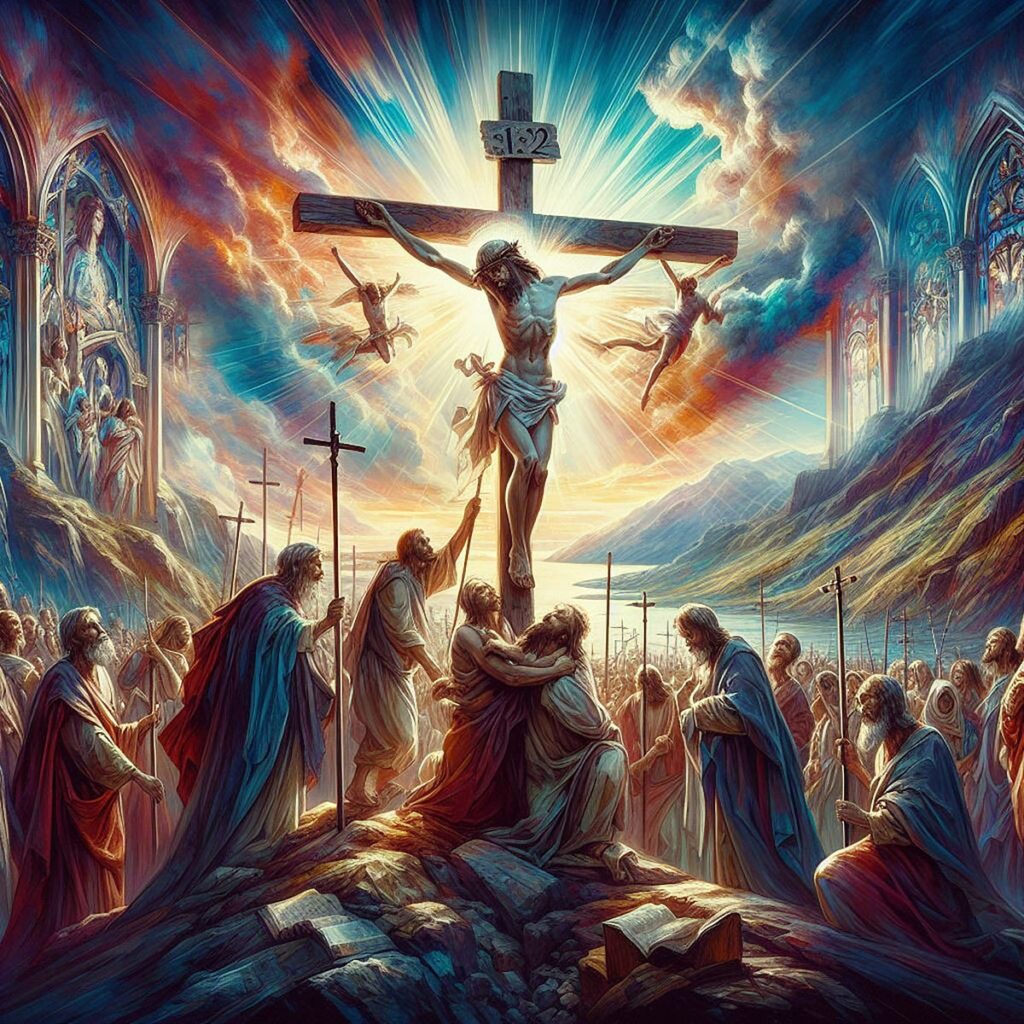
    Resurrection of Jesus Christ - Jesus Ascending to Heaven

    Our Biased Minds

    The tale of the girl who awoke in the morgue highlights the biased nature of our perception of events based on their recency. Given the fact that declaring someone dead can be challenging, especially without modern technology, the 1969 incident remains vivid: an error occurred, and the head physician acknowledged it.

    On the other hand, for an event that is said to have happened two thousand years ago, even in the absence of an identification check and death certificate, we are ready to jump to conclusions and declare Jesus’ death and resurrection as miraculous and factual.

    This bias raises a critical question: do we judge historical narratives through a more forgiving lens simply because of the passage of time? Should the burden of proof for miraculous events be higher for contemporary occurrences than for those shrouded in the mists of history?

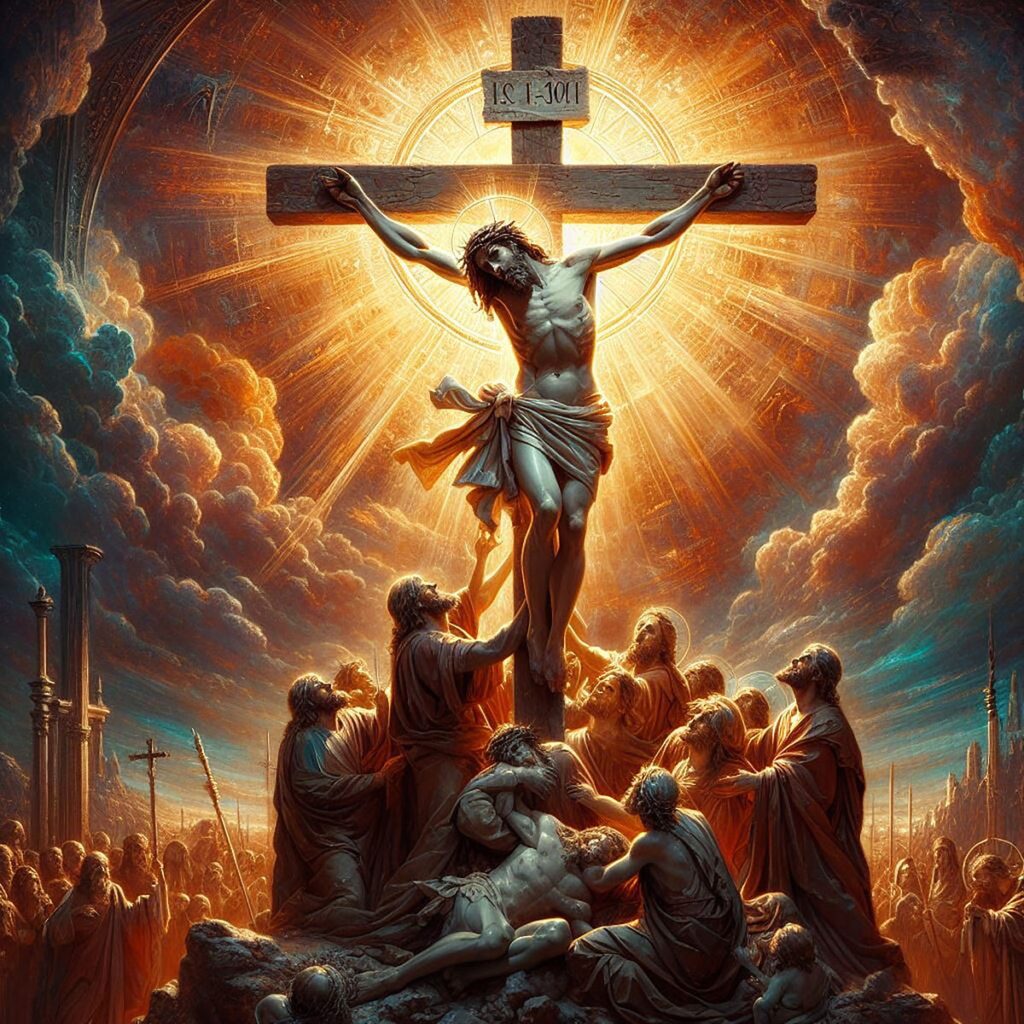
    Resurrection of Jesus Christ - On Cross

    In a Nutshell: Resurrection of Jesus Christ

    In conclusion, the exploration of resurrection narratives, both ancient and contemporary, invites us to navigate the complex interplay between faith, reason, and historical interpretation. Though separated by millennia, the stories of Jesus Christ’s resurrection and the girl in the morgue in 1969 compel us to confront the limits of our understanding and the biases that shape our perceptions.

    The incident in the morgue challenges our assumptions about the finality of death and underscores the fallibility of human judgment, even in matters as grave as pronouncing someone deceased. It serves as a sobering reminder of the potential for error in interpreting historical events, particularly those shrouded in religious significance.

    On the other hand, the resurrection of Jesus Christ stands as a cornerstone of the Christian faith, offering believers a profound symbol of hope and redemption. Yet, in an age of scientific inquiry, the skepticism inherent in modern thought prompts us to scrutinize historical accounts through a lens of rationality, seeking naturalistic explanations for miraculous events.

    As we wrestle with the complexities of resurrection narratives, we must recognize the constraints of our own viewpoints and stay receptive to truths that surpass our comprehension. Whether seen through the eyes of faith or scrutinized through the demands of scientific investigation, the idea of resurrection still fascinates the human mind, providing glimpses of transcendence in a world limited by mortality.

  • Is State Atheism Every Atheist’s Utopia?

    Is State Atheism Every Atheist’s Utopia?


    State atheism is a form of governance in which a government actively promotes atheism while suppressing religious freedom and practices, often associated with anti-theistic sentiments. Throughout the 20th century, various communist regimes have adopted state atheism policies, with the Soviet Union being a prominent example. From 1922 to 1991, the Soviet Union, particularly during the Stalinist era, aggressively pushed for state atheism and curbed public religious expression. Additionally, other countries like East Germany and Czechoslovakia also implemented strong state atheism policies, aiming not only to eliminate religion from the public sphere but also to replace it with state-sanctioned ideologies.

    Secularism in Western Societies

    In the modern Western context, individuals who identify as irreligious often champion the concept of separation of church and state, unassociated with the suppression of religious practices or expressions; rather, it’s about maintaining a secular space within governmental institutions. The predominant view among atheists, as well as mainstream Christians, in these societies, is that the state should adopt a position of neutrality towards religion, neither supporting nor condemning any particular religious belief system.

    Secularists argue that personal religious beliefs, or the absence thereof, should not have any bearing on formulating government policies or enacting laws. They advocate for a secular approach where decisions and policies are informed by rational deliberation, empirical evidence, and a commitment to egalitarian principles rather than being influenced by religious texts or doctrines.

    The rationale behind secularism is pursuing an inclusive society where all citizens, irrespective of their faith or non-faith background, receive equal treatment before the law. It is also driven by the conviction that public policy should be the product of logical reasoning and scientific knowledge, ensuring that governance is conducted fairly, transparently, and justifiable to all members of society without privileging or marginalizing any group based on their religious convictions.

    This secular perspective is deeply embedded in the desire to uphold fundamental human rights, including the freedom of religion and belief, and to prevent the state from becoming an instrument for promoting particular religious ideologies. It is a commitment to the idea that a diverse and pluralistic society can thrive only when the state provides a neutral ground where various beliefs can coexist peacefully and where individuals are free to practice their religion privately without interference from the government.

    Secularism Worldwide

    Secularism has been adopted by various countries worldwide, each interpreting and implementing it in a manner that aligns with their unique cultural and historical contexts.

    France, for instance, has a strict form of secularism known as laïcité, which not only separates church and state but also restricts the visibility of religion in public life. This approach aims to protect the state from religious influence and to safeguard individual freedoms, including the freedom of belief and the freedom to live without religion.

    Mexico’s brand of secularism emerged from its revolution and is enshrined in its constitution, emphasizing the state’s neutrality towards religion and the prohibition of religious influence in governmental affairs.

    South Korea, while not officially secular, exhibits a strong secular tendency in its governance. The country has no state religion, and its constitution guarantees freedom of religion and forbids the state from privileging any religion.

    Turkey has a unique interpretation of secularism, deeply rooted in the principles set by Mustafa Kemal Atatürk, the founder of modern Turkey. Turkish secularism, inspired by the French laïcité, involves state control over religious institutions to ensure that religion does not interfere with civil and political rights.

    Despite the differences in how secularism is practiced, these countries share the objective of creating a neutral state environment where religion does not dictate political decisions, ensuring that all citizens, irrespective of their religious affiliations, are treated equally under the law and have the freedom to practice their beliefs without state interference.

    The commitment to secularism reflects a broader dedication to upholding individual freedoms, promoting equality, and fostering a diverse society where multiple viewpoints and ways of life coexist peacefully. It’s a balancing act that requires constant negotiation between the state’s role in public life and the private religious beliefs of its citizens.

    In a Nutshell: State Atheism

    The distinction between state atheism and secularism is profound and has significant implications for a society’s governance and culture. Unlike state atheism, secularism is about balancing the freedom of individuals to practice their religion with the need to maintain a neutral, non-religious public domain where all citizens can participate on equal footing. It is a cornerstone of modern democratic societies that value diversity and individual freedoms.

    On the other hand, state atheism has historically been linked with anti-theistic policies, which is contrary to the wishes of Western atheists, who do not wish to “ban God” but rather to maintain a secular state where religion is kept private and distinct from political affairs, reflecting a broader commitment to individual liberties and the equitable treatment of all citizens, regardless of their personal beliefs.

    Sources

    State atheism – Wikipedia
    State atheism or atheist state is the incorporation of hard atheism or non-theism into political regimes. It is…en.wikipedia.org

    Secularism – Wikipedia
    Secularism (/sɛkjʊləˌɹɪzəm/, sek-YOO-lər-iz-em ) is the principle of being indifferent to or skeptical and/or critical…en.wikipedia.org

    Secular Countries 2024
    While religion is the belief in a spiritual higher power (usually God) and atheism is a belief that such powers do not…worldpopulationreview.com

    Wikiwand – State atheism
    State atheism or atheist state is the incorporation of hard atheism or non-theism into political regimes. It is…www.wikiwand.com

    Secularism Examples – An Overview
    Democratic countries like India and other developed countries of the world are examples of secularism. Learn more about…byjus.com

    Atheism | Definition, History, Beliefs, Types, Examples, & Facts
    Atheism, the critique and denial of metaphysical beliefs in God or spiritual beings. As such, it is usually…www.britannica.com

    The Five Models for State and Religion: Atheism, Theocracy, State Church, Multiculturalism, and…
    This article deals with one of the perennial questions of legal and political philosophy, ie, how the state should…www.degruyter.com

    Internet Encyclopedia of Philosophy
    The term “atheist” describes a person who does not believe that God or a divine being exists. Worldwide there may be as…iep.utm.edu

    Secularism in Western societies
    Abstract. ‘Secularism in Western societies’ begins by considering the city states of Ancient Greece and then the rise…academic.oup.com

  • Beyond the Bible Belt: Evangelicals vs. Everyone Else?

    Beyond the Bible Belt: Evangelicals vs. Everyone Else?

    In American culture, particularly in online dialogues, the phrase “religious people” often brings to mind Evangelicals, presenting a narrow and overly simplistic view of diverse religious beliefs. Yet the broader branches of Christianity, especially those guided by the Pope, approach the Bible with a symbolic interpretation. This approach promotes a harmonious relationship between religion and science, illustrating that faith and scientific understanding can coexist without conflict.

    Figurative Interpretation

    In the 21st century, many Christians in the Western world do not interpret the Bible literally but instead view it as figurative, appreciating its metaphorical and symbolic elements. This approach transcends denominational boundaries and encompasses a broad spectrum of Christian beliefs. In this symbolic interpretation, religious individuals do not find any inherent conflict between their faith and scientific discoveries. Rather, science is seen as a tool to explore the intricacies of God’s creation, providing insights into the mechanisms employed to bring the world into existence, complementing religious beliefs, and offering a deeper understanding of the universe’s wonders and the underlying divine order.

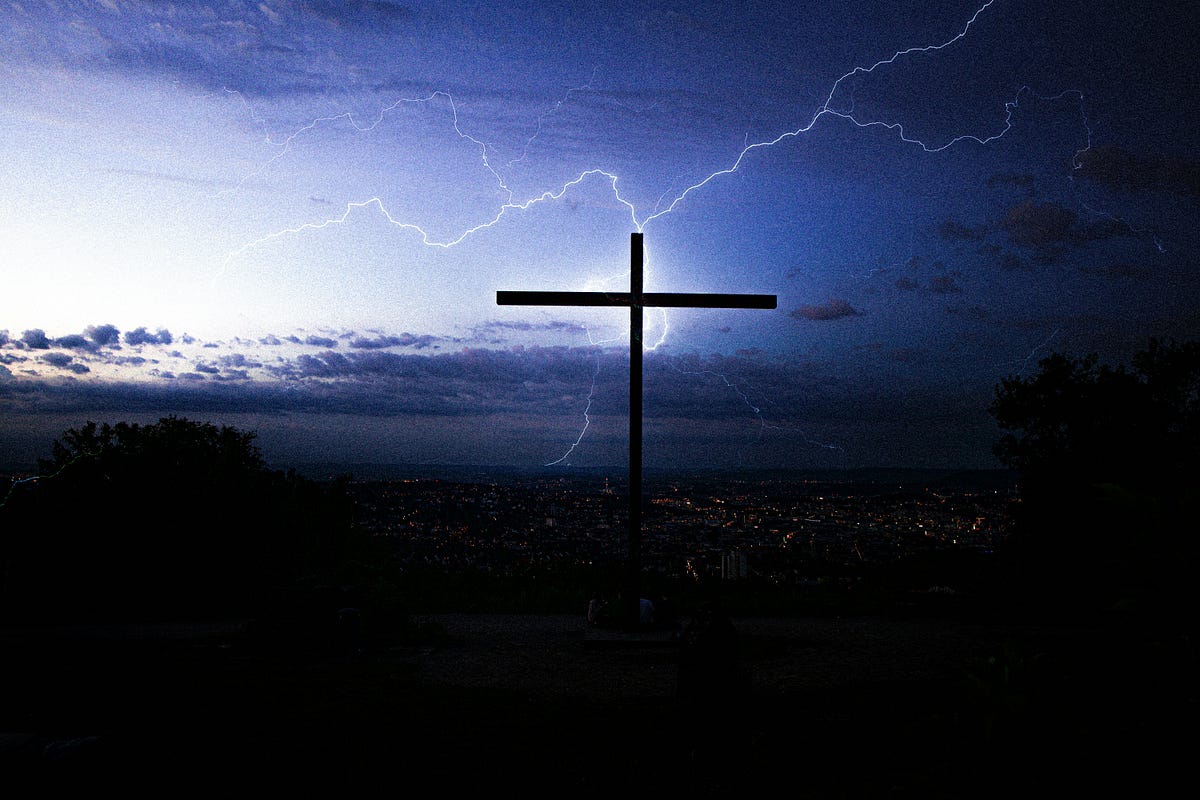
    Thunder behind the Christian Cross - Relationship Between Religion and Science
    Photo by Christian Lue on Unsplash

    Embracing the Relationship Between Religion and Science

    The Catholic Church is renowned for its rich intellectual tradition and has long championed the pursuit of knowledge. Although there is a common misconception that Christianity and scientific inquiry are at odds, the Catholic Church’s leadership, including the Pope, demonstrates that faith and science can coexist in harmony. Historically, Catholic institutions have been the cradle for significant scientific advancements, underscoring the Church’s deep-rooted commitment to exploring the natural world.

    From the Vatican Observatory’s focus on astronomical research to Pope Francis’s teachings on environmental stewardship, the Church’s actions genuinely recognize that science and religion are not in opposition. In his role as a spiritual leader, the Pope values scientific exploration as a means to uncover the intricacies of creation. This perspective suggests that scientific knowledge can complement religious faith by deepening the understanding of the divine order within the natural world, illustrating that a harmonious relationship between religion and science is not only possible but mutually enriching.

    Science as a Tool of Exploration

    Mainstream Christian denominations do not consider science as their enemy, but rather as a beneficial tool for exploration and discovery. The interpretation of religious texts symbolically allows for an interactive approach with scientific discoveries, perceiving them as a way to uncover the intricate details of God’s grand plan. The beauty and complexity of the universe, as revealed through scientific research, is viewed as evidence of divine craftsmanship.

    This viewpoint promotes an environment where individuals can wholeheartedly embrace their religious convictions while genuinely appreciating the insights provided by scientific knowledge. It encourages a nuanced understanding beyond the simplistic dichotomy of faith versus reason, recognizing that these realms can complement one another, leading to a more comprehensive understanding of the world and our place in it.

    Pope Francis from Behind - Relationship Between Religion and Science
    Photo by Coronel Gonorrea on Unsplash

    The Relationship Between Religion and Science per Fundamentalist Literalism

    In comparison to mainstream Christian denominations, fundamentalist Christians – often referred to as literalists – take a different approach to interpreting religious texts. They consider the Bible an absolute and literal truth, leaving little room for symbolic interpretation. This literalism can create a perceived conflict between science and faith, as scientific discoveries that challenge a literal interpretation of religious texts are seen as a threat to their beliefs.

    By taking a rigid stance on the literal truth of religious texts, fundamentalist literalists may find themselves at odds with scientific findings that contradict their understanding. This often leads to an adversarial relationship between Christianity and science, with each side viewed as incompatible with the other.

    Role of Education and Dialogue

    Education and dialogue are crucial in nurturing a more accurate understanding of the relationship between faith and science. By promoting a well-rounded education encompassing religious studies and scientific knowledge, individuals can develop a more nuanced perspective on the compatibility of these domains. Encouraging open and respectful dialogue between religious leaders, scientists, and the general public can help bridge the gap between faith and reason and promote mutual understanding and appreciation.

    Moreover, it is essential to highlight the contributions of religious individuals and institutions in advancing science throughout history. From the pioneering work of Gregor Mendel, a Catholic monk and the father of genetics, to the Big Bang theory proposed by Georges Lemaître, a Catholic priest and physicist, the interplay between faith and science has been a driving force behind many groundbreaking discoveries. Recognizing these historical examples can help dispel the myth of an inherent conflict between religion and science.

    Photo by Hal Gatewood on Unsplash

    Media’s Role

    The media has a significant impact on how people perceive the relationship between faith and science. Unfortunately, sensationalized headlines and oversimplified narratives often create the impression that there is an irreconcilable divide between religion and scientific inquiry. It is, therefore, essential for media outlets to provide balanced and nuanced coverage of this issue. They should highlight the diversity of perspectives within religious communities and showcase examples of harmonious coexistence between faith and science.

    By presenting a more comprehensive and accurate portrayal of the relationship between religion and science, the media can help combat stereotypes and promote a more informed understanding among the general public. This, in turn, can foster a climate of mutual respect and dialogue, where individuals from different backgrounds can engage in constructive conversations about the intersection of faith and reason.

    In a Nutshell: Relationship Between Religion and Science

    Recognizing the diverse perspectives within the broad spectrum of Christianity in America is crucial. The common portrayal often links religious individuals with Evangelicals, but a deeper examination reveals that mainstream denominations embrace a more nuanced relationship between faith and science. Their symbolic interpretation of sacred texts fosters a harmonious coexistence between religious beliefs and scientific exploration.

    From the Pope’s approach to the everyday believer’s outlook, science is considered a valuable means of investigating the marvels of creation, thus enriching their spiritual understanding. Mainstream Christian denominations demonstrate that faith and scientific knowledge can coexist and enhance each other. By acknowledging the harmony between faith and reason, they offer a more holistic view of the world, allowing believers to appreciate the beauty and complexity of creation through both spiritual and scientific perspectives.

    Promoting an accurate understanding of the relationship between religion and science requires education, dialogue, and responsible media coverage. We can transcend simplistic stereotypes by encouraging open and respectful discussions, emphasizing historical harmony between religion and science, and providing a balanced depiction of diverse beliefs. This approach helps cultivate a society where faith and science are seen as complementary, fostering a deeper appreciation for both the spiritual and scientific realms.

  • How American Evangelicals are Reshaping the US.

    How American Evangelicals are Reshaping the US.

    In the 21st century, Christianity has taken different paths on either side of the Atlantic, reflecting the complex relationship between religion, politics, and societal norms. While Europe is experiencing a decline in the public discussion of Christianity, the United States remains a stronghold where Christianity, especially the denomination of American Evangelicals, holds significant sway, permeating the political landscape and actively shaping policy debates.

    Throughout the European continent, there has been a noteworthy decline in religious presence and influence in public life, resulting in religious discourse being relegated to the private realm and confined to the personal beliefs of individuals. Christianity, historically a cornerstone of European identity, is now experiencing a lesser influence amidst the rapid pace of modernity and the shift away from traditional religious affiliations. The political arena, which used to be a stage for religious discourse, has now adopted a mostly secular framework, mirroring a broader societal shift away from traditional religious beliefs, changing how people perceive their interactions with religion and the relationship between religion and society.

    Conversely, the United States has observed the emergence of Evangelical Christianity as a formidable political force in recent years. The eagerness of Evangelical believers has translated into a potent political constituency, championing causes aligned with their doctrinal beliefs and challenging prevailing secular norms. The fusion of religion and politics has led to the intertwining of faith with governance to an extent unparalleled in many other Western democracies, sparking contentious debates about the boundaries between faith and governance and raising concerns about the encroachment of religious ideologies on democratic principles.

    As a result, questions have been raised about the role of religion in shaping public policy and the extent to which it should be allowed to influence the political process in the United States. While some argue that religion has a legitimate role to play in public life, others warn against the dangers of religious extremism and the erosion of democratic values.

    The role of Evangelical Christians in shaping public policy and discourse has become a topic of intense debate over time. While some argue that the movement’s inclination to prioritize doctrinal teachings over empirical evidence poses a challenge to the foundation of rational discourse and scientific inquiry, others contend that religious convictions are valid in shaping public policy.

    American Evangelicals’ advocacy of specific policies, often rooted in religious convictions rather than secular reasoning, has prompted broader discussions about the compatibility of religious faith with the principles of a pluralistic democracy. As a result, there are concerns that religious motivations on public policy could undermine the fundamental tenets of American democracy and threaten the rights and freedoms of citizens, irrespective of their religious affiliations.

    Furthermore, some Evangelical leaders have expressed the ambition to reshape the nation per their religious beliefs, reigniting debates about the separation of church and state, with critics expressing concern that such efforts could lead to the erosion of the secular nature of the state and the establishment of a theocracy.

    In light of these debates, it is increasingly important for Americans to reconsider the appropriate role of religious beliefs in shaping public policy and discourse and to ensure that the rights and freedoms of all citizens are protected, regardless of their religious affiliations or lack thereof.

    In a Nutshell

    The role of religion in governance, the boundaries between faith and reason, and the preservation of democratic values are complex dynamics that societies on both sides of the Atlantic are grappling with. As Christianity evolves in response to changing social landscapes, its interplay with politics continues to shape the contours of contemporary society, prompting reflection and debate on the nature of democracy, pluralism, and the common good.

    Even though Christianity has receded into the background in Europe, it remains a dynamic and influential force in the United States, highlighting the complex relationship between religion, culture, and politics. The conversation about the role of religion in public life is likely to persist as societies evolve, reflecting the ongoing negotiation between faith and secularism in the modern world. The relationship between religion and politics is a crucial aspect of contemporary culture, and the conversation around it will continue to influence the direction of democratic values and pluralism.


    Further Reading: Who Are American Evangelicals?

    American Evangelicals are a diverse group of Christians in the United States who share common religious beliefs, practices, and cultural values centered around the evangelical tradition. This tradition is marked by a strong emphasis on the authority of the Bible, the necessity of personal conversion or being “born again,” active evangelism, and the belief in Jesus Christ’s atonement for humanity’s sins. Despite this shared theological foundation, American Evangelicals are a heterogeneous group with varying views on politics, culture, and social issues. This essay explores the origins, beliefs, key characteristics, cultural impact, and political influence of American Evangelicals.

    Origins and Historical Context

    The term “evangelical” derives from the Greek word “euangelion,” meaning “good news” or “gospel.” Historically, evangelicalism has roots in the Protestant Reformation and emerged as a distinct movement in the 18th century with figures like John Wesley and George Whitefield. In the United States, evangelicalism gained prominence during the Great Awakenings—periods of religious revival in the 18th and 19th centuries. These revivals emphasized individual conversion, passionate preaching, and widespread evangelism.

    Core Beliefs and Practices

    American Evangelicals hold certain core beliefs and practices that distinguish them from other Christian groups:

    • Biblical Authority: Evangelicals regard the Bible as the ultimate authority in matters of faith and practice. They typically interpret it as the literal or inspired word of God.
    • Personal Conversion: A central tenet of evangelicalism is the belief in the need for personal conversion or being “born again.” This experience marks a turning point in one’s spiritual journey, leading to a personal relationship with Jesus Christ.
    • Evangelism: Evangelicals believe in sharing the Christian message and actively seeking to convert others. This missionary mindset has fueled a significant portion of evangelical outreach, both within the United States and globally.
    • Atonement through Christ: Evangelicals believe that Jesus Christ’s death and resurrection are central to human salvation. This belief underscores the importance of the cross and the redemptive power of Christ’s sacrifice.

    Cultural Impact and Diversity

    American Evangelicals are a diverse group, encompassing various denominations and theological perspectives. They include Baptists, Pentecostals, Methodists, Presbyterians, and non-denominational Christians, among others. This diversity leads to a wide range of worship styles, from traditional liturgies to more contemporary, music-driven services.

    Culturally, American Evangelicals have had a significant impact on the broader American landscape. They have established religious institutions, including churches, schools, and media networks. Their influence extends to music and entertainment, with Christian music and literature forming a vibrant industry.

    Political Influence and Controversies

    In recent decades, American Evangelicals have become increasingly involved in political and social issues, shaping the national conversation on topics like abortion, same-sex marriage, religious freedom, and education. This political engagement, often aligned with conservative values, has been both a source of strength and a point of controversy within the evangelical community.

    The rise of the Religious Right in the late 20th century signaled a growing alignment between evangelicalism and conservative politics. Figures like Jerry Falwell and Pat Robertson played pivotal roles in mobilizing evangelicals for political causes. However, this alignment has also generated criticism, with some arguing that the close relationship between religion and politics can compromise the spiritual focus of evangelicalism.

    In a Nutshell

    American Evangelicals represent a complex and multifaceted group within the broader context of American Christianity. While united by common religious beliefs and practices, they exhibit considerable diversity in theology, worship styles, and cultural engagement. Their influence on American society, culture, and politics is substantial, often shaping national debates on moral and social issues. As American society continues to evolve, so will the role and impact of American Evangelicals, ensuring their relevance in shaping the country’s religious and cultural landscape.