Blog

  • Atheism and the Separation of Church and State in America

    Atheism and the Separation of Church and State in America

    The United States has long prided itself on being a bastion of religious freedom and secularism, with a strict separation of church and state enshrined in the Constitution. However, the intersecting forces of Christianity, atheism, and the interpretation of secularism have created complex dynamics that both uphold and threaten true religious liberty in modern America. Let’s explore God’s role in the Separation of Church and State in America.

    The Founding Vision of Secularism

    When the Founding Fathers drafted the Constitution and Bill of Rights, they envisioned a secular government that would not officially endorse or be influenced by any particular religious doctrine. This idea of separating religious matters from affairs of the state stood in contrast to the state-sanctioned religions that had caused so much oppression and conflict throughout European history.

    By keeping the government secular and neutral towards religion, the Founders hoped to ensure that all citizens could freely practice their faith (or lack thereof) without facing discrimination or coercion. This secularism was meant to be a unifying force, creating an equitable public square where people of all beliefs could coexist. As Thomas Jefferson famously said, the government should erect “a wall of separation between church and state.”

    The Christian Nation Debate

    Despite this founding vision, there has long been a strain of political Christianity in America, asserting that the nation has an inherent Christian identity that should be reflected in its laws and institutions. Groups advocating this “Christian nation” narrative have pushed for policies like teaching creationism in schools, installing religious monuments on public property, and limiting rights around issues like abortion and LGBTQ equality.

    Proponents of this view often cite the religious beliefs of many Founders and historical references to Christianity in early American documents and events. They see secularism as an attack on the nation’s Christian heritage and values. Critics, however, argue that this interpretation is a misreading of history that would effectively establish a state religion, violating the First Amendment.

    The Rise of the Religious Right

    The debate over America’s secular or Christian identity took on renewed enthusiasm in the late 20th century with the rise of the politically powerful religious proper movement. Galvanized by issues like the Roe v. Wade Supreme Court decision legalizing abortion, these conservative Christian groups organized to inject their interpretations of Biblical morality into politics and policymaking at all levels of government.

    From advocating for socially conservative policies to mobilizing evangelical voters, the religious right became a potent political force. Its influence peaked during the Republican administrations of Ronald Reagan and George W. Bush. While the power of religious rights has ebbed and flowed in recent years, it remains a major factor shaping the national discourse around the role of religion in public life.

    Atheism and Anti-Religious Sentiment

    On the other side of the debate stand atheist activists who have pushed for a stricter separationist interpretation of secularism that would remove virtually all religious presence from civic affairs. Groups like the Freedom From Religion Foundation have launched legal battles to tear down public religious displays and halt practices like legislative prayer.

    While the constitutional rationale is to maintain a strict neutrality between religion and state, atheist rhetoric sometimes takes on a more militantly anti-religious tone that paints all religious influence as inherently oppressive. This has fueled a backlash from religious communities, who see it as an attack on their freedom of expression and an attempt to purge faith from the public square altogether.

    The atheist argumentation often hinges on equating true secularism with the absence of religion rather than state neutrality that allows religion to exist in society while being separate from political institutions. This narrow view has alienated many religious Americans and made them skeptical of the broader secularist cause.
    Finding the Balance in Separation of Church and State in America

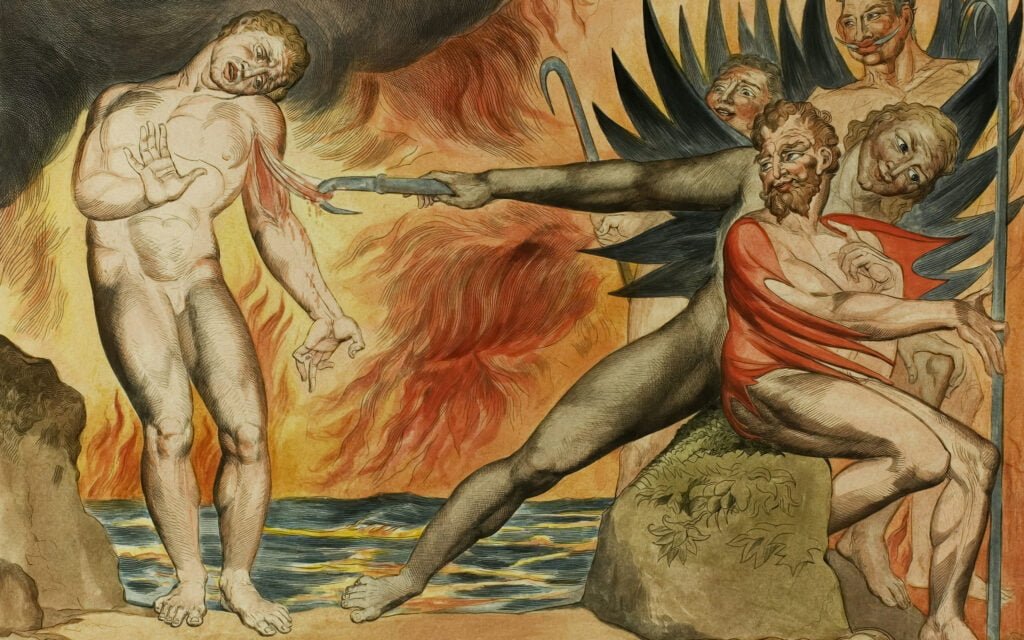
    Between the religious right’s vision of a Christianity-infused public sphere and atheist groups’ desire to excise religion from civic life completely lies the founding model of secularism – a neutral government that neither promotes nor inhibits religious belief and expression. Polling consistently shows most Americans favor this balanced approach that allows personal faith while preventing a state-sponsored religion.

    Achieving this balance requires people of all faiths and none to respect America’s secular foundations while embracing the diversity of religious and non-religious views. Mainstream Christians must stand up to the excesses of the religious right and its attempts to impose a de facto Christian nationalism. At the same time, atheists should avoid the unproductive mockery of religion and recognize that secularism protects their rights as much as those of the devout.

    By working together to uphold the First Amendment’s delicate balance, believers, nonbelievers, and Americans of all persuasions can ensure a healthy pluralism where religious liberty truly means freedom for all. Secularism should be seen not as anti-religious hostility but as the impartial referee allowing faith to flourish in the private sphere while keeping dogma out of government.

    separation of church and state in america

    The Path Forward: Separation of Church and State in America

    Ultimately, the solution is not to glorify Christianity or atheism as America’s sanctioned worldview but to reinvigorate and defend the secular ideals laid out by the Founding Fathers. By maintaining a neutral government and fostering an environment where diverse beliefs can coexist without marginalization, the United States can remain a beacon of true religious freedom and democratic pluralism.

    This requires mutual understanding, vigorous civic engagement, and a commitment to the common good that transcends sectarian agendas. Christians must respect that they aren’t a privileged religious class. Atheists and secular activists must recognize that religion isn’t going away and respect its place in civil society. And all sides should support public policies and norms that protect the secular character of American democracy.

    When secularism works as intended, it creates a system where people practice their faith or lack thereof without interference and come together on common civic causes – united by shared values like freedom, equality, and human dignity. With open and pluralistic secularism as the standard, America can live up to its founding ideals and be a place where religious liberty truly means liberty for all.


    Further Reading: History of Separation of State and Church in America

    The history of the separation of church and state in America is a complex and fascinating journey that reflects the evolving relationship between religion and governance. From the earliest days of European colonization to the present day, this principle has been a cornerstone of American democracy, shaped by historical events, legal battles, and societal shifts.

    The concept of separating church and state has its roots in European history, particularly the religious conflicts that plagued the continent during the Reformation and Counter-Reformation periods. Many of the first European settlers in America were seeking refuge from religious persecution, and their experiences profoundly influenced the development of religious freedom in the New World.

    One of the earliest expressions of the separation of church and state in America can be found in the Virginia Statute for Religious Freedom, authored by Thomas Jefferson in 1777. This statute, which later served as a model for the First Amendment to the United States Constitution, declared that “no man shall be compelled to frequent or support any religious worship, place, or ministry whatsoever.”

    The First Amendment, ratified in 1791 as part of the Bill of Rights, enshrined the principle of religious freedom and prohibited the establishment of a state religion. It states, “Congress shall make no law respecting an establishment of religion, or prohibiting the free exercise thereof.” This amendment laid the foundation for the separation of church and state in America, ensuring that the government would neither promote nor interfere with religious beliefs and practices.

    Despite these constitutional protections, the relationship between religion and government in America has been the subject of ongoing debate and controversy. Throughout the 19th and early 20th centuries, various religious groups vied for influence in the public sphere, leading to conflicts over issues such as prayer in schools, government funding for religious institutions, and the teaching of evolution.

    One landmark Supreme Court case that helped to clarify the boundaries between church and state was Engel v. Vitale in 1962. In this case, the Court ruled that state-sponsored prayer in public schools violated the Establishment Clause of the First Amendment, further reinforcing the principle of secularism in the public education system.

    Another significant legal development came in 1971 with Lemon v. Kurtzman, which established the “Lemon test” for determining whether a government action violates the Establishment Clause. According to this test, a law must have a secular purpose, must not advance or inhibit religion, and must not result in excessive entanglement between church and state.

    In recent decades, debates over issues such as school vouchers, public displays of religious symbols, and the role of religion in public policy have continued to shape the interpretation and application of the separation of church and state in America. While the principle remains a fundamental aspect of American democracy, its precise boundaries and implications continue to be contested and refined through legal battles, political discourse, and societal change.

    In conclusion, the history of the separation of church and state in America reflects a constant tension between religious freedom and governmental authority. From the colonial era to the present day, this principle has been enshrined in law, tested in the courts, and shaped by the diverse religious landscape of the nation. While challenges and controversies persist, the separation of church and state remains a cornerstone of American democracy, ensuring that individuals are free to practice their faith without interference from the government and that the government remains neutral in matters of religion.


  • The Futility of God Debate and Power of Open Dialogue

    The Futility of God Debate and Power of Open Dialogue

    For centuries, the question of whether a higher power exists has sparked impassioned God debates and divisions among humanity. Believers cling to their faith as a source of meaning, comfort, and spiritual enlightenment. Atheists, grounded in skepticism and rationality, demand empirical proof and dismiss the supernatural. When these fundamentally disparate worldviews collide head-on, the discourse often devolves into a combative arena where the principal aim is not mutual understanding but aggressive debate with the goal of emerging victorious.

    This adversarial framing, however, is misguided and unproductive. Treating dialogues about religious beliefs as battles to be won is an exercise in futility that rarely results in changed minds or newfound common ground. Rather, it entrenches existing biases and erects higher barriers to meaningful connection across different perspectives. The way forward lies not in fruitless debate but in reimagining these interactions as opportunities for empathetic listening, expanded awareness, and the discovery of our shared hopes and values as human beings.

    The Pitfalls of Fruitless Debate

    At the core of the limitations of the God debates lies the inherent personal nature of faith. Shaped by a complex tapestry of life experiences, cultural backgrounds, and deeply held convictions, faith transcends simple arguments. For the devout, belief in a higher power serves as an anchor in the storm of existence, offering solace, purpose, and a framework for comprehending the universe’s mysteries.

    On the other side of the God debate spectrum, atheism prioritizes reason and evidence. Skepticism toward the supernatural reigns supreme, with empirical data, rational inquiry, and logic seen as the keys to unlocking truth. When these paradigms rooted in faith clash with those demanding proof and materiality, the God debate becomes a battleground. Each side speaks a different philosophical language, their axioms as distant as stars.

    The result? Entrenched positions and adversarial dynamics. Believers and non-believers cling to their corners, attempting to dismantle the other’s worldview through rhetoric, logic, and dismissal of core tenets. This quest to “win” the God debate through argumentative force sacrifices true understanding and dehumanizes the opposition.

    The ego’s yearning for victory further cripples the God debate. When convictions become battlegrounds for intellectual dominance rather than spaces for exploring differences, the purpose is lost. Minds remain stubbornly closed, and people leave more entrenched than before. This is a tragedy, considering the enriching potential of engaging with diverse systems of meaning and interpretation.

    The truth is, for most, beliefs surrounding God are not products of mere rational convincing. They emerge from the very core of our being, reflecting how we ascribe meaning to life itself. To treat these profound perspectives as ideas to be adopted or discarded through forceful arguments in the God debate fundamentally disregards the human experience that birthed them.

    A Wiser Path Forward

    Yet, avoiding discussing these existential questions within the realm of God debates would be an immense loss for both collective understanding and individual growth. Exploring our divergent beliefs about whether a higher power exists has immense potential as a catalyst for bridging ideological divides and illuminating the full depth of the human condition across cultures and creeds.

    However, to actualize this possibility, a fundamental reframing of God debates is required. Rather than approaching faith-based discourse as a detached thought experiment or a God debate to be won at all costs, we must treat it as an intensely personal window into how others derive meaning and grapple with life’s profundities. In doing so, the importance shifts from dogmatic conflict within God debates towards cultivating greater empathy, intellectual flexibility, and mutual respect.

    There is immense value in truly listening to perspectives different than our own within God debates, with an openness to have our horizons expanded. By seeking to understand the emotional anchors, life experiences, and reasoning that shapes each person’s relationship to faith and existential questions, space is created for greater empathy and appreciation of the diverse lenses through which humankind interprets its reality.

    After all, religion and questions of faith do not exist in a vacuum – throughout history, they have been intimately intertwined with cultural identity, moral and ethical foundations, community preservation, and spiritual expression. To arrogantly discard the beliefs of others without attempting to understand their origins and psychological significance is to ignore the very essence of the human experience, even within the context of God debates.

    An attitude of open curiosity and willingness to enter unfamiliar philosophical ecosystems with humility allows for personal growth and enlightenment that are inaccessible when the mind is closed during God debates. Whether an atheist gaining new appreciation for the inner worlds that religious faith can open or a believer considering novel philosophical frameworks, the benefits of respectful cross-perspective engagement within God debates are manyfold.

    Furthermore, the attempt at mutual understanding within God debates often reveals commonalities that transcend religious divides. Beneath seemingly irreconcilable differences about the existence of God lie shared human yearnings – for love, purpose, ethical actualization, inner peace, and sensemaking of the unknown. Progressively mining these commonalities by remaining open to our differences as entry points for connection rather than sources of conflict within God debates strengthens social cohesion and collective empathy.

    In our increasingly pluralistic societies, fostering tolerance and mutual understanding across ideological lines is not only enriching but essential. Reimagining religious discourse, including God debates, as a source of interpersonal connection and insight rather than conflict promotes the healing of historical divides and cultivates inclusive communities united by compassion and appreciation of diverse meaning-making.

    The relentless human drive to understand our origins and place in the cosmos will never abate. Whether contemplating the divine, dissecting the mysteries of existence through scientific empiricism, or syncretically embracing various sources of enlightenment, these spiritual strivings reflect our great capacity for seeking profundity amidst the vastness.

    To cling stubbornly to the pretense that one perspective has achieved absolute truth and thus must invalidate all others within God debates is to neglect the awe-inspiring complexity of both the universe and human consciousness. A wiser approach recognizes that beliefs about the metaphysical represent separate yet equally valid lenses for perceiving the enigma of being itself.

    In this light, polarizing God debates give way to complementary portfolios of meaning – with religious faith and philosophical doubt existing not in conflict but in dynamic interplay. Either perspective alone is incomplete, yet their paradoxical convergence reflects the awesome difficulty in unraveling the full essence of existence through any singular ideological focus, even within the realm of God debates.

    Ancient Wisdom for a Modern World

    For millennia, the god debate has raged, fracturing traditions and igniting ferocious contention. Yet, perhaps the key to a more enlightened discourse has been hiding in plain sight, woven into the very fabric of those same religions and philosophies.

    Mystics and transcendent thinkers throughout history have warned us of the human ego’s need for conceptual conquest. This need, they argue, fundamentally distorts our ability to grapple with existential questions. Eastern philosophies, from Buddhism to Taoism, promote holding seemingly contradictory ideas in balance, finding equilibrium instead of eradicating them through dogmatic insistence in the god debate. Surrendering the desperate need to be “right” opens the door to perceiving truth from multiple angles, fostering a nuanced understanding that transcends the confines of the traditional god debate.

    Socrates, a founding voice of Western philosophy, emphasized the importance of recognizing our limitations. He believed wisdom lay in “knowing how little we know,” a perspective at odds with the certitude that often taints the god debate. Perhaps, the very essence of enlightenment lies in approaching these ultimate questions with perpetual openness and an acceptance of our ignorance.

    Furthermore, many scholars, both religious and non-religious, recognize the psychological dangers of clinging to rigid belief systems as a form of identity. When beliefs become static shields against uncertainty, they morph from tools of exploration into impediments, fueling the divisions that plague the god debate. Instead, when we traverse the vastness of questions regarding faith, higher powers, and existence itself, wisdom lies in embodying the very curiosity and humility these traditions extol.

    Rather than clinging to concrete answers for ego-reinforcement or a sense of belonging, the path to deeper truth and growth lies in abandoning rigid dogmatism altogether. In its place, an ethos of perpetual seeking – of asking questions rather than insisting on pre-determined answers – breathes new life into the stale air of the god debate. God debates recede, replaced by dialogues fostering mutual learning and wonder. With rigid attachment abandoned, paradoxes become recognized opportunities for integrating complementary insights. Ultimately, the conversation evolves from a competition of “who is right” to a collective exploration of the sublime mysteries of being itself.

    The Way Forward 

    The human spirit has long grappled with the God debates, those existential inquiries into our universal origins. These profound contemplations, meant to illuminate truth, often devolve into ego-driven clashes. Forceful rhetoric and attempts at conversion turn these dialogues into battlegrounds for intellectual dominance.

    This adversarial framing is deeply flawed. Treating religious beliefs and ultimate questions as debates rather than explorations erects walls to understanding. It strengthens existing biases, diminishes appreciation for diverse experiences, and sacrifices connection for pride and dogma.

    A wiser approach recognizes that beliefs about the metaphysical are intensely personal, woven from the intricate tapestry of our cultural, emotional, and existential landscapes. To arrogantly dismiss another’s perspective without understanding its significance is to ignore the very essence of the human experience we seek to illuminate.

    By reframing religious discourse through open curiosity, a willingness to expand our horizons, and the courage to hold the tension of paradox, we open a portal to realms of growth, enlightenment, and collective understanding that rigid certainty obstructs. Humility and perpetual seeking breathe new life into stale polemics, transforming them into dynamic dialogues fueled by mutual learning and wonder.

    Within this cross-perspective connection emerge profound commonalities that transcend ideological divides. Shared human values, ethical foundations, and existential yearnings unite us more than any God debate could fracture. When we cultivate an empathetic understanding of how others find meaning and guidance in the vastness of existence, we witness parallels far more binding than any God debate could break.

    In our increasingly pluralistic world, fostering respectful cross-pollination of beliefs is not just enriching, it’s essential. It upholds the diversity and social cohesion that catalyzes human flourishing. Cultivating the wisdom to hold seemingly incompatible truths in balanced exploration heals historical divides and strengthens the ethics of coexistence. It illuminates our shared awesome responsibility to seek maximal understanding and steward this miracle of existence we all inhabit.

    The path forward transcends fruitless conflict. It embraces courage, openness, and profound humility when confronting life’s great mysteries. We must recognize the full spectrum of religious, philosophical, and scientific investigations as invaluable vantage points, offering incomplete yet complementary insights into the enigma of being itself.

    In this light, polarizing God debates fade away, and rigid dogmas dissolve into dynamic portfolios of meaning-making. It becomes an eternal conversation where all thoughtful perspectives are reverently engaged as facets of an inconceivable cosmic whole. The ultimate answer may forever elude us, yet the humble search itself sparks transcendence, igniting our shared capacities for wisdom, awe, and illuminating our collective identities as heroic meaning-seekers united by our very quest.

    Across cultures, faiths, and worldviews, ancient teachings have long imparted the paradoxical truth: wisdom flourishes not from fortresses of certainty, but from surrendering the ego and its attachment to being right. In the space of “not knowing,” unbounded curiosity and universal wonder blossom.

    When traversing the eternal human questions surrounding existence, faith, and cosmic origins, perhaps we should embody this sacred openness. Let us temper our drive for rigid resolution with a perpetual deference to life’s awesome complexities. In doing so, the discourse evolves from wanting to spiritually elevating – a journey of souls exploring reality’s unfathomable kaleidoscope together, with more empathy and awe than certainty could ever aspire to.

    Further Reading on God Debate

    The futility of God debates:

    The power of open dialogue:

  • The Hijab: Tracing the Journey of a Complex Symbol

    The Hijab: Tracing the Journey of a Complex Symbol

    The history of hijab is a narrative that intertwines with the very essence of Islamic culture and identity. This iconic head covering, embraced by numerous Muslim women globally, is not merely a religious emblem but a historical artifact that transcends spiritual confines. The evolution of the hijab through ages and societies unveils a complex mosaic of cultural customs, societal standards, and religious convictions that have collectively influenced its current form and meaning.

    Embark with us on a journey through time, as we uncover the pre-Islamic antecedents of the hijab, its doctrinal establishment within the Quran, and its extraordinary capacity to mold itself to the variegated tapestries of cultures worldwide.

    Ancient Roots: The Pre-Islamic Origins of Veiling

    The history of hijab is a complex tapestry that intertwines with the cultural and social norms of ancient civilizations, long before the advent of Islam. The tradition of veiling, which encompasses the covering of the head and body, has its roots in societies that flourished in the Middle East, Asia, Africa, and Europe, with evidence dating back to the 4th millennium BCE.

    In the societal landscape of the pre-Islamic Arabian Peninsula, the hijab was more than a religious symbol; it was woven into the very fabric of daily life. It served as an indicator of social hierarchy, with veils of varying styles and materials denoting the distinctions between free women, slaves, and the elite. The hijab also played a role in communicating marital status, tribal connections, and provided a shield against the elements in a punishing desert climate.

    The history of hijab reveals that this practice was not solely the domain of women. Men of distinction and those holding religious office also embraced the veil, wearing it as a badge of honor and respectability. This shared custom highlights the veil’s broader cultural importance, transcending gender and emphasizing its entrenched role in the traditions of the region.

    The Quranic Guidance: Modesty and Continuity

    With the emergence of Islam in the 7th century CE, the history of hijab evolved to embody a religious mandate for Muslim women. The Quran, revered as the divine revelation by Muslims, delineated principles of modesty and attire applicable to both genders.

    An-Nur (The Light), a chapter within the Quran, specifically tackled the subject of the hijab, directing faithful women to drape their coverings across their chests and to reveal their beauty solely to their immediate family and servants. These injunctions were disclosed amidst the nascent Muslim society in Medina, establishing a code for modest apparel and conduct.

    The Quranic directives concerning the hijab did not signify a drastic shift from the pre-Islamic Arabian customs. Rather, they aimed to refine and affirm the entrenched societal ethos of modesty and respect. The Quran abstained from dictating a definitive style or type of veil, thus permitting interpretations and adjustments in harmony with regional traditions and inclinations.

    This methodology enabled a fluid transition from pre-Islamic customs to Islamic standards, acknowledging the significance of cultural persistence and heterogeneity. The Quranic teachings on the hijab found resonance among the Arab populace, as they were in accord with their enduring cultural legacy, now enriched with a spiritual dimension.

    History of Hijab
    Photo by Elin Tabitha on Unsplash

    Embracing Diversity: The Hijab’s Global Journey

    As Islam expanded from the Arabian Peninsula, the history of hijab unfolded into a spectrum of expressions, mirroring the myriad cultures it touched. The hijab manifested in forms ranging from the airy headscarves of arid deserts to the comprehensive burqas and chadors of cooler locales, with Muslim women globally adopting diverse styles and interpretations.

    This versatility enabled the hijab’s core values—modesty, honor, and devotion—to blend with different cultural aesthetics and practical needs. The variety in hijab styles stood as evidence of the faith’s flexibility to integrate into local customs while upholding its foundational tenets.

    In certain areas, the hijab interwove with cultural identity, surpassing its religious connotations to become an emblem of heritage and a bulwark against discrimination or subjugation. For numerous Muslim women, wearing the hijab signified not just a religious act but also an affirmation of their cultural lineage and a bold challenge to societal prejudices.

    On the flip side, the hijab sometimes sparked controversy, igniting discussions on women’s autonomy, secular values, and the apparent clash between religious practices and contemporary norms. These divergent views underscore the intricate interplay of faith, culture, and social-political factors that have influenced the ongoing dialogue about the hijab.

    Contemporary Discourse: Personal Choice and Evolving Narratives

    In the modern era, the history of hijab continues to be a significant aspect of identity for numerous Muslim women, though the reasons for its adoption are highly individualized. For some, it is an unwavering commitment to religious tenets and a conduit to their spirituality. For others, the hijab serves as a proud emblem of their cultural legacy, a stand against societal prejudices, or a declaration of personal empowerment and autonomy.

    Conversely, there are voices that critique the hijab as a relic of patriarchal norms, at odds with contemporary values of gender parity and personal liberty. Such varied viewpoints underscore the vibrant debate surrounding the hijab, its symbolism, and its role in today’s world.

    It is essential to acknowledge the hijab as a complex entity, influenced by a confluence of religious beliefs, cultural traditions, individual choices, and the dynamics of social and political environments. The history of hijab is characterized by a diverse array of practices, interpretations, and ongoing narratives

    In a Nutshell: History of Hijab

    The history of hijab is marked by a profound journey that reflects the intricate layers of cultural, religious, and personal significance it holds. Its roots extend into the depths of ancient customs that existed well before Islam, highlighting the enduring traditions that have shaped its progression.

    The Quran’s teachings on the hijab aimed to resonate with pre-Islamic Arab traditions, ensuring cultural continuity while infusing the practice with a spiritual essence. This strategy enabled a smooth transition, allowing the hijab to find relevance and acceptance across diverse cultures as Islam’s reach extended worldwide.

    Throughout its passage across various lands and times, the hijab has shown remarkable adaptability, adopting an array of styles and meanings. This flexibility has allowed the principles of modesty and devotion to meld seamlessly with different cultural expressions and practical needs, showcasing the religion’s capacity to assimilate into a multitude of traditions.

    In today’s society, the hijab remains a dynamic topic of conversation, with its interpretations and relevance continually evolving amid shifting social norms and individual viewpoints. While some may view it as a vestige of oppression, others celebrate it as a token of pride, identity, and autonomy.

    The extensive and intricate history of hijab defies oversimplified accounts, prompting a deeper appreciation for its complex nature. Understanding its varied beginnings, cultural evolutions, and the personal connotations it carries is vital for nurturing an empathetic and comprehensive discourse on this iconic emblem of Islamic heritage and belief.


    Sources

    https://www.britannica.com/topic/hijab

    https://www.eiu.edu/historia/Slininger2014.pdf

    https://en.wikipedia.org/wiki/Hijab


    Further Reading: The Meaning of Hijab

    The hijab, a head covering worn by Muslim women, is often shrouded in misconception. More than just a piece of cloth, it represents a complex tapestry woven from religious devotion, cultural identity, and personal choice. Understanding its history and significance requires us to delve deeper.

    Rooted in Tradition:

    The hijab’s story predates Islam. Ancient civilizations across the globe employed veiling practices, signifying social status, marital status, and protection from the elements. In pre-Islamic Arabia, the hijab served similar purposes, with variations in style reflecting social hierarchy. This established the practice of head covering as a cultural norm, a foundation upon which Islamic teachings would build.

    A Divine Directive:

    The emergence of Islam in the 7th century CE introduced a religious dimension to the hijab. The Quran, the holy book of Islam, emphasizes modesty in dress for both men and women. Specific verses within the Quran instruct women to cover their chests and maintain a certain level of decorum. These directives did not introduce a completely new concept, but rather refined existing customs and imbued them with religious significance.

    A Spectrum of Expressions:

    As Islam spread across the globe, the hijab adapted to diverse cultures. From the airy headscarves of desert regions to the all-encompassing burqas of colder climates, Muslim women adopted styles that resonated with their local traditions. This adaptability reflects the Quran’s flexible approach, allowing interpretations to coexist with regional customs as long as the core principles of modesty were upheld.

    Beyond the Veil:

    The hijab has transcended its religious roots, becoming a symbol of cultural identity for many Muslim women. In some regions, it serves as a marker of heritage and a shield against discrimination. For others, it’s a declaration of empowerment, a way to reclaim their narrative and challenge societal stereotypes.

    A Spark for Debate:

    The hijab also ignites controversy. Some view it as a symbol of patriarchal oppression, restricting women’s freedom. Others see it as a personal choice, a way to express their faith and values. This ongoing dialogue highlights the complex interplay of religion, culture, and social factors that shape the conversation surrounding the hijab.

    A Representation of Self:

    In today’s world, the reasons for wearing the hijab are as diverse as the women who wear it. For some, it’s a steadfast commitment to their faith. For others, it’s a cultural marker or a statement of personal empowerment. There is no single narrative, and appreciating the hijab requires acknowledging its multifaceted nature.

    The hijab’s journey is a testament to its rich history and evolving significance. It’s a call to move beyond simplistic narratives and embrace the complexity of this powerful symbol. By understanding its cultural roots, religious underpinnings, and personal interpretations, we can foster a more nuanced and respectful dialogue about the hijab and the women who wear it.

  • Evolutionary Psychology of Religion

    Evolutionary Psychology of Religion


    Let’s explore the fascinating interplay between religion and evolution through the lens of the evolutionary psychology of religion. During their formative years, children often absorb their parents’ teachings unquestioningly. This phenomenon is rooted in an evolutionary imperative: parents transmit vital survival skills to their offspring, ensuring their prosperity and the continuation of the species.

    In this critical developmental phase, children’s minds are remarkably receptive to their caregivers’ beliefs. Consequently, parents’ religious inclinations significantly shape their children’s religious identities. This pattern is consistently observed, with Muslim parents typically raising Muslim children and Christian parents usually having Christian offspring. The intricate dance between religion and evolution continues to captivate researchers and thinkers alike.

    The Challenge of Conversion

    The evolutionary psychology of religion suggests that early religious indoctrination poses a significant obstacle to conversion in later life. As individuals attain cognitive maturity and develop a capacity for skepticism, embracing a new religious ideology becomes a formidable challenge. The beliefs and worldviews deeply embedded during childhood erect a strong psychological barrier against different belief systems.

    To persuade a skeptical mind to adopt a new religion, a considerable amount of evidence, cogent reasoning, and transformative personal experiences are often necessary to counteract the pre-existing belief system. Thus, the journey of conversion is akin to an arduous climb, requiring individuals to surmount the entrenched convictions of their youth.

    The Evolutionary Perspective

    From an evolutionary standpoint, transmitting religious beliefs from parents to offspring can be viewed as a form of cultural inheritance. Just as genetic traits are passed down through generations, cultural values, beliefs, and practices are also propagated, shaping the cognitive landscapes of subsequent generations.

    This cultural inheritance mechanism serves as a means of preserving and perpetuating the belief systems that have proven conducive to the survival and well-being of a particular group or society. Religious teachings often encompass moral codes, social norms, and behavioral guidelines that have evolved over time to promote cooperation, cohesion, and resilience within a community.

    The Interplay of Reason and Evolutionary Psychology of Religion

    While the evolutionary perspective sheds light on the mechanisms behind the transmission of religious beliefs, it does not negate the role of reason and critical thinking in shaping one’s worldview. As individuals mature and develop cognitive abilities, they gain the capacity to question, analyze, and potentially reject or modify the beliefs they have inherited.

    The interplay between reason and belief is a complex and ongoing process, influenced by factors such as education, exposure to diverse perspectives, and personal experiences. While some individuals may undergo a religious transformation and embrace a different belief system, most others stick to unreason taught them as children. 

    In a Nutshell: Evolutionary Psychology of Religion

    The evolutionary psychology of religion provides a nuanced framework for understanding the intricate relationship between religious development and evolutionary processes. The early childhood period, heavily influenced by parental guidance, is critical in shaping religious identities, presenting a significant hurdle for conversion among the skeptical. From an evolutionary perspective, the propagation of religious beliefs can be seen as a form of cultural transmission that aids in the preservation and spread of belief systems that benefit certain groups or societies.

    Nonetheless, it’s essential to recognize the role of reason and critical thinking in shaping individual worldviews. As individuals mature and their cognitive abilities develop, they gain the capacity to scrutinize, assess, and potentially revise or reject the inherited beliefs. The interplay between reason and faith is an ongoing, dynamic journey influenced by diverse factors such as education, exposure to different ideas, and personal experiences.

    In essence, delving into the ties between religion and evolution fosters a profound and contemplative discourse, one that appreciates the complex interplay of biological, cultural, and intellectual forces that mold our beliefs and viewpoints.


    Further Reading

    Evolutionary Psychology of Religion

    • “The God Delusion” by Richard Dawkins
    • “The Cognitive and Evolutionary Psychology of Religion” by Robert N. McCauley & Eileen Barker in Religion, Brain & Behavior (2004)
    • The Clergy Project

    Transmission of Religious Beliefs

    • “The Cultural Evolution of Religion” by Joseph Henrich in Proceedings of the Royal Society B (2004)
    • “Nurture by Nature” by Jean Liedloff

    The Role of Reason and Critical Thinking

    • “The interplay between reason and religion” by Justin L. Barrett in Trends in Cognitive Sciences (2012)
    • “Thinking, Fast and Slow” by Daniel Kahneman

    What Is Evolutionary Psychology?

    Evolutionary psychology is a theoretical approach to understanding human behavior and cognition, focusing on how evolutionary processes, particularly natural selection, have shaped the human mind and behavior. It suggests that many human behaviors and mental processes have evolved over millions of years to solve adaptive problems faced by our ancestors. Here’s a detailed exploration of what evolutionary psychology is, its foundational principles, and some examples illustrating how it applies to modern human behavior:

    Core Principles of Evolutionary Psychology

    1. Natural Selection and Adaptation: Evolutionary psychology is grounded in the principles of Darwinian evolution, which emphasize that organisms adapt to their environments over time. Traits and behaviors that improve reproductive success tend to be passed down through generations.
    2. Psychological Mechanisms: Evolutionary psychologists posit that the human brain consists of a collection of psychological mechanisms or “modules” that have evolved to address specific adaptive challenges. These modules are responsible for different aspects of cognition and behavior, such as language acquisition, social interactions, mate selection, and more.
    3. Environment of Evolutionary Adaptedness (EEA): This concept refers to the ancestral environment in which these psychological mechanisms evolved. Evolutionary psychologists suggest that many modern behaviors can be understood by considering the challenges faced by early humans in their environment.
    4. Adaptive Problems and Solutions: Evolutionary psychology focuses on identifying adaptive problems that our ancestors faced, such as finding food, avoiding predators, and reproducing. The field seeks to understand how various psychological mechanisms evolved to address these problems.

    Key Topics in Evolutionary Psychology

    1. Mate Selection and Reproduction: Evolutionary psychologists often study mate selection to understand how individuals choose partners based on evolutionary factors. For example, certain physical traits, such as symmetry, are believed to signal genetic fitness, influencing mate choice.
    2. Parenting and Kinship: Parental investment theory explores how much effort parents invest in raising offspring, with differences in investment between males and females. This can help explain certain behaviors related to parenting and kin relationships.
    3. Social Behavior and Cooperation: Human societies exhibit complex social behaviors, including cooperation, altruism, and aggression. Evolutionary psychology examines how these behaviors might have evolved to increase group cohesion and individual survival.

    4. Language and Communication: The evolution of language is another key topic, with research exploring how linguistic capabilities could have provided an adaptive advantage, facilitating communication and cooperation.
    5. Emotion and Decision-Making: Emotions play a central role in human behavior. Evolutionary psychology examines how emotions like fear, anger, and love evolved to influence decision-making in adaptive ways.

    Criticisms and Controversies

    Despite its intriguing insights, evolutionary psychology has faced criticism and controversy. Some of the common critiques include:

    • Reductionism: Critics argue that evolutionary psychology reduces complex behaviors to simplistic evolutionary explanations, overlooking cultural and social factors.
    • Determinism: Some believe that evolutionary psychology overemphasizes genetic determinism, neglecting the role of individual choice and environmental influences.
    • Ethical Concerns: There are ethical concerns about how evolutionary explanations could be used to justify harmful behaviors or stereotypes.

    In a Nutshell

    Evolutionary psychology offers a framework for understanding human behavior through the lens of evolution and natural selection. It provides insights into why we behave the way we do, emphasizing the adaptive functions of various psychological mechanisms. While it has made significant contributions to our understanding of human nature, it is essential to consider its limitations and the broader context in which human behavior develops.

  • The Rise and Shine of Homo Sapiens

    The Rise and Shine of Homo Sapiens

    The story of human evolution is a complex and intricate history that spans millions of years. Each thread in this tapestry reveals our deep connection to the diverse animal kingdom. Although modern humans may consider themselves separate from nature, the truth is far more fascinating and profound. We are an integral part of the great ape family tree. The rise of Homo sapiens roots are intertwined with other primates in a dance of shared ancestors and paths of evolution.

    A shared ancestor from deep prehistory is at the heart of our genetic connection. This ancient primate roamed the earth millions of years ago and eventually evolved into the great apes we know today. Through countless generations, chimpanzees, bonobos, gorillas, and orangutans emerged as our closest living relatives, bound to us by an unbreakable bond of shared origin. This connection cements humanity’s place in the grand narrative of life’s evolution on Earth.

    The rise of Homo sapiens has been illuminated by the advancements in genetic science, revealing astonishing discoveries about our biological connections with our closest ape relatives. It has been uncovered that a staggering 98.8% of our DNA is similar to that of chimpanzees, underscoring them as our closest biological kin. While the similarity with gorillas and orangutans may be slightly more subdued, the shared genetic material among all great apes and humans reverberates through millions of years of evolutionary history, resonating deeply within every living cell. This intricate molecular dance of genes underscores our unity not only within the great ape family but also within the entire constellation of life. The genetic code of every living organism, written in a shared language of nucleic acid letters, has been assembled in distinctive variations throughout epochs, echoing the profound narrative of the rise of Homo sapiens.

    The evidence of our primate lineage is not limited to the encrypted anthems of DNA. Many observable physical similarities between humans and great apes reveal our evolutionary kinship in body, bone, and sinew. Our shared body plan includes the absence of tails, the presence of dexterous opposable thumbs, the configuration of forward-facing eyes, and many other foundational design motifs that echo through our physiology. Our corporeal architectures sing an ancient shared melody that transcends the ages, from the articulated scaffolding of our skeletons to the intricate ballet of muscle systems knitting together in coordinated mechanisms of motion. Every detail speaks to the common ancestor that lived untold epochs past, an evolutionary forebear that passed its cartilage and calcium cassette to all that came after.

    Although we share a profound biological connection with our great ape cousins, tracing the branching paths of evolution shows that our species, The rise of Homo sapiens, started from a singular divergent path. This path led to the development of a unique constellation of traits and capabilities, sculpted by natural selection over millions of years, that set us apart from other apes. The most notable of these traits is the gift of our advanced cognitive faculties. We possess an unparalleled capacity for abstract reasoning, symbolic pragmatic thinking, and stunningly intricate problem conceptualization and problem-solving abilities. Our human mind is like a finely stoked crucible, an eternal forge of unquenchable creativity, curiosity, and higher consciousness. This cognitive prowess is what allowed our prehistoric ancestors to unravel nature’s secrets and unlock the path to an unprecedented dominion over the planetary realm. It is the spark that ignited our ability to accumulate knowledge, ponder humanity’s cosmic place, contemplate the implications of existence itself, and dream ambitiously of the future’s boundless possibilities.

    Flowing from this untapped spring of abstract brilliance came another trait that firmly distinguishes humanity’s evolutionary trajectory – the mastery of articulate language. Transcending crude gestures and bestial cries, our species wove an intricately structured tapestry of symbolic communication, assembling basic building blocks into intonations, words, and syntax capable of conveying and archiving ideas of immense complexity. Over millennia of cultural evolution, the linguistic artistry of the human mind birthed a lush profusion of languages, dialects, and creative literary and mythological canons. This aptitude for sophisticated communication laid the bedrock for transmitting knowledge across generations, the incremental refinement of technologies, and the eventual flowering of philosophy, art, and civilization’s cultural monuments, which towered as triumphs of our species’ unique skills.

    Undoubtedly, the rise of Homo sapiens marks a remarkable achievement in human culture. This vibrant masterpiece embodies the traits distinguishing our species within the primate family tree. While our primate relatives have exhibited basic social behaviors, rudimentary tool use, and hints of higher intelligence, the unparalleled mastery of cognitive, creative, and cultural domains by Homo sapiens has led to an astonishing richness emerging from the initial sparks of sentience. Across tens of millennia, our ancestors ignited a profusion of cultural artifacts—ranging from the discovery of fire and utilization of natural forces to exquisite artworks adorning cave walls and constructing monuments rivaling nature’s grandest wonders. This ability for cultural enrichment conveyed through an expansive web of languages and symbolic traditions, gave birth to the earliest complex societies, facilitated technological innovations that reshaped the material world, and laid the groundwork for the grand structures of civilization itself—from the inception of cities to global trade routes to the lofty institutions of law, religion, and government that endure today as testaments to our species’ supreme accomplishments.

    Contemplating the vast evolutionary saga that gave birth to the human race from ancient arboreal apes over millions of years, a profound truth emerges: despite our modernity and technology, humans are an integral branch of the great ape family tree. We are united by ancestral ties to our closest cousins and a genetic kinship that dates back to the molecular genesis of life itself. This realization highlights our dual nature as both an extraordinary singularity in evolution, transcending our lineage through cognitive revolutions that led to civilization’s rise, and as beings deeply connected to nature’s biodiversity and the evolutionary play that created us.

    In a Nutshell: The Rise of Homo Sapiens

    This profound duality of belonging within the natural order while also standing apart from it consecrates humanity’s unique relationship with the cosmos. By honoring our roots entwined with other great ape species while exploring the frontiers of our sapience and civilization’s potential, we elevate ourselves as a species capable of reverence for our origins and the audacious dream of circumnavigating the stars to seed the universe anew with life’s sacred experience. Such is the noble vision that can inspire us to safeguard our planetary home and ensure the enduring journey of our evolutionary progeny through an ever-expanding universe of possibility.


    Sources

    Shared Ancestry

    Genetic Connections

    Physical Similarities

    The Rise of Homo Sapiens

    Mastery of Language

    Human Culture

  • Homosexuality in the Ottoman Empire

    Homosexuality in the Ottoman Empire

    Homosexuality in the Ottoman Empire, which reigned as the seat of the Islamic caliphate for over six centuries, presents a compelling case study that thoroughly challenges widespread assumptions about religion, sexuality, and the origins of homophobia. Conventional narratives often simplistically depict Islamic societies and legal systems as being inherently and immutably oppressive towards homosexuality and LGBTQ+ individuals. However, a deeper examination of the tenure of the Ottoman Empire reveals a far more nuanced and paradoxical history regarding its stance on homosexuality over time.

    Legal Framework and Sharia Law

    The framework of the Ottoman legal system was based on the founding principles of Sharia law, derived from the Quran and the traditions (Sunnah) of the Prophet Muhammad. While the Quran relates the narrative of Sodom and Gomorrah to express moral disapproval of homosexual acts, it does not explicitly prohibit or prescribe any worldly criminal punishments for homosexuality itself. Instead, the Quran emphasizes virtues of compassion and mercy and ultimately leaves the final judgment of human souls to the divine wisdom of God alone. This spiritual ambiguity was reflected in the relatively flexible interpretation of Sharia by Ottoman jurists and rulers over the centuries.

    Decriminalization and Progressive Legal Changes

    Remarkably, by the 18th century, the Ottoman legal system had effectively decriminalized homosexuality in a very progressive move for the era. In 1750, Sultan Mustafa III formally abolished the death penalty for sodomy, making the Islamic Ottoman Empire one of the earliest sovereign states in the world to decriminalize homosexual acts between consenting individuals. This stood in stark contrast to most of Christian Europe, where harsh criminalization and persecution of homosexuality were brutally enforced.

    Cultural Acceptance and Celebration

    Homosexuality in the Ottoman Empire was not just a matter of legal codes; it was widely tolerated and even celebrated within certain urbane circles of the Ottoman elite and intelligentsia, particularly during the empire’s golden age. Influenced by the rich cultures of Persia and Hellenic Greece, Ottoman royalty and aristocrats commonly engaged in homosexual relationships and actively patronized entertainers like male and female dancers, prostitutes, and artists, regardless of gender.

    Shift Towards Conservatism

    However, this paradigm of relative openness and tolerance surrounding sexuality began to erode as the once-mighty Ottoman Empire faced increasing military, economic, and cultural pressure from emergent European powers during the 19th and 20th centuries. In desperate attempts to reform, modernize, and appease the West through movements like Tanzimat and the Young Turks, the Ottoman elite gradually adopted the prevalent European attitudes, which had become steeped in restrictive, binary views of gender/sexuality and new pseudo-scientific notions that pathologized homosexuality as a criminal perversion or deviance.

    European Influence and Colonial Subjugation

    Under direct military occupation and colonial subjugation by European empires like Britain and France, who imposed conservative Victorian-era moral codes, the Ottomans found themselves persecuted for homosexuality and criminalized for “sodomy” and other gender/sexual transgressions. Despite its own history and Sharia traditions, the dying Ottoman Empire had little choice but to appease its Western occupiers and adopt European laws, customs, and value systems that insisted on the marginalization of LGBTQ+ identities and communities.

    The Paradoxical Arc of History

    The paradoxical arc of this history, including the rise and fall of homosexuality in the Ottoman Empire, forcibly dismantles the stubborn myth that religious and indigenous societies are innately regressive on gender/sexuality, while modern secular societies are inherently enlightened and tolerant. The Ottoman Empire, a global Islamic power, initially embraced a multitude of gender identities and sexual expressions as part of its vibrant cosmopolitan makeup, only to be coerced into adopting institutionalized homophobia and repressive binaries by the European Christian cultures that today claim progressive liberal values.

    Legacy and Contemporary Relevance

    The legacy of the Ottoman Empire’s complex journey serves as a crucial case study and a reminder that matters of sexuality, gender, identity, faith, and the sociopolitical forces surrounding them are kaleidoscopically intertwined, defying sweeping overgeneralizations or assumptions of any essentialist ideological paradigm. It compels us to confront the complex realities of how attitudes towards LGBTQ+ rights have evolved and shifted across eras, geographies, cultures, and faith traditions in nonlinear trajectories that continue to unfold today.

    The Takeaway

    As the global struggle for LGBTQ+ equality and pluralistic coexistence persists, embracing the full depth of diverse perspectives, such as those offered by the Ottoman experience, is vital to dismantling entrenched false assumptions across all cultures, ideologies, and belief systems. By analyzing outlier narratives that transcend convenient stereotypes and binaries, we can forge more authentic discourses and strategies to make lasting progressive impacts on some of humanity’s oldest existential debates surrounding identity, morality, and justice.

  • Is God Necessary? Does Belief in God Matter?

    Is God Necessary? Does Belief in God Matter?

    Throughout history, the role of religion has been pivotal in helping individuals find meaning, solace, and resilience amidst life’s formidable challenges. Whether coping with the loss of a loved one or contemplating the vast mysteries of the cosmos, belief in a transcendent power, cosmic force, or divine entity provides insights into profound metaphysical enigmas. These mysteries—our origins, purpose, and the potential of an afterlife—have intrigued humankind across diverse cultures and eras. The deep-seated conviction in a wise, benevolent deity orchestrating a universal master plan offers a profound sense of safety, balance, and inner tranquility. For many, the role of religion is an unwavering pillar of fortitude, guiding them through distress, bereavement, and solitude. Beyond personal solace, religious and spiritual doctrines shape moral philosophies, ethical behaviors, and collective rituals that have left an indelible mark on civilizations.

    We invite you to explore the complex ways in which faith and spirituality affect our lives, both on a personal and communal level.

    Need for God – The Role of Religion

    For those grappling with life’s hardships and emotional upheaval, solace and purpose can often be found in believing in a higher power, serving them as a crucial pillar of inner strength, resilience, and tranquility. Fundamentally, faith in a supreme, transcendent entity or entities beyond our tangible world provides answers to profound metaphysical questions that have intrigued humanity for ages, such as “Why are we here?”, “What is our purpose?” and “What happens after we die?”. Seeking these answers solely through logic can cause significant anxiety, uncertainty, and existential fear. Yet, the deep assurance and belief that our lives are part of an elaborate cosmic plan orchestrated by an omniscient, benevolent deity can bring solace, dispel doubts, and foster a state of calm composure.

    Moreover, the conviction that an omniscient, all-loving, everlasting divine presence perpetually guides and observes us at every turn, even amidst adversity and calamity, can endow believers with a steadfast source of comfort, emotional fortitude, and resilience through the most trying times.

    Be it the anguish of profound loss, the physical and emotional distress of a terminal condition, or the intense solitude and seclusion that may ensue, the belief in a compassionate higher power’s constant companionship can render the harshest of ordeals less intimidating and imbue them with more profound significance. This spiritual connection instills the assurance that we are never truly isolated, even at our lowest points, and that a blissful afterlife in a superior realm is forthcoming, where reunions with our lost loved ones and ultimate solace are promised. For numerous individuals, this conviction is an invaluable emotional anchor and a wellspring of fortitude that enables them to withstand life’s sternest challenges and press ahead.

    Role of Religion
    Photo by Noah Holm

    The Role of Religion Is More Than Personal

    At its most profound and commendable, a spiritual belief system founded on faith and veneration of the divine not only offers solace in times of emotional distress but also imparts a profound sense of purpose and metaphysical importance to its adherents. These belief systems forge ethos and values, establishing a moral philosophical framework that guides ethical behavior and virtuous conduct in harmony with the tenets of the faith. They unite adherents in communities connected by common traditions, shared objectives, and hallowed practices. Dedication to religious principles promotes discipline, selflessness, and reverence for what is holy according to divine intent. These factors contribute to the significant cultural, ethical, and existential role that religious and spiritual belief systems, with their diverse practices, have played in numerous civilizations across history.

    Yet, the moral frameworks, philosophies, origin narratives, and rituals of many major world religions are often hotly debated and seen as problematic, archaic, and at odds with their professed values of universal love, peace, and ethical conduct. Historically, religious teachings and their interpreters have fostered ideological bigotry, stifled free thought and expression, curtailed individual liberties, and even incited violence, prejudice, animosity, and injustice toward those regarded as heretics or outsiders. Scientifically, assertions regarding the origins of Earth, the cosmos, and human nature contradict empirical evidence and established facts of evolutionary biology. Narratives, parables, and moral tales, initially devised as thought experiments to convey ethical teachings, have been misinterpreted and warped into literal historical or scientific facts, demanding acceptance without question or amendment.

    In a Nutshell

    Ultimately, the personal conviction in a higher metaphysical power and secular spirituality can serve as a remarkable source of emotional support and meaning during times of significant adversity. However, one does not need to fully adhere to speculative mythologies, strict superstitions, unproven claims of absolute truth, or outdated cultural mandates of traditional organized religions to find such sustenance.

  • Resurrecting Dinosaurs for Dummies

    Resurrecting Dinosaurs for Dummies

    The quest to resurrect dinosaurs has long captivated the human imagination. These magnificent creatures that once dominated the Earth have been extinct for millions of years, leaving behind only fossils as evidence of their existence. However, with modern advances in genetics and biotechnology, researchers have begun exploring the tantalizing possibility of resurrecting dinosaurs through the power of DNA. Join us as we delve into this quest for resurrecting dinosaurs, examining its feasibility, challenges, and the profound ethical implications accompanying such an endeavor.

    The Challenges of Extracting Dinosaur DNA for Resurrecting Dinosaurs

    One primary obstacle in resurrecting dinosaurs is extracting their DNA from fossils. Contrary to popular belief perpetuated by works of fiction, our fossilized remains are not actual dinosaur bones but mineralized casts that have replaced the original organic material over tens of millions of years. DNA, being an extremely fragile molecule, degrades rapidly under environmental conditions such as heat, moisture, and exposure to bacteria and chemical reactions.

    It is estimated that DNA can only survive for a few thousand years under optimal conditions, making it nearly impossible to retrieve intact strands from fossils that are tens of millions of years old and have been subjected to the harsh elements of time and geological processes, posing a significant hurdle for resurrecting dinosaurs through ancient DNA extraction.

    Despite the challenges of extracting ancient DNA, scientists have found a promising avenue for resurrecting dinosaurs by studying modern birds. Birds are the closest living relatives of a group of dinosaurs known as theropods, sharing many genetic similarities and anatomical features. Theropods, which included the famous Tyrannosaurus rex and Velociraptor, were a diverse group of bipedal, mostly carnivorous dinosaurs characterized by their three-toed feet, hollow bones, and the presence of feathers or feather-like structures.

    Over millions of years of evolution, theropods diversified and gave rise to the first true birds, which today represent the most widespread and diverse group of vertebrates, with over 10,000 species. By comparing the DNA of birds and reptiles, researchers can identify the genetic markers responsible for the unique traits of dinosaurs, such as feathers, scales, teeth, and tails, providing valuable insights into their evolutionary history and the genetic underpinnings of their distinctive features, which could aid in resurrecting dinosaurs.

    Unlocking the Genetic Potential: Reverse Engineering Birds for Resurrecting Dinosaurs

    Through innovative genetic engineering techniques, scientists have successfully manipulated the DNA of chicken embryos to activate or suppress specific genes, resulting in the development of traits reminiscent of their dinosaur ancestors. These groundbreaking experiments have produced chickens with teeth, elongated snouts reminiscent of dinosaur muzzles, and even scales instead of feathers, demonstrating the remarkable genetic potential that lies dormant within modern birds and offering a potential pathway for resurrecting dinosaurs.

    One of the pioneering studies in this field involved inhibiting the gene responsible for suppressing the development of teeth in chickens. By blocking the activity of this gene, researchers were able to create chicken embryos that developed tooth-like structures, a trait that was present in their dinosaur ancestors but lost over the course of avian evolution. Another remarkable achievement was activating a gene called ectodysplasin A (EDA), which is known to regulate the development of feathers in birds. By introducing a mutated version of this gene into chicken embryos, researchers could suppress the formation of feathers and instead induce the growth of scales, a characteristic more closely associated with their reptilian ancestors.

    These experiments not only demonstrate the potential to create dinosaur-like organisms through genetic manipulation but also provide valuable insights into the evolutionary processes that shaped the transition from dinosaurs to modern birds and could potentially lead to resurrecting dinosaurs themselves.

    Ethical and Practical Considerations of Resurrecting Dinosaurs

    While the prospect of resurrecting dinosaur-like creatures through reverse engineering is undoubtedly captivating from a scientific perspective, it raises significant ethical and practical concerns regarding resurrecting dinosaurs that cannot be ignored. Creating and maintaining such organisms in a controlled environment would require substantial resources, expertise, and infrastructure, not to mention the potential risks of introducing novel species into the ecosystem.

    One of the primary ethical considerations revolves around the morality of manipulating life forms for scientific curiosity and the potential consequences of such actions in resurrecting dinosaurs. Critics argue that altering the genetic makeup of organisms to create novel species could have unforeseen and potentially catastrophic impacts on the delicate balance of ecosystems. Additionally, there are concerns about the welfare and ethical treatment of these genetically modified organisms, which may exhibit behaviors and traits that are difficult to accommodate in captive environments when resurrecting dinosaurs.

    From a practical standpoint, the creation and maintenance of dinosaur-like creatures to resurrect dinosaurs would require significant financial and technological resources. Specialized facilities would need to be constructed to house and study these organisms, with strict biosafety protocols in place to mitigate potential risks. Furthermore, the long-term viability and sustainability of such endeavors in resurrecting dinosaurs remain uncertain, as the genetic modifications introduced may have unintended consequences on these organisms’ overall health and reproductive capabilities.

    In a Nutshell

    The quest for dinosaur DNA and the possibility of resurrecting these ancient creatures through genetic techniques is a complex and multifaceted endeavor at the intersection of paleontology, genetics, and biotechnology. While extracting DNA from fossils may be an insurmountable challenge, the study of modern birds offers a promising avenue for exploring the genetic legacy of dinosaurs and potentially resurrecting dinosaurs themselves one day.

    Through reverse engineering and genetic manipulation, scientists have demonstrated the potential to create dinosaur-like organisms, providing valuable insights into the evolutionary processes that shaped the transition from dinosaurs to modern avian species. However, as researchers continue to push the boundaries of what is scientifically possible in resurrecting dinosaurs, it is crucial to approach these endeavors with caution, responsibility, and a deep respect for the natural world we seek to understand. The ethical and practical implications of resurrecting dinosaur-like creatures must be carefully considered, weighing the potential scientific benefits against the risks and consequences of altering the delicate balance of life on our planet by resurrecting dinosaurs from their long extinction.

    Ultimately, the pursuit of resurrecting dinosaurs serves as a testament to the boundless curiosity and ingenuity of the human mind, reminding us of our innate desire to unravel the mysteries of the past and unlock the secrets of life itself. Whether we succeed in bringing these ancient giants back to life through advanced biotechnology or not, the journey itself in attempting to resurrect dinosaurs promises to yield invaluable insights into the fundamental processes that have shaped the diversity of life on Earth, inspiring awe and wonder in generations to come.


    Sources

    Challenges of Extracting Dinosaur DNA:

    The Evolutionary Link: Birds as Living Dinosaur Descendants:

    Unlocking the Genetic Potential: Reverse Engineering Birds:

    Ethical and Practical Considerations:

    Additional Resources:

  • How Americans Arm Intruders

    How Americans Arm Intruders

    Home invasion is a profoundly disturbing event that can make individuals feel defenseless and insecure within their own residence. It is a crime that is gravely regarded worldwide, with various nations enacting laws that offer differing levels of response to this breach of private space.

    Join us in delving into the legal and cultural subtleties of how home intruders are addressed in the Netherlands and the United States. We will explore the divergent strategies adopted by these two nations, as well as the elements that influence these disparities.

    The Dutch Perspective on Home Invasion

    Home invasion is treated quite differently in the Netherlands compared to the United States. While in many parts of America, homeowners are permitted to use force, even deadly force, to defend their property, Dutch law takes a more restrained approach.

    In the Netherlands, the law discourages violence, emphasizing de-escalation and the protection of human life. When confronted with a home invasion, residents are expected to avoid physical confrontation if possible. They are encouraged to make noise or turn on lights to signal their presence, thereby giving the intruder a chance to flee without conflict.

    If the situation escalates and there’s an immediate threat to life, Dutch law does allow for self-defense, but it should only be used as a last resort. The core principle is that violence should be avoided whenever possible, reflecting a broader societal commitment to the sanctity of human life.

    Ultimately, the Dutch perspective on home intrusion underscores a preference for non-violence, recognizing that property can be replaced, but lives cannot.

    No Use of Any Force, No Castle Doctrine

    Dutch law prohibits using force against an intruder unless necessary to protect lives. Entering someone’s property uninvited does not justify using force, except for self-defense.

    Unlike some U.S. states, the Netherlands lacks a “castle doctrine” granting homeowners the right to protect their property with force. Dutch law prioritizes de-escalation and values life over property protection.

    The system aims to keep home intrusion a non-violent crime in the Netherlands, leading intruders to flee rather than defend themselves. As a result, Dutch intruders typically do not carry weapons to harm homeowners.

    Failing to Comply with the Law

    Should a Dutch resident not adhere to the law and assault an intruder in their home, the intruder has the right to file charges. Based on the incident’s gravity, the homeowner might face a penalty or potentially serve time in prison as well as the intruder.

    The American Perspective on Home Invasion

    Across the Atlantic, the United States adopts a distinct stance on home intrusions. The legislation varies by state, yet there are commonalities in the American approach.

    Castle Doctrine

    In numerous states, the “castle doctrine” allows homeowners to employ lethal force against an intruder in their home. This principle is based on the notion that one’s home is a castle, and one has the right to defend it by any means necessary.

    Stand Your Ground Laws

    “Stand your ground” laws in some states broaden the castle doctrine to apply beyond the home. Under these laws, individuals may use lethal force to protect themselves or others, with no legal duty to retreat from an encounter.

    Home Invasion

    Netherlands versus US on Home Invasion

    The differing legal responses to home intrusion in the Netherlands and the US can be attributed to various cultural, historical, and societal factors within each country.

    Gun Culture

    The US has a deeply ingrained gun culture with a strong focus on individual rights, especially the right to bear arms. This has influenced the development of home intrusion laws, resulting in a more assertive approach across most states.

    Non-Violence

    Conversely, Dutch culture values non-violence and emphasizes peaceful resolution of conflicts. Their legal system reflects this, favoring de-escalation and avoiding force.

    Homicide Rates

    There is a notable difference in homicide rates between the two nations. The Netherlands has a consistently lower rate than the US, which may affect its legal stance on valuing human life.

    Perceptions of Intuition

    The American legal system may seem more direct than the Dutch system, with some Americans dismissing the latter as overly lenient. In the US, the right of homeowners to use force, including lethal force, is seen as a deterrent to home intrusion.

    On the other hand, Dutch laws might appear to protect intruders more than homeowners. Yet, in reality, while the US system could lead to confrontations with armed intruders, the Dutch system strives to prevent violence altogether. Dutch intruders typically seek easy targets and tend to avoid conflict, especially if they detect the homeowner’s presence. The US system often conflates burglary with potential homicide, while the Dutch system maintains a clear distinction.

    In a Nutshell: Home Invasion

    Countries have different ways of dealing with home intruders, revealing much about their cultures and values. The US allows deadly force for protection, reflecting a culture of guns and self-defense. The Netherlands, on the other hand, values peace over property and avoids violence. These approaches impact societal behavior significantly. In the US, intruders may be more armed and violent, leading to dangerous situations, while in the Netherlands, intruders are less violent, creating safer environments.

  • Child Marriage in Islam

    Child Marriage in Islam

    The concept of adulthood is understood differently across various cultures, societies, and religions. It’s typically associated with an individual’s legal and social rights and responsibilities, such as the ability to vote, drive, drink, and marry. Despite this general framework, there’s no global consensus on when a person transitions into adulthood and what we consider child marriage in Islam is an extension of it. Instead, many factors contribute to this determination, including the onset of puberty, which is the biological marker indicating reproductive maturity and the development of secondary sexual characteristics. In many religious traditions, particularly Judaism, Christianity, and Islam, reaching puberty is considered a significant step toward adulthood and an indication of suitability for marriage.

    However, secular societies often set a fixed age of consent, usually at 18, to define the threshold for marriage and other adult activities. This difference creates interesting questions about the relationship between religious beliefs and contemporary societal norms, especially concerning marriage. Historical cases like those of 16th-century Spanish King Philip and Prophet Mohammed demonstrate that in some contexts, marriage wasn’t consummated until both partners reached puberty, reflecting a religious and cultural understanding of adulthood.

    In the case of child marriage in Islam, interpretations may vary. Some consider puberty a clear sign of readiness for marriage, while others emphasize a broader perspective that includes emotional maturity and legal consent. This divergence in views highlights the complex dynamics between traditional religious practices and modern legal frameworks. It’s crucial to examine these historical precedents while also addressing the implications of these differing views on adulthood in the contemporary world, where there’s a growing emphasis on safeguarding the rights of minors and ensuring that marriage is a consensual and healthy institution.

    Child Marriage in Islam and Other Abrahamic Religions

    In Abrahamic faiths, adulthood often commences with puberty, signaling the shift from childhood to adult maturity. This perspective is entrenched in the scriptures and traditions of these religions. For instance, in Judaism, boys at 13 and girls at 12 reach the age of majority, known as bar and bat mitzvah, translating to “son and daughter of the commandment.” At this milestone, Jewish youth are tasked with adhering to religious laws and customs, and they gain eligibility to partake in synagogue and community activities. Similarly, Christianity views the onset of puberty as the age of reason or discretion, signifying the capacity to discern right from wrong and make ethical choices. Christian youth at this age are expected to confess their sins, partake in communion, and affirm their faith. In Islam, puberty marks the age of maturity or responsibility, denoting the duty to abide by Islamic precepts and rituals. Muslim youth are then expected to observe the five daily prayers, fast during Ramadan, give zakat (alms), and undertake the Hajj to Mecca if feasible.

    Secular societies often establish the age of consent and adulthood at a fixed number, usually 18, whereas Abrahamic religions take a different approach. They consider an individual’s physical and emotional maturity as a better measure of readiness for marriage. Thus, the beginning of puberty is viewed as a divine sign and authorization for marriage, as well as a natural and wholesome manifestation of human sexuality. This viewpoint is reinforced by numerous scriptural and historical references.

    • The Hebrew Bible’s Book of Genesis tells the tale of Isaac and Rebekah, who were wed when Isaac was 40 and Rebekah was 10. The Book of Numbers recounts the story of Zelophehad’s daughters, who gained the right to inherit their father’s land and wed their cousins upon reaching puberty.
    • The New Testament’s Book of Matthew lists the genealogy of Jesus, noting several women who entered marriage at young ages, including Ruth, who married Boaz at 12, and Mary, betrothed to Joseph at 13 or 14.
    • The Quran, in the chapter An-Nisa (The Women), mentions that the waiting period for divorced women yet to menstruate is three months, suggesting their eligibility for marriage. Similarly, the chapter At-Talaq (The Divorce) indicates the same waiting period for widowed women, implying they may remarry.
    • According to Hadith, the sayings and actions of Prophet Mohammed, he married Aisha, his youngest and most cherished wife, when she was six or seven and consummated the marriage when she reached puberty, at nine or ten. He also reportedly encouraged his followers to marry young and to seek virgin spouses.

    Anna of Austria and Her Uncle-Husband King Philip of Spain

    To illustrate the concept of marriage and its connection to puberty, consider a historical example from the 16th century. King Philip II of Spain, renowned for his multiple marriages, entered into a controversial union with his niece, Anna of Austria. Anna was sent to live with her uncle before she had reached puberty, but they did not consummate their marriage until she had passed this significant developmental milestone. This delay aligned with the religious and cultural beliefs of their era, marking the point at which their marriage could be blessed by God and completed.

    Although this practice might seem unconventional by today’s standards, it was in line with the norms of the 16th century. Marrying within the family was less stigmatized, and waiting until puberty was seen as a way to ensure that both parties were physically and emotionally ready for marriage. In this context, the marriage of King Philip and Anna of Austria was not solely a personal arrangement; it also had political motivations. The union aimed to strengthen ties between Spain and the Holy Roman Empire, ensuring that the Habsburg dynasty retained its influence and purity.

    This historical example underscores how cultural and religious norms can influence marriage practices, sometimes in ways that might clash with modern sensibilities. Today’s values emphasize individual rights, age of consent, and the protection of minors, recognizing the potential harms of child marriage and other practices that might undermine a person’s autonomy and well-being. By examining these historical cases, we can better understand the complexities of marriage traditions and the importance of safeguarding against practices that could be detrimental in contemporary contexts.

    Last Marriage of Mohammad

    The tradition of waiting to consummate marriage until after puberty is not confined to historical European royalty. For example, in the 7th century, Prophet Mohammed’s future wife was betrothed to him before reaching puberty, but their marriage wasn’t consummated until she had matured physically and emotionally. This practice reflects the Islamic belief that physical readiness and emotional maturity are key considerations for marriage.

    Although Prophet Mohammed’s final wife was not his niece, unlike King Philip’s situation, both cases exemplify the principle of postponing consummation until after puberty. In the case of Prophet Mohammed, the marriage to his last wife served multiple purposes beyond personal union—it aimed to strengthen ties with Abu Bakr, his close confidant and the father of the young bride, and to offer the child a stable environment after the death of her mother.

    These examples illustrate a shared understanding of the importance of maturity in marriage, while also showing how religious and cultural contexts can shape marriage practices. It’s important to recognize that while historical traditions like these can offer insights into past practices, contemporary views on marriage, child marriage in Islam, and age of consent have evolved. Today’s standards generally emphasize safeguarding the rights and well-being of minors, ensuring they have reached an appropriate level of maturity before entering into significant commitments like marriage.

    Secular societies, in contrast to religious viewpoints, have set the age of consent for marriage at 18 years. This is due to a variety of reasons, such as child protection, emotional maturity, and preventing forced or underage marriages. Unlike Abrahamic religions, which may consider the onset of puberty, secular values prioritize a specific age threshold.

    Some of the arguments in favor of this secular perspective are as follows:

    • Young individuals who enter into marriage often face a higher risk of experiencing physical, sexual, and psychological abuse from their partners or relatives, as well as health dangers like early pregnancy, complications during childbirth, and infections transmitted sexually. They are also at a greater risk of discontinuing their education, forfeiting economic prospects, and enduring social isolation and discrimination.
    • Youngsters in early marriage lack the total capacity to make informed and autonomous decisions about their futures, particularly concerning a commitment as significant and enduring as marriage. They are also emotionally unprepared to handle the demands and duties associated with marital life, including effective communication, compromise, and managing disagreements.
    • To prevent forced or underage marriages, it is crucial to recognize that children who marry early are often coerced or influenced by their families, communities, or situations, lacking genuine and complete consent. They frequently find themselves stripped of fundamental rights and options, including access to education, healthcare, and self-determination.
    Child Marriage in Islam
    Child Marriage

    In a Nutshell: Child Marriage in Islam

    The concept of adulthood is a complex and often debated topic, differing across cultures, societies, and religious traditions. It is commonly linked to the point at which a person gains certain legal and social rights and responsibilities, such as the ability to vote, drive, drink, and marry. However, there’s no universal standard for when someone is considered an adult, and various factors, including biology, culture, religion, and law, play roles in this determination.

    One significant factor often considered is the onset of puberty, which marks a biological transition signaling reproductive maturity and the development of secondary sexual characteristics. In many religious contexts, such as those found in Judaism, Christianity, and Islam, puberty is often viewed as a sign of readiness for marriage. However, this perspective can conflict with the fixed age-of-consent laws set by many secular societies, usually around 18, which define legal adulthood and the right to engage in adult activities. This tension raises important questions about the intersection between religious beliefs and contemporary societal values.

    For instance, child marriage in Islam has drawn attention due to differing interpretations of when a person is ready for marriage. Some interpretations align with traditional views that consider puberty as a threshold for marriage, while others stress a more contemporary approach, advocating for a higher age of consent. This divergence in views prompts discussions about how different societies reconcile traditional religious practices with modern legal standards and human rights.

    To understand the broader implications, we can look at historical examples where individuals, like the 16th-century Spanish King Philip and Prophet Mohammed, followed the custom of waiting until their partners reached puberty before consummating their marriages. These examples reflect a historical context where puberty was often used to mark adulthood. However, the current age of consent laws and the growing emphasis on human rights in many parts of the world suggest a shift towards establishing a clear, consistent legal framework for defining adulthood and protecting minors from potential harm.

    Overall, the concept of adulthood is complex and varies across different contexts. It requires a careful balance between respecting cultural and religious practices and ensuring the safety and well-being of all individuals, particularly minors. Addressing these challenges calls for a nuanced approach that considers the diverse ways societies understand adulthood and the need to protect individuals from potential exploitation or harm, especially within the context of marriage.