Blog

  • Seeing is Believing? Debating the Eye’s Origins

    Seeing is Believing? Debating the Eye’s Origins

    Throughout history, the eye has captivated the minds of scientists, philosophers, and theologians alike with its intricate and remarkable nature. Its complexity and accuracy in processing visual information have led many to ponder its origins and development. While the theory of evolution provides a compelling explanation for the eye’s evolution, some argue that its sheer complexity suggests the possibility of divine intervention. In this essay, we will explore the concept of irreducible complexity and its role in the debate about the eye’s evolution. We will then examine the opposing viewpoint that attributing the eye’s evolution to divine intervention raises other equally challenging questions.

    The Eye: A Biological Marvel

    The human eye, a masterpiece of biological engineering, showcases an intricate assembly of components. The cornea and lens focus light, the retina captures images, and the optic nerve transmits these signals to the brain. Each part plays a distinct role, working harmoniously to enable vision. Remarkably, the eye processes light, discerns colors, and adjusts focus across varying distances with precision. This intricate system, capable of capturing and processing the world’s visual wonders, often sparks debate about its evolutionary origins, as its complexity and efficiency sometimes challenge the conventional understanding of natural development.

    Arguments for Divine Design

    The argument for divine intervention in the eye’s evolution centers around the concept of irreducible complexity, introduced by biochemist Michael Behe. This idea posits that certain biological systems, like the bacterial flagellum, are so complex and interdependent that they defy gradual evolutionary explanations. Behe suggests such complex systems could not have evolved through minor, incremental modifications.

    Extending this argument to the human eye, proponents of intelligent design highlight its intricate assembly: the lens, retina, optic nerve, and other components, all of which must function in unison for vision to occur. They argue that this complexity is beyond the scope of step-by-step evolutionary processes, implying the necessity of an intelligent designer, often conceptualized as God.

    Moreover, the aesthetic aspect of the eye’s design — its beauty and elegance — is sometimes cited as evidence of divine craftsmanship. For those who subscribe to this view, the eye is not just a biological entity but a work of art, reflecting a complexity and sophistication that surpasses the boundaries of random, natural processes. This perspective sees the eye as a tangible testament to the existence of a higher power, emphasizing its design as too intricate to have emerged solely from unguided evolutionary mechanisms.

    Counterargument: Divine Intervention on Trial

    While intriguing for some, the proposition of divine intervention in the eye’s evolution encounters significant scientific counterarguments. A primary concern is the necessity for empirical evidence or a testable hypothesis to substantiate claims of divine guidance. Science operates on the principles of observable, verifiable phenomena and empirical data. In the absence of such evidence, attributing the evolution of the eye to divine involvement remains within the realm of faith rather than scientific scrutiny.

    Furthermore, endorsing divine intervention in the case of the eye raises broader questions. What about other intricate biological structures if the eye’s complexity is attributed to divine action? This leads to the issue of selective divine intervention, compelling one to discern which aspects of life receive divine influence and which do not, a distinction that lacks clear criteria and scientific backing.

    Moreover, suggesting that the eye’s complexity requires divine explanation may inadvertently diminish the explanatory power of evolutionary theory. Evolution, as established by Charles Darwin and further developed by subsequent scientists, offers a robust framework for understanding the diversity and adaptation of life. Questioning its capacity to account for complex structures like the eye challenges the foundations of modern biology. Evolutionary theory, through mechanisms like natural selection and genetic variation, provides a well-supported explanation for the gradual development of complex biological systems, including the eye.

    Evolutionary Recipe for Sight

    While some argue for divine intervention, evolutionary biologists have proposed a detailed and gradual explanation for the eye’s development. Early light-sensitive cells, present in simple organisms, are believed to be the precursors to complex eyes. Over vast stretches of time, through natural selection, these simple light detectors evolved into more sophisticated structures. Favorable mutations and adaptations, offering survival advantages, led to the development of features like corneas, lenses, and retinas. This gradual process, spanning millions of years, resulted in the intricate and efficient eyes we see today.

    Finding Harmony

    The debate over the eye’s evolution and the role of a higher power is complex and multifaceted. While science currently provides a compelling narrative for the eye’s development, the human desire to understand the fundamental mysteries of life persists. Perhaps, as our scientific understanding deepens, we may find that the beauty and complexity of the eye are not incompatible with the biological processes shaping life on Earth. Additionally, the concept of a higher power can remain a source of faith and wonder for those who find meaning in it.

    The Take Away

    The question of the eye’s origins may not have a definitive answer that satisfies everyone. However, appreciating both the scientific explanation for its development and the sense of awe it inspires can be a beautiful balancing act. Science provides a framework for understanding the natural world, while faith offers ways to connect with something larger than ourselves. Nothing stops people from recognizing the value of both perspectives.

    Further Reading

    1. CompellingTruth.org – Irreducible complexity and divine intervention.
    2. Scienceline – Breaking down irreducible complexity.
    3. Wikipedia – Overview of irreducible complexity.
    4. PBS NOVA – Interview on evolution and intelligent design.
    5. National Association of Scholars – Evolution, neo-Darwinism, and divine intervention.
    6. Lehigh University – Michael Behe on irreducible complexity.
  • The Separation of Church and State: American Democracy Under Attack

    The Separation of Church and State: American Democracy Under Attack

    The principle of separating church and state is foundational to American democracy. It is enshrined in the First Amendment of the U.S. Constitution, which states, “Congress shall make no law respecting an establishment of religion, or prohibiting the free exercise thereof.”, a statement often interpreted as a directive for the government to refrain from making laws based on religious doctrine. However, a significant and usually overlooked aspect of this principle pertains to elected officials refraining from injecting their personal religious beliefs into the political sphere.

    The misunderstanding of this principle has led to a pervasive and troubling trend in American politics. Despite elected officials’ constitutional oaths, many continue to blur the lines between their religious convictions and legislative responsibilities, which not only undermines the secular foundation of the U.S. government but also threatens the inclusivity and pluralism that are hallmarks of a healthy democracy.

    The Historical Context

    To fully grasp the significance of this issue, we must first revisit the historical context in the establishment of the separation of church and state. The American Founding Fathers, influenced by Enlightenment thinking in Europe, recognized the dangers of intertwining religion with governance. They had witnessed the strife and persecution that religious conflicts had wrought in Europe and sought to avoid such pitfalls in the new republic.

    Thomas Jefferson, one of the most vocal advocates for this separation, articulated his views clearly in a letter to the Danbury Baptist Association in 1802, where he wrote,

    I contemplate with sovereign reverence that act of the whole American people which declared that their legislature should ‘make no law respecting an establishment of religion, or prohibiting the free exercise thereof,’ thus building a wall of separation between Church & State.
    Thomas Jefferson, the separation of church and state.Thomas Jefferson


    The metaphorical wall Jefferson envisioned was to protect both religious freedom and the integrity of the government.

    Misinterpretations and Misuses

    Despite this clear intent, the separation of church and state has been subject to varying interpretations and misuses over the years. Some argue that this separation only restricts the government from establishing an official religion or from favoring one religion over another. While this is undoubtedly true, it represents a narrow view of the principle. The broader and more crucial interpretation is that elected officials should not let their personal religious beliefs dictate public policy.

    Unfortunately, politicians often conveniently ignore this broader interpretation and invoke religious rhetoric and principles to justify policy decisions, from issues like abortion and same-sex marriage to education and healthcare, both alienating citizens who do not share the same religious beliefs and compromising the objectivity and fairness that are essential to good governance.

    Preventing the Dictatorship of the Majority

    One of the most compelling reasons for maintaining a strict separation of church and state is to prevent the establishment from becoming a dictatorship of the majority. When politicians allow their religious beliefs to influence legislation, they risk imposing the religious convictions of the majority onto the minority. This not only violates the rights of individuals to freedom of conscience but also erodes the very foundation of a democratic society, which is built on the principles of equality and justice for all.

    The concept of the “tyranny of the majority” was a significant concern for the Founding Fathers. They understood that a democracy must protect minority rights against the potential overreach of majority rule. By keeping religion out of government, we ensure that laws are created based on common values and rational debate rather than religious dogma, which can be divisive and exclusionary.

    The Impact on Policy and Governance

    When politicians allow their religious beliefs to influence their policy decisions, it can lead to exclusionary and discriminatory legislation. For instance, it is not uncommon for politicians to justify laws restricting reproductive rights on religious grounds, even though not all citizens share those religious views. Similarly, attempts to deny rights to LGBTQ+ individuals are frequently couched in religious rhetoric, ignoring the secular and inclusive principles that should guide our laws.

    This practice also undermines the trust that citizens have in their government. When laws appear to be based on the personal beliefs of a few rather than the collective good of all, it erodes the legitimacy of those laws and the institutions that enforce them. Moreover, it creates a divisive political climate where citizens feel compelled to defend their personal beliefs rather than engage in constructive dialogue about the common good.

    The Role of Politicians

    Politicians are responsible for representing all of their constituents, not just those who share their religious views, meaning they must strive to make decisions based on evidence, reason, and the principles of justice and equality. While it is natural for personal beliefs to inform one’s values and perspectives, these should not be the basis for public policy in a pluralistic society.

    Elected officials must also be mindful of the symbolic power of their words and actions. When they invoke religious language or attend religious events in their official capacity, they send a message about the role of religion in government. Even if unintentional, this can create a perception of favoritism or exclusion detrimental to the social fabric.

    Moving Forward

    Addressing this issue requires a concerted effort from both politicians and citizens. Politicians must recommit to the principle of secular governance, ensuring that they ground their decisions on rational, inclusive, and evidence-based considerations. They must also be transparent about the factors influencing their decisions, helping to build trust and accountability.

    Citizens, on the other hand, have a role to play in holding their elected officials accountable by being vigilant about how religion is brought into politics and speaking out against instances where politicians violate this principle. Importantly, citizens must speak out against politicians mixing their religious beliefs into politics even when they share the same religious beliefs as those politicians. Upholding the principle of secular governance is crucial, regardless of personal religious alignment, to protect the rights and freedoms of all.
    Supporting candidates who demonstrate a commitment to secular governance and the principles of equality and justice is essential. By doing so, citizens can help ensure that the government remains a neutral and fair arbiter of the public good, rather than a tool for imposing the beliefs of one group over others.

    The Takeaway

    The separation of church and state is not only a constitutional mandate, but also a cornerstone of any fair and inclusive democracy. By ensuring that religion does not dictate public policy, citizens must protect the rights and freedoms of all individuals, regardless of their beliefs, in order to prevent the establishment from becoming a dictatorship of the majority. Additionally, it is important for citizens to recognize and address any misunderstanding surrounding this principle, reaffirming their commitment to a government that serves all people equally and justly.

    A Brief History of Church and State

    The relationship between church and state has been one of the most enduring and complex themes throughout human history. It’s a story of power struggles, alliances, and profound societal shifts. This essay explores this intricate dance, tracing its evolution from ancient civilizations to the modern concept of separation.

    Before Christianity: A Blurring of Lines

    In the ancient world, clear distinctions between religious and political authority rarely existed. Pharaohs in Egypt, emperors in Rome, and kings in Mesopotamia often held both secular and religious power. Rulers were seen as divinely chosen, and their decrees were intertwined with religious edicts. This close association offered stability and legitimacy to these empires.

    The Rise of Christianity and the Seeds of Change

    The arrival of Christianity in the Roman Empire challenged this established order. Early Christians, facing persecution, emphasized a separation between their spiritual realm and the earthly authority of the Roman state. However, with the conversion of Emperor Constantine in the 4th century, Christianity became the official religion of Rome. This marked a turning point, forging a powerful alliance between church and state.

    The Power Struggle: Popes vs. Emperors

    The following centuries witnessed a constant power struggle between the papacy and various European empires. The Holy Roman Empire, established by Charlemagne, aimed to unify political and religious authority under the Emperor. Popes, however, asserted their primacy in spiritual matters, leading to clashes like the Investiture Controversy, where control over appointing bishops was contested.

    The Reformation and the Seeds of Pluralism

    The Protestant Reformation in the 16th century shattered the religious and political unity of Europe. The rise of Protestantism challenged the Catholic Church’s authority, leading to the creation of new denominations and the concept of religious pluralism. This splintering of religious authority weakened the idea of a single, unified church governing alongside a single state.

    John Locke and the Rise of Individual Liberty

    Philosophers of the Enlightenment, like John Locke, played a crucial role in shaping the modern concept of separation. Locke argued for individual conscience as a fundamental right, independent of state control. This emphasis on individual liberty laid the groundwork for the separation of church and state in modern democracies.

    The American Experiment and the “Wall of Separation”

    The founding fathers of the United States, many of whom had fled religious persecution in Europe, were determined to prevent a state-sanctioned church. The First Amendment’s Establishment Clause enshrined this principle, stating that Congress “shall make no law respecting an establishment of religion, or prohibiting the free exercise thereof.” This created a “wall of separation” between church and state, a phrase famously used by Thomas Jefferson.

    The Modern Landscape: A Spectrum of Relationships

    Today, the relationship between church and state varies greatly across the globe. Some European countries maintain established churches, while others have a strict separation. In many Muslim-majority nations, religious law plays a significant role in governance. The concept of secularism, emphasizing a separation of the state from religion, is a dominant force in many modern democracies.

    The Take Away

    The history of church and state is a story of power, conflict, and ultimately, a search for balance. The tension between religious authority and secular governance continues to be debated. From debates on religious symbols in public spaces to the influence of religious institutions on social policies, the relationship between church and state remains a relevant and complex topic in our modern world.

  • How the West Fueled Homophobia in the Ottoman Empire

    How the West Fueled Homophobia in the Ottoman Empire

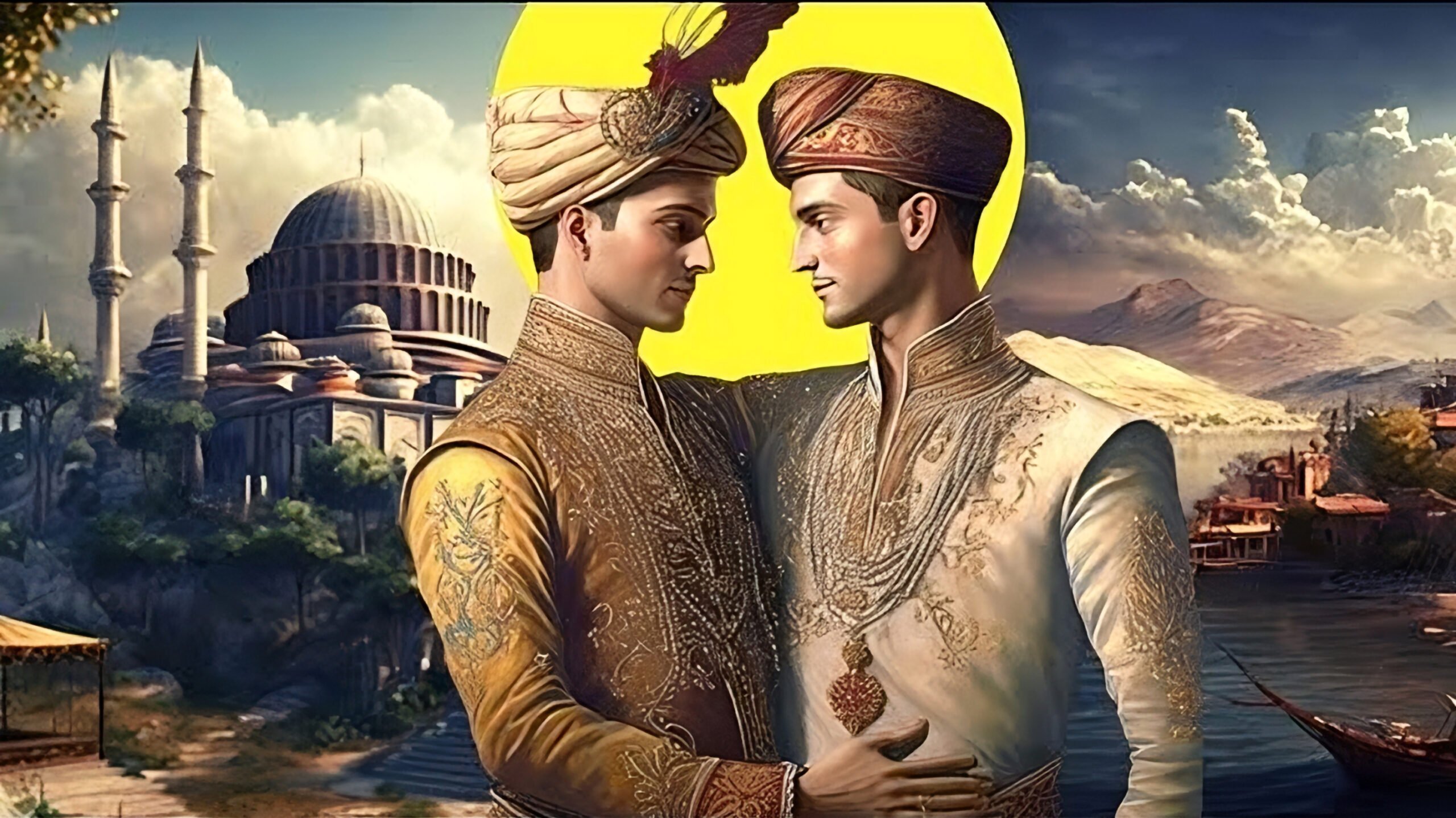
    The narrative of LGBTQ+ rights often paints a picture of a relentless march towards progress, with the West at the forefront. However, history holds a more nuanced truth, particularly when examining the Ottoman Empire. In the 18th century, the empire stood as a surprising outlier, having decriminalized homosexuality. This period of tolerance, however, was tragically cut short due to mounting pressure from Western powers, particularly France and the UK, fueling homophobia in the Ottoman Empire.

    A Society of Relative Acceptance

    Ottoman society, though not entirely devoid of prejudice, exhibited a remarkable degree of tolerance towards homosexuality compared to its European counterparts. Same-sex relationships were not explicitly outlawed, and certain social circles even embraced expressions of same-sex desire. This acceptance stemmed from a confluence of factors. First, Islamic jurisprudence, while outlining specific punishments for certain sexual acts, did not explicitly criminalize homosexuality itself. Second, the concept of privacy within the Ottoman household limited state intervention in personal matters. Finally, the Ottomans incorporated elements of Byzantine and Roman legal traditions, which, while not condoning homosexuality, did not treat it as a capital offense.

    The Rise of the “Other”

    This relative tolerance began to erode in the 18th century with increased interaction between the Ottomans and Western Europe. According to Dr. Michael Erdman, the Head of Middle Eastern and Central Asian Collections at the British Library, France and Britain, amidst growing colonial ambitions, viewed the Ottoman Empire with a mixture of fascination and disdain. They were captivated by the Ottomans’ cultural richness but also repelled by aspects that deviated from their own rigid social norms. Homosexuality, a subject of intense social stigma and legal persecution in Europe, became a particular point of contention.

    The Weaponization of Morality

    France and Britain, seeking to exert influence over the Ottomans, weaponized their own moral codes. They painted the Ottomans’ tolerance as a sign of societal decay and degeneracy. Diplomatic channels buzzed with pronouncements about the “unnatural practices” flourishing in the East. Travelogues penned by European visitors brimmed with exaggerated accounts of Ottoman vice, often focusing on homosexuality. These narratives served a dual purpose: demonizing the Ottomans and presenting Western Europe, particularly France and Britain, as bastions of morality.

    The Corrosive Effect

    The relentless pressure from Western powers had a corrosive effect on Ottoman society. While the empire initially resisted these external pressures, cracks began to appear. The intellectual elite, increasingly exposed to European ideas, began to internalize Western homophobia. Ottoman legal scholars, wrestling with the legitimacy of their own traditions in the face of sustained European critique, started to reinterpret Islamic law in a more restrictive manner. This shift, however, was not uniform. Popular attitudes towards homosexuality remained more nuanced, with pockets of tolerance persisting.

    A Legacy of Intolerance

    The late 19th century witnessed a dramatic shift. The Ottoman Empire, weakened by internal strife and external pressures, bowed to Western influence. Homosexuality was criminalized in the late 18th or early 19th century, mirroring the legal codes of France and Britain. This decision not only reflected a shift in legal interpretation but also served as a symbolic gesture of appeasement towards the West. The legacy of this decision continues to resonate today. Turkey, the successor state to the Ottoman Empire, has yet to fully decriminalize homosexuality, and societal attitudes remain marked by a strain of homophobia introduced from abroad.

    Unveiling the Hypocrisy

    The pressure exerted by France and Britain exposes a fundamental hypocrisy. French and Brits, while often directly or indirectly associating Islam with homophobia, France and Britain themselves were rife with prejudice and persecution. The public shaming and legal punishments meted out to those suspected of same-sex relations in Europe and its colonies stand in stark contrast to the relative tolerance exhibited by the Ottomans.

    The Takeaway

    The story of the Ottoman Empire challenges the simplistic narrative of Western progress on LGBTQ+ rights. It compels us to acknowledge the complex interplay of cultures and the weaponization of morality for geopolitical gain. Re-examining this history allows us to move beyond self-congratulatory narratives and fosters a more nuanced understanding of the ongoing struggle for LGBTQ+ rights globally. It is a call to recognize the progress made but also a reminder of the vigilance required to prevent the erosion of hard-won freedoms, both within and beyond our borders.

    Further Reading

  • Understanding Bible Contextualism vs Literalism

    Understanding Bible Contextualism vs Literalism


    When it comes to interpreting the Bible, two prominent approaches often come into play: Bible contextualism vs literalism. These methods shape how believers understand and apply the teachings found within the sacred text.

    Literalism: Taking the Words at Face Value

    Literalism in biblical interpretation emphasizes taking the words of the Bible at their apparent face value. Adherents of literalism believe that the text should be understood exactly as it is written, without allegorical or metaphorical interpretations. For instance, a literal reading of the creation story in Genesis would mean accepting a six-day creation period as a chronological sequence of 24-hour days.

    This approach often appeals to those who seek clear and unambiguous guidance from the Bible. It’s seen as a way to uphold the authority of scripture by adhering strictly to what is written. However, critics argue that literalism can oversimplify complex theological concepts and overlook the cultural and historical contexts in which the texts were originally written.

    Bible Contextualism: Understanding the Larger Picture

    Contextualism, on the other hand, emphasizes understanding the Bible within its broader cultural, historical, and literary context. This approach acknowledges that the Bible was written in specific times and places, using various literary genres and cultural idioms that may not directly translate to modern understanding.

    Advocates of contextualism argue that this method allows for a deeper and more nuanced understanding of the Bible’s teachings. It encourages exploration of the cultural norms, linguistic nuances, and historical events that shaped the biblical authors’ messages. For example, contextualism might involve studying ancient Hebrew or Greek to grasp the original meanings of words and phrases used in the scriptures.

    However, critics of contextualism caution that it can sometimes lead to interpretations that dilute or stray from the text’s intended message. By focusing too much on context, there is a risk of minimizing the Bible’s authority and universal truths.

    Navigating Between Bible Literalism vs Contextualism

    In practice, many scholars and believers navigate a middle ground between literalism and contextualism. They recognize the importance of taking the Bible seriously as a historical and theological document while also understanding the need to interpret its teachings in light of their cultural and historical contexts.

    For instance, understanding Jesus’ parables often requires knowing the cultural norms and societal structures of ancient Palestine. Likewise, interpreting the ethical teachings of the Bible may involve applying timeless principles to contemporary issues while respecting the original intent of the scriptures.

    Conclusion

    In conclusion, while both literalism and contextualism offer valuable insights into the interpretation of the Bible, neither approach alone can fully capture its richness and complexity. The interplay between these methods allows believers to engage deeply with the scriptures, seeking both the literal meaning of the text and its broader implications for faith and life.

    By understanding and appreciating these interpretive approaches, individuals can cultivate a more informed and thoughtful relationship with the Bible, enriching their spiritual journey and engagement with their faith community.


    This informal essay aims to provide a basic understanding of Bible contextualism and literalism, highlighting their key principles and how they influence interpretations of scripture.

  • Beyond Left and Right: Redefining the Boundaries of Political Discourse

    Beyond Left and Right: Redefining the Boundaries of Political Discourse

    In today’s polarized world, discussions about politics often seem to simplify complex issues into convenient binaries — left versus right. Recently, I came across an article that epitomizes this tendency, and it struck a chord with me not only for its reductionism but also for its sweeping generalizations.

    Oversimplifying Political Discourse

    The article categorizes people into two camps — left and right — and proceeds to draw broad strokes that paint each group with a singular brush. This reductionist approach, while seemingly convenient for making arguments, oversimplifies the rich tapestry of political beliefs and ignores the diversity of thought within each ideological spectrum. It reduces nuanced policy debates and complex societal issues to easily digestible soundbites, neglecting the realities that shape political ideologies in different contexts.

    The inherent danger of such oversimplification is that it breeds misunderstanding and perpetuates harmful stereotypes. By painting entire groups with a broad brush, we risk overlooking the critical distinctions that exist within each ideology — distinctions that can lead to meaningful dialogue and collaboration. Moreover, reducing complex political philosophies to binary labels hinders our ability to engage with the nuances and trade-offs that often characterize real-world policymaking.

    Targeting Based on Political Alignment

    What particularly caught my attention was the article’s implicit targeting based solely on political alignment rather than on policies or principles. By focusing narrowly on political labels, the article overlooks the complexities of individual beliefs and risks alienating those who might not neatly fit into these predefined categories. This emphasis on divisive labels over substantive discussions about policies and ideas hinders constructive dialogue and deepens polarization.

    Furthermore, such an approach can inadvertently perpetuate the very divisions it seeks to critique. When we essentialize individuals based on their perceived political affiliations, we create an us-versus-them mentality that undermines our ability to find common ground and work towards shared goals. In a healthy democracy, we should strive to engage with each other’s ideas and perspectives, rather than dismissing them based on preconceived notions tied to arbitrary labels.

    The Pitfalls of Global Comparisons

    Furthermore, the article’s comparison between UK conservatives and their US counterparts struck me as particularly problematic. As someone who follows global politics closely, I find it essential to acknowledge the nuances and distinctions between different political landscapes. Equating UK conservatives with US conservatives oversimplifies and does a disservice to the complexity of each country’s political dynamics.

    Political ideologies are shaped by a myriad of factors, including historical contexts, cultural norms, and socioeconomic realities. To equate conservative movements across different nations is to ignore the unique challenges, priorities, and values that have shaped their respective political discourses. Such comparisons risk perpetuating stereotypes and misunderstandings, rather than fostering a deeper appreciation for the complexities at play.

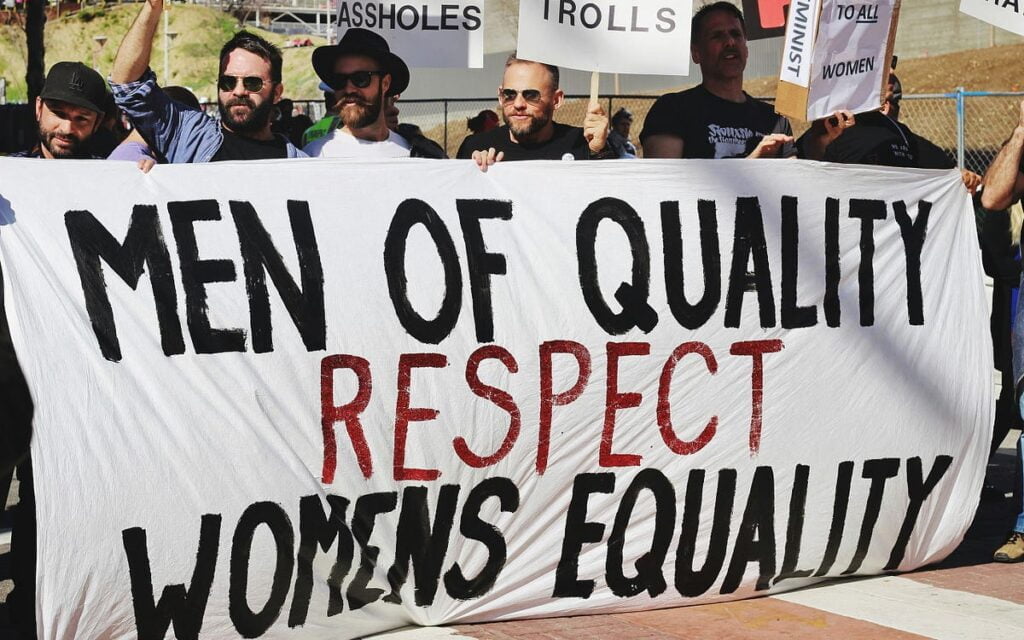
    political discourse nuances
    Photo by Samantha Sophia on Unsplash

    Nuances in UK Conservative Identity

    Take, for instance, the UK Conservative Party. Under their governance, landmark legislation like the Marriage (Same Sex Couples) Act 2013 was passed — a significant step forward for equality. The UK has also seen three female Prime Ministers from the conservative party, and currently, the Prime Minister represents a diverse background, reflecting a broader acceptance within the party of different perspectives and experiences.

    These developments challenge the notion of a monolithic conservative ideology and highlight the importance of acknowledging the nuances within political movements. While some may disagree with specific policies or positions, the ability to evolve and adapt to changing societal norms is a hallmark of a dynamic political system.

    Contrasting Ideological Landscapes

    While I may not align entirely with UK conservative policies, I recognize that their stance on many issues reflects a commitment to evolving societal norms and upholding fundamental Western values of the 21st century. This stands in contrast to the ideological battles often associated with US conservatism, which can diverge significantly from these principles and contemporary norms, particularly on social issues and the role of government.

    These contrasting ideological landscapes serve as a reminder that political labels can often obscure more than they reveal. To truly understand the complexities of political thought, we must be willing to explore the nuances and contextualize each movement within its unique historical and cultural framework.

    Embracing Nuanced Discussions

    To lump all conservatives together under a singular global umbrella oversimplifies the rich tapestry of conservative thought and fails to acknowledge the contextual differences that shape political ideologies. It’s crucial to engage in nuanced discussions that consider regional contexts, historical backgrounds, and the evolving nature of political beliefs. Understanding these nuances allows for a more informed and respectful dialogue, fostering mutual understanding and cooperation even amidst differing viewpoints.

    Moreover, embracing nuance in political discourse encourages us to move beyond simplistic labels and engage with the substance of ideas and policies. Rather than dismissing or vilifying those with differing views, we can strive to understand the underlying motivations, concerns, and priorities that shape their perspectives. This approach not only enriches our understanding but also creates opportunities for finding common ground and building consensus on pressing issues.

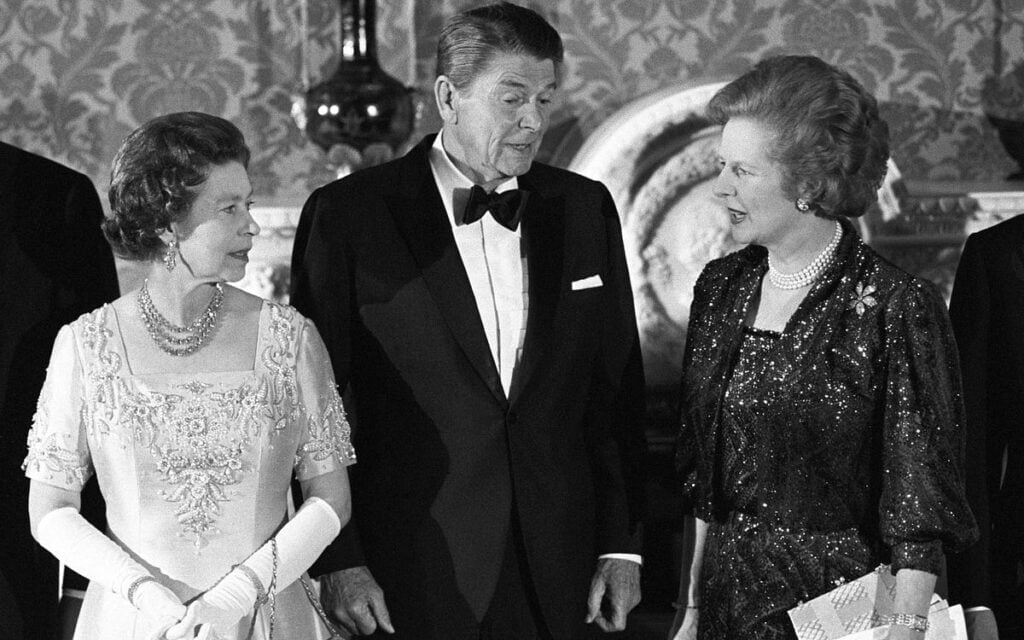
    political discourse nuances
    Margaret Thatcher became the first female Leader of the Opposition in 1975 and, subsequently, the first female Prime Minister of the UK in 1979.

    Moving Beyond Dichotomies

    As I reflect on these issues, I’m reminded of the importance of avoiding simplistic labels and embracing the complexities that define our political landscape. By moving beyond the limiting dichotomy of left versus right, we open ourselves to a more nuanced understanding of political ideologies and their impacts on society. This approach not only enriches our discourse but also encourages broader perspectives and constructive engagement.

    Instead of perpetuating divisions, we should strive to foster a culture of respectful dialogue where diverse viewpoints can be explored and debated in a constructive manner. By acknowledging the nuances and complexities that exist within and across political ideologies, we can move beyond polarization and work towards solutions that address the real concerns and priorities of our communities.

    The Takeaway

    In essence, we must challenge ourselves to move beyond oversimplified political labels and embrace a more nuanced approach to political discourse. By appreciating the complexities and differences that shape our worldviews, we can foster a more inclusive and respectful dialogue. What are your thoughts on navigating political discussions in an increasingly polarized world? I invite you to share your perspectives and experiences in the comments below, as we continue to explore these important issues together.

  • Why Racism Is a Common Social Disease

    Why Racism Is a Common Social Disease

    We like to think that in the modern, enlightened world, racism should be a thing of the past. After the horrors of the Holocaust, the success of the Civil Rights movement, and worldwide efforts to promote equality and human rights, overt racism has rightly become socially and legally unacceptable in most societies. But the sad reality is that racism continues to be one of the most pervasive and insidious social diseases afflicting people around the globe.

    From violence, discrimination and institutional barriers faced by ethnic minorities in Western nations, to ethnic cleansing in the Balkans and genocide of the Rohingya people in Myanmar, racism proves to be a disease that is incredibly difficult to eradicate fully. It adapts and resurfaces in new forms over different eras and geographies. Like a coronavirus, just when we think we’ve overcome one virulent racist strain, another mutation emerges.

    A Virus of the Mind

    No matter where you look in the world, you’ll find examples of people being judged, treated differently, denied opportunities, or subjected to prejudice, hate speech, and even violence based solely on the color of their skin or their ethnic background. This loathsome affliction persists by digging its roots deep into the soil of human psychology, fear, ignorance, and tribalism.

    At its core, racism stems from the erroneous, unscientific notion that race is a biological reality determining a person’s character, abilities, behavior or worth as a human being. It defies logic and contradicts moral and ethical principles of justice, equality and human rights. And yet, overt and subtle racist attitudes continue to be passed down from generation to generation like a mutating virus, adapting to cultural shifts but remaining an underlying condition.

    Tribalism and In-Group Bias

    Part of what allows racism to keep spreading is our natural tendency toward in-group favoritism rooted in our evolutionary psychology. From an evolutionary standpoint, humans evolved to form tight-knit tribes and communities in order to protect scarce resources and survive threats. We’re hardwired to unconsciously categorize people into “us vs. them” and view outsiders with suspicion, mistrust, or even fear. Our brains reinforced this us/them mentality as an adaptation to preserve our gene pool.

    While this evolutionary hangover made sense when humans lived in small clans, it’s now a dangerous liability in our globalized world. Overcoming these innate psychological leanings and biases takes active, conscious effort through cross-cultural education and immersion. It requires being exposed to people from other backgrounds and cultures at an early age. It means recognizing our common humanity beneath superficial differences. Unfortunately, in many segregated parts of the world, racial divides persist and racist stereotypes and misconceptions fester unchallenged.

    Scapegoating and Insecurity

    Even worse, racism often gets turbocharged and weaponized during times of economic insecurity, societal upheaval or scarcity of resources. Demagogues throughout history have found that one of the easiest ways to redirect anger, fear and insecurity is to scapegoat vulnerable minority out-groups as a simplistic solution to complex societal problems. All too often, embattled majorities have lashed out at ethnic or religious groups, viewing them as a threat to their supremacy or way of life.

    We saw this during the Great Depression with racist rhetoric toward Jewish people, Hispanics and other minorities get amplified. Today, we see the same dehumanizing rhetoric toward immigrants, Muslims and other groups surge alongside economic turmoil, changing demographics, and political upheaval. In both cases, the “other” gets painted as the root cause exploiting societal grievances, rather than addressing systemic drivers of inequality and hardship.

    Fear of the “Other”

    At the same time, racism and xenophobia also exploit the human psychological condition of discomfort with change, unfamiliarity and anything that deviates from the known norm. Diversity can be unsettling on a primal level for many people. Our instincts raise red flags about foreign cultures, different physical appearances, or unfamiliar customs. This fear of the “other” is a survival mechanism hardwired into our brains from our evolutionary past.

    Overcoming those gut reactions requires open-mindedness, reason, and empathy – qualities that unfortunately aren’t always in ample supply when people feel economically or culturally threatened. Without conscious effort to expand our perspectives, racist attitudes can take root from that seedbed of ignorance and fear of anything unfamiliar.

    Evolving Forms

    Even in our modern age of intensifying globalization, diversity, and information sharing, racist attitudes and prejudices find ways to seep into new environments and mutate into more socially acceptable forms. While government policies, human rights advocacy and social conditioning have largely eradicated overt, bulletproof racism, the poison adapts to evade detection and rejection. It becomes more insidious, coded and harder to pinpoint.

    Today, rather than blatant segregation or cross burnings, we face resurgent ethnic nationalisms, mainstreaming of hate speech under free speech protections, coded racist rhetoric from political leaders targeting minorities or immigration, and daily microaggressions manifesting from persisting unconscious biases. The work of eradicating racism in its modern, morphed forms is as insidious as any medieval pandemic.

    The Treatment Plan

    So how do we fight such a widespread, persistent social disease that keeps adapting and proving so resistant to our eradication efforts? Curing the racism pandemic requires a sustained, multi-pronged effort to vaccinate societies with education, cross-cultural exchange and immersion from an early age, expanded economic opportunity, and equal enforcement of legal/political protections regardless of race.

    It requires being vigilant in calling out racist behaviors, rhetoric and any attempts to normalize discrimination – no matter how subtle or coded. It means taking aggressive steps to dismantle discriminatory systems and racial disparities across policing, housing, employment, lending, and other facets of society. It means promoting positive narratives and media representation that celebrate our diversity while humanizing all races and ethnicities.

    Most importantly, it takes each of us looking inward to recognize our own potential biases – both conscious and unconscious – and consciously reprogramming our ingrained psychological impulses to sort people into “us vs. them.” We must learn to truly celebrate our diversity as a source of societal strength, while recognizing our common humanity unites us. It’s an incredibly difficult task, as these racist attitudes have persisted across millennia, but the antidote starts with open and curious hearts and minds.

  • Is Reality Real?

    Is Reality Real?

    The question of whether our reality is real has intrigued philosophers, scientists, and thinkers for centuries. Join us in exploring this profound question from a non-religious perspective, particularly addressing the skepticism of those who seek certainties grounded in scientific evidence. This inquiry inevitably leads us to consider the nature of consciousness, the possibility of simulated realities, and the implications of such ideas on our understanding of existence.

    The Quest for Certainties in a Scientific World

    In today’s secular and scientifically driven society, many individuals reject the notion of gods or any metaphysical entities. They demand empirical evidence for any claims, often viewing anything beyond the scope of current scientific understanding as implausible or heretical. This mindset reflects a hunger for a world that aligns with Newtonian consciousness, where everything can be explained through observable and measurable phenomena.

    However, to truly grapple with the question of reality, we must delve deeper into the nature of consciousness and the potential limitations of human knowledge and technological advancements. One significant aspect to consider is whether humans can ever simulate consciousness, a question that lies at the heart of the simulation argument.

    The Simulation Argument

    In 2003, philosopher Nick Bostrom proposed a trilemma known as the “simulation argument.” This argument suggests that one of three unlikely-seeming propositions must be true:

    1. The fraction of human-level civilizations that reach a posthuman stage (capable of running high-fidelity ancestor simulations) is very close to zero.
    2. The fraction of posthuman civilizations that are interested in running simulations of their evolutionary history, or variations thereof, is very close to zero.
    3. The fraction of all people with our kind of experiences that are living in a simulation is very close to one.

    Bostrom’s argument does not assert that we are living in a simulation, but it highlights the logical possibility and raises intriguing questions about the nature of our reality.

    Technological Advancements and the Nature of Reality

    In the two decades since Bostrom’s proposal, we have witnessed remarkable advancements in virtual reality (VR) and artificial intelligence (AI). Virtual reality is becoming increasingly sophisticated, offering immersive experiences that blur the line between the real and the artificial. Yet, current VR technology primarily manipulates vision, and we have yet to fully integrate virtual smell, touch, and hearing.

    The advancements in AI also suggest a future where creating high-fidelity simulations of consciousness could become feasible. Given the progress made in less than five centuries since Nicolaus Copernicus, it is difficult to assert with certainty that humans will never succeed in simulating consciousness. Our technological trajectory indicates that what seems impossible today may become achievable in the future.

    Manipulating Human Perception

    Our understanding of reality is heavily influenced by our sensory perceptions. The brain constructs our experience of the world based on input from our senses. This notion is supported by various phenomena that demonstrate how easily our senses can be manipulated. For instance, the use of mirrors to alleviate phantom limb pain, the creation of 3D images on 2D surfaces, and the perception of continuous motion from discrete frames in movies all illustrate the brain’s capacity to interpret and create a coherent sense of reality from limited or altered information.

    Furthermore, experiments with substances like mercury and dry water, which create the sensation of wetness without actual water, reinforce the idea that our sensory experiences can be simulated or altered. If our senses can be so easily deceived, is it really improbable that a future civilization could create a simulation indistinguishable from reality?

    Is reality real?
    Photo by julien Tromeur on Unsplash

    The Probability of Simulated Realities

    If we accept that it is not impossible to simulate human consciousness and that a posthuman civilization might have both the capability and the desire to run such simulations, we must confront the possibility that our reality might be a simulation. The sheer scale of technological advancements and the ongoing exploration of AI and VR suggest that simulating human experiences could eventually be within our reach.

    This line of reasoning brings us back to Bostrom’s trilemma. If posthuman civilizations can create simulations and have a reason to do so, then the likelihood that we are currently living in a simulation increases. Is this scenario really far-fetched? Isn’t this a logical extension of our current understanding of technology and consciousness?

    Implications and Reflections

    Contemplating the possibility that our reality might not be real has profound implications for our understanding of existence, identity, and the nature of the universe. It challenges our perception of what is possible and urges us to reconsider the boundaries of human knowledge and capability.

    Moreover, this inquiry does not diminish the importance of scientific exploration and empirical evidence. Instead, it expands our perspective, encouraging us to remain open to new possibilities and to question the limitations of our current understanding.

    In a Nutshell

    The question of whether our reality is real is a complex and deeply philosophical one. It forces us to confront the nature of consciousness, the potential for technological advancements, and the limitations of human knowledge. While current evidence does not provide definitive answers, the exploration of these ideas enriches our understanding of the world and our place within it.

    As we continue to advance technologically, the lines between reality and simulation may blur even further, compelling us to remain curious, skeptical, and open-minded. In the quest for certainty, it is essential to acknowledge the vast unknown and embrace the possibility that reality, as we perceive it, may be far more complex and enigmatic than we can currently comprehend.

  • Evolutionary Psychology Behind Supporting Trumps

    Evolutionary Psychology Behind Supporting Trumps

    It’s been a tumultuous political season, as is often the case in the thick of election years. But something that has really struck me, and I imagine I am not alone this time around, is how fervently some people continue to support their favored candidates and political figures, even after those leaders have done or said things that seem to violate the supporters’ own moral values. On both sides of the aisle, ardent voters make impassioned defenses and complex justifications for the controversial words and deeds of their political heroes. Standard bearers get away with ethical breaches and misdeeds that would be radioactive for most regular citizens. Why is this the case? The Evolutionary Psychology of Tribalism may offer some insight.

    The Evolution of Tribalism

    Throughout the ancestral environment in which our species evolved, humans lived in relatively small tribes or bands of around 100-200 individuals. Being part of a tightly cooperating in-group was essential for survival against hostile outsiders, predators, and the harsh environments our ancestors inhabited.

    Those who were able to form stronger coalitions and display unshakable solidarity and loyalty within their bands had a major evolutionary advantage. Favoring one’s in-group – even when some members enacted transgressions – helped ensure the cohesion of the entire tribe against threatening out-groups.

    This deeply ingrained psychology of forming insular, favored groups and showing biased loyalty toward them likely underpins much of our modern political behavior and affiliation. Politicians skillfully craft narratives to reinforce an “us vs them” mentality and portray themselves as the champion of a favored in-group.

    The Halo Effect and Moral Credentialing

    Even once a politician has secured a loyal base of supporters, there are other evolved psychological biases that may help them maintain allegiance despite moral failings. The “halo effect” refers to how we tend to assume an array of positive traits in someone based on a few perceived positives. Similarly, the tendency for “moral credentialing” means we grant “moral passes” to those who have preemptively demonstrated their values alignment with us.

    In other words, because a particular politician has established themselves as “one of us” and signaled shared values in some areas, we extend them inflated “halos” of character and implicitly excuse transgressions that we might crucify others over. As long as they hit enough of our moral credentialing checkboxes, we show a strong status quo bias toward favoring them.

    Authority, Dominance, and Deference

    Many evolutionary psychologists argue that humans developed domain-specific psychologies for evaluating and deferring to authority figures and dominant leaders. Those who were able to identify and fall in line behind skilled, decisive leaders had better chances of survival.

    While these instincts may have been adaptive in our ancestral small-scale social groups, they can become overzealously applied to modern leadership roles like politicians. Once a political figure has been recognized as an authentic authority worthy of deference, the human tendency is to be strongly biased toward believing in them and justifying their actions – even unethical ones that should logically disqualify them.

    We evolved to respect displays of competence, confidence, strength, and dominance. Skilled politicians have learned to broadcast precisely those signals. The evolved human psyche may then struggle to override our automatic deference response, no matter how immoral the leader’s actions become.

    The Need for Identity and Belonging

    Finally, the human needs for identity fusion, belonging, and shared meaning are extremely powerful drivers of our thoughts and behaviors. We are a profoundly socially inspired species that depends on being part of Define groups and belief systems.

    When someone like a political leader becomes a key part of an individual’s sense of identity and values, it creates a mode of psychological ownership. To turn against that leader would be to turn against a piece of oneself. Psychologically, resisting affiliation to that person creates deeply unpleasant cognitive dissonance and alienation.

    Politicians know this and actively foster identity mergers and tribalism among their supporters. By convincing people that supporting them is tantamount to living out one’s core values and worldview, they make dissent incredibly difficult. Any scandal or immoral behavior must either be justified or ignored to protect one’s entire sense of identity.

    The Road Ahead

    While these psychological forces are potent, they don’t make us automatons. Humans also have remarkable capacities for self-awareness, ethical reasoning, and overriding more primitive biases. But doing so requires recognizing the deep evolutionary roots that incline us toward blind allegiance despite moral transgressions.

    By better understanding these influences, we can strive to hold our leaders to consistent standards – judging them as individuals rather than extensions of our in-groups. We are the only political constituency to which we owe unwavering loyalty. All other allegiances must be rationally reassessed based on observed behavior, not the distorting lenses of our tribal psychologies.

    Further Reading: Evolutionary Psychology of Tribalism

    The Evolutionary Approach to Political Psychology

    Evolutionary Political Psychology – Aarhus Universitet

    Evolutionary Political Psychology: On the Origin and Structure

    Psychological barriers to evolutionary psychology: Ideological bias and coalitional adaptations

  • Unveiling the Missing Links

    Unveiling the Missing Links

    A common misconception about evolution is that it must proceed in discrete leaps, with one species abruptly “evolving into” another. This perspective stems from a flawed interpretation of evolutionary theory and the concept of “missing links.” In reality, evolution is an exquisitely gradual process, with one species slowly and incrementally transitioning into a new form over immense timescales. The fossil record doesn’t show clean breaks, but rather a continuous tapestry of incremental change between ancestral and descendent organisms.

    Any fossil that represents an intermediate form along this continuum could be considered a “missing link” — connecting the evolutionary threads between what came before and what came after. Far from being mere gaps to be filled, these transitional fossils provide invaluable evidence illuminating the pathways of evolutionary transformations. Even more compelling are the living organisms today that appear to be caught in the midst of a major transition, offering a breathtaking glimpse into the dynamic processes that so slowly reforge one species into another over eons.

    From Sea to Land: Hand-Fish Blazing the Trail

    Perhaps the most famous example of this is the terrestrial fish of the family Cyclopteridae, including the Hawaiian and Ecuadorian handfish. Using their reformed pectoral fins as limbs, these fish can spend considerable time out of the water, “walking” across land and even scaling rocky outcrops. Their labored forays onto dry terra firma may seem comical, but they represent an almost unfathomable evolutionary transition in action: the inching shift from a fully ocean-going mode of life to an amphibious existence straddling both marine and terrestrial realms.

    In these plucky handfish, we witness a potential early stage of a grand evolutionary transition that first occurred over 360 million years ago, when hardy fin-bearers first dragged themselves out of primordial seas to bask and perhaps forage on the uncharted shores. These unlikely colonists would give rise to the first tetrapods — four-limbed vertebrates that traded their fins for more robust legs and feet. All terrestrial vertebrates (including humans) arose from these ancient amphibious voyagers that metamorphosed from free-swimming fish into sturdy land explorers.

    Avian Mariners: Penguins Evolving Aquatic Mastery

    While the unpresuming hand fish may seem an extreme example, they highlight how major evolutionary shifts likely arise not in abrupt leaps but in a gradual and incremental coin-flipping back and forth — with some individuals in a population tentatively exploiting new ecological niches and opportunities while others remain committed to the ancestral state. Over time, this coin-flipping ultimately becomes irreversibly biased in one direction as environmental pressures lock in the genetic and morphological path forward.

    This principle is echoed throughout the living world today in creatures that appear suspended between the last vestiges of their ancestral form and the first inklings of a radically divergent future embodiment. Their existence provides insightful, real-time snapshots of the ever-unfolding drama of evolutionary transitions.

    Among birds, few lineages seem as evolutionarily unresolved as the penguins. The specialized marine adaptations of these “almost-fish” creatures are self-evident — their streamlined bodies, flipper-like wings, counter-shaded coloration, and other ocean-going specializations clearly echo their ancestral life as warm-blooded marine hunters. And yet, penguins remain steadfastly bipedal on land, still traveling about on their ancestral pair of avian limbs in the classically upright “dinosaur” posture of their long-extinct theropod dinosaur forebears.

    In the penguins, we glimpse an order of birds caught midway through the transition from aerial existence to marine, their antique adaptations for flight repurposed to aid an unexpectedly aquatic life — one that perhaps someday may fully sever their remaining ties to the land and an airborne legacy.

    Sea Cows and Whales: Drifting Towards an Aquatic Destiny

    The semi-aquatic lifestyles of marine iguanas and sea lions (to name but two examples) similarly capture arboreal and terrestrial vertebrates in the midst of testing the waters towards a more comprehensive oceanic future. Meanwhile, the opposite transition is embodied by amphibious fish and semi-terrestrial invertebrates like terrestrial crabs and certain arachnids — tentatively exploring a foothold in a terrestrial realm from which their ancestors washed ashore millions of years before.

    Among mammals, hippos (with their aquatic rhino-kin) are poster children for this same grand evolutionary theme. These behemoth “river horses” dwell in a semi-aquatic world, relegating their mammalian terrestrial legacy to wading about in bodies of water and grazing in the grassy shallows. Their barrel-shaped bodies, webbed feet, minimized legs, depressed nostrils, and other aquatic specializations have unmistakable analogs in the cetacean lineages (whales and dolphins) — evolutionary cousins that once shared a common amphibious proto-cetacean ancestor before taking the irreversible plunge into a permanent marine existence some 50 million years ago.

    Seeing these semi-aquatic mega-herbivores in repose makes one ponder whether natural selection may someday coax them down a path towards a more comprehensively hydro-dynamic future — perhaps gradually sundering them from their remaining terrestrial ties altogether to become the fully aquatic successors of their marine sirenian relatives, the manatees, and dugongs.

    Human and Chimp: The Ultimate Trans-Species

    There can be few finer bookends for the stunning malleability and transformative power of evolution than a juxtaposition of our own species with our famous evolutionary cousins, the chimpanzees. Looking at side-by-side representations of ourselves and these magnificent apes makes it abundantly clear that we share the unmistakable hallmarks of our recent divergence from a common ancestor only some 6–7 million years in the past.

    And yet, for all our apparent outward similarities, that profound evolutionary gulf becomes equally evident in the highly derived anatomical and cognitive adaptations that have come to utterly remake the human form — from our deftly re-sculpted hands and feet and extraneously reinforced obstetric channels to our massively expanded cranial architecture housing our swollen Brobdingnagian neural engines (our brains being 3–4 times the volume of those cradled in our chimpanzee cousins’ crania).

    In so many ways, a purposeful inspection of ourselves and our nearest shrunken shadows reveals a living trans-species: a chimera, clinging to the tattered remnants of our arboreal forebears, but with the bulk of our anatomical toolkit and neurocognitive constitution already dramatically reconstructed and transmogrified to suit not the arboreally frenetic existence of a forest ape, but the upright peregrinations and cerebrally baroque demands of a truly terrestrial, unshackled life. Little wonder Charles Darwin described us as “quintessential transitional creatures.”

    Into the Singularity: Humans in Metamorphosis?

    Even more radically, some biologists have theorized that humans today may represent a liminal state not just between our ape ancestors and our terrestrial posterity, but perhaps even an intermediate stage in the genesis of a separate lineage altogether: one whose rapidly metamorphic technological inventions and culture may one day definitively eclipse and supersede our purely biological origins and open a profound new chapter on an inconceivable evolutionary scale — an epoch of intelligence unbound, a post-Biological transition whose emergence we may be blinking forward into today.

    The Takeaway

    Whether one ventures to such speculative heights or remains firmly grounded, it is clear that the living world today teems with myriad organisms caught in various stages of transition — striking chords between what came before and what will follow. Far from being gaps or shortcomings, these “missing links” emblematize the breathtaking fluidity and dynamism inherent in the evolutionary process — fractal emanations of Nature’s eternal opus of mutation, transformation, and reinvention.

  • How to Disprove the Evolutionary Theory

    How to Disprove the Evolutionary Theory


    Science thrives on evidence. Theories, the cornerstones of scientific understanding, are built upon a foundation of facts and observations. The more facts that support a theory, the stronger it becomes. In the realm of biology, the theory of evolution reigns supreme, forming the bedrock of our understanding of life on Earth. But what makes it so strong, and how resistant is it to being challenged? Let’s delve into the world of evidence and explore the robustness of the theory of evolution.

    Toppling Titans: Challenging Established Theories

    Imagine a grand, imposing building — a theory so well-established that it seems unshakeable. To refute such a theory, one with a vast amount of supporting evidence requires a multi-pronged attack. Here are the main strategies challengers might employ:

    • Demolishing the Bricks: The first approach involves chipping away at the theory’s foundation — the facts themselves. This means demonstrating that the evidence supporting the theory is flawed or misinterpreted. It’s a tough task, as established theories are built upon a mountain of data.
    • Predicting the Unpredictable: Another strategy involves making predictions based on the theory that demonstrably fail. If the theory’s predictions consistently clash with reality, it throws its validity into question. This is a high-risk approach, as failed predictions can easily expose flaws in the challenger’s understanding rather than the established theory.
    • Building a Better Castle: The final option is to create an entirely new theory that explains all the existing evidence supporting the established theory, while also providing better explanations for newly discovered phenomena. This is the most challenging approach, as it necessitates a comprehensive explanation that surpasses the established theory in every aspect.

    Imperfect Yet Powerful: The Evolutionary Landscape

    The theory of evolution is not a monolithic entity. It acknowledges areas of uncertainty and invites refinement with new evidence. Some aspects are hypotheses, some remain unknown, and some may be revised as new information comes to light. However, the core principles of evolution — descent with modification through natural selection — are incredibly robust.

    Here’s why overthrowing the theory of evolution is highly improbable:

    • The Sheer Volume of Evidence: Mountains of evidence from various disciplines — paleontology, genetics, comparative anatomy — converge to support evolution. To refute it, one would need to explain away this vast body of data simultaneously.
    • Predictive Power: Evolution has made numerous successful predictions, from the existence of transitional fossils to the patterns of antibiotic resistance in bacteria. Consistent success in predicting future observations strengthens the theory considerably.
    • The Challenge of a Better Theory: No current alternative theory can comprehensively explain all the evidence for evolution while also providing a superior explanation for new discoveries. Any challenger must not only explain existing data but also predict future observations with greater accuracy.

    Evolution: A Pillar of Modern Science

    Alongside other robust scientific theories like gravity and plate tectonics, the theory of evolution stands tall. It’s constantly evolving (pun intended) as new discoveries are incorporated, but its core principles remain unshaken. While details might be refined in the future, the fundamental idea of descent with modification through natural selection has been rigorously tested and remains the most comprehensive explanation for the diversity of life on Earth.

    The beauty of science lies in its willingness to adapt and improve. New evidence can lead to revisions within a theory, or even the development of entirely new ones. However, for a theory as established and well-supported as evolution, the bar for replacement is exceptionally high. The challenger must not only explain everything the current theory does, but also offer a more comprehensive and predictive framework.

    Evolution is not just a theory; it’s a unifying principle that underpins our understanding of life. It’s a testament to the power of evidence-based exploration and serves as a springboard for further discoveries in biology. As we continue to explore the natural world, the theory of evolution will undoubtedly be refined and expanded upon, but its core principles will likely remain the cornerstone of biological understanding for generations to come.


    Online Sources