Explore a critical perspective on Christianity, examining its beliefs, practices, and history with a discerning eye. This category delves into theological debates, historical controversies, and the complex interactions between Christianity and society. Investigate issues such as religious conflict, church scandals, interpretations of scripture, and the impact of Christianity on social and cultural dynamics. Uncover various critiques of Christian doctrine, church authority, and religious practices while exploring differing viewpoints within and outside the faith. Gain a nuanced understanding of Christianity through a critical lens, challenging conventional narratives and fostering open dialogue about religion and its role in the modern world.
Evangelical Christians in the United States too often steal the spotlight, particularly when it comes to their political and social views. While many would argue that their beliefs stem from a strong religious conviction, a quick look reveals that this could not be further from the truth.
1. Political Alignment and Partisanship
It is not a secret that American Evangelicals are associated with conservative political views and the Republican Party. However, this political alignment is so pronounced that more often than not it overshadows core Christian values like “love”, “compassion”, and “impartiality”.
The strong political rhetoric from some evangelical leaders appear to be more about advancing a political agenda than about upholding the teachings of Jesus. Their emphasis on political power and influence is so strong that they support divisive rhetoric and policies that clash with Christian principles on caring for the marginalized and loving one’s neighbor.
2. Economic Inequality and Wealth
Another point of contention is the evangelical support not only for the capitalist market but also for a ruthless capitalist society that favors wealth accumulation. It’s not uncommon to hear them hold the poor accountable for their poverty and call them lazy. If anything, all these openly contradict Jesus’ teachings on wealth and poverty. The Bible is clear in its condemnation of the love of money and its call to care for the poor (e.g., Matthew 19:24, 1 Timothy 6:10).
Yet, evangelicals often advocate for economic systems that exacerbate inequality, at odds with the biblical message. The support for policies that favor the wealthy and diminish social safety nets makes one question whether evangelical support for hardcore capitalism aligns with their religious teachings or is driven by ideological preferences.
3. Social Justice and Human Rights
Evangelicals’ opposition to progressive social justice movements is another area of concern. Many evangelical leaders resist movements advocating for racial and gender equality, despite Christian teachings emphasizing justice, mercy, and equality (e.g., Micah 6:8, Galatians 3:28).
This resistance of Evangelicals is inconsistent with the call for social justice and human rights found in the Bible. The fact that evangelical leaders and followers oppose efforts to address systemic inequalities signals that their positions are not rooted in genuine religious belief but in political and cultural ideologies.
4. Taking Care of Earth
It’s not exactly a rarity to hear evangelicals opposing environmental regulations or climate change initiatives, which contradicts the biblical call to be stewards of the Earth (e.g., Genesis 2:15, Psalm 24:1). The support for policies that harm the environment or reject scientific consensus on climate change demonstrates that their positions are not rooted in Christianity but in an ideology that exploits it
5. Approach to Science and Education
The rejection of evolutionary theory and support for creationism among evangelicals conflict with the value of seeking truth and understanding the natural world as part of God’s creation. The Bible endorses wisdom and knowledge (e.g., Proverbs 1:7, 2 Timothy 2:15), but the insistence on a literal interpretation of creationism undermines the pursuit of scientific understanding.
6. Ethical and Moral Conduct
Finally, evangelical positions on issues like immigration and LGBTQ+ rights conflict with Jesus’ teachings on “love”, “acceptance”, and “non-judgment”. For example, advocating for strict immigration policies is obviously contrary to the biblical call to welcome the stranger (e.g., Matthew 25:35, Leviticus 19:34). Similarly, stances against LGBTQ+ rights are inconsistent with the call to love one’s neighbor, not judge.
Before You Go
The scrutiny of evangelical positions on various issues and the apparent contradictions between their political and social views and the teachings of Jesus leave no room for doubt that evangelicals in the US are aligned with an ideology that aims to use Jesus as the driving force.
Which of these truths do you find most concerning? Let me know in the comments!
The Apostle Paul, argueably the father of Christianity as a religion, laid the foundation for much of Christian theology through his letters. However, some of Paul’s teachings were ripe for exploitation over the centuries, leading to interpretations and practices that diverged from his likely original intent.
Paul’s writing techniques were particularly susceptible to distortion due to their inherent ambiguity, use of metaphors, and context-specific advice that could be generalized or misapplied. His complex theological discussions, especially the tension between law and grace, allowed for selective emphasis, where readers could cherry-pick passages to support their own agendas. The authoritative tone Paul used lent itself to being wielded as a tool for control, while his occasional contradictions and focus on eschatology made it easier for later interpreters to manipulate his teachings for various ends, often distorting his original intent.
Justification by Faith
Paul’s teaching that believers are justified by faith alone, without the need for works, was central to his message. However, during the Protestant Reformation and in subsequent periods, this doctrine was sometimes used to argue that moral or ethical behavior was secondary or even unnecessary for salvation, leading to the development of “antinomianism,” the belief that Christians are not bound by moral law, which was far from what Paul originally envisioned.
Submission to Authorities
In his letter to the Romans, Paul instructed Christians to “submit to governing authorities” because they are established by God. This teaching has been exploited by various regimes throughout history to justify absolute obedience to tyrannical or unjust rulers. From European monarchies to Nazi Germany, this passage was used to suppress dissent and maintain oppressive power structures.
The Role of Women
Paul’s instructions regarding women’s roles in the church, such as women being silent in church and not having authority over men, have been historically exploited to justify the exclusion of women from leadership roles. These teachings were used to reinforce patriarchal structures within Christianity, often ignoring the more egalitarian aspects of Paul’s ministry, where he acknowledged and worked alongside female leaders.
Slavery
Paul’s letters contain instructions for slaves to obey their masters, which were later exploited to justify the institution of slavery, particularly in the American South. These passages were used to uphold slavery as a God-ordained practice, despite the broader Christian message of love, equality, and freedom.
Sexual Ethics
Paul’s teachings on sexual ethics, including his condemnation of same-sex relations, have been exploited to justify persecution, discrimination, and violence against LGBTQ+ individuals. These passages have been used to marginalize and oppress, rather than to encourage a inclusive and loving community that Paul envisioned.
Original Sin
Paul’s teaching on the fall of humanity and the concept of original sin was later developed by theologians like Augustine into a doctrine that became a cornerstone of Western Christian theology. This doctrine has been exploited to justify harsh practices such as infant baptism for the remission of sins and has been used to instill fear and guilt in believers, rather than the grace-filled message Paul intended.
Eschatology and the End Times
Paul’s teachings on the return of Christ and the end times have been exploited by various groups throughout history to predict the end of the world. These predictions have sometimes led to extreme behaviors, including withdrawal from society, financial exploitation, and even mass suicides, which are far removed from Paul’s original encouragement for believers to live in hope and readiness.
Unity and Division
Paul’s emphasis on unity within the Christian community meant to bring believers together. However, this teaching has sometimes been exploited to suppress dissent and enforce uniformity, leading to the marginalization of differing viewpoints within the church. The misuse of Paul’s call for unity has often killed healthy debate and diversity within the Christian community.
The story of Abraham and Isaac is one of the most famous and challenging narratives in religious history. It is often discussed in various faith traditions but raises important questions about faith, obedience, and morality.
The Story in Brief
Abraham is a central figure in Judaism, Christianity, and Islam. According to the story, Abraham and his wife Sarah were very old when they had their son Isaac. Isaac was a special gift because, in their old age, having a child seemed almost impossible.
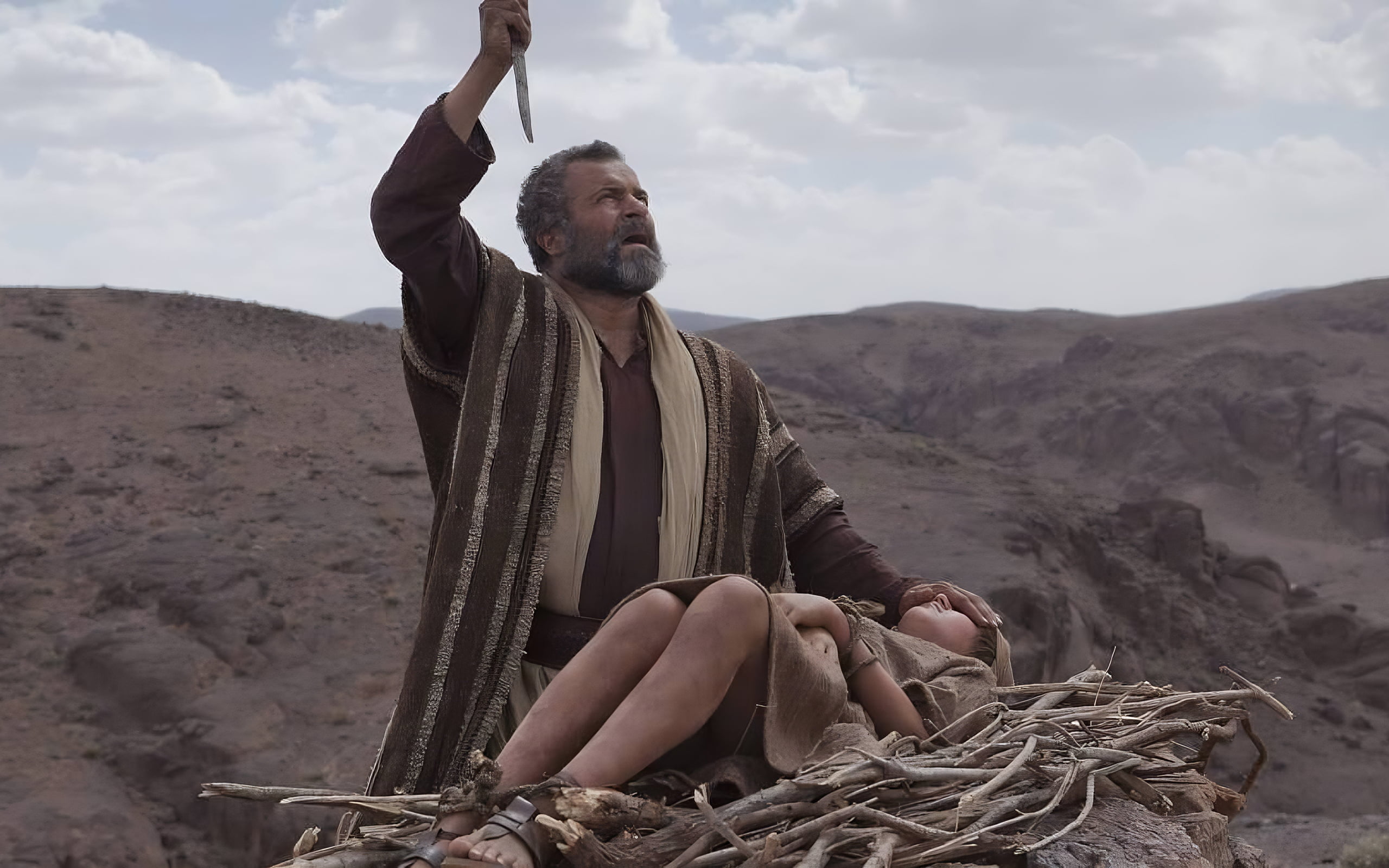
One day, God tested Abraham’s faith. God asked Abraham to murder his beloved son Isaac on Mount Moriah as a burnt offering, which came as a shocking command to Abraham. Killing a child was a difficult, troubling command. Naturally, Abraham was torn between his love for Isaac and his duty to obey God.
Despite his distress, Abraham decided to follow God’s command and prepare to offer Isaac as a burnt offering. Just as he was about to carry out the murder, an angel of the Lord stopped him and told Abraham not to harm Isaac. Instead, a ram caught in a nearby thicket was provided for the sacrifice.
The Role of Conscience and Morality
One of the most troubling aspects of this story is the idea that Abraham’s obedience was tested through an immoral command. It raises the question of whether people should always follow authority figures, even when asked to do something that seems deeply wrong.
Abraham’s story could be interpreted as suggesting that faith involves unquestioning obedience, even if it means doing something that goes against basic moral principles. This raises a critical issue: if a higher power or authority commands something immoral, should one follow that command?
Many people believe that God or any higher authority has given humans the gift of conscience and moral reasoning, meaning that we have an internal sense of right and wrong that helps guide our actions. From this perspective, the story might be seen as problematic because it seems to prioritize obedience over ethical considerations.
A Dangerous Story
He was willing to sacrifice his son because he believed it was what God wanted. However, this story is troubling because it involves following a command to commit an immoral act: killing an innocent person.
If Abraham had refused to sacrifice Isaac and instead listened to his moral conscience, the story might have been different. In our ethics, deliberately causing harm to an innocent person is considered wrong, regardless of who gives the command.
Moreover, Abraham chose the easier path. He knew God was all-powerful and could punish him severely if he didn’t obey. A truly heroic act would have been to stand up for an innocent child, despite the potential negative consequences. Wasn’t this what we expected of German soldiers who slaughtered people under command during World War II?
Faith vs. Morality
It is not a secret that faith can lead good individuals to commit wrongful acts when it is manipulated or deliberately misinterpreted. When people are made to believe certain things are what God wants, they go against their own ethical principles under the guise of divine will.
When individuals believe that their faith commands them to act in a certain way, they override their own moral compass. For instance, throughout history, people have committed atrocities, from inquisitions to jihads, believing that they were fulfilling a higher purpose or divine directive without questioning.
If it is irrefutably clear to me that God wants me to kill certain people, should I go ahead with it, although I know that it’s terribly wrong, or should I seek professional help? What does the Bible say?
If my religious leaders claim that God wants us to commit acts I consider categorically immoral, should I assume that God would never actually require such things? Even if I believe that God might, should I refuse to carry out those actions and instead stand up for those who cannot stand up for themselves? What does the Bible say about committing murder in God’s name to fulfill His will without question?
The Church of England, one of the oldest and most influential Christian institutions in the world, finds itself at a crossroads in its long history. As society evolves and attitudes towards gender and sexuality shift, the Church is struggling to remain relevant while staying true to its traditions.
Female Clergies
One significant change in recent decades has been the ordination of women as priests and bishops, which began in 1994 with the ordination of female priests and culminated in 2014 with the ordination of the first female bishop. These developments have been widely celebrated as a step towards gender equality within the Church. However, unsurprisingly, it has also faced opposition from more conservative factions, highlighting the ongoing tension between tradition and progress.
Same-Sex Relationships
The Church’s stance on same-sex relationships is more complicated. While it does not conduct same-sex marriages (yet?), it has taken steps to be more inclusive of LGBTQ+ individuals. In 2023, the Church of England approved the blessing of same-sex couples, a move that was seen as a compromise between those calling for full marriage equality and those opposing any recognition of same-sex relationships.
Additionally, the Church allows clergy to be in same-sex civil partnerships, provided they don’t engage in sexual conduct. The Church has many openly LGBTQ+ vicars today, further diversifying its leadership and representation.
The Marriage Debate
The most heated debate currently facing the Church of England is whether to allow same-sex marriages in its churches, having divided the Church, with heated arguments on both sides. Proponents argue that it’s a necessary step towards full equality and inclusion, while others insist that it goes against traditional biblical teachings on marriage.
Ironically, the Church of England owes its very existence to a dispute over ending a marriage. It was founded by Henry VIII after the Catholic Church refused to grant him a divorce, as doing so would have gone against the traditional biblical teachings on marriage.
The debate is not just theological but also practical. Church leaders fear a split within the Church if same-sex marriage is forcefully introduced, given the largely homophobic views of many Asian and African Anglican communities.
A Church in Crisis?
Some observers argue that the Church of England is facing an existential crisis. Father Lee Taylor, a gay vicar who received the first same-sex blessing from the Church in Wales, has stated that the Church will face such a crisis if it does not address these issues of affirming, blessing, and sanctifying same-sex unions.
Taylor argues that the Church’s current stance appears “primitive” and “ridiculous” to those outside the Church, particularly given its message of love, forgiveness, and equality. He asserts that the disconnect between the Church’s teachings and its practices on LGBTQ+ issues is driving people away, especially younger generations who are more accepting of diverse sexualities and gender identities.
The Need for Adaptation
Like many religious institutions, the Church of England is struggling to balance its traditional teachings with modern society’s changing values. Critics argue that if the Church doesn’t “catch up with the times,” it risks becoming irrelevant and eventually fading into history.
However, adapting is not simple for an institution rooted in centuries of tradition. Any changes must carefully balance the desire for inclusivity with the risk of alienating current followers.
The Takeaway
The Church of England stands at a crossroads. Its decisions in the coming years will determine whether it can successfully bridge the gap between tradition and progress, maintaining its relevance in an increasingly secular world while staying true to its spiritual foundations.
Perhaps the day will come when future generations view the ban on same-sex marriage as primitive as the once rigid ban on divorce.
The Bible is a complex book that has been read and interpreted in many ways throughout history. One group of Bible readers is known as contextualists. These readers believe that understanding the context of the Bible is crucial for interpreting its meaning correctly. So, what type of Bible readers are contextualists?
Who Are Contextualist Bible Readers?
Contextualist Bible readers are people who believe that to understand the Bible properly, we need to consider the historical, cultural, and literary context in which it was written. They think that without this context, we might misunderstand what the Bible is really saying.
These readers come from various backgrounds. They can be scholars, pastors, or everyday Christians who want to dig deeper into the Bible’s meaning. What unites them is their commitment to reading the Bible in its original context.
While there’s no definitive statistic, it’s safe to say that contextualist Christians represent a growing and influential segment of Western Christianity.
The Importance of Context in Bible Reading
Contextualists argue that the Bible wasn’t written in a vacuum. It was written by real people, in real places, at specific times in history. These factors shaped how the Bible was written and what it meant to its original audience.
For example, when Paul wrote letters to early Christian churches, he was addressing specific issues those churches were facing. Understanding those issues helps us better understand Paul’s advice and teachings.
By focusing on context, contextualists aim to avoid misinterpreting the Bible. They believe that taking verses out of context can lead to wrong conclusions about what the Bible teaches.
For instance, a verse that seems to support slavery when read alone might actually be criticizing slavery when understood in its historical context.
How Contextualists Read the Bible
Contextualists pay close attention to the historical setting of each part of the Bibl, asking questions like: When was this part of the Bible written? What was happening in the world at that time? What were the social and political conditions? Understanding these factors helps them grasp why certain things were written and what they meant to people at that time.
Additionally, since the Bible was written in cultures very different from our own, contextualists try to understand these cultures to better interpret the text. They look at things like social customs and norms, religious practices of the time, and economic systems to help them understand references and practices that might seem strange to modern readers.
Contextualists also consider the type of literature each part of the Bible represents. The Bible contains many different types of writing, including historical narratives, poetry, letters, and prophecy. Each type of literature has its own rules and conventions.
Tools and Methods Used by Contextualists
Contextualists often use various tools to help them understand the Bible’s context. They look at historical books and documents, archaeological findings, language studies (Hebrew, Greek, Aramaic), and commentaries written by scholars. They may spend a lot of time studying these resources to gain a deeper understanding of the Bible’s background.
Contextualists often compare different Bible translations. They know that translation is not always straightforward, and different versions can highlight different aspects of the original text. This comparison helps them see the text from various angles and understand it better.
Many contextualists consult with experts in various fields, such as historians, archaeologists, and linguists. These experts can provide valuable insights into the world of the Bible, helping contextualists grasp the nuances and deeper meanings of the text.
Benefits of the Contextualist Approach
By considering the context, readers often gain a richer, more nuanced understanding of the Bible. They can see connections and meanings that might not be obvious at first glance.
The contextualist approach helps bridge the gap between the ancient world of the Bible and our modern world. It helps readers see how the Bible’s teachings can apply to their lives today.
Contextualists believe their approach shows respect for the Bible as a historical document. They try to understand it on its own terms, rather than imposing modern ideas onto it.
Challenges and Criticisms of Contextualism
One challenge of the contextualist approach is that it requires a lot of time and effort. Not everyone has the resources or ability to do extensive historical research.
Some critics argue that contextualists can become so focused on historical details that they miss the spiritual message of the text.
Even among contextualists, there can be disagreements about how to interpret historical evidence. This can lead to different conclusions about what the Bible means.
The Takeaway
Contextualist Bible readers play an important role in how we understand and interpret the Bible today. Their approach surfaces a complex text rooted in history and culture. While this method has its challenges, it offers valuable insights that can improve our understanding of this important book.
In our diverse world, people hold a wide range of beliefs. Hence it is given that some of these beliefs challenge mainstream scientific understanding and historical evidence. Today, we’ll explore a set of interconnected ideas that some individuals hold, which differ significantly from widely accepted scientific and historical views. These beliefs include the notion of a young Earth, skepticism towards evolutionary biology, alternative explanations for dinosaur fossils, and a literal interpretation of the biblical flood story.
The Young Earth Perspective
One of the central beliefs we’ll discuss is the idea that the Earth is only a few thousand years old. This view, often called Young Earth Creationism, stands in stark contrast to the scientific consensus that our planet is approximately 4.5 billion years old.
Proponents of the young Earth view often base their belief on a literal interpretation of religious texts, particularly the Bible. They calculate the Earth’s age by adding up the generations mentioned in biblical genealogies and arrive at a figure typically ranging from 6,000 to 10,000 years.
However, this perspective faces significant challenges when confronted with scientific evidence. Numerous scientific disciplines, including geology, physics, and astronomy, have developed multiple independent methods for dating the Earth. These methods consistently point to a much older planet.
For instance, radiometric dating of rocks and minerals provides strong evidence for an ancient Earth. This technique measures the decay of radioactive isotopes in rocks, which occurs at a known rate, allowing scientists to calculate their age. Similarly, the study of ice cores, tree rings, and sedimentary layers all support the concept of an old Earth.
Evolutionary Biology: Science or Conspiracy?
Another claim associated with this belief system is that evolutionary biology is an international conspiracy orchestrated by atheists. This view sees the scientific community’s acceptance of evolution as a deliberate attempt to undermine religious faith.
Evolutionary biology, however, is a well-established scientific field with a vast body of evidence supporting it. It explains the diversity of life on Earth through natural selection and genetic variation over long periods, and multiple lines of evidence, including the fossil record, comparative anatomy, embryology, and genetics, support this theory.
The scientific community, comprised of individuals from various backgrounds and beliefs, has overwhelmingly accepted evolution as the best explanation for the diversity of life on Earth, based on rigorous research, peer review, and ongoing scientific inquiry rather than any coordinated conspiracy.
The Dinosaur Dilemma
Another intriguing claim within this belief system is that dinosaur fossils were deliberately planted to test the faith of Christians or that humans and dinosaurs lived alongside each other in an attempt to reconcile the existence of dinosaur fossils with the belief in a young Earth.
However, the field of paleontology offers a different explanation. Paleontologists study fossils and have comprehensively understood how these remains form naturally over millions of years. The process of fossilization involves the replacement of organic material with minerals, preserving the structure of bones, shells, and sometimes even soft tissues.
Dinosaur fossils have been found on every continent, often in predictable geological layers. They show a clear progression over time, with different species appearing and disappearing from the fossil record. This global distribution and the consistent patterns observed would be extremely difficult to fake on such a massive scale.
Moreover, dinosaur fossils aren’t just bones. Scientists have discovered fossilized dinosaur eggs, nests, footprints, and even skin impressions. These findings provide a wealth of information about dinosaur behavior, physiology, and ecosystems, further supporting their authenticity.
The Great Flood and Noah’s Ark
The final claim we’ll examine is the belief in a worldwide flood and the story of Noah’s Ark. According to this view, a 950-year-old man named Noah built a ship that saved over 8 million land animal species, including diverse creatures like penguins, polar bears, camels, African elephants, and kangaroos.
This narrative raises several questions when examined from a logistical and biological perspective. The sheer number of animal species presents a significant challenge. Modern estimates suggest there are about 6.5 million land species on Earth today. Accommodating two of each (or seven of some, according to some interpretations) on a single ship would require an enormous vessel and present complex logistical issues for feeding, waste management, and preventing predation.
The global distribution of animals also poses questions. How did animals from diverse habitats, such as polar bears from the Arctic and kangaroos from Australia, travel to and from the Middle East, where the Ark was supposedly built? How did they survive in climates vastly different from their native habitats during and after the flood?
From a geological perspective, a worldwide flood of this magnitude would be expected to leave significant and uniform evidence across the globe. However, geological studies have not found consistent evidence of such an event occurring simultaneously worldwide.
The Importance of Critical Thinking
While it’s crucial to respect diverse beliefs, it’s equally important to approach claims with critical thinking and consider the available evidence. The scientific method provides a systematic way to investigate the natural world, test hypotheses, and build our understanding based on observable evidence.
Science is not about absolute certainty but about developing the best explanations based on available evidence. It’s a self-correcting process, always open to new data and better explanations. This is why scientific consensus can change over time as new evidence emerges and better theories are developed.
It’s also worth noting that many people of faith find ways to reconcile their religious beliefs with scientific understanding. Numerous religious leaders and scholars interpret religious texts metaphorically rather than literally, allowing for harmony between faith and scientific knowledge.
The Takeaway
The beliefs we’ve explored today – a young Earth, skepticism towards evolution, alternative explanations for dinosaur fossils, and a literal interpretation of Noah’s Ark – represent a particular worldview that differs significantly from our reality.
While it’s important to respect diverse perspectives, engaging with the wealth of scientific evidence available to us is equally crucial.
Ultimately, the pursuit of knowledge is a journey that requires open-mindedness, critical thinking, and a willingness to engage with evidence, even when it challenges our preconceptions.
Ancient stories aren’t short on gods and heroes with extraordinary origins. A common narrative is the miraculous birth, where divine intervention plays a critical role. In Greek and Roman mythology, several gods and demigods were born through these mysterious ways.
Take Hercules, for example, one of the most renowned heroes in Greek mythology. He was the son of Zeus, the king of the gods, and Alcmene, a mortal woman. Zeus disguised himself as Alcmene’s husband to conceive Hercules. Another notable example is Perseus, who was born to Danaë after Zeus visited her in the form of a golden shower. These stories, along with many others, set a precedent for miraculous births involving divine intervention.
Jesus’ Birth: A Unique Yet Familiar Narrative
The story of Jesus’ birth in Christian tradition replicates certain elements of these ancient myths while holding a unique significance for believers. According to Christian teachings, Jesus was born to the Virgin Mary, who conceived him through the Holy Spirit. Jesus’ nothing short of miraculous birth, occurring without a biological father, aligns with the theme of divine intervention found in many mythologies.
For example, in Hindu mythology, Kunti, the mother of the Pandavas in the scripture, was granted a wish by the sage Durvasa, allowing her to conceive children by involving various gods without losing her virginity (every girl’s dream?). She used this wish to give birth to Karna, Yudhishthira, Bhima, and Arjuna.
However, Christians believe Jesus’ birth is unique and holds special significance as it marks the incarnation of God in human form, which Christians view as a one-of-a-kind event.
While Muslims agree with Christians on the uniqueness of Jesus’ birth and his status as the prophesied Messiah, they don’t buy his divinity.
Sacrifice and Resurrection in Mythology
Sacrifice and resurrection are abundant in ancient myths. Long before Jesus, many deities and heroes had undergone death and returned to life, symbolizing renewal and triumph over death for their followers. In Egyptian mythology, Osiris, the god of the afterlife, was murdered by his brother Set and later resurrected by his wife, Isis. According to believers, the resurrection of Osiris represented the cyclical nature of life and death, hope and continuity.
Jesus’ crucifixion and resurrection are central to Christianity. Its followers see Jesus’ death as a sacrifice for humanity’s sins and his resurrection as a victory over death and the promise of eternal life. While the themes aren’t original, Christians view Jesus’ resurrection as a historical and unique event with profound theological implications.
That being said, Gnostic Christians, who emerged in the early centuries of Christianity, held conflicting views about Jesus’ death and resurrection. While some Gnostics accepted what later became the orthodox Christian doctrine, others believed that Jesus ascended to heaven before the crucifixion and that Judas was crucified in his place, a view that was later adopted by Islam in the 7th century.
Eating Flesh and Drinking Blood: The Eucharist
One of the more controversial aspects of Christian practice is the Eucharist, also known as Communion. During this ritual, believers eat bread and drink wine, which symbolizes the body and blood of Jesus, based on his instructions at the Last Supper.
There are no records of a ritual mimicking the awkward Communion; hence, it seems Christianity holds the copyright.
The Utility of Belief
Belief in God and religious narratives fulfill a utilitarian purpose, providing morals, thought, and meaning to life. From this perspective, belief in God is key to understanding the world, morality, and human existence.
For many, belief in God provides comfort and a sense of connection to something greater than themselves. It can offer moral guidance and a foundation for community and shared values. The stories of divine births, sacrifices, and resurrections reinforce these beliefs by illustrating themes of hope, renewal, and moral integrity.
However, it is also possible to derive meaning and morality from secular sources, such as human reason, empathy, and cultural traditions. To many, secular approaches provide a strong understanding of human existence and ethical living.
At the end of the day, it is up to individuals which source they pick to base their understanding of reality on. However, one must bear in mind that the utility of belief says nothing about its validity.
The Takeaway
Among Abrahamic religions, what Christianity sells is arguably the toughest to buy. However, unlike many other religion critics, I can relate to belief in a higher power than oneself. However, wouldn’t this power be too intelligent to follow the borrowed narratives of divine births, sacrifices, and resurrections to guide their people with confusing texts that will be interpreted in many ways as well as obviously misinterpreted?
By the way, If there has to be a higher power for our universe to make sense, why should there have to be only the one?
The concept of God has fascinated humanity for millennia. While many find comfort and meaning in religious beliefs, others question the foundations of these faiths. Today, we’ll explore some challenging questions about Christian monotheism, particularly in relation to the natural world and the historical context of Christianity’s origins.
Nature as Evidence of a Higher Being
Many people, regardless of their religious beliefs, find awe and wonder in the natural world. From the intricate patterns of a snowflake to the vast expanse of the cosmos, nature often inspires a sense of something greater than ourselves. This feeling has led many to believe in the existence of a higher power or divine creator.
However, the jump from appreciating nature’s complexity to believing in a specific deity is not straightforward. While nature might suggest intelligent design to some, it doesn’t necessarily point to any particular god or religious tradition.
The Challenge of Christian Monotheism
Christianity, like other Abrahamic religions, asserts that there is only one God. This God is described as having three aspects: the Father, the Son (Jesus Christ), and the Holy Spirit. This concept, known as the Trinity, is central to Christian theology but can be challenging to understand and explain.
For those who see nature as evidence of a higher power, several questions arise when considering Christian monotheism:
Why Only One God?
If the complexity of nature suggests a creator, why couldn’t there be multiple creators? Many ancient cultures believed in pantheons of gods, each responsible for different aspects of the natural world. The idea of a single, all-powerful deity is not the only possible conclusion from observing nature.
The Trinity Concept
The Christian understanding of God as three persons in one being (the Trinity) is a complex theological concept. Critics argue that this idea is difficult to reconcile with strict monotheism and can be confusing for both believers and non-believers alike.
Historical and Geographical Context
Another aspect that raises questions is the historical and geographical context of Christianity’s origins. The Christian scriptures primarily describe God’s interactions with people in the Middle East, particularly the Israelites. This leads to several points of consideration:
Divine Focus on One Region
If God is the creator of all humanity, why does the Bible primarily focus on events in one specific part of the world? What about people in other regions, such as the Americas, Asia, or Australia, who had no contact with Middle Eastern civilizations for thousands of years?
Cultural Specificity
Many of the instructions and laws in the Bible are closely tied to the cultural practices of ancient Middle Eastern societies. This raises questions about their universal applicability and relevance to people from different cultural backgrounds.
Timing of Revelation
Christianity teaches that Jesus Christ, as God incarnate, came to Earth at a specific point in history. This means that this crucial aspect of God’s plan was unknown for thousands of years before Christ and many people after. How does this align with the idea of a God who desires a relationship with all of humanity?
Consequences of Religious Instructions
Religious texts, including the Bible, have been subject to various interpretations throughout history. This has led to several challenges:
Misinterpretations and Disagreements
Different readings of religious texts have led to the formation of numerous denominations and sects within Christianity, each with its own understanding of God’s will and instructions.
Religious Conflicts
Tragically, differing interpretations of religious texts have often led to conflicts, ranging from family disagreements to full-scale wars. This raises questions about why a benevolent God would provide instructions in a form that could lead to such division and suffering.
Cultural Clashes
As Christianity spread beyond its Middle Eastern origins, it sometimes clashed with local cultures and belief systems. This has led to complex historical legacies, including both positive cultural exchanges and traumatic experiences of colonialism and forced conversion.
Philosophical and Theological Responses
Christian theologians and philosophers have grappled with these questions for centuries, offering various explanations and interpretations:
Mystery of God
Many Christians argue that the full nature of God is beyond human comprehension and that apparent contradictions or difficulties in understanding result from our limited perspective.
This excuse is too weak and dangerous. With the suggested mindset, we would have to consider the truthfulness of just about any nonsense told about God, even if we may find it immoral.
Progressive Revelation
Some theologians suggest that God’s revelation to humanity has been progressive, with understanding deepening over time.
But what has truly deepened? Not much has been revealed. God seems to want to remain mysterious, always leaving room for skepticism. It appears He wants people to fail the test while maintaining a clear conscience by claiming to have given some instructions to some people.
Cultural Accommodation
Others propose that God communicated in ways that were understandable to specific cultures at specific times, with the core message being adaptable to different cultural contexts.
How nice of God to compensate Middle Easterners while disregarding every other culture.
Free Will and Human Responsibility
Many Christian thinkers argue that misinterpretations and conflicts arise not from God’s instructions but from human failings in understanding and applying them.
Why give instructions in a way that humans, who God created in the first place, would fail to understand and apply?
The Takeaway
Christians love having debates with atheists about the existence of God, while you don’t see that Muslims and Christians debate over whose version of God is true. Is it perhaps because of the lack of evidence for the identity of that deity?
By discussing only the existence of God, atheists treat them nicely. Instead, they need to press Christians to demonstrate their version of God is true.
When it comes to interpreting the Bible, two prominent approaches often come into play: Bible contextualism vs literalism. These methods shape how believers understand and apply the teachings found within the sacred text.
Literalism: Taking the Words at Face Value
Literalism in biblical interpretation emphasizes taking the words of the Bible at their apparent face value. Adherents of literalism believe that the text should be understood exactly as it is written, without allegorical or metaphorical interpretations. For instance, a literal reading of the creation story in Genesis would mean accepting a six-day creation period as a chronological sequence of 24-hour days.
This approach often appeals to those who seek clear and unambiguous guidance from the Bible. It’s seen as a way to uphold the authority of scripture by adhering strictly to what is written. However, critics argue that literalism can oversimplify complex theological concepts and overlook the cultural and historical contexts in which the texts were originally written.
Bible Contextualism: Understanding the Larger Picture
Contextualism, on the other hand, emphasizes understanding the Bible within its broader cultural, historical, and literary context. This approach acknowledges that the Bible was written in specific times and places, using various literary genres and cultural idioms that may not directly translate to modern understanding.
Advocates of contextualism argue that this method allows for a deeper and more nuanced understanding of the Bible’s teachings. It encourages exploration of the cultural norms, linguistic nuances, and historical events that shaped the biblical authors’ messages. For example, contextualism might involve studying ancient Hebrew or Greek to grasp the original meanings of words and phrases used in the scriptures.
However, critics of contextualism caution that it can sometimes lead to interpretations that dilute or stray from the text’s intended message. By focusing too much on context, there is a risk of minimizing the Bible’s authority and universal truths.
Navigating Between Bible Literalism vs Contextualism
In practice, many scholars and believers navigate a middle ground between literalism and contextualism. They recognize the importance of taking the Bible seriously as a historical and theological document while also understanding the need to interpret its teachings in light of their cultural and historical contexts.
For instance, understanding Jesus’ parables often requires knowing the cultural norms and societal structures of ancient Palestine. Likewise, interpreting the ethical teachings of the Bible may involve applying timeless principles to contemporary issues while respecting the original intent of the scriptures.
Conclusion
In conclusion, while both literalism and contextualism offer valuable insights into the interpretation of the Bible, neither approach alone can fully capture its richness and complexity. The interplay between these methods allows believers to engage deeply with the scriptures, seeking both the literal meaning of the text and its broader implications for faith and life.
By understanding and appreciating these interpretive approaches, individuals can cultivate a more informed and thoughtful relationship with the Bible, enriching their spiritual journey and engagement with their faith community.
This informal essay aims to provide a basic understanding of Bible contextualism and literalism, highlighting their key principles and how they influence interpretations of scripture.
Some people argue for the Christian founding of America, claiming that the US was established on Christian principles and that its laws and institutions should reflect the values and teachings of Christianity. However, it’s important to examine what those Christian principles actually entail and whether they align with the liberal and secular ideals that also influenced the nation’s founding.
Join us in exploring the historical and philosophical origins of Christianity and secularism, and how these differing worldviews have shaped the identity and principles undergirding the United States.
What Is “Christian”?
To answer the question if the US has a Christian founding of America, first, we must be able to define what “Christian” is. Christianity is far from being a monolithic or uniform religion, having many different branches, denominations, and interpretations of Christianity, each with its own doctrines, practices, and traditions. Some of these differences are based on historical, cultural, or theological factors, while others are based on personal or political preferences.
For example, some Christians believe that the Bible is the literal and infallible word of God. In contrast, others believe it is a human and fallible document that must be understood in its historical and literary context. Some Christians believe that salvation is a gift of God’s grace that cannot be earned or lost, while others think that salvation depends on human actions and choices. Some Christians believe that the church is the visible and authoritative institution of God on earth, while others think that the church is the invisible and spiritual community of all believers.
Said differences have led to conflicts and divisions among Christians throughout history, sometimes resulting in violence and persecution. For instance, medieval European nations believed they governed their countries according to Christian principles, but they also waged wars against each other and against other religions, such as Islam and Judaism. They also imposed their version of Christianity on their subjects, often suppressing dissent and diversity. Are these the principles to which some people are referring when they claim that the US has a Christian founding of America?
The US was founded on liberal values, the political and moral values that emerged from the Enlightenment, a period of intellectual and cultural development in Europe and America in the 17th and 18th centuries. Liberal values include freedom, democracy, equality, human rights, tolerance, reason, and progress. Liberals believe that individuals have inherent dignity and worth and should be free to pursue their own happiness and interests as long as they do not harm others or infringe on their rights. Liberals also believe that governments should be based on the consent of the governed and that they should protect and promote the common good of the people.
The founders of the US were deeply influenced by French thinkers of their era, such as Montesquieu, Voltaire, and Rousseau, who advocated for the separation of powers, the freedom of expression, and the social contract. They also drew inspiration from the English thinkers, such as Locke, Hobbes, and Hume, who defended natural rights, the state of nature, and empiricism. They also incorporated elements from the classical thinkers, such as Plato, Aristotle, and Cicero, who discussed the ideal forms of government, the nature of justice, and the role of virtue.
The founders of the US applied these ideas to their own situation and created a new nation based on the principles of liberalism. They declared independence from the British monarchy and established a federal republic with a constitution and a bill of rights. They also recognized the diversity and pluralism of their society and tried to balance the interests and rights of the various states, regions, and groups. They also acknowledged the influence and importance of religion in their lives and guaranteed the freedom of religion for all citizens.
So, while the Christian founding of America shaped some founders’ personal beliefs and moral frameworks, the nation’s founding philosophy and government were rooted in Enlightenment liberalism and secularism rather than a single Christian doctrine or interpretation. The Christian founding of America coexisted with a diversity of Christian and non-Christian influences in shaping the new nation’s core principles and structures.
Mount Rushmore National Memorial, Keystone, US— Photo by John Bakator on Unsplash
However, despite claims of a Christian founding of America, the founders of the US did not create a perfect or a Christian nation. They also made mistakes and compromises and left many issues unresolved or unaddressed. For example, they did not abolish slavery, and they did not grant equal rights to women, Native Americans, and other minorities. They also did not foresee the challenges and changes that would arise in the future, such as the Civil War, the Industrial Revolution, the World Wars, the Cold War, the Civil Rights Movement, the Vietnam War, the Watergate Scandal, the 9/11 Attacks, the War on Terror, and the Globalization.
The US has evolved and adapted over time and has faced many crises and opportunities. It has also been influenced by many factors and forces, both internal and external, both religious and secular. One of these factors is secularism, which is the principle of seeking to conduct human affairs based on naturalistic considerations, uninvolved with religion. Secularism is most commonly thought of as the separation of religion from civil affairs and the state and may be broadened to a similar position seeking to remove or to minimize the role of religion in any public sphere.
Secularism has different forms and meanings, depending on the context and the perspective. Some people view secularism as a positive and progressive value, that promotes rationality, science, and humanism, and that protects the rights and freedoms of all people, regardless of their religious beliefs or affiliations. Others view secularism as a negative and regressive value, that undermines morality, spirituality, and tradition, and that threatens the identity and values of the religious communities and individuals.
Secularism has also been a source of debate and controversy in the US, especially in relation to the role and influence of Christianity in the public sphere. Some people claim that the US is a Christian nation, and that its laws and institutions should reflect the Christian principles and values. They argue that the founders of the US were Christians, and that they intended to create a Christian nation founded on Christian principles. They also argue that Christianity is the basis of the American culture and identity, and that it provides the moral and spiritual guidance for the nation. They oppose any attempts to limit or restrict the expression or practice of Christianity in the public sphere, such as in the government, the education, the media, or the courts. They also oppose any policies or actions that they perceive as contrary or hostile to the Christian principles and values, such as the legalization of abortion, same-sex marriage, euthanasia, or stem-cell research.
Some individuals assert that the United States is fundamentally a secular nation, with laws and institutions upholding the separation of church and state. They contend that the founding fathers were a diverse group, not exclusively Christian, and did not aim to establish a Christian nation. They emphasize that the U.S. is a melting pot of various religions and those without religious affiliations. Advocates for religious freedom for all, they urge the state to remain neutral in matters of faith. They champion the use of reason, science, and human rights in public affairs, and advocate for societal welfare. They also endorse policies and actions they believe align with secular principles, such as environmental conservation, poverty alleviation, peace promotion, and the enhancement of education and healthcare.
These viewpoints are not inherently contradictory. Some individuals adopt a moderate stance, seeking harmony between the religious and secular elements of American society. They recognize the Christian founding of America as historically and culturally significant, yet also appreciate the nation’s multifaceted nature. They honor the rights of both believers and non-believers, striving for consensus and compromise on divisive issues. They value the insights and challenges presented by both religious and secular perspectives and endeavor to merge them constructively.
The U.S. has evolved under the influence of secularism, yet it remains under the historical influence of the Christian culture introduced by its early European settlers. It grapples with this dual heritage, nurturing a rich religious tapestry alongside a robust secular tradition. The nation navigates a complex and fluid relationship with religion, paralleled by an ever-changing understanding of secularism. With its unique global standing, the U.S. bears significant responsibilities. It faces the ongoing challenge of defining itself as a secular nation, a Christian nation, both, neither, or something entirely distinct.
In a Nutshell
The debate surrounding the Christian founding of America is nuanced. While the nation’s founders were influenced by Christian morals and culture, concepts like freedom, democracy, and the separation of church and state were equally pivotal. America, as it stands today, is a tapestry woven from both religious and secular ideals, and it is this unique amalgamation that defines its character. As the country progresses, it continues to navigate the balance between religion and governance, striving to uphold freedom and justice for all citizens, albeit not always succeeding in excluding those politicians who leverage religion for their own agendas.