Explore the history of Islam and its diverse practices, one of the world’s major religions. Delve into teachings from the Quran, the Prophet Muhammad’s traditions, and Islam’s cultural impact. Learn about the faith’s core beliefs, rituals, and global community.
If you had asked me a few years ago whether Islamic reform was possible, I would have said it was impossible. I wrongly assumed that Muslims were strictly following the Quran and believed that practices such as the hijab (where women must cover their heads) and violent traditions like stoning and executions for immoral acts stemmed from the Quran. I also thought that the unforgiving and suppressive aspects of Islam, which people came to dislike, were also in the Quran. How wrong I was.
My old view overlooked a crucial fact: Islam’s violence did not stem from the Quran. Araps decided the Quran was incomplete and that his sayings, collected after his death, should be treated as if they were part of it.
These sayings, known as Hadith, were collected after Muhammad’s death and were based on memory. Hence, they could be influenced by false memory, misunderstanding, fabrication, being taken out of context, or being told in anger by Muhammad.
Without Mohammad’s request, after his death, Mohammad’s alleged words were collected and interpreted by early Muslim scholars, sometimes introducing practices and beliefs that did not align with the Quran’s message.
Many important practices and beliefs in Islam were introduced by these early interpretations and rulings, which were sometimes inconsistent with the Quran’s spirit. Here are some examples of practices that were developed later and are not directly supported by the Quran:
Five Daily Prayers: The Quran encourages regular prayer but does not specify that it should occur five times a day at specific times. Islamic tradition established this practice later.
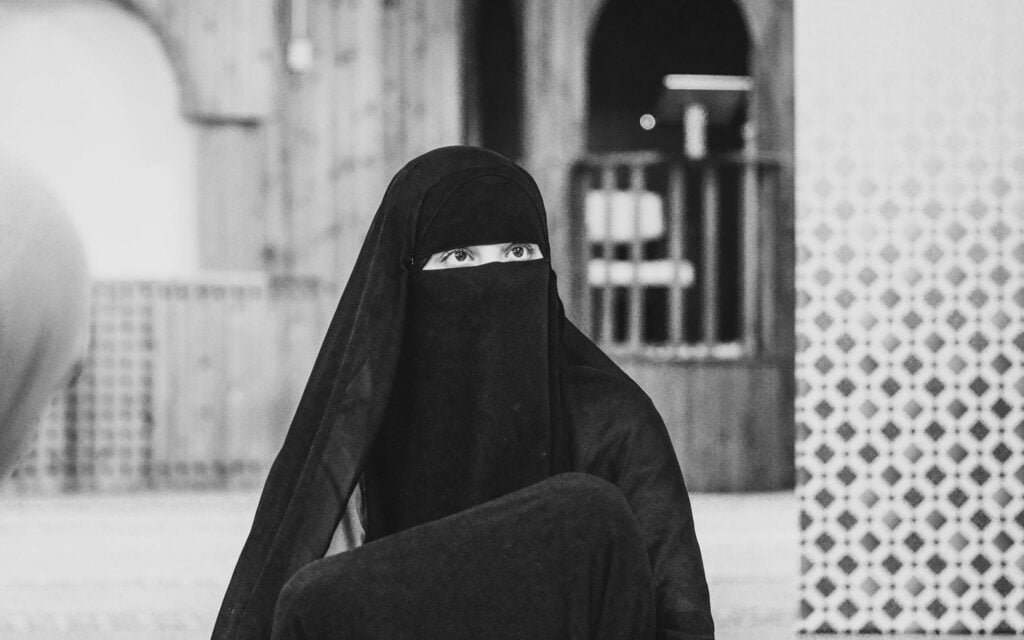
Hijab and Dress Code: While the Quran advocates modesty for both genders, it does not explicitly mandate that women cover their heads. The practice of wearing the hijab was introduced later.
Images of Muhammad: The Quran does not ban the depiction of Muhammad or other holy figures. The prohibition on images came from later interpretations and cultural practices.
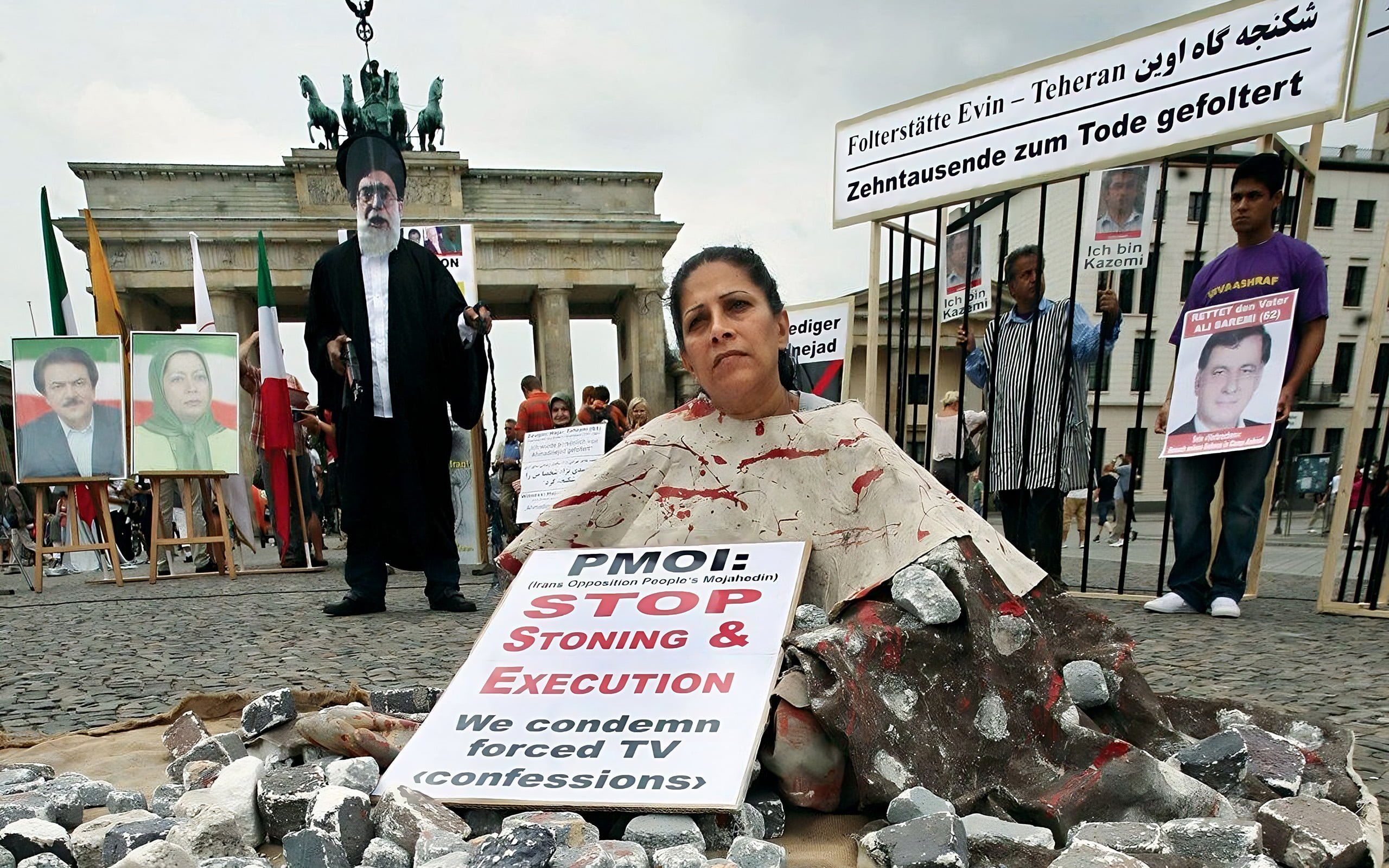
Apostasy and Blasphemy: The Quran does not prescribe earthly punishments for apostasy or blasphemy. These issues are seen as matters between the individual and God, not subject to human enforcement.
Adultery: The Quran mentions a certain number of fogging punishments for adultery, but nothing further.
Homosexuality: The Quran does not prescribe specific earthly punishments for homosexuality or punishment from God in the afterlife. The story of Lot implies condemnation but that’s it,
Capital Punishment: Ordered only for murder, but also instructions given for the murder to avoid the punishment, such as financial settlement with the family of the victim.
Given these points, Muslims must decide if the Quran is a perfect book, can one truly rely on it alone for guidance? Moreover, does it matter if the Quran remains unchanged, if practices and laws derived from the Hadith, which Mohammad did not order to collect, are treated as equivalent to Quranic teachings?
Is there a need for additional laws and punishments to the Quran that God forgot to mention?
Reform within Islam could involve revisiting and reinterpreting these practices and beliefs in light of the Quran’s teachings. It may require questioning the validity and impact of Hadith-based practices and focusing more closely on the Quran’s guidance.
Whenever I hear that Islam is a religion of peace and tolerance, I approach these claims with skepticism. After all, the notion of executing people for apostasy, adultery, blasphemy, or homosexuality seems to contradict the idea of a peaceful and merciful faith. However, the more I dig into the teachings of Islam, the more I realize that these claims are not entirely baseless. Let me explain.
The Tale of Two Religions
Throughout history, religions have played a significant role in shaping societies and cultures. However, not all religions have approached the coexistence of different beliefs in the same way. Christianity, in particular, has a historical record of intolerance towards other religions and even within its own denominations. It may come as a surprise to some, but this stands in contrast to the teachings of the Quran, which emphasize respect for other religions and condemn forced conversion.
Christianity’s Struggle with Coexistence
Christianity’s historical approach to religious coexistence has been marked by a refusal to accept beliefs outside of its doctrine. From its earliest days, the Christian Church sought to establish itself as the one true faith, often at the expense of other religions. When different denominations began to emerge within Christianity, the intolerance extended inward. Each faction viewed the other as heretical, often branding them as sinners who needed to be stopped before their “sinful” ideas could spread.
This intolerance wasn’t just theoretical—it had real, violent consequences. The Spanish Inquisition is a prime example of this, where the Catholic Church systematically persecuted, tortured, and executed those who were deemed heretics, including Jews, Muslims, and even fellow Christians. The conquest of the Americas further illustrates this point. Native populations were often given a simple choice: convert to Christianity or face brutal punishment, including death, clearly showing that coexistence was not an option under Christian rule—religious uniformity was enforced through violence and fear.
Islam’s Stance on Religious Tolerance
In contrast, the Quran explicitly orders Muslims to respect other religions and condemns forced conversion. Islam, according to the Quran, recognizes the existence of other faiths and allows them to practice freely, which is evident in the way Islamic empires governed the lands they conquered.
I am not saying non-Muslims didn’t have grievances, however, it is a fact that after six centuries of living under Islamic rule, Eastern Europe, for example, retained its national identities and religions. This contrasts sharply with what might have happened if these regions had been invaded by a Christian empire—historical evidence suggests that the local population would likely have been slaughtered or forcibly converted to Christianity, given Christianity’s lack of acceptance for coexistence.
The Quran emphasizes that faith is a matter of personal conviction and that no one should be compelled to convert to Islam. Surah Al-Baqarah (2:256) states, “There is no compulsion in religion.” This verse underscores the idea that belief cannot be forced—it must come from within. Moreover, the Quran does not prescribe any earthly punishment for apostasy or blasphemy.
Hadiths and the Danger of Repeated Claims
However, the Quran’s order that there is no compulsion in religion, has been overshadowed by the Hadith—sayings attributed to the Prophet Muhammad. Unlike the Quran, which Muslims believe to be the literal word of God, Hadith are reports of what Muhammad is believed to have said and done. Some of these sayings were passed down orally for generations before being written down, leading to questions about their authenticity and context. Unfortunately, some Hadith have been used to justify violence against non-Muslims, even though they contradict the Quran’s message of tolerance.
For example, while the Quran prescribes violent punishments for certain immoral acts, such as 100 lashes for adultery, it also emphasizes forgiveness if the person repents. The Quran teaches that final judgment belongs to God alone, and humans should not assume this divine role. Yet, some Hadith advocate for harsh earthly punishments for apostasy and blasphemy, leading to the persecution of those who leave Islam or criticize it. This contradiction between the Quran and certain Hadith illustrates the danger of accepting repeated claims without question.
When religious teachings are repeated often enough, they can become ingrained in people’s minds as absolute truth, even if they were never part of the original religion. In theory, Hadiths were supposed to be referred to if the Quran is too ambiguous, Arab rulers and teologians treat the Quran incomplete, and must be completed by Hadith as a source of what God forgot to mention in the Holy Book.
By accepting these sayings with no context—some of which Muhammad may not have even said, or which were said in anger—Islam has been made more violent than it truly is.
Is God of the Quran Merciful?
Well, the God of the Quran is still vicious. He repeatedly threatens what He will do to those who do not believe in Him, either in this life or the afterlife. Yet He discourages taking over God’s role in judgment, and people who repent must be given, and the rest must be left to God.
That being said, the God of the Quran orders violent punishments such as the amputation of hands for theft as a deterrent and lashing for adultery. However, it is ambiguous whether these punishments are still carried out for a person who has already repented.
One of the most troubling aspects is that it allows followers to seek retribution if a family member is murdered. However, the murderer’s family can financially settle the issue with the victim’s family.
Lashing and amputation were already forms of punishment in pre-Islamic Arabia, and I suppose financial settlements with the victim’s family made sense in 7th-century Arab culture. However, allowing retribution when there is no settlement has led to vendettas between families, with members killing each other. Sometimes, families did not even remember why the vendetta had started.
The Takeaway
While Christianity historically did not accept coexistence with other religions and denominations, Islam, as taught by the Quran, promotes tolerance and condemns forced conversion. However, Arab rulers and theologians, by treating the Quran as an incomplete book and conveniently supplementing it with alleged words of Muhammad with missing context, have distorted these teachings in a way that has made Islam unrecognizable. This distortion has led to the unjust persecution and often death of countless non-Muslims, those who leave Islam, LGBT people, and people who have had sex out of wedlock.
Based on the Quran alone, I would still not call Islam the religion of peace due to the violent threats attributed to God; however, it is infinitely more tolerant and less violent than what Arabs have done to it over time.
Drawing or depicting the Prophet Muhammad is forbidden in many Islamic traditions. This has been a subject of debate and discussion for centuries. To better understand this ban we must check its historical and cultural roots.
The Origins of the Ban
The prohibition against drawing the Prophet Muhammad originates from the early days of Islam. During this period, the primary religious competition for Islam, as well as for Judaism and Christianity, was polytheism, which often involved the worship of images or statues. The core idea behind banning depictions of Muhammad was to prevent any practices associated with idolatry, which was prevalent among polytheists.
The Prophet Muhammad and his followers sought to distinguish Islam from these idolatrous practices clearly. They emphasized the worship of God alone, avoiding any form of image or idol that could divert attention from this pure worship. Consequently, early Islamic teachings discouraged creating images of any kind, including those of the Prophet.
Historical Context
During the early Islamic period, there was a strong focus on avoiding anything that might lead to the worship of images, which was not just about religious purity but also about protecting the new Muslim community from the practices of their previous polytheistic traditions. The fear was that depicting the Prophet could lead to his veneration in a way that might distract from the worship of the Abrahamic God, who didn’t have a form within human imagination.
In the centuries that followed, Islamic art and culture developed strongly with an emphasis on aniconism—the avoidance of images of sentient beings. Instead, Islamic art flourished through complex patterns, calligraphy, and geometric designs through which artists expressed spiritual ideas and beauty without the risk of idolatry.
The Development of the Ban
Over time, the prohibition against depicting the Prophet Muhammad became more firmly established. Islamic scholars and leaders interpreted the ban as a way to preserve the Prophet’s sanctity.
In some Islamic traditions, the ban is seen as a way to protect the Prophet’s dignity and ensure that any representation is not disrespectful or inaccurate. For example, in Sunni Islam, which represents the majority of Muslims, the ban is more strictly observed. In contrast, Shia Islam has historically been somewhat more lenient, but the ban still remains significant.
The Prophet’s dignity and sanctity actually have nothing to do with the spirit of the ban’s reason.
The Takeaway
In recent years, cartoons and images of the Prophet Muhammad have sparked controversy and violence, causing reactions from Muslims worldwide that did not make sense.
The ban on depicting the Prophet Muhammad applies to Muslims. As a historical and political figure, non-Muslims have every right to represent Muhammad through images. The idea that people who draw images of Muhammad deserve death is an interpretation pulled from somewhere that doesn’t see much sunlight.
Is anyone afraid that Muslims will not be able to resist building idols of Muhammad to worship if they see his depictions around?
In the wake of the Charlie Hebdo attack, discussions about whether Islam bans images of the Prophet Muhammad have become heated and widespread. Some Muslims assert a strict prohibition, while others, both Muslim and non-Muslim, argue for a more nuanced interpretation.
Complex Islamic Jurisprudence
Many debates have centered on verses from the Quran and sayings of the Prophet (Hadith), yet neither provides a definitive answer. To truly understand the issue, one must delve into Islamic law, which reveals a more complex picture.
Early Islamic Legal Opinions
Ibn Qudama (d. 1223), a notable Sunni theologian, discussed the legality of images in his medieval law book. He argued that images are not inherently prohibited; their permissibility depends on what they depict and their context. This early source suggests that a blanket ban on images is not supported by Islamic law.
A century later, Ibn Taymiyya (d. 1328), influential in today’s Wahhabi and Salafi movements, issued legal opinions warning against using images for seeking intercession or favors from God. However, even his conservative views did not explicitly ban images, focusing instead on their misuse in religious practices.
Modern Interpretations and Reforms
Moving forward, Muhammad ‘Abduh (d. 1905), a reformist jurist in Egypt, argued that images and paintings preserve Islamic cultural heritage and knowledge. He emphasized that as long as images are not used in idolatry, depicting people, plants, and trees is not forbidden. His stance highlighted the educational and cultural benefits of images, rejecting a blanket prohibition.
Impact of Mass Media
The 19th century saw the rise of mass media, which brought new anxieties about images. This led to legal controls over prophetic representations, such as a 1926 fatwa from al-Azhar University banning a Turkish film about Muhammad. In contrast, Moustapha Akkad’s 1976 film “The Message,” which never shows Muhammad on screen, received mixed responses from different Sunni clerical bodies, showing the diversity of opinion within Sunni Islam.
Contemporary Debates
In the late 20th century, legal opinions on images of Muhammad became more varied. In 2000, Taha Jaber al-Alwani, a respected scholar, argued that there are no firm prohibitions on images in Islam and praised the depiction of Muhammad in the Supreme Court of the United States. However, post-9/11 geopolitics and events like the Danish cartoons of 2005 intensified debates, with some Saudi scholars declaring images of prophets disrespectful and caricatures blasphemous.
Sectarian Differences
Today, legal opinions on images of Muhammad vary, often along sectarian lines. Salafi scholars maintain a strict prohibition, while Shi’i scholars like Ayatollah al-Sistani accept respectful depictions. This divergence reflects broader sectarian differences but also highlights that views on images have evolved with contemporary circumstances.
The Takeaway
The notion of an absolute ban on images of the Prophet Muhammad is a recent development, influenced by modern media and geopolitical events. Historical and contemporary Islamic jurisprudence shows a more nuanced and complex landscape, where the legality of images depends on context, usage, and evolving interpretations within the Muslim world.
Notes
If you live in the West and are not a Muslim, you might not be concerned about whether Islam bans depictions of the Prophet Muhammad. However, understanding this issue is important as it reflects the recent retrogress in Islam.
Many might find it surprising that Islam was once considered a religion of tolerance toward other faiths. The laws it introduced for women were progressive for their time. It modernized Sharia law, did not expect non-Muslims to obey it, decriminalized homosexuality, and acknowledged and respected other cultures. All this was happening while Europe was enduring the Dark Ages and slaughtering the masses into Christianity.
The concept of Allah, the supreme deity, has been a central pillar in the religious and cultural landscape of the Arabian Peninsula for centuries. While Islam introduced significant reforms and redefined the understanding of Allah, there remain notable similarities between the pre-Islamic and Islamic conceptions of this divine entity. In this blog entry, we delve into the common characteristics shared by the pre-Islamic and Islamic interpretations of Allah.
Monotheistic Foundations
Both the pre-Islamic and Islamic traditions embraced the idea of monotheism, recognizing Allah as the sole, supreme deity. Although pre-Islamic Arabia was home to a diverse array of deities and religious practices, many tribes, particularly the Quraysh, revered Allah as the highest and most powerful god.
This monotheistic belief laid the foundation for Islam’s strict adherence to the worship of one God, rejecting the veneration of any other deities or idols. The continuity of monotheism, albeit in a more refined and exclusive form, represents a significant common thread between the pre-Islamic and Islamic understandings of Allah.
Transcendence and Omnipotence
In both pre-Islamic and Islamic contexts, Allah was perceived as a transcendent and all-powerful deity, exerting supreme authority over the natural world and human affairs. This belief in Allah’s omnipotence and ability to control the course of events and determine the fate of individuals and communities was deeply ingrained in the religious consciousness of the region.
The pre-Islamic Arabic poetry and mythology are replete with invocations and supplications to Allah, acknowledging the deity’s unparalleled might and influence over the forces of nature and the destinies of humankind. This fundamental belief in Allah’s transcendence and omnipotence remained a core tenet in the Islamic conception of the divine.
Sacred Sites and Rituals
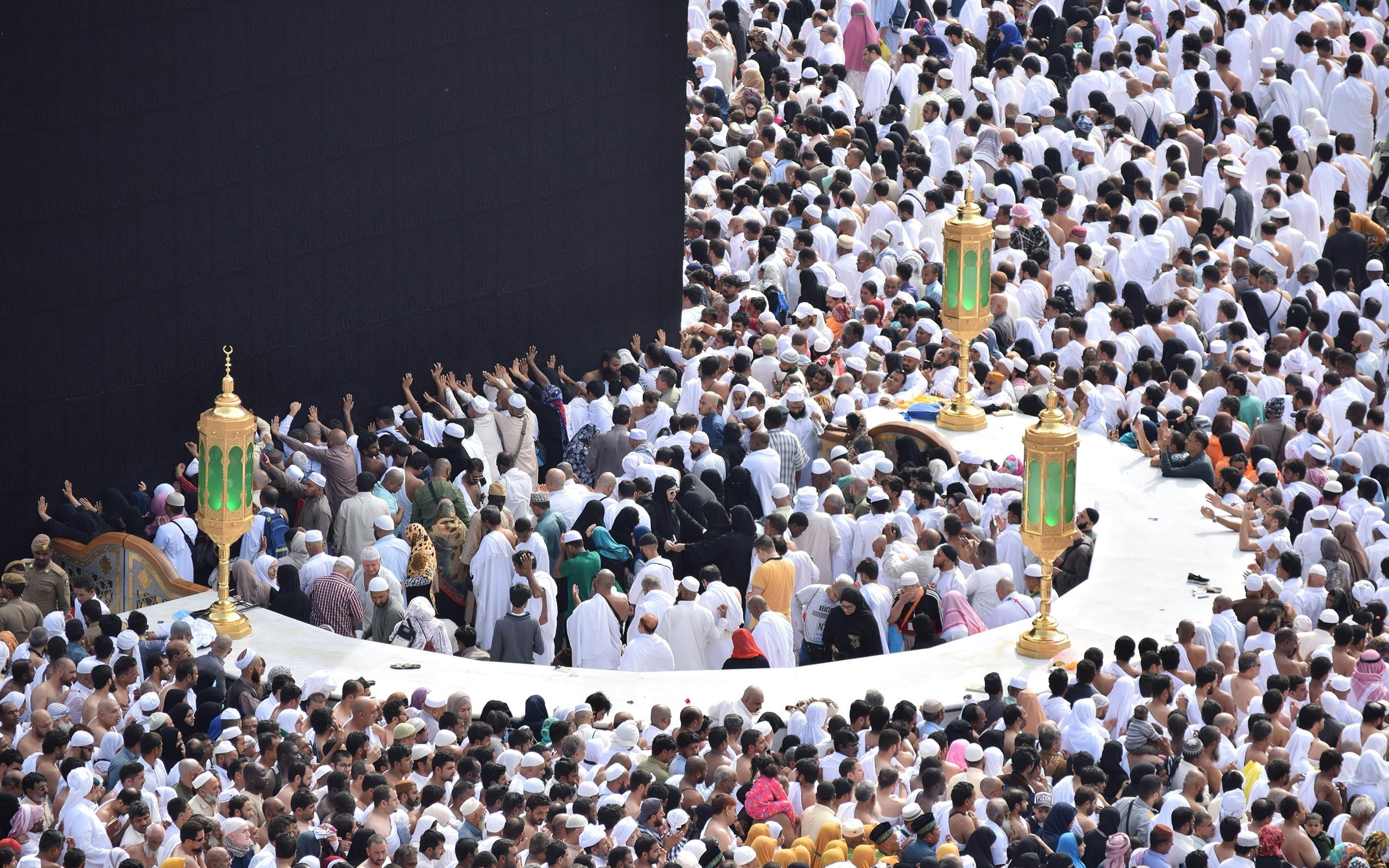
The pre-Islamic reverence for the Kaaba in Mecca as a sacred site and the performance of rituals and pilgrimages around it were carried over and incorporated into Islamic traditions. The Kaaba served as a focal point for religious practices and ceremonies among various Arab tribes, including the Quraysh, who oversaw its custodianship.
Islam not only preserved the sanctity of the Kaaba but also elevated its significance, making it the direction of prayer (qibla) for Muslims worldwide and a central site for the annual Hajj pilgrimage. This continuity in the recognition of sacred sites and the importance of rituals and pilgrimages reflects a shared cultural and religious heritage between the pre-Islamic and Islamic understandings of Allah.
Linguistic Continuity: The Name “Allah”
Perhaps the most evident common characteristic between the pre-Islamic and Islamic conceptions of Allah is the retention of the name itself. The Arabic word “Allah,” derived from the contraction of “al-ilah” (the god or deity), has been used to refer to the supreme deity in the Arabian Peninsula for centuries.
While Islam reshaped and redefined the attributes, nature, and relationship between Allah and humanity, the preservation of the name “Allah” signifies a linguistic and cultural continuity that spans the pre-Islamic and Islamic eras. This linguistic continuity serves as a bridge, connecting the ancient religious traditions of the region with the more recent Islamic interpretations.
Invocations and Supplications
The practice of invoking Allah through prayers, supplications, and invocations was widespread in both pre-Islamic and Islamic contexts. Pre-Islamic Arabic poetry and literature are replete with examples of invocations directed towards Allah, reflecting the deity’s centrality in the religious and cultural life of the region.
Islam not only maintained this tradition of invoking and supplicating to Allah but also established a structured system of ritual prayers (salah) and supplications. This shared emphasis on seeking divine guidance, protection, and blessings through invocations and supplications underscores the common spiritual heritage of the pre-Islamic and Islamic conceptions of Allah.
Divine Judgement and Fate
Both pre-Islamic and Islamic belief systems acknowledged Allah as the ultimate arbiter of human destiny and fate. The belief that Allah determines the course of events and controls the fortunes of individuals and communities was deeply rooted in the religious consciousness of the Arabian Peninsula.
This shared understanding of Allah’s role in shaping human affairs and dispensing divine judgment reflects a common worldview and a recognition of the supreme deity’s power and authority over the lives of mortals.
In a Nutshell
While Islam introduced significant reforms and departures from pre-Islamic beliefs and practices, the commonalities between the pre-Islamic and Islamic conceptions of Allah are undeniable. From the foundations of monotheism and the recognition of Allah’s transcendence and omnipotence to the continuity of sacred sites, rituals, and linguistic heritage, these shared characteristics reflect the enduring religious and cultural legacy of the region.
The history of hijab is a narrative that intertwines with the very essence of Islamic culture and identity. This iconic head covering, embraced by numerous Muslim women globally, is not merely a religious emblem but a historical artifact that transcends spiritual confines. The evolution of the hijab through ages and societies unveils a complex mosaic of cultural customs, societal standards, and religious convictions that have collectively influenced its current form and meaning.
Embark with us on a journey through time, as we uncover the pre-Islamic antecedents of the hijab, its doctrinal establishment within the Quran, and its extraordinary capacity to mold itself to the variegated tapestries of cultures worldwide.
Ancient Roots: The Pre-Islamic Origins of Veiling
The history of hijab is a complex tapestry that intertwines with the cultural and social norms of ancient civilizations, long before the advent of Islam. The tradition of veiling, which encompasses the covering of the head and body, has its roots in societies that flourished in the Middle East, Asia, Africa, and Europe, with evidence dating back to the 4th millennium BCE.
In the societal landscape of the pre-Islamic Arabian Peninsula, the hijab was more than a religious symbol; it was woven into the very fabric of daily life. It served as an indicator of social hierarchy, with veils of varying styles and materials denoting the distinctions between free women, slaves, and the elite. The hijab also played a role in communicating marital status, tribal connections, and provided a shield against the elements in a punishing desert climate.
The history of hijab reveals that this practice was not solely the domain of women. Men of distinction and those holding religious office also embraced the veil, wearing it as a badge of honor and respectability. This shared custom highlights the veil’s broader cultural importance, transcending gender and emphasizing its entrenched role in the traditions of the region.
Dive into a world of unconventional beliefs challenging mainstream science. From Young Earth Creationism to…
The Quranic Guidance: Modesty and Continuity
With the emergence of Islam in the 7th century CE, the history of hijab evolved to embody a religious mandate for Muslim women. The Quran, revered as the divine revelation by Muslims, delineated principles of modesty and attire applicable to both genders.
An-Nur (The Light), a chapter within the Quran, specifically tackled the subject of the hijab, directing faithful women to drape their coverings across their chests and to reveal their beauty solely to their immediate family and servants. These injunctions were disclosed amidst the nascent Muslim society in Medina, establishing a code for modest apparel and conduct.
The Quranic directives concerning the hijab did not signify a drastic shift from the pre-Islamic Arabian customs. Rather, they aimed to refine and affirm the entrenched societal ethos of modesty and respect. The Quran abstained from dictating a definitive style or type of veil, thus permitting interpretations and adjustments in harmony with regional traditions and inclinations.
This methodology enabled a fluid transition from pre-Islamic customs to Islamic standards, acknowledging the significance of cultural persistence and heterogeneity. The Quranic teachings on the hijab found resonance among the Arab populace, as they were in accord with their enduring cultural legacy, now enriched with a spiritual dimension.
As Islam expanded from the Arabian Peninsula, the history of hijab unfolded into a spectrum of expressions, mirroring the myriad cultures it touched. The hijab manifested in forms ranging from the airy headscarves of arid deserts to the comprehensive burqas and chadors of cooler locales, with Muslim women globally adopting diverse styles and interpretations.
This versatility enabled the hijab’s core values—modesty, honor, and devotion—to blend with different cultural aesthetics and practical needs. The variety in hijab styles stood as evidence of the faith’s flexibility to integrate into local customs while upholding its foundational tenets.
In certain areas, the hijab interwove with cultural identity, surpassing its religious connotations to become an emblem of heritage and a bulwark against discrimination or subjugation. For numerous Muslim women, wearing the hijab signified not just a religious act but also an affirmation of their cultural lineage and a bold challenge to societal prejudices.
On the flip side, the hijab sometimes sparked controversy, igniting discussions on women’s autonomy, secular values, and the apparent clash between religious practices and contemporary norms. These divergent views underscore the intricate interplay of faith, culture, and social-political factors that have influenced the ongoing dialogue about the hijab.
The Ottoman Empire’s history with homosexuality is complex. While poetry expressed same-sex love and the…
Contemporary Discourse: Personal Choice and Evolving Narratives
In the modern era, the history of hijab continues to be a significant aspect of identity for numerous Muslim women, though the reasons for its adoption are highly individualized. For some, it is an unwavering commitment to religious tenets and a conduit to their spirituality. For others, the hijab serves as a proud emblem of their cultural legacy, a stand against societal prejudices, or a declaration of personal empowerment and autonomy.
Conversely, there are voices that critique the hijab as a relic of patriarchal norms, at odds with contemporary values of gender parity and personal liberty. Such varied viewpoints underscore the vibrant debate surrounding the hijab, its symbolism, and its role in today’s world.
It is essential to acknowledge the hijab as a complex entity, influenced by a confluence of religious beliefs, cultural traditions, individual choices, and the dynamics of social and political environments. The history of hijab is characterized by a diverse array of practices, interpretations, and ongoing narratives
In a Nutshell: History of Hijab
The history of hijab is marked by a profound journey that reflects the intricate layers of cultural, religious, and personal significance it holds. Its roots extend into the depths of ancient customs that existed well before Islam, highlighting the enduring traditions that have shaped its progression.
The Quran’s teachings on the hijab aimed to resonate with pre-Islamic Arab traditions, ensuring cultural continuity while infusing the practice with a spiritual essence. This strategy enabled a smooth transition, allowing the hijab to find relevance and acceptance across diverse cultures as Islam’s reach extended worldwide.
Throughout its passage across various lands and times, the hijab has shown remarkable adaptability, adopting an array of styles and meanings. This flexibility has allowed the principles of modesty and devotion to meld seamlessly with different cultural expressions and practical needs, showcasing the religion’s capacity to assimilate into a multitude of traditions.
In today’s society, the hijab remains a dynamic topic of conversation, with its interpretations and relevance continually evolving amid shifting social norms and individual viewpoints. While some may view it as a vestige of oppression, others celebrate it as a token of pride, identity, and autonomy.
The extensive and intricate history of hijab defies oversimplified accounts, prompting a deeper appreciation for its complex nature. Understanding its varied beginnings, cultural evolutions, and the personal connotations it carries is vital for nurturing an empathetic and comprehensive discourse on this iconic emblem of Islamic heritage and belief.
The hijab, a head covering worn by Muslim women, is often shrouded in misconception. More than just a piece of cloth, it represents a complex tapestry woven from religious devotion, cultural identity, and personal choice. Understanding its history and significance requires us to delve deeper.
Rooted in Tradition:
The hijab’s story predates Islam. Ancient civilizations across the globe employed veiling practices, signifying social status, marital status, and protection from the elements. In pre-Islamic Arabia, the hijab served similar purposes, with variations in style reflecting social hierarchy. This established the practice of head covering as a cultural norm, a foundation upon which Islamic teachings would build.
A Divine Directive:
The emergence of Islam in the 7th century CE introduced a religious dimension to the hijab. The Quran, the holy book of Islam, emphasizes modesty in dress for both men and women. Specific verses within the Quran instruct women to cover their chests and maintain a certain level of decorum. These directives did not introduce a completely new concept, but rather refined existing customs and imbued them with religious significance.
A Spectrum of Expressions:
As Islam spread across the globe, the hijab adapted to diverse cultures. From the airy headscarves of desert regions to the all-encompassing burqas of colder climates, Muslim women adopted styles that resonated with their local traditions. This adaptability reflects the Quran’s flexible approach, allowing interpretations to coexist with regional customs as long as the core principles of modesty were upheld.
Beyond the Veil:
The hijab has transcended its religious roots, becoming a symbol of cultural identity for many Muslim women. In some regions, it serves as a marker of heritage and a shield against discrimination. For others, it’s a declaration of empowerment, a way to reclaim their narrative and challenge societal stereotypes.
A Spark for Debate:
The hijab also ignites controversy. Some view it as a symbol of patriarchal oppression, restricting women’s freedom. Others see it as a personal choice, a way to express their faith and values. This ongoing dialogue highlights the complex interplay of religion, culture, and social factors that shape the conversation surrounding the hijab.
A Representation of Self:
In today’s world, the reasons for wearing the hijab are as diverse as the women who wear it. For some, it’s a steadfast commitment to their faith. For others, it’s a cultural marker or a statement of personal empowerment. There is no single narrative, and appreciating the hijab requires acknowledging its multifaceted nature.
The hijab’s journey is a testament to its rich history and evolving significance. It’s a call to move beyond simplistic narratives and embrace the complexity of this powerful symbol. By understanding its cultural roots, religious underpinnings, and personal interpretations, we can foster a more nuanced and respectful dialogue about the hijab and the women who wear it.
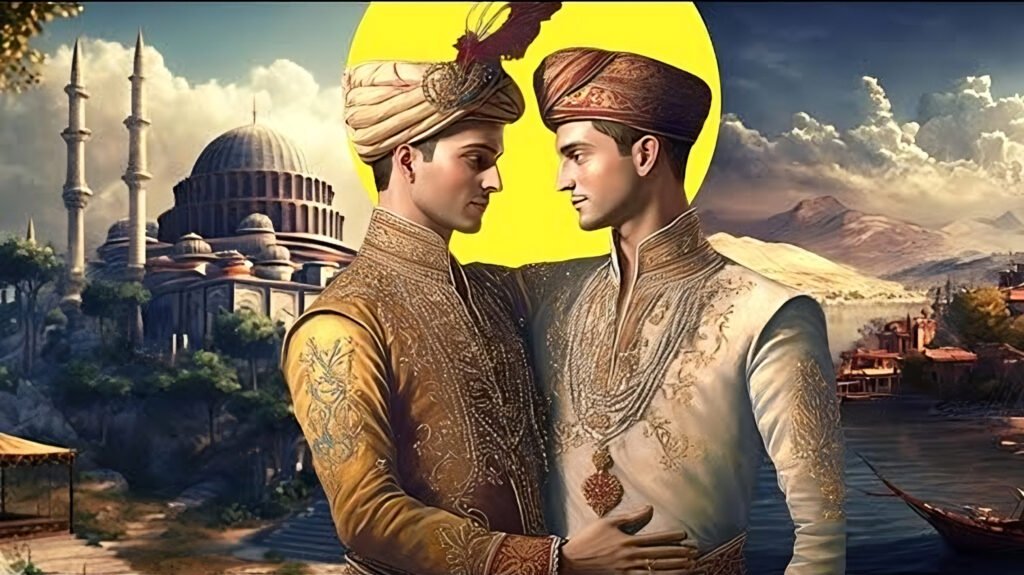
Homosexuality in the Ottoman Empire, which reigned as the seat of the Islamic caliphate for over six centuries, presents a compelling case study that thoroughly challenges widespread assumptions about religion, sexuality, and the origins of homophobia. Conventional narratives often simplistically depict Islamic societies and legal systems as being inherently and immutably oppressive towards homosexuality and LGBTQ+ individuals. However, a deeper examination of the tenure of the Ottoman Empire reveals a far more nuanced and paradoxical history regarding its stance on homosexuality over time.
Legal Framework and Sharia Law
The framework of the Ottoman legal system was based on the founding principles of Sharia law, derived from the Quran and the traditions (Sunnah) of the Prophet Muhammad. While the Quran relates the narrative of Sodom and Gomorrah to express moral disapproval of homosexual acts, it does not explicitly prohibit or prescribe any worldly criminal punishments for homosexuality itself. Instead, the Quran emphasizes virtues of compassion and mercy and ultimately leaves the final judgment of human souls to the divine wisdom of God alone. This spiritual ambiguity was reflected in the relatively flexible interpretation of Sharia by Ottoman jurists and rulers over the centuries.
Decriminalization and Progressive Legal Changes
Remarkably, by the 18th century, the Ottoman legal system had effectively decriminalized homosexuality in a very progressive move for the era. In 1750, Sultan Mustafa III formally abolished the death penalty for sodomy, making the Islamic Ottoman Empire one of the earliest sovereign states in the world to decriminalize homosexual acts between consenting individuals. This stood in stark contrast to most of Christian Europe, where harsh criminalization and persecution of homosexuality were brutally enforced.
Cultural Acceptance and Celebration
Homosexuality in the Ottoman Empire was not just a matter of legal codes; it was widely tolerated and even celebrated within certain urbane circles of the Ottoman elite and intelligentsia, particularly during the empire’s golden age. Influenced by the rich cultures of Persia and Hellenic Greece, Ottoman royalty and aristocrats commonly engaged in homosexual relationships and actively patronized entertainers like male and female dancers, prostitutes, and artists, regardless of gender.
Shift Towards Conservatism
However, this paradigm of relative openness and tolerance surrounding sexuality began to erode as the once-mighty Ottoman Empire faced increasing military, economic, and cultural pressure from emergent European powers during the 19th and 20th centuries. In desperate attempts to reform, modernize, and appease the West through movements like Tanzimat and the Young Turks, the Ottoman elite gradually adopted the prevalent European attitudes, which had become steeped in restrictive, binary views of gender/sexuality and new pseudo-scientific notions that pathologized homosexuality as a criminal perversion or deviance.
European Influence and Colonial Subjugation
Under direct military occupation and colonial subjugation by European empires like Britain and France, who imposed conservative Victorian-era moral codes, the Ottomans found themselves persecuted for homosexuality and criminalized for “sodomy” and other gender/sexual transgressions. Despite its own history and Sharia traditions, the dying Ottoman Empire had little choice but to appease its Western occupiers and adopt European laws, customs, and value systems that insisted on the marginalization of LGBTQ+ identities and communities.
The Paradoxical Arc of History
The paradoxical arc of this history, including the rise and fall of homosexuality in the Ottoman Empire, forcibly dismantles the stubborn myth that religious and indigenous societies are innately regressive on gender/sexuality, while modern secular societies are inherently enlightened and tolerant. The Ottoman Empire, a global Islamic power, initially embraced a multitude of gender identities and sexual expressions as part of its vibrant cosmopolitan makeup, only to be coerced into adopting institutionalized homophobia and repressive binaries by the European Christian cultures that today claim progressive liberal values.
Legacy and Contemporary Relevance
The legacy of the Ottoman Empire’s complex journey serves as a crucial case study and a reminder that matters of sexuality, gender, identity, faith, and the sociopolitical forces surrounding them are kaleidoscopically intertwined, defying sweeping overgeneralizations or assumptions of any essentialist ideological paradigm. It compels us to confront the complex realities of how attitudes towards LGBTQ+ rights have evolved and shifted across eras, geographies, cultures, and faith traditions in nonlinear trajectories that continue to unfold today.
The Takeaway
As the global struggle for LGBTQ+ equality and pluralistic coexistence persists, embracing the full depth of diverse perspectives, such as those offered by the Ottoman experience, is vital to dismantling entrenched false assumptions across all cultures, ideologies, and belief systems. By analyzing outlier narratives that transcend convenient stereotypes and binaries, we can forge more authentic discourses and strategies to make lasting progressive impacts on some of humanity’s oldest existential debates surrounding identity, morality, and justice.
The concept of adulthood is understood differently across various cultures, societies, and religions. It’s typically associated with an individual’s legal and social rights and responsibilities, such as the ability to vote, drive, drink, and marry. Despite this general framework, there’s no global consensus on when a person transitions into adulthood and what we consider child marriage in Islam is an extension of it. Instead, many factors contribute to this determination, including the onset of puberty, which is the biological marker indicating reproductive maturity and the development of secondary sexual characteristics. In many religious traditions, particularly Judaism, Christianity, and Islam, reaching puberty is considered a significant step toward adulthood and an indication of suitability for marriage.
However, secular societies often set a fixed age of consent, usually at 18, to define the threshold for marriage and other adult activities. This difference creates interesting questions about the relationship between religious beliefs and contemporary societal norms, especially concerning marriage. Historical cases like those of 16th-century Spanish King Philip and Prophet Mohammed demonstrate that in some contexts, marriage wasn’t consummated until both partners reached puberty, reflecting a religious and cultural understanding of adulthood.
In the case of child marriage in Islam, interpretations may vary. Some consider puberty a clear sign of readiness for marriage, while others emphasize a broader perspective that includes emotional maturity and legal consent. This divergence in views highlights the complex dynamics between traditional religious practices and modern legal frameworks. It’s crucial to examine these historical precedents while also addressing the implications of these differing views on adulthood in the contemporary world, where there’s a growing emphasis on safeguarding the rights of minors and ensuring that marriage is a consensual and healthy institution.
After two decades abroad, I returned to Turkey expecting an Islamized nation under Erdogan’s long…
Child Marriage in Islam and Other Abrahamic Religions
In Abrahamic faiths, adulthood often commences with puberty, signaling the shift from childhood to adult maturity. This perspective is entrenched in the scriptures and traditions of these religions. For instance, in Judaism, boys at 13 and girls at 12 reach the age of majority, known as bar and bat mitzvah, translating to “son and daughter of the commandment.” At this milestone, Jewish youth are tasked with adhering to religious laws and customs, and they gain eligibility to partake in synagogue and community activities. Similarly, Christianity views the onset of puberty as the age of reason or discretion, signifying the capacity to discern right from wrong and make ethical choices. Christian youth at this age are expected to confess their sins, partake in communion, and affirm their faith. In Islam, puberty marks the age of maturity or responsibility, denoting the duty to abide by Islamic precepts and rituals. Muslim youth are then expected to observe the five daily prayers, fast during Ramadan, give zakat (alms), and undertake the Hajj to Mecca if feasible.
Secular societies often establish the age of consent and adulthood at a fixed number, usually 18, whereas Abrahamic religions take a different approach. They consider an individual’s physical and emotional maturity as a better measure of readiness for marriage. Thus, the beginning of puberty is viewed as a divine sign and authorization for marriage, as well as a natural and wholesome manifestation of human sexuality. This viewpoint is reinforced by numerous scriptural and historical references.
The Hebrew Bible’s Book of Genesis tells the tale of Isaac and Rebekah, who were wed when Isaac was 40 and Rebekah was 10. The Book of Numbers recounts the story of Zelophehad’s daughters, who gained the right to inherit their father’s land and wed their cousins upon reaching puberty.
The New Testament’s Book of Matthew lists the genealogy of Jesus, noting several women who entered marriage at young ages, including Ruth, who married Boaz at 12, and Mary, betrothed to Joseph at 13 or 14.
The Quran, in the chapter An-Nisa (The Women), mentions that the waiting period for divorced women yet to menstruate is three months, suggesting their eligibility for marriage. Similarly, the chapter At-Talaq (The Divorce) indicates the same waiting period for widowed women, implying they may remarry.
According to Hadith, the sayings and actions of Prophet Mohammed, he married Aisha, his youngest and most cherished wife, when she was six or seven and consummated the marriage when she reached puberty, at nine or ten. He also reportedly encouraged his followers to marry young and to seek virgin spouses.
Anna of Austria and Her Uncle-Husband King Philip of Spain
To illustrate the concept of marriage and its connection to puberty, consider a historical example from the 16th century. King Philip II of Spain, renowned for his multiple marriages, entered into a controversial union with his niece, Anna of Austria. Anna was sent to live with her uncle before she had reached puberty, but they did not consummate their marriage until she had passed this significant developmental milestone. This delay aligned with the religious and cultural beliefs of their era, marking the point at which their marriage could be blessed by God and completed.
Although this practice might seem unconventional by today’s standards, it was in line with the norms of the 16th century. Marrying within the family was less stigmatized, and waiting until puberty was seen as a way to ensure that both parties were physically and emotionally ready for marriage. In this context, the marriage of King Philip and Anna of Austria was not solely a personal arrangement; it also had political motivations. The union aimed to strengthen ties between Spain and the Holy Roman Empire, ensuring that the Habsburg dynasty retained its influence and purity.
This historical example underscores how cultural and religious norms can influence marriage practices, sometimes in ways that might clash with modern sensibilities. Today’s values emphasize individual rights, age of consent, and the protection of minors, recognizing the potential harms of child marriage and other practices that might undermine a person’s autonomy and well-being. By examining these historical cases, we can better understand the complexities of marriage traditions and the importance of safeguarding against practices that could be detrimental in contemporary contexts.
In this thought-provoking blog post, we delve into the crucial importance of scientific facts in…
Last Marriage of Mohammad
The tradition of waiting to consummate marriage until after puberty is not confined to historical European royalty. For example, in the 7th century, Prophet Mohammed’s future wife was betrothed to him before reaching puberty, but their marriage wasn’t consummated until she had matured physically and emotionally. This practice reflects the Islamic belief that physical readiness and emotional maturity are key considerations for marriage.
Although Prophet Mohammed’s final wife was not his niece, unlike King Philip’s situation, both cases exemplify the principle of postponing consummation until after puberty. In the case of Prophet Mohammed, the marriage to his last wife served multiple purposes beyond personal union—it aimed to strengthen ties with Abu Bakr, his close confidant and the father of the young bride, and to offer the child a stable environment after the death of her mother.
These examples illustrate a shared understanding of the importance of maturity in marriage, while also showing how religious and cultural contexts can shape marriage practices. It’s important to recognize that while historical traditions like these can offer insights into past practices, contemporary views on marriage, child marriage in Islam, and age of consent have evolved. Today’s standards generally emphasize safeguarding the rights and well-being of minors, ensuring they have reached an appropriate level of maturity before entering into significant commitments like marriage.
Modern Concept Age of Consent
Secular societies, in contrast to religious viewpoints, have set the age of consent for marriage at 18 years. This is due to a variety of reasons, such as child protection, emotional maturity, and preventing forced or underage marriages. Unlike Abrahamic religions, which may consider the onset of puberty, secular values prioritize a specific age threshold.
Some of the arguments in favor of this secular perspective are as follows:
Young individuals who enter into marriage often face a higher risk of experiencing physical, sexual, and psychological abuse from their partners or relatives, as well as health dangers like early pregnancy, complications during childbirth, and infections transmitted sexually. They are also at a greater risk of discontinuing their education, forfeiting economic prospects, and enduring social isolation and discrimination.
Youngsters in early marriage lack the total capacity to make informed and autonomous decisions about their futures, particularly concerning a commitment as significant and enduring as marriage. They are also emotionally unprepared to handle the demands and duties associated with marital life, including effective communication, compromise, and managing disagreements.
To prevent forced or underage marriages, it is crucial to recognize that children who marry early are often coerced or influenced by their families, communities, or situations, lacking genuine and complete consent. They frequently find themselves stripped of fundamental rights and options, including access to education, healthcare, and self-determination.
Child Marriage
In a Nutshell: Child Marriage in Islam
The concept of adulthood is a complex and often debated topic, differing across cultures, societies, and religious traditions. It is commonly linked to the point at which a person gains certain legal and social rights and responsibilities, such as the ability to vote, drive, drink, and marry. However, there’s no universal standard for when someone is considered an adult, and various factors, including biology, culture, religion, and law, play roles in this determination.
One significant factor often considered is the onset of puberty, which marks a biological transition signaling reproductive maturity and the development of secondary sexual characteristics. In many religious contexts, such as those found in Judaism, Christianity, and Islam, puberty is often viewed as a sign of readiness for marriage. However, this perspective can conflict with the fixed age-of-consent laws set by many secular societies, usually around 18, which define legal adulthood and the right to engage in adult activities. This tension raises important questions about the intersection between religious beliefs and contemporary societal values.
For instance, child marriage in Islam has drawn attention due to differing interpretations of when a person is ready for marriage. Some interpretations align with traditional views that consider puberty as a threshold for marriage, while others stress a more contemporary approach, advocating for a higher age of consent. This divergence in views prompts discussions about how different societies reconcile traditional religious practices with modern legal standards and human rights.
To understand the broader implications, we can look at historical examples where individuals, like the 16th-century Spanish King Philip and Prophet Mohammed, followed the custom of waiting until their partners reached puberty before consummating their marriages. These examples reflect a historical context where puberty was often used to mark adulthood. However, the current age of consent laws and the growing emphasis on human rights in many parts of the world suggest a shift towards establishing a clear, consistent legal framework for defining adulthood and protecting minors from potential harm.
Overall, the concept of adulthood is complex and varies across different contexts. It requires a careful balance between respecting cultural and religious practices and ensuring the safety and well-being of all individuals, particularly minors. Addressing these challenges calls for a nuanced approach that considers the diverse ways societies understand adulthood and the need to protect individuals from potential exploitation or harm, especially within the context of marriage.
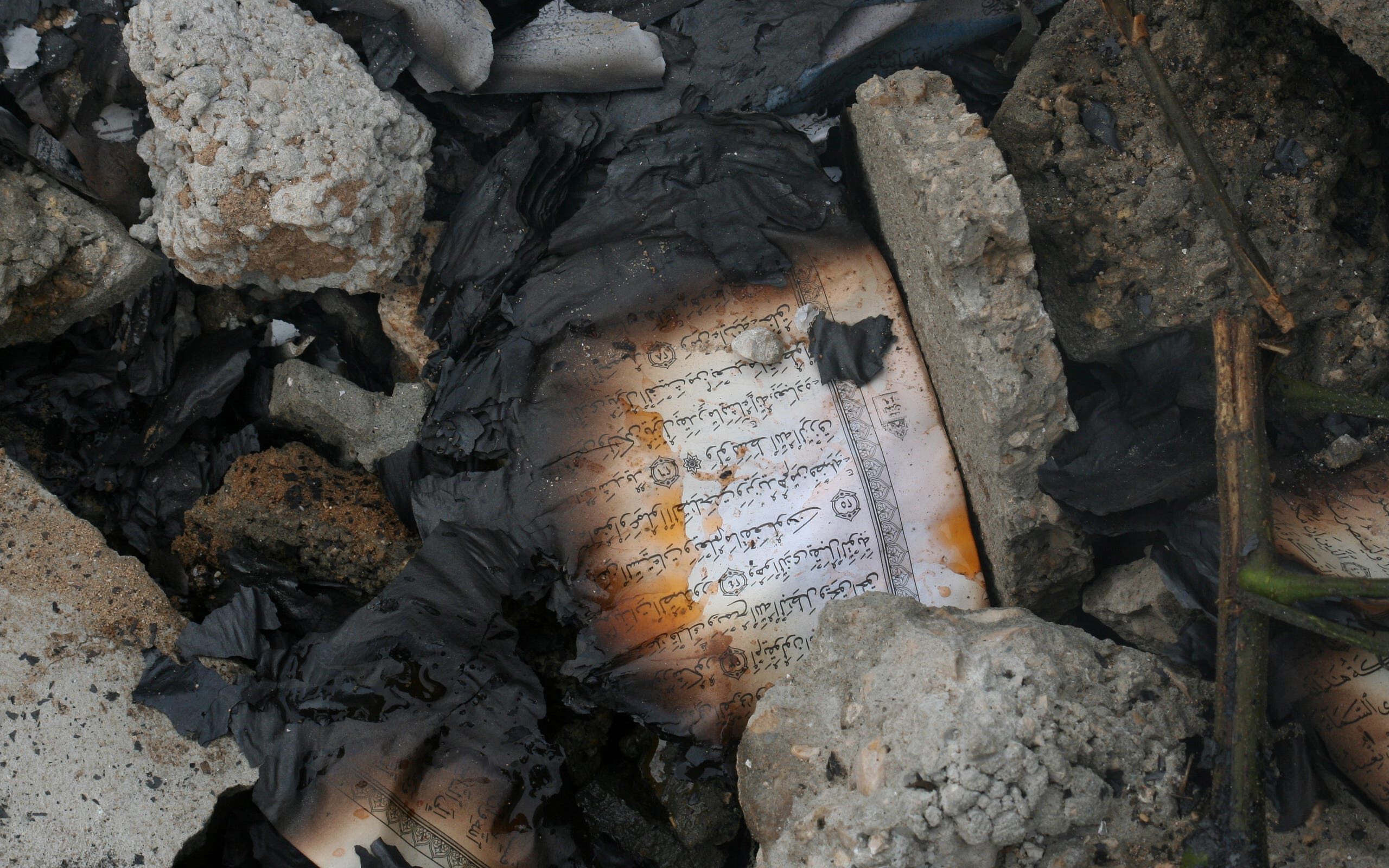
The phenomenon of Quran burning by individuals aligned with far-right ideologies transcends the physical act of destroying a religious text. It represents a profoundly intricate and sensitive subject that intersects religious belief, political extremism, and cross-cultural perceptions.
The act of burning Qurans serves as a symbolic assault on the values and sensibilities of a global religious community, generating profound reactions and impacting how Islam is perceived worldwide.
Join us in exploring why far-right politicians burn Qurans and how they sit back and watch Muslims shoot themselves in the foot.
Exploring the Underpinnings of Quran Burning
The deliberate choice to burn the Quran by specific far-right figures is fueled by a complex web of motivations aimed at inciting a strong emotional response from the Muslim populace. This act extends beyond mere criticism or dissent against Islamic teachings; it is a calculated offense designed to provoke and insult. In this context, the Quran is viewed not just as a book of words but as a sacred emblem of the Islamic faith. Desecrating it becomes an attempt to challenge and denigrate the foundational beliefs of Islam.
Historically, incidents of Quran burning have often served as catalysts for heightened tensions and misunderstandings. For example, the 2005 burning of the Quran by American troops at Guantanamo Bay sparked widespread condemnation and protests across the Muslim world. This incident and others illustrate how such acts can have a significant ripple effect beyond the immediate act itself.
The impetus behind such provocative acts can be traced back to multiple factors. A significant driver is the endeavor to affirm and propagate far-right ideological stances that perceive Islam as antithetical to their core values. Through the act of Quran burning, these individuals seek to manifest their rejection and fear of what they consider a cultural or national identity threat posed by Islam. This fear, often fueled by Islamophobia and anti-immigrant sentiment, can lead to a distorted and prejudiced view of Muslims.
However, above all, these far-right leaders burn copies of the Qurans to grab headlines and portray Muslims as violent, emphasizing the perceived threat of Islam.
Unpacking the Muslim Community’s Reaction and Its Ripple Effects
The Muslim community’s response to Quran-burning incidents is pivotal for understanding the dynamics of provocation and backlash. The Quran’s desecration is viewed as a grave affront within Islam, eliciting reactions ranging from dismay and outrage to peaceful demonstrations or even, in rare instances, violent retaliations.
However, such responses, often misconstrued as disproportionate, inadvertently fulfill the provocateurs’ objectives. Far-right groups predict and sometimes even welcome these reactions to vindicate their biased views and depict Muslims in a derogatory manner, serving to entrench stereotypes of Muslims as intolerant or prone to violence, advancing the far-right’s divisive agenda.
Quran burnings further reinforce domestic propaganda in many Muslim-majority countries that the West is at war with Islam. Muslims feel the need to protect themselves, viewing their actions not as an assault on the West but as a response to the West’s attacks on Muslims.
The Broader Implications on Islam’s Global Perception
The ongoing cycle of provocation and reaction has profound implications for the global perception of Islam. Public and media portrayals of Muslims reacting violently to Quran burnings can perpetuate negative stereotypes, overshadowing Islam’s teachings of peace and the positive contributions of the majority of its adherents.
Furthermore, such incidents erect barriers to understanding and empathy towards Islam among non-Muslims. Instead of encountering a religion that advocates peace and understanding, people are met with images of strife and hostility, which may discourage further exploration or engagement with Islamic teachings.
Towards a Resolution: Breaking the Quran Burning Cycle
Addressing and ultimately breaking this cycle of provocation and reaction is essential for altering the prevailing narrative. This responsibility largely falls upon Muslim communities, which need to adopt strategic and composed responses to such provocations. Some argue that ignoring these provocations could potentially be the most effective strategy in curtailing them, as it denies the perpetrators the satisfaction of achieving their desired reaction.
However, it’s crucial to emphasize the diversity of reactions within the Muslim community. While some may choose peaceful protests or public education campaigns to counter these provocations, others may advocate for interfaith dialogue and collaboration to promote understanding and tolerance.
Additionally, efforts by Muslim organizations and individuals to counter the negative narratives associated with Quran burning are essential. This could include engaging with the media, promoting educational campaigns, and fostering interfaith initiatives.
Furthermore, it’s important to acknowledge the international community’s condemnation of the burning. Many countries and organizations widely view such acts as disrespectful and harmful to religious freedom, highlighting the need for mutual respect and understanding across different faiths and cultures.
Breaking the cycle of provocation and reaction demands a multi-faceted approach that involves not only strategic responses from Muslim communities but also collective efforts from individuals of all faiths and backgrounds to foster understanding, challenge prejudice, and promote peaceful coexistence.
Before I let you go, I want to remind you that if Quran burnings didn’t make headlines for far-right leaders, they wouldn’t burn a copy of the Quran they purchased at a store.
Turkey, a country at the crossroads of East and West, has long been a melting pot of cultures, traditions, and religions, contributing to its complex relationship with religion, particularly Islam, the religion of the vast majority at birth due to state policies. However, beneath the surface of these official records, the religious landscape of Turkey is far more nuanced and diverse than it might appear.
Statistical Overview of Religious Affiliation
The Turkish state records the religion of individuals at birth based on their parents’ faith, leading to an official figure that categorizes virtually the whole population as Muslim. However, this surface-level statistic, which makes no difference in anyone’s life, masks the country’s complex tapestry of belief and non-belief. Almost no one is concerned about the accuracy of this data, and most people who are incorrectly registered believe that it is none of the state’s business that they believe or disbelieve, leaving the registration as is.
However, according to the Turkish Statistical Institute, although a significant portion of the population is registered as Muslim, there is a growing trend of religious reidentification among the younger generations, which the Pew Research Center agrees.
A comprehensive study conducted by the Pew Research Center reveals that the percentage of individuals identifying as atheists or deists is rising at approximately 6%, a notable increase from previous decades, signaling a gradual but significant shift in religious attitudes.
The Spectrum of Belief Within Islam
Turkey is not just another Muslim-majority country. Delving deeper into the beliefs of Turks who identify as Muslim, it becomes evident that there is a broad spectrum of religious practice and interpretation. A national survey found that while a majority of Muslims in Turkey express belief in core Islamic tenets, there is considerable variation in the observance of traditional practices. For instance, the percentage of Muslims who regularly perform the five daily prayers along with Mosque attendance is significantly lower than might be expected, suggesting a more personalized approach to religious practice.
Moreover, the same survey indicates that a significant number of Muslims in Turkey do not see adherence to traditional practices such as fasting during Ramadan or regular mosque attendance as essential to their faith, highlighting a broader trend towards a more individualized form of Islam, which prioritizes personal belief and moral values over strict ritual observance.
Secularism, Atheism, and the Public Sphere
The distinction between secularism and atheism is crucial in the Turkish context. While secularism advocates for the separation of religion from public life, it does not inherently reject the presence of religious beliefs within society. This nuanced understanding of secularism allows for diverse religious expressions and beliefs, including those that may not fit neatly into traditional categories. It’s a perspective that acknowledges the complexity of faith in the modern world, where ancient scriptures may not directly address the challenges of contemporary life.
Statistical data support this trend, with more Turks supporting secular values, including the separation of religion and state. A survey by the Education and Science Workers Union (Eğitim-Sen) found that a majority of respondents favored maintaining Turkey’s secular education system, reflecting a broader societal preference for keeping religious beliefs out of public institutions.
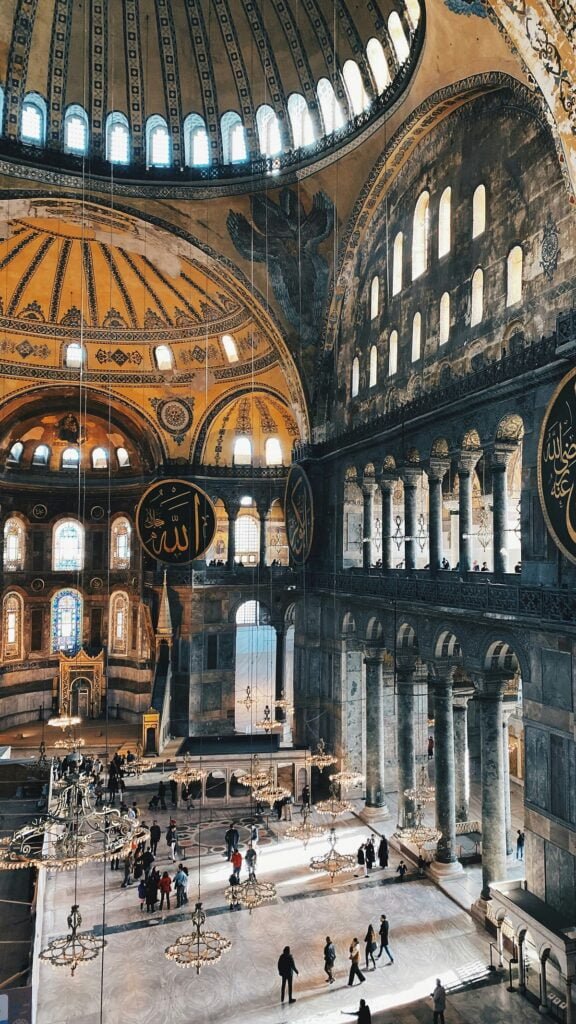
View into the Hagia Sophia from the upper floor — Photo by Linus Mimietz on Unsplash
Atheism Has No Place in Politics
While there are numerous openly atheist Turkish thinkers, journalists, writers, and artists, some of whom are considered national treasures, atheism in Turkish politics is unheard of. This may have several reasons, but the biggest is perhaps that secularist atheists would see discussing atheism publicly and advocating for political changes as contradictory to secular values. Additionally, they may believe that being openly atheist would make them appear biased and hinder their ability to advocate for secularism since the main message of Turkish secularists is that atheism and secularism are unrelated.
On the other hand, populist populations would likely aim to make any attempts by an openly atheist politician to enforce secularist principles seem like a war against Islam.
Ultimately, thanks to the fact that Muslim secularist politicians aim to keep religion personal and private, separate from politics. As a result, Muslim secularists and atheist secularists are largely indistinguishable, and atheist secularists believe they do not have to advocate for secularism on their own since secularism is to protect everyone.
The Road Ahead: Projecting Future Trends
Given the current statistical trends, it is plausible to project that the number of individuals identifying as atheists, deists, or non-traditional Muslims will continue to grow. This reflects a global trend of religious disaffiliation, particularly among younger generations who often prioritize personal experience and scientific understanding over traditional religious authority. My personal view is that more and more Turks leave organized religion altogether and identify themselves as deists.
Turkish Deism
Deism is a philosophical and religious viewpoint that posits the existence of a supreme being or creator, often referred to as “God,” based on reason and observation of the natural world rather than on revelation or religious scripture. Deists typically believe that this supreme being created the universe and set it in motion but does not intervene in its affairs through miracles or divine revelation. Instead, deists argue that the natural world operates according to rational laws established by this creator.
Deism emerged during the Enlightenment period in Europe in the 17th and 18th centuries and was influential among many intellectuals, including thinkers like Voltaire, Thomas Paine, and Thomas Jefferson.
It is not surprising that the Turkish flavor of deism is unconventional. Individuals who identify themselves as deists in Turkey typically believe in a creator who may or may not intervene in the day-to-day workings of the universe, allowing prayer as a final option. Moreover, Turkish deists often think that humans are put to the test in this world. Any action that harms others or any inaction that contradicts common decency is considered a ‘sin.’
In a Nutshell
As depicted through statistical data, Turkey’s evolving religious landscape illustrates a complex interplay of traditional beliefs, secular values, and a growing inclination towards personal spirituality, suggesting a future in which Turkey’s religious identity will be increasingly characterized by diversity, pluralism, and individual choice, challenging conventional narratives and paving the way for a more inclusive understanding of faith in the modern world.