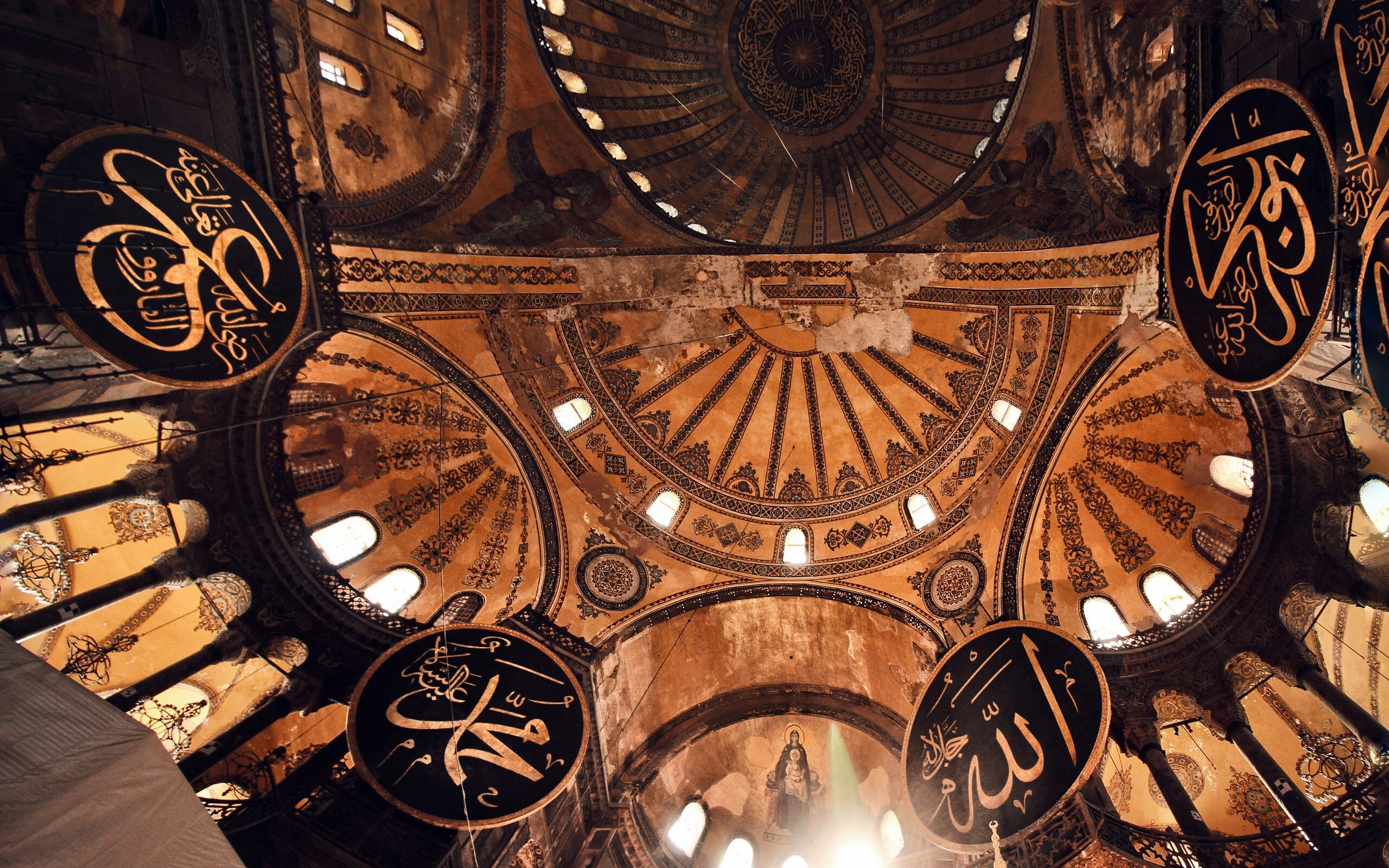
Christianity and Islam are two of the most influential religions in the world, each with a rich history and deep-rooted traditions that have shaped societies and influenced the course of human history. With over 2 billion Christians and 1.8 billion Muslims globally, these religions form a significant bridge impacting the cultural, social, and spiritual lives of billions. The bridge between Christianity and Islam is reflected in their holy scriptures—the Bible and the Quran—and extends to their practices, rituals, and beliefs, highlighting both similarities and distinctions that render each faith unique.
Despite their differences, both religions share a common belief in the existence of one God, the importance of prayer and charity, the value of family and community, and the pursuit of peace and justice. By exploring the common ground between Christianity and Islam, we can better understand and appreciate these two religions and foster greater respect and cooperation among their followers.
Bridge Between Christianity and Islam I: Shared Monotheistic Roots
Christianity and Islam are two major religions that share a fundamental belief in the oneness of God. Both faiths consider God to be the sole creator and sustainer of the universe. This monotheistic principle is a cornerstone that unites the followers of both religions, and it is expressed in their daily prayers and religious rituals.
In addition to this belief, Christianity and Islam share a reverence for a lineage of prophets. These prophets, including Abraham, Moses, Elijah, Elisha, Jonah, Zechariah, John the Baptist, Aaron, David, Solomon, Job, Joseph, Adam, Noah, Lot, Ishmael, Isaac, Jacob, and Jesus, are considered essential figures in the history of both religions who are seen as messengers of God who had a pivotal role in guiding humanity and who left behind teachings that are still relevant today.
While there are differences in how these religions interpret and follow the teachings of these prophets, the shared belief in their importance underscores the deep similarities between Christianity and Islam. These similarities offer a path for peaceful coexistence and mutual understanding between the followers of these two faiths.
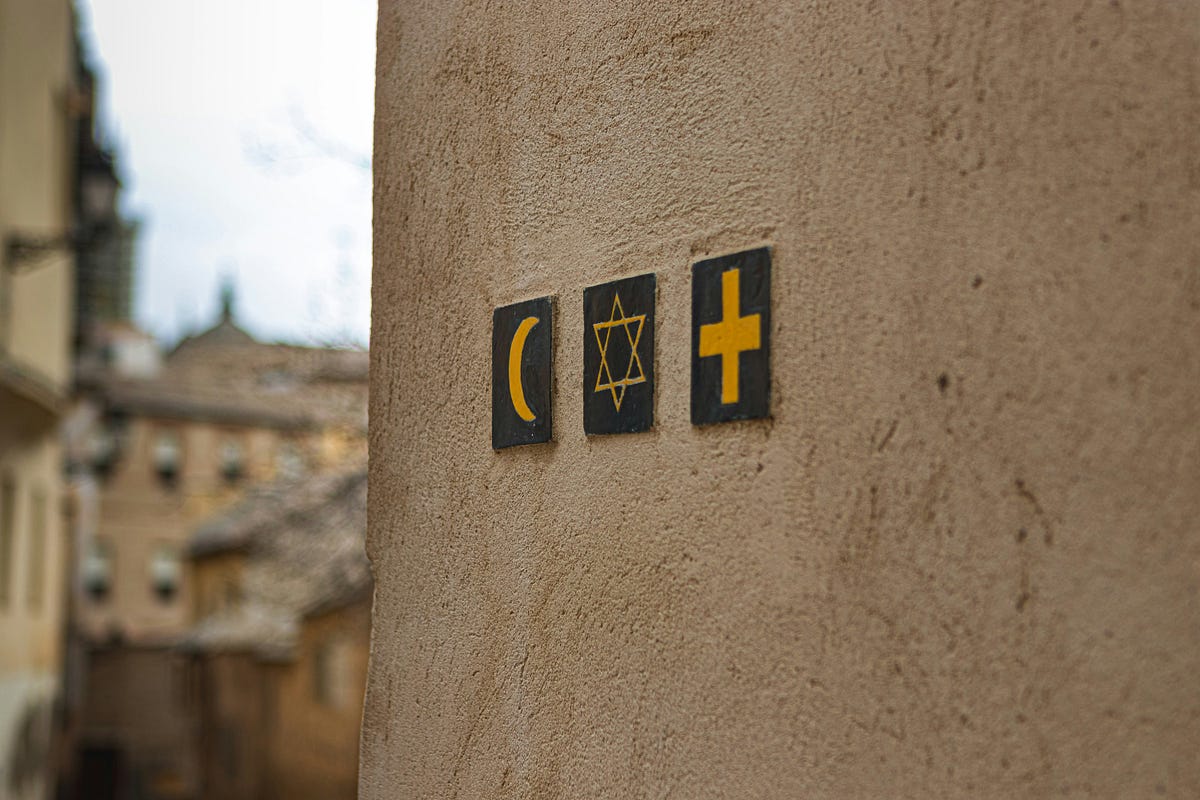
Bridge Between Christianity and Islam II: Sacred Texts and Teachings
The Bible and the Quran are two of the most important religious texts in the world, serving as the foundational scriptures for Christians and Muslims, respectively. These texts are revered by believers as sacred and are considered to contain the divine word of God.
For Christians, the Bible provides a comprehensive guide to faith and morality, covering everything from the world’s creation to the life and teachings of Jesus Christ. It is divided into two main parts: the Old Testament, which tells the story of God’s relationship with the Jewish people, and the New Testament, which focuses on the life and teachings of Jesus and the early Christian church. The Bible provides moral guidance, spiritual insights, and a framework for living a life pleasing to God. It emphasizes the importance of love, compassion, forgiveness, and humility while stressing the need for righteousness and obedience to God’s commands.
For Muslims, the Quran is the final and most complete revelation of God’s message to humanity, as conveyed by the Prophet Muhammad. It contains 114 chapters, or suras, organized according to length rather than chronology. The Quran covers a wide range of topics, including the oneness of God, the nature of humanity, and the importance of good deeds and virtuous behavior. Like the Bible, it emphasizes compassion, justice, and the importance of community, reflecting a shared moral ethos. Muslims believe that the Quran is the literal word of God and that its teachings are meant to guide all aspects of life, from personal conduct to social and political affairs.
While Muslims accept the four gospels of the New Testament for the most part, they reject the prophethood of Apostle Paul and the doctrines installed by the Roman Catholic Church in later centuries, such as the Trinity and Original Sin.
Bridge Between Christianity and Islam III: Angels, Afterlife, and Accountability
Christianity and Islam both share a belief in the existence of angels, namely Gabriel, Michael, Raphael, Azrael and the fallen angel Satan. These celestial beings are believed to serve God’s will and carry out His commands. Both religions also hold the conviction that after death, our souls will go to an afterlife where they will find their eternal destiny.
In Christianity, this is often referred to as heaven or hell, while in Islam it is referred to as paradise or hellfire. Additionally, both religions teach the concept of the Day of Judgment, where individuals will be held accountable for their actions during their life on earth. On this day, God will judge each person according to their deeds and they will be rewarded or punished accordingly. This belief is a fundamental part of both religions and serves as a reminder of the importance of leading a righteous and moral life.
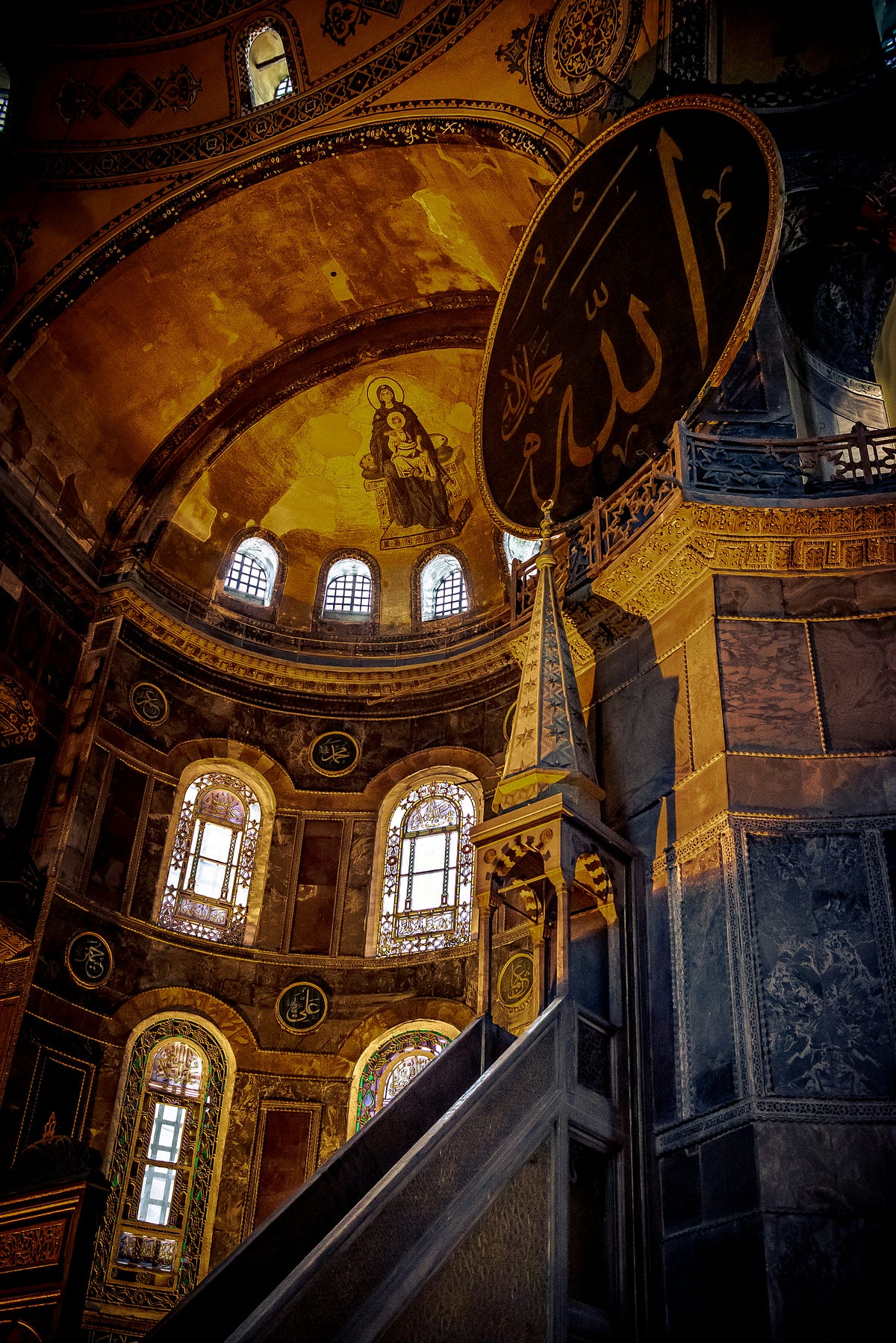
Bridge Between Christianity and Islam IV: The Legacy of Abraham
Abraham, also known as Ibrahim in Islam, is a central figure in Christianity and Islam. He is considered the father of many nations and is revered for his unwavering faith in God. In Christianity, Abraham is known as the Israelites’ patriarch and is considered one of the most important figures in the Old Testament.
In Islam, on the other hand, he is considered to be a prophet and is revered for his submission to God’s will and his willingness to sacrifice his son for God. Abraham’s legacy is a testament to the shared heritage and mutual respect that can be found between Christians and Muslims, as his story is a reminder of the importance of faith, devotion, and obedience to God in both religions.
Challenges and Misconceptions
Christianity and Islam share many similarities, including core beliefs, values, and practices. Despite these commonalities, there is often a perception of tension and conflict between the two religions, especially in regions such as the Middle East, where their histories have been intertwined for centuries. These tensions can be attributed to various factors, such as political and economic conflicts, cultural differences, and misunderstandings about each other’s beliefs and practices.
However, it’s important to recognize and appreciate the similarities between Christianity and Islam and cultivate greater understanding and respect for each other’s differences. By doing so, we can create a more peaceful and unified world where people of different faiths and no faith can coexist and work together towards common goals.
Mutual Respect and Reverence
One of the most notable aspects of the relationship between Islam and Christianity is the mutual respect between the two religions. Despite their differences in beliefs, Muslims hold the Bible in high regard, considering it to be a divine revelation alongside the Quran. Additionally, Jesus Christ is revered as a significant prophet, and Muslims recognize him as the Messiah.
This respect is further emphasized by the frequent references to Jesus and his mother, Mary, in the Quran, underscoring the significance of Jesus in Islamic beliefs and serve as a reminder of the shared religious heritage between Islam and Christianity.
Moreover, throughout history, there have been periods of collaboration and peaceful coexistence between Christians and Muslims. Islamic scholars played a crucial role in preserving and translating ancient knowledge during the Middle Ages, contributing to the European Renaissance and the Scientific Revolution. This exchange of intellectual ideas and knowledge is a testament to the benefits of interfaith dialogue and cooperation between different religions.
Contemporary Dialogue
Recently, the ecumenical movement has been working to establish greater collaboration and communication between Christianity and Islam by implementing interfaith initiatives that promote dialogue and mutual understanding. These efforts are between the two religions, and they seek to build bridges that can help foster a deeper level of understanding and respect.
The ultimate goal of these initiatives is to highlight the shared values and common beliefs that can serve to unite us all as human beings, regardless of our faiths or cultural backgrounds. By working together in this way, we can create a more harmonious and peaceful world grounded in mutual respect and understanding.

In a Nutshell
Christianity and Islam, two of the world’s largest religions, have distinct differences in practice and theology. However, they share a profound common ground that is often overlooked. Both religions believe in one God, who is merciful, compassionate, and just. Both encourage their followers to love and serve others, to practice self-control and discipline, and to seek forgiveness for their sins.
Despite their differences, Christianity and Islam share many fundamental values that can be used to build bridges between their followers. Mutual respect, understanding, and willingness to learn from one another’s perspectives can help create a more harmonious and respectful world. By recognizing and celebrating their shared heritage, adherents of both faiths can work together to overcome fear and suspicion and promote peace and cooperation.
Afterword
I don’t endorse Christianity or Islam. However, I also don’t believe it is up to us to decide if the world would be a better place without either of these religions. Regardless of where one stands, the ideas and solutions one supports must satisfy two criteria: keep religion out of politics and aim for peaceful coexistence of us all.
Sources
Log College Press
Log College Press aims to collect and reprint the writings of and about American Presbyterians from the 18th and 19th…caleb-cangelosi-437x.squarespace.com
Shared Prophets of Christianity & Islam | Synonym
Hemera Technologies/PhotoObjects.net/Getty Images Christianity and Islam have several prophets in common and consider…classroom.synonym.com
List of people in both the Bible and the Quran – Wikipedia
From Wikipedia, the free encyclopedia The Bible and Quran have many characters in common, many of which are mentioned…en.wikipedia.org
The Greatest Prophets between Christianity and Islam: 13-Prophet Moses
Moses is the prophet most mentioned by name in the Bible and the Qur’an and the one, along with Abraham, most revered…islamforchristians.com
Jesus: A Foundation for Dialogue Between Muslims and Christians | Yaqeen Institute for Islamic…
Jesus is at the center of Christianity and is considered a prophet in Islam. Common ground between Muslims & Christians…yaqeeninstitute.org
What Christianity and Islam have in common
This commonality is too often lost in the turmoil of antagonistic voices who push politics of fear.www.tennessean.com
Hierarchy and significance of angels in various religions
angel, Primarily in Western religions, any of numerous benevolent spiritual beings who mediate between heaven and…www.britannica.com
What are the Similarities Between Christianity and Islam?
Christianity and Islam are the two largest religions in the world and share many similarities and differences. Read on…www.twinkl.com
Belief in Angels
The true reality of angels, their abilities, tasks, names and numbers.www.islamreligion.com