Category: Science

Dive into the fascinating world of science with our comprehensive category dedicated to exploring the latest breakthroughs, theories, and concepts. Here, you’ll find engaging articles, detailed guides, and insightful discussions covering a wide range of scientific fields, from physics and chemistry to biology and environmental science. Learn about cutting-edge research, technological innovations, and the brilliant minds driving scientific progress. Whether you’re a student, a professional, or simply curious about the wonders of the universe, our science category offers a wealth of information to satisfy your intellectual curiosity and fuel your passion for discovery.

  • Not All Deaths Created Equal, Scientists Say

    Not All Deaths Created Equal, Scientists Say

    Nobody likes to think about death, whether it’s their own or that of a loved one. Even though death is a natural part of life, it remains a frightening mystery, even for those with strong beliefs in an afterlife. Since no one can describe the experience after truly dying, and reports from those who’ve come close aren’t fully reliable, the fear persists.

    First the good news. Statistics say more than 85% of palliative care patients have no severe symptoms by the time they die since by the time someone reaches the “active dying” stage, they are typically unconscious or so heavily sedated that they don’t feel pain. Many people who have witnessed the death of a loved one have noted a moment of peace before the final breath, indicating a serene “transition”.

    However, not every death is created equal. Some are agonizingly painful. Scientists, unafraid to confront the darker aspects of our existence, have studied this, though pain remains subjective, and their conclusions vary. Despite this, there is some consensus on what constitutes the most painful ways to die. While experiences may differ, here are some of the most excruciating ways to die, according to science:

    Nail pierced wrist crucifixion

    Crucifixion: The Origin of ‘Excruciating’

    Crucifixion, a method of execution designed by humans, is among the most painful ways to die. Most associate it with the crucifixion of Jesus Christ, but this practice dates back to the sixth century BC.

    While artistic depictions often show a serene Christ on the cross, the reality was far more brutal. The nails weren’t driven through the palms but the wrists, striking the median nerve and causing excruciating pain. In fact, the word “excruciating” originates from “crucifixion.”

    Lethal Injection

    Lethal Injection: Not Quite Humane

    Lethal injection was first introduced in the United States in the late 20th century as an alternative to more traditional methods of execution like electrocution and gas chambers, using instead a combination of drugs intended to sedate, paralyze, and stop the heart.

    However, in practice, lethal injection can be unimaginably painful since the drugs do not necessarily always work as intended. If the sedative fails, the person remains conscious, experiencing intense pain while paralyzed and unable to communicate, which raises ethical concerns and doubts about its constitutionality.

    The moral of the story is: don’t commit murder and get caught in jurisdictions that still use lethal injection for capital crimes.

    electrocution

    Electrocution: A Shocking End

    Electrocution, whether in an execution or an accidental death, is known for being extremely painful. When a high-voltage electrical current passes through the body, it causes severe damage and intense pain. The current disrupts the brain and nervous system, leading to violent muscle contractions that can be so intense they break bones. The person feels excruciating burning sensations as the electricity travels through their body, often leaving severe burns, especially where the electricity enters and exits.

    In executions, the goal is to stop the heart quickly, but if the current isn’t strong enough or the procedure fails, the person can experience a prolonged, agonizing death, sometimes requiring multiple shocks. Similarly, in accidental electrocutions, the pain and damage can be just as severe, leading to a slow, painful death. The unpredictability and potential for extreme suffering make

    Long story short, stay away from electricity at all times and be meticulous should you commit any murder in Alabama, Arkansas, Florida, Kentucky, Louisiana, or Tennessee, where the electric chair is still used for capital punishment.

    Bloodloss

    Bleeding Out: A Painful Plunge

    Hemorrhagic shock happens when you lose a lot of blood, causing your blood pressure to drop dangerously low. This can lead to severe pain and discomfort. At first, you might feel intense pain because of the injury or cause of the bleeding. As the situation worsens, your organs start to fail due to a lack of oxygen, leading to more pain and a feeling of weakness.

    The pain from hemorrhagic shock can be quite severe and is often accompanied by feelings of anxiety or fear. Your body’s attempt to cope with the blood loss can make you feel even worse, with symptoms like rapid heart rate and shallow breathing. Quick medical treatment is crucial to stop the bleeding and manage the pain, improving the chances of recovery.

    A drowning woman in clothes.

    Drowning: The Silent Agony Beneath the Waves

    If you think drowning is a relatively peaceful way to die, then I’ll have to disappoint you. Drowning is, in fact, an incredibly painful and terrifying way to die. As water enters the lungs, the body instinctively fights for air, triggering a panic response. The person experiences a desperate struggle to breathe, but instead of getting oxygen, they inhale water, which causes intense choking and burning in the chest and throat.

    As the lungs fill with water, the lack of oxygen leads to hypoxia, which causes extreme discomfort and disorientation. The body’s muscles may cramp and seize due to the lack of oxygen, adding to the overall pain. In these moments, the brain becomes increasingly deprived of oxygen, leading to a sense of suffocation and an overwhelming feeling of dread and helplessness.

    Eventually, the person loses consciousness as the body is starved of oxygen, but the process leading up to this point is one of immense physical and psychological pain. The combination of panic, suffocation, and physical pain makes drowning a particularly harrowing and agonizing experience.

    Freezing to Death

    Freezing: The Icy Pain of Hypothermia

    Freezing, or hypothermia, is your body’s way of saying, “I’ve had enough of this cold nonsense.” It starts with shivering and numbness as your body tries to hang onto its last bits of warmth like a drama queen clutching at straws. As things get worse, the pain morphs from sharp, burning sensations into a deep, stubborn ache. The process might even turn you into a numb, detached spectator as your body struggles to reheat. It’s the kind of painful ordeal that makes you question why you didn’t stay in and binge-watch TV instead.

    Ironically, many hypothermia victims are discovered half naked because of the burning sensation that precedes right before death.

    On a brighter note, what caused your heart to stop in the first place may save your life by preserving your body until the paramedics arrive, which is exactly what happened to Audrey Mash, a 34-year-old Brit who died while hiking with her husband due to hypothermia in 2019. However, she was revived six hours after her death by the paramedics.

    Dehydration

    Starvation and Dehydration: Oh The Agony!

    Extreme dehydration and starvation are among the most painful ways to say goodbye. Without enough water, the body first experiences intense thirst and dry skin. As dehydration worsens, it causes dizziness, confusion, and severe fatigue, along with muscle cramps and kidney problems.

    Starvation involves the body using up its fat and muscle for energy, leading to extreme weakness and discomfort. The lack of nutrients affects organ function, causing abdominal pain, nausea, and a weakened heart. Both conditions cause severe physical and psychological suffering as the body slowly shuts down.

    Heart Attack

    Heart Attack: Surprising Culprit

    In heart attacks, your heart throws a dramatic fit and refuses to do its job properly. A blood clot blocks the flow of life’s essential juice to your heart muscle. What follows is a chest pain that feels like an overzealous hug from a bear—crushing, squeezing, and not letting go. The pain might spread to your arms, neck, or jaw.

    It’s the kind of pain that’s both urgent and terrifying, making you wish you’d taken up a less stressful hobby than your heart’s personal melodrama.

    Cancer

    Cancer: The C-Word

    The number of cancer-related deaths comes second only to those caused by heart disease worldwide. All types of cancer can cause significant pain as they spread and damage tissues and organs. Tumors can press on nerves and organs, leading to sharp, throbbing, or aching pain.

    Treatments for cancer, like chemotherapy and radiation, can also cause painful side effects such as mouth sores, skin burns, and extreme tiredness. As the disease progresses, the pain often worsens and can be hard to control, especially if complications like organ failure or infections occur. Despite efforts to manage pain through palliative care, cancer-related pain can be intense and difficult to handle at the end of life.

     Sudden Decompression

    Sudden Decompression: An Excruciating Tale

    Sudden decompression is like a crash course in suffering from the universe’s worst case of cabin fever. When pressure changes happen too fast, such as in deep-sea dives or high-altitude emergencies, gases trapped in the body come bubbling out like a shaken soda can. This can lead to intense pain as gas bubbles wreak havoc on tissues and organs.

    Imagine your joints and muscles suddenly feeling like they’ve been hit by a freight train, while your chest and abdomen ache as if they’re being twisted in a vice. The gas bubbles can block blood flow, leading to serious damage and a kind of pain that’s anything but subtle. Add to that the panic and confusion from the body’s rapid descent into chaos, and you’ve got a recipe for a truly excruciating experience. Sudden decompression isn’t just a bad day at the office—it’s a brutally painful ordeal where the universe seems to go out of its way to make things as uncomfortable as possible.
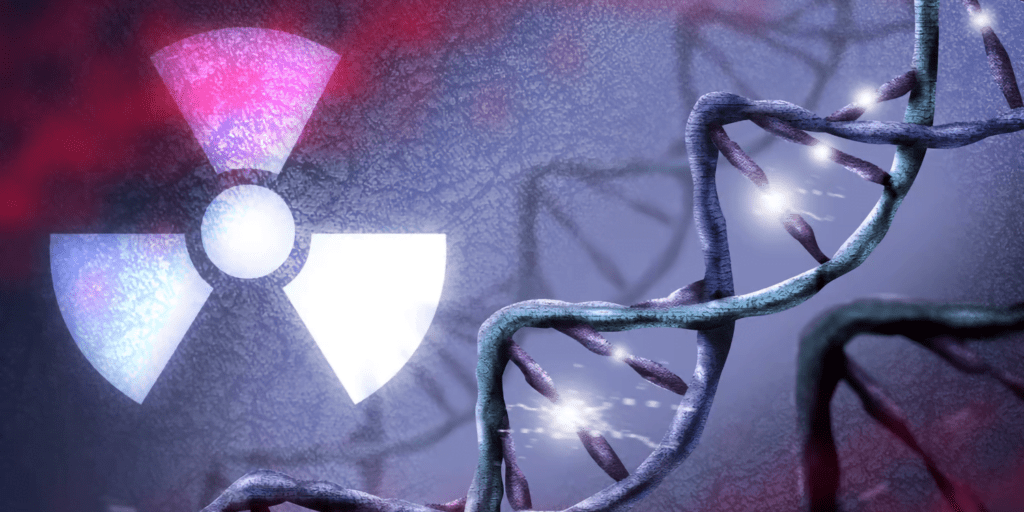
    Radiation Sickness: When Cells Go Nuclear

    In radiation sickness, your body throws a tantrum. Exposed to a high dose of radiation, your cells are essentially turned into over-cooked popcorn—popped, charred, and left to disintegrate. The early symptoms—nausea, vomiting, and diarrhea—are your body’s way of saying, “Why did you think that was a good idea?”

    As radiation continues its course, the damage extends to your bone marrow, turning your blood into a stew of infections and bleeding. The pain is like your insides are having an uninvited rave, complete with inflammation and cellular chaos.

    Burning Man

    Burning: Unbearable Pain of a Demise

    Not for nothing were witches once burned at the stake. Burning to death is like being trapped in a nightmarish bonfire where the flames are all too real. As the fire scorches the skin, it turns the body into a painful, sizzling mess. Imagine every nerve ending on high alert, feeling as if they’re being seared by a thousand hot pokers while the skin blisters and bubbles like a poorly cooked steak.

    The experience is less “hot” in a trendy sense and more like a never-ending assault of pain that goes beyond just feeling like you’re on fire. The body’s natural response to extreme heat involves severe inflammation, which only adds to the agony, creating a symphony of discomfort as the skin and tissues are burned away.

    On top of the physical torment, there’s the psychological dread of realizing that the heat is not just a brief encounter but an extended ordeal.

    All that being said, in fires, most victims die from smoke inhalation long before the flames reach them.

    #DeathScience, #PainfulDeath, #HumanExperience
  • Contagious Misconceptions: Sun and Its Supermassive Black Hole

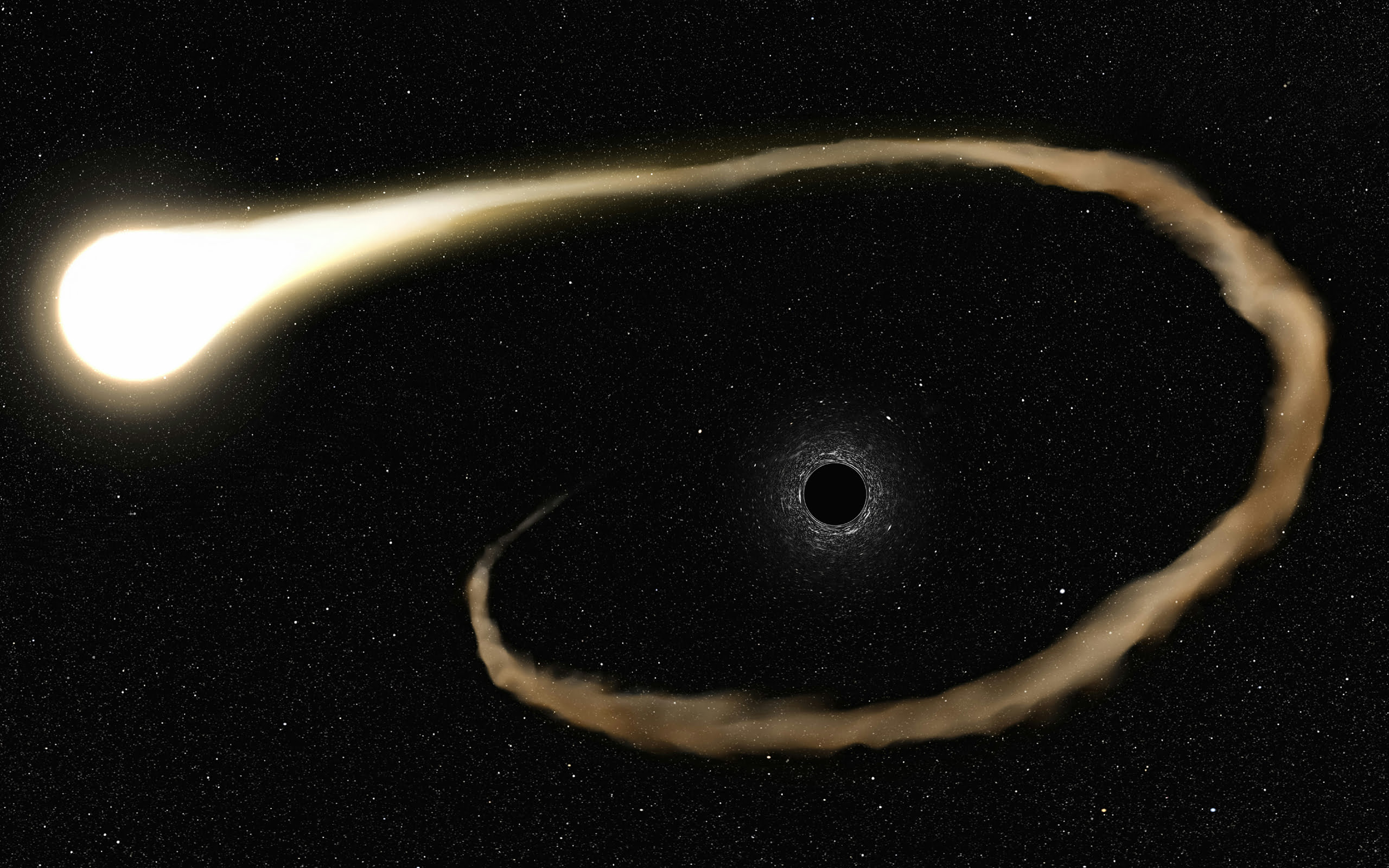
    Contagious Misconceptions: Sun and Its Supermassive Black Hole

    Have you ever gazed up at the night sky and wondered about the grand cosmic dance happening above us? It’s easy to imagine that everything in space moves in the same way, like a giant mobile hanging from the ceiling. But the truth is far more fascinating and complex. Today, we’re going to bust a common myth and explore how our planet Earth, the Sun, and even our entire Milky Way galaxy really move through space.

    The Misconception

    First, let’s address the elephant in the room – or should we say, the black hole in the galaxy. There’s a widespread belief that the way Earth and other planets orbit the Sun is the same as how the Sun orbits the supermassive black hole at the center of our Milky Way galaxy. It seems logical, right? If the planets circle the Sun, surely the Sun must circle the black hole in the same way?

    Well, not quite.

    Earth and the Sun

    Let’s start with what we know best – our own solar system. Earth, along with the other planets, does indeed orbit the Sun, primarily driven by the Sun’s immense gravitational pull. Our star containing 99.86% of all the mass in our solar system, makes it the undisputed gravitational boss of our cosmic neighborhood.

    The planets, including Earth, move around the Sun in elliptical orbits, balancing between the Sun’s gravity pulling the planets inward and the planets’ own momentum trying to carry them away.

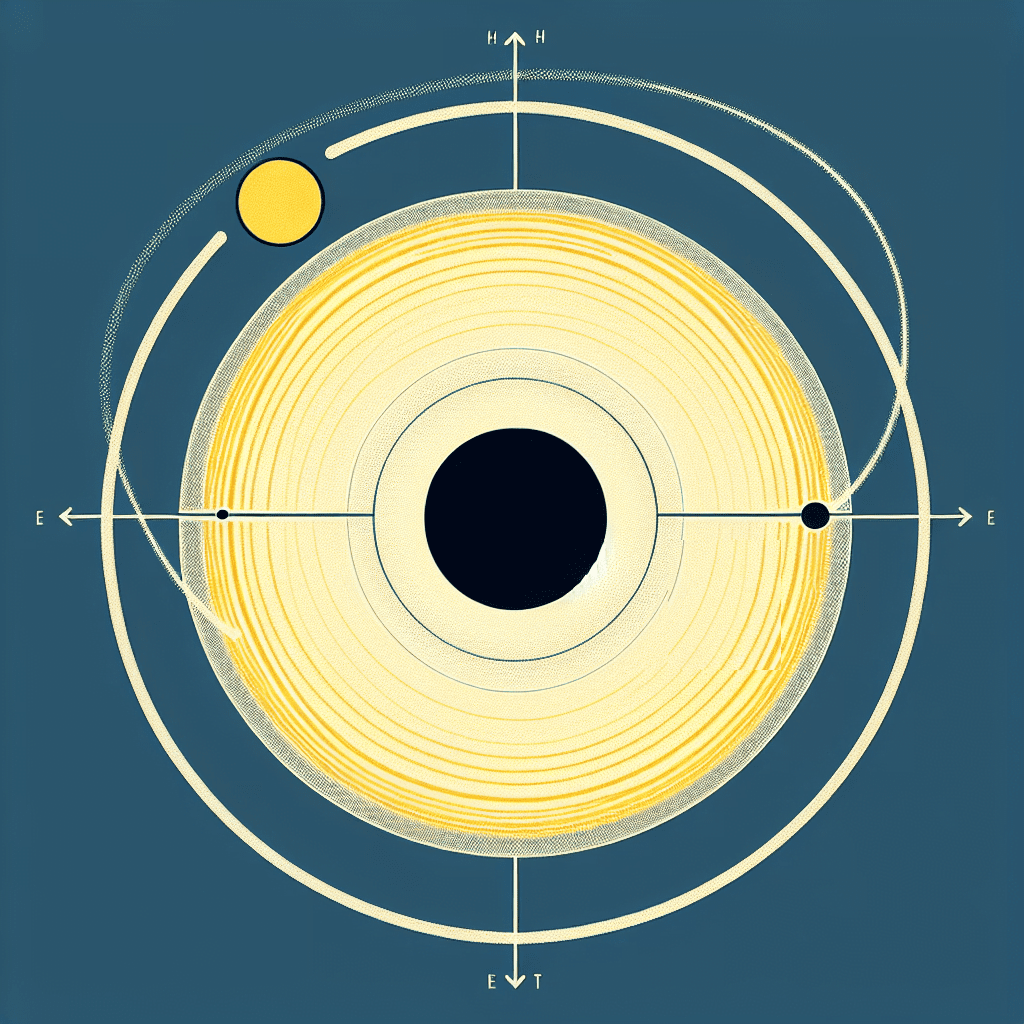
    Supermassive Black Hole of Milky Way

    The Milky Way: A Different Kind of Motion

    Now, let’s zoom out – way out – to the scale of our entire galaxy, the Milky Way. At the center of our galaxy lies a supermassive black hole, often referred to as Sagittarius A* (pronounced “Sagittarius A-star”). It’s incredibly massive, about 4 million times the mass of our Sun. That’s huge, right?

    Well, yes and no. While 4 million solar masses is indeed enormous by our earthly standards, it’s actually tiny compared to the total mass of the Milky Way galaxy. Our galaxy contains hundreds of billions of stars, vast clouds of gas and dust, and a mysterious substance called dark matter (more on that later). All of this combined makes the Milky Way about 1.5 trillion times more massive than our Sun.

    This is where our misconception starts to fall apart. The supermassive black hole at the center of our galaxy, despite its impressive size, simply isn’t massive enough to be the primary force keeping the entire galaxy together and in motion.

    The Gravitational Influence of the Black Hole

    The black hole’s gravitational influence is strong, but it’s localized. It primarily affects the stars and gas clouds in the very center of the galaxy. Our Sun, located about 26,000 light-years from the galactic center, is far too distant to be significantly influenced by the black hole’s gravity.

    So, if it’s not the black hole’s gravity keeping our Sun in orbit around the galactic center, what is it?

    Enter Dark Matter

    This is where our story takes another fascinating turn. Scientists have discovered that there’s more to our galaxy than meets the eye – literally. Enter dark matter, a mysterious substance that we can’t see or directly detect but whose gravitational effects we can observe.

    Dark matter doesn’t interact with light or other forms of electromagnetic radiation, which is why we can’t see it. However, its gravitational effects are unmistakable. Scientists estimate that dark matter makes up about 85% of the matter in the universe and about 26% of its total energy content.

    The Milky Way’s Rotation

    In our Milky Way, dark matter forms a vast, spherical halo that extends far beyond the visible disk of stars. The dark matter halo provides the additional gravitational force needed to keep the outer parts of the galaxy, including our Sun, orbiting around the galactic center.

    The Sun’s orbit around the galactic center takes about 225-250 million years to complete, meaning that since the time of the dinosaurs, our solar system has only made about one-quarter of a trip around the galaxy!

    Interestingly, the rotation of stars, gas and dust clouds, and dark matter isn’t uniform across the galaxy. The inner parts of the galaxy rotate faster than the outer parts, creating a differential rotation, which is different from how planets orbit the Sun, where inner planets complete their orbits faster than outer ones.

    A Cosmic Web

    Zooming out even further, we find that our Milky Way galaxy isn’t just rotating on its own. It’s part of a local group of galaxies, which in turn is part of a larger supercluster. These structures are all interconnected in a vast cosmic web, with filaments of galaxies separated by enormous voids.

    On this grand scale, the movement of galaxies is influenced by the combined gravitational effects of all matter in the universe, including the mysterious dark energy that appears to be accelerating the expansion of the universe.

    The Takeaway

    The motion of Earth around the Sun is indeed different from how the Sun moves within our galaxy. While Earth’s orbit is primarily influenced by the Sun’s gravity, the Sun’s motion in the galaxy is part of a much larger, more complex system involving billions of stars, vast amounts of dark matter, and the collective gravitational influence of the entire galaxy.

    #AstronomyFacts, #SpaceScience, #GalacticMisconceptions

  • When No Clue Is the Only Clue

    When No Clue Is the Only Clue

    At some point in your life, you must have heard the phrase “absence of evidence is not evidence of absence” at least once. It might sound like a tongue twister, but this powerful statement holds a wealth of wisdom, especially in all btanches of science, critical thinking, and everyday life. Today, we’re going to unpack this concept and explore why it’s so important in our quest for knowledge and understanding.

    What Does It Mean?

    At its core, “absence of evidence is not evidence of absence” means that just because we haven’t found proof of something doesn’t necessarily mean that it doesn’t exist or isn’t true. In other words, a lack of evidence doesn’t automatically disprove an idea or theory.

    This concept is crucial in many fields, from scientific research to criminal investigations and even in our day-to-day lives, reminding us to keep an open mind and not jump to conclusions too quickly.

    The Scientific Perspective

    In science, open-mindedness is particularly important. Scientists are always searching for evidence to support or disprove theories. But here’s the thing: just because they haven’t found evidence for something yet, it doesn’t mean they never will.

    Take the search for extraterrestrial life, for example. We haven’t found concrete evidence of aliens yet, but that doesn’t mean they don’t exist. It just means we haven’t discovered them (if they’re out there). Scientists continue to explore and search because they understand that the absence of evidence isn’t the final word.

    Another great example is the concept of dark matter. For years, scientists observed that there seemed to be more gravity in the universe than could be explained by the visible matter we can see. To explain this phenomenon, they proposed the existence of dark matter. While we still haven’t directly observed dark matter, the absence of direct evidence doesn’t mean it doesn’t exist. Scientists continue to research and look for ways to detect it.

    The Multiverse Theory

    Let’s talk a bit about a mind-bending example: the multiverse theory, which suggests that our universe might be just one of many universes existing parallel to each other, and the possibility of more than one universe has captured the imagination of scientists and sci-fi enthusiasts alike.

    Currently, we don’t have conclusive evidence that other universes exist. But does that mean we should dismiss the idea entirely? Not at all! The absence of evidence for the multiverse doesn’t prove it doesn’t exist. It simply means we haven’t found a way to detect or observe other universes yet – if they’re out there.

    Scientists continue to work on this theory because they understand that our current lack of evidence doesn’t rule out the possibility. Who knows? Future technological advancements or new theoretical frameworks might one day allow us to find evidence for or against the multiverse theory.

    The Impossibility of Proving a Negative

    Another important aspect of this concept is the difficulty – often impossibility – of proving a negative. This is where the famous example of Russell’s Teapot comes in.

    Philosopher Bertrand Russell proposed a thought experiment: imagine he claimed that a teapot was orbiting the Sun somewhere between Earth and Mars, but it was too small to be detected by our telescopes. It would be absurd to expect others to believe this claim simply because they couldn’t prove it wrong.

    This example illustrates why the burden of proof usually lies with the person making a claim, not with those skeptical of it. It’s nearly impossible to prove that something doesn’t exist anywhere in the universe. The absence of evidence for Russell’s teapot isn’t proof that it doesn’t exist, but it’s also not a reason to believe that it does.

    Practical Applications in Everyday Life

    This principle isn’t just for scientists and philosophers – it has practical applications in our daily lives too. Here are a few examples:

    • Just because your friend hasn’t called you in a while doesn’t necessarily mean they don’t care about you. There could be many reasons for their silence that you’re unaware of.
    • Not hearing back from a company after an interview doesn’t automatically mean you didn’t get the job. They might still be in the decision-making process.
    • The absence of symptoms doesn’t always mean you’re not ill. Some conditions can be present without obvious signs, which is why regular check-ups are important.
    • Just because there’s no evidence linking a suspect to a crime doesn’t necessarily mean they’re innocent. It just means there’s not enough evidence to prove guilt.

    The Importance of Keeping an Open Mind

    Understanding that the absence of evidence is not evidence of absence encourages us to keep an open mind. It reminds us that our current knowledge is limited and that there’s always more to learn and discover.

    However, open-mindedness doesn’t mean we should equal probability to any claim or theory without conclusive evidence that comes our way. Skepticism is healthy and necessary. It is just that we should be willing to consider new ideas and be open to changing our minds if new evidence comes to light.

    Know Your Limits

    While it’s important to remember that absence of evidence isn’t evidence of absence, we also need to be careful not to take this principle too far. If we’ve looked extensively for something and found no evidence, it’s often reasonable to think it probably doesn’t exist – even if we can’t be 100% certain.

    Let’s consider some examples to understand this better:

    Unicorns, Space Teapots and Vulcan

    There’s no good reason to believe that unicorns or teapots orbiting the sun exist. It wouldn’t make sense to spend time and resources searching for these.

    However, scientists though it was worthwhile to look for a a hypothetical planet called Vulcan orbitting between Mercury and the Sun because it potentially explain peculiarities in Mercury’s orbit. Ultinately, Einstein’s theory of general relativity later explained these anomalies without the need for an extra planet.

    Alien Life

    Our galaxy, the Milky Way, is estimated to have between 200-400 billion stars. Even more mind-boggling, scientists think there could be around 2 trillion galaxies in the part of the universe we can see. With numbers this big, even if the chance of life emerging is small, it’s quite possible that it has happened at least once more in the universe besides Earth, making scientists believe it’s sensible to keep looking for signs of alien life.

    Multiverse and Many-Worlds Theories

    Some scientific ideas, like the Multiverse Theory and the Many-Worlds Theory, are appealing to scientists even though we don’t have direct evidence for them yet. The Multiverse Theory helps explain why our universe seems to be “just right” for life to exist, which otherwise seems like an incredibly lucky coincidence. The Many-Worlds Theory offers an explanation for why particles behave differently when we observe them compared to when we don’t. These theories solve some puzzling problems in physics, which is why scientists continue to explore them despite the current lack of direct evidence.

    The key is to balance open-mindedness with critical thinking and respect for the evidence we do have.

    The Takeaway

    “Absence of evidence is not evidence of absence” is more than just a catchy phrase. It’s a reminder of the limits of our knowledge and the importance of continued exploration and learning.

    Remember, some of the greatest discoveries in history came from people who were willing to look beyond the absence of evidence and ask, “What if?” So go ahead, embrace the uncertainty, and keep exploring.

    #CriticalThinking #SciencePhilosophy #EvidenceBasedReasoning

  • Is the Universe Fine-Tuned for Life, or Is It Just Chance?

    Is the Universe Fine-Tuned for Life, or Is It Just Chance?

    Have you ever looked up at the night sky and wondered, “Why are we here?” It’s a question that has puzzled humans for millennia. But in the last century, scientists and philosophers have approached this age-old question from a new angle, asking, “Is the universe somehow set up perfectly for life to exist, or is our existence just a lucky accident?”

    What is the Anthropic Principle?

    The Anthropic Principle is a concept that tries to explain why the universe appears to be perfectly suited for life, particularly human life. It suggests that the fundamental constants of the universe – things like the strength of gravity, the mass of electrons, and the speed of light – are just right for life to exist. If any of these constants were even slightly different, the universe as we know it wouldn’t exist, and neither would we.

    The Fine-Tuning Argument

    Imagine you’re baking a cake. You need just the right amount of each ingredient, the correct oven temperature, and the perfect baking time. If any of these factors are off, even by a little bit, your cake might end up as a disaster. Now, apply this idea to the entire universe. Scientists have discovered that many cosmic constants seem to be “just right” for life to exist.

    For example,

    • If gravity were a tiny bit stronger, stars would burn out too quickly for life to evolve. If it were a bit weaker, stars wouldn’t form at all.
    • If the strong nuclear force (which holds atomic nuclei together) were slightly weaker, only hydrogen would exist in the universe. If it were slightly stronger, all hydrogen would have been converted to heavier elements.
    • If the cosmological constant (which relates to the expansion of the universe) were a little larger, the universe would have expanded too fast for galaxies to form. If it were a little smaller, the universe would have collapsed before life could evolve.

    These examples, and many others like them, form the basis of the “fine-tuning” argument. Proponents of this view argue that the precise balance of these constants is evidence that the universe was designed with life in mind.

    The Chance Explanation

    On the other hand, critics of the fine-tuning argument say that our existence in this universe is simply a matter of chance. They argue that we shouldn’t be surprised that we find ourselves in a universe that can support life because if we didn’t, we wouldn’t be here to observe it in the first place.

    To understand this perspective, imagine a giant cosmic lottery among countless universes with different physical constants, most of which can’t support life. We just happen to have won the lottery by existing in one that can. It’s like being amazed that you won the lottery after you’ve already won – of course, the winner is going to be amazed, but that doesn’t mean the lottery was rigged in their favor.

    The Multiverse Theory

    One way to make sense of the chance explanation is through the Multiverse Theory, which suggests that our universe is just one of many – perhaps even an infinite number – of universes with different physical constants. In this scenario, it’s not surprising that at least one universe (ours) has the right conditions for life. We simply happen to be in that lucky universe.

    The multiverse theory is appealing because it provides a naturalistic explanation for the apparent fine-tuning of our universe. However, it’s important to note that some researchers question the scientificity of the Multiverse Theory because it does not offer any falsifiable hypotheses.

    Philosophical and Religious Implications

    The Anthropic Principle and the fine-tuning argument have significant philosophical and religious implications. For some, the apparent fine-tuning of the universe is evidence of a divine creator or intelligent designer. They argue that the precision required for life to exist is too great to have occurred by chance.

    Others see it differently. They point out that even if the universe is fine-tuned for life, that doesn’t necessarily imply a conscious designer. It could be the result of some as-yet-unknown natural process. Moreover, they argue that a universe capable of producing life might be the only kind of universe we could ever observe, regardless of how it came to be.

    Scientific Caution

    While the fine-tuning of the universe is an intriguing concept, it’s based on our current understanding of physics, which is incomplete. As our knowledge grows, we might discover that some of these “fine-tuned” constants are actually related to each other or determined by deeper principles we don’t yet understand.

    Additionally, we only have one universe to observe. We can’t compare our universe to others to see if ours is truly special or just one possibility among many. This limitation makes it challenging to draw definitive conclusions about fine-tuning or chance.

    The Anthropic Principle in Popular Culture

    The Anthropic Principle has captured the imagination of not just scientists and philosophers but also writers and filmmakers. It’s been explored in science fiction novels like Douglas Adams’ The Hitchhiker’s Guide to the Galaxy and films like The Matrix, playing with the idea of a universe designed for a purpose.

    Practical Implications

    While the Anthropic Principle might seem like a purely theoretical concept, it has practical implications for scientific research by encouraging scientists to question fundamental assumptions and explore alternative possibilities, potentially leading to new discoveries and promoting caution about assuming that the way things are is the only way they could be.

    The Takeaway

    In the end, the question of whether the universe is fine-tuned for life or whether our existence is just a cosmic accident remains open. The Anthropic Principle provides a framework for thinking about these deep questions, but it doesn’t provide definitive answers.

    As we continue to explore the cosmos and unravel its mysteries, the debate surrounding the Anthropic Principle is likely to evolve. New discoveries in physics, astronomy, and even biology could shed light on this cosmic puzzle. For now, it remains one of the most intriguing and thought-provoking ideas in modern science and philosophy.

    #AnthropicPrinciple #CosmicFinetuning #UniverseMysteriesUnraveled

  • A Scientific Perspective on the Adam & Eve Story

    A Scientific Perspective on the Adam & Eve Story

    The stories of Adam and Eve and Noah’s Ark are foundational narratives in many religious traditions, particularly in Judaism, Christianity, and Islam. These tales have captivated believers for millennia, offering explanations for the origins of humanity and life on Earth. However, as our scientific understanding of genetics and biology has advanced, these stories have come under scrutiny from a scientific perspective. Today, I’d like to explore the challenges these narratives face when examined through the lens of modern genetics, particularly focusing on the concept of genetic diversity and its importance for species survival.

    The Genetic Bottleneck Problem

    Let’s start with the story of Adam and Eve. According to this narrative, all of humanity descended from just two individuals. While this makes for a powerful origin story, it presents significant problems from a biological standpoint. The main issue here is what scientists call a “genetic bottleneck.”

    A genetic bottleneck occurs when a population goes through a drastic reduction in size, resulting in a significant loss of genetic diversity. In the case of Adam and Eve, we’re talking about the ultimate bottleneck – reducing the entire human population to just two individuals. This scenario would result in extremely limited genetic diversity among their descendants.

    The Importance of Genetic Diversity

    Why is genetic diversity so important? It’s essentially nature’s insurance policy. A diverse gene pool allows a species to adapt to changing environments, resist diseases, and overcome various challenges that arise over time. When a population has high genetic diversity, it’s more likely that some individuals will possess genetic traits that help them survive in new or challenging conditions.

    Conversely, low genetic diversity makes a species vulnerable. Without a varied genetic toolkit, a population might lack the necessary adaptations to survive environmental changes, resist new diseases, or overcome other obstacles. This is why inbreeding often leads to health problems in both humans and animals – it reduces genetic diversity and increases the likelihood of harmful recessive traits being expressed.

    Noah’s Ark and Similar Challenges

    Now, let’s consider the Noah’s Ark story. While not directly related to human origins, this narrative presents similar genetic challenges. According to the story, pairs of animals (or in some versions, seven pairs of clean animals and one pair of unclean animals) were saved from a worldwide flood to repopulate the Earth. Again, we’re looking at a severe genetic bottleneck for each species.

    Minimum Population Size for Species Survival

    So, what does modern science say about the minimum population size needed for a species to survive and thrive? While there’s no one-size-fits-all answer, as different species have different needs and reproductive strategies, scientists have developed some general guidelines.

    For the short-term survival of a species – let’s say over a few generations – experts suggest a minimum of about 50 individuals is needed to maintain enough genetic diversity. This number allows for some resilience against immediate threats and genetic defects. However, for the long-term survival and health of a species, a much larger population is necessary. Many conservation biologists use a rule of thumb known as the “50/500 rule,” which suggests that a minimum of 50 individuals is needed to prevent inbreeding depression in the short term, while at least 500 individuals are required to ensure long-term evolutionary potential.

    These numbers are far cry from the two individuals in the Adam and Eve story or the pairs of animals in Noah’s Ark. With such limited genetic diversity, the chances of long-term survival would be severely compromised. The offspring would be highly susceptible to genetic disorders, would have little ability to adapt to environmental changes, and would be at high risk of extinction due to any significant challenge.

    Real-World Examples of Genetic Bottlenecks

    It’s worth noting that there are some real-world examples of species that have gone through severe genetic bottlenecks and survived. The cheetah is often cited as an example. Genetic studies suggest that cheetahs went through a significant bottleneck about 10,000 years ago, resulting in very low genetic diversity among modern cheetahs. While cheetahs have managed to survive until now, their lack of genetic diversity makes them highly vulnerable to diseases and environmental changes, and conservation efforts are crucial for their continued survival.

    Another fascinating example is the Przewalski’s horse, which was declared extinct in the wild in the 1960s. The current population of these horses, both in captivity and reintroduced to the wild, descends from just 12 individuals. While conservationists have managed to increase their numbers, the species still faces challenges due to its limited genetic diversity.

    These real-world examples, however, still involved more individuals than the Adam and Eve or Noah’s Ark scenarios. Moreover, these bottlenecks occurred in the context of broader ecosystems with other species intact, unlike the biblical narratives which suggest a repopulation of the entire world.

    Interpreting Religious Narratives

    It’s important to note that many religious believers do not interpret these stories literally. Many view them as allegorical tales meant to convey spiritual truths rather than literal historical or scientific facts. In this light, the stories can be seen as powerful metaphors about human nature, our relationship with the divine, and our role as stewards of the Earth, without conflicting with scientific understanding.

    For those who do interpret these stories literally, some have proposed hypotheses to reconcile the narratives with genetic evidence. For example, some suggest that Adam and Eve were not the only humans alive at the time, but rather the first ones with whom God made a covenant. Others propose that God could have miraculously intervened to ensure genetic diversity among the descendants of Adam and Eve or the animals from the Ark. However, these explanations rely on supernatural intervention, which falls outside the realm of scientific inquiry.

    Science and Religion: A Complex Relationship

    From a purely scientific standpoint, the genetic challenges posed by these narratives are significant. The extreme genetic bottlenecks described in these stories would make long-term survival and diversification of species highly improbable without invoking miraculous intervention.

    This brings us to a broader point about the relationship between science and religion. Science, by its nature, deals with observable, testable phenomena. It seeks to explain the natural world through empirical evidence and logical reasoning. Religious narratives, on the other hand, often deal with matters of faith, morality, and the supernatural – areas that are not always amenable to scientific testing.

    When religious stories make claims about the natural world that can be scientifically investigated, like the age of the Earth or the origins of species, they enter into the realm of scientific scrutiny. In such cases, if the claims conflict with well-established scientific evidence, it creates a tension that believers must grapple with.

    Some choose to reject scientific findings that conflict with their literal interpretation of religious texts. Others reinterpret their religious texts in light of scientific discoveries, viewing them as allegorical or metaphorical rather than literal accounts. Still others see science and religion as addressing different aspects of human experience and knowledge, with science explaining how the natural world works and religion addressing questions of meaning, purpose, and ethics.

    The Ongoing Dialogue

    As we continue to advance our understanding of genetics, evolutionary biology, and the history of life on Earth, it’s likely that we’ll continue to uncover information that challenges literal interpretations of ancient religious narratives. This ongoing dialogue between scientific discovery and religious belief is a fascinating aspect of human culture and intellectual development.

    The Takeaway

    In conclusion, while the stories of Adam and Eve and Noah’s Ark hold deep religious and cultural significance for many people, they face significant challenges when examined from the perspective of modern genetics. The extreme genetic bottlenecks described in these narratives would make it highly unlikely for humanity or animal species to survive and thrive as we see them today, at least without invoking miraculous intervention.

    This disconnect between these religious narratives and our scientific understanding of genetics and evolution is just one example of the broader conversation between science and religion. As we continue to expand our scientific knowledge, we’re continually challenged to reevaluate and reinterpret our cultural and religious narratives.

    Ultimately, how one reconciles scientific knowledge with religious belief is a personal journey. Some find ways to harmonize the two, while others choose one over the other. Regardless of one’s personal beliefs, understanding the scientific perspective on these matters can enrich our comprehension of the world around us and our place in it.

    As we move forward, it’s crucial to approach these topics with open minds, respect for diverse viewpoints, and a willingness to engage in thoughtful dialogue. By doing so, we can foster a more nuanced understanding of both our scientific knowledge and our cultural heritage.

    #ScienceAndReligion #GeneticDiversity #EvolutionaryBiology

  • Belief Is Not a Choice

    Belief Is Not a Choice

    Belief can make people do the strangest things. At one level, it provides a moral framework, sets preferences, and steers relationships. On another, it can be devastating. Belief can manifest itself as prejudice or persuade someone to blow up themselves and others in the name of a political cause.

    “Belief has been a most powerful component of human nature that has somewhat been neglected,” says Peter Halligan, a psychologist at Cardiff University. “But it has been capitalized on by marketing agents, politics, and religion for the best part of two millennia.”

    Let’s delve into the evolving field of social neuroscience, exploring how recent research is uncovering the neural mechanisms behind belief formation and its far-reaching impact on society. From the unconscious biases revealed by brain scans to the ways in which beliefs can be altered under pressure, we will examine the intricate interplay between belief and the human brain, and consider the ethical implications of these scientific advancements.

    The Shifting Focus on Belief

    That is changing. Once the preserve of philosophers alone, belief is quickly becoming the subject of choice for many psychologists and neuroscientists. Their goal is to create a neurological model of how beliefs are formed, how they affect people, and what can manipulate them.

    Recent research might help to understand why the world is fraught with political and social tension. Matthew Lieberman, a psychologist at the University of California, showed how beliefs help people’s brains categorize others and view objects as good or bad, largely unconsciously. He demonstrated that beliefs (such as prejudice or fear) are most likely learned from the prevailing culture.

    Belief and the Brain

    Lieberman found that when people were shown photographs of expressionless black faces, the amygdala – the brain’s panic button – was triggered in almost two-thirds of cases. There was no difference in the response between black and white people.

    The amygdala is responsible for the body’s fight or flight response, setting off a chain of biological changes that prepare the body to respond to danger well before the brain is conscious of any threat. Lieberman suggests that people are likely to pick up on stereotypes, regardless of whether their family or community agrees with them.

    The work, published in Nature Neuroscience, is part of a rapidly growing field called “social neuroscience,” which draws together psychologists, neuroscientists, and anthropologists to study the neural basis of social interaction.

    Cognitive and Social Neuroscience

    Traditionally, cognitive neuroscientists focused on scanning the brains of people doing specific tasks such as eating or listening to music, while social psychologists and social scientists concentrated on groups of people and their interactions. To understand how the brain makes sense of the world, it was inevitable that these two groups would have to collaborate.

    “In the West, most of our physical needs are provided for. We have a level of luxury and civilization that is pretty much unparalleled,” says Kathleen Taylor, a neuroscientist at Oxford University. “That leaves us with a lot more leisure and more space in our heads for thinking.”

    Beliefs and ideas become our currency, says Taylor. Society is no longer a question of simple survival; it is about the choice of companions, views, pressures, ideas, options, and preferences.

    The Role of Beliefs in Human Interaction

    Understanding belief is not a trivial task, even for the simplest of human interactions. Take a conversation between two people. When one talks, the other’s brain processes information through their auditory system at a phenomenal rate. That person’s beliefs act as filters for the deluge of sensory information and guide the brain’s response.

    Lieberman’s recent work echoed parts of earlier research by Joel Winston of the University of London’s Wellcome Department of Imaging Neuroscience. Winston found that when people were presented with pictures of faces and asked to rate their trustworthiness, the amygdalas showed a greater response to pictures of people specifically chosen to represent untrustworthiness. It did not matter what each person actually said about the faces.

    “Even people who believe to their core that they do not have prejudices may still have negative associations that are not conscious,” says Lieberman.

    Beliefs and Stability

    Beliefs provide stability. When new sensory information comes in, it is assessed against existing beliefs before the brain decides whether to incorporate it. People do this when they test the credibility of a politician or hear about a paranormal event.

    Physically speaking, how does a belief exist in the brain? “My own position is to think of beliefs and memories as very similar,” says Taylor. Memories are formed in the brain as networks of neurons that fire when stimulated by an event. The more times the network is employed, the more it fires and the stronger the memory becomes.

    The Architecture of Belief

    Halligan says that belief takes the concept of memory a step further. “A belief is a mental architecture of how we interpret the world,” he says. “We have lots of fluid things moving by – perceptions and so forth – but at the level of who our friends are and so on, those things are consolidated in crystallized knowledge units. If we did not have those, every time we woke up, how would we know who we are?”

    These knowledge units help assess threats – via the amygdala – based on experience. Ralph Adolphs, a neurologist at the University of Iowa, found that if the amygdala was damaged, a person’s ability to recognize expressions of fear was impaired. A separate study by Adolphs with Simon Baron-Cohen at Cambridge University showed that amygdala damage had a bigger negative impact on the brain’s ability to recognize social emotions, while more basic emotions seemed unaffected.

    The Importance of the Amygdala

    This work on the amygdala shows it is a key part of the threat-assessment response and, in no small part, in the formation of beliefs. Damage to this alarm bell – and subsequent inability to judge when a situation might be dangerous – can be life-threatening. In hunter-gatherer days, beliefs may have been fundamental to human survival.

    Neuroscientists have long looked at brains that do not function properly to understand how healthy ones work. Researchers of belief formation do the same thing, albeit with a twist. “You look at people who have delusions,” says Halligan. “The assumption is that a delusion is a false belief. That is saying that the content of it is wrong, but it still has the construct of a belief.”

    Delusions and Brain Damage

    In people suffering from prosopagnosia, for example, parts of the brain are damaged so that the person can no longer recognize faces. In the Cotard delusion, people believe they are dead. Fregoli delusion is the belief that the sufferer is constantly being followed around by people in disguise. Capgras’ delusion, named after its discoverer, the French psychiatrist Jean Marie Joseph Capgras, is a belief that someone emotionally close has been replaced by an identical impostor.

    Until recently, these conditions were regarded as psychiatric problems. But closer study reveals that, in the case of Capgras’ delusion, a significant proportion of sufferers had lesions in their brain, typically in the right hemisphere.

    “There are studies indicating that some people who have suffered brain damage retain some of their religious or political beliefs,” says Halligan. “That’s interesting because whatever beliefs are, they must be held in memory.”

    Manipulating Beliefs

    Another route to understanding how beliefs form is to look at how they can be manipulated. In her book on the history of brainwashing, Taylor describes how everyone from the Chinese thought reform camps of the last century to religious cults have used systematic methods to persuade people to change their ideas, sometimes radically.

    The first step is to isolate a person and control what information they receive. Their former beliefs need to be challenged by creating uncertainty. New messages need to be repeated endlessly. And the whole thing needs to be done in a pressured, emotional environment.

    “Beliefs are mental objects in the sense that they are embedded in the brain,” says Taylor. “If you challenge them by contradiction, or just by cutting them off from the stimuli that make you think about them, then they are going to weaken slightly. If that is combined with very strong reinforcement of new beliefs, then you’re going to get a shift in emphasis from one to the other.”

    The mechanism Taylor describes is similar to the way the brain learns normally. In brainwashing, however, new beliefs are inserted through a much more intensified version of that process.

    Everyday Manipulation of Belief

    This manipulation of belief happens every day. Politics is a fertile arena, especially in times of anxiety.

    “Stress affects the brain such that it makes people more likely to fall back on things they know well – stereotypes and simple ways of thinking,” says Taylor. “It is very easy to want to do that when everything you hold dear is being challenged. In a sense, it was after 9/11.”

    The stress of the terror attacks on the US in 2001 changed the way many Americans viewed the world, and Taylor argues that it left the population open to tricks of belief manipulation. A recent survey, for example, found that more than half of Americans thought Iraqis were involved in the attacks, despite the fact that nobody had come out and said it.

    This method of association uses the brain against itself. If an event stimulates two sets of neurons, the links between them get stronger. If one of them activates, it is more likely that the second set will also fire. In the real world, those two memories may have little to do with each other, but in the brain, they get associated.

    Political Exploitation

    Taylor cites an example from a recent manifesto by the British National Party, which argues that asylum seekers have been dumped on Britain and that they should be made to clear up rubbish from the streets. “What they are trying to do is to link the notion of asylum seekers with all the negative emotions you get from reading about garbage, [but] they are not actually coming out and saying asylum seekers are garbage,” she says.

    The 9/11 attacks highlight another extreme in the power of beliefs. “Belief could drive people to agree to premeditate something like that in the full knowledge that they would all die,” says Halligan of the hijacker pilots.

    The Complexity of Beliefs

    It is unlikely that beliefs as wide-ranging as justice, religion, prejudice, or politics are simply waiting to be found in the brain as discrete networks of neurons, each encoding something different. “There’s probably a whole combination of things that go together,” says Halligan.

    Depending on the level of significance of a belief, several networks could be at play. Someone with strong religious beliefs, for example, might find that they are more emotionally drawn into certain discussions because they have a large number of neural networks feeding into that belief.

    “If you happen to have a predisposition, racism, for example, then it may be that you see things in a certain way, and you will explain it in a certain way,” says Halligan.

    He argues that the reductionist approach of social neuroscience will alter the way people study society. “If you are brain scanning, what are the implications for privacy in terms of knowing another’s thoughts? And being able to use those, as some governments are implying, in terms of being able to detect terrorists and things like that,” he says. “If you move down the line in terms of potential uses for these things, you have potential uses for education and for treatments being used as cognitive enhancers.”

    The Future of Social Neuroscience

    So far, social neuroscience has provided more questions than answers. Ralph Adolphs of the University of Iowa looked to the future in a review paper for Nature. “How can causal networks explain the many correlations between the brain and behavior that we are discovering? Can large-scale social behavior, as studied by political science and economics, be understood by studying social cognition in individual subjects? Finally, what power will insights from cognitive neuroscience give us to influence social behavior, and hence society? And to what extent would such pursuit be morally defensible?”

    The answers to those questions may well shape people’s understanding of what it really means to believe.

    #BeliefScience #SocialNeuroscience #CulturalStereotypes

  • The Crucial Role of Scientific Facts in Our Democracies

    The Crucial Role of Scientific Facts in Our Democracies

    As I sit here pondering the state of our society, I can’t help but feel a sense of unease. We live in an age where information is at our fingertips, yet paradoxically, it seems we’re drifting further from a shared understanding of reality. This disconnect has been gnawing at me lately, and I feel compelled to share my thoughts on why I believe scientific facts are not just important but crucial to the health of our democracy.

    The Fundamental Truth: Facts Matter

    Let’s start with a simple truth: facts matter. They’re not opinions, beliefs, or preferences. They’re the building blocks of our understanding of the world around us. Yet, increasingly, I see people treating scientific facts as if they’re items on a menu, to be selected or discarded based on personal taste. This approach is not just misguided; it’s dangerous.

    Understanding vs. Belief: A Critical Distinction

    Take, for example, the theory of evolution. It’s not something you “believe in” like you might believe in a political ideology or a religious faith. It’s a scientifically substantiated theory, backed by mountains of empirical evidence. When we start treating such robust scientific theories as mere matters of opinion, we’re treading on thin ice.

    This isn’t about belief; it’s about understanding. Belief is subjective and personal. Understanding, on the other hand, is objective and empirical, based on verifiable evidence. When we blur the lines between these two concepts, we open the door to a world where facts become malleable and truth becomes relative.

    The Danger of Cherry-Picking Science

    I’ve noticed a disturbing trend lately, particularly in the realm of politics. Some individuals in positions of power seem to think it’s acceptable to cherry-pick scientific facts that align with their personal beliefs or agenda, while dismissing those that don’t. This selective acceptance of science is akin to a doctor ignoring crucial medical research because it doesn’t fit their preconceived notions. The consequences can be dire.

    Imagine if we applied this approach to other areas of life. Would you want to drive across a bridge designed by an engineer who only accepted the laws of physics that suited their personal beliefs? Would you board a plane piloted by someone who believed gravity was optional? Of course not. Yet when it comes to matters of public policy, some seem all too willing to disregard scientific consensus when it’s inconvenient.

    The Erosion of Democratic Discourse

    This selective approach to facts doesn’t just affect policy decisions; it erodes the very foundation of our democratic process. Democracy thrives on informed deliberation and decision-making. When we undermine the importance of science and treat every perspective as equally valid, regardless of its factual basis, we degrade our ability to engage in meaningful debate.

    In a healthy democracy, we should be able to disagree on how to interpret facts or what policies to implement based on those facts. But the facts themselves shouldn’t be up for debate. When subjective opinions are given the same weight as objective facts, it becomes nearly impossible to build consensus or have constructive discussions. This deterioration of discourse is a severe threat to our democratic process.

    The Slippery Slope of Relativism

    I fear we’re sliding down a slippery slope towards a kind of intellectual relativism – the idea that everything is just an opinion. This mindset is not only unscientific; it’s fundamentally flawed. In a world where empirical evidence holds no more weight than baseless claims, how can we hope to make progress on crucial issues like healthcare, climate change, or education?

    This relativism is a breeding ground for misinformation. In the age of social media, false information can spread like wildfire, and without a shared respect for scientific facts, we lack the tools to effectively combat these falsehoods. We end up in a situation where people can simply choose the “facts” that align with their pre-existing beliefs, creating echo chambers that further divide us.

    Science as a Unifying Force

    But it doesn’t have to be this way. Science has a remarkable ability to bring people together, transcending cultural, ideological, and religious differences. It provides us with a universal language and a shared understanding of the world around us. When we hold the scientific method in high regard as the ultimate authority, it becomes a powerful tool for achieving consensus and making well-informed decisions.

    Science goes beyond individual viewpoints. It serves as a sturdy foundation for public policy and societal progress, enabling us to move forward in a direction that benefits everyone. It’s not perfect – scientific understanding evolves as we gather more data and refine our theories. But that’s the beauty of it. Science is self-correcting, always striving for a more accurate understanding of reality.

    Fostering Scientific Literacy

    So, what can we do to uphold the integrity of science in our society? First and foremost, we need to foster scientific literacy. This doesn’t mean everyone needs to be an expert in every field, but we should all have a basic understanding of the scientific method and how to evaluate evidence critically.

    We need to support science education at all levels, from elementary schools to universities. We should encourage curiosity and critical thinking, teaching people not just what to think, but how to think. This includes understanding the difference between correlation and causation, recognizing cognitive biases, and learning how to evaluate sources of information.

    Accountability and Evidence-Based Policy

    In our public discourse, we need to hold our leaders accountable when they misrepresent or ignore scientific facts. We should demand evidence-based policies and reject the notion that all opinions are equally valid when it comes to matters of scientific fact.

    We also need to work on bridging the gap between the scientific community and the general public. Scientists should strive to communicate their findings in accessible ways, and the media has a responsibility to report on scientific issues accurately and responsibly.

    Recognizing the Limits of Science

    At the same time, we need to be mindful of the limits of science. While it’s an invaluable tool for understanding the physical world, it doesn’t provide all the answers. There are philosophical, ethical, and personal questions that science alone can’t resolve. Recognizing this can help us use science appropriately without trying to stretch it beyond its purview.

    Personal Responsibility and Intellectual Honesty

    As individuals, we can start by examining our own biases and being willing to change our minds when presented with new evidence. It’s not always easy – we all have deeply held beliefs – but intellectual honesty requires us to be open to new information, even when it challenges our preconceptions.

    We should also strive to create an environment where it’s okay to say “I don’t know” or “I was wrong.” Too often, admitting uncertainty or changing one’s mind is seen as a weakness, when in fact it’s a sign of intellectual growth and maturity.

    The Takeaway

    In conclusion, the importance of upholding scientific facts in our society cannot be overstated. It’s not just a matter of personal beliefs but a pursuit of objective understanding based on empirical evidence. In a world where science is not held in high regard as a common authority, we risk falling into a state of relativism where everything is subjective and nothing can be proven.

    Such a situation not only harms the democratic process but also hinders the overall advancement of society. Science plays a crucial role in informing public policy, guiding decision-making, and bringing people together across different divides.

    As we navigate our way through an increasingly complex world, we must uphold the integrity of science, not as a mere belief system, but as a fundamental pillar of knowledge and progress. By doing so, we can build a better future for ourselves and for generations to come – a future grounded in reality, guided by reason, and enriched by our shared pursuit of truth.

    #ScienceMatters #FactsOverOpinion #CriticalThinking

  • Seeing is Believing? Debating the Eye’s Origins

    Seeing is Believing? Debating the Eye’s Origins

    Throughout history, the eye has captivated the minds of scientists, philosophers, and theologians alike with its intricate and remarkable nature. Its complexity and accuracy in processing visual information have led many to ponder its origins and development. While the theory of evolution provides a compelling explanation for the eye’s evolution, some argue that its sheer complexity suggests the possibility of divine intervention. In this essay, we will explore the concept of irreducible complexity and its role in the debate about the eye’s evolution. We will then examine the opposing viewpoint that attributing the eye’s evolution to divine intervention raises other equally challenging questions.

    The Eye: A Biological Marvel

    The human eye, a masterpiece of biological engineering, showcases an intricate assembly of components. The cornea and lens focus light, the retina captures images, and the optic nerve transmits these signals to the brain. Each part plays a distinct role, working harmoniously to enable vision. Remarkably, the eye processes light, discerns colors, and adjusts focus across varying distances with precision. This intricate system, capable of capturing and processing the world’s visual wonders, often sparks debate about its evolutionary origins, as its complexity and efficiency sometimes challenge the conventional understanding of natural development.

    Arguments for Divine Design

    The argument for divine intervention in the eye’s evolution centers around the concept of irreducible complexity, introduced by biochemist Michael Behe. This idea posits that certain biological systems, like the bacterial flagellum, are so complex and interdependent that they defy gradual evolutionary explanations. Behe suggests such complex systems could not have evolved through minor, incremental modifications.

    Extending this argument to the human eye, proponents of intelligent design highlight its intricate assembly: the lens, retina, optic nerve, and other components, all of which must function in unison for vision to occur. They argue that this complexity is beyond the scope of step-by-step evolutionary processes, implying the necessity of an intelligent designer, often conceptualized as God.

    Moreover, the aesthetic aspect of the eye’s design — its beauty and elegance — is sometimes cited as evidence of divine craftsmanship. For those who subscribe to this view, the eye is not just a biological entity but a work of art, reflecting a complexity and sophistication that surpasses the boundaries of random, natural processes. This perspective sees the eye as a tangible testament to the existence of a higher power, emphasizing its design as too intricate to have emerged solely from unguided evolutionary mechanisms.

    Counterargument: Divine Intervention on Trial

    While intriguing for some, the proposition of divine intervention in the eye’s evolution encounters significant scientific counterarguments. A primary concern is the necessity for empirical evidence or a testable hypothesis to substantiate claims of divine guidance. Science operates on the principles of observable, verifiable phenomena and empirical data. In the absence of such evidence, attributing the evolution of the eye to divine involvement remains within the realm of faith rather than scientific scrutiny.

    Furthermore, endorsing divine intervention in the case of the eye raises broader questions. What about other intricate biological structures if the eye’s complexity is attributed to divine action? This leads to the issue of selective divine intervention, compelling one to discern which aspects of life receive divine influence and which do not, a distinction that lacks clear criteria and scientific backing.

    Moreover, suggesting that the eye’s complexity requires divine explanation may inadvertently diminish the explanatory power of evolutionary theory. Evolution, as established by Charles Darwin and further developed by subsequent scientists, offers a robust framework for understanding the diversity and adaptation of life. Questioning its capacity to account for complex structures like the eye challenges the foundations of modern biology. Evolutionary theory, through mechanisms like natural selection and genetic variation, provides a well-supported explanation for the gradual development of complex biological systems, including the eye.

    Evolutionary Recipe for Sight

    While some argue for divine intervention, evolutionary biologists have proposed a detailed and gradual explanation for the eye’s development. Early light-sensitive cells, present in simple organisms, are believed to be the precursors to complex eyes. Over vast stretches of time, through natural selection, these simple light detectors evolved into more sophisticated structures. Favorable mutations and adaptations, offering survival advantages, led to the development of features like corneas, lenses, and retinas. This gradual process, spanning millions of years, resulted in the intricate and efficient eyes we see today.

    Finding Harmony

    The debate over the eye’s evolution and the role of a higher power is complex and multifaceted. While science currently provides a compelling narrative for the eye’s development, the human desire to understand the fundamental mysteries of life persists. Perhaps, as our scientific understanding deepens, we may find that the beauty and complexity of the eye are not incompatible with the biological processes shaping life on Earth. Additionally, the concept of a higher power can remain a source of faith and wonder for those who find meaning in it.

    The Take Away

    The question of the eye’s origins may not have a definitive answer that satisfies everyone. However, appreciating both the scientific explanation for its development and the sense of awe it inspires can be a beautiful balancing act. Science provides a framework for understanding the natural world, while faith offers ways to connect with something larger than ourselves. Nothing stops people from recognizing the value of both perspectives.

    Further Reading

    1. CompellingTruth.org – Irreducible complexity and divine intervention.
    2. Scienceline – Breaking down irreducible complexity.
    3. Wikipedia – Overview of irreducible complexity.
    4. PBS NOVA – Interview on evolution and intelligent design.
    5. National Association of Scholars – Evolution, neo-Darwinism, and divine intervention.
    6. Lehigh University – Michael Behe on irreducible complexity.
  • Is Reality Real?

    Is Reality Real?

    The question of whether our reality is real has intrigued philosophers, scientists, and thinkers for centuries. Join us in exploring this profound question from a non-religious perspective, particularly addressing the skepticism of those who seek certainties grounded in scientific evidence. This inquiry inevitably leads us to consider the nature of consciousness, the possibility of simulated realities, and the implications of such ideas on our understanding of existence.

    The Quest for Certainties in a Scientific World

    In today’s secular and scientifically driven society, many individuals reject the notion of gods or any metaphysical entities. They demand empirical evidence for any claims, often viewing anything beyond the scope of current scientific understanding as implausible or heretical. This mindset reflects a hunger for a world that aligns with Newtonian consciousness, where everything can be explained through observable and measurable phenomena.

    However, to truly grapple with the question of reality, we must delve deeper into the nature of consciousness and the potential limitations of human knowledge and technological advancements. One significant aspect to consider is whether humans can ever simulate consciousness, a question that lies at the heart of the simulation argument.

    The Simulation Argument

    In 2003, philosopher Nick Bostrom proposed a trilemma known as the “simulation argument.” This argument suggests that one of three unlikely-seeming propositions must be true:

    1. The fraction of human-level civilizations that reach a posthuman stage (capable of running high-fidelity ancestor simulations) is very close to zero.
    2. The fraction of posthuman civilizations that are interested in running simulations of their evolutionary history, or variations thereof, is very close to zero.
    3. The fraction of all people with our kind of experiences that are living in a simulation is very close to one.

    Bostrom’s argument does not assert that we are living in a simulation, but it highlights the logical possibility and raises intriguing questions about the nature of our reality.

    Technological Advancements and the Nature of Reality

    In the two decades since Bostrom’s proposal, we have witnessed remarkable advancements in virtual reality (VR) and artificial intelligence (AI). Virtual reality is becoming increasingly sophisticated, offering immersive experiences that blur the line between the real and the artificial. Yet, current VR technology primarily manipulates vision, and we have yet to fully integrate virtual smell, touch, and hearing.

    The advancements in AI also suggest a future where creating high-fidelity simulations of consciousness could become feasible. Given the progress made in less than five centuries since Nicolaus Copernicus, it is difficult to assert with certainty that humans will never succeed in simulating consciousness. Our technological trajectory indicates that what seems impossible today may become achievable in the future.

    Manipulating Human Perception

    Our understanding of reality is heavily influenced by our sensory perceptions. The brain constructs our experience of the world based on input from our senses. This notion is supported by various phenomena that demonstrate how easily our senses can be manipulated. For instance, the use of mirrors to alleviate phantom limb pain, the creation of 3D images on 2D surfaces, and the perception of continuous motion from discrete frames in movies all illustrate the brain’s capacity to interpret and create a coherent sense of reality from limited or altered information.

    Furthermore, experiments with substances like mercury and dry water, which create the sensation of wetness without actual water, reinforce the idea that our sensory experiences can be simulated or altered. If our senses can be so easily deceived, is it really improbable that a future civilization could create a simulation indistinguishable from reality?

    Is reality real?
    Photo by julien Tromeur on Unsplash

    The Probability of Simulated Realities

    If we accept that it is not impossible to simulate human consciousness and that a posthuman civilization might have both the capability and the desire to run such simulations, we must confront the possibility that our reality might be a simulation. The sheer scale of technological advancements and the ongoing exploration of AI and VR suggest that simulating human experiences could eventually be within our reach.

    This line of reasoning brings us back to Bostrom’s trilemma. If posthuman civilizations can create simulations and have a reason to do so, then the likelihood that we are currently living in a simulation increases. Is this scenario really far-fetched? Isn’t this a logical extension of our current understanding of technology and consciousness?

    Implications and Reflections

    Contemplating the possibility that our reality might not be real has profound implications for our understanding of existence, identity, and the nature of the universe. It challenges our perception of what is possible and urges us to reconsider the boundaries of human knowledge and capability.

    Moreover, this inquiry does not diminish the importance of scientific exploration and empirical evidence. Instead, it expands our perspective, encouraging us to remain open to new possibilities and to question the limitations of our current understanding.

    In a Nutshell

    The question of whether our reality is real is a complex and deeply philosophical one. It forces us to confront the nature of consciousness, the potential for technological advancements, and the limitations of human knowledge. While current evidence does not provide definitive answers, the exploration of these ideas enriches our understanding of the world and our place within it.

    As we continue to advance technologically, the lines between reality and simulation may blur even further, compelling us to remain curious, skeptical, and open-minded. In the quest for certainty, it is essential to acknowledge the vast unknown and embrace the possibility that reality, as we perceive it, may be far more complex and enigmatic than we can currently comprehend.

  • Evolutionary Psychology Behind Supporting Trumps

    Evolutionary Psychology Behind Supporting Trumps

    It’s been a tumultuous political season, as is often the case in the thick of election years. But something that has really struck me, and I imagine I am not alone this time around, is how fervently some people continue to support their favored candidates and political figures, even after those leaders have done or said things that seem to violate the supporters’ own moral values. On both sides of the aisle, ardent voters make impassioned defenses and complex justifications for the controversial words and deeds of their political heroes. Standard bearers get away with ethical breaches and misdeeds that would be radioactive for most regular citizens. Why is this the case? The Evolutionary Psychology of Tribalism may offer some insight.

    The Evolution of Tribalism

    Throughout the ancestral environment in which our species evolved, humans lived in relatively small tribes or bands of around 100-200 individuals. Being part of a tightly cooperating in-group was essential for survival against hostile outsiders, predators, and the harsh environments our ancestors inhabited.

    Those who were able to form stronger coalitions and display unshakable solidarity and loyalty within their bands had a major evolutionary advantage. Favoring one’s in-group – even when some members enacted transgressions – helped ensure the cohesion of the entire tribe against threatening out-groups.

    This deeply ingrained psychology of forming insular, favored groups and showing biased loyalty toward them likely underpins much of our modern political behavior and affiliation. Politicians skillfully craft narratives to reinforce an “us vs them” mentality and portray themselves as the champion of a favored in-group.

    The Halo Effect and Moral Credentialing

    Even once a politician has secured a loyal base of supporters, there are other evolved psychological biases that may help them maintain allegiance despite moral failings. The “halo effect” refers to how we tend to assume an array of positive traits in someone based on a few perceived positives. Similarly, the tendency for “moral credentialing” means we grant “moral passes” to those who have preemptively demonstrated their values alignment with us.

    In other words, because a particular politician has established themselves as “one of us” and signaled shared values in some areas, we extend them inflated “halos” of character and implicitly excuse transgressions that we might crucify others over. As long as they hit enough of our moral credentialing checkboxes, we show a strong status quo bias toward favoring them.

    Authority, Dominance, and Deference

    Many evolutionary psychologists argue that humans developed domain-specific psychologies for evaluating and deferring to authority figures and dominant leaders. Those who were able to identify and fall in line behind skilled, decisive leaders had better chances of survival.

    While these instincts may have been adaptive in our ancestral small-scale social groups, they can become overzealously applied to modern leadership roles like politicians. Once a political figure has been recognized as an authentic authority worthy of deference, the human tendency is to be strongly biased toward believing in them and justifying their actions – even unethical ones that should logically disqualify them.

    We evolved to respect displays of competence, confidence, strength, and dominance. Skilled politicians have learned to broadcast precisely those signals. The evolved human psyche may then struggle to override our automatic deference response, no matter how immoral the leader’s actions become.

    The Need for Identity and Belonging

    Finally, the human needs for identity fusion, belonging, and shared meaning are extremely powerful drivers of our thoughts and behaviors. We are a profoundly socially inspired species that depends on being part of Define groups and belief systems.

    When someone like a political leader becomes a key part of an individual’s sense of identity and values, it creates a mode of psychological ownership. To turn against that leader would be to turn against a piece of oneself. Psychologically, resisting affiliation to that person creates deeply unpleasant cognitive dissonance and alienation.

    Politicians know this and actively foster identity mergers and tribalism among their supporters. By convincing people that supporting them is tantamount to living out one’s core values and worldview, they make dissent incredibly difficult. Any scandal or immoral behavior must either be justified or ignored to protect one’s entire sense of identity.

    The Road Ahead

    While these psychological forces are potent, they don’t make us automatons. Humans also have remarkable capacities for self-awareness, ethical reasoning, and overriding more primitive biases. But doing so requires recognizing the deep evolutionary roots that incline us toward blind allegiance despite moral transgressions.

    By better understanding these influences, we can strive to hold our leaders to consistent standards – judging them as individuals rather than extensions of our in-groups. We are the only political constituency to which we owe unwavering loyalty. All other allegiances must be rationally reassessed based on observed behavior, not the distorting lenses of our tribal psychologies.

    Further Reading: Evolutionary Psychology of Tribalism

    The Evolutionary Approach to Political Psychology

    Evolutionary Political Psychology – Aarhus Universitet

    Evolutionary Political Psychology: On the Origin and Structure

    Psychological barriers to evolutionary psychology: Ideological bias and coalitional adaptations