Category: Science

Dive into the fascinating world of science with our comprehensive category dedicated to exploring the latest breakthroughs, theories, and concepts. Here, you’ll find engaging articles, detailed guides, and insightful discussions covering a wide range of scientific fields, from physics and chemistry to biology and environmental science. Learn about cutting-edge research, technological innovations, and the brilliant minds driving scientific progress. Whether you’re a student, a professional, or simply curious about the wonders of the universe, our science category offers a wealth of information to satisfy your intellectual curiosity and fuel your passion for discovery.

  • Unveiling the Missing Links

    Unveiling the Missing Links

    A common misconception about evolution is that it must proceed in discrete leaps, with one species abruptly “evolving into” another. This perspective stems from a flawed interpretation of evolutionary theory and the concept of “missing links.” In reality, evolution is an exquisitely gradual process, with one species slowly and incrementally transitioning into a new form over immense timescales. The fossil record doesn’t show clean breaks, but rather a continuous tapestry of incremental change between ancestral and descendent organisms.

    Any fossil that represents an intermediate form along this continuum could be considered a “missing link” — connecting the evolutionary threads between what came before and what came after. Far from being mere gaps to be filled, these transitional fossils provide invaluable evidence illuminating the pathways of evolutionary transformations. Even more compelling are the living organisms today that appear to be caught in the midst of a major transition, offering a breathtaking glimpse into the dynamic processes that so slowly reforge one species into another over eons.

    From Sea to Land: Hand-Fish Blazing the Trail

    Perhaps the most famous example of this is the terrestrial fish of the family Cyclopteridae, including the Hawaiian and Ecuadorian handfish. Using their reformed pectoral fins as limbs, these fish can spend considerable time out of the water, “walking” across land and even scaling rocky outcrops. Their labored forays onto dry terra firma may seem comical, but they represent an almost unfathomable evolutionary transition in action: the inching shift from a fully ocean-going mode of life to an amphibious existence straddling both marine and terrestrial realms.

    In these plucky handfish, we witness a potential early stage of a grand evolutionary transition that first occurred over 360 million years ago, when hardy fin-bearers first dragged themselves out of primordial seas to bask and perhaps forage on the uncharted shores. These unlikely colonists would give rise to the first tetrapods — four-limbed vertebrates that traded their fins for more robust legs and feet. All terrestrial vertebrates (including humans) arose from these ancient amphibious voyagers that metamorphosed from free-swimming fish into sturdy land explorers.

    Avian Mariners: Penguins Evolving Aquatic Mastery

    While the unpresuming hand fish may seem an extreme example, they highlight how major evolutionary shifts likely arise not in abrupt leaps but in a gradual and incremental coin-flipping back and forth — with some individuals in a population tentatively exploiting new ecological niches and opportunities while others remain committed to the ancestral state. Over time, this coin-flipping ultimately becomes irreversibly biased in one direction as environmental pressures lock in the genetic and morphological path forward.

    This principle is echoed throughout the living world today in creatures that appear suspended between the last vestiges of their ancestral form and the first inklings of a radically divergent future embodiment. Their existence provides insightful, real-time snapshots of the ever-unfolding drama of evolutionary transitions.

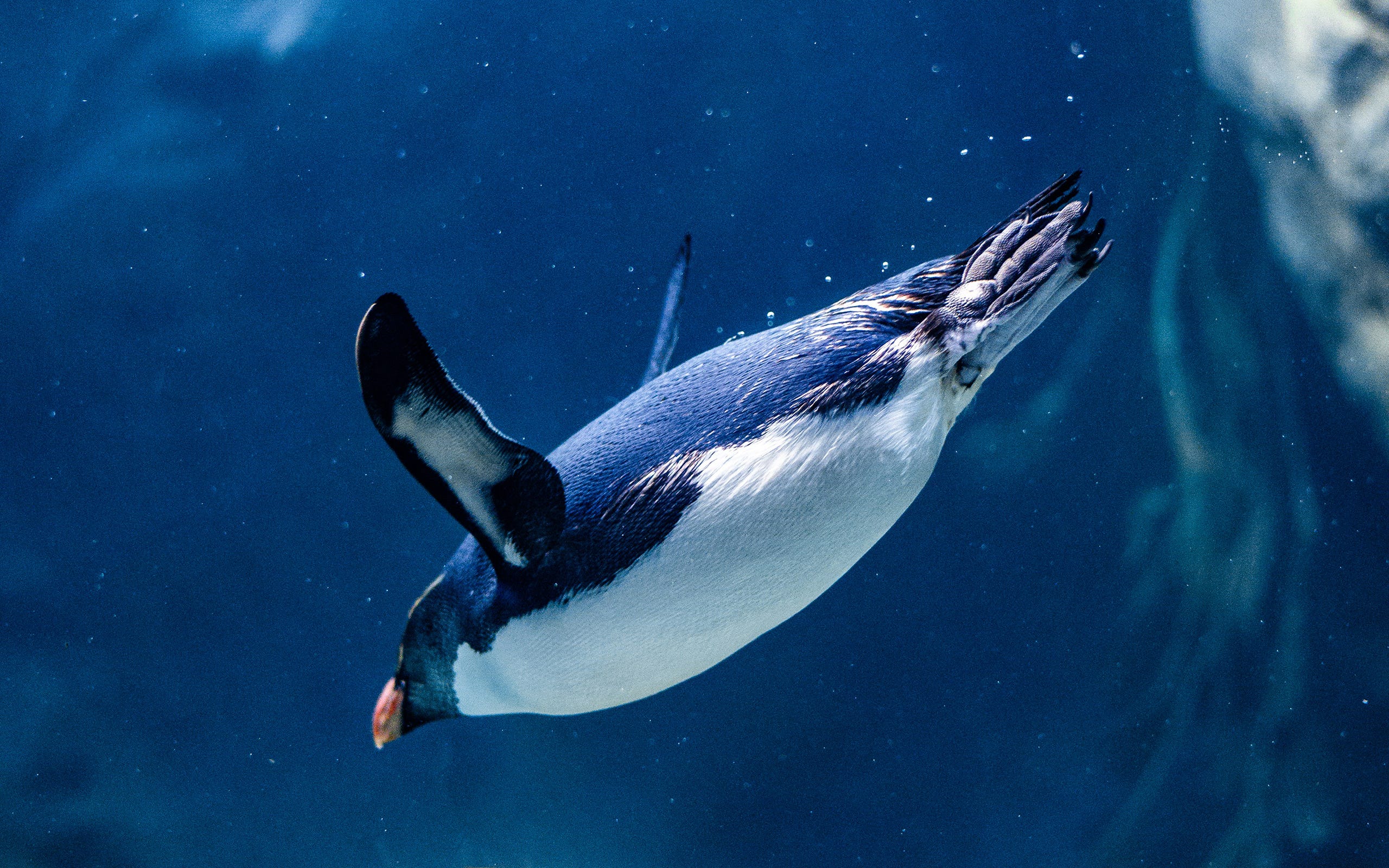
    Among birds, few lineages seem as evolutionarily unresolved as the penguins. The specialized marine adaptations of these “almost-fish” creatures are self-evident — their streamlined bodies, flipper-like wings, counter-shaded coloration, and other ocean-going specializations clearly echo their ancestral life as warm-blooded marine hunters. And yet, penguins remain steadfastly bipedal on land, still traveling about on their ancestral pair of avian limbs in the classically upright “dinosaur” posture of their long-extinct theropod dinosaur forebears.

    In the penguins, we glimpse an order of birds caught midway through the transition from aerial existence to marine, their antique adaptations for flight repurposed to aid an unexpectedly aquatic life — one that perhaps someday may fully sever their remaining ties to the land and an airborne legacy.

    Sea Cows and Whales: Drifting Towards an Aquatic Destiny

    The semi-aquatic lifestyles of marine iguanas and sea lions (to name but two examples) similarly capture arboreal and terrestrial vertebrates in the midst of testing the waters towards a more comprehensive oceanic future. Meanwhile, the opposite transition is embodied by amphibious fish and semi-terrestrial invertebrates like terrestrial crabs and certain arachnids — tentatively exploring a foothold in a terrestrial realm from which their ancestors washed ashore millions of years before.

    Among mammals, hippos (with their aquatic rhino-kin) are poster children for this same grand evolutionary theme. These behemoth “river horses” dwell in a semi-aquatic world, relegating their mammalian terrestrial legacy to wading about in bodies of water and grazing in the grassy shallows. Their barrel-shaped bodies, webbed feet, minimized legs, depressed nostrils, and other aquatic specializations have unmistakable analogs in the cetacean lineages (whales and dolphins) — evolutionary cousins that once shared a common amphibious proto-cetacean ancestor before taking the irreversible plunge into a permanent marine existence some 50 million years ago.

    Seeing these semi-aquatic mega-herbivores in repose makes one ponder whether natural selection may someday coax them down a path towards a more comprehensively hydro-dynamic future — perhaps gradually sundering them from their remaining terrestrial ties altogether to become the fully aquatic successors of their marine sirenian relatives, the manatees, and dugongs.

    Human and Chimp: The Ultimate Trans-Species

    There can be few finer bookends for the stunning malleability and transformative power of evolution than a juxtaposition of our own species with our famous evolutionary cousins, the chimpanzees. Looking at side-by-side representations of ourselves and these magnificent apes makes it abundantly clear that we share the unmistakable hallmarks of our recent divergence from a common ancestor only some 6–7 million years in the past.

    And yet, for all our apparent outward similarities, that profound evolutionary gulf becomes equally evident in the highly derived anatomical and cognitive adaptations that have come to utterly remake the human form — from our deftly re-sculpted hands and feet and extraneously reinforced obstetric channels to our massively expanded cranial architecture housing our swollen Brobdingnagian neural engines (our brains being 3–4 times the volume of those cradled in our chimpanzee cousins’ crania).

    In so many ways, a purposeful inspection of ourselves and our nearest shrunken shadows reveals a living trans-species: a chimera, clinging to the tattered remnants of our arboreal forebears, but with the bulk of our anatomical toolkit and neurocognitive constitution already dramatically reconstructed and transmogrified to suit not the arboreally frenetic existence of a forest ape, but the upright peregrinations and cerebrally baroque demands of a truly terrestrial, unshackled life. Little wonder Charles Darwin described us as “quintessential transitional creatures.”

    Into the Singularity: Humans in Metamorphosis?

    Even more radically, some biologists have theorized that humans today may represent a liminal state not just between our ape ancestors and our terrestrial posterity, but perhaps even an intermediate stage in the genesis of a separate lineage altogether: one whose rapidly metamorphic technological inventions and culture may one day definitively eclipse and supersede our purely biological origins and open a profound new chapter on an inconceivable evolutionary scale — an epoch of intelligence unbound, a post-Biological transition whose emergence we may be blinking forward into today.

    The Takeaway

    Whether one ventures to such speculative heights or remains firmly grounded, it is clear that the living world today teems with myriad organisms caught in various stages of transition — striking chords between what came before and what will follow. Far from being gaps or shortcomings, these “missing links” emblematize the breathtaking fluidity and dynamism inherent in the evolutionary process — fractal emanations of Nature’s eternal opus of mutation, transformation, and reinvention.
  • How to Disprove the Evolutionary Theory

    How to Disprove the Evolutionary Theory


    Science thrives on evidence. Theories, the cornerstones of scientific understanding, are built upon a foundation of facts and observations. The more facts that support a theory, the stronger it becomes. In the realm of biology, the theory of evolution reigns supreme, forming the bedrock of our understanding of life on Earth. But what makes it so strong, and how resistant is it to being challenged? Let’s delve into the world of evidence and explore the robustness of the theory of evolution.

    Toppling Titans: Challenging Established Theories

    Imagine a grand, imposing building — a theory so well-established that it seems unshakeable. To refute such a theory, one with a vast amount of supporting evidence requires a multi-pronged attack. Here are the main strategies challengers might employ:

    • Demolishing the Bricks: The first approach involves chipping away at the theory’s foundation — the facts themselves. This means demonstrating that the evidence supporting the theory is flawed or misinterpreted. It’s a tough task, as established theories are built upon a mountain of data.
    • Predicting the Unpredictable: Another strategy involves making predictions based on the theory that demonstrably fail. If the theory’s predictions consistently clash with reality, it throws its validity into question. This is a high-risk approach, as failed predictions can easily expose flaws in the challenger’s understanding rather than the established theory.
    • Building a Better Castle: The final option is to create an entirely new theory that explains all the existing evidence supporting the established theory, while also providing better explanations for newly discovered phenomena. This is the most challenging approach, as it necessitates a comprehensive explanation that surpasses the established theory in every aspect.

    Imperfect Yet Powerful: The Evolutionary Landscape

    The theory of evolution is not a monolithic entity. It acknowledges areas of uncertainty and invites refinement with new evidence. Some aspects are hypotheses, some remain unknown, and some may be revised as new information comes to light. However, the core principles of evolution — descent with modification through natural selection — are incredibly robust.

    Here’s why overthrowing the theory of evolution is highly improbable:

    • The Sheer Volume of Evidence: Mountains of evidence from various disciplines — paleontology, genetics, comparative anatomy — converge to support evolution. To refute it, one would need to explain away this vast body of data simultaneously.
    • Predictive Power: Evolution has made numerous successful predictions, from the existence of transitional fossils to the patterns of antibiotic resistance in bacteria. Consistent success in predicting future observations strengthens the theory considerably.
    • The Challenge of a Better Theory: No current alternative theory can comprehensively explain all the evidence for evolution while also providing a superior explanation for new discoveries. Any challenger must not only explain existing data but also predict future observations with greater accuracy.

    Evolution: A Pillar of Modern Science

    Alongside other robust scientific theories like gravity and plate tectonics, the theory of evolution stands tall. It’s constantly evolving (pun intended) as new discoveries are incorporated, but its core principles remain unshaken. While details might be refined in the future, the fundamental idea of descent with modification through natural selection has been rigorously tested and remains the most comprehensive explanation for the diversity of life on Earth.

    The beauty of science lies in its willingness to adapt and improve. New evidence can lead to revisions within a theory, or even the development of entirely new ones. However, for a theory as established and well-supported as evolution, the bar for replacement is exceptionally high. The challenger must not only explain everything the current theory does, but also offer a more comprehensive and predictive framework.

    Evolution is not just a theory; it’s a unifying principle that underpins our understanding of life. It’s a testament to the power of evidence-based exploration and serves as a springboard for further discoveries in biology. As we continue to explore the natural world, the theory of evolution will undoubtedly be refined and expanded upon, but its core principles will likely remain the cornerstone of biological understanding for generations to come.


    Online Sources

  • On the Supernatural

    On the Supernatural

    The human desire to understand the universe around us is a primal one. Science, with its rigorous methods and emphasis on objectivity, has been an incredibly powerful tool in unraveling the mysteries of the cosmos. However, there exists a realm beyond the tangible, the realm of the supernatural — ghosts, spirits, divine intervention — that science often struggles to grapple with.

    This post isn’t about advocating for the existence of the supernatural. It’s about exploring the inherent challenges that arise when we try to apply the rigid framework of science to phenomena that, by their very nature, exist outside of their domain. The core issue lies in the way we handle evidence, or rather, the lack thereof.

    The Scientific Skeptic’s Eye

    Science thrives on repeatable experiments and verifiable data. It demands clear explanations and rejects anything that cannot be definitively explained within its current understanding. This is a perfectly reasonable stance. After all, how can we trust something that can’t be consistently observed and measured?

    However, this very strength of science becomes its limitation when dealing with the supernatural. Suppose you experience an inexplicable event, a haunting in your old house, a premonition that comes true. Science, by its very design, can’t conclusively prove or disprove such an experience. It can’t recreate the haunting, nor can it definitively explain the premonition.

    The Unknown vs. The Supernatural: A Delicate Dance

    The knee-jerk reaction in such situations is to label the experience as “unknown.” This umbrella term encompasses everything from scientific mysteries yet to be solved to psychological quirks of the human mind. While this approach keeps the scientific method intact, it leaves us with a nagging question: where does the supernatural fit in?

    Here’s the crux of the issue. When faced with something unexplainable, wouldn’t it be more logical to consider the possibility of what we perceive as supernatural, even if we can’t definitively prove it? Instead, we often relegate it to the realm of the “unknown,” effectively pushing the possibility of the supernatural out of the scientific conversation altogether.

    This creates a frustrating situation for those who have had genuine experiences that defy easy explanations. Their stories are dismissed as figments of the imagination or psychological anomalies. This dismissive attitude can be particularly disheartening for those seeking a genuine understanding of these unexplainable events.

    The Importance of Open-Mindedness

    This isn’t to say that every unexplained phenomenon needs to be attributed to the supernatural. There’s a healthy dose of skepticism that needs to be applied. However, a complete dismissal of what we perceive as supernatural based solely on the inability to definitively prove it is equally unhelpful.

    Perhaps a more productive approach lies in acknowledging the limitations of science in this specific domain — we are nowhere close to fully understanding what the universe is capable of and what it is not. We can accept that the methods used to study the physical world might not be readily applicable to the ethereal. This doesn’t mean abandoning science altogether; it simply means recognizing that different questions require different approaches.

    Alternative Paths: Embracing the Unexplained

    Many cultures throughout history have developed rich traditions for exploring the non-physical realm. Shamans, mediums, and mystics all have practices that attempt to interact with forces beyond our everyday understanding. While these practices might seem outlandish to the scientific mind, they offer valuable perspectives on human consciousness and our connection to something larger than ourselves.

    The key lies in fostering a dialogue between science and these alternative ways of knowing. Perhaps through collaboration, we can develop new investigative methods to explore the unexplained without compromising the core principles of scientific inquiry.

    The Power of Personal Experience

    Ultimately, the question of the supernatural can be a deeply personal one. Each of us may have our own experiences that challenge our understanding of the world. While science may not be able to validate those experiences, they still hold weight in our personal narratives.

    Dismissing these experiences as mere figments of the imagination can be dismissive of the profound impact they can have on an individual’s life. Instead, perhaps we can create a space where these experiences can be shared and explored openly, without the pressure to conform to a purely scientific explanation.

    Conclusion

    Science and the supernatural may seem like diametrically opposed concepts, but perhaps they don’t have to be. By acknowledging the limitations of science in this specific domain and embracing alternative approaches with an open mind, we can begin to bridge the gap between the known and the unknown.

    The supernatural may forever remain a mystery, but that doesn’t mean we can’t find meaning and value in exploring it. After all, the universe is a vast and intricate place, and perhaps science, for all its advancements, is simply not equipped to explain it all. It’s in this space of the unexplained that the power of the supernatural lies, waiting to be explored with curiosity, respect, and a healthy dose of skepticism.

    Remember, both the man who proposed our modern understanding of the atom as building blocks and the man who discovered that doctors were spreading disease through an invisible medium by not washing their hands before surgery died in mental health institutions.

  • The Blurry Line Between Natural and Supernatural

    The Blurry Line Between Natural and Supernatural

    Carl Sagan’s famous dictum “extraordinary claims require extraordinary evidence,” often referred to as the “Sagan Standard,” has become a cornerstone principle in the realms of scientific skepticism and critical thinking. At first glance, it seems like an unassailable maxim. However, upon closer examination, this widely-cited phrase reveals some hidden complexities that are worth unpacking about the natural and supernatural.

    Defining the “Extraordinary”

    The crux of the issue lies in how we define what constitutes an “extraordinary” claim versus an ordinary one. Sagan seemed to be using the term as a stand-in for phenomena that appear to violate or defy our current established scientific principles and understanding of the natural world – claims that perhaps veer into realms that could be considered paranormal or even supernatural.

    The Paradox of Proving the Supernatural

    However, this is where a paradox emerges. If we accept the premise that something is truly supernatural or miraculous and thereby exists completely outside the known natural world, wouldn’t that by definition place it outside the scope and ability of scientific evidence and inquiry altogether? The scientific method is designed to probe and explain the natural, physical universe around us. But if a phenomenon operates by principles that transcend the conventional laws of nature, how could scientific evidence from within this world ever verify its existence?

    Quantum Strangeness and the Malleable “Extraordinary”

    To illustrate the blurring of this line, we can look to modern quantum mechanics. Theories like quantum entanglement or experiments like the double-slit paradox, where individual particles appear to defy our macroscopic sense of reality, undeniably reflect the bizarre, counterintuitive nature of the universe at its core. From our ordinary perspectives, these concepts appear almost paranormal. And yet, based on vast theoretical and empirical evidence, these outlandish quantum phenomena are simply how reality operates at its most fundamental levels.

    The Extraordinary Becoming Ordinary

    Wouldn’t something like quantum entanglement have been dismissed as extraordinary pseudoscience deserving of no consideration, if not for the overwhelming evidence from multiple lines of inquiry substantiating it? Here, the “extraordinary” is not relegated to the fringes but becomes a core part of our understanding of the natural world, simply because it aligns with our evolving scientific models.

    Placebo Power and Alternative Healing

    This conundrum reveals itself in other domains too. In medicine, we have the documented phenomenon of placebo effects catalyzing real symptom changes through mere belief. From a Western scientific mindset grounded in materialism, the idea that consciousness could overrule physiological dysfunction seems almost mystical. Apply this to claims of spontaneous remissions at places of pilgrimage or through alternative healing practices. Even with strong empirical evidence, the same people who half-heartedly demand evidence would still dismiss it as an “extraordinary” claim defying conventional medical science, unworthy of consideration unless meeting an arbitrarily elevated evidence bar.

    The Fine-Tuned Universe and Arguments from Ignorance

    Sagan’s example of the apparent fine-tuning of physical constants as potentially compelling evidence for an intelligent creative force also illustrates the difficulty of these delineations. Is the “fine-tuning” truly “extraordinary” enough to constitute proof of the supernatural? Or are we falling victim to the “God of the gaps” fallacy by attributing unexplained anomalies to divine forces?

    Defending Against Cultural Biases

    Perhaps the true wisdom is that Sagan’s dictum should be a starting point for more scientific rigor, not necessarily an absolute litmus test for determining the possible or impossible. We must be cautious about letting cultural biases cloud our judgment over what constitutes “extraordinary evidence.” Just because a phenomenon defies Western conventions doesn’t necessarily make it paranormal if substantiated.

    Embracing Uncertainty at the Boundaries

    Ultimately, science should acknowledge that our current working models, while stunningly effective, are incomplete representations of an underlying reality that may permanently elude human intellect. Strict delineations between ordinary and extraordinary may be more malleable than assumed. The cosmos has repeatedly subverted our intuitions about the “natural” and “possible.” Perhaps the greatest extraordinary evidence lies in retaining an open yet critical mind as we navigate the fertile terrain where our knowledge frameworks are tested.

    Recommended Reading

    Here are some online resources you can find that discuss the topic of the blurry line between natural and supernatural:

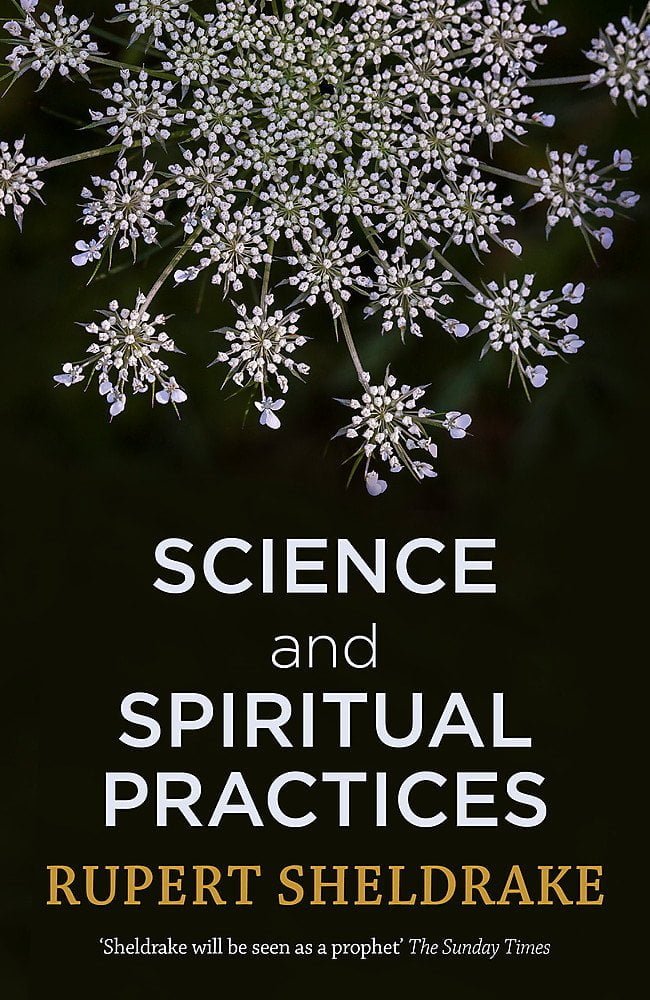
    Science And Spiritual Practices by Rupert Sheldrake

    This 2012 book by Rupert Sheldrake, a British biologist and parapsychologist, explores the relationship between science and spirituality. Sheldrake argues that science is too narrow in its focus and that there are many phenomena that cannot be explained by materialism. He discusses topics such as telepathy, near-death experiences, and the placebo effect.

    The God Delusion by Richard Dawkins

    This 2006 book by Richard Dawkins, a British evolutionary biologist, is a critique of religion. Dawkins argues that God does not exist and that religion is a delusion. He discusses topics such as the argument from design, the problem of evil, and the nature of faith.

    The Spirit Level by Richard Wilkinson and Kate Pickett

    This 2009 book by Richard Wilkinson and Kate Pickett, examines the relationship between social inequality and a variety of social problems. The authors argue that more equal societies are better off in terms of a variety of social indicators, such as crime, health, and education.

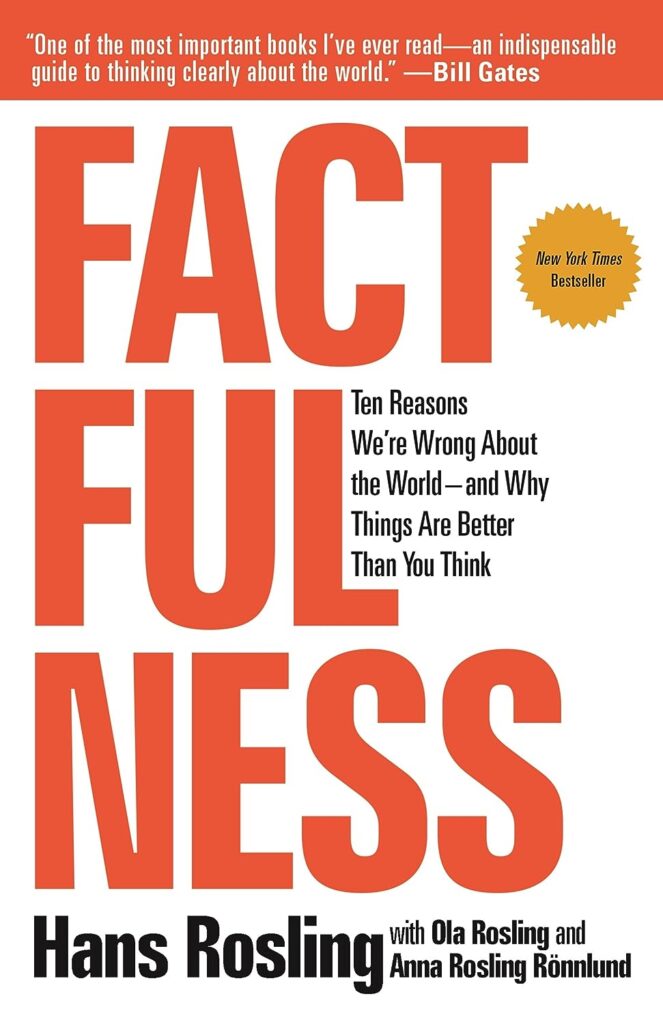
    Factfulness: Ten Reasons We’re Wrong About the World – and Why Things Are Better Than You Think by Hans Rosling

    This 2018 book by Hans Rosling, a Swedish physician and global health researcher, challenges our perception of the world. Rosling argues that the world is actually getting better in many ways, and that we are often too pessimistic in our outlook.

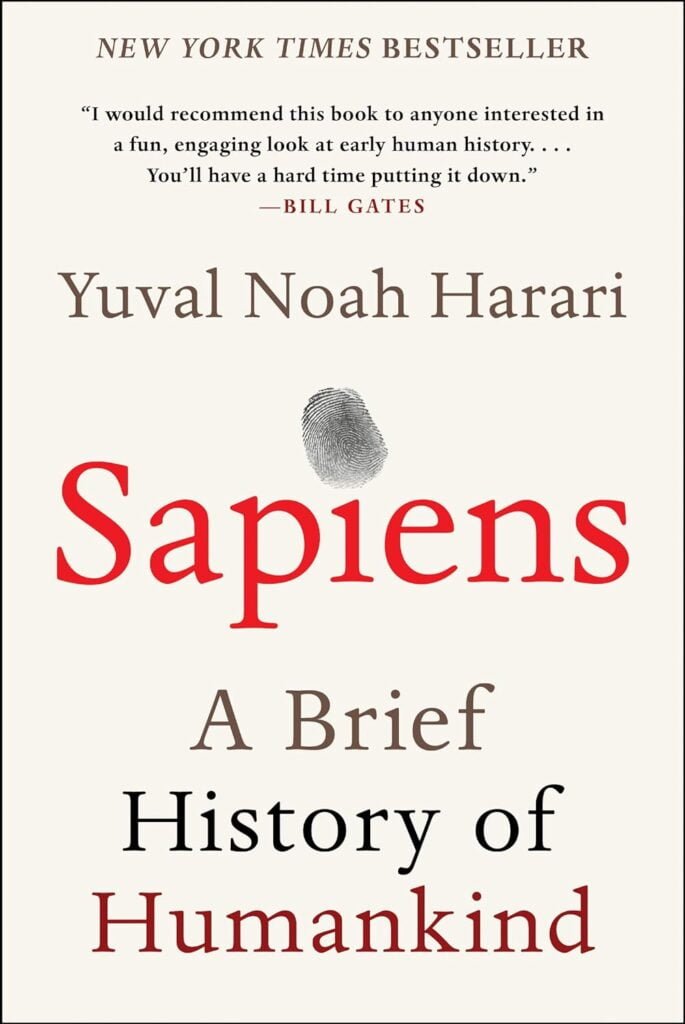
    Sapiens: A Brief History of Humankind by Yuval Noah Harari

    This 2014 book by Yuval Noah Harari, a Israeli historian, examines the history of humankind from our evolutionary origins to the present day. Harari explores topics such as the development of language, agriculture, and religion.

  • A Brief History of Man from the Dawn of Life to the Moon

    A Brief History of Man from the Dawn of Life to the Moon


    The story of human evolution is a captivating saga, stretching back billions of years and culminating in the remarkable creature you are today. It’s a journey that begins not with a bang, but with a whimper — the emergence of single-celled life on a young Earth.

    The First Sparks of Life (3.8 Billion Years Ago)

    Our tale starts with the most basic of beginnings: microscopic, single-celled organisms called prokaryotes. These were simple entities, lacking the complexity of modern cells. Yet, within their basic structure, the fundamental processes of life — like obtaining energy and replicating — were taking root. These tiny pioneers, believed to have arisen around 3.8 billion years ago, laid the groundwork for all life that would follow.

    The Rise of Complexity (Over Billions of Years)

    Over eons, these simple cells diversified and evolved. Some developed a more complex structure, becoming eukaryotes with a true nucleus and specialized compartments within the cell. These advancements unlocked new possibilities, paving the way for the emergence of multicellular organisms. Early multicellular lifeforms, like algae and fungi, were the first steps toward the incredible diversity of plants and animals that would eventually dominate the planet.

    A Pivotal Turning Point: The Evolution of Animals (Around 600 Million Years Ago)

    The rise of animals marked a significant leap in the evolutionary timeline. These multicellular organisms possessed specialized cells for different functions, allowing for greater complexity and movement. Among this diverse group, vertebrates emerged — creatures defined by a backbone that provided support and structure. A lineage of small, shrew-like mammals, particularly adept at surviving in challenging environments, would become crucial players in the next chapter of our story.

    The Primate Lineage (Over 66 Million Years Ago)

    From these early mammals, the ancestors of primates, including humans, branched out. Over millions of years, these primate forebears adapted to life in the trees. This arboreal lifestyle led to the development of key traits — grasping hands for better maneuverability, binocular vision for improved depth perception, and a gradual increase in brain size.

    The First Hominins (Around 4 Million Years Ago)

    The first recognizable human ancestors, classified under the genus Australopithecus, emerged in Africa roughly 4 million years ago. These early hominins possessed a groundbreaking capability — they walked upright on two legs. Bipedalism, as it’s called, freed up their hands for carrying tools and manipulating objects, a defining characteristic that would propel our lineage forward.

    Our Evolutionary Kin: Homo Erectus and Neanderthalensis (Over 2 Million Years Ago)

    The genus Homo, encompassing our direct ancestors, emerged next. Species like Homo erectus, with their larger brains and ability to control fire, represent a significant advancement. Later, Homo neanderthalensis, with their complex social structures and advanced toolmaking skills, shared the Earth with early Homo sapiens for a period.

    The Arrival of Homo Sapiens (Around 300,000 Years Ago)

    Finally, around 300,000 years ago, our own species, Homo sapiens, took center stage. These modern humans possessed a larger brain, allowing for sophisticated cognitive abilities, complex language, and the capacity for innovation. Our ability to fashion advanced tools, coupled with our exceptional problem-solving skills, propelled our progress and laid the foundation for the technological and cultural achievements that define our world today.

    A Branching Evolutionary Tree

    It’s important to note that human evolution wasn’t a linear path from Australopithecus to Homo sapiens. The evolutionary tree is more like a bush, with various hominin species emerging and sometimes coexisting. For instance, recent discoveries suggest interbreeding between early Homo sapiens and Neanderthals, adding another layer of complexity to our evolutionary history.

    The Role of Climate Change

    Climate change has also played a significant role in shaping our evolution. Fluctuations in temperature, ice ages, and periods of drought all exerted pressure on our ancestors, forcing them to adapt or perish. For example, the development of bipedalism in Australopithecus might be linked to a shift from dense forests to more open savannas.

    The Dawn of Tool Use (Over 3 Million Years Ago)

    A defining feature of human evolution is our tool use. While some animals exhibit rudimentary tool manipulation, our ancestors took it to a whole new level. Early hominins used sharpened stones and bones for cutting and scraping, a skill that would become increasingly sophisticated over time. The ability to craft tools not only aided in acquiring food and defending against predators but also sparked innovation and problem-solving.

    The Emergence of Language (Around 100,000 Years Ago)

    The development of language is another defining characteristic of our species. The exact origins of language remain shrouded in mystery, but evidence suggests it emerged around 100,000 years ago with early Homo sapiens. Language allowed for complex communication, enabling our ancestors to share ideas, collaborate on tasks, and transmit knowledge across generations. This revolutionized social interaction and fostered the development of culture.

    The Rise of Culture (Around 50,000 Years Ago)

    Culture, encompassing everything from art and music to rituals and beliefs, is a hallmark of human existence. The earliest evidence of cultural expression comes from around 50,000 years ago, with the emergence of cave paintings, intricate tools, and symbolic objects. These artifacts hint at a growing capacity for abstract thought, imagination, and storytelling. Culture served to bind communities together, fostering a sense of shared identity and purpose.

    The Cognitive Leap (Around 70,000 Years Ago)

    Around 70,000 years ago, a significant cognitive leap occurred, sometimes referred to as the “Behavioral Modernity Revolution.” This period witnessed a surge in technological innovation, with the development of sophisticated tools like barbed points for hunting and needles for sewing clothing. Symbolic art became more elaborate, with the emergence of figurines and engravings. This advancement in cognitive abilities suggests a shift in how our ancestors processed information, planned for the future, and interacted with the world around them.

    The Last Ice Age (Around 110,000 to 11,700 Years Ago)

    The Earth’s climate has undergone dramatic shifts throughout history, and the last Ice Age, spanning roughly 110,000 to 11,700 years ago, significantly impacted human evolution. Our ancestors faced harsh conditions, with vast swathes of the planet covered in glaciers. This period likely intensified competition for resources, pressuring them to develop new survival strategies. The challenges of the Ice Age might have played a role in promoting cooperation, innovation, and the development of complex social structures.

    The Rise of Agriculture (Around 12,000 Years Ago)

    A pivotal moment in human history arrived around 12,000 years ago with the rise of agriculture. This transition from a hunter-gatherer lifestyle to one based on cultivating crops and domesticating animals marked a significant shift in our relationship with the environment. Agriculture enabled the development of permanent settlements, population growth, and the rise of complex societies.

    The Evolution Continues

    Human evolution is not a static process; it continues to this day, albeit at a much slower pace. Modern advancements in medicine, technology, and nutrition have altered our environment and shaped our selection pressures. The future of human evolution remains uncertain, but understanding our remarkable past offers invaluable insights into who we are and where we might be headed.

    Concluding Thoughts on the History of Man

    The story of human evolution is a testament to the power of adaptation, innovation, and the ability to learn and build upon the knowledge of previous generations. From our humble, single-celled origins to our current state as a technologically advanced species, the journey has been extraordinary. As we continue to explore the universe and push the boundaries of knowledge, a deeper understanding of our evolutionary heritage becomes ever more crucial. It reminds us of our place within the web of life and the incredible forces that have shaped us into the beings we are today.


    Further Reading

    The Smithsonian Institution’s Human Origins Program
    The Hall of Human Origins offers a welcoming place to explore one of the most exciting areas of science, the study of…humanorigins.si.edu

    Understanding Evolution
    Your one-stop source for information on evolutionevolution.berkeley.edu

    Human Evolution
    Learn how early humans evolved from Homo habilis, to Homo erectus, to Homo sapiens and developed basic survival tools.education.nationalgeographic.org

    Human Evolution | PBS LearningMedia
    Find lessons on Human Evolution for all grades. Free interactive resources and activities for the classroom and home.www.pbslearningmedia.org

    The evolution of man
    BBC > Science & Nature > Prehistoric Life > Human Beginnings > The Evolution of Manwww.bbc.co.uk

    Human evolution overview (video) | Khan Academy
    Learn for free about math, art, computer programming, economics, physics, chemistry, biology, medicine, finance…www.khanacademy.org

    The Leakey Foundation
    The Leakey Foundation’s mission is to increase scientific knowledge, education, and public understanding of human…leakeyfoundation.org

    The Origin and Legacy of the Human Age
    Whether we live a million more years or another week is up to uswww.scientificamerican.com

    https://www.amnh.org/exhibitions/permanent/human-origins

  • How We Discovered The Ape Within Us

    How We Discovered The Ape Within Us


    For centuries, humans have grappled with the question of our origins and our place in the natural world. It wasn’t until the groundbreaking work of scientists like Charles Darwin and Thomas Huxley that we began to unravel the profound truth: humans are not a separate creation from other animals, but rather a branch of the great ape family tree. This realization shattered long-held beliefs and sparked heated debates, but ultimately paved the way for a deeper understanding of our evolutionary past.

    The Ancient Observers

    Long before modern science, ancient philosophers and naturalists had observed the striking similarities between humans and apes. Aristotle, the famous Greek philosopher, noted the resemblance between apes and humans in his writings. In the 3rd century BCE, the Roman writer Claudius Aelianus remarked on the human-like behaviors of apes, such as their ability to learn and their social nature.

    However, these early observations were often dismissed or interpreted through the lens of religious beliefs, which placed humans as a separate and superior creation from animals.

    The Dawn of Evolutionary Theory

    It wasn’t until the 19th century that the scientific foundations were laid for understanding our true kinship with apes. In 1859, Charles Darwin published his revolutionary work, “On the Origin of Species,” which introduced the theory of evolution by natural selection. While Darwin initially shied away from explicitly linking humans to apes, his groundbreaking ideas paved the way for further exploration of our evolutionary origins

    The Ape-Man Debate

    One of the fiercest proponents of the ape-human connection was Thomas Huxley, a renowned biologist and staunch supporter of Darwin’s theory. In 1863, Huxley delivered a powerful lecture titled “Evidence as to Man’s Place in Nature,” where he presented compelling anatomical and physiological evidence that humans and apes share a common ancestor.

    Huxley’s bold assertions ignited a firestorm of controversy, as they challenged deeply rooted religious and cultural beliefs about human exceptionalism. The debate between Huxley and his opponents, such as Richard Owen, the renowned anatomist, became known as the “Ape-Man Debate,” a clash of ideas that captivated the public imagination.

    The Missing Link

    As the debate raged on, scientists sought to find the elusive “missing link” — a fossil that would bridge the evolutionary gap between apes and humans. In 1891, a remarkable discovery was made in Java, Indonesia: the fossilized remains of a human-like creature, later named Homo erectus, which lived around 1.8 million years ago.

    While not the direct ancestor of modern humans, Homo erectus provided tangible evidence of our ape-like ancestors, further solidifying the evolutionary connection. Additional fossil discoveries, such as the famous “Lucy” skeleton found in Ethiopia in 1974, continued to shed light on our ancient primate relatives.

    The Genetic Evidence

    In the latter half of the 20th century, a new field of study emerged that would provide the most compelling evidence yet of our ape ancestry: molecular biology. By comparing the genetic makeup of humans and other primates, scientists were able to quantify the remarkable similarities between our species.

    Groundbreaking studies revealed that humans share over 98% of our DNA with chimpanzees and bonobos, our closest living relatives in the ape family. This genetic evidence, coupled with the fossil record and anatomical comparisons, cemented our place as a branch on the ape evolutionary tree.

    In a Nutshell

    The journey to unraveling our ape origins was long and arduous, fraught with religious and cultural resistance. However, through the tireless efforts of scientists like Darwin, Huxley, and countless others, the truth emerged: we are not a separate creation, but an integral part of the rich tapestry of life on Earth, sharing a common ancestry with our ape cousins.

    This realization not only deepens our understanding of our past but also shapes our perspective on our present and future. By embracing our evolutionary roots, we can better appreciate our place in the natural world and how interconnected life on our planet is.


    Further Reading

    Nested Hierarchies, the Order of Nature: Carolus Linnaeus
    Homo sapiens, Tyrannosaurus rex, Escherichia coli -our English conversation is littered with pairs of Latin names for…evolution.berkeley.edu

    Human taxonomy – Wikipedia
    From Wikipedia, the free encyclopedia Homo (“humans”) Scientific classification Genus: Homo Linnaeus, 1758 Type species…en.wikipedia.org

    Human evolutionary genetics – Wikipedia
    Human evolutionary genetics studies how one human genome differs from another human genome, the evolutionary past that…en.wikipedia.org

    How humans and apes are different, and why it matters
    Why it’s important to study the deep similarities, and the critical differences, between humans and the apes to seek an…www.sciencedaily.com

    New Fossil Discovery May Change What We Know About Human Evolution
    The ancient species Homo naledi had small brains and seems to have intentionally carried their dead into caveswww.smithsonianmag.com


    A Brief History of Human Evolution From the Dawn of Life

    The journey of human evolution is a remarkable story that spans billions of years, tracing its origins back to the most humble and microscopic of beginnings – the unicellular organism. These single-celled lifeforms, tiny though they were, laid the foundation for the incredible diversity of life that would eventually emerge on our planet, including the rise of our own species, Homo sapiens.

    The earliest forms of unicellular life are believed to have arisen on Earth around 3.8 billion years ago, simple prokaryotic cells that lacked a true nucleus or membrane-bound organelles. These primitive cells, powered by the chemical reactions of their internal metabolic processes, represented the first stirrings of life on our planet.

    The Rise of Complexity

    Over vast stretches of time, these unicellular organisms diversified and evolved, giving rise to more complex eukaryotic cells with a true nucleus and specialized organelles. It was from these eukaryotic cells that the first multicellular organisms emerged, a pivotal moment in the grand tapestry of evolution. These early multicellular lifeforms, such as simple algae and fungi, paved the way for the subsequent emergence of more complex lifeforms, including the earliest animals and plants.

    The Evolutionary Leap to Multicellularity

    The evolution of animals, in particular, set the stage for the eventual rise of vertebrates, a diverse group of organisms characterized by the possession of a backbone or spinal column. Among these vertebrates, a lineage of small, shrew-like mammals emerged, adapted to a nocturnal lifestyle and possessing a remarkable ability to adapt and survive.

    The Primate Lineage

    It was from this lineage of early mammals that the ancestors of primates, including humans, eventually emerged. Over millions of years, these primate ancestors underwent a series of evolutionary changes, adapting to life in the trees and developing traits such as grasping hands, binocular vision, and increased intelligence.

    The First Human Ancestors

    The first true human ancestors, members of the genus Australopithecus, emerged around 4 million years ago in Africa. These early hominins walked upright on two legs, a trait that would become a defining characteristic of our species. Over time, the genus Homo emerged, with species like Homo erectus and Homo neanderthalensis representing important milestones in our evolutionary journey.

    The Emergence of Homo Sapiens

    Finally, around 300,000 years ago, our own species, Homo sapiens, appeared on the evolutionary stage. These modern humans possessed a larger brain, advanced cognitive abilities, and a capacity for language and complex tool-making that set them apart from their predecessors.

    The Legacy of Evolution

    From these humble beginnings as unicellular organisms, our species has undergone an extraordinary journey of evolution, one that has taken us from the microscopic realm to the heights of technological and cultural achievement. Yet, despite our remarkable progress, we remain inextricably linked to the vast web of life that surrounds us, a testament to the incredible power of evolution to shape and transform the living world.

  • Can We Refute God?

    Can We Refute God?

    Belief in the existence of at least one higher power is a profoundly subjective matter, intertwining human emotions and philosophical perspectives. For many, the concept of a higher power provides a sense of purpose, comfort, and meaning. It shapes cultural narratives and individual lives, influencing ethics, morality, and personal identity. The belief in a higher power is often rooted in personal experiences, upbringing, and emotional needs, making it a profoundly personal matter that transcends objective analysis. While some may refute God, others find solace and guidance in their faith. Ultimately, the question of whether a higher power exists remains a deeply contemplative and multifaceted inquiry.

    Emotional and Philosophical Dimensions

    Humans are inherently emotional beings, inheriting beliefs that often reflect our emotional landscapes. The need for security, the search for meaning, and the desire to understand our place in the universe drive many toward the concept of a higher power. Philosophically, the idea of a higher power addresses existential questions that science and reason alone may not satisfy. It answers the why of existence rather than the how, offering a narrative connecting the individual to a more significant, often benevolent force.

    Scientific Evidence and the Higher Power

    When asserting that there is zero evidence for a higher power, one typically refers to scientific evidence, which relies on empirical data, reproducibility, and objective validation. Scientific methodologies are designed to test hypotheses through controlled experiments and observable phenomena. By its very nature, science excludes subjective experiences and eyewitness testimony as robust evidence, which is essential for understanding the physical world but has limitations when applied to prove or refute God, and all other metaphysical entities.

    Limitations of Scientific Inquiry

    Scientific evidence is inherently limited to the observable and measurable aspects of reality. The concept of a deity or higher power often lies beyond the empirical scope of science. Deities are typically considered supernatural entities, existing outside the parameters of physical laws. As such, they cannot be tested or observed in the same way as natural phenomena. This does not invalidate the belief in higher powers but highlights scientific inquiry’s boundaries. It is a category error to demand scientific proof for something that, by definition, exists outside the purview of science. 

    Human Invention of Deities

    Knowing what we know, no compelling reason exists to believe that any specific deity is not a human invention. Throughout history, diverse cultures have created a myriad of gods and goddesses, each reflecting their society’s values, fears, and aspirations. These deities often serve social functions, such as enforcing moral codes, explaining natural events, and unifying communities under a shared belief system. The anthropological perspective suggests that gods are products of human imagination and cultural evolution.

    Uncertainty and the Nature of Reality

    However, we cannot categorically state that there are no entities that humans would consider godly. Our understanding of reality is limited and constantly evolving. Advances in physics, particularly in quantum mechanics and cosmology, have revealed the universe to be far stranger and more complex than previously imagined. Concepts such as parallel universes, higher dimensions, and the fundamental nature of consciousness challenge our conventional understanding and suggest that reality may hold surprises beyond our current comprehension.

    The Imitation of Consciousness

    One intriguing aspect of this uncertainty is the possibility that what we consider consciousness might not be exclusive to biological entities. As artificial intelligence advances, questions arise about the nature of consciousness and the potential for machines to develop awareness. If consciousness can emerge from non-biological substrates, the line between creator and creation blurs. This raises the possibility that entities with god-like attributes could exist, created either by advanced civilizations or as emergent properties of complex systems.

    Philosophical Implications

    The philosophical implications of such possibilities are profound. If higher powers exist as emergent properties or creations of advanced intelligence, our understanding of divinity and its relationship to humanity would need reevaluation. This perspective aligns with certain interpretations of pantheism and panentheism, which view the divine as inherent in the fabric of the universe itself. It also resonates with some interpretations of transhumanism, where the future of human evolution involves merging with advanced technologies, potentially achieving god-like capabilities.

    The Takeaway

    Believing in a higher power is ultimately subjective and deeply intertwined with human emotions and philosophical perspectives. By its nature, scientific evidence cannot encompass deities as they lie outside the scope of empirical inquiry. While historical and cultural analysis suggests that deities are human inventions, our limited understanding of reality leaves room for the possibility that entities humans would consider godly could exist. If anything, this ongoing uncertainty invites a humble and open-minded approach to the profound questions embedded in human nature.

    In essence, science is not to prove or refute God.


    Further Reading: Scientists Who Tried to Prove or Refute God

    The quest to prove or refute God through scientific means has captivated many great minds throughout history. While science deals with the observable and testable natural world, the supernatural realm of a supreme deity exists beyond its scope. Nonetheless, several scientists have grappled with this profound question, attempting to reconcile faith and reason. Their efforts have sparked intense debates and challenged conventional wisdom, leaving an indelible mark on the intersection of science and religion.

    One of the earliest and most influential figures in this endeavor was René Descartes, the 17th-century French philosopher and mathematician. Descartes sought to establish a firm foundation for knowledge, leading him to the famous phrase “I think, therefore I am.” In his metaphysical writings, he attempted to prove God’s existence through reason alone, using arguments based on the idea of a perfect being and the concept of causality. While his arguments were later critiqued and challenged, Descartes’ efforts laid the groundwork for subsequent thinkers to explore the relationship between science and religion.

    In the 18th century, the Age of Enlightenment saw a surge of scientific discoveries and a growing emphasis on reason and empiricism. Philosophers like Voltaire and David Hume questioned traditional religious beliefs and sought to apply rational scrutiny to the existence of God. Hume’s famous argument against miracles, which posited that it is always more likely that a reported miracle is a product of human error or deceit than a violation of the laws of nature, became a cornerstone of skeptical thought.

    The 19th century witnessed a remarkable figure in Charles Darwin, whose theory of evolution by natural selection revolutionized our understanding of life’s origins and challenged the biblical account of creation. While Darwin himself was reluctant to wade into the debate over God’s existence, his work ignited heated controversies between proponents of science and defenders of religious doctrine. The implications of evolutionary theory continue to shape discussions on the intersection of science and faith to this day.

    In the 20th century, advances in physics and cosmology reignited the debate over God’s role in the universe. Albert Einstein, one of the most renowned scientists of all time, famously remarked, “Science without religion is lame, religion without science is blind.” While Einstein rejected the notion of a personal God, he believed in a cosmic intelligence or rationality underlying the universe’s order and beauty, a concept he referred to as “the Old One.”

    More recently, scientists like Richard Dawkins and Lawrence Krauss have taken a firm stance against the existence of God, using scientific evidence and reasoning to challenge religious beliefs. Dawkins’ book “The God Delusion” became a bestseller and sparked widespread discussions on the compatibility of science and religion. Krauss, on the other hand, has argued that modern physics and cosmology provide a compelling alternative to the need for a divine creator, proposing that the universe could have emerged from nothing.

    On the other side of the debate, scientists like Francis Collins and John Polkinghorne have sought to reconcile their religious beliefs with scientific knowledge. Collins, the former director of the National Institutes of Health and a devout Christian, has argued that science and faith can coexist, pointing to the complexity and beauty of the natural world as evidence of a divine creator. Polkinghorne, a theoretical physicist turned Anglican priest, has explored the intersection of theology and quantum physics, suggesting that the inherent uncertainties in quantum mechanics leave room for divine intervention.

    While the debate using science to prove or refute God continues, it is clear that the pursuit has captivated some of the greatest minds in history. Whether driven by faith, skepticism, or a desire for understanding, these scientists have challenged conventional thinking and pushed the boundaries of human knowledge. Their efforts have enriched our understanding of the natural world and the profound questions that lie beyond the realm of science, reminding us of the enduring human quest for truth and meaning.

  • Violence Is God’s Gift. Here Is Why.

    Violence Is God’s Gift. Here Is Why.

    At first glance, violence seems antithetical to the beauty and serenity we associate with the natural world. The brutal killing of prey by predators, the vicious competition for mates and territory, and the suffering inflicted by natural disasters all appear to contradict our idealized vision of nature as a harmonious paradise. However, a closer examination reveals that violence is not just an unavoidable aspect of the wild, but a vital force that maintains the delicate balance of ecosystems and drives the evolution of life itself.

    Far from being aberrant or gratuitous, violence plays several crucial roles. Predation keeps population levels in check, preventing any one species from proliferating unchecked and exhausting resources. Internecine conflicts within species ensure that only the fittest individuals reproduce, strengthening bloodlines over generations. Even natural disasters like fires, floods, and disease outbreaks act as agents of population control and habitat resetting that create opportunities for new growth. In short, violence is nature’s way of ensuring sustainability and evolutionary progress.

    The Consequences of Eradicating Violence

    To illustrate the indispensable role of violence, let us imagine a world in which it was entirely eliminated from the natural order. At first, this might seem like an idyllic vision – all creatures could live out their lives peacefully, free from harm. But the ramifications of such a change would be devastating and far-reaching.

    In the absence of predators and disease, virtually all species would experience unchecked population growth, breeding exponentially until their numbers hit the absolute ceiling of what the environment could sustain. Forests would become overgrazed, waterways depleted, and the landscape gradually stripped of biodiversity as dominant species consumed all available resources.

    The collapse would likely begin with the least adaptable specialists going extinct first as their narrow ecological niches disappeared. But even the hardiest generalists would soon find themselves in a slow-motion mass extinction event as habitats were utterly consumed. Rather than the bucolic utopia we might envision, an end to violence in nature would eventually reduce the planet to a near-lifeless husk.

    The Paradox of Suffering

    While the above thought experiment underscores the vital role of violence, it does not negate the reality that nature can be harsh, brutal, and unforgiving. Countless animals suffer agonizing deaths at the jaws or talons of predators. Others endure starvation, debilitating injuries, illnesses, or exposure as they struggle to survive. Even among those spared such dramatic fates, day-to-day existence in the wild can be a grinding misery of hunger, fear, discomfort and ceaseless labor.

    And it is not just the perceived lower animals enduring these hardships. In ecosystems from Africa’s savannas to Arctic tundra, it is not uncommon for prey animals to witness horrific attacks on their mothers, offspring or herd-mates. Can behaviors like mate-guarding, territoriality, and infanticide really be deemed “natural” just because they occur in nature? Isn’t there an inherent moral quandary in venerating the collective outcomes of evolution while averting our eyes from its cruelties enacted upon individuated, suffering beings?

    This is the great paradox at the heart of nature’s marvelous violence. While necessary for the greater good of life as a whole, it is built upon a foundation of individual pain, terror, and deprivation capable of eliciting our empathy and moral outrage. Appreciating nature’s grandeur means confronting its brutalities head-on.

    Violence as an Impetus for Change

    While the scope of suffering in nature can instill a sense of moral unease, it also serves as a powerful catalyst driving the changeability and dynamism that makes life on Earth so vibrant. Just as forest fires clear out old growth to make way for new, violence is one of the principal agents introducing genetic and environmental volatility into ecosystems.

    Evolutionary forces like natural selection are unthinkable without the “struggle for existence” that violence embodies. It is the existential stresses of starvation, predation, competition and hazard that separate the fit from the unfit, preserving advantages and purging maladaptive traits over successive generations. This interplay maintains species resilience and equips life to meet new challenges as environments shift.

    Violence amplifies this dynamism further by presenting shocks and discontinuities that can radically reshuffle ecosystems. A new pack of wolves moving into a region, for instance, will trigger cascading consequences as their predation alters the behaviors, population densities, and even evolutionary trajectories of their prey over time. Forests and landscapes evolve just as profoundly in the wake of disturbances like storms, fires, or geological events that wipe out swathes of biomass.

    Human-Induced Violence

    Thus far we have focused on violence as an innate mechanism of the unsullied natural world. But in this age of human civilizations and widespread environmental impacts, we must also consider the violence inflicted by our own species through behaviors like habitat destruction, overhunting, pollution, and greenhouse gas emissions.

    This human-driven violence presents a paradox of its own. Even as we recoil from depictions of gruesome predation or mass death events in nature documentaries, we ourselves are perpetrating even more extreme violence on a global scale through ecocide and a man-made mass extinction crisis. While natural violence maintains balance and dynamism, human violence often breeds scarcity and catalyzes ecosystem collapse.

    At the same time, there are ways in which human violence can mirror natural processes, however imperfectly. Practices like hunting, culling, and prescribed burning can sustainably reset and rejuvenate forests and wildlife populations when conducted judiciously. Modern conservation corridors act as artificially preserved evolutionary bottlenecks helping maintain gene flow and biodiversity. But such measures are temporary band-aids compared to the far more disruptive march of global warming, habitat loss, and defaunation that threatens to rewrite the rules and constraints shaping violence’s role in nature.

    In a Nutshell

    As difficult as it is to accept, violence is an indispensable part of the cycles of life and death that sustain our planet’s biodiversity and ecosystems. From culling populations to resetting habitats to driving adaptation, nature’s harsh enforcement of the survival of the fittest enables the incredibly rich, complex web of life we observe and cherish today. While the ethics of suffering give us philosophical pause, the alternatives of stagnation, uniformity, and ecological collapse are far more troubling in the long run.

    The key is to regard the violence of the natural world as something to be respected and understood holistically rather than judged through a human moral lens. Like any great creative force, it contains multitudes of terrors and beauties inextricably intertwined. To appreciate nature is to accept its awesome, awe-inspiring contradictions.

  • What Is It To Be an Ape?

    What Is It To Be an Ape?


    For centuries, the human-ape evolutionary connection has been a topic of intense debate within the scientific community. While it is widely acknowledged that humans belong to the primate order, the question of whether we should be classified as members of the ape family has sparked intellectual discourse and rigorous examination. This evolutionary link between humans and apes is supported by a wealth of anatomical, genetic, and behavioral evidence that warrants a thorough exploration.

    Through the lens of anatomical similarities, the striking resemblances between humans and other great apes, such as chimpanzees, gorillas, and orangutans, are undeniable. From the structure of our skeletal system and muscular arrangement to the presence of vestigial traits like tailbones and wisdom teeth, the anatomical parallels paint a compelling picture of our shared evolutionary heritage.

    Furthermore, the advancement of genetic studies has unveiled the profound genetic kinship between humans and apes. With an overwhelming similarity in our genetic makeup, the evidence suggests that we share a common ancestor with our ape counterparts, solidifying the Human-ape evolutionary connection as a scientifically grounded concept.

    Behavioral observations also lend credence to this connection. The intricate social structures, tool-making abilities, and displays of emotions exhibited by apes bear striking resemblances to human behaviors, hinting at our shared evolutionary roots and cognitive capabilities.

    Join us as we delve into the multifaceted aspects of the our evolutionary connection to apes, a perspective that challenges preconceived notions and invites us to embrace our place within the grand tapestry of primate evolution.

    Anatomical Evidence

    Underscoring our evolutionary connection to apes, the anatomical similarities between humans and other apes are striking and impossible to ignore. Like our closest genetic relatives, chimpanzees and gorillas, we possess a suite of physical characteristics that firmly place humans within the ape family. One of the most conspicuous traits exemplifying this connection is the absence of a tail, a defining characteristic of apes that sets them apart from monkeys.

    Moreover, the human-ape evolutionary connection is further reinforced by the shared presence of opposable thumbs and the ability to grasp objects with precision among humans and other apes. This adaptation has been instrumental in the development of our advanced tool-making capabilities, a hallmark of human culture and ingenuity that finds its roots in our ape ancestry.

    Genetic Evidence

    Reinforcing the human-ape evolutionary connection, the field of molecular biology has provided compelling evidence of our close genetic kinship with other apes. Through the analysis of DNA sequences, scientists have established that humans share a remarkable 98.8% of their genetic makeup with chimpanzees, our closest living relatives. This staggering genetic similarity underscores the evolutionary ties that bind us to the ape lineage and solidifies the human-ape evolutionary connection.

    Furthermore, studies of genetic markers and genomic architecture have revealed that humans and other apes share a common ancestor that lived approximately 6 million years ago. This shared ancestry, coupled with the high degree of genetic similarity, provides a strong foundation for classifying humans as an ape species within the context of the human-ape evolutionary connection.

    The genetic evidence, from our near-identical DNA sequences to our shared ancestral roots, paints an unequivocal picture of the evolutionary bond between humans and apes, cementing the human-ape evolutionary connection as a scientifically validated reality.CopyRetry

    Behavioral and Cognitive Evidence

    Extending beyond the realms of anatomy and genetics, the human-ape evolutionary connection is further reinforced by the range of behaviors and cognitive capacities that humans exhibit, which are quintessentially ape-like. Like our ape cousins, we live in complex social groups, engage in intricate communication through language and gestures, and exhibit advanced problem-solving abilities – traits that are hallmarks of our shared evolutionary heritage.

    Moreover, the human-ape evolutionary connection is underscored by the capacity for empathy, self-awareness, and emotional intelligence that humans possess – traits that were once thought to be unique to our species but have since been observed in varying degrees among other apes. These cognitive and behavioral parallels further reinforce the notion that humans are indeed part of the ape family.

    The behavioral and cognitive evidence, from our intricate social structures to our emotional depth, paints a compelling picture of the evolutionary bond between humans and apes, cementing our connection as a multifaceted and scientifically grounded perspective.

    Evolutionary Perspective

    From an evolutionary standpoint, the classification of humans as an ape species is a logical and parsimonious conclusion that further solidifies the human-ape evolutionary connection. The theory of evolution, supported by overwhelming scientific evidence, posits that all life on Earth is connected through a vast web of shared ancestry. Humans, like all other species, have evolved from earlier forms of life, tracing our lineage back to the common ancestor we share with other apes, underscoring the undeniable human-ape evolutionary connection.

    To deny our ape heritage would be to reject the fundamental principles of evolutionary biology and the overwhelming evidence that supports our kinship with these remarkable creatures, effectively dismissing our well-established evolutionary connection to apes.

    The evolutionary perspective, grounded in scientific rigor and backed by a wealth of evidence, firmly establishes the human-ape evolutionary connection as an inescapable reality, reinforcing the notion that humans are indeed members of the ape family.

    In a Nutshell

    The cumulative weight of anatomical, genetic, behavioral, and evolutionary evidence compels us to embrace the scientific consensus that humans are, indeed, an ape species – a conclusion that reinforces the profound human-ape evolutionary connection. While this classification may initially seem unsettling to some, it is a testament to our remarkable evolutionary journey and the interconnectedness of all life on our planet, underscored by our undeniable connection to apes.

    By acknowledging our place within the ape family through the lens of our evolutionary connection, we not only gain a deeper understanding of our origins but also a profound appreciation for the biodiversity that surrounds us. Ultimately, this recognition should inspire us to become better stewards of our planet and to protect the habitats and well-being of our ape cousins, with whom we share an indelible evolutionary bond as highlighted by the human-ape evolutionary connection.

    Embracing our link to other apes is a scientific imperative, a humbling acknowledgment of our place in nature, and a call to action to preserve the remarkable diversity of life that has evolved in our shared planetary home.


    Further Reading

    1. “Humans are apes: an introduction to human evolution” by Stanford University Link: https://humanorigins.si.edu/education/introduction-human-evolution
    2. “Humans are apes” by the Australian Museum Link: https://australianmuseum.net.au/learn/science/human-evolution/humans-are-apes/
    3. “Are humans apes?” by the Cleveland Museum of Natural History Link: https://www.cmnh.org/CMNH/media/CMNH_Media/documents/pdf/Humans-are-Apes.pdf
    4. “Humans are apes: a primatological perspective” by the American Museum of Natural History Link: https://www.amnh.org/exhibitions/permanent/human-origins-and-cultural-halls/anne-d.-moehlman-hall-of-human-origins/dna-research

    Extant Ape Species

    Of all the animals on Earth, apes are among our closest genetic relatives in the animal kingdom. Apes, including humans, belong to the primate order and are part of the superfamily Hominoidea. There are several extant, or living, ape species that continue to exist in the present day.

    Humans (Homo sapiens) are a species of great ape that evolved in Africa before migrating across the globe over tens of thousands of years. As the only surviving species of the Homo genus of great apes, modern humans are characterized by their high intelligence, upright bipedal locomotion, ability to construct complex tools and technologies, and development of language and culture.

    The other great apes are gorillas, chimpanzees, bonobos, and orangutans. These apes are characterized by their high intelligence, use of tools, upright posture, and lack of a tail.

    Gorillas are the largest living primates after humans, with the western and eastern lowland gorillas found in equatorial Africa. Mountain gorillas, a subspecies critically endangered due to habitat loss and poaching, dwell in the mountainous forests of central Africa.

    Chimpanzees are our closest genetic relatives after bonobos, sharing around 98% of our DNA. Common chimpanzees use basic tools and communicate with vocalizations and gestures. The bonobo is the other chimpanzee species native to the Congo basin.

    The orangutan is the only great ape found in Asia, with species inhabiting the islands of Sumatra and Borneo. These large, arboreal apes have reddish fur and are known for their intelligence and solitary lifestyle.

    Aside from the great apes, the other living apes are the gibbons or lesser apes found in the rainforests of Southeast Asia. Species like the siamang and white-handed gibbon are renowned for their loud, haunting calls.

    As our closest genetic relatives, the study and conservation of non-human ape species is critically important. Along with our own species, these primates offer insights into ape evolution and behavior. Ensuring the survival of great apes and lesser apes helps preserve a precious part of our collective heritage on Earth.

  • The Pursuit of Truth: Why We Need Peer Review

    The Pursuit of Truth: Why We Need Peer Review

    Nowadays, information flows freely from countless sources, and separating fact from fiction has become an arduous task in the pursuit of truth. The internet, nce hailed as a repository of knowledge, has also become a breeding ground for misinformation and unfounded opinions. Amidst this deluge of data, it is imperative that we establish a reliable framework for distinguishing between subjective viewpoints and objective facts as we seek the truth. This is where the principles of peer review and expert consensus emerge as indispensable guides on our journey toward understanding the world around us in the pursuit of truth.

    The Foundation of Knowledge

    Peer review is the bedrock upon which scientific knowledge is built. It is a process that subjects ideas, theories, and research findings to the rigorous scrutiny of experts in the same field. Through this meticulous examination, flaws, errors, and biases are identified and corrected, ensuring that the information presented is accurate, reliable, and valuable.

    The Scientific Method

    Peer review is an integral part of the scientific method, the systematic approach that has enabled humanity to unravel the mysteries of the universe. By subjecting hypotheses to peer review, scientists can refine their understanding, identify weaknesses, and explore alternative perspectives. This collaborative effort prevents us from being misled by our assumptions or biases and aids in discovering novel and superior ways of comprehending the world.

    The Legacy of Luminaries

    The importance of peer review in the pursuit of truth is exemplified by the legacies of scientific luminaries such as Albert Einstein. Despite his groundbreaking contributions to physics, Einstein’s theories were not immune to criticism and scrutiny in the pursuit of truth. His theory of relativity, which revolutionized our understanding of space and time, underwent rigorous peer review in the pursuit of truth, involving experiments, observations, and calculations, before gaining widespread acceptance.

    Einstein recognized the value of peer review in the pursuit of truth, welcoming feedback from his peers as a means of refining his ideas and moving closer to the truth. This humility and openness to criticism are hallmarks of the scientific spirit in the pursuit of truth, a spirit that acknowledges the limitations of individual perspectives and welcomes the collective wisdom of the scientific community to uncover truth.

    The Complexity of Social Science

    Beyond physical sciences, peer review is equally crucial in the pursuit of truth in the intricate domain of social science. Studying human behavior, societal interactions, and cultural dynamics involves a multitude of variables and factors that can influence conclusions in the pursuit of truth. Without the scrutiny of peer review in the pursuit of truth, it becomes all too easy to make erroneous assumptions or generalizations about groups or individuals, straying from the truth.

    Peer review in social science ensures that theories and findings are grounded in rigorous research and analysis in the pursuit of truth, eliminating errors and biases that could perpetuate harmful stereotypes or misconceptions, obstructing the path to truth. By subjecting research to the critical evaluation of peers in the pursuit of truth, social scientists can refine their understanding of complex human phenomena and contribute to a more just and equitable society aligned with truth.

    The Pillars of Credibility in the Pursuit of Truth

    In our quest for knowledge, we must recognize the limitations of personal experiences and individual perspectives. While valuable, such experiences are inherently subjective and limited in scope. Conversely, expert consensus draws upon the collective expertise of individuals who have dedicated their careers to studying and researching specific domains.

    Experts possess extensive training, research experience, and a deep understanding of their field’s most current and credible evidence. Their opinions are informed by a comprehensive body of knowledge grounded in empirical evidence and peer-reviewed research. By relying on expert consensus, we can navigate complex issues with greater confidence, separating fact from fiction and making informed decisions that impact our lives and the world around us.

    Peer Review for Expert Consensus

    Peer review plays a crucial role in establishing expert consensus in the pursuit of truth. Through this process, experts in a field evaluate and critique each other’s work, identifying strengths and weaknesses and refining the collective understanding in service of truth. By subjecting their findings to the scrutiny of their peers in the pursuit of truth, experts can ensure that their conclusions are robust, well-supported, and free from biases or errors that could impede the attainment of truth.

    This ongoing dialogue and critical examination are vital for advancing knowledge and maintaining high standards within academic and professional communities in the pursuit of truth. Peer review acts as a gatekeeper in the pursuit of truth, ensuring that only well-researched and thoroughly vetted information, aligning with the truth, is accepted as part of the expert consensus.

    Humility and Critical Thinking

    We encourage a culture of intellectual curiosity, critical thinking, and respect for evidence-based reasoning by valuing peer review and expert consensus. This culture acknowledges the limitations of individual perspectives and accepts the collective wisdom of the scientific and academic communities.

    In such an environment, ideas are not dogmatically accepted but are subjected to rigorous scrutiny and open dialogue. This approach encourages humility, as even the most brilliant minds recognize the potential for error and the need for peer review. It also promotes critical thinking, as individuals are challenged to question assumptions, consider alternative perspectives, and continuously refine their understanding.

    Building a More Informed Society

    Pursuing truth is a collective endeavor, and by embracing peer review and expert consensus, we contribute to advancing human understanding. A society that values these principles is better equipped to make informed decisions, challenge preconceptions, and address complex challenges with evidence-based solutions.

    From healthcare and environmental policies to education and social welfare programs, the decisions we make as a society have far-reaching consequences. By relying on expert consensus and subjecting proposals to peer review, we can ensure that our actions are grounded in solid evidence and informed by the best available knowledge.

    The Takeaway

    In our era, information is abundant but not always accurate, the principles of peer review and expert consensus serve as indispensable guideposts on our journey toward understanding the world around us in the pursuit of truth. Peer review, a rigorous process of scrutiny and evaluation in the pursuit of truth, ensures that scientific knowledge is built on a foundation of accuracy and reliability aligned with truth. Expert consensus, grounded in extensive training, research, and peer-reviewed evidence in the pursuit of truth, provides a comprehensive and credible understanding of complex issues illuminated by the light of truth.