Explore the complex dynamics of society, examining cultural trends, social structures, and the forces that shape human communities. Dive into discussions on social justice, cultural evolution, and the impact of technology on societal norms.
Home invasion is a profoundly disturbing event that can make individuals feel defenseless and insecure within their own residence. It is a crime that is gravely regarded worldwide, with various nations enacting laws that offer differing levels of response to this breach of private space.
Join us in delving into the legal and cultural subtleties of how home intruders are addressed in the Netherlands and the United States. We will explore the divergent strategies adopted by these two nations, as well as the elements that influence these disparities.
The Dutch Perspective on Home Invasion
Home invasion is treated quite differently in the Netherlands compared to the United States. While in many parts of America, homeowners are permitted to use force, even deadly force, to defend their property, Dutch law takes a more restrained approach.
In the Netherlands, the law discourages violence, emphasizing de-escalation and the protection of human life. When confronted with a home invasion, residents are expected to avoid physical confrontation if possible. They are encouraged to make noise or turn on lights to signal their presence, thereby giving the intruder a chance to flee without conflict.
If the situation escalates and there’s an immediate threat to life, Dutch law does allow for self-defense, but it should only be used as a last resort. The core principle is that violence should be avoided whenever possible, reflecting a broader societal commitment to the sanctity of human life.
Ultimately, the Dutch perspective on home intrusion underscores a preference for non-violence, recognizing that property can be replaced, but lives cannot.
No Use of Any Force, No Castle Doctrine
Dutch law prohibits using force against an intruder unless necessary to protect lives. Entering someone’s property uninvited does not justify using force, except for self-defense.
Unlike some U.S. states, the Netherlands lacks a “castle doctrine” granting homeowners the right to protect their property with force. Dutch law prioritizes de-escalation and values life over property protection.
The system aims to keep home intrusion a non-violent crime in the Netherlands, leading intruders to flee rather than defend themselves. As a result, Dutch intruders typically do not carry weapons to harm homeowners.
Failing to Comply with the Law
Should a Dutch resident not adhere to the law and assault an intruder in their home, the intruder has the right to file charges. Based on the incident’s gravity, the homeowner might face a penalty or potentially serve time in prison as well as the intruder.
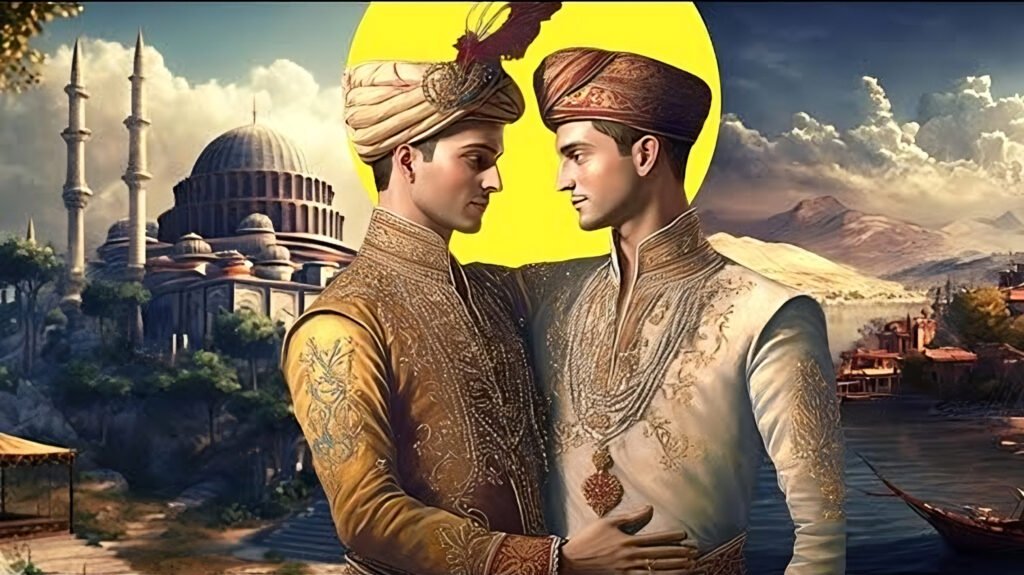
The Ottoman Empire’s history with homosexuality is complex. While poetry expressed same-sex love and the…
The American Perspective on Home Invasion
Across the Atlantic, the United States adopts a distinct stance on home intrusions. The legislation varies by state, yet there are commonalities in the American approach.
Castle Doctrine
In numerous states, the “castle doctrine” allows homeowners to employ lethal force against an intruder in their home. This principle is based on the notion that one’s home is a castle, and one has the right to defend it by any means necessary.
Stand Your Ground Laws
“Stand your ground” laws in some states broaden the castle doctrine to apply beyond the home. Under these laws, individuals may use lethal force to protect themselves or others, with no legal duty to retreat from an encounter.
Netherlands versus US on Home Invasion
The differing legal responses to home intrusion in the Netherlands and the US can be attributed to various cultural, historical, and societal factors within each country.
Gun Culture
The US has a deeply ingrained gun culture with a strong focus on individual rights, especially the right to bear arms. This has influenced the development of home intrusion laws, resulting in a more assertive approach across most states.
Non-Violence
Conversely, Dutch culture values non-violence and emphasizes peaceful resolution of conflicts. Their legal system reflects this, favoring de-escalation and avoiding force.
Homicide Rates
There is a notable difference in homicide rates between the two nations. The Netherlands has a consistently lower rate than the US, which may affect its legal stance on valuing human life.
Perceptions of Intuition
The American legal system may seem more direct than the Dutch system, with some Americans dismissing the latter as overly lenient. In the US, the right of homeowners to use force, including lethal force, is seen as a deterrent to home intrusion.
On the other hand, Dutch laws might appear to protect intruders more than homeowners. Yet, in reality, while the US system could lead to confrontations with armed intruders, the Dutch system strives to prevent violence altogether. Dutch intruders typically seek easy targets and tend to avoid conflict, especially if they detect the homeowner’s presence. The US system often conflates burglary with potential homicide, while the Dutch system maintains a clear distinction.
In a Nutshell: Home Invasion
Countries have different ways of dealing with home intruders, revealing much about their cultures and values. The US allows deadly force for protection, reflecting a culture of guns and self-defense. The Netherlands, on the other hand, values peace over property and avoids violence. These approaches impact societal behavior significantly. In the US, intruders may be more armed and violent, leading to dangerous situations, while in the Netherlands, intruders are less violent, creating safer environments.
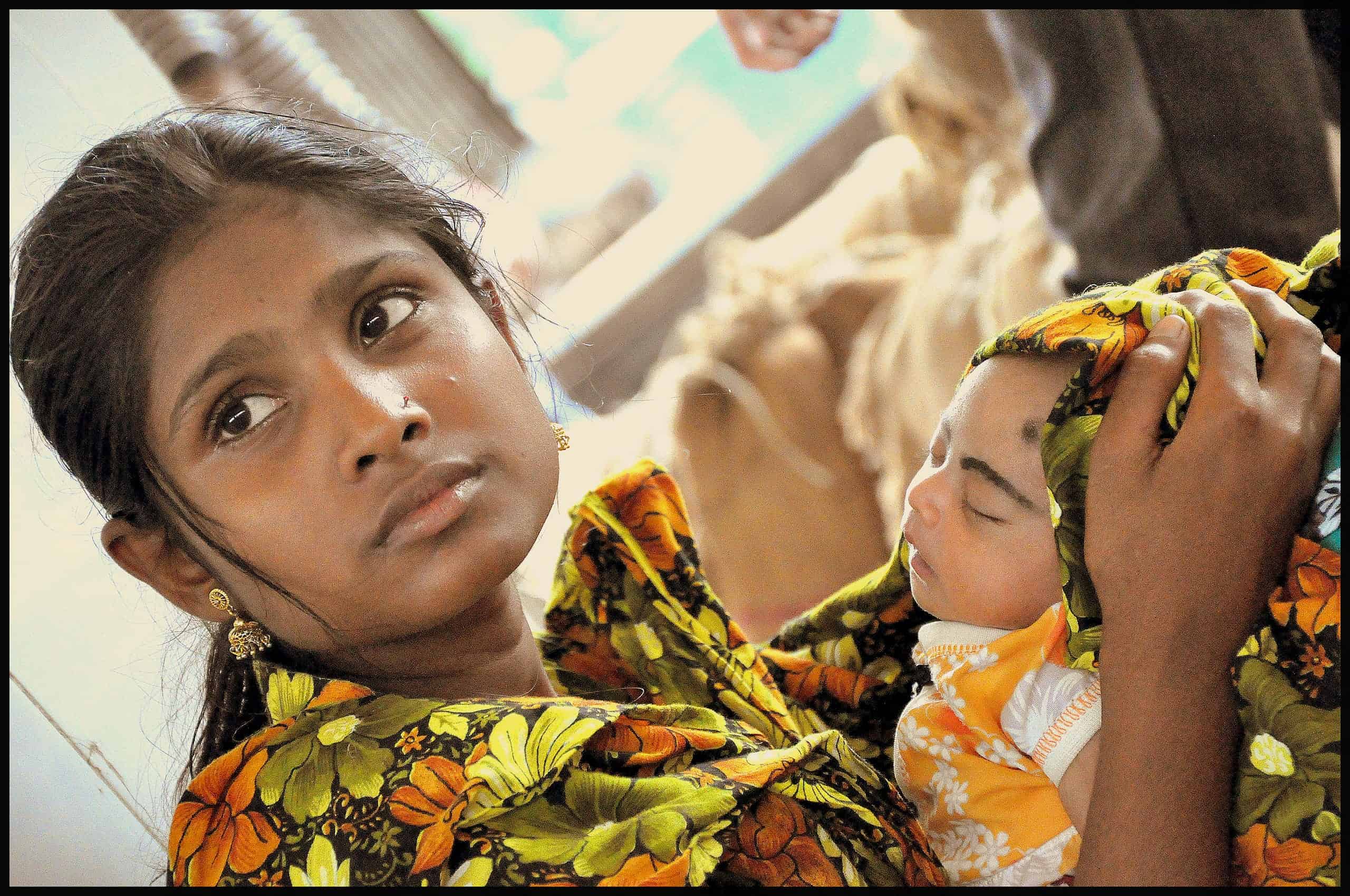
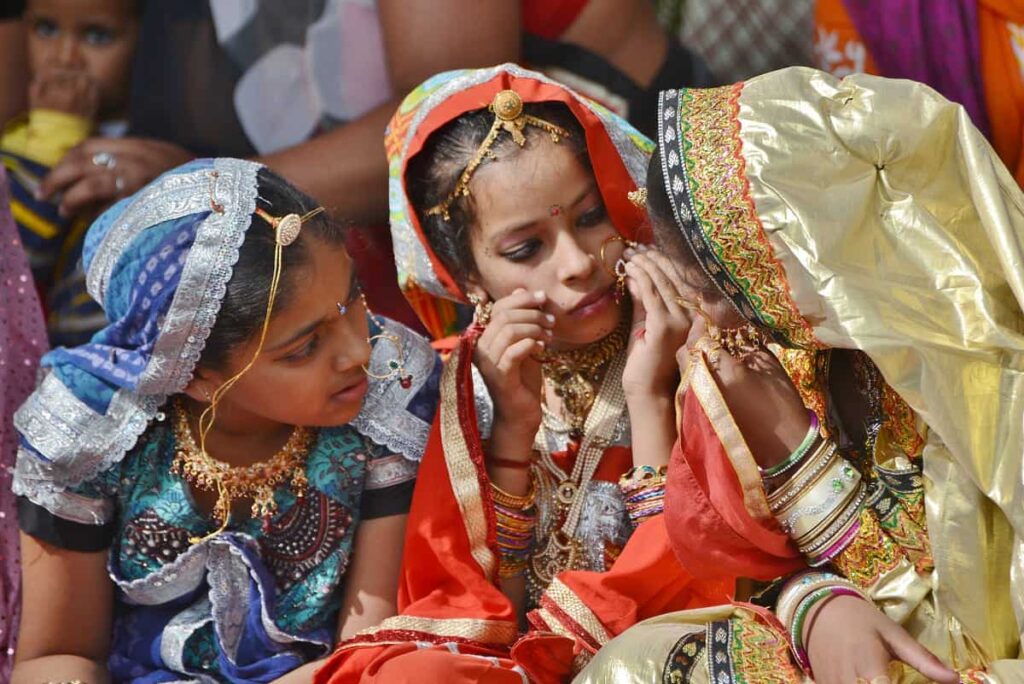
The concept of adulthood is understood differently across various cultures, societies, and religions. It’s typically associated with an individual’s legal and social rights and responsibilities, such as the ability to vote, drive, drink, and marry. Despite this general framework, there’s no global consensus on when a person transitions into adulthood and what we consider child marriage in Islam is an extension of it. Instead, many factors contribute to this determination, including the onset of puberty, which is the biological marker indicating reproductive maturity and the development of secondary sexual characteristics. In many religious traditions, particularly Judaism, Christianity, and Islam, reaching puberty is considered a significant step toward adulthood and an indication of suitability for marriage.
However, secular societies often set a fixed age of consent, usually at 18, to define the threshold for marriage and other adult activities. This difference creates interesting questions about the relationship between religious beliefs and contemporary societal norms, especially concerning marriage. Historical cases like those of 16th-century Spanish King Philip and Prophet Mohammed demonstrate that in some contexts, marriage wasn’t consummated until both partners reached puberty, reflecting a religious and cultural understanding of adulthood.
In the case of child marriage in Islam, interpretations may vary. Some consider puberty a clear sign of readiness for marriage, while others emphasize a broader perspective that includes emotional maturity and legal consent. This divergence in views highlights the complex dynamics between traditional religious practices and modern legal frameworks. It’s crucial to examine these historical precedents while also addressing the implications of these differing views on adulthood in the contemporary world, where there’s a growing emphasis on safeguarding the rights of minors and ensuring that marriage is a consensual and healthy institution.
This blog post examines how the UK maintains low crime rates without the death penalty…
Child Marriage in Islam and Other Abrahamic Religions
In Abrahamic faiths, adulthood often commences with puberty, signaling the shift from childhood to adult maturity. This perspective is entrenched in the scriptures and traditions of these religions. For instance, in Judaism, boys at 13 and girls at 12 reach the age of majority, known as bar and bat mitzvah, translating to “son and daughter of the commandment.” At this milestone, Jewish youth are tasked with adhering to religious laws and customs, and they gain eligibility to partake in synagogue and community activities. Similarly, Christianity views the onset of puberty as the age of reason or discretion, signifying the capacity to discern right from wrong and make ethical choices. Christian youth at this age are expected to confess their sins, partake in communion, and affirm their faith. In Islam, puberty marks the age of maturity or responsibility, denoting the duty to abide by Islamic precepts and rituals. Muslim youth are then expected to observe the five daily prayers, fast during Ramadan, give zakat (alms), and undertake the Hajj to Mecca if feasible.
Secular societies often establish the age of consent and adulthood at a fixed number, usually 18, whereas Abrahamic religions take a different approach. They consider an individual’s physical and emotional maturity as a better measure of readiness for marriage. Thus, the beginning of puberty is viewed as a divine sign and authorization for marriage, as well as a natural and wholesome manifestation of human sexuality. This viewpoint is reinforced by numerous scriptural and historical references.
The Hebrew Bible’s Book of Genesis tells the tale of Isaac and Rebekah, who were wed when Isaac was 40 and Rebekah was 10. The Book of Numbers recounts the story of Zelophehad’s daughters, who gained the right to inherit their father’s land and wed their cousins upon reaching puberty.
The New Testament’s Book of Matthew lists the genealogy of Jesus, noting several women who entered marriage at young ages, including Ruth, who married Boaz at 12, and Mary, betrothed to Joseph at 13 or 14.
The Quran, in the chapter An-Nisa (The Women), mentions that the waiting period for divorced women yet to menstruate is three months, suggesting their eligibility for marriage. Similarly, the chapter At-Talaq (The Divorce) indicates the same waiting period for widowed women, implying they may remarry.
According to Hadith, the sayings and actions of Prophet Mohammed, he married Aisha, his youngest and most cherished wife, when she was six or seven and consummated the marriage when she reached puberty, at nine or ten. He also reportedly encouraged his followers to marry young and to seek virgin spouses.
Anna of Austria and Her Uncle-Husband King Philip of Spain
To illustrate the concept of marriage and its connection to puberty, consider a historical example from the 16th century. King Philip II of Spain, renowned for his multiple marriages, entered into a controversial union with his niece, Anna of Austria. Anna was sent to live with her uncle before she had reached puberty, but they did not consummate their marriage until she had passed this significant developmental milestone. This delay aligned with the religious and cultural beliefs of their era, marking the point at which their marriage could be blessed by God and completed.
Although this practice might seem unconventional by today’s standards, it was in line with the norms of the 16th century. Marrying within the family was less stigmatized, and waiting until puberty was seen as a way to ensure that both parties were physically and emotionally ready for marriage. In this context, the marriage of King Philip and Anna of Austria was not solely a personal arrangement; it also had political motivations. The union aimed to strengthen ties between Spain and the Holy Roman Empire, ensuring that the Habsburg dynasty retained its influence and purity.
This historical example underscores how cultural and religious norms can influence marriage practices, sometimes in ways that might clash with modern sensibilities. Today’s values emphasize individual rights, age of consent, and the protection of minors, recognizing the potential harms of child marriage and other practices that might undermine a person’s autonomy and well-being. By examining these historical cases, we can better understand the complexities of marriage traditions and the importance of safeguarding against practices that could be detrimental in contemporary contexts.
This deeply ingrained psychology of forming insular, favored groups and showing biased loyalty toward them…
Last Marriage of Mohammad
The tradition of waiting to consummate marriage until after puberty is not confined to historical European royalty. For example, in the 7th century, Prophet Mohammed’s future wife was betrothed to him before reaching puberty, but their marriage wasn’t consummated until she had matured physically and emotionally. This practice reflects the Islamic belief that physical readiness and emotional maturity are key considerations for marriage.
Although Prophet Mohammed’s final wife was not his niece, unlike King Philip’s situation, both cases exemplify the principle of postponing consummation until after puberty. In the case of Prophet Mohammed, the marriage to his last wife served multiple purposes beyond personal union—it aimed to strengthen ties with Abu Bakr, his close confidant and the father of the young bride, and to offer the child a stable environment after the death of her mother.
These examples illustrate a shared understanding of the importance of maturity in marriage, while also showing how religious and cultural contexts can shape marriage practices. It’s important to recognize that while historical traditions like these can offer insights into past practices, contemporary views on marriage, child marriage in Islam, and age of consent have evolved. Today’s standards generally emphasize safeguarding the rights and well-being of minors, ensuring they have reached an appropriate level of maturity before entering into significant commitments like marriage.
Modern Concept Age of Consent
Secular societies, in contrast to religious viewpoints, have set the age of consent for marriage at 18 years. This is due to a variety of reasons, such as child protection, emotional maturity, and preventing forced or underage marriages. Unlike Abrahamic religions, which may consider the onset of puberty, secular values prioritize a specific age threshold.
Some of the arguments in favor of this secular perspective are as follows:
Young individuals who enter into marriage often face a higher risk of experiencing physical, sexual, and psychological abuse from their partners or relatives, as well as health dangers like early pregnancy, complications during childbirth, and infections transmitted sexually. They are also at a greater risk of discontinuing their education, forfeiting economic prospects, and enduring social isolation and discrimination.
Youngsters in early marriage lack the total capacity to make informed and autonomous decisions about their futures, particularly concerning a commitment as significant and enduring as marriage. They are also emotionally unprepared to handle the demands and duties associated with marital life, including effective communication, compromise, and managing disagreements.
To prevent forced or underage marriages, it is crucial to recognize that children who marry early are often coerced or influenced by their families, communities, or situations, lacking genuine and complete consent. They frequently find themselves stripped of fundamental rights and options, including access to education, healthcare, and self-determination.
Child Marriage
In a Nutshell: Child Marriage in Islam
The concept of adulthood is a complex and often debated topic, differing across cultures, societies, and religious traditions. It is commonly linked to the point at which a person gains certain legal and social rights and responsibilities, such as the ability to vote, drive, drink, and marry. However, there’s no universal standard for when someone is considered an adult, and various factors, including biology, culture, religion, and law, play roles in this determination.
One significant factor often considered is the onset of puberty, which marks a biological transition signaling reproductive maturity and the development of secondary sexual characteristics. In many religious contexts, such as those found in Judaism, Christianity, and Islam, puberty is often viewed as a sign of readiness for marriage. However, this perspective can conflict with the fixed age-of-consent laws set by many secular societies, usually around 18, which define legal adulthood and the right to engage in adult activities. This tension raises important questions about the intersection between religious beliefs and contemporary societal values.
For instance, child marriage in Islam has drawn attention due to differing interpretations of when a person is ready for marriage. Some interpretations align with traditional views that consider puberty as a threshold for marriage, while others stress a more contemporary approach, advocating for a higher age of consent. This divergence in views prompts discussions about how different societies reconcile traditional religious practices with modern legal standards and human rights.
To understand the broader implications, we can look at historical examples where individuals, like the 16th-century Spanish King Philip and Prophet Mohammed, followed the custom of waiting until their partners reached puberty before consummating their marriages. These examples reflect a historical context where puberty was often used to mark adulthood. However, the current age of consent laws and the growing emphasis on human rights in many parts of the world suggest a shift towards establishing a clear, consistent legal framework for defining adulthood and protecting minors from potential harm.
Overall, the concept of adulthood is complex and varies across different contexts. It requires a careful balance between respecting cultural and religious practices and ensuring the safety and well-being of all individuals, particularly minors. Addressing these challenges calls for a nuanced approach that considers the diverse ways societies understand adulthood and the need to protect individuals from potential exploitation or harm, especially within the context of marriage.
In the United States, a country renowned for its opportunities and liberties, the actual wealth distribution sharply contrasts with the esteemed American Dream. Contrary to the popular belief that diligence and resolve can propel anyone to affluence, statistical evidence paints an alternate narrative: a significant portion of the nation’s wealth is accumulated by a minuscule segment of its populace, relegating the majority to vie for the remnants. We invite you to explore the origins and consequences of this economic disparity in U.S. wealth distribution and consider its implications for the American financial structure amidst considerations of education and self-awareness.
The Divide Widens in U.S. Wealth Distribution
The extreme concentration of wealth among a select few goes beyond mere statistics; it signifies a growing gap that threatens the unity of our society. When just 10% of the population controls two-thirds of the nation’s wealth, while the bottom half holds a mere 2.6%, the extent of this inequality becomes clear. This alarming imbalance is not just a numerical difference; it indicates deep-rooted systemic flaws that perpetuate poverty and exclusion, trapping many individuals in unending cycles of economic hardship. The consequences of this divide are extensive, affecting fundamental aspects of life such as equal access to education and healthcare, and undermining the stability and well-being of communities across the country.
The battle against economic inequality is not just about redistributing wealth; it’s also about changing societal attitudes. Efforts to address this inequity often face strong resistance, portrayed as attacks on personal freedoms and the American way of life.
This depiction, ingrained in the public consciousness, acts as a powerful tool for the wealthy elite, who use it to align the economically disadvantaged with those benefiting from the status quo. By labeling any wealth redistribution proposals as steps toward communism, these groups effectively silence dissent and maintain their power. They cloak their agendas in patriotism and liberty, while the mistaken association of communism with atheism adds to the confusion, obstructing the path to a fairer society.
In the United States, opposition to wealth redistribution is rooted in the cultural ideal of ‘rugged individualism,’ which values self-sufficiency and independence, often resulting in resistance to government involvement in social programs like welfare and healthcare. For example, despite growing income and wealth disparities in recent decades, a substantial portion of the electorate consistently opposes redistribution, favoring reductions in welfare rather than tax increases.
Challenges to Change
Despite increased recognition of the disparities, effecting systemic change remains a formidable challenge. The principles of capitalism, meritocracy, and individualism are not merely economic concepts but are ingrained in the American consciousness, forming a robust ideological framework that upholds the status quo. For those in positions of privilege, these principles validate a sense of deservedness and a staunch opposition to altering the system. Conversely, for those marginalized by the current economic structure, these same ideals can engender a sense of disenchantment and a belief in the futility of striving for change. To surmount this deeply rooted ideological stronghold, it is imperative to engage in a concerted societal endeavor that critically examines and deconstructs these long-standing convictions, thereby questioning the very bedrock of the prevailing economic paradigm.
Consider the case of affirmative action policies in the United States. Despite decades of efforts to address historical injustices and systemic inequalities in access to education and employment, resistance to such policies remains strong. Advocates argue that affirmative action programs are essential for promoting diversity and leveling the playing field, especially for marginalized communities.
However, opponents often cite principles of meritocracy and individualism, asserting that such policies undermine the idea of rewarding hard work and talent, which reflects the deep-seated ideological framework described in the passage, wherein the principles of capitalism and meritocracy validate existing structures of privilege for some while perpetuating barriers for others.
Proponents of the status quo argue that the economic challenges of the US are largely due to immigrants and social programs, labeling those who benefit from them as freeloaders. They advocate for reducing the 2.6% share of wealth owned by half of the American population and reallocating it to a smaller group.
In a system where wealth generates more wealth, the core problem is clear. The elite and their heirs, whom some might call the actual freeloaders, accumulate wealth with ease, while the less fortunate typically inherit a legacy of poverty, insufficient education, and limited opportunities from their ancestors.
The Path Forward
The journey toward a more equitable future is one that transcends the confines of partisan debate and ideological rifts. At the heart of this endeavor lies a commitment to comprehensive education that encompasses not only financial understanding but also the cultivation of critical thinking and empathetic understanding. By equipping individuals with the knowledge to navigate systemic complexities and fostering an appreciation for our shared humanity, we lay the groundwork for overcoming societal divides. Cultivating a culture anchored in unity and mutual respect is paramount. Equally important is galvanizing a collective resolve to champion and enact systemic reforms. Through persistent collective efforts and a unified pursuit of fairness, we can unravel the intricate causes of economic disparity.
In a Nutshell: U.S. Wealth Distribution
The stark disparities in wealth distribution in America indicate that the system is broken, not a reflection of individual failure or lack of effort. Confronting this reality requires courage, a willingness to challenge deeply ingrained beliefs, and to question the power structures that uphold the status quo. By fostering a society that values education, self-awareness, and empathy, Americans can lay the groundwork for a more equitable and just economic system that uplifts the most vulnerable and honors the promise of the American Dream for all.
The complex nature of race in society is both fascinating and perplexing because it lacks a solid biological foundation. We’ve created arbitrary divisions based on physical appearance while ignoring the minuscule genetic differences between us, which calls for a shift in perspective. Race as a social construct must be recognized over and above any biological classification.
Labeling someone as “white” doesn’t guarantee a stronger genetic link to others labeled the same, compared to people of different racial categories. Our DNA is a complex mosaic, reflecting a rich tapestry of ancestries. Fitting people into distinct racial boxes oversimplifies the beautiful complexity of human diversity. Race as a social construct often leads to misunderstandings and problems rather than providing valuable insights into our shared humanity.
The concept of race persists in our interconnected world, though its dynamic is changing. As people from diverse backgrounds marry and build families, the once clear-cut racial boundaries are blurring. Imagine it like an artist’s palette – blending different colors creates new and unique shades. These changes suggest a future where traditional racial classifications hold less weight, highlighting the fluidity and interconnectedness of human identities.
The focus on race in the United States is somewhat paradoxical, considering the country’s diverse and mixed heritage. Celebrating our origins and the unique cultural contributions we bring to the world is vital. However, emphasizing race as a primary identifier may be outdated. Instead, we should embrace the richness and complexity of our identities.
Honoring one’s heritage and family history is definitely commendable. It connects us to our unique stories and ancestral roots. However, it’s worth considering the concept of pride based solely on genetics and geographic lineage, like skin color. True pride should stem from our accomplishments, actions, and inner character, not the circumstances of our birth. It’s about the values we hold, the contributions we make, and the paths we forge through our choices and actions.
Science reveals our incredible similarity as humans, with 99.9% shared DNA. The tiny variations that influence our appearance represent a minuscule portion of our genetic makeup. This reinforces the concept of race as primarily a social and historical construct, not a biological one. These slight differences are too insignificant to justify traditional racial classifications. Our shared humanity holds much greater weight than superficial physical variations.
The idea of changing one’s “race” through science is more science fiction than reality. Despite genetic advancements, altering racial traits sparks complex ethical and scientific debates. This highlights the limited scientific basis of race. The ethical concerns surrounding such hypothetical modifications emphasize the need to view race as a social construct, not a biological one. Our focus should be on the richness and diversity of human experiences, not altering insignificant characteristics.
As the world becomes more interconnected, progress brings people from diverse backgrounds closer. This global interaction leads to a beautiful amalgamation of cultures and identities.
As we navigate our identities in this expansive, interconnected world, it’s vital to embrace the precious elements of our cultures and discard outdated concepts of race.
Race, as a social construct, has limited our understanding of humanity. We should aim to cultivate a global community where the core of our humanity surpasses labels, honoring both our collective and individual identities beyond the limitations of racial classification. Concentrating on our common experiences and the wealth of cultural diversity, we can lay the groundwork for a society that acknowledges each person simply as a human being, bonded by our distinct and shared traits.
Life in Istanbul, a city bridging continents, encompasses a rich mosaic of cultures and social strata, where the coexistence of extreme wealth and poverty paints a diverse portrait of human experience. Yet, amidst these contrasts, Istanbul stands as one of Europe’s safest cities, a testament to its resilient social fabric.
Life in Istanbul:The Paradox of Proximity
Many metropolises worldwide have become a symbol of wealth inequality, where the rich live in exclusive neighborhoods, and the poor live in the city’s outskirts, far from the affluent areas. However, Istanbul stands out, as it has managed to break this pattern. In this bustling city, grand palaces and humble homes coexist, where people lead vastly different lives but share the same streets, air, and city spirit.
Despite the differences in lifestyles, the residents of Istanbul have learned to coexist peacefully, creating a sense of community and mutual understanding that is rare in a metropolis of this size, making Istanbul a unique blend of cultures and traditions, making Istanbul a melting pot of diversity.
Of course, this proximity can sometimes lead to tensions, but the people of Istanbul have learned to embrace their differences and work towards a common goal of unity and harmony, making Istanbul a truly special city where diversity is celebrated and inclusivity is the norm.
Safety amid Inequality
The safety of Istanbul is a miracle of sorts, especially when viewed through the lens of income inequality. Despite its economic disparities, the city has managed to maintain a remarkable level of safety and order thanks to a complex interplay of cultural norms, community policing, and perhaps a shared understanding that harmonious coexistence benefits all.
While Istanbul is a bustling metropolis, with all the usual precautions that come with any big city, there are certain areas that one might wish to avoid after dark. However, it’s also worth noting that the watchful eye of a neighbor can be a more effective deterrent than any security system.
In fact, the city’s culture of community policing is one of the key pillars of its safety. Neighborhoods are tightly knit, and residents look out for one another, often forming informal watch groups. This sense of community and shared responsibility is reinforced by the police force, which works closely with residents to maintain safety and order. Overall, Istanbul’s safety is a testament to the power of cultural norms and community cohesion to overcome the challenges of economic inequality and ensure a harmonious coexistence for all.
Life in Istanbul: Understanding Turkish Conservatism
Outsiders often misunderstand Turkish conservatism, which is far from being a monolith but rather a spectrum of beliefs and practices that can be both traditional and progressive.
In Istanbul, conservatism manifests in a culture of discretion. The rule of thumb is that you can do anything as long as it is consensual, and you make sure that you don’t openly discuss every aspect of your life. It is a conservatism that respects privacy and personal choice, one that is less about imposing beliefs and more about living and letting live.
For example, homosexuality was decriminalized as early as the 19th century by the palace, and today, Istanbul has a lively gay scene; however, for most people, being openly gay is not on the table.
The Istanbulite Bubble
Like residents of any large city, Istanbulites have mastered the art of creating personal spaces within the urban sprawl. They build bubbles filled with familiar faces and shared values, carving out a sense of home in a city constantly in flux. These bubbles are not isolating but rather a means of finding stability and comfort. For those within them, the rest of the country and the world may seem distant, but it is a distance born of contentment rather than ignorance.
Life in Istanbul: Navigating the Urban Landscape
Like any big city, life in Istanbul is governed by unspoken rules. For both women and men, the secret to a harmonious life lies in mastering the art of maneuvering through the city’s bustling environment. It involves discerning when to participate and when to withdraw when to voice opinions, and when to stay quiet. It revolves around showing respect – respect towards the city, its unique pace, and its inhabitants, who, despite their diverse backgrounds, are all Istanbul residents at their core.
Istanbul’s tale is one of coexistence and resilience. It is a city where life’s contradictions are prominently showcased, yet they do not separate but instead enhance the shared experience. The safety and unity in Istanbul are not coincidental but rather the outcomes of a society that prioritizes community over discord and diversity over segregation. In this city, the underprivileged and the affluent may reside in close proximity, but they have more in common than just a location – they share the essence of Istanbul, which is as timeless as the Bosphorus itself.
When Chastity confided in the Grammy Award-winning singer and Oscar-winning actress, Cher, about her sexual orientation as a lesbian, her mother’s reaction was to eject her from their home. Despite Cher reaching out the following day to apologize, Chastity chose not to return home, embarking on a profound journey of self-discovery. On her new path, it didn’t take long for her to realize that she didn’t quite fit the mold of other lesbian women she was acquainted with; she simply didn’t resonate with their experiences. Ultimately, she came to the understanding that she wasn’t a lesbian after all, yet she was sexually and romantically attracted to women.
Join us as we delve into the nuances of sexual orientation and identity, understanding their intricacies and why it’s crucial to differentiate between them.
A Brief History
The evolution of sexual orientation and identity is a complex historical process with many contributing factors.
Early sexologists like Richard von Krafft-Ebing and Havelock Ellis laid the groundwork for understanding sexual orientation in the late 19th and early 20th centuries. Their research and writings explored human sexuality, providing a foundation for later discussions.
The term “sexual identity” gained prominence with the rise of LGBT+ activism, which emphasized the importance of self-identification and self-expression in defining one’s sexuality. Activists and scholars in the LGBT+ community, including those involved in the Stonewall riots of 1969, played a significant role in shaping our understanding of sexual identity as an integral part of individual identity.
The acronym LGBT, which stands for Lesbian, Gay, Bisexual, and Transgender, has expanded over the years to be more inclusive of the diverse range of sexual orientations and gender identities. The extended version, LGBTQIAAP2SGNC+, includes Queer or Questioning, Intersex, Asexual, Allies, Pansexual, Two-Spirit, and Gender Non-Conforming, among others, reflecting a growing acknowledgment of the spectrum of human sexuality and gender identity, emphasizing the importance of representation and visibility for all individuals, irrespective of how they identify.
To keep a complex and confusing topic simple, let’s talk about LGB as sexual orientation and T as sexual identity in isolation today.
Sexual orientation refers to an individual’s enduring pattern of emotional, romantic, and sexual attraction to others. It encompasses a person’s feelings of attraction towards people of the same gender (homosexuality), different genders (heterosexuality), both genders (bisexuality), or neither gender (asexuality).
On the other hand, sexual identity is subjective and evolves over generations. It refers to an individual’s personal understanding and recognition of their own sexual orientation, attraction, and preferences. It encompasses the complex and multifaceted aspects of who a person is romantically, emotionally, and sexually drawn to. Sexual identity is a profoundly social, cultural, personal, and intrinsic aspect of a person’s self-concept and can encompass a broad spectrum of experiences and feelings.
The main difference between sexual orientation and sexual identity is that while the former describes who a person is attracted to and is often categorized into labels such as gay, lesbian, straight, bisexual, and pansexual, the latter is about how individuals label themselves and identify within their understanding of their attractions and desires.
Sounds complicated? Well, because it is.
What makes sexual identity complicated is the fact that there is no universal definition of what it takes to be a woman or a man. For example, in the societies most of us are brought up in, we are fed with the information that men don’t wear leggings, high heels, wigs, or makeup. For most people who identify as male, wearing any of these is unthinkable, mainly because it doesn’t fit their idea of how a well-dressed male looks.
On the other hand, leggings used to be associated with military attire, while there was a time when men wore high heels and wigs to look taller and hide sexually transmitted diseases that caused hair loss. Additionally, make-up for men used to be very common in various cultures historically.
In the 21st century, it’s more likely than not that a man identifying as gay or a woman identifying as heterosexual may not be attracted to a male who wears leggings, high heels, wigs, and makeup. However, in different cultures and historical periods, a gay man or a heterosexual woman could still be attracted to individuals wearing all of the aforementioned items.
Although commonly referred to as the LGBT+ community, it’s crucial to acknowledge the diverse range of identities and experiences within it. While lesbian, gay, and bisexual (LGB) individuals may share commonalities in sexual orientation, transgender people may face unique challenges related to gender identity, leading to differences in perspectives and experiences that prevent a cohesive sense of community among all members.
Transgender individuals often endure distinct and often more arduous experiences compared to LGB individuals. From navigating gender dysphoria to facing discrimination in healthcare, employment, and everyday interactions, the transgender community faces multifaceted challenges that may not fully resonate with LGB individuals who do not experience gender incongruence.
Furthermore, within the broader LGBT+ community, there exists a troubling phenomenon where some LGB individuals exhibit bigotry towards transgender individuals. This intolerance can manifest in various forms, from exclusionary attitudes to outright discrimination, particularly in conservative or less accepting environments.
The experiences of transgender individuals can be as unfamiliar to LBG people as to any other demographic. For instance, while acceptance of trans individuals may face more significant hurdles in certain regions of the United States, the understanding of gender incongruence seems to be clearer among Turkish communities. In Turkey, where I originate from, progress has been made since 1987 to enable trans individuals to marry individuals of the opposite sex and to adopt children. Nevertheless, Turkey still struggles with accepting same-sex relationships, a prejudice influenced by Europe during the Westernization movement.
Moreover, it’s essential to recognize the intricacies of sexual orientation and gender identity. While LGB and T are often discussed in tandem, they are not mutually exclusive categories. In other words, transgender individuals are not exclusively attracted to individuals of the opposite sex, further emphasizing the complexity within the LGBT.
Despite aiming for inclusivity, the extensive acronym LGBTQIAAP2SGNC+ can be confusing even for people considered members of the LGBT+ community. Its length and complexity make it difficult to recall, potentially excluding those it intends to include. Moreover, the broad scope of the acronym may overshadow the distinct needs and challenges faced by specific groups within it. For example, the unique legal, medical, and social issues experienced by transgender individuals differ significantly from those encountered by lesbians, gays, or bisexuals, some of whom may hold prejudices toward TQIAAP2SGNC+ individuals.