Tag: Politics

  • Irreligious Americans Are Irrelevant. Here Is Why.

    Irreligious Americans Are Irrelevant. Here Is Why.

    A remarkable demographic shift is occurring in the United States, yet its political impact remains curiously muted. The largest group in this diverse nation isn’t defined by adherence to a particular faith but rather by the absence of religious affiliation. These individuals, often referred to as the “nones,” now comprise approximately 30% of the adult population, with this figure surpassing 40% among Generation Z.

    To contextualize this, evangelical Christians, traditionally viewed as a strong force in American politics, comprise about 25–30% of the population.

    So, why does the evangelical voice resonate loudly across political discourse during election seasons while the potentially larger irreligious demographic seems to fade into the background?

    The root of this disparity lies in a striking statistic: while 70–80% of evangelicals actively participate in elections, a mere 12% of the irreligious population exercises their right to vote. Let that sink in.

    One factor potentially contributing to this imbalance is the renowned rhetoric that “all politicians are the same.” This cynical viewpoint discourages people from participating in elections, and it seems to work wonders.

    In a democratic society, the power to make choices rests with the people. Sometimes, this involves selecting the better option between two favorable candidates; at other times, it’s about choosing the lesser of two perceived evils. Regardless, the fundamental principle remains: people must choose.

    For democracies to remain democratic, the slogan should not be “All politicians are the same,” but rather “If you want to matter, you must vote.”

  • The Rise and Shine of American Nones

    The Rise and Shine of American Nones

    In recent years, a notable cultural shift has occurred in the United States and other Western countries, with an increasing number of individuals identifying as “Nones”, which covers anyone who don’t associate with organized religions.

    Today, approximately 30% of adult Americans fall into this category, with over 40% among Generation Z. But who are these Nones?

    Who Are the Nones?

    The Nones are not a uniform group; they consist of diverse individuals with varying beliefs and to an extent values. While some may identify themselves as agnostics or atheist, the majority — about 22% of the population — simply do not have connections with any religion.

    In other words, 1 in 5 Americans holds spiritual beliefs but reject organized religion due to past experiences or disillusionment with religious institutions.

    Worldviews of the Nones

    The worldview of the Nones is often characterized by a desire for authenticity and a rejection of dogma. Many Nones express an ethical perspective that focuses on doing good and promoting social justice rather than adhering to traditional religious teachings.

    Nones tend to prioritize values such as tolerance, fairness, and the pursuit of a better world, often leading them to be skeptical of both religious and secular institutions that they perceive as corrupt or discriminatory.

    Morality of the Nones

    Morality among the Nones is frequently shaped by first-hand experiences and a commitment to ethical living rather than adherence to religious doctrine. Many Nones believe in a moral obligation to contribute positively to society.

    Actually, Nones often view their ethical stance as more genuine than that of those who strictly follow religious texts.

    Demographics of Nones

    The demographic profile of the Nones is notably mixed, particularly among younger generations. According to PRRI (Public Religion Research Institute):

    Age Distribution

    • 38% of ages 18–29
    • 32% of ages 30–49
    • 20% of ages 50–64
    • 17% of ages 65 and over

    Ethnicity Distribution

    • 63% White
    • 37% People of Color (combined other ethnicities)

    Gender Distribution

    • Men: More likely to identify as atheist or agnostic
    • Women: More likely to describe their religion as “nothing in particular”

    Education Level:

    • Atheists and agnostics: Higher
    • “Nothing in particular”: Lower

    Political Affiliation:

    • 16% Republican
    • 35% Democrat
    • 46% Independent

    Political Force of the Nones

    As the Nones continue to grow in number, their potential as a political force is becoming increasingly evident. Historically, their turnout at the polls has been low, around merely 12%, largely due to their youth and lack of organization.

    Interestingly, however, political scientists draw parallels between the Nones today and the rise of evangelical Christians in the 1970s, suggesting that the Nones could emerge as a powerful voting bloc that shapes the future of American politics.

    That being said, the Nones are already beginning to impact political direction of the US, particularly within the Democratic Party, where their socially liberal views are pushing candidates to adopt more progressive stances.

  • For Its Sake, Islam Must Be Fair Game For Criticism

    For Its Sake, Islam Must Be Fair Game For Criticism

    In 2019, a significant controversy erupted involving a 16-year-old student from East Sussex, UK, named Abigail Ward. During a GCSE religious studies exam, Abigail expressed her strong disapproval of halal slaughter methods, describing them as “absolutely disgusting.” This comment led to her disqualification by the exam board OCR, which accused her of making “obscene, racial comments.”

    Following an appeal from her school, the decision was overturned. The school clarified that Abigail’s critique stemmed from her vegetarian beliefs and was directed at the practice of halal slaughter, not at Muslims themselves, highlighting an alarming trend toward censoring legitimate criticism of Islamic practices.

    The Growing Culture of Censorship

    The case of Abigail Ward is indicative of a broader issue: the increasing tendency to label any criticism of Islamic practices as ‘Islamophobia’ or even ‘racism’. Many individuals, like Ward, have faced accusations of bigotry for expressing critical views on certain Islamic practices or beliefs.

    The intent to shield religion from criticism to avoid causing offense is often driven by noble intentions. Muslims in the UK and elsewhere frequently experience discrimination and abuse, and it is vital to protect them from such treatment. However, this protection should not come at the expense of free speech. Existing laws already protect all individuals from discrimination, harassment, and violence, including Muslims. These rights must be upheld without stifling the right to express opinions and views freely.

    The Impact of Fear and Self-Censorship

    Despite the absence of blasphemy laws in England and Wales, there is a growing perception that Islam is afforded special protection from criticism and mockery. The rise in anti-Muslim bigotry, combined with the sensitivities of some religious fundamentalists, has made discourse around Islam increasingly fraught.

    Islamic extremists have long sought to silence any criticism or mockery of their religion. The 2015 terror attack on the French satirical magazine Charlie Hebdo and the assassination of Dutch filmmaker Theo van Gogh are stark examples of this. Such acts foster a climate of fear and self-censorship.

    The Role of Hate Speech Laws

    Hate speech laws have also contributed to the chilling effect on debate. The Racial and Religious Hatred Act of 2006 created various offenses involving ‘stirring up hatred’ against persons on religious grounds. To meet the threshold of stirring up hatred, the conduct must be threatening. Unlike race hate laws, being merely ‘abusive’ or ‘insulting’ is not sufficient. This distinction is crucial to protect freedom of expression, ensuring that criticism or expressions of antipathy towards religious beliefs or practices remain lawful.

    Despite these legal protections, the impression persists that people have the right not to be offended. Activists and social media mobs often call for police intervention when someone is perceived to have been ‘abusive’ or ‘insulting’ about Islam. This phenomenon was evident when Boris Johnson’s comments about Muslim women wearing burkas sparked outrage, prompting the head of the Metropolitan Police to clarify that his comments did not constitute a hate crime.

    The Dangers of Defining Islamophobia

    The term ‘Islamophobia’, which conflates race and religion, poses a serious threat to free speech. Attempts to define Islamophobia as “a type of racism that targets expressions of Muslimness or perceived Muslimness” could exacerbate the problem. This definition has been promoted by a coalition of regressive Islamic activists and left-wing progressives in the name of combating anti-Muslim bigotry.

    A recent ‘Anthology of Concerns’ over the APPG’s definition of Islamophobia highlights the dangers posed to liberal values by this concept. The report, supported by the National Secular Society, Christian Concern, Richard Dawkins, the Network of Sikh Organisations, Civitas, and the Quilliam Foundation, warns that adopting this definition could severely restrict civil liberties.

    Balancing Free Speech and Protection from Bigotry

    It’s undeniable that many Muslims in Britain face hostility and bigotry and are victims of racism. However, addressing anti-Muslim hatred by suppressing free speech is misguided. The government has wisely rejected the APPG’s definition but is still attempting to define Islamophobia, which is a mistake. As Professor Richard Dawkins aptly put it, “Islamophobia is an otiose word which doesn’t deserve definition”.

    The paralyzing fear that criticism of Islam or Islamic culture will be branded racist is dangerous. Many British Muslims would agree that there are aspects of Islam that warrant criticism: attitudes towards free speech, the treatment of women, LGBT people, Ahmadiyya Muslims, and non-believers often conflict with modern secular liberal values.

    Global Perspectives and Historical Context

    The importance of open discourse about Islam extends to all countries with large Muslim populations, such as Indonesia and Pakistan, the suppression of criticism often leads to severe penalties, including imprisonment and death. For instance, in Pakistan, blasphemy laws have been used to target and persecute religious minorities and dissenters. According to Human Rights Watch, these laws have contributed to a climate of fear and repression.

    Historical context also underscores the need for open criticism. The Enlightenment era in Europe saw the rise of critical thought and the questioning of religious dogma. Figures like Voltaire and Spinoza challenged the authority of the Church, paving the way for modern secular societies. Similarly, contemporary critiques of Islam can foster dialogue and reform within Muslim communities, promoting values of tolerance and human rights.

    The Takeaway

    While there are bigots who use opposition to Islam as a proxy for racism, it is crucial for secularists to challenge these racists. Simultaneously, it is equally important to resist efforts to achieve harmony through the suppression of speech. There is a significant conversation to be had about a religion that increasingly influences societies and politics worldwide, and this discussion must be free from mischievous and frivolous accusations of racism to ensure a healthy, open, and critical dialogue about Islam and its place in modern society.

    #FreeSpeech #IslamCriticism #ReligiousFreedom

  • Returning Home: A Journey Through Changing Turkey

    Returning Home: A Journey Through Changing Turkey

    When I stepped off the plane in Istanbul after nearly two decades abroad, I braced myself for what I imagined would be an unrecognizable Turkey. The country I left behind seemed a distant memory, replaced in my mind by news headlines of President Erdogan’s long rule and fears of creeping Islamization. But as I soon discovered, the reality on the ground was far more nuanced and surprising than I could have anticipated.

    The Resilience of Secularism

    The first thing that struck me was what hadn’t changed. Despite Erdogan’s leadership since 2002 and his party’s religious roots, the secular foundation laid by Mustafa Kemal Atatürk nearly a century ago remains remarkably resilient. Yes, there are more visible signs of religiosity in public life – more women wearing headscarves, more religious programming on television – but these surface-level changes belie a deeper commitment to secularism that persists across much of Turkish society.

    Progress in Women’s Rights

    One of the most positive changes I noticed was the decreased discrimination against women who choose to wear the turban (headscarf). In the past, these women often faced significant barriers in education and employment. Now, while challenges certainly remain, there’s a greater acceptance of personal religious expression that doesn’t come at the expense of participation in public life. This shift represents a maturation of Turkish secularism, one that allows for greater individual freedom while maintaining the separation of religion and state.

    The Balance of Power

    Of course, it would be naive to suggest that Erdogan’s government hasn’t tilted the scales in favor of religious organizations. There’s no denying the increased funding and support for Islamic institutions and initiatives. However, what struck me was the vigor with which the opposition continues to defend the principles of secularism. Far from being a settled issue, the role of religion in public life remains a hotly debated topic, with passionate advocates on all sides.

    Turkey vs. America: An Unexpected Comparison

    Perhaps the most unexpected realization came when I compared my observations in Turkey to what I knew of the United States. In many ways, Turkey seemed more secular than America, a notion that would have seemed absurd to me years ago. While religion certainly plays a role in Turkish politics, it doesn’t dominate the discourse to the same degree as in the U.S. Contentious issues like abortion and prostitution, which often become religious flashpoints in American politics, remain legal and are rarely central to political debates in Turkey.

    Turkish Islamists and American Evangelicals: Similarities and Differences
    The parallels between Turkish Islamists and American Evangelicals are fascinating and, at times, disconcerting. Both groups wield significant political influence and share conservative social values. I was surprised to learn that many Islamist parents in Turkey even use translated American Evangelical texts to educate their children on religious matters. This cross-pollination of ideas speaks to the increasingly global nature of religious movements in the 21st century.

    Science and Religion: An Unexpected Alliance

    However, one crucial difference stands out: the relationship with science. While both groups may have their disagreements with certain scientific theories (evolutionary biology being the prime example), Turkish Islamists generally hold science and scientists in high regard. This became particularly evident during the COVID-19 pandemic. When it was announced that one of the lead scientists behind the BioNTech-Pfizer vaccine was of Turkish descent, there was a palpable sense of pride across the political and religious spectrum.

    Reconciling Faith and Fact

    This respect for scientific achievement extends to other areas as well. Unlike some of their American counterparts, Turkish creationists don’t insist on a literal six-day creation story. Instead, they interpret the “days” mentioned in religious texts as vast eras, aligning more closely with scientific understanding of Earth’s 4.5-billion-year history. While this may seem like a small concession, it represents a significant difference in approach – one that allows for a coexistence of religious belief and scientific fact.

    Atatürk’s Vision: Still Relevant Today

    The words of Mustafa Kemal Atatürk, the founder of modern Turkey, echo in my mind as I reflect on these observations: “In human life, you will find players of religion until the knowledge and proficiency in religion will be cleansed from all superstitions, and will be purified and perfected by the enlightenment of real science.”

    This sentiment seems to capture the ongoing evolution of Turkish society – a gradual reconciliation of religious tradition with modern scientific understanding. It’s a process that’s far from complete, but the progress is undeniable.

    The Meaning Behind the Changes

    So what does all of this mean for Turkey and its place in the world?

    First and foremost, it highlights the complexity of secularism in practice. Turkey’s experience shows that secularism isn’t a fixed state but a continuum. There are conservative secularists, liberal secularists, nationalist secularists, and even what we might call “soft secularist” Islamists. This diversity of perspectives creates a dynamic tension that, while sometimes contentious, also fosters ongoing dialogue and prevents any one group from completely dominating the narrative.

    A Global Perspective

    Secondly, Turkey’s journey offers an interesting counterpoint to developments in other parts of the world. While many Western countries grapple with rising religious fundamentalism and science skepticism, Turkey seems to be charting a different course. The general acceptance of scientific consensus on issues like the age of the Earth, even among religious conservatives, stands in stark contrast to the heated debates over these topics in countries like the United States.

    Challenges and Resilience

    That’s not to say Turkey is a secular utopia – far from it. The country still faces significant challenges in balancing religious freedom with secular governance. Erdogan’s government has been criticized for favoring religious institutions and eroding some of the traditional safeguards of secularism. However, the resilience of secular principles in the face of these pressures is noteworthy.

    Beyond Simplistic Narratives

    Perhaps most importantly, Turkey’s experience highlights the danger of oversimplification when it comes to understanding the relationship between religion and politics in any society. The easy narrative of Turkey becoming “Islamized” under Erdogan misses the nuanced reality on the ground. Yes, religion plays a more visible role in public life than it did two decades ago, but this hasn’t translated into the wholesale dismantling of secular institutions that many feared.

    Personal Reflections

    As I readjust to life in Turkey, I’m struck by how much my own perceptions have been challenged. The country I returned to is neither the fiercely secular republic I left behind nor the Islamic state I feared it might become. Instead, it’s a nation still very much in the process of defining its identity, grappling with the complex interplay of tradition and modernity, religion and secularism.

    Turkey as a Global Case Study

    In many ways, Turkey serves as a microcosm for broader global debates about the role of religion in society. Its struggles and successes offer valuable lessons for other nations facing similar challenges. The Turkish model of secularism, while imperfect, demonstrates that it’s possible to create space for religious expression within a broadly secular framework.

    Looking to the Future

    As I settle back into life here, I’m filled with a mix of hope and uncertainty about Turkey’s future. The path forward is far from clear, but the ongoing vitality of debate around these issues gives me reason for optimism. Turkey’s experiment in balancing religious tradition with secular governance continues to evolve, and the world would do well to pay attention to the lessons it has to offer.

    The Takeaway

    In the end, my return to Turkey has been a journey of rediscovery – not just of a changed nation, but of the complex realities that lie beneath the surface of any society. It’s a reminder that the most interesting truths are often found in the gray areas, in the spaces between the black-and-white narratives we too often rely on to make sense of the world.

    As Turkey continues to navigate its unique path between East and West, tradition and modernity, religion and secularism, it offers a fascinating case study in the ongoing global conversation about the role of faith in public life. Whatever the future holds, one thing is certain: Turkey’s journey is far from over, and its story is one that will continue to surprise, challenge, and inspire for years to come.

    #TurkishSecularism #ReligionAndPolitics #CulturalEvolution

  • The Surprising Secular Resilience of Turkey: A Returning Expat’s Perspective

    The Surprising Secular Resilience of Turkey: A Returning Expat’s Perspective

    When I boarded the plane to return to Turkey after nearly two decades abroad, I braced myself for what I imagined would be a dramatically transformed nation. The Turkey I left behind in the early 2000s was a secular republic with a strong Kemalist tradition, but the intervening years had seen the rise and entrenchment of Recep Tayyip Erdogan’s Justice and Development Party (AKP). As an expat watching from afar, I had absorbed the narrative of Turkey’s increasing Islamization, expecting to find a country where secular traditions had been eroded and religious conservatism reigned supreme.

    What I discovered upon my return was far more nuanced and, in many ways, surprisingly reassuring. Yes, Turkey has changed under Erdogan’s long rule, but not always in the ways I had anticipated. The reality I encountered challenged my preconceptions and offered a fascinating contrast to the religious and political dynamics I had observed in my years living in the United States.

    Social Progress Amidst Religious Influence

    One of the first things I noticed was a positive change in social attitudes. The discrimination against women wearing headscarves, once a contentious issue in Turkey’s public sphere, had largely disappeared. This shift represented progress towards individual freedom of expression, rather than the wholesale Islamization I had feared. It was a reminder that secularism, at its best, should protect religious expression as much as it guards against religious imposition.

    Of course, the influence of religion in Turkish society and politics has indeed grown in certain areas. There’s no denying the government’s favoritism toward religious organizations or the proliferation of religious programming on television. However, what struck me most was not these changes, but the resilience of Turkey’s secular traditions in the face of them.

    The Surprising Strength of Turkish Secularism

    The opposition in Turkey vigorously defends secularism, keeping it at the forefront of political discourse. This stands in stark contrast to the United States, where I was surprised to find that religion plays a much more central role in politics than in contemporary Turkey. While living in America, I had become accustomed to political debates that often revolved around religious values and identity. In Turkey, unless Erdogan makes a particularly controversial statement, religion rarely takes center stage in political discussions.

    This observation led me to a startling realization: in many respects, the United States appears less secular than Turkey. Take, for example, the issues of prostitution and abortion. Both remain legal in Turkey and, more importantly, they’re not constant topics of heated debate as they are in the US. The relative absence of these discussions from Turkish political discourse speaks volumes about the country’s secular foundations.

    Turkish Islamists and American Evangelicals

    The parallels between Turkish Islamists and American Evangelicals are striking and deserve exploration. Both groups wield significant influence in their respective countries’ politics and social spheres. Interestingly, many Turkish Islamists even use translated books from American Evangelical authors to teach their children. However, there’s a crucial difference that sets them apart: the Turkish attitude towards science.

    Science and Religion: An Unexpected Harmony

    In Turkey, there’s a high regard for science and scientists that spans across ideological lines, including among Islamists. This respect for scientific achievement was evident in the pride many Turks, including conservative Muslims, took in the BioNTech-Pfizer COVID-19 vaccine. The fact that one of the lead scientists behind its development was a Turkish-German was a source of national pride that transcended religious boundaries.

    This scientific reverence does have its limits, particularly when it comes to evolutionary biology. While Turkish universities still teach evolution, it has been removed from high school curricula. However, even here, the approach of Turkish Islamists differs significantly from that of many American creationists. Turkish conservatives generally accept the scientific consensus on the age of the Earth (4.5 billion years) and interpret the Quranic creation story as occurring over six eras rather than literal days. There’s a noticeable absence of young-Earth creationism or debates about the literal truth of religious myths like Noah’s flood.

    The Spectrum of Turkish Secularism

    This willingness to reconcile religious belief with scientific understanding reflects a more flexible approach to faith that I found refreshing. It’s an attitude that seems to echo the words of Mustafa Kemal Atatürk, the founder of modern Turkey, who said: “In human life, you will find players of religion until the knowledge and proficiency in religion will be cleansed from all superstitions, and will be purified and perfected by the enlightenment of real science.”

    So what does all this mean for Turkey’s place on the spectrum of secularism? It’s a complex question without a simple answer. Turkey today is home to a diverse range of ideological positions: conservative secularists, liberal secularists, nationalist secularists, and even what might be called “secularist Islamists” – those who maintain strong religious beliefs but support the separation of religion and state.

    Rethinking Secularism: Turkey and the US

    Is Turkey very secular by global standards? Perhaps not. The influence of religion on politics and society is undeniably stronger than in many Western European nations. However, the current situation in the United States – with its intense religious rhetoric in politics, debates over teaching evolution, and challenges to abortion rights – makes Turkey appear remarkably secular by comparison.

    This unexpected contrast has led me to reflect on the nature of secularism itself. Often, we think of secularism as a linear progression: societies move from religious to secular as they modernize. But Turkey’s example suggests a more complex reality. Here is a country that has experienced a religious revival in its politics yet maintains a strong secular tradition. It’s a place where scientific achievement is celebrated alongside religious belief, and where the debate between secularism and religion remains vigorous but doesn’t dominate every aspect of political life.

    Lessons Learned: The Danger of Oversimplification

    My experience returning to Turkey has taught me the danger of oversimplification when it comes to understanding the relationship between religion and politics in any society. The narrative of Turkey’s Islamization under Erdogan, while not entirely unfounded, fails to capture the nuanced reality on the ground. It overlooks the resilience of secular institutions and traditions, the complex attitudes of Turkish Muslims towards science and modernity, and the ongoing negotiation between religious and secular forces in Turkish society.

    Moreover, my time in Turkey has prompted me to reconsider my perceptions of secularism in the United States. I’ve come to realize that the absence of an official state religion doesn’t necessarily equate to a truly secular political culture. The prominence of religious rhetoric and religiously motivated policies in American politics stands in stark contrast to the more subdued role of religion in Turkish political discourse, despite Turkey’s official embrace of Islam.

    The Takeaway

    This comparative perspective offers valuable insights into the diverse ways societies can negotiate the relationship between religion and the state. It challenges us to move beyond simplistic categorizations of “secular” and “religious” nations and to consider instead the specific historical, cultural, and political factors that shape each country’s approach to these issues.

    As I continue to readjust to life in Turkey, I find myself constantly reassessing my assumptions and expectations. The country I’ve returned to is neither the secular bastion I left two decades ago nor the Islamist state I feared I might find. Instead, it’s a dynamic and complex society grappling with questions of identity, modernity, and the proper role of religion in public life.

    In many ways, Turkey serves as a fascinating case study in the ongoing global conversation about secularism, democracy, and religious freedom. Its experience demonstrates that these concepts are not fixed or universal but are constantly being redefined and renegotiated within specific cultural contexts.

    As we look to the future, both Turkey and the United States face challenges in balancing religious freedom with secular governance. By comparing and contrasting their experiences, we can gain valuable insights into the complexities of this balancing act and perhaps find new ways to foster societies that respect both religious belief and secular principles.

    In the end, my return to Turkey has been a journey of discovery, challenging my preconceptions and offering new perspectives on the interplay of religion, politics, and society. It’s a reminder that the world is often more complex and surprising than we expect – and that there’s always value in reassessing our assumptions and looking at familiar issues from new angles.

    #TurkishSecularism #ReligionAndPolitics #ComparativePolitics

  • How the West Fueled Homophobia in the Ottoman Empire

    How the West Fueled Homophobia in the Ottoman Empire

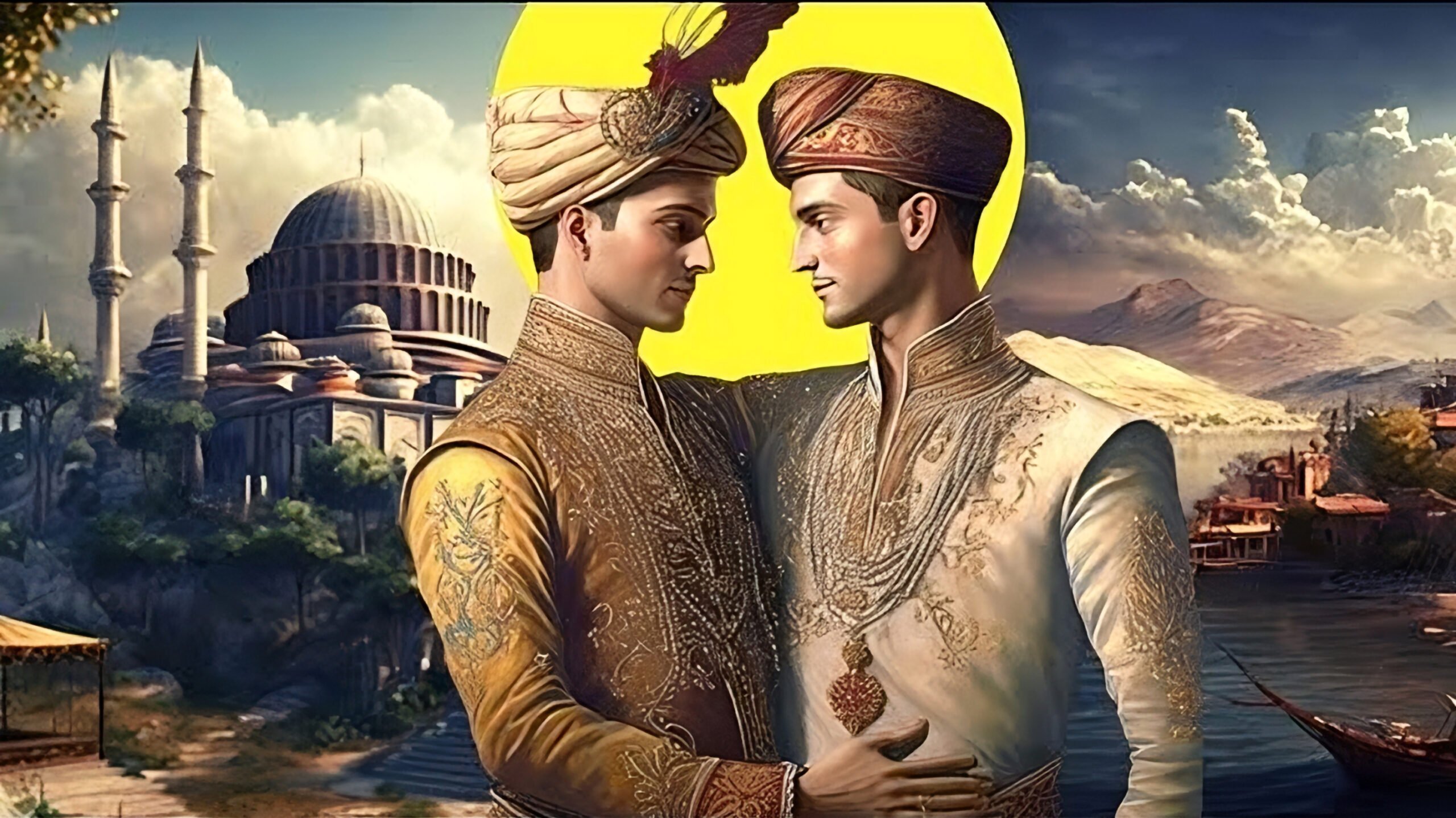
    The narrative of LGBTQ+ rights often paints a picture of a relentless march towards progress, with the West at the forefront. However, history holds a more nuanced truth, particularly when examining the Ottoman Empire. In the 18th century, the empire stood as a surprising outlier, having decriminalized homosexuality. This period of tolerance, however, was tragically cut short due to mounting pressure from Western powers, particularly France and the UK, fueling homophobia in the Ottoman Empire.

    A Society of Relative Acceptance

    Ottoman society, though not entirely devoid of prejudice, exhibited a remarkable degree of tolerance towards homosexuality compared to its European counterparts. Same-sex relationships were not explicitly outlawed, and certain social circles even embraced expressions of same-sex desire. This acceptance stemmed from a confluence of factors. First, Islamic jurisprudence, while outlining specific punishments for certain sexual acts, did not explicitly criminalize homosexuality itself. Second, the concept of privacy within the Ottoman household limited state intervention in personal matters. Finally, the Ottomans incorporated elements of Byzantine and Roman legal traditions, which, while not condoning homosexuality, did not treat it as a capital offense.

    The Rise of the “Other”

    This relative tolerance began to erode in the 18th century with increased interaction between the Ottomans and Western Europe. According to Dr. Michael Erdman, the Head of Middle Eastern and Central Asian Collections at the British Library, France and Britain, amidst growing colonial ambitions, viewed the Ottoman Empire with a mixture of fascination and disdain. They were captivated by the Ottomans’ cultural richness but also repelled by aspects that deviated from their own rigid social norms. Homosexuality, a subject of intense social stigma and legal persecution in Europe, became a particular point of contention.

    The Weaponization of Morality

    France and Britain, seeking to exert influence over the Ottomans, weaponized their own moral codes. They painted the Ottomans’ tolerance as a sign of societal decay and degeneracy. Diplomatic channels buzzed with pronouncements about the “unnatural practices” flourishing in the East. Travelogues penned by European visitors brimmed with exaggerated accounts of Ottoman vice, often focusing on homosexuality. These narratives served a dual purpose: demonizing the Ottomans and presenting Western Europe, particularly France and Britain, as bastions of morality.

    The Corrosive Effect

    The relentless pressure from Western powers had a corrosive effect on Ottoman society. While the empire initially resisted these external pressures, cracks began to appear. The intellectual elite, increasingly exposed to European ideas, began to internalize Western homophobia. Ottoman legal scholars, wrestling with the legitimacy of their own traditions in the face of sustained European critique, started to reinterpret Islamic law in a more restrictive manner. This shift, however, was not uniform. Popular attitudes towards homosexuality remained more nuanced, with pockets of tolerance persisting.

    A Legacy of Intolerance

    The late 19th century witnessed a dramatic shift. The Ottoman Empire, weakened by internal strife and external pressures, bowed to Western influence. Homosexuality was criminalized in the late 18th or early 19th century, mirroring the legal codes of France and Britain. This decision not only reflected a shift in legal interpretation but also served as a symbolic gesture of appeasement towards the West. The legacy of this decision continues to resonate today. Turkey, the successor state to the Ottoman Empire, has yet to fully decriminalize homosexuality, and societal attitudes remain marked by a strain of homophobia introduced from abroad.

    Unveiling the Hypocrisy

    The pressure exerted by France and Britain exposes a fundamental hypocrisy. French and Brits, while often directly or indirectly associating Islam with homophobia, France and Britain themselves were rife with prejudice and persecution. The public shaming and legal punishments meted out to those suspected of same-sex relations in Europe and its colonies stand in stark contrast to the relative tolerance exhibited by the Ottomans.

    The Takeaway

    The story of the Ottoman Empire challenges the simplistic narrative of Western progress on LGBTQ+ rights. It compels us to acknowledge the complex interplay of cultures and the weaponization of morality for geopolitical gain. Re-examining this history allows us to move beyond self-congratulatory narratives and fosters a more nuanced understanding of the ongoing struggle for LGBTQ+ rights globally. It is a call to recognize the progress made but also a reminder of the vigilance required to prevent the erosion of hard-won freedoms, both within and beyond our borders.

    Further Reading

  • Beyond Left and Right: Redefining the Boundaries of Political Discourse

    Beyond Left and Right: Redefining the Boundaries of Political Discourse

    In today’s polarized world, discussions about politics often seem to simplify complex issues into convenient binaries — left versus right. Recently, I came across an article that epitomizes this tendency, and it struck a chord with me not only for its reductionism but also for its sweeping generalizations.

    Oversimplifying Political Discourse

    The article categorizes people into two camps — left and right — and proceeds to draw broad strokes that paint each group with a singular brush. This reductionist approach, while seemingly convenient for making arguments, oversimplifies the rich tapestry of political beliefs and ignores the diversity of thought within each ideological spectrum. It reduces nuanced policy debates and complex societal issues to easily digestible soundbites, neglecting the realities that shape political ideologies in different contexts.

    The inherent danger of such oversimplification is that it breeds misunderstanding and perpetuates harmful stereotypes. By painting entire groups with a broad brush, we risk overlooking the critical distinctions that exist within each ideology — distinctions that can lead to meaningful dialogue and collaboration. Moreover, reducing complex political philosophies to binary labels hinders our ability to engage with the nuances and trade-offs that often characterize real-world policymaking.

    Targeting Based on Political Alignment

    What particularly caught my attention was the article’s implicit targeting based solely on political alignment rather than on policies or principles. By focusing narrowly on political labels, the article overlooks the complexities of individual beliefs and risks alienating those who might not neatly fit into these predefined categories. This emphasis on divisive labels over substantive discussions about policies and ideas hinders constructive dialogue and deepens polarization.

    Furthermore, such an approach can inadvertently perpetuate the very divisions it seeks to critique. When we essentialize individuals based on their perceived political affiliations, we create an us-versus-them mentality that undermines our ability to find common ground and work towards shared goals. In a healthy democracy, we should strive to engage with each other’s ideas and perspectives, rather than dismissing them based on preconceived notions tied to arbitrary labels.

    The Pitfalls of Global Comparisons

    Furthermore, the article’s comparison between UK conservatives and their US counterparts struck me as particularly problematic. As someone who follows global politics closely, I find it essential to acknowledge the nuances and distinctions between different political landscapes. Equating UK conservatives with US conservatives oversimplifies and does a disservice to the complexity of each country’s political dynamics.

    Political ideologies are shaped by a myriad of factors, including historical contexts, cultural norms, and socioeconomic realities. To equate conservative movements across different nations is to ignore the unique challenges, priorities, and values that have shaped their respective political discourses. Such comparisons risk perpetuating stereotypes and misunderstandings, rather than fostering a deeper appreciation for the complexities at play.

    political discourse nuances
    Photo by Samantha Sophia on Unsplash

    Nuances in UK Conservative Identity

    Take, for instance, the UK Conservative Party. Under their governance, landmark legislation like the Marriage (Same Sex Couples) Act 2013 was passed — a significant step forward for equality. The UK has also seen three female Prime Ministers from the conservative party, and currently, the Prime Minister represents a diverse background, reflecting a broader acceptance within the party of different perspectives and experiences.

    These developments challenge the notion of a monolithic conservative ideology and highlight the importance of acknowledging the nuances within political movements. While some may disagree with specific policies or positions, the ability to evolve and adapt to changing societal norms is a hallmark of a dynamic political system.

    Contrasting Ideological Landscapes

    While I may not align entirely with UK conservative policies, I recognize that their stance on many issues reflects a commitment to evolving societal norms and upholding fundamental Western values of the 21st century. This stands in contrast to the ideological battles often associated with US conservatism, which can diverge significantly from these principles and contemporary norms, particularly on social issues and the role of government.

    These contrasting ideological landscapes serve as a reminder that political labels can often obscure more than they reveal. To truly understand the complexities of political thought, we must be willing to explore the nuances and contextualize each movement within its unique historical and cultural framework.

    Embracing Nuanced Discussions

    To lump all conservatives together under a singular global umbrella oversimplifies the rich tapestry of conservative thought and fails to acknowledge the contextual differences that shape political ideologies. It’s crucial to engage in nuanced discussions that consider regional contexts, historical backgrounds, and the evolving nature of political beliefs. Understanding these nuances allows for a more informed and respectful dialogue, fostering mutual understanding and cooperation even amidst differing viewpoints.

    Moreover, embracing nuance in political discourse encourages us to move beyond simplistic labels and engage with the substance of ideas and policies. Rather than dismissing or vilifying those with differing views, we can strive to understand the underlying motivations, concerns, and priorities that shape their perspectives. This approach not only enriches our understanding but also creates opportunities for finding common ground and building consensus on pressing issues.

    political discourse nuances
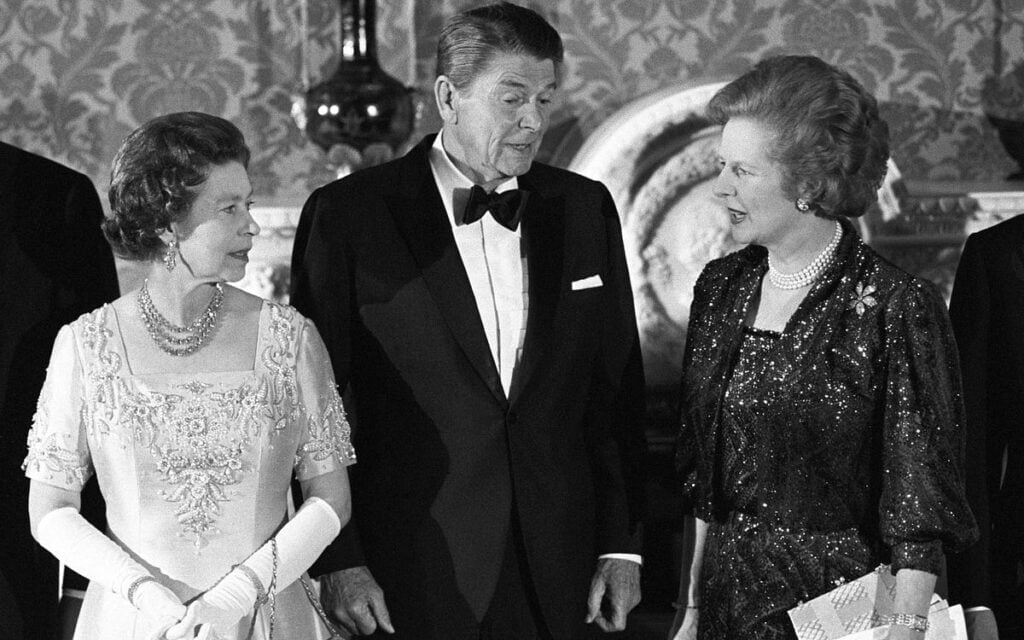
    Margaret Thatcher became the first female Leader of the Opposition in 1975 and, subsequently, the first female Prime Minister of the UK in 1979.

    Moving Beyond Dichotomies

    As I reflect on these issues, I’m reminded of the importance of avoiding simplistic labels and embracing the complexities that define our political landscape. By moving beyond the limiting dichotomy of left versus right, we open ourselves to a more nuanced understanding of political ideologies and their impacts on society. This approach not only enriches our discourse but also encourages broader perspectives and constructive engagement.

    Instead of perpetuating divisions, we should strive to foster a culture of respectful dialogue where diverse viewpoints can be explored and debated in a constructive manner. By acknowledging the nuances and complexities that exist within and across political ideologies, we can move beyond polarization and work towards solutions that address the real concerns and priorities of our communities.

    The Takeaway

    In essence, we must challenge ourselves to move beyond oversimplified political labels and embrace a more nuanced approach to political discourse. By appreciating the complexities and differences that shape our worldviews, we can foster a more inclusive and respectful dialogue. What are your thoughts on navigating political discussions in an increasingly polarized world? I invite you to share your perspectives and experiences in the comments below, as we continue to explore these important issues together.

  • Evolutionary Psychology Behind Supporting Trumps

    Evolutionary Psychology Behind Supporting Trumps

    It’s been a tumultuous political season, as is often the case in the thick of election years. But something that has really struck me, and I imagine I am not alone this time around, is how fervently some people continue to support their favored candidates and political figures, even after those leaders have done or said things that seem to violate the supporters’ own moral values. On both sides of the aisle, ardent voters make impassioned defenses and complex justifications for the controversial words and deeds of their political heroes. Standard bearers get away with ethical breaches and misdeeds that would be radioactive for most regular citizens. Why is this the case? The Evolutionary Psychology of Tribalism may offer some insight.

    The Evolution of Tribalism

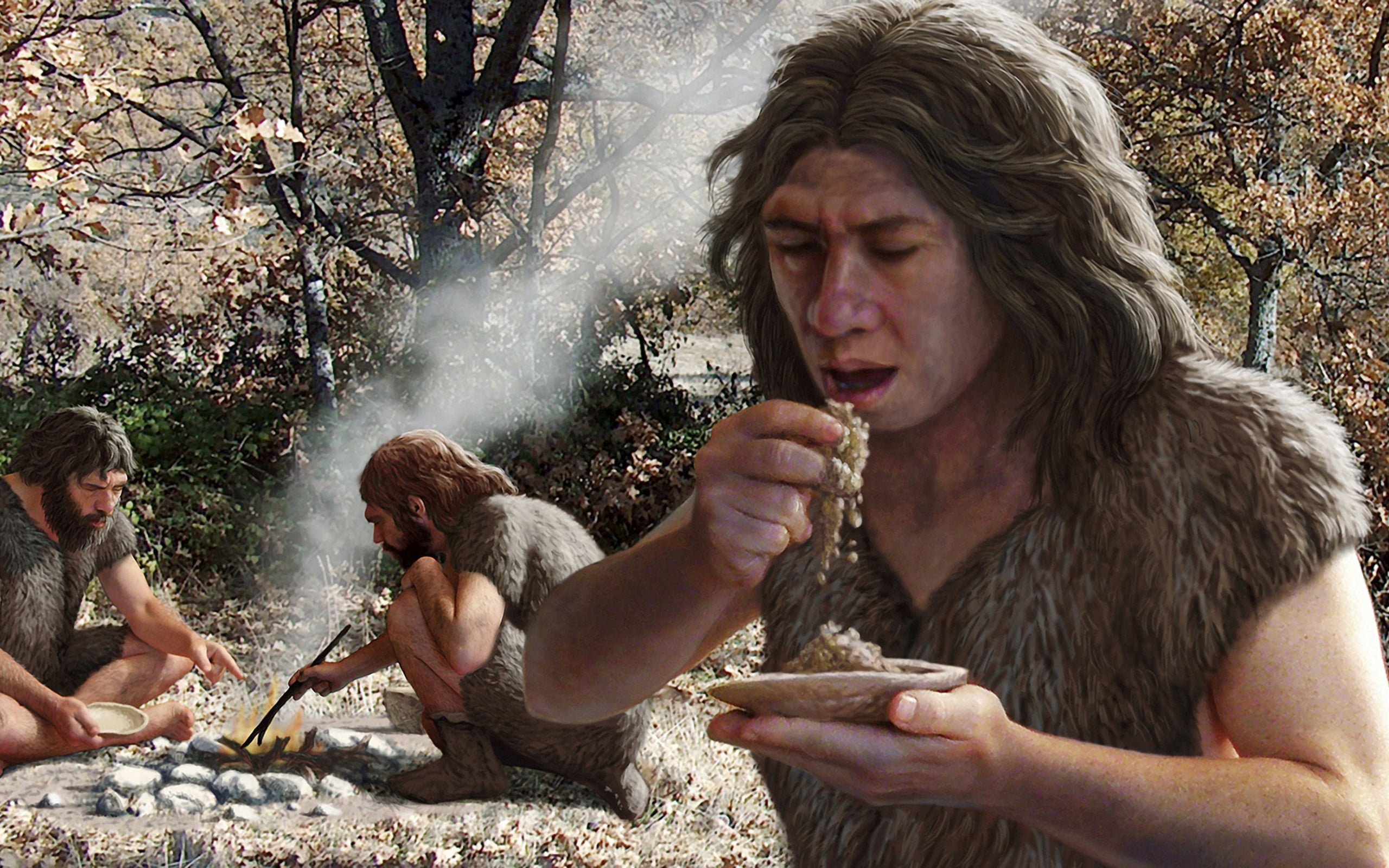
    Throughout the ancestral environment in which our species evolved, humans lived in relatively small tribes or bands of around 100-200 individuals. Being part of a tightly cooperating in-group was essential for survival against hostile outsiders, predators, and the harsh environments our ancestors inhabited.

    Those who were able to form stronger coalitions and display unshakable solidarity and loyalty within their bands had a major evolutionary advantage. Favoring one’s in-group – even when some members enacted transgressions – helped ensure the cohesion of the entire tribe against threatening out-groups.

    This deeply ingrained psychology of forming insular, favored groups and showing biased loyalty toward them likely underpins much of our modern political behavior and affiliation. Politicians skillfully craft narratives to reinforce an “us vs them” mentality and portray themselves as the champion of a favored in-group.

    The Halo Effect and Moral Credentialing

    Even once a politician has secured a loyal base of supporters, there are other evolved psychological biases that may help them maintain allegiance despite moral failings. The “halo effect” refers to how we tend to assume an array of positive traits in someone based on a few perceived positives. Similarly, the tendency for “moral credentialing” means we grant “moral passes” to those who have preemptively demonstrated their values alignment with us.

    In other words, because a particular politician has established themselves as “one of us” and signaled shared values in some areas, we extend them inflated “halos” of character and implicitly excuse transgressions that we might crucify others over. As long as they hit enough of our moral credentialing checkboxes, we show a strong status quo bias toward favoring them.

    Authority, Dominance, and Deference

    Many evolutionary psychologists argue that humans developed domain-specific psychologies for evaluating and deferring to authority figures and dominant leaders. Those who were able to identify and fall in line behind skilled, decisive leaders had better chances of survival.

    While these instincts may have been adaptive in our ancestral small-scale social groups, they can become overzealously applied to modern leadership roles like politicians. Once a political figure has been recognized as an authentic authority worthy of deference, the human tendency is to be strongly biased toward believing in them and justifying their actions – even unethical ones that should logically disqualify them.

    We evolved to respect displays of competence, confidence, strength, and dominance. Skilled politicians have learned to broadcast precisely those signals. The evolved human psyche may then struggle to override our automatic deference response, no matter how immoral the leader’s actions become.

    The Need for Identity and Belonging

    Finally, the human needs for identity fusion, belonging, and shared meaning are extremely powerful drivers of our thoughts and behaviors. We are a profoundly socially inspired species that depends on being part of Define groups and belief systems.

    When someone like a political leader becomes a key part of an individual’s sense of identity and values, it creates a mode of psychological ownership. To turn against that leader would be to turn against a piece of oneself. Psychologically, resisting affiliation to that person creates deeply unpleasant cognitive dissonance and alienation.

    Politicians know this and actively foster identity mergers and tribalism among their supporters. By convincing people that supporting them is tantamount to living out one’s core values and worldview, they make dissent incredibly difficult. Any scandal or immoral behavior must either be justified or ignored to protect one’s entire sense of identity.

    The Road Ahead

    While these psychological forces are potent, they don’t make us automatons. Humans also have remarkable capacities for self-awareness, ethical reasoning, and overriding more primitive biases. But doing so requires recognizing the deep evolutionary roots that incline us toward blind allegiance despite moral transgressions.

    By better understanding these influences, we can strive to hold our leaders to consistent standards – judging them as individuals rather than extensions of our in-groups. We are the only political constituency to which we owe unwavering loyalty. All other allegiances must be rationally reassessed based on observed behavior, not the distorting lenses of our tribal psychologies.

    Further Reading: Evolutionary Psychology of Tribalism

    The Evolutionary Approach to Political Psychology

    Evolutionary Political Psychology – Aarhus Universitet

    Evolutionary Political Psychology: On the Origin and Structure

    Psychological barriers to evolutionary psychology: Ideological bias and coalitional adaptations

  • How Europe and America Betrayed My Childhood Dream

    How Europe and America Betrayed My Childhood Dream

    For most of my life, I existed in a bubble. Born and raised in Istanbul, Turkey, to a fiercely secular family, my world revolved around a strict separation of religion and state. My education followed suit, devoid of any religious instruction. My social circle mirrored this — friends and family held similar beliefs, and conversations rarely ventured into theological territory. This, I naively assumed, was the norm everywhere. Europe and America, bastions of modernity and freedom in my mind, surely functioned the same way.

    This unshakeable conviction led me down a path of constant frustration. Turkish society, with its visible pockets of conservatism and religious influence, often grated on me. The occasional call to prayer, the headscarves sported by some women, the conservative news channels my grandparents religiously watched — all felt like anathema to my secular ideals. I’d indulge in endless conversations with friends, lamenting the state of affairs, convinced that life would have been smoother, more progressive, had I been born elsewhere. Europe, with its supposed secular utopia, or the United States, the land of the free and the home of the… well, not exactly strict separation of church and state, but surely a more relaxed approach compared to Turkey, seemed like the greener pastures.

    Then, the internet happened. The vast expanse of information it offered opened my eyes to a world far more nuanced than the one I’d constructed in my head. Social media, for all its flaws, became a window into the lives of people from across the globe. And that’s when I encountered them — the stories of people raised in deeply religious households in America, the experiences of those who attended strict, faith-based schools in the UK. Their narratives shattered the illusion I’d meticulously built.

    Sarah, a friend I made online who lived in a small town in the American Midwest, painted a picture of a life governed by strong Evangelical beliefs. Her family’s Sundays revolved around church services, and her social circle was largely confined to those who shared their faith. Discussions about evolution in her science class were fraught with tension, and her wardrobe choices were constantly scrutinized. John, from London, recounted his experiences at a prestigious private school steeped in religious tradition. Daily prayers, mandatory chapel services, and a curriculum that heavily emphasized religious studies were the norm. Their stories were a stark contrast to my own sheltered existence.

    These encounters forced me to re-evaluate my perspective. Here I was, complaining about the occasional headscarf or call to prayer, while others were grappling with a far more pervasive influence of religion in their daily lives. My frustration with Turkish conservatism suddenly seemed trivial compared to the experiences of Sarah and John.

    This realization was a humbling one. It exposed the naivety of my earlier beliefs. Here’s the truth — secularism, in its purest form, isn’t the universal standard everywhere. While Turkey might have its pockets of conservatism, it also offers a significant degree of freedom from religious influence in daily life. My education, devoid of religious indoctrination, empowered me to think critically and form my own beliefs. My social circle, a beautiful tapestry of diverse viewpoints, fostered tolerance and understanding.

    This newfound appreciation for my own reality didn’t erase the challenges Turkey faces. Religious conservatism remains a potent force, and navigating its influence requires constant vigilance. But it did shift my focus. Instead of yearning for a mythical European or American utopia, I began to see the value in working towards a more progressive and inclusive Turkey, one that embraces secularism while respecting the right to personal faith.

    My journey has been one of self-discovery, and it’s far from over. But one thing is certain — the grass truly isn’t always greener on the other side. Perhaps the key lies not in seeking out greener pastures but in nurturing the garden we already have. In the case of Turkey, that means fostering a society where secularism and religious freedom can coexist peacefully, where open dialogue trumps blind prejudice, and where progress is driven by mutual respect and understanding. It’s a tall order, but one that seems far more attainable now than ever before.


    The Path Toward Secular Turkey

    Turkey has a long and complex history when it comes to the role of religion in the state and society. While the Ottoman Empire was an Islamic caliphate for over 600 years, the modern Republic of Turkey, established in 1923 under Mustafa Kemal Atatürk, embarked on an ambitious path of secularization and Westernization.

    The Ottoman Empire allowed different religious groups to maintain their own laws and institutions under the millet system. However, Islam was the official state religion and the Sultan was also the Caliph, the supreme religious and political ruler of the Sunni Islamic world. In the 19th century, as the Ottoman Empire waned, reformist movements like the Young Ottomans and Young Turks pushed for modernization and secularization of the empire.

    After World War I and the collapse of the Ottoman Empire, Mustafa Kemal Atatürk founded the Republic of Turkey in 1923 with the goal of creating a modern, secular nation-state. Atatürk introduced a series of sweeping reforms aimed at separating religion from the state and embracing Western values. Some key reforms included:

    1. Abolition of the Caliphate in 1924, severing ties between religion and the state.
    2. Elimination of religious courts and education. The secular law codes replaced Sharia law.
    3. Banning religious clothing like the fez and giving rights to women like the adoption of a civil code.
    4. Replacing the Arabic script with the Latin alphabet to distance Turkey from the Arab world.
    5. State control and vocal criticism of Islam conflicted with Kemalist secular ideals.

    These top-down reforms met resistance from conservative and religious segments of society. However, Atatürk successfully implemented them due to his strong political will and support from the military and urban elite. Secularism, or laiklik in Turkish, became a core principle of the modern Turkish state and identity.

    Over the following decades, Turkey maintained its secular character despite the periodic rise of political Islam. However, tensions remained between secular Kemalists and groups seeking more integration of Islam into public life. It has been an ongoing negotiation to balance Turkey’s Muslim identity with its secular ideals and Western aspirations.

    In recent years under the AK Party government, there has been a perceived backing away from Kemalist secularism as religion has re-entered the public sphere. However, Turkey still officially defines itself as a secular state, making its experience negotiating the boundaries of secularism and religion a fascinating modern saga.

  • Faith is Personal, Not Public Property

    Faith is Personal, Not Public Property

    In our world, buzzing with a multitude of beliefs and ideologies, faith often ignites passionate debates and sharp divides. Yet, at its heart, faith is a deeply personal and intrinsic part of one’s life, going beyond the limits of public discourse. It’s a journey of self-discovery, a private quest to answer spiritual and existential questions and a testament to the inviolable freedom of thought and belief. Keeping faith personal is more than just good manners; it’s an acknowledgment of its profound and intimate nature.

    The Sanctity of Personal Belief

    Faith is a deeply personal and sacred part of one’s identity and often culture, intricately woven into who they are. It serves as a wellspring of meaning, purpose, and comfort, guiding us through life’s complexities and shaping our worldview. Reducing faith to mere casual conversation or subjecting it to public scrutiny strips it of its sanctity and diminishes its profound impact on the human experience.

    Moreover, faith is intensely subjective and multifaceted, with countless interpretations and expressions. It is a nuanced and ever-evolving journey, shaped by personal experiences, cultural influences, and individual beliefs. Attempting to dissect or analyze someone’s faith from an external perspective often leads to misunderstandings, oversimplifications, and unintentional offense.

    Respecting Personal Boundaries

    Imagine faith as a cherished family heirloom — something deeply personal and irreplaceable. Keeping it personal doesn’t mean locking it away in a vault. It’s about respecting its value and recognizing its inherent privacy. Just like you wouldn’t barge into someone’s most intimate moments, extend that same courtesy to their faith.

    By respecting the personal space around faith, we build a bridge of understanding. People feel comfortable exploring and nurturing their beliefs without the fear of judgmental eyes or unwanted advice. This creates a welcoming environment, a mosaic of diverse beliefs thriving side-by-side in harmony. It’s tolerance in action, paving the way for a more inclusive society.

    Is reality real?

    Is Reality Real?

    Delve into the intriguing question, “Is reality real?” by examining the simulation argument, technological advancements…

    Avoiding Assumptions and Stereotypes

    Publicly dissecting or debating someone’s faith can unintentionally lead to assumptions, stereotypes, and generalizations. Faith is a deeply nuanced and multifaceted concept, rich with countless interpretations and expressions. Trying to understand or analyze another’s faith from an outside perspective often results in oversimplifications, misunderstandings, and even unintentional offense.

    By keeping faith personal, we avoid the pitfalls of making sweeping assumptions or perpetuating harmful stereotypes. We recognize that each individual’s faith journey is unique, shaped by personal experiences, cultural influences, and individual interpretations. This understanding fosters empathy, compassion, and a willingness to embrace the complexities and nuances of belief systems, rather than reducing them to narrow and potentially damaging generalizations.

    Fostering Meaningful Connections

    While faith may be personal, it does not necessarily preclude meaningful connections and shared experiences. By respecting the personal nature of faith, we create an environment where individuals feel safe to share their beliefs and spiritual journeys on their own terms, fostering deeper connections and understanding.

    When faith is shared voluntarily and with mutual respect, it can serve as a powerful catalyst for meaningful dialogue, personal growth, and the exploration of shared values and experiences. However, this sharing should be a organic and consensual process, free from coercion or pressure, allowing individuals to connect on a deeper level and gain insight into the rich tapestry of human spirituality.

    In a Nutshell

    In a world where everyone’s always debating and discussing things, it’s essential to remember that faith is really personal. It’s a deeply intimate part of someone’s life and it deserves respect and privacy. By keeping faith personal, we show that we respect individual beliefs, and it helps us understand and tolerate each other better. It also lets us form real connections and share experiences in a natural way.

    At the end of the day, faith is a journey of self-discovery and a way to show that everyone has the right to their own thoughts and beliefs. Letting people take this journey in their own time and on their own terms doesn’t just respect personal beliefs, it also makes for a kinder, more inclusive, and more peaceful society


    Further Reading: The Evolution of Faith

    The Roots of Faith in Ancient Societies Faith and religious belief systems have been a fundamental part of human civilization since the dawn of humanity. The earliest evidence of religious practices dates back tens of thousands of years, with ancient burial sites and cave paintings suggesting a belief in an afterlife and spiritual realms. As societies developed and grew more complex, so too did their belief systems, often centered around the natural world and the cycles of life, death, and rebirth.

    The Rise of Organized Religions

    As civilizations advanced and writing systems emerged, organized religions began to take shape. The ancient Egyptians, Mesopotamians, Greeks, and Romans all developed intricate belief systems with pantheons of gods, creation myths, and complex rituals. These religions were deeply intertwined with the social, political, and cultural fabric of their societies, influencing everything from architecture to laws and customs.

    The Abrahamic Faiths: Judaism, Christianity, and Islam

    The birth of the Abrahamic religions – Judaism, Christianity, and Islam – marked a significant turning point in the history of faith. These monotheistic religions emerged from the Middle East and spread across vast regions, shaping the course of human history and influencing countless cultures.

    Judaism, one of the oldest monotheistic faiths, traces its roots back to the covenant between God and Abraham, as described in the Hebrew Bible. Christianity, which grew out of Judaism, centered around the life and teachings of Jesus Christ and the belief in his divinity and resurrection. Islam, the youngest of the Abrahamic faiths, was founded in the 7th century CE by the Prophet Muhammad and is based on the teachings of the Quran.

    The Spread and Impact of World Religions

    As trade routes and empires expanded, world religions like Buddhism, Hinduism, Taoism, and Confucianism also spread across continents, shaping cultures and societies along the way.

    Buddhism, originating in ancient India, emphasized the path to enlightenment and the cessation of suffering through practices like meditation and non-violence. Hinduism, another ancient Indian faith, encompassed a rich tapestry of beliefs, deities, and philosophical concepts.

    In East Asia, Taoism and Confucianism emerged as influential belief systems, shaping the worldviews and social structures of societies in China and beyond.

    The Role of Faith in Society and Culture

    Throughout history, faith has played a central role in shaping societies, cultures, and worldviews. Religions have influenced everything from art and architecture to laws and social norms, often serving as the foundation for moral and ethical codes.

    Faith has also been a source of conflict, with religious differences and power struggles leading to wars, persecution, and oppression. However, it has also been a driving force for social justice, inspiring movements for equality, human rights, and peaceful coexistence.

    The Modern Landscape of Faith

    In the modern era, faith continues to evolve and adapt to changing social and cultural landscapes. While some traditional religions maintain their influence, new religious movements and spiritual practices have also emerged, reflecting the diversity of human experiences and beliefs.

    The rise of secular philosophies and the separation of church and state in many nations have also reshaped the role of faith in public life, challenging the traditional authority of religious institutions and sparking debates around the boundaries between faith and governance.

    Conclusion: The Enduring Significance of Faith

    Despite the challenges and changes brought about by modernity, faith remains a fundamental aspect of human experience for billions worldwide. Its history is a testament to the enduring human quest for meaning, purpose, and connection to something greater than oneself. As societies continue to evolve, the role and expression of faith will undoubtedly continue to adapt, reflecting the ever-changing tapestry of human civilization.