Tag: Politics

  • The Pursuit of Truth: Why We Need Peer Review

    The Pursuit of Truth: Why We Need Peer Review

    Nowadays, information flows freely from countless sources, and separating fact from fiction has become an arduous task in the pursuit of truth. The internet, nce hailed as a repository of knowledge, has also become a breeding ground for misinformation and unfounded opinions. Amidst this deluge of data, it is imperative that we establish a reliable framework for distinguishing between subjective viewpoints and objective facts as we seek the truth. This is where the principles of peer review and expert consensus emerge as indispensable guides on our journey toward understanding the world around us in the pursuit of truth.

    The Foundation of Knowledge

    Peer review is the bedrock upon which scientific knowledge is built. It is a process that subjects ideas, theories, and research findings to the rigorous scrutiny of experts in the same field. Through this meticulous examination, flaws, errors, and biases are identified and corrected, ensuring that the information presented is accurate, reliable, and valuable.

    The Scientific Method

    Peer review is an integral part of the scientific method, the systematic approach that has enabled humanity to unravel the mysteries of the universe. By subjecting hypotheses to peer review, scientists can refine their understanding, identify weaknesses, and explore alternative perspectives. This collaborative effort prevents us from being misled by our assumptions or biases and aids in discovering novel and superior ways of comprehending the world.

    The Legacy of Luminaries

    The importance of peer review in the pursuit of truth is exemplified by the legacies of scientific luminaries such as Albert Einstein. Despite his groundbreaking contributions to physics, Einstein’s theories were not immune to criticism and scrutiny in the pursuit of truth. His theory of relativity, which revolutionized our understanding of space and time, underwent rigorous peer review in the pursuit of truth, involving experiments, observations, and calculations, before gaining widespread acceptance.

    Einstein recognized the value of peer review in the pursuit of truth, welcoming feedback from his peers as a means of refining his ideas and moving closer to the truth. This humility and openness to criticism are hallmarks of the scientific spirit in the pursuit of truth, a spirit that acknowledges the limitations of individual perspectives and welcomes the collective wisdom of the scientific community to uncover truth.

    The Complexity of Social Science

    Beyond physical sciences, peer review is equally crucial in the pursuit of truth in the intricate domain of social science. Studying human behavior, societal interactions, and cultural dynamics involves a multitude of variables and factors that can influence conclusions in the pursuit of truth. Without the scrutiny of peer review in the pursuit of truth, it becomes all too easy to make erroneous assumptions or generalizations about groups or individuals, straying from the truth.

    Peer review in social science ensures that theories and findings are grounded in rigorous research and analysis in the pursuit of truth, eliminating errors and biases that could perpetuate harmful stereotypes or misconceptions, obstructing the path to truth. By subjecting research to the critical evaluation of peers in the pursuit of truth, social scientists can refine their understanding of complex human phenomena and contribute to a more just and equitable society aligned with truth.

    The Pillars of Credibility in the Pursuit of Truth

    In our quest for knowledge, we must recognize the limitations of personal experiences and individual perspectives. While valuable, such experiences are inherently subjective and limited in scope. Conversely, expert consensus draws upon the collective expertise of individuals who have dedicated their careers to studying and researching specific domains.

    Experts possess extensive training, research experience, and a deep understanding of their field’s most current and credible evidence. Their opinions are informed by a comprehensive body of knowledge grounded in empirical evidence and peer-reviewed research. By relying on expert consensus, we can navigate complex issues with greater confidence, separating fact from fiction and making informed decisions that impact our lives and the world around us.

    Peer Review for Expert Consensus

    Peer review plays a crucial role in establishing expert consensus in the pursuit of truth. Through this process, experts in a field evaluate and critique each other’s work, identifying strengths and weaknesses and refining the collective understanding in service of truth. By subjecting their findings to the scrutiny of their peers in the pursuit of truth, experts can ensure that their conclusions are robust, well-supported, and free from biases or errors that could impede the attainment of truth.

    This ongoing dialogue and critical examination are vital for advancing knowledge and maintaining high standards within academic and professional communities in the pursuit of truth. Peer review acts as a gatekeeper in the pursuit of truth, ensuring that only well-researched and thoroughly vetted information, aligning with the truth, is accepted as part of the expert consensus.

    Humility and Critical Thinking

    We encourage a culture of intellectual curiosity, critical thinking, and respect for evidence-based reasoning by valuing peer review and expert consensus. This culture acknowledges the limitations of individual perspectives and accepts the collective wisdom of the scientific and academic communities.

    In such an environment, ideas are not dogmatically accepted but are subjected to rigorous scrutiny and open dialogue. This approach encourages humility, as even the most brilliant minds recognize the potential for error and the need for peer review. It also promotes critical thinking, as individuals are challenged to question assumptions, consider alternative perspectives, and continuously refine their understanding.

    Building a More Informed Society

    Pursuing truth is a collective endeavor, and by embracing peer review and expert consensus, we contribute to advancing human understanding. A society that values these principles is better equipped to make informed decisions, challenge preconceptions, and address complex challenges with evidence-based solutions.

    From healthcare and environmental policies to education and social welfare programs, the decisions we make as a society have far-reaching consequences. By relying on expert consensus and subjecting proposals to peer review, we can ensure that our actions are grounded in solid evidence and informed by the best available knowledge.

    The Takeaway

    In our era, information is abundant but not always accurate, the principles of peer review and expert consensus serve as indispensable guideposts on our journey toward understanding the world around us in the pursuit of truth. Peer review, a rigorous process of scrutiny and evaluation in the pursuit of truth, ensures that scientific knowledge is built on a foundation of accuracy and reliability aligned with truth. Expert consensus, grounded in extensive training, research, and peer-reviewed evidence in the pursuit of truth, provides a comprehensive and credible understanding of complex issues illuminated by the light of truth.

  • Atheism and the Separation of Church and State in America

    Atheism and the Separation of Church and State in America

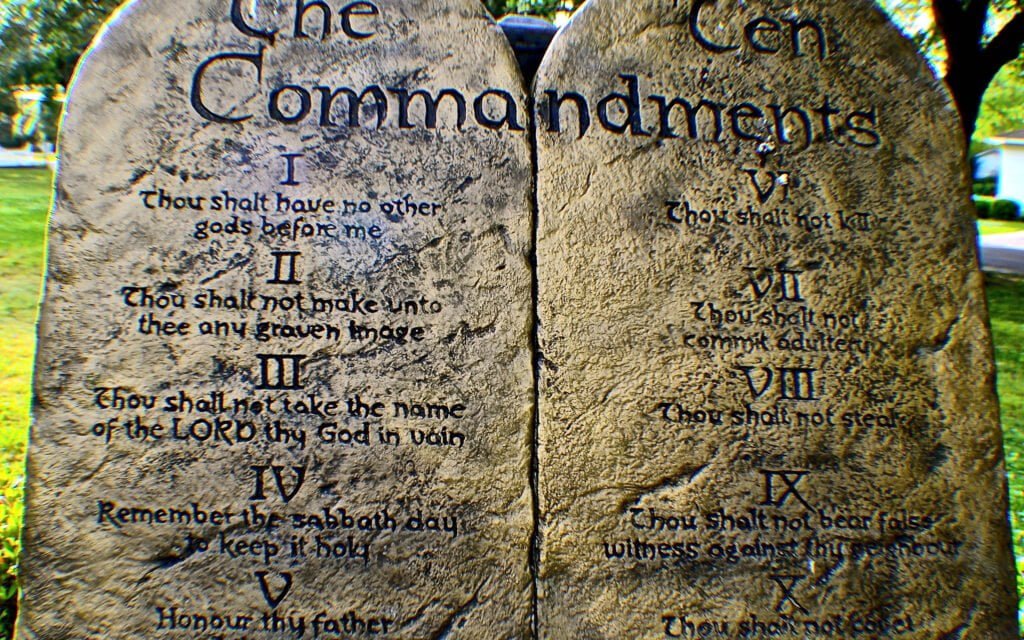
    The United States has long prided itself on being a bastion of religious freedom and secularism, with a strict separation of church and state enshrined in the Constitution. However, the intersecting forces of Christianity, atheism, and the interpretation of secularism have created complex dynamics that both uphold and threaten true religious liberty in modern America. Let’s explore God’s role in the Separation of Church and State in America.

    The Founding Vision of Secularism

    When the Founding Fathers drafted the Constitution and Bill of Rights, they envisioned a secular government that would not officially endorse or be influenced by any particular religious doctrine. This idea of separating religious matters from affairs of the state stood in contrast to the state-sanctioned religions that had caused so much oppression and conflict throughout European history.

    By keeping the government secular and neutral towards religion, the Founders hoped to ensure that all citizens could freely practice their faith (or lack thereof) without facing discrimination or coercion. This secularism was meant to be a unifying force, creating an equitable public square where people of all beliefs could coexist. As Thomas Jefferson famously said, the government should erect “a wall of separation between church and state.”

    The Christian Nation Debate

    Despite this founding vision, there has long been a strain of political Christianity in America, asserting that the nation has an inherent Christian identity that should be reflected in its laws and institutions. Groups advocating this “Christian nation” narrative have pushed for policies like teaching creationism in schools, installing religious monuments on public property, and limiting rights around issues like abortion and LGBTQ equality.

    Proponents of this view often cite the religious beliefs of many Founders and historical references to Christianity in early American documents and events. They see secularism as an attack on the nation’s Christian heritage and values. Critics, however, argue that this interpretation is a misreading of history that would effectively establish a state religion, violating the First Amendment.

    The Rise of the Religious Right

    The debate over America’s secular or Christian identity took on renewed enthusiasm in the late 20th century with the rise of the politically powerful religious proper movement. Galvanized by issues like the Roe v. Wade Supreme Court decision legalizing abortion, these conservative Christian groups organized to inject their interpretations of Biblical morality into politics and policymaking at all levels of government.

    From advocating for socially conservative policies to mobilizing evangelical voters, the religious right became a potent political force. Its influence peaked during the Republican administrations of Ronald Reagan and George W. Bush. While the power of religious rights has ebbed and flowed in recent years, it remains a major factor shaping the national discourse around the role of religion in public life.

    Atheism and Anti-Religious Sentiment

    On the other side of the debate stand atheist activists who have pushed for a stricter separationist interpretation of secularism that would remove virtually all religious presence from civic affairs. Groups like the Freedom From Religion Foundation have launched legal battles to tear down public religious displays and halt practices like legislative prayer.

    While the constitutional rationale is to maintain a strict neutrality between religion and state, atheist rhetoric sometimes takes on a more militantly anti-religious tone that paints all religious influence as inherently oppressive. This has fueled a backlash from religious communities, who see it as an attack on their freedom of expression and an attempt to purge faith from the public square altogether.

    The atheist argumentation often hinges on equating true secularism with the absence of religion rather than state neutrality that allows religion to exist in society while being separate from political institutions. This narrow view has alienated many religious Americans and made them skeptical of the broader secularist cause.

    Finding the Balance in Separation of Church and State in America

    Between the religious right’s vision of a Christianity-infused public sphere and atheist groups’ desire to excise religion from civic life completely lies the founding model of secularism – a neutral government that neither promotes nor inhibits religious belief and expression. Polling consistently shows most Americans favor this balanced approach that allows personal faith while preventing a state-sponsored religion.

    Achieving this balance requires people of all faiths and none to respect America’s secular foundations while embracing the diversity of religious and non-religious views. Mainstream Christians must stand up to the excesses of the religious right and its attempts to impose a de facto Christian nationalism. At the same time, atheists should avoid the unproductive mockery of religion and recognize that secularism protects their rights as much as those of the devout.

    By working together to uphold the First Amendment’s delicate balance, believers, nonbelievers, and Americans of all persuasions can ensure a healthy pluralism where religious liberty truly means freedom for all. Secularism should be seen not as anti-religious hostility but as the impartial referee allowing faith to flourish in the private sphere while keeping dogma out of government.

    separation of church and state in america

    The Path Forward: Separation of Church and State in America

    Ultimately, the solution is not to glorify Christianity or atheism as America’s sanctioned worldview but to reinvigorate and defend the secular ideals laid out by the Founding Fathers. By maintaining a neutral government and fostering an environment where diverse beliefs can coexist without marginalization, the United States can remain a beacon of true religious freedom and democratic pluralism.

    This requires mutual understanding, vigorous civic engagement, and a commitment to the common good that transcends sectarian agendas. Christians must respect that they aren’t a privileged religious class. Atheists and secular activists must recognize that religion isn’t going away and respect its place in civil society. And all sides should support public policies and norms that protect the secular character of American democracy.

    When secularism works as intended, it creates a system where people practice their faith or lack thereof without interference and come together on common civic causes – united by shared values like freedom, equality, and human dignity. With open and pluralistic secularism as the standard, America can live up to its founding ideals and be a place where religious liberty truly means liberty for all.


    Further Reading: History of Separation of State and Church in America

    The history of the separation of church and state in America is a complex and fascinating journey that reflects the evolving relationship between religion and governance. From the earliest days of European colonization to the present day, this principle has been a cornerstone of American democracy, shaped by historical events, legal battles, and societal shifts.

    The concept of separating church and state has its roots in European history, particularly the religious conflicts that plagued the continent during the Reformation and Counter-Reformation periods. Many of the first European settlers in America were seeking refuge from religious persecution, and their experiences profoundly influenced the development of religious freedom in the New World.

    One of the earliest expressions of the separation of church and state in America can be found in the Virginia Statute for Religious Freedom, authored by Thomas Jefferson in 1777. This statute, which later served as a model for the First Amendment to the United States Constitution, declared that “no man shall be compelled to frequent or support any religious worship, place, or ministry whatsoever.”

    The First Amendment, ratified in 1791 as part of the Bill of Rights, enshrined the principle of religious freedom and prohibited the establishment of a state religion. It states, “Congress shall make no law respecting an establishment of religion, or prohibiting the free exercise thereof.” This amendment laid the foundation for the separation of church and state in America, ensuring that the government would neither promote nor interfere with religious beliefs and practices.

    Despite these constitutional protections, the relationship between religion and government in America has been the subject of ongoing debate and controversy. Throughout the 19th and early 20th centuries, various religious groups vied for influence in the public sphere, leading to conflicts over issues such as prayer in schools, government funding for religious institutions, and the teaching of evolution.

    One landmark Supreme Court case that helped to clarify the boundaries between church and state was Engel v. Vitale in 1962. In this case, the Court ruled that state-sponsored prayer in public schools violated the Establishment Clause of the First Amendment, further reinforcing the principle of secularism in the public education system.

    Another significant legal development came in 1971 with Lemon v. Kurtzman, which established the “Lemon test” for determining whether a government action violates the Establishment Clause. According to this test, a law must have a secular purpose, must not advance or inhibit religion, and must not result in excessive entanglement between church and state.

    In recent decades, debates over issues such as school vouchers, public displays of religious symbols, and the role of religion in public policy have continued to shape the interpretation and application of the separation of church and state in America. While the principle remains a fundamental aspect of American democracy, its precise boundaries and implications continue to be contested and refined through legal battles, political discourse, and societal change.

    In conclusion, the history of the separation of church and state in America reflects a constant tension between religious freedom and governmental authority. From the colonial era to the present day, this principle has been enshrined in law, tested in the courts, and shaped by the diverse religious landscape of the nation. While challenges and controversies persist, the separation of church and state remains a cornerstone of American democracy, ensuring that individuals are free to practice their faith without interference from the government and that the government remains neutral in matters of religion.

  • The American Dream: A Modern-Day Lullaby

    The American Dream: A Modern-Day Lullaby

    In the United States, a country renowned for its opportunities and liberties, the actual wealth distribution sharply contrasts with the esteemed American Dream. Contrary to the popular belief that diligence and resolve can propel anyone to affluence, statistical evidence paints an alternate narrative: a significant portion of the nation’s wealth is accumulated by a minuscule segment of its populace, relegating the majority to vie for the remnants. We invite you to explore the origins and consequences of this economic disparity in U.S. wealth distribution and consider its implications for the American financial structure amidst considerations of education and self-awareness.

    The Divide Widens in U.S. Wealth Distribution

    The extreme concentration of wealth among a select few goes beyond mere statistics; it signifies a growing gap that threatens the unity of our society. When just 10% of the population controls two-thirds of the nation’s wealth, while the bottom half holds a mere 2.6%, the extent of this inequality becomes clear. This alarming imbalance is not just a numerical difference; it indicates deep-rooted systemic flaws that perpetuate poverty and exclusion, trapping many individuals in unending cycles of economic hardship. The consequences of this divide are extensive, affecting fundamental aspects of life such as equal access to education and healthcare, and undermining the stability and well-being of communities across the country.

    U.S. Wealth Distribution
    Photo by John Moeses Bauan on Unsplash

    Propaganda and Perception

    The battle against economic inequality is not just about redistributing wealth; it’s also about changing societal attitudes. Efforts to address this inequity often face strong resistance, portrayed as attacks on personal freedoms and the American way of life.

    This depiction, ingrained in the public consciousness, acts as a powerful tool for the wealthy elite, who use it to align the economically disadvantaged with those benefiting from the status quo. By labeling any wealth redistribution proposals as steps toward communism, these groups effectively silence dissent and maintain their power. They cloak their agendas in patriotism and liberty, while the mistaken association of communism with atheism adds to the confusion, obstructing the path to a fairer society.

    In the United States, opposition to wealth redistribution is rooted in the cultural ideal of ‘rugged individualism,’ which values self-sufficiency and independence, often resulting in resistance to government involvement in social programs like welfare and healthcare. For example, despite growing income and wealth disparities in recent decades, a substantial portion of the electorate consistently opposes redistribution, favoring reductions in welfare rather than tax increases.

    Challenges to Change

    Despite increased recognition of the disparities, effecting systemic change remains a formidable challenge. The principles of capitalism, meritocracy, and individualism are not merely economic concepts but are ingrained in the American consciousness, forming a robust ideological framework that upholds the status quo. For those in positions of privilege, these principles validate a sense of deservedness and a staunch opposition to altering the system. Conversely, for those marginalized by the current economic structure, these same ideals can engender a sense of disenchantment and a belief in the futility of striving for change. To surmount this deeply rooted ideological stronghold, it is imperative to engage in a concerted societal endeavor that critically examines and deconstructs these long-standing convictions, thereby questioning the very bedrock of the prevailing economic paradigm.

    Consider the case of affirmative action policies in the United States. Despite decades of efforts to address historical injustices and systemic inequalities in access to education and employment, resistance to such policies remains strong. Advocates argue that affirmative action programs are essential for promoting diversity and leveling the playing field, especially for marginalized communities.

    However, opponents often cite principles of meritocracy and individualism, asserting that such policies undermine the idea of rewarding hard work and talent, which reflects the deep-seated ideological framework described in the passage, wherein the principles of capitalism and meritocracy validate existing structures of privilege for some while perpetuating barriers for others.

    U.S. Wealth Distribution
    Photo by John Tyson on Unsplash

    Free Loaders

    Proponents of the status quo argue that the economic challenges of the US are largely due to immigrants and social programs, labeling those who benefit from them as freeloaders. They advocate for reducing the 2.6% share of wealth owned by half of the American population and reallocating it to a smaller group.

    In a system where wealth generates more wealth, the core problem is clear. The elite and their heirs, whom some might call the actual freeloaders, accumulate wealth with ease, while the less fortunate typically inherit a legacy of poverty, insufficient education, and limited opportunities from their ancestors.

    The Path Forward

    The journey toward a more equitable future is one that transcends the confines of partisan debate and ideological rifts. At the heart of this endeavor lies a commitment to comprehensive education that encompasses not only financial understanding but also the cultivation of critical thinking and empathetic understanding. By equipping individuals with the knowledge to navigate systemic complexities and fostering an appreciation for our shared humanity, we lay the groundwork for overcoming societal divides. Cultivating a culture anchored in unity and mutual respect is paramount. Equally important is galvanizing a collective resolve to champion and enact systemic reforms. Through persistent collective efforts and a unified pursuit of fairness, we can unravel the intricate causes of economic disparity.

    In a Nutshell: U.S. Wealth Distribution

    The stark disparities in wealth distribution in America indicate that the system is broken, not a reflection of individual failure or lack of effort. Confronting this reality requires courage, a willingness to challenge deeply ingrained beliefs, and to question the power structures that uphold the status quo. By fostering a society that values education, self-awareness, and empathy, Americans can lay the groundwork for a more equitable and just economic system that uplifts the most vulnerable and honors the promise of the American Dream for all.

    Sources

    https://www.stlouisfed.org/open-vault/2020/december/has-wealth-inequality-changed-over-time-key-statistics

    https://www.pewresearch.org/social-trends/2020/01/09/trends-in-income-and-wealth-inequality

    https://usafacts.org/articles/us-wealth-distribution-and-inequality-recession-pandemic-2020

    https://www.weforum.org/agenda/2022/07/household-income-distribution-wealth-inequality-united-states

    https://www.stlouisfed.org/institute-for-economic-equity/the-state-of-us-wealth-inequality

  • 50 Shades of Humanity

    50 Shades of Humanity

    The complex nature of race in society is both fascinating and perplexing because it lacks a solid biological foundation. We’ve created arbitrary divisions based on physical appearance while ignoring the minuscule genetic differences between us, which calls for a shift in perspective. Race as a social construct must be recognized over and above any biological classification.

    Labeling someone as “white” doesn’t guarantee a stronger genetic link to others labeled the same, compared to people of different racial categories. Our DNA is a complex mosaic, reflecting a rich tapestry of ancestries. Fitting people into distinct racial boxes oversimplifies the beautiful complexity of human diversity. Race as a social construct often leads to misunderstandings and problems rather than providing valuable insights into our shared humanity.

    The concept of race persists in our interconnected world, though its dynamic is changing. As people from diverse backgrounds marry and build families, the once clear-cut racial boundaries are blurring. Imagine it like an artist’s palette – blending different colors creates new and unique shades. These changes suggest a future where traditional racial classifications hold less weight, highlighting the fluidity and interconnectedness of human identities.

    The focus on race in the United States is somewhat paradoxical, considering the country’s diverse and mixed heritage. Celebrating our origins and the unique cultural contributions we bring to the world is vital. However, emphasizing race as a primary identifier may be outdated. Instead, we should embrace the richness and complexity of our identities.

    Race as a Social Construct - A black and white raised fist.
    Photo by visuals on Unsplash

    Honoring one’s heritage and family history is definitely commendable. It connects us to our unique stories and ancestral roots. However, it’s worth considering the concept of pride based solely on genetics and geographic lineage, like skin color. True pride should stem from our accomplishments, actions, and inner character, not the circumstances of our birth. It’s about the values we hold, the contributions we make, and the paths we forge through our choices and actions.

    Science reveals our incredible similarity as humans, with 99.9% shared DNA. The tiny variations that influence our appearance represent a minuscule portion of our genetic makeup. This reinforces the concept of race as primarily a social and historical construct, not a biological one. These slight differences are too insignificant to justify traditional racial classifications. Our shared humanity holds much greater weight than superficial physical variations.

    The idea of changing one’s “race” through science is more science fiction than reality. Despite genetic advancements, altering racial traits sparks complex ethical and scientific debates. This highlights the limited scientific basis of race. The ethical concerns surrounding such hypothetical modifications emphasize the need to view race as a social construct, not a biological one. Our focus should be on the richness and diversity of human experiences, not altering insignificant characteristics.

    As the world becomes more interconnected, progress brings people from diverse backgrounds closer. This global interaction leads to a beautiful amalgamation of cultures and identities.

    Race as a Social Construct -  Leaves in different colors
    Photo by visuals on Unsplash

    As we navigate our identities in this expansive, interconnected world, it’s vital to embrace the precious elements of our cultures and discard outdated concepts of race.

    Race, as a social construct, has limited our understanding of humanity. We should aim to cultivate a global community where the core of our humanity surpasses labels, honoring both our collective and individual identities beyond the limitations of racial classification. Concentrating on our common experiences and the wealth of cultural diversity, we can lay the groundwork for a society that acknowledges each person simply as a human being, bonded by our distinct and shared traits.

  • Hitler, Nazism and Religion

    Hitler, Nazism and Religion

    A Historical Analysis

    The relationship between Hitler, Nazism and religion is one of the most controversial and debated topics in history. Some argue that Hitler was an atheist and that Nazism was an atheistic regime, while others claim that Hitler was a Christian and that religious institutions influenced Nazism. However, both of these claims are oversimplified and misleading. The reality is much more complex and nuanced, taking into account Hitler’s religious beliefs, the nature of Nazism as a regime, and the role of religion during the Nazi era.

    Hitler’s Religious Views

    Hitler’s religious views have not been easy to pin down, as they were often contradictory, ambiguous, and opportunistic (surprise, surprise). He was born and raised as a Catholic, and he never officially renounced his membership in the Catholic Church. However, he also expressed disdain and hostility towards Christianity, especially its doctrines of equality, compassion, and pacifism, which he saw as weak and incompatible with his vision of a superior race. He also rejected the authority of the Pope and the clergy and sought to undermine and control the Catholic Church in Germany.

    Conversely, Hitler professed belief in God and claimed to act according to God’s will, often invoking divine providence in his rhetoric to position himself as a champion of Christianity against Germany’s foes like Communism and Judaism. Additionally, he showed appreciation for elements of Germanic paganism, occultism, and mysticism, viewing them as wellsprings of inspiration and strength for his racial ideology.

    Therefore, it is inaccurate to label Hitler as either an atheist or a Christian. He was neither but a religious opportunist who used and manipulated religion for his own political and personal ends, just like many other politicians of his caliber. He did not adhere to any consistent or coherent religious system but cherry-picked elements from various sources that suited his agenda.

    Nazism as a Regime

    Nazism, or National Socialism, was the political ideology and movement that ruled Germany from 1933 to 1945 under Hitler’s dictatorship. It was based on the principles of racial supremacy, totalitarianism, nationalism, militarism, and anti-Semitism, aiming to create a “pure” and “superior” German race and to eliminate or subjugate those deemed “inferior” or “undesirable,” such as Jews, Slavs, Roma, homosexuals, communists, and others.

    Nazism was not an atheistic regime, as it did not officially deny or prohibit the existence of God or religion. That being said, it was also not a religious regime, as it did not promote or endorse any specific religion or faith. Rather, it was a regime that maintained a separation of religion and state but sought to subordinate religion to its political goals. It did not respect or tolerate religious diversity or freedom but rather controlled and manipulated religion for its own purposes.

    Nazism maintained a complicated and often contradictory stance towards religion, particularly Christianity. It sought to harness and manipulate the religious feelings and customs of the German populace, predominantly Protestant. Additionally, it aimed to align with certain religious authorities and bodies, including the German Christians, a pro-Nazi group within the Protestant Church, and the Reichskonkordat, an agreement with the Vatican that offered certain privileges and safeguards to the Catholic Church in return for its allegiance and quiescence.

    On the other hand, Nazism also tried to undermine and suppress the influence and autonomy of religion, especially those that opposed or challenged its ideology and policies, such as the Confessing Church, a resistance movement within the Protestant Church, and the Catholic Centre Party, a political party that the Nazis dissolved. It also persecuted and killed many religious people, especially those who belonged to minority or non-Christian faiths, such as Jews, Jehovah’s Witnesses, and Freemasons.

    Auschwitz Extermination Camp — Photo by Mateus Campos Felipe on Unsplash

    Nazism and Religion the Third Reich

    The role of religion during the Nazi era is a subject of historical debate and scrutiny, as it raises questions about the responsibility and complicity of religious institutions and individuals in the crimes and atrocities committed by the Nazi regime. While some religious people and groups actively resisted and opposed Nazism, such as Dietrich Bonhoeffer, a Lutheran pastor and theologian who was executed for his involvement in a plot to assassinate Hitler, and the White Rose, a student group that distributed anti-Nazi leaflets and was executed for treason, many others remained silent, passive, or even supportive of Nazism, either out of fear, ignorance, or agreement.

    The Catholic Church has faced scrutiny for its actions during the Nazi era, particularly for not taking a stronger stand against Hitler’s regime and the atrocities committed. A focal point of this criticism is the relationship between Hitler and Pope Pius XII, who led the Church from 1939 to 1958. As a cardinal and the Vatican’s Secretary of State, he met with Hitler in 1934 and was involved in the signing of the Reichskonkordat in 1933, which some interpret as an act of conciliation towards the Nazis. Moreover, Pope Pius XII is noted for his silence during the Holocaust, despite being informed about the mass extermination of Jews and others, and he neither condemned nor excommunicated Hitler or any other high-ranking Nazi official.

    However, the role of the Catholic Church during the Nazi era was not entirely negative or shameful, as it also involved some acts of resistance and humanitarianism. The Pope did issue some encyclicals and speeches that criticized some aspects of Nazism, such as racism, totalitarianism, and war, and called for peace and justice. He also supported and encouraged some Catholic clergy and laypeople who helped and hid Jews and other persecuted people, such as Hugh O’Flaherty, an Irish priest who saved thousands of Jews and Allied soldiers in Rome, and Edith Stein, a Jewish convert to Catholicism who became a nun and was killed in Auschwitz. The Pope also intervened and prevented the deportation of Jews from Rome and other parts of Italy and helped some Jews escape to other countries.

    Therefore, the role of religion during the Nazi era is not a simple or clear-cut one, but rather a complex and nuanced one, involving both complicity and resistance, both silence and action, both collaboration and opposition. It is a role that requires careful and critical examination and honestand humble reflection.

    In a Nutshell: Hitler and Religion

    The topic of Hitler, Nazism, and religion is fraught with misconceptions, myths, and controversies and challenges us to confront the dark and tragic chapters of our history, making it hard to learn from the mistakes and failures of our past. It remains a topic that invites us to question and rethink our assumptions and beliefs about religion, politics, and morality and to seek a deeper and better understanding of the complex and diverse human nature and society.

  • The Biggest Flaw in American Democracy

    The Biggest Flaw in American Democracy

    Democracy is a crucial pillar of political legitimacy in the modern world, with its various forms offering distinct characteristics and implications for governance. The presidential and parliamentary systems, prevalent in the United States and countries like the United Kingdom, the Republic of Ireland, Germany, and the Netherlands, respectively, represent two key paradigms of democratic governance. The contrast between the presidential system vs parliamentary system reveals the diversity of democratic processes and their impact on governance efficacy and democratic ethos.

    Presidential System and Its Fixed Mandate

    A fixed term marks the presidential system in the United States for the head of state and government, the President, who is elected every four years. This system grants significant executive power to the President, independent of the legislature. This separation of powers is designed to prevent the concentration of power and ensure checks and balances, but it can also lead to a democratic deficit. In the presidential system, once the President is elected, they do not necessarily need continuous consent from the governed to remain in office, barring an impeachable offense.

    This separation of powers in the presidential system vs parliamentary system leads to unique governance dynamics. While the checks and balances in the presidential system aim to safeguard against abuse of power, the President’s fixed mandate can mean governance without necessarily reflecting the current will of the people. The President’s authority to direct policies, issue pardons, and influence the government’s direction continues unabated, potentially leading to a governance style that is ‘for the office’ rather than ‘for the people.’

    Parliamentary System and Its Continuous Mandate

    In contrast, the parliamentary system operates on a different principle. The head of government, the Prime Minister, must maintain the legislature’s confidence, which is directly representative of the electorate. In countries like the United Kingdom, the Republic of Ireland, Germany, and the Netherlands, the parliamentary system ensures that the government aligns with the constituents’ will. The Prime Minister’s tenure is contingent upon the support of the majority, reflecting a continuous democratic process. Unlike the presidential system, this system allows for immediate rectification of unpopular leadership.

    The parliamentary system’s focus on continuous consent underscores a key difference between the presidential system vs parliamentary system. In parliamentary democracies, if the Prime Minister loses the legislature’s confidence, it can trigger a motion of no confidence, potentially leading to their removal and even the dissolution of the government. This flexibility creates a more dynamic form of democracy, with governance remaining responsive to the electorate’s changing sentiments.

    Why the Difference? A Historical Perspective

    The distinctions between the presidential system vs parliamentary system have historical roots. The United States’ founding fathers envisioned a democracy where a leader, directly elected by the people, would replace the monarchy. This foundational idea underpinned the creation of the presidential system, emphasizing a separation of powers to avoid concentrated authority.

    Conversely, the parliamentary system evolved over time in Europe, particularly in the United Kingdom. The role of the Prime Minister began as a spokesperson for the cabinet but eventually became the head of the executive branch, with the monarch assuming a ceremonial role. This evolution allowed the parliamentary system to develop a continuous mandate model, requiring the head of government to maintain legislative support, reflecting the electorate’s will.

    The Quest for a More Perfect Democracy

    Comparing the presidential system vs parliamentary system reveals a broader quest for a more perfect democracy. The presidential system’s stability and separation of powers contrast with the parliamentary system’s flexibility and responsiveness. While each system has its merits and flaws, the ultimate goal is to ensure governance that reflects the people’s will.

    The debate between the presidential system vs parliamentary system is ongoing, as each has unique advantages and challenges. Ultimately, the ideal democratic system balances stability with adaptability, ensuring that governance is by the people, for the people, and responsive to their evolving aspirations. The different structures of these systems remind us that democracy is a complex and ever-evolving process.

  • Should Celebrities Be Involved in Politics?

    Should Celebrities Be Involved in Politics?

    There have been recent escalations in the events between supporters of Donald Trump and Taylor Swift due to concerns that Swift may endorse Joe Biden for the 2024 presidential election. Trump allies are worried that her influence could sway the election and have declared a “holy war” against her, demanding celebrities shut up about politics.

    Taylor Swift is not the only celebrity to receive criticism for voicing political opinions. In recent years, there has been a growing number of Republicans online who believe that musicians and movie stars should focus on their jobs and stay out of politics.

    In the intricate contemporary culture, celebrities often stand out not just as entertainers but as pivotal influencers whose voices carry weight far beyond their immediate sphere. Their rise to prominence usually reflects their artistic achievements that resonate with a vast audience, transforming them into public figures whose opinions can influence public sentiment.

    Join us in examining the role of celebrities in political discourse within this framework.

    Artists as Voices of Society

    Throughout history, artists have served as the vanguard of societal evolution, employing their artistry to mirror societal norms and challenge prevailing paradigms. When these artists attain celebrity status, their platform expands, enhancing their expressions’ potential reach and impact. If we suppress the voices of artists in political conversations because we don’t like what they are saying, we risk silencing the very individuals who often harbor the most perceptive and stimulating viewpoints. Their art, which may have garnered them fame, is inherently linked to their identity, encompassing their political ideologies. To expect them to segregate their existence is to deny the comprehensive nature of their influence.

    Historical Precedents of Celebrities in Politics

    The tradition of artists engaging in political commentary is long-standing. Figures such as Pablo Picasso, with his painting “Guernica,” and Bob Dylan, through his protest songs, have demonstrated the power of art to comment on political strife and social injustice. Their work transcended artistic boundaries, becoming symbols of resistance and calls to action. The celebrity status they achieved did not diminish the value of their political commentary; rather, it amplified it.

    Celebrity Influence and Social Issues

    The influence wielded by celebrities can be a fulcrum for spotlighting critical issues. For example, the advocacy of Diana, Princess of Wales, for HIV and AIDS awareness during the HIV and AIDS Epidemic in the 1980s and 1990s exemplifies a public figure utilizing their prominence to challenge misconceptions and spark global dialogues about a pressing health crisis. In this capacity, celebrities can be perceived as conduits for important topics, using their visibility to focus attention on matters that necessitate urgent public engagement.

    Photo by Samuel Branch on Unsplash

    The Power of Celebrities in Politics

    The visibility that comes with celebrity can be a double-edged sword. On the one hand, it offers a platform that can be used to advocate for change and raise awareness. On the other hand, it subjects the individual to intense scrutiny and criticism. However, reaching a broad audience is an invaluable asset in the information age, where attention is scarce. Celebrities can direct this attention toward underrepresented issues, democratizing information flow and fostering a more inclusive public discourse.

    Expertise vs. Expression

    It is imperative to differentiate between celebrities voicing their perspectives and being regarded as experts. The latter is not a common occurrence, and rightly so, as expertise in any domain necessitates years of dedicated study and experience. Nonetheless, the right to articulate concerns, political or otherwise, is an intrinsic aspect of freedom of expression that extends to everyone, including celebrities. Their platforms do not negate their right to voice opinions on issues they consider important.

    The Role of Celebrities in Politics and Democracy

    In a democratic society, the participation of every individual in political discourse is not just a right but a responsibility. Celebrities, by virtue of their public presence, can engage with a broader audience, potentially inspiring civic participation and fostering a more politically aware populace. Their involvement in political matters can serve as a catalyst for others to educate themselves and become more active in the democratic process.

    Media Tactics and the Right to Speak

    The critique of celebrities partaking in political discourse often originates from a discomfort with the substance of their messages rather than the act of expression itself. Some media outlets may resort to strategies that aim to discredit the messenger, thereby deflecting focus from the message. This tactic is a form of intimidation and a strategic maneuver to suppress debate on the issues presented. These strategies attempt to mute dissenting opinions and preserve the status quo by questioning the legitimacy of celebrities’ voices.

    The Messenger vs. The Message

    Targeting the messenger instead of addressing the message is a tactic as old as discourse itself. It serves to undermine the credibility of the speaker and, by extension, the validity of their argument. However, the actual test of a message’s worth lies in its content, not in the identity of the one delivering it. Like any other member of society, celebrities should be judged on the merit of their arguments rather than their status.

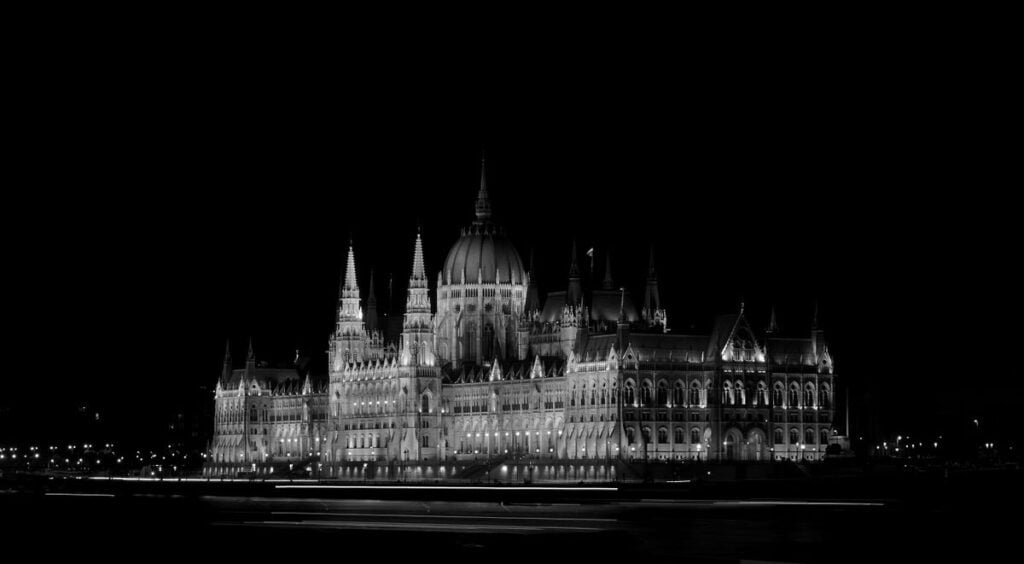
    Hungarian Parliament — Photo by Karim MANJRA on Unsplash

    In a Nutshell

    The intersection of celebrity and politics is neither a novel nor dismissible phenomenon. As artists and influencers, celebrities possess a distinctive capacity to draw public attention to significant matters. Their engagement in political discourse should be regarded not as an overreach but as an exercise of their rights and a reflection of their dedication to the societies that have propelled them to prominence.

    The true hallmark of a democratic society is its ability to entertain a diversity of voices, including those of its most visible members. With their extensive influence, celebrities play an essential role in this democratic dialogue, contributing to a more informed and engaged citizenry.

  • American Atheists Are Weaker Together

    American Atheists Are Weaker Together

    Many people over thirty can attest to the difficulty of making new friends outside of work, especially if you have moved to a place as an adult. Therefore, as an expat living in New York, I thought attending an event for atheists in the Upper West Side might be an excellent way to meet like-minded people. However, when I checked the schedule for the event, I suddenly got filled with guilt and confusion and eventually decided not to go. Only years later, I realized that the cause of my guilt that day was the fact that attending a meeting of atheists went against my secularist principles.

    The Rise of Evangelicals in the US

    Evangelicalism has been a force in American politics since at least the 19th century, but its direction and influence have fluctuated over time. The modern alignment of evangelicals with the Republican party can be traced back to the civil rights era, particularly following the Brown v. Board Supreme Court decision, which outlawed public school segregation. In response, white evangelical communities created private “segregation academies” as a form of opposition to desegregation, framed as an expression of religious freedom rather than a defense of racial segregation.

    Evangelicals’ political engagement became more pronounced in the 1980s, as they emerged as a key Republican voting bloc, especially during Ronald Reagan’s and George W. Bush’s presidencies.

    American evangelicals’ active political engagement and strong Republican partisanship are relatively new and have significantly impacted presidential elections. The federal government’s intervention in local autonomy and the perceived favoring of African Americans and Latinos over whites were among the factors that led white evangelical leaders to argue for a political shift toward the modern Republican Right.

    Moreover, the backlash against right-wing evangelicals is also reshaping American politics and faith. Some sociologists believe that the rising number of non-religious Americans is a reaction against right-wing evangelicals. The movement’s insertion of religion in public debate and uncompromising style of public discourse has alienated many non-adherents and members of the larger public.

    Evangelicalism’s influence extends well beyond its religious orbit, significantly influencing American politics and culture since the 1970s, culminating with the Reagan Revolution and the rise of the Religious Right. Politically, evangelicals are highly active in advancing anti-abortion, anti-same-sex marriage, and “family values” positions to restore the country to its perceived Christian roots. However, it’s important to note that not all evangelicals agree about politics, and within evangelicalism, there exist racial differences.

    Photo by Tyler Nix on Unsplash

    The Rise of Irreligion in the US

    Although atheism is often viewed with suspicion in the public sphere historically, it has nonetheless played a role in shaping the secular and liberal aspects of American culture, particularly since the mid-20th century.

    In response to the surge of Christian fundamentalism in the 1920s, atheists launched legal initiatives to defend civil liberties and contest the intertwining of church and state, resulting in the emergence of influential figures such as Madalyn Murray O’Hair, who founded American Atheists in 1963 and served as its president until 1986. O’Hair was a staunch advocate for atheism and the strict separation of church and state, famously challenging mandatory prayer and Bible reading in public schools through the landmark Murray v. Curlett lawsuit, which was consolidated with Abington School District v. Schempp (1963) and led to a Supreme Court ruling that deemed such practices unconstitutional.

    The political leanings of atheists and agnostics tend to skew towards the left, and their impact has been notably significant within the Democratic Party. American atheists and agnostics are generally more politically active than white evangelicals. For instance, in 2020, 18% of atheists and 16% of agnostics reported participating in a political march or rally, compared to just 5% of white evangelicals. Moreover, half of all atheists and 43% of agnostics made political donations, highlighting their engagement and influence in political matters.

    Photo by Timon Studler on Unsplash

    Evangelicals versus Secularism

    The frustration of American atheists is understandable given Evangelicals’ history of making political demands that conflict with the principle of secularism.

    For example, the advocacy for school prayer and Bible readings in public schools by evangelical groups reflects their desire to see their religious convictions reflected in the educational environment. This has been a contentious issue, as it directly challenges the secular principle of separating church and state enshrined in the U.S. Constitution. The Supreme Court has historically ruled against such practices, citing the Establishment Clause of the First Amendment, which prohibits the government from making any law respecting an establishment of religion.

    On the topic of abortion, evangelical Christians have been vocal in their opposition, advocating for legislation that would limit or outright ban the procedure. This stance is often perceived as an attempt to legislate morality based on religious beliefs, which conflicts with the secular framework of the nation. The debate over abortion rights continues to be a polarizing subject, with evangelicals playing a significant role in the political discourse surrounding it.

    Regarding LGBTQ+ rights, there has been significant resistance from evangelical organizations to laws that aim to protect these rights, including same-sex marriage and anti-discrimination statutes. Evangelicals often argue that such laws are contrary to their religious doctrines, which has led to a complex dialogue about the balance between religious freedom and civil rights.

    Some evangelicals’ push for the inclusion of creationism or intelligent design in public school science curricula is another example of the tension between religious beliefs and secular education. Critics argue that teaching creationism in science classes undermines the scientific method and conflates faith with empirical inquiry.

    Lastly, the efforts to maintain or erect religious symbols on public property have sparked debates about the role of religion in public spaces. While evangelicals assert that these symbols are part of the country’s heritage, opponents argue that their presence on government property violates the principle of secularism and the separation of church and state.

    These examples highlight the ongoing debate regarding the impact of religious beliefs on public policy and the degree to which they ought to inform a secular society’s laws and cultural norms. This includes monuments on public property, which may conflict with secularist ideals.

    These demands reflect a broader debate about the role of religion in public life and the extent to which religious beliefs should influence government policy and legislation. While evangelicals may downplay religious expression in certain secular collaborations, their political demands often emphasize the country’s “Christian heritage” and promote forms of ethnoreligious nationalism.

    Photo by Jed Villejo on Unsplash

    Atheism versus Secularism

    The personal conviction in the existence or non-existence of a deity is an intensely private matter. Asserting one’s atheism in the context of political advocacy is no more appropriate than invoking one’s Christianity for the same purpose. Public declarations of atheism, coupled with calls for changes to uphold secularism, can be misconstrued as an antagonistic stance against religion, providing fodder for populist politicians to manipulate the narrative. In the collective struggle for secularism, atheists are weaker together unless they side with secularist theists.

    Madalyn Murray O’Hair’s activism serves as a case in point. The question arises whether her intent was to challenge religious beliefs or to reinforce the separation of church and state. The cessation of mandatory prayer and Bible reading in public schools was not a concession to atheistic preferences but rather a reaffirmation of secular principles. The outcome represented a triumph for secularism, not atheism.

    It is imperative, particularly for Americans, to discern that just as some may exploit religious sentiments, others may leverage anti-religious sentiments for their ends. Political movements should thus operate within the framework of secularism, advocating for reforms that fortify secular values rather than pursuing an agenda aimed at a future devoid of religion. The focus should remain on preserving the secular fabric of society, ensuring that personal beliefs, whether religious or atheistic, do not infringe upon the neutral governance of a pluralistic nation.

    The challenge for American atheists is not to distance themselves from their beliefs but to find common ground with those who, while holding different metaphysical views, are committed to a secular state. This approach requires a nuanced understanding of secularism, which recognizes the value of religious freedom as much as it does the absence of religion in governmental affairs. It’s about advocating for a public sphere where religious beliefs do not dictate policy, but also where atheism is not positioned as the only rational outcome of a secular society.

    In navigating the complexities of American politics and society, atheists might find it more productive to focus on issues of mutual concern with secular theists. These issues can range from defending science education from religious encroachment to ensuring that laws are based on reason and evidence rather than scripture. By doing so, they can demonstrate that secularism does not equate to atheism but to a broader principle of keeping government and religious institutions separate for the benefit of all, regardless of personal belief.

    This strategy also involves engaging in broader coalitions that might include religious groups with a history of advocating for the separation of church and state. Such alliances can be powerful, as they showcase a united front against the imposition of any single belief system on the diverse tapestry of American society. In these coalitions, atheists can most effectively contribute to preserving and strengthening secular democracy.

    Moreover, atheists must be vigilant in their advocacy, ensuring that their efforts do not inadvertently mirror the exclusivity they criticize in religious fundamentalism. This means embracing a pluralistic approach to secular activism, one that welcomes diverse voices and perspectives, including those of religious minorities who often face the brunt of theocratic policies. By doing so, atheists can help build a more inclusive movement that better represents the varied landscape of American belief and unbelief.

    In a Nutshell

    While the instinct among atheists to gather and advocate for a secular society is understandable, their efforts might be more impactful if they adopt a strategy emphasizing inclusivity and coalition-building. By working alongside secular theists and other allies, atheists can help foster a society where secularism serves as a foundation for freedom and equality, not as a battleground for religious dominance. This approach not only aligns with the principles of a pluralistic society but also strengthens the cause of secularism itself, ensuring that it remains a safeguard for all Americans, believers and non-believers alike.

  • The American Dream: A Path to Slumber

    The American Dream: A Path to Slumber

    In the United States, a nation celebrated for its promise of opportunity and freedom, the reality of wealth distribution starkly contradicts the cherished American Dream. Despite the belief that hard work and determination can lift anyone into prosperity, the numbers reveal a different story: a vast majority of the country’s wealth is hoarded by a small fraction of its population, leaving the rest to contend with scraps.

    Join us in dissecting the roots and ramifications of this economic inequality, examining how it challenges the American financial system against a backdrop of education and self-awareness.

    The Divide Widens

    The stark concentration of wealth among a select few transcends mere statistics; it signifies a widening gulf that endangers the very cohesion of our society. When a mere 10% of the populace wields control over two-thirds of the nation’s wealth while the bottom half clings to a scant 2.6%, the magnitude of this inequality becomes starkly evident. This alarming imbalance is not simply a numerical discrepancy; it is indicative of entrenched systemic flaws that perpetuate poverty and exclusion, ensnaring countless individuals in relentless cycles of economic stagnation. The ramifications of this divide are far-reaching, impinging upon fundamental aspects of life such as equitable access to education and healthcare and undermining the stability and well-being of communities nationwide.

    A homeless man sleeping on a bank in the city.
    Photo by John Moeses Bauan on Unsplash

    Propaganda and Perception

    The struggle against economic disparity is not solely a matter of wealth redistribution; it is equally a campaign to transform societal perceptions. Initiatives to rectify this imbalance often encounter robust opposition, depicted as assaults on individual freedoms and the quintessential American lifestyle.

    This portrayal, deeply embedded in the collective psyche, serves as a potent instrument for the affluent elite, manipulating it to align the economically disadvantaged with those who prosper under the current system. By characterizing any suggestion of wealth redistribution as a precursor to communism, these entities effectively stifle opposition and perpetuate their dominance. Moreover, they drape their self-serving agendas in the veneer of nationalism and freedom. The erroneous conflation of communism with atheism further complicates the discourse, hindering the progress towards a more equitable society.

    The resistance to wealth redistribution in the United States can be exemplified by the cultural legacy of ‘rugged individualism,’ which emphasizes self-reliance and personal independence, often leading to opposition against government intervention in areas such as welfare and healthcare. For instance, despite the significant increase in income and wealth inequality over the past decades, a large segment of American voters remains steadfast in their opposition to redistribution, preferring to cut welfare spending rather than increase taxes.

    Challenges to Change

    Despite increased recognition of the disparities, effecting systemic change remains a formidable challenge. The principles of capitalism, meritocracy, and individualism are not merely economic concepts but are ingrained in the American consciousness, forming a robust ideological framework that upholds the status quo. For those in positions of privilege, these principles validate a sense of deservedness and a staunch opposition to altering the system. Conversely, for those marginalized by the current economic structure, these same ideals can engender a sense of disenchantment and a belief in the futility of striving for change. To surmount this deeply rooted ideological stronghold, it is imperative to engage in a concerted societal endeavor that critically examines and deconstructs these long-standing convictions, thereby questioning the very bedrock of the prevailing economic paradigm.

    Consider the case of affirmative action policies in the United States. Despite decades of efforts to address historical injustices and systemic inequalities in access to education and employment, resistance to such policies remains strong. Advocates argue that affirmative action programs are essential for promoting diversity and leveling the playing field, especially for marginalized communities.

    However, opponents often cite principles of meritocracy and individualism, asserting that such policies undermine the idea of rewarding hard work and talent, which reflects the deep-seated ideological framework described in the passage, wherein the principles of capitalism and meritocracy validate existing structures of privilege for some while perpetuating barriers for others.

    Photo by John Tyson on Unsplash

    Free Loaders

    If we listen to the status quo supporters, they suggest that the US’s economic problems stem predominantly from immigrants and social programs, naming the people who use them as freeloaders. They propose decreasing the 2.6% wealth share held by half Americans and redistributing it among fewer people.

    In a system where wealth begets wealth, the fundamental issue is evident. The elite and their descendants, the true freeloaders, amass riches effortlessly, while the underprivileged often inherit a cycle of poverty, inadequate education, and diminished prospects from their forebears.

    The Path Forward

    The journey toward a more equitable future is one that transcends the confines of partisan debate and ideological rifts. At the heart of this endeavor lies a commitment to comprehensive education that encompasses not only financial understanding but also the cultivation of critical thinking and empathetic understanding. By equipping individuals with the knowledge to navigate systemic complexities and fostering an appreciation for our shared humanity, we lay the groundwork for overcoming societal divides. Cultivating a culture anchored in unity and mutual respect is paramount. Equally important is galvanizing a collective resolve to champion and enact systemic reforms. Through persistent collective efforts and a unified pursuit of fairness, we can unravel the intricate causes of economic disparity.

    In a Nutshell

    The stark disparities in wealth distribution in America indicate that the system is broken, not a reflection of individual failure or lack of effort. Confronting this reality requires courage, a willingness to challenge deeply ingrained beliefs, and to question the power structures that uphold the status quo. By fostering a society that values education, self-awareness, and empathy, Americans can lay the groundwork for a more equitable and just economic system that uplifts the most vulnerable and honors the promise of the American Dream for all.