Tag: Religion

  • Life in  Istanbul: Surviving Istanbul’s Unwritten Rules

    Life in Istanbul: Surviving Istanbul’s Unwritten Rules

    Life in Istanbul, a city bridging continents, encompasses a rich mosaic of cultures and social strata, where the coexistence of extreme wealth and poverty paints a diverse portrait of human experience. Yet, amidst these contrasts, Istanbul stands as one of Europe’s safest cities, a testament to its resilient social fabric.

    Life in Istanbul: The Paradox of Proximity

    Many metropolises worldwide have become a symbol of wealth inequality, where the rich live in exclusive neighborhoods, and the poor live in the city’s outskirts, far from the affluent areas. However, Istanbul stands out, as it has managed to break this pattern. In this bustling city, grand palaces and humble homes coexist, where people lead vastly different lives but share the same streets, air, and city spirit.

    Despite the differences in lifestyles, the residents of Istanbul have learned to coexist peacefully, creating a sense of community and mutual understanding that is rare in a metropolis of this size, making Istanbul a unique blend of cultures and traditions, making Istanbul a melting pot of diversity.

    Of course, this proximity can sometimes lead to tensions, but the people of Istanbul have learned to embrace their differences and work towards a common goal of unity and harmony, making Istanbul a truly special city where diversity is celebrated and inclusivity is the norm.

    Safety amid Inequality

    The safety of Istanbul is a miracle of sorts, especially when viewed through the lens of income inequality. Despite its economic disparities, the city has managed to maintain a remarkable level of safety and order thanks to a complex interplay of cultural norms, community policing, and perhaps a shared understanding that harmonious coexistence benefits all.

    While Istanbul is a bustling metropolis, with all the usual precautions that come with any big city, there are certain areas that one might wish to avoid after dark. However, it’s also worth noting that the watchful eye of a neighbor can be a more effective deterrent than any security system.

    In fact, the city’s culture of community policing is one of the key pillars of its safety. Neighborhoods are tightly knit, and residents look out for one another, often forming informal watch groups. This sense of community and shared responsibility is reinforced by the police force, which works closely with residents to maintain safety and order. Overall, Istanbul’s safety is a testament to the power of cultural norms and community cohesion to overcome the challenges of economic inequality and ensure a harmonious coexistence for all.

    Bosphorus — Photo by Mert Kahveci on Unsplash

    Life in Istanbul: Understanding Turkish Conservatism

    Outsiders often misunderstand Turkish conservatism, which is far from being a monolith but rather a spectrum of beliefs and practices that can be both traditional and progressive.

    In Istanbul, conservatism manifests in a culture of discretion. The rule of thumb is that you can do anything as long as it is consensual, and you make sure that you don’t openly discuss every aspect of your life. It is a conservatism that respects privacy and personal choice, one that is less about imposing beliefs and more about living and letting live.

    For example, homosexuality was decriminalized as early as the 19th century by the palace, and today, Istanbul has a lively gay scene; however, for most people, being openly gay is not on the table.

    The Istanbulite Bubble

    Like residents of any large city, Istanbulites have mastered the art of creating personal spaces within the urban sprawl. They build bubbles filled with familiar faces and shared values, carving out a sense of home in a city constantly in flux. These bubbles are not isolating but rather a means of finding stability and comfort. For those within them, the rest of the country and the world may seem distant, but it is a distance born of contentment rather than ignorance.

    Life in Istanbul: Navigating the Urban Landscape

    Like any big city, life in Istanbul is governed by unspoken rules. For both women and men, the secret to a harmonious life lies in mastering the art of maneuvering through the city’s bustling environment. It involves discerning when to participate and when to withdraw when to voice opinions, and when to stay quiet. It revolves around showing respect – respect towards the city, its unique pace, and its inhabitants, who, despite their diverse backgrounds, are all Istanbul residents at their core.
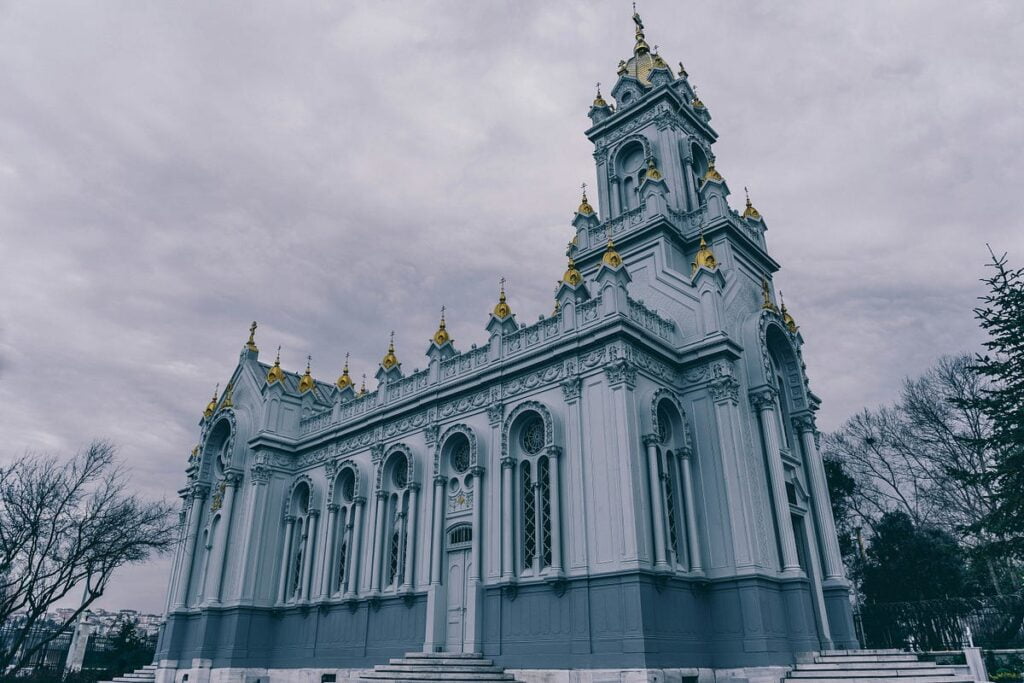
    Sveti Stefan Church in Istanbul — Photo by Mert Kahveci on Unsplash

    In a Nutshell

    Istanbul’s tale is one of coexistence and resilience. It is a city where life’s contradictions are prominently showcased, yet they do not separate but instead enhance the shared experience. The safety and unity in Istanbul are not coincidental but rather the outcomes of a society that prioritizes community over discord and diversity over segregation. In this city, the underprivileged and the affluent may reside in close proximity, but they have more in common than just a location – they share the essence of Istanbul, which is as timeless as the Bosphorus itself.
  • Turkey—Islam Relationship Is Not What You Think

    Turkey—Islam Relationship Is Not What You Think

    Turkey, a country at the crossroads of East and West, has long been a melting pot of cultures, traditions, and religions, contributing to its complex relationship with religion, particularly Islam, the religion of the vast majority at birth due to state policies. However, beneath the surface of these official records, the religious landscape of Turkey is far more nuanced and diverse than it might appear.

    Statistical Overview of Religious Affiliation

    The Turkish state records the religion of individuals at birth based on their parents’ faith, leading to an official figure that categorizes virtually the whole population as Muslim. However, this surface-level statistic, which makes no difference in anyone’s life, masks the country’s complex tapestry of belief and non-belief. Almost no one is concerned about the accuracy of this data, and most people who are incorrectly registered believe that it is none of the state’s business that they believe or disbelieve, leaving the registration as is.

    However, according to the Turkish Statistical Institute, although a significant portion of the population is registered as Muslim, there is a growing trend of religious reidentification among the younger generations, which the Pew Research Center agrees.

    A comprehensive study conducted by the Pew Research Center reveals that the percentage of individuals identifying as atheists or deists is rising at approximately 6%, a notable increase from previous decades, signaling a gradual but significant shift in religious attitudes.

    The Spectrum of Belief Within Islam

    Turkey is not just another Muslim-majority country. Delving deeper into the beliefs of Turks who identify as Muslim, it becomes evident that there is a broad spectrum of religious practice and interpretation. A national survey found that while a majority of Muslims in Turkey express belief in core Islamic tenets, there is considerable variation in the observance of traditional practices. For instance, the percentage of Muslims who regularly perform the five daily prayers along with Mosque attendance is significantly lower than might be expected, suggesting a more personalized approach to religious practice.

    Moreover, the same survey indicates that a significant number of Muslims in Turkey do not see adherence to traditional practices such as fasting during Ramadan or regular mosque attendance as essential to their faith, highlighting a broader trend towards a more individualized form of Islam, which prioritizes personal belief and moral values over strict ritual observance.

    Secularism, Atheism, and the Public Sphere

    The distinction between secularism and atheism is crucial in the Turkish context. While secularism advocates for the separation of religion from public life, it does not inherently reject the presence of religious beliefs within society. This nuanced understanding of secularism allows for diverse religious expressions and beliefs, including those that may not fit neatly into traditional categories. It’s a perspective that acknowledges the complexity of faith in the modern world, where ancient scriptures may not directly address the challenges of contemporary life.

    Statistical data support this trend, with more Turks supporting secular values, including the separation of religion and state. A survey by the Education and Science Workers Union (Eğitim-Sen) found that a majority of respondents favored maintaining Turkey’s secular education system, reflecting a broader societal preference for keeping religious beliefs out of public institutions.

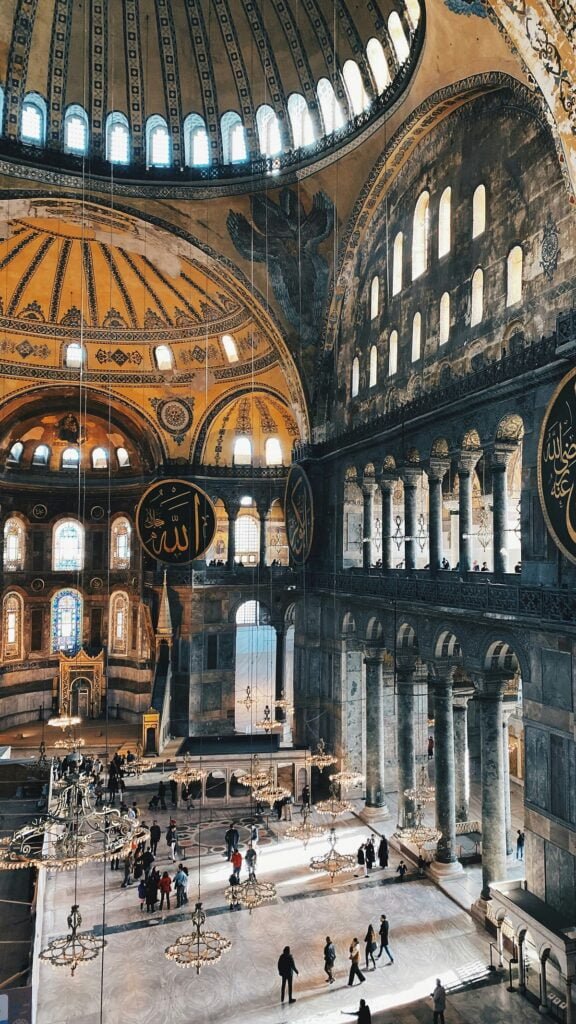
    View into the Hagia Sophia from the upper floor — Photo by Linus Mimietz on Unsplash

    Atheism Has No Place in Politics

    While there are numerous openly atheist Turkish thinkers, journalists, writers, and artists, some of whom are considered national treasures, atheism in Turkish politics is unheard of. This may have several reasons, but the biggest is perhaps that secularist atheists would see discussing atheism publicly and advocating for political changes as contradictory to secular values. Additionally, they may believe that being openly atheist would make them appear biased and hinder their ability to advocate for secularism since the main message of Turkish secularists is that atheism and secularism are unrelated.

    On the other hand, populist populations would likely aim to make any attempts by an openly atheist politician to enforce secularist principles seem like a war against Islam.

    Ultimately, thanks to the fact that Muslim secularist politicians aim to keep religion personal and private, separate from politics. As a result, Muslim secularists and atheist secularists are largely indistinguishable, and atheist secularists believe they do not have to advocate for secularism on their own since secularism is to protect everyone.

    Given the current statistical trends, it is plausible to project that the number of individuals identifying as atheists, deists, or non-traditional Muslims will continue to grow. This reflects a global trend of religious disaffiliation, particularly among younger generations who often prioritize personal experience and scientific understanding over traditional religious authority. My personal view is that more and more Turks leave organized religion altogether and identify themselves as deists.

    Turkish Deism

    Deism is a philosophical and religious viewpoint that posits the existence of a supreme being or creator, often referred to as “God,” based on reason and observation of the natural world rather than on revelation or religious scripture. Deists typically believe that this supreme being created the universe and set it in motion but does not intervene in its affairs through miracles or divine revelation. Instead, deists argue that the natural world operates according to rational laws established by this creator.

    Deism emerged during the Enlightenment period in Europe in the 17th and 18th centuries and was influential among many intellectuals, including thinkers like Voltaire, Thomas Paine, and Thomas Jefferson.

    It is not surprising that the Turkish flavor of deism is unconventional. Individuals who identify themselves as deists in Turkey typically believe in a creator who may or may not intervene in the day-to-day workings of the universe, allowing prayer as a final option. Moreover, Turkish deists often think that humans are put to the test in this world. Any action that harms others or any inaction that contradicts common decency is considered a ‘sin.’

    In a Nutshell

    As depicted through statistical data, Turkey’s evolving religious landscape illustrates a complex interplay of traditional beliefs, secular values, and a growing inclination towards personal spirituality, suggesting a future in which Turkey’s religious identity will be increasingly characterized by diversity, pluralism, and individual choice, challenging conventional narratives and paving the way for a more inclusive understanding of faith in the modern world.

  • Evolution of God – God’s Identity Crisis

    Evolution of God – God’s Identity Crisis

    The concept of God in Judaism has seen a remarkable evolution throughout history, mirroring humanity’s shifting cultural and philosophical contexts. Initially embracing polytheism, Judaism featured multiple deities overseeing life’s various aspects. This perspective evolved into the groundbreaking notion of a singular, transcendent, all-encompassing God: Yahweh. This marked the onset of a profound transformation in comprehending Yahweh’s nature and role, an evolution that would continue to unfold over time.

    Early Identity of Yahweh

    Yahweh, the God of the Israelites, epitomized the evolution of God beyond the physical, existing outside the limits of human understanding or portrayal. Temporal or spatial dimensions did not confine this infinite and unbounded presence. The second commandment underscored this transcendence, forbidding the crafting of idols or likenesses. This ban, termed aniconism, solidified as a fundamental tenet of Jewish theology, setting it apart from polytheistic faiths that revered corporeal depictions of their deities.

    You shall not make for yourself an image in the form of anything in heaven above or on the earth beneath or in the waters below. You shall not bow down to them or worship them; for I, the Lord your God, am a jealous God, punishing the children for the sin of the parents to the third and fourth generation of those who hate me, but showing love to a thousand generations of those who love me and keep my commandments.

    Exodus 20:4-6 in Contemprary English

    The Evolution of God: From Tangible Idols to a Transcendent Deity

    The portrayal of Yahweh in Judaism signifies a pivotal moment in the evolution of God, transitioning from physical forms to a purely spiritual existence. Unlike the corporeal gods of adjacent cultures, Yahweh’s spiritual essence underscored his omnipresence throughout the cosmos and his intangibility, eluding the confines of human perception.

    This paradigm shift heralded a philosophical as well as religious evolution of God. The commandment against idolatry wasn’t merely a directive but a proclamation of God’s progression from tangible to intangible, from seen to unseen. It denoted an intellectual advancement, a move from rudimentary animism to a more sophisticated, abstract conception of the divine.

    The evolution of God into an unseen, transcendent entity defied conventional worldviews, prompting a reevaluation of the boundaries of knowledge and the acknowledgment of a reality beyond the physical. It laid the groundwork for a new theological era that would profoundly influence Jewish thought and extend its impact on the broader philosophical and religious discourse for generations.

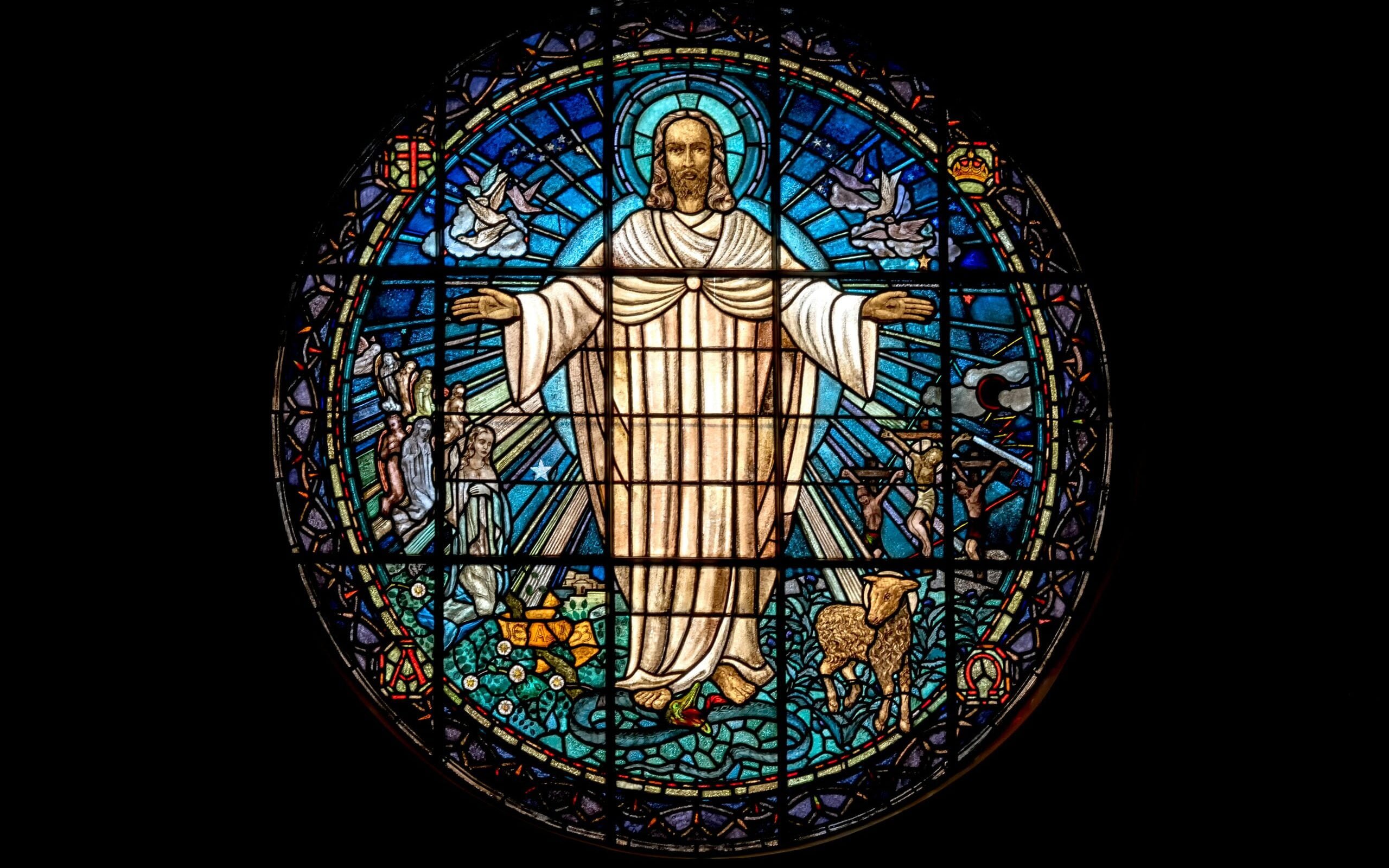
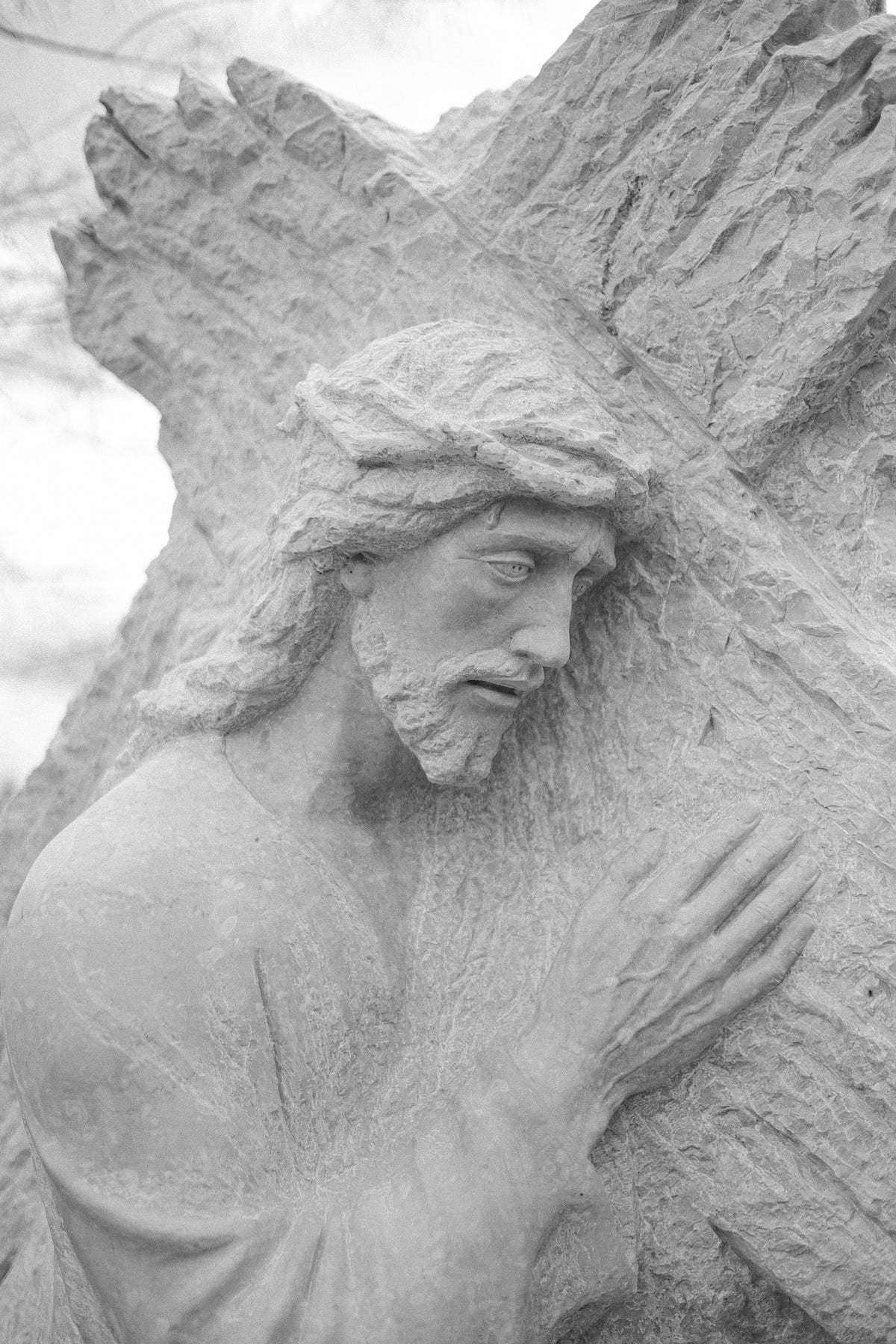
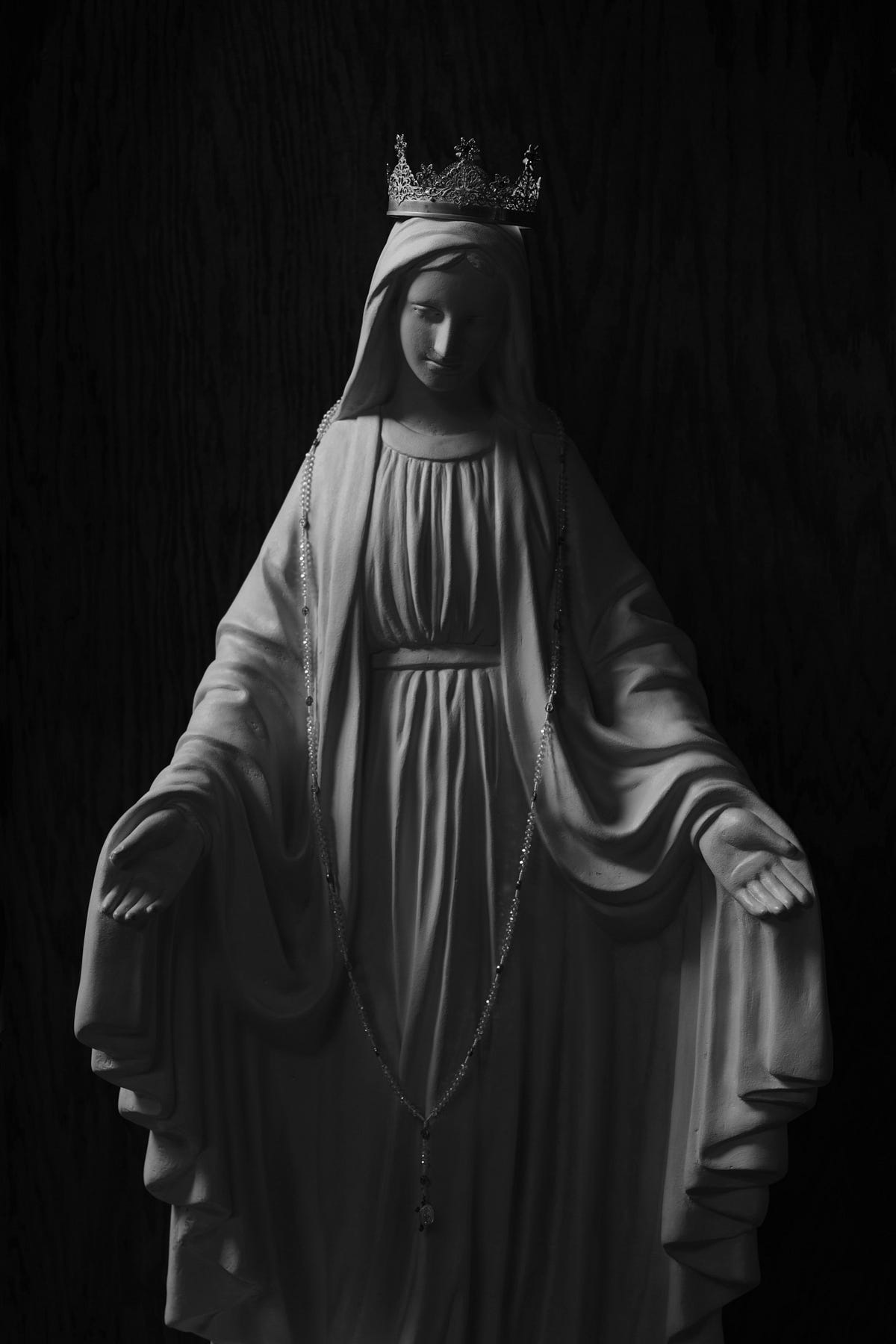
    This concept of a transcendent, evolving God was adopted by Christianity, born from the Jewish tradition. The early Christians, predominantly Jewish converts, adhered to the Jewish edict against idolatry. Depicting Jesus or Mary visually was inconceivable, as it would contradict the advanced understanding of God’s non-physical nature—a conviction deeply embedded in their Jewish heritage.

    Photo by Wesley Tingey on Unsplash

    The Evolution of God: Embracing the Human Form

    As Christianity embarked on its transformative journey from the Middle East to the European continent, it was met with a cultural and philosophical environment vastly distinct from its origins. The European emphasis on physical representation and artistic expression subtly yet profoundly influenced the Christian portrayal of the divine. During these formative years in Europe, the once transcendent and intangible God of Judaism and early Christianity began a remarkable evolution, gradually adopting a more human visage as Christians endeavored to craft images of Jesus, Mary, and the saints.

    This metamorphosis in the perception of God signified a notable divergence from the Jewish tradition, which had resolutely upheld God’s incorporeal and ineffable nature. The advent of Christian iconography initially met with skepticism and resistance but eventually found its place within the heart of Christian worship. The visual depictions of Jesus, Mary, and the saints emerged as concrete manifestations of faith, serving as focal points for devotion and channels for prayerful meditation.

    The rise of Christian iconography marked a critical juncture in the religion’s evolution, reflecting the adaptability of faith and its ability to assimilate into diverse cultural and philosophical landscapes. The shift from aniconic to iconic representations of the divine sparked theological debates and ecclesiastical conflicts, yet it also underscored the dynamic nature of religious expression and the profound influence of visual art in conveying spiritual enthusiasm and conviction.

    The transformation within Christian iconography can be attributed to a confluence of factors. With its receptivity to visual representations of the divine, the European cultural context contrasted sharply with Judaism’s aniconic stance. The Greco-Roman tradition, with its rich tapestry of gods and heroes, immortalized in art, provided a fertile ground for early Christians to adapt and reinterpret existing artistic conventions to depict their sacred narratives.

    Furthermore, the dissemination of Christianity to a predominantly non-Jewish populace called for a more approachable and relatable mode of worship. While profound, the abstract and incomprehensible God of Judaism was less accessible to the masses, who found a spiritual connection through more concrete and familiar forms. Introducing images of Jesus, Mary, and the saints offered tangible touchstones for the faithful, enabling a deeper, more personal engagement with the divine.

    The evolution of God’s portrayal into a human-like figure, often rendered as a venerable, bearded man, mirrored the cultural and artistic norms of the era, bridging the gap between the celestial and the terrestrial. This anthropomorphic representation not only made the divine more understandable to the layperson but also facilitated Christianity’s acceptance within the Roman Empire, harmonizing with the prevailing Greco-Roman iconographic traditions.

    In this way, the evolution of God in Christian thought and art reflects a profound transformation—a journey from the untouchable to the touchable, from the mysterious to the known, and from the purely spiritual to the incarnate. It is a testament to the enduring human desire to connect with the divine in terms that resonate with our own experience and understanding.

    Photo by Josh Applegate on Unsplash

    In a Nutshell

    The concept of God has undergone a profound transformation throughout history, mirroring the evolving nature of human spirituality and the intricate interplay between faith and cultural contexts. In the early traditions of Judaism and the nascent stages of Christianity, God was perceived as a transcendent entity — utterly incomprehensible, shrouded in enigma, and existing beyond the grasp of human understanding. Such a portrayal underscored the sheer magnitude of the divine, a being whose essence was veiled in profound mystery, emphasizing the chasm between the mortal and the sacred.

    As Christianity matured, the depiction of God evolved to become more tangible and personified. The incarnation of God in the figure of Jesus Christ marked a pivotal shift from the abstract to the concrete. An embodied god offered a more intimate and approachable form of divine interaction, allowing worshippers to foster a personal connection with the deity through the human-like representation of Christ.

    Each conceptualization of God — whether transcendent or embodied — served as a conduit for the divine, providing distinct perspectives for engaging with the spiritual realm. The transcendent God invited awe and reverence, a reminder of the divine’s boundless nature. In contrast, the embodied God extended an invitation for a closer, more empathetic relationship, reflecting the yearning for a personal connection with the divine.

    Ultimately, these diverse representations of God reflect humanity’s continuous quest to comprehend the ineffable, to bridge the gap between the earthly and the ethereal, and to find meaning in the presence of the ultimate enigma, which is divine.

  • What happened on April 3, AD 33, in Jerusalem?

    What happened on April 3, AD 33, in Jerusalem?

    Resurrection embodies the concept of returning to life after death, revered, celebrated, and deeply ingrained in humanity’s spiritual and cultural awareness. The resurrection of Jesus Christ, detailed in the New Testament, stands as a significant event that has influenced history and emerged as a potent symbol of the world’s predominant religion.

    Join us as we explore what might have occurred in Jerusalem 2000 years ago and consider how such an event would be interpreted today.

    Resurrection in the Morgue, AD 1969

    In the heart of the 1960s, a decade marked by transformation and upheaval, a family in a quiet town faced their own personal revolution. It began with an innocent mistake: a young girl, full of life and curiosity, accidentally consumed a considerable amount of antiepileptic drugs belonging to her uncle. The medication, potent and unforgiving, swiftly coursed through her veins, ushering her into a dangerous slumber.

    Frantic and fraught with fear, her family rushed her to the nearest hospital, their hearts heavy with dread. The medical team sprang into action, a flurry of white coats and urgent voices, but despite their efforts, the girl’s vital signs waned. In a solemn declaration, she was pronounced dead, her body transported to the cold stillness of the hospital’s morgue.

    The morgue, where stories are thought to end, became the unexpected setting for this tale’s dramatic turn. As the chief physician conducted his final, sad duty, a routine procedure to confirm death, something extraordinary happened. The sharp pierce to the sole of the girl’s foot, meant to be a silent confirmation of her passing, instead provoked a startling response — a twitch, a gasp, a sign of life.

    This miraculous moment, a reaction in the realm of the deceased, ignited a cascade of questions. Was this a case of medical resurrection, a return from the clutches of death? Or had the girl never truly crossed that final threshold? The incident challenged the definitions of life and death, blurring the lines between the two.

    Once shrouded in grief, the family found themselves enveloped in a bewildering joy. Their daughter, whom they had mourned, was with them once more, breathing, moving, alive. The hospital, a place of healing, had become a sanctuary of hope, a witness to a phenomenon that defied explanation.

    As we reflect on this story, we are compelled to consider the implications of such an event in the context of historical and religious narratives of resurrection. The tale of Jesus Christ, who was said to have risen from the dead, has long been a source of faith and inspiration. Yet, in the light of modern sensibilities and scientific understanding, we are inclined to seek logical explanations over mystical ones.

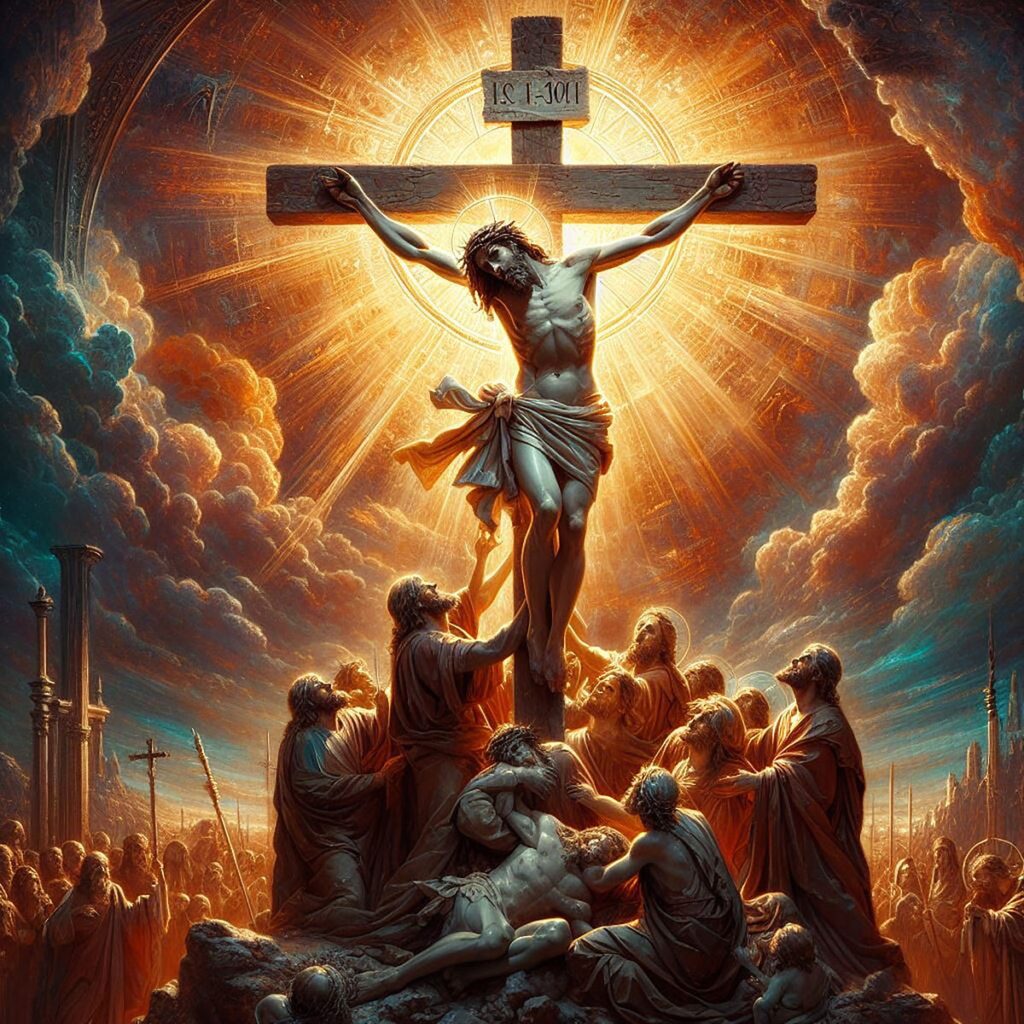
    Resurrection of Jesus Christ - On Cross

    The resurrection of Jesus Christ in Jerusalem, AD 33

    In the bustling city of Jerusalem, amidst the tension of political unrest and religious fervor, a man named Jesus emerged as a beacon of hope and wisdom. His teachings stirred hearts and challenged conventions, drawing crowds wherever he went.

    But as whispers of rebellion grew louder, so did the fears of the ruling authorities. Betrayed by one of his own disciples, Jesus was arrested and subjected to a mock trial. Despite the unjust accusations, he bore his suffering with quiet strength, staying true to his message of love and forgiveness.

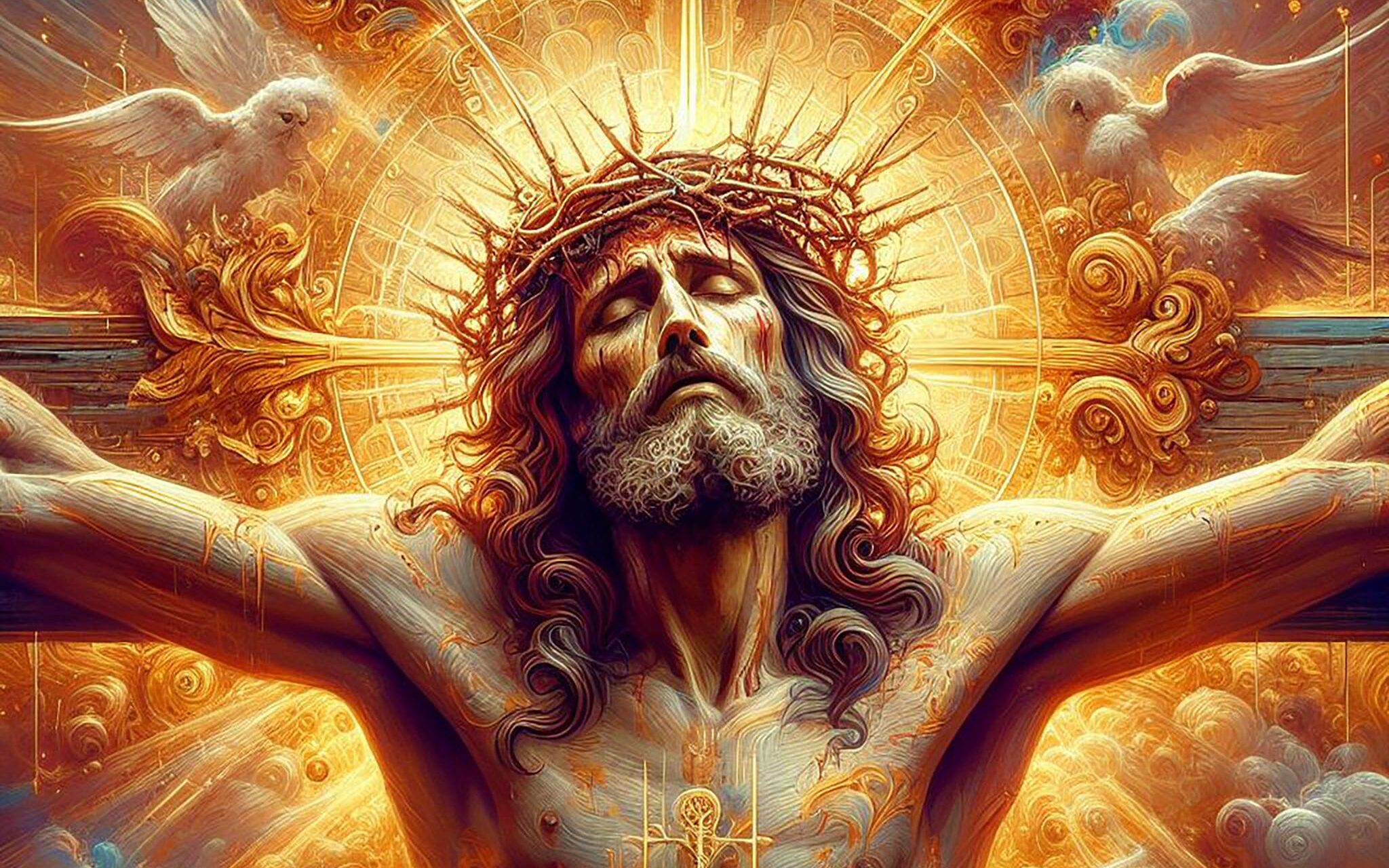
    Carrying a heavy wooden cross, Jesus was led through the dusty streets to Golgotha, where he would face the ultimate sacrifice. Nailed to the cross, he endured unbearable pain, yet his words were merciful: “Father, forgive them, for they know not what they do.”

    As darkness descended upon the land, Jesus breathed his last, his body taken down and placed in a tomb. But the story did not end there.

    Three days later, his tomb was found empty, and rumors began to spread like wildfire. Grief-stricken Mary Magdalene, a follower of Jesus, encountered a figure she thought to be the gardener, only to realize it was her beloved teacher, risen from the dead.

    Jesus brought hope to the hopeless through his resurrection and light to the darkest of nights. His crucifixion became the ultimate symbol of redemption, offering salvation to all who would believe.

    In the contemporary era, dominated by scientific inquiry and technological advancement, the ancient resurrection stories are often viewed through skepticism. The modern mind, shaped by empirical evidence and rational thought, tends to question the veracity of such accounts. This skepticism is not just confined to religious narratives but extends to any claim of resurrection or return from death.

    When confronted with modern-day occurrences that echo these ancient tales, such as the incident of the girl in the morgue, our first instinct is to turn to medical science for answers. We probe for explanations rooted in physiology and biology, seeking to understand how a seemingly lifeless body could exhibit signs of life. The possibility of a medical misdiagnosis or a misunderstanding of the body’s responses in critical conditions is often considered before any thoughts of a miracle.

    This rational approach also influences how we view historical accounts of resurrection. Suppose irrefutable evidence were to emerge that Jesus was seen alive after his crucifixion. In that case, the contemporary mind might speculate that he had been wrongfully pronounced dead. Hypotheses of suspended animation, a state where the body’s functions are slowed to the point of being imperceptible, or the idea that the crucifixion was non-lethal, would be explored as plausible explanations.

    Alternatively, in the absence of modern identification checks, it’s conceivable that the crucified individual could have been a body double of Jesus, who willingly sacrificed himself.

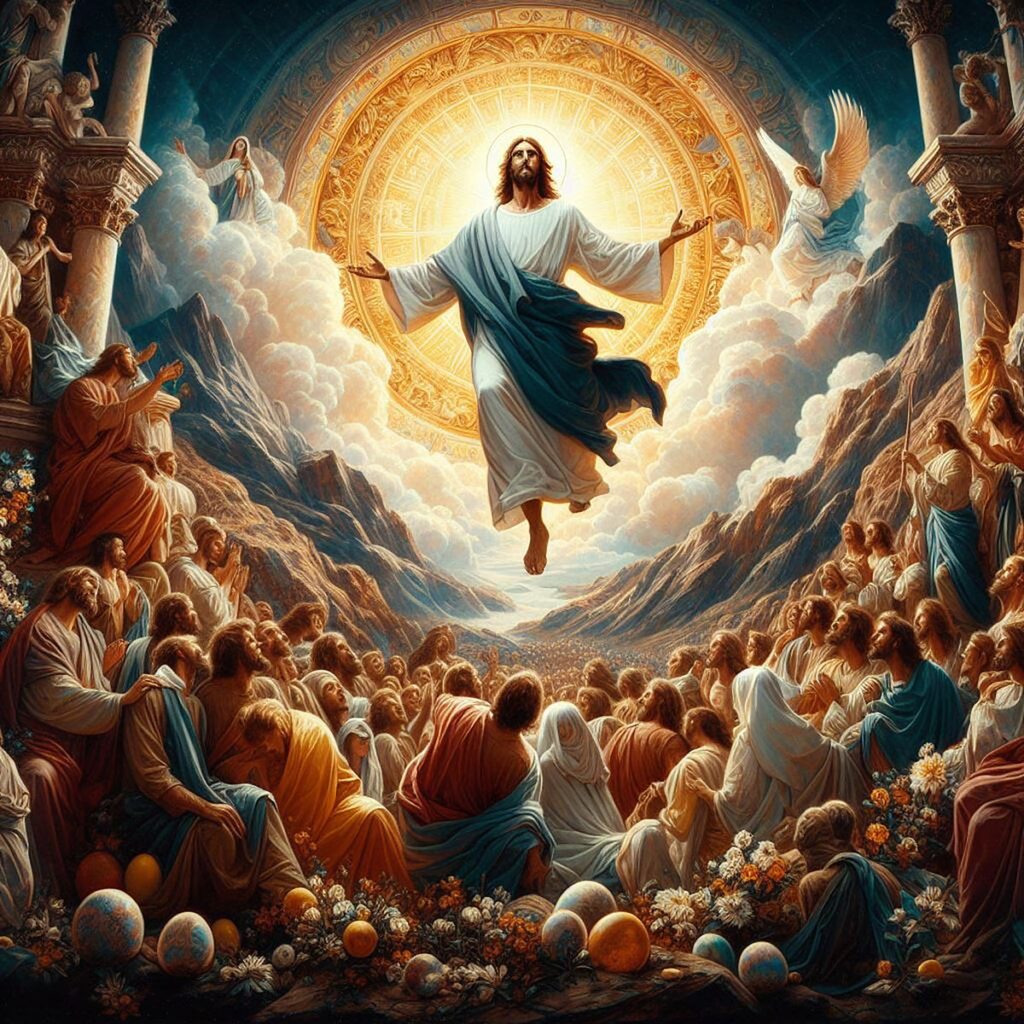
    Resurrection of Jesus Christ - Jesus Ascending to Heaven

    Our Biased Minds

    The tale of the girl who awoke in the morgue highlights the biased nature of our perception of events based on their recency. Given the fact that declaring someone dead can be challenging, especially without modern technology, the 1969 incident remains vivid: an error occurred, and the head physician acknowledged it.

    On the other hand, for an event that is said to have happened two thousand years ago, even in the absence of an identification check and death certificate, we are ready to jump to conclusions and declare Jesus’ death and resurrection as miraculous and factual.

    This bias raises a critical question: do we judge historical narratives through a more forgiving lens simply because of the passage of time? Should the burden of proof for miraculous events be higher for contemporary occurrences than for those shrouded in the mists of history?

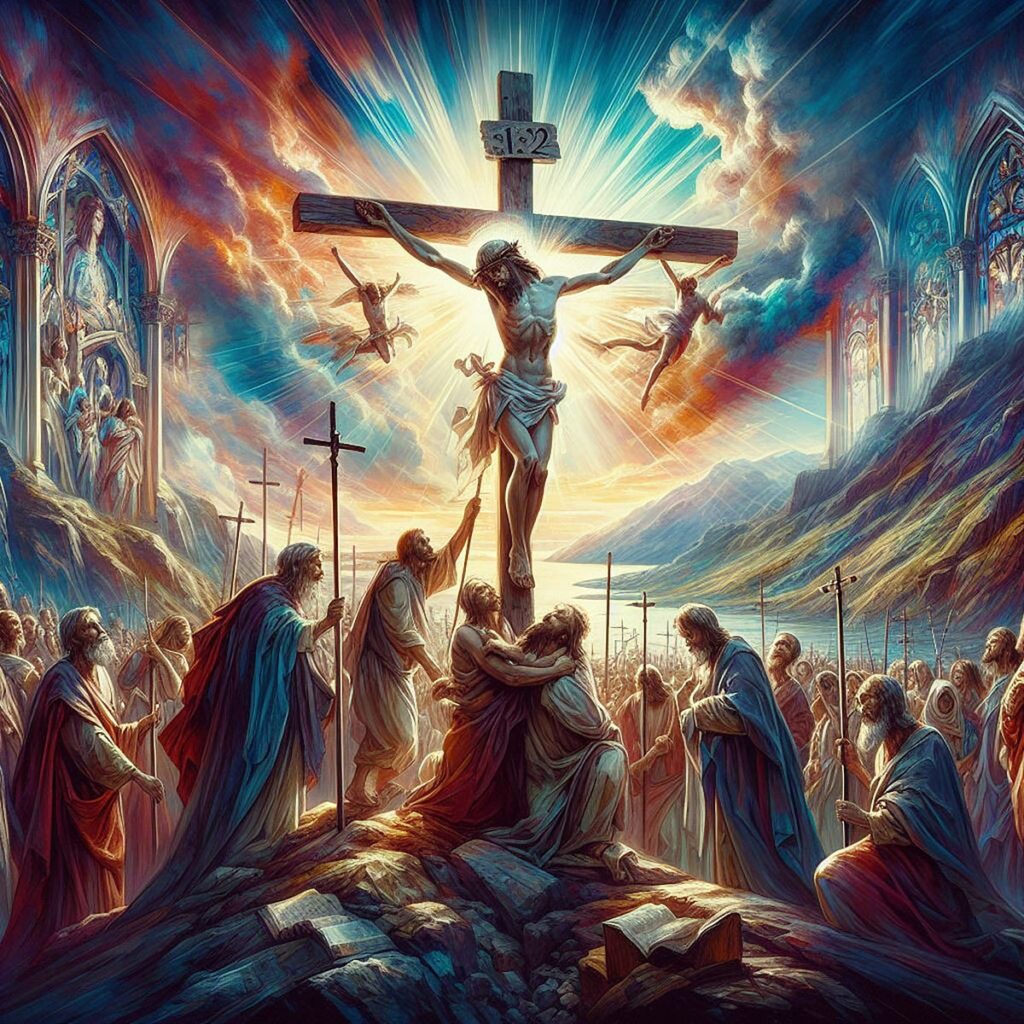
    Resurrection of Jesus Christ - On Cross

    In a Nutshell: Resurrection of Jesus Christ

    In conclusion, the exploration of resurrection narratives, both ancient and contemporary, invites us to navigate the complex interplay between faith, reason, and historical interpretation. Though separated by millennia, the stories of Jesus Christ’s resurrection and the girl in the morgue in 1969 compel us to confront the limits of our understanding and the biases that shape our perceptions.

    The incident in the morgue challenges our assumptions about the finality of death and underscores the fallibility of human judgment, even in matters as grave as pronouncing someone deceased. It serves as a sobering reminder of the potential for error in interpreting historical events, particularly those shrouded in religious significance.

    On the other hand, the resurrection of Jesus Christ stands as a cornerstone of the Christian faith, offering believers a profound symbol of hope and redemption. Yet, in an age of scientific inquiry, the skepticism inherent in modern thought prompts us to scrutinize historical accounts through a lens of rationality, seeking naturalistic explanations for miraculous events.

    As we wrestle with the complexities of resurrection narratives, we must recognize the constraints of our own viewpoints and stay receptive to truths that surpass our comprehension. Whether seen through the eyes of faith or scrutinized through the demands of scientific investigation, the idea of resurrection still fascinates the human mind, providing glimpses of transcendence in a world limited by mortality.