When it comes to religion, it is not a secret that more and more people are identifying as “nones.” But who are the culprits killing religion slowly but surely?
A Changing World
One of the biggest reasons for the rise of the “nones” is the rapid change in our world. We live in an information age, where almost the answer to a question is only a quick Google search away. This easy access to knowledge allows people to face different perspectives and question long-held beliefs.
Additionally, science and technology have given us incredible insights into the world around us. Concepts like evolution, the Big Bang, and quantum mechanics can explain phenomena that were once attributed to divine forces. As a result, relying on religious explanations for life’s big questions is fading.
Disillusionment with Organized Religion
Another major factor driving people away from religion is disillusionment with religious institutions. Scandals involving church leaders, financial corruption, and hypocrisy have left many feeling betrayed by the very institutions they once trusted. For some, it’s hard to reconcile the teachings of love and compassion with the actions of certain religious leaders or organizations.
Moreover, younger generations are increasingly turned off by what they perceive as rigid and outdated views on social issues. Topics like LGBTQ+ rights, gender equality, and reproductive rights often clash with traditional religious stances, leading many to distance themselves from organized religion in favor of more inclusive and progressive viewpoints.
A Desire for Authenticity
There’s an increasing desire for authenticity. People want to live lives that align with their true selves, and for some, that means stepping away from religious labels that no longer fit. Many “nones” still consider themselves spiritual or believe in a higher power, but they prefer to find out their beliefs on their own terms rather than within the confines of a particular religion.
This shift is also about finding community and connection in new ways. Instead of attending church services, some people seek out like-minded individuals through online forums, meetups, or social activism, which offers support and a sense of belonging without the need for religious affiliation.
The Influence of Secularism
The rise of secularism is another piece of the puzzle. In many parts of the world, there’s a growing separation between religion and public life. Governments and institutions are becoming more secular, and there’s less pressure to conform to religious norms. This environment makes it easier for people to openly identify as “none” without fear of social repercussions.
Secularism also encourages critical thinking and the questioning of authority, which can lead individuals to re-evaluate their religious beliefs. As society becomes more accepting of different worldviews, people feel freer to express their doubts and explore alternatives to traditional faith.
What Does It All Mean?
The future of organized religions appears bleak. As they scramble to catch up with the times, many are finding it increasingly challenging to reconnect with newer generations without alienating the older ones. Efforts to modernize and appeal to younger generations may seem like a step in the right direction, but the question we must ask ourselves is whether we need to keep making changes to religions so that we can continue believing in them.
Few threads in human governance are as contentious as the relationship between state and faith. As we navigate the complexities of the 21st century, an intriguing phenomenon demands our attention: state atheism, a concept often misunderstood and frequently misrepresented, offers a fascinating lens through which to examine the delicate balance between secular governance and religious freedom.
Defining State Atheism
Fundamentally, state atheism is more than just opposing religion in public life. It represents a proactive approach in which a government actively advances atheistic ideas while also distancing itself from religious institutions. However, this approach often ventures into contentious and, at times, very unsettling areas, going much beyond the well-known concept of secularism.
As someone who is most interested in political systems, I’ve often pondered the motivations behind such a stark governmental position. Is it born from a genuine belief in the benefits of a godless society, or does it stem from a desire for absolute control over citizens’ thoughts and beliefs? The answer, I suspect, lies somewhere in the murky waters between ideology and power.
Historical Context
The Soviet Union casts a looming shadow over any discussion of official atheism. This large country began what can only be called a massive and disastrous experiment in godless administration from 1922 to 1991. The intensity with which religious expression was repressed during this time serves as a clear reminder of the abuse risk present in every system that aims to regulate an individual’s beliefs.
However, to interpret official atheism solely from a Soviet standpoint would be to oversimplify the reality. From Albania to China, several nations have embraced their own versions of this concept, each with unique characteristics that are a reflection of their particular historical and cultural contexts, which I find especially interesting because they show how political views may be adapted to certain geographic circumstances.
The Paradox of Enforced Disbelief
The irony of governmental atheism is too strong to overlook. In its passionate pursuit of a society free from religious influence, it often builds a system that is a reflection of the exact structures it seeks to eliminate. When imposed with religious fervor, state-approved atheism adopts the traits of a distinct secular religion, complete with dogmas, ceremonies, and heresies.
This issue raises significant questions concerning the nature of belief and the boundaries of the government’s authority. Is it possible for a state to pass laws in line with the opinions of its people, or does this only serve to suppress genuine religious convictions? Religions’ ability to withstand persecution only demonstrates that spirituality is a trait that is difficult to destroy in people.
Contemporary Reflections
Official atheism, as applied by former communist countries, appears increasingly out of touch with the modern global environment. Still, its echoes can be heard worldwide in more subdued forms of forceful secularism or governmental atheism.
Distinguishing these modern manifestations from the more extreme historical versions is crucial. Today’s extreme secularism sometimes takes the shape of atheistic management, eliminating religious symbols and displays from public spaces for the sake of fairness. Though these laws are not overtly coercive, they still elicit strong feelings about the role of religion in public life.
The Unintended Consequences
When we look back at the history of official atheism, we must confront its unanticipated consequences. Rather than instituting the rational, atheistic utopias that their advocates had dreamed of, these regimes often fostered cultures of distrust, anxiety, and cultural loss. Suppression of religious expression sometimes led to the disintegration of long-standing social bonds and rich cultural customs.
Moreover, state ideologies and personality cults that demanded a dedication strikingly similar to religious faith frequently filled the void left by the forced eradication of religion from public life. This observation brings us to a depressing conclusion: political decrees are not easily able to erase the human predisposition towards believing, whether it be religious or ideological.
Looking Forward
What can we learn from the experiment state atheism as we turn to the future? The significance of true pluralism, or a system that permits a range of beliefs, including the freedom to not believe, is arguably the most important. State atheism’s shortcomings should be considered as a cautionary tale about the dangers of any society that tries to impose a specific worldview—religious or atheistic—on its whole population under the disguise of the greater good.
Building political systems where people’s freedom of conscience is respected above all else, where people of different religions and none at all can coexist, and where governance is really neutral in matters of belief are the tasks facing our interconnected globe. If we wish to build a more peaceful world, we must make this difficult effort.
The Takeaway
If anything, our challenge going forward is to take what we can from these past trials and work toward striking a balance that honors people’s strongly held beliefs as well as the secular nature of contemporary government. By accepting this complexity, we can only hope to build societies that are truly free, diverse, and tolerant of various viewpoints on the divine—or lack thereof.
In today’s increasingly polarized world, it seems that everyone has an opinion on everything – and they’re not afraid to share it. From social media to public forums, we’re constantly bombarded with declarations of faith, lack thereof, and everything in between. But when it comes to the existence of God, I propose a radical idea: let’s keep it to ourselves.
The Privacy of Belief
Belief in a god, or the lack of such belief, is fundamentally a personal and private matter. It’s a conclusion each individual reaches based on their experiences, education, cultural background, and inner reflections. This deeply personal nature of belief is precisely why it should remain private.
When we bring our beliefs into the public sphere, particularly with the intent to convince others or shape policy, we risk crossing a line that can lead to conflict, misunderstanding, and even oppression. History is rife with examples of religious beliefs being used to justify discrimination, violence, and the suppression of human rights. Conversely, state-enforced atheism has led to its own set of atrocities and human rights violations.
The Futility of God Debates
Public discussions about the existence of God are often exercises in futility. These debates rarely change anyone’s mind and frequently devolve into circular arguments or ad hominem attacks. The reason for this is simple: belief or disbelief in God is not typically arrived at through logical argumentation alone. It’s a complex interplay of factors that are deeply personal and often emotional.
Moreover, these debates can be divisive, creating unnecessary rifts in communities and even families. They can lead to stereotyping and prejudice, with people making unfounded assumptions about others based solely on their religious beliefs or lack thereof.
The Real Issue: Secularism
Instead of focusing on whether God exists or not, our public discourse should center on a more practical and impactful topic: secularism. Secularism, the principle of separating religious institutions from state institutions, is crucial for ensuring freedom of belief for all citizens, regardless of their personal convictions.
Secularism protects both believers and non-believers. It ensures that no single religious view can dominate government policy or infringe upon the rights of those who believe differently. It allows for a diversity of beliefs to coexist peacefully within a society, without any one group feeling marginalized or persecuted.
Interestingly, the principle of secularism finds support from both atheists and many believers in industrialized nations. This common ground is far more fertile for productive public discourse than debates about the existence of God.
The Problem with Religious and Atheistic Declarations in Public Discourse
Statements like “I am a Christian and I want change” or “I am an atheist and I want change” are problematic for several reasons. First, they imply that one’s religious beliefs (or lack thereof) are relevant to public policy decisions. This runs counter to the principle of secularism, which holds that public policy should be based on reason, evidence, and the common good, not religious doctrine or personal beliefs about the supernatural.
Second, these statements can be divisive, potentially alienating those who don’t share the same beliefs. They can create an “us vs. them” mentality that hinders cooperative problem-solving and compromise.
Third, such declarations often oversimplify complex issues. Political and social problems rarely have solutions that align neatly with any particular religious or non-religious worldview. By framing issues in terms of religious identity, we risk overlooking nuanced, practical solutions in favor of ideological purity.
The Uninteresting Nature of God’s Existence
In my personal experience, I’ve found that the existence of God is not a particularly interesting or productive topic of conversation. I don’t know the religious views of most of my friends and family, and frankly, I don’t need to. Our relationships are built on shared experiences, mutual respect, and common interests – not on our metaphysical beliefs.
This is not to say that spirituality or philosophy are unimportant. For many people, these are crucial aspects of their lives and identities. However, the specific question of whether God exists or not is often less relevant to daily life and human relationships than we might think.
The Waste of Time in Belief Debates
Debates about the existence of God are usually a waste of time. People believe what they believe, and these beliefs are often deeply rooted in personal experience, emotion, and cultural context. Logical arguments, no matter how well-crafted, rarely change these deeply held beliefs.
Moreover, these debates often detract from more pressing and actionable issues. Instead of arguing about the existence of a divine being, we could be discussing how to address climate change, reduce poverty, improve education, or advance human rights. These are areas where concrete action can make a real difference in people’s lives, regardless of their religious beliefs.
The Takeaway
In conclusion, while belief in God (or lack thereof) is an important aspect of many people’s lives, it should remain a private matter. Public discussions about God’s existence are often unproductive and potentially divisive. Instead, our public discourse should focus on the principle of secularism – the separation of church and state – which protects the freedom of belief for all citizens.
By keeping our beliefs private and focusing on secular principles in public life, we can create a society that respects diversity of thought while working together on common goals. We can move beyond unproductive debates about the supernatural and focus on tangible ways to improve our world for believers and non-believers alike.
In the end, what matters most is not what we believe about the divine, but how we treat each other and the world we share. Let’s focus on that.
When I stepped off the plane in Istanbul after nearly two decades abroad, I braced myself for what I imagined would be an unrecognizable Turkey. The country I left behind seemed a distant memory, replaced in my mind by news headlines of President Erdogan’s long rule and fears of creeping Islamization. But as I soon discovered, the reality on the ground was far more nuanced and surprising than I could have anticipated.
The Resilience of Secularism
The first thing that struck me was what hadn’t changed. Despite Erdogan’s leadership since 2002 and his party’s religious roots, the secular foundation laid by Mustafa Kemal Atatürk nearly a century ago remains remarkably resilient. Yes, there are more visible signs of religiosity in public life – more women wearing headscarves, more religious programming on television – but these surface-level changes belie a deeper commitment to secularism that persists across much of Turkish society.
Progress in Women’s Rights
One of the most positive changes I noticed was the decreased discrimination against women who choose to wear the turban (headscarf). In the past, these women often faced significant barriers in education and employment. Now, while challenges certainly remain, there’s a greater acceptance of personal religious expression that doesn’t come at the expense of participation in public life. This shift represents a maturation of Turkish secularism, one that allows for greater individual freedom while maintaining the separation of religion and state.
The Balance of Power
Of course, it would be naive to suggest that Erdogan’s government hasn’t tilted the scales in favor of religious organizations. There’s no denying the increased funding and support for Islamic institutions and initiatives. However, what struck me was the vigor with which the opposition continues to defend the principles of secularism. Far from being a settled issue, the role of religion in public life remains a hotly debated topic, with passionate advocates on all sides.
Turkey vs. America: An Unexpected Comparison
Perhaps the most unexpected realization came when I compared my observations in Turkey to what I knew of the United States. In many ways, Turkey seemed more secular than America, a notion that would have seemed absurd to me years ago. While religion certainly plays a role in Turkish politics, it doesn’t dominate the discourse to the same degree as in the U.S. Contentious issues like abortion and prostitution, which often become religious flashpoints in American politics, remain legal and are rarely central to political debates in Turkey.
Turkish Islamists and American Evangelicals: Similarities and Differences The parallels between Turkish Islamists and American Evangelicals are fascinating and, at times, disconcerting. Both groups wield significant political influence and share conservative social values. I was surprised to learn that many Islamist parents in Turkey even use translated American Evangelical texts to educate their children on religious matters. This cross-pollination of ideas speaks to the increasingly global nature of religious movements in the 21st century.
Science and Religion: An Unexpected Alliance
However, one crucial difference stands out: the relationship with science. While both groups may have their disagreements with certain scientific theories (evolutionary biology being the prime example), Turkish Islamists generally hold science and scientists in high regard. This became particularly evident during the COVID-19 pandemic. When it was announced that one of the lead scientists behind the BioNTech-Pfizer vaccine was of Turkish descent, there was a palpable sense of pride across the political and religious spectrum.
Reconciling Faith and Fact
This respect for scientific achievement extends to other areas as well. Unlike some of their American counterparts, Turkish creationists don’t insist on a literal six-day creation story. Instead, they interpret the “days” mentioned in religious texts as vast eras, aligning more closely with scientific understanding of Earth’s 4.5-billion-year history. While this may seem like a small concession, it represents a significant difference in approach – one that allows for a coexistence of religious belief and scientific fact.
Atatürk’s Vision: Still Relevant Today
The words of Mustafa Kemal Atatürk, the founder of modern Turkey, echo in my mind as I reflect on these observations: “In human life, you will find players of religion until the knowledge and proficiency in religion will be cleansed from all superstitions, and will be purified and perfected by the enlightenment of real science.”
This sentiment seems to capture the ongoing evolution of Turkish society – a gradual reconciliation of religious tradition with modern scientific understanding. It’s a process that’s far from complete, but the progress is undeniable.
The Meaning Behind the Changes
So what does all of this mean for Turkey and its place in the world?
First and foremost, it highlights the complexity of secularism in practice. Turkey’s experience shows that secularism isn’t a fixed state but a continuum. There are conservative secularists, liberal secularists, nationalist secularists, and even what we might call “soft secularist” Islamists. This diversity of perspectives creates a dynamic tension that, while sometimes contentious, also fosters ongoing dialogue and prevents any one group from completely dominating the narrative.
A Global Perspective
Secondly, Turkey’s journey offers an interesting counterpoint to developments in other parts of the world. While many Western countries grapple with rising religious fundamentalism and science skepticism, Turkey seems to be charting a different course. The general acceptance of scientific consensus on issues like the age of the Earth, even among religious conservatives, stands in stark contrast to the heated debates over these topics in countries like the United States.
Challenges and Resilience
That’s not to say Turkey is a secular utopia – far from it. The country still faces significant challenges in balancing religious freedom with secular governance. Erdogan’s government has been criticized for favoring religious institutions and eroding some of the traditional safeguards of secularism. However, the resilience of secular principles in the face of these pressures is noteworthy.
Beyond Simplistic Narratives
Perhaps most importantly, Turkey’s experience highlights the danger of oversimplification when it comes to understanding the relationship between religion and politics in any society. The easy narrative of Turkey becoming “Islamized” under Erdogan misses the nuanced reality on the ground. Yes, religion plays a more visible role in public life than it did two decades ago, but this hasn’t translated into the wholesale dismantling of secular institutions that many feared.
Personal Reflections
As I readjust to life in Turkey, I’m struck by how much my own perceptions have been challenged. The country I returned to is neither the fiercely secular republic I left behind nor the Islamic state I feared it might become. Instead, it’s a nation still very much in the process of defining its identity, grappling with the complex interplay of tradition and modernity, religion and secularism.
Turkey as a Global Case Study
In many ways, Turkey serves as a microcosm for broader global debates about the role of religion in society. Its struggles and successes offer valuable lessons for other nations facing similar challenges. The Turkish model of secularism, while imperfect, demonstrates that it’s possible to create space for religious expression within a broadly secular framework.
Looking to the Future
As I settle back into life here, I’m filled with a mix of hope and uncertainty about Turkey’s future. The path forward is far from clear, but the ongoing vitality of debate around these issues gives me reason for optimism. Turkey’s experiment in balancing religious tradition with secular governance continues to evolve, and the world would do well to pay attention to the lessons it has to offer.
The Takeaway
In the end, my return to Turkey has been a journey of rediscovery – not just of a changed nation, but of the complex realities that lie beneath the surface of any society. It’s a reminder that the most interesting truths are often found in the gray areas, in the spaces between the black-and-white narratives we too often rely on to make sense of the world.
As Turkey continues to navigate its unique path between East and West, tradition and modernity, religion and secularism, it offers a fascinating case study in the ongoing global conversation about the role of faith in public life. Whatever the future holds, one thing is certain: Turkey’s journey is far from over, and its story is one that will continue to surprise, challenge, and inspire for years to come.
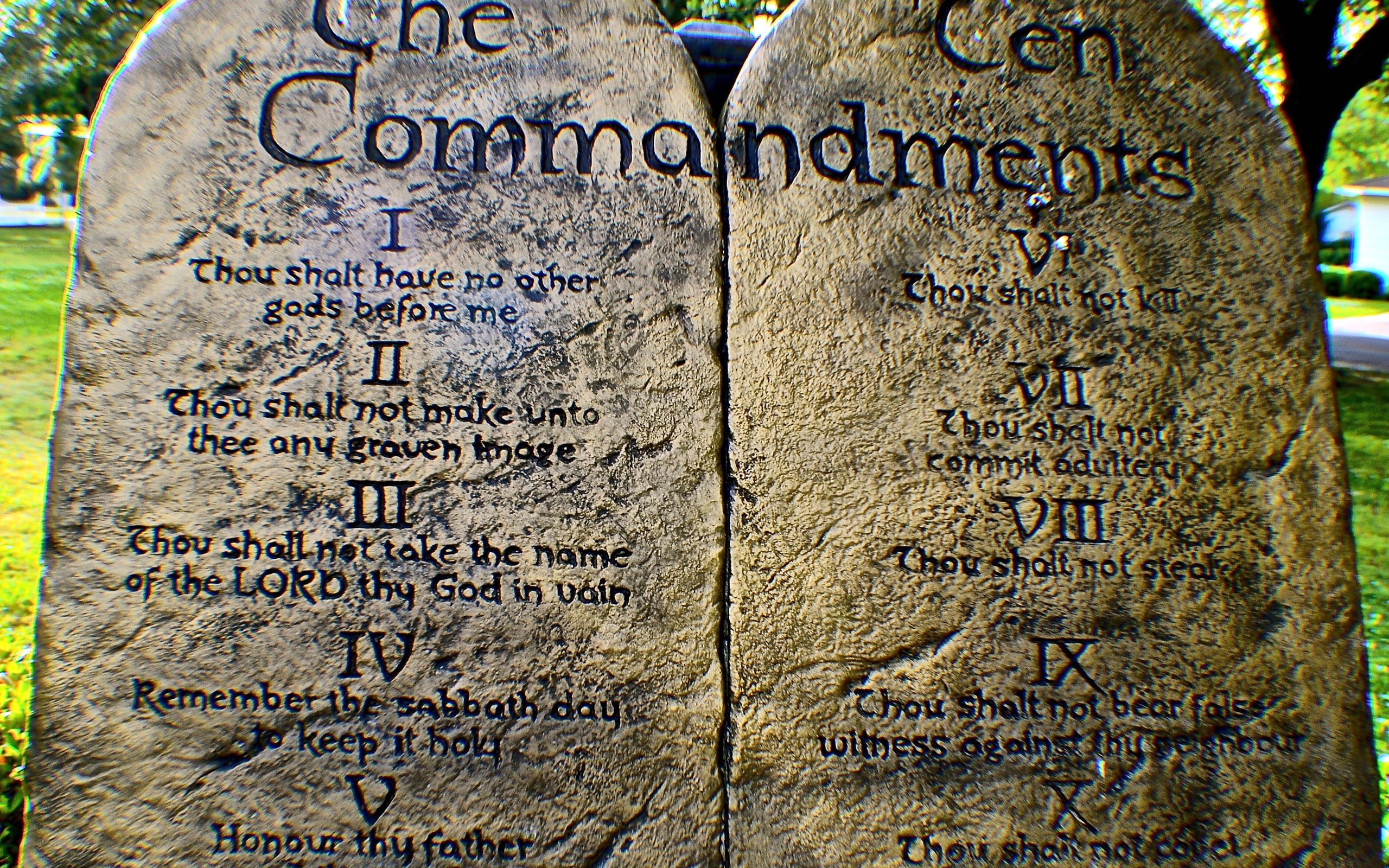
The news hit me like a cold splash. Louisiana, a state I’d always associated with vibrant Mardi Gras celebrations and rich musical heritage, was mandating the Ten Commandments to be displayed in public schools. My initial reaction was one of disappointment, tinged with a touch of confusion. Here I was, reading about a state in a developed nation taking steps what one would expect from underdeveloped countries.
I was born and raised in Turkey. Back when Erdogan rose to power in Turkey, in a state with a constitution that says Turkey is a secular republic, more than two deceased ago, anxieties flared about a potential shift towards an Iran-like theocracy. Ironically, despite Erdogan’s religious leanings, such a move – forcing religious texts into schools – feels unthinkable in modern Turkey. The backlash would be swift and fierce. University students, the very demographic Erdogan relies on, would be the first to erupt in protest. Secular Turks, who initially tolerated Erdogan, would likely abandon him. Interestingly, a significant portion of the protestors would likely be Muslims themselves, valuing their faith while fiercely guarding the secular foundation of the state.
So, how can Louisiana, in a nation built on the idea of separation between church and state, allow this to happen? Does this not erode the very principles of religious freedom by singling out a specific set of beliefs? And what about the political ramifications? Does the governor truly believe this will resonate with the electorate?
There are a few factors at play here, I suspect. Firstly, the United States has a complex relationship with religion. While the Constitution guarantees freedom of religion, it also enforces a separation between church and state. This creates a constant tension, with interpretations and legal battles often defining the boundaries.
Secondly, Louisiana, and the Southern region in general, has a strong Christian identity. This doesn’t equate to everyone endorsing the display of the Ten Commandments in schools, but it creates a receptive environment for such a proposal, at least amongst certain segments of the population.
Thirdly, the political landscape plays a role. The governor may be calculating that appealing to this religious base will secure votes. However, this is a gamble. Opponents of the mandate, both religious and secular, may mobilize against him. There’s also the potential for legal challenges, citing the Establishment Clause of the First Amendment, which prohibits the government from favoring one religion over another.
Ultimately, the true impact of this decision remains to be seen. Will it be a symbolic gesture with limited consequences, or will it open the door for further religious intrusion in public spaces?
The bigger question, however, lies with the Christian community itself. Don’t the people of Louisiana, steeped in their faith, understand the slippery slope this creates? Don’t they see how this undermines the very notion of religious freedom by turning a sacred text into a political tool?
The hope lies in a unified response. Christians who value secularism should join forces with those of other faiths, or no faith at all, to oppose this move. Louisiana deserves better. It deserves a school system that fosters critical thinking and inclusivity, not one that prescribes a specific set of beliefs.
Perhaps, by raising their voices, Louisianans can ensure that their classrooms remain bastions of knowledge, open to all, regardless of religious affiliation. The fight for secularism, it seems, is a constant battle, one that requires vigilance across cultures and continents.
In today’s polarized climate, it often seems that atheists and secular-minded individuals are more passionate about the integrity of Christianity than the very evangelists who claim to uphold it. This might sound paradoxical, but there’s a compelling argument to be made here. Those who push for a clear separation of church and state seem to have a deeper respect for the essence of Christianity than those who intertwine their political agendas with religious rhetoric. Let me explain why.
The Founding Fathers and Secular Principles
The founding fathers of the United States, despite many being personally religious, were firm advocates for the separation of church and state. This principle was rooted in their understanding of the dangers posed by theocracy and religious favoritism, which had plagued Europe for centuries. They envisioned a country where governance was based on secular principles, ensuring freedom of religion by preventing the government from endorsing or imposing any particular faith.
However, the concept of separation of church and state is often misunderstood. Many believe it simply means not passing laws that favor one religion over another. While this is true, it is only part of the equation. The more significant aspect is preventing religious influence from seeping into political governance, which can lead to manipulation and exploitation of religious sentiments for personal or political gain.
Modern Violations of the Separation Principle
A glaring example of this violation occurred on July 21, 2024, when Louisiana’s governor signed a bill into law requiring public schools to display the Ten Commandments. This action is a clear breach of the separation of church and state. It’s not just about promoting a religious text in a public institution; it’s about the intent behind such a move.
The governor likely knows that this law is unconstitutional, and everyone familiar with the principles of American governance knows it too. So, why push for such legislation? The answer lies in political manipulation. By aligning with religious symbols and sentiments, politicians can garner support from religious communities, presenting themselves as defenders of faith and morality. But do they genuinely care about the Ten Commandments, or is it merely a tool for political leverage? If they really care, why offer Christianity as a tool to non-believer politicians to further their careers?
The Secularist Perspective
Christian secularists often find themselves at the forefront of defending the separation of church and state. To them, it’s not about opposing religion but preserving the sanctity of governance and religion. When politicians use Christianity as a tool for political gain, it not only undermines democratic principles but also taints the purity of the religion.
Consider the implications: if Christianity is wielded as a political tool, it becomes subject to the whims and manipulations of those in power, which not only dilutes its spiritual significance but also opens it up to exploitation. Atheists, in their push for secularism, inadvertently protect Christianity from being used and abused in the political arena. They recognize that true faith should be personal and voluntary, not coerced or incentivized by political maneuvering.
The Hypocrisy of Religious Politicians
Many politicians who champion religious causes and blur the lines between church and state often do not adhere to the tenets they promote. If they truly believed in the teachings of Christianity, they would avoid using it for personal gain and would respect the principle of keeping religion out of politics. The fact that they don’t suggest a lack of genuine commitment to the faith they claim to uphold.
For instance, if a politician truly cared about the Ten Commandments, they would understand the importance of the commandment against bearing false witness. Yet, political campaigns are rife with misinformation and deceit. The selective application of religious principles reveals a deeper hypocrisy: religion is valuable to them only as long as it serves their interests.
A Call for Integrity
The irony is that atheists and secularists, who often face criticism from religious communities, may care more about the integrity of Christianity than those who claim to be its defenders. They push for a society where religion is a matter of personal conviction, not public policy. In doing so, they aim to protect the essence of faith from becoming a pawn in political games.
If Christianity is true, as many believe, then the greatest disservice is to offer Jesus on a golden plate for politicians to use as a tool for personal gain, which not only disrespects the faith but also risks divine judgment. People who facilitate politicians to manipulate religious sentiments may find themselves on the wrong side of the very God they claim to serve.
The Takeaway
The separation of church and state is not just a constitutional mandate but a safeguard for governance and religion. Atheists and secular-minded individuals, in their advocacy for this principle, knowingly or unknowingly, show a deep respect for the purity of faith. They recognize the dangers of intertwining religion with politics and strive to protect both from mutual corruption.
In the end, those who truly care about Christianity should be wary of its exploitation in the political realm. They should advocate for a clear boundary between faith and governance, ensuring that religion remains a personal, sacred matter, free from the taint of political ambition. It is only then that the true spirit of Christianity—and indeed any faith—can flourish for those who want to believe.
When I boarded the plane to return to Turkey after nearly two decades abroad, I braced myself for what I imagined would be a dramatically transformed nation. The Turkey I left behind in the early 2000s was a secular republic with a strong Kemalist tradition, but the intervening years had seen the rise and entrenchment of Recep Tayyip Erdogan’s Justice and Development Party (AKP). As an expat watching from afar, I had absorbed the narrative of Turkey’s increasing Islamization, expecting to find a country where secular traditions had been eroded and religious conservatism reigned supreme.
What I discovered upon my return was far more nuanced and, in many ways, surprisingly reassuring. Yes, Turkey has changed under Erdogan’s long rule, but not always in the ways I had anticipated. The reality I encountered challenged my preconceptions and offered a fascinating contrast to the religious and political dynamics I had observed in my years living in the United States.
Social Progress Amidst Religious Influence
One of the first things I noticed was a positive change in social attitudes. The discrimination against women wearing headscarves, once a contentious issue in Turkey’s public sphere, had largely disappeared. This shift represented progress towards individual freedom of expression, rather than the wholesale Islamization I had feared. It was a reminder that secularism, at its best, should protect religious expression as much as it guards against religious imposition.
Of course, the influence of religion in Turkish society and politics has indeed grown in certain areas. There’s no denying the government’s favoritism toward religious organizations or the proliferation of religious programming on television. However, what struck me most was not these changes, but the resilience of Turkey’s secular traditions in the face of them.
The Surprising Strength of Turkish Secularism
The opposition in Turkey vigorously defends secularism, keeping it at the forefront of political discourse. This stands in stark contrast to the United States, where I was surprised to find that religion plays a much more central role in politics than in contemporary Turkey. While living in America, I had become accustomed to political debates that often revolved around religious values and identity. In Turkey, unless Erdogan makes a particularly controversial statement, religion rarely takes center stage in political discussions.
This observation led me to a startling realization: in many respects, the United States appears less secular than Turkey. Take, for example, the issues of prostitution and abortion. Both remain legal in Turkey and, more importantly, they’re not constant topics of heated debate as they are in the US. The relative absence of these discussions from Turkish political discourse speaks volumes about the country’s secular foundations.
Turkish Islamists and American Evangelicals
The parallels between Turkish Islamists and American Evangelicals are striking and deserve exploration. Both groups wield significant influence in their respective countries’ politics and social spheres. Interestingly, many Turkish Islamists even use translated books from American Evangelical authors to teach their children. However, there’s a crucial difference that sets them apart: the Turkish attitude towards science.
Science and Religion: An Unexpected Harmony
In Turkey, there’s a high regard for science and scientists that spans across ideological lines, including among Islamists. This respect for scientific achievement was evident in the pride many Turks, including conservative Muslims, took in the BioNTech-Pfizer COVID-19 vaccine. The fact that one of the lead scientists behind its development was a Turkish-German was a source of national pride that transcended religious boundaries.
This scientific reverence does have its limits, particularly when it comes to evolutionary biology. While Turkish universities still teach evolution, it has been removed from high school curricula. However, even here, the approach of Turkish Islamists differs significantly from that of many American creationists. Turkish conservatives generally accept the scientific consensus on the age of the Earth (4.5 billion years) and interpret the Quranic creation story as occurring over six eras rather than literal days. There’s a noticeable absence of young-Earth creationism or debates about the literal truth of religious myths like Noah’s flood.
The Spectrum of Turkish Secularism
This willingness to reconcile religious belief with scientific understanding reflects a more flexible approach to faith that I found refreshing. It’s an attitude that seems to echo the words of Mustafa Kemal Atatürk, the founder of modern Turkey, who said: “In human life, you will find players of religion until the knowledge and proficiency in religion will be cleansed from all superstitions, and will be purified and perfected by the enlightenment of real science.”
So what does all this mean for Turkey’s place on the spectrum of secularism? It’s a complex question without a simple answer. Turkey today is home to a diverse range of ideological positions: conservative secularists, liberal secularists, nationalist secularists, and even what might be called “secularist Islamists” – those who maintain strong religious beliefs but support the separation of religion and state.
Rethinking Secularism: Turkey and the US
Is Turkey very secular by global standards? Perhaps not. The influence of religion on politics and society is undeniably stronger than in many Western European nations. However, the current situation in the United States – with its intense religious rhetoric in politics, debates over teaching evolution, and challenges to abortion rights – makes Turkey appear remarkably secular by comparison.
This unexpected contrast has led me to reflect on the nature of secularism itself. Often, we think of secularism as a linear progression: societies move from religious to secular as they modernize. But Turkey’s example suggests a more complex reality. Here is a country that has experienced a religious revival in its politics yet maintains a strong secular tradition. It’s a place where scientific achievement is celebrated alongside religious belief, and where the debate between secularism and religion remains vigorous but doesn’t dominate every aspect of political life.
Lessons Learned: The Danger of Oversimplification
My experience returning to Turkey has taught me the danger of oversimplification when it comes to understanding the relationship between religion and politics in any society. The narrative of Turkey’s Islamization under Erdogan, while not entirely unfounded, fails to capture the nuanced reality on the ground. It overlooks the resilience of secular institutions and traditions, the complex attitudes of Turkish Muslims towards science and modernity, and the ongoing negotiation between religious and secular forces in Turkish society.
Moreover, my time in Turkey has prompted me to reconsider my perceptions of secularism in the United States. I’ve come to realize that the absence of an official state religion doesn’t necessarily equate to a truly secular political culture. The prominence of religious rhetoric and religiously motivated policies in American politics stands in stark contrast to the more subdued role of religion in Turkish political discourse, despite Turkey’s official embrace of Islam.
The Takeaway
This comparative perspective offers valuable insights into the diverse ways societies can negotiate the relationship between religion and the state. It challenges us to move beyond simplistic categorizations of “secular” and “religious” nations and to consider instead the specific historical, cultural, and political factors that shape each country’s approach to these issues.
As I continue to readjust to life in Turkey, I find myself constantly reassessing my assumptions and expectations. The country I’ve returned to is neither the secular bastion I left two decades ago nor the Islamist state I feared I might find. Instead, it’s a dynamic and complex society grappling with questions of identity, modernity, and the proper role of religion in public life.
In many ways, Turkey serves as a fascinating case study in the ongoing global conversation about secularism, democracy, and religious freedom. Its experience demonstrates that these concepts are not fixed or universal but are constantly being redefined and renegotiated within specific cultural contexts.
As we look to the future, both Turkey and the United States face challenges in balancing religious freedom with secular governance. By comparing and contrasting their experiences, we can gain valuable insights into the complexities of this balancing act and perhaps find new ways to foster societies that respect both religious belief and secular principles.
In the end, my return to Turkey has been a journey of discovery, challenging my preconceptions and offering new perspectives on the interplay of religion, politics, and society. It’s a reminder that the world is often more complex and surprising than we expect – and that there’s always value in reassessing our assumptions and looking at familiar issues from new angles.
In philosophy and public discourse, few statements have stirred as much controversy as the one attributed to Daniel Dennett, a prominent American philosopher known for his work on consciousness, free will, and the philosophy of mind. The quote in question goes, “There’s simply no polite way to tell people they’ve dedicated their lives to an illusion.” The sentiment Dennett expresses, according to a 2013 New York Times article, is problematic on multiple levels. Let’s delve into why this statement, regardless of its origin, is indefensible and how it undermines constructive dialogue, personal autonomy, and the very foundations of philosophical inquiry.
There’s simply no polite way to tell people they’ve dedicated their lives to an illusion.
The Arrogance of Certainty
Daniel Dennett’s statement is troubling because it presupposes that the speaker has an infallible grasp on what constitutes reality versus illusion. This is a grandiose claim, especially considering that even in the hard sciences, our understanding of reality is constantly evolving. In philosophy, the nature of reality has been debated for millennia, from Plato’s allegory of the cave to modern discussions of simulation theory. To claim certainty in such a context is not just arrogant; it’s antithetical to the spirit of philosophical inquiry.
Rudeness as a Philosophical Tool
Moreover, the quote implies that it’s acceptable, even necessary, to be impolite or rude when conveying this supposed truth, which makes the statement truly indefensible. Rudeness and disrespect are not philosophical tools; they’re barriers to understanding. When we demean or belittle someone’s beliefs, we don’t open their minds; we close them. People naturally become defensive when attacked, making them less likely to engage with new ideas. This is basic psychology, not philosophical rocket science.
The Myth of the Impolite Truth
The idea that there’s “no polite way” to convey a message is also logically flawed. Politeness is not about softening hard truths; it’s about respecting the humanity of the person you’re addressing. It’s about recognizing that even if you believe someone is wrong, they’re still thinking, feeling, and deserving of dignity. Philosophers like Immanuel Kant argued for treating people as ends in themselves, not merely as means. Even if you believe someone’s life is built on an illusion, treating them rudely reduces them to a target for your supposed wisdom, violating their autonomy and dignity.
The Perils of Intellectual Elitism:
Furthermore, the quote smacks of intellectual elitism. It suggests that the speaker has reached a level of enlightenment that gives them the right to judge others’ lives. This is not only arrogant but also contradicts the democratic ideal of philosophy. From the Socratic dialogues to modern-day discussion forums, philosophy thrives on the exchange of ideas among equals. When we elevate ourselves to judges of others’ lives, we stifle this exchange. We create an us-versus-them mentality where “we” have the truth, and “they” live in illusion. This is the language of dogma, not philosophy.
The Psychological Impact of Judgment
Let’s also consider the psychological impact of such a statement. Telling someone they’ve wasted their life or dedicated it to an illusion is not a trivial matter. It can lead to existential crises, depression, or a loss of purpose. Even if you believe you have the truth, is it ethical to potentially shatter someone’s psychological well-being? Philosophers like John Stuart Mill argued for the harm principle — that our actions are only justifiable if they prevent harm to others. Causing psychological harm to prove a philosophical point is, at best, ethically dubious.
The Subjectivity of Meaning
The quote also fails to consider the subjective nature of meaning and value. What one person considers an illusion might be the very thing that gives another’s life purpose. Consider religious believers. To an atheist, their beliefs might seem illusory. But for the believer, their faith might provide comfort, community, and a framework for ethical living. Who are we to say their lives are wasted? As existentialist philosophers like Jean-Paul Sartre argued, we create our own meaning. Imposing our definition of a “meaningful life” on others is a form of bad faith.
The Dynamic Nature of Lives
Moreover, the idea that we can definitively judge someone’s life as wasted or dedicated to an illusion is shortsighted. Lives are not static; they’re ongoing narratives. Someone you believe is living in illusion today might have an epiphany tomorrow. Or they might use their “illusory” beliefs to do tangible good in the world. History is replete with examples of people whose beliefs we might consider misguided but who nevertheless made positive contributions. To dismiss their lives as wasted is to ignore the complexity of human existence.
The Role of Doubt in Philosophy
The quote also ignores the role of doubt and uncertainty in philosophical growth. Socrates, often considered the father of Western philosophy, famously claimed that the only thing he knew was that he knew nothing. This humble acknowledgment of our limitations is a cornerstone of philosophical inquiry. When we become so certain of our views that we feel justified in rudely imposing them on others, we’ve lost this humility. We’ve closed ourselves off to the possibility that we might be wrong, that there might be value in perspectives we currently dismiss as illusions.
The Misuse of the Quote
Another problematic aspect of the quote is its potential for misuse. As you rightly point out, it wouldn’t seem out of place coming from a religious fundamentalist. Imagine a zealot using this logic to justify rudeness towards non-believers. “There’s no polite way to tell atheists they’re going to hell,” they might say. This reveals the danger of the quote’s logic. It can be used to justify rudeness and intolerance from any ideological standpoint, not just a secular or philosophical one. In endorsing such a statement, we provide ammunition to dogmatists of all stripes.
The Power of Kindness in Persuasion
The quote also fails to account for the persuasive power of kindness and respect. History shows that minds are changed more often by compassion than by confrontation. Consider figures like Martin Luther King Jr. or Mahatma Gandhi. Their success lay not in rudely dismissing their opponents’ views but in appealing to shared values with dignity and respect. In philosophy, too, the most influential thinkers are often those who engage opposing views with rigor and respect, not those who dismiss them as illusions.
The Fallacy of Binary Thinking
Moreover, the quote assumes a binary: either you agree with me, or you’re living in illusion. This black-and-white thinking is the antithesis of nuanced philosophical discourse. Reality is complex, and so are people’s relationships with it. Someone might hold some beliefs we consider illusory while having profound insights in other areas. By labeling their entire life an illusion, we miss the opportunity to learn from those insights. We engage in the fallacy of ad hominem, attacking the person rather than engaging with their ideas.
The Social Context of Beliefs
The quote also overlooks the social context of beliefs. Our views are shaped by our upbringing, culture, and experiences. Someone born into a deeply religious community, for example, might find it harder to question those beliefs. Telling them rudely that their life is an illusion ignores these social factors. It places all the blame on the individual, neglecting the role of societal influences. This goes against the insights of philosophers like Michel Foucault, who highlighted how power structures shape our understanding of truth.
The Pragmatic Implications
Lastly, let’s consider the pragmatic implications of this quote. If we accept its logic, we’re endorsing a world where civil discourse is replaced by self-righteous pronouncements. Where instead of engaging in dialogue, we simply declare others deluded. This doesn’t lead to understanding or progress; it leads to polarization and conflict. In an era already rife with division, do we really want to provide philosophical justification for more hostility?
In a Nutshell
The quote, “There’s simply no polite way to tell people they’ve dedicated their lives to an illusion,” is indefensible. It conflates rudeness with truth-telling, ignores the complexity of human lives, and undermines the very spirit of philosophical inquiry. It promotes a dogmatic, elitist approach to ideas that stifles dialogue and understanding.
Philosophy, at its best, is a tool for understanding, not a weapon for belittling others. It’s about questioning our assumptions, respecting different perspectives, and acknowledging our own fallibility. It’s about engaging in respectful dialogue, even — especially — with those we disagree with. The path to wisdom isn’t paved with rude dismissals of others’ lives. It’s paved with humility, empathy, and a recognition that in the grand tapestry of human experience, we’re all grappling with our own versions of truth and illusion. Let’s walk this path together, with politeness, respect, and an open mind. That’s not just good philosophy; it’s good humanity.
Afterword
This article critically examines Daniel Dennett’s quote, “There’s simply no polite way to tell people they’ve dedicated their lives to an illusion,” primarily focusing on the quote itself rather than its context within his 2013 interview or his other works. This approach is chosen because the sentence is frequently quoted in isolation, necessitating an analysis of its standalone significance.
Daniel Dennett’s Philosophy
Daniel Dennett is a prominent American philosopher, cognitive scientist, and author, renowned for his contributions to the philosophy of mind, science, and biology. His work often intersects with the fields of cognitive science and evolutionary biology, providing a comprehensive view of consciousness, free will, and the nature of human existence. This essay delves into Dennett’s key philosophical ideas, emphasizing his theories on consciousness, free will, and evolution.
The Nature of Consciousness
Daniel Dennett’s exploration of consciousness is perhaps his most well-known contribution to philosophy. He challenges traditional views, arguing that consciousness is not a single, unified phenomenon but rather a collection of mental processes.
The Intentional Stance
Central to Dennett’s theory of consciousness is the concept of the “intentional stance.” This is the idea that to understand and predict the behavior of a system (whether a human, animal, or machine), one can ascribe beliefs, desires, and intentions to it. Dennett posits that this approach is a powerful tool for understanding complex systems, including the human mind.
Multiple Drafts Model
Dennett’s “Multiple Drafts” model further elaborates on his theory of consciousness. He suggests that there is no single, definitive “stream of consciousness” but rather multiple, parallel processes occurring in the brain. These processes are like drafts of a narrative, being continuously revised and edited, with no central “observer” overseeing them. This model challenges the Cartesian notion of a central theater of consciousness and supports a more decentralized view of mental processes.
Free Will and Determinism
Dennett’s views on free will are deeply intertwined with his understanding of consciousness. He aims to reconcile the concept of free will with a scientifically deterministic worldview.
Compatibilism
Dennett is a leading advocate of compatibilism, the belief that free will is compatible with determinism. He argues that free will should not be understood as the ability to have acted differently in an identical situation, but rather as the capacity to act according to one’s reasons and motives. This perspective maintains that human beings can be morally responsible for their actions even in a deterministic universe.
Evolutionary Perspective on Free Will
Dennett also incorporates evolutionary theory into his discussion of free will. He suggests that free will evolved as an advantageous trait, allowing organisms to make complex decisions and adapt to their environments more effectively. This evolutionary perspective helps to demystify free will, grounding it in natural processes rather than supernatural or metaphysical concepts.
Evolution and the Mind
Dennett’s work on evolution extends beyond free will to encompass the origins and development of the human mind.
Darwinian Thinking
A staunch proponent of Darwinian evolution, Dennett applies Darwin’s ideas to the evolution of the mind. He argues that mental phenomena, like physical traits, can be understood as products of evolutionary processes. This approach challenges the idea that human consciousness and cognition are fundamentally different from other natural phenomena.
Memetics
One of Dennett’s significant contributions to evolutionary theory is his work on memetics, the study of how ideas and cultural phenomena spread and evolve similarly to genes. Dennett posits that memes, like genes, undergo a process of natural selection, where the most successful ideas propagate and persist in the cultural landscape. This theory provides a framework for understanding how human culture and cognition have evolved over time.
Conclusion
Daniel Dennett’s philosophical work offers a comprehensive and scientifically informed perspective on consciousness, free will, and evolution. By challenging traditional notions and incorporating insights from cognitive science and evolutionary biology, Dennett provides a robust framework for understanding the complexities of the human mind and its place in the natural world. His ideas continue to provoke thought and inspire further exploration in both philosophy and science.
Carl Sagan’s famous dictum “extraordinary claims require extraordinary evidence,” often referred to as the “Sagan Standard,” has become a cornerstone principle in the realms of scientific skepticism and critical thinking. At first glance, it seems like an unassailable maxim. However, upon closer examination, this widely-cited phrase reveals some hidden complexities that are worth unpacking about the natural and supernatural.
Defining the “Extraordinary”
The crux of the issue lies in how we define what constitutes an “extraordinary” claim versus an ordinary one. Sagan seemed to be using the term as a stand-in for phenomena that appear to violate or defy our current established scientific principles and understanding of the natural world – claims that perhaps veer into realms that could be considered paranormal or even supernatural.
The Paradox of Proving the Supernatural
However, this is where a paradox emerges. If we accept the premise that something is truly supernatural or miraculous and thereby exists completely outside the known natural world, wouldn’t that by definition place it outside the scope and ability of scientific evidence and inquiry altogether? The scientific method is designed to probe and explain the natural, physical universe around us. But if a phenomenon operates by principles that transcend the conventional laws of nature, how could scientific evidence from within this world ever verify its existence?
Quantum Strangeness and the Malleable “Extraordinary”
To illustrate the blurring of this line, we can look to modern quantum mechanics. Theories like quantum entanglement or experiments like the double-slit paradox, where individual particles appear to defy our macroscopic sense of reality, undeniably reflect the bizarre, counterintuitive nature of the universe at its core. From our ordinary perspectives, these concepts appear almost paranormal. And yet, based on vast theoretical and empirical evidence, these outlandish quantum phenomena are simply how reality operates at its most fundamental levels.
The Extraordinary Becoming Ordinary
Wouldn’t something like quantum entanglement have been dismissed as extraordinary pseudoscience deserving of no consideration, if not for the overwhelming evidence from multiple lines of inquiry substantiating it? Here, the “extraordinary” is not relegated to the fringes but becomes a core part of our understanding of the natural world, simply because it aligns with our evolving scientific models.
Placebo Power and Alternative Healing
This conundrum reveals itself in other domains too. In medicine, we have the documented phenomenon of placebo effects catalyzing real symptom changes through mere belief. From a Western scientific mindset grounded in materialism, the idea that consciousness could overrule physiological dysfunction seems almost mystical. Apply this to claims of spontaneous remissions at places of pilgrimage or through alternative healing practices. Even with strong empirical evidence, the same people who half-heartedly demand evidence would still dismiss it as an “extraordinary” claim defying conventional medical science, unworthy of consideration unless meeting an arbitrarily elevated evidence bar.
The Fine-Tuned Universe and Arguments from Ignorance
Sagan’s example of the apparent fine-tuning of physical constants as potentially compelling evidence for an intelligent creative force also illustrates the difficulty of these delineations. Is the “fine-tuning” truly “extraordinary” enough to constitute proof of the supernatural? Or are we falling victim to the “God of the gaps” fallacy by attributing unexplained anomalies to divine forces?
Defending Against Cultural Biases
Perhaps the true wisdom is that Sagan’s dictum should be a starting point for more scientific rigor, not necessarily an absolute litmus test for determining the possible or impossible. We must be cautious about letting cultural biases cloud our judgment over what constitutes “extraordinary evidence.” Just because a phenomenon defies Western conventions doesn’t necessarily make it paranormal if substantiated.
Embracing Uncertainty at the Boundaries
Ultimately, science should acknowledge that our current working models, while stunningly effective, are incomplete representations of an underlying reality that may permanently elude human intellect. Strict delineations between ordinary and extraordinary may be more malleable than assumed. The cosmos has repeatedly subverted our intuitions about the “natural” and “possible.” Perhaps the greatest extraordinary evidence lies in retaining an open yet critical mind as we navigate the fertile terrain where our knowledge frameworks are tested.
Recommended Reading
Here are some online resources you can find that discuss the topic of the blurry line between natural and supernatural:
Science And Spiritual Practices by Rupert Sheldrake
This 2012 book by Rupert Sheldrake, a British biologist and parapsychologist, explores the relationship between science and spirituality. Sheldrake argues that science is too narrow in its focus and that there are many phenomena that cannot be explained by materialism. He discusses topics such as telepathy, near-death experiences, and the placebo effect.
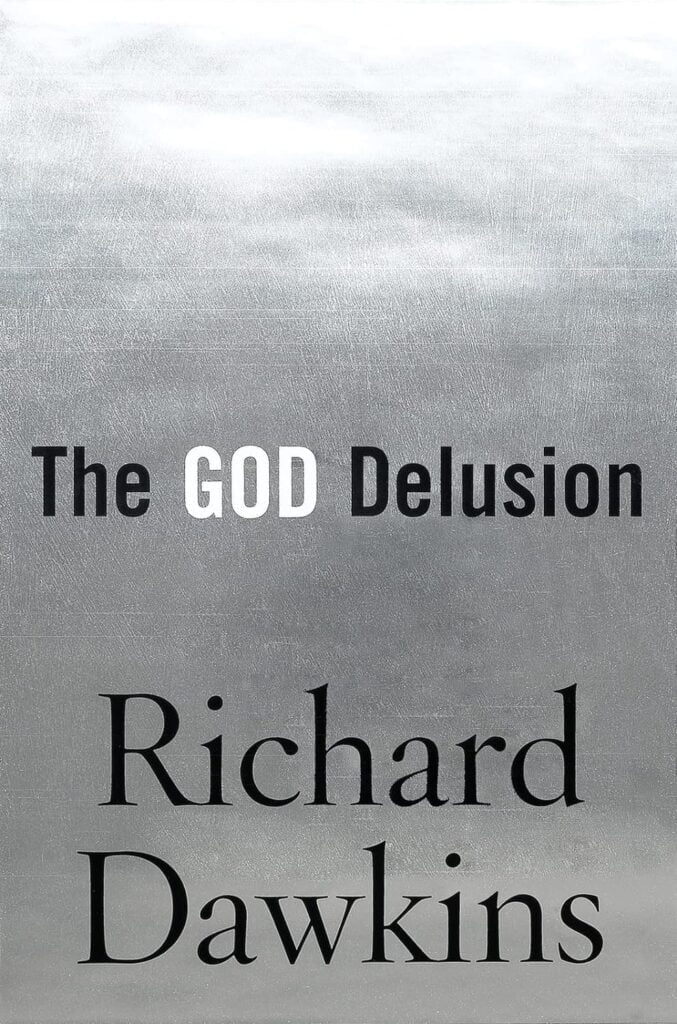
The God Delusion by Richard Dawkins
This 2006 book by Richard Dawkins, a British evolutionary biologist, is a critique of religion. Dawkins argues that God does not exist and that religion is a delusion. He discusses topics such as the argument from design, the problem of evil, and the nature of faith.
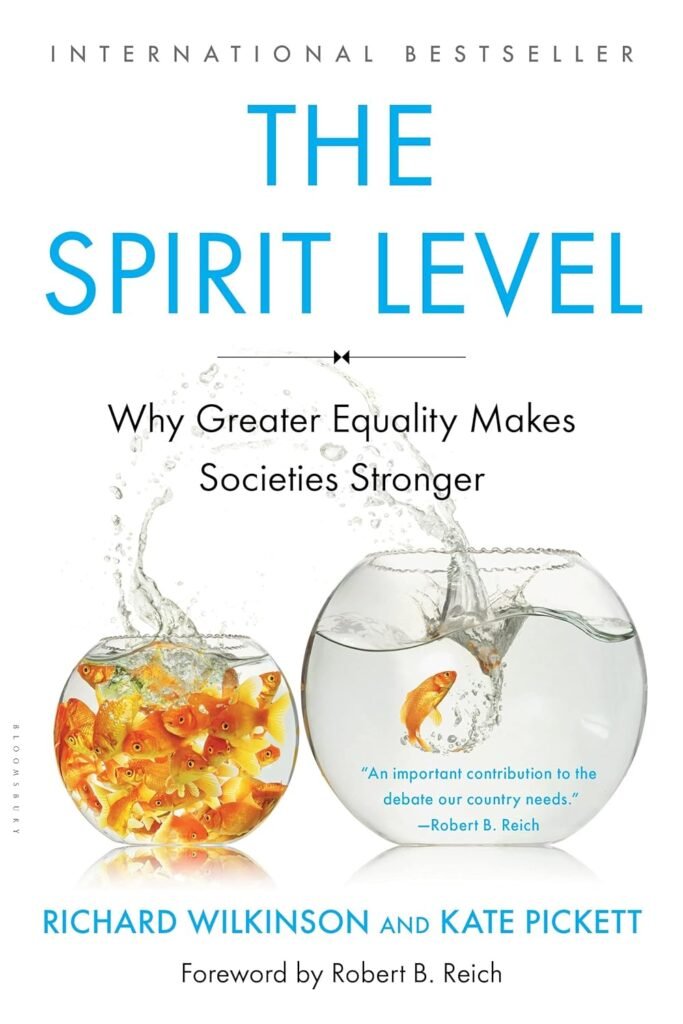
The Spirit Level by Richard Wilkinson and Kate Pickett
This 2009 book by Richard Wilkinson and Kate Pickett, examines the relationship between social inequality and a variety of social problems. The authors argue that more equal societies are better off in terms of a variety of social indicators, such as crime, health, and education.
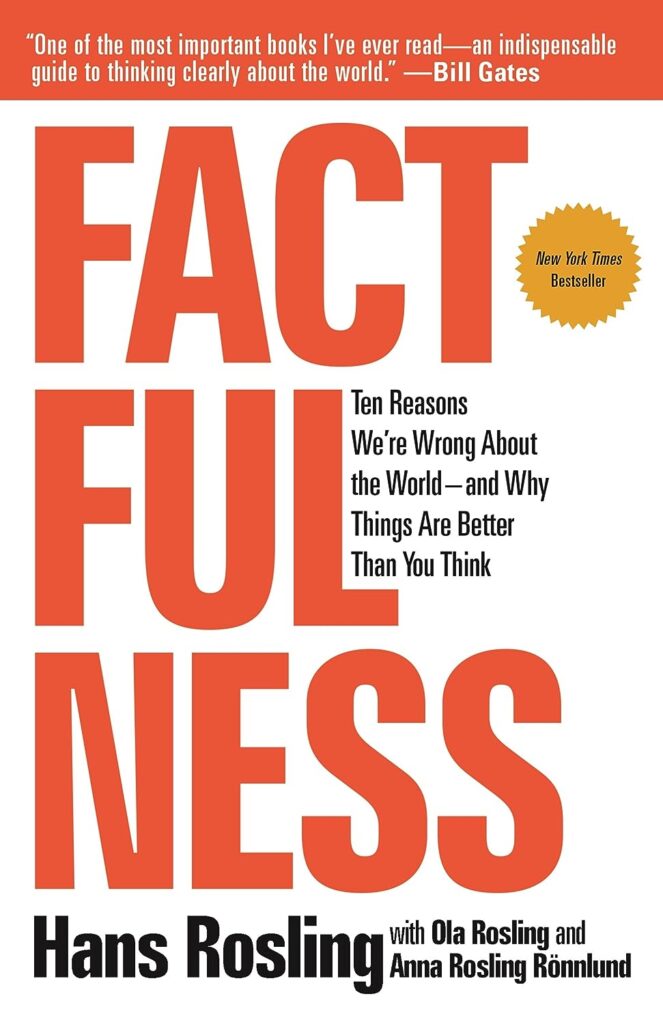
Factfulness: Ten Reasons We’re Wrong About the World – and Why Things Are Better Than You Think by Hans Rosling
This 2018 book by Hans Rosling, a Swedish physician and global health researcher, challenges our perception of the world. Rosling argues that the world is actually getting better in many ways, and that we are often too pessimistic in our outlook.
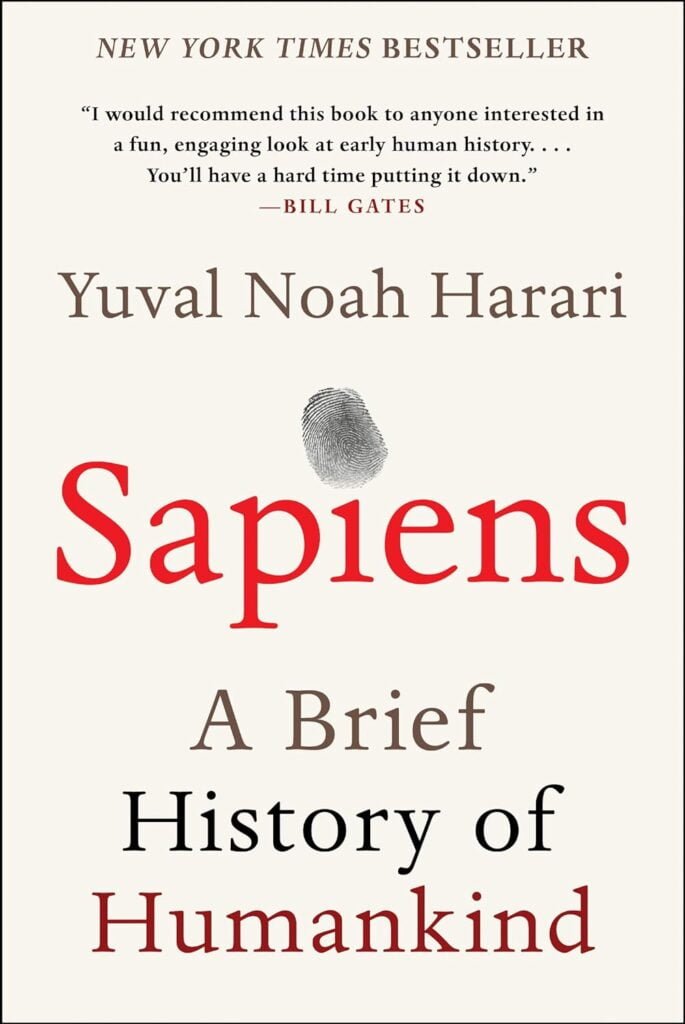
Sapiens: A Brief History of Humankind by Yuval Noah Harari
This 2014 book by Yuval Noah Harari, a Israeli historian, examines the history of humankind from our evolutionary origins to the present day. Harari explores topics such as the development of language, agriculture, and religion.
Some suggest removing religious phrases from the English language to accommodate secular speakers or those who do not believe in God. I am afraid I have to disagree with this approach. The beauty of the English language lies in its diversity, a blend of various cultures and historical periods that have contributed to its rich lexicon. This linguistic tapestry is adorned with many evolved words and expressions, reflecting the dynamic nature of communication.
Examples of said phrases include “to pass away,” “to rest in peace,” “heaven,” “hell,” “godsend,” “blessing,” and “for heaven’s sake.” Although rooted in religious origins, these phrases have transcended their boundaries to become an integral part of the cultural fabric of English-speaking societies. They evoke a sense of solemnity, reverence, and shared cultural understanding. Their usage is a testament to the enduring legacy of language in shaping our worldviews and means of expression.
Historical Context and Religious Origins
Expressions used to describe death, the afterlife, divine providence, and other spiritual concepts have a deep history and cultural significance intertwined with religion. Phrases like “rest in peace” emerged from liturgical practices and beliefs about the soul’s journey after death. “Heaven” and “hell” directly reference religious cosmologies and realms of the sacred and profane. “Blessings” and “godsends” hearken back to petitions for divine favor and grace.
These phrases formed an essential part of the ritual language to provide comfort, make sense of the human condition, and unite communities around shared beliefs. This language was not merely descriptive, but served a greater purpose – it was a potent tool that helped individuals navigate the intricate and often overwhelming emotions, mysteries, and hardships of the human experience.
Transition to Secular Use
Over centuries of use and linguistic evolution, phrases once confined to religious contexts took on new shades of meaning in secular vernacular. “Rest in peace” is now a common inscription on headstones and an expression of solemnity, regardless of one’s spiritual beliefs about an afterlife. “Heaven” and “hell” describe metaphorical states of bliss or torment. Even non-religious people use “blessings” to mean good fortunes and “godsends” for timely aid.
This evolution of language reflects a broader societal shift where certain terms are no longer strictly limited to individual belief systems but become part of a shared cultural heritage. As a result, these phrases have become a universal way to express empathy, consolation, awe, and other profound sentiments toward the human condition.
The Role of Language in Cultural Evolution
The dynamic nature of language is exemplified by its continuous evolution, which reflects societies’ cultural changes and adaptability. As the fabric of societies transforms through technological progress, migrations, spiritual awakenings, and more, so too do the meanings and uses of words and phrases within them.
Simple expressions like “To pass away” and “To rest in peace” have transcended their basic religious definitions. They have become cultural markers that signify bridging personal beliefs and collective shared experiences through language. Families saying “rest in peace” at a loved one’s graveside create a communal moment of remembrance regardless of whether they follow that phrase’s scriptural origins about the afterlife.
The fluidity of language allows it to absorb and reflect the changing cultural landscape, highlighting its significance as a living, breathing entity that remains an integral part of human existence, identity, and means of expression.
Current Usage and Cultural Significance
In present times, former religious phrases are commonly used regardless of a person’s spiritual convictions or lack thereof. They have now become an integral part of our collective consciousness as signs of respect for universal human experiences like death, good fortune, moral codes, and more.
This transformation in language usage depicts its capability to go beyond its original dogmatic roots and bring together people from all walks of life through shared cultural vocabulary. An atheist author can write about experiencing “hell” on earth without affirming beliefs about a literal fiery realm of the damned. A secular couple can “thank their lucky stars” on their wedding day as an idiom for feelings of joy without pagan connotations.
The Importance of Preserving Linguistic Heritage
To remove such phrases from the English language would be a disservice to its rich heritage and the diverse cultural tapestry that has shaped it over centuries. Language is not merely a tool for communication but a reflection of the human experience, our histories, arts, and our collective journey as a species. By erasing these phrases, we risk losing a crucial part of our linguistic identity and connection to the past that has helped mold the present.
Furthermore, the removal of these phrases could contribute to the erosion of cultural understanding, empathy, and artistic expression. These linguistic fossils of ancestral worldviews have become a shared language that transcends individual modern beliefs. They allow a diverse populace to express sentiments surrounding profound aspects of existence like mortality, fortune, morality, and more without compromising personal philosophies.
These phrases are part of our linguistic genomic makeup – losing them would strip away context for understanding the development of human culture and thought that led to our present vantage point. Like archaeological relics, they are also useful study pieces for insights into the traditions, beliefs, and mindsets of those who coined them centuries ago, providing knowledge about how our ancestors perceived and grappled with the great mysteries of life.
Rather than purge this ancient but still relevant vocabulary, a living linguistic museum, we should embrace and underscore their cross-cultural resonance as part of global human poetry.