Tag: Society

  • Faith is Personal, Not Public Property

    Faith is Personal, Not Public Property

    In our world, buzzing with a multitude of beliefs and ideologies, faith often ignites passionate debates and sharp divides. Yet, at its heart, faith is a deeply personal and intrinsic part of one’s life, going beyond the limits of public discourse. It’s a journey of self-discovery, a private quest to answer spiritual and existential questions and a testament to the inviolable freedom of thought and belief. Keeping faith personal is more than just good manners; it’s an acknowledgment of its profound and intimate nature.

    The Sanctity of Personal Belief

    Faith is a deeply personal and sacred part of one’s identity and often culture, intricately woven into who they are. It serves as a wellspring of meaning, purpose, and comfort, guiding us through life’s complexities and shaping our worldview. Reducing faith to mere casual conversation or subjecting it to public scrutiny strips it of its sanctity and diminishes its profound impact on the human experience.

    Moreover, faith is intensely subjective and multifaceted, with countless interpretations and expressions. It is a nuanced and ever-evolving journey, shaped by personal experiences, cultural influences, and individual beliefs. Attempting to dissect or analyze someone’s faith from an external perspective often leads to misunderstandings, oversimplifications, and unintentional offense.

    Respecting Personal Boundaries

    Imagine faith as a cherished family heirloom — something deeply personal and irreplaceable. Keeping it personal doesn’t mean locking it away in a vault. It’s about respecting its value and recognizing its inherent privacy. Just like you wouldn’t barge into someone’s most intimate moments, extend that same courtesy to their faith.

    By respecting the personal space around faith, we build a bridge of understanding. People feel comfortable exploring and nurturing their beliefs without the fear of judgmental eyes or unwanted advice. This creates a welcoming environment, a mosaic of diverse beliefs thriving side-by-side in harmony. It’s tolerance in action, paving the way for a more inclusive society.
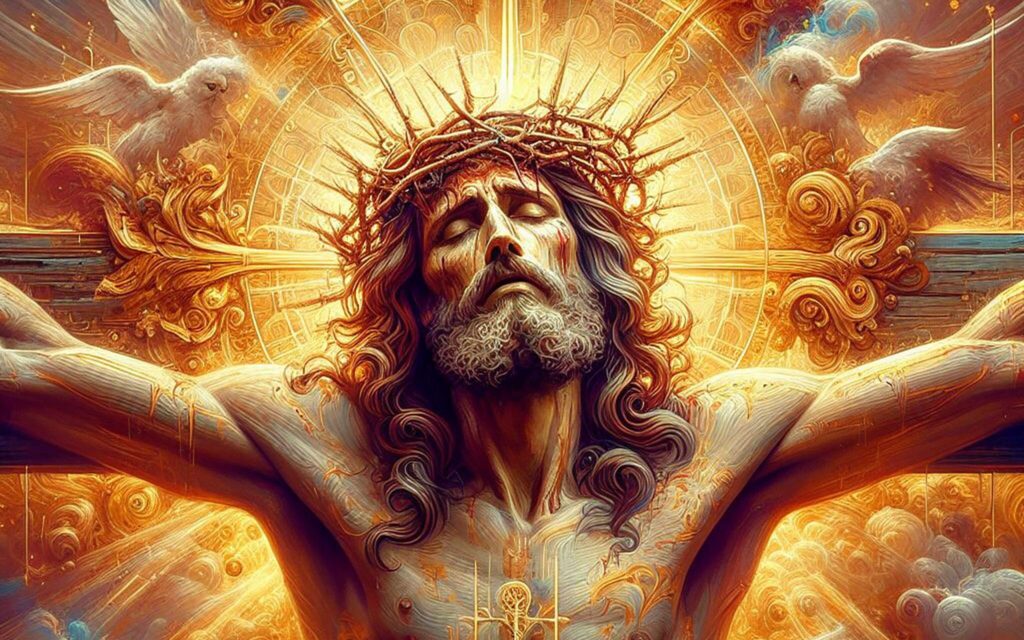
    Avoiding Assumptions and Stereotypes

    Publicly dissecting or debating someone’s faith can unintentionally lead to assumptions, stereotypes, and generalizations. Faith is a deeply nuanced and multifaceted concept, rich with countless interpretations and expressions. Trying to understand or analyze another’s faith from an outside perspective often results in oversimplifications, misunderstandings, and even unintentional offense.

    By keeping faith personal, we avoid the pitfalls of making sweeping assumptions or perpetuating harmful stereotypes. We recognize that each individual’s faith journey is unique, shaped by personal experiences, cultural influences, and individual interpretations. This understanding fosters empathy, compassion, and a willingness to embrace the complexities and nuances of belief systems, rather than reducing them to narrow and potentially damaging generalizations.

    Fostering Meaningful Connections

    While faith may be personal, it does not necessarily preclude meaningful connections and shared experiences. By respecting the personal nature of faith, we create an environment where individuals feel safe to share their beliefs and spiritual journeys on their own terms, fostering deeper connections and understanding.

    When faith is shared voluntarily and with mutual respect, it can serve as a powerful catalyst for meaningful dialogue, personal growth, and the exploration of shared values and experiences. However, this sharing should be a organic and consensual process, free from coercion or pressure, allowing individuals to connect on a deeper level and gain insight into the rich tapestry of human spirituality.

    In a Nutshell

    In a world where everyone’s always debating and discussing things, it’s essential to remember that faith is really personal. It’s a deeply intimate part of someone’s life and it deserves respect and privacy. By keeping faith personal, we show that we respect individual beliefs, and it helps us understand and tolerate each other better. It also lets us form real connections and share experiences in a natural way.

    At the end of the day, faith is a journey of self-discovery and a way to show that everyone has the right to their own thoughts and beliefs. Letting people take this journey in their own time and on their own terms doesn’t just respect personal beliefs, it also makes for a kinder, more inclusive, and more peaceful society


    Further Reading: The Evolution of Faith

    The Roots of Faith in Ancient Societies Faith and religious belief systems have been a fundamental part of human civilization since the dawn of humanity. The earliest evidence of religious practices dates back tens of thousands of years, with ancient burial sites and cave paintings suggesting a belief in an afterlife and spiritual realms. As societies developed and grew more complex, so too did their belief systems, often centered around the natural world and the cycles of life, death, and rebirth.

    The Rise of Organized Religions

    As civilizations advanced and writing systems emerged, organized religions began to take shape. The ancient Egyptians, Mesopotamians, Greeks, and Romans all developed intricate belief systems with pantheons of gods, creation myths, and complex rituals. These religions were deeply intertwined with the social, political, and cultural fabric of their societies, influencing everything from architecture to laws and customs.

    The Abrahamic Faiths: Judaism, Christianity, and Islam

    The birth of the Abrahamic religions – Judaism, Christianity, and Islam – marked a significant turning point in the history of faith. These monotheistic religions emerged from the Middle East and spread across vast regions, shaping the course of human history and influencing countless cultures.

    Judaism, one of the oldest monotheistic faiths, traces its roots back to the covenant between God and Abraham, as described in the Hebrew Bible. Christianity, which grew out of Judaism, centered around the life and teachings of Jesus Christ and the belief in his divinity and resurrection. Islam, the youngest of the Abrahamic faiths, was founded in the 7th century CE by the Prophet Muhammad and is based on the teachings of the Quran.

    The Spread and Impact of World Religions

    As trade routes and empires expanded, world religions like Buddhism, Hinduism, Taoism, and Confucianism also spread across continents, shaping cultures and societies along the way.

    Buddhism, originating in ancient India, emphasized the path to enlightenment and the cessation of suffering through practices like meditation and non-violence. Hinduism, another ancient Indian faith, encompassed a rich tapestry of beliefs, deities, and philosophical concepts.

    In East Asia, Taoism and Confucianism emerged as influential belief systems, shaping the worldviews and social structures of societies in China and beyond.

    The Role of Faith in Society and Culture

    Throughout history, faith has played a central role in shaping societies, cultures, and worldviews. Religions have influenced everything from art and architecture to laws and social norms, often serving as the foundation for moral and ethical codes.

    Faith has also been a source of conflict, with religious differences and power struggles leading to wars, persecution, and oppression. However, it has also been a driving force for social justice, inspiring movements for equality, human rights, and peaceful coexistence.

    The Modern Landscape of Faith

    In the modern era, faith continues to evolve and adapt to changing social and cultural landscapes. While some traditional religions maintain their influence, new religious movements and spiritual practices have also emerged, reflecting the diversity of human experiences and beliefs.

    The rise of secular philosophies and the separation of church and state in many nations have also reshaped the role of faith in public life, challenging the traditional authority of religious institutions and sparking debates around the boundaries between faith and governance.

    Conclusion: The Enduring Significance of Faith

    Despite the challenges and changes brought about by modernity, faith remains a fundamental aspect of human experience for billions worldwide. Its history is a testament to the enduring human quest for meaning, purpose, and connection to something greater than oneself. As societies continue to evolve, the role and expression of faith will undoubtedly continue to adapt, reflecting the ever-changing tapestry of human civilization.


  • What Is It To Be an Ape?

    What Is It To Be an Ape?


    For centuries, the human-ape evolutionary connection has been a topic of intense debate within the scientific community. While it is widely acknowledged that humans belong to the primate order, the question of whether we should be classified as members of the ape family has sparked intellectual discourse and rigorous examination. This evolutionary link between humans and apes is supported by a wealth of anatomical, genetic, and behavioral evidence that warrants a thorough exploration.

    Through the lens of anatomical similarities, the striking resemblances between humans and other great apes, such as chimpanzees, gorillas, and orangutans, are undeniable. From the structure of our skeletal system and muscular arrangement to the presence of vestigial traits like tailbones and wisdom teeth, the anatomical parallels paint a compelling picture of our shared evolutionary heritage.

    Furthermore, the advancement of genetic studies has unveiled the profound genetic kinship between humans and apes. With an overwhelming similarity in our genetic makeup, the evidence suggests that we share a common ancestor with our ape counterparts, solidifying the Human-ape evolutionary connection as a scientifically grounded concept.

    Behavioral observations also lend credence to this connection. The intricate social structures, tool-making abilities, and displays of emotions exhibited by apes bear striking resemblances to human behaviors, hinting at our shared evolutionary roots and cognitive capabilities.

    Join us as we delve into the multifaceted aspects of the our evolutionary connection to apes, a perspective that challenges preconceived notions and invites us to embrace our place within the grand tapestry of primate evolution.

    Anatomical Evidence

    Underscoring our evolutionary connection to apes, the anatomical similarities between humans and other apes are striking and impossible to ignore. Like our closest genetic relatives, chimpanzees and gorillas, we possess a suite of physical characteristics that firmly place humans within the ape family. One of the most conspicuous traits exemplifying this connection is the absence of a tail, a defining characteristic of apes that sets them apart from monkeys.

    Moreover, the human-ape evolutionary connection is further reinforced by the shared presence of opposable thumbs and the ability to grasp objects with precision among humans and other apes. This adaptation has been instrumental in the development of our advanced tool-making capabilities, a hallmark of human culture and ingenuity that finds its roots in our ape ancestry.

    Genetic Evidence

    Reinforcing the human-ape evolutionary connection, the field of molecular biology has provided compelling evidence of our close genetic kinship with other apes. Through the analysis of DNA sequences, scientists have established that humans share a remarkable 98.8% of their genetic makeup with chimpanzees, our closest living relatives. This staggering genetic similarity underscores the evolutionary ties that bind us to the ape lineage and solidifies the human-ape evolutionary connection.

    Furthermore, studies of genetic markers and genomic architecture have revealed that humans and other apes share a common ancestor that lived approximately 6 million years ago. This shared ancestry, coupled with the high degree of genetic similarity, provides a strong foundation for classifying humans as an ape species within the context of the human-ape evolutionary connection.

    The genetic evidence, from our near-identical DNA sequences to our shared ancestral roots, paints an unequivocal picture of the evolutionary bond between humans and apes, cementing the human-ape evolutionary connection as a scientifically validated reality.CopyRetry

    Behavioral and Cognitive Evidence

    Extending beyond the realms of anatomy and genetics, the human-ape evolutionary connection is further reinforced by the range of behaviors and cognitive capacities that humans exhibit, which are quintessentially ape-like. Like our ape cousins, we live in complex social groups, engage in intricate communication through language and gestures, and exhibit advanced problem-solving abilities – traits that are hallmarks of our shared evolutionary heritage.

    Moreover, the human-ape evolutionary connection is underscored by the capacity for empathy, self-awareness, and emotional intelligence that humans possess – traits that were once thought to be unique to our species but have since been observed in varying degrees among other apes. These cognitive and behavioral parallels further reinforce the notion that humans are indeed part of the ape family.

    The behavioral and cognitive evidence, from our intricate social structures to our emotional depth, paints a compelling picture of the evolutionary bond between humans and apes, cementing our connection as a multifaceted and scientifically grounded perspective.

    Evolutionary Perspective

    From an evolutionary standpoint, the classification of humans as an ape species is a logical and parsimonious conclusion that further solidifies the human-ape evolutionary connection. The theory of evolution, supported by overwhelming scientific evidence, posits that all life on Earth is connected through a vast web of shared ancestry. Humans, like all other species, have evolved from earlier forms of life, tracing our lineage back to the common ancestor we share with other apes, underscoring the undeniable human-ape evolutionary connection.

    To deny our ape heritage would be to reject the fundamental principles of evolutionary biology and the overwhelming evidence that supports our kinship with these remarkable creatures, effectively dismissing our well-established evolutionary connection to apes.

    The evolutionary perspective, grounded in scientific rigor and backed by a wealth of evidence, firmly establishes the human-ape evolutionary connection as an inescapable reality, reinforcing the notion that humans are indeed members of the ape family.

    In a Nutshell

    The cumulative weight of anatomical, genetic, behavioral, and evolutionary evidence compels us to embrace the scientific consensus that humans are, indeed, an ape species – a conclusion that reinforces the profound human-ape evolutionary connection. While this classification may initially seem unsettling to some, it is a testament to our remarkable evolutionary journey and the interconnectedness of all life on our planet, underscored by our undeniable connection to apes.

    By acknowledging our place within the ape family through the lens of our evolutionary connection, we not only gain a deeper understanding of our origins but also a profound appreciation for the biodiversity that surrounds us. Ultimately, this recognition should inspire us to become better stewards of our planet and to protect the habitats and well-being of our ape cousins, with whom we share an indelible evolutionary bond as highlighted by the human-ape evolutionary connection.

    Embracing our link to other apes is a scientific imperative, a humbling acknowledgment of our place in nature, and a call to action to preserve the remarkable diversity of life that has evolved in our shared planetary home.


    Further Reading

    1. “Humans are apes: an introduction to human evolution” by Stanford University Link: https://humanorigins.si.edu/education/introduction-human-evolution
    2. “Humans are apes” by the Australian Museum Link: https://australianmuseum.net.au/learn/science/human-evolution/humans-are-apes/
    3. “Are humans apes?” by the Cleveland Museum of Natural History Link: https://www.cmnh.org/CMNH/media/CMNH_Media/documents/pdf/Humans-are-Apes.pdf
    4. “Humans are apes: a primatological perspective” by the American Museum of Natural History Link: https://www.amnh.org/exhibitions/permanent/human-origins-and-cultural-halls/anne-d.-moehlman-hall-of-human-origins/dna-research

    Extant Ape Species

    Of all the animals on Earth, apes are among our closest genetic relatives in the animal kingdom. Apes, including humans, belong to the primate order and are part of the superfamily Hominoidea. There are several extant, or living, ape species that continue to exist in the present day.

    Humans (Homo sapiens) are a species of great ape that evolved in Africa before migrating across the globe over tens of thousands of years. As the only surviving species of the Homo genus of great apes, modern humans are characterized by their high intelligence, upright bipedal locomotion, ability to construct complex tools and technologies, and development of language and culture.

    The other great apes are gorillas, chimpanzees, bonobos, and orangutans. These apes are characterized by their high intelligence, use of tools, upright posture, and lack of a tail.

    Gorillas are the largest living primates after humans, with the western and eastern lowland gorillas found in equatorial Africa. Mountain gorillas, a subspecies critically endangered due to habitat loss and poaching, dwell in the mountainous forests of central Africa.

    Chimpanzees are our closest genetic relatives after bonobos, sharing around 98% of our DNA. Common chimpanzees use basic tools and communicate with vocalizations and gestures. The bonobo is the other chimpanzee species native to the Congo basin.

    The orangutan is the only great ape found in Asia, with species inhabiting the islands of Sumatra and Borneo. These large, arboreal apes have reddish fur and are known for their intelligence and solitary lifestyle.

    Aside from the great apes, the other living apes are the gibbons or lesser apes found in the rainforests of Southeast Asia. Species like the siamang and white-handed gibbon are renowned for their loud, haunting calls.

    As our closest genetic relatives, the study and conservation of non-human ape species is critically important. Along with our own species, these primates offer insights into ape evolution and behavior. Ensuring the survival of great apes and lesser apes helps preserve a precious part of our collective heritage on Earth.

  • No Religion, No Morals? Examining the Complex Relationship

    No Religion, No Morals? Examining the Complex Relationship

    The age-old debate surrounding the relationship between religion and morality continues to spark heated discussions and differing perspectives. While some argue that a decline in religious beliefs will inevitably lead to a breakdown of moral foundations within societies, others contend that morality is a universal concept that transcends religious boundaries. This essay delves into the complexities of this intricate relationship between religion and morals, exploring the notion of universal morality and the challenges that arise when morality becomes intertwined with religion.

    The Universality of Morality

    At the core of human existence lies a fundamental set of ethical principles that guide our behavior and interactions with others. These principles, often referred to as universal morality, are grounded in the shared understanding that actions such as harming others or stealing are inherently wrong. Regardless of cultural, geographic, or societal differences, these basic moral guidelines remain constant, allowing individuals to navigate diverse landscapes with a sense of ethical grounding.

    One of the most compelling arguments for universal morality is its ability to foster cross-cultural understanding and cooperation. When individuals from different backgrounds can agree on fundamental ethical principles, it becomes easier to build bridges, resolve conflicts, and promote peaceful coexistence on a global scale. This shared moral framework transcends cultural differences and facilitates productive community interactions.

    Moreover, the universality of morality offers a sense of stability and consistency in an ever-changing world. As societies evolve and belief systems shift, universal moral principles act as a constant, providing a reliable foundation for ethical decision-making. This consistency is particularly crucial in an increasingly interconnected global community, where individuals from diverse backgrounds must navigate complex moral landscapes.

    Religion and Morals

    While the concept of universal morality presents a straightforward ethical compass, the intertwining of morality with religion often introduces complexities and contradictions. Religions undoubtedly play a significant role in shaping individuals’ and societies’ moral values and behaviors. However, these religious-based moral codes vary widely, leading to conflicting ethical beliefs and practices.

    One of the critical challenges arises when certain religious doctrines endorse practices that are considered morally problematic by broader societal standards. For instance, practices such as child marriage, marriage without consent, and even murder under specific circumstances may be supported by some religious teachings. These discrepancies between religious and universal morality can lead to moral dilemmas and ethical conflicts, making it challenging to establish a common ground for moral discourse.

    Furthermore, the effectiveness of religious-based morality as a guarantor of ethical behavior is called into question when deeply religious nations exhibit high levels of corruption and ethical misconduct. Conversely, some of the least corrupt nations are found in the Western world, where religiosity is less prevalent. This paradox raises doubts about the direct correlation between religion and adherence to moral codes.

    Reconciling Religion and Universal Morality

    As we navigate the complexities of this relationship, it becomes evident that a nuanced approach is necessary. While religion can provide a moral framework for some individuals and communities, it is crucial to acknowledge that ethical values based on religion can differ and may not always coincide with universally accepted standards.

    One potential solution lies in reinforcing a secular interpretation of morality that can unite diverse populations. By focusing on the shared ethical principles that resonate across cultures and belief systems, we can foster a sense of common ground and facilitate constructive moral discourse.

    Additionally, promoting critical thinking and ethical reasoning can help individuals navigate the complexities of moral dilemmas. By encouraging individuals to examine the underlying principles and consequences of their actions, rather than blindly following dogmatic religious teachings, we can cultivate a more nuanced understanding of morality.

    Moreover, religious institutions and leaders have a responsibility to re-evaluate and, if necessary, reform teachings that conflict with widely accepted moral norms. By aligning religious doctrines with universal moral principles, these institutions can play a constructive role in promoting ethical behavior and reducing moral contradictions.

    In a Nutshell: Religion and Morals

    The relationship between religion and morality is complex and multifaceted. While the concept of universal morality provides a foundation for ethical behavior that transcends cultural and religious boundaries, the integration of morality with religion often introduces challenges and contradictions.

    As our world becomes increasingly interconnected, it is crucial to acknowledge the limitations of religious-based morality and to reinforce a secular interpretation of morality that can unite diverse populations. By promoting critical thinking, ethical reasoning, and open dialogue, we can navigate the complexities of moral dilemmas and strive for a more ethical and just society.

    Ultimately, the pursuit of universal moral principles should not be seen as a rejection of religion but rather as an effort to find common ground and foster understanding among all people, regardless of their beliefs or backgrounds. By embracing the universality of morality while respecting religious diversity, we can create a more harmonious and ethical global community.

  • The Futility of God Debate and Power of Open Dialogue

    The Futility of God Debate and Power of Open Dialogue

    For centuries, the question of whether a higher power exists has sparked impassioned God debates and divisions among humanity. Believers cling to their faith as a source of meaning, comfort, and spiritual enlightenment. Atheists, grounded in skepticism and rationality, demand empirical proof and dismiss the supernatural. When these fundamentally disparate worldviews collide head-on, the discourse often devolves into a combative arena where the principal aim is not mutual understanding but aggressive debate with the goal of emerging victorious.

    This adversarial framing, however, is misguided and unproductive. Treating dialogues about religious beliefs as battles to be won is an exercise in futility that rarely results in changed minds or newfound common ground. Rather, it entrenches existing biases and erects higher barriers to meaningful connection across different perspectives. The way forward lies not in fruitless debate but in reimagining these interactions as opportunities for empathetic listening, expanded awareness, and the discovery of our shared hopes and values as human beings.

    The Pitfalls of Fruitless Debate

    At the core of the limitations of the God debates lies the inherent personal nature of faith. Shaped by a complex tapestry of life experiences, cultural backgrounds, and deeply held convictions, faith transcends simple arguments. For the devout, belief in a higher power serves as an anchor in the storm of existence, offering solace, purpose, and a framework for comprehending the universe’s mysteries.

    On the other side of the God debate spectrum, atheism prioritizes reason and evidence. Skepticism toward the supernatural reigns supreme, with empirical data, rational inquiry, and logic seen as the keys to unlocking truth. When these paradigms rooted in faith clash with those demanding proof and materiality, the God debate becomes a battleground. Each side speaks a different philosophical language, their axioms as distant as stars.

    The result? Entrenched positions and adversarial dynamics. Believers and non-believers cling to their corners, attempting to dismantle the other’s worldview through rhetoric, logic, and dismissal of core tenets. This quest to “win” the God debate through argumentative force sacrifices true understanding and dehumanizes the opposition.

    The ego’s yearning for victory further cripples the God debate. When convictions become battlegrounds for intellectual dominance rather than spaces for exploring differences, the purpose is lost. Minds remain stubbornly closed, and people leave more entrenched than before. This is a tragedy, considering the enriching potential of engaging with diverse systems of meaning and interpretation.

    The truth is, for most, beliefs surrounding God are not products of mere rational convincing. They emerge from the very core of our being, reflecting how we ascribe meaning to life itself. To treat these profound perspectives as ideas to be adopted or discarded through forceful arguments in the God debate fundamentally disregards the human experience that birthed them.

    A Wiser Path Forward

    Yet, avoiding discussing these existential questions within the realm of God debates would be an immense loss for both collective understanding and individual growth. Exploring our divergent beliefs about whether a higher power exists has immense potential as a catalyst for bridging ideological divides and illuminating the full depth of the human condition across cultures and creeds.

    However, to actualize this possibility, a fundamental reframing of God debates is required. Rather than approaching faith-based discourse as a detached thought experiment or a God debate to be won at all costs, we must treat it as an intensely personal window into how others derive meaning and grapple with life’s profundities. In doing so, the importance shifts from dogmatic conflict within God debates towards cultivating greater empathy, intellectual flexibility, and mutual respect.

    There is immense value in truly listening to perspectives different than our own within God debates, with an openness to have our horizons expanded. By seeking to understand the emotional anchors, life experiences, and reasoning that shapes each person’s relationship to faith and existential questions, space is created for greater empathy and appreciation of the diverse lenses through which humankind interprets its reality.

    After all, religion and questions of faith do not exist in a vacuum – throughout history, they have been intimately intertwined with cultural identity, moral and ethical foundations, community preservation, and spiritual expression. To arrogantly discard the beliefs of others without attempting to understand their origins and psychological significance is to ignore the very essence of the human experience, even within the context of God debates.

    An attitude of open curiosity and willingness to enter unfamiliar philosophical ecosystems with humility allows for personal growth and enlightenment that are inaccessible when the mind is closed during God debates. Whether an atheist gaining new appreciation for the inner worlds that religious faith can open or a believer considering novel philosophical frameworks, the benefits of respectful cross-perspective engagement within God debates are manyfold.

    Furthermore, the attempt at mutual understanding within God debates often reveals commonalities that transcend religious divides. Beneath seemingly irreconcilable differences about the existence of God lie shared human yearnings – for love, purpose, ethical actualization, inner peace, and sensemaking of the unknown. Progressively mining these commonalities by remaining open to our differences as entry points for connection rather than sources of conflict within God debates strengthens social cohesion and collective empathy.

    In our increasingly pluralistic societies, fostering tolerance and mutual understanding across ideological lines is not only enriching but essential. Reimagining religious discourse, including God debates, as a source of interpersonal connection and insight rather than conflict promotes the healing of historical divides and cultivates inclusive communities united by compassion and appreciation of diverse meaning-making.

    The relentless human drive to understand our origins and place in the cosmos will never abate. Whether contemplating the divine, dissecting the mysteries of existence through scientific empiricism, or syncretically embracing various sources of enlightenment, these spiritual strivings reflect our great capacity for seeking profundity amidst the vastness.

    To cling stubbornly to the pretense that one perspective has achieved absolute truth and thus must invalidate all others within God debates is to neglect the awe-inspiring complexity of both the universe and human consciousness. A wiser approach recognizes that beliefs about the metaphysical represent separate yet equally valid lenses for perceiving the enigma of being itself.

    In this light, polarizing God debates give way to complementary portfolios of meaning – with religious faith and philosophical doubt existing not in conflict but in dynamic interplay. Either perspective alone is incomplete, yet their paradoxical convergence reflects the awesome difficulty in unraveling the full essence of existence through any singular ideological focus, even within the realm of God debates.

    Ancient Wisdom for a Modern World

    For millennia, the god debate has raged, fracturing traditions and igniting ferocious contention. Yet, perhaps the key to a more enlightened discourse has been hiding in plain sight, woven into the very fabric of those same religions and philosophies.

    Mystics and transcendent thinkers throughout history have warned us of the human ego’s need for conceptual conquest. This need, they argue, fundamentally distorts our ability to grapple with existential questions. Eastern philosophies, from Buddhism to Taoism, promote holding seemingly contradictory ideas in balance, finding equilibrium instead of eradicating them through dogmatic insistence in the god debate. Surrendering the desperate need to be “right” opens the door to perceiving truth from multiple angles, fostering a nuanced understanding that transcends the confines of the traditional god debate.

    Socrates, a founding voice of Western philosophy, emphasized the importance of recognizing our limitations. He believed wisdom lay in “knowing how little we know,” a perspective at odds with the certitude that often taints the god debate. Perhaps, the very essence of enlightenment lies in approaching these ultimate questions with perpetual openness and an acceptance of our ignorance.

    Furthermore, many scholars, both religious and non-religious, recognize the psychological dangers of clinging to rigid belief systems as a form of identity. When beliefs become static shields against uncertainty, they morph from tools of exploration into impediments, fueling the divisions that plague the god debate. Instead, when we traverse the vastness of questions regarding faith, higher powers, and existence itself, wisdom lies in embodying the very curiosity and humility these traditions extol.

    Rather than clinging to concrete answers for ego-reinforcement or a sense of belonging, the path to deeper truth and growth lies in abandoning rigid dogmatism altogether. In its place, an ethos of perpetual seeking – of asking questions rather than insisting on pre-determined answers – breathes new life into the stale air of the god debate. God debates recede, replaced by dialogues fostering mutual learning and wonder. With rigid attachment abandoned, paradoxes become recognized opportunities for integrating complementary insights. Ultimately, the conversation evolves from a competition of “who is right” to a collective exploration of the sublime mysteries of being itself.

    The Way Forward 

    The human spirit has long grappled with the God debates, those existential inquiries into our universal origins. These profound contemplations, meant to illuminate truth, often devolve into ego-driven clashes. Forceful rhetoric and attempts at conversion turn these dialogues into battlegrounds for intellectual dominance.

    This adversarial framing is deeply flawed. Treating religious beliefs and ultimate questions as debates rather than explorations erects walls to understanding. It strengthens existing biases, diminishes appreciation for diverse experiences, and sacrifices connection for pride and dogma.

    A wiser approach recognizes that beliefs about the metaphysical are intensely personal, woven from the intricate tapestry of our cultural, emotional, and existential landscapes. To arrogantly dismiss another’s perspective without understanding its significance is to ignore the very essence of the human experience we seek to illuminate.

    By reframing religious discourse through open curiosity, a willingness to expand our horizons, and the courage to hold the tension of paradox, we open a portal to realms of growth, enlightenment, and collective understanding that rigid certainty obstructs. Humility and perpetual seeking breathe new life into stale polemics, transforming them into dynamic dialogues fueled by mutual learning and wonder.

    Within this cross-perspective connection emerge profound commonalities that transcend ideological divides. Shared human values, ethical foundations, and existential yearnings unite us more than any God debate could fracture. When we cultivate an empathetic understanding of how others find meaning and guidance in the vastness of existence, we witness parallels far more binding than any God debate could break.

    In our increasingly pluralistic world, fostering respectful cross-pollination of beliefs is not just enriching, it’s essential. It upholds the diversity and social cohesion that catalyzes human flourishing. Cultivating the wisdom to hold seemingly incompatible truths in balanced exploration heals historical divides and strengthens the ethics of coexistence. It illuminates our shared awesome responsibility to seek maximal understanding and steward this miracle of existence we all inhabit.

    The path forward transcends fruitless conflict. It embraces courage, openness, and profound humility when confronting life’s great mysteries. We must recognize the full spectrum of religious, philosophical, and scientific investigations as invaluable vantage points, offering incomplete yet complementary insights into the enigma of being itself.

    In this light, polarizing God debates fade away, and rigid dogmas dissolve into dynamic portfolios of meaning-making. It becomes an eternal conversation where all thoughtful perspectives are reverently engaged as facets of an inconceivable cosmic whole. The ultimate answer may forever elude us, yet the humble search itself sparks transcendence, igniting our shared capacities for wisdom, awe, and illuminating our collective identities as heroic meaning-seekers united by our very quest.

    Across cultures, faiths, and worldviews, ancient teachings have long imparted the paradoxical truth: wisdom flourishes not from fortresses of certainty, but from surrendering the ego and its attachment to being right. In the space of “not knowing,” unbounded curiosity and universal wonder blossom.

    When traversing the eternal human questions surrounding existence, faith, and cosmic origins, perhaps we should embody this sacred openness. Let us temper our drive for rigid resolution with a perpetual deference to life’s awesome complexities. In doing so, the discourse evolves from wanting to spiritually elevating – a journey of souls exploring reality’s unfathomable kaleidoscope together, with more empathy and awe than certainty could ever aspire to.

    Further Reading on God Debate

    The futility of God debates:

    The power of open dialogue:

  • The Rise and Shine of Homo Sapiens

    The Rise and Shine of Homo Sapiens

    The story of human evolution is a complex and intricate history that spans millions of years. Each thread in this tapestry reveals our deep connection to the diverse animal kingdom. Although modern humans may consider themselves separate from nature, the truth is far more fascinating and profound. We are an integral part of the great ape family tree. The rise of Homo sapiens roots are intertwined with other primates in a dance of shared ancestors and paths of evolution.

    A shared ancestor from deep prehistory is at the heart of our genetic connection. This ancient primate roamed the earth millions of years ago and eventually evolved into the great apes we know today. Through countless generations, chimpanzees, bonobos, gorillas, and orangutans emerged as our closest living relatives, bound to us by an unbreakable bond of shared origin. This connection cements humanity’s place in the grand narrative of life’s evolution on Earth.

    The rise of Homo sapiens has been illuminated by the advancements in genetic science, revealing astonishing discoveries about our biological connections with our closest ape relatives. It has been uncovered that a staggering 98.8% of our DNA is similar to that of chimpanzees, underscoring them as our closest biological kin. While the similarity with gorillas and orangutans may be slightly more subdued, the shared genetic material among all great apes and humans reverberates through millions of years of evolutionary history, resonating deeply within every living cell. This intricate molecular dance of genes underscores our unity not only within the great ape family but also within the entire constellation of life. The genetic code of every living organism, written in a shared language of nucleic acid letters, has been assembled in distinctive variations throughout epochs, echoing the profound narrative of the rise of Homo sapiens.

    The evidence of our primate lineage is not limited to the encrypted anthems of DNA. Many observable physical similarities between humans and great apes reveal our evolutionary kinship in body, bone, and sinew. Our shared body plan includes the absence of tails, the presence of dexterous opposable thumbs, the configuration of forward-facing eyes, and many other foundational design motifs that echo through our physiology. Our corporeal architectures sing an ancient shared melody that transcends the ages, from the articulated scaffolding of our skeletons to the intricate ballet of muscle systems knitting together in coordinated mechanisms of motion. Every detail speaks to the common ancestor that lived untold epochs past, an evolutionary forebear that passed its cartilage and calcium cassette to all that came after.

    Although we share a profound biological connection with our great ape cousins, tracing the branching paths of evolution shows that our species, The rise of Homo sapiens, started from a singular divergent path. This path led to the development of a unique constellation of traits and capabilities, sculpted by natural selection over millions of years, that set us apart from other apes. The most notable of these traits is the gift of our advanced cognitive faculties. We possess an unparalleled capacity for abstract reasoning, symbolic pragmatic thinking, and stunningly intricate problem conceptualization and problem-solving abilities. Our human mind is like a finely stoked crucible, an eternal forge of unquenchable creativity, curiosity, and higher consciousness. This cognitive prowess is what allowed our prehistoric ancestors to unravel nature’s secrets and unlock the path to an unprecedented dominion over the planetary realm. It is the spark that ignited our ability to accumulate knowledge, ponder humanity’s cosmic place, contemplate the implications of existence itself, and dream ambitiously of the future’s boundless possibilities.

    Flowing from this untapped spring of abstract brilliance came another trait that firmly distinguishes humanity’s evolutionary trajectory – the mastery of articulate language. Transcending crude gestures and bestial cries, our species wove an intricately structured tapestry of symbolic communication, assembling basic building blocks into intonations, words, and syntax capable of conveying and archiving ideas of immense complexity. Over millennia of cultural evolution, the linguistic artistry of the human mind birthed a lush profusion of languages, dialects, and creative literary and mythological canons. This aptitude for sophisticated communication laid the bedrock for transmitting knowledge across generations, the incremental refinement of technologies, and the eventual flowering of philosophy, art, and civilization’s cultural monuments, which towered as triumphs of our species’ unique skills.

    Undoubtedly, the rise of Homo sapiens marks a remarkable achievement in human culture. This vibrant masterpiece embodies the traits distinguishing our species within the primate family tree. While our primate relatives have exhibited basic social behaviors, rudimentary tool use, and hints of higher intelligence, the unparalleled mastery of cognitive, creative, and cultural domains by Homo sapiens has led to an astonishing richness emerging from the initial sparks of sentience. Across tens of millennia, our ancestors ignited a profusion of cultural artifacts—ranging from the discovery of fire and utilization of natural forces to exquisite artworks adorning cave walls and constructing monuments rivaling nature’s grandest wonders. This ability for cultural enrichment conveyed through an expansive web of languages and symbolic traditions, gave birth to the earliest complex societies, facilitated technological innovations that reshaped the material world, and laid the groundwork for the grand structures of civilization itself—from the inception of cities to global trade routes to the lofty institutions of law, religion, and government that endure today as testaments to our species’ supreme accomplishments.

    Contemplating the vast evolutionary saga that gave birth to the human race from ancient arboreal apes over millions of years, a profound truth emerges: despite our modernity and technology, humans are an integral branch of the great ape family tree. We are united by ancestral ties to our closest cousins and a genetic kinship that dates back to the molecular genesis of life itself. This realization highlights our dual nature as both an extraordinary singularity in evolution, transcending our lineage through cognitive revolutions that led to civilization’s rise, and as beings deeply connected to nature’s biodiversity and the evolutionary play that created us.

    In a Nutshell: The Rise of Homo Sapiens

    This profound duality of belonging within the natural order while also standing apart from it consecrates humanity’s unique relationship with the cosmos. By honoring our roots entwined with other great ape species while exploring the frontiers of our sapience and civilization’s potential, we elevate ourselves as a species capable of reverence for our origins and the audacious dream of circumnavigating the stars to seed the universe anew with life’s sacred experience. Such is the noble vision that can inspire us to safeguard our planetary home and ensure the enduring journey of our evolutionary progeny through an ever-expanding universe of possibility.


    Sources

    Shared Ancestry

    Genetic Connections

    Physical Similarities

    The Rise of Homo Sapiens

    Mastery of Language

    Human Culture

  • The American Dream: A Modern-Day Lullaby

    The American Dream: A Modern-Day Lullaby

    In the United States, a country renowned for its opportunities and liberties, the actual wealth distribution sharply contrasts with the esteemed American Dream. Contrary to the popular belief that diligence and resolve can propel anyone to affluence, statistical evidence paints an alternate narrative: a significant portion of the nation’s wealth is accumulated by a minuscule segment of its populace, relegating the majority to vie for the remnants. We invite you to explore the origins and consequences of this economic disparity in U.S. wealth distribution and consider its implications for the American financial structure amidst considerations of education and self-awareness.

    The Divide Widens in U.S. Wealth Distribution

    The extreme concentration of wealth among a select few goes beyond mere statistics; it signifies a growing gap that threatens the unity of our society. When just 10% of the population controls two-thirds of the nation’s wealth, while the bottom half holds a mere 2.6%, the extent of this inequality becomes clear. This alarming imbalance is not just a numerical difference; it indicates deep-rooted systemic flaws that perpetuate poverty and exclusion, trapping many individuals in unending cycles of economic hardship. The consequences of this divide are extensive, affecting fundamental aspects of life such as equal access to education and healthcare, and undermining the stability and well-being of communities across the country.

    U.S. Wealth Distribution
    Photo by John Moeses Bauan on Unsplash

    Propaganda and Perception

    The battle against economic inequality is not just about redistributing wealth; it’s also about changing societal attitudes. Efforts to address this inequity often face strong resistance, portrayed as attacks on personal freedoms and the American way of life.

    This depiction, ingrained in the public consciousness, acts as a powerful tool for the wealthy elite, who use it to align the economically disadvantaged with those benefiting from the status quo. By labeling any wealth redistribution proposals as steps toward communism, these groups effectively silence dissent and maintain their power. They cloak their agendas in patriotism and liberty, while the mistaken association of communism with atheism adds to the confusion, obstructing the path to a fairer society.

    In the United States, opposition to wealth redistribution is rooted in the cultural ideal of ‘rugged individualism,’ which values self-sufficiency and independence, often resulting in resistance to government involvement in social programs like welfare and healthcare. For example, despite growing income and wealth disparities in recent decades, a substantial portion of the electorate consistently opposes redistribution, favoring reductions in welfare rather than tax increases.

    Challenges to Change

    Despite increased recognition of the disparities, effecting systemic change remains a formidable challenge. The principles of capitalism, meritocracy, and individualism are not merely economic concepts but are ingrained in the American consciousness, forming a robust ideological framework that upholds the status quo. For those in positions of privilege, these principles validate a sense of deservedness and a staunch opposition to altering the system. Conversely, for those marginalized by the current economic structure, these same ideals can engender a sense of disenchantment and a belief in the futility of striving for change. To surmount this deeply rooted ideological stronghold, it is imperative to engage in a concerted societal endeavor that critically examines and deconstructs these long-standing convictions, thereby questioning the very bedrock of the prevailing economic paradigm.

    Consider the case of affirmative action policies in the United States. Despite decades of efforts to address historical injustices and systemic inequalities in access to education and employment, resistance to such policies remains strong. Advocates argue that affirmative action programs are essential for promoting diversity and leveling the playing field, especially for marginalized communities.

    However, opponents often cite principles of meritocracy and individualism, asserting that such policies undermine the idea of rewarding hard work and talent, which reflects the deep-seated ideological framework described in the passage, wherein the principles of capitalism and meritocracy validate existing structures of privilege for some while perpetuating barriers for others.

    U.S. Wealth Distribution
    Photo by John Tyson on Unsplash

    Free Loaders

    Proponents of the status quo argue that the economic challenges of the US are largely due to immigrants and social programs, labeling those who benefit from them as freeloaders. They advocate for reducing the 2.6% share of wealth owned by half of the American population and reallocating it to a smaller group.

    In a system where wealth generates more wealth, the core problem is clear. The elite and their heirs, whom some might call the actual freeloaders, accumulate wealth with ease, while the less fortunate typically inherit a legacy of poverty, insufficient education, and limited opportunities from their ancestors.

    The Path Forward

    The journey toward a more equitable future is one that transcends the confines of partisan debate and ideological rifts. At the heart of this endeavor lies a commitment to comprehensive education that encompasses not only financial understanding but also the cultivation of critical thinking and empathetic understanding. By equipping individuals with the knowledge to navigate systemic complexities and fostering an appreciation for our shared humanity, we lay the groundwork for overcoming societal divides. Cultivating a culture anchored in unity and mutual respect is paramount. Equally important is galvanizing a collective resolve to champion and enact systemic reforms. Through persistent collective efforts and a unified pursuit of fairness, we can unravel the intricate causes of economic disparity.

    In a Nutshell: U.S. Wealth Distribution

    The stark disparities in wealth distribution in America indicate that the system is broken, not a reflection of individual failure or lack of effort. Confronting this reality requires courage, a willingness to challenge deeply ingrained beliefs, and to question the power structures that uphold the status quo. By fostering a society that values education, self-awareness, and empathy, Americans can lay the groundwork for a more equitable and just economic system that uplifts the most vulnerable and honors the promise of the American Dream for all.

    Sources

    https://www.stlouisfed.org/open-vault/2020/december/has-wealth-inequality-changed-over-time-key-statistics

    https://www.pewresearch.org/social-trends/2020/01/09/trends-in-income-and-wealth-inequality

    https://usafacts.org/articles/us-wealth-distribution-and-inequality-recession-pandemic-2020

    https://www.weforum.org/agenda/2022/07/household-income-distribution-wealth-inequality-united-states

    https://www.stlouisfed.org/institute-for-economic-equity/the-state-of-us-wealth-inequality

  • 50 Shades of Humanity

    50 Shades of Humanity

    The complex nature of race in society is both fascinating and perplexing because it lacks a solid biological foundation. We’ve created arbitrary divisions based on physical appearance while ignoring the minuscule genetic differences between us, which calls for a shift in perspective. Race as a social construct must be recognized over and above any biological classification.

    Labeling someone as “white” doesn’t guarantee a stronger genetic link to others labeled the same, compared to people of different racial categories. Our DNA is a complex mosaic, reflecting a rich tapestry of ancestries. Fitting people into distinct racial boxes oversimplifies the beautiful complexity of human diversity. Race as a social construct often leads to misunderstandings and problems rather than providing valuable insights into our shared humanity.

    The concept of race persists in our interconnected world, though its dynamic is changing. As people from diverse backgrounds marry and build families, the once clear-cut racial boundaries are blurring. Imagine it like an artist’s palette – blending different colors creates new and unique shades. These changes suggest a future where traditional racial classifications hold less weight, highlighting the fluidity and interconnectedness of human identities.

    The focus on race in the United States is somewhat paradoxical, considering the country’s diverse and mixed heritage. Celebrating our origins and the unique cultural contributions we bring to the world is vital. However, emphasizing race as a primary identifier may be outdated. Instead, we should embrace the richness and complexity of our identities.

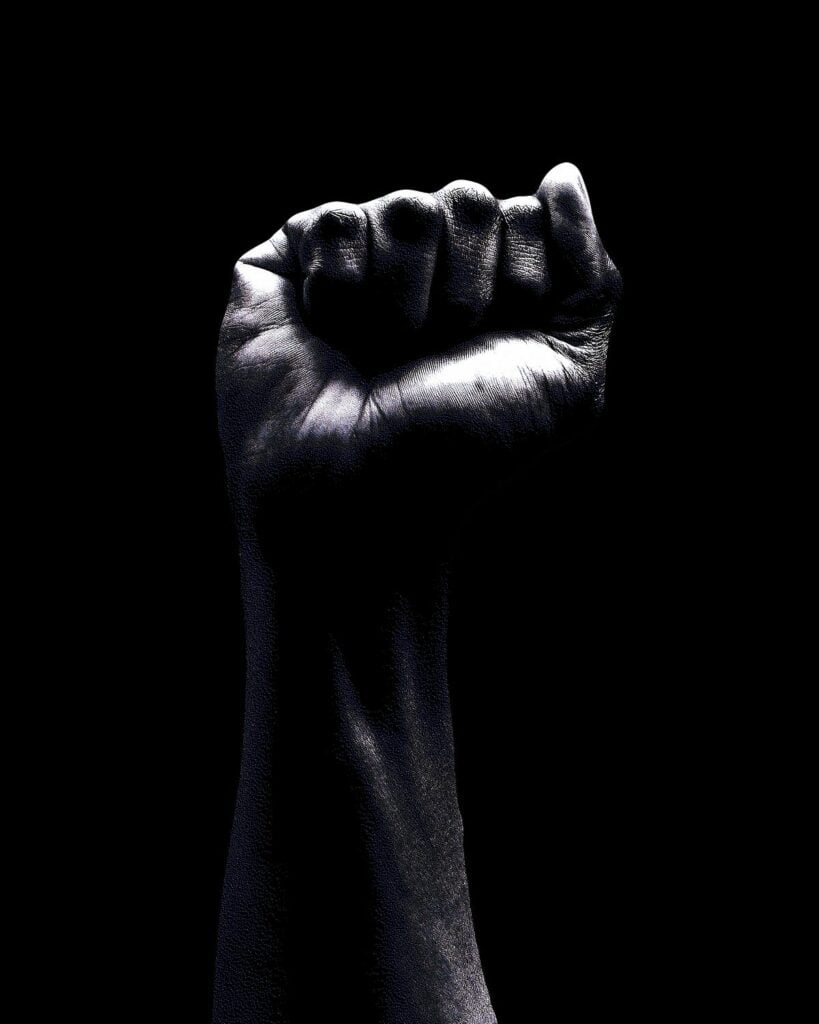
    Race as a Social Construct - A black and white raised fist.
    Photo by visuals on Unsplash

    Honoring one’s heritage and family history is definitely commendable. It connects us to our unique stories and ancestral roots. However, it’s worth considering the concept of pride based solely on genetics and geographic lineage, like skin color. True pride should stem from our accomplishments, actions, and inner character, not the circumstances of our birth. It’s about the values we hold, the contributions we make, and the paths we forge through our choices and actions.

    Science reveals our incredible similarity as humans, with 99.9% shared DNA. The tiny variations that influence our appearance represent a minuscule portion of our genetic makeup. This reinforces the concept of race as primarily a social and historical construct, not a biological one. These slight differences are too insignificant to justify traditional racial classifications. Our shared humanity holds much greater weight than superficial physical variations.

    The idea of changing one’s “race” through science is more science fiction than reality. Despite genetic advancements, altering racial traits sparks complex ethical and scientific debates. This highlights the limited scientific basis of race. The ethical concerns surrounding such hypothetical modifications emphasize the need to view race as a social construct, not a biological one. Our focus should be on the richness and diversity of human experiences, not altering insignificant characteristics.

    As the world becomes more interconnected, progress brings people from diverse backgrounds closer. This global interaction leads to a beautiful amalgamation of cultures and identities.

    Race as a Social Construct -  Leaves in different colors
    Photo by visuals on Unsplash

    As we navigate our identities in this expansive, interconnected world, it’s vital to embrace the precious elements of our cultures and discard outdated concepts of race.

    Race, as a social construct, has limited our understanding of humanity. We should aim to cultivate a global community where the core of our humanity surpasses labels, honoring both our collective and individual identities beyond the limitations of racial classification. Concentrating on our common experiences and the wealth of cultural diversity, we can lay the groundwork for a society that acknowledges each person simply as a human being, bonded by our distinct and shared traits.

  • Muslims Don’t Need Enemies

    Muslims Don’t Need Enemies

    The phenomenon of Quran burning by individuals aligned with far-right ideologies transcends the physical act of destroying a religious text. It represents a profoundly intricate and sensitive subject that intersects religious belief, political extremism, and cross-cultural perceptions.

    The act of burning Qurans serves as a symbolic assault on the values and sensibilities of a global religious community, generating profound reactions and impacting how Islam is perceived worldwide.

    Join us in exploring why far-right politicians burn Qurans and how they sit back and watch Muslims shoot themselves in the foot.

    Exploring the Underpinnings of Quran Burning

    The deliberate choice to burn the Quran by specific far-right figures is fueled by a complex web of motivations aimed at inciting a strong emotional response from the Muslim populace. This act extends beyond mere criticism or dissent against Islamic teachings; it is a calculated offense designed to provoke and insult. In this context, the Quran is viewed not just as a book of words but as a sacred emblem of the Islamic faith. Desecrating it becomes an attempt to challenge and denigrate the foundational beliefs of Islam.

    Historically, incidents of Quran burning have often served as catalysts for heightened tensions and misunderstandings. For example, the 2005 burning of the Quran by American troops at Guantanamo Bay sparked widespread condemnation and protests across the Muslim world. This incident and others illustrate how such acts can have a significant ripple effect beyond the immediate act itself.

    The impetus behind such provocative acts can be traced back to multiple factors. A significant driver is the endeavor to affirm and propagate far-right ideological stances that perceive Islam as antithetical to their core values. Through the act of Quran burning, these individuals seek to manifest their rejection and fear of what they consider a cultural or national identity threat posed by Islam. This fear, often fueled by Islamophobia and anti-immigrant sentiment, can lead to a distorted and prejudiced view of Muslims.

    However, above all, these far-right leaders burn copies of the Qurans to grab headlines and portray Muslims as violent, emphasizing the perceived threat of Islam.

    Photo by Andy Watkins on Unsplash

    Unpacking the Muslim Community’s Reaction and Its Ripple Effects

    The Muslim community’s response to Quran-burning incidents is pivotal for understanding the dynamics of provocation and backlash. The Quran’s desecration is viewed as a grave affront within Islam, eliciting reactions ranging from dismay and outrage to peaceful demonstrations or even, in rare instances, violent retaliations.

    However, such responses, often misconstrued as disproportionate, inadvertently fulfill the provocateurs’ objectives. Far-right groups predict and sometimes even welcome these reactions to vindicate their biased views and depict Muslims in a derogatory manner, serving to entrench stereotypes of Muslims as intolerant or prone to violence, advancing the far-right’s divisive agenda.

    Quran burnings further reinforce domestic propaganda in many Muslim-majority countries that the West is at war with Islam. Muslims feel the need to protect themselves, viewing their actions not as an assault on the West but as a response to the West’s attacks on Muslims.

    The Broader Implications on Islam’s Global Perception

    The ongoing cycle of provocation and reaction has profound implications for the global perception of Islam. Public and media portrayals of Muslims reacting violently to Quran burnings can perpetuate negative stereotypes, overshadowing Islam’s teachings of peace and the positive contributions of the majority of its adherents.

    Furthermore, such incidents erect barriers to understanding and empathy towards Islam among non-Muslims. Instead of encountering a religion that advocates peace and understanding, people are met with images of strife and hostility, which may discourage further exploration or engagement with Islamic teachings.

    Photo by Pawel Janiak on Unsplash

    Towards a Resolution: Breaking the Quran Burning Cycle

    Addressing and ultimately breaking this cycle of provocation and reaction is essential for altering the prevailing narrative. This responsibility largely falls upon Muslim communities, which need to adopt strategic and composed responses to such provocations. Some argue that ignoring these provocations could potentially be the most effective strategy in curtailing them, as it denies the perpetrators the satisfaction of achieving their desired reaction.

    However, it’s crucial to emphasize the diversity of reactions within the Muslim community. While some may choose peaceful protests or public education campaigns to counter these provocations, others may advocate for interfaith dialogue and collaboration to promote understanding and tolerance.

    Additionally, efforts by Muslim organizations and individuals to counter the negative narratives associated with Quran burning are essential. This could include engaging with the media, promoting educational campaigns, and fostering interfaith initiatives.

    Furthermore, it’s important to acknowledge the international community’s condemnation of the burning. Many countries and organizations widely view such acts as disrespectful and harmful to religious freedom, highlighting the need for mutual respect and understanding across different faiths and cultures.

    Breaking the cycle of provocation and reaction demands a multi-faceted approach that involves not only strategic responses from Muslim communities but also collective efforts from individuals of all faiths and backgrounds to foster understanding, challenge prejudice, and promote peaceful coexistence.

    Before I let you go, I want to remind you that if Quran burnings didn’t make headlines for far-right leaders, they wouldn’t burn a copy of the Quran they purchased at a store.

  • Hitler, Nazism and Religion

    Hitler, Nazism and Religion

    A Historical Analysis

    The relationship between Hitler, Nazism and religion is one of the most controversial and debated topics in history. Some argue that Hitler was an atheist and that Nazism was an atheistic regime, while others claim that Hitler was a Christian and that religious institutions influenced Nazism. However, both of these claims are oversimplified and misleading. The reality is much more complex and nuanced, taking into account Hitler’s religious beliefs, the nature of Nazism as a regime, and the role of religion during the Nazi era.

    Hitler’s Religious Views

    Hitler’s religious views have not been easy to pin down, as they were often contradictory, ambiguous, and opportunistic (surprise, surprise). He was born and raised as a Catholic, and he never officially renounced his membership in the Catholic Church. However, he also expressed disdain and hostility towards Christianity, especially its doctrines of equality, compassion, and pacifism, which he saw as weak and incompatible with his vision of a superior race. He also rejected the authority of the Pope and the clergy and sought to undermine and control the Catholic Church in Germany.

    Conversely, Hitler professed belief in God and claimed to act according to God’s will, often invoking divine providence in his rhetoric to position himself as a champion of Christianity against Germany’s foes like Communism and Judaism. Additionally, he showed appreciation for elements of Germanic paganism, occultism, and mysticism, viewing them as wellsprings of inspiration and strength for his racial ideology.

    Therefore, it is inaccurate to label Hitler as either an atheist or a Christian. He was neither but a religious opportunist who used and manipulated religion for his own political and personal ends, just like many other politicians of his caliber. He did not adhere to any consistent or coherent religious system but cherry-picked elements from various sources that suited his agenda.

    Nazism as a Regime

    Nazism, or National Socialism, was the political ideology and movement that ruled Germany from 1933 to 1945 under Hitler’s dictatorship. It was based on the principles of racial supremacy, totalitarianism, nationalism, militarism, and anti-Semitism, aiming to create a “pure” and “superior” German race and to eliminate or subjugate those deemed “inferior” or “undesirable,” such as Jews, Slavs, Roma, homosexuals, communists, and others.

    Nazism was not an atheistic regime, as it did not officially deny or prohibit the existence of God or religion. That being said, it was also not a religious regime, as it did not promote or endorse any specific religion or faith. Rather, it was a regime that maintained a separation of religion and state but sought to subordinate religion to its political goals. It did not respect or tolerate religious diversity or freedom but rather controlled and manipulated religion for its own purposes.

    Nazism maintained a complicated and often contradictory stance towards religion, particularly Christianity. It sought to harness and manipulate the religious feelings and customs of the German populace, predominantly Protestant. Additionally, it aimed to align with certain religious authorities and bodies, including the German Christians, a pro-Nazi group within the Protestant Church, and the Reichskonkordat, an agreement with the Vatican that offered certain privileges and safeguards to the Catholic Church in return for its allegiance and quiescence.

    On the other hand, Nazism also tried to undermine and suppress the influence and autonomy of religion, especially those that opposed or challenged its ideology and policies, such as the Confessing Church, a resistance movement within the Protestant Church, and the Catholic Centre Party, a political party that the Nazis dissolved. It also persecuted and killed many religious people, especially those who belonged to minority or non-Christian faiths, such as Jews, Jehovah’s Witnesses, and Freemasons.

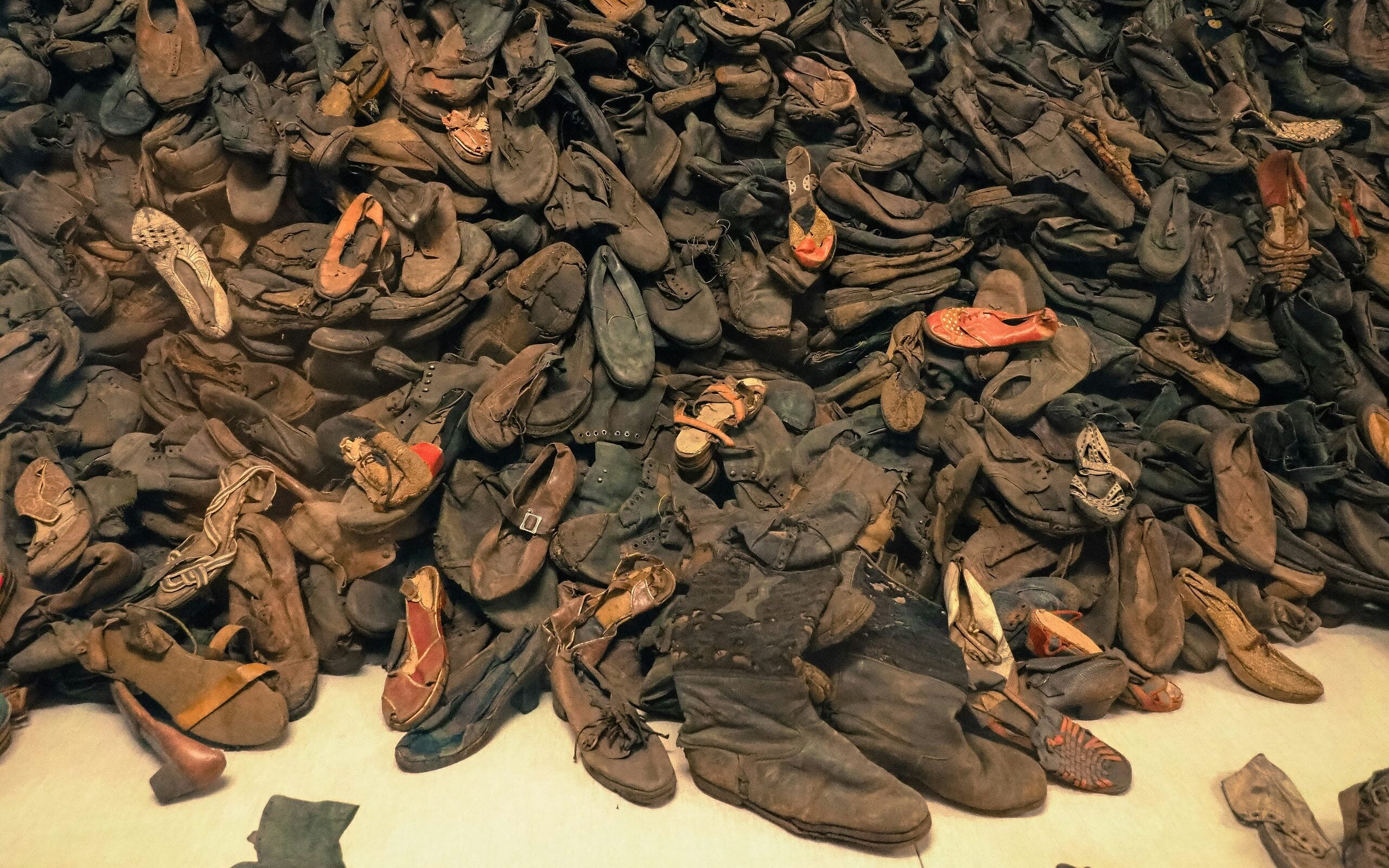
    Auschwitz Extermination Camp — Photo by Mateus Campos Felipe on Unsplash

    Nazism and Religion the Third Reich

    The role of religion during the Nazi era is a subject of historical debate and scrutiny, as it raises questions about the responsibility and complicity of religious institutions and individuals in the crimes and atrocities committed by the Nazi regime. While some religious people and groups actively resisted and opposed Nazism, such as Dietrich Bonhoeffer, a Lutheran pastor and theologian who was executed for his involvement in a plot to assassinate Hitler, and the White Rose, a student group that distributed anti-Nazi leaflets and was executed for treason, many others remained silent, passive, or even supportive of Nazism, either out of fear, ignorance, or agreement.

    The Catholic Church has faced scrutiny for its actions during the Nazi era, particularly for not taking a stronger stand against Hitler’s regime and the atrocities committed. A focal point of this criticism is the relationship between Hitler and Pope Pius XII, who led the Church from 1939 to 1958. As a cardinal and the Vatican’s Secretary of State, he met with Hitler in 1934 and was involved in the signing of the Reichskonkordat in 1933, which some interpret as an act of conciliation towards the Nazis. Moreover, Pope Pius XII is noted for his silence during the Holocaust, despite being informed about the mass extermination of Jews and others, and he neither condemned nor excommunicated Hitler or any other high-ranking Nazi official.

    However, the role of the Catholic Church during the Nazi era was not entirely negative or shameful, as it also involved some acts of resistance and humanitarianism. The Pope did issue some encyclicals and speeches that criticized some aspects of Nazism, such as racism, totalitarianism, and war, and called for peace and justice. He also supported and encouraged some Catholic clergy and laypeople who helped and hid Jews and other persecuted people, such as Hugh O’Flaherty, an Irish priest who saved thousands of Jews and Allied soldiers in Rome, and Edith Stein, a Jewish convert to Catholicism who became a nun and was killed in Auschwitz. The Pope also intervened and prevented the deportation of Jews from Rome and other parts of Italy and helped some Jews escape to other countries.

    Therefore, the role of religion during the Nazi era is not a simple or clear-cut one, but rather a complex and nuanced one, involving both complicity and resistance, both silence and action, both collaboration and opposition. It is a role that requires careful and critical examination and honestand humble reflection.

    In a Nutshell: Hitler and Religion

    The topic of Hitler, Nazism, and religion is fraught with misconceptions, myths, and controversies and challenges us to confront the dark and tragic chapters of our history, making it hard to learn from the mistakes and failures of our past. It remains a topic that invites us to question and rethink our assumptions and beliefs about religion, politics, and morality and to seek a deeper and better understanding of the complex and diverse human nature and society.

  • The Paradox of Atheist Dogma: A Critical Reflection

    The Paradox of Atheist Dogma: A Critical Reflection

    Atheism and religion often stand as opposing paradigms, each with its own set of passionate advocates. Among atheists, there’s a growing movement that adopts a highly aggressive stance toward religion, a mode of thinking best described as “atheist dogma.” This brand of atheism is characterized by its absolute certainty about the invalidity of religious beliefs, leading to a rigid dismissal of all things associated with faith. Figures like Richard Dawkins, Ricky Gervais, and Sam Harris are notable proponents of this approach, often using sharp rhetoric and biting humor to challenge religious doctrines. Yet, as a non-religious person, I find that the aggressive tone of atheist dogma can be just as exclusionary and polarizing as the religious ideologies it critiques.

    Atheist dogma, with its unyielding dismissal of religion, fails to acknowledge the complex roles that faith-based groups play in society. Consider the history of the Civil Rights Movement in the United States. The movement was heavily influenced by religious leaders and congregations, with figures like Dr. Martin Luther King Jr., a Baptist minister, guiding the push for social justice and equality. His leadership and the support from African-American churches helped catalyze significant societal change. Atheist dogma often disregards these contributions, focusing instead on the negative impacts of religion, thus presenting an overly simplified view of the religious landscape.

    Another example of the positive impact of religion can be found in the role of faith-based organizations in humanitarian efforts worldwide. The Catholic Church, through its Caritas network, has been a significant force in providing disaster relief and humanitarian aid to countries across the globe. Despite its institutional controversies, the Church has shown that religious institutions can serve as a powerful force for good. Atheist dogma’s reductionist outlook tends to obscure these efforts, leading to a portrayal of religion that is devoid of nuance.

    A third illustration of the complexity of religious influence is the work of religious and environmental groups. Organizations like the Evangelical Environmental Network and Interfaith Power & Light engage in environmental advocacy and action, showing that religious beliefs can drive initiatives for the common good. By championing stewardship of the Earth, these groups contribute to the global fight against climate change. Yet, proponents of atheist dogma may overlook these positive aspects, opting for broad-stroke criticism that fails to account for the diversity within religious communities.

    The rigidity of atheist dogma is not just exclusionary—it risks creating its own echo chambers where dissenting views are unwelcome. This attitude mirrors the very dogmatic certainty that atheists often criticize in religious institutions. By focusing solely on the negative aspects of religion, proponents of atheist dogma miss the opportunity to engage in meaningful dialogue with believers who might share common goals, such as social justice, humanitarian work, or environmental stewardship.

    Ultimately, atheist dogma can be as divisive and unyielding as the religious dogma it opposes. To foster a more inclusive and understanding society, both atheists and religious believers need to move beyond rigid ideologies, embracing a broader perspective that recognizes the complexity and potential for good in both religious and secular approaches to life. This shift requires humility, open-mindedness, and a willingness to engage in conversations that transcend dogmatic boundaries, focusing instead on our shared humanity and common aspirations for a better world.