A remarkable demographic shift is occurring in the United States, yet its political impact remains curiously muted. The largest group in this diverse nation isn’t defined by adherence to a particular faith but rather by the absence of religious affiliation. These individuals, often referred to as the “nones,” now comprise approximately 30% of the adult population, with this figure surpassing 40% among Generation Z.
To contextualize this, evangelical Christians, traditionally viewed as a strong force in American politics, comprise about 25–30% of the population.
So, why does the evangelical voice resonate loudly across political discourse during election seasons while the potentially larger irreligious demographic seems to fade into the background?
The root of this disparity lies in a striking statistic: while 70–80% of evangelicals actively participate in elections, a mere 12% of the irreligious population exercises their right to vote. Let that sink in.
One factor potentially contributing to this imbalance is the renowned rhetoric that “all politicians are the same.” This cynical viewpoint discourages people from participating in elections, and it seems to work wonders.
In a democratic society, the power to make choices rests with the people. Sometimes, this involves selecting the better option between two favorable candidates; at other times, it’s about choosing the lesser of two perceived evils. Regardless, the fundamental principle remains: people must choose.
For democracies to remain democratic, the slogan should not be “All politicians are the same,” but rather “If you want to matter, you must vote.”
In the minds of many people religion and morality are often intertwined. Not surprisingly, the question frequently arises: Why do atheists follow a moral code instead of simply doing whatever they feel like? Today, we’ll focus on the nature of morality, its origins, and its place in society – both religious and secular.
That idea that morality and religion are inseparable has been ingrained in many cultures for centuries, so much so that most don’t give it another thought. Consequently, some wonder how those without religious beliefs can possibly navigate the murky waters of right and wrong, as it was their religion that invented morality.
Does Religion Make People Moral?
Nearly 3% of the adult population in the United States is either in prison or on parole, which is particularly noteworthy because the US is widely recognized as one of the most religious countries in the Western world, so much so that according to Pew Research 55% American population pray daily while this is merely 6% in the UK, 30% in Greece, 60% in Turkey, and 87% in Iran.
If the hypothesis that religion is the sole or primary source of morality were to be true, one would expect to see lower rates of incarceration in such a devout nation.
Conversely, let’s turn our attention to Japan. In this East Asian country, where Abrahamic religions have not made a significant impact, we find one of the most peaceful societies in the world. Japan’s low crime rates and social harmony stand in stark contrast to the assumption that religious belief is necessary for a moral society.
The plot thickens when we consider certain Middle Eastern countries. Despite having highly religious populations, many of these nations grapple with widespread corruption. This further challenges the notion that religious devotion automatically translates to moral behavior on a societal level.
Whether religion is detrimental to morality is a separate matter, and I will leave that discussion to others. However, the examples given at least illustrate that religion is not a must for morality, and religiosity does not necessarily translate into moral societies.
The Universal Thread of Morality
So, if religion isn’t the sole source of morality, what is? The answer may lie in what we might call “common decency” – a basic sense of right and wrong that seems to transcend cultural and religious boundaries.
Think about your own circle of friends and acquaintances. Chances are, you know people from various backgrounds – some religious, some not. Among your religious friends, there may be those who are deeply devout yet not extreme in their views. Now, ask yourself: Is it really the fear of divine punishment that keeps these individuals from engaging in harmful or illegal activities?
For most people, regardless of their beliefs, the decision not to harm others or break laws stems from a more fundamental place. It’s rooted in empathy, social conditioning, and an understanding of the consequences of our actions – both for ourselves and for society at large.
The Secular Moral Compass
But what drives people, whether they believe in a god or not, to follow moral codes?
First, empathy and compassion matter a lot. People naturally understand and share the feelings of others, and this empathy guides many of our moral choices.
Second, we benefit from living in a stable society. Following moral rules helps keep things stable and makes life better for everyone.
Third, philosophical thinking provides another reason. Throughout their lives, most people spend a lot of time sorting out what is right and wrong, and, when the time comes, act on their instincts.
There’s also an evolutionary angle. Some believe our sense of right and wrong comes from the need for cooperation and helping each other, which helped our ancestors survive.
Additionally, acting morally usually leads to good outcomes for us personally, such as stronger relationships, a good reputation, and a clear conscience.
Cultural influence plays a role too. We are shaped by the values and norms of our culture, many of which involve moral ideas.
Finally, acting ethically often aligns with our own long-term interests. It helps build trust, creates positive relationships, and contributes to a healthy society.
The Universality of Ethics
One of the most compelling arguments for the independence of morality from religion is the remarkable similarity of basic ethical principles across different cultures and belief systems. Concepts like fairness, reciprocity, and the prohibition of murder are nearly universal, appearing in societies with vastly different religious backgrounds – or none at all.
This universality suggests that these moral principles arise from something more fundamental than religious texts or traditions. They seem to emerge from our shared human experience, our need to live cooperatively, and our capacity for reason and empathy.
Criticism
Of course, discussing morality – religious or secular—is never simple. Both religious and non-religious moral systems face criticism.
Religious morality is often criticized for being rigid or based on outdated cultural norms, which can lead to conflicts when different religious groups have opposing moral views.
Secular morality, on the other hand, is sometimes accused of being relativistic or lacking a solid foundation. Critics argue that without a divine authority, moral rules become arbitrary. However, the existence of God does not depend on the utility of the concept of God.
The Takeaway
As societies become increasingly diverse and interconnected, it makes sense to move beyond the false dichotomy of religious morality versus moral chaos. Humans – religious and non-religious alike—are capable of moral reasoning, ethical behavior, and compassion.
Rather than judgementally asking why atheists follow moral codes, perhaps everyone should ask themselves how we can encourage ethical behavior regardless of belief systems.
We like to think that in the modern, enlightened world, racism should be a thing of the past. After the horrors of the Holocaust, the success of the Civil Rights movement, and worldwide efforts to promote equality and human rights, overt racism has rightly become socially and legally unacceptable in most societies. But the sad reality is that racism continues to be one of the most pervasive and insidious social diseases afflicting people around the globe.
From violence, discrimination and institutional barriers faced by ethnic minorities in Western nations, to ethnic cleansing in the Balkans and genocide of the Rohingya people in Myanmar, racism proves to be a disease that is incredibly difficult to eradicate fully. It adapts and resurfaces in new forms over different eras and geographies. Like a coronavirus, just when we think we’ve overcome one virulent racist strain, another mutation emerges.
A Virus of the Mind
No matter where you look in the world, you’ll find examples of people being judged, treated differently, denied opportunities, or subjected to prejudice, hate speech, and even violence based solely on the color of their skin or their ethnic background. This loathsome affliction persists by digging its roots deep into the soil of human psychology, fear, ignorance, and tribalism.
At its core, racism stems from the erroneous, unscientific notion that race is a biological reality determining a person’s character, abilities, behavior or worth as a human being. It defies logic and contradicts moral and ethical principles of justice, equality and human rights. And yet, overt and subtle racist attitudes continue to be passed down from generation to generation like a mutating virus, adapting to cultural shifts but remaining an underlying condition.
Tribalism and In-Group Bias
Part of what allows racism to keep spreading is our natural tendency toward in-group favoritism rooted in our evolutionary psychology. From an evolutionary standpoint, humans evolved to form tight-knit tribes and communities in order to protect scarce resources and survive threats. We’re hardwired to unconsciously categorize people into “us vs. them” and view outsiders with suspicion, mistrust, or even fear. Our brains reinforced this us/them mentality as an adaptation to preserve our gene pool.
While this evolutionary hangover made sense when humans lived in small clans, it’s now a dangerous liability in our globalized world. Overcoming these innate psychological leanings and biases takes active, conscious effort through cross-cultural education and immersion. It requires being exposed to people from other backgrounds and cultures at an early age. It means recognizing our common humanity beneath superficial differences. Unfortunately, in many segregated parts of the world, racial divides persist and racist stereotypes and misconceptions fester unchallenged.
Scapegoating and Insecurity
Even worse, racism often gets turbocharged and weaponized during times of economic insecurity, societal upheaval or scarcity of resources. Demagogues throughout history have found that one of the easiest ways to redirect anger, fear and insecurity is to scapegoat vulnerable minority out-groups as a simplistic solution to complex societal problems. All too often, embattled majorities have lashed out at ethnic or religious groups, viewing them as a threat to their supremacy or way of life.
We saw this during the Great Depression with racist rhetoric toward Jewish people, Hispanics and other minorities get amplified. Today, we see the same dehumanizing rhetoric toward immigrants, Muslims and other groups surge alongside economic turmoil, changing demographics, and political upheaval. In both cases, the “other” gets painted as the root cause exploiting societal grievances, rather than addressing systemic drivers of inequality and hardship.
Fear of the “Other”
At the same time, racism and xenophobia also exploit the human psychological condition of discomfort with change, unfamiliarity and anything that deviates from the known norm. Diversity can be unsettling on a primal level for many people. Our instincts raise red flags about foreign cultures, different physical appearances, or unfamiliar customs. This fear of the “other” is a survival mechanism hardwired into our brains from our evolutionary past.
Overcoming those gut reactions requires open-mindedness, reason, and empathy – qualities that unfortunately aren’t always in ample supply when people feel economically or culturally threatened. Without conscious effort to expand our perspectives, racist attitudes can take root from that seedbed of ignorance and fear of anything unfamiliar.
Evolving Forms
Even in our modern age of intensifying globalization, diversity, and information sharing, racist attitudes and prejudices find ways to seep into new environments and mutate into more socially acceptable forms. While government policies, human rights advocacy and social conditioning have largely eradicated overt, bulletproof racism, the poison adapts to evade detection and rejection. It becomes more insidious, coded and harder to pinpoint.
Today, rather than blatant segregation or cross burnings, we face resurgent ethnic nationalisms, mainstreaming of hate speech under free speech protections, coded racist rhetoric from political leaders targeting minorities or immigration, and daily microaggressions manifesting from persisting unconscious biases. The work of eradicating racism in its modern, morphed forms is as insidious as any medieval pandemic.
The Treatment Plan
So how do we fight such a widespread, persistent social disease that keeps adapting and proving so resistant to our eradication efforts? Curing the racism pandemic requires a sustained, multi-pronged effort to vaccinate societies with education, cross-cultural exchange and immersion from an early age, expanded economic opportunity, and equal enforcement of legal/political protections regardless of race.
It requires being vigilant in calling out racist behaviors, rhetoric and any attempts to normalize discrimination – no matter how subtle or coded. It means taking aggressive steps to dismantle discriminatory systems and racial disparities across policing, housing, employment, lending, and other facets of society. It means promoting positive narratives and media representation that celebrate our diversity while humanizing all races and ethnicities.
Most importantly, it takes each of us looking inward to recognize our own potential biases – both conscious and unconscious – and consciously reprogramming our ingrained psychological impulses to sort people into “us vs. them.” We must learn to truly celebrate our diversity as a source of societal strength, while recognizing our common humanity unites us. It’s an incredibly difficult task, as these racist attitudes have persisted across millennia, but the antidote starts with open and curious hearts and minds.
The question of whether our reality is real has intrigued philosophers, scientists, and thinkers for centuries. Join us in exploring this profound question from a non-religious perspective, particularly addressing the skepticism of those who seek certainties grounded in scientific evidence. This inquiry inevitably leads us to consider the nature of consciousness, the possibility of simulated realities, and the implications of such ideas on our understanding of existence.
The Quest for Certainties in a Scientific World
In today’s secular and scientifically driven society, many individuals reject the notion of gods or any metaphysical entities. They demand empirical evidence for any claims, often viewing anything beyond the scope of current scientific understanding as implausible or heretical. This mindset reflects a hunger for a world that aligns with Newtonian consciousness, where everything can be explained through observable and measurable phenomena.
However, to truly grapple with the question of reality, we must delve deeper into the nature of consciousness and the potential limitations of human knowledge and technological advancements. One significant aspect to consider is whether humans can ever simulate consciousness, a question that lies at the heart of the simulation argument.
The Simulation Argument
In 2003, philosopher Nick Bostrom proposed a trilemma known as the “simulation argument.” This argument suggests that one of three unlikely-seeming propositions must be true:
The fraction of human-level civilizations that reach a posthuman stage (capable of running high-fidelity ancestor simulations) is very close to zero.
The fraction of posthuman civilizations that are interested in running simulations of their evolutionary history, or variations thereof, is very close to zero.
The fraction of all people with our kind of experiences that are living in a simulation is very close to one.
Bostrom’s argument does not assert that we are living in a simulation, but it highlights the logical possibility and raises intriguing questions about the nature of our reality.
Technological Advancements and the Nature of Reality
In the two decades since Bostrom’s proposal, we have witnessed remarkable advancements in virtual reality (VR) and artificial intelligence (AI). Virtual reality is becoming increasingly sophisticated, offering immersive experiences that blur the line between the real and the artificial. Yet, current VR technology primarily manipulates vision, and we have yet to fully integrate virtual smell, touch, and hearing.
The advancements in AI also suggest a future where creating high-fidelity simulations of consciousness could become feasible. Given the progress made in less than five centuries since Nicolaus Copernicus, it is difficult to assert with certainty that humans will never succeed in simulating consciousness. Our technological trajectory indicates that what seems impossible today may become achievable in the future.
Manipulating Human Perception
Our understanding of reality is heavily influenced by our sensory perceptions. The brain constructs our experience of the world based on input from our senses. This notion is supported by various phenomena that demonstrate how easily our senses can be manipulated. For instance, the use of mirrors to alleviate phantom limb pain, the creation of 3D images on 2D surfaces, and the perception of continuous motion from discrete frames in movies all illustrate the brain’s capacity to interpret and create a coherent sense of reality from limited or altered information.
Furthermore, experiments with substances like mercury and dry water, which create the sensation of wetness without actual water, reinforce the idea that our sensory experiences can be simulated or altered. If our senses can be so easily deceived, is it really improbable that a future civilization could create a simulation indistinguishable from reality?
If we accept that it is not impossible to simulate human consciousness and that a posthuman civilization might have both the capability and the desire to run such simulations, we must confront the possibility that our reality might be a simulation. The sheer scale of technological advancements and the ongoing exploration of AI and VR suggest that simulating human experiences could eventually be within our reach.
This line of reasoning brings us back to Bostrom’s trilemma. If posthuman civilizations can create simulations and have a reason to do so, then the likelihood that we are currently living in a simulation increases. Is this scenario really far-fetched? Isn’t this a logical extension of our current understanding of technology and consciousness?
Implications and Reflections
Contemplating the possibility that our reality might not be real has profound implications for our understanding of existence, identity, and the nature of the universe. It challenges our perception of what is possible and urges us to reconsider the boundaries of human knowledge and capability.
Moreover, this inquiry does not diminish the importance of scientific exploration and empirical evidence. Instead, it expands our perspective, encouraging us to remain open to new possibilities and to question the limitations of our current understanding.
In a Nutshell
The question of whether our reality is real is a complex and deeply philosophical one. It forces us to confront the nature of consciousness, the potential for technological advancements, and the limitations of human knowledge. While current evidence does not provide definitive answers, the exploration of these ideas enriches our understanding of the world and our place within it.
As we continue to advance technologically, the lines between reality and simulation may blur even further, compelling us to remain curious, skeptical, and open-minded. In the quest for certainty, it is essential to acknowledge the vast unknown and embrace the possibility that reality, as we perceive it, may be far more complex and enigmatic than we can currently comprehend.
It’s been a tumultuous political season, as is often the case in the thick of election years. But something that has really struck me, and I imagine I am not alone this time around, is how fervently some people continue to support their favored candidates and political figures, even after those leaders have done or said things that seem to violate the supporters’ own moral values. On both sides of the aisle, ardent voters make impassioned defenses and complex justifications for the controversial words and deeds of their political heroes. Standard bearers get away with ethical breaches and misdeeds that would be radioactive for most regular citizens. Why is this the case? The Evolutionary Psychology of Tribalism may offer some insight.
The Evolution of Tribalism
Throughout the ancestral environment in which our species evolved, humans lived in relatively small tribes or bands of around 100-200 individuals. Being part of a tightly cooperating in-group was essential for survival against hostile outsiders, predators, and the harsh environments our ancestors inhabited.
Those who were able to form stronger coalitions and display unshakable solidarity and loyalty within their bands had a major evolutionary advantage. Favoring one’s in-group – even when some members enacted transgressions – helped ensure the cohesion of the entire tribe against threatening out-groups.
This deeply ingrained psychology of forming insular, favored groups and showing biased loyalty toward them likely underpins much of our modern political behavior and affiliation. Politicians skillfully craft narratives to reinforce an “us vs them” mentality and portray themselves as the champion of a favored in-group.
The Halo Effect and Moral Credentialing
Even once a politician has secured a loyal base of supporters, there are other evolved psychological biases that may help them maintain allegiance despite moral failings. The “halo effect” refers to how we tend to assume an array of positive traits in someone based on a few perceived positives. Similarly, the tendency for “moral credentialing” means we grant “moral passes” to those who have preemptively demonstrated their values alignment with us.
In other words, because a particular politician has established themselves as “one of us” and signaled shared values in some areas, we extend them inflated “halos” of character and implicitly excuse transgressions that we might crucify others over. As long as they hit enough of our moral credentialing checkboxes, we show a strong status quo bias toward favoring them.
Authority, Dominance, and Deference
Many evolutionary psychologists argue that humans developed domain-specific psychologies for evaluating and deferring to authority figures and dominant leaders. Those who were able to identify and fall in line behind skilled, decisive leaders had better chances of survival.
While these instincts may have been adaptive in our ancestral small-scale social groups, they can become overzealously applied to modern leadership roles like politicians. Once a political figure has been recognized as an authentic authority worthy of deference, the human tendency is to be strongly biased toward believing in them and justifying their actions – even unethical ones that should logically disqualify them.
We evolved to respect displays of competence, confidence, strength, and dominance. Skilled politicians have learned to broadcast precisely those signals. The evolved human psyche may then struggle to override our automatic deference response, no matter how immoral the leader’s actions become.
The Need for Identity and Belonging
Finally, the human needs for identity fusion, belonging, and shared meaning are extremely powerful drivers of our thoughts and behaviors. We are a profoundly socially inspired species that depends on being part of Define groups and belief systems.
When someone like a political leader becomes a key part of an individual’s sense of identity and values, it creates a mode of psychological ownership. To turn against that leader would be to turn against a piece of oneself. Psychologically, resisting affiliation to that person creates deeply unpleasant cognitive dissonance and alienation.
Politicians know this and actively foster identity mergers and tribalism among their supporters. By convincing people that supporting them is tantamount to living out one’s core values and worldview, they make dissent incredibly difficult. Any scandal or immoral behavior must either be justified or ignored to protect one’s entire sense of identity.
The Road Ahead
While these psychological forces are potent, they don’t make us automatons. Humans also have remarkable capacities for self-awareness, ethical reasoning, and overriding more primitive biases. But doing so requires recognizing the deep evolutionary roots that incline us toward blind allegiance despite moral transgressions.
By better understanding these influences, we can strive to hold our leaders to consistent standards – judging them as individuals rather than extensions of our in-groups. We are the only political constituency to which we owe unwavering loyalty. All other allegiances must be rationally reassessed based on observed behavior, not the distorting lenses of our tribal psychologies.
Further Reading: Evolutionary Psychology of Tribalism
In philosophy and public discourse, few statements have stirred as much controversy as the one attributed to Daniel Dennett, a prominent American philosopher known for his work on consciousness, free will, and the philosophy of mind. The quote in question goes, “There’s simply no polite way to tell people they’ve dedicated their lives to an illusion.” The sentiment Dennett expresses, according to a 2013 New York Times article, is problematic on multiple levels. Let’s delve into why this statement, regardless of its origin, is indefensible and how it undermines constructive dialogue, personal autonomy, and the very foundations of philosophical inquiry.
There’s simply no polite way to tell people they’ve dedicated their lives to an illusion.
The Arrogance of Certainty
Daniel Dennett’s statement is troubling because it presupposes that the speaker has an infallible grasp on what constitutes reality versus illusion. This is a grandiose claim, especially considering that even in the hard sciences, our understanding of reality is constantly evolving. In philosophy, the nature of reality has been debated for millennia, from Plato’s allegory of the cave to modern discussions of simulation theory. To claim certainty in such a context is not just arrogant; it’s antithetical to the spirit of philosophical inquiry.
Rudeness as a Philosophical Tool
Moreover, the quote implies that it’s acceptable, even necessary, to be impolite or rude when conveying this supposed truth, which makes the statement truly indefensible. Rudeness and disrespect are not philosophical tools; they’re barriers to understanding. When we demean or belittle someone’s beliefs, we don’t open their minds; we close them. People naturally become defensive when attacked, making them less likely to engage with new ideas. This is basic psychology, not philosophical rocket science.
The Myth of the Impolite Truth
The idea that there’s “no polite way” to convey a message is also logically flawed. Politeness is not about softening hard truths; it’s about respecting the humanity of the person you’re addressing. It’s about recognizing that even if you believe someone is wrong, they’re still thinking, feeling, and deserving of dignity. Philosophers like Immanuel Kant argued for treating people as ends in themselves, not merely as means. Even if you believe someone’s life is built on an illusion, treating them rudely reduces them to a target for your supposed wisdom, violating their autonomy and dignity.
The Perils of Intellectual Elitism:
Furthermore, the quote smacks of intellectual elitism. It suggests that the speaker has reached a level of enlightenment that gives them the right to judge others’ lives. This is not only arrogant but also contradicts the democratic ideal of philosophy. From the Socratic dialogues to modern-day discussion forums, philosophy thrives on the exchange of ideas among equals. When we elevate ourselves to judges of others’ lives, we stifle this exchange. We create an us-versus-them mentality where “we” have the truth, and “they” live in illusion. This is the language of dogma, not philosophy.
The Psychological Impact of Judgment
Let’s also consider the psychological impact of such a statement. Telling someone they’ve wasted their life or dedicated it to an illusion is not a trivial matter. It can lead to existential crises, depression, or a loss of purpose. Even if you believe you have the truth, is it ethical to potentially shatter someone’s psychological well-being? Philosophers like John Stuart Mill argued for the harm principle — that our actions are only justifiable if they prevent harm to others. Causing psychological harm to prove a philosophical point is, at best, ethically dubious.
The Subjectivity of Meaning
The quote also fails to consider the subjective nature of meaning and value. What one person considers an illusion might be the very thing that gives another’s life purpose. Consider religious believers. To an atheist, their beliefs might seem illusory. But for the believer, their faith might provide comfort, community, and a framework for ethical living. Who are we to say their lives are wasted? As existentialist philosophers like Jean-Paul Sartre argued, we create our own meaning. Imposing our definition of a “meaningful life” on others is a form of bad faith.
The Dynamic Nature of Lives
Moreover, the idea that we can definitively judge someone’s life as wasted or dedicated to an illusion is shortsighted. Lives are not static; they’re ongoing narratives. Someone you believe is living in illusion today might have an epiphany tomorrow. Or they might use their “illusory” beliefs to do tangible good in the world. History is replete with examples of people whose beliefs we might consider misguided but who nevertheless made positive contributions. To dismiss their lives as wasted is to ignore the complexity of human existence.
The Role of Doubt in Philosophy
The quote also ignores the role of doubt and uncertainty in philosophical growth. Socrates, often considered the father of Western philosophy, famously claimed that the only thing he knew was that he knew nothing. This humble acknowledgment of our limitations is a cornerstone of philosophical inquiry. When we become so certain of our views that we feel justified in rudely imposing them on others, we’ve lost this humility. We’ve closed ourselves off to the possibility that we might be wrong, that there might be value in perspectives we currently dismiss as illusions.
The Misuse of the Quote
Another problematic aspect of the quote is its potential for misuse. As you rightly point out, it wouldn’t seem out of place coming from a religious fundamentalist. Imagine a zealot using this logic to justify rudeness towards non-believers. “There’s no polite way to tell atheists they’re going to hell,” they might say. This reveals the danger of the quote’s logic. It can be used to justify rudeness and intolerance from any ideological standpoint, not just a secular or philosophical one. In endorsing such a statement, we provide ammunition to dogmatists of all stripes.
The Power of Kindness in Persuasion
The quote also fails to account for the persuasive power of kindness and respect. History shows that minds are changed more often by compassion than by confrontation. Consider figures like Martin Luther King Jr. or Mahatma Gandhi. Their success lay not in rudely dismissing their opponents’ views but in appealing to shared values with dignity and respect. In philosophy, too, the most influential thinkers are often those who engage opposing views with rigor and respect, not those who dismiss them as illusions.
The Fallacy of Binary Thinking
Moreover, the quote assumes a binary: either you agree with me, or you’re living in illusion. This black-and-white thinking is the antithesis of nuanced philosophical discourse. Reality is complex, and so are people’s relationships with it. Someone might hold some beliefs we consider illusory while having profound insights in other areas. By labeling their entire life an illusion, we miss the opportunity to learn from those insights. We engage in the fallacy of ad hominem, attacking the person rather than engaging with their ideas.
The Social Context of Beliefs
The quote also overlooks the social context of beliefs. Our views are shaped by our upbringing, culture, and experiences. Someone born into a deeply religious community, for example, might find it harder to question those beliefs. Telling them rudely that their life is an illusion ignores these social factors. It places all the blame on the individual, neglecting the role of societal influences. This goes against the insights of philosophers like Michel Foucault, who highlighted how power structures shape our understanding of truth.
The Pragmatic Implications
Lastly, let’s consider the pragmatic implications of this quote. If we accept its logic, we’re endorsing a world where civil discourse is replaced by self-righteous pronouncements. Where instead of engaging in dialogue, we simply declare others deluded. This doesn’t lead to understanding or progress; it leads to polarization and conflict. In an era already rife with division, do we really want to provide philosophical justification for more hostility?
In a Nutshell
The quote, “There’s simply no polite way to tell people they’ve dedicated their lives to an illusion,” is indefensible. It conflates rudeness with truth-telling, ignores the complexity of human lives, and undermines the very spirit of philosophical inquiry. It promotes a dogmatic, elitist approach to ideas that stifles dialogue and understanding.
Philosophy, at its best, is a tool for understanding, not a weapon for belittling others. It’s about questioning our assumptions, respecting different perspectives, and acknowledging our own fallibility. It’s about engaging in respectful dialogue, even — especially — with those we disagree with. The path to wisdom isn’t paved with rude dismissals of others’ lives. It’s paved with humility, empathy, and a recognition that in the grand tapestry of human experience, we’re all grappling with our own versions of truth and illusion. Let’s walk this path together, with politeness, respect, and an open mind. That’s not just good philosophy; it’s good humanity.
Afterword
This article critically examines Daniel Dennett’s quote, “There’s simply no polite way to tell people they’ve dedicated their lives to an illusion,” primarily focusing on the quote itself rather than its context within his 2013 interview or his other works. This approach is chosen because the sentence is frequently quoted in isolation, necessitating an analysis of its standalone significance.
Daniel Dennett’s Philosophy
Daniel Dennett is a prominent American philosopher, cognitive scientist, and author, renowned for his contributions to the philosophy of mind, science, and biology. His work often intersects with the fields of cognitive science and evolutionary biology, providing a comprehensive view of consciousness, free will, and the nature of human existence. This essay delves into Dennett’s key philosophical ideas, emphasizing his theories on consciousness, free will, and evolution.
The Nature of Consciousness
Daniel Dennett’s exploration of consciousness is perhaps his most well-known contribution to philosophy. He challenges traditional views, arguing that consciousness is not a single, unified phenomenon but rather a collection of mental processes.
The Intentional Stance
Central to Dennett’s theory of consciousness is the concept of the “intentional stance.” This is the idea that to understand and predict the behavior of a system (whether a human, animal, or machine), one can ascribe beliefs, desires, and intentions to it. Dennett posits that this approach is a powerful tool for understanding complex systems, including the human mind.
Multiple Drafts Model
Dennett’s “Multiple Drafts” model further elaborates on his theory of consciousness. He suggests that there is no single, definitive “stream of consciousness” but rather multiple, parallel processes occurring in the brain. These processes are like drafts of a narrative, being continuously revised and edited, with no central “observer” overseeing them. This model challenges the Cartesian notion of a central theater of consciousness and supports a more decentralized view of mental processes.
Free Will and Determinism
Dennett’s views on free will are deeply intertwined with his understanding of consciousness. He aims to reconcile the concept of free will with a scientifically deterministic worldview.
Compatibilism
Dennett is a leading advocate of compatibilism, the belief that free will is compatible with determinism. He argues that free will should not be understood as the ability to have acted differently in an identical situation, but rather as the capacity to act according to one’s reasons and motives. This perspective maintains that human beings can be morally responsible for their actions even in a deterministic universe.
Evolutionary Perspective on Free Will
Dennett also incorporates evolutionary theory into his discussion of free will. He suggests that free will evolved as an advantageous trait, allowing organisms to make complex decisions and adapt to their environments more effectively. This evolutionary perspective helps to demystify free will, grounding it in natural processes rather than supernatural or metaphysical concepts.
Evolution and the Mind
Dennett’s work on evolution extends beyond free will to encompass the origins and development of the human mind.
Darwinian Thinking
A staunch proponent of Darwinian evolution, Dennett applies Darwin’s ideas to the evolution of the mind. He argues that mental phenomena, like physical traits, can be understood as products of evolutionary processes. This approach challenges the idea that human consciousness and cognition are fundamentally different from other natural phenomena.
Memetics
One of Dennett’s significant contributions to evolutionary theory is his work on memetics, the study of how ideas and cultural phenomena spread and evolve similarly to genes. Dennett posits that memes, like genes, undergo a process of natural selection, where the most successful ideas propagate and persist in the cultural landscape. This theory provides a framework for understanding how human culture and cognition have evolved over time.
Conclusion
Daniel Dennett’s philosophical work offers a comprehensive and scientifically informed perspective on consciousness, free will, and evolution. By challenging traditional notions and incorporating insights from cognitive science and evolutionary biology, Dennett provides a robust framework for understanding the complexities of the human mind and its place in the natural world. His ideas continue to provoke thought and inspire further exploration in both philosophy and science.
Carl Sagan’s famous dictum “extraordinary claims require extraordinary evidence,” often referred to as the “Sagan Standard,” has become a cornerstone principle in the realms of scientific skepticism and critical thinking. At first glance, it seems like an unassailable maxim. However, upon closer examination, this widely-cited phrase reveals some hidden complexities that are worth unpacking about the natural and supernatural.
Defining the “Extraordinary”
The crux of the issue lies in how we define what constitutes an “extraordinary” claim versus an ordinary one. Sagan seemed to be using the term as a stand-in for phenomena that appear to violate or defy our current established scientific principles and understanding of the natural world – claims that perhaps veer into realms that could be considered paranormal or even supernatural.
The Paradox of Proving the Supernatural
However, this is where a paradox emerges. If we accept the premise that something is truly supernatural or miraculous and thereby exists completely outside the known natural world, wouldn’t that by definition place it outside the scope and ability of scientific evidence and inquiry altogether? The scientific method is designed to probe and explain the natural, physical universe around us. But if a phenomenon operates by principles that transcend the conventional laws of nature, how could scientific evidence from within this world ever verify its existence?
Quantum Strangeness and the Malleable “Extraordinary”
To illustrate the blurring of this line, we can look to modern quantum mechanics. Theories like quantum entanglement or experiments like the double-slit paradox, where individual particles appear to defy our macroscopic sense of reality, undeniably reflect the bizarre, counterintuitive nature of the universe at its core. From our ordinary perspectives, these concepts appear almost paranormal. And yet, based on vast theoretical and empirical evidence, these outlandish quantum phenomena are simply how reality operates at its most fundamental levels.
The Extraordinary Becoming Ordinary
Wouldn’t something like quantum entanglement have been dismissed as extraordinary pseudoscience deserving of no consideration, if not for the overwhelming evidence from multiple lines of inquiry substantiating it? Here, the “extraordinary” is not relegated to the fringes but becomes a core part of our understanding of the natural world, simply because it aligns with our evolving scientific models.
Placebo Power and Alternative Healing
This conundrum reveals itself in other domains too. In medicine, we have the documented phenomenon of placebo effects catalyzing real symptom changes through mere belief. From a Western scientific mindset grounded in materialism, the idea that consciousness could overrule physiological dysfunction seems almost mystical. Apply this to claims of spontaneous remissions at places of pilgrimage or through alternative healing practices. Even with strong empirical evidence, the same people who half-heartedly demand evidence would still dismiss it as an “extraordinary” claim defying conventional medical science, unworthy of consideration unless meeting an arbitrarily elevated evidence bar.
The Fine-Tuned Universe and Arguments from Ignorance
Sagan’s example of the apparent fine-tuning of physical constants as potentially compelling evidence for an intelligent creative force also illustrates the difficulty of these delineations. Is the “fine-tuning” truly “extraordinary” enough to constitute proof of the supernatural? Or are we falling victim to the “God of the gaps” fallacy by attributing unexplained anomalies to divine forces?
Defending Against Cultural Biases
Perhaps the true wisdom is that Sagan’s dictum should be a starting point for more scientific rigor, not necessarily an absolute litmus test for determining the possible or impossible. We must be cautious about letting cultural biases cloud our judgment over what constitutes “extraordinary evidence.” Just because a phenomenon defies Western conventions doesn’t necessarily make it paranormal if substantiated.
Embracing Uncertainty at the Boundaries
Ultimately, science should acknowledge that our current working models, while stunningly effective, are incomplete representations of an underlying reality that may permanently elude human intellect. Strict delineations between ordinary and extraordinary may be more malleable than assumed. The cosmos has repeatedly subverted our intuitions about the “natural” and “possible.” Perhaps the greatest extraordinary evidence lies in retaining an open yet critical mind as we navigate the fertile terrain where our knowledge frameworks are tested.
Recommended Reading
Here are some online resources you can find that discuss the topic of the blurry line between natural and supernatural:
Science And Spiritual Practices by Rupert Sheldrake
This 2012 book by Rupert Sheldrake, a British biologist and parapsychologist, explores the relationship between science and spirituality. Sheldrake argues that science is too narrow in its focus and that there are many phenomena that cannot be explained by materialism. He discusses topics such as telepathy, near-death experiences, and the placebo effect.
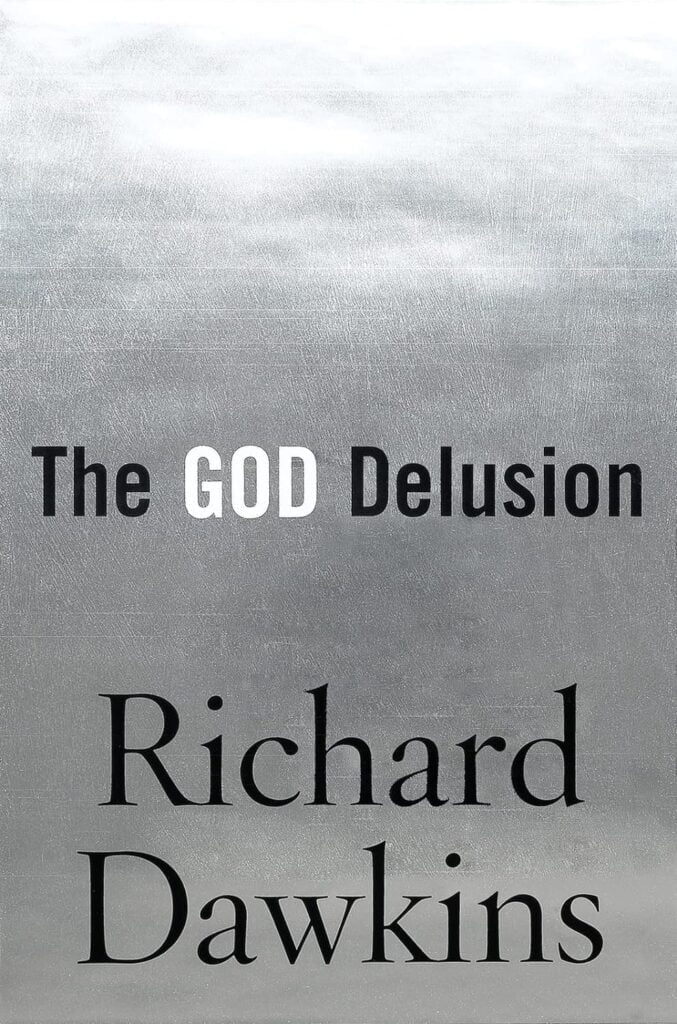
The God Delusion by Richard Dawkins
This 2006 book by Richard Dawkins, a British evolutionary biologist, is a critique of religion. Dawkins argues that God does not exist and that religion is a delusion. He discusses topics such as the argument from design, the problem of evil, and the nature of faith.
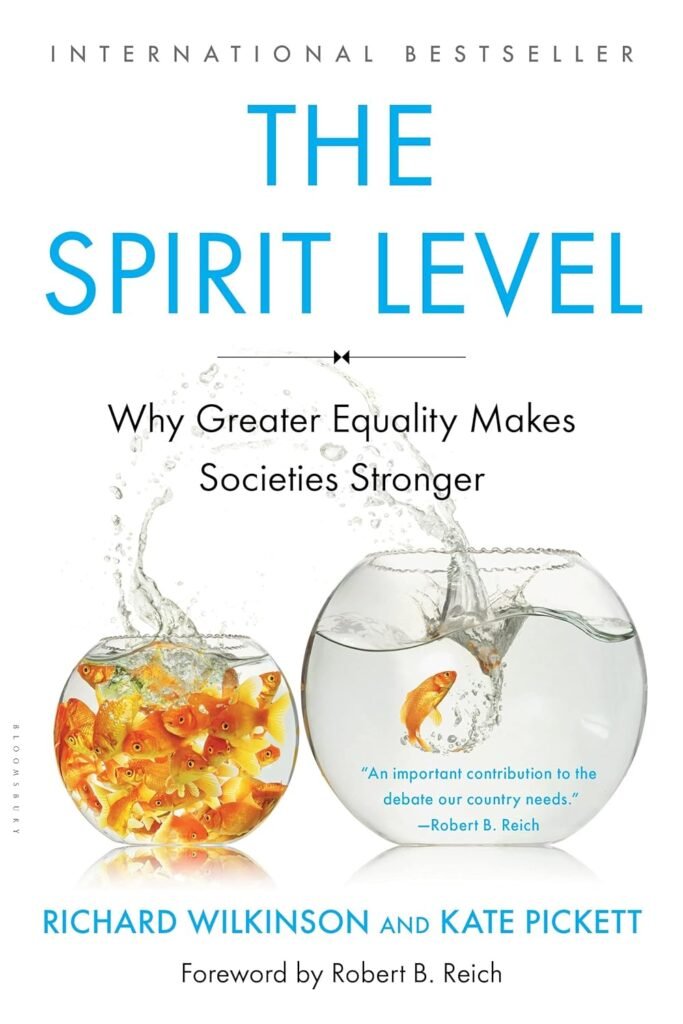
The Spirit Level by Richard Wilkinson and Kate Pickett
This 2009 book by Richard Wilkinson and Kate Pickett, examines the relationship between social inequality and a variety of social problems. The authors argue that more equal societies are better off in terms of a variety of social indicators, such as crime, health, and education.
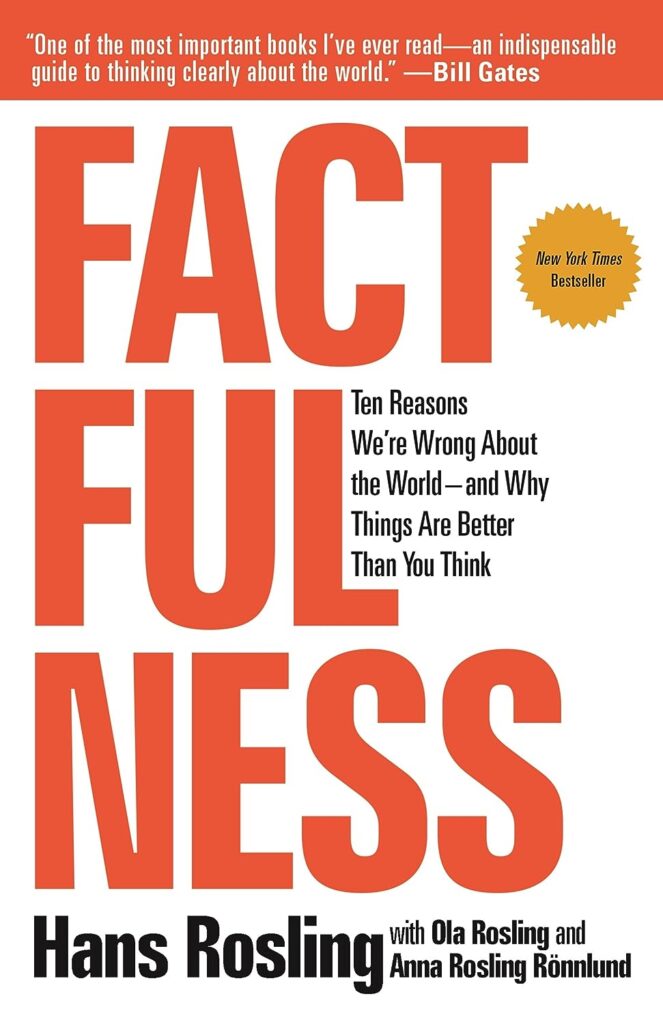
Factfulness: Ten Reasons We’re Wrong About the World – and Why Things Are Better Than You Think by Hans Rosling
This 2018 book by Hans Rosling, a Swedish physician and global health researcher, challenges our perception of the world. Rosling argues that the world is actually getting better in many ways, and that we are often too pessimistic in our outlook.
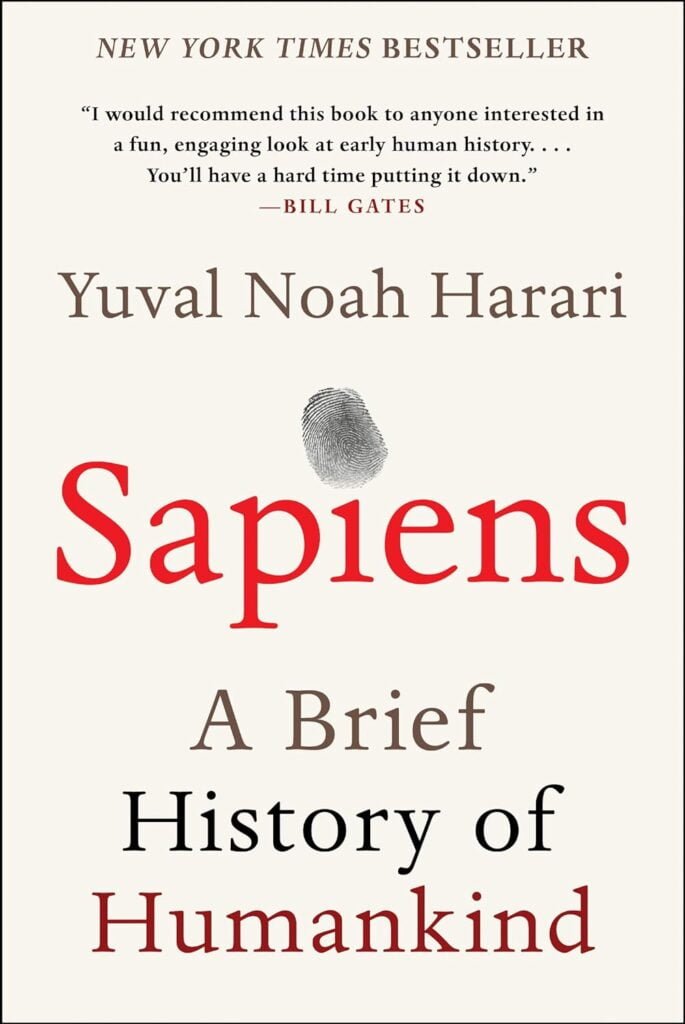
Sapiens: A Brief History of Humankind by Yuval Noah Harari
This 2014 book by Yuval Noah Harari, a Israeli historian, examines the history of humankind from our evolutionary origins to the present day. Harari explores topics such as the development of language, agriculture, and religion.
The concept of Allah, the supreme deity, has been a central pillar in the religious and cultural landscape of the Arabian Peninsula for centuries. While Islam introduced significant reforms and redefined the understanding of Allah, there remain notable similarities between the pre-Islamic and Islamic conceptions of this divine entity. In this blog entry, we delve into the common characteristics shared by the pre-Islamic and Islamic interpretations of Allah.
Monotheistic Foundations
Both the pre-Islamic and Islamic traditions embraced the idea of monotheism, recognizing Allah as the sole, supreme deity. Although pre-Islamic Arabia was home to a diverse array of deities and religious practices, many tribes, particularly the Quraysh, revered Allah as the highest and most powerful god.
This monotheistic belief laid the foundation for Islam’s strict adherence to the worship of one God, rejecting the veneration of any other deities or idols. The continuity of monotheism, albeit in a more refined and exclusive form, represents a significant common thread between the pre-Islamic and Islamic understandings of Allah.
Transcendence and Omnipotence
In both pre-Islamic and Islamic contexts, Allah was perceived as a transcendent and all-powerful deity, exerting supreme authority over the natural world and human affairs. This belief in Allah’s omnipotence and ability to control the course of events and determine the fate of individuals and communities was deeply ingrained in the religious consciousness of the region.
The pre-Islamic Arabic poetry and mythology are replete with invocations and supplications to Allah, acknowledging the deity’s unparalleled might and influence over the forces of nature and the destinies of humankind. This fundamental belief in Allah’s transcendence and omnipotence remained a core tenet in the Islamic conception of the divine.
Sacred Sites and Rituals
The pre-Islamic reverence for the Kaaba in Mecca as a sacred site and the performance of rituals and pilgrimages around it were carried over and incorporated into Islamic traditions. The Kaaba served as a focal point for religious practices and ceremonies among various Arab tribes, including the Quraysh, who oversaw its custodianship.
Islam not only preserved the sanctity of the Kaaba but also elevated its significance, making it the direction of prayer (qibla) for Muslims worldwide and a central site for the annual Hajj pilgrimage. This continuity in the recognition of sacred sites and the importance of rituals and pilgrimages reflects a shared cultural and religious heritage between the pre-Islamic and Islamic understandings of Allah.
Linguistic Continuity: The Name “Allah”
Perhaps the most evident common characteristic between the pre-Islamic and Islamic conceptions of Allah is the retention of the name itself. The Arabic word “Allah,” derived from the contraction of “al-ilah” (the god or deity), has been used to refer to the supreme deity in the Arabian Peninsula for centuries.
While Islam reshaped and redefined the attributes, nature, and relationship between Allah and humanity, the preservation of the name “Allah” signifies a linguistic and cultural continuity that spans the pre-Islamic and Islamic eras. This linguistic continuity serves as a bridge, connecting the ancient religious traditions of the region with the more recent Islamic interpretations.
Invocations and Supplications
The practice of invoking Allah through prayers, supplications, and invocations was widespread in both pre-Islamic and Islamic contexts. Pre-Islamic Arabic poetry and literature are replete with examples of invocations directed towards Allah, reflecting the deity’s centrality in the religious and cultural life of the region.
Islam not only maintained this tradition of invoking and supplicating to Allah but also established a structured system of ritual prayers (salah) and supplications. This shared emphasis on seeking divine guidance, protection, and blessings through invocations and supplications underscores the common spiritual heritage of the pre-Islamic and Islamic conceptions of Allah.
Divine Judgement and Fate
Both pre-Islamic and Islamic belief systems acknowledged Allah as the ultimate arbiter of human destiny and fate. The belief that Allah determines the course of events and controls the fortunes of individuals and communities was deeply rooted in the religious consciousness of the Arabian Peninsula.
This shared understanding of Allah’s role in shaping human affairs and dispensing divine judgment reflects a common worldview and a recognition of the supreme deity’s power and authority over the lives of mortals.
In a Nutshell
While Islam introduced significant reforms and departures from pre-Islamic beliefs and practices, the commonalities between the pre-Islamic and Islamic conceptions of Allah are undeniable. From the foundations of monotheism and the recognition of Allah’s transcendence and omnipotence to the continuity of sacred sites, rituals, and linguistic heritage, these shared characteristics reflect the enduring religious and cultural legacy of the region.
For centuries, humans have grappled with the question of our origins and our place in the natural world. It wasn’t until the groundbreaking work of scientists like Charles Darwin and Thomas Huxley that we began to unravel the profound truth: humans are not a separate creation from other animals, but rather a branch of the great ape family tree. This realization shattered long-held beliefs and sparked heated debates, but ultimately paved the way for a deeper understanding of our evolutionary past.
The Ancient Observers
Long before modern science, ancient philosophers and naturalists had observed the striking similarities between humans and apes. Aristotle, the famous Greek philosopher, noted the resemblance between apes and humans in his writings. In the 3rd century BCE, the Roman writer Claudius Aelianus remarked on the human-like behaviors of apes, such as their ability to learn and their social nature.
However, these early observations were often dismissed or interpreted through the lens of religious beliefs, which placed humans as a separate and superior creation from animals.
The Dawn of Evolutionary Theory
It wasn’t until the 19th century that the scientific foundations were laid for understanding our true kinship with apes. In 1859, Charles Darwin published his revolutionary work, “On the Origin of Species,” which introduced the theory of evolution by natural selection. While Darwin initially shied away from explicitly linking humans to apes, his groundbreaking ideas paved the way for further exploration of our evolutionary origins
The Ape-Man Debate
One of the fiercest proponents of the ape-human connection was Thomas Huxley, a renowned biologist and staunch supporter of Darwin’s theory. In 1863, Huxley delivered a powerful lecture titled “Evidence as to Man’s Place in Nature,” where he presented compelling anatomical and physiological evidence that humans and apes share a common ancestor.
Huxley’s bold assertions ignited a firestorm of controversy, as they challenged deeply rooted religious and cultural beliefs about human exceptionalism. The debate between Huxley and his opponents, such as Richard Owen, the renowned anatomist, became known as the “Ape-Man Debate,” a clash of ideas that captivated the public imagination.
The Missing Link
As the debate raged on, scientists sought to find the elusive “missing link” — a fossil that would bridge the evolutionary gap between apes and humans. In 1891, a remarkable discovery was made in Java, Indonesia: the fossilized remains of a human-like creature, later named Homo erectus, which lived around 1.8 million years ago.
While not the direct ancestor of modern humans, Homo erectus provided tangible evidence of our ape-like ancestors, further solidifying the evolutionary connection. Additional fossil discoveries, such as the famous “Lucy” skeleton found in Ethiopia in 1974, continued to shed light on our ancient primate relatives.
The Genetic Evidence
In the latter half of the 20th century, a new field of study emerged that would provide the most compelling evidence yet of our ape ancestry: molecular biology. By comparing the genetic makeup of humans and other primates, scientists were able to quantify the remarkable similarities between our species.
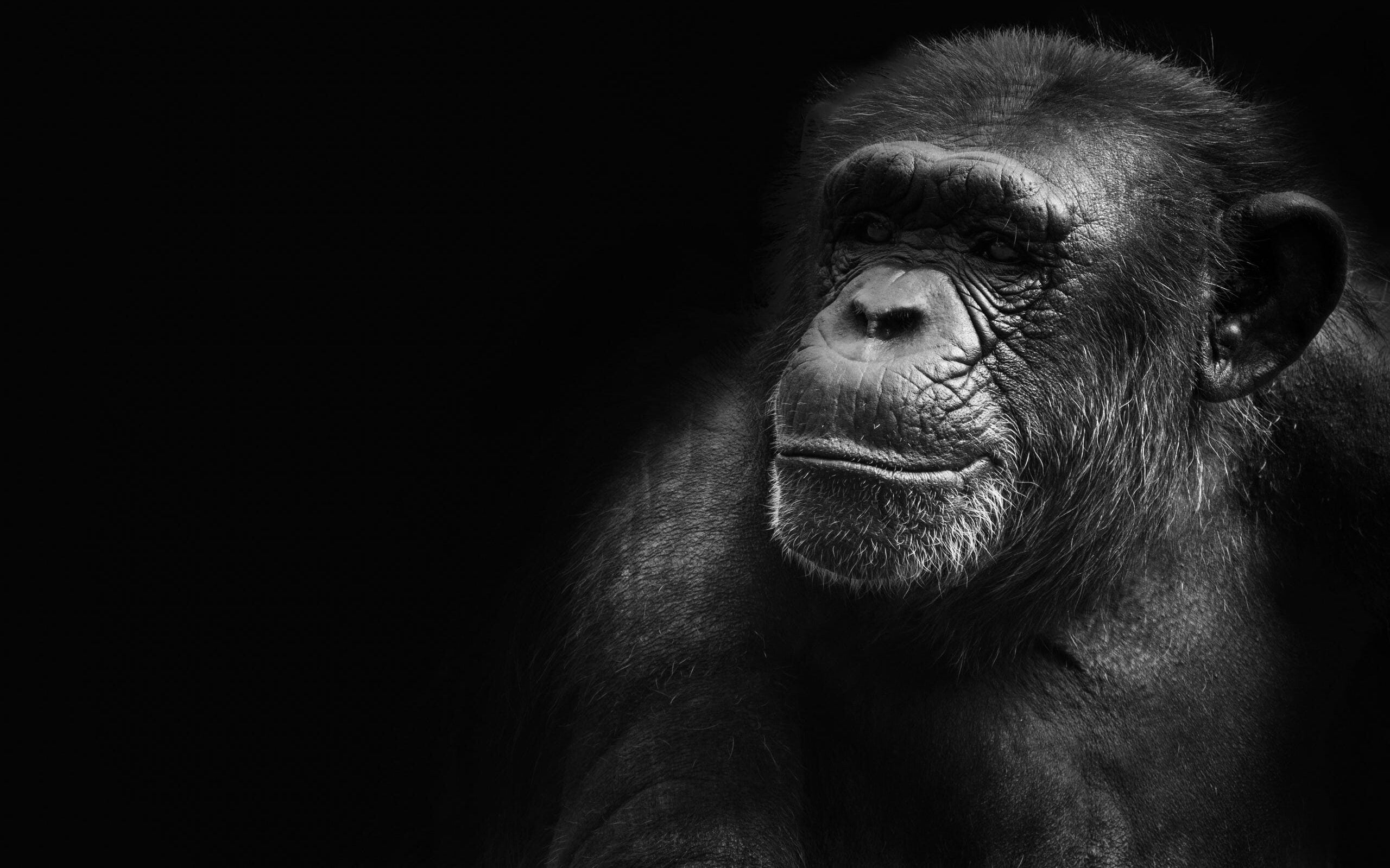
Groundbreaking studies revealed that humans share over 98% of our DNA with chimpanzees and bonobos, our closest living relatives in the ape family. This genetic evidence, coupled with the fossil record and anatomical comparisons, cemented our place as a branch on the ape evolutionary tree.
In a Nutshell
The journey to unraveling our ape origins was long and arduous, fraught with religious and cultural resistance. However, through the tireless efforts of scientists like Darwin, Huxley, and countless others, the truth emerged: we are not a separate creation, but an integral part of the rich tapestry of life on Earth, sharing a common ancestry with our ape cousins.
This realization not only deepens our understanding of our past but also shapes our perspective on our present and future. By embracing our evolutionary roots, we can better appreciate our place in the natural world and how interconnected life on our planet is.
A Brief History of Human Evolution From the Dawn of Life
The journey of human evolution is a remarkable story that spans billions of years, tracing its origins back to the most humble and microscopic of beginnings – the unicellular organism. These single-celled lifeforms, tiny though they were, laid the foundation for the incredible diversity of life that would eventually emerge on our planet, including the rise of our own species, Homo sapiens.
The earliest forms of unicellular life are believed to have arisen on Earth around 3.8 billion years ago, simple prokaryotic cells that lacked a true nucleus or membrane-bound organelles. These primitive cells, powered by the chemical reactions of their internal metabolic processes, represented the first stirrings of life on our planet.
The Rise of Complexity
Over vast stretches of time, these unicellular organisms diversified and evolved, giving rise to more complex eukaryotic cells with a true nucleus and specialized organelles. It was from these eukaryotic cells that the first multicellular organisms emerged, a pivotal moment in the grand tapestry of evolution. These early multicellular lifeforms, such as simple algae and fungi, paved the way for the subsequent emergence of more complex lifeforms, including the earliest animals and plants.
The Evolutionary Leap to Multicellularity
The evolution of animals, in particular, set the stage for the eventual rise of vertebrates, a diverse group of organisms characterized by the possession of a backbone or spinal column. Among these vertebrates, a lineage of small, shrew-like mammals emerged, adapted to a nocturnal lifestyle and possessing a remarkable ability to adapt and survive.
The Primate Lineage
It was from this lineage of early mammals that the ancestors of primates, including humans, eventually emerged. Over millions of years, these primate ancestors underwent a series of evolutionary changes, adapting to life in the trees and developing traits such as grasping hands, binocular vision, and increased intelligence.
The First Human Ancestors
The first true human ancestors, members of the genus Australopithecus, emerged around 4 million years ago in Africa. These early hominins walked upright on two legs, a trait that would become a defining characteristic of our species. Over time, the genus Homo emerged, with species like Homo erectus and Homo neanderthalensis representing important milestones in our evolutionary journey.
The Emergence of Homo Sapiens
Finally, around 300,000 years ago, our own species, Homo sapiens, appeared on the evolutionary stage. These modern humans possessed a larger brain, advanced cognitive abilities, and a capacity for language and complex tool-making that set them apart from their predecessors.
The Legacy of Evolution
From these humble beginnings as unicellular organisms, our species has undergone an extraordinary journey of evolution, one that has taken us from the microscopic realm to the heights of technological and cultural achievement. Yet, despite our remarkable progress, we remain inextricably linked to the vast web of life that surrounds us, a testament to the incredible power of evolution to shape and transform the living world.
For millennia, humanity has gazed at the vastness of the cosmos, the intricate dance of nature, and the spark of life within ourselves, and pondered one profound question: are we alone? The answer, as evidenced by every ancient civilization we’ve encountered, has overwhelmingly been a resounding no. From the majestic pyramids dedicated to Egyptian gods to the intricate pantheons of Greece and Rome, every culture has embraced a belief in a higher power, or more accurately, a multitude of higher powers.
This inherent tendency towards faith is perhaps unsurprising. The world around us, from the delicate balance of ecosystems to the awe-inspiring complexity of the human body, often appears meticulously designed. In the absence of scientific understanding, attributing these wonders to the works of powerful deities seems a logical conclusion.
How Civilizations Explained the Unexplained
Each civilization developed its own unique tapestry of gods and goddesses, reflecting their cultural values and societal structures. The Egyptians, with their dependence on the Nile’s annual floods, worshipped deities like Osiris, the god of agriculture, and Isis, the goddess of fertility. The Greeks, a seafaring people, saw Poseidon, the god of the sea, as a crucial figure, while the Romans, with their emphasis on law and order, revered Jupiter, the king of the gods.
This wasn’t just about explaining the natural world. Deities were often seen as playing an active role in human affairs, influencing love, war, health, and prosperity. People sought to appease these powerful beings through offerings, prayers, and rituals, hoping to curry favor and avoid misfortune.
Bridging the Divide: The Politics of Polytheism
Interestingly, the existence of multiple gods also offered a pragmatic solution for diplomacy. When civilizations interacted, leaders sometimes incorporated each other’s deities into their own pantheon. This act of acknowledging foreign gods served a dual purpose: it fostered a sense of shared belief, promoting peaceful coexistence, and it potentially ensured that the “adopted” deities wouldn’t unleash their wrath on the new worshippers.
The Evolution of Belief: When Gods Adapt to Changing Times
It’s important to remember that religious belief systems are not static. As societies evolve, so too do their conceptions of the divine. Take, for instance, Allah as an example. While Allah was certainly a pre-Islamic deity in the Arabian peninsula, Islam fundamentally reshaped the concept. The all-encompassing, merciful Allah of Islam bears little resemblance to the local gods worshipped by the Arabs before the rise of Islam. This transformation reflects the changing social and political landscape of the region.
Judaism and the Rise of Monotheism
Judaism, another religion you mentioned, presents a unique case. Unlike the polytheistic traditions prevalent at the time, Judaism championed the concept of a single, all-powerful God, Yahweh (or Jehovah). This belief system, emphasizing a covenant between God and a chosen people, the Jews, had a profound impact on the development of Western religion.
Beyond Centrism: Universality in the Human Experience of Faith
It’s important to avoid portraying these belief systems as solely ethnocentric. While cultural context undoubtedly shapes how deities are perceived, the core human experience of seeking meaning and purpose in a vast universe transcends geographical boundaries. The concept of a higher power, regardless of its specific form, has provided comfort, guidance, and a sense of order for countless generations.
The Enduring Power of Belief
Even in our modern, scientific age, belief in a higher power persists. While the explanations for natural phenomena have shifted, the fundamental human desire to connect with something larger than ourselves remains. From the intricate cosmologies of established religions to the rise of new spiritual movements, the human search for meaning in the universe continues. Whether it takes the form of a single, all-powerful deity or a pantheon of gods and goddesses, the concept of a higher power has served as a cornerstone of human experience for millennia, and it seems likely to remain so in the foreseeable future.