Author: Tamer Aydogdu

  • Literalism vs. Contextualism: Unpacking Biblical Interpretation

    Literalism vs. Contextualism: Unpacking Biblical Interpretation

    The Bible is one of the most significant and extensively read books throughout history. Revered by billions as the divine word, a moral compass, and the cornerstone of their beliefs, it is nonetheless a complex and debated text. Comprising various genres, authors, and viewpoints, it spans millennia of history and cultural development. The Bible is not a single, cohesive document; rather, it is a compilation of varied and sometimes conflicting texts, mirroring the human and historical circumstances of their creation. Consequently, Biblical interpretation is not an easy or direct task but an intricate and demanding endeavor that necessitates thoughtful and analytical engagement.

    When studying the Bible, a primary question is whether its content should be interpreted literally, figuratively, or through a combination of both. This inquiry profoundly affects our comprehension and application of biblical teachings and narratives in contemporary life. For instance, reconciling the Genesis creation narrative with scientific theories of evolution and geological data presents a challenge. Additionally, addressing the seeming discrepancies and variances within and across the biblical texts is essential. It is also crucial to consider the ethical and moral dilemmas posed by biblical laws and stories, including issues of slavery, violence, gender roles, and sexuality. Understanding the historical and cultural contexts of the Bible’s authors and their original audience is vital to accurately translating and applying the Bible’s messages to modern-day circumstances and environments.

    Join us as we delve into several questions, including whether one should take the Bible seriously. We will scrutinize the arguments and viewpoints of various biblical interpretation approaches, such as literalism, historical-critical, and contextual, assessing their merits and demerits.

    Literalism in Biblical Interpretation

    Literalism, a prevalent approach to understanding the Bible, asserts that the sacred text should be read and comprehended according to its plain and straightforward meaning. Advocates of literalism view the Bible as the inerrant and infallible word of God, where every word and detail holds historical and scientific accuracy. They maintain that the Bible is clear and consistent and admits only one correct interpretation for each passage. Typically, literalists adopt a conservative and traditional stance on ethical and moral issues, guided by biblical laws and commands.

    Arguments in Favor of Literalism:

    • Literalism upholds the Bible’s authority and inspiration, affirming that it is God’s word, devoid of falsehood or error. By doing so, it maintains the integrity and unity of the entire text, avoiding selective acceptance or figurative interpretations.
    • Literalism provides a clear and objective standard for understanding and applying the Bible. It avoids the ambiguity that arises from subjective reasoning or personal experience, which can lead to diverse interpretations.
    • Literalists assume that biblical writers communicated directly and transparently. Acknowledging historical and cultural contexts, they take the text at face value, avoiding modern assumptions or foreign perspectives.

    Challenges and Criticisms to Literalism

    • Literalism overlooks the literary and rhetorical aspects of biblical writings. For instance, it fails to recognize the poetic and symbolic nature found in Psalms, Proverbs, and Revelation, as well as the use of metaphors, similes, hyperbole, and irony throughout the text.
    • Literalism clashes with scientific evidence and historical facts that challenge biblical accounts. The creation story, the flood, the exodus, and miracles often conflict with empirical knowledge. Additionally, discrepancies within and between biblical books pose interpretive challenges.
    • By imposing an inflexible framework, literalism may not always address diverse contexts and situations. It neglects the dynamic nature of the biblical tradition, which evolves through ongoing dialogue between God and humanity.

    Historical-Critical Approach to Biblical Interpretation

    The historical-critical approach to understanding the Bible views it as a historical and human document, subject to rigorous methods and tools of analysis. Unlike literalism, which emphasizes the text’s plain meaning, historical-critical scholars recognize the Bible’s complexity and multifaceted nature. Let’s delve into the arguments for and against this approach:

    Arguments in Favor of Historical-Critical Interpretation

    • Historical-critical scholars acknowledge that biblical writers and their audiences lived in specific historical and cultural contexts. They recognize that these ancient authors reflected their own times, experiences, and understandings in their writings. By doing so, historical-critical interpretation avoids imposing modern assumptions on the text.
    • This approach uncovers the layers beneath the biblical surface. Scholars reveal the theological developments, debates, and implicit meanings within and between biblical texts by examining historical and literary contexts. It sheds light on the creative ways biblical writers engaged with their challenges.
    • Historical-critical interpretation allows us to distinguish between essential and incidental elements in the Bible. It bridges the timeless and the timely, enabling us to apply biblical teachings and stories to our contemporary contexts. Embracing diverse perspectives encourages dialogue and enriches our understanding of the biblical tradition.

    Challenges and Criticisms to Historical-Critical Interpretation

    • Critics argue that historical-critical analysis diminishes the Bible’s divine authority. By emphasizing its human origins, this approach denies supernatural guidance and involvement. It challenges the traditional view of the Bible as the infallible word of God.
    • Historical-critical scholarship dissects the Bible into parts, focusing on differences rather than similarities. Consequently, it offers multiple interpretations and conclusions, leaving readers with uncertainty. Some find this lack of definitive answers unsettling.
    • While historical-critical analysis enriches our understanding, it can alienate biblical writings from the faith and life of religious communities. Those who view the Bible as sacred and divine may struggle with this scholarly detachment.

    Can We Refute God?

    Can We Refute God?

    Belief in a higher power is profoundly subjective, shaped by human emotions and philosophical perspectives….
    Read More

    Contextual Biblical Interpretation: Bridging Divine and Human Perspectives

    The contextual approach to biblical interpretation emphasizes understanding the Bible in relation to both its historical context and the contemporary reader’s situation. Contextual scholars recognize that the Bible is not solely divine or solely human; it embodies both aspects. Let’s explore the arguments for and against this approach:

    Arguments in Favor of Contextual Interpretation:

    • Contextual interpretation affirms that the Bible is both God’s word and a human response to God. It recognizes that God speaks through the biblical writings, and humans engage with them. By preserving the integrity and unity of the Bible, contextual interpretation avoids extremes like literalism or historical-critical analysis.
    • Contextual interpretation allows us to relate biblical teachings and stories to our own contexts and challenges. It encourages dialogue and diversity by inviting engagement from various perspectives. Appreciating the richness and complexity of the biblical tradition becomes possible through this lens.
    • Contextual scholars acknowledge that biblical writers and their audiences lived in specific historical and cultural contexts. They recognize that these ancient authors reflected their own times, experiences, and understandings in their writings. Contextual interpretation appreciates biblical texts’ historical and cultural diversity by considering different genres, sources, traditions, and perspectives.
    • Contextual interpretation delves into historical and literary contexts, revealing theological developments and debates within biblical communities. It exposes implicit meanings and creative ways biblical writers engaged with their challenges.

    Challenges and Criticisms to Contextual Interpretation:

    • Critics argue that contextual interpretation weakens the Bible’s divine authority. By acknowledging its human origins and imperfections, this approach challenges the traditional view of the Bible as solely God’s word.
    • Contextual scholars bring their own biases and assumptions to the interpretation process. This subjectivity can lead to multiple conflicting interpretations and leave readers without clear guidance.
    • Contextual interpretation may detach biblical writings from their original purpose and message. Ancient authors may not have anticipated reading and applying their texts in diverse contexts.

    In a Nutshell

    The issue of taking the Bible seriously transcends a simple yes or no answer; it’s about the manner and reasons for doing so. Rather than outright acceptance or dismissal, it involves an active engagement with the text. Understanding the Bible is not about pinpointing a single correct interpretation but recognizing its essential role in grasping Western history and society.

    The Debate Between Bible Literalists vs Contextualists

    For centuries, there has been an ongoing debate within Christianity over how to interpret the Bible. On one side are the literalists, who believe the Bible should be taken completely literally, word-for-word. On the other side are the contextualists, who believe the Bible should be interpreted within its historical and cultural context. This debate has shaped Christian theology and doctrine throughout history.

    Early Literalism

    The early Christians were generally literalists when it came to interpreting the Bible. They took the stories and teachings at face value, ascribing to them a literal and historical truth. This literalist view was the dominant perspective throughout the first several centuries of Christianity.

    However, even in these early years, there were hints of contextualism. Some Church Fathers like Origen argued for allegorical interpretations of certain passages, looking for deeper symbolic meanings beneath the literal text. But by and large, literalism held sway.

    Medieval Scholasticism and the Growth of Contextualism

    During the Middle Ages, the literalist view was still prevalent, but the rise of scholasticism and a revived interest in Greek philosophy led to more widespread use of contextual analysis. Scholars like Thomas Aquinas incorporated Aristotelian methods of analysis and questioned whether the Bible always meant exactly what it said in a literal sense.

    This scholastic method opened the door for more allegorical and symbolic interpretations of scripture. The four-fold method became popular, which looked at literal, allegorical, moral, and anagogical meanings behind biblical passages. Contextualism was on the rise, even if it was still a minority view.

    The Protestant Reformation and Literalism’s Resurgence

    In the 16th century, the Protestant Reformation brought a resurgence of literalism. Protestant scholars like Martin Luther and John Calvin rejected many of the allegorical interpretations of the Catholic Church. They argued for a more literal, historical reading of scripture, free from non-biblical traditions.

    This literalist bent was amplified by the growing use of the historical-grammatical method of interpretation, which stressed looking at the original languages, contexts, and grammatical structures to understand the author’s literal intent. The Protestant principle of sola scriptura (by scripture alone) reinforced this literalist trend.

    19th Century Debates and the Emergence of Modern Contextualism

    In the 19th century, new developments like the Higher Criticism movement, which analyzed the Bible’s historical origins and authorship, combined with growing scientific discoveries, posed challenges to biblical literalism. This led to a flourishing of contextualist approaches.

    Liberal theologians and scholars argued that the Bible had to be understood within its ancient contexts and that its stories and teachings should not always be taken as literal historical facts. On the other side, fundamentalists like those behind the Niagara Bible Conference clung strongly to biblical inerrancy and literalism as a backlash against modernist thinking.

    This literal vs. contextual debate raged throughout the 19th and into the 20th centuries, shaping Christian doctrinal disputes over issues like creationism vs evolution and inspiring the “fundamentalist-modernist” controversies.

    20th Century and Beyond – A Diversity of Views

    In the 20th and 21st centuries, this historical debate has continued in various forms across Christian denominations and traditions. Most mainstream Christian institutions have adopted some level of contextual interpretation, while still maintaining core literal beliefs about Christ’s divinity, the resurrection, etc.

    Within these churches, a diversity of views exists, with some being more literalist and others more contextualist when it comes to specific teachings and biblical books. Literalism remains very strong in certain evangelical, fundamentalist, and conservative churches. Meanwhile, liberal and progressive churches tend to interpret scripture through a more contextualist lens.

    At the scholarly level, there is also a wide range of approaches drawing from literalism, contextualism, and other methods like reader-response criticism and postmodern interpretation. The historical debate continues unabated, shaping how each new generation of Christians understands the Bible.


  • Fine-Tuned Universe, Best Argument Against Atheism?

    Fine-Tuned Universe, Best Argument Against Atheism?

    Scientists frequently express amazement at the seemingly fine-tuned universe, where the exact values of physical constants and laws appear precisely calibrated to sustain life. This extraordinary precision is vital; even minor variations in these constants might lead to a barren universe devoid of stars, planets, and the chemical processes necessary for life.

    The intricate equilibrium of our universe prompts deep inquiries into the genesis and framework of the cosmos, compelling scientists to demystify the enigma of its precise orchestration. The improbability of such ideal conditions emerging by chance evokes wonder and inquisitiveness, propelling the quest for fundamental principles or insights that might illuminate this fine-tuning.

    Embark with us on a journey to decipher the puzzle of the fine-tuned universe through both scientific and theological lenses.

    Photo by NASA on Unsplash

    The Multiverse: A Universe of Possibilities

    The immensity of the cosmos has always fascinated humanity, prompting us to ponder the beginnings and framework of the universe, as well as our place in it. The multiverse hypothesis, emerging from diverse physics and cosmology disciplines, introduces a profound and intriguing concept: our universe is not the only one, but merely a part of a potentially boundless ensemble of universes.

    At the core of the multiverse hypothesis lies the enigmatic domain of quantum mechanics. The many-worlds interpretation, a controversial yet fascinating view on quantum events, suggests that all possible outcomes of a quantum occurrence do happen. This implies that every choice, every quantum-level random event, causes the universe to split into separate realities. Each reality holds a distinct version of existence, possibly including every imaginable variation of physical laws and constants. Such a vast collection of alternatives could explain the variety within our universe, hinting at countless different realities beyond our own.

    An exciting aspect of multiverse theory stems from inflationary cosmology, which suggests that the early universe experienced a rapid expansion known as inflation. If this inflation occurred unevenly across space, different areas might have stopped inflating at various times. These areas could have developed into isolated “bubble universes,” each with its own physical laws and constants. Inflation, therefore, might have produced a vast, potentially infinite collection of universes, making the observed diversity a matter of statistical probability.

    String theory, which aims to reconcile nature’s fundamental forces, introduces another layer to the multiverse concept by proposing that fundamental particles are not point-like but rather tiny, vibrating strings. The way these strings vibrate determines the properties of the particles they represent. String theory allows for many possible configurations, each of which could result in a different set of physical laws and constants, suggesting that each configuration might correspond to a separate universe within the multiverse, offering a theoretical foundation for the existence of multiple physical realities.

    The multiverse concept provides a fertile context for the anthropic principle, which posits that our universe is observable because if it were fundamentally different, we wouldn’t exist to observe it. Given a vast multiverse with diverse physical laws and constants, it’s unsurprising that at least one universe would have the right conditions for life as we know it, negating the need for a “designer” to fine-tune the universe for our existence. This offers an alternative explanation for the precise alignment of physical constants that enable life.

    Furthermore, the multiverse theory could address the fine-tuned universe problem, which arises from the observation that many physical constants in our universe appear precisely calibrated for the existence of stars, planets, and life. The odds of these constants randomly aligning to support life seem incredibly slim. However, in a multiverse with countless universes and varying constants, the statistical likelihood that at least one universe would have the exact conditions for life makes our universe seem less like a perplexing outlier and more like a natural outcome within an immense cosmic landscape.

    Although the multiverse hypothesis extends beyond the scope of directly observable science, its potential to explain the complexity and variety of the universe is clear. It challenges us to reconsider our place in the cosmos, moving from the concept of a single universe to a vast array of possibilities. With technological advancements and a deeper understanding of the cosmos, exploring the multiverse’s mysteries is a fascinating and persistent endeavor.

    God Hypothesis

    The God hypothesis proposes the existence of a divine creator or supreme being as the fundamental reason for the universe’s origin, structure, and purpose, encompassing its laws, complexity, and life.

    The fine-tuned universe issue, which underscores the apparently unlikely calibration of physical constants necessary for life, leads to diverse interpretations. Unlike scientific methods, the God hypothesis provides an explanation based on faith and the notion of a divine architect.

    At the heart of the God hypothesis lies the concept of purposeful design. The complex and life-sustaining characteristics of the universe are seen as the handiwork of a creator who intentionally shaped the cosmos with particular conditions in mind. The unlikely values of physical constants, the laws governing physics, and the initial conditions leading to our universe’s birth are viewed not as coincidental or statistically necessary but as deliberate choices by a designer imbued with intent and significance, indicating a purposeful creation rather than a random event.

    Proponents of the God hypothesis often regard it as a straightforward and explanatory model. It provides a singular response to the question of why the universe is conducive to life, avoiding the need for speculative and presently unobservable notions such as the multiverse, which suggests an extensive collection of invisible universes. For these individuals, invoking a divine creator offers a lucid and all-encompassing rationale that aligns with their beliefs and perception of existence.

    The God hypothesis extends beyond empirical science into philosophical and theological domains, addressing questions of the universe’s origin, purpose, and meaning through religious and metaphysical lenses. This contrasts with scientific inquiry grounded in evidence and testable theories within the natural world. Advocates of the God hypothesis may suggest that science’s inherent limitations prompt the need for supernatural or metaphysical explanations to account for the universe’s complexity and apparent fine-tuning.

    There are epistemological distinctions between the God hypothesis and scientific hypotheses. The God hypothesis exists outside the scope of methodological naturalism, the principle that underpins scientific investigation by seeking natural causes for observed phenomena. Based on faith and metaphysical contemplation, the God hypothesis is separate from scientific hypotheses, which are contingent upon empirical evidence and the possibility of testing.

    In summary, the God hypothesis presents a unique viewpoint on the fine-tuned universe issue. Although it does not conform to the principles of scientific investigation, it appeals to those who seek meaning and explanation in the idea of a divine creator. Acknowledging the essential distinctions between this perspective and scientific explanations is vital for appreciating the varied methods humans employ to confront the enigmas of the universe and our existence in it.

    Photo by John Fowler on Unsplash

    It Is Not a Black-and-White World

    Some believe we are presented with only two options: either a deity created the universe and life on Earth through supernatural means, or no deity exists at all, which is a false dichotomy.

    A prominent concept that helps us understand the universe’s apparent fine-tuning is the Non-Overlapping Magisteria (NOMA), introduced by Stephen Jay Gould.

    This concept posits that science and religion explore separate domains of knowledge, known as “magisteria.” Science investigates the empirical universe, building theories based on observable evidence and repeatable experiments. Religion, conversely, addresses profound ethical, existential, and metaphysical questions, often beyond the physical world. From this standpoint, the multiverse theory, which examines the universe’s structure and mechanics, does not inherently conflict with or disprove the existence of a deity, as they pertain to entirely separate realms.

    However, alternative viewpoints question this strict division. Certain theistic beliefs harmonize the concept of the multiverse with the existence of a divine creator by suggesting that God is the originator of the multiverse itself. This implies that God did not just create our particular universe but also the laws and constants that govern the myriad of universes within the multiverse. Thus, the multiverse is seen as an extension of a larger divine scheme rather than a contradiction.

    Additionally, the significance of metaphysical and theological interpretations must be recognized. These interpretations provide a unique layer of comprehension that often goes beyond scientific explanations. From this vantage point, the existence of God does not depend solely on deciphering the universe’s physical complexities. Rather, it is an act of faith anchored in profound philosophical and theological structures that search for meaning outside the physical domain. Even if the multiverse offers a scientific rationale for the fine-tuned universe, it does not necessarily invalidate these beliefs based on faith.

    It’s also crucial to acknowledge the limitations of scientific explanations. While the multiverse theory may account for the fine-tuning observed in our universe, it could lead to more profound existential inquiries. Questions like why the multiverse exists or why the laws of physics vary across universes may elude scientific explanation and require interpretations that could be theological in nature.

    The connection between the multiverse and the divine largely depends on one’s concept of God. Various religions and philosophical doctrines offer widely differing perspectives on the divine. To some, God is deeply integrated into the universe’s fabric, with its intricate design reflecting God’s active involvement. To others, God represents a more abstract, deistic force external to the universe and does not intervene in its dynamics. The multiverse concept could profoundly challenge certain views of God but may not affect other beliefs.

    Photo by Casey Horner on Unsplash

    In a Nutshell: Fine-Tuned Universe

    The interaction between the Multiverse and Divine hypotheses provides a complex framework for reflection, transcending the dichotomy of solely scientific or theological explanations for the universe. It uncovers the intricacies involved in harmonizing the expansive theories of the multiverse with the intimate, belief-based notions of a divine creator. The Non-Overlapping Magisteria (NOMA) principle proposes a harmonious existence between science and religion, each addressing distinct aspects of human comprehension. However, conversations often blend these realms, pushing the limits of our knowledge and beliefs.

    Certain theological views incorporate the multiverse as an aspect of divine creation, portraying a God not confined by our universe but rather as the designer of a vast multiverse, with each universe serving as evidence of divine limitless imagination, thus broadening the traditional understanding of God to one capable of creating endless possibilities. In contrast, some argue that the precise and purposeful design of the universe suggests a God intricately involved in creation’s details, indicating a universe intentionally formed for life. These differing perspectives underscore the variety within theological discourse, showing the diverse interpretations of the divine across various belief systems.

    As science progresses and pushes the limits of our knowledge, it may help us grasp the intricacies of the universe’s fine-tuning. Yet, the profound existential queries about purpose and significance might always remain within the sphere of individual belief and philosophical contemplation. Whether viewed through the prism of science, faith, or a combination thereof, delving into the origins and framework of the universe continues to be a deeply significant pursuit, driving us to search for insights that extend beyond what we can see, into the domains of the theoretical and the spiritual.

  • The American Dream: A Modern-Day Lullaby

    The American Dream: A Modern-Day Lullaby

    In the United States, a country renowned for its opportunities and liberties, the actual wealth distribution sharply contrasts with the esteemed American Dream. Contrary to the popular belief that diligence and resolve can propel anyone to affluence, statistical evidence paints an alternate narrative: a significant portion of the nation’s wealth is accumulated by a minuscule segment of its populace, relegating the majority to vie for the remnants. We invite you to explore the origins and consequences of this economic disparity in U.S. wealth distribution and consider its implications for the American financial structure amidst considerations of education and self-awareness.

    The Divide Widens in U.S. Wealth Distribution

    The extreme concentration of wealth among a select few goes beyond mere statistics; it signifies a growing gap that threatens the unity of our society. When just 10% of the population controls two-thirds of the nation’s wealth, while the bottom half holds a mere 2.6%, the extent of this inequality becomes clear. This alarming imbalance is not just a numerical difference; it indicates deep-rooted systemic flaws that perpetuate poverty and exclusion, trapping many individuals in unending cycles of economic hardship. The consequences of this divide are extensive, affecting fundamental aspects of life such as equal access to education and healthcare, and undermining the stability and well-being of communities across the country.

    U.S. Wealth Distribution
    Photo by John Moeses Bauan on Unsplash

    Propaganda and Perception

    The battle against economic inequality is not just about redistributing wealth; it’s also about changing societal attitudes. Efforts to address this inequity often face strong resistance, portrayed as attacks on personal freedoms and the American way of life.

    This depiction, ingrained in the public consciousness, acts as a powerful tool for the wealthy elite, who use it to align the economically disadvantaged with those benefiting from the status quo. By labeling any wealth redistribution proposals as steps toward communism, these groups effectively silence dissent and maintain their power. They cloak their agendas in patriotism and liberty, while the mistaken association of communism with atheism adds to the confusion, obstructing the path to a fairer society.

    In the United States, opposition to wealth redistribution is rooted in the cultural ideal of ‘rugged individualism,’ which values self-sufficiency and independence, often resulting in resistance to government involvement in social programs like welfare and healthcare. For example, despite growing income and wealth disparities in recent decades, a substantial portion of the electorate consistently opposes redistribution, favoring reductions in welfare rather than tax increases.

    Challenges to Change

    Despite increased recognition of the disparities, effecting systemic change remains a formidable challenge. The principles of capitalism, meritocracy, and individualism are not merely economic concepts but are ingrained in the American consciousness, forming a robust ideological framework that upholds the status quo. For those in positions of privilege, these principles validate a sense of deservedness and a staunch opposition to altering the system. Conversely, for those marginalized by the current economic structure, these same ideals can engender a sense of disenchantment and a belief in the futility of striving for change. To surmount this deeply rooted ideological stronghold, it is imperative to engage in a concerted societal endeavor that critically examines and deconstructs these long-standing convictions, thereby questioning the very bedrock of the prevailing economic paradigm.

    Consider the case of affirmative action policies in the United States. Despite decades of efforts to address historical injustices and systemic inequalities in access to education and employment, resistance to such policies remains strong. Advocates argue that affirmative action programs are essential for promoting diversity and leveling the playing field, especially for marginalized communities.

    However, opponents often cite principles of meritocracy and individualism, asserting that such policies undermine the idea of rewarding hard work and talent, which reflects the deep-seated ideological framework described in the passage, wherein the principles of capitalism and meritocracy validate existing structures of privilege for some while perpetuating barriers for others.

    U.S. Wealth Distribution
    Photo by John Tyson on Unsplash

    Free Loaders

    Proponents of the status quo argue that the economic challenges of the US are largely due to immigrants and social programs, labeling those who benefit from them as freeloaders. They advocate for reducing the 2.6% share of wealth owned by half of the American population and reallocating it to a smaller group.

    In a system where wealth generates more wealth, the core problem is clear. The elite and their heirs, whom some might call the actual freeloaders, accumulate wealth with ease, while the less fortunate typically inherit a legacy of poverty, insufficient education, and limited opportunities from their ancestors.

    The Path Forward

    The journey toward a more equitable future is one that transcends the confines of partisan debate and ideological rifts. At the heart of this endeavor lies a commitment to comprehensive education that encompasses not only financial understanding but also the cultivation of critical thinking and empathetic understanding. By equipping individuals with the knowledge to navigate systemic complexities and fostering an appreciation for our shared humanity, we lay the groundwork for overcoming societal divides. Cultivating a culture anchored in unity and mutual respect is paramount. Equally important is galvanizing a collective resolve to champion and enact systemic reforms. Through persistent collective efforts and a unified pursuit of fairness, we can unravel the intricate causes of economic disparity.

    In a Nutshell: U.S. Wealth Distribution

    The stark disparities in wealth distribution in America indicate that the system is broken, not a reflection of individual failure or lack of effort. Confronting this reality requires courage, a willingness to challenge deeply ingrained beliefs, and to question the power structures that uphold the status quo. By fostering a society that values education, self-awareness, and empathy, Americans can lay the groundwork for a more equitable and just economic system that uplifts the most vulnerable and honors the promise of the American Dream for all.

    Sources

    https://www.stlouisfed.org/open-vault/2020/december/has-wealth-inequality-changed-over-time-key-statistics

    https://www.pewresearch.org/social-trends/2020/01/09/trends-in-income-and-wealth-inequality

    https://usafacts.org/articles/us-wealth-distribution-and-inequality-recession-pandemic-2020

    https://www.weforum.org/agenda/2022/07/household-income-distribution-wealth-inequality-united-states

    https://www.stlouisfed.org/institute-for-economic-equity/the-state-of-us-wealth-inequality

  • 50 Shades of Humanity

    50 Shades of Humanity

    The complex nature of race in society is both fascinating and perplexing because it lacks a solid biological foundation. We’ve created arbitrary divisions based on physical appearance while ignoring the minuscule genetic differences between us, which calls for a shift in perspective. Race as a social construct must be recognized over and above any biological classification.

    Labeling someone as “white” doesn’t guarantee a stronger genetic link to others labeled the same, compared to people of different racial categories. Our DNA is a complex mosaic, reflecting a rich tapestry of ancestries. Fitting people into distinct racial boxes oversimplifies the beautiful complexity of human diversity. Race as a social construct often leads to misunderstandings and problems rather than providing valuable insights into our shared humanity.

    The concept of race persists in our interconnected world, though its dynamic is changing. As people from diverse backgrounds marry and build families, the once clear-cut racial boundaries are blurring. Imagine it like an artist’s palette – blending different colors creates new and unique shades. These changes suggest a future where traditional racial classifications hold less weight, highlighting the fluidity and interconnectedness of human identities.

    The focus on race in the United States is somewhat paradoxical, considering the country’s diverse and mixed heritage. Celebrating our origins and the unique cultural contributions we bring to the world is vital. However, emphasizing race as a primary identifier may be outdated. Instead, we should embrace the richness and complexity of our identities.

    Race as a Social Construct - A black and white raised fist.
    Photo by visuals on Unsplash

    Honoring one’s heritage and family history is definitely commendable. It connects us to our unique stories and ancestral roots. However, it’s worth considering the concept of pride based solely on genetics and geographic lineage, like skin color. True pride should stem from our accomplishments, actions, and inner character, not the circumstances of our birth. It’s about the values we hold, the contributions we make, and the paths we forge through our choices and actions.

    Science reveals our incredible similarity as humans, with 99.9% shared DNA. The tiny variations that influence our appearance represent a minuscule portion of our genetic makeup. This reinforces the concept of race as primarily a social and historical construct, not a biological one. These slight differences are too insignificant to justify traditional racial classifications. Our shared humanity holds much greater weight than superficial physical variations.

    The idea of changing one’s “race” through science is more science fiction than reality. Despite genetic advancements, altering racial traits sparks complex ethical and scientific debates. This highlights the limited scientific basis of race. The ethical concerns surrounding such hypothetical modifications emphasize the need to view race as a social construct, not a biological one. Our focus should be on the richness and diversity of human experiences, not altering insignificant characteristics.

    As the world becomes more interconnected, progress brings people from diverse backgrounds closer. This global interaction leads to a beautiful amalgamation of cultures and identities.

    Race as a Social Construct -  Leaves in different colors
    Photo by visuals on Unsplash

    As we navigate our identities in this expansive, interconnected world, it’s vital to embrace the precious elements of our cultures and discard outdated concepts of race.

    Race, as a social construct, has limited our understanding of humanity. We should aim to cultivate a global community where the core of our humanity surpasses labels, honoring both our collective and individual identities beyond the limitations of racial classification. Concentrating on our common experiences and the wealth of cultural diversity, we can lay the groundwork for a society that acknowledges each person simply as a human being, bonded by our distinct and shared traits.

  • Muslims Don’t Need Enemies

    Muslims Don’t Need Enemies

    The phenomenon of Quran burning by individuals aligned with far-right ideologies transcends the physical act of destroying a religious text. It represents a profoundly intricate and sensitive subject that intersects religious belief, political extremism, and cross-cultural perceptions.

    The act of burning Qurans serves as a symbolic assault on the values and sensibilities of a global religious community, generating profound reactions and impacting how Islam is perceived worldwide.

    Join us in exploring why far-right politicians burn Qurans and how they sit back and watch Muslims shoot themselves in the foot.

    Exploring the Underpinnings of Quran Burning

    The deliberate choice to burn the Quran by specific far-right figures is fueled by a complex web of motivations aimed at inciting a strong emotional response from the Muslim populace. This act extends beyond mere criticism or dissent against Islamic teachings; it is a calculated offense designed to provoke and insult. In this context, the Quran is viewed not just as a book of words but as a sacred emblem of the Islamic faith. Desecrating it becomes an attempt to challenge and denigrate the foundational beliefs of Islam.

    Historically, incidents of Quran burning have often served as catalysts for heightened tensions and misunderstandings. For example, the 2005 burning of the Quran by American troops at Guantanamo Bay sparked widespread condemnation and protests across the Muslim world. This incident and others illustrate how such acts can have a significant ripple effect beyond the immediate act itself.

    The impetus behind such provocative acts can be traced back to multiple factors. A significant driver is the endeavor to affirm and propagate far-right ideological stances that perceive Islam as antithetical to their core values. Through the act of Quran burning, these individuals seek to manifest their rejection and fear of what they consider a cultural or national identity threat posed by Islam. This fear, often fueled by Islamophobia and anti-immigrant sentiment, can lead to a distorted and prejudiced view of Muslims.

    However, above all, these far-right leaders burn copies of the Qurans to grab headlines and portray Muslims as violent, emphasizing the perceived threat of Islam.

    Photo by Andy Watkins on Unsplash

    Unpacking the Muslim Community’s Reaction and Its Ripple Effects

    The Muslim community’s response to Quran-burning incidents is pivotal for understanding the dynamics of provocation and backlash. The Quran’s desecration is viewed as a grave affront within Islam, eliciting reactions ranging from dismay and outrage to peaceful demonstrations or even, in rare instances, violent retaliations.

    However, such responses, often misconstrued as disproportionate, inadvertently fulfill the provocateurs’ objectives. Far-right groups predict and sometimes even welcome these reactions to vindicate their biased views and depict Muslims in a derogatory manner, serving to entrench stereotypes of Muslims as intolerant or prone to violence, advancing the far-right’s divisive agenda.

    Quran burnings further reinforce domestic propaganda in many Muslim-majority countries that the West is at war with Islam. Muslims feel the need to protect themselves, viewing their actions not as an assault on the West but as a response to the West’s attacks on Muslims.

    The Broader Implications on Islam’s Global Perception

    The ongoing cycle of provocation and reaction has profound implications for the global perception of Islam. Public and media portrayals of Muslims reacting violently to Quran burnings can perpetuate negative stereotypes, overshadowing Islam’s teachings of peace and the positive contributions of the majority of its adherents.

    Furthermore, such incidents erect barriers to understanding and empathy towards Islam among non-Muslims. Instead of encountering a religion that advocates peace and understanding, people are met with images of strife and hostility, which may discourage further exploration or engagement with Islamic teachings.

    Photo by Pawel Janiak on Unsplash

    Towards a Resolution: Breaking the Quran Burning Cycle

    Addressing and ultimately breaking this cycle of provocation and reaction is essential for altering the prevailing narrative. This responsibility largely falls upon Muslim communities, which need to adopt strategic and composed responses to such provocations. Some argue that ignoring these provocations could potentially be the most effective strategy in curtailing them, as it denies the perpetrators the satisfaction of achieving their desired reaction.

    However, it’s crucial to emphasize the diversity of reactions within the Muslim community. While some may choose peaceful protests or public education campaigns to counter these provocations, others may advocate for interfaith dialogue and collaboration to promote understanding and tolerance.

    Additionally, efforts by Muslim organizations and individuals to counter the negative narratives associated with Quran burning are essential. This could include engaging with the media, promoting educational campaigns, and fostering interfaith initiatives.

    Furthermore, it’s important to acknowledge the international community’s condemnation of the burning. Many countries and organizations widely view such acts as disrespectful and harmful to religious freedom, highlighting the need for mutual respect and understanding across different faiths and cultures.

    Breaking the cycle of provocation and reaction demands a multi-faceted approach that involves not only strategic responses from Muslim communities but also collective efforts from individuals of all faiths and backgrounds to foster understanding, challenge prejudice, and promote peaceful coexistence.

    Before I let you go, I want to remind you that if Quran burnings didn’t make headlines for far-right leaders, they wouldn’t burn a copy of the Quran they purchased at a store.

  • Hitler, Nazism and Religion

    Hitler, Nazism and Religion

    A Historical Analysis

    The relationship between Hitler, Nazism and religion is one of the most controversial and debated topics in history. Some argue that Hitler was an atheist and that Nazism was an atheistic regime, while others claim that Hitler was a Christian and that religious institutions influenced Nazism. However, both of these claims are oversimplified and misleading. The reality is much more complex and nuanced, taking into account Hitler’s religious beliefs, the nature of Nazism as a regime, and the role of religion during the Nazi era.

    Hitler’s Religious Views

    Hitler’s religious views have not been easy to pin down, as they were often contradictory, ambiguous, and opportunistic (surprise, surprise). He was born and raised as a Catholic, and he never officially renounced his membership in the Catholic Church. However, he also expressed disdain and hostility towards Christianity, especially its doctrines of equality, compassion, and pacifism, which he saw as weak and incompatible with his vision of a superior race. He also rejected the authority of the Pope and the clergy and sought to undermine and control the Catholic Church in Germany.

    Conversely, Hitler professed belief in God and claimed to act according to God’s will, often invoking divine providence in his rhetoric to position himself as a champion of Christianity against Germany’s foes like Communism and Judaism. Additionally, he showed appreciation for elements of Germanic paganism, occultism, and mysticism, viewing them as wellsprings of inspiration and strength for his racial ideology.

    Therefore, it is inaccurate to label Hitler as either an atheist or a Christian. He was neither but a religious opportunist who used and manipulated religion for his own political and personal ends, just like many other politicians of his caliber. He did not adhere to any consistent or coherent religious system but cherry-picked elements from various sources that suited his agenda.

    Nazism as a Regime

    Nazism, or National Socialism, was the political ideology and movement that ruled Germany from 1933 to 1945 under Hitler’s dictatorship. It was based on the principles of racial supremacy, totalitarianism, nationalism, militarism, and anti-Semitism, aiming to create a “pure” and “superior” German race and to eliminate or subjugate those deemed “inferior” or “undesirable,” such as Jews, Slavs, Roma, homosexuals, communists, and others.

    Nazism was not an atheistic regime, as it did not officially deny or prohibit the existence of God or religion. That being said, it was also not a religious regime, as it did not promote or endorse any specific religion or faith. Rather, it was a regime that maintained a separation of religion and state but sought to subordinate religion to its political goals. It did not respect or tolerate religious diversity or freedom but rather controlled and manipulated religion for its own purposes.

    Nazism maintained a complicated and often contradictory stance towards religion, particularly Christianity. It sought to harness and manipulate the religious feelings and customs of the German populace, predominantly Protestant. Additionally, it aimed to align with certain religious authorities and bodies, including the German Christians, a pro-Nazi group within the Protestant Church, and the Reichskonkordat, an agreement with the Vatican that offered certain privileges and safeguards to the Catholic Church in return for its allegiance and quiescence.

    On the other hand, Nazism also tried to undermine and suppress the influence and autonomy of religion, especially those that opposed or challenged its ideology and policies, such as the Confessing Church, a resistance movement within the Protestant Church, and the Catholic Centre Party, a political party that the Nazis dissolved. It also persecuted and killed many religious people, especially those who belonged to minority or non-Christian faiths, such as Jews, Jehovah’s Witnesses, and Freemasons.

    Auschwitz Extermination Camp — Photo by Mateus Campos Felipe on Unsplash

    Nazism and Religion the Third Reich

    The role of religion during the Nazi era is a subject of historical debate and scrutiny, as it raises questions about the responsibility and complicity of religious institutions and individuals in the crimes and atrocities committed by the Nazi regime. While some religious people and groups actively resisted and opposed Nazism, such as Dietrich Bonhoeffer, a Lutheran pastor and theologian who was executed for his involvement in a plot to assassinate Hitler, and the White Rose, a student group that distributed anti-Nazi leaflets and was executed for treason, many others remained silent, passive, or even supportive of Nazism, either out of fear, ignorance, or agreement.

    The Catholic Church has faced scrutiny for its actions during the Nazi era, particularly for not taking a stronger stand against Hitler’s regime and the atrocities committed. A focal point of this criticism is the relationship between Hitler and Pope Pius XII, who led the Church from 1939 to 1958. As a cardinal and the Vatican’s Secretary of State, he met with Hitler in 1934 and was involved in the signing of the Reichskonkordat in 1933, which some interpret as an act of conciliation towards the Nazis. Moreover, Pope Pius XII is noted for his silence during the Holocaust, despite being informed about the mass extermination of Jews and others, and he neither condemned nor excommunicated Hitler or any other high-ranking Nazi official.

    However, the role of the Catholic Church during the Nazi era was not entirely negative or shameful, as it also involved some acts of resistance and humanitarianism. The Pope did issue some encyclicals and speeches that criticized some aspects of Nazism, such as racism, totalitarianism, and war, and called for peace and justice. He also supported and encouraged some Catholic clergy and laypeople who helped and hid Jews and other persecuted people, such as Hugh O’Flaherty, an Irish priest who saved thousands of Jews and Allied soldiers in Rome, and Edith Stein, a Jewish convert to Catholicism who became a nun and was killed in Auschwitz. The Pope also intervened and prevented the deportation of Jews from Rome and other parts of Italy and helped some Jews escape to other countries.

    Therefore, the role of religion during the Nazi era is not a simple or clear-cut one, but rather a complex and nuanced one, involving both complicity and resistance, both silence and action, both collaboration and opposition. It is a role that requires careful and critical examination and honestand humble reflection.

    In a Nutshell: Hitler and Religion

    The topic of Hitler, Nazism, and religion is fraught with misconceptions, myths, and controversies and challenges us to confront the dark and tragic chapters of our history, making it hard to learn from the mistakes and failures of our past. It remains a topic that invites us to question and rethink our assumptions and beliefs about religion, politics, and morality and to seek a deeper and better understanding of the complex and diverse human nature and society.

  • Richard Dawkins: A Rational Voice in a World Divided by Ideology

    Richard Dawkins: A Rational Voice in a World Divided by Ideology

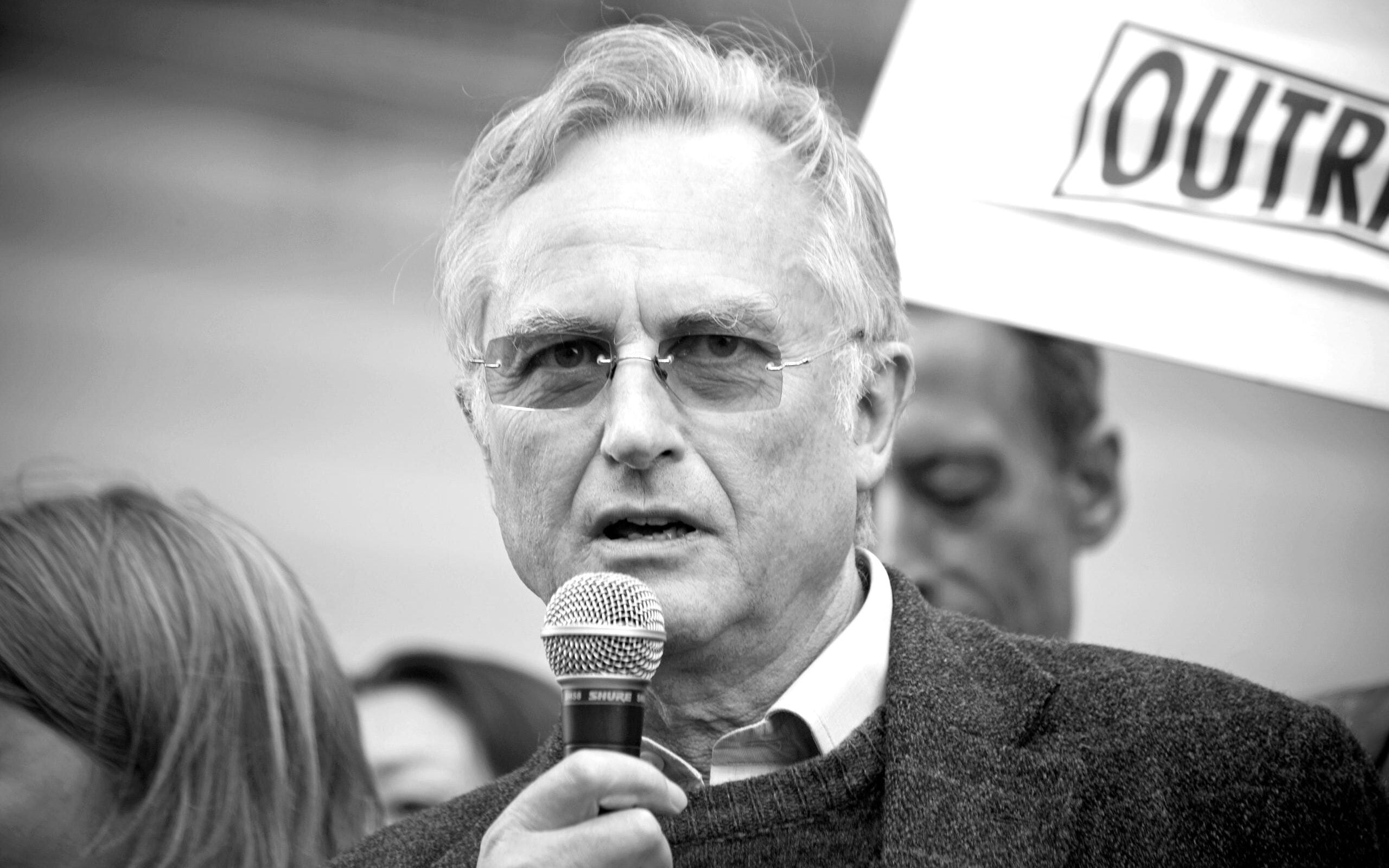
    Richard Dawkins stands as a beacon of rationality in a world often torn apart by ideological strife and conflicting philosophies. His contributions to science, particularly through his seminal work “The Selfish Gene,” have sparked admiration and controversy. Richard Dawkins consistently championed secularism and scientific reasoning as an evolutionary biologist, ethologist, and author, earning him acclaim and criticism.

    The Pursuit of Fairness

    Fairness is a concept that resonates deeply with human nature, influencing our societal structures, policies, and personal convictions. The belief in the equitable application of principles has shaped our collective consciousness. For example, the notion that human breeding should be exempt from scientific scrutiny is held by many as a standard of fairness, aiming to eliminate discrimination.

    This quest for equity is also reflected in our cultural narratives, where stories of heroines overcoming formidable male adversaries have gained popularity, symbolizing the triumph of justice.

    The Immutable Laws of Nature According

    Richard Dawkins invites us to examine our beliefs critically, warning against the blind pursuit of fairness that might lead us to neglect the immutable laws of nature. He argues that human breeding is a biological reality like any other species. While fairness and compassion are noble pursuits, they should not overshadow the fundamental principles that govern the natural world.

    Richard Dawkins suggests that acknowledging biological realities is not an endorsement of racism but rather a recognition of the complexities of human existence.

    Gender Identity and Fairness

    The debate over gender identity has thrust Richard Dawkins into the limelight once more. His hesitance to fully endorse the view that “trans women are women in every respect” has sparked debate. Richard Dawkins’ stance is rooted in his commitment to rationality and factual analysis.

    While he supports the right of individuals to self-identify, Richard Dawkins also acknowledges the biological basis of sex, which plays a crucial role in our physiology. He advocates for a balanced approach that honors both personal identity and biological facts.

    In a Nutshell

    Richard Dawkins remains a polarizing figure, unafraid to question mainstream views and stimulate intellectual debate. His focus on the realities of nature, even when they conflict with our ideals of fairness, underscores the importance of maintaining intellectual integrity over conforming to popular opinion.

    Though sometimes seen as controversial, Richard Dawkins’ perspectives provide valuable insights into addressing complex societal issues. A more inclusive and rational society can be achieved by taking a nuanced approach that honors our desire for fairness and the fundamental principles of nature.

  • The Paradox of Atheist Dogma: A Critical Reflection

    The Paradox of Atheist Dogma: A Critical Reflection

    Atheism and religion often stand as opposing paradigms, each with its own set of passionate advocates. Among atheists, there’s a growing movement that adopts a highly aggressive stance toward religion, a mode of thinking best described as “atheist dogma.” This brand of atheism is characterized by its absolute certainty about the invalidity of religious beliefs, leading to a rigid dismissal of all things associated with faith. Figures like Richard Dawkins, Ricky Gervais, and Sam Harris are notable proponents of this approach, often using sharp rhetoric and biting humor to challenge religious doctrines. Yet, as a non-religious person, I find that the aggressive tone of atheist dogma can be just as exclusionary and polarizing as the religious ideologies it critiques.

    Atheist dogma, with its unyielding dismissal of religion, fails to acknowledge the complex roles that faith-based groups play in society. Consider the history of the Civil Rights Movement in the United States. The movement was heavily influenced by religious leaders and congregations, with figures like Dr. Martin Luther King Jr., a Baptist minister, guiding the push for social justice and equality. His leadership and the support from African-American churches helped catalyze significant societal change. Atheist dogma often disregards these contributions, focusing instead on the negative impacts of religion, thus presenting an overly simplified view of the religious landscape.

    Another example of the positive impact of religion can be found in the role of faith-based organizations in humanitarian efforts worldwide. The Catholic Church, through its Caritas network, has been a significant force in providing disaster relief and humanitarian aid to countries across the globe. Despite its institutional controversies, the Church has shown that religious institutions can serve as a powerful force for good. Atheist dogma’s reductionist outlook tends to obscure these efforts, leading to a portrayal of religion that is devoid of nuance.

    A third illustration of the complexity of religious influence is the work of religious and environmental groups. Organizations like the Evangelical Environmental Network and Interfaith Power & Light engage in environmental advocacy and action, showing that religious beliefs can drive initiatives for the common good. By championing stewardship of the Earth, these groups contribute to the global fight against climate change. Yet, proponents of atheist dogma may overlook these positive aspects, opting for broad-stroke criticism that fails to account for the diversity within religious communities.

    The rigidity of atheist dogma is not just exclusionary—it risks creating its own echo chambers where dissenting views are unwelcome. This attitude mirrors the very dogmatic certainty that atheists often criticize in religious institutions. By focusing solely on the negative aspects of religion, proponents of atheist dogma miss the opportunity to engage in meaningful dialogue with believers who might share common goals, such as social justice, humanitarian work, or environmental stewardship.

    Ultimately, atheist dogma can be as divisive and unyielding as the religious dogma it opposes. To foster a more inclusive and understanding society, both atheists and religious believers need to move beyond rigid ideologies, embracing a broader perspective that recognizes the complexity and potential for good in both religious and secular approaches to life. This shift requires humility, open-mindedness, and a willingness to engage in conversations that transcend dogmatic boundaries, focusing instead on our shared humanity and common aspirations for a better world.

  • The Biggest Flaw in American Democracy

    The Biggest Flaw in American Democracy

    Democracy is a crucial pillar of political legitimacy in the modern world, with its various forms offering distinct characteristics and implications for governance. The presidential and parliamentary systems, prevalent in the United States and countries like the United Kingdom, the Republic of Ireland, Germany, and the Netherlands, respectively, represent two key paradigms of democratic governance. The contrast between the presidential system vs parliamentary system reveals the diversity of democratic processes and their impact on governance efficacy and democratic ethos.

    Presidential System and Its Fixed Mandate

    A fixed term marks the presidential system in the United States for the head of state and government, the President, who is elected every four years. This system grants significant executive power to the President, independent of the legislature. This separation of powers is designed to prevent the concentration of power and ensure checks and balances, but it can also lead to a democratic deficit. In the presidential system, once the President is elected, they do not necessarily need continuous consent from the governed to remain in office, barring an impeachable offense.

    This separation of powers in the presidential system vs parliamentary system leads to unique governance dynamics. While the checks and balances in the presidential system aim to safeguard against abuse of power, the President’s fixed mandate can mean governance without necessarily reflecting the current will of the people. The President’s authority to direct policies, issue pardons, and influence the government’s direction continues unabated, potentially leading to a governance style that is ‘for the office’ rather than ‘for the people.’

    Parliamentary System and Its Continuous Mandate

    In contrast, the parliamentary system operates on a different principle. The head of government, the Prime Minister, must maintain the legislature’s confidence, which is directly representative of the electorate. In countries like the United Kingdom, the Republic of Ireland, Germany, and the Netherlands, the parliamentary system ensures that the government aligns with the constituents’ will. The Prime Minister’s tenure is contingent upon the support of the majority, reflecting a continuous democratic process. Unlike the presidential system, this system allows for immediate rectification of unpopular leadership.

    The parliamentary system’s focus on continuous consent underscores a key difference between the presidential system vs parliamentary system. In parliamentary democracies, if the Prime Minister loses the legislature’s confidence, it can trigger a motion of no confidence, potentially leading to their removal and even the dissolution of the government. This flexibility creates a more dynamic form of democracy, with governance remaining responsive to the electorate’s changing sentiments.

    Why the Difference? A Historical Perspective

    The distinctions between the presidential system vs parliamentary system have historical roots. The United States’ founding fathers envisioned a democracy where a leader, directly elected by the people, would replace the monarchy. This foundational idea underpinned the creation of the presidential system, emphasizing a separation of powers to avoid concentrated authority.

    Conversely, the parliamentary system evolved over time in Europe, particularly in the United Kingdom. The role of the Prime Minister began as a spokesperson for the cabinet but eventually became the head of the executive branch, with the monarch assuming a ceremonial role. This evolution allowed the parliamentary system to develop a continuous mandate model, requiring the head of government to maintain legislative support, reflecting the electorate’s will.

    The Quest for a More Perfect Democracy

    Comparing the presidential system vs parliamentary system reveals a broader quest for a more perfect democracy. The presidential system’s stability and separation of powers contrast with the parliamentary system’s flexibility and responsiveness. While each system has its merits and flaws, the ultimate goal is to ensure governance that reflects the people’s will.

    The debate between the presidential system vs parliamentary system is ongoing, as each has unique advantages and challenges. Ultimately, the ideal democratic system balances stability with adaptability, ensuring that governance is by the people, for the people, and responsive to their evolving aspirations. The different structures of these systems remind us that democracy is a complex and ever-evolving process.

  • Should Celebrities Be Involved in Politics?

    Should Celebrities Be Involved in Politics?

    There have been recent escalations in the events between supporters of Donald Trump and Taylor Swift due to concerns that Swift may endorse Joe Biden for the 2024 presidential election. Trump allies are worried that her influence could sway the election and have declared a “holy war” against her, demanding celebrities shut up about politics.

    Taylor Swift is not the only celebrity to receive criticism for voicing political opinions. In recent years, there has been a growing number of Republicans online who believe that musicians and movie stars should focus on their jobs and stay out of politics.

    In the intricate contemporary culture, celebrities often stand out not just as entertainers but as pivotal influencers whose voices carry weight far beyond their immediate sphere. Their rise to prominence usually reflects their artistic achievements that resonate with a vast audience, transforming them into public figures whose opinions can influence public sentiment.

    Join us in examining the role of celebrities in political discourse within this framework.

    Artists as Voices of Society

    Throughout history, artists have served as the vanguard of societal evolution, employing their artistry to mirror societal norms and challenge prevailing paradigms. When these artists attain celebrity status, their platform expands, enhancing their expressions’ potential reach and impact. If we suppress the voices of artists in political conversations because we don’t like what they are saying, we risk silencing the very individuals who often harbor the most perceptive and stimulating viewpoints. Their art, which may have garnered them fame, is inherently linked to their identity, encompassing their political ideologies. To expect them to segregate their existence is to deny the comprehensive nature of their influence.

    Historical Precedents of Celebrities in Politics

    The tradition of artists engaging in political commentary is long-standing. Figures such as Pablo Picasso, with his painting “Guernica,” and Bob Dylan, through his protest songs, have demonstrated the power of art to comment on political strife and social injustice. Their work transcended artistic boundaries, becoming symbols of resistance and calls to action. The celebrity status they achieved did not diminish the value of their political commentary; rather, it amplified it.

    Celebrity Influence and Social Issues

    The influence wielded by celebrities can be a fulcrum for spotlighting critical issues. For example, the advocacy of Diana, Princess of Wales, for HIV and AIDS awareness during the HIV and AIDS Epidemic in the 1980s and 1990s exemplifies a public figure utilizing their prominence to challenge misconceptions and spark global dialogues about a pressing health crisis. In this capacity, celebrities can be perceived as conduits for important topics, using their visibility to focus attention on matters that necessitate urgent public engagement.

    Photo by Samuel Branch on Unsplash

    The Power of Celebrities in Politics

    The visibility that comes with celebrity can be a double-edged sword. On the one hand, it offers a platform that can be used to advocate for change and raise awareness. On the other hand, it subjects the individual to intense scrutiny and criticism. However, reaching a broad audience is an invaluable asset in the information age, where attention is scarce. Celebrities can direct this attention toward underrepresented issues, democratizing information flow and fostering a more inclusive public discourse.

    Expertise vs. Expression

    It is imperative to differentiate between celebrities voicing their perspectives and being regarded as experts. The latter is not a common occurrence, and rightly so, as expertise in any domain necessitates years of dedicated study and experience. Nonetheless, the right to articulate concerns, political or otherwise, is an intrinsic aspect of freedom of expression that extends to everyone, including celebrities. Their platforms do not negate their right to voice opinions on issues they consider important.

    The Role of Celebrities in Politics and Democracy

    In a democratic society, the participation of every individual in political discourse is not just a right but a responsibility. Celebrities, by virtue of their public presence, can engage with a broader audience, potentially inspiring civic participation and fostering a more politically aware populace. Their involvement in political matters can serve as a catalyst for others to educate themselves and become more active in the democratic process.

    Media Tactics and the Right to Speak

    The critique of celebrities partaking in political discourse often originates from a discomfort with the substance of their messages rather than the act of expression itself. Some media outlets may resort to strategies that aim to discredit the messenger, thereby deflecting focus from the message. This tactic is a form of intimidation and a strategic maneuver to suppress debate on the issues presented. These strategies attempt to mute dissenting opinions and preserve the status quo by questioning the legitimacy of celebrities’ voices.

    The Messenger vs. The Message

    Targeting the messenger instead of addressing the message is a tactic as old as discourse itself. It serves to undermine the credibility of the speaker and, by extension, the validity of their argument. However, the actual test of a message’s worth lies in its content, not in the identity of the one delivering it. Like any other member of society, celebrities should be judged on the merit of their arguments rather than their status.

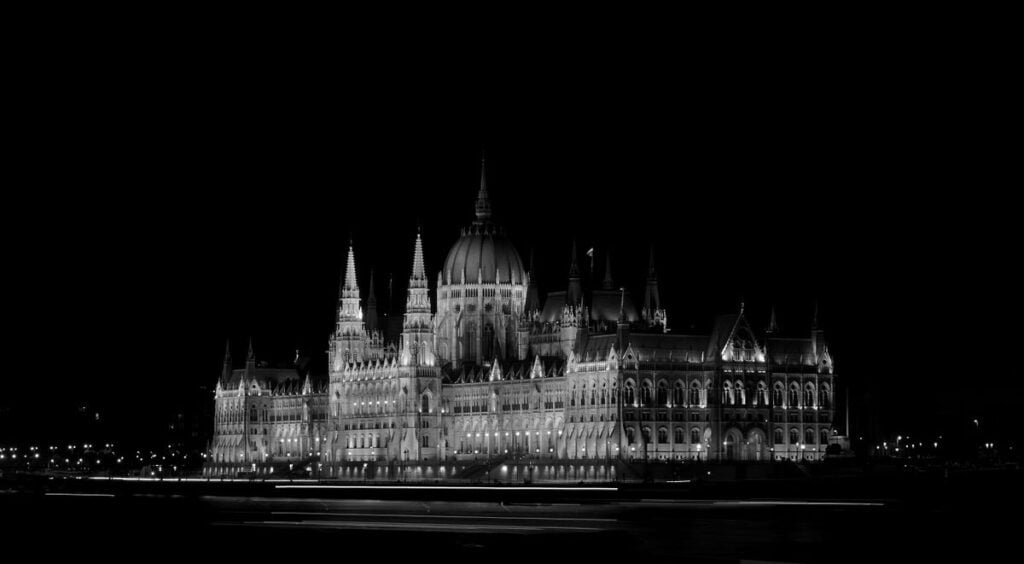
    Hungarian Parliament — Photo by Karim MANJRA on Unsplash

    In a Nutshell

    The intersection of celebrity and politics is neither a novel nor dismissible phenomenon. As artists and influencers, celebrities possess a distinctive capacity to draw public attention to significant matters. Their engagement in political discourse should be regarded not as an overreach but as an exercise of their rights and a reflection of their dedication to the societies that have propelled them to prominence.

    The true hallmark of a democratic society is its ability to entertain a diversity of voices, including those of its most visible members. With their extensive influence, celebrities play an essential role in this democratic dialogue, contributing to a more informed and engaged citizenry.