In the modern world, our approach to relationships has been reshaped by technology, mobility, and a globalized society. Despite these advancements, the discussion on the feasibility of long-distance relationships (LDRs) continues to be divided. I tend to agree with the skeptics, as I believe that LDRs, though feasible, come with inherent difficulties that can alter the true nature of a relationship.
The Psychological Distance
At the core of skepticism towards long-distance relationships (LDRs) lies the psychological impact of physical separation. When great lengths distance partners, they lack insight into each other’s day-to-day realities, subtleties, and gradual changes. This absence often necessitates filling the void with assumptions, fantasies, and, frequently, idealized perceptions. With time, this mental image of the partner can drift away from their authentic self, resulting in a connection that resembles more of a bond with an ideal rather than an individual.
The repercussions of this psychological divide are significant. Upon reuniting, partners may encounter a stranger whose genuine qualities and imperfections were masked by the idealized image constructed in their minds. This disparity between the envisioned and the actual can lead to disillusionment, conflicts, and reevaluating the relationship’s basis.
The Paradox of Absence and Desire in Long-Distance Relationships
Another aspect of long-distance relationships is the paradox of absence and desire. The phrase “absence makes the heart grow fonder” reflects a familiar feeling in such relationships. However, this increased longing for a distant partner has its complexities. While it can heighten feelings of love and anticipation, it can also create an unsustainable situation where the yearning for the absent partner overshadows the reality of the relationship. This imbalance can lead to idealization, placing the partner on a pedestal and challenging the relationship’s ability to endure the practicalities of daily life when reunited.
Moreover, the continual longing for someone out of reach may become more pronounced when compared to the accessibility of those nearby. This contrast can breed uncertainties and temptations, testing the loyalty and dedication within the relationship. As the partner transitions from an unattainable ideal to a tangible presence with flaws, the initial passion may diminish, exposing potential incompatibilities.
The inherent longing for physical closeness is central to the criticism of LDRs, particularly among young couples. Sexuality plays a vital role in human connections, not only as a physical act but also as a crucial element of emotional closeness and bonding. This aspect is severely limited in long-distance relationships, resulting in obstacles and difficulties in upholding a satisfying relationship.
The lack of physical intimacy in LDRs is more than just an inconvenience; it delves into deeper desires for intimacy, reassurance, and closeness. This can strain the relationship, prompting partners to find other ways to meet these needs. While technology provides temporary solutions like virtual dates and communication, it fails to replicate the immediacy and profoundness of physical proximity.
This absence of physical closeness can be particularly noticeable in younger couples, where sexual exploration and encounters often coincide with relationship growth. The frustration arising from unmet sexual desires can breed uncertainty, foster resentment, or push individuals to seek fulfillment outside the relationship, thereby jeopardizing its solidity.
The Viability of Long-Distance Relationships
Despite these challenges, it is essential to recognize that long-distance relationships (LDRs) can and do succeed for some couples. Succeeding in an LDR necessitates strong communication, unwavering trust, and exceptional dedication. It involves discovering innovative ways to maintain closeness, share moments, and ensure the relationship thrives despite the physical separation.
Nevertheless, the feasibility of LDRs often depends on the acknowledgment that the distance is temporary. The possibility of eventual reunion can act as a guiding light, inspiring couples to overcome their inherent obstacles. However, even with the best intentions and efforts, the unique demands of LDRs can uncover differences or unfulfilled needs that might not have emerged in a traditional relationship.
Long-distance relationships challenge love, commitment, and the need for connection. They offer growth and resilience opportunities but also bring unique psychological hurdles and real human needs. Partner idealization, desire mixed with absence, and lack of physical intimacy can distort relationships.
In handling LDR complexities, individuals must balance hope and realism, recognizing growth potential and limitations. In a globalized world, relationship approaches must evolve, understanding that love transcends distance, yet the heart craves closeness, intimacy, and shared physical presence.
Life in Istanbul, a city bridging continents, encompasses a rich mosaic of cultures and social strata, where the coexistence of extreme wealth and poverty paints a diverse portrait of human experience. Yet, amidst these contrasts, Istanbul stands as one of Europe’s safest cities, a testament to its resilient social fabric.
Life in Istanbul:The Paradox of Proximity
Many metropolises worldwide have become a symbol of wealth inequality, where the rich live in exclusive neighborhoods, and the poor live in the city’s outskirts, far from the affluent areas. However, Istanbul stands out, as it has managed to break this pattern. In this bustling city, grand palaces and humble homes coexist, where people lead vastly different lives but share the same streets, air, and city spirit.
Despite the differences in lifestyles, the residents of Istanbul have learned to coexist peacefully, creating a sense of community and mutual understanding that is rare in a metropolis of this size, making Istanbul a unique blend of cultures and traditions, making Istanbul a melting pot of diversity.
Of course, this proximity can sometimes lead to tensions, but the people of Istanbul have learned to embrace their differences and work towards a common goal of unity and harmony, making Istanbul a truly special city where diversity is celebrated and inclusivity is the norm.
Safety amid Inequality
The safety of Istanbul is a miracle of sorts, especially when viewed through the lens of income inequality. Despite its economic disparities, the city has managed to maintain a remarkable level of safety and order thanks to a complex interplay of cultural norms, community policing, and perhaps a shared understanding that harmonious coexistence benefits all.
While Istanbul is a bustling metropolis, with all the usual precautions that come with any big city, there are certain areas that one might wish to avoid after dark. However, it’s also worth noting that the watchful eye of a neighbor can be a more effective deterrent than any security system.
In fact, the city’s culture of community policing is one of the key pillars of its safety. Neighborhoods are tightly knit, and residents look out for one another, often forming informal watch groups. This sense of community and shared responsibility is reinforced by the police force, which works closely with residents to maintain safety and order. Overall, Istanbul’s safety is a testament to the power of cultural norms and community cohesion to overcome the challenges of economic inequality and ensure a harmonious coexistence for all.
Life in Istanbul: Understanding Turkish Conservatism
Outsiders often misunderstand Turkish conservatism, which is far from being a monolith but rather a spectrum of beliefs and practices that can be both traditional and progressive.
In Istanbul, conservatism manifests in a culture of discretion. The rule of thumb is that you can do anything as long as it is consensual, and you make sure that you don’t openly discuss every aspect of your life. It is a conservatism that respects privacy and personal choice, one that is less about imposing beliefs and more about living and letting live.
For example, homosexuality was decriminalized as early as the 19th century by the palace, and today, Istanbul has a lively gay scene; however, for most people, being openly gay is not on the table.
The Istanbulite Bubble
Like residents of any large city, Istanbulites have mastered the art of creating personal spaces within the urban sprawl. They build bubbles filled with familiar faces and shared values, carving out a sense of home in a city constantly in flux. These bubbles are not isolating but rather a means of finding stability and comfort. For those within them, the rest of the country and the world may seem distant, but it is a distance born of contentment rather than ignorance.
Life in Istanbul: Navigating the Urban Landscape
Like any big city, life in Istanbul is governed by unspoken rules. For both women and men, the secret to a harmonious life lies in mastering the art of maneuvering through the city’s bustling environment. It involves discerning when to participate and when to withdraw when to voice opinions, and when to stay quiet. It revolves around showing respect – respect towards the city, its unique pace, and its inhabitants, who, despite their diverse backgrounds, are all Istanbul residents at their core.
Istanbul’s tale is one of coexistence and resilience. It is a city where life’s contradictions are prominently showcased, yet they do not separate but instead enhance the shared experience. The safety and unity in Istanbul are not coincidental but rather the outcomes of a society that prioritizes community over discord and diversity over segregation. In this city, the underprivileged and the affluent may reside in close proximity, but they have more in common than just a location – they share the essence of Istanbul, which is as timeless as the Bosphorus itself.
Recovering from an emotionally abusive relationship, especially one marked by betrayal, can be a daunting and heart-wrenching process. It requires deep self-reflection on our emotional attachments, the standards we set for future relationships, and, notably, the value we place on our emotional well-being. Such a journey, though difficult, showcases our strength and dedication to self-care.
Understanding the role we allow our ex-partners to have in our lives after a breakup is crucial. Allowing someone who mishandled our emotions to dictate our future relationship standards is like building a house on a weak foundation. It’s vital to realize that a person’s unworthiness comes from their actions, not the emotional investment we made in them. Recognizing this difference is the first step in taking back control of our emotional journey.
If you have been a victim of someone who played with your emotions, remember they were at fault. They need to change, not necessarily you. In situations where one party has been wronged, it’s easy to blame oneself. However, shifting the focus from self-blame to acknowledging the wrongs of the other party can be empowering. It serves as a reminder that while we can’t control others’ actions, we can control our responses and how we let those actions impact our self-worth and future relationships.
Looking ahead, the best course of action is to recognize warning signs early on and remind yourself that there are more people who won’t manipulate your feelings than those who will. This requires building resilience and cultivating a keen awareness of our relationships. Learning from past experiences and staying alert to red flags can shield us from potential harm. It also reinforces that not everyone aims to deceive or toy with our emotions. Believing in the inherent goodness of individuals who can appreciate and honor our feelings is crucial for progress.
Moreover, remember that most of us have goodness at our core, serving as a powerful reminder of humanity’s inherent decency. This is a plea to not lose faith in others due to a few individuals’ actions and is vital for both healing and being receptive to new connections. Let it inspire you to approach future relationships with optimism and vulnerability rather than skepticism and defensiveness.
Case Studies for Emotionally Abusive Relationships
To enhance the understanding of the concepts discussed so far, let’s explore three hypothetical examples, each illustrating a key point from the advice on moving on from an emotionally abusive relationship, where one’s feelings were played.
Example 1: Recognizing Unworthiness and Reclaiming Self-Value
Sarah and Tom had been together for two years. Sarah noticed Tom’s emotional distance and how he often disregarded her feelings. Despite her attempts to address these issues, Tom remained unresponsive. Eventually, he confessed his lack of investment in the relationship.
Initially blaming herself for failing to captivate Tom, Sarah later realized that his disregard for her feelings was his flaw, not hers. Understanding that Tom should not determine her self-worth or future joy, Sarah began to reclaim her self-esteem. She focused on her passions and well-being, gradually boosting her confidence and embracing the prospect of a relationship based on mutual respect and emotional openness.
Example 2: Learning from Past Experiences
After ending a tumultuous relationship where his partner frequently lied, Alex reflected on the red flags he had overlooked. He recognized early signs of dishonesty, such as small inconsistencies in his partner’s stories and avoiding conversations about her past.
Determined not to repeat the same mistakes, Alex consciously tried to be more attentive to honesty and transparency in future relationships. By doing so, he was able to identify potential issues early on and engage in open communication with his new partner, creating a foundation of trust and mutual respect that was lacking in his previous relationship.
Example 3: Believing in the Goodness of People
Emma had been deeply hurt by her previous partner, who had manipulated her emotions to avoid commitment. Initially, Emma struggled with trusting others, fearing they would also take advantage of her vulnerability. However, she reminded herself that her ex-partner’s actions did not reflect everyone else’s intentions.
By volunteering at a local community center, Emma met a diverse group of individuals who demonstrated genuine kindness and compassion. These interactions helped restore her faith in the inherent goodness of people. Emma learned that while being cautious is necessary, remaining open and hopeful about forming meaningful connections is also essential. This newfound perspective allowed her to approach new relationships optimistically, eventually leading her to a partner who valued and respected her feelings.
Moving on from an emotionally abusive relationship where one’s feelings were played with is not just about getting over the person but about growth and self-reflection. It’s about understanding the value we place on ourselves and ensuring we do not let the unworthiness of another dictate our future happiness. It’s about recognizing our strengths, learning from our experiences, and remaining open to the goodness in people. Embracing these principles can not only help one move on from a past relationship but also lay a strong foundation for healthier, more fulfilling relationships in the future.
Turkey, a country at the crossroads of East and West, has long been a melting pot of cultures, traditions, and religions, contributing to its complex relationship with religion, particularly Islam, the religion of the vast majority at birth due to state policies. However, beneath the surface of these official records, the religious landscape of Turkey is far more nuanced and diverse than it might appear.
Statistical Overview of Religious Affiliation
The Turkish state records the religion of individuals at birth based on their parents’ faith, leading to an official figure that categorizes virtually the whole population as Muslim. However, this surface-level statistic, which makes no difference in anyone’s life, masks the country’s complex tapestry of belief and non-belief. Almost no one is concerned about the accuracy of this data, and most people who are incorrectly registered believe that it is none of the state’s business that they believe or disbelieve, leaving the registration as is.
However, according to the Turkish Statistical Institute, although a significant portion of the population is registered as Muslim, there is a growing trend of religious reidentification among the younger generations, which the Pew Research Center agrees.
A comprehensive study conducted by the Pew Research Center reveals that the percentage of individuals identifying as atheists or deists is rising at approximately 6%, a notable increase from previous decades, signaling a gradual but significant shift in religious attitudes.
The Spectrum of Belief Within Islam
Turkey is not just another Muslim-majority country. Delving deeper into the beliefs of Turks who identify as Muslim, it becomes evident that there is a broad spectrum of religious practice and interpretation. A national survey found that while a majority of Muslims in Turkey express belief in core Islamic tenets, there is considerable variation in the observance of traditional practices. For instance, the percentage of Muslims who regularly perform the five daily prayers along with Mosque attendance is significantly lower than might be expected, suggesting a more personalized approach to religious practice.
Moreover, the same survey indicates that a significant number of Muslims in Turkey do not see adherence to traditional practices such as fasting during Ramadan or regular mosque attendance as essential to their faith, highlighting a broader trend towards a more individualized form of Islam, which prioritizes personal belief and moral values over strict ritual observance.
Secularism, Atheism, and the Public Sphere
The distinction between secularism and atheism is crucial in the Turkish context. While secularism advocates for the separation of religion from public life, it does not inherently reject the presence of religious beliefs within society. This nuanced understanding of secularism allows for diverse religious expressions and beliefs, including those that may not fit neatly into traditional categories. It’s a perspective that acknowledges the complexity of faith in the modern world, where ancient scriptures may not directly address the challenges of contemporary life.
Statistical data support this trend, with more Turks supporting secular values, including the separation of religion and state. A survey by the Education and Science Workers Union (Eğitim-Sen) found that a majority of respondents favored maintaining Turkey’s secular education system, reflecting a broader societal preference for keeping religious beliefs out of public institutions.
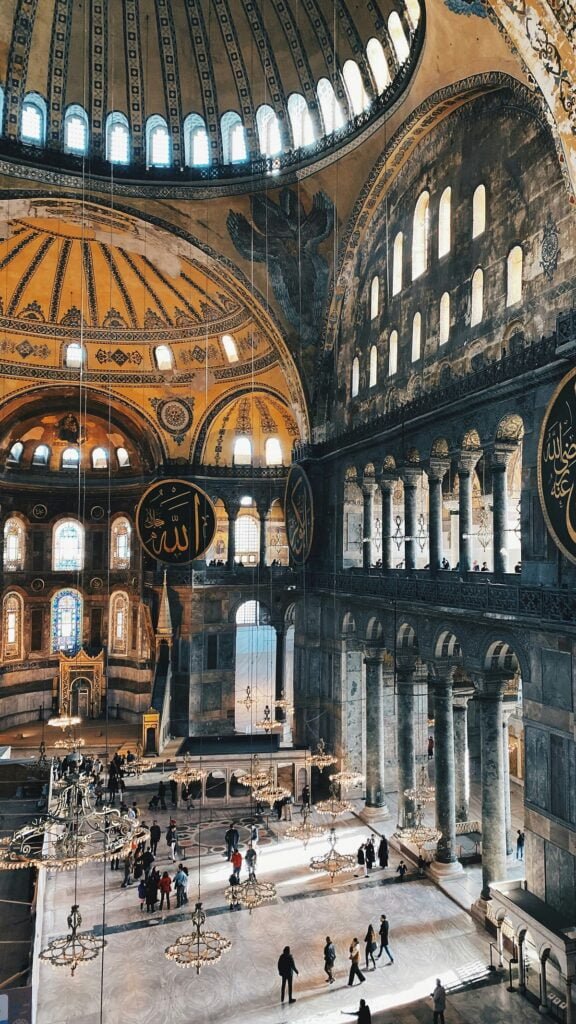
View into the Hagia Sophia from the upper floor — Photo by Linus Mimietz on Unsplash
Atheism Has No Place in Politics
While there are numerous openly atheist Turkish thinkers, journalists, writers, and artists, some of whom are considered national treasures, atheism in Turkish politics is unheard of. This may have several reasons, but the biggest is perhaps that secularist atheists would see discussing atheism publicly and advocating for political changes as contradictory to secular values. Additionally, they may believe that being openly atheist would make them appear biased and hinder their ability to advocate for secularism since the main message of Turkish secularists is that atheism and secularism are unrelated.
On the other hand, populist populations would likely aim to make any attempts by an openly atheist politician to enforce secularist principles seem like a war against Islam.
Ultimately, thanks to the fact that Muslim secularist politicians aim to keep religion personal and private, separate from politics. As a result, Muslim secularists and atheist secularists are largely indistinguishable, and atheist secularists believe they do not have to advocate for secularism on their own since secularism is to protect everyone.
The Road Ahead: Projecting Future Trends
Given the current statistical trends, it is plausible to project that the number of individuals identifying as atheists, deists, or non-traditional Muslims will continue to grow. This reflects a global trend of religious disaffiliation, particularly among younger generations who often prioritize personal experience and scientific understanding over traditional religious authority. My personal view is that more and more Turks leave organized religion altogether and identify themselves as deists.
Turkish Deism
Deism is a philosophical and religious viewpoint that posits the existence of a supreme being or creator, often referred to as “God,” based on reason and observation of the natural world rather than on revelation or religious scripture. Deists typically believe that this supreme being created the universe and set it in motion but does not intervene in its affairs through miracles or divine revelation. Instead, deists argue that the natural world operates according to rational laws established by this creator.
Deism emerged during the Enlightenment period in Europe in the 17th and 18th centuries and was influential among many intellectuals, including thinkers like Voltaire, Thomas Paine, and Thomas Jefferson.
It is not surprising that the Turkish flavor of deism is unconventional. Individuals who identify themselves as deists in Turkey typically believe in a creator who may or may not intervene in the day-to-day workings of the universe, allowing prayer as a final option. Moreover, Turkish deists often think that humans are put to the test in this world. Any action that harms others or any inaction that contradicts common decency is considered a ‘sin.’
In a Nutshell
As depicted through statistical data, Turkey’s evolving religious landscape illustrates a complex interplay of traditional beliefs, secular values, and a growing inclination towards personal spirituality, suggesting a future in which Turkey’s religious identity will be increasingly characterized by diversity, pluralism, and individual choice, challenging conventional narratives and paving the way for a more inclusive understanding of faith in the modern world.
Christianity and Islam are two of the most influential religions in the world, each with a rich history and deep-rooted traditions that have shaped societies and influenced the course of human history. With over 2 billion Christians and 1.8 billion Muslims globally, these religions form a significant bridge impacting the cultural, social, and spiritual lives of billions. The bridge between Christianity and Islam is reflected in their holy scriptures—the Bible and the Quran—and extends to their practices, rituals, and beliefs, highlighting both similarities and distinctions that render each faith unique.
Despite their differences, both religions share a common belief in the existence of one God, the importance of prayer and charity, the value of family and community, and the pursuit of peace and justice. By exploring the common ground between Christianity and Islam, we can better understand and appreciate these two religions and foster greater respect and cooperation among their followers.
Bridge Between Christianity and Islam I: Shared Monotheistic Roots
Christianity and Islam are two major religions that share a fundamental belief in the oneness of God. Both faiths consider God to be the sole creator and sustainer of the universe. This monotheistic principle is a cornerstone that unites the followers of both religions, and it is expressed in their daily prayers and religious rituals.
In addition to this belief, Christianity and Islam share a reverence for a lineage of prophets. These prophets, including Abraham, Moses, Elijah, Elisha, Jonah, Zechariah, John the Baptist, Aaron, David, Solomon, Job, Joseph, Adam, Noah, Lot, Ishmael, Isaac, Jacob, and Jesus, are considered essential figures in the history of both religions who are seen as messengers of God who had a pivotal role in guiding humanity and who left behind teachings that are still relevant today.
While there are differences in how these religions interpret and follow the teachings of these prophets, the shared belief in their importance underscores the deep similarities between Christianity and Islam. These similarities offer a path for peaceful coexistence and mutual understanding between the followers of these two faiths.
Bridge Between Christianity and Islam II: Sacred Texts and Teachings
The Bible and the Quran are two of the most important religious texts in the world, serving as the foundational scriptures for Christians and Muslims, respectively. These texts are revered by believers as sacred and are considered to contain the divine word of God.
For Christians, the Bible provides a comprehensive guide to faith and morality, covering everything from the world’s creation to the life and teachings of Jesus Christ. It is divided into two main parts: the Old Testament, which tells the story of God’s relationship with the Jewish people, and the New Testament, which focuses on the life and teachings of Jesus and the early Christian church. The Bible provides moral guidance, spiritual insights, and a framework for living a life pleasing to God. It emphasizes the importance of love, compassion, forgiveness, and humility while stressing the need for righteousness and obedience to God’s commands.
For Muslims, the Quran is the final and most complete revelation of God’s message to humanity, as conveyed by the Prophet Muhammad. It contains 114 chapters, or suras, organized according to length rather than chronology. The Quran covers a wide range of topics, including the oneness of God, the nature of humanity, and the importance of good deeds and virtuous behavior. Like the Bible, it emphasizes compassion, justice, and the importance of community, reflecting a shared moral ethos. Muslims believe that the Quran is the literal word of God and that its teachings are meant to guide all aspects of life, from personal conduct to social and political affairs.
While Muslims accept the four gospels of the New Testament for the most part, they reject the prophethood of Apostle Paul and the doctrines installed by the Roman Catholic Church in later centuries, such as the Trinity and Original Sin.
Bridge Between Christianity and Islam III: Angels, Afterlife, and Accountability
Christianity and Islam both share a belief in the existence of angels, namely Gabriel, Michael, Raphael, Azrael and the fallen angel Satan. These celestial beings are believed to serve God’s will and carry out His commands. Both religions also hold the conviction that after death, our souls will go to an afterlife where they will find their eternal destiny.
In Christianity, this is often referred to as heaven or hell, while in Islam it is referred to as paradise or hellfire. Additionally, both religions teach the concept of the Day of Judgment, where individuals will be held accountable for their actions during their life on earth. On this day, God will judge each person according to their deeds and they will be rewarded or punished accordingly. This belief is a fundamental part of both religions and serves as a reminder of the importance of leading a righteous and moral life.
Bridge Between Christianity and Islam IV: The Legacy of Abraham
Abraham, also known as Ibrahim in Islam, is a central figure in Christianity and Islam. He is considered the father of many nations and is revered for his unwavering faith in God. In Christianity, Abraham is known as the Israelites’ patriarch and is considered one of the most important figures in the Old Testament.
In Islam, on the other hand, he is considered to be a prophet and is revered for his submission to God’s will and his willingness to sacrifice his son for God. Abraham’s legacy is a testament to the shared heritage and mutual respect that can be found between Christians and Muslims, as his story is a reminder of the importance of faith, devotion, and obedience to God in both religions.
Challenges and Misconceptions
Christianity and Islam share many similarities, including core beliefs, values, and practices. Despite these commonalities, there is often a perception of tension and conflict between the two religions, especially in regions such as the Middle East, where their histories have been intertwined for centuries. These tensions can be attributed to various factors, such as political and economic conflicts, cultural differences, and misunderstandings about each other’s beliefs and practices.
However, it’s important to recognize and appreciate the similarities between Christianity and Islam and cultivate greater understanding and respect for each other’s differences. By doing so, we can create a more peaceful and unified world where people of different faiths and no faith can coexist and work together towards common goals.
Mutual Respect and Reverence
One of the most notable aspects of the relationship between Islam and Christianity is the mutual respect between the two religions. Despite their differences in beliefs, Muslims hold the Bible in high regard, considering it to be a divine revelation alongside the Quran. Additionally, Jesus Christ is revered as a significant prophet, and Muslims recognize him as the Messiah.
This respect is further emphasized by the frequent references to Jesus and his mother, Mary, in the Quran, underscoring the significance of Jesus in Islamic beliefs and serve as a reminder of the shared religious heritage between Islam and Christianity.
Moreover, throughout history, there have been periods of collaboration and peaceful coexistence between Christians and Muslims. Islamic scholars played a crucial role in preserving and translating ancient knowledge during the Middle Ages, contributing to the European Renaissance and the Scientific Revolution. This exchange of intellectual ideas and knowledge is a testament to the benefits of interfaith dialogue and cooperation between different religions.
Contemporary Dialogue
Recently, the ecumenical movement has been working to establish greater collaboration and communication between Christianity and Islam by implementing interfaith initiatives that promote dialogue and mutual understanding. These efforts are between the two religions, and they seek to build bridges that can help foster a deeper level of understanding and respect.
The ultimate goal of these initiatives is to highlight the shared values and common beliefs that can serve to unite us all as human beings, regardless of our faiths or cultural backgrounds. By working together in this way, we can create a more harmonious and peaceful world grounded in mutual respect and understanding.
Customarily, many Turkish Muslims light candles in Orthodox Churches in Istanbul — Photo by Nicola Fioravanti on Unsplash
In a Nutshell
Christianity and Islam, two of the world’s largest religions, have distinct differences in practice and theology. However, they share a profound common ground that is often overlooked. Both religions believe in one God, who is merciful, compassionate, and just. Both encourage their followers to love and serve others, to practice self-control and discipline, and to seek forgiveness for their sins.
Despite their differences, Christianity and Islam share many fundamental values that can be used to build bridges between their followers. Mutual respect, understanding, and willingness to learn from one another’s perspectives can help create a more harmonious and respectful world. By recognizing and celebrating their shared heritage, adherents of both faiths can work together to overcome fear and suspicion and promote peace and cooperation.
Afterword
I don’t endorse Christianity or Islam. However, I also don’t believe it is up to us to decide if the world would be a better place without either of these religions. Regardless of where one stands, the ideas and solutions one supports must satisfy two criteria: keep religion out of politics and aim for peaceful coexistence of us all.
Christianity’s violent past in Europe is marked by a series of conflicts, violence, and societal upheavals. Across centuries, pivotal episodes such as the Sack of Jerusalem in 1099, the Albigensian Crusade from 1209 to 1229, the Reconquista spanning the 8th to the 15th centuries, and the Baltic Crusades extending from the 12th to the 16th centuries exemplify the intricate interplay between religious fervor, geopolitical ambitions, and cultural transformations.
Join us in exploring the four key events that resulted in the loss of millions of lives due to wars, battles, massacres, forced conversions, and other violent actions associated with the Christianization of Europe.
Christianity’s Violent Past I: The Sack of Jerusalem (1099)
The Sack of Jerusalem in 1099 is one of the most notable events of the First Crusade. The purpose of the Sack of Jerusalem was primarily to capture the holy city of Jerusalem from Muslim control and to establish Christian rule over the sacred sites. The Crusaders were motivated by religious fervor and the promise of indulgences, which were granted by the Pope to those who participated in the Crusade. The capture of Jerusalem was seen as a pivotal religious victory that would allow Christians to reclaim the Holy Land and provide safe passage for pilgrims.
The aftermath of the city’s capture was marked by the massacre of its Muslim and Jewish inhabitants. Historical accounts suggest that the number of those killed ranged from 3,000 to 70,000, although the exact figures are debated among historians. The Crusaders’ actions had a lasting impact on the religious and ethnic composition of the region.
The siege and subsequent sack of Jerusalem were driven by a combination of religious fervor and the geopolitical ambitions of the Crusaders. The event was a pivotal moment in the history of the Crusades and a turning point that shaped the medieval Near East. The Crusaders’ establishment of the Kingdom of Jerusalem introduced a new Christian state in a predominantly Muslim region, setting the stage for further conflicts and subsequent Crusades.
Christianity’s Violent Past: The Albigensian Crusade (1209–1229)
The Albigensian Crusade, also known as the Cathar Crusade, was initiated by Pope Innocent III in 1209 to eliminate Catharism in Languedoc, modern-day southern France. The Cathars were a Christian sect whose beliefs diverged significantly from the Catholic Church, particularly with their dualist view that the material world was evil, conflicting with the Catholic doctrine of the Incarnation of Christ and the sacraments, leading to their condemnation as heretics.
The Crusade quickly took on a political dimension, prosecuted primarily by the French crown. It aimed not only to suppress the Cathar heresy but also to extend the influence of the French monarchy over the region of Languedoc, which had a distinct culture and language. The conflict resulted in the massacre of at least 200,000 to possibly 1 million Cathars, leading some scholars to consider it to be an act of genocide.
The Albigensian Crusade significantly reduced practicing Cathars and realignment of the County of Toulouse with the French crown. The distinct regional culture of Languedoc vanished as a result of the Crusade. The Cathars, who originated from an anti-materialist reform movement within the Bogomil churches of the Balkans, called for a return to the Christian message of perfection, poverty, and preaching.
The Crusade set a precedent for the persecution of heretic Christians, setting a clear demonstration of the lengths to which the Catholic Church and its secular allies would go to maintain religious and political authority in medieval Europe.
Christianity’s Violent Past: The Reconquista (8th-15th centuries)
The Reconquista was a complex, centuries-long process that saw Christian kingdoms in the Iberian Peninsula striving to reclaim territories from Muslim rule. It began in the 8th century and culminated in the 15th century, significantly transforming the region’s religious, political, and social landscape.
The Christianization of the peninsula was not only a religious mission to restore Christian rule over previously Visigothic lands but also a strategic move by the Christian monarchs to consolidate their power and extend their kingdoms. This period was characterized by a series of military campaigns and conquests, including the notable Battle of Covadonga, the fall of Toledo, the decisive Battle of Las Navas de Tolosa, and the conquest of Seville, which marked the end of Muslim rule in the heartland of al-Andalus. The Reconquista reached its conclusion with the fall of Granada in 1492, which led to Christian rulers’ complete control of the Iberian Peninsula.
Throughout this era, the demographic composition of the region underwent significant changes. The Muslim population decreased through conversions, expulsions, and emigration, transforming the once-diverse religious landscape into a predominantly Catholic society. Historians estimate that up to 7 million Muslims died at the hands of Crusaders, setting the stage for the Spanish Inquisition and the eventual emergence of Spain as a unified nation under Catholic monarchs. The Reconquista remains a defining period in Spain and Portugal’s history, shaping the peninsula’s cultural and religious identity.
Christianity’s Violent Past: The Baltic Crusades (12th-16th centuries)
The Baltic Crusades, also known as the Northern Crusades, were a series of military campaigns conducted by Christian military orders and kingdoms primarily against the pagan peoples around the southern and eastern shores of the Baltic Sea. These crusades aimed to convert these populations to Christianity and establish regional dominance.
The Teutonic Knights, a military order, played a significant role in these campaigns, particularly from the mid-13th century onwards. They established a militarized state in Prussia and sought to convert the local pagan population. However, the religious motive was often a pretext for acquiring land and wealth, as the crusades provided opportunities for territorial expansion and material gain, such as land, furs, amber, and slaves.
The campaigns began with the Wendish Crusade in 1147 and continued with various efforts to subjugate and convert the indigenous populations of the Baltic region, including the Prussians, Livonians, Estonians, and Lithuanians. These efforts often involved violent confrontations, forced baptisms, and the establishment of Christian institutions. Over time, the indigenous pagan practices were replaced by Christianity, leading to significant cultural and religious changes in the region.
The Baltic Crusades also had economic and political dimensions, as German merchants and nobles sought to expand their influence along trading routes in the Baltic frontier. The crusades continued this pattern of conflict, now inspired and prescribed by the Pope and undertaken by Papal knights and armed monks. The result was a profound transformation of the Baltic region regarding its religious landscape and political alignments.
In a Nutshell
Looking back at the history of Christianity spreading in Europe, it’s clear that calling it a peaceful religion is far from accurate. The four key events discussed — the Sack of Jerusalem, the Albigensian Crusade, the Reconquista, and the Baltic Crusades — offer stark reminders of the violence, bloodshed, and societal upheaval that accompanied the spread of Christianity.
From the massacre of Muslim and Jewish inhabitants in Jerusalem to the suppression and annihilation of Cathar communities in southern France, and from the centuries-long military campaigns to reclaim territories in the Iberian Peninsula to the violent subjugation of pagan peoples in the Baltic region, Christianity’s historical footprint is stained with the blood of millions.
These stories tell us that history hasn’t always been quite peaceful, and Christianity has been methodically used to justify violence and force people to change their beliefs. Looking at these stories, we need to face the fact that Christianity has a past of hurting others and is not any better than other Abrahamic religions.
In Europe, whenever a daughter is killed for allegedly having an “unholy” relationship with another man or, to a lesser extent, a son is slaughtered for allegedly being gay in a Muslim family, it is immediately Islam that is held responsible, although not always explicitly stated. Is there any truth in this, and is Mohammad, the founder of Islam, to blame?
Join us in exploring the historical backdrop of honor killings, their association with patriarchal societies, the impact of Islam on these practices, and the universal challenge they pose to global human rights standards. For simplicity, we will focus on female victims today.
Understanding Mohammad
Before discussing honor killings, it’s crucial to note that Muhammad was not only a religious figure but also a political leader. In that role, he unified Arab tribes and established laws, regulations, and guidance. The fact that Islam, as a religion, was not inherently controversial to Arab societies during its inception proves that it primarily focuses on regulating their existing way of life. Nevertheless, contemporary critics often target Muhammad for Arabs’ ancient customs and traditions, of which Mohammed himself was a product.
In her book A Short History of Islam, which I urge you to read if you haven’t already, Karen Armstrong says Muhammad had never envisioned the spread of Islam beyond the Arab peninsula. His primary concern was addressing the problems and concerns of his own people united under him.
Honor killings, a practice that shocks the modern conscience, are a grim reminder of the world’s still prevalent patriarchal structures. This phenomenon, where individuals, predominantly women, are murdered by their family members for allegedly bringing dishonor upon them, has roots that stretch deep into human history, predating many of the world’s major religions, including Islam. The origins of honor killings can be traced back to various cultures and regions, notably parts of pre-Islamic Arabia.
In pre-Islamic Arabia, tribes were the main social groups, each with unique honor-related customs. Honor was closely tied to a tribe’s image, influenced by its members’ conduct, particularly women’s. Women’s actions, especially regarding sexuality, directly impacted their family’s honor, exposing them to harsh consequences for perceived dishonorable acts like adultery, premarital relations, or even if they were sexually assaulted, with mere accusations sometimes leading to punishment. Honor killings became an extreme action to remove the stain on a family’s honor to restore their status in the tribe, highlighting the strong patriarchal norms that placed family honor above personal life and rights, often sacrificing women’s independence and welfare.
Honor Killing in Islamic Arabia
The advent of Islam in the 7th century introduced profound changes to Arabian society, including attempts to reform practices related to honor and justice. Islam brought with it teachings that emphasized principles such as justice, mercy, and the sanctity of human life. The Quran and Hadiths (sayings and actions of Prophet Muhammad) guide a wide array of social, moral, and legal issues, advocating for the protection of individual rights and dignity. Islamic law, or Sharia, established more structured and equitable legal frameworks, which included rights for women and children that were revolutionary at the time. For instance, Islam condemned the pre-Islamic Arabian practice of female infanticide and granted women rights to inheritance and divorce.
Thanks to the shortcomings of reforms, the practice of honor killings, deeply embedded in cultural norms, has proven resilient in some communities.
That being said, we must distinguish between cultural practices and religious teachings in this context. Islam, like many world religions, does not endorse honor killings; however, neither does it condone them, providing room for manipulations of cultural norms despite the lack of direct religious mandate. The persistence of honor killings in certain regions is a testament to the complex interplay between tradition, culture, and religion, where cultural practices sometimes overshadow religious principles.
Bhawna Yadav, a Hindu, married against her family’s “consent”. Public domain.
Honor Killing Worldwide
It’d be unfair to single out Arab culture when it comes to honor killings, which are not confined to any single religion, region, or culture. They occur globally, but mainly in the Middle East, South Asia, and North Africa. Communities that practice Hinduism, Sikhism, Christianity, and other religions are not immune to such crimes. This universality suggests that the root causes of honor killings lie in patriarchal societal structures and attitudes towards women and family honor rather than in the teachings of any particular faith.
The global challenge posed by honor killings necessitates a structured response. Legal reforms, while essential, are only part of the solution. Many countries have enacted laws explicitly targeting honor killings, imposing severe penalties on perpetrators. However, legal enforcement is often hampered by societal attitudes that may sympathize with the motives behind these crimes. Thus, efforts to eradicate honor killings must also address the underlying social and cultural norms that perpetuate them. This involves educational campaigns aimed at changing attitudes towards women and honor, empowering women through education and economic opportunities, and promoting gender equality as a fundamental human right.
Moreover, religious leaders and communities have a critical role to play in combating honor killings. By unequivocally condemning these practices and clarifying religious teachings on justice, mercy, and the sanctity of life, they can challenge the misuse of religion to justify violence. Interfaith dialogues and collaborations can also be powerful tools in addressing honor killings as a shared human rights issue rather than a problem specific to any one religion or culture.
In a Nutshell
Honor killings are a tragic result of deeply ingrained patriarchal values that still exist in many societies. Their historical roots in pre-Islamic Arabia and persistence in various cultures worldwide underscore the complex relationship between tradition, culture, and religion. While Mohammed sought to reform some notable injustices of pre-Islamic Arabian society toward women, he kept silent on cultural practices like honor killings, which have proven resilient.
Addressing this challenge requires understanding the roots of honor killings and distancing honor killing as a concept from Islam or any other religion. By confronting the patriarchal norms that underlie honor killings and improving education, it has to be possible to move towards a world where honor does not come at the cost of women’s lives; failure is not an option.
When Chastity confided in the Grammy Award-winning singer and Oscar-winning actress, Cher, about her sexual orientation as a lesbian, her mother’s reaction was to eject her from their home. Despite Cher reaching out the following day to apologize, Chastity chose not to return home, embarking on a profound journey of self-discovery. On her new path, it didn’t take long for her to realize that she didn’t quite fit the mold of other lesbian women she was acquainted with; she simply didn’t resonate with their experiences. Ultimately, she came to the understanding that she wasn’t a lesbian after all, yet she was sexually and romantically attracted to women.
Join us as we delve into the nuances of sexual orientation and identity, understanding their intricacies and why it’s crucial to differentiate between them.
A Brief History
The evolution of sexual orientation and identity is a complex historical process with many contributing factors.
Early sexologists like Richard von Krafft-Ebing and Havelock Ellis laid the groundwork for understanding sexual orientation in the late 19th and early 20th centuries. Their research and writings explored human sexuality, providing a foundation for later discussions.
The term “sexual identity” gained prominence with the rise of LGBT+ activism, which emphasized the importance of self-identification and self-expression in defining one’s sexuality. Activists and scholars in the LGBT+ community, including those involved in the Stonewall riots of 1969, played a significant role in shaping our understanding of sexual identity as an integral part of individual identity.
The acronym LGBT, which stands for Lesbian, Gay, Bisexual, and Transgender, has expanded over the years to be more inclusive of the diverse range of sexual orientations and gender identities. The extended version, LGBTQIAAP2SGNC+, includes Queer or Questioning, Intersex, Asexual, Allies, Pansexual, Two-Spirit, and Gender Non-Conforming, among others, reflecting a growing acknowledgment of the spectrum of human sexuality and gender identity, emphasizing the importance of representation and visibility for all individuals, irrespective of how they identify.
To keep a complex and confusing topic simple, let’s talk about LGB as sexual orientation and T as sexual identity in isolation today.
Sexual orientation refers to an individual’s enduring pattern of emotional, romantic, and sexual attraction to others. It encompasses a person’s feelings of attraction towards people of the same gender (homosexuality), different genders (heterosexuality), both genders (bisexuality), or neither gender (asexuality).
On the other hand, sexual identity is subjective and evolves over generations. It refers to an individual’s personal understanding and recognition of their own sexual orientation, attraction, and preferences. It encompasses the complex and multifaceted aspects of who a person is romantically, emotionally, and sexually drawn to. Sexual identity is a profoundly social, cultural, personal, and intrinsic aspect of a person’s self-concept and can encompass a broad spectrum of experiences and feelings.
The main difference between sexual orientation and sexual identity is that while the former describes who a person is attracted to and is often categorized into labels such as gay, lesbian, straight, bisexual, and pansexual, the latter is about how individuals label themselves and identify within their understanding of their attractions and desires.
Sounds complicated? Well, because it is.
What makes sexual identity complicated is the fact that there is no universal definition of what it takes to be a woman or a man. For example, in the societies most of us are brought up in, we are fed with the information that men don’t wear leggings, high heels, wigs, or makeup. For most people who identify as male, wearing any of these is unthinkable, mainly because it doesn’t fit their idea of how a well-dressed male looks.
On the other hand, leggings used to be associated with military attire, while there was a time when men wore high heels and wigs to look taller and hide sexually transmitted diseases that caused hair loss. Additionally, make-up for men used to be very common in various cultures historically.
In the 21st century, it’s more likely than not that a man identifying as gay or a woman identifying as heterosexual may not be attracted to a male who wears leggings, high heels, wigs, and makeup. However, in different cultures and historical periods, a gay man or a heterosexual woman could still be attracted to individuals wearing all of the aforementioned items.
Although commonly referred to as the LGBT+ community, it’s crucial to acknowledge the diverse range of identities and experiences within it. While lesbian, gay, and bisexual (LGB) individuals may share commonalities in sexual orientation, transgender people may face unique challenges related to gender identity, leading to differences in perspectives and experiences that prevent a cohesive sense of community among all members.
Transgender individuals often endure distinct and often more arduous experiences compared to LGB individuals. From navigating gender dysphoria to facing discrimination in healthcare, employment, and everyday interactions, the transgender community faces multifaceted challenges that may not fully resonate with LGB individuals who do not experience gender incongruence.
Furthermore, within the broader LGBT+ community, there exists a troubling phenomenon where some LGB individuals exhibit bigotry towards transgender individuals. This intolerance can manifest in various forms, from exclusionary attitudes to outright discrimination, particularly in conservative or less accepting environments.
The experiences of transgender individuals can be as unfamiliar to LBG people as to any other demographic. For instance, while acceptance of trans individuals may face more significant hurdles in certain regions of the United States, the understanding of gender incongruence seems to be clearer among Turkish communities. In Turkey, where I originate from, progress has been made since 1987 to enable trans individuals to marry individuals of the opposite sex and to adopt children. Nevertheless, Turkey still struggles with accepting same-sex relationships, a prejudice influenced by Europe during the Westernization movement.
Moreover, it’s essential to recognize the intricacies of sexual orientation and gender identity. While LGB and T are often discussed in tandem, they are not mutually exclusive categories. In other words, transgender individuals are not exclusively attracted to individuals of the opposite sex, further emphasizing the complexity within the LGBT.
Despite aiming for inclusivity, the extensive acronym LGBTQIAAP2SGNC+ can be confusing even for people considered members of the LGBT+ community. Its length and complexity make it difficult to recall, potentially excluding those it intends to include. Moreover, the broad scope of the acronym may overshadow the distinct needs and challenges faced by specific groups within it. For example, the unique legal, medical, and social issues experienced by transgender individuals differ significantly from those encountered by lesbians, gays, or bisexuals, some of whom may hold prejudices toward TQIAAP2SGNC+ individuals.
The concept of God in Judaism has seen a remarkable evolution throughout history, mirroring humanity’s shifting cultural and philosophical contexts. Initially embracing polytheism, Judaism featured multiple deities overseeing life’s various aspects. This perspective evolved into the groundbreaking notion of a singular, transcendent, all-encompassing God: Yahweh. This marked the onset of a profound transformation in comprehending Yahweh’s nature and role, an evolution that would continue to unfold over time.
Early Identity of Yahweh
Yahweh, the God of the Israelites, epitomized the evolution of God beyond the physical, existing outside the limits of human understanding or portrayal. Temporal or spatial dimensions did not confine this infinite and unbounded presence. The second commandment underscored this transcendence, forbidding the crafting of idols or likenesses. This ban, termed aniconism, solidified as a fundamental tenet of Jewish theology, setting it apart from polytheistic faiths that revered corporeal depictions of their deities.
You shall not make for yourself an image in the form of anything in heaven above or on the earth beneath or in the waters below. You shall not bow down to them or worship them; for I, the Lord your God, am a jealous God, punishing the children for the sin of the parents to the third and fourth generation of those who hate me, but showing love to a thousand generations of those who love me and keep my commandments.
Exodus 20:4-6 in Contemprary English
The Evolution of God: From Tangible Idols to a Transcendent Deity
The portrayal of Yahweh in Judaism signifies a pivotal moment in the evolution of God, transitioning from physical forms to a purely spiritual existence. Unlike the corporeal gods of adjacent cultures, Yahweh’s spiritual essence underscored his omnipresence throughout the cosmos and his intangibility, eluding the confines of human perception.
This paradigm shift heralded a philosophical as well as religious evolution of God. The commandment against idolatry wasn’t merely a directive but a proclamation of God’s progression from tangible to intangible, from seen to unseen. It denoted an intellectual advancement, a move from rudimentary animism to a more sophisticated, abstract conception of the divine.
The evolution of God into an unseen, transcendent entity defied conventional worldviews, prompting a reevaluation of the boundaries of knowledge and the acknowledgment of a reality beyond the physical. It laid the groundwork for a new theological era that would profoundly influence Jewish thought and extend its impact on the broader philosophical and religious discourse for generations.
This concept of a transcendent, evolving God was adopted by Christianity, born from the Jewish tradition. The early Christians, predominantly Jewish converts, adhered to the Jewish edict against idolatry. Depicting Jesus or Mary visually was inconceivable, as it would contradict the advanced understanding of God’s non-physical nature—a conviction deeply embedded in their Jewish heritage.
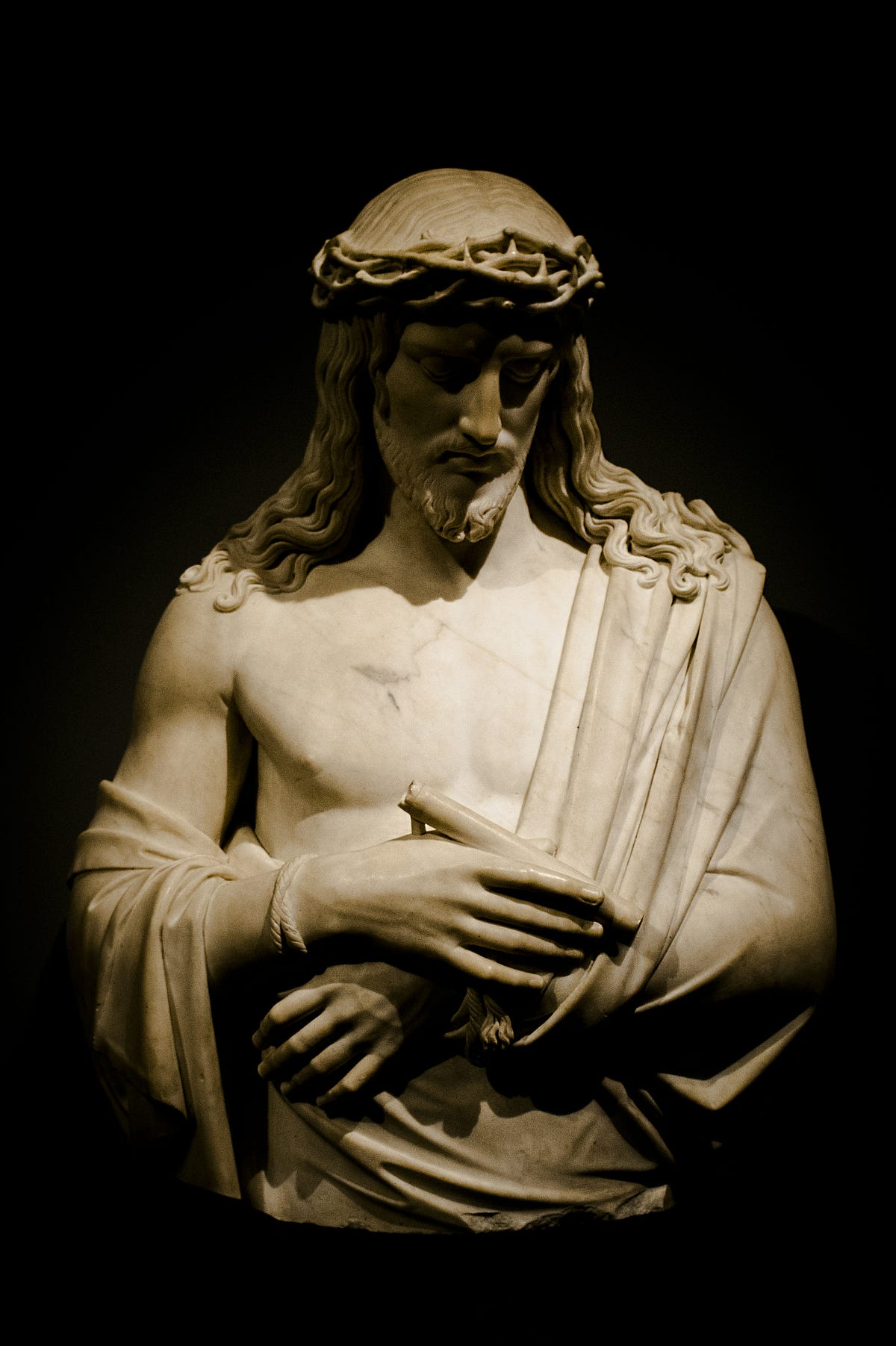
As Christianity embarked on its transformative journey from the Middle East to the European continent, it was met with a cultural and philosophical environment vastly distinct from its origins. The European emphasis on physical representation and artistic expression subtly yet profoundly influenced the Christian portrayal of the divine. During these formative years in Europe, the once transcendent and intangible God of Judaism and early Christianity began a remarkable evolution, gradually adopting a more human visage as Christians endeavored to craft images of Jesus, Mary, and the saints.
This metamorphosis in the perception of God signified a notable divergence from the Jewish tradition, which had resolutely upheld God’s incorporeal and ineffable nature. The advent of Christian iconography initially met with skepticism and resistance but eventually found its place within the heart of Christian worship. The visual depictions of Jesus, Mary, and the saints emerged as concrete manifestations of faith, serving as focal points for devotion and channels for prayerful meditation.
The rise of Christian iconography marked a critical juncture in the religion’s evolution, reflecting the adaptability of faith and its ability to assimilate into diverse cultural and philosophical landscapes. The shift from aniconic to iconic representations of the divine sparked theological debates and ecclesiastical conflicts, yet it also underscored the dynamic nature of religious expression and the profound influence of visual art in conveying spiritual enthusiasm and conviction.
The transformation within Christian iconography can be attributed to a confluence of factors. With its receptivity to visual representations of the divine, the European cultural context contrasted sharply with Judaism’s aniconic stance. The Greco-Roman tradition, with its rich tapestry of gods and heroes, immortalized in art, provided a fertile ground for early Christians to adapt and reinterpret existing artistic conventions to depict their sacred narratives.
Furthermore, the dissemination of Christianity to a predominantly non-Jewish populace called for a more approachable and relatable mode of worship. While profound, the abstract and incomprehensible God of Judaism was less accessible to the masses, who found a spiritual connection through more concrete and familiar forms. Introducing images of Jesus, Mary, and the saints offered tangible touchstones for the faithful, enabling a deeper, more personal engagement with the divine.
The evolution of God’s portrayal into a human-like figure, often rendered as a venerable, bearded man, mirrored the cultural and artistic norms of the era, bridging the gap between the celestial and the terrestrial. This anthropomorphic representation not only made the divine more understandable to the layperson but also facilitated Christianity’s acceptance within the Roman Empire, harmonizing with the prevailing Greco-Roman iconographic traditions.
In this way, the evolution of God in Christian thought and art reflects a profound transformation—a journey from the untouchable to the touchable, from the mysterious to the known, and from the purely spiritual to the incarnate. It is a testament to the enduring human desire to connect with the divine in terms that resonate with our own experience and understanding.
The concept of God has undergone a profound transformation throughout history, mirroring the evolving nature of human spirituality and the intricate interplay between faith and cultural contexts. In the early traditions of Judaism and the nascent stages of Christianity, God was perceived as a transcendent entity — utterly incomprehensible, shrouded in enigma, and existing beyond the grasp of human understanding. Such a portrayal underscored the sheer magnitude of the divine, a being whose essence was veiled in profound mystery, emphasizing the chasm between the mortal and the sacred.
As Christianity matured, the depiction of God evolved to become more tangible and personified. The incarnation of God in the figure of Jesus Christ marked a pivotal shift from the abstract to the concrete. An embodied god offered a more intimate and approachable form of divine interaction, allowing worshippers to foster a personal connection with the deity through the human-like representation of Christ.
Each conceptualization of God — whether transcendent or embodied — served as a conduit for the divine, providing distinct perspectives for engaging with the spiritual realm. The transcendent God invited awe and reverence, a reminder of the divine’s boundless nature. In contrast, the embodied God extended an invitation for a closer, more empathetic relationship, reflecting the yearning for a personal connection with the divine.
Ultimately, these diverse representations of God reflect humanity’s continuous quest to comprehend the ineffable, to bridge the gap between the earthly and the ethereal, and to find meaning in the presence of the ultimate enigma, which is divine.
The late nineteenth century witnessed the emergence of ideologies that sought to apply Charles Darwin’s theory of evolution by natural selection to social and economic realms.
Join us in exploring the disconnect between Darwin’s biological principles and the ideologies of Social Darwinism and Reform Darwinism, which appropriated the term “Darwinism” to lend scientific credence to their philosophies.
Social Darwinism: A Misguided Interpretation of Natural Selection
Built upon a misinterpretation of Charles Darwin’s evolutionary theory, the ideology of Social Darwinism rose to prominence in the late 19th century. Proponents of Social Darwinism, such as Herbert Spencer, argued that human societies follow a natural process where only the “fittest” individuals survive and reproduce. They believed that government or social welfare programs should not interrupt this order.
Social Darwinists argued that aiding the weak would impede the progress of humanity. However, this interpretation is a gross oversimplification and misrepresentation of Darwin’s theory, whereby Darwin does not provide any moral or social directives. Instead, the theory simply describes a natural process observed in biological species. The concept of “survival of the fittest” refers to the idea that organisms best adapted to their environment are more likely to survive and reproduce, passing on their advantageous traits to their offspring.
Social Darwinism assumes that evolution is progressive and each generation is superior to the previous one, which is inaccurate. In evolutionary terms, it would be misleading to establish universal beneficial and detrimental attributes. For instance, a larger size may be advantageous in environments with abundant resources and favorable climates. Conversely, the opposite may hold true in harsh climates with limited resources.
Reform Darwinism: Progressive Ideals Disconnected from Evolutionary Theory
During the late 19th and early 20th centuries, two contrasting views on the role of evolution in human societies emerged. On one hand, Social Darwinists believed that evolution was a natural process that should be left alone, without any intervention from society. On the other hand, Reform Darwinists advocated for a more proactive approach to evolution, emphasizing the importance of cooperation and societal intervention.
Reform Darwinists, such as Lester Frank Ward, believed that human societies could consciously adapt and evolve by implementing institutions and policies that promote the collective good. They argued that beneficial ideas should be embraced while less effective ones should be discarded. In their view, evolution was not a random and uncontrollable process but one that could be shaped and directed by human intervention.
While the principles of Reform Darwinism aimed to promote social progress, they did not directly relate to Darwin’s biological theory. Darwin’s theory of evolution by natural selection does not inherently advocate for the conscious shaping of societal evolution. Nevertheless, the ideas of Reform Darwinism played an important role in shaping progressive movements and social policies in the United States and other countries.
The Fallacy of Equating “Survival of the Fittest” with Social Policy
The principles of Social Darwinism and Reform Darwinism have often been criticized for equating the biological concept of “survival of the fittest” with social policy. While the term itself is usually attributed to Charles Darwin, it was popularized by Herbert Spencer, who used it to justify his economic and social theories.
Furthermore, “survival of the fit enough” would be a more accurate term for the primary mechanism of evolution, as evolution is only concerned with the bare minimum: ensuring that offspring survive long enough to reproduce.
The application of “survival of the fittest” as a justification for social stratification or progressive reform is a misappropriation of Darwin’s work and does not reflect the complexity of human social structures and ethical considerations. While there may be some parallels between the competition and adaptation that occur in the natural world and the dynamics of human societies, we must recognize that various factors, including cultural norms, historical events, and political institutions shape human societies.
Moreover, the notion of inherent superiority or “fitness” of specific individuals or groups lacks scientific basis and raises ethical concerns. We are obligated to future generations to recognize all humans’ inherent value and dignity, irrespective of their backgrounds. Our efforts should be directed toward fostering a just and equitable society that prioritizes the well-being of all its members.
In a Nutshell
Exploring the disconnect between Darwin’s biological principles and the ideologies that misappropriated his work reveals the complexities of applying scientific theories to social policy. Despite their historical significance, social Darwinism and Reform Darwinism serve as examples of the ethical dangers of such misapplications. As we move forward, we must maintain a critical perspective on the role of science in society, ensuring that our policies and ideologies reflect the values of justice, equality, and respect for all individuals.