Category: Politics

Stay updated on the latest political news and trends. Dive into analyses of government policies, political ideologies, and key global issues. Understand the dynamics of elections, legislation, and the impact of politics on society. Get informed with our comprehensive political coverage and expert commentary.

  • Irreligious Americans Are Irrelevant. Here Is Why.

    Irreligious Americans Are Irrelevant. Here Is Why.

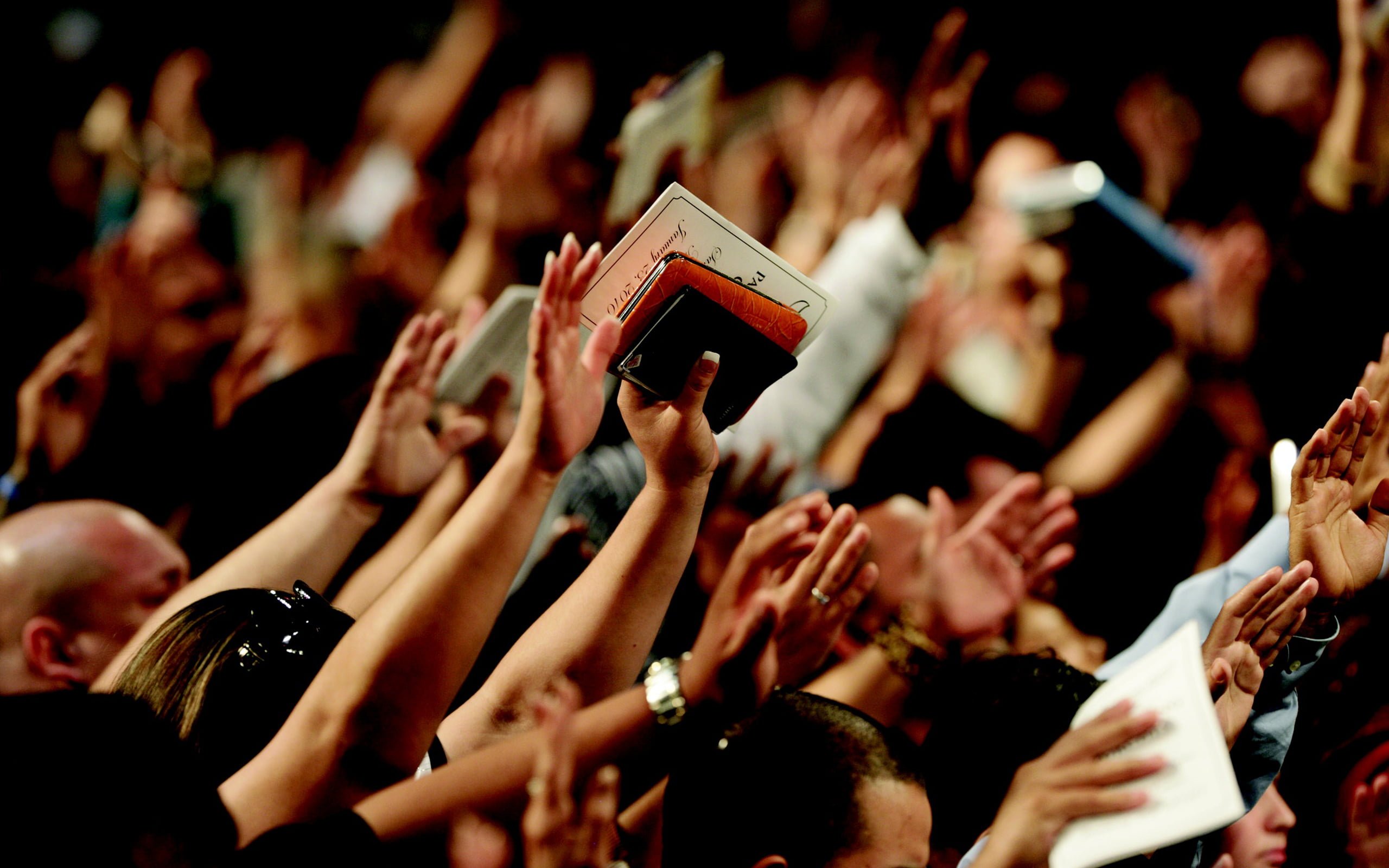
    A remarkable demographic shift is occurring in the United States, yet its political impact remains curiously muted. The largest group in this diverse nation isn’t defined by adherence to a particular faith but rather by the absence of religious affiliation. These individuals, often referred to as the “nones,” now comprise approximately 30% of the adult population, with this figure surpassing 40% among Generation Z.

    To contextualize this, evangelical Christians, traditionally viewed as a strong force in American politics, comprise about 25–30% of the population.

    So, why does the evangelical voice resonate loudly across political discourse during election seasons while the potentially larger irreligious demographic seems to fade into the background?

    The root of this disparity lies in a striking statistic: while 70–80% of evangelicals actively participate in elections, a mere 12% of the irreligious population exercises their right to vote. Let that sink in.

    One factor potentially contributing to this imbalance is the renowned rhetoric that “all politicians are the same.” This cynical viewpoint discourages people from participating in elections, and it seems to work wonders.

    In a democratic society, the power to make choices rests with the people. Sometimes, this involves selecting the better option between two favorable candidates; at other times, it’s about choosing the lesser of two perceived evils. Regardless, the fundamental principle remains: people must choose.

    For democracies to remain democratic, the slogan should not be “All politicians are the same,” but rather “If you want to matter, you must vote.”

  • 6 Hard Truths Evangelicals Don’t Want You to Know

    6 Hard Truths Evangelicals Don’t Want You to Know

    Evangelical Christians in the United States too often steal the spotlight, particularly when it comes to their political and social views. While many would argue that their beliefs stem from a strong religious conviction, a quick look reveals that this could not be further from the truth.

    1. Political Alignment and Partisanship

    It is not a secret that American Evangelicals are associated with conservative political views and the Republican Party. However, this political alignment is so pronounced that more often than not it overshadows core Christian values like “love”, “compassion”, and “impartiality”.

    The strong political rhetoric from some evangelical leaders appear to be more about advancing a political agenda than about upholding the teachings of Jesus. Their emphasis on political power and influence is so strong that they support divisive rhetoric and policies that clash with Christian principles on caring for the marginalized and loving one’s neighbor.

    2. Economic Inequality and Wealth

    Another point of contention is the evangelical support not only for the capitalist market but also for a ruthless capitalist society that favors wealth accumulation. It’s not uncommon to hear them hold the poor accountable for their poverty and call them lazy. If anything, all these openly contradict Jesus’ teachings on wealth and poverty. The Bible is clear in its condemnation of the love of money and its call to care for the poor (e.g., Matthew 19:24, 1 Timothy 6:10).

    Yet, evangelicals often advocate for economic systems that exacerbate inequality, at odds with the biblical message. The support for policies that favor the wealthy and diminish social safety nets makes one question whether evangelical support for hardcore capitalism aligns with their religious teachings or is driven by ideological preferences.

    3. Social Justice and Human Rights

    Evangelicals’ opposition to progressive social justice movements is another area of concern. Many evangelical leaders resist movements advocating for racial and gender equality, despite Christian teachings emphasizing justice, mercy, and equality (e.g., Micah 6:8, Galatians 3:28).

    This resistance of Evangelicals is inconsistent with the call for social justice and human rights found in the Bible. The fact that evangelical leaders and followers oppose efforts to address systemic inequalities signals that their positions are not rooted in genuine religious belief but in political and cultural ideologies.

    4. Taking Care of Earth

    It’s not exactly a rarity to hear evangelicals opposing environmental regulations or climate change initiatives, which contradicts the biblical call to be stewards of the Earth (e.g., Genesis 2:15, Psalm 24:1). The support for policies that harm the environment or reject scientific consensus on climate change demonstrates that their positions are not rooted in Christianity but in an ideology that exploits it

    5. Approach to Science and Education

    The rejection of evolutionary theory and support for creationism among evangelicals conflict with the value of seeking truth and understanding the natural world as part of God’s creation. The Bible endorses wisdom and knowledge (e.g., Proverbs 1:7, 2 Timothy 2:15), but the insistence on a literal interpretation of creationism undermines the pursuit of scientific understanding.

    6. Ethical and Moral Conduct

    Finally, evangelical positions on issues like immigration and LGBTQ+ rights conflict with Jesus’ teachings on “love”, “acceptance”, and “non-judgment”. For example, advocating for strict immigration policies is obviously contrary to the biblical call to welcome the stranger (e.g., Matthew 25:35, Leviticus 19:34). Similarly, stances against LGBTQ+ rights are inconsistent with the call to love one’s neighbor, not judge.

    Before You Go

    The scrutiny of evangelical positions on various issues and the apparent contradictions between their political and social views and the teachings of Jesus leave no room for doubt that evangelicals in the US are aligned with an ideology that aims to use Jesus as the driving force.

    Which of these truths do you find most concerning? Let me know in the comments!

  • Irreligious Americans Are Also Irrelevant. Here Is Why.

    Irreligious Americans Are Also Irrelevant. Here Is Why.

    A remarkable demographic shift is occurring in the United States, yet its political impact remains curiously muted. The largest group in this diverse nation isn’t defined by adherence to a particular faith but rather by the absence of religious affiliation. These individuals, often referred to as the “nones,” now comprise approximately 30% of the adult population, with this figure surpassing 40% among Generation Z.

    To contextualize this, evangelical Christians, traditionally viewed as a strong force in American politics, comprise about 25-30% of the population.

    So, why does the evangelical voice resonate loudly across political discourse during election seasons while the potentially larger irreligious demographic seems to fade into the background?

    The root of this disparity lies in a striking statistic: while 70-80% of evangelicals actively participate in elections, a mere 12% of the irreligious population exercises their right to vote. Let that sink in.

    One factor potentially contributing to this imbalance is the renowned rhetoric that “all politicians are the same.” This cynical viewpoint discourages people from participating in elections, and it seems to work wonders.

    In a democratic society, the power to make choices rests with the people. Sometimes, this involves selecting the better option between two favorable candidates; at other times, it’s about choosing the lesser of two perceived evils. Regardless, the fundamental principle remains: people must choose.

    For democracies to remain democratic, the slogan should not be “All politicians are the same,” but rather “If you want to matter, you must vote.”

  • Turkey Is Wrong Even If Greece Is In Misconduct

    Turkey Is Wrong Even If Greece Is In Misconduct

    The other day, a Greek nationalist commented on one of my posts detailing all sorts of unkind things about Turkey and Turks. But don’t worry. Every country has its own share of idiots, so enough Turkish nationalists treat Greek people online the same way in the war of keyboards. So, I’d like to briefly discuss the hottest military issue between Greece and Turkey and then explain why I don’t like the nationalism of any nation.

    In the Mediterranean, several Greek islands lie close to Turkey, and some of these islands are not covered under the treaty between Greece and Turkey regarding demilitarization. Turkey’s concern about the militarization of these nearby islands is understandable, as Greece would likely react similarly if a Turkish island close to its mainland were armed.

    For years, Turkey has argued that its demands align with the spirit of the treaty that the countries already have and that its requests are justified. Greece, on the other hand, maintains that its actions comply with international law and that the treaty does not explicitly cover these particular islands. This ongoing dispute often fuels nationalist rhetoric and provocations from politicians on both sides, escalating tensions and leading to periodic military crises.

    For the sake of discussion, let’s assume Turkey’s position is entirely correct. If the militarization of these islands does indeed pose a significant threat to Turkey’s security, then this situation reflects a failure in Turkey’s strategy, regardless of the validity of Turkey’s claims. Turkish leaders have not only failed the country but have also left its people at risk for decades.

    If the militarization of these islands is as critical a threat as Turkey claims, the sensible approach would be to seek ways to resolve the issue rather than allowing the threat to continue. For instance, Turkey could use the demilitarization of the islands as a bargaining chip in financial and military negotiations with Greece. Alternatively, Turkey could consider offering to demilitarize certain Turkish territories as part of a reciprocal agreement.

    In a fair world, under the assumption that Turkey’s claims were entirely justified, Greece should address the issue without needing external concessions. However, when faced with a choice between obtaining a solution through concessions that may seem unfair or maintaining a rigid stance while allowing the threat to persist, the more pragmatic option is the former, even if it involves making compromises simply because that is the beneficial option for the nation.

    The nationalism of any nation has been problematic because it often thrives on the existence of a common enemy and focuses on being “right” rather than pursuing what is genuinely beneficial for the nation. It often prioritizes the desire to be right over practical solutions, leading to unrealistic demands that the opposing party would obviously find politically impossible to meet. International politics, is not just about insisting on one’s own perspective but about finding actionable solutions that safeguard national interests and resolve conflicts effectively.

    Personal Note

    In principle, as a Turkish citizen, I don’t write opinion pieces that criticize Greece or portray it in a negative light, as I don’t believe I am the right unbiased source people are looking for. Additionally, I don’t know why, it feels rude, even though I have critiqued other countries freely.

  • God’s Out-of-Office Reply to Corrupt Countries

    God’s Out-of-Office Reply to Corrupt Countries

    Corruption remains a persistent challenge in global politics and governance, affecting nations worldwide. The Corruption Perceptions Index (CPI), published annually by Transparency International, provides remarkable insights into the perceived levels of public sector corruption in different countries. Today, we will take a closer look at the top 10 most corrupt countries according to the CPI and explore what this list tells us about morality, religion, and governance.

    The Top 10 Most Corrupt Countries

    According to the latest CPI data, the following countries are ranked as the most corrupt in the world:

    1. Somalia
    2. Syria
    3. South Sudan
    4. Venezuela
    5. Yemen
    6. North Korea
    7. Burundi
    8. Haiti
    9. Libya
    10. Equatorial Guinea

    Bear in mind that this ranking is based on perceptions of public sector corruption, as measured by expert assessments and opinion surveys.

    What Does This List Tell Us?

    Looking at this list, it’s clear that these countries face significant challenges in terms of governance, stability, and the rule of law. Many of them have been plagued by ongoing conflicts, political instability, or authoritarian regimes, raising some interesting questions about the relationship between corruption, morality, religion, and governance.

    The Role of Religion and Morality

    One striking observation from the list of the most corrupt countries is that many have strong religious influences in their societies and governance structures. However, their presence on this list suggests that religious beliefs alone are not sufficient to prevent corruption or ensure ethical governance. This highlights an important point: the mere presence of religious or moral teachings does not guarantee that corruption will be minimized or eliminated.

    The fear of divine judgment does not seem to be the primary factor keeping morality intact in these societies. If religious teachings were enough to curb corruption effectively, we might expect to see a different set of countries on this list. Instead, this data suggests that other factors, such as political stability, economic development, and institutional strength, play a more significant role in shaping governance and reducing corruption.

    The Focus of Morality

    In many religious countries, there is often a strong emphasis on personal morality, particularly concerning sexual behavior and relationships. While these concerns may be contextually important, focusing solely on regulating personal morality, caring merely about sex before marriage, and caring too much about the hymens of women clearly fail to address the broader issues affecting good morality, governance and societal well-being.

    Concentrating on issues like sexual conduct is easy because they are visible and can be easily legislated. However, this focus distracts from addressing more complex systemic issues like corruption, which has a real impact on societal health.

    The Impact of Corruption

    Corruption has far-reaching effects that extend beyond just politics. It impacts economic development, social equality, and the overall quality of life. When corruption is rampant, it discourages investment, which is essential for economic growth. Investors and businesses are reluctant to engage in environments where bribes and dishonesty are prevalent, leading to economic stagnation. This stagnation results in fewer job opportunities and hampers overall economic advancement.

    Additionally, corruption contributes to greater inequality. When wealth and power are concentrated in the hands of a few corrupt officials and business leaders, the majority of people are left with less. This creates a society where only a small portion thrives while many struggle to meet their basic needs. The widening gap between the rich and poor makes social mobility and economic advancement more difficult for the majority.

    Corruption also undermines public institutions. Government agencies, law enforcement, and public services become ineffective when they are tainted by corruption. Rather than serving the common good, these institutions may become tools for a few powerful individuals, diminishing their ability to function properly and eroding public trust.

    Moreover, widespread corruption erodes trust in government and public institutions. Citizens may feel that the system is rigged against them and that their voices are ignored. This lack of trust can lead to social unrest and a weakened sense of community, as people become disconnected and disillusioned with their leaders.

    Finally, corruption is often linked with human rights violations. Those in power who are focused on their own enrichment may use oppressive tactics to maintain control and silence dissent. This can result in abuses such as unlawful detentions, violence, and suppression of freedoms. Thus, corruption affects not only the material well-being of individuals but also their fundamental rights and freedoms.

    The Takeaway

    In conclusion, while religion and personal morality are important, they alone are not sufficient to ensure good governance or prevent corruption. Addressing systemic issues and focusing on broader aspects of governance, economic development, and institutional integrity is crucial for creating a just and equitable society.of society, but it’s one that’s crucial for building a more just and equitable world for all.

    #GlobalCorruption #TransparencyMatters #GoodGovernance

  • The Democratic Paradox: Defending Freedom Against the People’s Will

    The Democratic Paradox: Defending Freedom Against the People’s Will

    In today’s political landscape, we often hear the term “democracy” thrown around as if it were synonymous with majority rule. However, this simplistic view fails to capture the true essence and complexity of democratic systems. Democracies are not, and should not be, the dictatorships of majorities. Instead, they represent a delicate balance between the will of the people and the protection of fundamental rights for all individuals, regardless of their status as part of the majority or minority.

    The Foundations of Democracy

    At its core, democracy is a system of government that derives its legitimacy from the people. The word itself comes from the Greek “demos” (people) and “kratos” (rule or power). While this definition might suggest that the majority should always have its way, modern democracies have evolved to incorporate safeguards that protect the rights of all citizens, not just those in the majority.

    One of the most important documents that outlines these fundamental rights is the Universal Declaration of Human Rights, adopted by the United Nations General Assembly in 1948. This declaration sets forth a comprehensive list of rights that should be protected in any democratic society, including freedom of expression, freedom of religion, the right to privacy, and protection from discrimination.

    The Tyranny of the Majority

    The concept of the “tyranny of the majority” was famously discussed by political philosophers like John Stuart Mill and Alexis de Tocqueville. They recognized that unchecked majority rule could lead to the oppression of minority groups and the erosion of individual liberties.

    Consider, for example, the hypothetical scenario where a majority of the population finds certain consensual sexual acts between adults immoral. Should a democracy have the power to ban these acts simply because most people disapprove of them? The answer, in a truly democratic society, is no. Personal freedoms and the right to privacy should be protected, even when they conflict with majority opinion.

    Similarly, what if at some point in the future, a majority of citizens in a country were to find a particular religion or lack thereof (such as Christianity or atheism) immoral? Should the government be able to outlaw these beliefs or practices? Again, the answer is a resounding no. Freedom of religion and belief is a fundamental human right that should be protected in any genuine democracy.

    Checks and Balances: The Role of the Judiciary

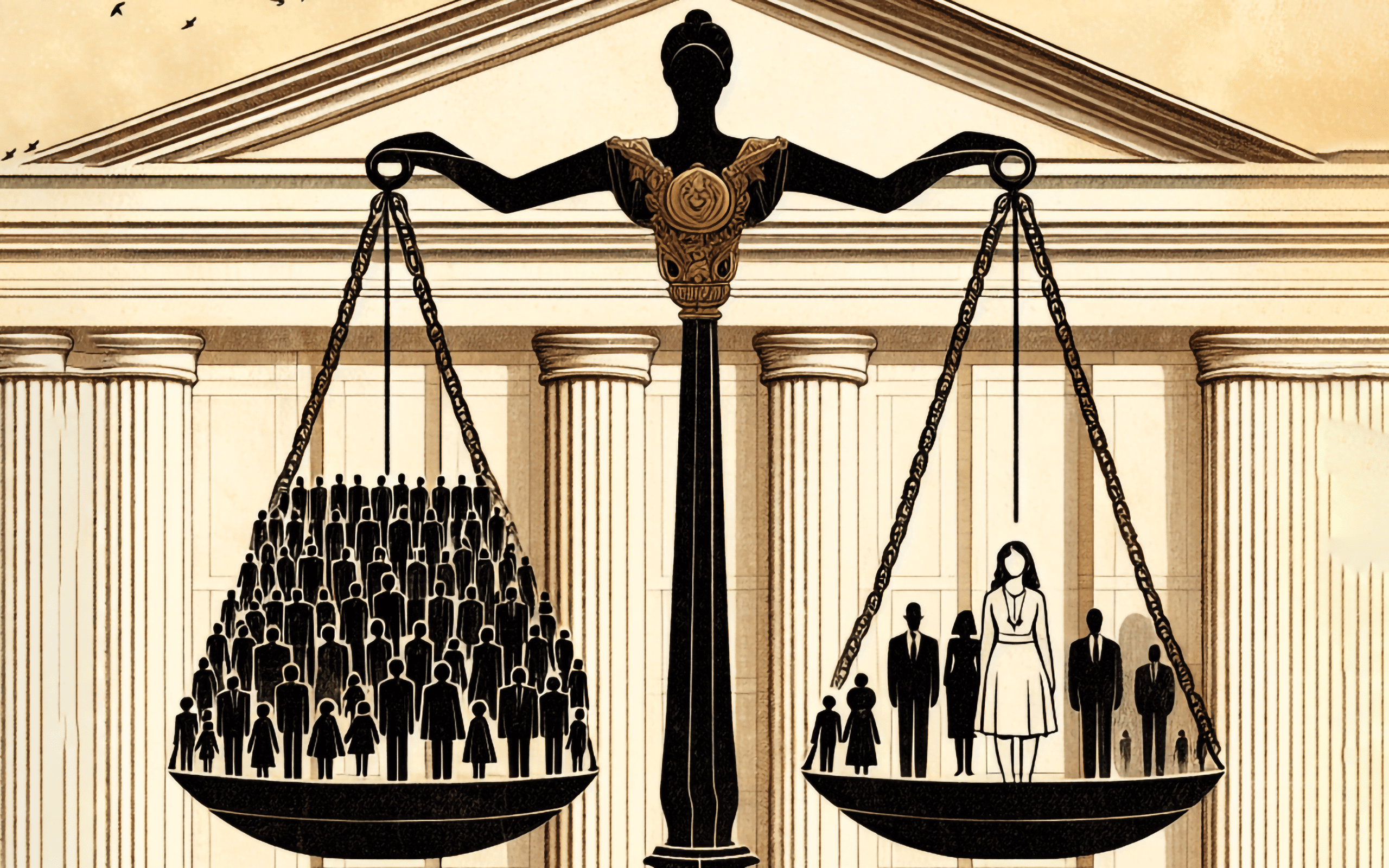
    To protect against the potential abuses of majority rule, healthy democracies typically incorporate a system of checks and balances. While the executive and legislative branches of government are often directly elected and thus reflect the will of the majority, the judicial branch is designed to be independent and impartial.

    The role of the judiciary in a democracy is crucial. It serves as a guardian of the constitution and protects the rights of all citizens, including those in the minority. When laws passed by the majority infringe upon the fundamental rights of individuals or minority groups, it is the judiciary’s responsibility to strike down these laws as unconstitutional.

    This independence of the judiciary is what allows democracies to protect minority rights even in the face of majority opposition. It ensures that the fundamental principles of democracy, including individual liberty and equality before the law, are upheld regardless of popular opinion at any given time.

    The Importance of Minority Rights in Democracy

    Protecting minority rights is not just a moral imperative; it is essential for the long-term stability and success of democratic societies. When minority groups feel that their rights are respected and protected, they are more likely to participate in the democratic process and feel invested in society as a whole.

    Moreover, today’s minority could be tomorrow’s majority. By ensuring that all groups have their rights protected, democracies create a more stable and fair system for everyone. This protection extends beyond just ethnic or religious minorities to include any group that may find itself outnumbered on a particular issue.

    Balancing Majority Will and Minority Rights

    While the protection of minority rights is crucial, it’s important to acknowledge that this can sometimes create tension with the principle of majority rule. Finding the right balance between these two aspects of democracy is an ongoing challenge for all democratic societies.

    For instance, how do we determine which rights are so fundamental that they should be protected even against the will of the majority? How do we ensure that the protection of minority rights doesn’t lead to a situation where small groups can effectively veto the will of the majority on all issues?

    These are complex questions without easy answers. Different democracies around the world have found different ways to address these challenges, often through constitutional provisions, strong judicial systems, and robust civil society organizations that advocate for the rights of various groups.

    The Role of Education and Civic Engagement

    For a democracy to truly function as more than just majority rule, it requires an educated and engaged citizenry. People need to understand not just their own rights, but also the importance of protecting the rights of others, even when they disagree with them.

    Civic education plays a crucial role in this process. By teaching people about the principles of democracy, the importance of minority rights, and the dangers of unchecked majority rule, we can create a society that is better equipped to navigate the complex challenges of democratic governance.

    Moreover, active civic engagement – through voting, participating in public discourse, and holding elected officials accountable – is essential for ensuring that democracy remains vibrant and responsive to the needs of all citizens.

    The Takeaway

    In conclusion, while democracy is often associated with majority rule, it is far more complex and nuanced than that. True democracy involves a delicate balance between the will of the majority and the protection of fundamental rights for all individuals, regardless of their status as part of the majority or minority.

    By incorporating systems of checks and balances, particularly through an independent judiciary, democracies can protect against the tyranny of the majority and ensure that the rights of all citizens are respected. This protection of minority rights is not just a moral imperative but is essential for the long-term stability and success of democratic societies.

    As citizens of democratic nations, it is our responsibility to understand these principles, engage actively in the democratic process, and work towards creating societies that truly embody the ideals of democracy – societies that respect the will of the majority while steadfastly protecting the rights of all.

    #DemocracyMatters #MinorityRights #CivilLiberties

  • The Truth Behind Israel

    The Truth Behind Israel

    Hey everyone! Today, I want to talk about something that’s been on my mind lately – Israel. With all the news going around, it’s easy to get confused about what’s really happening there. So, I did some digging and boy, was I surprised!

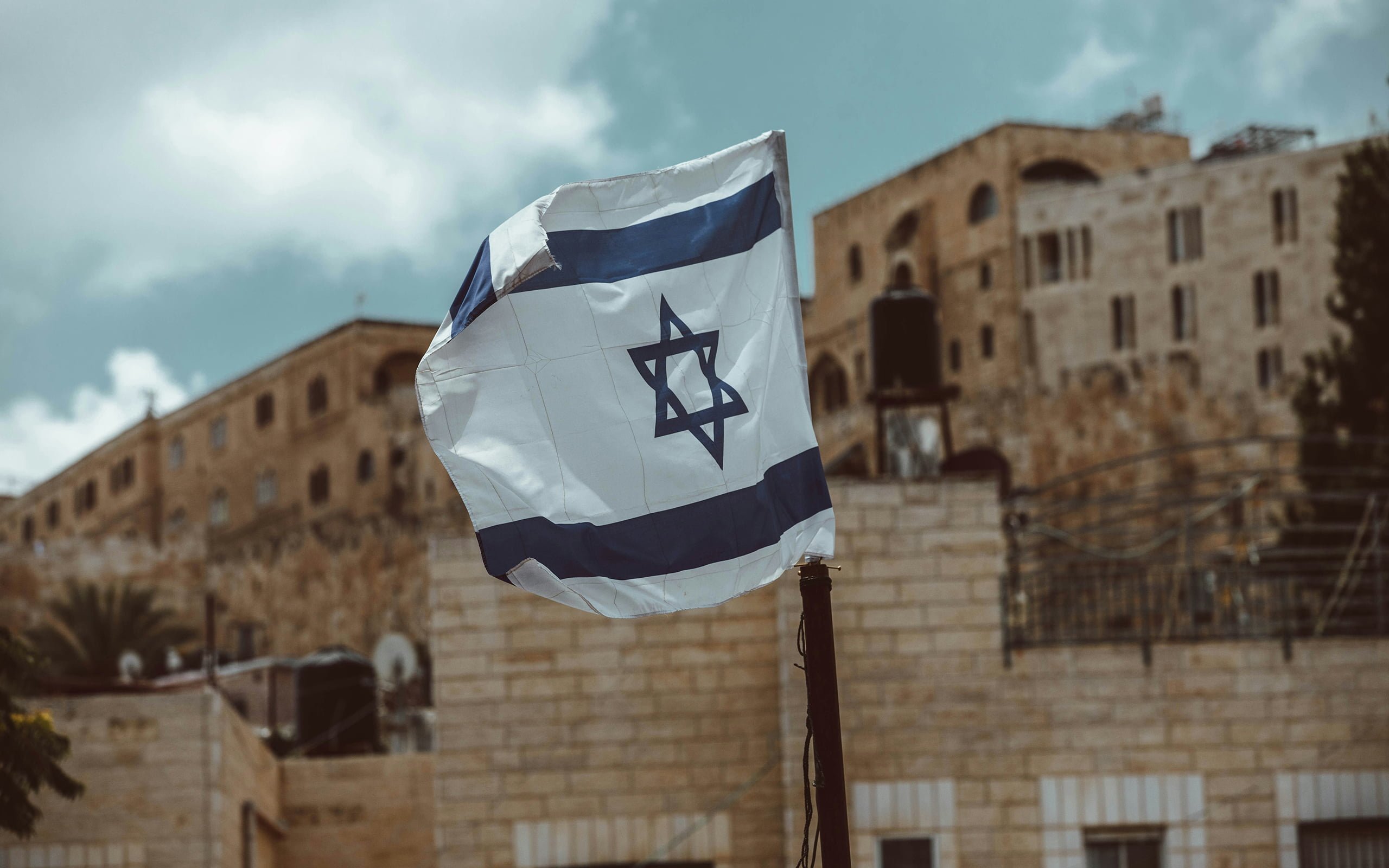
    First off, forget what you might have heard on Fox News or online forums. Israel isn’t just a country full of Jewish people. It’s way more diverse than that! Did you know that about one in five people living in Israel are actually Muslim? That’s right – Muslims make up the largest minority group in Israel.

    Here’s a mind-blowing fact: there are about 2.1 million Muslim Israelis! That’s a lot of people. And get this – their numbers are growing. Back in 1990, only about 14% of Israel’s population was Muslim. Now it’s around 18%, and they think it might reach 25% by 2030. That’s a quarter of the population!

    But here’s where it gets interesting. Even though there are more Muslim families in Israel than ever before, they’re actually having fewer kids. In 2022, Muslim Israeli women had an average of 2.91 children. Surprisingly, that’s less than Jewish Israeli women, who had about 3.03 children on average.

    Now, you might be wondering, “What do Muslim Israelis do?” Well, they’re involved in pretty much everything! They work in politics and healthcare; some even serve in the military. In Jerusalem, the capital city, more than a third of the population is Muslim. That’s about 380,000 people!

    And guess what? Muslim Israeli students are crushing it in school. Almost 75% of Muslims in Arab schools got their high school diploma. Even cooler? More Muslim women than men are going to college. You go, girls!

    So, why am I telling you all this? Because it’s important to understand that the current conflict isn’t as simple as “all Muslims hating Jews.” It’s way more complicated than that. The fight is specifically between Israel and Hamas, a group that many countries see as terrorists.

    Understanding Israel’s diversity helps us see the bigger picture. It’s not just about religion—people from different backgrounds live together, go to school, work, and try to make a life for themselves.

    Next time you hear someone oversimplifying the situation in Israel, remember these facts. The world is rarely black and white – there are always shades of gray. And in Israel’s case, there are many colors in the mix!

    What do you guys think? Did any of these facts surprise you? Let me know in the comments!

    #IsraelDiversity #MiddleEastFacts #BeyondTheHeadlines

  • If Your Politicians Are Dishonest, You Are the Problem.

    If Your Politicians Are Dishonest, You Are the Problem.

    In any democratic society, politicians’ integrity is paramount. When politicians are dishonest, they not only undermine the trust of the electorate but also erode the foundations of democracy. However, the responsibility for holding politicians accountable doesn’t solely rest on them; it also lies with the voters. If voters tolerate dishonesty, it sets a dangerous precedent. Let’s explore this concept with examples from the Netherlands and Germany, where political accountability plays a crucial role.

    The Case of Dutch Prime Minister Mark Rutte

    In April 2021, Dutch Prime Minister Mark Rutte found himself embroiled in a significant scandal. He was accused of lying about discussing a political position for a rival party leader. Initially, Rutte denied having had this conversation. However, it was later revealed that he did, in fact, discuss the matter. This revelation led to a motion of no confidence against him, which he narrowly survived.

    The scandal severely damaged Rutte’s credibility, demonstrating how political dishonesty can almost cost a leader their position. The Dutch parliament and the voters’ response to this incident highlight the importance of holding politicians accountable. If the electorate had turned a blind eye to Rutte’s dishonesty, it would have signaled that such behavior is acceptable, potentially encouraging further deceit.

    Germany’s Unforgiving Political Culture

    Germany is known for its stringent expectations of political transparency and accountability. Voters in Germany are notably unforgiving when it comes to dishonesty. If a politician makes promises before an election and fails to follow through afterward, they are often pressured to explain the discrepancy.

    A striking example is the resignation of Defense Minister Karl-Theodor zu Guttenberg in 2011. Guttenberg was discovered to have plagiarized his doctoral dissertation, a scandal that made it impossible for him to maintain his position. This incident underscores how difficult it is for a politician to recover from being deemed dishonest in Germany.

    The Role of Voters in Upholding Integrity

    Both the Netherlands and Germany exemplify how voters play a crucial role in maintaining the integrity of their political systems. By demanding honesty and transparency, voters can ensure that politicians remain accountable. When dishonest behavior is exposed, it is essential for the electorate to respond decisively, as seen in these two countries.

    While no political system is perfect and no country is free from dishonest politicians, the key takeaway is the importance of vigilance and accountability. Voters must treat dishonesty with the gravity it deserves, understanding that their response can influence the behavior of their leaders.

    The Takeaway

    In conclusion, the problem of dishonest politicians is not just a reflection of individual failings but also of the broader political culture and the electorate’s tolerance for dishonesty. By looking at the examples of the Netherlands and Germany, we see that holding politicians accountable is essential for the health of any democracy. Voters must demand honesty and transparency from their leaders, ensuring that those who engage in deceitful behavior face appropriate consequences.

    #VoteWisely #DemocracyWatchdog #HoldPoliticiansAccountable

  • Debunking the Myth: Scandinavian “Socialism” and Its True Nature

    Debunking the Myth: Scandinavian “Socialism” and Its True Nature

    In recent years, the economic and social systems of Scandinavian countries have garnered significant attention globally, often being hailed as successful examples of “socialism” in action. However, this characterization is not only inaccurate but also obscures the true nature of these economies and the principles that underpin their success. To understand the Scandinavian model, we must first disentangle the concepts of socialism and social democracy, and examine how these countries have crafted a unique blend of capitalist markets and comprehensive social welfare programs.

    The Misconception of Scandinavian Socialism

    A common misconception persists that countries like Sweden, Norway, Denmark, and Finland operate under socialist systems. This misunderstanding stems from a conflation of socialism with the extensive welfare states and social programs that are hallmarks of these nations. However, it’s crucial to recognize that socialism, in its true form, involves state ownership of the means of production and centralized economic planning. This is decidedly not the case in Scandinavian countries.

    Defining Social Democracy

    What Scandinavian countries actually practice is a form of social democracy. This political and economic approach seeks to harness the productive power of capitalist markets while simultaneously implementing strong social safety nets and regulatory frameworks to ensure a more equitable distribution of wealth and opportunities. It’s a “middle way” between unfettered capitalism and state-controlled socialism, aiming to balance economic efficiency with social welfare.

    The Capitalist Foundation of Scandinavian Economies

    Contrary to popular belief, Scandinavian countries boast vibrant and competitive capitalist markets. These nations consistently rank high in indices of economic freedom and ease of doing business. They are home to numerous globally successful companies, from IKEA and Volvo in Sweden to Maersk in Denmark and Nokia in Finland. The private sector plays a dominant role in these economies, with most businesses privately owned and operated.

    What sets these countries apart is not an absence of capitalism, but rather how they’ve chosen to regulate their markets and redistribute wealth through taxation and social programs. This approach aims to mitigate some of the harsher effects of pure capitalism while maintaining its innovative and productive aspects.

    The Role of Social Welfare Programs

    The extensive social welfare systems in Scandinavian countries are indeed a defining feature of their model. These include comprehensive healthcare coverage, free education through university level, generous parental leave policies, and robust unemployment benefits. However, these programs are not socialist in nature; rather, they represent a societal choice to pool resources through high taxation to provide a strong social safety net.

    It’s worth noting that these welfare programs are not without their challenges. The high tax rates required to fund them can be a point of contention, and there are ongoing debates about the sustainability of such extensive benefits in the face of demographic changes and global economic pressures.

    Cultural Factors and Social Cohesion

    One cannot discuss the success of the Scandinavian model without considering the cultural factors that contribute to its effectiveness. These societies are characterized by high levels of social trust, a strong work ethic, and a cultural emphasis on collective well-being alongside individual success. There’s a widespread acceptance of high taxation as a necessary trade-off for comprehensive social services.

    This cultural backdrop plays a crucial role in the functioning of their economic systems. The high degree of social cohesion and trust in institutions helps to reduce friction in the implementation of policies and fosters a sense of collective responsibility that underpins the welfare state.

    Economic Performance and Quality of Life

    The success of the Scandinavian model is evident in various economic and social indicators. These countries consistently rank among the highest in the world in terms of quality of life, happiness indices, and economic competitiveness. They have managed to achieve high standards of living, relatively low income inequality, and strong social mobility while maintaining competitive and innovative economies.

    However, it’s important to note that this success is not solely attributable to their economic policies. Factors such as relatively small, homogeneous populations, abundant natural resources (particularly in Norway), and a history of political stability have all played roles in shaping these outcomes.

    Challenges and Adaptations

    The Scandinavian model is not without its challenges. Globalization, demographic shifts, and the changing nature of work all pose threats to the traditional welfare state model. In response, these countries have been adapting their policies, sometimes scaling back benefits or introducing market-oriented reforms to ensure the sustainability of their systems.

    For instance, Sweden implemented significant reforms in the 1990s to reduce public spending and increase market flexibility. These changes were made in response to economic difficulties but were carried out in a way that preserved the core principles of the social democratic model.

    Lessons for Other Countries

    While the specific policies of Scandinavian countries may not be directly transferable to other contexts, there are valuable lessons to be drawn from their approach. The ability to balance market dynamics with social welfare, the importance of social cohesion and trust in institutions, and the willingness to adapt policies in the face of changing circumstances are all principles that could inform policy discussions in other nations.

    However, it’s crucial to recognize that the success of the Scandinavian model is not solely due to its economic policies or the attitudes of its people, but rather a complex interplay of historical, cultural, and economic factors. Any attempt to emulate this model must take into account the unique context of the country in question.

    The Takeaway

    The characterization of Scandinavian countries as socialist is a misrepresentation that obscures the true nature of their economic systems. These nations operate capitalist markets with strong social safety nets – a model more accurately described as social democracy. The success of this approach stems from a careful balance of market forces and social welfare, underpinned by cultural factors that support high levels of social trust and cohesion.

    As we look to address economic and social challenges globally, the Scandinavian model offers valuable insights. However, it’s essential to approach these lessons with nuance, recognizing that successful economic models are not one-size-fits-all solutions but rather complex systems shaped by a multitude of factors. The key takeaway is not to replicate the Scandinavian system wholesale, but to understand the principles that drive its success and consider how these might be adapted to different contexts.

    Ultimately, the success of any economic model depends not just on its theoretical soundness, but on its alignment with the values, culture, and specific circumstances of the society it serves. The Scandinavian experience demonstrates that it is possible to harness the power of markets while also prioritizing social welfare – a balance that continues to evolve in response to the challenges of the 21st century.

    #NordicModel #SocialDemocracy #EconomicMyths

  • The Hollow Patriotism of Populist Politicians: A Sign of National Insecurity

    The Hollow Patriotism of Populist Politicians: A Sign of National Insecurity

    In recent years, a troubling trend has emerged across the global political landscape, particularly in the Middle East and beyond. Politicians and public figures have increasingly resorted to questioning the patriotism of their opponents or citizens who express dissenting views. This phenomenon, often accompanied by grandiose displays of nationalism and religious fervor, has become a staple of populist rhetoric. However, upon closer examination, this behavior reveals more about the insecurities of a nation and its leaders than it does about their strength or conviction.

    The Facade of Excessive Patriotism

    At first glance, fervent displays of patriotism might seem like a testament to national pride and unity. Flags wave, anthems blare, and politicians wrap themselves in the mantle of religious and nationalist symbols. But beneath this veneer of strength often lies a profound sense of vulnerability and insecurity. Truly powerful and confident nations don’t feel the need to constantly reassert their patriotic credentials. They understand that genuine patriotism is demonstrated through actions that benefit the country and its citizens, not through symbolic gestures or rhetorical flourishes. When a country is secure in its identity and values, it can withstand criticism, dissent, and even provocative acts without resorting to knee-jerk displays of nationalism.

    Consider, for instance, the reactions to flag burning in different countries. In some nations, this act is met with severe legal consequences and public outrage, while in others, it’s viewed as an unfortunate but protected form of expression. The latter approach often indicates a society confident enough in its foundations to tolerate even the most extreme forms of protest.

    The Manipulation of Religious Sentiment

    Closely tied to the exploitation of patriotic symbols is the manipulation of religious sentiment for political gain. Populist politicians frequently invoke religious imagery and language to appeal to voters, presenting themselves as defenders of faith and traditional values. This strategy is particularly prevalent in regions where religion plays a significant role in public life, such as the Middle East. However, the constant need to affirm one’s religious credentials in the political arena can be seen as a sign of insecurity rather than genuine piety. Leaders who are truly guided by their faith often demonstrate it through their actions and policies, not by constantly proclaiming their devotion or using religion as a cudgel against their opponents.

    Moreover, the exploitation of religious sentiment for political purposes often runs counter to the core tenets of the faith itself. Many religious traditions emphasize humility, compassion, and unity – values that are frequently at odds with the divisive and self-aggrandizing rhetoric of populist politicians.

    The Populist Playbook

    The playbook of populist politicians who rely on patriotic and religious manipulation is remarkably consistent across different contexts. They create an “us vs. them” narrative by painting critics or opponents as unpatriotic or irreligious, creating a false dichotomy that simplifies complex issues and rallies supporters. These leaders emphasize symbols over substance, focusing on flags, anthems, and religious symbols to avoid addressing substantive policy issues. They appeal to nostalgia, often invoking a mythical past when the nation was “great” and promising to return to those glory days. By questioning the patriotism of critics, populists can deflect criticism and avoid addressing legitimate concerns about their leadership or policies. They also create external enemies, blaming national problems on foreign influences or minority groups to foster a siege mentality that can be exploited for political gain.

    The Irony of Insincerity

    Perhaps the most striking aspect of this phenomenon is the irony that often underlies it. The very politicians who most vociferously proclaim their patriotism and religious devotion are frequently the least likely to embody these values in their actions. This disconnect arises because these leaders understand the power of patriotic and religious rhetoric as a tool for manipulation. They recognize that by appealing to voters’ sense of national pride and religious identity, they can garner support without having to deliver substantive policies or demonstrate genuine leadership. In essence, these politicians are willing to exploit the very symbols and beliefs they claim to revere for personal political gain. This calculated approach reveals a fundamental lack of respect for both the nation and the faith they purport to champion.

    The Consequences of Hollow Patriotism

    The ramifications of this brand of hollow patriotism extend far beyond the political arena. When national symbols and religious faith are consistently weaponized for political purposes, it can lead to an erosion of national unity. Instead of fostering a sense of shared identity, this approach often deepens societal divisions. It can stifle dissent, as citizens may become hesitant to voice legitimate concerns for fear of being labeled unpatriotic. The focus on patriotic displays can distract from real issues, diverting attention from pressing national problems. Excessive nationalism can damage a country’s international reputation, harming its standing in the global community. Furthermore, when patriotic symbols are overused for political gain, their meaning and impact can be diminished, leading to a devaluation of genuine patriotism.

    The Path Forward: Genuine Patriotism and Leadership

    In contrast to the hollow patriotism of populist rhetoric, genuine national strength and leadership are characterized by confidence in national institutions. Strong nations trust in the resilience of their political and social systems. True patriotism recognizes that a nation’s strength lies in its diversity of thought and background, embracing rather than suppressing differences. Effective leaders prioritize addressing real challenges over symbolic gestures, focusing on substantive issues that affect citizens’ lives. Confident nations view criticism as a mechanism for improvement rather than a threat, respecting dissent as a vital part of democratic discourse. Politicians who truly love their country lead by example, embodying the values they espouse through ethical leadership.

    The Takeaway

    The tendency to question others’ patriotism or manipulate religious sentiment for political gain is not a sign of national strength but of profound insecurity. It reflects a lack of confidence in the foundations of the nation and a willingness to exploit citizens’ deepest beliefs for personal or political advantage. As citizens and voters, it’s crucial to recognize these tactics for what they are: a smokescreen designed to obscure a lack of substantive leadership. True patriotism and genuine faith are demonstrated through actions that benefit the nation and uphold moral values, not through empty rhetoric or divisive posturing.

    The path to national strength and unity lies not in grand displays of patriotism or religious fervor, but in fostering a society that is confident enough in its values to embrace diversity, encourage critical thinking, and focus on addressing the real challenges that face the nation. Only then can a country truly stand strong on the global stage, secure in its identity and purpose.

    #HollowPatriotism #PopulistTactics #TrueLeadership