Category: Politics

Stay updated on the latest political news and trends. Dive into analyses of government policies, political ideologies, and key global issues. Understand the dynamics of elections, legislation, and the impact of politics on society. Get informed with our comprehensive political coverage and expert commentary.

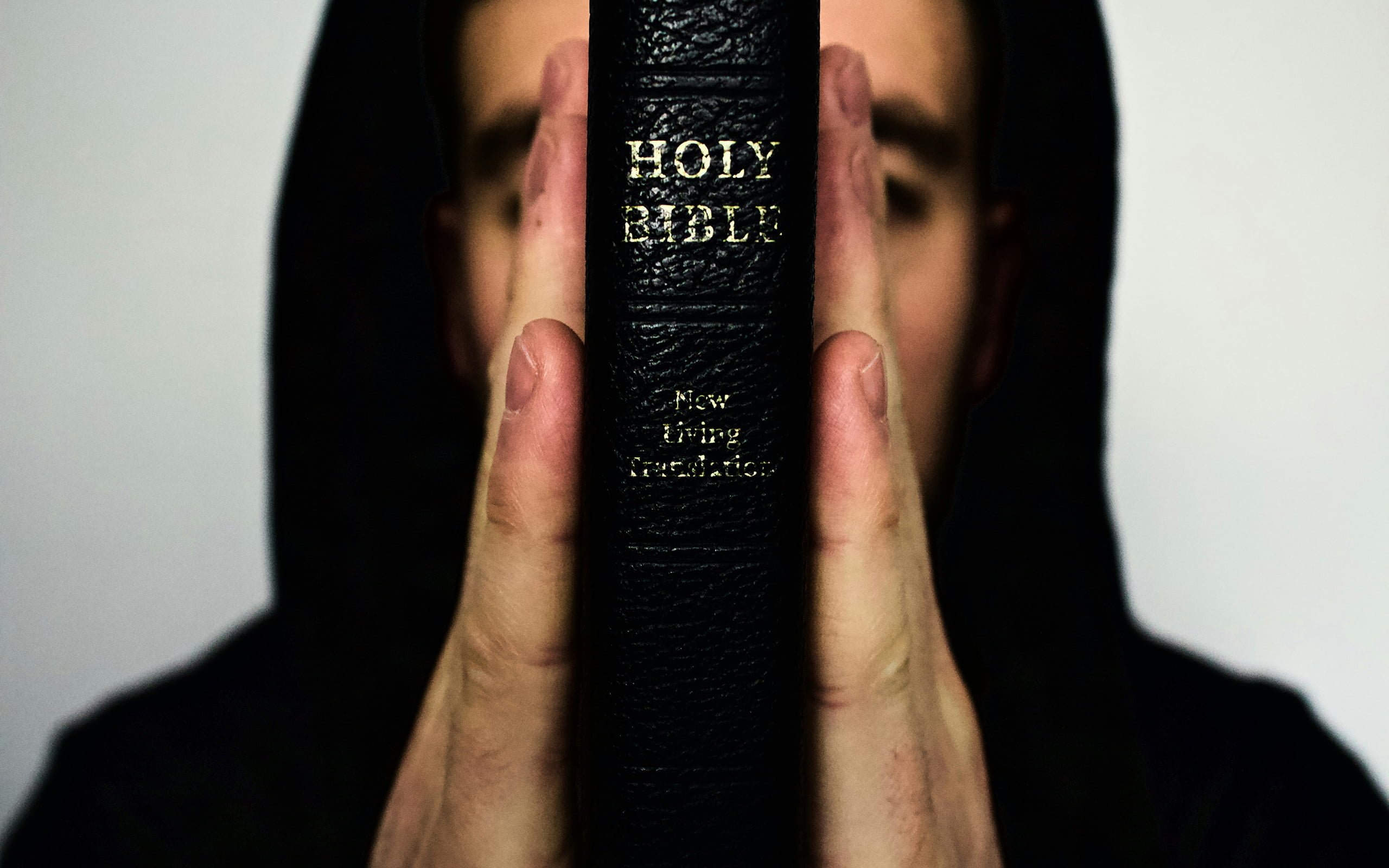
  • Atheists Care More About Christianity Than Evangelists

    Atheists Care More About Christianity Than Evangelists

    In today’s polarized climate, it often seems that atheists and secular-minded individuals are more passionate about the integrity of Christianity than the very evangelists who claim to uphold it. This might sound paradoxical, but there’s a compelling argument to be made here. Those who push for a clear separation of church and state seem to have a deeper respect for the essence of Christianity than those who intertwine their political agendas with religious rhetoric. Let me explain why.

    The Founding Fathers and Secular Principles

    The founding fathers of the United States, despite many being personally religious, were firm advocates for the separation of church and state. This principle was rooted in their understanding of the dangers posed by theocracy and religious favoritism, which had plagued Europe for centuries. They envisioned a country where governance was based on secular principles, ensuring freedom of religion by preventing the government from endorsing or imposing any particular faith.

    However, the concept of separation of church and state is often misunderstood. Many believe it simply means not passing laws that favor one religion over another. While this is true, it is only part of the equation. The more significant aspect is preventing religious influence from seeping into political governance, which can lead to manipulation and exploitation of religious sentiments for personal or political gain.

    Modern Violations of the Separation Principle

    A glaring example of this violation occurred on July 21, 2024, when Louisiana’s governor signed a bill into law requiring public schools to display the Ten Commandments. This action is a clear breach of the separation of church and state. It’s not just about promoting a religious text in a public institution; it’s about the intent behind such a move.

    The governor likely knows that this law is unconstitutional, and everyone familiar with the principles of American governance knows it too. So, why push for such legislation? The answer lies in political manipulation. By aligning with religious symbols and sentiments, politicians can garner support from religious communities, presenting themselves as defenders of faith and morality. But do they genuinely care about the Ten Commandments, or is it merely a tool for political leverage? If they really care, why offer Christianity as a tool to non-believer politicians to further their careers?

    The Secularist Perspective

    Christian secularists often find themselves at the forefront of defending the separation of church and state. To them, it’s not about opposing religion but preserving the sanctity of governance and religion. When politicians use Christianity as a tool for political gain, it not only undermines democratic principles but also taints the purity of the religion.

    Consider the implications: if Christianity is wielded as a political tool, it becomes subject to the whims and manipulations of those in power, which not only dilutes its spiritual significance but also opens it up to exploitation. Atheists, in their push for secularism, inadvertently protect Christianity from being used and abused in the political arena. They recognize that true faith should be personal and voluntary, not coerced or incentivized by political maneuvering.

    The Hypocrisy of Religious Politicians

    Many politicians who champion religious causes and blur the lines between church and state often do not adhere to the tenets they promote. If they truly believed in the teachings of Christianity, they would avoid using it for personal gain and would respect the principle of keeping religion out of politics. The fact that they don’t suggest a lack of genuine commitment to the faith they claim to uphold.

    For instance, if a politician truly cared about the Ten Commandments, they would understand the importance of the commandment against bearing false witness. Yet, political campaigns are rife with misinformation and deceit. The selective application of religious principles reveals a deeper hypocrisy: religion is valuable to them only as long as it serves their interests.

    A Call for Integrity

    The irony is that atheists and secularists, who often face criticism from religious communities, may care more about the integrity of Christianity than those who claim to be its defenders. They push for a society where religion is a matter of personal conviction, not public policy. In doing so, they aim to protect the essence of faith from becoming a pawn in political games.

    If Christianity is true, as many believe, then the greatest disservice is to offer Jesus on a golden plate for politicians to use as a tool for personal gain, which not only disrespects the faith but also risks divine judgment. People who facilitate politicians to manipulate religious sentiments may find themselves on the wrong side of the very God they claim to serve.

    The Takeaway

    The separation of church and state is not just a constitutional mandate but a safeguard for governance and religion. Atheists and secular-minded individuals, in their advocacy for this principle, knowingly or unknowingly, show a deep respect for the purity of faith. They recognize the dangers of intertwining religion with politics and strive to protect both from mutual corruption.

    In the end, those who truly care about Christianity should be wary of its exploitation in the political realm. They should advocate for a clear boundary between faith and governance, ensuring that religion remains a personal, sacred matter, free from the taint of political ambition. It is only then that the true spirit of Christianity—and indeed any faith—can flourish for those who want to believe.

    #ChurchAndState #FaithAndPolitics #SecularValues

  • The Surprising Secular Resilience of Turkey: A Returning Expat’s Perspective

    The Surprising Secular Resilience of Turkey: A Returning Expat’s Perspective

    When I boarded the plane to return to Turkey after nearly two decades abroad, I braced myself for what I imagined would be a dramatically transformed nation. The Turkey I left behind in the early 2000s was a secular republic with a strong Kemalist tradition, but the intervening years had seen the rise and entrenchment of Recep Tayyip Erdogan’s Justice and Development Party (AKP). As an expat watching from afar, I had absorbed the narrative of Turkey’s increasing Islamization, expecting to find a country where secular traditions had been eroded and religious conservatism reigned supreme.

    What I discovered upon my return was far more nuanced and, in many ways, surprisingly reassuring. Yes, Turkey has changed under Erdogan’s long rule, but not always in the ways I had anticipated. The reality I encountered challenged my preconceptions and offered a fascinating contrast to the religious and political dynamics I had observed in my years living in the United States.

    Social Progress Amidst Religious Influence

    One of the first things I noticed was a positive change in social attitudes. The discrimination against women wearing headscarves, once a contentious issue in Turkey’s public sphere, had largely disappeared. This shift represented progress towards individual freedom of expression, rather than the wholesale Islamization I had feared. It was a reminder that secularism, at its best, should protect religious expression as much as it guards against religious imposition.

    Of course, the influence of religion in Turkish society and politics has indeed grown in certain areas. There’s no denying the government’s favoritism toward religious organizations or the proliferation of religious programming on television. However, what struck me most was not these changes, but the resilience of Turkey’s secular traditions in the face of them.

    The Surprising Strength of Turkish Secularism

    The opposition in Turkey vigorously defends secularism, keeping it at the forefront of political discourse. This stands in stark contrast to the United States, where I was surprised to find that religion plays a much more central role in politics than in contemporary Turkey. While living in America, I had become accustomed to political debates that often revolved around religious values and identity. In Turkey, unless Erdogan makes a particularly controversial statement, religion rarely takes center stage in political discussions.

    This observation led me to a startling realization: in many respects, the United States appears less secular than Turkey. Take, for example, the issues of prostitution and abortion. Both remain legal in Turkey and, more importantly, they’re not constant topics of heated debate as they are in the US. The relative absence of these discussions from Turkish political discourse speaks volumes about the country’s secular foundations.

    Turkish Islamists and American Evangelicals

    The parallels between Turkish Islamists and American Evangelicals are striking and deserve exploration. Both groups wield significant influence in their respective countries’ politics and social spheres. Interestingly, many Turkish Islamists even use translated books from American Evangelical authors to teach their children. However, there’s a crucial difference that sets them apart: the Turkish attitude towards science.

    Science and Religion: An Unexpected Harmony

    In Turkey, there’s a high regard for science and scientists that spans across ideological lines, including among Islamists. This respect for scientific achievement was evident in the pride many Turks, including conservative Muslims, took in the BioNTech-Pfizer COVID-19 vaccine. The fact that one of the lead scientists behind its development was a Turkish-German was a source of national pride that transcended religious boundaries.

    This scientific reverence does have its limits, particularly when it comes to evolutionary biology. While Turkish universities still teach evolution, it has been removed from high school curricula. However, even here, the approach of Turkish Islamists differs significantly from that of many American creationists. Turkish conservatives generally accept the scientific consensus on the age of the Earth (4.5 billion years) and interpret the Quranic creation story as occurring over six eras rather than literal days. There’s a noticeable absence of young-Earth creationism or debates about the literal truth of religious myths like Noah’s flood.

    The Spectrum of Turkish Secularism

    This willingness to reconcile religious belief with scientific understanding reflects a more flexible approach to faith that I found refreshing. It’s an attitude that seems to echo the words of Mustafa Kemal Atatürk, the founder of modern Turkey, who said: “In human life, you will find players of religion until the knowledge and proficiency in religion will be cleansed from all superstitions, and will be purified and perfected by the enlightenment of real science.”

    So what does all this mean for Turkey’s place on the spectrum of secularism? It’s a complex question without a simple answer. Turkey today is home to a diverse range of ideological positions: conservative secularists, liberal secularists, nationalist secularists, and even what might be called “secularist Islamists” – those who maintain strong religious beliefs but support the separation of religion and state.

    Rethinking Secularism: Turkey and the US

    Is Turkey very secular by global standards? Perhaps not. The influence of religion on politics and society is undeniably stronger than in many Western European nations. However, the current situation in the United States – with its intense religious rhetoric in politics, debates over teaching evolution, and challenges to abortion rights – makes Turkey appear remarkably secular by comparison.

    This unexpected contrast has led me to reflect on the nature of secularism itself. Often, we think of secularism as a linear progression: societies move from religious to secular as they modernize. But Turkey’s example suggests a more complex reality. Here is a country that has experienced a religious revival in its politics yet maintains a strong secular tradition. It’s a place where scientific achievement is celebrated alongside religious belief, and where the debate between secularism and religion remains vigorous but doesn’t dominate every aspect of political life.

    Lessons Learned: The Danger of Oversimplification

    My experience returning to Turkey has taught me the danger of oversimplification when it comes to understanding the relationship between religion and politics in any society. The narrative of Turkey’s Islamization under Erdogan, while not entirely unfounded, fails to capture the nuanced reality on the ground. It overlooks the resilience of secular institutions and traditions, the complex attitudes of Turkish Muslims towards science and modernity, and the ongoing negotiation between religious and secular forces in Turkish society.

    Moreover, my time in Turkey has prompted me to reconsider my perceptions of secularism in the United States. I’ve come to realize that the absence of an official state religion doesn’t necessarily equate to a truly secular political culture. The prominence of religious rhetoric and religiously motivated policies in American politics stands in stark contrast to the more subdued role of religion in Turkish political discourse, despite Turkey’s official embrace of Islam.

    The Takeaway

    This comparative perspective offers valuable insights into the diverse ways societies can negotiate the relationship between religion and the state. It challenges us to move beyond simplistic categorizations of “secular” and “religious” nations and to consider instead the specific historical, cultural, and political factors that shape each country’s approach to these issues.

    As I continue to readjust to life in Turkey, I find myself constantly reassessing my assumptions and expectations. The country I’ve returned to is neither the secular bastion I left two decades ago nor the Islamist state I feared I might find. Instead, it’s a dynamic and complex society grappling with questions of identity, modernity, and the proper role of religion in public life.

    In many ways, Turkey serves as a fascinating case study in the ongoing global conversation about secularism, democracy, and religious freedom. Its experience demonstrates that these concepts are not fixed or universal but are constantly being redefined and renegotiated within specific cultural contexts.

    As we look to the future, both Turkey and the United States face challenges in balancing religious freedom with secular governance. By comparing and contrasting their experiences, we can gain valuable insights into the complexities of this balancing act and perhaps find new ways to foster societies that respect both religious belief and secular principles.

    In the end, my return to Turkey has been a journey of discovery, challenging my preconceptions and offering new perspectives on the interplay of religion, politics, and society. It’s a reminder that the world is often more complex and surprising than we expect – and that there’s always value in reassessing our assumptions and looking at familiar issues from new angles.

    #TurkishSecularism #ReligionAndPolitics #ComparativePolitics

  • The Separation of Church and State: American Democracy Under Attack

    The Separation of Church and State: American Democracy Under Attack

    The principle of separating church and state is foundational to American democracy. It is enshrined in the First Amendment of the U.S. Constitution, which states, “Congress shall make no law respecting an establishment of religion, or prohibiting the free exercise thereof.”, a statement often interpreted as a directive for the government to refrain from making laws based on religious doctrine. However, a significant and usually overlooked aspect of this principle pertains to elected officials refraining from injecting their personal religious beliefs into the political sphere.

    The misunderstanding of this principle has led to a pervasive and troubling trend in American politics. Despite elected officials’ constitutional oaths, many continue to blur the lines between their religious convictions and legislative responsibilities, which not only undermines the secular foundation of the U.S. government but also threatens the inclusivity and pluralism that are hallmarks of a healthy democracy.

    The Historical Context

    To fully grasp the significance of this issue, we must first revisit the historical context in the establishment of the separation of church and state. The American Founding Fathers, influenced by Enlightenment thinking in Europe, recognized the dangers of intertwining religion with governance. They had witnessed the strife and persecution that religious conflicts had wrought in Europe and sought to avoid such pitfalls in the new republic.

    Thomas Jefferson, one of the most vocal advocates for this separation, articulated his views clearly in a letter to the Danbury Baptist Association in 1802, where he wrote,

    I contemplate with sovereign reverence that act of the whole American people which declared that their legislature should ‘make no law respecting an establishment of religion, or prohibiting the free exercise thereof,’ thus building a wall of separation between Church & State.
    Thomas Jefferson, the separation of church and state.Thomas Jefferson


    The metaphorical wall Jefferson envisioned was to protect both religious freedom and the integrity of the government.

    Misinterpretations and Misuses

    Despite this clear intent, the separation of church and state has been subject to varying interpretations and misuses over the years. Some argue that this separation only restricts the government from establishing an official religion or from favoring one religion over another. While this is undoubtedly true, it represents a narrow view of the principle. The broader and more crucial interpretation is that elected officials should not let their personal religious beliefs dictate public policy.

    Unfortunately, politicians often conveniently ignore this broader interpretation and invoke religious rhetoric and principles to justify policy decisions, from issues like abortion and same-sex marriage to education and healthcare, both alienating citizens who do not share the same religious beliefs and compromising the objectivity and fairness that are essential to good governance.

    Preventing the Dictatorship of the Majority

    One of the most compelling reasons for maintaining a strict separation of church and state is to prevent the establishment from becoming a dictatorship of the majority. When politicians allow their religious beliefs to influence legislation, they risk imposing the religious convictions of the majority onto the minority. This not only violates the rights of individuals to freedom of conscience but also erodes the very foundation of a democratic society, which is built on the principles of equality and justice for all.

    The concept of the “tyranny of the majority” was a significant concern for the Founding Fathers. They understood that a democracy must protect minority rights against the potential overreach of majority rule. By keeping religion out of government, we ensure that laws are created based on common values and rational debate rather than religious dogma, which can be divisive and exclusionary.

    The Impact on Policy and Governance

    When politicians allow their religious beliefs to influence their policy decisions, it can lead to exclusionary and discriminatory legislation. For instance, it is not uncommon for politicians to justify laws restricting reproductive rights on religious grounds, even though not all citizens share those religious views. Similarly, attempts to deny rights to LGBTQ+ individuals are frequently couched in religious rhetoric, ignoring the secular and inclusive principles that should guide our laws.

    This practice also undermines the trust that citizens have in their government. When laws appear to be based on the personal beliefs of a few rather than the collective good of all, it erodes the legitimacy of those laws and the institutions that enforce them. Moreover, it creates a divisive political climate where citizens feel compelled to defend their personal beliefs rather than engage in constructive dialogue about the common good.

    The Role of Politicians

    Politicians are responsible for representing all of their constituents, not just those who share their religious views, meaning they must strive to make decisions based on evidence, reason, and the principles of justice and equality. While it is natural for personal beliefs to inform one’s values and perspectives, these should not be the basis for public policy in a pluralistic society.

    Elected officials must also be mindful of the symbolic power of their words and actions. When they invoke religious language or attend religious events in their official capacity, they send a message about the role of religion in government. Even if unintentional, this can create a perception of favoritism or exclusion detrimental to the social fabric.

    Moving Forward

    Addressing this issue requires a concerted effort from both politicians and citizens. Politicians must recommit to the principle of secular governance, ensuring that they ground their decisions on rational, inclusive, and evidence-based considerations. They must also be transparent about the factors influencing their decisions, helping to build trust and accountability.

    Citizens, on the other hand, have a role to play in holding their elected officials accountable by being vigilant about how religion is brought into politics and speaking out against instances where politicians violate this principle. Importantly, citizens must speak out against politicians mixing their religious beliefs into politics even when they share the same religious beliefs as those politicians. Upholding the principle of secular governance is crucial, regardless of personal religious alignment, to protect the rights and freedoms of all.
    Supporting candidates who demonstrate a commitment to secular governance and the principles of equality and justice is essential. By doing so, citizens can help ensure that the government remains a neutral and fair arbiter of the public good, rather than a tool for imposing the beliefs of one group over others.

    The Takeaway

    The separation of church and state is not only a constitutional mandate, but also a cornerstone of any fair and inclusive democracy. By ensuring that religion does not dictate public policy, citizens must protect the rights and freedoms of all individuals, regardless of their beliefs, in order to prevent the establishment from becoming a dictatorship of the majority. Additionally, it is important for citizens to recognize and address any misunderstanding surrounding this principle, reaffirming their commitment to a government that serves all people equally and justly.

    A Brief History of Church and State

    The relationship between church and state has been one of the most enduring and complex themes throughout human history. It’s a story of power struggles, alliances, and profound societal shifts. This essay explores this intricate dance, tracing its evolution from ancient civilizations to the modern concept of separation.

    Before Christianity: A Blurring of Lines

    In the ancient world, clear distinctions between religious and political authority rarely existed. Pharaohs in Egypt, emperors in Rome, and kings in Mesopotamia often held both secular and religious power. Rulers were seen as divinely chosen, and their decrees were intertwined with religious edicts. This close association offered stability and legitimacy to these empires.

    The Rise of Christianity and the Seeds of Change

    The arrival of Christianity in the Roman Empire challenged this established order. Early Christians, facing persecution, emphasized a separation between their spiritual realm and the earthly authority of the Roman state. However, with the conversion of Emperor Constantine in the 4th century, Christianity became the official religion of Rome. This marked a turning point, forging a powerful alliance between church and state.

    The Power Struggle: Popes vs. Emperors

    The following centuries witnessed a constant power struggle between the papacy and various European empires. The Holy Roman Empire, established by Charlemagne, aimed to unify political and religious authority under the Emperor. Popes, however, asserted their primacy in spiritual matters, leading to clashes like the Investiture Controversy, where control over appointing bishops was contested.

    The Reformation and the Seeds of Pluralism

    The Protestant Reformation in the 16th century shattered the religious and political unity of Europe. The rise of Protestantism challenged the Catholic Church’s authority, leading to the creation of new denominations and the concept of religious pluralism. This splintering of religious authority weakened the idea of a single, unified church governing alongside a single state.

    John Locke and the Rise of Individual Liberty

    Philosophers of the Enlightenment, like John Locke, played a crucial role in shaping the modern concept of separation. Locke argued for individual conscience as a fundamental right, independent of state control. This emphasis on individual liberty laid the groundwork for the separation of church and state in modern democracies.

    The American Experiment and the “Wall of Separation”

    The founding fathers of the United States, many of whom had fled religious persecution in Europe, were determined to prevent a state-sanctioned church. The First Amendment’s Establishment Clause enshrined this principle, stating that Congress “shall make no law respecting an establishment of religion, or prohibiting the free exercise thereof.” This created a “wall of separation” between church and state, a phrase famously used by Thomas Jefferson.

    The Modern Landscape: A Spectrum of Relationships

    Today, the relationship between church and state varies greatly across the globe. Some European countries maintain established churches, while others have a strict separation. In many Muslim-majority nations, religious law plays a significant role in governance. The concept of secularism, emphasizing a separation of the state from religion, is a dominant force in many modern democracies.

    The Take Away

    The history of church and state is a story of power, conflict, and ultimately, a search for balance. The tension between religious authority and secular governance continues to be debated. From debates on religious symbols in public spaces to the influence of religious institutions on social policies, the relationship between church and state remains a relevant and complex topic in our modern world.

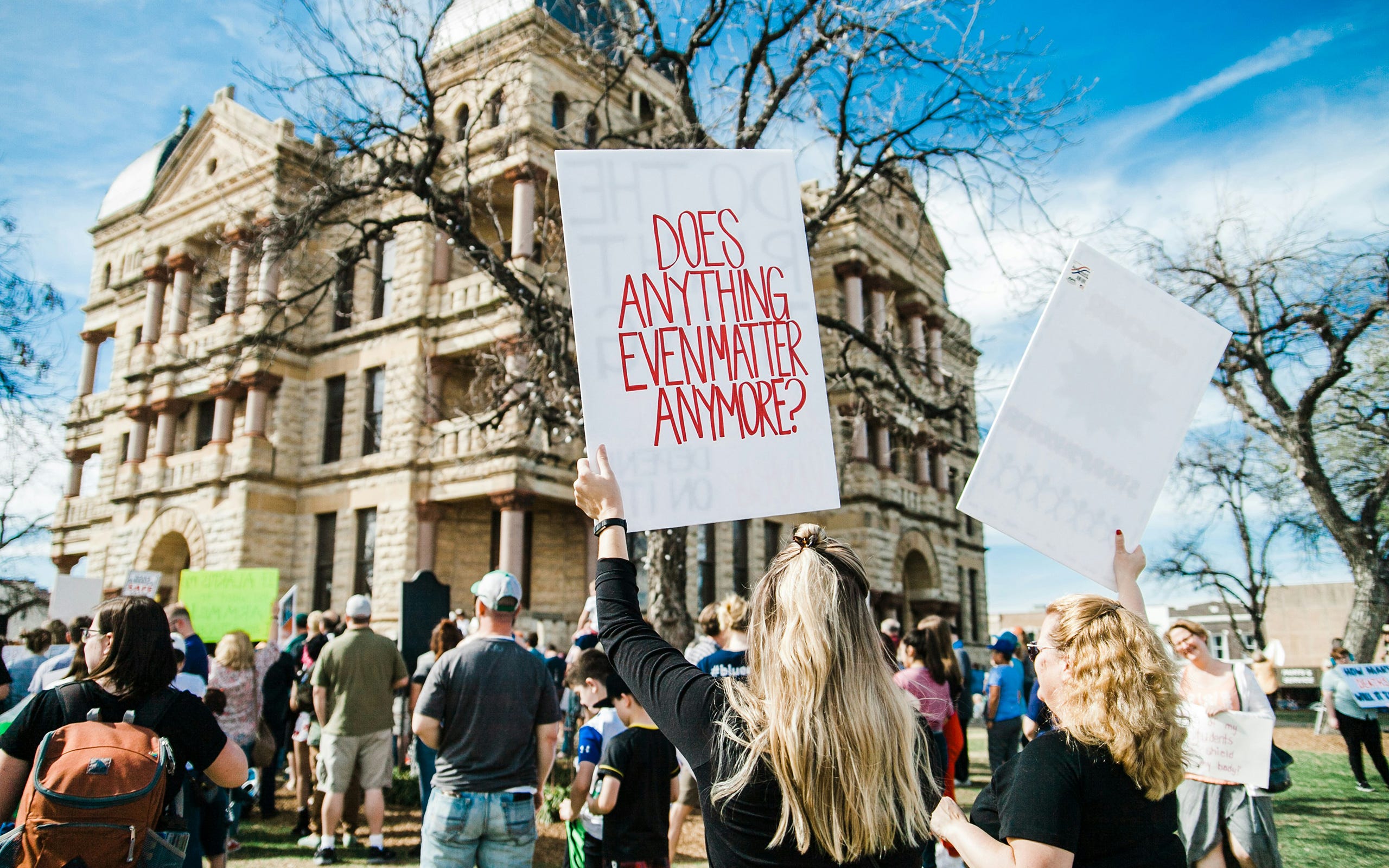
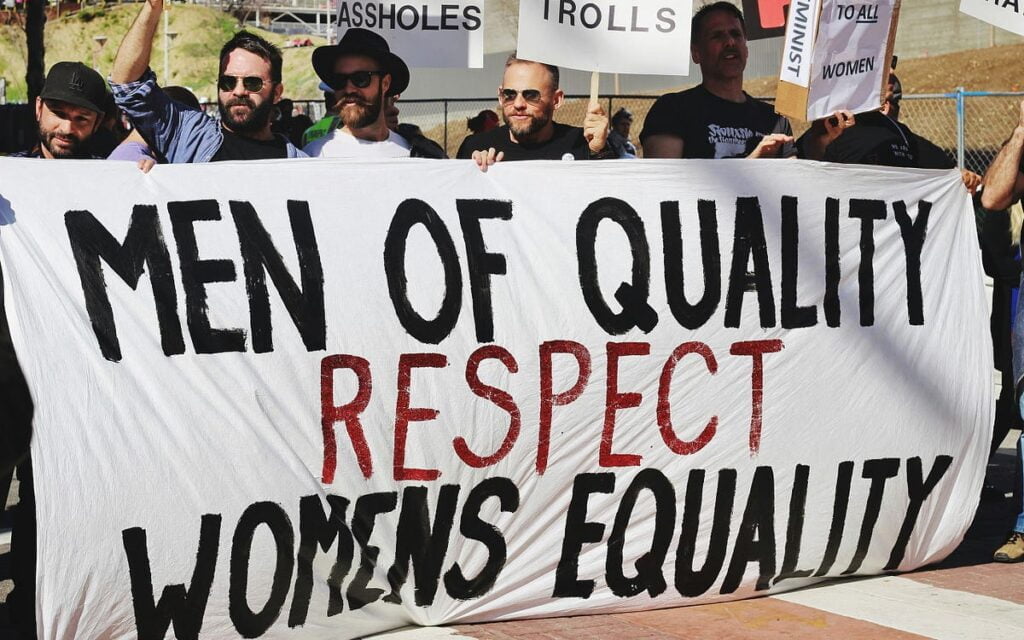
  • Beyond Left and Right: Redefining the Boundaries of Political Discourse

    Beyond Left and Right: Redefining the Boundaries of Political Discourse

    In today’s polarized world, discussions about politics often seem to simplify complex issues into convenient binaries — left versus right. Recently, I came across an article that epitomizes this tendency, and it struck a chord with me not only for its reductionism but also for its sweeping generalizations.

    Oversimplifying Political Discourse

    The article categorizes people into two camps — left and right — and proceeds to draw broad strokes that paint each group with a singular brush. This reductionist approach, while seemingly convenient for making arguments, oversimplifies the rich tapestry of political beliefs and ignores the diversity of thought within each ideological spectrum. It reduces nuanced policy debates and complex societal issues to easily digestible soundbites, neglecting the realities that shape political ideologies in different contexts.

    The inherent danger of such oversimplification is that it breeds misunderstanding and perpetuates harmful stereotypes. By painting entire groups with a broad brush, we risk overlooking the critical distinctions that exist within each ideology — distinctions that can lead to meaningful dialogue and collaboration. Moreover, reducing complex political philosophies to binary labels hinders our ability to engage with the nuances and trade-offs that often characterize real-world policymaking.

    Targeting Based on Political Alignment

    What particularly caught my attention was the article’s implicit targeting based solely on political alignment rather than on policies or principles. By focusing narrowly on political labels, the article overlooks the complexities of individual beliefs and risks alienating those who might not neatly fit into these predefined categories. This emphasis on divisive labels over substantive discussions about policies and ideas hinders constructive dialogue and deepens polarization.

    Furthermore, such an approach can inadvertently perpetuate the very divisions it seeks to critique. When we essentialize individuals based on their perceived political affiliations, we create an us-versus-them mentality that undermines our ability to find common ground and work towards shared goals. In a healthy democracy, we should strive to engage with each other’s ideas and perspectives, rather than dismissing them based on preconceived notions tied to arbitrary labels.

    The Pitfalls of Global Comparisons

    Furthermore, the article’s comparison between UK conservatives and their US counterparts struck me as particularly problematic. As someone who follows global politics closely, I find it essential to acknowledge the nuances and distinctions between different political landscapes. Equating UK conservatives with US conservatives oversimplifies and does a disservice to the complexity of each country’s political dynamics.

    Political ideologies are shaped by a myriad of factors, including historical contexts, cultural norms, and socioeconomic realities. To equate conservative movements across different nations is to ignore the unique challenges, priorities, and values that have shaped their respective political discourses. Such comparisons risk perpetuating stereotypes and misunderstandings, rather than fostering a deeper appreciation for the complexities at play.

    political discourse nuances
    Photo by Samantha Sophia on Unsplash

    Nuances in UK Conservative Identity

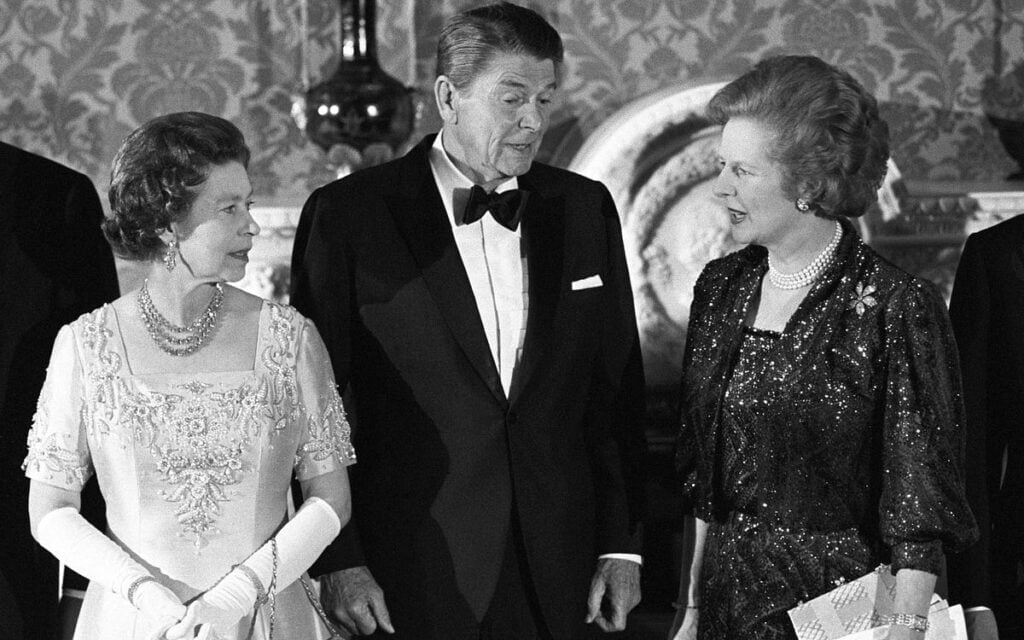
    Take, for instance, the UK Conservative Party. Under their governance, landmark legislation like the Marriage (Same Sex Couples) Act 2013 was passed — a significant step forward for equality. The UK has also seen three female Prime Ministers from the conservative party, and currently, the Prime Minister represents a diverse background, reflecting a broader acceptance within the party of different perspectives and experiences.

    These developments challenge the notion of a monolithic conservative ideology and highlight the importance of acknowledging the nuances within political movements. While some may disagree with specific policies or positions, the ability to evolve and adapt to changing societal norms is a hallmark of a dynamic political system.

    Contrasting Ideological Landscapes

    While I may not align entirely with UK conservative policies, I recognize that their stance on many issues reflects a commitment to evolving societal norms and upholding fundamental Western values of the 21st century. This stands in contrast to the ideological battles often associated with US conservatism, which can diverge significantly from these principles and contemporary norms, particularly on social issues and the role of government.

    These contrasting ideological landscapes serve as a reminder that political labels can often obscure more than they reveal. To truly understand the complexities of political thought, we must be willing to explore the nuances and contextualize each movement within its unique historical and cultural framework.

    Embracing Nuanced Discussions

    To lump all conservatives together under a singular global umbrella oversimplifies the rich tapestry of conservative thought and fails to acknowledge the contextual differences that shape political ideologies. It’s crucial to engage in nuanced discussions that consider regional contexts, historical backgrounds, and the evolving nature of political beliefs. Understanding these nuances allows for a more informed and respectful dialogue, fostering mutual understanding and cooperation even amidst differing viewpoints.

    Moreover, embracing nuance in political discourse encourages us to move beyond simplistic labels and engage with the substance of ideas and policies. Rather than dismissing or vilifying those with differing views, we can strive to understand the underlying motivations, concerns, and priorities that shape their perspectives. This approach not only enriches our understanding but also creates opportunities for finding common ground and building consensus on pressing issues.

    political discourse nuances
    Margaret Thatcher became the first female Leader of the Opposition in 1975 and, subsequently, the first female Prime Minister of the UK in 1979.

    Moving Beyond Dichotomies

    As I reflect on these issues, I’m reminded of the importance of avoiding simplistic labels and embracing the complexities that define our political landscape. By moving beyond the limiting dichotomy of left versus right, we open ourselves to a more nuanced understanding of political ideologies and their impacts on society. This approach not only enriches our discourse but also encourages broader perspectives and constructive engagement.

    Instead of perpetuating divisions, we should strive to foster a culture of respectful dialogue where diverse viewpoints can be explored and debated in a constructive manner. By acknowledging the nuances and complexities that exist within and across political ideologies, we can move beyond polarization and work towards solutions that address the real concerns and priorities of our communities.

    The Takeaway

    In essence, we must challenge ourselves to move beyond oversimplified political labels and embrace a more nuanced approach to political discourse. By appreciating the complexities and differences that shape our worldviews, we can foster a more inclusive and respectful dialogue. What are your thoughts on navigating political discussions in an increasingly polarized world? I invite you to share your perspectives and experiences in the comments below, as we continue to explore these important issues together.

  • Evolutionary Psychology Behind Supporting Trumps

    Evolutionary Psychology Behind Supporting Trumps

    It’s been a tumultuous political season, as is often the case in the thick of election years. But something that has really struck me, and I imagine I am not alone this time around, is how fervently some people continue to support their favored candidates and political figures, even after those leaders have done or said things that seem to violate the supporters’ own moral values. On both sides of the aisle, ardent voters make impassioned defenses and complex justifications for the controversial words and deeds of their political heroes. Standard bearers get away with ethical breaches and misdeeds that would be radioactive for most regular citizens. Why is this the case? The Evolutionary Psychology of Tribalism may offer some insight.

    The Evolution of Tribalism

    Throughout the ancestral environment in which our species evolved, humans lived in relatively small tribes or bands of around 100-200 individuals. Being part of a tightly cooperating in-group was essential for survival against hostile outsiders, predators, and the harsh environments our ancestors inhabited.

    Those who were able to form stronger coalitions and display unshakable solidarity and loyalty within their bands had a major evolutionary advantage. Favoring one’s in-group – even when some members enacted transgressions – helped ensure the cohesion of the entire tribe against threatening out-groups.

    This deeply ingrained psychology of forming insular, favored groups and showing biased loyalty toward them likely underpins much of our modern political behavior and affiliation. Politicians skillfully craft narratives to reinforce an “us vs them” mentality and portray themselves as the champion of a favored in-group.

    The Halo Effect and Moral Credentialing

    Even once a politician has secured a loyal base of supporters, there are other evolved psychological biases that may help them maintain allegiance despite moral failings. The “halo effect” refers to how we tend to assume an array of positive traits in someone based on a few perceived positives. Similarly, the tendency for “moral credentialing” means we grant “moral passes” to those who have preemptively demonstrated their values alignment with us.

    In other words, because a particular politician has established themselves as “one of us” and signaled shared values in some areas, we extend them inflated “halos” of character and implicitly excuse transgressions that we might crucify others over. As long as they hit enough of our moral credentialing checkboxes, we show a strong status quo bias toward favoring them.

    Authority, Dominance, and Deference

    Many evolutionary psychologists argue that humans developed domain-specific psychologies for evaluating and deferring to authority figures and dominant leaders. Those who were able to identify and fall in line behind skilled, decisive leaders had better chances of survival.

    While these instincts may have been adaptive in our ancestral small-scale social groups, they can become overzealously applied to modern leadership roles like politicians. Once a political figure has been recognized as an authentic authority worthy of deference, the human tendency is to be strongly biased toward believing in them and justifying their actions – even unethical ones that should logically disqualify them.

    We evolved to respect displays of competence, confidence, strength, and dominance. Skilled politicians have learned to broadcast precisely those signals. The evolved human psyche may then struggle to override our automatic deference response, no matter how immoral the leader’s actions become.

    The Need for Identity and Belonging

    Finally, the human needs for identity fusion, belonging, and shared meaning are extremely powerful drivers of our thoughts and behaviors. We are a profoundly socially inspired species that depends on being part of Define groups and belief systems.

    When someone like a political leader becomes a key part of an individual’s sense of identity and values, it creates a mode of psychological ownership. To turn against that leader would be to turn against a piece of oneself. Psychologically, resisting affiliation to that person creates deeply unpleasant cognitive dissonance and alienation.

    Politicians know this and actively foster identity mergers and tribalism among their supporters. By convincing people that supporting them is tantamount to living out one’s core values and worldview, they make dissent incredibly difficult. Any scandal or immoral behavior must either be justified or ignored to protect one’s entire sense of identity.

    The Road Ahead

    While these psychological forces are potent, they don’t make us automatons. Humans also have remarkable capacities for self-awareness, ethical reasoning, and overriding more primitive biases. But doing so requires recognizing the deep evolutionary roots that incline us toward blind allegiance despite moral transgressions.

    By better understanding these influences, we can strive to hold our leaders to consistent standards – judging them as individuals rather than extensions of our in-groups. We are the only political constituency to which we owe unwavering loyalty. All other allegiances must be rationally reassessed based on observed behavior, not the distorting lenses of our tribal psychologies.

    Further Reading: Evolutionary Psychology of Tribalism

    The Evolutionary Approach to Political Psychology

    Evolutionary Political Psychology – Aarhus Universitet

    Evolutionary Political Psychology: On the Origin and Structure

    Psychological barriers to evolutionary psychology: Ideological bias and coalitional adaptations

  • Manipulation of Religion and Patriotism for Political Agendas

    Manipulation of Religion and Patriotism for Political Agendas

    The tragic events of September 11, 2001, serve as a stark reminder of the devastating consequences that can arise when religious ideology is exploited for political gain. While the 9/11 attacks were undoubtedly influenced by the manipulation of religion, it is crucial to recognize that the underlying motivations were not rooted in religious hatred toward Christianity or any other faith. Instead, these attacks manifested deep-seated political grievances and a calculated attempt to harm a nation perceived as a Western power and symbol of influence.

    Al-Qaeda’s Tactics: Exploiting Religious Fervor

    Al-Qaeda, the notorious group behind the 9/11 attacks, employed a deliberate strategy of manipulating religious ideology to radicalize individuals and inspire a fierce sense of righteous rage. By adeptly presenting their cause as a morally superior fight against alleged wrongdoings by Western powers, Al-Qaeda successfully galvanized adherents toward its radical political agenda.

    The group’s exploitation of religious zeal extended beyond mere persuasion; it employed advanced psychological tactics to instill a sense of unwavering devotion in its followers. Al-Qaeda emphasized each member’s unique role in a divinely ordained mission, creating an environment of exclusivity and exceptionalism. This blurring of personal grievances with the organization’s larger ideological objectives reinforced individuals’ identities as warriors for a just cause.

    Furthermore, Al-Qaeda capitalized on the concept of martyrdom, presenting death as the ultimate sacrifice for their cause, ensuring both divine favor and eternal salvation. This celebration of martyrdom diminished individuals’ fear of death, making it an aspiration rather than a barrier.

    Parallels with Nazi Propaganda

    Drawing parallels between Al-Qaeda and the Nazi Party’s tactics can provide valuable insights into the manipulation of deeply held social beliefs for extreme political goals. Just as the Nazi Party exploited nationalist fervor, xenophobia, and antisemitism to consolidate power and establish an authoritarian regime, Al-Qaeda utilized religious extremism to radicalize individuals and further its violent agenda.

    Both factions employed a potent combination of indoctrination and propaganda to foster a sense of victimization and resentment among their adherents. The Nazi Party scapegoated Jews, communists, and foreigners for Germany’s misfortunes. At the same time, Al-Qaeda portrayed the US and its Western allies as the epitome of oppression and moral decay. These narratives of victimhood directed their followers’ anger and fury toward specific targets.

    Moreover, the Nazi Party’s propaganda presented Adolf Hitler as a messiah who would restore Germany’s former glory. At the same time, Al-Qaeda regarded its leaders as defenders of Islamic tradition, waging a holy war against the perceived adversaries of Islam. This idolatry of leaders fostered a powerful sense of purpose and belonging among followers, ensuring their dedication to the cause.

    The Vulnerability of Religion and Nationalism

    When religion and nationalism are exploited for political ends, they can become powerful instruments of control and manipulation, inciting hatred and fear and justifying violence while quelling dissent. Extremist organizations can transform religion from a tool for spiritual growth and personal fulfillment into a divisive force sowing destruction.

    The ability of religion to provide justification for violence is one of the most dangerous aspects of its political exploitation. Extremists often claim divine sanction for their actions, making it challenging to criticize them as their supporters may view their actions as morally justified.

    Furthermore, the use of religion can suppress dissent, as religious leaders can silence those who disagree with their political stances, dissuading people from challenging injustice by invoking religious teachings. This climate of fear and intimidation can further perpetuate hatred and violence toward perceived threats to a particular faith or way of life.

    The Legacy of 9/11: Promoting Secularism and Critical Thinking

    The 9/11 attacks serve as a sobering reminder of the dire consequences that can arise when religious extremism is weaponized for political gain. While in the 21st century, for most followers, their religion fundamentally advocates empathy, peace, and understanding among people, its manipulation for political ends can breed division, violence, and hatred.

    To counteract the weaponization of religion, it is imperative to promote secularism, critical thinking, open discourse about differing viewpoints, education, and understanding.

    Holding Accountable Those Who Exploit Religion

    Furthermore, it is crucial to hold accountable those who seek to exploit religion and nationalism for personal or political gain. Their deceptive narratives must be exposed, and their strategies must be refuted while defending the values of compassion, tolerance, and peaceful coexistence.

    Across history, many cases have shown the misuse of religious beliefs and nationalist feelings to advance political goals. Extremists frequently distort religious teachings or patriotism to justify their deeds, depicting adversaries as foes and fostering aggression within their supporters. This manipulation can lead to grave outcomes, fostering discord, escalating sectarian tensions, and undermining societal unity.

    In a Nutshell: Manipulation of Religion and Patriotism

    The world must remain vigilant against those who seek to weaponize religious differences for political gain. Religious diversity should be celebrated as a source of strength and richness within our global society, never a weapon for conflict or violence.

    By promoting tolerance, understanding, secularism, critical thinking, and education, we can counter the harmful narratives that prey on religious differences. Additionally, by holding accountable those who exploit religion for personal advantage and confronting their narratives, we can defend the values of compassion, tolerance, and peaceful coexistence.

    The legacy of 9/11 serves as a poignant reminder of the importance of this endeavor, lest we allow the manipulation of deeply held beliefs to lead us down a path of destruction once more.


    Afterword

    The Religion Aspect of 9/11

    The terrorist attacks on September 11, 2001, were motivated by an extreme interpretation of Islam held by the perpetrators. The 19 hijackers belonged to the Islamist militant group al-Qaeda, led by Osama bin Laden. They subscribed to a fundamentalist strain of Sunni Islam that viewed the United States as an enemy of their religion and ideology.

    Bin Laden portrayed the 9/11 attacks as a religious duty and holy war against America and its allies. In a videotaped statement released in late 2004, he cited a variety of grievances against the U.S., including the presence of American troops in Saudi Arabia, U.S. support for Israel, sanctions against Iraq, and generally perceived injustices against Muslims worldwide. He framed the attacks as defensive jihad to protect the Islamic umma (community) from aggression and injustice.

    However, Islamic religious scholars and mainstream interpretations overwhelmingly reject al-Qaeda’s extremist ideology and brutal tactics as a perversion of Islamic teachings. Most Muslims denounced the 9/11 attacks as mass murder of innocent civilians, which is prohibited in Islam. Prominent Islamic authorities declared bin Laden’s claims about religious justification as baseless.

    At the same time, the 9/11 attacks exacerbated existing prejudices, fears, and hostilities toward Muslims in the United States and other Western nations. Hate crimes against Muslims and those perceived as Muslim spiked in the aftermath. There was widespread public conflation of Islamic extremists with mainstream Islam. Enhanced security measures particularly impacted Muslim and Arab travelers and immigrants.

    The role of religion in motivating and justifying the 9/11 attacks exemplified how different interpretations of Islam can lead to vastly divergent beliefs and actions—from fundamentalist extremism to modern, pluralistic understandings. It underscored the importance of combating militant ideologies through military action, law enforcement, and ideological counter-messaging that promotes tolerance and mutual understanding among faiths.

    The Nationalism Aspect of Nazism

    Nationalism was a central and driving tenet of Nazism, the ideology of Adolf Hitler’s Nazi Party and government in Germany from 1933 to 1945. The Nazis promoted an extreme form of German nationalism that was rooted in racism, anti-Semitism, and the belief in the superiority of the “Aryan” German race over all others.

    At the core of Nazi nationalism was the concept of the Volk, the “folk” or ethnic German people who were seen as part of a racially superior Aryan master race. The Nazis preached that the unity and dominance of the German Volk over inferior races was of paramount importance for the future greatness of the German nation. This nationalism was intensely ethnocentric, claiming that true Germans were part of a biologically distinct Aryan race with the highest culture and values.

    Nazi nationalism was also expansionist and militaristic, driven by the desire to unite all ethnic Germans under one empire and gain Lebensraum or “living space” for the German race in Eastern Europe and western Russia, at the expense of the Slavic peoples who were deemed subhuman. Extreme German patriotism and the dream of rebuilding the former glories of the medieval Holy Roman Empire fueled the Nazis’ plans for aggressive warfare and colonial conquest to create a Greater Germanic Reich of pure Aryan master race settlements.

    Anti-Semitism was ingrained in Nazi nationalism, as the Jews were persecuted and scapegoated as a dangerous “alien virus” infecting the German national body and culture. The myth of a global Jewish conspiracy plotting against Aryan supremacy was aggressively promoted, laying the foundations for the industrialized genocide of the Holocaust. Similarly, other minority groups like Roma gypsies were systematically targeted and oppressed for being “racially polluting” elements threatening the purity of the German Volk.

    Indoctrination in extreme German nationalist ideology was a key part of the Nazi totalitarian regime, imposed through propaganda, censorship, and state control of media and education to glorify a mythologized Aryan past while demonizing all other races and cultures. Individuals were expected to subjugate themselves entirely to the nationalist cause as members of a supposed “racial community” (Volksgemeinschaft) under the absolute leadership of Hitler.

    In the end, the pernicious fusion of ultra-nationalism, racism, and dehumanizing hatred of minority groups in Nazi ideology led directly to catastrophic military aggression and genocide on an unprecedented scale in World War II before their racist totalitarian empire was finally defeated. The legacy of Nazi nationalism stands as one of history’s most damning examples of how extreme nationalist ideologies can enable the worst injustices and atrocities when left unbridled from any ethical or moral constraints.

    Further Reading

  • The Christian Founding of America?

    The Christian Founding of America?

    Some people argue for the Christian founding of America, claiming that the US was established on Christian principles and that its laws and institutions should reflect the values and teachings of Christianity. However, it’s important to examine what those Christian principles actually entail and whether they align with the liberal and secular ideals that also influenced the nation’s founding.

    Join us in exploring the historical and philosophical origins of Christianity and secularism, and how these differing worldviews have shaped the identity and principles undergirding the United States.

    What Is “Christian”?

    To answer the question if the US has a Christian founding of America, first, we must be able to define what “Christian” is. Christianity is far from being a monolithic or uniform religion, having many different branches, denominations, and interpretations of Christianity, each with its own doctrines, practices, and traditions. Some of these differences are based on historical, cultural, or theological factors, while others are based on personal or political preferences.

    For example, some Christians believe that the Bible is the literal and infallible word of God. In contrast, others believe it is a human and fallible document that must be understood in its historical and literary context. Some Christians believe that salvation is a gift of God’s grace that cannot be earned or lost, while others think that salvation depends on human actions and choices. Some Christians believe that the church is the visible and authoritative institution of God on earth, while others think that the church is the invisible and spiritual community of all believers.

    Said differences have led to conflicts and divisions among Christians throughout history, sometimes resulting in violence and persecution. For instance, medieval European nations believed they governed their countries according to Christian principles, but they also waged wars against each other and against other religions, such as Islam and Judaism. They also imposed their version of Christianity on their subjects, often suppressing dissent and diversity. Are these the principles to which some people are referring when they claim that the US has a Christian founding of America?

    The US was founded on liberal values, the political and moral values that emerged from the Enlightenment, a period of intellectual and cultural development in Europe and America in the 17th and 18th centuries. Liberal values include freedom, democracy, equality, human rights, tolerance, reason, and progress. Liberals believe that individuals have inherent dignity and worth and should be free to pursue their own happiness and interests as long as they do not harm others or infringe on their rights. Liberals also believe that governments should be based on the consent of the governed and that they should protect and promote the common good of the people.

    The founders of the US were deeply influenced by French thinkers of their era, such as Montesquieu, Voltaire, and Rousseau, who advocated for the separation of powers, the freedom of expression, and the social contract. They also drew inspiration from the English thinkers, such as Locke, Hobbes, and Hume, who defended natural rights, the state of nature, and empiricism. They also incorporated elements from the classical thinkers, such as Plato, Aristotle, and Cicero, who discussed the ideal forms of government, the nature of justice, and the role of virtue.

    The founders of the US applied these ideas to their own situation and created a new nation based on the principles of liberalism. They declared independence from the British monarchy and established a federal republic with a constitution and a bill of rights. They also recognized the diversity and pluralism of their society and tried to balance the interests and rights of the various states, regions, and groups. They also acknowledged the influence and importance of religion in their lives and guaranteed the freedom of religion for all citizens.

    So, while the Christian founding of America shaped some founders’ personal beliefs and moral frameworks, the nation’s founding philosophy and government were rooted in Enlightenment liberalism and secularism rather than a single Christian doctrine or interpretation. The Christian founding of America coexisted with a diversity of Christian and non-Christian influences in shaping the new nation’s core principles and structures.

    Mount Rushmore National Memorial, Keystone, US— Photo by John Bakator on Unsplash

    However, despite claims of a Christian founding of America, the founders of the US did not create a perfect or a Christian nation. They also made mistakes and compromises and left many issues unresolved or unaddressed. For example, they did not abolish slavery, and they did not grant equal rights to women, Native Americans, and other minorities. They also did not foresee the challenges and changes that would arise in the future, such as the Civil War, the Industrial Revolution, the World Wars, the Cold War, the Civil Rights Movement, the Vietnam War, the Watergate Scandal, the 9/11 Attacks, the War on Terror, and the Globalization.

    The US has evolved and adapted over time and has faced many crises and opportunities. It has also been influenced by many factors and forces, both internal and external, both religious and secular. One of these factors is secularism, which is the principle of seeking to conduct human affairs based on naturalistic considerations, uninvolved with religion. Secularism is most commonly thought of as the separation of religion from civil affairs and the state and may be broadened to a similar position seeking to remove or to minimize the role of religion in any public sphere.

    Secularism has different forms and meanings, depending on the context and the perspective. Some people view secularism as a positive and progressive value, that promotes rationality, science, and humanism, and that protects the rights and freedoms of all people, regardless of their religious beliefs or affiliations. Others view secularism as a negative and regressive value, that undermines morality, spirituality, and tradition, and that threatens the identity and values of the religious communities and individuals.

    Secularism has also been a source of debate and controversy in the US, especially in relation to the role and influence of Christianity in the public sphere. Some people claim that the US is a Christian nation, and that its laws and institutions should reflect the Christian principles and values. They argue that the founders of the US were Christians, and that they intended to create a Christian nation founded on Christian principles. They also argue that Christianity is the basis of the American culture and identity, and that it provides the moral and spiritual guidance for the nation. They oppose any attempts to limit or restrict the expression or practice of Christianity in the public sphere, such as in the government, the education, the media, or the courts. They also oppose any policies or actions that they perceive as contrary or hostile to the Christian principles and values, such as the legalization of abortion, same-sex marriage, euthanasia, or stem-cell research.

    Independence Day Celebration in the US, Photo by Grégoire Bertaud on Unsplash

    Some individuals assert that the United States is fundamentally a secular nation, with laws and institutions upholding the separation of church and state. They contend that the founding fathers were a diverse group, not exclusively Christian, and did not aim to establish a Christian nation. They emphasize that the U.S. is a melting pot of various religions and those without religious affiliations. Advocates for religious freedom for all, they urge the state to remain neutral in matters of faith. They champion the use of reason, science, and human rights in public affairs, and advocate for societal welfare. They also endorse policies and actions they believe align with secular principles, such as environmental conservation, poverty alleviation, peace promotion, and the enhancement of education and healthcare.

    These viewpoints are not inherently contradictory. Some individuals adopt a moderate stance, seeking harmony between the religious and secular elements of American society. They recognize the Christian founding of America as historically and culturally significant, yet also appreciate the nation’s multifaceted nature. They honor the rights of both believers and non-believers, striving for consensus and compromise on divisive issues. They value the insights and challenges presented by both religious and secular perspectives and endeavor to merge them constructively.

    The U.S. has evolved under the influence of secularism, yet it remains under the historical influence of the Christian culture introduced by its early European settlers. It grapples with this dual heritage, nurturing a rich religious tapestry alongside a robust secular tradition. The nation navigates a complex and fluid relationship with religion, paralleled by an ever-changing understanding of secularism. With its unique global standing, the U.S. bears significant responsibilities. It faces the ongoing challenge of defining itself as a secular nation, a Christian nation, both, neither, or something entirely distinct.

    In a Nutshell

    The debate surrounding the Christian founding of America is nuanced. While the nation’s founders were influenced by Christian morals and culture, concepts like freedom, democracy, and the separation of church and state were equally pivotal. America, as it stands today, is a tapestry woven from both religious and secular ideals, and it is this unique amalgamation that defines its character. As the country progresses, it continues to navigate the balance between religion and governance, striving to uphold freedom and justice for all citizens, albeit not always succeeding in excluding those politicians who leverage religion for their own agendas.

  • When Truth Will Get You Imprisoned

    When Truth Will Get You Imprisoned

    “It is dangerous to be right when the government is wrong.” This saying cuts to the heart of one of the greatest paradoxes of modern society – that telling the truth, something virtuous and ethically correct, can potentially lead to persecution, punishment, and loss of freedom. Freedom of speech, the ability to express one’s views and opinions without fear of retaliation, is enshrined as a fundamental human right. Yet this right is frequently violated, abused, and curtailed by governments and those in power seeking to control the narrative and suppress dissenting voices.

    Why is the free exchange of ideas and information so threatening to authorities and regimes? The answer lies in the immense power of truth to challenge, undermine, and dismantle unjust systems, oppressive policies, and corrupt leadership. A public operating with full access to facts and knowledge represents an existential threat to any ruling entity based on deception, manipulation, and the subjugation of its citizens. Unencumbered speech allows for accountability, oversight, criticism – all anathema to authoritarianism.

    It is for this reason that freedom of expression is one of the first casualties when democracy erodes. Historically, the decline of open discourse and a stranglehold on information precedes far graver human rights violations. As George Orwell understood so well in his seminal novel 1984, those who control the present also control the past and future. Manipulation of truth becomes a key instrument of control.

    In the world’s most repressive societies, speaking out against the government is an act of immense courage that can carry life-or-death consequences. Countless journalists, activists, and ordinary citizens have faced imprisonment, torture, and execution for daring to challenge official narratives or expose wrongdoing by those in power. Far from being seen as patriotic truth-tellers, they are branded as threats, traitors, and enemies of the state.

    What makes this reality all the more insidious is that populations can become so conditioned by propaganda that they turn on those speaking up for their rights and freedoms. Stockholm Syndrome on a societal scale, where the oppressed internalize the rhetoric of their oppressors. Breaking free from this psychological bondage requires unyielding bravery in confronting harsh penalties for exercising freedom of speech that questions authority.

    However, grave crackdowns on expression are not solely limited to overtly authoritarian states. Attacks on press freedom and the muzzling of inconvenient truths frequently occur in democracies and nations that otherwise champion civil liberties. Here, the backlash for speaking truth to power may be more insidious – social and professional ostracization, legal harassment, damage to reputation and livelihood. But the message is equally clear: there will be consequences for those who disrupt the system’s approved version of events.

    American whistleblowers like Edward Snowden, Chelsea Manning, and Daniel Ellsberg know this all too well. Their leaking of classified information to expose government misdeeds and unconstitutional actions such as illegal surveillance and war crimes resulted in criminal charges and lives upended. Similarly, corporate and political titans have frequently abused defamation laws and the court system to intimidate journalists and critics who air unsavory facts about their conduct. At times, the media has even opted for preemptive self-censorship to avoid potential repercussions.

    Limiting the freedom of speech, whether by outright criminalization or insidious coercion, constitutes an assault on enlightenment values and the human capacity for progress. It impedes our understanding of the world around us, hampers the dissemination of vital information, and prevents accountability for those who wield power. It obstructs the free debates and open exchange of ideas that are essential for societies to evolve, reform, and improve.

    Ultimately, the fear of facing reprisal and retribution for expressing contrarian views and confronting difficult truths stems from unjust and imbalanced power dynamics in which an empowered few have disproportionate ability to punish those who speak up. Whether by government edict, monopolistic corporate control, or overwhelming concentrations of wealth, inequality allows dominant forces to marginalize, silence, and quash opposition.

    For truth to be expressed freely without risk of repercussions, the playing field must be leveled. Freedom of speech needs robust institutional safeguards, anti-monopoly measures to check the centralization of information and platforms, a vigorous culture of whistleblowing and civil disobedience, and most critically, a more equitable distribution of economic and political power.

    Only once speech can flow unobstructed, once all citizens gain a meaningful voice, and once hierarchy cannot so easily dictate consequences for those who express dissent – only then can the proclamation “the truth shall set you free” be realized. Until such a reckoning, the truthful will remain endangered by the very systems they seek to reform through open discourse and the sharing of facts.

    As we have seen time and again, the path to justice and a more enlightened society is arduous, with those who dare to shine light on uncomfortable realities frequently met with persecution, alienation, and damage to their lives. But it is a path that must be traveled, risks notwithstanding. For it is only through the relentless pursuit and dissemination of truth, however inconvenient it may be, that repression is dismantled, injustice remedied, and societal progress achieved.

    The choice is clear – continue allowing silence through intimidation and the perpetuation of falsehoods, myths, and autocracy – or embrace the difficulties inherent in airing unpleasant realities and building a freer, more informed world. Safeguarding freedom of speech and empowering all to voice their truths is vital to developing societies that value ethics, transparency, and human dignity. Though the consequences of dissent have always been grave, the consequences of its absence are even graver for the human spirit.

  • Literalism vs. Contextualism: Unpacking Biblical Interpretation

    Literalism vs. Contextualism: Unpacking Biblical Interpretation

    The Bible is one of the most significant and extensively read books throughout history. Revered by billions as the divine word, a moral compass, and the cornerstone of their beliefs, it is nonetheless a complex and debated text. Comprising various genres, authors, and viewpoints, it spans millennia of history and cultural development. The Bible is not a single, cohesive document; rather, it is a compilation of varied and sometimes conflicting texts, mirroring the human and historical circumstances of their creation. Consequently, Biblical interpretation is not an easy or direct task but an intricate and demanding endeavor that necessitates thoughtful and analytical engagement.

    When studying the Bible, a primary question is whether its content should be interpreted literally, figuratively, or through a combination of both. This inquiry profoundly affects our comprehension and application of biblical teachings and narratives in contemporary life. For instance, reconciling the Genesis creation narrative with scientific theories of evolution and geological data presents a challenge. Additionally, addressing the seeming discrepancies and variances within and across the biblical texts is essential. It is also crucial to consider the ethical and moral dilemmas posed by biblical laws and stories, including issues of slavery, violence, gender roles, and sexuality. Understanding the historical and cultural contexts of the Bible’s authors and their original audience is vital to accurately translating and applying the Bible’s messages to modern-day circumstances and environments.

    Join us as we delve into several questions, including whether one should take the Bible seriously. We will scrutinize the arguments and viewpoints of various biblical interpretation approaches, such as literalism, historical-critical, and contextual, assessing their merits and demerits.

    Literalism in Biblical Interpretation

    Literalism, a prevalent approach to understanding the Bible, asserts that the sacred text should be read and comprehended according to its plain and straightforward meaning. Advocates of literalism view the Bible as the inerrant and infallible word of God, where every word and detail holds historical and scientific accuracy. They maintain that the Bible is clear and consistent and admits only one correct interpretation for each passage. Typically, literalists adopt a conservative and traditional stance on ethical and moral issues, guided by biblical laws and commands.

    Arguments in Favor of Literalism:

    • Literalism upholds the Bible’s authority and inspiration, affirming that it is God’s word, devoid of falsehood or error. By doing so, it maintains the integrity and unity of the entire text, avoiding selective acceptance or figurative interpretations.
    • Literalism provides a clear and objective standard for understanding and applying the Bible. It avoids the ambiguity that arises from subjective reasoning or personal experience, which can lead to diverse interpretations.
    • Literalists assume that biblical writers communicated directly and transparently. Acknowledging historical and cultural contexts, they take the text at face value, avoiding modern assumptions or foreign perspectives.

    Challenges and Criticisms to Literalism

    • Literalism overlooks the literary and rhetorical aspects of biblical writings. For instance, it fails to recognize the poetic and symbolic nature found in Psalms, Proverbs, and Revelation, as well as the use of metaphors, similes, hyperbole, and irony throughout the text.
    • Literalism clashes with scientific evidence and historical facts that challenge biblical accounts. The creation story, the flood, the exodus, and miracles often conflict with empirical knowledge. Additionally, discrepancies within and between biblical books pose interpretive challenges.
    • By imposing an inflexible framework, literalism may not always address diverse contexts and situations. It neglects the dynamic nature of the biblical tradition, which evolves through ongoing dialogue between God and humanity.

    Historical-Critical Approach to Biblical Interpretation

    The historical-critical approach to understanding the Bible views it as a historical and human document, subject to rigorous methods and tools of analysis. Unlike literalism, which emphasizes the text’s plain meaning, historical-critical scholars recognize the Bible’s complexity and multifaceted nature. Let’s delve into the arguments for and against this approach:

    Arguments in Favor of Historical-Critical Interpretation

    • Historical-critical scholars acknowledge that biblical writers and their audiences lived in specific historical and cultural contexts. They recognize that these ancient authors reflected their own times, experiences, and understandings in their writings. By doing so, historical-critical interpretation avoids imposing modern assumptions on the text.
    • This approach uncovers the layers beneath the biblical surface. Scholars reveal the theological developments, debates, and implicit meanings within and between biblical texts by examining historical and literary contexts. It sheds light on the creative ways biblical writers engaged with their challenges.
    • Historical-critical interpretation allows us to distinguish between essential and incidental elements in the Bible. It bridges the timeless and the timely, enabling us to apply biblical teachings and stories to our contemporary contexts. Embracing diverse perspectives encourages dialogue and enriches our understanding of the biblical tradition.

    Challenges and Criticisms to Historical-Critical Interpretation

    • Critics argue that historical-critical analysis diminishes the Bible’s divine authority. By emphasizing its human origins, this approach denies supernatural guidance and involvement. It challenges the traditional view of the Bible as the infallible word of God.
    • Historical-critical scholarship dissects the Bible into parts, focusing on differences rather than similarities. Consequently, it offers multiple interpretations and conclusions, leaving readers with uncertainty. Some find this lack of definitive answers unsettling.
    • While historical-critical analysis enriches our understanding, it can alienate biblical writings from the faith and life of religious communities. Those who view the Bible as sacred and divine may struggle with this scholarly detachment.

    Contextual Biblical Interpretation: Bridging Divine and Human Perspectives

    The contextual approach to biblical interpretation emphasizes understanding the Bible in relation to both its historical context and the contemporary reader’s situation. Contextual scholars recognize that the Bible is not solely divine or solely human; it embodies both aspects. Let’s explore the arguments for and against this approach:

    Arguments in Favor of Contextual Interpretation:

    • Contextual interpretation affirms that the Bible is both God’s word and a human response to God. It recognizes that God speaks through the biblical writings, and humans engage with them. By preserving the integrity and unity of the Bible, contextual interpretation avoids extremes like literalism or historical-critical analysis.
    • Contextual interpretation allows us to relate biblical teachings and stories to our own contexts and challenges. It encourages dialogue and diversity by inviting engagement from various perspectives. Appreciating the richness and complexity of the biblical tradition becomes possible through this lens.
    • Contextual scholars acknowledge that biblical writers and their audiences lived in specific historical and cultural contexts. They recognize that these ancient authors reflected their own times, experiences, and understandings in their writings. Contextual interpretation appreciates biblical texts’ historical and cultural diversity by considering different genres, sources, traditions, and perspectives.
    • Contextual interpretation delves into historical and literary contexts, revealing theological developments and debates within biblical communities. It exposes implicit meanings and creative ways biblical writers engaged with their challenges.

    Challenges and Criticisms to Contextual Interpretation:

    • Critics argue that contextual interpretation weakens the Bible’s divine authority. By acknowledging its human origins and imperfections, this approach challenges the traditional view of the Bible as solely God’s word.
    • Contextual scholars bring their own biases and assumptions to the interpretation process. This subjectivity can lead to multiple conflicting interpretations and leave readers without clear guidance.
    • Contextual interpretation may detach biblical writings from their original purpose and message. Ancient authors may not have anticipated reading and applying their texts in diverse contexts.

    In a Nutshell

    The issue of taking the Bible seriously transcends a simple yes or no answer; it’s about the manner and reasons for doing so. Rather than outright acceptance or dismissal, it involves an active engagement with the text. Understanding the Bible is not about pinpointing a single correct interpretation but recognizing its essential role in grasping Western history and society.

    The Debate Between Bible Literalists vs Contextualists

    For centuries, there has been an ongoing debate within Christianity over how to interpret the Bible. On one side are the literalists, who believe the Bible should be taken completely literally, word-for-word. On the other side are the contextualists, who believe the Bible should be interpreted within its historical and cultural context. This debate has shaped Christian theology and doctrine throughout history.

    Early Literalism

    The early Christians were generally literalists when it came to interpreting the Bible. They took the stories and teachings at face value, ascribing to them a literal and historical truth. This literalist view was the dominant perspective throughout the first several centuries of Christianity.

    However, even in these early years, there were hints of contextualism. Some Church Fathers like Origen argued for allegorical interpretations of certain passages, looking for deeper symbolic meanings beneath the literal text. But by and large, literalism held sway.

    Medieval Scholasticism and the Growth of Contextualism

    During the Middle Ages, the literalist view was still prevalent, but the rise of scholasticism and a revived interest in Greek philosophy led to more widespread use of contextual analysis. Scholars like Thomas Aquinas incorporated Aristotelian methods of analysis and questioned whether the Bible always meant exactly what it said in a literal sense.

    This scholastic method opened the door for more allegorical and symbolic interpretations of scripture. The four-fold method became popular, which looked at literal, allegorical, moral, and anagogical meanings behind biblical passages. Contextualism was on the rise, even if it was still a minority view.

    The Protestant Reformation and Literalism’s Resurgence

    In the 16th century, the Protestant Reformation brought a resurgence of literalism. Protestant scholars like Martin Luther and John Calvin rejected many of the allegorical interpretations of the Catholic Church. They argued for a more literal, historical reading of scripture, free from non-biblical traditions.

    This literalist bent was amplified by the growing use of the historical-grammatical method of interpretation, which stressed looking at the original languages, contexts, and grammatical structures to understand the author’s literal intent. The Protestant principle of sola scriptura (by scripture alone) reinforced this literalist trend.

    19th Century Debates and the Emergence of Modern Contextualism

    In the 19th century, new developments like the Higher Criticism movement, which analyzed the Bible’s historical origins and authorship, combined with growing scientific discoveries, posed challenges to biblical literalism. This led to a flourishing of contextualist approaches.

    Liberal theologians and scholars argued that the Bible had to be understood within its ancient contexts and that its stories and teachings should not always be taken as literal historical facts. On the other side, fundamentalists like those behind the Niagara Bible Conference clung strongly to biblical inerrancy and literalism as a backlash against modernist thinking.

    This literal vs. contextual debate raged throughout the 19th and into the 20th centuries, shaping Christian doctrinal disputes over issues like creationism vs evolution and inspiring the “fundamentalist-modernist” controversies.

    20th Century and Beyond – A Diversity of Views

    In the 20th and 21st centuries, this historical debate has continued in various forms across Christian denominations and traditions. Most mainstream Christian institutions have adopted some level of contextual interpretation, while still maintaining core literal beliefs about Christ’s divinity, the resurrection, etc.

    Within these churches, a diversity of views exists, with some being more literalist and others more contextualist when it comes to specific teachings and biblical books. Literalism remains very strong in certain evangelical, fundamentalist, and conservative churches. Meanwhile, liberal and progressive churches tend to interpret scripture through a more contextualist lens.

    At the scholarly level, there is also a wide range of approaches drawing from literalism, contextualism, and other methods like reader-response criticism and postmodern interpretation. The historical debate continues unabated, shaping how each new generation of Christians understands the Bible.

  • The American Dream: A Modern-Day Lullaby

    The American Dream: A Modern-Day Lullaby

    In the United States, a country renowned for its opportunities and liberties, the actual wealth distribution sharply contrasts with the esteemed American Dream. Contrary to the popular belief that diligence and resolve can propel anyone to affluence, statistical evidence paints an alternate narrative: a significant portion of the nation’s wealth is accumulated by a minuscule segment of its populace, relegating the majority to vie for the remnants. We invite you to explore the origins and consequences of this economic disparity in U.S. wealth distribution and consider its implications for the American financial structure amidst considerations of education and self-awareness.

    The Divide Widens in U.S. Wealth Distribution

    The extreme concentration of wealth among a select few goes beyond mere statistics; it signifies a growing gap that threatens the unity of our society. When just 10% of the population controls two-thirds of the nation’s wealth, while the bottom half holds a mere 2.6%, the extent of this inequality becomes clear. This alarming imbalance is not just a numerical difference; it indicates deep-rooted systemic flaws that perpetuate poverty and exclusion, trapping many individuals in unending cycles of economic hardship. The consequences of this divide are extensive, affecting fundamental aspects of life such as equal access to education and healthcare, and undermining the stability and well-being of communities across the country.

    U.S. Wealth Distribution
    Photo by John Moeses Bauan on Unsplash

    Propaganda and Perception

    The battle against economic inequality is not just about redistributing wealth; it’s also about changing societal attitudes. Efforts to address this inequity often face strong resistance, portrayed as attacks on personal freedoms and the American way of life.

    This depiction, ingrained in the public consciousness, acts as a powerful tool for the wealthy elite, who use it to align the economically disadvantaged with those benefiting from the status quo. By labeling any wealth redistribution proposals as steps toward communism, these groups effectively silence dissent and maintain their power. They cloak their agendas in patriotism and liberty, while the mistaken association of communism with atheism adds to the confusion, obstructing the path to a fairer society.

    In the United States, opposition to wealth redistribution is rooted in the cultural ideal of ‘rugged individualism,’ which values self-sufficiency and independence, often resulting in resistance to government involvement in social programs like welfare and healthcare. For example, despite growing income and wealth disparities in recent decades, a substantial portion of the electorate consistently opposes redistribution, favoring reductions in welfare rather than tax increases.

    Challenges to Change

    Despite increased recognition of the disparities, effecting systemic change remains a formidable challenge. The principles of capitalism, meritocracy, and individualism are not merely economic concepts but are ingrained in the American consciousness, forming a robust ideological framework that upholds the status quo. For those in positions of privilege, these principles validate a sense of deservedness and a staunch opposition to altering the system. Conversely, for those marginalized by the current economic structure, these same ideals can engender a sense of disenchantment and a belief in the futility of striving for change. To surmount this deeply rooted ideological stronghold, it is imperative to engage in a concerted societal endeavor that critically examines and deconstructs these long-standing convictions, thereby questioning the very bedrock of the prevailing economic paradigm.

    Consider the case of affirmative action policies in the United States. Despite decades of efforts to address historical injustices and systemic inequalities in access to education and employment, resistance to such policies remains strong. Advocates argue that affirmative action programs are essential for promoting diversity and leveling the playing field, especially for marginalized communities.

    However, opponents often cite principles of meritocracy and individualism, asserting that such policies undermine the idea of rewarding hard work and talent, which reflects the deep-seated ideological framework described in the passage, wherein the principles of capitalism and meritocracy validate existing structures of privilege for some while perpetuating barriers for others.

    U.S. Wealth Distribution
    Photo by John Tyson on Unsplash

    Free Loaders

    Proponents of the status quo argue that the economic challenges of the US are largely due to immigrants and social programs, labeling those who benefit from them as freeloaders. They advocate for reducing the 2.6% share of wealth owned by half of the American population and reallocating it to a smaller group.

    In a system where wealth generates more wealth, the core problem is clear. The elite and their heirs, whom some might call the actual freeloaders, accumulate wealth with ease, while the less fortunate typically inherit a legacy of poverty, insufficient education, and limited opportunities from their ancestors.

    The Path Forward

    The journey toward a more equitable future is one that transcends the confines of partisan debate and ideological rifts. At the heart of this endeavor lies a commitment to comprehensive education that encompasses not only financial understanding but also the cultivation of critical thinking and empathetic understanding. By equipping individuals with the knowledge to navigate systemic complexities and fostering an appreciation for our shared humanity, we lay the groundwork for overcoming societal divides. Cultivating a culture anchored in unity and mutual respect is paramount. Equally important is galvanizing a collective resolve to champion and enact systemic reforms. Through persistent collective efforts and a unified pursuit of fairness, we can unravel the intricate causes of economic disparity.

    In a Nutshell: U.S. Wealth Distribution

    The stark disparities in wealth distribution in America indicate that the system is broken, not a reflection of individual failure or lack of effort. Confronting this reality requires courage, a willingness to challenge deeply ingrained beliefs, and to question the power structures that uphold the status quo. By fostering a society that values education, self-awareness, and empathy, Americans can lay the groundwork for a more equitable and just economic system that uplifts the most vulnerable and honors the promise of the American Dream for all.

    Sources

    https://www.stlouisfed.org/open-vault/2020/december/has-wealth-inequality-changed-over-time-key-statistics

    https://www.pewresearch.org/social-trends/2020/01/09/trends-in-income-and-wealth-inequality

    https://usafacts.org/articles/us-wealth-distribution-and-inequality-recession-pandemic-2020

    https://www.weforum.org/agenda/2022/07/household-income-distribution-wealth-inequality-united-states

    https://www.stlouisfed.org/institute-for-economic-equity/the-state-of-us-wealth-inequality