Category: Politics

Stay updated on the latest political news and trends. Dive into analyses of government policies, political ideologies, and key global issues. Understand the dynamics of elections, legislation, and the impact of politics on society. Get informed with our comprehensive political coverage and expert commentary.

  • Muslims Don’t Need Enemies

    Muslims Don’t Need Enemies

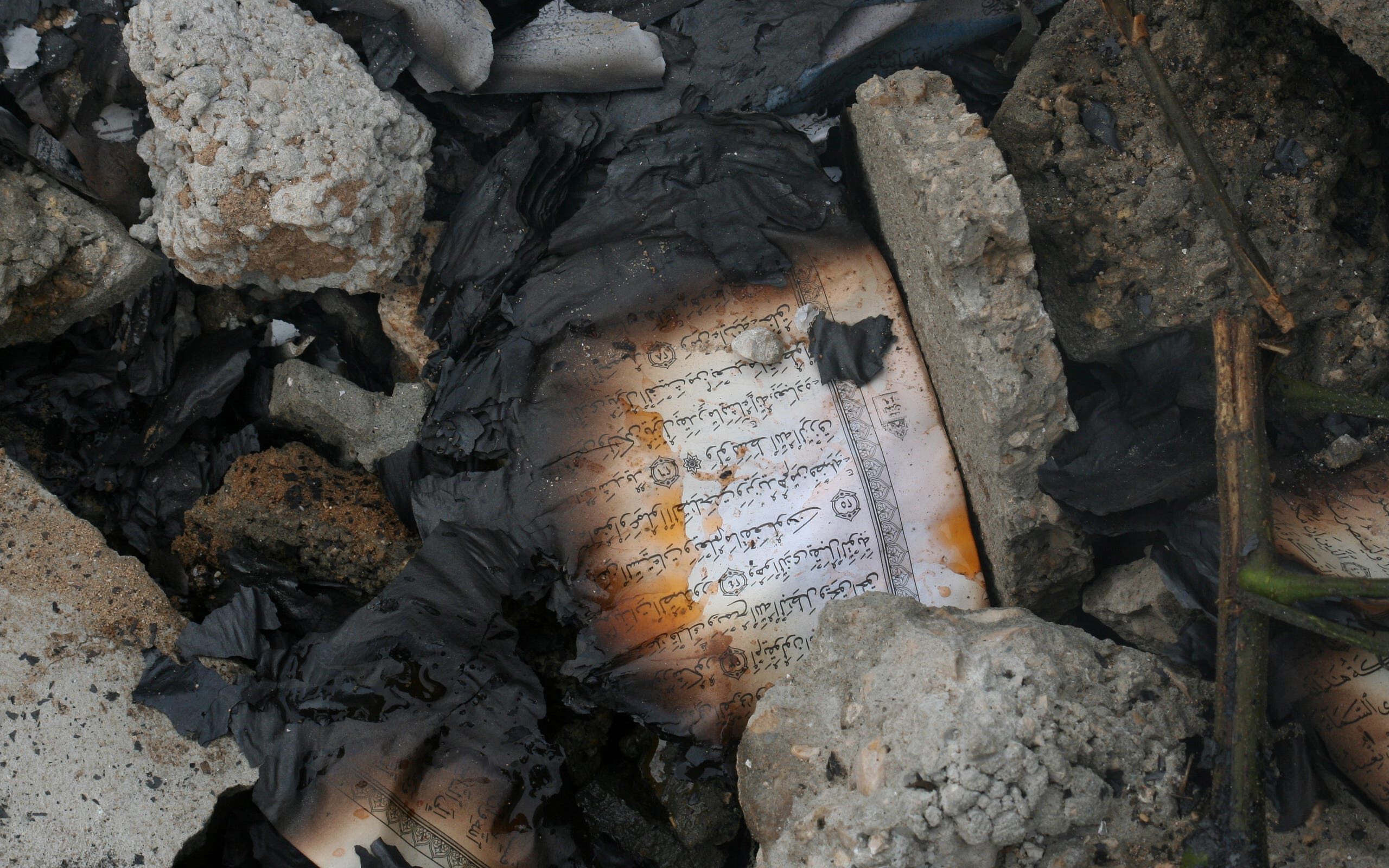
    The phenomenon of Quran burning by individuals aligned with far-right ideologies transcends the physical act of destroying a religious text. It represents a profoundly intricate and sensitive subject that intersects religious belief, political extremism, and cross-cultural perceptions.

    The act of burning Qurans serves as a symbolic assault on the values and sensibilities of a global religious community, generating profound reactions and impacting how Islam is perceived worldwide.

    Join us in exploring why far-right politicians burn Qurans and how they sit back and watch Muslims shoot themselves in the foot.

    Exploring the Underpinnings of Quran Burning

    The deliberate choice to burn the Quran by specific far-right figures is fueled by a complex web of motivations aimed at inciting a strong emotional response from the Muslim populace. This act extends beyond mere criticism or dissent against Islamic teachings; it is a calculated offense designed to provoke and insult. In this context, the Quran is viewed not just as a book of words but as a sacred emblem of the Islamic faith. Desecrating it becomes an attempt to challenge and denigrate the foundational beliefs of Islam.

    Historically, incidents of Quran burning have often served as catalysts for heightened tensions and misunderstandings. For example, the 2005 burning of the Quran by American troops at Guantanamo Bay sparked widespread condemnation and protests across the Muslim world. This incident and others illustrate how such acts can have a significant ripple effect beyond the immediate act itself.

    The impetus behind such provocative acts can be traced back to multiple factors. A significant driver is the endeavor to affirm and propagate far-right ideological stances that perceive Islam as antithetical to their core values. Through the act of Quran burning, these individuals seek to manifest their rejection and fear of what they consider a cultural or national identity threat posed by Islam. This fear, often fueled by Islamophobia and anti-immigrant sentiment, can lead to a distorted and prejudiced view of Muslims.

    However, above all, these far-right leaders burn copies of the Qurans to grab headlines and portray Muslims as violent, emphasizing the perceived threat of Islam.

    Photo by Andy Watkins on Unsplash

    Unpacking the Muslim Community’s Reaction and Its Ripple Effects

    The Muslim community’s response to Quran-burning incidents is pivotal for understanding the dynamics of provocation and backlash. The Quran’s desecration is viewed as a grave affront within Islam, eliciting reactions ranging from dismay and outrage to peaceful demonstrations or even, in rare instances, violent retaliations.

    However, such responses, often misconstrued as disproportionate, inadvertently fulfill the provocateurs’ objectives. Far-right groups predict and sometimes even welcome these reactions to vindicate their biased views and depict Muslims in a derogatory manner, serving to entrench stereotypes of Muslims as intolerant or prone to violence, advancing the far-right’s divisive agenda.

    Quran burnings further reinforce domestic propaganda in many Muslim-majority countries that the West is at war with Islam. Muslims feel the need to protect themselves, viewing their actions not as an assault on the West but as a response to the West’s attacks on Muslims.

    The Broader Implications on Islam’s Global Perception

    The ongoing cycle of provocation and reaction has profound implications for the global perception of Islam. Public and media portrayals of Muslims reacting violently to Quran burnings can perpetuate negative stereotypes, overshadowing Islam’s teachings of peace and the positive contributions of the majority of its adherents.

    Furthermore, such incidents erect barriers to understanding and empathy towards Islam among non-Muslims. Instead of encountering a religion that advocates peace and understanding, people are met with images of strife and hostility, which may discourage further exploration or engagement with Islamic teachings.

    Photo by Pawel Janiak on Unsplash

    Towards a Resolution: Breaking the Quran Burning Cycle

    Addressing and ultimately breaking this cycle of provocation and reaction is essential for altering the prevailing narrative. This responsibility largely falls upon Muslim communities, which need to adopt strategic and composed responses to such provocations. Some argue that ignoring these provocations could potentially be the most effective strategy in curtailing them, as it denies the perpetrators the satisfaction of achieving their desired reaction.

    However, it’s crucial to emphasize the diversity of reactions within the Muslim community. While some may choose peaceful protests or public education campaigns to counter these provocations, others may advocate for interfaith dialogue and collaboration to promote understanding and tolerance.

    Additionally, efforts by Muslim organizations and individuals to counter the negative narratives associated with Quran burning are essential. This could include engaging with the media, promoting educational campaigns, and fostering interfaith initiatives.

    Furthermore, it’s important to acknowledge the international community’s condemnation of the burning. Many countries and organizations widely view such acts as disrespectful and harmful to religious freedom, highlighting the need for mutual respect and understanding across different faiths and cultures.

    Breaking the cycle of provocation and reaction demands a multi-faceted approach that involves not only strategic responses from Muslim communities but also collective efforts from individuals of all faiths and backgrounds to foster understanding, challenge prejudice, and promote peaceful coexistence.

    Before I let you go, I want to remind you that if Quran burnings didn’t make headlines for far-right leaders, they wouldn’t burn a copy of the Quran they purchased at a store.

  • Hitler, Nazism and Religion

    Hitler, Nazism and Religion

    A Historical Analysis

    The relationship between Hitler, Nazism and religion is one of the most controversial and debated topics in history. Some argue that Hitler was an atheist and that Nazism was an atheistic regime, while others claim that Hitler was a Christian and that religious institutions influenced Nazism. However, both of these claims are oversimplified and misleading. The reality is much more complex and nuanced, taking into account Hitler’s religious beliefs, the nature of Nazism as a regime, and the role of religion during the Nazi era.

    Hitler’s Religious Views

    Hitler’s religious views have not been easy to pin down, as they were often contradictory, ambiguous, and opportunistic (surprise, surprise). He was born and raised as a Catholic, and he never officially renounced his membership in the Catholic Church. However, he also expressed disdain and hostility towards Christianity, especially its doctrines of equality, compassion, and pacifism, which he saw as weak and incompatible with his vision of a superior race. He also rejected the authority of the Pope and the clergy and sought to undermine and control the Catholic Church in Germany.

    Conversely, Hitler professed belief in God and claimed to act according to God’s will, often invoking divine providence in his rhetoric to position himself as a champion of Christianity against Germany’s foes like Communism and Judaism. Additionally, he showed appreciation for elements of Germanic paganism, occultism, and mysticism, viewing them as wellsprings of inspiration and strength for his racial ideology.

    Therefore, it is inaccurate to label Hitler as either an atheist or a Christian. He was neither but a religious opportunist who used and manipulated religion for his own political and personal ends, just like many other politicians of his caliber. He did not adhere to any consistent or coherent religious system but cherry-picked elements from various sources that suited his agenda.

    Nazism as a Regime

    Nazism, or National Socialism, was the political ideology and movement that ruled Germany from 1933 to 1945 under Hitler’s dictatorship. It was based on the principles of racial supremacy, totalitarianism, nationalism, militarism, and anti-Semitism, aiming to create a “pure” and “superior” German race and to eliminate or subjugate those deemed “inferior” or “undesirable,” such as Jews, Slavs, Roma, homosexuals, communists, and others.

    Nazism was not an atheistic regime, as it did not officially deny or prohibit the existence of God or religion. That being said, it was also not a religious regime, as it did not promote or endorse any specific religion or faith. Rather, it was a regime that maintained a separation of religion and state but sought to subordinate religion to its political goals. It did not respect or tolerate religious diversity or freedom but rather controlled and manipulated religion for its own purposes.

    Nazism maintained a complicated and often contradictory stance towards religion, particularly Christianity. It sought to harness and manipulate the religious feelings and customs of the German populace, predominantly Protestant. Additionally, it aimed to align with certain religious authorities and bodies, including the German Christians, a pro-Nazi group within the Protestant Church, and the Reichskonkordat, an agreement with the Vatican that offered certain privileges and safeguards to the Catholic Church in return for its allegiance and quiescence.

    On the other hand, Nazism also tried to undermine and suppress the influence and autonomy of religion, especially those that opposed or challenged its ideology and policies, such as the Confessing Church, a resistance movement within the Protestant Church, and the Catholic Centre Party, a political party that the Nazis dissolved. It also persecuted and killed many religious people, especially those who belonged to minority or non-Christian faiths, such as Jews, Jehovah’s Witnesses, and Freemasons.

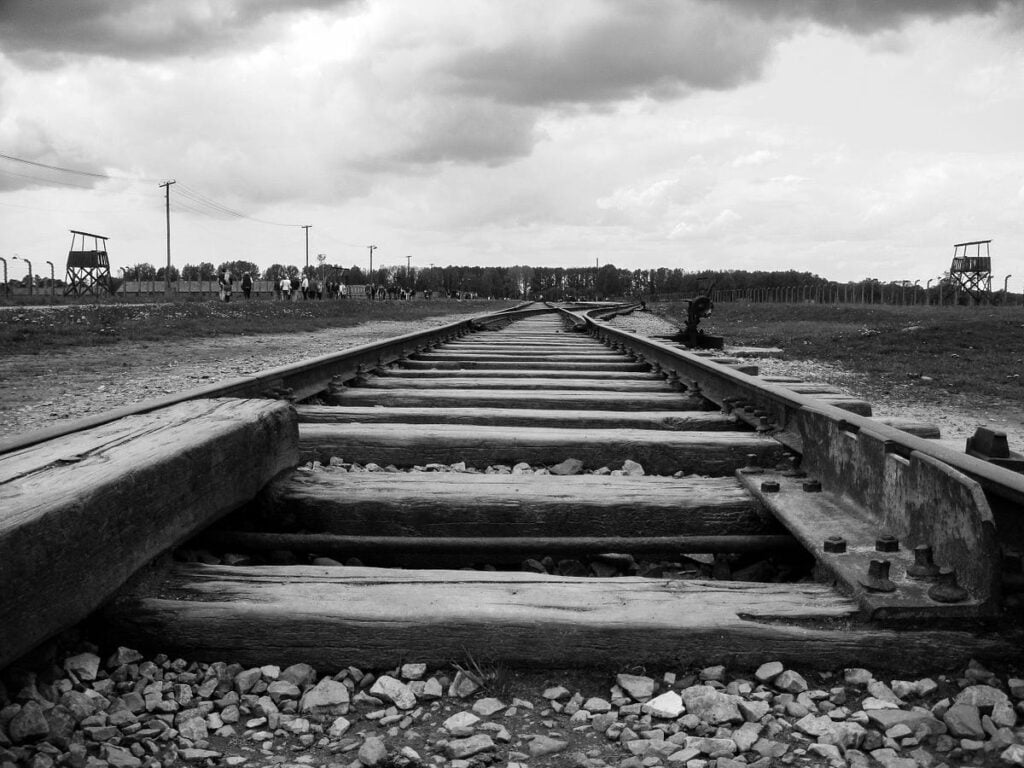
    Auschwitz Extermination Camp — Photo by Mateus Campos Felipe on Unsplash

    Nazism and Religion the Third Reich

    The role of religion during the Nazi era is a subject of historical debate and scrutiny, as it raises questions about the responsibility and complicity of religious institutions and individuals in the crimes and atrocities committed by the Nazi regime. While some religious people and groups actively resisted and opposed Nazism, such as Dietrich Bonhoeffer, a Lutheran pastor and theologian who was executed for his involvement in a plot to assassinate Hitler, and the White Rose, a student group that distributed anti-Nazi leaflets and was executed for treason, many others remained silent, passive, or even supportive of Nazism, either out of fear, ignorance, or agreement.

    The Catholic Church has faced scrutiny for its actions during the Nazi era, particularly for not taking a stronger stand against Hitler’s regime and the atrocities committed. A focal point of this criticism is the relationship between Hitler and Pope Pius XII, who led the Church from 1939 to 1958. As a cardinal and the Vatican’s Secretary of State, he met with Hitler in 1934 and was involved in the signing of the Reichskonkordat in 1933, which some interpret as an act of conciliation towards the Nazis. Moreover, Pope Pius XII is noted for his silence during the Holocaust, despite being informed about the mass extermination of Jews and others, and he neither condemned nor excommunicated Hitler or any other high-ranking Nazi official.

    However, the role of the Catholic Church during the Nazi era was not entirely negative or shameful, as it also involved some acts of resistance and humanitarianism. The Pope did issue some encyclicals and speeches that criticized some aspects of Nazism, such as racism, totalitarianism, and war, and called for peace and justice. He also supported and encouraged some Catholic clergy and laypeople who helped and hid Jews and other persecuted people, such as Hugh O’Flaherty, an Irish priest who saved thousands of Jews and Allied soldiers in Rome, and Edith Stein, a Jewish convert to Catholicism who became a nun and was killed in Auschwitz. The Pope also intervened and prevented the deportation of Jews from Rome and other parts of Italy and helped some Jews escape to other countries.

    Therefore, the role of religion during the Nazi era is not a simple or clear-cut one, but rather a complex and nuanced one, involving both complicity and resistance, both silence and action, both collaboration and opposition. It is a role that requires careful and critical examination and honestand humble reflection.

    In a Nutshell: Hitler and Religion

    The topic of Hitler, Nazism, and religion is fraught with misconceptions, myths, and controversies and challenges us to confront the dark and tragic chapters of our history, making it hard to learn from the mistakes and failures of our past. It remains a topic that invites us to question and rethink our assumptions and beliefs about religion, politics, and morality and to seek a deeper and better understanding of the complex and diverse human nature and society.

  • Richard Dawkins: A Rational Voice in a World Divided by Ideology

    Richard Dawkins: A Rational Voice in a World Divided by Ideology

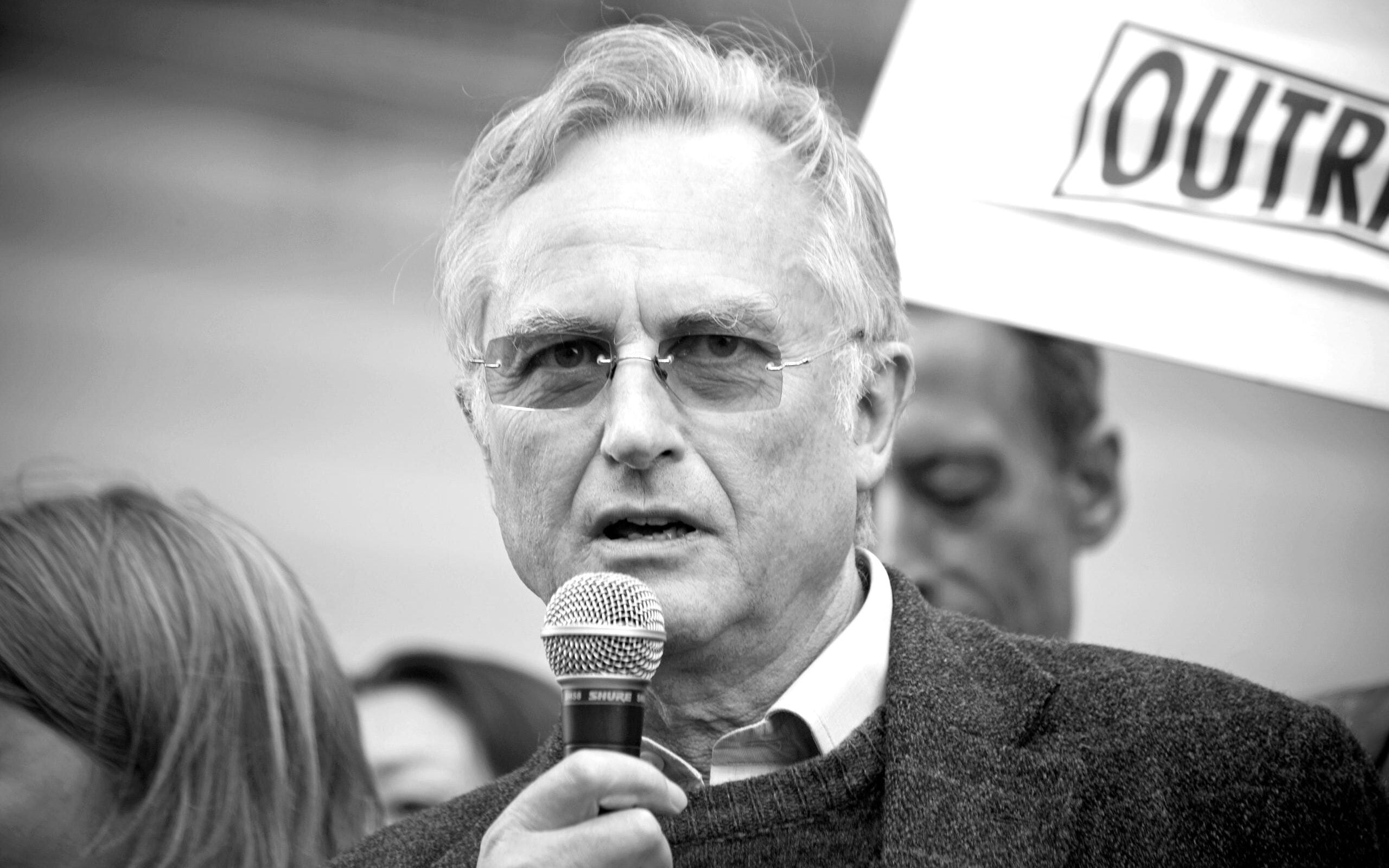
    Richard Dawkins stands as a beacon of rationality in a world often torn apart by ideological strife and conflicting philosophies. His contributions to science, particularly through his seminal work “The Selfish Gene,” have sparked admiration and controversy. Richard Dawkins consistently championed secularism and scientific reasoning as an evolutionary biologist, ethologist, and author, earning him acclaim and criticism.

    The Pursuit of Fairness

    Fairness is a concept that resonates deeply with human nature, influencing our societal structures, policies, and personal convictions. The belief in the equitable application of principles has shaped our collective consciousness. For example, the notion that human breeding should be exempt from scientific scrutiny is held by many as a standard of fairness, aiming to eliminate discrimination.

    This quest for equity is also reflected in our cultural narratives, where stories of heroines overcoming formidable male adversaries have gained popularity, symbolizing the triumph of justice.

    The Immutable Laws of Nature According

    Richard Dawkins invites us to examine our beliefs critically, warning against the blind pursuit of fairness that might lead us to neglect the immutable laws of nature. He argues that human breeding is a biological reality like any other species. While fairness and compassion are noble pursuits, they should not overshadow the fundamental principles that govern the natural world.

    Richard Dawkins suggests that acknowledging biological realities is not an endorsement of racism but rather a recognition of the complexities of human existence.

    Gender Identity and Fairness

    The debate over gender identity has thrust Richard Dawkins into the limelight once more. His hesitance to fully endorse the view that “trans women are women in every respect” has sparked debate. Richard Dawkins’ stance is rooted in his commitment to rationality and factual analysis.

    While he supports the right of individuals to self-identify, Richard Dawkins also acknowledges the biological basis of sex, which plays a crucial role in our physiology. He advocates for a balanced approach that honors both personal identity and biological facts.

    In a Nutshell

    Richard Dawkins remains a polarizing figure, unafraid to question mainstream views and stimulate intellectual debate. His focus on the realities of nature, even when they conflict with our ideals of fairness, underscores the importance of maintaining intellectual integrity over conforming to popular opinion.

    Though sometimes seen as controversial, Richard Dawkins’ perspectives provide valuable insights into addressing complex societal issues. A more inclusive and rational society can be achieved by taking a nuanced approach that honors our desire for fairness and the fundamental principles of nature.

  • The Biggest Flaw in American Democracy

    The Biggest Flaw in American Democracy

    Democracy is a crucial pillar of political legitimacy in the modern world, with its various forms offering distinct characteristics and implications for governance. The presidential and parliamentary systems, prevalent in the United States and countries like the United Kingdom, the Republic of Ireland, Germany, and the Netherlands, respectively, represent two key paradigms of democratic governance. The contrast between the presidential system vs parliamentary system reveals the diversity of democratic processes and their impact on governance efficacy and democratic ethos.

    Presidential System and Its Fixed Mandate

    A fixed term marks the presidential system in the United States for the head of state and government, the President, who is elected every four years. This system grants significant executive power to the President, independent of the legislature. This separation of powers is designed to prevent the concentration of power and ensure checks and balances, but it can also lead to a democratic deficit. In the presidential system, once the President is elected, they do not necessarily need continuous consent from the governed to remain in office, barring an impeachable offense.

    This separation of powers in the presidential system vs parliamentary system leads to unique governance dynamics. While the checks and balances in the presidential system aim to safeguard against abuse of power, the President’s fixed mandate can mean governance without necessarily reflecting the current will of the people. The President’s authority to direct policies, issue pardons, and influence the government’s direction continues unabated, potentially leading to a governance style that is ‘for the office’ rather than ‘for the people.’

    Parliamentary System and Its Continuous Mandate

    In contrast, the parliamentary system operates on a different principle. The head of government, the Prime Minister, must maintain the legislature’s confidence, which is directly representative of the electorate. In countries like the United Kingdom, the Republic of Ireland, Germany, and the Netherlands, the parliamentary system ensures that the government aligns with the constituents’ will. The Prime Minister’s tenure is contingent upon the support of the majority, reflecting a continuous democratic process. Unlike the presidential system, this system allows for immediate rectification of unpopular leadership.

    The parliamentary system’s focus on continuous consent underscores a key difference between the presidential system vs parliamentary system. In parliamentary democracies, if the Prime Minister loses the legislature’s confidence, it can trigger a motion of no confidence, potentially leading to their removal and even the dissolution of the government. This flexibility creates a more dynamic form of democracy, with governance remaining responsive to the electorate’s changing sentiments.

    Why the Difference? A Historical Perspective

    The distinctions between the presidential system vs parliamentary system have historical roots. The United States’ founding fathers envisioned a democracy where a leader, directly elected by the people, would replace the monarchy. This foundational idea underpinned the creation of the presidential system, emphasizing a separation of powers to avoid concentrated authority.

    Conversely, the parliamentary system evolved over time in Europe, particularly in the United Kingdom. The role of the Prime Minister began as a spokesperson for the cabinet but eventually became the head of the executive branch, with the monarch assuming a ceremonial role. This evolution allowed the parliamentary system to develop a continuous mandate model, requiring the head of government to maintain legislative support, reflecting the electorate’s will.

    The Quest for a More Perfect Democracy

    Comparing the presidential system vs parliamentary system reveals a broader quest for a more perfect democracy. The presidential system’s stability and separation of powers contrast with the parliamentary system’s flexibility and responsiveness. While each system has its merits and flaws, the ultimate goal is to ensure governance that reflects the people’s will.

    The debate between the presidential system vs parliamentary system is ongoing, as each has unique advantages and challenges. Ultimately, the ideal democratic system balances stability with adaptability, ensuring that governance is by the people, for the people, and responsive to their evolving aspirations. The different structures of these systems remind us that democracy is a complex and ever-evolving process.

  • Should Celebrities Be Involved in Politics?

    Should Celebrities Be Involved in Politics?

    There have been recent escalations in the events between supporters of Donald Trump and Taylor Swift due to concerns that Swift may endorse Joe Biden for the 2024 presidential election. Trump allies are worried that her influence could sway the election and have declared a “holy war” against her, demanding celebrities shut up about politics.

    Taylor Swift is not the only celebrity to receive criticism for voicing political opinions. In recent years, there has been a growing number of Republicans online who believe that musicians and movie stars should focus on their jobs and stay out of politics.

    In the intricate contemporary culture, celebrities often stand out not just as entertainers but as pivotal influencers whose voices carry weight far beyond their immediate sphere. Their rise to prominence usually reflects their artistic achievements that resonate with a vast audience, transforming them into public figures whose opinions can influence public sentiment.

    Join us in examining the role of celebrities in political discourse within this framework.

    Artists as Voices of Society

    Throughout history, artists have served as the vanguard of societal evolution, employing their artistry to mirror societal norms and challenge prevailing paradigms. When these artists attain celebrity status, their platform expands, enhancing their expressions’ potential reach and impact. If we suppress the voices of artists in political conversations because we don’t like what they are saying, we risk silencing the very individuals who often harbor the most perceptive and stimulating viewpoints. Their art, which may have garnered them fame, is inherently linked to their identity, encompassing their political ideologies. To expect them to segregate their existence is to deny the comprehensive nature of their influence.

    Historical Precedents of Celebrities in Politics

    The tradition of artists engaging in political commentary is long-standing. Figures such as Pablo Picasso, with his painting “Guernica,” and Bob Dylan, through his protest songs, have demonstrated the power of art to comment on political strife and social injustice. Their work transcended artistic boundaries, becoming symbols of resistance and calls to action. The celebrity status they achieved did not diminish the value of their political commentary; rather, it amplified it.

    Celebrity Influence and Social Issues

    The influence wielded by celebrities can be a fulcrum for spotlighting critical issues. For example, the advocacy of Diana, Princess of Wales, for HIV and AIDS awareness during the HIV and AIDS Epidemic in the 1980s and 1990s exemplifies a public figure utilizing their prominence to challenge misconceptions and spark global dialogues about a pressing health crisis. In this capacity, celebrities can be perceived as conduits for important topics, using their visibility to focus attention on matters that necessitate urgent public engagement.

    Photo by Samuel Branch on Unsplash

    The Power of Celebrities in Politics

    The visibility that comes with celebrity can be a double-edged sword. On the one hand, it offers a platform that can be used to advocate for change and raise awareness. On the other hand, it subjects the individual to intense scrutiny and criticism. However, reaching a broad audience is an invaluable asset in the information age, where attention is scarce. Celebrities can direct this attention toward underrepresented issues, democratizing information flow and fostering a more inclusive public discourse.

    Expertise vs. Expression

    It is imperative to differentiate between celebrities voicing their perspectives and being regarded as experts. The latter is not a common occurrence, and rightly so, as expertise in any domain necessitates years of dedicated study and experience. Nonetheless, the right to articulate concerns, political or otherwise, is an intrinsic aspect of freedom of expression that extends to everyone, including celebrities. Their platforms do not negate their right to voice opinions on issues they consider important.

    The Role of Celebrities in Politics and Democracy

    In a democratic society, the participation of every individual in political discourse is not just a right but a responsibility. Celebrities, by virtue of their public presence, can engage with a broader audience, potentially inspiring civic participation and fostering a more politically aware populace. Their involvement in political matters can serve as a catalyst for others to educate themselves and become more active in the democratic process.

    Media Tactics and the Right to Speak

    The critique of celebrities partaking in political discourse often originates from a discomfort with the substance of their messages rather than the act of expression itself. Some media outlets may resort to strategies that aim to discredit the messenger, thereby deflecting focus from the message. This tactic is a form of intimidation and a strategic maneuver to suppress debate on the issues presented. These strategies attempt to mute dissenting opinions and preserve the status quo by questioning the legitimacy of celebrities’ voices.

    The Messenger vs. The Message

    Targeting the messenger instead of addressing the message is a tactic as old as discourse itself. It serves to undermine the credibility of the speaker and, by extension, the validity of their argument. However, the actual test of a message’s worth lies in its content, not in the identity of the one delivering it. Like any other member of society, celebrities should be judged on the merit of their arguments rather than their status.

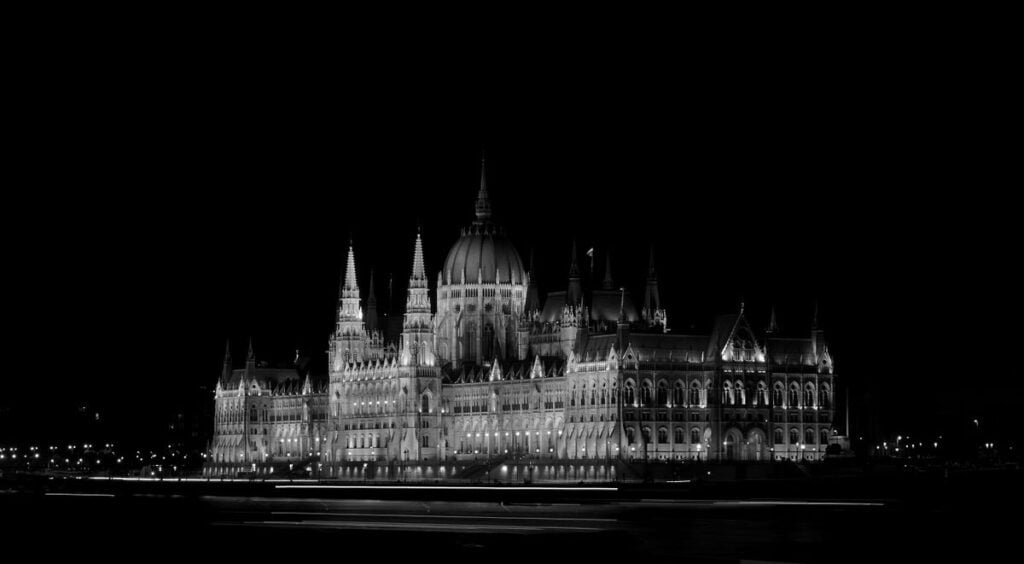
    Hungarian Parliament — Photo by Karim MANJRA on Unsplash

    In a Nutshell

    The intersection of celebrity and politics is neither a novel nor dismissible phenomenon. As artists and influencers, celebrities possess a distinctive capacity to draw public attention to significant matters. Their engagement in political discourse should be regarded not as an overreach but as an exercise of their rights and a reflection of their dedication to the societies that have propelled them to prominence.

    The true hallmark of a democratic society is its ability to entertain a diversity of voices, including those of its most visible members. With their extensive influence, celebrities play an essential role in this democratic dialogue, contributing to a more informed and engaged citizenry.

  • Darwin’s Theory Misapplied: Survival of the Fittest Fallacy

    Darwin’s Theory Misapplied: Survival of the Fittest Fallacy

    The late nineteenth century witnessed the emergence of ideologies that sought to apply Charles Darwin’s theory of evolution by natural selection to social and economic realms.

    Join us in exploring the disconnect between Darwin’s biological principles and the ideologies of Social Darwinism and Reform Darwinism, which appropriated the term “Darwinism” to lend scientific credence to their philosophies.

    Social Darwinism: A Misguided Interpretation of Natural Selection

    Built upon a misinterpretation of Charles Darwin’s evolutionary theory, the ideology of Social Darwinism rose to prominence in the late 19th century. Proponents of Social Darwinism, such as Herbert Spencer, argued that human societies follow a natural process where only the “fittest” individuals survive and reproduce. They believed that government or social welfare programs should not interrupt this order.

    Social Darwinists argued that aiding the weak would impede the progress of humanity. However, this interpretation is a gross oversimplification and misrepresentation of Darwin’s theory, whereby Darwin does not provide any moral or social directives. Instead, the theory simply describes a natural process observed in biological species. The concept of “survival of the fittest” refers to the idea that organisms best adapted to their environment are more likely to survive and reproduce, passing on their advantageous traits to their offspring.

    Social Darwinism assumes that evolution is progressive and each generation is superior to the previous one, which is inaccurate. In evolutionary terms, it would be misleading to establish universal beneficial and detrimental attributes. For instance, a larger size may be advantageous in environments with abundant resources and favorable climates. Conversely, the opposite may hold true in harsh climates with limited resources.

    Photo by Vincent van Zalinge on Unsplash

    Reform Darwinism: Progressive Ideals Disconnected from Evolutionary Theory

    During the late 19th and early 20th centuries, two contrasting views on the role of evolution in human societies emerged. On one hand, Social Darwinists believed that evolution was a natural process that should be left alone, without any intervention from society. On the other hand, Reform Darwinists advocated for a more proactive approach to evolution, emphasizing the importance of cooperation and societal intervention.

    Reform Darwinists, such as Lester Frank Ward, believed that human societies could consciously adapt and evolve by implementing institutions and policies that promote the collective good. They argued that beneficial ideas should be embraced while less effective ones should be discarded. In their view, evolution was not a random and uncontrollable process but one that could be shaped and directed by human intervention.

    While the principles of Reform Darwinism aimed to promote social progress, they did not directly relate to Darwin’s biological theory. Darwin’s theory of evolution by natural selection does not inherently advocate for the conscious shaping of societal evolution. Nevertheless, the ideas of Reform Darwinism played an important role in shaping progressive movements and social policies in the United States and other countries.

    Photo by Robert Lukeman on Unsplash

    The Fallacy of Equating “Survival of the Fittest” with Social Policy

    The principles of Social Darwinism and Reform Darwinism have often been criticized for equating the biological concept of “survival of the fittest” with social policy. While the term itself is usually attributed to Charles Darwin, it was popularized by Herbert Spencer, who used it to justify his economic and social theories.

    Furthermore, “survival of the fit enough” would be a more accurate term for the primary mechanism of evolution, as evolution is only concerned with the bare minimum: ensuring that offspring survive long enough to reproduce.

    The application of “survival of the fittest” as a justification for social stratification or progressive reform is a misappropriation of Darwin’s work and does not reflect the complexity of human social structures and ethical considerations. While there may be some parallels between the competition and adaptation that occur in the natural world and the dynamics of human societies, we must recognize that various factors, including cultural norms, historical events, and political institutions shape human societies.

    Moreover, the notion of inherent superiority or “fitness” of specific individuals or groups lacks scientific basis and raises ethical concerns. We are obligated to future generations to recognize all humans’ inherent value and dignity, irrespective of their backgrounds. Our efforts should be directed toward fostering a just and equitable society that prioritizes the well-being of all its members.

    In a Nutshell

    Exploring the disconnect between Darwin’s biological principles and the ideologies that misappropriated his work reveals the complexities of applying scientific theories to social policy. Despite their historical significance, social Darwinism and Reform Darwinism serve as examples of the ethical dangers of such misapplications. As we move forward, we must maintain a critical perspective on the role of science in society, ensuring that our policies and ideologies reflect the values of justice, equality, and respect for all individuals.

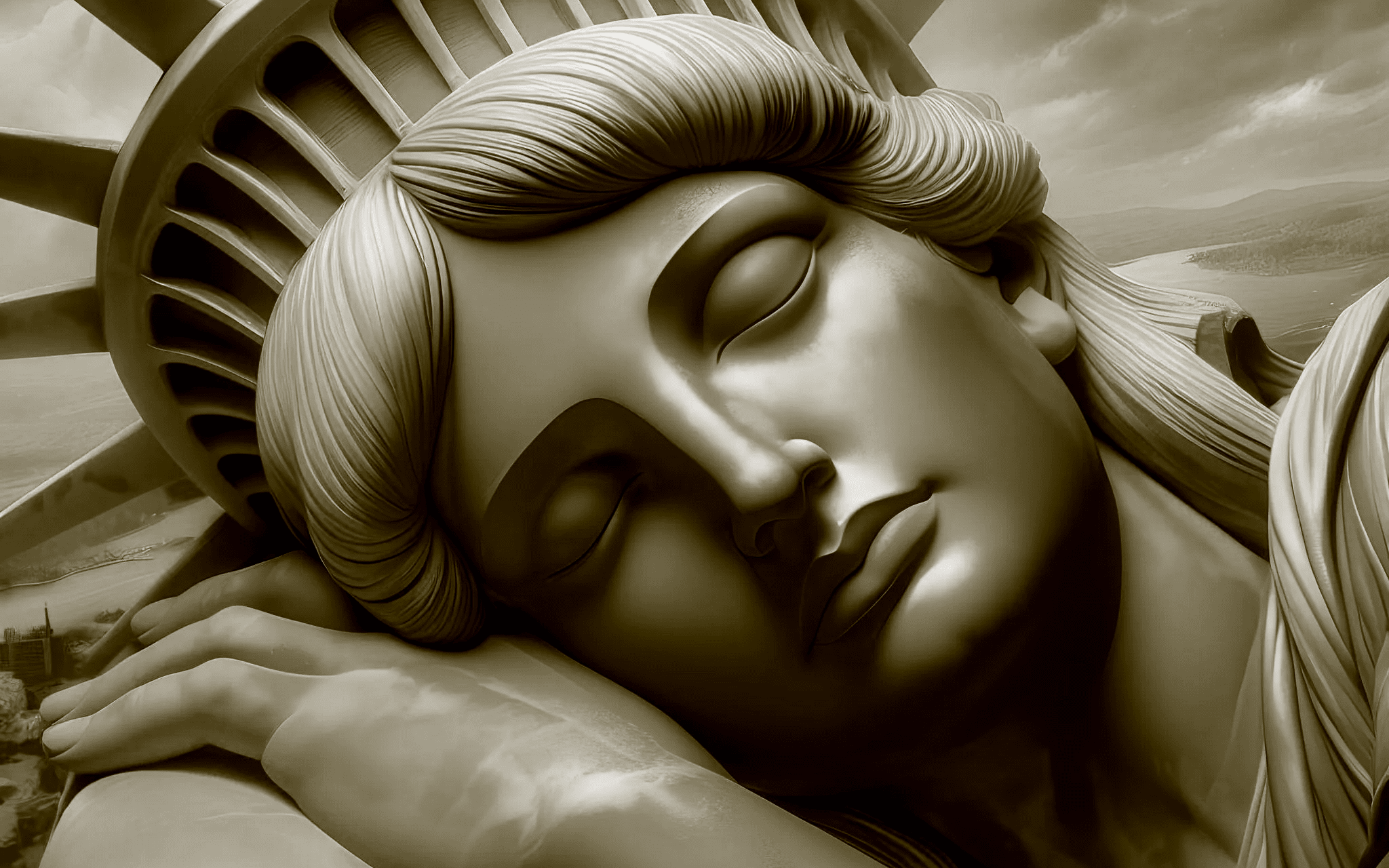
  • The American Dream: A Path to Slumber

    The American Dream: A Path to Slumber

    In the United States, a nation celebrated for its promise of opportunity and freedom, the reality of wealth distribution starkly contradicts the cherished American Dream. Despite the belief that hard work and determination can lift anyone into prosperity, the numbers reveal a different story: a vast majority of the country’s wealth is hoarded by a small fraction of its population, leaving the rest to contend with scraps.

    Join us in dissecting the roots and ramifications of this economic inequality, examining how it challenges the American financial system against a backdrop of education and self-awareness.

    The Divide Widens

    The stark concentration of wealth among a select few transcends mere statistics; it signifies a widening gulf that endangers the very cohesion of our society. When a mere 10% of the populace wields control over two-thirds of the nation’s wealth while the bottom half clings to a scant 2.6%, the magnitude of this inequality becomes starkly evident. This alarming imbalance is not simply a numerical discrepancy; it is indicative of entrenched systemic flaws that perpetuate poverty and exclusion, ensnaring countless individuals in relentless cycles of economic stagnation. The ramifications of this divide are far-reaching, impinging upon fundamental aspects of life such as equitable access to education and healthcare and undermining the stability and well-being of communities nationwide.

    A homeless man sleeping on a bank in the city.
    Photo by John Moeses Bauan on Unsplash

    Propaganda and Perception

    The struggle against economic disparity is not solely a matter of wealth redistribution; it is equally a campaign to transform societal perceptions. Initiatives to rectify this imbalance often encounter robust opposition, depicted as assaults on individual freedoms and the quintessential American lifestyle.

    This portrayal, deeply embedded in the collective psyche, serves as a potent instrument for the affluent elite, manipulating it to align the economically disadvantaged with those who prosper under the current system. By characterizing any suggestion of wealth redistribution as a precursor to communism, these entities effectively stifle opposition and perpetuate their dominance. Moreover, they drape their self-serving agendas in the veneer of nationalism and freedom. The erroneous conflation of communism with atheism further complicates the discourse, hindering the progress towards a more equitable society.

    The resistance to wealth redistribution in the United States can be exemplified by the cultural legacy of ‘rugged individualism,’ which emphasizes self-reliance and personal independence, often leading to opposition against government intervention in areas such as welfare and healthcare. For instance, despite the significant increase in income and wealth inequality over the past decades, a large segment of American voters remains steadfast in their opposition to redistribution, preferring to cut welfare spending rather than increase taxes.

    Challenges to Change

    Despite increased recognition of the disparities, effecting systemic change remains a formidable challenge. The principles of capitalism, meritocracy, and individualism are not merely economic concepts but are ingrained in the American consciousness, forming a robust ideological framework that upholds the status quo. For those in positions of privilege, these principles validate a sense of deservedness and a staunch opposition to altering the system. Conversely, for those marginalized by the current economic structure, these same ideals can engender a sense of disenchantment and a belief in the futility of striving for change. To surmount this deeply rooted ideological stronghold, it is imperative to engage in a concerted societal endeavor that critically examines and deconstructs these long-standing convictions, thereby questioning the very bedrock of the prevailing economic paradigm.

    Consider the case of affirmative action policies in the United States. Despite decades of efforts to address historical injustices and systemic inequalities in access to education and employment, resistance to such policies remains strong. Advocates argue that affirmative action programs are essential for promoting diversity and leveling the playing field, especially for marginalized communities.

    However, opponents often cite principles of meritocracy and individualism, asserting that such policies undermine the idea of rewarding hard work and talent, which reflects the deep-seated ideological framework described in the passage, wherein the principles of capitalism and meritocracy validate existing structures of privilege for some while perpetuating barriers for others.

    Photo by John Tyson on Unsplash

    Free Loaders

    If we listen to the status quo supporters, they suggest that the US’s economic problems stem predominantly from immigrants and social programs, naming the people who use them as freeloaders. They propose decreasing the 2.6% wealth share held by half Americans and redistributing it among fewer people.

    In a system where wealth begets wealth, the fundamental issue is evident. The elite and their descendants, the true freeloaders, amass riches effortlessly, while the underprivileged often inherit a cycle of poverty, inadequate education, and diminished prospects from their forebears.

    The Path Forward

    The journey toward a more equitable future is one that transcends the confines of partisan debate and ideological rifts. At the heart of this endeavor lies a commitment to comprehensive education that encompasses not only financial understanding but also the cultivation of critical thinking and empathetic understanding. By equipping individuals with the knowledge to navigate systemic complexities and fostering an appreciation for our shared humanity, we lay the groundwork for overcoming societal divides. Cultivating a culture anchored in unity and mutual respect is paramount. Equally important is galvanizing a collective resolve to champion and enact systemic reforms. Through persistent collective efforts and a unified pursuit of fairness, we can unravel the intricate causes of economic disparity.

    In a Nutshell

    The stark disparities in wealth distribution in America indicate that the system is broken, not a reflection of individual failure or lack of effort. Confronting this reality requires courage, a willingness to challenge deeply ingrained beliefs, and to question the power structures that uphold the status quo. By fostering a society that values education, self-awareness, and empathy, Americans can lay the groundwork for a more equitable and just economic system that uplifts the most vulnerable and honors the promise of the American Dream for all.