Category: Religion

Explore our extensive collection of resources on religion, featuring insightful articles, thought-provoking discussions, and comprehensive guides to diverse faiths and spiritual traditions. From ancient practices to contemporary beliefs, our content delves into the history, rituals, teachings, and cultural impact of various religions. Discover new perspectives and deepen your understanding of spirituality and religious communities with our expertly curated content. Whether you’re a scholar, seeker, or just curious, find inspiration and knowledge in our dedicated category on religion.

  • Drawn to Controversy: Why Images of Muhammad Are a No-Go

    Drawn to Controversy: Why Images of Muhammad Are a No-Go

    Drawing or depicting the Prophet Muhammad is forbidden in many Islamic traditions. This has been a subject of debate and discussion for centuries. To better understand this ban we must check its historical and cultural roots.

    The Origins of the Ban

    The prohibition against drawing the Prophet Muhammad originates from the early days of Islam. During this period, the primary religious competition for Islam, as well as for Judaism and Christianity, was polytheism, which often involved the worship of images or statues. The core idea behind banning depictions of Muhammad was to prevent any practices associated with idolatry, which was prevalent among polytheists.

    The Prophet Muhammad and his followers sought to distinguish Islam from these idolatrous practices clearly. They emphasized the worship of God alone, avoiding any form of image or idol that could divert attention from this pure worship. Consequently, early Islamic teachings discouraged creating images of any kind, including those of the Prophet.

    Historical Context

    During the early Islamic period, there was a strong focus on avoiding anything that might lead to the worship of images, which was not just about religious purity but also about protecting the new Muslim community from the practices of their previous polytheistic traditions. The fear was that depicting the Prophet could lead to his veneration in a way that might distract from the worship of the Abrahamic God, who didn’t have a form within human imagination.

    In the centuries that followed, Islamic art and culture developed strongly with an emphasis on aniconism—the avoidance of images of sentient beings. Instead, Islamic art flourished through complex patterns, calligraphy, and geometric designs through which artists expressed spiritual ideas and beauty without the risk of idolatry.

    The Development of the Ban

    Over time, the prohibition against depicting the Prophet Muhammad became more firmly established. Islamic scholars and leaders interpreted the ban as a way to preserve the Prophet’s sanctity.

    In some Islamic traditions, the ban is seen as a way to protect the Prophet’s dignity and ensure that any representation is not disrespectful or inaccurate. For example, in Sunni Islam, which represents the majority of Muslims, the ban is more strictly observed. In contrast, Shia Islam has historically been somewhat more lenient, but the ban still remains significant.

    The Prophet’s dignity and sanctity actually have nothing to do with the spirit of the ban’s reason.

    The Takeaway

    In recent years, cartoons and images of the Prophet Muhammad have sparked controversy and violence, causing reactions from Muslims worldwide that did not make sense.

    The ban on depicting the Prophet Muhammad applies to Muslims. As a historical and political figure, non-Muslims have every right to represent Muhammad through images. The idea that people who draw images of Muhammad deserve death is an interpretation pulled from somewhere that doesn’t see much sunlight.

    Is anyone afraid that Muslims will not be able to resist building idols of Muhammad to worship if they see his depictions around?

  • Sacrificing Morality: What Abraham’s Story Teaches Us

    Sacrificing Morality: What Abraham’s Story Teaches Us

    The story of Abraham and Isaac is one of the most famous and challenging narratives in religious history. It is often discussed in various faith traditions but raises important questions about faith, obedience, and morality.

    The Story in Brief

    Abraham is a central figure in Judaism, Christianity, and Islam. According to the story, Abraham and his wife Sarah were very old when they had their son Isaac. Isaac was a special gift because, in their old age, having a child seemed almost impossible.

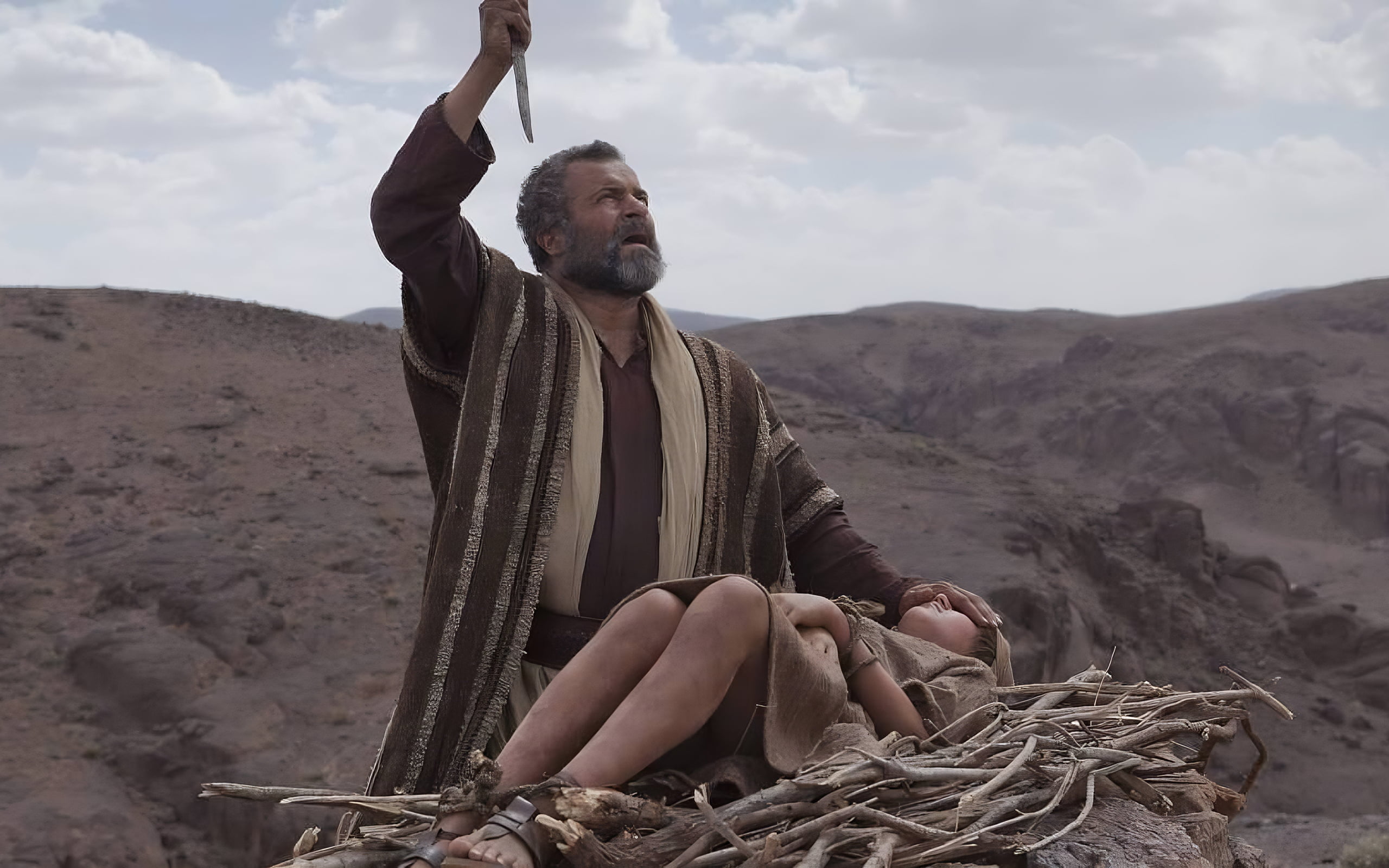
    One day, God tested Abraham’s faith. God asked Abraham to murder his beloved son Isaac on Mount Moriah as a burnt offering, which came as a shocking command to Abraham. Killing a child was a difficult, troubling command. Naturally, Abraham was torn between his love for Isaac and his duty to obey God.

    Despite his distress, Abraham decided to follow God’s command and prepare to offer Isaac as a burnt offering. Just as he was about to carry out the murder, an angel of the Lord stopped him and told Abraham not to harm Isaac. Instead, a ram caught in a nearby thicket was provided for the sacrifice.

    The Role of Conscience and Morality

    One of the most troubling aspects of this story is the idea that Abraham’s obedience was tested through an immoral command. It raises the question of whether people should always follow authority figures, even when asked to do something that seems deeply wrong.

    Abraham’s story could be interpreted as suggesting that faith involves unquestioning obedience, even if it means doing something that goes against basic moral principles. This raises a critical issue: if a higher power or authority commands something immoral, should one follow that command?

    Many people believe that God or any higher authority has given humans the gift of conscience and moral reasoning, meaning that we have an internal sense of right and wrong that helps guide our actions. From this perspective, the story might be seen as problematic because it seems to prioritize obedience over ethical considerations.

    A Dangerous Story

    He was willing to sacrifice his son because he believed it was what God wanted. However, this story is troubling because it involves following a command to commit an immoral act: killing an innocent person.

    If Abraham had refused to sacrifice Isaac and instead listened to his moral conscience, the story might have been different. In our ethics, deliberately causing harm to an innocent person is considered wrong, regardless of who gives the command.

    Moreover, Abraham chose the easier path. He knew God was all-powerful and could punish him severely if he didn’t obey. A truly heroic act would have been to stand up for an innocent child, despite the potential negative consequences. Wasn’t this what we expected of German soldiers who slaughtered people under command during World War II?

    Faith vs. Morality

    It is not a secret that faith can lead good individuals to commit wrongful acts when it is manipulated or deliberately misinterpreted. When people are made to believe certain things are what God wants, they go against their own ethical principles under the guise of divine will.

    When individuals believe that their faith commands them to act in a certain way, they override their own moral compass. For instance, throughout history, people have committed atrocities, from inquisitions to jihads, believing that they were fulfilling a higher purpose or divine directive without questioning.

    If it is irrefutably clear to me that God wants me to kill certain people, should I go ahead with it, although I know that it’s terribly wrong, or should I seek professional help? What does the Bible say?

    If my religious leaders claim that God wants us to commit acts I consider categorically immoral, should I assume that God would never actually require such things? Even if I believe that God might, should I refuse to carry out those actions and instead stand up for those who cannot stand up for themselves? What does the Bible say about committing murder in God’s name to fulfill His will without question?

    #FaithAndMorality, #AbrahamAndIsaac, #ReligiousEthics

  • Faith’s Hidden Dangers

    Faith’s Hidden Dangers

    Religion often teaches that faith—believing in something without tangible evidence—is a virtue. While this idea is intended to inspire so-called spiritual growth and trust, it has unintended consequences that profoundly impact society. 

    At the heart of many religious teachings is the notion that faith is a noble quality. Believing in something beyond the visible and the provable is often framed as a sign of one’s spiritual strength and commitment, potentially comforting and providing a sense of belonging to individuals, helping them go through life’s biggest uncertainties. However, this emphasis on faith without evidence also carries risks, particularly when it comes to critical thinking and susceptibility to exploitation.

    When faith is celebrated over evidence, it creates an environment where questioning and skepticism are viewed with suspicion or even hostility, discouraging individuals from challenging dubious claims or looking at alternative viewpoints. In a society where uncritical acceptance is encouraged, people also become more vulnerable to manipulation by those who exploit their trust. Whether through charismatic leaders, misleading advertisements, or deceptive political rhetoric, the absence of a demand for evidence makes it easier for false or harmful ideas to gain traction.

    In politics, for instance, leaders who make grand promises without concrete plans or evidence likely find it easier to garner support from those who are inclined to believe without scrutiny. Similarly, in business, companies making exaggerated claims about their products or services can take advantage of consumers who trust without verifying. In both cases, the lack of evidence-based thinking leads to personal and societal harm.

    Moreover, this inclination towards accepting without proof undermines critical thinking skills. When faith is prioritized over evidence, individuals become less inclined to question or critically analyze the information presented to them, killing intellectual curiosity and promoting a culture where challenging established beliefs or practices is discouraged. 

    The implications of this dynamic extend beyond individual experiences. A society that values faith over evidence creates an environment where misinformation and exploitation thrive. Without anything robust for evaluating claims and demanding evidence, harmful practices and falsehoods multiply, impacting everything from public health to social justice.

    The Takeaway

    Individuals who are empowered to think critically and demand evidence are better equipped to go through life and make choices grounded in reason rather than unexamined faith. Not selling belief without proof as a virtue safeguards against exploitation and also promotes a culture of intellectual integrity.

    #CriticalThinking, #FaithAndEvidence, #HistoricalLessons

  • The Atheist’s Guide to Surviving Family Dinners

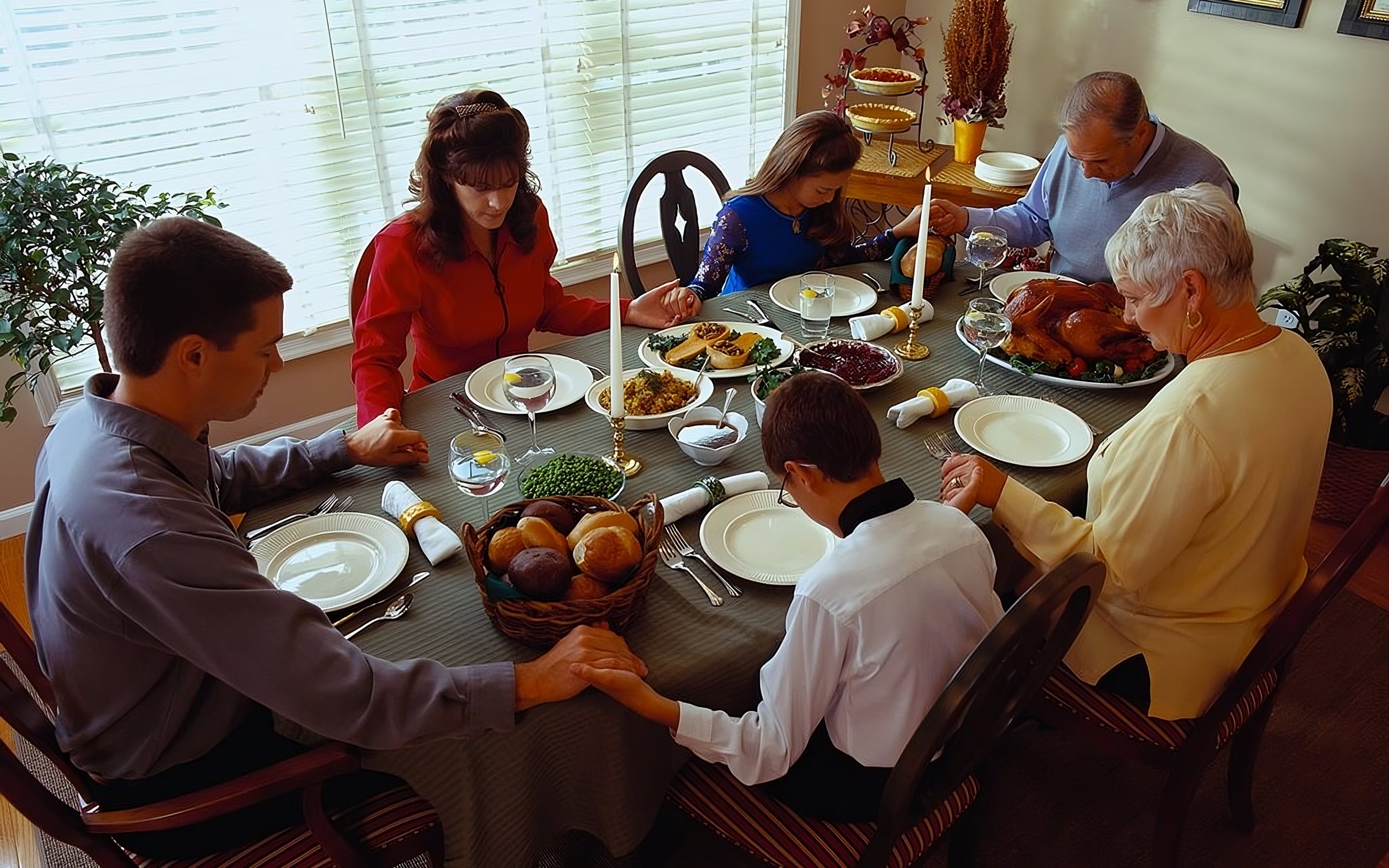
    The Atheist’s Guide to Surviving Family Dinners


    Our beliefs are like fingerprints—unique to each of us. They are shaped by a combination of our genetic makeup, life experiences, relationships, and the information we’ve encountered, creating our individual worldview and influencing how we interact with others and make decisions. When it comes to religious beliefs or the lack thereof, things become even more complex.

    Understanding Your Context

    Before deciding whether to come out as irreligious, it’s essential to consider your specific situation carefully. Reflect on your family dynamics and how open-minded your loved ones are. Are they likely to accept different viewpoints? Might your revelation cause friction or uncomfortable silence?

    Additionally, take your cultural background into account. In some cultures, religion is central to identity and daily life, making it more tricky to express irreligious views without encountering resistance. It’s also important to think about the potential personal consequences. Could revealing your beliefs impact your relationships, living situation, or even your safety?

    Finally, assess your emotional readiness. Are you prepared for potential conflicts or difficult conversations that might arise?

    Understanding Your Audience

    To illustrate why context matters, let’s imagine two scenarios. In the first scenario, you’re at a family gathering, and the topic of evolution comes up. Your elderly aunt, rooted in her traditional beliefs, equates evolution with atheism and considers it “evil.” In this situation, engaging in a debate about evolution, even to explain that evolution has nothing to do with irreligion, might lead to unnecessary tension and misunderstanding.

    On the other hand, picture a conversation with your mother, who, despite being older than your aunt, has a strong scientific background and is more open to different ideas. While you may not always agree, there is mutual respect and an understanding that differing opinions aren’t personal attacks. In this case, discussing your irreligious views might have added value.

    The Upsides of Coming Out as Irreligious

    Being open about your irreligious beliefs allows you to live authentically without hiding a significant part of who you are, which can help you make more meaningful connections with those who accept you for who you are. Additionally, by sharing your beliefs, you can help challenge and break down stereotypes and misconceptions about non-believers.

    Moreover, your openness might encourage others who are struggling with similar issues to feel less alone and more supported.

    The Downsides of Coming Out as Irreligious

    However, coming out as irreligious isn’t without its challenges. Revealing your beliefs might lead to conflicts or strained relationships with family and friends with no returns, especially if they hold strong religious views. Misunderstandings may also arise, as some people might not fully understand what it means to be irreligious, leading them to form inaccurate judgments about your character or morals.

    In highly religious communities, openly identifying as irreligious could result in social challenges, including exclusion or loss of support networks. Additionally, depending on your work environment, being open about your irreligious views could potentially affect your professional relationships and career.

    The emotional toll of unnecessarily dealing with negative reactions from loved ones is not to be underrated; it can potentially affect one’s overall well-being negatively.

    To Come Out or Not to Come Out

    If you’re considering coming out as irreligious, start small by first opening up to the most open-minded people in your life, which will make the process easier before approaching potentially more challenging conversations.

    Should you choose to share your religious views with your close circle, don’t make it a big coming-out event out of it. When the opportunity arises, you can imply where you stand, and based on their reaction, you can decide how to proceed.

    If you’re struggling with the decision or its aftermath, the best course of action is to abandon the mission. When and if the right time comes, you won’t have to struggle with making the decision.

    Selective Disclosure

    Remember, coming out as irreligious doesn’t have to be an all-or-nothing decision. You might choose to be open with some people while maintaining privacy with others, allowing yourself to be true to yourself while minimizing potential conflicts.

    For example, you might decide to share your beliefs with close friends who you trust to be understanding while choosing not to discuss the topic with more conservative family members.

    While Being True to Yourself

    Regardless of whether you choose to come out as irreligious, it’s crucial to understand that belief or non-belief is a personal matter and no one else’s business but the individual’s. Make sure you don’t become an anti-religion preacher, thinking that you are helping others by convincing them that leaving religion is better for them. People who preach their flavor of religion to those around them often do so with similar motivations.

    On a Personal Note

    When it comes to the decision to come out as irreligious, there is no universal right or wrong answer. What matters most is that you make a choice that aligns with your values, prioritizes your well-being, and helps you maintain healthy relationships with the important people in your life.

    Personally, I choose not to discuss religious matters with others, and I’m not even aware of the religious views of most of my friends. When the situation calls for it, I have no problem using religious language or acknowledging significant religious days to show that I care about the individuals. If someone needs comfort and expects religious terms, I’m willing to use them if it helps.

    Ultimately, I don’t care what people believe or disbelieve, and I strongly believe we can all peacefully coexist as long as everyone understands that religion is a private matter and must always stay out of politics.

  • The Satanic Verses: An Islamic Controversy

    The Satanic Verses: An Islamic Controversy

    “The Satanic Verses” is a term derived from a controversial story in early Islamic history. It has sparked debates for centuries and gained worldwide attention in modern times due to Salman Rushdie’s novel of the same name. But what are these “Satanic Verses,” and why are they so controversial?

    The Story Behind the Satanic Verses

    The story of the “Satanic Verses” revolves around an incident that allegedly took place during the life of the Prophet Muhammad. According to some early Islamic sources, there was a moment when Muhammad, under pressure from the leaders of Mecca, briefly acknowledged the existence of three Meccan goddesses: al-Lāt, al-‘Uzzā, and Manāt, all of whom were worshipped by the people of Mecca before the arrival of Islam and were sometimes referred to as the “daughters of Allah” in the context of pre-Islamic Arabian polytheism.

    The controversial verses are said to have praised these goddesses and suggested that their intercession (seeking their help or protection) could be hoped for. These verses were purportedly part of the Qur’an but were later removed after Muhammad realized they were inspired by Satan rather than God. Subsequently, he retracted these verses and replaced them with what is found in the Qur’an in Surah An-Najm (Chapter 53, Verses 19-23), which suspiciously names the three goddesses to reject them and affirms the oneness of God.

    Why the Satanic Verses May Be Factual

    Historians and scholars who subscribe to the Satanic Verses to be factual have presented evidence that suggests it might be true. One piece of evidence is that the story appears in several early Islamic historical sources, such as the works of al-Tabari and Ibn Sa’d, who wrote some of the earliest comprehensive histories of Islam. The fact that these early sources recorded the story, even though they sometimes expressed skepticism, suggests that it was a known narrative in early Islamic tradition.

    Another point in favor of the story’s potential truthfulness is that it is reported through multiple chains of transmission, known as isnad. These were methods used by early Muslim scholars to verify the authenticity of reports. While the reliability of these chains varies, the existence of multiple isnads has led some historians to argue that the story might be based on a real event.

    Historians who find the story plausible argue during the early years of his prophethood, Muhammad faced strong opposition from the Quraysh tribe, the dominant power in Mecca, which worshipped the goddesses mentioned in the story. The idea that Muhammad might have sought a temporary compromise with the Quraysh by acknowledging their deities seems possible, given the intense pressure he was under at the time.

    Additionally, there is the “criterion of embarrassment,” a concept used by historians to assess the authenticity of a story. The idea is that people are less likely to make up stories that are embarrassing or potentially damaging. Since the “Satanic Verses” story portrays Muhammad in a negative light, some scholars argue that it is unlikely to have been invented by his followers, making it more likely to be based on a true event.

    Early Islamic scholars who included the story in their writings often tried to explain it in a way that preserved Muhammad’s infallibility, suggesting that they were trying to reconcile an existing narrative with Islamic teachings rather than inventing it. For example, some interpretations assert that the verses were inspired by Satan but that Muhammad quickly realized the mistake and corrected it.

    Lastly, some non-Muslim sources from the early Islamic period also mention the “Satanic Verses” story, which some scholars take as evidence that the story was known outside the Muslim community, an indication that it was widespread enough to be noted by observers of early Islam.

    Why the Satanic Verses May Be Fabrication

    Most Islamic scholars and many historians are skeptical about the authenticity of the “Satanic Verses” story. They argue that the story contradicts a core Islamic belief, which is that the Qur’an is divinely protected from any errors. This belief makes the idea of the “Satanic Verses” problematic for many scholars.

    Additionally, they point out that the chains of transmission, which are the methods used to verify the story’s authenticity, are often weak or unreliable, which raises doubts about the story’s credibility.

    Some also believe that the story might have been invented by early opponents of Islam as a way to discredit Muhammad and undermine his message, despite the fact that the early Islamic scholars who acknowledged the “Satanic Verses” did so while defending the Prophet Muhammad in the incident.

    On a Personal Note

    I first heard about The Satanic Verses through Salman Rushdie’s book. Since I was a child when it was published, my understanding was limited to what my sisters told me. As an adult, I didn’t pay much attention to the publication.

    What recently caught my interest in Satanic Verses was an entry in Encyclopedia Britannica that referred to these Verses as a factual account. Given that Encyclopedia Britannica is known for its reliability, I was intrigued. However, when I later searched for that article, I couldn’t find it. It may have been removed, or perhaps I used different keywords that led me astray.

    One issue I’ve encountered is that some Islamic scholars tend to be defensive about Islam, even in cases where claims that cast Islam in a negative light are supported by strong evidence, which makes their credibility questionable.

    So, what do I think about the Satanic Verses? Although the mention in Encyclopedia Britannica was impressive, I have not yet confirmed the details through other reputable sources. Therefore, while I believe there might be some basis to the claims, I am not ready to fully accept them to be true without further verification.

    #SatanicVerses #IslamicHistory #SalmanRushdie

  • Holy Shift! Too Little, Too Late?

    Holy Shift! Too Little, Too Late?

    The Church of England, one of the oldest and most influential Christian institutions in the world, finds itself at a crossroads in its long history. As society evolves and attitudes towards gender and sexuality shift, the Church is struggling to remain relevant while staying true to its traditions.

    Female Clergies

    One significant change in recent decades has been the ordination of women as priests and bishops, which began in 1994 with the ordination of female priests and culminated in 2014 with the ordination of the first female bishop. These developments have been widely celebrated as a step towards gender equality within the Church. However, unsurprisingly, it has also faced opposition from more conservative factions, highlighting the ongoing tension between tradition and progress.

    Same-Sex Relationships

    The Church’s stance on same-sex relationships is more complicated. While it does not conduct same-sex marriages (yet?), it has taken steps to be more inclusive of LGBTQ+ individuals. In 2023, the Church of England approved the blessing of same-sex couples, a move that was seen as a compromise between those calling for full marriage equality and those opposing any recognition of same-sex relationships.

    Additionally, the Church allows clergy to be in same-sex civil partnerships, provided they don’t engage in sexual conduct. The Church has many openly LGBTQ+ vicars today, further diversifying its leadership and representation.

    The Marriage Debate

    The most heated debate currently facing the Church of England is whether to allow same-sex marriages in its churches, having divided the Church, with heated arguments on both sides. Proponents argue that it’s a necessary step towards full equality and inclusion, while others insist that it goes against traditional biblical teachings on marriage.

    Ironically, the Church of England owes its very existence to a dispute over ending a marriage. It was founded by Henry VIII after the Catholic Church refused to grant him a divorce, as doing so would have gone against the traditional biblical teachings on marriage.

    The debate is not just theological but also practical. Church leaders fear a split within the Church if same-sex marriage is forcefully introduced, given the largely homophobic views of many Asian and African Anglican communities.

    A Church in Crisis?

    Some observers argue that the Church of England is facing an existential crisis. Father Lee Taylor, a gay vicar who received the first same-sex blessing from the Church in Wales, has stated that the Church will face such a crisis if it does not address these issues of affirming, blessing, and sanctifying same-sex unions.

    Taylor argues that the Church’s current stance appears “primitive” and “ridiculous” to those outside the Church, particularly given its message of love, forgiveness, and equality. He asserts that the disconnect between the Church’s teachings and its practices on LGBTQ+ issues is driving people away, especially younger generations who are more accepting of diverse sexualities and gender identities.

    The Need for Adaptation

    Like many religious institutions, the Church of England is struggling to balance its traditional teachings with modern society’s changing values. Critics argue that if the Church doesn’t “catch up with the times,” it risks becoming irrelevant and eventually fading into history.

    However, adapting is not simple for an institution rooted in centuries of tradition. Any changes must carefully balance the desire for inclusivity with the risk of alienating current followers.

    The Takeaway

    The Church of England stands at a crossroads. Its decisions in the coming years will determine whether it can successfully bridge the gap between tradition and progress, maintaining its relevance in an increasingly secular world while staying true to its spiritual foundations.

    Perhaps the day will come when future generations view the ban on same-sex marriage as primitive as the once rigid ban on divorce.

    #ChurchOfEngland #LGBTQEquality #ReligiousReform

  • Why Religions Cannot Be True

    Why Religions Cannot Be True

    According to most religions, God deemed it necessary to provide humanity with a user manual—a set of guidelines for leading a righteous life and understanding that we are here to be tested. For the sake of argument, let’s assume that one of these religions is true and that our existence is indeed a test.

    The Problem of Religious Indoctrination

    If adherence to this divine manual is indispensable and the consequences of failure are eternal damnation, why does God allow the majority of children to be indoctrinated with beliefs that are obviously not true? Why let children be threatened with hellfire for not following teachings that are fundamentally wrong while, in reality, obeying those teachings will cause want to Hell?

    As things are, God must allow, if not encourage, the spread of falsehoods, which would ultimately lead to the eternal punishment of many innocents.

    The Issue of Inconsistencies and Doubt

    If following the divine manual is so important, why did God include so many inconsistencies and points of doubt within religious teachings? For instance, if Islam is the true religion, why would God first tell His subjects that His word is susceptible to human alteration and, in fact, it did happen multiple times before but not have Muhammad inscribe the Quran on endurable tablets, ensuring its integrity and providing absolute confidence that it has remained unchanged, unlike the previous ones?

    Instead, the Quran was compiled from memory long after Muhammad’s death. We are expected to believe in its unaltered state simply because the Quran itself claims so. If it had been altered, it is unlikely that this alteration would be acknowledged within its own text.

    The Question of Christian Foundations

    If Christianity is the true religion, why did Jesus not leave behind a clear and unequivocal user manual? Instead, we are expected to place our trust in Paul, who never met Jesus in person yet made significant changes to Christianity. These changes were so profound that Christianity could no longer be considered a sect of Judaism, which is how Jesus originally presented it. Why expect the subjects to rely on the interpretations and teachings of someone who did not directly know Jesus but had the authority to make changes in his teachings?

    The Problem of Identifying the True Religion

    If sending this divine user manual was so crucial, why does God not help people clearly identify the true religion? Despite claims of signs and miracles, religions primarily grow through reproduction rather than conversion, indicating that God deliberately used signs that did not work.

    The Takeaway

    Given these points, it appears that God, as depicted by many religions, must want the majority of people to fail the test and burn in Hell eternally but have a clear conscience, saying to Himself that He had sent the user manual that the subjects should have followed.

    Despite the presence of a divine manual, the inconsistencies, indoctrination, and ambiguity suggest that these manuals are not divinely inspired, which does not necessarily prove the non-existence of God but strongly indicates that there is no rational reason to believe that any of the gods introduced by any religion is the true one.

    #ReligionDebate #DivineQuestions #FaithandLogic

  • Oh My God(s)! Are Atheists or Theists More Moral?

    Oh My God(s)! Are Atheists or Theists More Moral?

    Online, morality is a popular topic among theists and atheists. Theists often claim that if morality’s source is not divine, then there is no clear right and wrong, hence the atheist path is the immoral path. In return, it is not unusual to hear atheists say they are more moral than theists because they have better critical thinking skills. However, dividing people into “theist” and “atheist” categories and coming to conclusions is misleading and unhelpful. It is suspiciously too simple, to say the least.

    Income and education levels have a clear impact on the morality not only of individuals but also of their parents who brought them up, which shouldn’t come as a surprise to anyone. Since atheists and theists don’t necessarily share the same average income or education levels, we can’t draw a straight line between religion and immoral behavior, even if an average atheist is more moral than an average theist.

    However, what is evident is that religion is far from being a foolproof tool for ensuring ethical conduct, and it’s not the most effective path to morality.

    Teaching Children Right and Wrong

    Regardless of their belief in God, some parents teach their children to use reason and common sense to judge right and wrong. These parents set their children up for success because their loved ones learn to think critically, adapt to new situations, and resist manipulation.

    On the other hand, some parents rely solely on a list of rules from a holy book, making their children vulnerable to corruption. After all, it makes sense that someone who blindly follows prescribed morals without understanding the underlying principles would be more susceptible to manipulation. We see this dynamic play out in regions like the Middle East, where rigid interpretations of religious texts sometimes lead to actions many would consider unethical.

    Prescription for a Brighter Future.

    First, we should move away from using simplistic labels such as “theist” and “atheist.” These terms do not fully capture the complexity of an individual’s character, reducing them to a single oversimplified label.

    Second, we need to acknowledge that multiple factors influence moral behavior and that religion is only one aspect of the equation. Other elements, such as education, economic stability, and social environment, play significant roles in shaping how individuals act and make decisions.

    Third, it is only logical to prioritize teaching critical thinking and ethical reasoning from an early age to help children face complex moral dilemmas in the future. These skills are indispensable for making informed and thoughtful decisions throughout their lives.

    Lastly, we must resist oversimplifying matters

    [amazon table=”3281″]

    The Takeaway

    The bottom line is moral behavior is a function of many factors, including education, economic circumstances, and how we’re taught to deal with ethical questions.

    At the end of the day, the path to a more moral society isn’t through blind faith or rigid categorizations but through critical thinking, education, and a willingness to understand the complexities of human behavior.

    #MoralityBeyondBelief #EthicsAndReligion #CriticalThinking

  • What Are Contextualist Bible Readers?

    What Are Contextualist Bible Readers?

    The Bible is a complex book that has been read and interpreted in many ways throughout history. One group of Bible readers is known as contextualists. These readers believe that understanding the context of the Bible is crucial for interpreting its meaning correctly. So, what type of Bible readers are contextualists?

    Who Are Contextualist Bible Readers?

    Contextualist Bible readers are people who believe that to understand the Bible properly, we need to consider the historical, cultural, and literary context in which it was written. They think that without this context, we might misunderstand what the Bible is really saying.

    These readers come from various backgrounds. They can be scholars, pastors, or everyday Christians who want to dig deeper into the Bible’s meaning. What unites them is their commitment to reading the Bible in its original context.

    While there’s no definitive statistic, it’s safe to say that contextualist Christians represent a growing and influential segment of Western Christianity.

    The Importance of Context in Bible Reading

    Contextualists argue that the Bible wasn’t written in a vacuum. It was written by real people, in real places, at specific times in history. These factors shaped how the Bible was written and what it meant to its original audience.

    For example, when Paul wrote letters to early Christian churches, he was addressing specific issues those churches were facing. Understanding those issues helps us better understand Paul’s advice and teachings.

    By focusing on context, contextualists aim to avoid misinterpreting the Bible. They believe that taking verses out of context can lead to wrong conclusions about what the Bible teaches.

    For instance, a verse that seems to support slavery when read alone might actually be criticizing slavery when understood in its historical context.

    How Contextualists Read the Bible

    Contextualists pay close attention to the historical setting of each part of the Bibl, asking questions like: When was this part of the Bible written? What was happening in the world at that time? What were the social and political conditions? Understanding these factors helps them grasp why certain things were written and what they meant to people at that time.

    Additionally, since the Bible was written in cultures very different from our own, contextualists try to understand these cultures to better interpret the text. They look at things like social customs and norms, religious practices of the time, and economic systems to help them understand references and practices that might seem strange to modern readers.

    Contextualists also consider the type of literature each part of the Bible represents. The Bible contains many different types of writing, including historical narratives, poetry, letters, and prophecy. Each type of literature has its own rules and conventions.

    Tools and Methods Used by Contextualists

    Contextualists often use various tools to help them understand the Bible’s context. They look at historical books and documents, archaeological findings, language studies (Hebrew, Greek, Aramaic), and commentaries written by scholars. They may spend a lot of time studying these resources to gain a deeper understanding of the Bible’s background.

    Contextualists often compare different Bible translations. They know that translation is not always straightforward, and different versions can highlight different aspects of the original text. This comparison helps them see the text from various angles and understand it better.

    Many contextualists consult with experts in various fields, such as historians, archaeologists, and linguists. These experts can provide valuable insights into the world of the Bible, helping contextualists grasp the nuances and deeper meanings of the text.

    Benefits of the Contextualist Approach

    By considering the context, readers often gain a richer, more nuanced understanding of the Bible. They can see connections and meanings that might not be obvious at first glance.

    The contextualist approach helps bridge the gap between the ancient world of the Bible and our modern world. It helps readers see how the Bible’s teachings can apply to their lives today.

    Contextualists believe their approach shows respect for the Bible as a historical document. They try to understand it on its own terms, rather than imposing modern ideas onto it.

    Challenges and Criticisms of Contextualism

    One challenge of the contextualist approach is that it requires a lot of time and effort. Not everyone has the resources or ability to do extensive historical research.

    Some critics argue that contextualists can become so focused on historical details that they miss the spiritual message of the text.

    Even among contextualists, there can be disagreements about how to interpret historical evidence. This can lead to different conclusions about what the Bible means.

    The Takeaway

    Contextualist Bible readers play an important role in how we understand and interpret the Bible today. Their approach surfaces a complex text rooted in history and culture. While this method has its challenges, it offers valuable insights that can improve our understanding of this important book.

    #BibleContext #BiblicalInterpretation #ScriptureStudy

  • A Look at Young Earth Creationism and Related Claims

    A Look at Young Earth Creationism and Related Claims

    In our diverse world, people hold a wide range of beliefs. Hence it is given that some of these beliefs challenge mainstream scientific understanding and historical evidence. Today, we’ll explore a set of interconnected ideas that some individuals hold, which differ significantly from widely accepted scientific and historical views. These beliefs include the notion of a young Earth, skepticism towards evolutionary biology, alternative explanations for dinosaur fossils, and a literal interpretation of the biblical flood story.

    The Young Earth Perspective

    One of the central beliefs we’ll discuss is the idea that the Earth is only a few thousand years old. This view, often called Young Earth Creationism, stands in stark contrast to the scientific consensus that our planet is approximately 4.5 billion years old.

    Proponents of the young Earth view often base their belief on a literal interpretation of religious texts, particularly the Bible. They calculate the Earth’s age by adding up the generations mentioned in biblical genealogies and arrive at a figure typically ranging from 6,000 to 10,000 years.

    However, this perspective faces significant challenges when confronted with scientific evidence. Numerous scientific disciplines, including geology, physics, and astronomy, have developed multiple independent methods for dating the Earth. These methods consistently point to a much older planet.

    For instance, radiometric dating of rocks and minerals provides strong evidence for an ancient Earth. This technique measures the decay of radioactive isotopes in rocks, which occurs at a known rate, allowing scientists to calculate their age. Similarly, the study of ice cores, tree rings, and sedimentary layers all support the concept of an old Earth.

    Evolutionary Biology: Science or Conspiracy?

    Another claim associated with this belief system is that evolutionary biology is an international conspiracy orchestrated by atheists. This view sees the scientific community’s acceptance of evolution as a deliberate attempt to undermine religious faith.

    Evolutionary biology, however, is a well-established scientific field with a vast body of evidence supporting it. It explains the diversity of life on Earth through natural selection and genetic variation over long periods, and multiple lines of evidence, including the fossil record, comparative anatomy, embryology, and genetics, support this theory.

    The scientific community, comprised of individuals from various backgrounds and beliefs, has overwhelmingly accepted evolution as the best explanation for the diversity of life on Earth, based on rigorous research, peer review, and ongoing scientific inquiry rather than any coordinated conspiracy.

    The Dinosaur Dilemma

    Another intriguing claim within this belief system is that dinosaur fossils were deliberately planted to test the faith of Christians or that humans and dinosaurs lived alongside each other in an attempt to reconcile the existence of dinosaur fossils with the belief in a young Earth.

    However, the field of paleontology offers a different explanation. Paleontologists study fossils and have comprehensively understood how these remains form naturally over millions of years. The process of fossilization involves the replacement of organic material with minerals, preserving the structure of bones, shells, and sometimes even soft tissues.

    Dinosaur fossils have been found on every continent, often in predictable geological layers. They show a clear progression over time, with different species appearing and disappearing from the fossil record. This global distribution and the consistent patterns observed would be extremely difficult to fake on such a massive scale.

    Moreover, dinosaur fossils aren’t just bones. Scientists have discovered fossilized dinosaur eggs, nests, footprints, and even skin impressions. These findings provide a wealth of information about dinosaur behavior, physiology, and ecosystems, further supporting their authenticity.

    The Great Flood and Noah’s Ark

    The final claim we’ll examine is the belief in a worldwide flood and the story of Noah’s Ark. According to this view, a 950-year-old man named Noah built a ship that saved over 8 million land animal species, including diverse creatures like penguins, polar bears, camels, African elephants, and kangaroos.

    This narrative raises several questions when examined from a logistical and biological perspective. The sheer number of animal species presents a significant challenge. Modern estimates suggest there are about 6.5 million land species on Earth today. Accommodating two of each (or seven of some, according to some interpretations) on a single ship would require an enormous vessel and present complex logistical issues for feeding, waste management, and preventing predation.

    The global distribution of animals also poses questions. How did animals from diverse habitats, such as polar bears from the Arctic and kangaroos from Australia, travel to and from the Middle East, where the Ark was supposedly built? How did they survive in climates vastly different from their native habitats during and after the flood?

    From a geological perspective, a worldwide flood of this magnitude would be expected to leave significant and uniform evidence across the globe. However, geological studies have not found consistent evidence of such an event occurring simultaneously worldwide.

    The Importance of Critical Thinking

    While it’s crucial to respect diverse beliefs, it’s equally important to approach claims with critical thinking and consider the available evidence. The scientific method provides a systematic way to investigate the natural world, test hypotheses, and build our understanding based on observable evidence.

    Science is not about absolute certainty but about developing the best explanations based on available evidence. It’s a self-correcting process, always open to new data and better explanations. This is why scientific consensus can change over time as new evidence emerges and better theories are developed.

    It’s also worth noting that many people of faith find ways to reconcile their religious beliefs with scientific understanding. Numerous religious leaders and scholars interpret religious texts metaphorically rather than literally, allowing for harmony between faith and scientific knowledge.

    The Takeaway

    The beliefs we’ve explored today – a young Earth, skepticism towards evolution, alternative explanations for dinosaur fossils, and a literal interpretation of Noah’s Ark – represent a particular worldview that differs significantly from our reality.

    While it’s important to respect diverse perspectives, engaging with the wealth of scientific evidence available to us is equally crucial.

    Ultimately, the pursuit of knowledge is a journey that requires open-mindedness, critical thinking, and a willingness to engage with evidence, even when it challenges our preconceptions.