Tag: Religion

  • A Scientific Perspective on the Adam & Eve Story

    A Scientific Perspective on the Adam & Eve Story

    The stories of Adam and Eve and Noah’s Ark are foundational narratives in many religious traditions, particularly in Judaism, Christianity, and Islam. These tales have captivated believers for millennia, offering explanations for the origins of humanity and life on Earth. However, as our scientific understanding of genetics and biology has advanced, these stories have come under scrutiny from a scientific perspective. Today, I’d like to explore the challenges these narratives face when examined through the lens of modern genetics, particularly focusing on the concept of genetic diversity and its importance for species survival.

    The Genetic Bottleneck Problem

    Let’s start with the story of Adam and Eve. According to this narrative, all of humanity descended from just two individuals. While this makes for a powerful origin story, it presents significant problems from a biological standpoint. The main issue here is what scientists call a “genetic bottleneck.”

    A genetic bottleneck occurs when a population goes through a drastic reduction in size, resulting in a significant loss of genetic diversity. In the case of Adam and Eve, we’re talking about the ultimate bottleneck – reducing the entire human population to just two individuals. This scenario would result in extremely limited genetic diversity among their descendants.

    The Importance of Genetic Diversity

    Why is genetic diversity so important? It’s essentially nature’s insurance policy. A diverse gene pool allows a species to adapt to changing environments, resist diseases, and overcome various challenges that arise over time. When a population has high genetic diversity, it’s more likely that some individuals will possess genetic traits that help them survive in new or challenging conditions.

    Conversely, low genetic diversity makes a species vulnerable. Without a varied genetic toolkit, a population might lack the necessary adaptations to survive environmental changes, resist new diseases, or overcome other obstacles. This is why inbreeding often leads to health problems in both humans and animals – it reduces genetic diversity and increases the likelihood of harmful recessive traits being expressed.

    Noah’s Ark and Similar Challenges

    Now, let’s consider the Noah’s Ark story. While not directly related to human origins, this narrative presents similar genetic challenges. According to the story, pairs of animals (or in some versions, seven pairs of clean animals and one pair of unclean animals) were saved from a worldwide flood to repopulate the Earth. Again, we’re looking at a severe genetic bottleneck for each species.

    Minimum Population Size for Species Survival

    So, what does modern science say about the minimum population size needed for a species to survive and thrive? While there’s no one-size-fits-all answer, as different species have different needs and reproductive strategies, scientists have developed some general guidelines.

    For the short-term survival of a species – let’s say over a few generations – experts suggest a minimum of about 50 individuals is needed to maintain enough genetic diversity. This number allows for some resilience against immediate threats and genetic defects. However, for the long-term survival and health of a species, a much larger population is necessary. Many conservation biologists use a rule of thumb known as the “50/500 rule,” which suggests that a minimum of 50 individuals is needed to prevent inbreeding depression in the short term, while at least 500 individuals are required to ensure long-term evolutionary potential.

    These numbers are far cry from the two individuals in the Adam and Eve story or the pairs of animals in Noah’s Ark. With such limited genetic diversity, the chances of long-term survival would be severely compromised. The offspring would be highly susceptible to genetic disorders, would have little ability to adapt to environmental changes, and would be at high risk of extinction due to any significant challenge.

    Real-World Examples of Genetic Bottlenecks

    It’s worth noting that there are some real-world examples of species that have gone through severe genetic bottlenecks and survived. The cheetah is often cited as an example. Genetic studies suggest that cheetahs went through a significant bottleneck about 10,000 years ago, resulting in very low genetic diversity among modern cheetahs. While cheetahs have managed to survive until now, their lack of genetic diversity makes them highly vulnerable to diseases and environmental changes, and conservation efforts are crucial for their continued survival.

    Another fascinating example is the Przewalski’s horse, which was declared extinct in the wild in the 1960s. The current population of these horses, both in captivity and reintroduced to the wild, descends from just 12 individuals. While conservationists have managed to increase their numbers, the species still faces challenges due to its limited genetic diversity.

    These real-world examples, however, still involved more individuals than the Adam and Eve or Noah’s Ark scenarios. Moreover, these bottlenecks occurred in the context of broader ecosystems with other species intact, unlike the biblical narratives which suggest a repopulation of the entire world.

    Interpreting Religious Narratives

    It’s important to note that many religious believers do not interpret these stories literally. Many view them as allegorical tales meant to convey spiritual truths rather than literal historical or scientific facts. In this light, the stories can be seen as powerful metaphors about human nature, our relationship with the divine, and our role as stewards of the Earth, without conflicting with scientific understanding.

    For those who do interpret these stories literally, some have proposed hypotheses to reconcile the narratives with genetic evidence. For example, some suggest that Adam and Eve were not the only humans alive at the time, but rather the first ones with whom God made a covenant. Others propose that God could have miraculously intervened to ensure genetic diversity among the descendants of Adam and Eve or the animals from the Ark. However, these explanations rely on supernatural intervention, which falls outside the realm of scientific inquiry.

    Science and Religion: A Complex Relationship

    From a purely scientific standpoint, the genetic challenges posed by these narratives are significant. The extreme genetic bottlenecks described in these stories would make long-term survival and diversification of species highly improbable without invoking miraculous intervention.

    This brings us to a broader point about the relationship between science and religion. Science, by its nature, deals with observable, testable phenomena. It seeks to explain the natural world through empirical evidence and logical reasoning. Religious narratives, on the other hand, often deal with matters of faith, morality, and the supernatural – areas that are not always amenable to scientific testing.

    When religious stories make claims about the natural world that can be scientifically investigated, like the age of the Earth or the origins of species, they enter into the realm of scientific scrutiny. In such cases, if the claims conflict with well-established scientific evidence, it creates a tension that believers must grapple with.

    Some choose to reject scientific findings that conflict with their literal interpretation of religious texts. Others reinterpret their religious texts in light of scientific discoveries, viewing them as allegorical or metaphorical rather than literal accounts. Still others see science and religion as addressing different aspects of human experience and knowledge, with science explaining how the natural world works and religion addressing questions of meaning, purpose, and ethics.

    The Ongoing Dialogue

    As we continue to advance our understanding of genetics, evolutionary biology, and the history of life on Earth, it’s likely that we’ll continue to uncover information that challenges literal interpretations of ancient religious narratives. This ongoing dialogue between scientific discovery and religious belief is a fascinating aspect of human culture and intellectual development.

    The Takeaway

    In conclusion, while the stories of Adam and Eve and Noah’s Ark hold deep religious and cultural significance for many people, they face significant challenges when examined from the perspective of modern genetics. The extreme genetic bottlenecks described in these narratives would make it highly unlikely for humanity or animal species to survive and thrive as we see them today, at least without invoking miraculous intervention.

    This disconnect between these religious narratives and our scientific understanding of genetics and evolution is just one example of the broader conversation between science and religion. As we continue to expand our scientific knowledge, we’re continually challenged to reevaluate and reinterpret our cultural and religious narratives.

    Ultimately, how one reconciles scientific knowledge with religious belief is a personal journey. Some find ways to harmonize the two, while others choose one over the other. Regardless of one’s personal beliefs, understanding the scientific perspective on these matters can enrich our comprehension of the world around us and our place in it.

    As we move forward, it’s crucial to approach these topics with open minds, respect for diverse viewpoints, and a willingness to engage in thoughtful dialogue. By doing so, we can foster a more nuanced understanding of both our scientific knowledge and our cultural heritage.

    #ScienceAndReligion #GeneticDiversity #EvolutionaryBiology

  • Atheists Are Not Immune to Gullibility

    Atheists Are Not Immune to Gullibility

    Scrolling through online forums like Quora, I often encounter a phenomenon that leaves me scratching my head. Atheist users, in their zeal to promote their beliefs, sometimes fall into the trap of painting all religious people with the broad brush of “gullibility.”

    This approach raises several red flags. Firstly, it reeks of dismissiveness, a complete write-off of an entire segment of humanity. It suggests a lack of willingness to engage with religious folks on a deeper level, to understand their perspective, and perhaps even find common ground and help them question their own stand.

    Secondly, resorting to derogatory terms for entire demographics is classic bigotry. It’s a simplistic approach favored by populists, not by those seeking genuine understanding.

    But today, I want to shift the focus. While the tendency to stereotype religious people as gullible is problematic, it’s important to acknowledge that atheists are not immune to exploitation either. We’re all human, susceptible to the same cognitive biases and emotional manipulation tactics.

    Let’s consider a hypothetical scenario. Imagine I crave validation on a platform like Quora. I want my follower count to skyrocket and my every post to be showered with likes. Here’s the recipe for success:

    • Blame Game: Religion becomes the scapegoat for everything. Every societal ill, every historical misstep, gets pinned on religious dogma, ignoring complex political and historical contexts.
    • Grand Generalizations: All members of a particular religion are lumped together, overlooking the vast diversity of beliefs and practices within each faith.
    • Stereotype Soup: I liberally sprinkle my posts with tired clichés about religious folks, reinforcing negative preconceptions.
    • Condescending Tone: Religious people become “those poor souls” shrouded in delusion, a group to be pitied rather than engaged with.
    • Monoculture Myth: Faiths are portrayed as monolithic entities, ignoring the rich tapestry of denominations and interpretations within each religion.
    • Utopian Fantasy: I paint a picture-perfect world where all problems vanish the moment religion exits stage left, conveniently ignoring that ideologies, nationalism, and tribalism can be equally manipulative.

    Following this path might garner a temporary spike in online popularity. But ultimately, it creates an echo chamber devoid of intellectual honesty. We end up preaching to the converted, further solidifying existing biases without fostering genuine dialogue.

    So, instead, we must acknowledge that religion is a multifaceted phenomenon that encompasses a diverse array of beliefs and practices. To truly understand it, we must seek nuance, recognize its complexity, embrace context, and look beyond religious labels to explore the historical, political, and social factors that influence people’s beliefs.

    Engaging with religious individuals on a personal level is crucial for fostering respectful dialogue, allowing us to understand their motivations and perspectives and help them reconsider their positions. It’s also important to challenge our own biases, as regularly examining our assumptions helps us approach conversations with greater openness. By focusing on building bridges rather than walls, we can find common ground and shared values, facilitating a more inclusive and understanding dialogue between atheists and religious individuals.

    By adopting these principles, we can move beyond unproductive stereotypes. We can create a space for genuine human connection, regardless of one’s belief system. After all, fostering critical thinking and a healthy dose of skepticism is crucial for everyone, atheist or otherwise.

    #CriticalThinking #ReligionvsAtheism #RespectfulDialogue

  • Are Billions of Believers Wrong?

    Are Billions of Believers Wrong?

    Religious belief has been a cornerstone of human civilization for millennia; as a result, atheism often finds itself in a challenging position. The question posed to atheists is simple and complex at the same time: Do atheists truly maintain that more than 7 billion people today, and roughly 100 billion people throughout the history of our species, are entirely wrong in their belief in a deity?

    This question touches on several important aspects of the debate between theism and atheism, including the nature of belief, the validity of popular opinion, and the importance of evidence in forming worldviews. Let’s delve deeper into these issues and examine the atheist perspective on this complex matter.

    The Fallacy of Argumentum ad Populum

    One of the first points to address is the implicit appeal to popularity in the question. The fact that billions of people believe in a deity doesn’t necessarily make that belief accurate. This logical fallacy, known as argumentum ad populum or the bandwagon fallacy, suggests that an idea must be accurate simply because many people believe it.

    History provides numerous examples of widely held beliefs that were later proven false. The response to the question astutely points out one such example: “For two millennia people believed corn and sweaty shirts created mice.” This refers to the concept of spontaneous generation, an idea proposed by Aristotle and widely accepted until the 19th century. Despite its longevity and popularity, this belief was ultimately disproven through scientific investigation.

    This historical example serves as a potent reminder that the number of people believing in something, or the duration of that belief, is not a reliable indicator of its truth. It underscores the importance of skepticism and the need for evidence-based reasoning, which are fundamental principles of the atheist worldview.

    The Human Tendency to Seek Explanations

    The response also touches on an important aspect of human psychology: our innate desire to find explanations for the world around us. As stated, “We live in a world where everything is the result of something else. It is the logical and easy conclusion to find a God in that sense.”

    This observation highlights the appeal of theistic beliefs. The concept of a divine creator offers a seemingly simple explanation for the complexities of the universe and our existence within it. It provides answers to profound questions about the origin of life, the purpose of existence, and the nature of morality.

    However, the response goes on to point out a crucial flaw in this reasoning: “Yet this conclusion usually fails in itself because it cannot explain where Gods come from.” This touches on the problem of infinite regress. This philosophical conundrum challenges the idea of a first cause or prime mover. If everything must have a cause, then what caused God? And if God doesn’t need a cause, why does the universe need one?

    This line of thinking demonstrates the atheist commitment to logical consistency. While the idea of a deity may offer comfort and apparent explanations, it often raises more questions than it answers when subjected to rigorous logical scrutiny.

    The Nuanced Position of Atheism

    Perhaps the most important point raised in the response is the clarification of the atheist position: “Atheists do not have any claims; in other words, atheists do not say there is no God. But they reject the notion that there is enough evidence for God’s existence.”

    This statement addresses a common misconception about atheism. Many people assume that atheists categorically deny the existence of any deity. In reality, most atheists take a more nuanced position. They don’t claim absolute certainty that no gods exist; rather, they assert that there isn’t sufficient evidence to justify belief in any gods.

    This stance aligns with the principle of the burden of proof in logical argumentation. Generally, the burden of proof lies with the person making a positive claim. Atheists argue that theists, who claim that a god or gods exist, bear the responsibility of providing evidence for that claim. In the absence of compelling evidence, atheists withhold belief.

    The response acknowledges a critical caveat: “However, most [atheists] are well aware [that] absence of evidence doesn’t mean evidence for absence.” This demonstrates intellectual honesty and an understanding of the limitations of knowledge. Atheists generally recognize that it’s impossible to prove a universal negative – that no gods exist anywhere in the universe. Instead, they maintain a skeptical position, open to evidence but unconvinced by the arguments and evidence presented thus far.

    The Importance of Evidence and Skepticism

    The final point made in the response draws a parallel between belief in gods and religion in other supernatural entities: “But of course, this applies to unicorns too.” This comparison serves to illustrate the consistent application of skepticism and evidential standards that atheists advocate.

    Most people don’t believe in unicorns, not because they can prove they don’t exist, but because there’s no reliable evidence. Atheists apply this same reasoning to claims about deities. They argue that extraordinary claims require extraordinary evidence and that the existence of a supreme being certainly qualifies as an extraordinary claim.

    This emphasis on evidence and skepticism is at the heart of the atheist worldview. It’s not about denying the experiences or beliefs of others, but about promoting a method of understanding the world based on observable evidence, logical reasoning, and scientific inquiry.

    The Takeaway

    The question of whether atheists believe that billions of people throughout history have been wrong about the existence of gods is complex and multifaceted. While it may seem audacious for a minority viewpoint to challenge such a widely held belief, the atheist position is grounded in principles of logical reasoning, evidential standards, and intellectual honesty.

    Atheists don’t necessarily claim that all believers are “completely wrong.” Instead, they argue that the evidence presented for the existence of deities is insufficient to justify belief. They recognize the human tendency to seek explanations and find meaning, but they advocate for a more rigorous, evidence-based approach to understanding the world.

    In the end, the atheist perspective isn’t about dismissing the beliefs of others, but about promoting critical thinking, skepticism, and a commitment to following the evidence wherever it leads. It’s a worldview that values intellectual integrity over comfort, and that seeks to understand the universe through observation, reason, and science.

    As our understanding of the world continues to evolve, it’s crucial that we remain open to new evidence and willing to challenge our assumptions. Whether one is a theist or an atheist, this approach to knowledge and belief can lead to a deeper, more nuanced understanding of our world and our place in it.

    #Atheism #CriticalThinking #ReligiousDebate

  • A Brief History of Israel

    A Brief History of Israel

    The creation of Israel in 1948 was a watershed moment in modern history, embodying a complex interplay of religious aspirations, geopolitical strategies, and post-war realities. To understand this multifaceted event, it’s essential to delve into its origins, which are deeply rooted in both religious beliefs and the geopolitical strategies of Western powers, particularly Britain. This blog explores the foundational aspects of Israel’s establishment, the role of religious motivations, and the contemporary implications of this historical process.

    The Balfour Declaration and Britain’s Role

    The journey to the establishment of Israel can be traced back to World War I, a period marked by significant geopolitical maneuvering. Britain, seeking to undermine the Ottoman Empire’s control over the Middle East, sought alliances that would help it achieve this goal. One of the pivotal documents of this era was the Balfour Declaration of 1917. In this declaration, the British government expressed its support for the establishment of “a national home for the Jewish people” in Palestine. This was not merely a political maneuver but was also influenced by Britain’s religious and cultural milieu.

    Britain’s promise to the Arabs during World War I, encapsulated in the McMahon-Hussein Correspondence, assured them of independence in return for their revolt against the Ottoman Empire. However, these assurances were complicated by conflicting agreements, such as the Sykes-Picot Agreement, which secretly divided Ottoman lands between Britain and France. After the war, the League of Nations granted Britain the Mandate for Palestine, officially sanctioning its control over the region and its commitment to the Balfour Declaration.

    Migration and Settlement

    Following the Balfour Declaration, Jewish migration to Palestine increased significantly. This migration was driven by both religious aspiration and the dire need for a safe haven, especially in the context of rising anti-Semitism in Europe. The interwar period saw waves of Jewish immigrants settling in Palestine, purchasing land, and establishing communities. This influx was met with resistance from the Arab population, leading to growing tensions and conflicts.

    The Holocaust, which resulted in the genocide of six million Jews, accelerated the urgency for a Jewish homeland. The end of World War II saw a significant shift in international opinion, with growing support for the establishment of Israel. The United States and other Western countries played crucial roles in this process, recognizing the moral imperative to provide a refuge for the survivors of the Holocaust.

    Founding of Israel and the Biblical Prophecies

    The establishment of Israel in 1948, following the United Nations partition plan of 1947, was seen by many Christians, particularly Evangelicals, as a fulfillment of biblical prophecy. The notion that the return of the Jews to the Holy Land was a necessary precondition for the Second Coming of Christ is a deeply held belief among many Evangelicals in the United States. This belief continues to influence American foreign policy and public opinion regarding Israel.

    For Evangelical Christians, the creation of Israel is not merely a political event but a divine mandate. This perspective is rooted in a literal interpretation of the Bible, wherein prophecies about the gathering of Jews in their ancient homeland are seen as unfolding in real-time. This viewpoint contrasts sharply with more liberal Christian denominations, which often interpret biblical prophecies figuratively and focus on the moral and ethical teachings of Christianity rather than its eschatological aspects.

    Contrasting Views and Contemporary Implications

    The establishment of Israel has been a source of deep contention in the Middle East and beyond. For many Muslims, the creation of Israel on what they consider historically and religiously significant land represents a profound injustice. The displacement of Palestinian Arabs and the subsequent Arab-Israeli conflicts have left a lasting legacy of bitterness and hostility.

    The analogy of an independent Wyoming for Native Americans, with its implications of displacement and autonomy, can serve to highlight the complex emotions and political realities involved. Just as many Americans would likely resist the creation of a separate state for Native Americans within the US, so too have Palestinians and other Arabs opposed the establishment and expansion of Israel.

    This context is often exploited by extremist groups, who frame the West’s support for Israel as part of a broader war against Islam. While this framing is simplistic and ignores the nuances of international politics, it is not entirely without merit. The historical involvement of Western powers in the Middle East, driven by a mix of religious zeal and strategic interests, has undeniably contributed to the current state of affairs.

    Toward a Contemporary Solution

    Despite the historical grievances and ongoing conflicts, it is crucial to focus on finding a solution that acknowledges the contemporary realities. The state of Israel exists and is a thriving nation with a complex, multicultural society. Similarly, the Palestinian people have legitimate aspirations for statehood, dignity, and autonomy. Any viable solution must address the needs and rights of both populations.

    A two-state solution, which envisions an independent State of Palestine alongside the State of Israel, remains one of the most widely discussed and internationally supported frameworks for peace. This solution aims to reconcile the national aspirations of both Jews and Palestinians, providing security, sovereignty, and mutual recognition. However, the implementation of such a solution requires significant compromises and goodwill from both sides, as well as robust support from the international community.

    The Takeaway

    The establishment of Israel was a complex historical process driven by a combination of religious motivations, geopolitical strategies, and the tragic realities of the 20th century. While the role of Britain and other Western countries was pivotal, the ongoing support and influence of Evangelical Christians in the United States continue to shape the dynamics of the region.

    Understanding the historical context and the diverse perspectives involved is essential for anyone seeking to comprehend the current state of affairs in the Middle East. Acknowledging the deeply rooted grievances and working toward a fair and just solution is the only path to lasting peace. It is imperative to move beyond historical animosities and focus on building a future where both Israelis and Palestinians can coexist in peace and security.

    In the end, the goal should not be to dwell on past injustices but to find a path forward that respects the rights and aspirations of all people involved. Only through dialogue, empathy, and a commitment to justice can a sustainable and peaceful resolution be achieved.

  • Faith vs. Fact: Unveiling the Past

    Faith vs. Fact: Unveiling the Past

    The question of how we prove past events has lingered for centuries. It’s a question that ignites passionate debates, particularly when it comes to religious texts and historical figures. Recently, a comment sparked my curiosity: how do we know the events in the Bible actually happened?

    Belief vs. Knowledge: The Distinction Matters

    The answer isn’t as simple as flipping through a dusty book and declaring it truth. At its core, religion is built on faith — a belief system that doesn’t necessarily require concrete evidence. It’s a personal journey, a connection with something larger than ourselves. However, the Bible might not be the first port of call for those seeking historical knowledge.

    Let’s take the figure of Jesus as an example. Imagine a world where irrefutable proof of his existence surfaced. Imagine archaeological discoveries like an ossuary (bone box) inscribed with Jesus’ name alongside other first-century Judaean inscriptions or historical documents beyond the Bible that undeniably confirmed Jesus’ life and teachings. In such a scenario, religion as we know it might transform. We might shift from believing in Jesus to knowing about him, a monumental shift from faith to fact.

    But that’s not our reality. While a cornerstone of Christianity, the Bible isn’t universally accepted as historical documentation. The lack of irrefutable evidence doesn’t automatically disprove the Bible, but it does highlight the difference between faith and verifiable knowledge.

    Absence of Evidence vs. Evidence of Absence

    Here’s where things get interesting. The absence of evidence isn’t evidence of absence. Just because something isn’t explicitly documented doesn’t mean it didn’t happen. Ancient history is full of stories and figures whose existence is debated. Take Queen Nefertiti of Egypt, for example. Despite her captivating image on busts and reliefs, there’s no definitive information about her later life and final resting place. This absence of evidence fuels ongoing archaeological quests to uncover her tomb.

    However, when it comes to historical figures like Julius Caesar, the story changes. Caesar’s existence is corroborated by multiple sources beyond Roman records. Archaeological finds like the Theatre of Pompey, which Caesar commissioned, along with inscriptions from other nations like Gaul, and the sheer volume of information from Roman historians like Suetonius and Plutarch paint a clearer picture.

    This brings us to the crucial distinction between faith and knowledge. Knowledge demands evidence, a trail of breadcrumbs leading us back in time. Faith, on the other hand, doesn’t require the same level of verification. In some ways, faith thrives in the presence of unknowns. It allows us to fill the gaps with personal conviction.

    The Challenge of Religious Texts: Unveiling the Lens

    Now, some might argue that religious texts themselves can be considered evidence. But here’s the thing — these texts are often written long after the events they describe by people with a specific agenda. For instance, the Gospels in the New Testament were written decades after Jesus’ death, and scholars believe they were shaped by the early Christian communities’ evolving beliefs. Similarly, the Quran, the holy book of Islam, is believed to be a compilation of revelations delivered to Prophet Muhammad over 23 years. While these texts hold immense religious significance, their historical accuracy can be debated. They can be filtered through cultural lenses and personal interpretations, blurring the line between history and belief.

    So, how do we navigate the murky waters of the past? For historical events, the answer lies in a multi-pronged approach.

    Unveiling the Past: A Multi-Faceted Approach

    We scour archaeological sites, like the ongoing excavations at Pompeii that offer a glimpse into everyday life in a Roman city frozen in time. We decipher ancient languages, such as the Rosetta Stone’s inscription in three languages, allowing scholars to unlock the secrets of hieroglyphics. We piece together artifacts, like the scattered fragments of the Dead Sea Scrolls that shed light on Jewish life and beliefs during the Second Temple period. And we compare records from different cultures, like the clay tablets detailing trade agreements between Mesopotamia and neighboring civilizations, offering a more comprehensive picture of the ancient world. The more sources corroborate an event, the stronger the historical foundation becomes.

    But what about events outside the realm of traditional history? Religious experiences, for instance, are deeply personal and often defy easy categorization. Here, the concept of “evidence” takes a backseat. Individual testimonies and the transformative power of faith hold more weight. The conversion of St. Augustine, a prominent philosopher who turned to Christianity after a religious experience, is a powerful testament to the transformative nature of faith, even in the absence of traditional historical evidence.

    Beyond Proof: The Power of the Pursuit

    History is more than a collection of documented facts. It’s a tapestry woven from personal narratives, cultural shifts, and the ever-evolving understanding of the past.

    Perhaps the beauty lies in the pursuit itself. The journey to uncover the truth, whether through faith or historical inquiry, is a powerful human endeavor. It allows us to connect with those who came before us, understand our place in the grand scheme of things, and grapple with the mysteries that continue to shape our world.

    Think about the Rosetta Stone again. Before its discovery, deciphering hieroglyphics was a frustrating puzzle. The ability to finally read these ancient Egyptian texts opened a window into their civilization, their beliefs, and their daily lives. It wasn’t just about facts and dates; it was about understanding an entire culture.

    Similarly, the ongoing debate about the historicity of King Arthur and the Knights of the Round Table isn’t just about proving or disproving a single figure. It’s about delving into the medieval world, the concept of chivalry, and the power of storytelling.

    The Takeaway

    The quest to understand the past, particularly when it involves figures and events from religious texts, presents a complex interplay between faith and fact. Faith, rooted in personal belief and spiritual conviction, often exists independently of empirical evidence. It’s said to provide a profound sense of connection and meaning that does not rely on historical verification. In contrast, pursuing historical knowledge seeks tangible evidence to construct a verifiable past narrative.

    The distinction between belief and knowledge is crucial. While faith thrives in the absence of concrete evidence, allowing individuals to interpret and fill gaps with personal conviction, historical inquiry demands a rigorous analysis of archaeological finds, written records, and corroborative sources. This meticulous process can unveil a clearer picture of past events and figures, although it often leaves certain mysteries unsolved.

    While religious texts may be deeply significant to billions of people, they must be examined through a critical lens when assessed as historical documents. Their creation, influenced by the contexts and intentions of their authors, can blur the line between sacred stories and historical facts. Yet, these texts hold immense cultural and religious value, shaping the beliefs and practices of countless communities.

    Ultimately, the pursuit of understanding the past — whether through the lens of faith or the rigor of historical inquiry — is a fundamental human endeavor. It allows us to connect with our ancestors, comprehend the evolution of cultures and beliefs, and navigate the mysteries that continue to shape our world.

  • Christians, Colonialism, and the Bloodshed of History

    Christians, Colonialism, and the Bloodshed of History


    It is often overlooked how the Christian faith, when wielded as a tool of empire, has been a harbinger of immense suffering. From the early missionaries who spread their beliefs with the sword to the more modern colonial administrators who justified their actions through a veneer of religious duty, millions of lives have been taken in the name of Christianity.

    The Slaughter in the Americas

    The Christian colonizers in the Americas didn’t just bring their faith; they brought devastation. Entire civilizations were decimated through disease, warfare, and forced conversion. The Aztecs, the Mayans, and countless other indigenous groups faced not just physical annihilation but also cultural eradication. The Catholic Church’s role in these conquests, often through its missionaries, is a dark chapter in history, one where the pursuit of spiritual dominion was often synonymous with the destruction of human lives and cultures.

    World Wars and the Church’s Role

    The fact that Christian nations sparked the World Wars serves as a golden piece of evidence for “Christian violence.” Both World War I and II resulted in immense loss of life, with the historical alignment of the Church with different empires and political agendas exacerbating the chaos. The death toll reached tens of millions, serving as a stark reminder of the catastrophic outcomes that can result from the misuse of ideology and faith.

    The Middle East: A Region Exhausted by Foreign Interference

    The modern history of the Middle East is a complex tapestry of empires, wars, and external interference. From the Ottoman Empire’s decline, influenced heavily by European powers, to the imposition of artificial borders post-World War I, the region has been a playground for geopolitical maneuvers. The West’s interventions, often justified under the guise of spreading democracy or combating extremism, have drained the life out of the Middle East, leaving behind a trail of chaos, suffering, and unrest.

    The Iraq Invasion: A Catastrophic Lie

    One of the most egregious examples of modern Christian interference in the Middle East is the 2003 invasion of Iraq. The justification for this invasion was the alleged existence of weapons of mass destruction (WMDs) under Saddam Hussein’s regime, claims that were later proven to be unfounded. This invasion, spearheaded by the United States and supported by several Christian-majority nations, led to the death of approximately 250,000 Iraqis.

    The consequences of the Iraq invasion were devastating and far-reaching. The dismantling of the Iraqi state infrastructure, combined with the sectarian violence that ensued, plunged the country into chaos. The power vacuum created by the invasion facilitated the rise of extremist groups like ISIS, leading to further bloodshed and instability in the region. The Iraqi people, who bore the brunt of this ill-conceived war, continue to suffer from its aftermath, with ongoing violence and humanitarian crises.

    Photo by Alicia Quan on Unsplash

    Jews and Muslims in Spain

    In Spain, both Jews and Muslims were subject to horrific persecution under the Christian monarchs. The Alhambra Decree in 1492 expelled the Jews, and the Reconquista, which culminated in 1492, saw the forced conversion or expulsion of Muslims. These actions were not merely political but deeply rooted in a religious fervor that sought to purify the nation of its non-Christian elements, leading to centuries of cultural and intellectual loss.

    The Holocaust: A Christian Atrocity

    The Holocaust is one of the darkest chapters in human history, where six million Jews were systematically exterminated. The Christian world, particularly in Europe, bore a heavy responsibility for this genocide. The Nazis, who orchestrated the genocide, were heavily influenced by Christian anti-Semitic ideology. The gas chambers and crematoria were the ultimate manifestation of a long-standing hatred that had been nurtured within Christian societies.

    Islam and the Misleading Binary

    In contemporary discourse, the division of people into Christians, Muslims, and Jews often oversimplifies and misrepresents the complexities of belief systems and their followers. While it is true that terrorist organizations exploit Islam for their agendas, it is equally important to recognize that the roots of conflict are often deeply embedded in historical grievances and foreign interventions.

    Colonial Legacy and Modern Conflict

    The Arab world’s issues with Western countries are not new. They are rooted in a history of colonialism and subsequent interventions that have left scars on the social and political fabric of the region. The US, despite its secular and democratic ideals, has often been viewed with suspicion and mistrust. This mistrust is not just a relic of the past but a living reality, shaped by decades of policies that have alternately supported and undermined regional stability.

    Secular Nations’ Skepticism Towards the US

    Even secularists in Turkey and Iran, despite their complex relationships with the US, often exhibit a profound skepticism towards American policies. This distrust is compounded by a history of alliances that have shifted with geopolitical tides, leaving a legacy of betrayal and conflict. The American Federal Government’s track record in the Middle East has been inconsistent at best, making it difficult for many in the region to place their faith in American promises or support.

    The Takeaway

    It is crucial to move beyond simplistic narratives that divide the world into good and evil based on religious identities. The history of Christianity is rife with both profound contributions to human civilization and equally profound atrocities. The same can be said for Islam and Judaism. Understanding this complexity is essential for fostering a more nuanced and empathetic world, one that recognizes the shared humanity across all cultures and faiths.


    Further Reading

    https://en.wikipedia.org/wiki/Christianity_and_colonialism

    https://www.encyclopedia.com/history/encyclopedias-almanacs-transcripts-and-maps/christianity-and-colonial-expansion-americas

    https://academic.oup.com/book/5147/chapter/147757780

    https://www.britannica.com/event/Iraq-War

  • Is Reality Real?

    Is Reality Real?

    The question of whether our reality is real has intrigued philosophers, scientists, and thinkers for centuries. Join us in exploring this profound question from a non-religious perspective, particularly addressing the skepticism of those who seek certainties grounded in scientific evidence. This inquiry inevitably leads us to consider the nature of consciousness, the possibility of simulated realities, and the implications of such ideas on our understanding of existence.

    The Quest for Certainties in a Scientific World

    In today’s secular and scientifically driven society, many individuals reject the notion of gods or any metaphysical entities. They demand empirical evidence for any claims, often viewing anything beyond the scope of current scientific understanding as implausible or heretical. This mindset reflects a hunger for a world that aligns with Newtonian consciousness, where everything can be explained through observable and measurable phenomena.

    However, to truly grapple with the question of reality, we must delve deeper into the nature of consciousness and the potential limitations of human knowledge and technological advancements. One significant aspect to consider is whether humans can ever simulate consciousness, a question that lies at the heart of the simulation argument.

    The Simulation Argument

    In 2003, philosopher Nick Bostrom proposed a trilemma known as the “simulation argument.” This argument suggests that one of three unlikely-seeming propositions must be true:

    1. The fraction of human-level civilizations that reach a posthuman stage (capable of running high-fidelity ancestor simulations) is very close to zero.
    2. The fraction of posthuman civilizations that are interested in running simulations of their evolutionary history, or variations thereof, is very close to zero.
    3. The fraction of all people with our kind of experiences that are living in a simulation is very close to one.

    Bostrom’s argument does not assert that we are living in a simulation, but it highlights the logical possibility and raises intriguing questions about the nature of our reality.

    Technological Advancements and the Nature of Reality

    In the two decades since Bostrom’s proposal, we have witnessed remarkable advancements in virtual reality (VR) and artificial intelligence (AI). Virtual reality is becoming increasingly sophisticated, offering immersive experiences that blur the line between the real and the artificial. Yet, current VR technology primarily manipulates vision, and we have yet to fully integrate virtual smell, touch, and hearing.

    The advancements in AI also suggest a future where creating high-fidelity simulations of consciousness could become feasible. Given the progress made in less than five centuries since Nicolaus Copernicus, it is difficult to assert with certainty that humans will never succeed in simulating consciousness. Our technological trajectory indicates that what seems impossible today may become achievable in the future.

    Manipulating Human Perception

    Our understanding of reality is heavily influenced by our sensory perceptions. The brain constructs our experience of the world based on input from our senses. This notion is supported by various phenomena that demonstrate how easily our senses can be manipulated. For instance, the use of mirrors to alleviate phantom limb pain, the creation of 3D images on 2D surfaces, and the perception of continuous motion from discrete frames in movies all illustrate the brain’s capacity to interpret and create a coherent sense of reality from limited or altered information.

    Furthermore, experiments with substances like mercury and dry water, which create the sensation of wetness without actual water, reinforce the idea that our sensory experiences can be simulated or altered. If our senses can be so easily deceived, is it really improbable that a future civilization could create a simulation indistinguishable from reality?

    Is reality real?
    Photo by julien Tromeur on Unsplash

    The Probability of Simulated Realities

    If we accept that it is not impossible to simulate human consciousness and that a posthuman civilization might have both the capability and the desire to run such simulations, we must confront the possibility that our reality might be a simulation. The sheer scale of technological advancements and the ongoing exploration of AI and VR suggest that simulating human experiences could eventually be within our reach.

    This line of reasoning brings us back to Bostrom’s trilemma. If posthuman civilizations can create simulations and have a reason to do so, then the likelihood that we are currently living in a simulation increases. Is this scenario really far-fetched? Isn’t this a logical extension of our current understanding of technology and consciousness?

    Implications and Reflections

    Contemplating the possibility that our reality might not be real has profound implications for our understanding of existence, identity, and the nature of the universe. It challenges our perception of what is possible and urges us to reconsider the boundaries of human knowledge and capability.

    Moreover, this inquiry does not diminish the importance of scientific exploration and empirical evidence. Instead, it expands our perspective, encouraging us to remain open to new possibilities and to question the limitations of our current understanding.

    In a Nutshell

    The question of whether our reality is real is a complex and deeply philosophical one. It forces us to confront the nature of consciousness, the potential for technological advancements, and the limitations of human knowledge. While current evidence does not provide definitive answers, the exploration of these ideas enriches our understanding of the world and our place within it.

    As we continue to advance technologically, the lines between reality and simulation may blur even further, compelling us to remain curious, skeptical, and open-minded. In the quest for certainty, it is essential to acknowledge the vast unknown and embrace the possibility that reality, as we perceive it, may be far more complex and enigmatic than we can currently comprehend.

  • How to Disprove the Evolutionary Theory

    How to Disprove the Evolutionary Theory


    Science thrives on evidence. Theories, the cornerstones of scientific understanding, are built upon a foundation of facts and observations. The more facts that support a theory, the stronger it becomes. In the realm of biology, the theory of evolution reigns supreme, forming the bedrock of our understanding of life on Earth. But what makes it so strong, and how resistant is it to being challenged? Let’s delve into the world of evidence and explore the robustness of the theory of evolution.

    Toppling Titans: Challenging Established Theories

    Imagine a grand, imposing building — a theory so well-established that it seems unshakeable. To refute such a theory, one with a vast amount of supporting evidence requires a multi-pronged attack. Here are the main strategies challengers might employ:

    • Demolishing the Bricks: The first approach involves chipping away at the theory’s foundation — the facts themselves. This means demonstrating that the evidence supporting the theory is flawed or misinterpreted. It’s a tough task, as established theories are built upon a mountain of data.
    • Predicting the Unpredictable: Another strategy involves making predictions based on the theory that demonstrably fail. If the theory’s predictions consistently clash with reality, it throws its validity into question. This is a high-risk approach, as failed predictions can easily expose flaws in the challenger’s understanding rather than the established theory.
    • Building a Better Castle: The final option is to create an entirely new theory that explains all the existing evidence supporting the established theory, while also providing better explanations for newly discovered phenomena. This is the most challenging approach, as it necessitates a comprehensive explanation that surpasses the established theory in every aspect.

    Imperfect Yet Powerful: The Evolutionary Landscape

    The theory of evolution is not a monolithic entity. It acknowledges areas of uncertainty and invites refinement with new evidence. Some aspects are hypotheses, some remain unknown, and some may be revised as new information comes to light. However, the core principles of evolution — descent with modification through natural selection — are incredibly robust.

    Here’s why overthrowing the theory of evolution is highly improbable:

    • The Sheer Volume of Evidence: Mountains of evidence from various disciplines — paleontology, genetics, comparative anatomy — converge to support evolution. To refute it, one would need to explain away this vast body of data simultaneously.
    • Predictive Power: Evolution has made numerous successful predictions, from the existence of transitional fossils to the patterns of antibiotic resistance in bacteria. Consistent success in predicting future observations strengthens the theory considerably.
    • The Challenge of a Better Theory: No current alternative theory can comprehensively explain all the evidence for evolution while also providing a superior explanation for new discoveries. Any challenger must not only explain existing data but also predict future observations with greater accuracy.

    Evolution: A Pillar of Modern Science

    Alongside other robust scientific theories like gravity and plate tectonics, the theory of evolution stands tall. It’s constantly evolving (pun intended) as new discoveries are incorporated, but its core principles remain unshaken. While details might be refined in the future, the fundamental idea of descent with modification through natural selection has been rigorously tested and remains the most comprehensive explanation for the diversity of life on Earth.

    The beauty of science lies in its willingness to adapt and improve. New evidence can lead to revisions within a theory, or even the development of entirely new ones. However, for a theory as established and well-supported as evolution, the bar for replacement is exceptionally high. The challenger must not only explain everything the current theory does, but also offer a more comprehensive and predictive framework.

    Evolution is not just a theory; it’s a unifying principle that underpins our understanding of life. It’s a testament to the power of evidence-based exploration and serves as a springboard for further discoveries in biology. As we continue to explore the natural world, the theory of evolution will undoubtedly be refined and expanded upon, but its core principles will likely remain the cornerstone of biological understanding for generations to come.


    Online Sources

  • Daniel Dennett and Lives Dedicated to an Illusion

    Daniel Dennett and Lives Dedicated to an Illusion

    In philosophy and public discourse, few statements have stirred as much controversy as the one attributed to Daniel Dennett, a prominent American philosopher known for his work on consciousness, free will, and the philosophy of mind. The quote in question goes, “There’s simply no polite way to tell people they’ve dedicated their lives to an illusion.” The sentiment Dennett expresses, according to a 2013 New York Times article, is problematic on multiple levels. Let’s delve into why this statement, regardless of its origin, is indefensible and how it undermines constructive dialogue, personal autonomy, and the very foundations of philosophical inquiry.

    There’s simply no polite way to tell people they’ve dedicated their lives to an illusion.
    Daniel Dennett

    The Arrogance of Certainty

    Daniel Dennett’s statement is troubling because it presupposes that the speaker has an infallible grasp on what constitutes reality versus illusion. This is a grandiose claim, especially considering that even in the hard sciences, our understanding of reality is constantly evolving. In philosophy, the nature of reality has been debated for millennia, from Plato’s allegory of the cave to modern discussions of simulation theory. To claim certainty in such a context is not just arrogant; it’s antithetical to the spirit of philosophical inquiry.

    Rudeness as a Philosophical Tool

    Moreover, the quote implies that it’s acceptable, even necessary, to be impolite or rude when conveying this supposed truth, which makes the statement truly indefensible. Rudeness and disrespect are not philosophical tools; they’re barriers to understanding. When we demean or belittle someone’s beliefs, we don’t open their minds; we close them. People naturally become defensive when attacked, making them less likely to engage with new ideas. This is basic psychology, not philosophical rocket science.

    The Myth of the Impolite Truth

    The idea that there’s “no polite way” to convey a message is also logically flawed. Politeness is not about softening hard truths; it’s about respecting the humanity of the person you’re addressing. It’s about recognizing that even if you believe someone is wrong, they’re still thinking, feeling, and deserving of dignity. Philosophers like Immanuel Kant argued for treating people as ends in themselves, not merely as means. Even if you believe someone’s life is built on an illusion, treating them rudely reduces them to a target for your supposed wisdom, violating their autonomy and dignity.

    The Perils of Intellectual Elitism:

    Furthermore, the quote smacks of intellectual elitism. It suggests that the speaker has reached a level of enlightenment that gives them the right to judge others’ lives. This is not only arrogant but also contradicts the democratic ideal of philosophy. From the Socratic dialogues to modern-day discussion forums, philosophy thrives on the exchange of ideas among equals. When we elevate ourselves to judges of others’ lives, we stifle this exchange. We create an us-versus-them mentality where “we” have the truth, and “they” live in illusion. This is the language of dogma, not philosophy.

    The Psychological Impact of Judgment

    Let’s also consider the psychological impact of such a statement. Telling someone they’ve wasted their life or dedicated it to an illusion is not a trivial matter. It can lead to existential crises, depression, or a loss of purpose. Even if you believe you have the truth, is it ethical to potentially shatter someone’s psychological well-being? Philosophers like John Stuart Mill argued for the harm principle — that our actions are only justifiable if they prevent harm to others. Causing psychological harm to prove a philosophical point is, at best, ethically dubious.

    The Subjectivity of Meaning

    The quote also fails to consider the subjective nature of meaning and value. What one person considers an illusion might be the very thing that gives another’s life purpose. Consider religious believers. To an atheist, their beliefs might seem illusory. But for the believer, their faith might provide comfort, community, and a framework for ethical living. Who are we to say their lives are wasted? As existentialist philosophers like Jean-Paul Sartre argued, we create our own meaning. Imposing our definition of a “meaningful life” on others is a form of bad faith.

    The Dynamic Nature of Lives

    Moreover, the idea that we can definitively judge someone’s life as wasted or dedicated to an illusion is shortsighted. Lives are not static; they’re ongoing narratives. Someone you believe is living in illusion today might have an epiphany tomorrow. Or they might use their “illusory” beliefs to do tangible good in the world. History is replete with examples of people whose beliefs we might consider misguided but who nevertheless made positive contributions. To dismiss their lives as wasted is to ignore the complexity of human existence.

    The Role of Doubt in Philosophy

    The quote also ignores the role of doubt and uncertainty in philosophical growth. Socrates, often considered the father of Western philosophy, famously claimed that the only thing he knew was that he knew nothing. This humble acknowledgment of our limitations is a cornerstone of philosophical inquiry. When we become so certain of our views that we feel justified in rudely imposing them on others, we’ve lost this humility. We’ve closed ourselves off to the possibility that we might be wrong, that there might be value in perspectives we currently dismiss as illusions.

    The Misuse of the Quote

    Another problematic aspect of the quote is its potential for misuse. As you rightly point out, it wouldn’t seem out of place coming from a religious fundamentalist. Imagine a zealot using this logic to justify rudeness towards non-believers. “There’s no polite way to tell atheists they’re going to hell,” they might say. This reveals the danger of the quote’s logic. It can be used to justify rudeness and intolerance from any ideological standpoint, not just a secular or philosophical one. In endorsing such a statement, we provide ammunition to dogmatists of all stripes. 

    The Power of Kindness in Persuasion

    The quote also fails to account for the persuasive power of kindness and respect. History shows that minds are changed more often by compassion than by confrontation. Consider figures like Martin Luther King Jr. or Mahatma Gandhi. Their success lay not in rudely dismissing their opponents’ views but in appealing to shared values with dignity and respect. In philosophy, too, the most influential thinkers are often those who engage opposing views with rigor and respect, not those who dismiss them as illusions.

    The Fallacy of Binary Thinking

    Moreover, the quote assumes a binary: either you agree with me, or you’re living in illusion. This black-and-white thinking is the antithesis of nuanced philosophical discourse. Reality is complex, and so are people’s relationships with it. Someone might hold some beliefs we consider illusory while having profound insights in other areas. By labeling their entire life an illusion, we miss the opportunity to learn from those insights. We engage in the fallacy of ad hominem, attacking the person rather than engaging with their ideas.

    The Social Context of Beliefs

    The quote also overlooks the social context of beliefs. Our views are shaped by our upbringing, culture, and experiences. Someone born into a deeply religious community, for example, might find it harder to question those beliefs. Telling them rudely that their life is an illusion ignores these social factors. It places all the blame on the individual, neglecting the role of societal influences. This goes against the insights of philosophers like Michel Foucault, who highlighted how power structures shape our understanding of truth.

    The Pragmatic Implications

    Lastly, let’s consider the pragmatic implications of this quote. If we accept its logic, we’re endorsing a world where civil discourse is replaced by self-righteous pronouncements. Where instead of engaging in dialogue, we simply declare others deluded. This doesn’t lead to understanding or progress; it leads to polarization and conflict. In an era already rife with division, do we really want to provide philosophical justification for more hostility?

    In a Nutshell

    The quote, “There’s simply no polite way to tell people they’ve dedicated their lives to an illusion,” is indefensible. It conflates rudeness with truth-telling, ignores the complexity of human lives, and undermines the very spirit of philosophical inquiry. It promotes a dogmatic, elitist approach to ideas that stifles dialogue and understanding.

    Philosophy, at its best, is a tool for understanding, not a weapon for belittling others. It’s about questioning our assumptions, respecting different perspectives, and acknowledging our own fallibility. It’s about engaging in respectful dialogue, even — especially — with those we disagree with. The path to wisdom isn’t paved with rude dismissals of others’ lives. It’s paved with humility, empathy, and a recognition that in the grand tapestry of human experience, we’re all grappling with our own versions of truth and illusion. Let’s walk this path together, with politeness, respect, and an open mind. That’s not just good philosophy; it’s good humanity.

    Afterword

    This article critically examines Daniel Dennett’s quote, “There’s simply no polite way to tell people they’ve dedicated their lives to an illusion,” primarily focusing on the quote itself rather than its context within his 2013 interview or his other works. This approach is chosen because the sentence is frequently quoted in isolation, necessitating an analysis of its standalone significance.

    Daniel Dennett’s Philosophy

    Daniel Dennett is a prominent American philosopher, cognitive scientist, and author, renowned for his contributions to the philosophy of mind, science, and biology. His work often intersects with the fields of cognitive science and evolutionary biology, providing a comprehensive view of consciousness, free will, and the nature of human existence. This essay delves into Dennett’s key philosophical ideas, emphasizing his theories on consciousness, free will, and evolution.

    The Nature of Consciousness

    Daniel Dennett’s exploration of consciousness is perhaps his most well-known contribution to philosophy. He challenges traditional views, arguing that consciousness is not a single, unified phenomenon but rather a collection of mental processes.

    The Intentional Stance

    Central to Dennett’s theory of consciousness is the concept of the “intentional stance.” This is the idea that to understand and predict the behavior of a system (whether a human, animal, or machine), one can ascribe beliefs, desires, and intentions to it. Dennett posits that this approach is a powerful tool for understanding complex systems, including the human mind.

    Multiple Drafts Model

    Dennett’s “Multiple Drafts” model further elaborates on his theory of consciousness. He suggests that there is no single, definitive “stream of consciousness” but rather multiple, parallel processes occurring in the brain. These processes are like drafts of a narrative, being continuously revised and edited, with no central “observer” overseeing them. This model challenges the Cartesian notion of a central theater of consciousness and supports a more decentralized view of mental processes.

    Free Will and Determinism

    Dennett’s views on free will are deeply intertwined with his understanding of consciousness. He aims to reconcile the concept of free will with a scientifically deterministic worldview.

    Compatibilism

    Dennett is a leading advocate of compatibilism, the belief that free will is compatible with determinism. He argues that free will should not be understood as the ability to have acted differently in an identical situation, but rather as the capacity to act according to one’s reasons and motives. This perspective maintains that human beings can be morally responsible for their actions even in a deterministic universe.

    Evolutionary Perspective on Free Will

    Dennett also incorporates evolutionary theory into his discussion of free will. He suggests that free will evolved as an advantageous trait, allowing organisms to make complex decisions and adapt to their environments more effectively. This evolutionary perspective helps to demystify free will, grounding it in natural processes rather than supernatural or metaphysical concepts.

    Evolution and the Mind

    Dennett’s work on evolution extends beyond free will to encompass the origins and development of the human mind.

    Darwinian Thinking

    A staunch proponent of Darwinian evolution, Dennett applies Darwin’s ideas to the evolution of the mind. He argues that mental phenomena, like physical traits, can be understood as products of evolutionary processes. This approach challenges the idea that human consciousness and cognition are fundamentally different from other natural phenomena.

    Memetics

    One of Dennett’s significant contributions to evolutionary theory is his work on memetics, the study of how ideas and cultural phenomena spread and evolve similarly to genes. Dennett posits that memes, like genes, undergo a process of natural selection, where the most successful ideas propagate and persist in the cultural landscape. This theory provides a framework for understanding how human culture and cognition have evolved over time.

    Conclusion

    Daniel Dennett’s philosophical work offers a comprehensive and scientifically informed perspective on consciousness, free will, and evolution. By challenging traditional notions and incorporating insights from cognitive science and evolutionary biology, Dennett provides a robust framework for understanding the complexities of the human mind and its place in the natural world. His ideas continue to provoke thought and inspire further exploration in both philosophy and science.

  • The Blurry Line Between Natural and Supernatural

    The Blurry Line Between Natural and Supernatural

    Carl Sagan’s famous dictum “extraordinary claims require extraordinary evidence,” often referred to as the “Sagan Standard,” has become a cornerstone principle in the realms of scientific skepticism and critical thinking. At first glance, it seems like an unassailable maxim. However, upon closer examination, this widely-cited phrase reveals some hidden complexities that are worth unpacking about the natural and supernatural.

    Defining the “Extraordinary”

    The crux of the issue lies in how we define what constitutes an “extraordinary” claim versus an ordinary one. Sagan seemed to be using the term as a stand-in for phenomena that appear to violate or defy our current established scientific principles and understanding of the natural world – claims that perhaps veer into realms that could be considered paranormal or even supernatural.

    The Paradox of Proving the Supernatural

    However, this is where a paradox emerges. If we accept the premise that something is truly supernatural or miraculous and thereby exists completely outside the known natural world, wouldn’t that by definition place it outside the scope and ability of scientific evidence and inquiry altogether? The scientific method is designed to probe and explain the natural, physical universe around us. But if a phenomenon operates by principles that transcend the conventional laws of nature, how could scientific evidence from within this world ever verify its existence?

    Quantum Strangeness and the Malleable “Extraordinary”

    To illustrate the blurring of this line, we can look to modern quantum mechanics. Theories like quantum entanglement or experiments like the double-slit paradox, where individual particles appear to defy our macroscopic sense of reality, undeniably reflect the bizarre, counterintuitive nature of the universe at its core. From our ordinary perspectives, these concepts appear almost paranormal. And yet, based on vast theoretical and empirical evidence, these outlandish quantum phenomena are simply how reality operates at its most fundamental levels.

    The Extraordinary Becoming Ordinary

    Wouldn’t something like quantum entanglement have been dismissed as extraordinary pseudoscience deserving of no consideration, if not for the overwhelming evidence from multiple lines of inquiry substantiating it? Here, the “extraordinary” is not relegated to the fringes but becomes a core part of our understanding of the natural world, simply because it aligns with our evolving scientific models.

    Placebo Power and Alternative Healing

    This conundrum reveals itself in other domains too. In medicine, we have the documented phenomenon of placebo effects catalyzing real symptom changes through mere belief. From a Western scientific mindset grounded in materialism, the idea that consciousness could overrule physiological dysfunction seems almost mystical. Apply this to claims of spontaneous remissions at places of pilgrimage or through alternative healing practices. Even with strong empirical evidence, the same people who half-heartedly demand evidence would still dismiss it as an “extraordinary” claim defying conventional medical science, unworthy of consideration unless meeting an arbitrarily elevated evidence bar.

    The Fine-Tuned Universe and Arguments from Ignorance

    Sagan’s example of the apparent fine-tuning of physical constants as potentially compelling evidence for an intelligent creative force also illustrates the difficulty of these delineations. Is the “fine-tuning” truly “extraordinary” enough to constitute proof of the supernatural? Or are we falling victim to the “God of the gaps” fallacy by attributing unexplained anomalies to divine forces?

    Defending Against Cultural Biases

    Perhaps the true wisdom is that Sagan’s dictum should be a starting point for more scientific rigor, not necessarily an absolute litmus test for determining the possible or impossible. We must be cautious about letting cultural biases cloud our judgment over what constitutes “extraordinary evidence.” Just because a phenomenon defies Western conventions doesn’t necessarily make it paranormal if substantiated.

    Embracing Uncertainty at the Boundaries

    Ultimately, science should acknowledge that our current working models, while stunningly effective, are incomplete representations of an underlying reality that may permanently elude human intellect. Strict delineations between ordinary and extraordinary may be more malleable than assumed. The cosmos has repeatedly subverted our intuitions about the “natural” and “possible.” Perhaps the greatest extraordinary evidence lies in retaining an open yet critical mind as we navigate the fertile terrain where our knowledge frameworks are tested.

    Recommended Reading

    Here are some online resources you can find that discuss the topic of the blurry line between natural and supernatural:

    Science And Spiritual Practices by Rupert Sheldrake

    This 2012 book by Rupert Sheldrake, a British biologist and parapsychologist, explores the relationship between science and spirituality. Sheldrake argues that science is too narrow in its focus and that there are many phenomena that cannot be explained by materialism. He discusses topics such as telepathy, near-death experiences, and the placebo effect.

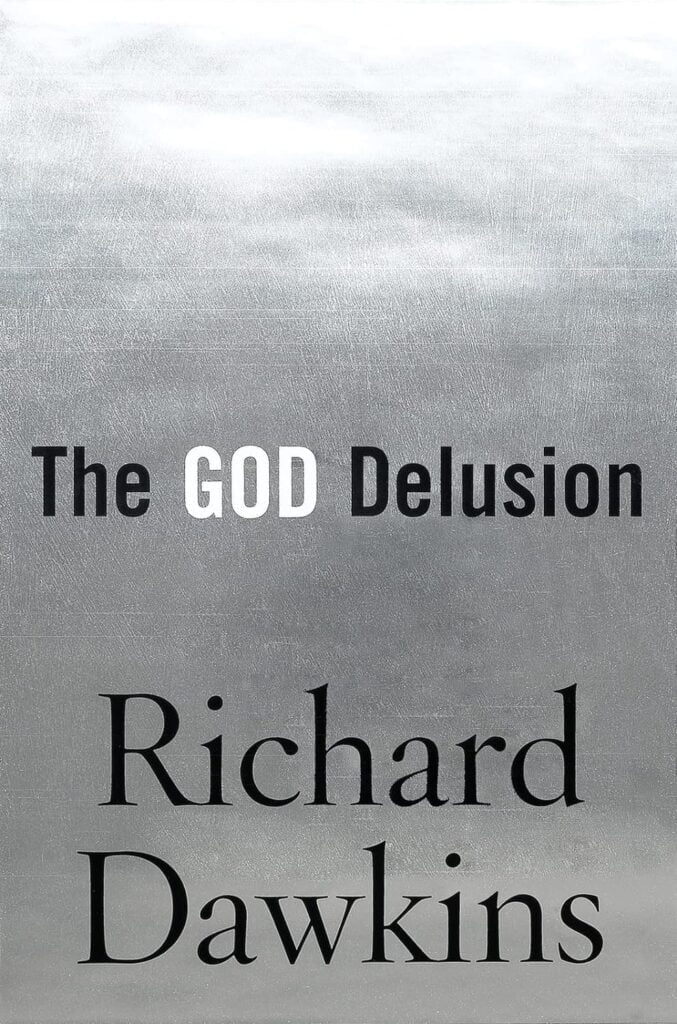
    The God Delusion by Richard Dawkins

    This 2006 book by Richard Dawkins, a British evolutionary biologist, is a critique of religion. Dawkins argues that God does not exist and that religion is a delusion. He discusses topics such as the argument from design, the problem of evil, and the nature of faith.

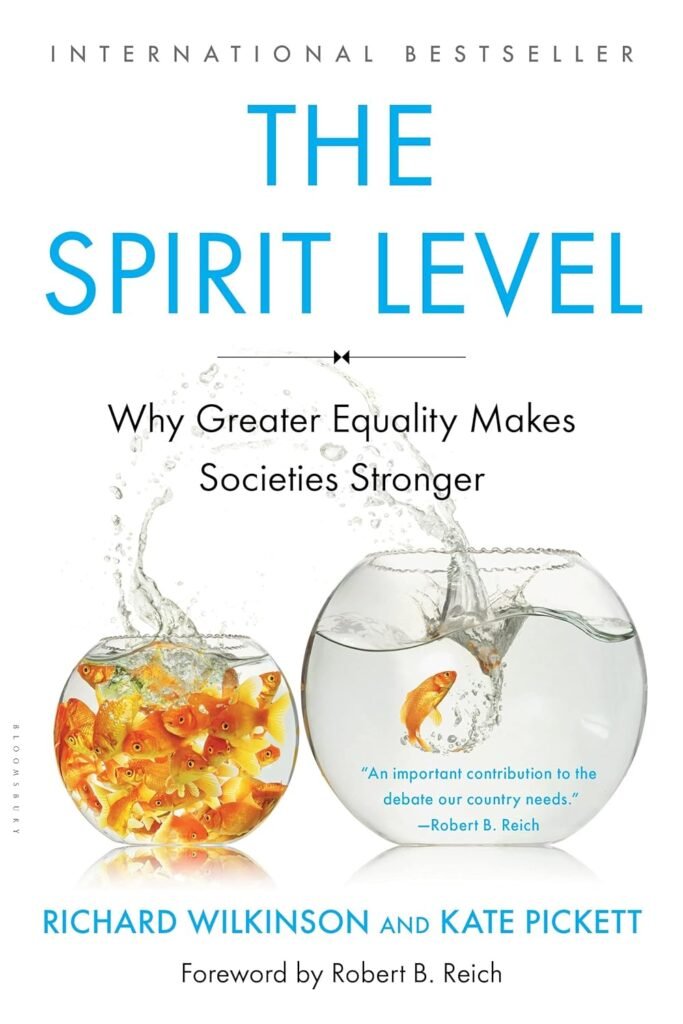
    The Spirit Level by Richard Wilkinson and Kate Pickett

    This 2009 book by Richard Wilkinson and Kate Pickett, examines the relationship between social inequality and a variety of social problems. The authors argue that more equal societies are better off in terms of a variety of social indicators, such as crime, health, and education.

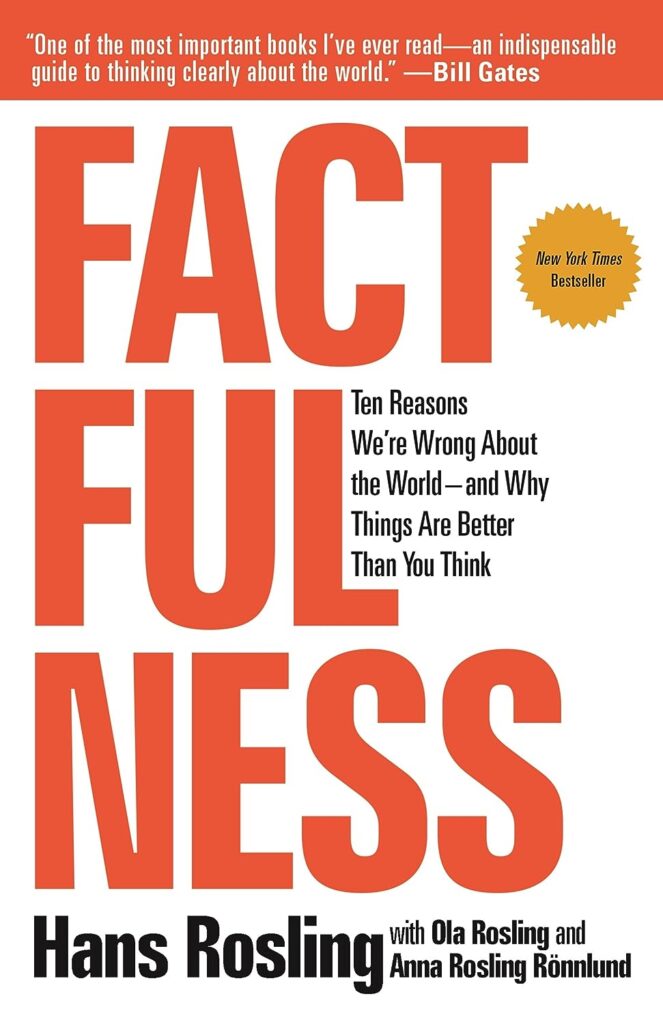
    Factfulness: Ten Reasons We’re Wrong About the World – and Why Things Are Better Than You Think by Hans Rosling

    This 2018 book by Hans Rosling, a Swedish physician and global health researcher, challenges our perception of the world. Rosling argues that the world is actually getting better in many ways, and that we are often too pessimistic in our outlook.

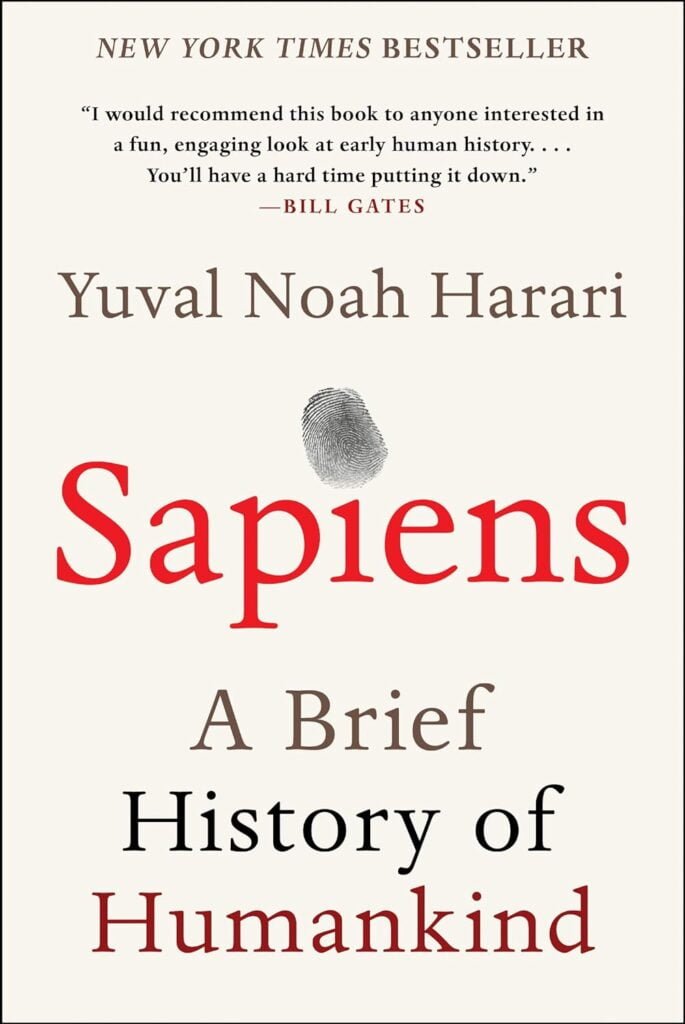
    Sapiens: A Brief History of Humankind by Yuval Noah Harari

    This 2014 book by Yuval Noah Harari, a Israeli historian, examines the history of humankind from our evolutionary origins to the present day. Harari explores topics such as the development of language, agriculture, and religion.