Author: Tamer Aydogdu

  • Christians Have More to Prove Than God’s Existence

    Christians Have More to Prove Than God’s Existence

    The concept of God has fascinated humanity for millennia. While many find comfort and meaning in religious beliefs, others question the foundations of these faiths. Today, we’ll explore some challenging questions about Christian monotheism, particularly in relation to the natural world and the historical context of Christianity’s origins.

    Nature as Evidence of a Higher Being

    Many people, regardless of their religious beliefs, find awe and wonder in the natural world. From the intricate patterns of a snowflake to the vast expanse of the cosmos, nature often inspires a sense of something greater than ourselves. This feeling has led many to believe in the existence of a higher power or divine creator.

    However, the jump from appreciating nature’s complexity to believing in a specific deity is not straightforward. While nature might suggest intelligent design to some, it doesn’t necessarily point to any particular god or religious tradition.

    The Challenge of Christian Monotheism

    Christianity, like other Abrahamic religions, asserts that there is only one God. This God is described as having three aspects: the Father, the Son (Jesus Christ), and the Holy Spirit. This concept, known as the Trinity, is central to Christian theology but can be challenging to understand and explain.

    For those who see nature as evidence of a higher power, several questions arise when considering Christian monotheism:

    Why Only One God?

    If the complexity of nature suggests a creator, why couldn’t there be multiple creators? Many ancient cultures believed in pantheons of gods, each responsible for different aspects of the natural world. The idea of a single, all-powerful deity is not the only possible conclusion from observing nature.

    The Trinity Concept

    The Christian understanding of God as three persons in one being (the Trinity) is a complex theological concept. Critics argue that this idea is difficult to reconcile with strict monotheism and can be confusing for both believers and non-believers alike.

    Historical and Geographical Context

    Another aspect that raises questions is the historical and geographical context of Christianity’s origins. The Christian scriptures primarily describe God’s interactions with people in the Middle East, particularly the Israelites. This leads to several points of consideration:

    Divine Focus on One Region

    If God is the creator of all humanity, why does the Bible primarily focus on events in one specific part of the world? What about people in other regions, such as the Americas, Asia, or Australia, who had no contact with Middle Eastern civilizations for thousands of years?

    Cultural Specificity

    Many of the instructions and laws in the Bible are closely tied to the cultural practices of ancient Middle Eastern societies. This raises questions about their universal applicability and relevance to people from different cultural backgrounds.

    Timing of Revelation

    Christianity teaches that Jesus Christ, as God incarnate, came to Earth at a specific point in history. This means that this crucial aspect of God’s plan was unknown for thousands of years before Christ and many people after. How does this align with the idea of a God who desires a relationship with all of humanity?

    Consequences of Religious Instructions

    Religious texts, including the Bible, have been subject to various interpretations throughout history. This has led to several challenges:

    Misinterpretations and Disagreements

    Different readings of religious texts have led to the formation of numerous denominations and sects within Christianity, each with its own understanding of God’s will and instructions.

    Religious Conflicts

    Tragically, differing interpretations of religious texts have often led to conflicts, ranging from family disagreements to full-scale wars. This raises questions about why a benevolent God would provide instructions in a form that could lead to such division and suffering.

    Cultural Clashes

    As Christianity spread beyond its Middle Eastern origins, it sometimes clashed with local cultures and belief systems. This has led to complex historical legacies, including both positive cultural exchanges and traumatic experiences of colonialism and forced conversion.

    Philosophical and Theological Responses

    Christian theologians and philosophers have grappled with these questions for centuries, offering various explanations and interpretations:

    Mystery of God

    Many Christians argue that the full nature of God is beyond human comprehension and that apparent contradictions or difficulties in understanding result from our limited perspective.

    This excuse is too weak and dangerous. With the suggested mindset, we would have to consider the truthfulness of just about any nonsense told about God, even if we may find it immoral. 

    Progressive Revelation

    Some theologians suggest that God’s revelation to humanity has been progressive, with understanding deepening over time. 

    But what has truly deepened? Not much has been revealed. God seems to want to remain mysterious, always leaving room for skepticism. It appears He wants people to fail the test while maintaining a clear conscience by claiming to have given some instructions to some people.

    Cultural Accommodation

    Others propose that God communicated in ways that were understandable to specific cultures at specific times, with the core message being adaptable to different cultural contexts.

    How nice of God to compensate Middle Easterners while disregarding every other culture. 

    Free Will and Human Responsibility

    Many Christian thinkers argue that misinterpretations and conflicts arise not from God’s instructions but from human failings in understanding and applying them.

    Why give instructions in a way that humans, who God created in the first place, would fail to understand and apply?

    The Takeaway

    Christians love having debates with atheists about the existence of God, while you don’t see that Muslims and Christians debate over whose version of God is true. Is it perhaps because of the lack of evidence for the identity of that deity?

    By discussing only the existence of God, atheists treat them nicely. Instead, they need to press Christians to demonstrate their version of God is true.

    #ChristianityDebate #FaithQuestions #ReligiousPhilosophy
  • Why Atheists Seemed Relatively Rare Species

    Why Atheists Seemed Relatively Rare Species

    Not too long ago, the idea of someone not believing in God was pretty out there. I mean, we’re talking pre-20th century here. Back then, most people looked around and thought, “Wow, everything seems so perfectly designed. There’s gotta be a big guy upstairs pulling the strings, right?”

    And honestly, can you blame them? Nature’s wild and unpredictable. It’s not like you stumble upon a fully formed watch or a cozy house just growing in the woods. Without all the scientific know-how we have today, it’s no wonder people assumed everything pointed to some cosmic creator.

    But here’s the kicker – even the smartest cookies who saw through a lot of religious mumbo-jumbo still clung to the idea of God. It’s like they couldn’t quite let go of that last thread. Why? Well, let’s take a little stroll through history and figure it out.

    The “Everything’s Designed” Argument

    Picture this: You’re walking along a beach, and suddenly, you spot a shiny watch half-buried in the sand (yes, we are talking about the infamous watch analogy). What’s your first thought? “Oh look, a naturally occurring timepiece!” Of course not! You’d assume someone made it, right? That’s basically how people used to look at the whole world.

    They’d see a flower, with all its delicate petals and vibrant colors, and think, “No way that just happened by accident.” Or they’d gaze up at the stars, marvel at the vastness of it all, and conclude, “Yep, definitely the work of a master architect.”

    This way of thinking was so darn convincing that it stuck around for ages. Even when people started questioning specific religious teachings, they often held onto the idea of a divine watchmaker. It’s like they were saying, “Okay, maybe this particular religion got it wrong, but surely someone or something kicked this whole universe thing off!”

    Why Atheism Was a Tough Sell

    Now, let’s put ourselves in our ancestors’ shoes for a minute. Imagine living in a world without Google, without telescopes that can peer into the depths of space, without microscopes that reveal the building blocks of life. Pretty mind-boggling, right?

    In that world, nature seemed random and chaotic. Storms would appear out of nowhere, diseases would strike without warning, and the cycle of life and death seemed mysterious and often cruel. Meanwhile, human-made stuff like tools, buildings, and art all had clear purposes and designs.

    Given all that, it’s not hard to see why people jumped to the conclusion that everything must have a maker. The alternative – that all this complexity just… happened – seemed about as likely as a tornado ripping through a junkyard and assembling a perfect Boeing 747 (yes, infamous tornado analogy).

    Plus, let’s not forget that in many places and times, questioning the existence of gods wasn’t just frowned upon – it could get you in serious hot water. We’re talking social outcast status at best, and “off with their heads” at worst. Not exactly a great environment for free thinking, if you catch my drift.

    Science Enters the Chat

    But then, things started to change. Slowly at first, then picking up steam as we rolled into the late 19th and early 20th centuries. Scientists began unraveling the natural world’s mysteries, and boy, they found some eye-opening stuff.

    First, there was this guy Darwin with his wild ideas about evolution. Suddenly, there was a way to explain the diversity of life without needing a divine designer. Then geologists and fossil hunters started piecing together the Earth’s history, showing that our planet and its inhabitants had been changing gradually over mind-bogglingly long periods.

    Meanwhile, physicists were busy figuring out how the universe ticks, from the tiniest particles to the largest galaxies. And let’s not forget the biologists, peering into cells and unraveling the secrets of DNA.

    All this new knowledge started to chip away at the old “everything’s designed” argument. It’s not that science disproved God, exactly. But it did provide alternative explanations for a lot of things that used to seem inexplicable without a divine touch.

    Atheism on the Rise

    As all this scientific knowledge spread, especially in Western countries, something interesting started happening. More and more people began identifying as atheists or just generally non-religious. It’s no coincidence that this trend was strongest in places with good education systems and relatively high standards of living.

    Think about it: When you’ve got a solid education, a roof over your head, and food on the table, you might be more inclined to question traditional beliefs. You’ve got the time and mental energy to ponder life’s big questions, and you’re exposed to a wider range of ideas.

    Plus, in many Western countries, the separation of church and state meant that religion wasn’t as deeply embedded in public life as it used to be. And let’s not forget the internet – suddenly, people could connect with others who shared their doubts, find information that challenged their beliefs, and explore alternative worldviews from the comfort of their own homes.

    The Global Picture

    Now, it’s important to note that this trend towards atheism isn’t happening everywhere at the same pace. In many parts of the world, especially in developing countries, religious belief is still going strong. Atheism might be seen as a weird Western idea, or even as a threat to traditional values and social order.

    But here’s the thing: As more countries develop economically and improve their education systems, we’ll likely see atheism and non-religious attitudes grow globally. It probably won’t happen overnight, and it doesn’t mean religion will disappear entirely. But the landscape of belief is definitely changing.

    What It All Means

    So, what do we make of all this? Well, for one thing, it shows how our understanding of the world shapes our beliefs. When the design argument was the best explanation we had, it made sense that atheism was rare. But as we’ve developed new ways of understanding the world, more people have found it possible to let go of the idea of a divine creator.

    Does this mean atheists have it all figured out? Hardly! There are still plenty of big questions that science hasn’t answered (and maybe never will). Things like: Why is there something rather than nothing? What happens after we die? What’s the meaning of life?

    These are the kinds of questions that used to be religion’s territory. Now, atheists and other non-religious people are having to grapple with them, too, leading to some fascinating philosophical discussions and new ways of thinking about ethics, community, and what it means to live a good life.

    Looking Ahead

    As we move forward, it’ll be interesting to see how this all plays out. Will atheism continue to grow? Will new forms of spirituality emerge? How will traditional religions adapt?

    One thing’s for sure: We’re living in a time of major change when it comes to beliefs and worldviews. The challenge for all of us – believers, non-believers, and everyone in between – is to figure out how to coexist peacefully and respectfully in this diverse landscape.

    Who knows? Maybe a hundred years from now, people will look back at our time and marvel at how much things have changed, just as we’re doing now when we think about a time when atheists were few and far between.

    In the end, whether you believe in a higher power or not, we’re all trying to make sense of this crazy, beautiful universe we find ourselves in. And that shared quest for understanding? That’s pretty amazing in itself.

    #AtheismEvolution #ScienceAndBelief #ReligionInHistory

  • The Democratic Paradox: Defending Freedom Against the People’s Will

    The Democratic Paradox: Defending Freedom Against the People’s Will

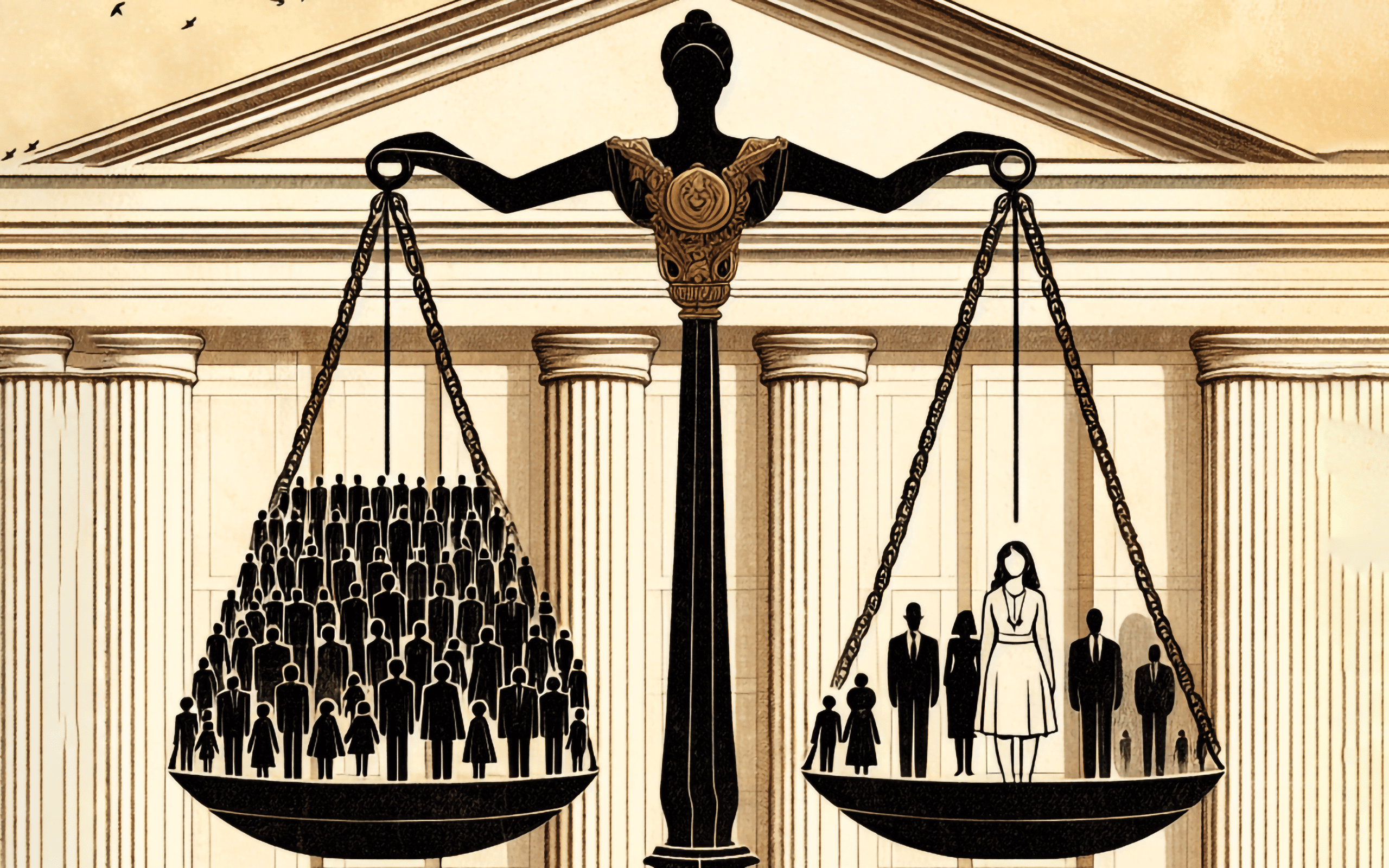
    In today’s political landscape, we often hear the term “democracy” thrown around as if it were synonymous with majority rule. However, this simplistic view fails to capture the true essence and complexity of democratic systems. Democracies are not, and should not be, the dictatorships of majorities. Instead, they represent a delicate balance between the will of the people and the protection of fundamental rights for all individuals, regardless of their status as part of the majority or minority.

    The Foundations of Democracy

    At its core, democracy is a system of government that derives its legitimacy from the people. The word itself comes from the Greek “demos” (people) and “kratos” (rule or power). While this definition might suggest that the majority should always have its way, modern democracies have evolved to incorporate safeguards that protect the rights of all citizens, not just those in the majority.

    One of the most important documents that outlines these fundamental rights is the Universal Declaration of Human Rights, adopted by the United Nations General Assembly in 1948. This declaration sets forth a comprehensive list of rights that should be protected in any democratic society, including freedom of expression, freedom of religion, the right to privacy, and protection from discrimination.

    The Tyranny of the Majority

    The concept of the “tyranny of the majority” was famously discussed by political philosophers like John Stuart Mill and Alexis de Tocqueville. They recognized that unchecked majority rule could lead to the oppression of minority groups and the erosion of individual liberties.

    Consider, for example, the hypothetical scenario where a majority of the population finds certain consensual sexual acts between adults immoral. Should a democracy have the power to ban these acts simply because most people disapprove of them? The answer, in a truly democratic society, is no. Personal freedoms and the right to privacy should be protected, even when they conflict with majority opinion.

    Similarly, what if at some point in the future, a majority of citizens in a country were to find a particular religion or lack thereof (such as Christianity or atheism) immoral? Should the government be able to outlaw these beliefs or practices? Again, the answer is a resounding no. Freedom of religion and belief is a fundamental human right that should be protected in any genuine democracy.

    Checks and Balances: The Role of the Judiciary

    To protect against the potential abuses of majority rule, healthy democracies typically incorporate a system of checks and balances. While the executive and legislative branches of government are often directly elected and thus reflect the will of the majority, the judicial branch is designed to be independent and impartial.

    The role of the judiciary in a democracy is crucial. It serves as a guardian of the constitution and protects the rights of all citizens, including those in the minority. When laws passed by the majority infringe upon the fundamental rights of individuals or minority groups, it is the judiciary’s responsibility to strike down these laws as unconstitutional.

    This independence of the judiciary is what allows democracies to protect minority rights even in the face of majority opposition. It ensures that the fundamental principles of democracy, including individual liberty and equality before the law, are upheld regardless of popular opinion at any given time.

    The Importance of Minority Rights in Democracy

    Protecting minority rights is not just a moral imperative; it is essential for the long-term stability and success of democratic societies. When minority groups feel that their rights are respected and protected, they are more likely to participate in the democratic process and feel invested in society as a whole.

    Moreover, today’s minority could be tomorrow’s majority. By ensuring that all groups have their rights protected, democracies create a more stable and fair system for everyone. This protection extends beyond just ethnic or religious minorities to include any group that may find itself outnumbered on a particular issue.

    Balancing Majority Will and Minority Rights

    While the protection of minority rights is crucial, it’s important to acknowledge that this can sometimes create tension with the principle of majority rule. Finding the right balance between these two aspects of democracy is an ongoing challenge for all democratic societies.

    For instance, how do we determine which rights are so fundamental that they should be protected even against the will of the majority? How do we ensure that the protection of minority rights doesn’t lead to a situation where small groups can effectively veto the will of the majority on all issues?

    These are complex questions without easy answers. Different democracies around the world have found different ways to address these challenges, often through constitutional provisions, strong judicial systems, and robust civil society organizations that advocate for the rights of various groups.

    The Role of Education and Civic Engagement

    For a democracy to truly function as more than just majority rule, it requires an educated and engaged citizenry. People need to understand not just their own rights, but also the importance of protecting the rights of others, even when they disagree with them.

    Civic education plays a crucial role in this process. By teaching people about the principles of democracy, the importance of minority rights, and the dangers of unchecked majority rule, we can create a society that is better equipped to navigate the complex challenges of democratic governance.

    Moreover, active civic engagement – through voting, participating in public discourse, and holding elected officials accountable – is essential for ensuring that democracy remains vibrant and responsive to the needs of all citizens.

    The Takeaway

    In conclusion, while democracy is often associated with majority rule, it is far more complex and nuanced than that. True democracy involves a delicate balance between the will of the majority and the protection of fundamental rights for all individuals, regardless of their status as part of the majority or minority.

    By incorporating systems of checks and balances, particularly through an independent judiciary, democracies can protect against the tyranny of the majority and ensure that the rights of all citizens are respected. This protection of minority rights is not just a moral imperative but is essential for the long-term stability and success of democratic societies.

    As citizens of democratic nations, it is our responsibility to understand these principles, engage actively in the democratic process, and work towards creating societies that truly embody the ideals of democracy – societies that respect the will of the majority while steadfastly protecting the rights of all.

    #DemocracyMatters #MinorityRights #CivilLiberties

  • The Truth Behind Israel

    The Truth Behind Israel

    Hey everyone! Today, I want to talk about something that’s been on my mind lately – Israel. With all the news going around, it’s easy to get confused about what’s really happening there. So, I did some digging and boy, was I surprised!

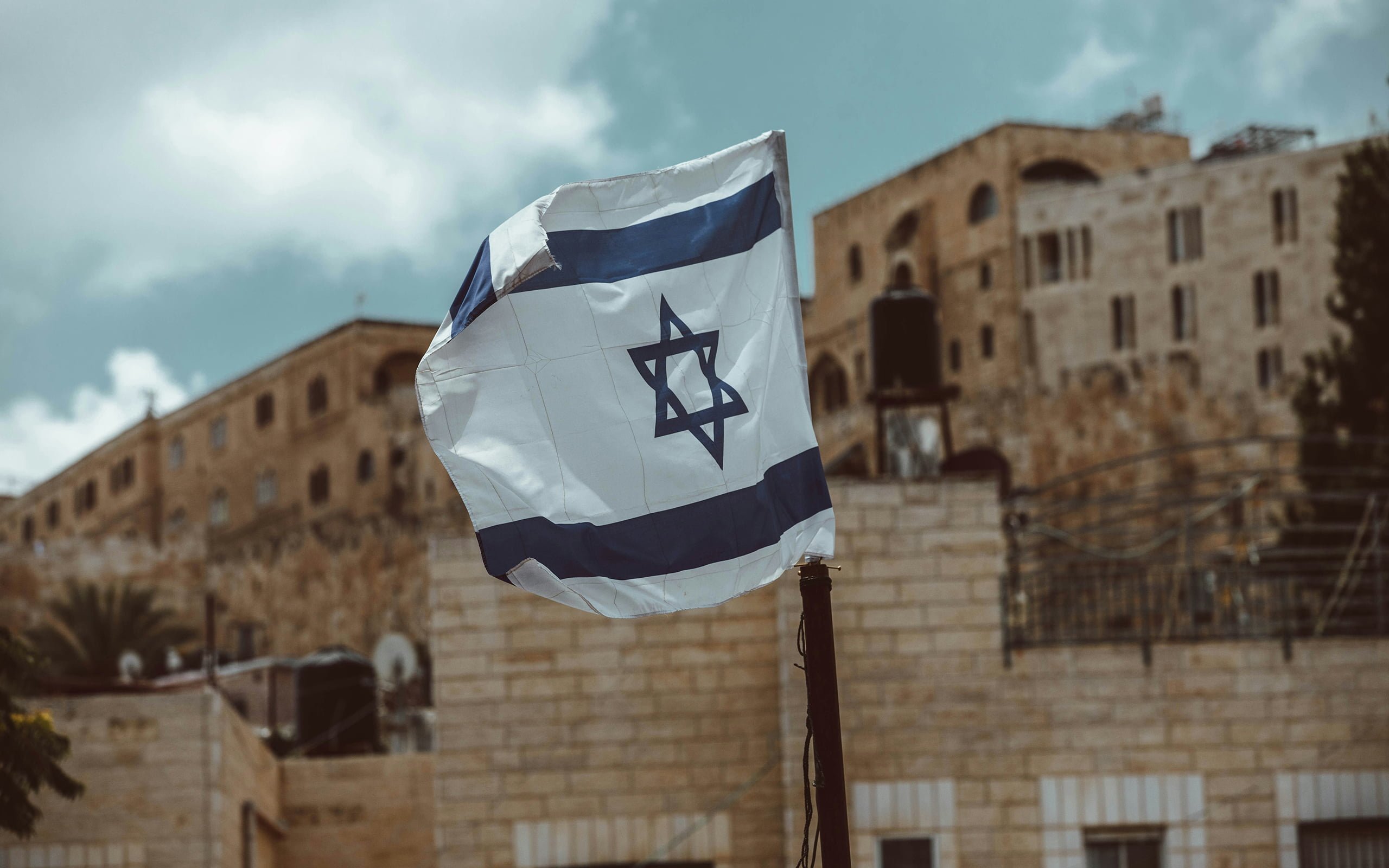
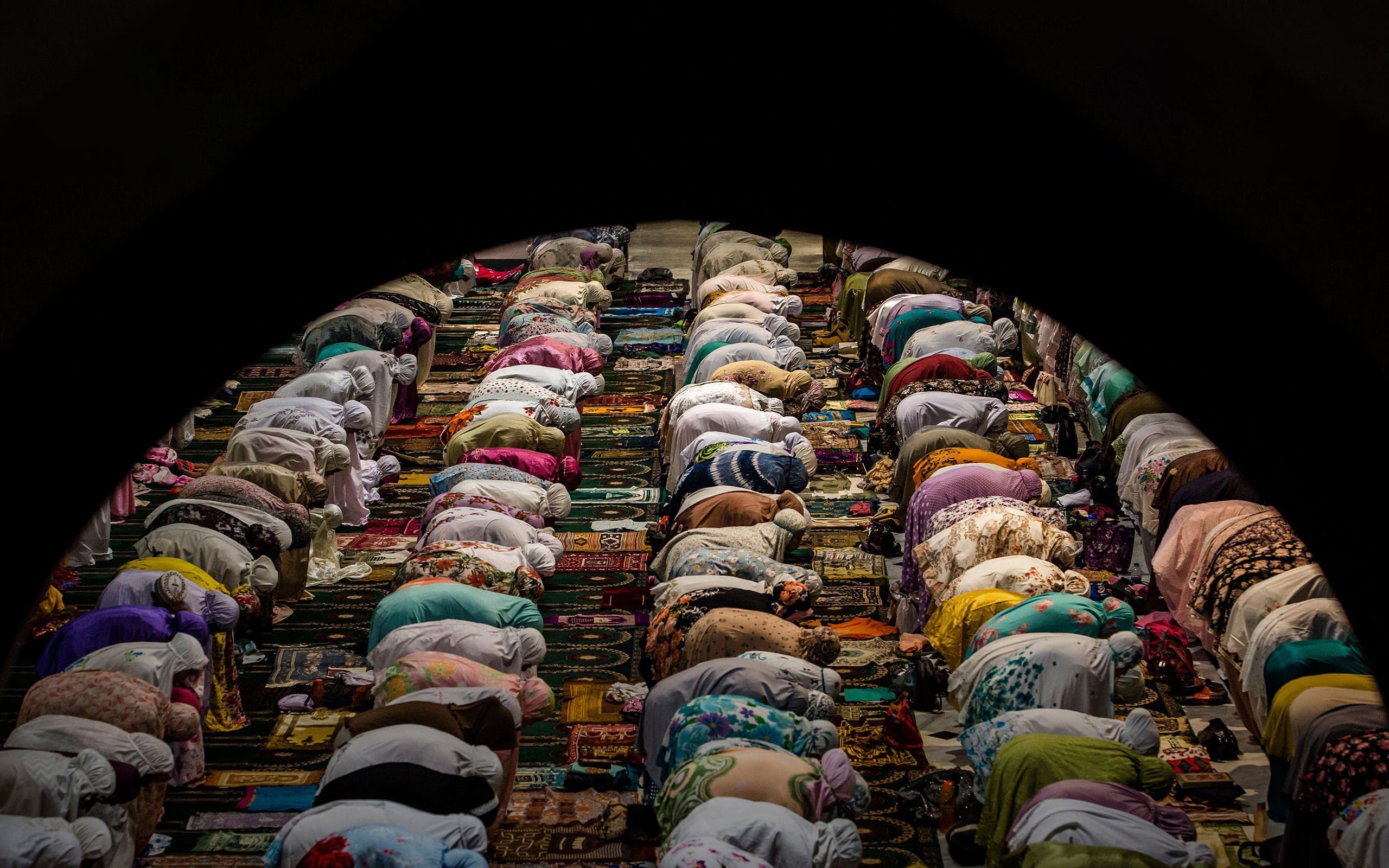
    First off, forget what you might have heard on Fox News or online forums. Israel isn’t just a country full of Jewish people. It’s way more diverse than that! Did you know that about one in five people living in Israel are actually Muslim? That’s right – Muslims make up the largest minority group in Israel.

    Here’s a mind-blowing fact: there are about 2.1 million Muslim Israelis! That’s a lot of people. And get this – their numbers are growing. Back in 1990, only about 14% of Israel’s population was Muslim. Now it’s around 18%, and they think it might reach 25% by 2030. That’s a quarter of the population!

    But here’s where it gets interesting. Even though there are more Muslim families in Israel than ever before, they’re actually having fewer kids. In 2022, Muslim Israeli women had an average of 2.91 children. Surprisingly, that’s less than Jewish Israeli women, who had about 3.03 children on average.

    Now, you might be wondering, “What do Muslim Israelis do?” Well, they’re involved in pretty much everything! They work in politics and healthcare; some even serve in the military. In Jerusalem, the capital city, more than a third of the population is Muslim. That’s about 380,000 people!

    And guess what? Muslim Israeli students are crushing it in school. Almost 75% of Muslims in Arab schools got their high school diploma. Even cooler? More Muslim women than men are going to college. You go, girls!

    So, why am I telling you all this? Because it’s important to understand that the current conflict isn’t as simple as “all Muslims hating Jews.” It’s way more complicated than that. The fight is specifically between Israel and Hamas, a group that many countries see as terrorists.

    Understanding Israel’s diversity helps us see the bigger picture. It’s not just about religion—people from different backgrounds live together, go to school, work, and try to make a life for themselves.

    Next time you hear someone oversimplifying the situation in Israel, remember these facts. The world is rarely black and white – there are always shades of gray. And in Israel’s case, there are many colors in the mix!

    What do you guys think? Did any of these facts surprise you? Let me know in the comments!

    #IsraelDiversity #MiddleEastFacts #BeyondTheHeadlines

  • What If Islam Never Existed?

    What If Islam Never Existed?

    Imagine a universe where Islam never existed. In this alternate reality, it is highly likely that the Middle East would be Christian since Christianity was the dominant religion in the region for centuries before the rise of Islam, and it is likely that it would have remained so without the Islamic conquest.

    However, it is also likely that Christianity in the Middle East would be quite different from Christianity in Europe where Christianity has been shaped by centuries of interaction with other religions and cultures, including Paganism. As a result, it has developed a number of unique doctrines and practices.

    Middle Eastern Christianity, on the other hand, would have developed in isolation from other denominations and retained a closer connection to its Jewish roots. Perhaps, it would have developed some unique doctrines and practices of its own.

    So, in this alternate universe, the Middle East would be Christian, but it would be a different kind of Christianity, which is mostly shaped by Romans, than the Christianity that we know today. The conflict between different denominations of Christianity would be just as intense, if not more so. Both sides would call each other heretics, and they would be willing to fight to the death to defend their beliefs.

    To understand the dynamics of this alternative universe let’s dive into the lives of Al-Amins and the Al-Husseins.

    The Tail of Two Denominations

    In our alternative universe, the Al-Amins and the Al-Husseins are two Christian families who have lived in the same village in the Middle East for centuries. They are both devout Christians, but they belong to different denominations. The Al-Amins are Syriac Orthodox Christians, while the Al-Husseins are Roman Catholic Christians.

    The two denominations have different beliefs about a number of theological issues, including the nature of Christ and the role of the Virgin Mary. They also have different practices, such as the language of worship and the way that the Eucharist is celebrated.

    Despite their differences, the Al-Amins and the Al-Husseins have always lived peacefully together. They have intermarried and socialized with each other for generations. However, the conflict between different denominations of Christianity is becoming increasingly intense, and it is starting to strain the relationship between the two families.

    One day, a group of Syriac Orthodox Christians attack a Roman Catholic Church, kill several people, and destroy the church’s interior, including the heretical idols of Jesus Christ and the Virgin Mary. The Al-Husseins are horrified by the attack, and they demand that the Al-Amins apologize.

    The Al-Amins refuse to apologize, and they argue that the attack was justified. They say that the Roman Catholic Church is heretical and that it deserves to be punished.

    The conflict between the two families escalates, and they eventually end up fighting in the streets. Several people are killed and injured on both sides.

    The Al-Amins and the Al-Husseins are now enemies and can no longer live together in the same village. The Al-Husseins are forced to flee, and they leave their homes and businesses behind.

    The conflict between the two families, which is rooted in deep theological and cultural differences, reflects the larger conflict between different denominations of Christianity in the Middle East. In our alternative universe, this conflict has been brewing for centuries, and it is likely to continue for many years to come.

    The Takeaway

    In exploring the hypothetical scenario of a universe without Islam, it’s evident that Christianity would likely have retained its dominance in the Middle East. However, the absence of Islamic influence would have shaped Middle Eastern Christianity differently from its European counterpart. This divergence would have potentially maintained a stronger link to its Jewish origins, fostering unique doctrines and practices.

    The narrative of the Al-Amins and the Al-Husseins illustrates the theoretical conflict that might have ensued between different Christian denominations in this alternate reality. Despite coexistence for generations, the deep-rooted theological disparities eventually erupted into violence, leading to the expulsion of one faction.

    This clash reflects the larger historical struggle between Christian denominations in the Middle East, emphasizing the intensity of theological and cultural differences. It underscores the potential for intra-Christian conflicts, highlighting the human propensity to fight fervently for divergent beliefs.

    Ultimately, the scenario not only shows the possible trajectory of Christianity in a universe without Islam but also serves as a reminder of the human inclination toward division, conflict, and the enduring struggle to reconcile differences, irrespective of specific religious or cultural contexts, as long as there is diversity in either one.

    #AlternateHistory #MiddleEastChristianity #TheologicalConflict

  • Atheism and the Middle East

    Atheism and the Middle East

    Hey, fellow curious minds!

    Today, we’re diving into a pretty hot topic – the religious landscape of the Middle East. You’ve probably heard whispers about atheism gaining ground in this traditionally religious region. But is there any truth to it? Let’s chat about it.

    The Challenge of Gathering Data

    First things first, let’s get real – getting solid numbers on atheism in the Middle East is like trying to nail jelly to a wall. Why? Well, in many countries there, saying you’re not religious can land you in some serious hot water. We’re talking penalties that’ll make your hair stand on end. So, understandably, folks aren’t exactly shouting their atheism from the rooftops.

    But here’s the thing – despite these challenges, there are some intriguing signs that the winds of change might be blowing. Let me break it down for you.

    The Impact of Social Media

    Remember when social media exploded onto the scene? Well, it’s become a bit of a safe haven for Middle Eastern atheists to speak their minds. There are now over 50 atheist Facebook groups and pages, some with thousands of followers. Pretty impressive, right?

    And get this – after the Arab Spring (remember that whirlwind?), there was a noticeable uptick in online chatter about non-religious viewpoints. It’s like people suddenly felt a bit braver about questioning the status quo.

    Youth and Atheism

    Now, let’s talk about the youth. You know how young people are often at the forefront of change? Well, it seems the Persian Gulf is no exception. There have been reports of young people in these super-religious societies expressing atheistic views online. Talk about courage!

    But hold your horses – before we declare atheism the new trend, let’s look at the bigger picture. Recent surveys actually show that religion is still a big deal for most people in the region. In fact, in many countries, fewer people are saying they’re “not religious” compared to just a few years ago. Surprising, huh?

    Factors Influencing Religious Beliefs

    So what’s going on? Well, life in the Middle East isn’t exactly a walk in the park right now. With all the economic and political instability, not to mention that pesky pandemic, some folks might be finding comfort in faith. It’s like reaching for a warm, familiar blanket when times get tough.

    On the flip side, the actions of extremist groups might be pushing some people away from religion altogether. It’s a classic case of “you’re not helping the cause, guys!”

    And let’s not forget about education and the internet. With more people hitting the books and having the world at their fingertips, it’s only natural that some are starting to question things.

    The Takeaway

    So, what’s the bottom line? Is atheism becoming the new cool in the Middle East? Well, it’s not that simple. While some brave souls are indeed exploring atheism and secular ideas, others are doubling down on their faith. It’s like the religious landscape is becoming a more colorful tapestry, with different beliefs and ideas all woven together.

    One thing’s for sure – the relationship between faith, society, and personal identity in the Middle East is as fascinating as ever. It’s like a really complex, high-stakes game of chess, and we’re all watching to see what moves come next.

    So, there you have it, folks! The next time someone asks you about atheism in the Middle East, you can wow them with your nuanced understanding. Just remember, in matters of faith and belief, things are rarely black and white – it’s all about those shades of gray.

    What do you think? Has this changed your perspective on religion in the Middle East? I’d love to hear your thoughts!

    #MiddleEastAtheism #ReligiousLandscape #FaithInFlux

  • Guardians of Society: Bible, Law, or Something Else?

    Guardians of Society: Bible, Law, or Something Else?

    Hey there, fellow thinkers!

    Today, we’re diving into a question that’s been bugging me for a while: What’s really keeping our society from going off the rails? Is it the good old Bible, the long arm of the law, or something else entirely? Buckle up because we’re about to take a wild ride through this age-old debate.

    The Big Question

    You know how it goes. Some folks swear up and down that without the fear of God, we’d all be running around like a bunch of hooligans. Others reckon it’s the threat of jail time that keeps us in line. But here’s the thing – what if they’re both wrong?

    Now, I’m not here to ruffle any feathers or step on any toes. I’m just a curious guy with a penchant for digging into the nitty-gritty. So, let’s look at what the numbers tell us, shall we?

    What the Stats Say

    Alright, gather ’round for some mind-blowing facts. According to the United Nations Office on Drugs and Crime, Japan has the lowest murder rate in the world. Japan – a country where Judaism, Christianity, or Islam isn’t exactly the flavor of the month – is keeping its citizens from offering each other better than many Christian nations.

    But wait, there’s more! Transparency International says Denmark is the least corrupt country out there. And last time I checked, Denmark wasn’t exactly known for its Bible-thumping ways.

    Now, I’m not saying this proves anything definitively. But it sure makes you think, doesn’t it?

    Religion: Not a Must-Have

    Many people find comfort, community, and moral guidance in their beliefs, which is great as long as they don’t force their beliefs on others. However, statistics indicate that believing in God is not necessarily a requirement for maintaining a stable society.

    The Law: Necessary, But Not the Whole Story

    So, if it’s not religion, it must be the law keeping us in check, right? Well, yes and no. Laws are crucial, no doubt about it. They’re like the rulebook for our societal game. But here’s the kicker – every country has laws against murder, theft, and corruption. Yet, some places are safer and less corrupt than others. Makes you wonder, doesn’t it?

    The Secret Ingredient: Culture

    Here’s where things get interesting. What if it’s not just about having laws or religious beliefs, but about how they’re woven into the fabric of society?

    Take Japan, for instance. They’ve got this whole harmony and respect thing going on. It’s not just words on paper – it’s a way of life. And Denmark? They’re all about transparency and social trust. It’s like it’s in their cultural DNA.

    So, What’s Really Keeping Us in Check?

    After diving into all this, here’s what I think:

    Morality isn’t just a religious thing. You can be good without God, and some of the most peaceful places on Earth prove it.
    Laws are important, but they’re not magic. It’s how people respect and follow them that counts.
    The real MVP? It’s a mix of cultural values, education, social norms, and economic stability. It’s like a perfect recipe – you need all the ingredients to make it work.

    Where Do We Go From Here?

    Now, I’m not suggesting that in order to be moral, we should discard our law books or that people should throw out their Holy Books, as law and order is fundamental to society and everyone is free to believe what they believe, which is a private matter. However, perhaps we should consider placing more emphasis on cultivating a culture of responsibility, empathy, and mutual respect.

    We must aim for a world where we do the right thing not because we’re scared of hell or jail, but because we genuinely care about each other. Sounds utopic? Well, Japan and Denmark beg to disagree.

    The Takeaway

    At the end of the day, what keeps society ticking isn’t just some ancient text or a bunch of laws. It’s us – you, me, and the guy next door – choosing to be decent human beings every single day.

    So, the next time someone tries to tell you that we’d all go bonkers without religion or strict laws, maybe point them toward Japan or Denmark. Remind them that we humans are pretty capable of creating peaceful, ethical societies in all sorts of ways.

    It’s not about which book you read or which laws you fear breaking. It’s about the values we choose to live by and the kind of world we want to create together.

    What do you think? I’d love to hear your thoughts in the comments below!

    #SocietalValues #MoralityDebate #CultureMatters

  • Brainwashed by Belief: Exploitation of Convictions

    Brainwashed by Belief: Exploitation of Convictions

    Hey Everyone,

    Today, I wanted to share some thoughts on something that has been on my mind lately: the similarities between religion, nationalism, and ideology. These topics often come up in conversations, and I’ve noticed that they share some interesting characteristics.

    Beliefs and Their Power

    Religion, nationalism, and ideology are all powerful beliefs. They shape our values, influence our decisions, and give meaning to our lives. On their own, these beliefs can be deeply personal and even beautiful. They can provide a sense of community, purpose, and direction.

    The Dark Side of Conviction

    However, there’s a darker side to these strong convictions. When held in isolation, they can become self-destructive. We’ve all seen instances where extreme beliefs lead to conflict, division, and even violence. It’s a reminder that too much of anything can be harmful.

    Susceptibility to Exploitation

    One thing that really stands out to me is how susceptible these beliefs are to exploitation. People with strong feelings about religion, nationalism, or ideology can be easily manipulated. Leaders and groups with their own agendas often exploit these convictions to gain power and control.

    Examples of Manipulation

    Religion: Sometimes, leaders start groups that take advantage of people’s spiritual needs. They promise enlightenment but end up controlling their followers’ lives, taking their money or manipulating them emotionally. Another example is when groups twist religious teachings to justify harmful actions, convincing followers that they are doing something righteous. This preys on people’s faith in a harmful way.

    Nationalism: Governments and political leaders often use national pride to influence public opinion. They might use propaganda to rally support for wars or strict policies, making anyone who disagrees seem unpatriotic. This usually involves spreading false information and creating an “us versus them” mentality. Politicians might also exploit national pride to promote policies against certain groups, convincing people that these groups are a threat to the nation, which stirs up division and hostility.

    Ideology: Political parties frequently exploit ideological divides to influence society. They create an “us versus them” mentality to distract people from important issues and strengthen their own power. This often involves spreading false information and stirring up fears. Similarly, while many social movements start with good intentions, some leaders might take advantage of their followers’ passion for personal gain. They may push an agenda that benefits only a few rather than the broader cause, using the movement’s energy and resources for their own ends. This can lead to disappointment among followers and weaken the movement’s original goals.

    Vulnerabilities in Convictions

    It’s not just religion, nationalism, or ideology. Any strong conviction can become a vulnerability. When we feel passionately about something, we’re more likely to overlook the nuances and complexities of the situation. This makes it easier for others to manipulate our emotions and actions.

    Finding Balance

    So, what can we do about it? I think the key is finding a balance. It’s important to have strong beliefs and convictions, but we need to remain open-minded and critical. We should question the motives behind the messages we’re receiving and be wary of those who try to exploit our emotions.

    At the end of the day, our values and principles should bring us together, not necessarily our beliefs.

    Thanks for reading. I’d love to hear your thoughts on this topic. Feel free to share your experiences or opinions in the comments below.

    Take care,
    Tamer

    #BeliefManipulation, #BlindFaith, #IdeologicalControl

  • No Gays and Lesbians in the Ottoman Empire, But…

    No Gays and Lesbians in the Ottoman Empire, But…

    Before We Start

    I used to think the Ottoman Empire was a strictly Islamic empire that preceded the secular Turkish Republic, where I was born and raised. However, the more I read about it, the more I discover that the Empire wasn’t rigidly governed by Sharia law. The Westernization movement had already begun and progressed significantly long before the Republic’s establishment. Additionally, one of the reasons why Arabs sought independence was their perception that Turkish Islam was diluted and did not represent the true religion.


    The Ottomans

    The Ottoman Empire, spanning from the late 13th century until the early 20th century, was a vast and culturally rich territory. At its height, it encompassed parts of Southeast Europe, Western Asia, and North Africa, making it one of history’s most influential and enduring empires. This diverse empire was a melting pot of different cultures, religions, and traditions, which greatly influenced its social and political structures.

    The governance of the Ottoman Empire was characterized by a combination of Islamic religious laws (Sharia) and sultanic laws (Qanun). This unique blend helped shape the empire’s legal and social landscape. While Islamic law generally prohibited homosexuality, the enforcement of these laws was often lenient, allowing for a variety of social attitudes towards same-sex relationships to develop. This complexity is reflected in the empire’s literature, art, and social practices, which often subtly celebrated same-sex love and affection.

    By examining the historical context and societal attitudes of the Ottoman Empire, we uncover a fascinating narrative that challenges modern preconceptions about sexuality and relationships. Exploring the interplay between law, culture, and personal conduct provides a deeper understanding of how same-sex relationships were perceived and experienced in one of history’s most dynamic and multifaceted empires.

    Governance and Legal Systems

    The Ottoman Empire was governed by a combination of Islamic religious laws (Sharia) and secular sultanic laws (Qanun). The sultan’s decrees complemented religious laws to address the practical needs of ruling a diverse and expansive empire.

    Sharia Law

    Sharia law, derived from the Quran and Hadith (sayings and actions of the Prophet Muhammad), guided many aspects of life, including moral conduct, family matters, and criminal justice. It typically included strict prohibitions on sexual behaviors, including homosexuality, despite the fact that the Quran does not enforce any punishment for any kind of sexual behavior, including homosexuality. 

    Qanun Law

    Qanun laws were secular regulations issued by the Sultan to address issues not covered by Sharia. These laws were pragmatic and flexible, aimed at maintaining order and addressing the unique challenges of the empire’s diverse population. This flexibility often resulted in more lenient enforcement of laws related to personal conduct, including same-sex relationships.

    In Ottoman Culture, privacy was treated as sacred, and what people did behind closed doors was no one’s business, not even the government’s.

    Societal Attitudes

    Despite the strict legalistic perspectives on homosexuality, societal attitudes in the Ottoman Empire were complex and varied. The lenient enforcement of laws allowed for a range of social attitudes towards same-sex relationships to develop.

    Social Dynamics and Roles

    Active and Passive Partners

    In the Ottoman context, same-sex relationships were often viewed through the lens of roles, such as active (dominant) and passive (submissive) partners. This categorization focused more on the dynamics of the relationship rather than the gender of the individuals involved.

    Pederastic Relationships

    Pederastic relationships, involving older men and younger, beardless boys, were somewhat accepted in Ottoman society. These relationships were often seen as a form of mentorship and affection, similar to the practices seen in ancient Greece. The beauty and youth of the boys were celebrated in poetry and art, reflecting a cultural acceptance of these relationships.

    Cultural Expressions

    Ottoman literature and art frequently explored themes of same-sex love. Many poets celebrated such relationships, reflecting the nuanced social attitudes of the time.

    Poetry and Literature

    Ottoman poetry, especially the works of classical poets like Rumi and Hafiz, often included themes of love and beauty that transcended gender. These works celebrated the spiritual and emotional aspects of love, regardless of the genders involved.

    Visual Arts

    The visual arts also depicted same-sex relationships, often through subtle symbolism. Miniature paintings, a popular art form in the Ottoman Empire, sometimes illustrated scenes of intimate companionship and affection between men.

    Public and Private Spheres

    Public Perception

    Overt displays of same-sex affection were rare in the public sphere, largely due to the influence of Islamic moral codes. To be fair, However, the private sphere allowed for more freedom in personal relationships. The lenient enforcement of laws meant that same-sex relationships could exist relatively openly within certain social contexts.

    Privacy and Discretion

    The concept of privacy played a significant role in the acceptance of same-sex relationships. As long as such relationships remained discreet and did not challenge public morals or social order, they were often tolerated.

    Influence of Westernization

    The 19th century brought significant changes to the Ottoman Empire as Westernization began to take hold. European legal codes and cultural norms started to influence Ottoman society, leading to a shift in attitudes towards same-sex relationships.

    The Tanzimat period (1839–1876) was marked by a series of reforms aimed at modernizing the empire. These reforms included the adoption of European-style legal codes, which often criminalized homosexuality more strictly than traditional Ottoman laws.

    Cultural Shifts

    Westernization also brought changes in cultural attitudes. The stigmatization of homosexuality increased as Ottoman society began to align more closely with Western European perspectives of the time.

    The Takeaway

    The history of same-sex relationships in the Ottoman Empire is a testament to the complex interplay between law, culture, and social attitudes. While legal texts might have condemned such behaviors, the enforcement was often lenient, allowing a diverse array of relationships to flourish. Literature and art from the period provide a window into the nuanced and often celebrated expressions of same-sex love, offering a rich tapestry of human experience that challenges modern preconceptions.

    By understanding these historical contexts and societal attitudes, we can gain a deeper appreciation for the varied and evolving nature of human relationships across different cultures and eras.

    #OttomanHistory #LGBTQHistory #CulturalHeritage

  • If Your Politicians Are Dishonest, You Are the Problem.

    If Your Politicians Are Dishonest, You Are the Problem.

    In any democratic society, politicians’ integrity is paramount. When politicians are dishonest, they not only undermine the trust of the electorate but also erode the foundations of democracy. However, the responsibility for holding politicians accountable doesn’t solely rest on them; it also lies with the voters. If voters tolerate dishonesty, it sets a dangerous precedent. Let’s explore this concept with examples from the Netherlands and Germany, where political accountability plays a crucial role.

    The Case of Dutch Prime Minister Mark Rutte

    In April 2021, Dutch Prime Minister Mark Rutte found himself embroiled in a significant scandal. He was accused of lying about discussing a political position for a rival party leader. Initially, Rutte denied having had this conversation. However, it was later revealed that he did, in fact, discuss the matter. This revelation led to a motion of no confidence against him, which he narrowly survived.

    The scandal severely damaged Rutte’s credibility, demonstrating how political dishonesty can almost cost a leader their position. The Dutch parliament and the voters’ response to this incident highlight the importance of holding politicians accountable. If the electorate had turned a blind eye to Rutte’s dishonesty, it would have signaled that such behavior is acceptable, potentially encouraging further deceit.

    Germany’s Unforgiving Political Culture

    Germany is known for its stringent expectations of political transparency and accountability. Voters in Germany are notably unforgiving when it comes to dishonesty. If a politician makes promises before an election and fails to follow through afterward, they are often pressured to explain the discrepancy.

    A striking example is the resignation of Defense Minister Karl-Theodor zu Guttenberg in 2011. Guttenberg was discovered to have plagiarized his doctoral dissertation, a scandal that made it impossible for him to maintain his position. This incident underscores how difficult it is for a politician to recover from being deemed dishonest in Germany.

    The Role of Voters in Upholding Integrity

    Both the Netherlands and Germany exemplify how voters play a crucial role in maintaining the integrity of their political systems. By demanding honesty and transparency, voters can ensure that politicians remain accountable. When dishonest behavior is exposed, it is essential for the electorate to respond decisively, as seen in these two countries.

    While no political system is perfect and no country is free from dishonest politicians, the key takeaway is the importance of vigilance and accountability. Voters must treat dishonesty with the gravity it deserves, understanding that their response can influence the behavior of their leaders.

    The Takeaway

    In conclusion, the problem of dishonest politicians is not just a reflection of individual failings but also of the broader political culture and the electorate’s tolerance for dishonesty. By looking at the examples of the Netherlands and Germany, we see that holding politicians accountable is essential for the health of any democracy. Voters must demand honesty and transparency from their leaders, ensuring that those who engage in deceitful behavior face appropriate consequences.

    #VoteWisely #DemocracyWatchdog #HoldPoliticiansAccountable