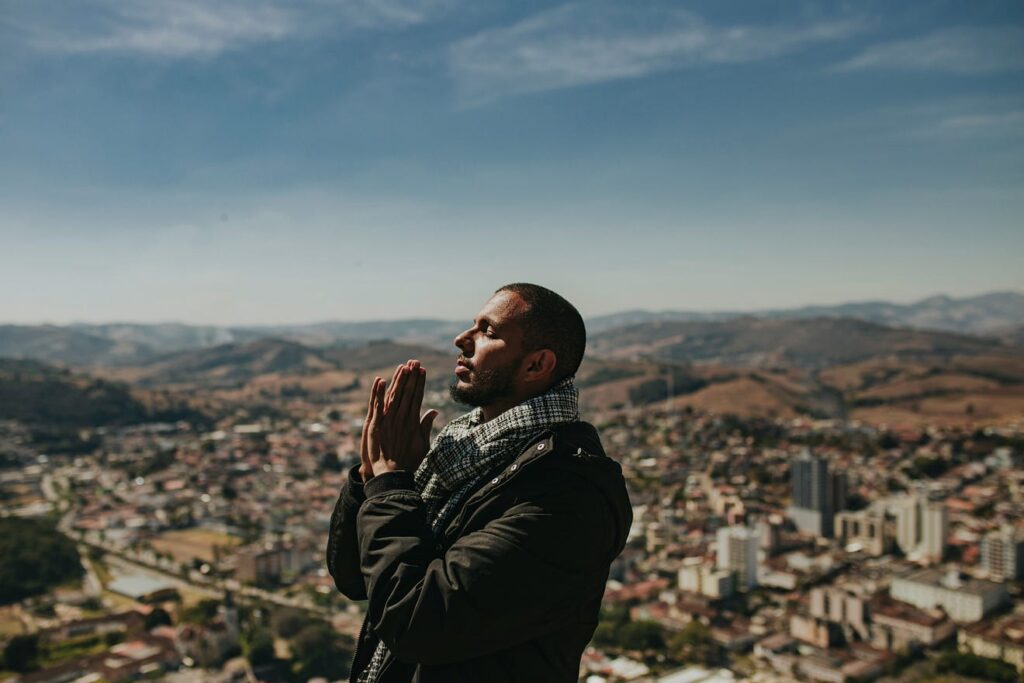
Category: Religion

Explore our extensive collection of resources on religion, featuring insightful articles, thought-provoking discussions, and comprehensive guides to diverse faiths and spiritual traditions. From ancient practices to contemporary beliefs, our content delves into the history, rituals, teachings, and cultural impact of various religions. Discover new perspectives and deepen your understanding of spirituality and religious communities with our expertly curated content. Whether you’re a scholar, seeker, or just curious, find inspiration and knowledge in our dedicated category on religion.

  • Can We Refute God?

    Can We Refute God?

    Belief in the existence of at least one higher power is a profoundly subjective matter, intertwining human emotions and philosophical perspectives. For many, the concept of a higher power provides a sense of purpose, comfort, and meaning. It shapes cultural narratives and individual lives, influencing ethics, morality, and personal identity. The belief in a higher power is often rooted in personal experiences, upbringing, and emotional needs, making it a profoundly personal matter that transcends objective analysis. While some may refute God, others find solace and guidance in their faith. Ultimately, the question of whether a higher power exists remains a deeply contemplative and multifaceted inquiry.

    Emotional and Philosophical Dimensions

    Humans are inherently emotional beings, inheriting beliefs that often reflect our emotional landscapes. The need for security, the search for meaning, and the desire to understand our place in the universe drive many toward the concept of a higher power. Philosophically, the idea of a higher power addresses existential questions that science and reason alone may not satisfy. It answers the why of existence rather than the how, offering a narrative connecting the individual to a more significant, often benevolent force.

    Scientific Evidence and the Higher Power

    When asserting that there is zero evidence for a higher power, one typically refers to scientific evidence, which relies on empirical data, reproducibility, and objective validation. Scientific methodologies are designed to test hypotheses through controlled experiments and observable phenomena. By its very nature, science excludes subjective experiences and eyewitness testimony as robust evidence, which is essential for understanding the physical world but has limitations when applied to prove or refute God, and all other metaphysical entities.

    Limitations of Scientific Inquiry

    Scientific evidence is inherently limited to the observable and measurable aspects of reality. The concept of a deity or higher power often lies beyond the empirical scope of science. Deities are typically considered supernatural entities, existing outside the parameters of physical laws. As such, they cannot be tested or observed in the same way as natural phenomena. This does not invalidate the belief in higher powers but highlights scientific inquiry’s boundaries. It is a category error to demand scientific proof for something that, by definition, exists outside the purview of science. 

    Human Invention of Deities

    Knowing what we know, no compelling reason exists to believe that any specific deity is not a human invention. Throughout history, diverse cultures have created a myriad of gods and goddesses, each reflecting their society’s values, fears, and aspirations. These deities often serve social functions, such as enforcing moral codes, explaining natural events, and unifying communities under a shared belief system. The anthropological perspective suggests that gods are products of human imagination and cultural evolution.

    Uncertainty and the Nature of Reality

    However, we cannot categorically state that there are no entities that humans would consider godly. Our understanding of reality is limited and constantly evolving. Advances in physics, particularly in quantum mechanics and cosmology, have revealed the universe to be far stranger and more complex than previously imagined. Concepts such as parallel universes, higher dimensions, and the fundamental nature of consciousness challenge our conventional understanding and suggest that reality may hold surprises beyond our current comprehension.

    The Imitation of Consciousness

    One intriguing aspect of this uncertainty is the possibility that what we consider consciousness might not be exclusive to biological entities. As artificial intelligence advances, questions arise about the nature of consciousness and the potential for machines to develop awareness. If consciousness can emerge from non-biological substrates, the line between creator and creation blurs. This raises the possibility that entities with god-like attributes could exist, created either by advanced civilizations or as emergent properties of complex systems.

    Philosophical Implications

    The philosophical implications of such possibilities are profound. If higher powers exist as emergent properties or creations of advanced intelligence, our understanding of divinity and its relationship to humanity would need reevaluation. This perspective aligns with certain interpretations of pantheism and panentheism, which view the divine as inherent in the fabric of the universe itself. It also resonates with some interpretations of transhumanism, where the future of human evolution involves merging with advanced technologies, potentially achieving god-like capabilities.

    The Takeaway

    Believing in a higher power is ultimately subjective and deeply intertwined with human emotions and philosophical perspectives. By its nature, scientific evidence cannot encompass deities as they lie outside the scope of empirical inquiry. While historical and cultural analysis suggests that deities are human inventions, our limited understanding of reality leaves room for the possibility that entities humans would consider godly could exist. If anything, this ongoing uncertainty invites a humble and open-minded approach to the profound questions embedded in human nature.

    In essence, science is not to prove or refute God.


    Further Reading: Scientists Who Tried to Prove or Refute God

    The quest to prove or refute God through scientific means has captivated many great minds throughout history. While science deals with the observable and testable natural world, the supernatural realm of a supreme deity exists beyond its scope. Nonetheless, several scientists have grappled with this profound question, attempting to reconcile faith and reason. Their efforts have sparked intense debates and challenged conventional wisdom, leaving an indelible mark on the intersection of science and religion.

    One of the earliest and most influential figures in this endeavor was René Descartes, the 17th-century French philosopher and mathematician. Descartes sought to establish a firm foundation for knowledge, leading him to the famous phrase “I think, therefore I am.” In his metaphysical writings, he attempted to prove God’s existence through reason alone, using arguments based on the idea of a perfect being and the concept of causality. While his arguments were later critiqued and challenged, Descartes’ efforts laid the groundwork for subsequent thinkers to explore the relationship between science and religion.

    In the 18th century, the Age of Enlightenment saw a surge of scientific discoveries and a growing emphasis on reason and empiricism. Philosophers like Voltaire and David Hume questioned traditional religious beliefs and sought to apply rational scrutiny to the existence of God. Hume’s famous argument against miracles, which posited that it is always more likely that a reported miracle is a product of human error or deceit than a violation of the laws of nature, became a cornerstone of skeptical thought.

    The 19th century witnessed a remarkable figure in Charles Darwin, whose theory of evolution by natural selection revolutionized our understanding of life’s origins and challenged the biblical account of creation. While Darwin himself was reluctant to wade into the debate over God’s existence, his work ignited heated controversies between proponents of science and defenders of religious doctrine. The implications of evolutionary theory continue to shape discussions on the intersection of science and faith to this day.

    In the 20th century, advances in physics and cosmology reignited the debate over God’s role in the universe. Albert Einstein, one of the most renowned scientists of all time, famously remarked, “Science without religion is lame, religion without science is blind.” While Einstein rejected the notion of a personal God, he believed in a cosmic intelligence or rationality underlying the universe’s order and beauty, a concept he referred to as “the Old One.”

    More recently, scientists like Richard Dawkins and Lawrence Krauss have taken a firm stance against the existence of God, using scientific evidence and reasoning to challenge religious beliefs. Dawkins’ book “The God Delusion” became a bestseller and sparked widespread discussions on the compatibility of science and religion. Krauss, on the other hand, has argued that modern physics and cosmology provide a compelling alternative to the need for a divine creator, proposing that the universe could have emerged from nothing.

    On the other side of the debate, scientists like Francis Collins and John Polkinghorne have sought to reconcile their religious beliefs with scientific knowledge. Collins, the former director of the National Institutes of Health and a devout Christian, has argued that science and faith can coexist, pointing to the complexity and beauty of the natural world as evidence of a divine creator. Polkinghorne, a theoretical physicist turned Anglican priest, has explored the intersection of theology and quantum physics, suggesting that the inherent uncertainties in quantum mechanics leave room for divine intervention.

    While the debate using science to prove or refute God continues, it is clear that the pursuit has captivated some of the greatest minds in history. Whether driven by faith, skepticism, or a desire for understanding, these scientists have challenged conventional thinking and pushed the boundaries of human knowledge. Their efforts have enriched our understanding of the natural world and the profound questions that lie beyond the realm of science, reminding us of the enduring human quest for truth and meaning.


  • How Europe and America Betrayed My Childhood Dream

    How Europe and America Betrayed My Childhood Dream

    For most of my life, I existed in a bubble. Born and raised in Istanbul, Turkey, to a fiercely secular family, my world revolved around a strict separation of religion and state. My education followed suit, devoid of any religious instruction. My social circle mirrored this — friends and family held similar beliefs, and conversations rarely ventured into theological territory. This, I naively assumed, was the norm everywhere. Europe and America, bastions of modernity and freedom in my mind, surely functioned the same way.

    This unshakeable conviction led me down a path of constant frustration. Turkish society, with its visible pockets of conservatism and religious influence, often grated on me. The occasional call to prayer, the headscarves sported by some women, the conservative news channels my grandparents religiously watched — all felt like anathema to my secular ideals. I’d indulge in endless conversations with friends, lamenting the state of affairs, convinced that life would have been smoother, more progressive, had I been born elsewhere. Europe, with its supposed secular utopia, or the United States, the land of the free and the home of the… well, not exactly strict separation of church and state, but surely a more relaxed approach compared to Turkey, seemed like the greener pastures.

    Then, the internet happened. The vast expanse of information it offered opened my eyes to a world far more nuanced than the one I’d constructed in my head. Social media, for all its flaws, became a window into the lives of people from across the globe. And that’s when I encountered them — the stories of people raised in deeply religious households in America, the experiences of those who attended strict, faith-based schools in the UK. Their narratives shattered the illusion I’d meticulously built.

    Sarah, a friend I made online who lived in a small town in the American Midwest, painted a picture of a life governed by strong Evangelical beliefs. Her family’s Sundays revolved around church services, and her social circle was largely confined to those who shared their faith. Discussions about evolution in her science class were fraught with tension, and her wardrobe choices were constantly scrutinized. John, from London, recounted his experiences at a prestigious private school steeped in religious tradition. Daily prayers, mandatory chapel services, and a curriculum that heavily emphasized religious studies were the norm. Their stories were a stark contrast to my own sheltered existence.

    Is reality real?

    Is Reality Real?

    Delve into the intriguing question, “Is reality real?” by examining the simulation argument, technological advancements…

    These encounters forced me to re-evaluate my perspective. Here I was, complaining about the occasional headscarf or call to prayer, while others were grappling with a far more pervasive influence of religion in their daily lives. My frustration with Turkish conservatism suddenly seemed trivial compared to the experiences of Sarah and John.

    This realization was a humbling one. It exposed the naivety of my earlier beliefs. Here’s the truth — secularism, in its purest form, isn’t the universal standard everywhere. While Turkey might have its pockets of conservatism, it also offers a significant degree of freedom from religious influence in daily life. My education, devoid of religious indoctrination, empowered me to think critically and form my own beliefs. My social circle, a beautiful tapestry of diverse viewpoints, fostered tolerance and understanding.

    This newfound appreciation for my own reality didn’t erase the challenges Turkey faces. Religious conservatism remains a potent force, and navigating its influence requires constant vigilance. But it did shift my focus. Instead of yearning for a mythical European or American utopia, I began to see the value in working towards a more progressive and inclusive Turkey, one that embraces secularism while respecting the right to personal faith.

    My journey has been one of self-discovery, and it’s far from over. But one thing is certain — the grass truly isn’t always greener on the other side. Perhaps the key lies not in seeking out greener pastures but in nurturing the garden we already have. In the case of Turkey, that means fostering a society where secularism and religious freedom can coexist peacefully, where open dialogue trumps blind prejudice, and where progress is driven by mutual respect and understanding. It’s a tall order, but one that seems far more attainable now than ever before.


    The Path Toward Secular Turkey

    Turkey has a long and complex history when it comes to the role of religion in the state and society. While the Ottoman Empire was an Islamic caliphate for over 600 years, the modern Republic of Turkey, established in 1923 under Mustafa Kemal Atatürk, embarked on an ambitious path of secularization and Westernization.

    The Ottoman Empire allowed different religious groups to maintain their own laws and institutions under the millet system. However, Islam was the official state religion and the Sultan was also the Caliph, the supreme religious and political ruler of the Sunni Islamic world. In the 19th century, as the Ottoman Empire waned, reformist movements like the Young Ottomans and Young Turks pushed for modernization and secularization of the empire.

    After World War I and the collapse of the Ottoman Empire, Mustafa Kemal Atatürk founded the Republic of Turkey in 1923 with the goal of creating a modern, secular nation-state. Atatürk introduced a series of sweeping reforms aimed at separating religion from the state and embracing Western values. Some key reforms included:

    1. Abolition of the Caliphate in 1924, severing ties between religion and the state.
    2. Elimination of religious courts and education. The secular law codes replaced Sharia law.
    3. Banning religious clothing like the fez and giving rights to women like the adoption of a civil code.
    4. Replacing the Arabic script with the Latin alphabet to distance Turkey from the Arab world.
    5. State control and vocal criticism of Islam conflicted with Kemalist secular ideals.

    These top-down reforms met resistance from conservative and religious segments of society. However, Atatürk successfully implemented them due to his strong political will and support from the military and urban elite. Secularism, or laiklik in Turkish, became a core principle of the modern Turkish state and identity.

    Over the following decades, Turkey maintained its secular character despite the periodic rise of political Islam. However, tensions remained between secular Kemalists and groups seeking more integration of Islam into public life. It has been an ongoing negotiation to balance Turkey’s Muslim identity with its secular ideals and Western aspirations.

    In recent years under the AK Party government, there has been a perceived backing away from Kemalist secularism as religion has re-entered the public sphere. However, Turkey still officially defines itself as a secular state, making its experience negotiating the boundaries of secularism and religion a fascinating modern saga.

  • Faith is Personal, Not Public Property

    Faith is Personal, Not Public Property

    In our world, buzzing with a multitude of beliefs and ideologies, faith often ignites passionate debates and sharp divides. Yet, at its heart, faith is a deeply personal and intrinsic part of one’s life, going beyond the limits of public discourse. It’s a journey of self-discovery, a private quest to answer spiritual and existential questions and a testament to the inviolable freedom of thought and belief. Keeping faith personal is more than just good manners; it’s an acknowledgment of its profound and intimate nature.

    The Sanctity of Personal Belief

    Faith is a deeply personal and sacred part of one’s identity and often culture, intricately woven into who they are. It serves as a wellspring of meaning, purpose, and comfort, guiding us through life’s complexities and shaping our worldview. Reducing faith to mere casual conversation or subjecting it to public scrutiny strips it of its sanctity and diminishes its profound impact on the human experience.

    Moreover, faith is intensely subjective and multifaceted, with countless interpretations and expressions. It is a nuanced and ever-evolving journey, shaped by personal experiences, cultural influences, and individual beliefs. Attempting to dissect or analyze someone’s faith from an external perspective often leads to misunderstandings, oversimplifications, and unintentional offense.

    Respecting Personal Boundaries

    Imagine faith as a cherished family heirloom — something deeply personal and irreplaceable. Keeping it personal doesn’t mean locking it away in a vault. It’s about respecting its value and recognizing its inherent privacy. Just like you wouldn’t barge into someone’s most intimate moments, extend that same courtesy to their faith.

    By respecting the personal space around faith, we build a bridge of understanding. People feel comfortable exploring and nurturing their beliefs without the fear of judgmental eyes or unwanted advice. This creates a welcoming environment, a mosaic of diverse beliefs thriving side-by-side in harmony. It’s tolerance in action, paving the way for a more inclusive society.

    Avoiding Assumptions and Stereotypes

    Publicly dissecting or debating someone’s faith can unintentionally lead to assumptions, stereotypes, and generalizations. Faith is a deeply nuanced and multifaceted concept, rich with countless interpretations and expressions. Trying to understand or analyze another’s faith from an outside perspective often results in oversimplifications, misunderstandings, and even unintentional offense.

    By keeping faith personal, we avoid the pitfalls of making sweeping assumptions or perpetuating harmful stereotypes. We recognize that each individual’s faith journey is unique, shaped by personal experiences, cultural influences, and individual interpretations. This understanding fosters empathy, compassion, and a willingness to embrace the complexities and nuances of belief systems, rather than reducing them to narrow and potentially damaging generalizations.

    Fostering Meaningful Connections

    While faith may be personal, it does not necessarily preclude meaningful connections and shared experiences. By respecting the personal nature of faith, we create an environment where individuals feel safe to share their beliefs and spiritual journeys on their own terms, fostering deeper connections and understanding.

    When faith is shared voluntarily and with mutual respect, it can serve as a powerful catalyst for meaningful dialogue, personal growth, and the exploration of shared values and experiences. However, this sharing should be a organic and consensual process, free from coercion or pressure, allowing individuals to connect on a deeper level and gain insight into the rich tapestry of human spirituality.

    In a Nutshell

    In a world where everyone’s always debating and discussing things, it’s essential to remember that faith is really personal. It’s a deeply intimate part of someone’s life and it deserves respect and privacy. By keeping faith personal, we show that we respect individual beliefs, and it helps us understand and tolerate each other better. It also lets us form real connections and share experiences in a natural way.

    At the end of the day, faith is a journey of self-discovery and a way to show that everyone has the right to their own thoughts and beliefs. Letting people take this journey in their own time and on their own terms doesn’t just respect personal beliefs, it also makes for a kinder, more inclusive, and more peaceful society


    Further Reading: The Evolution of Faith

    The Roots of Faith in Ancient Societies Faith and religious belief systems have been a fundamental part of human civilization since the dawn of humanity. The earliest evidence of religious practices dates back tens of thousands of years, with ancient burial sites and cave paintings suggesting a belief in an afterlife and spiritual realms. As societies developed and grew more complex, so too did their belief systems, often centered around the natural world and the cycles of life, death, and rebirth.

    The Rise of Organized Religions

    As civilizations advanced and writing systems emerged, organized religions began to take shape. The ancient Egyptians, Mesopotamians, Greeks, and Romans all developed intricate belief systems with pantheons of gods, creation myths, and complex rituals. These religions were deeply intertwined with the social, political, and cultural fabric of their societies, influencing everything from architecture to laws and customs.

    The Abrahamic Faiths: Judaism, Christianity, and Islam

    The birth of the Abrahamic religions – Judaism, Christianity, and Islam – marked a significant turning point in the history of faith. These monotheistic religions emerged from the Middle East and spread across vast regions, shaping the course of human history and influencing countless cultures.

    Judaism, one of the oldest monotheistic faiths, traces its roots back to the covenant between God and Abraham, as described in the Hebrew Bible. Christianity, which grew out of Judaism, centered around the life and teachings of Jesus Christ and the belief in his divinity and resurrection. Islam, the youngest of the Abrahamic faiths, was founded in the 7th century CE by the Prophet Muhammad and is based on the teachings of the Quran.

    The Spread and Impact of World Religions

    As trade routes and empires expanded, world religions like Buddhism, Hinduism, Taoism, and Confucianism also spread across continents, shaping cultures and societies along the way.

    Buddhism, originating in ancient India, emphasized the path to enlightenment and the cessation of suffering through practices like meditation and non-violence. Hinduism, another ancient Indian faith, encompassed a rich tapestry of beliefs, deities, and philosophical concepts.

    In East Asia, Taoism and Confucianism emerged as influential belief systems, shaping the worldviews and social structures of societies in China and beyond.

    The Role of Faith in Society and Culture

    Throughout history, faith has played a central role in shaping societies, cultures, and worldviews. Religions have influenced everything from art and architecture to laws and social norms, often serving as the foundation for moral and ethical codes.

    Faith has also been a source of conflict, with religious differences and power struggles leading to wars, persecution, and oppression. However, it has also been a driving force for social justice, inspiring movements for equality, human rights, and peaceful coexistence.

    The Modern Landscape of Faith

    In the modern era, faith continues to evolve and adapt to changing social and cultural landscapes. While some traditional religions maintain their influence, new religious movements and spiritual practices have also emerged, reflecting the diversity of human experiences and beliefs.

    The rise of secular philosophies and the separation of church and state in many nations have also reshaped the role of faith in public life, challenging the traditional authority of religious institutions and sparking debates around the boundaries between faith and governance.

    Conclusion: The Enduring Significance of Faith

    Despite the challenges and changes brought about by modernity, faith remains a fundamental aspect of human experience for billions worldwide. Its history is a testament to the enduring human quest for meaning, purpose, and connection to something greater than oneself. As societies continue to evolve, the role and expression of faith will undoubtedly continue to adapt, reflecting the ever-changing tapestry of human civilization.

  • Manipulation of Religion and Patriotism for Political Agendas

    Manipulation of Religion and Patriotism for Political Agendas

    The tragic events of September 11, 2001, serve as a stark reminder of the devastating consequences that can arise when religious ideology is exploited for political gain. While the 9/11 attacks were undoubtedly influenced by the manipulation of religion, it is crucial to recognize that the underlying motivations were not rooted in religious hatred toward Christianity or any other faith. Instead, these attacks manifested deep-seated political grievances and a calculated attempt to harm a nation perceived as a Western power and symbol of influence.

    Al-Qaeda’s Tactics: Exploiting Religious Fervor

    Al-Qaeda, the notorious group behind the 9/11 attacks, employed a deliberate strategy of manipulating religious ideology to radicalize individuals and inspire a fierce sense of righteous rage. By adeptly presenting their cause as a morally superior fight against alleged wrongdoings by Western powers, Al-Qaeda successfully galvanized adherents toward its radical political agenda.

    The group’s exploitation of religious zeal extended beyond mere persuasion; it employed advanced psychological tactics to instill a sense of unwavering devotion in its followers. Al-Qaeda emphasized each member’s unique role in a divinely ordained mission, creating an environment of exclusivity and exceptionalism. This blurring of personal grievances with the organization’s larger ideological objectives reinforced individuals’ identities as warriors for a just cause.

    Furthermore, Al-Qaeda capitalized on the concept of martyrdom, presenting death as the ultimate sacrifice for their cause, ensuring both divine favor and eternal salvation. This celebration of martyrdom diminished individuals’ fear of death, making it an aspiration rather than a barrier.

    Parallels with Nazi Propaganda

    Drawing parallels between Al-Qaeda and the Nazi Party’s tactics can provide valuable insights into the manipulation of deeply held social beliefs for extreme political goals. Just as the Nazi Party exploited nationalist fervor, xenophobia, and antisemitism to consolidate power and establish an authoritarian regime, Al-Qaeda utilized religious extremism to radicalize individuals and further its violent agenda.

    Both factions employed a potent combination of indoctrination and propaganda to foster a sense of victimization and resentment among their adherents. The Nazi Party scapegoated Jews, communists, and foreigners for Germany’s misfortunes. At the same time, Al-Qaeda portrayed the US and its Western allies as the epitome of oppression and moral decay. These narratives of victimhood directed their followers’ anger and fury toward specific targets.

    Moreover, the Nazi Party’s propaganda presented Adolf Hitler as a messiah who would restore Germany’s former glory. At the same time, Al-Qaeda regarded its leaders as defenders of Islamic tradition, waging a holy war against the perceived adversaries of Islam. This idolatry of leaders fostered a powerful sense of purpose and belonging among followers, ensuring their dedication to the cause.

    The Vulnerability of Religion and Nationalism

    When religion and nationalism are exploited for political ends, they can become powerful instruments of control and manipulation, inciting hatred and fear and justifying violence while quelling dissent. Extremist organizations can transform religion from a tool for spiritual growth and personal fulfillment into a divisive force sowing destruction.

    The ability of religion to provide justification for violence is one of the most dangerous aspects of its political exploitation. Extremists often claim divine sanction for their actions, making it challenging to criticize them as their supporters may view their actions as morally justified.

    Furthermore, the use of religion can suppress dissent, as religious leaders can silence those who disagree with their political stances, dissuading people from challenging injustice by invoking religious teachings. This climate of fear and intimidation can further perpetuate hatred and violence toward perceived threats to a particular faith or way of life.

    The Legacy of 9/11: Promoting Secularism and Critical Thinking

    The 9/11 attacks serve as a sobering reminder of the dire consequences that can arise when religious extremism is weaponized for political gain. While in the 21st century, for most followers, their religion fundamentally advocates empathy, peace, and understanding among people, its manipulation for political ends can breed division, violence, and hatred.

    To counteract the weaponization of religion, it is imperative to promote secularism, critical thinking, open discourse about differing viewpoints, education, and understanding.

    Holding Accountable Those Who Exploit Religion

    Furthermore, it is crucial to hold accountable those who seek to exploit religion and nationalism for personal or political gain. Their deceptive narratives must be exposed, and their strategies must be refuted while defending the values of compassion, tolerance, and peaceful coexistence.

    Across history, many cases have shown the misuse of religious beliefs and nationalist feelings to advance political goals. Extremists frequently distort religious teachings or patriotism to justify their deeds, depicting adversaries as foes and fostering aggression within their supporters. This manipulation can lead to grave outcomes, fostering discord, escalating sectarian tensions, and undermining societal unity.

    In a Nutshell: Manipulation of Religion and Patriotism

    The world must remain vigilant against those who seek to weaponize religious differences for political gain. Religious diversity should be celebrated as a source of strength and richness within our global society, never a weapon for conflict or violence.

    By promoting tolerance, understanding, secularism, critical thinking, and education, we can counter the harmful narratives that prey on religious differences. Additionally, by holding accountable those who exploit religion for personal advantage and confronting their narratives, we can defend the values of compassion, tolerance, and peaceful coexistence.

    The legacy of 9/11 serves as a poignant reminder of the importance of this endeavor, lest we allow the manipulation of deeply held beliefs to lead us down a path of destruction once more.


    Afterword

    The Religion Aspect of 9/11

    The terrorist attacks on September 11, 2001, were motivated by an extreme interpretation of Islam held by the perpetrators. The 19 hijackers belonged to the Islamist militant group al-Qaeda, led by Osama bin Laden. They subscribed to a fundamentalist strain of Sunni Islam that viewed the United States as an enemy of their religion and ideology.

    Bin Laden portrayed the 9/11 attacks as a religious duty and holy war against America and its allies. In a videotaped statement released in late 2004, he cited a variety of grievances against the U.S., including the presence of American troops in Saudi Arabia, U.S. support for Israel, sanctions against Iraq, and generally perceived injustices against Muslims worldwide. He framed the attacks as defensive jihad to protect the Islamic umma (community) from aggression and injustice.

    However, Islamic religious scholars and mainstream interpretations overwhelmingly reject al-Qaeda’s extremist ideology and brutal tactics as a perversion of Islamic teachings. Most Muslims denounced the 9/11 attacks as mass murder of innocent civilians, which is prohibited in Islam. Prominent Islamic authorities declared bin Laden’s claims about religious justification as baseless.

    At the same time, the 9/11 attacks exacerbated existing prejudices, fears, and hostilities toward Muslims in the United States and other Western nations. Hate crimes against Muslims and those perceived as Muslim spiked in the aftermath. There was widespread public conflation of Islamic extremists with mainstream Islam. Enhanced security measures particularly impacted Muslim and Arab travelers and immigrants.

    The role of religion in motivating and justifying the 9/11 attacks exemplified how different interpretations of Islam can lead to vastly divergent beliefs and actions—from fundamentalist extremism to modern, pluralistic understandings. It underscored the importance of combating militant ideologies through military action, law enforcement, and ideological counter-messaging that promotes tolerance and mutual understanding among faiths.

    The Nationalism Aspect of Nazism

    Nationalism was a central and driving tenet of Nazism, the ideology of Adolf Hitler’s Nazi Party and government in Germany from 1933 to 1945. The Nazis promoted an extreme form of German nationalism that was rooted in racism, anti-Semitism, and the belief in the superiority of the “Aryan” German race over all others.

    At the core of Nazi nationalism was the concept of the Volk, the “folk” or ethnic German people who were seen as part of a racially superior Aryan master race. The Nazis preached that the unity and dominance of the German Volk over inferior races was of paramount importance for the future greatness of the German nation. This nationalism was intensely ethnocentric, claiming that true Germans were part of a biologically distinct Aryan race with the highest culture and values.

    Nazi nationalism was also expansionist and militaristic, driven by the desire to unite all ethnic Germans under one empire and gain Lebensraum or “living space” for the German race in Eastern Europe and western Russia, at the expense of the Slavic peoples who were deemed subhuman. Extreme German patriotism and the dream of rebuilding the former glories of the medieval Holy Roman Empire fueled the Nazis’ plans for aggressive warfare and colonial conquest to create a Greater Germanic Reich of pure Aryan master race settlements.

    Anti-Semitism was ingrained in Nazi nationalism, as the Jews were persecuted and scapegoated as a dangerous “alien virus” infecting the German national body and culture. The myth of a global Jewish conspiracy plotting against Aryan supremacy was aggressively promoted, laying the foundations for the industrialized genocide of the Holocaust. Similarly, other minority groups like Roma gypsies were systematically targeted and oppressed for being “racially polluting” elements threatening the purity of the German Volk.

    Indoctrination in extreme German nationalist ideology was a key part of the Nazi totalitarian regime, imposed through propaganda, censorship, and state control of media and education to glorify a mythologized Aryan past while demonizing all other races and cultures. Individuals were expected to subjugate themselves entirely to the nationalist cause as members of a supposed “racial community” (Volksgemeinschaft) under the absolute leadership of Hitler.

    In the end, the pernicious fusion of ultra-nationalism, racism, and dehumanizing hatred of minority groups in Nazi ideology led directly to catastrophic military aggression and genocide on an unprecedented scale in World War II before their racist totalitarian empire was finally defeated. The legacy of Nazi nationalism stands as one of history’s most damning examples of how extreme nationalist ideologies can enable the worst injustices and atrocities when left unbridled from any ethical or moral constraints.

    Further Reading

  • The Christian Founding of America?

    The Christian Founding of America?

    Some people argue for the Christian founding of America, claiming that the US was established on Christian principles and that its laws and institutions should reflect the values and teachings of Christianity. However, it’s important to examine what those Christian principles actually entail and whether they align with the liberal and secular ideals that also influenced the nation’s founding.

    Join us in exploring the historical and philosophical origins of Christianity and secularism, and how these differing worldviews have shaped the identity and principles undergirding the United States.

    What Is “Christian”?

    To answer the question if the US has a Christian founding of America, first, we must be able to define what “Christian” is. Christianity is far from being a monolithic or uniform religion, having many different branches, denominations, and interpretations of Christianity, each with its own doctrines, practices, and traditions. Some of these differences are based on historical, cultural, or theological factors, while others are based on personal or political preferences.

    For example, some Christians believe that the Bible is the literal and infallible word of God. In contrast, others believe it is a human and fallible document that must be understood in its historical and literary context. Some Christians believe that salvation is a gift of God’s grace that cannot be earned or lost, while others think that salvation depends on human actions and choices. Some Christians believe that the church is the visible and authoritative institution of God on earth, while others think that the church is the invisible and spiritual community of all believers.

    Said differences have led to conflicts and divisions among Christians throughout history, sometimes resulting in violence and persecution. For instance, medieval European nations believed they governed their countries according to Christian principles, but they also waged wars against each other and against other religions, such as Islam and Judaism. They also imposed their version of Christianity on their subjects, often suppressing dissent and diversity. Are these the principles to which some people are referring when they claim that the US has a Christian founding of America?

    The US was founded on liberal values, the political and moral values that emerged from the Enlightenment, a period of intellectual and cultural development in Europe and America in the 17th and 18th centuries. Liberal values include freedom, democracy, equality, human rights, tolerance, reason, and progress. Liberals believe that individuals have inherent dignity and worth and should be free to pursue their own happiness and interests as long as they do not harm others or infringe on their rights. Liberals also believe that governments should be based on the consent of the governed and that they should protect and promote the common good of the people.

    The founders of the US were deeply influenced by French thinkers of their era, such as Montesquieu, Voltaire, and Rousseau, who advocated for the separation of powers, the freedom of expression, and the social contract. They also drew inspiration from the English thinkers, such as Locke, Hobbes, and Hume, who defended natural rights, the state of nature, and empiricism. They also incorporated elements from the classical thinkers, such as Plato, Aristotle, and Cicero, who discussed the ideal forms of government, the nature of justice, and the role of virtue.

    The founders of the US applied these ideas to their own situation and created a new nation based on the principles of liberalism. They declared independence from the British monarchy and established a federal republic with a constitution and a bill of rights. They also recognized the diversity and pluralism of their society and tried to balance the interests and rights of the various states, regions, and groups. They also acknowledged the influence and importance of religion in their lives and guaranteed the freedom of religion for all citizens.

    So, while the Christian founding of America shaped some founders’ personal beliefs and moral frameworks, the nation’s founding philosophy and government were rooted in Enlightenment liberalism and secularism rather than a single Christian doctrine or interpretation. The Christian founding of America coexisted with a diversity of Christian and non-Christian influences in shaping the new nation’s core principles and structures.

    Mount Rushmore National Memorial, Keystone, US— Photo by John Bakator on Unsplash

    However, despite claims of a Christian founding of America, the founders of the US did not create a perfect or a Christian nation. They also made mistakes and compromises and left many issues unresolved or unaddressed. For example, they did not abolish slavery, and they did not grant equal rights to women, Native Americans, and other minorities. They also did not foresee the challenges and changes that would arise in the future, such as the Civil War, the Industrial Revolution, the World Wars, the Cold War, the Civil Rights Movement, the Vietnam War, the Watergate Scandal, the 9/11 Attacks, the War on Terror, and the Globalization.

    The US has evolved and adapted over time and has faced many crises and opportunities. It has also been influenced by many factors and forces, both internal and external, both religious and secular. One of these factors is secularism, which is the principle of seeking to conduct human affairs based on naturalistic considerations, uninvolved with religion. Secularism is most commonly thought of as the separation of religion from civil affairs and the state and may be broadened to a similar position seeking to remove or to minimize the role of religion in any public sphere.

    Secularism has different forms and meanings, depending on the context and the perspective. Some people view secularism as a positive and progressive value, that promotes rationality, science, and humanism, and that protects the rights and freedoms of all people, regardless of their religious beliefs or affiliations. Others view secularism as a negative and regressive value, that undermines morality, spirituality, and tradition, and that threatens the identity and values of the religious communities and individuals.

    Secularism has also been a source of debate and controversy in the US, especially in relation to the role and influence of Christianity in the public sphere. Some people claim that the US is a Christian nation, and that its laws and institutions should reflect the Christian principles and values. They argue that the founders of the US were Christians, and that they intended to create a Christian nation founded on Christian principles. They also argue that Christianity is the basis of the American culture and identity, and that it provides the moral and spiritual guidance for the nation. They oppose any attempts to limit or restrict the expression or practice of Christianity in the public sphere, such as in the government, the education, the media, or the courts. They also oppose any policies or actions that they perceive as contrary or hostile to the Christian principles and values, such as the legalization of abortion, same-sex marriage, euthanasia, or stem-cell research.

    Independence Day Celebration in the US, Photo by Grégoire Bertaud on Unsplash

    Some individuals assert that the United States is fundamentally a secular nation, with laws and institutions upholding the separation of church and state. They contend that the founding fathers were a diverse group, not exclusively Christian, and did not aim to establish a Christian nation. They emphasize that the U.S. is a melting pot of various religions and those without religious affiliations. Advocates for religious freedom for all, they urge the state to remain neutral in matters of faith. They champion the use of reason, science, and human rights in public affairs, and advocate for societal welfare. They also endorse policies and actions they believe align with secular principles, such as environmental conservation, poverty alleviation, peace promotion, and the enhancement of education and healthcare.

    These viewpoints are not inherently contradictory. Some individuals adopt a moderate stance, seeking harmony between the religious and secular elements of American society. They recognize the Christian founding of America as historically and culturally significant, yet also appreciate the nation’s multifaceted nature. They honor the rights of both believers and non-believers, striving for consensus and compromise on divisive issues. They value the insights and challenges presented by both religious and secular perspectives and endeavor to merge them constructively.

    The U.S. has evolved under the influence of secularism, yet it remains under the historical influence of the Christian culture introduced by its early European settlers. It grapples with this dual heritage, nurturing a rich religious tapestry alongside a robust secular tradition. The nation navigates a complex and fluid relationship with religion, paralleled by an ever-changing understanding of secularism. With its unique global standing, the U.S. bears significant responsibilities. It faces the ongoing challenge of defining itself as a secular nation, a Christian nation, both, neither, or something entirely distinct.

    In a Nutshell

    The debate surrounding the Christian founding of America is nuanced. While the nation’s founders were influenced by Christian morals and culture, concepts like freedom, democracy, and the separation of church and state were equally pivotal. America, as it stands today, is a tapestry woven from both religious and secular ideals, and it is this unique amalgamation that defines its character. As the country progresses, it continues to navigate the balance between religion and governance, striving to uphold freedom and justice for all citizens, albeit not always succeeding in excluding those politicians who leverage religion for their own agendas.

  • No Religion, No Morals? Examining the Complex Relationship

    No Religion, No Morals? Examining the Complex Relationship

    The age-old debate surrounding the relationship between religion and morality continues to spark heated discussions and differing perspectives. While some argue that a decline in religious beliefs will inevitably lead to a breakdown of moral foundations within societies, others contend that morality is a universal concept that transcends religious boundaries. This essay delves into the complexities of this intricate relationship between religion and morals, exploring the notion of universal morality and the challenges that arise when morality becomes intertwined with religion.

    The Universality of Morality

    At the core of human existence lies a fundamental set of ethical principles that guide our behavior and interactions with others. These principles, often referred to as universal morality, are grounded in the shared understanding that actions such as harming others or stealing are inherently wrong. Regardless of cultural, geographic, or societal differences, these basic moral guidelines remain constant, allowing individuals to navigate diverse landscapes with a sense of ethical grounding.

    One of the most compelling arguments for universal morality is its ability to foster cross-cultural understanding and cooperation. When individuals from different backgrounds can agree on fundamental ethical principles, it becomes easier to build bridges, resolve conflicts, and promote peaceful coexistence on a global scale. This shared moral framework transcends cultural differences and facilitates productive community interactions.

    Moreover, the universality of morality offers a sense of stability and consistency in an ever-changing world. As societies evolve and belief systems shift, universal moral principles act as a constant, providing a reliable foundation for ethical decision-making. This consistency is particularly crucial in an increasingly interconnected global community, where individuals from diverse backgrounds must navigate complex moral landscapes.

    Religion and Morals

    While the concept of universal morality presents a straightforward ethical compass, the intertwining of morality with religion often introduces complexities and contradictions. Religions undoubtedly play a significant role in shaping individuals’ and societies’ moral values and behaviors. However, these religious-based moral codes vary widely, leading to conflicting ethical beliefs and practices.

    One of the critical challenges arises when certain religious doctrines endorse practices that are considered morally problematic by broader societal standards. For instance, practices such as child marriage, marriage without consent, and even murder under specific circumstances may be supported by some religious teachings. These discrepancies between religious and universal morality can lead to moral dilemmas and ethical conflicts, making it challenging to establish a common ground for moral discourse.

    Furthermore, the effectiveness of religious-based morality as a guarantor of ethical behavior is called into question when deeply religious nations exhibit high levels of corruption and ethical misconduct. Conversely, some of the least corrupt nations are found in the Western world, where religiosity is less prevalent. This paradox raises doubts about the direct correlation between religion and adherence to moral codes.

    Reconciling Religion and Universal Morality

    As we navigate the complexities of this relationship, it becomes evident that a nuanced approach is necessary. While religion can provide a moral framework for some individuals and communities, it is crucial to acknowledge that ethical values based on religion can differ and may not always coincide with universally accepted standards.

    One potential solution lies in reinforcing a secular interpretation of morality that can unite diverse populations. By focusing on the shared ethical principles that resonate across cultures and belief systems, we can foster a sense of common ground and facilitate constructive moral discourse.

    Additionally, promoting critical thinking and ethical reasoning can help individuals navigate the complexities of moral dilemmas. By encouraging individuals to examine the underlying principles and consequences of their actions, rather than blindly following dogmatic religious teachings, we can cultivate a more nuanced understanding of morality.

    Moreover, religious institutions and leaders have a responsibility to re-evaluate and, if necessary, reform teachings that conflict with widely accepted moral norms. By aligning religious doctrines with universal moral principles, these institutions can play a constructive role in promoting ethical behavior and reducing moral contradictions.

    In a Nutshell: Religion and Morals

    The relationship between religion and morality is complex and multifaceted. While the concept of universal morality provides a foundation for ethical behavior that transcends cultural and religious boundaries, the integration of morality with religion often introduces challenges and contradictions.

    As our world becomes increasingly interconnected, it is crucial to acknowledge the limitations of religious-based morality and to reinforce a secular interpretation of morality that can unite diverse populations. By promoting critical thinking, ethical reasoning, and open dialogue, we can navigate the complexities of moral dilemmas and strive for a more ethical and just society.

    Ultimately, the pursuit of universal moral principles should not be seen as a rejection of religion but rather as an effort to find common ground and foster understanding among all people, regardless of their beliefs or backgrounds. By embracing the universality of morality while respecting religious diversity, we can create a more harmonious and ethical global community.

  • The Futility of God Debate and Power of Open Dialogue

    The Futility of God Debate and Power of Open Dialogue

    For centuries, the question of whether a higher power exists has sparked impassioned God debates and divisions among humanity. Believers cling to their faith as a source of meaning, comfort, and spiritual enlightenment. Atheists, grounded in skepticism and rationality, demand empirical proof and dismiss the supernatural. When these fundamentally disparate worldviews collide head-on, the discourse often devolves into a combative arena where the principal aim is not mutual understanding but aggressive debate with the goal of emerging victorious.

    This adversarial framing, however, is misguided and unproductive. Treating dialogues about religious beliefs as battles to be won is an exercise in futility that rarely results in changed minds or newfound common ground. Rather, it entrenches existing biases and erects higher barriers to meaningful connection across different perspectives. The way forward lies not in fruitless debate but in reimagining these interactions as opportunities for empathetic listening, expanded awareness, and the discovery of our shared hopes and values as human beings.

    The Pitfalls of Fruitless Debate

    At the core of the limitations of the God debates lies the inherent personal nature of faith. Shaped by a complex tapestry of life experiences, cultural backgrounds, and deeply held convictions, faith transcends simple arguments. For the devout, belief in a higher power serves as an anchor in the storm of existence, offering solace, purpose, and a framework for comprehending the universe’s mysteries.

    On the other side of the God debate spectrum, atheism prioritizes reason and evidence. Skepticism toward the supernatural reigns supreme, with empirical data, rational inquiry, and logic seen as the keys to unlocking truth. When these paradigms rooted in faith clash with those demanding proof and materiality, the God debate becomes a battleground. Each side speaks a different philosophical language, their axioms as distant as stars.

    The result? Entrenched positions and adversarial dynamics. Believers and non-believers cling to their corners, attempting to dismantle the other’s worldview through rhetoric, logic, and dismissal of core tenets. This quest to “win” the God debate through argumentative force sacrifices true understanding and dehumanizes the opposition.

    The ego’s yearning for victory further cripples the God debate. When convictions become battlegrounds for intellectual dominance rather than spaces for exploring differences, the purpose is lost. Minds remain stubbornly closed, and people leave more entrenched than before. This is a tragedy, considering the enriching potential of engaging with diverse systems of meaning and interpretation.

    The truth is, for most, beliefs surrounding God are not products of mere rational convincing. They emerge from the very core of our being, reflecting how we ascribe meaning to life itself. To treat these profound perspectives as ideas to be adopted or discarded through forceful arguments in the God debate fundamentally disregards the human experience that birthed them.

    A Wiser Path Forward

    Yet, avoiding discussing these existential questions within the realm of God debates would be an immense loss for both collective understanding and individual growth. Exploring our divergent beliefs about whether a higher power exists has immense potential as a catalyst for bridging ideological divides and illuminating the full depth of the human condition across cultures and creeds.

    However, to actualize this possibility, a fundamental reframing of God debates is required. Rather than approaching faith-based discourse as a detached thought experiment or a God debate to be won at all costs, we must treat it as an intensely personal window into how others derive meaning and grapple with life’s profundities. In doing so, the importance shifts from dogmatic conflict within God debates towards cultivating greater empathy, intellectual flexibility, and mutual respect.

    There is immense value in truly listening to perspectives different than our own within God debates, with an openness to have our horizons expanded. By seeking to understand the emotional anchors, life experiences, and reasoning that shapes each person’s relationship to faith and existential questions, space is created for greater empathy and appreciation of the diverse lenses through which humankind interprets its reality.

    After all, religion and questions of faith do not exist in a vacuum – throughout history, they have been intimately intertwined with cultural identity, moral and ethical foundations, community preservation, and spiritual expression. To arrogantly discard the beliefs of others without attempting to understand their origins and psychological significance is to ignore the very essence of the human experience, even within the context of God debates.

    An attitude of open curiosity and willingness to enter unfamiliar philosophical ecosystems with humility allows for personal growth and enlightenment that are inaccessible when the mind is closed during God debates. Whether an atheist gaining new appreciation for the inner worlds that religious faith can open or a believer considering novel philosophical frameworks, the benefits of respectful cross-perspective engagement within God debates are manyfold.

    Furthermore, the attempt at mutual understanding within God debates often reveals commonalities that transcend religious divides. Beneath seemingly irreconcilable differences about the existence of God lie shared human yearnings – for love, purpose, ethical actualization, inner peace, and sensemaking of the unknown. Progressively mining these commonalities by remaining open to our differences as entry points for connection rather than sources of conflict within God debates strengthens social cohesion and collective empathy.

    In our increasingly pluralistic societies, fostering tolerance and mutual understanding across ideological lines is not only enriching but essential. Reimagining religious discourse, including God debates, as a source of interpersonal connection and insight rather than conflict promotes the healing of historical divides and cultivates inclusive communities united by compassion and appreciation of diverse meaning-making.

    The relentless human drive to understand our origins and place in the cosmos will never abate. Whether contemplating the divine, dissecting the mysteries of existence through scientific empiricism, or syncretically embracing various sources of enlightenment, these spiritual strivings reflect our great capacity for seeking profundity amidst the vastness.

    To cling stubbornly to the pretense that one perspective has achieved absolute truth and thus must invalidate all others within God debates is to neglect the awe-inspiring complexity of both the universe and human consciousness. A wiser approach recognizes that beliefs about the metaphysical represent separate yet equally valid lenses for perceiving the enigma of being itself.

    In this light, polarizing God debates give way to complementary portfolios of meaning – with religious faith and philosophical doubt existing not in conflict but in dynamic interplay. Either perspective alone is incomplete, yet their paradoxical convergence reflects the awesome difficulty in unraveling the full essence of existence through any singular ideological focus, even within the realm of God debates.

    Ancient Wisdom for a Modern World

    For millennia, the god debate has raged, fracturing traditions and igniting ferocious contention. Yet, perhaps the key to a more enlightened discourse has been hiding in plain sight, woven into the very fabric of those same religions and philosophies.

    Mystics and transcendent thinkers throughout history have warned us of the human ego’s need for conceptual conquest. This need, they argue, fundamentally distorts our ability to grapple with existential questions. Eastern philosophies, from Buddhism to Taoism, promote holding seemingly contradictory ideas in balance, finding equilibrium instead of eradicating them through dogmatic insistence in the god debate. Surrendering the desperate need to be “right” opens the door to perceiving truth from multiple angles, fostering a nuanced understanding that transcends the confines of the traditional god debate.

    Socrates, a founding voice of Western philosophy, emphasized the importance of recognizing our limitations. He believed wisdom lay in “knowing how little we know,” a perspective at odds with the certitude that often taints the god debate. Perhaps, the very essence of enlightenment lies in approaching these ultimate questions with perpetual openness and an acceptance of our ignorance.

    Furthermore, many scholars, both religious and non-religious, recognize the psychological dangers of clinging to rigid belief systems as a form of identity. When beliefs become static shields against uncertainty, they morph from tools of exploration into impediments, fueling the divisions that plague the god debate. Instead, when we traverse the vastness of questions regarding faith, higher powers, and existence itself, wisdom lies in embodying the very curiosity and humility these traditions extol.

    Rather than clinging to concrete answers for ego-reinforcement or a sense of belonging, the path to deeper truth and growth lies in abandoning rigid dogmatism altogether. In its place, an ethos of perpetual seeking – of asking questions rather than insisting on pre-determined answers – breathes new life into the stale air of the god debate. God debates recede, replaced by dialogues fostering mutual learning and wonder. With rigid attachment abandoned, paradoxes become recognized opportunities for integrating complementary insights. Ultimately, the conversation evolves from a competition of “who is right” to a collective exploration of the sublime mysteries of being itself.

    The Way Forward 

    The human spirit has long grappled with the God debates, those existential inquiries into our universal origins. These profound contemplations, meant to illuminate truth, often devolve into ego-driven clashes. Forceful rhetoric and attempts at conversion turn these dialogues into battlegrounds for intellectual dominance.

    This adversarial framing is deeply flawed. Treating religious beliefs and ultimate questions as debates rather than explorations erects walls to understanding. It strengthens existing biases, diminishes appreciation for diverse experiences, and sacrifices connection for pride and dogma.

    A wiser approach recognizes that beliefs about the metaphysical are intensely personal, woven from the intricate tapestry of our cultural, emotional, and existential landscapes. To arrogantly dismiss another’s perspective without understanding its significance is to ignore the very essence of the human experience we seek to illuminate.

    By reframing religious discourse through open curiosity, a willingness to expand our horizons, and the courage to hold the tension of paradox, we open a portal to realms of growth, enlightenment, and collective understanding that rigid certainty obstructs. Humility and perpetual seeking breathe new life into stale polemics, transforming them into dynamic dialogues fueled by mutual learning and wonder.

    Within this cross-perspective connection emerge profound commonalities that transcend ideological divides. Shared human values, ethical foundations, and existential yearnings unite us more than any God debate could fracture. When we cultivate an empathetic understanding of how others find meaning and guidance in the vastness of existence, we witness parallels far more binding than any God debate could break.

    In our increasingly pluralistic world, fostering respectful cross-pollination of beliefs is not just enriching, it’s essential. It upholds the diversity and social cohesion that catalyzes human flourishing. Cultivating the wisdom to hold seemingly incompatible truths in balanced exploration heals historical divides and strengthens the ethics of coexistence. It illuminates our shared awesome responsibility to seek maximal understanding and steward this miracle of existence we all inhabit.

    The path forward transcends fruitless conflict. It embraces courage, openness, and profound humility when confronting life’s great mysteries. We must recognize the full spectrum of religious, philosophical, and scientific investigations as invaluable vantage points, offering incomplete yet complementary insights into the enigma of being itself.

    In this light, polarizing God debates fade away, and rigid dogmas dissolve into dynamic portfolios of meaning-making. It becomes an eternal conversation where all thoughtful perspectives are reverently engaged as facets of an inconceivable cosmic whole. The ultimate answer may forever elude us, yet the humble search itself sparks transcendence, igniting our shared capacities for wisdom, awe, and illuminating our collective identities as heroic meaning-seekers united by our very quest.

    Across cultures, faiths, and worldviews, ancient teachings have long imparted the paradoxical truth: wisdom flourishes not from fortresses of certainty, but from surrendering the ego and its attachment to being right. In the space of “not knowing,” unbounded curiosity and universal wonder blossom.

    When traversing the eternal human questions surrounding existence, faith, and cosmic origins, perhaps we should embody this sacred openness. Let us temper our drive for rigid resolution with a perpetual deference to life’s awesome complexities. In doing so, the discourse evolves from wanting to spiritually elevating – a journey of souls exploring reality’s unfathomable kaleidoscope together, with more empathy and awe than certainty could ever aspire to.

    Further Reading on God Debate

    The futility of God debates:

    The power of open dialogue:

  • The Hijab: Tracing the Journey of a Complex Symbol

    The Hijab: Tracing the Journey of a Complex Symbol

    The history of hijab is a narrative that intertwines with the very essence of Islamic culture and identity. This iconic head covering, embraced by numerous Muslim women globally, is not merely a religious emblem but a historical artifact that transcends spiritual confines. The evolution of the hijab through ages and societies unveils a complex mosaic of cultural customs, societal standards, and religious convictions that have collectively influenced its current form and meaning.

    Embark with us on a journey through time, as we uncover the pre-Islamic antecedents of the hijab, its doctrinal establishment within the Quran, and its extraordinary capacity to mold itself to the variegated tapestries of cultures worldwide.

    Ancient Roots: The Pre-Islamic Origins of Veiling

    The history of hijab is a complex tapestry that intertwines with the cultural and social norms of ancient civilizations, long before the advent of Islam. The tradition of veiling, which encompasses the covering of the head and body, has its roots in societies that flourished in the Middle East, Asia, Africa, and Europe, with evidence dating back to the 4th millennium BCE.

    In the societal landscape of the pre-Islamic Arabian Peninsula, the hijab was more than a religious symbol; it was woven into the very fabric of daily life. It served as an indicator of social hierarchy, with veils of varying styles and materials denoting the distinctions between free women, slaves, and the elite. The hijab also played a role in communicating marital status, tribal connections, and provided a shield against the elements in a punishing desert climate.

    The history of hijab reveals that this practice was not solely the domain of women. Men of distinction and those holding religious office also embraced the veil, wearing it as a badge of honor and respectability. This shared custom highlights the veil’s broader cultural importance, transcending gender and emphasizing its entrenched role in the traditions of the region.

    The Quranic Guidance: Modesty and Continuity

    With the emergence of Islam in the 7th century CE, the history of hijab evolved to embody a religious mandate for Muslim women. The Quran, revered as the divine revelation by Muslims, delineated principles of modesty and attire applicable to both genders.

    An-Nur (The Light), a chapter within the Quran, specifically tackled the subject of the hijab, directing faithful women to drape their coverings across their chests and to reveal their beauty solely to their immediate family and servants. These injunctions were disclosed amidst the nascent Muslim society in Medina, establishing a code for modest apparel and conduct.

    The Quranic directives concerning the hijab did not signify a drastic shift from the pre-Islamic Arabian customs. Rather, they aimed to refine and affirm the entrenched societal ethos of modesty and respect. The Quran abstained from dictating a definitive style or type of veil, thus permitting interpretations and adjustments in harmony with regional traditions and inclinations.

    This methodology enabled a fluid transition from pre-Islamic customs to Islamic standards, acknowledging the significance of cultural persistence and heterogeneity. The Quranic teachings on the hijab found resonance among the Arab populace, as they were in accord with their enduring cultural legacy, now enriched with a spiritual dimension.

    History of Hijab
    Photo by Elin Tabitha on Unsplash

    Embracing Diversity: The Hijab’s Global Journey

    As Islam expanded from the Arabian Peninsula, the history of hijab unfolded into a spectrum of expressions, mirroring the myriad cultures it touched. The hijab manifested in forms ranging from the airy headscarves of arid deserts to the comprehensive burqas and chadors of cooler locales, with Muslim women globally adopting diverse styles and interpretations.

    This versatility enabled the hijab’s core values—modesty, honor, and devotion—to blend with different cultural aesthetics and practical needs. The variety in hijab styles stood as evidence of the faith’s flexibility to integrate into local customs while upholding its foundational tenets.

    In certain areas, the hijab interwove with cultural identity, surpassing its religious connotations to become an emblem of heritage and a bulwark against discrimination or subjugation. For numerous Muslim women, wearing the hijab signified not just a religious act but also an affirmation of their cultural lineage and a bold challenge to societal prejudices.

    On the flip side, the hijab sometimes sparked controversy, igniting discussions on women’s autonomy, secular values, and the apparent clash between religious practices and contemporary norms. These divergent views underscore the intricate interplay of faith, culture, and social-political factors that have influenced the ongoing dialogue about the hijab.

    Contemporary Discourse: Personal Choice and Evolving Narratives

    In the modern era, the history of hijab continues to be a significant aspect of identity for numerous Muslim women, though the reasons for its adoption are highly individualized. For some, it is an unwavering commitment to religious tenets and a conduit to their spirituality. For others, the hijab serves as a proud emblem of their cultural legacy, a stand against societal prejudices, or a declaration of personal empowerment and autonomy.

    Conversely, there are voices that critique the hijab as a relic of patriarchal norms, at odds with contemporary values of gender parity and personal liberty. Such varied viewpoints underscore the vibrant debate surrounding the hijab, its symbolism, and its role in today’s world.

    It is essential to acknowledge the hijab as a complex entity, influenced by a confluence of religious beliefs, cultural traditions, individual choices, and the dynamics of social and political environments. The history of hijab is characterized by a diverse array of practices, interpretations, and ongoing narratives

    In a Nutshell: History of Hijab

    The history of hijab is marked by a profound journey that reflects the intricate layers of cultural, religious, and personal significance it holds. Its roots extend into the depths of ancient customs that existed well before Islam, highlighting the enduring traditions that have shaped its progression.

    The Quran’s teachings on the hijab aimed to resonate with pre-Islamic Arab traditions, ensuring cultural continuity while infusing the practice with a spiritual essence. This strategy enabled a smooth transition, allowing the hijab to find relevance and acceptance across diverse cultures as Islam’s reach extended worldwide.

    Throughout its passage across various lands and times, the hijab has shown remarkable adaptability, adopting an array of styles and meanings. This flexibility has allowed the principles of modesty and devotion to meld seamlessly with different cultural expressions and practical needs, showcasing the religion’s capacity to assimilate into a multitude of traditions.

    In today’s society, the hijab remains a dynamic topic of conversation, with its interpretations and relevance continually evolving amid shifting social norms and individual viewpoints. While some may view it as a vestige of oppression, others celebrate it as a token of pride, identity, and autonomy.

    The extensive and intricate history of hijab defies oversimplified accounts, prompting a deeper appreciation for its complex nature. Understanding its varied beginnings, cultural evolutions, and the personal connotations it carries is vital for nurturing an empathetic and comprehensive discourse on this iconic emblem of Islamic heritage and belief.


    Sources

    https://www.britannica.com/topic/hijab

    https://www.eiu.edu/historia/Slininger2014.pdf

    https://en.wikipedia.org/wiki/Hijab


    Further Reading: The Meaning of Hijab

    The hijab, a head covering worn by Muslim women, is often shrouded in misconception. More than just a piece of cloth, it represents a complex tapestry woven from religious devotion, cultural identity, and personal choice. Understanding its history and significance requires us to delve deeper.

    Rooted in Tradition:

    The hijab’s story predates Islam. Ancient civilizations across the globe employed veiling practices, signifying social status, marital status, and protection from the elements. In pre-Islamic Arabia, the hijab served similar purposes, with variations in style reflecting social hierarchy. This established the practice of head covering as a cultural norm, a foundation upon which Islamic teachings would build.

    A Divine Directive:

    The emergence of Islam in the 7th century CE introduced a religious dimension to the hijab. The Quran, the holy book of Islam, emphasizes modesty in dress for both men and women. Specific verses within the Quran instruct women to cover their chests and maintain a certain level of decorum. These directives did not introduce a completely new concept, but rather refined existing customs and imbued them with religious significance.

    A Spectrum of Expressions:

    As Islam spread across the globe, the hijab adapted to diverse cultures. From the airy headscarves of desert regions to the all-encompassing burqas of colder climates, Muslim women adopted styles that resonated with their local traditions. This adaptability reflects the Quran’s flexible approach, allowing interpretations to coexist with regional customs as long as the core principles of modesty were upheld.

    Beyond the Veil:

    The hijab has transcended its religious roots, becoming a symbol of cultural identity for many Muslim women. In some regions, it serves as a marker of heritage and a shield against discrimination. For others, it’s a declaration of empowerment, a way to reclaim their narrative and challenge societal stereotypes.

    A Spark for Debate:

    The hijab also ignites controversy. Some view it as a symbol of patriarchal oppression, restricting women’s freedom. Others see it as a personal choice, a way to express their faith and values. This ongoing dialogue highlights the complex interplay of religion, culture, and social factors that shape the conversation surrounding the hijab.

    A Representation of Self:

    In today’s world, the reasons for wearing the hijab are as diverse as the women who wear it. For some, it’s a steadfast commitment to their faith. For others, it’s a cultural marker or a statement of personal empowerment. There is no single narrative, and appreciating the hijab requires acknowledging its multifaceted nature.

    The hijab’s journey is a testament to its rich history and evolving significance. It’s a call to move beyond simplistic narratives and embrace the complexity of this powerful symbol. By understanding its cultural roots, religious underpinnings, and personal interpretations, we can foster a more nuanced and respectful dialogue about the hijab and the women who wear it.

  • Evolutionary Psychology of Religion

    Evolutionary Psychology of Religion


    Let’s explore the fascinating interplay between religion and evolution through the lens of the evolutionary psychology of religion. During their formative years, children often absorb their parents’ teachings unquestioningly. This phenomenon is rooted in an evolutionary imperative: parents transmit vital survival skills to their offspring, ensuring their prosperity and the continuation of the species.

    In this critical developmental phase, children’s minds are remarkably receptive to their caregivers’ beliefs. Consequently, parents’ religious inclinations significantly shape their children’s religious identities. This pattern is consistently observed, with Muslim parents typically raising Muslim children and Christian parents usually having Christian offspring. The intricate dance between religion and evolution continues to captivate researchers and thinkers alike.

    The Challenge of Conversion

    The evolutionary psychology of religion suggests that early religious indoctrination poses a significant obstacle to conversion in later life. As individuals attain cognitive maturity and develop a capacity for skepticism, embracing a new religious ideology becomes a formidable challenge. The beliefs and worldviews deeply embedded during childhood erect a strong psychological barrier against different belief systems.

    To persuade a skeptical mind to adopt a new religion, a considerable amount of evidence, cogent reasoning, and transformative personal experiences are often necessary to counteract the pre-existing belief system. Thus, the journey of conversion is akin to an arduous climb, requiring individuals to surmount the entrenched convictions of their youth.

    The Evolutionary Perspective

    From an evolutionary standpoint, transmitting religious beliefs from parents to offspring can be viewed as a form of cultural inheritance. Just as genetic traits are passed down through generations, cultural values, beliefs, and practices are also propagated, shaping the cognitive landscapes of subsequent generations.

    This cultural inheritance mechanism serves as a means of preserving and perpetuating the belief systems that have proven conducive to the survival and well-being of a particular group or society. Religious teachings often encompass moral codes, social norms, and behavioral guidelines that have evolved over time to promote cooperation, cohesion, and resilience within a community.

    The Interplay of Reason and Evolutionary Psychology of Religion

    While the evolutionary perspective sheds light on the mechanisms behind the transmission of religious beliefs, it does not negate the role of reason and critical thinking in shaping one’s worldview. As individuals mature and develop cognitive abilities, they gain the capacity to question, analyze, and potentially reject or modify the beliefs they have inherited.

    The interplay between reason and belief is a complex and ongoing process, influenced by factors such as education, exposure to diverse perspectives, and personal experiences. While some individuals may undergo a religious transformation and embrace a different belief system, most others stick to unreason taught them as children. 

    In a Nutshell: Evolutionary Psychology of Religion

    The evolutionary psychology of religion provides a nuanced framework for understanding the intricate relationship between religious development and evolutionary processes. The early childhood period, heavily influenced by parental guidance, is critical in shaping religious identities, presenting a significant hurdle for conversion among the skeptical. From an evolutionary perspective, the propagation of religious beliefs can be seen as a form of cultural transmission that aids in the preservation and spread of belief systems that benefit certain groups or societies.

    Nonetheless, it’s essential to recognize the role of reason and critical thinking in shaping individual worldviews. As individuals mature and their cognitive abilities develop, they gain the capacity to scrutinize, assess, and potentially revise or reject the inherited beliefs. The interplay between reason and faith is an ongoing, dynamic journey influenced by diverse factors such as education, exposure to different ideas, and personal experiences.

    In essence, delving into the ties between religion and evolution fosters a profound and contemplative discourse, one that appreciates the complex interplay of biological, cultural, and intellectual forces that mold our beliefs and viewpoints.


    Further Reading

    Evolutionary Psychology of Religion

    • “The God Delusion” by Richard Dawkins
    • “The Cognitive and Evolutionary Psychology of Religion” by Robert N. McCauley & Eileen Barker in Religion, Brain & Behavior (2004)
    • The Clergy Project

    Transmission of Religious Beliefs

    • “The Cultural Evolution of Religion” by Joseph Henrich in Proceedings of the Royal Society B (2004)
    • “Nurture by Nature” by Jean Liedloff

    The Role of Reason and Critical Thinking

    • “The interplay between reason and religion” by Justin L. Barrett in Trends in Cognitive Sciences (2012)
    • “Thinking, Fast and Slow” by Daniel Kahneman

    What Is Evolutionary Psychology?

    Evolutionary psychology is a theoretical approach to understanding human behavior and cognition, focusing on how evolutionary processes, particularly natural selection, have shaped the human mind and behavior. It suggests that many human behaviors and mental processes have evolved over millions of years to solve adaptive problems faced by our ancestors. Here’s a detailed exploration of what evolutionary psychology is, its foundational principles, and some examples illustrating how it applies to modern human behavior:

    Core Principles of Evolutionary Psychology

    1. Natural Selection and Adaptation: Evolutionary psychology is grounded in the principles of Darwinian evolution, which emphasize that organisms adapt to their environments over time. Traits and behaviors that improve reproductive success tend to be passed down through generations.
    2. Psychological Mechanisms: Evolutionary psychologists posit that the human brain consists of a collection of psychological mechanisms or “modules” that have evolved to address specific adaptive challenges. These modules are responsible for different aspects of cognition and behavior, such as language acquisition, social interactions, mate selection, and more.
    3. Environment of Evolutionary Adaptedness (EEA): This concept refers to the ancestral environment in which these psychological mechanisms evolved. Evolutionary psychologists suggest that many modern behaviors can be understood by considering the challenges faced by early humans in their environment.
    4. Adaptive Problems and Solutions: Evolutionary psychology focuses on identifying adaptive problems that our ancestors faced, such as finding food, avoiding predators, and reproducing. The field seeks to understand how various psychological mechanisms evolved to address these problems.

    Key Topics in Evolutionary Psychology

    1. Mate Selection and Reproduction: Evolutionary psychologists often study mate selection to understand how individuals choose partners based on evolutionary factors. For example, certain physical traits, such as symmetry, are believed to signal genetic fitness, influencing mate choice.
    2. Parenting and Kinship: Parental investment theory explores how much effort parents invest in raising offspring, with differences in investment between males and females. This can help explain certain behaviors related to parenting and kin relationships.
    3. Social Behavior and Cooperation: Human societies exhibit complex social behaviors, including cooperation, altruism, and aggression. Evolutionary psychology examines how these behaviors might have evolved to increase group cohesion and individual survival.
    4. Language and Communication: The evolution of language is another key topic, with research exploring how linguistic capabilities could have provided an adaptive advantage, facilitating communication and cooperation.
    5. Emotion and Decision-Making: Emotions play a central role in human behavior. Evolutionary psychology examines how emotions like fear, anger, and love evolved to influence decision-making in adaptive ways.

    Criticisms and Controversies

    Despite its intriguing insights, evolutionary psychology has faced criticism and controversy. Some of the common critiques include:

    • Reductionism: Critics argue that evolutionary psychology reduces complex behaviors to simplistic evolutionary explanations, overlooking cultural and social factors.
    • Determinism: Some believe that evolutionary psychology overemphasizes genetic determinism, neglecting the role of individual choice and environmental influences.
    • Ethical Concerns: There are ethical concerns about how evolutionary explanations could be used to justify harmful behaviors or stereotypes.

    In a Nutshell

    Evolutionary psychology offers a framework for understanding human behavior through the lens of evolution and natural selection. It provides insights into why we behave the way we do, emphasizing the adaptive functions of various psychological mechanisms. While it has made significant contributions to our understanding of human nature, it is essential to consider its limitations and the broader context in which human behavior develops.

  • Homosexuality in the Ottoman Empire

    Homosexuality in the Ottoman Empire

    Homosexuality in the Ottoman Empire, which reigned as the seat of the Islamic caliphate for over six centuries, presents a compelling case study that thoroughly challenges widespread assumptions about religion, sexuality, and the origins of homophobia. Conventional narratives often simplistically depict Islamic societies and legal systems as being inherently and immutably oppressive towards homosexuality and LGBTQ+ individuals. However, a deeper examination of the tenure of the Ottoman Empire reveals a far more nuanced and paradoxical history regarding its stance on homosexuality over time.

    Legal Framework and Sharia Law

    The framework of the Ottoman legal system was based on the founding principles of Sharia law, derived from the Quran and the traditions (Sunnah) of the Prophet Muhammad. While the Quran relates the narrative of Sodom and Gomorrah to express moral disapproval of homosexual acts, it does not explicitly prohibit or prescribe any worldly criminal punishments for homosexuality itself. Instead, the Quran emphasizes virtues of compassion and mercy and ultimately leaves the final judgment of human souls to the divine wisdom of God alone. This spiritual ambiguity was reflected in the relatively flexible interpretation of Sharia by Ottoman jurists and rulers over the centuries.

    Decriminalization and Progressive Legal Changes

    Remarkably, by the 18th century, the Ottoman legal system had effectively decriminalized homosexuality in a very progressive move for the era. In 1750, Sultan Mustafa III formally abolished the death penalty for sodomy, making the Islamic Ottoman Empire one of the earliest sovereign states in the world to decriminalize homosexual acts between consenting individuals. This stood in stark contrast to most of Christian Europe, where harsh criminalization and persecution of homosexuality were brutally enforced.

    Cultural Acceptance and Celebration

    Homosexuality in the Ottoman Empire was not just a matter of legal codes; it was widely tolerated and even celebrated within certain urbane circles of the Ottoman elite and intelligentsia, particularly during the empire’s golden age. Influenced by the rich cultures of Persia and Hellenic Greece, Ottoman royalty and aristocrats commonly engaged in homosexual relationships and actively patronized entertainers like male and female dancers, prostitutes, and artists, regardless of gender.

    Shift Towards Conservatism

    However, this paradigm of relative openness and tolerance surrounding sexuality began to erode as the once-mighty Ottoman Empire faced increasing military, economic, and cultural pressure from emergent European powers during the 19th and 20th centuries. In desperate attempts to reform, modernize, and appease the West through movements like Tanzimat and the Young Turks, the Ottoman elite gradually adopted the prevalent European attitudes, which had become steeped in restrictive, binary views of gender/sexuality and new pseudo-scientific notions that pathologized homosexuality as a criminal perversion or deviance.

    European Influence and Colonial Subjugation

    Under direct military occupation and colonial subjugation by European empires like Britain and France, who imposed conservative Victorian-era moral codes, the Ottomans found themselves persecuted for homosexuality and criminalized for “sodomy” and other gender/sexual transgressions. Despite its own history and Sharia traditions, the dying Ottoman Empire had little choice but to appease its Western occupiers and adopt European laws, customs, and value systems that insisted on the marginalization of LGBTQ+ identities and communities.

    The Paradoxical Arc of History

    The paradoxical arc of this history, including the rise and fall of homosexuality in the Ottoman Empire, forcibly dismantles the stubborn myth that religious and indigenous societies are innately regressive on gender/sexuality, while modern secular societies are inherently enlightened and tolerant. The Ottoman Empire, a global Islamic power, initially embraced a multitude of gender identities and sexual expressions as part of its vibrant cosmopolitan makeup, only to be coerced into adopting institutionalized homophobia and repressive binaries by the European Christian cultures that today claim progressive liberal values.

    Legacy and Contemporary Relevance

    The legacy of the Ottoman Empire’s complex journey serves as a crucial case study and a reminder that matters of sexuality, gender, identity, faith, and the sociopolitical forces surrounding them are kaleidoscopically intertwined, defying sweeping overgeneralizations or assumptions of any essentialist ideological paradigm. It compels us to confront the complex realities of how attitudes towards LGBTQ+ rights have evolved and shifted across eras, geographies, cultures, and faith traditions in nonlinear trajectories that continue to unfold today.

    The Takeaway

    As the global struggle for LGBTQ+ equality and pluralistic coexistence persists, embracing the full depth of diverse perspectives, such as those offered by the Ottoman experience, is vital to dismantling entrenched false assumptions across all cultures, ideologies, and belief systems. By analyzing outlier narratives that transcend convenient stereotypes and binaries, we can forge more authentic discourses and strategies to make lasting progressive impacts on some of humanity’s oldest existential debates surrounding identity, morality, and justice.