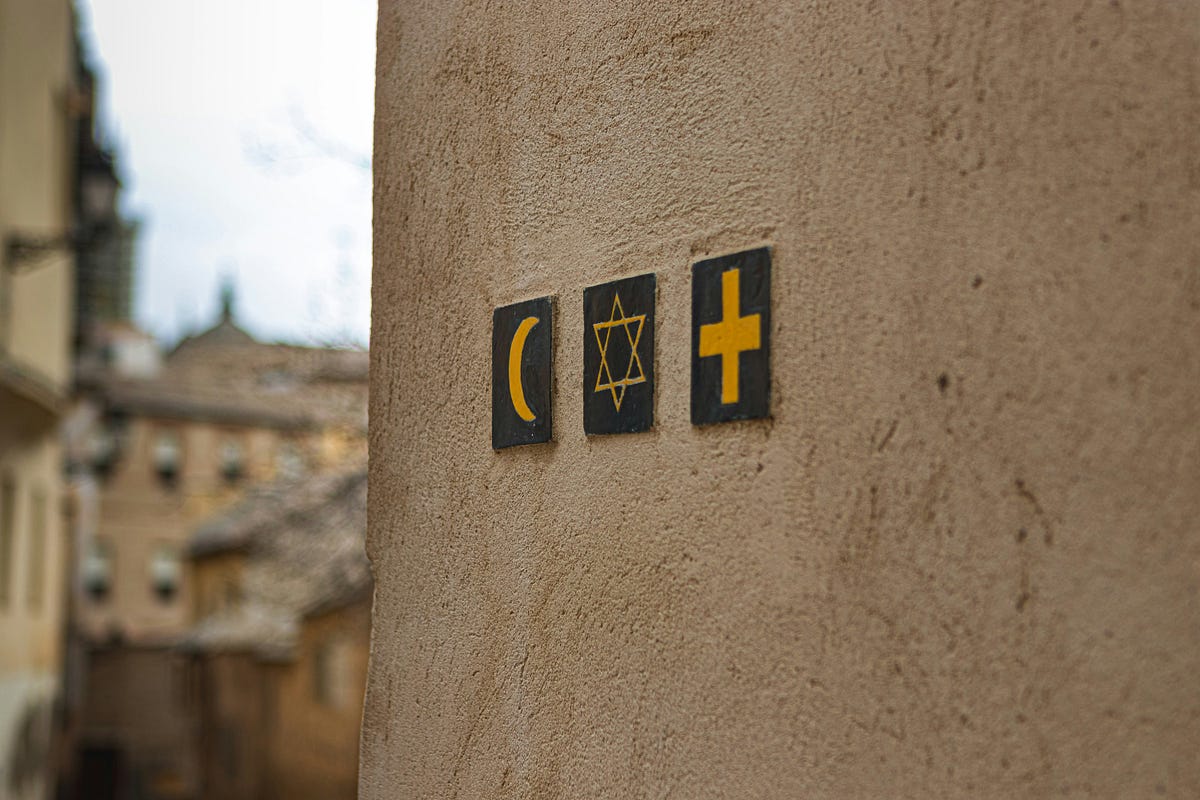
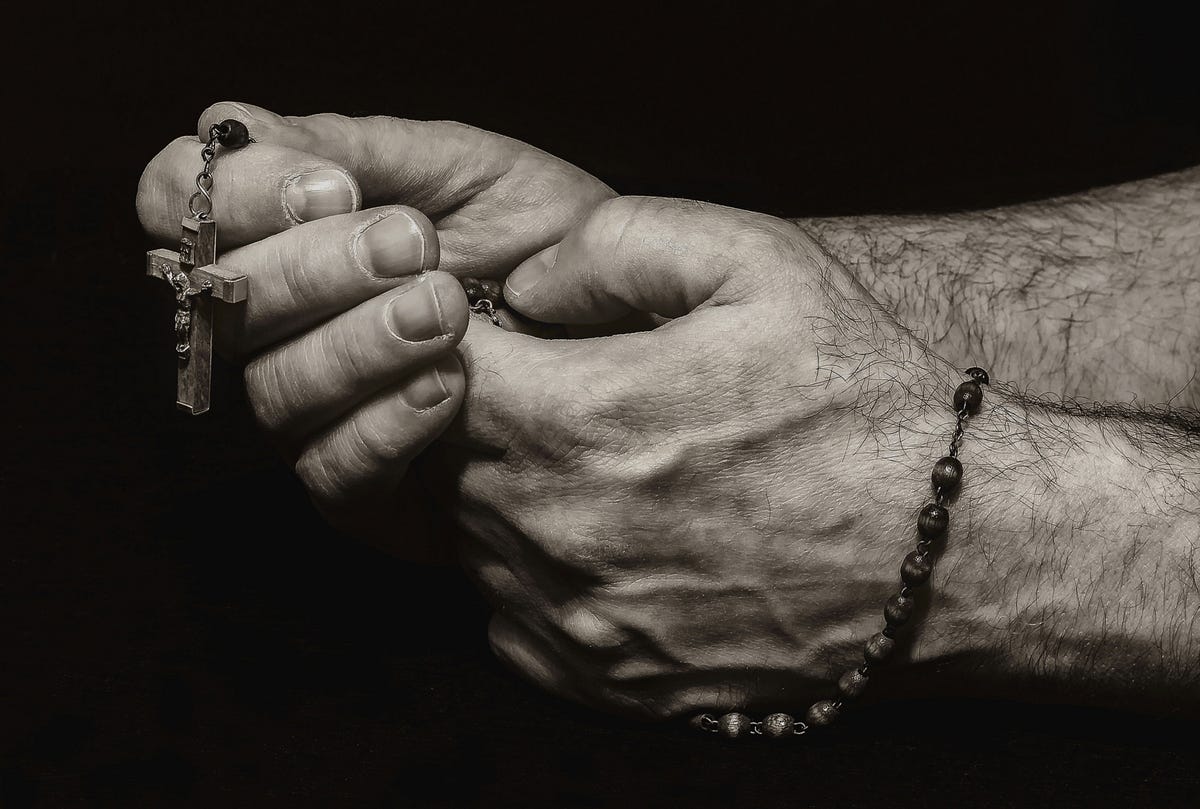
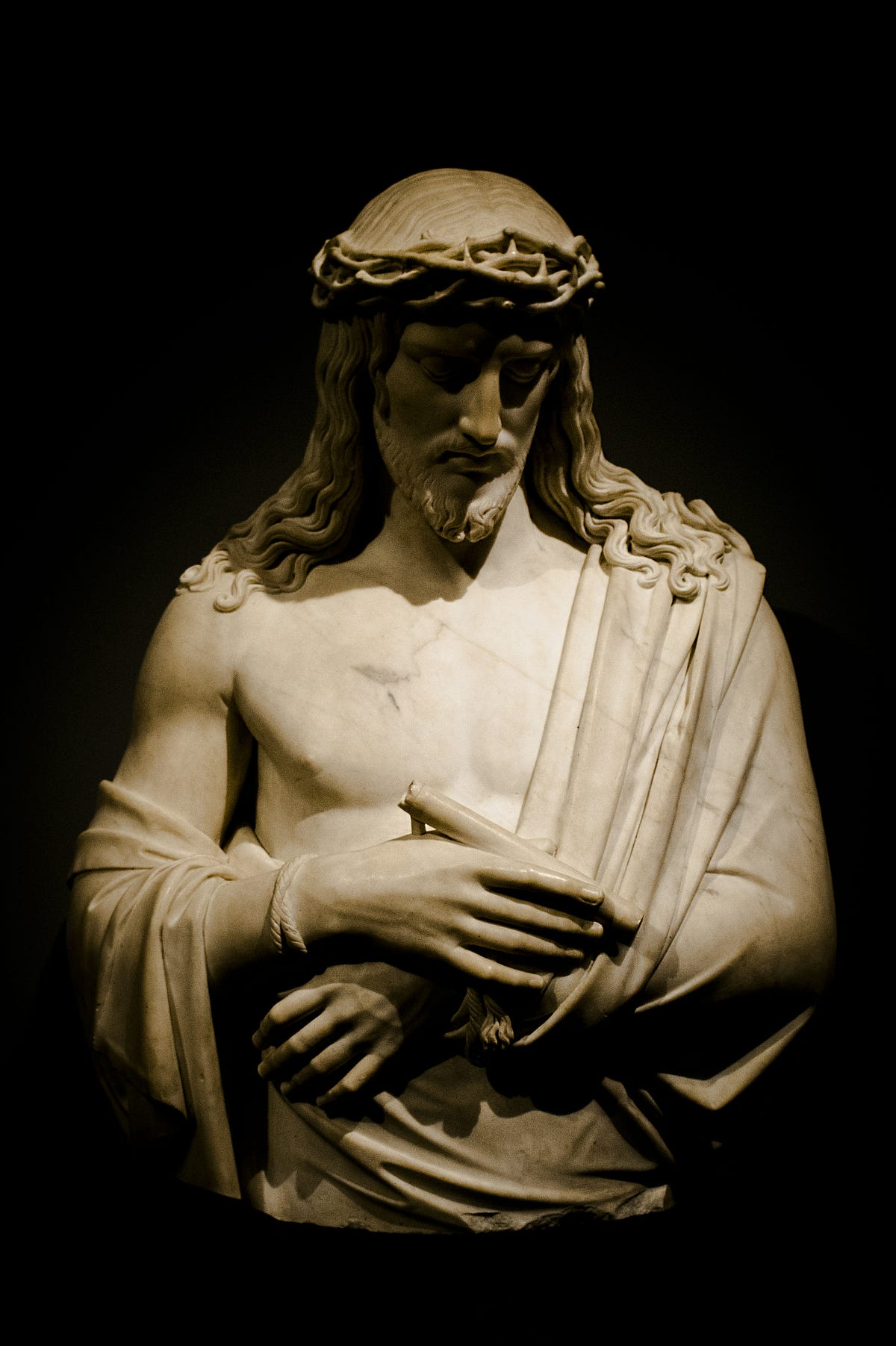
Explore our extensive collection of resources on religion, featuring insightful articles, thought-provoking discussions, and comprehensive guides to diverse faiths and spiritual traditions. From ancient practices to contemporary beliefs, our content delves into the history, rituals, teachings, and cultural impact of various religions. Discover new perspectives and deepen your understanding of spirituality and religious communities with our expertly curated content. Whether you’re a scholar, seeker, or just curious, find inspiration and knowledge in our dedicated category on religion.
Throughout history, the role of religion has been pivotal in helping individuals find meaning, solace, and resilience amidst life’s formidable challenges. Whether coping with the loss of a loved one or contemplating the vast mysteries of the cosmos, belief in a transcendent power, cosmic force, or divine entity provides insights into profound metaphysical enigmas. These mysteries—our origins, purpose, and the potential of an afterlife—have intrigued humankind across diverse cultures and eras. The deep-seated conviction in a wise, benevolent deity orchestrating a universal master plan offers a profound sense of safety, balance, and inner tranquility. For many, the role of religion is an unwavering pillar of fortitude, guiding them through distress, bereavement, and solitude. Beyond personal solace, religious and spiritual doctrines shape moral philosophies, ethical behaviors, and collective rituals that have left an indelible mark on civilizations.
We invite you to explore the complex ways in which faith and spirituality affect our lives, both on a personal and communal level.
Need for God – The Role of Religion
For those grappling with life’s hardships and emotional upheaval, solace and purpose can often be found in believing in a higher power, serving them as a crucial pillar of inner strength, resilience, and tranquility. Fundamentally, faith in a supreme, transcendent entity or entities beyond our tangible world provides answers to profound metaphysical questions that have intrigued humanity for ages, such as “Why are we here?”, “What is our purpose?” and “What happens after we die?”. Seeking these answers solely through logic can cause significant anxiety, uncertainty, and existential fear. Yet, the deep assurance and belief that our lives are part of an elaborate cosmic plan orchestrated by an omniscient, benevolent deity can bring solace, dispel doubts, and foster a state of calm composure.
Moreover, the conviction that an omniscient, all-loving, everlasting divine presence perpetually guides and observes us at every turn, even amidst adversity and calamity, can endow believers with a steadfast source of comfort, emotional fortitude, and resilience through the most trying times.
Be it the anguish of profound loss, the physical and emotional distress of a terminal condition, or the intense solitude and seclusion that may ensue, the belief in a compassionate higher power’s constant companionship can render the harshest of ordeals less intimidating and imbue them with more profound significance. This spiritual connection instills the assurance that we are never truly isolated, even at our lowest points, and that a blissful afterlife in a superior realm is forthcoming, where reunions with our lost loved ones and ultimate solace are promised. For numerous individuals, this conviction is an invaluable emotional anchor and a wellspring of fortitude that enables them to withstand life’s sternest challenges and press ahead.
At its most profound and commendable, a spiritual belief system founded on faith and veneration of the divine not only offers solace in times of emotional distress but also imparts a profound sense of purpose and metaphysical importance to its adherents. These belief systems forge ethos and values, establishing a moral philosophical framework that guides ethical behavior and virtuous conduct in harmony with the tenets of the faith. They unite adherents in communities connected by common traditions, shared objectives, and hallowed practices. Dedication to religious principles promotes discipline, selflessness, and reverence for what is holy according to divine intent. These factors contribute to the significant cultural, ethical, and existential role that religious and spiritual belief systems, with their diverse practices, have played in numerous civilizations across history.
Yet, the moral frameworks, philosophies, origin narratives, and rituals of many major world religions are often hotly debated and seen as problematic, archaic, and at odds with their professed values of universal love, peace, and ethical conduct. Historically, religious teachings and their interpreters have fostered ideological bigotry, stifled free thought and expression, curtailed individual liberties, and even incited violence, prejudice, animosity, and injustice toward those regarded as heretics or outsiders. Scientifically, assertions regarding the origins of Earth, the cosmos, and human nature contradict empirical evidence and established facts of evolutionary biology. Narratives, parables, and moral tales, initially devised as thought experiments to convey ethical teachings, have been misinterpreted and warped into literal historical or scientific facts, demanding acceptance without question or amendment.
In a Nutshell
Ultimately, the personal conviction in a higher metaphysical power and secular spirituality can serve as a remarkable source of emotional support and meaning during times of significant adversity. However, one does not need to fully adhere to speculative mythologies, strict superstitions, unproven claims of absolute truth, or outdated cultural mandates of traditional organized religions to find such sustenance.
The concept of adulthood is understood differently across various cultures, societies, and religions. It’s typically associated with an individual’s legal and social rights and responsibilities, such as the ability to vote, drive, drink, and marry. Despite this general framework, there’s no global consensus on when a person transitions into adulthood and what we consider child marriage in Islam is an extension of it. Instead, many factors contribute to this determination, including the onset of puberty, which is the biological marker indicating reproductive maturity and the development of secondary sexual characteristics. In many religious traditions, particularly Judaism, Christianity, and Islam, reaching puberty is considered a significant step toward adulthood and an indication of suitability for marriage.
However, secular societies often set a fixed age of consent, usually at 18, to define the threshold for marriage and other adult activities. This difference creates interesting questions about the relationship between religious beliefs and contemporary societal norms, especially concerning marriage. Historical cases like those of 16th-century Spanish King Philip and Prophet Mohammed demonstrate that in some contexts, marriage wasn’t consummated until both partners reached puberty, reflecting a religious and cultural understanding of adulthood.
In the case of child marriage in Islam, interpretations may vary. Some consider puberty a clear sign of readiness for marriage, while others emphasize a broader perspective that includes emotional maturity and legal consent. This divergence in views highlights the complex dynamics between traditional religious practices and modern legal frameworks. It’s crucial to examine these historical precedents while also addressing the implications of these differing views on adulthood in the contemporary world, where there’s a growing emphasis on safeguarding the rights of minors and ensuring that marriage is a consensual and healthy institution.
Join us as we delve into thought-provoking questions about Christianity and monotheism. We’ll explore how…
Child Marriage in Islam and Other Abrahamic Religions
In Abrahamic faiths, adulthood often commences with puberty, signaling the shift from childhood to adult maturity. This perspective is entrenched in the scriptures and traditions of these religions. For instance, in Judaism, boys at 13 and girls at 12 reach the age of majority, known as bar and bat mitzvah, translating to “son and daughter of the commandment.” At this milestone, Jewish youth are tasked with adhering to religious laws and customs, and they gain eligibility to partake in synagogue and community activities. Similarly, Christianity views the onset of puberty as the age of reason or discretion, signifying the capacity to discern right from wrong and make ethical choices. Christian youth at this age are expected to confess their sins, partake in communion, and affirm their faith. In Islam, puberty marks the age of maturity or responsibility, denoting the duty to abide by Islamic precepts and rituals. Muslim youth are then expected to observe the five daily prayers, fast during Ramadan, give zakat (alms), and undertake the Hajj to Mecca if feasible.
Secular societies often establish the age of consent and adulthood at a fixed number, usually 18, whereas Abrahamic religions take a different approach. They consider an individual’s physical and emotional maturity as a better measure of readiness for marriage. Thus, the beginning of puberty is viewed as a divine sign and authorization for marriage, as well as a natural and wholesome manifestation of human sexuality. This viewpoint is reinforced by numerous scriptural and historical references.
The Hebrew Bible’s Book of Genesis tells the tale of Isaac and Rebekah, who were wed when Isaac was 40 and Rebekah was 10. The Book of Numbers recounts the story of Zelophehad’s daughters, who gained the right to inherit their father’s land and wed their cousins upon reaching puberty.
The New Testament’s Book of Matthew lists the genealogy of Jesus, noting several women who entered marriage at young ages, including Ruth, who married Boaz at 12, and Mary, betrothed to Joseph at 13 or 14.
The Quran, in the chapter An-Nisa (The Women), mentions that the waiting period for divorced women yet to menstruate is three months, suggesting their eligibility for marriage. Similarly, the chapter At-Talaq (The Divorce) indicates the same waiting period for widowed women, implying they may remarry.
According to Hadith, the sayings and actions of Prophet Mohammed, he married Aisha, his youngest and most cherished wife, when she was six or seven and consummated the marriage when she reached puberty, at nine or ten. He also reportedly encouraged his followers to marry young and to seek virgin spouses.
Anna of Austria and Her Uncle-Husband King Philip of Spain
To illustrate the concept of marriage and its connection to puberty, consider a historical example from the 16th century. King Philip II of Spain, renowned for his multiple marriages, entered into a controversial union with his niece, Anna of Austria. Anna was sent to live with her uncle before she had reached puberty, but they did not consummate their marriage until she had passed this significant developmental milestone. This delay aligned with the religious and cultural beliefs of their era, marking the point at which their marriage could be blessed by God and completed.
Although this practice might seem unconventional by today’s standards, it was in line with the norms of the 16th century. Marrying within the family was less stigmatized, and waiting until puberty was seen as a way to ensure that both parties were physically and emotionally ready for marriage. In this context, the marriage of King Philip and Anna of Austria was not solely a personal arrangement; it also had political motivations. The union aimed to strengthen ties between Spain and the Holy Roman Empire, ensuring that the Habsburg dynasty retained its influence and purity.
This historical example underscores how cultural and religious norms can influence marriage practices, sometimes in ways that might clash with modern sensibilities. Today’s values emphasize individual rights, age of consent, and the protection of minors, recognizing the potential harms of child marriage and other practices that might undermine a person’s autonomy and well-being. By examining these historical cases, we can better understand the complexities of marriage traditions and the importance of safeguarding against practices that could be detrimental in contemporary contexts.
The Spanish colonization of the Americas, intertwined with Christianization, evokes a pivotal epoch in global…
Last Marriage of Mohammad
The tradition of waiting to consummate marriage until after puberty is not confined to historical European royalty. For example, in the 7th century, Prophet Mohammed’s future wife was betrothed to him before reaching puberty, but their marriage wasn’t consummated until she had matured physically and emotionally. This practice reflects the Islamic belief that physical readiness and emotional maturity are key considerations for marriage.
Although Prophet Mohammed’s final wife was not his niece, unlike King Philip’s situation, both cases exemplify the principle of postponing consummation until after puberty. In the case of Prophet Mohammed, the marriage to his last wife served multiple purposes beyond personal union—it aimed to strengthen ties with Abu Bakr, his close confidant and the father of the young bride, and to offer the child a stable environment after the death of her mother.
These examples illustrate a shared understanding of the importance of maturity in marriage, while also showing how religious and cultural contexts can shape marriage practices. It’s important to recognize that while historical traditions like these can offer insights into past practices, contemporary views on marriage, child marriage in Islam, and age of consent have evolved. Today’s standards generally emphasize safeguarding the rights and well-being of minors, ensuring they have reached an appropriate level of maturity before entering into significant commitments like marriage.
Modern Concept Age of Consent
Secular societies, in contrast to religious viewpoints, have set the age of consent for marriage at 18 years. This is due to a variety of reasons, such as child protection, emotional maturity, and preventing forced or underage marriages. Unlike Abrahamic religions, which may consider the onset of puberty, secular values prioritize a specific age threshold.
Some of the arguments in favor of this secular perspective are as follows:
Young individuals who enter into marriage often face a higher risk of experiencing physical, sexual, and psychological abuse from their partners or relatives, as well as health dangers like early pregnancy, complications during childbirth, and infections transmitted sexually. They are also at a greater risk of discontinuing their education, forfeiting economic prospects, and enduring social isolation and discrimination.
Youngsters in early marriage lack the total capacity to make informed and autonomous decisions about their futures, particularly concerning a commitment as significant and enduring as marriage. They are also emotionally unprepared to handle the demands and duties associated with marital life, including effective communication, compromise, and managing disagreements.
To prevent forced or underage marriages, it is crucial to recognize that children who marry early are often coerced or influenced by their families, communities, or situations, lacking genuine and complete consent. They frequently find themselves stripped of fundamental rights and options, including access to education, healthcare, and self-determination.
Child Marriage
In a Nutshell: Child Marriage in Islam
The concept of adulthood is a complex and often debated topic, differing across cultures, societies, and religious traditions. It is commonly linked to the point at which a person gains certain legal and social rights and responsibilities, such as the ability to vote, drive, drink, and marry. However, there’s no universal standard for when someone is considered an adult, and various factors, including biology, culture, religion, and law, play roles in this determination.
One significant factor often considered is the onset of puberty, which marks a biological transition signaling reproductive maturity and the development of secondary sexual characteristics. In many religious contexts, such as those found in Judaism, Christianity, and Islam, puberty is often viewed as a sign of readiness for marriage. However, this perspective can conflict with the fixed age-of-consent laws set by many secular societies, usually around 18, which define legal adulthood and the right to engage in adult activities. This tension raises important questions about the intersection between religious beliefs and contemporary societal values.
For instance, child marriage in Islam has drawn attention due to differing interpretations of when a person is ready for marriage. Some interpretations align with traditional views that consider puberty as a threshold for marriage, while others stress a more contemporary approach, advocating for a higher age of consent. This divergence in views prompts discussions about how different societies reconcile traditional religious practices with modern legal standards and human rights.
To understand the broader implications, we can look at historical examples where individuals, like the 16th-century Spanish King Philip and Prophet Mohammed, followed the custom of waiting until their partners reached puberty before consummating their marriages. These examples reflect a historical context where puberty was often used to mark adulthood. However, the current age of consent laws and the growing emphasis on human rights in many parts of the world suggest a shift towards establishing a clear, consistent legal framework for defining adulthood and protecting minors from potential harm.
Overall, the concept of adulthood is complex and varies across different contexts. It requires a careful balance between respecting cultural and religious practices and ensuring the safety and well-being of all individuals, particularly minors. Addressing these challenges calls for a nuanced approach that considers the diverse ways societies understand adulthood and the need to protect individuals from potential exploitation or harm, especially within the context of marriage.
The Bible is one of the most significant and extensively read books throughout history. Revered by billions as the divine word, a moral compass, and the cornerstone of their beliefs, it is nonetheless a complex and debated text. Comprising various genres, authors, and viewpoints, it spans millennia of history and cultural development. The Bible is not a single, cohesive document; rather, it is a compilation of varied and sometimes conflicting texts, mirroring the human and historical circumstances of their creation. Consequently, Biblical interpretation is not an easy or direct task but an intricate and demanding endeavor that necessitates thoughtful and analytical engagement.
When studying the Bible, a primary question is whether its content should be interpreted literally, figuratively, or through a combination of both. This inquiry profoundly affects our comprehension and application of biblical teachings and narratives in contemporary life. For instance, reconciling the Genesis creation narrative with scientific theories of evolution and geological data presents a challenge. Additionally, addressing the seeming discrepancies and variances within and across the biblical texts is essential. It is also crucial to consider the ethical and moral dilemmas posed by biblical laws and stories, including issues of slavery, violence, gender roles, and sexuality. Understanding the historical and cultural contexts of the Bible’s authors and their original audience is vital to accurately translating and applying the Bible’s messages to modern-day circumstances and environments.
Join us as we delve into several questions, including whether one should take the Bible seriously. We will scrutinize the arguments and viewpoints of various biblical interpretation approaches, such as literalism, historical-critical, and contextual, assessing their merits and demerits.
Literalism in Biblical Interpretation
Literalism, a prevalent approach to understanding the Bible, asserts that the sacred text should be read and comprehended according to its plain and straightforward meaning. Advocates of literalism view the Bible as the inerrant and infallible word of God, where every word and detail holds historical and scientific accuracy. They maintain that the Bible is clear and consistent and admits only one correct interpretation for each passage. Typically, literalists adopt a conservative and traditional stance on ethical and moral issues, guided by biblical laws and commands.
Arguments in Favor of Literalism:
Literalism upholds the Bible’s authority and inspiration, affirming that it is God’s word, devoid of falsehood or error. By doing so, it maintains the integrity and unity of the entire text, avoiding selective acceptance or figurative interpretations.
Literalism provides a clear and objective standard for understanding and applying the Bible. It avoids the ambiguity that arises from subjective reasoning or personal experience, which can lead to diverse interpretations.
Literalists assume that biblical writers communicated directly and transparently. Acknowledging historical and cultural contexts, they take the text at face value, avoiding modern assumptions or foreign perspectives.
Challenges and Criticisms to Literalism
Literalism overlooks the literary and rhetorical aspects of biblical writings. For instance, it fails to recognize the poetic and symbolic nature found in Psalms, Proverbs, and Revelation, as well as the use of metaphors, similes, hyperbole, and irony throughout the text.
Literalism clashes with scientific evidence and historical facts that challenge biblical accounts. The creation story, the flood, the exodus, and miracles often conflict with empirical knowledge. Additionally, discrepancies within and between biblical books pose interpretive challenges.
By imposing an inflexible framework, literalism may not always address diverse contexts and situations. It neglects the dynamic nature of the biblical tradition, which evolves through ongoing dialogue between God and humanity.
Historical-Critical Approach to Biblical Interpretation
The historical-critical approach to understanding the Bible views it as a historical and human document, subject to rigorous methods and tools of analysis. Unlike literalism, which emphasizes the text’s plain meaning, historical-critical scholars recognize the Bible’s complexity and multifaceted nature. Let’s delve into the arguments for and against this approach:
Arguments in Favor of Historical-Critical Interpretation
Historical-critical scholars acknowledge that biblical writers and their audiences lived in specific historical and cultural contexts. They recognize that these ancient authors reflected their own times, experiences, and understandings in their writings. By doing so, historical-critical interpretation avoids imposing modern assumptions on the text.
This approach uncovers the layers beneath the biblical surface. Scholars reveal the theological developments, debates, and implicit meanings within and between biblical texts by examining historical and literary contexts. It sheds light on the creative ways biblical writers engaged with their challenges.
Historical-critical interpretation allows us to distinguish between essential and incidental elements in the Bible. It bridges the timeless and the timely, enabling us to apply biblical teachings and stories to our contemporary contexts. Embracing diverse perspectives encourages dialogue and enriches our understanding of the biblical tradition.
Challenges and Criticisms to Historical-Critical Interpretation
Critics argue that historical-critical analysis diminishes the Bible’s divine authority. By emphasizing its human origins, this approach denies supernatural guidance and involvement. It challenges the traditional view of the Bible as the infallible word of God.
Historical-critical scholarship dissects the Bible into parts, focusing on differences rather than similarities. Consequently, it offers multiple interpretations and conclusions, leaving readers with uncertainty. Some find this lack of definitive answers unsettling.
While historical-critical analysis enriches our understanding, it can alienate biblical writings from the faith and life of religious communities. Those who view the Bible as sacred and divine may struggle with this scholarly detachment.
Contextual Biblical Interpretation: Bridging Divine and Human Perspectives
The contextual approach to biblical interpretation emphasizes understanding the Bible in relation to both its historical context and the contemporary reader’s situation. Contextual scholars recognize that the Bible is not solely divine or solely human; it embodies both aspects. Let’s explore the arguments for and against this approach:
Arguments in Favor of Contextual Interpretation:
Contextual interpretation affirms that the Bible is both God’s word and a human response to God. It recognizes that God speaks through the biblical writings, and humans engage with them. By preserving the integrity and unity of the Bible, contextual interpretation avoids extremes like literalism or historical-critical analysis.
Contextual interpretation allows us to relate biblical teachings and stories to our own contexts and challenges. It encourages dialogue and diversity by inviting engagement from various perspectives. Appreciating the richness and complexity of the biblical tradition becomes possible through this lens.
Contextual scholars acknowledge that biblical writers and their audiences lived in specific historical and cultural contexts. They recognize that these ancient authors reflected their own times, experiences, and understandings in their writings. Contextual interpretation appreciates biblical texts’ historical and cultural diversity by considering different genres, sources, traditions, and perspectives.
Contextual interpretation delves into historical and literary contexts, revealing theological developments and debates within biblical communities. It exposes implicit meanings and creative ways biblical writers engaged with their challenges.
Challenges and Criticisms to Contextual Interpretation:
Critics argue that contextual interpretation weakens the Bible’s divine authority. By acknowledging its human origins and imperfections, this approach challenges the traditional view of the Bible as solely God’s word.
Contextual scholars bring their own biases and assumptions to the interpretation process. This subjectivity can lead to multiple conflicting interpretations and leave readers without clear guidance.
Contextual interpretation may detach biblical writings from their original purpose and message. Ancient authors may not have anticipated reading and applying their texts in diverse contexts.
In a Nutshell
The issue of taking the Bible seriously transcends a simple yes or no answer; it’s about the manner and reasons for doing so. Rather than outright acceptance or dismissal, it involves an active engagement with the text. Understanding the Bible is not about pinpointing a single correct interpretation but recognizing its essential role in grasping Western history and society.
The Debate Between Bible Literalists vs Contextualists
For centuries, there has been an ongoing debate within Christianity over how to interpret the Bible. On one side are the literalists, who believe the Bible should be taken completely literally, word-for-word. On the other side are the contextualists, who believe the Bible should be interpreted within its historical and cultural context. This debate has shaped Christian theology and doctrine throughout history.
Early Literalism
The early Christians were generally literalists when it came to interpreting the Bible. They took the stories and teachings at face value, ascribing to them a literal and historical truth. This literalist view was the dominant perspective throughout the first several centuries of Christianity.
However, even in these early years, there were hints of contextualism. Some Church Fathers like Origen argued for allegorical interpretations of certain passages, looking for deeper symbolic meanings beneath the literal text. But by and large, literalism held sway.
Medieval Scholasticism and the Growth of Contextualism
During the Middle Ages, the literalist view was still prevalent, but the rise of scholasticism and a revived interest in Greek philosophy led to more widespread use of contextual analysis. Scholars like Thomas Aquinas incorporated Aristotelian methods of analysis and questioned whether the Bible always meant exactly what it said in a literal sense.
This scholastic method opened the door for more allegorical and symbolic interpretations of scripture. The four-fold method became popular, which looked at literal, allegorical, moral, and anagogical meanings behind biblical passages. Contextualism was on the rise, even if it was still a minority view.
The Protestant Reformation and Literalism’s Resurgence
In the 16th century, the Protestant Reformation brought a resurgence of literalism. Protestant scholars like Martin Luther and John Calvin rejected many of the allegorical interpretations of the Catholic Church. They argued for a more literal, historical reading of scripture, free from non-biblical traditions.
This literalist bent was amplified by the growing use of the historical-grammatical method of interpretation, which stressed looking at the original languages, contexts, and grammatical structures to understand the author’s literal intent. The Protestant principle of sola scriptura (by scripture alone) reinforced this literalist trend.
19th Century Debates and the Emergence of Modern Contextualism
In the 19th century, new developments like the Higher Criticism movement, which analyzed the Bible’s historical origins and authorship, combined with growing scientific discoveries, posed challenges to biblical literalism. This led to a flourishing of contextualist approaches.
Liberal theologians and scholars argued that the Bible had to be understood within its ancient contexts and that its stories and teachings should not always be taken as literal historical facts. On the other side, fundamentalists like those behind the Niagara Bible Conference clung strongly to biblical inerrancy and literalism as a backlash against modernist thinking.
This literal vs. contextual debate raged throughout the 19th and into the 20th centuries, shaping Christian doctrinal disputes over issues like creationism vs evolution and inspiring the “fundamentalist-modernist” controversies.
20th Century and Beyond – A Diversity of Views
In the 20th and 21st centuries, this historical debate has continued in various forms across Christian denominations and traditions. Most mainstream Christian institutions have adopted some level of contextual interpretation, while still maintaining core literal beliefs about Christ’s divinity, the resurrection, etc.
Within these churches, a diversity of views exists, with some being more literalist and others more contextualist when it comes to specific teachings and biblical books. Literalism remains very strong in certain evangelical, fundamentalist, and conservative churches. Meanwhile, liberal and progressive churches tend to interpret scripture through a more contextualist lens.
At the scholarly level, there is also a wide range of approaches drawing from literalism, contextualism, and other methods like reader-response criticism and postmodern interpretation. The historical debate continues unabated, shaping how each new generation of Christians understands the Bible.
Scientists frequently express amazement at the seemingly fine-tuned universe, where the exact values of physical constants and laws appear precisely calibrated to sustain life. This extraordinary precision is vital; even minor variations in these constants might lead to a barren universe devoid of stars, planets, and the chemical processes necessary for life.
The intricate equilibrium of our universe prompts deep inquiries into the genesis and framework of the cosmos, compelling scientists to demystify the enigma of its precise orchestration. The improbability of such ideal conditions emerging by chance evokes wonder and inquisitiveness, propelling the quest for fundamental principles or insights that might illuminate this fine-tuning.
Embark with us on a journey to decipher the puzzle of the fine-tuned universe through both scientific and theological lenses.
The immensity of the cosmos has always fascinated humanity, prompting us to ponder the beginnings and framework of the universe, as well as our place in it. The multiverse hypothesis, emerging from diverse physics and cosmology disciplines, introduces a profound and intriguing concept: our universe is not the only one, but merely a part of a potentially boundless ensemble of universes.
At the core of the multiverse hypothesis lies the enigmatic domain of quantum mechanics. The many-worlds interpretation, a controversial yet fascinating view on quantum events, suggests that all possible outcomes of a quantum occurrence do happen. This implies that every choice, every quantum-level random event, causes the universe to split into separate realities. Each reality holds a distinct version of existence, possibly including every imaginable variation of physical laws and constants. Such a vast collection of alternatives could explain the variety within our universe, hinting at countless different realities beyond our own.
An exciting aspect of multiverse theory stems from inflationary cosmology, which suggests that the early universe experienced a rapid expansion known as inflation. If this inflation occurred unevenly across space, different areas might have stopped inflating at various times. These areas could have developed into isolated “bubble universes,” each with its own physical laws and constants. Inflation, therefore, might have produced a vast, potentially infinite collection of universes, making the observed diversity a matter of statistical probability.
String theory, which aims to reconcile nature’s fundamental forces, introduces another layer to the multiverse concept by proposing that fundamental particles are not point-like but rather tiny, vibrating strings. The way these strings vibrate determines the properties of the particles they represent. String theory allows for many possible configurations, each of which could result in a different set of physical laws and constants, suggesting that each configuration might correspond to a separate universe within the multiverse, offering a theoretical foundation for the existence of multiple physical realities.
The multiverse concept provides a fertile context for the anthropic principle, which posits that our universe is observable because if it were fundamentally different, we wouldn’t exist to observe it. Given a vast multiverse with diverse physical laws and constants, it’s unsurprising that at least one universe would have the right conditions for life as we know it, negating the need for a “designer” to fine-tune the universe for our existence. This offers an alternative explanation for the precise alignment of physical constants that enable life.
Furthermore, the multiverse theory could address the fine-tuned universe problem, which arises from the observation that many physical constants in our universe appear precisely calibrated for the existence of stars, planets, and life. The odds of these constants randomly aligning to support life seem incredibly slim. However, in a multiverse with countless universes and varying constants, the statistical likelihood that at least one universe would have the exact conditions for life makes our universe seem less like a perplexing outlier and more like a natural outcome within an immense cosmic landscape.
Although the multiverse hypothesis extends beyond the scope of directly observable science, its potential to explain the complexity and variety of the universe is clear. It challenges us to reconsider our place in the cosmos, moving from the concept of a single universe to a vast array of possibilities. With technological advancements and a deeper understanding of the cosmos, exploring the multiverse’s mysteries is a fascinating and persistent endeavor.
The God hypothesis proposes the existence of a divine creator or supreme being as the fundamental reason for the universe’s origin, structure, and purpose, encompassing its laws, complexity, and life.
The fine-tuned universe issue, which underscores the apparently unlikely calibration of physical constants necessary for life, leads to diverse interpretations. Unlike scientific methods, the God hypothesis provides an explanation based on faith and the notion of a divine architect.
At the heart of the God hypothesis lies the concept of purposeful design. The complex and life-sustaining characteristics of the universe are seen as the handiwork of a creator who intentionally shaped the cosmos with particular conditions in mind. The unlikely values of physical constants, the laws governing physics, and the initial conditions leading to our universe’s birth are viewed not as coincidental or statistically necessary but as deliberate choices by a designer imbued with intent and significance, indicating a purposeful creation rather than a random event.
Proponents of the God hypothesis often regard it as a straightforward and explanatory model. It provides a singular response to the question of why the universe is conducive to life, avoiding the need for speculative and presently unobservable notions such as the multiverse, which suggests an extensive collection of invisible universes. For these individuals, invoking a divine creator offers a lucid and all-encompassing rationale that aligns with their beliefs and perception of existence.
The God hypothesis extends beyond empirical science into philosophical and theological domains, addressing questions of the universe’s origin, purpose, and meaning through religious and metaphysical lenses. This contrasts with scientific inquiry grounded in evidence and testable theories within the natural world. Advocates of the God hypothesis may suggest that science’s inherent limitations prompt the need for supernatural or metaphysical explanations to account for the universe’s complexity and apparent fine-tuning.
There are epistemological distinctions between the God hypothesis and scientific hypotheses. The God hypothesis exists outside the scope of methodological naturalism, the principle that underpins scientific investigation by seeking natural causes for observed phenomena. Based on faith and metaphysical contemplation, the God hypothesis is separate from scientific hypotheses, which are contingent upon empirical evidence and the possibility of testing.
In summary, the God hypothesis presents a unique viewpoint on the fine-tuned universe issue. Although it does not conform to the principles of scientific investigation, it appeals to those who seek meaning and explanation in the idea of a divine creator. Acknowledging the essential distinctions between this perspective and scientific explanations is vital for appreciating the varied methods humans employ to confront the enigmas of the universe and our existence in it.
Some believe we are presented with only two options: either a deity created the universe and life on Earth through supernatural means, or no deity exists at all, which is a false dichotomy.
A prominent concept that helps us understand the universe’s apparent fine-tuning is the Non-Overlapping Magisteria (NOMA), introduced by Stephen Jay Gould.
This concept posits that science and religion explore separate domains of knowledge, known as “magisteria.” Science investigates the empirical universe, building theories based on observable evidence and repeatable experiments. Religion, conversely, addresses profound ethical, existential, and metaphysical questions, often beyond the physical world. From this standpoint, the multiverse theory, which examines the universe’s structure and mechanics, does not inherently conflict with or disprove the existence of a deity, as they pertain to entirely separate realms.
However, alternative viewpoints question this strict division. Certain theistic beliefs harmonize the concept of the multiverse with the existence of a divine creator by suggesting that God is the originator of the multiverse itself. This implies that God did not just create our particular universe but also the laws and constants that govern the myriad of universes within the multiverse. Thus, the multiverse is seen as an extension of a larger divine scheme rather than a contradiction.
Additionally, the significance of metaphysical and theological interpretations must be recognized. These interpretations provide a unique layer of comprehension that often goes beyond scientific explanations. From this vantage point, the existence of God does not depend solely on deciphering the universe’s physical complexities. Rather, it is an act of faith anchored in profound philosophical and theological structures that search for meaning outside the physical domain. Even if the multiverse offers a scientific rationale for the fine-tuned universe, it does not necessarily invalidate these beliefs based on faith.
It’s also crucial to acknowledge the limitations of scientific explanations. While the multiverse theory may account for the fine-tuning observed in our universe, it could lead to more profound existential inquiries. Questions like why the multiverse exists or why the laws of physics vary across universes may elude scientific explanation and require interpretations that could be theological in nature.
The connection between the multiverse and the divine largely depends on one’s concept of God. Various religions and philosophical doctrines offer widely differing perspectives on the divine. To some, God is deeply integrated into the universe’s fabric, with its intricate design reflecting God’s active involvement. To others, God represents a more abstract, deistic force external to the universe and does not intervene in its dynamics. The multiverse concept could profoundly challenge certain views of God but may not affect other beliefs.
The interaction between the Multiverse and Divine hypotheses provides a complex framework for reflection, transcending the dichotomy of solely scientific or theological explanations for the universe. It uncovers the intricacies involved in harmonizing the expansive theories of the multiverse with the intimate, belief-based notions of a divine creator. The Non-Overlapping Magisteria (NOMA) principle proposes a harmonious existence between science and religion, each addressing distinct aspects of human comprehension. However, conversations often blend these realms, pushing the limits of our knowledge and beliefs.
Certain theological views incorporate the multiverse as an aspect of divine creation, portraying a God not confined by our universe but rather as the designer of a vast multiverse, with each universe serving as evidence of divine limitless imagination, thus broadening the traditional understanding of God to one capable of creating endless possibilities. In contrast, some argue that the precise and purposeful design of the universe suggests a God intricately involved in creation’s details, indicating a universe intentionally formed for life. These differing perspectives underscore the variety within theological discourse, showing the diverse interpretations of the divine across various belief systems.
As science progresses and pushes the limits of our knowledge, it may help us grasp the intricacies of the universe’s fine-tuning. Yet, the profound existential queries about purpose and significance might always remain within the sphere of individual belief and philosophical contemplation. Whether viewed through the prism of science, faith, or a combination thereof, delving into the origins and framework of the universe continues to be a deeply significant pursuit, driving us to search for insights that extend beyond what we can see, into the domains of the theoretical and the spiritual.
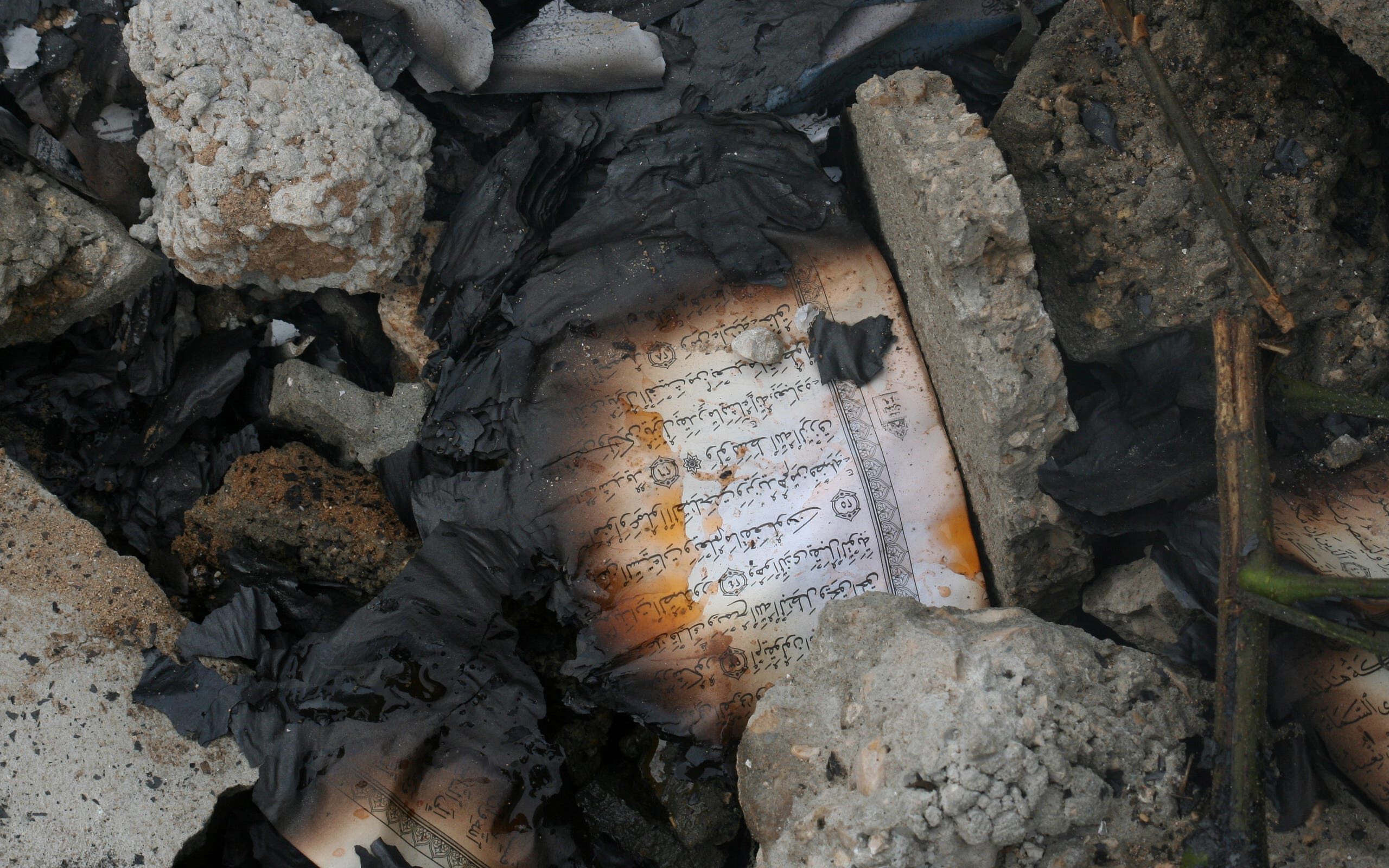
The phenomenon of Quran burning by individuals aligned with far-right ideologies transcends the physical act of destroying a religious text. It represents a profoundly intricate and sensitive subject that intersects religious belief, political extremism, and cross-cultural perceptions.
The act of burning Qurans serves as a symbolic assault on the values and sensibilities of a global religious community, generating profound reactions and impacting how Islam is perceived worldwide.
Join us in exploring why far-right politicians burn Qurans and how they sit back and watch Muslims shoot themselves in the foot.
Exploring the Underpinnings of Quran Burning
The deliberate choice to burn the Quran by specific far-right figures is fueled by a complex web of motivations aimed at inciting a strong emotional response from the Muslim populace. This act extends beyond mere criticism or dissent against Islamic teachings; it is a calculated offense designed to provoke and insult. In this context, the Quran is viewed not just as a book of words but as a sacred emblem of the Islamic faith. Desecrating it becomes an attempt to challenge and denigrate the foundational beliefs of Islam.
Historically, incidents of Quran burning have often served as catalysts for heightened tensions and misunderstandings. For example, the 2005 burning of the Quran by American troops at Guantanamo Bay sparked widespread condemnation and protests across the Muslim world. This incident and others illustrate how such acts can have a significant ripple effect beyond the immediate act itself.
The impetus behind such provocative acts can be traced back to multiple factors. A significant driver is the endeavor to affirm and propagate far-right ideological stances that perceive Islam as antithetical to their core values. Through the act of Quran burning, these individuals seek to manifest their rejection and fear of what they consider a cultural or national identity threat posed by Islam. This fear, often fueled by Islamophobia and anti-immigrant sentiment, can lead to a distorted and prejudiced view of Muslims.
However, above all, these far-right leaders burn copies of the Qurans to grab headlines and portray Muslims as violent, emphasizing the perceived threat of Islam.
Unpacking the Muslim Community’s Reaction and Its Ripple Effects
The Muslim community’s response to Quran-burning incidents is pivotal for understanding the dynamics of provocation and backlash. The Quran’s desecration is viewed as a grave affront within Islam, eliciting reactions ranging from dismay and outrage to peaceful demonstrations or even, in rare instances, violent retaliations.
However, such responses, often misconstrued as disproportionate, inadvertently fulfill the provocateurs’ objectives. Far-right groups predict and sometimes even welcome these reactions to vindicate their biased views and depict Muslims in a derogatory manner, serving to entrench stereotypes of Muslims as intolerant or prone to violence, advancing the far-right’s divisive agenda.
Quran burnings further reinforce domestic propaganda in many Muslim-majority countries that the West is at war with Islam. Muslims feel the need to protect themselves, viewing their actions not as an assault on the West but as a response to the West’s attacks on Muslims.
The Broader Implications on Islam’s Global Perception
The ongoing cycle of provocation and reaction has profound implications for the global perception of Islam. Public and media portrayals of Muslims reacting violently to Quran burnings can perpetuate negative stereotypes, overshadowing Islam’s teachings of peace and the positive contributions of the majority of its adherents.
Furthermore, such incidents erect barriers to understanding and empathy towards Islam among non-Muslims. Instead of encountering a religion that advocates peace and understanding, people are met with images of strife and hostility, which may discourage further exploration or engagement with Islamic teachings.
Towards a Resolution: Breaking the Quran Burning Cycle
Addressing and ultimately breaking this cycle of provocation and reaction is essential for altering the prevailing narrative. This responsibility largely falls upon Muslim communities, which need to adopt strategic and composed responses to such provocations. Some argue that ignoring these provocations could potentially be the most effective strategy in curtailing them, as it denies the perpetrators the satisfaction of achieving their desired reaction.
However, it’s crucial to emphasize the diversity of reactions within the Muslim community. While some may choose peaceful protests or public education campaigns to counter these provocations, others may advocate for interfaith dialogue and collaboration to promote understanding and tolerance.
Additionally, efforts by Muslim organizations and individuals to counter the negative narratives associated with Quran burning are essential. This could include engaging with the media, promoting educational campaigns, and fostering interfaith initiatives.
Furthermore, it’s important to acknowledge the international community’s condemnation of the burning. Many countries and organizations widely view such acts as disrespectful and harmful to religious freedom, highlighting the need for mutual respect and understanding across different faiths and cultures.
Breaking the cycle of provocation and reaction demands a multi-faceted approach that involves not only strategic responses from Muslim communities but also collective efforts from individuals of all faiths and backgrounds to foster understanding, challenge prejudice, and promote peaceful coexistence.
Before I let you go, I want to remind you that if Quran burnings didn’t make headlines for far-right leaders, they wouldn’t burn a copy of the Quran they purchased at a store.
The relationship between Hitler, Nazism and religion is one of the most controversial and debated topics in history. Some argue that Hitler was an atheist and that Nazism was an atheistic regime, while others claim that Hitler was a Christian and that religious institutions influenced Nazism. However, both of these claims are oversimplified and misleading. The reality is much more complex and nuanced, taking into account Hitler’s religious beliefs, the nature of Nazism as a regime, and the role of religion during the Nazi era.
Hitler’s Religious Views
Hitler’s religious views have not been easy to pin down, as they were often contradictory, ambiguous, and opportunistic (surprise, surprise). He was born and raised as a Catholic, and he never officially renounced his membership in the Catholic Church. However, he also expressed disdain and hostility towards Christianity, especially its doctrines of equality, compassion, and pacifism, which he saw as weak and incompatible with his vision of a superior race. He also rejected the authority of the Pope and the clergy and sought to undermine and control the Catholic Church in Germany.
Conversely, Hitler professed belief in God and claimed to act according to God’s will, often invoking divine providence in his rhetoric to position himself as a champion of Christianity against Germany’s foes like Communism and Judaism. Additionally, he showed appreciation for elements of Germanic paganism, occultism, and mysticism, viewing them as wellsprings of inspiration and strength for his racial ideology.
Therefore, it is inaccurate to label Hitler as either an atheist or a Christian. He was neither but a religious opportunist who used and manipulated religion for his own political and personal ends, just like many other politicians of his caliber. He did not adhere to any consistent or coherent religious system but cherry-picked elements from various sources that suited his agenda.
Nazism as a Regime
Nazism, or National Socialism, was the political ideology and movement that ruled Germany from 1933 to 1945 under Hitler’s dictatorship. It was based on the principles of racial supremacy, totalitarianism, nationalism, militarism, and anti-Semitism, aiming to create a “pure” and “superior” German race and to eliminate or subjugate those deemed “inferior” or “undesirable,” such as Jews, Slavs, Roma, homosexuals, communists, and others.
Nazism was not an atheistic regime, as it did not officially deny or prohibit the existence of God or religion. That being said, it was also not a religious regime, as it did not promote or endorse any specific religion or faith. Rather, it was a regime that maintained a separation of religion and state but sought to subordinate religion to its political goals. It did not respect or tolerate religious diversity or freedom but rather controlled and manipulated religion for its own purposes.
Nazism maintained a complicated and often contradictory stance towards religion, particularly Christianity. It sought to harness and manipulate the religious feelings and customs of the German populace, predominantly Protestant. Additionally, it aimed to align with certain religious authorities and bodies, including the German Christians, a pro-Nazi group within the Protestant Church, and the Reichskonkordat, an agreement with the Vatican that offered certain privileges and safeguards to the Catholic Church in return for its allegiance and quiescence.
On the other hand, Nazism also tried to undermine and suppress the influence and autonomy of religion, especially those that opposed or challenged its ideology and policies, such as the Confessing Church, a resistance movement within the Protestant Church, and the Catholic Centre Party, a political party that the Nazis dissolved. It also persecuted and killed many religious people, especially those who belonged to minority or non-Christian faiths, such as Jews, Jehovah’s Witnesses, and Freemasons.
The role of religion during the Nazi era is a subject of historical debate and scrutiny, as it raises questions about the responsibility and complicity of religious institutions and individuals in the crimes and atrocities committed by the Nazi regime. While some religious people and groups actively resisted and opposed Nazism, such as Dietrich Bonhoeffer, a Lutheran pastor and theologian who was executed for his involvement in a plot to assassinate Hitler, and the White Rose, a student group that distributed anti-Nazi leaflets and was executed for treason, many others remained silent, passive, or even supportive of Nazism, either out of fear, ignorance, or agreement.
The Catholic Church has faced scrutiny for its actions during the Nazi era, particularly for not taking a stronger stand against Hitler’s regime and the atrocities committed. A focal point of this criticism is the relationship between Hitler and Pope Pius XII, who led the Church from 1939 to 1958. As a cardinal and the Vatican’s Secretary of State, he met with Hitler in 1934 and was involved in the signing of the Reichskonkordat in 1933, which some interpret as an act of conciliation towards the Nazis. Moreover, Pope Pius XII is noted for his silence during the Holocaust, despite being informed about the mass extermination of Jews and others, and he neither condemned nor excommunicated Hitler or any other high-ranking Nazi official.
However, the role of the Catholic Church during the Nazi era was not entirely negative or shameful, as it also involved some acts of resistance and humanitarianism. The Pope did issue some encyclicals and speeches that criticized some aspects of Nazism, such as racism, totalitarianism, and war, and called for peace and justice. He also supported and encouraged some Catholic clergy and laypeople who helped and hid Jews and other persecuted people, such as Hugh O’Flaherty, an Irish priest who saved thousands of Jews and Allied soldiers in Rome, and Edith Stein, a Jewish convert to Catholicism who became a nun and was killed in Auschwitz. The Pope also intervened and prevented the deportation of Jews from Rome and other parts of Italy and helped some Jews escape to other countries.
Therefore, the role of religion during the Nazi era is not a simple or clear-cut one, but rather a complex and nuanced one, involving both complicity and resistance, both silence and action, both collaboration and opposition. It is a role that requires careful and critical examination and honestand humble reflection.
In a Nutshell: Hitler and Religion
The topic of Hitler, Nazism, and religion is fraught with misconceptions, myths, and controversies and challenges us to confront the dark and tragic chapters of our history, making it hard to learn from the mistakes and failures of our past. It remains a topic that invites us to question and rethink our assumptions and beliefs about religion, politics, and morality and to seek a deeper and better understanding of the complex and diverse human nature and society.
Atheism and religion often stand as opposing paradigms, each with its own set of passionate advocates. Among atheists, there’s a growing movement that adopts a highly aggressive stance toward religion, a mode of thinking best described as “atheist dogma.” This brand of atheism is characterized by its absolute certainty about the invalidity of religious beliefs, leading to a rigid dismissal of all things associated with faith. Figures like Richard Dawkins, Ricky Gervais, and Sam Harris are notable proponents of this approach, often using sharp rhetoric and biting humor to challenge religious doctrines. Yet, as a non-religious person, I find that the aggressive tone of atheist dogma can be just as exclusionary and polarizing as the religious ideologies it critiques.
Atheist dogma, with its unyielding dismissal of religion, fails to acknowledge the complex roles that faith-based groups play in society. Consider the history of the Civil Rights Movement in the United States. The movement was heavily influenced by religious leaders and congregations, with figures like Dr. Martin Luther King Jr., a Baptist minister, guiding the push for social justice and equality. His leadership and the support from African-American churches helped catalyze significant societal change. Atheist dogma often disregards these contributions, focusing instead on the negative impacts of religion, thus presenting an overly simplified view of the religious landscape.
Another example of the positive impact of religion can be found in the role of faith-based organizations in humanitarian efforts worldwide. The Catholic Church, through its Caritas network, has been a significant force in providing disaster relief and humanitarian aid to countries across the globe. Despite its institutional controversies, the Church has shown that religious institutions can serve as a powerful force for good. Atheist dogma’s reductionist outlook tends to obscure these efforts, leading to a portrayal of religion that is devoid of nuance.
A third illustration of the complexity of religious influence is the work of religious and environmental groups. Organizations like the Evangelical Environmental Network and Interfaith Power & Light engage in environmental advocacy and action, showing that religious beliefs can drive initiatives for the common good. By championing stewardship of the Earth, these groups contribute to the global fight against climate change. Yet, proponents of atheist dogma may overlook these positive aspects, opting for broad-stroke criticism that fails to account for the diversity within religious communities.
The rigidity of atheist dogma is not just exclusionary—it risks creating its own echo chambers where dissenting views are unwelcome. This attitude mirrors the very dogmatic certainty that atheists often criticize in religious institutions. By focusing solely on the negative aspects of religion, proponents of atheist dogma miss the opportunity to engage in meaningful dialogue with believers who might share common goals, such as social justice, humanitarian work, or environmental stewardship.
Ultimately, atheist dogma can be as divisive and unyielding as the religious dogma it opposes. To foster a more inclusive and understanding society, both atheists and religious believers need to move beyond rigid ideologies, embracing a broader perspective that recognizes the complexity and potential for good in both religious and secular approaches to life. This shift requires humility, open-mindedness, and a willingness to engage in conversations that transcend dogmatic boundaries, focusing instead on our shared humanity and common aspirations for a better world.
Turkey, a country at the crossroads of East and West, has long been a melting pot of cultures, traditions, and religions, contributing to its complex relationship with religion, particularly Islam, the religion of the vast majority at birth due to state policies. However, beneath the surface of these official records, the religious landscape of Turkey is far more nuanced and diverse than it might appear.
Statistical Overview of Religious Affiliation
The Turkish state records the religion of individuals at birth based on their parents’ faith, leading to an official figure that categorizes virtually the whole population as Muslim. However, this surface-level statistic, which makes no difference in anyone’s life, masks the country’s complex tapestry of belief and non-belief. Almost no one is concerned about the accuracy of this data, and most people who are incorrectly registered believe that it is none of the state’s business that they believe or disbelieve, leaving the registration as is.
However, according to the Turkish Statistical Institute, although a significant portion of the population is registered as Muslim, there is a growing trend of religious reidentification among the younger generations, which the Pew Research Center agrees.
A comprehensive study conducted by the Pew Research Center reveals that the percentage of individuals identifying as atheists or deists is rising at approximately 6%, a notable increase from previous decades, signaling a gradual but significant shift in religious attitudes.
The Spectrum of Belief Within Islam
Turkey is not just another Muslim-majority country. Delving deeper into the beliefs of Turks who identify as Muslim, it becomes evident that there is a broad spectrum of religious practice and interpretation. A national survey found that while a majority of Muslims in Turkey express belief in core Islamic tenets, there is considerable variation in the observance of traditional practices. For instance, the percentage of Muslims who regularly perform the five daily prayers along with Mosque attendance is significantly lower than might be expected, suggesting a more personalized approach to religious practice.
Moreover, the same survey indicates that a significant number of Muslims in Turkey do not see adherence to traditional practices such as fasting during Ramadan or regular mosque attendance as essential to their faith, highlighting a broader trend towards a more individualized form of Islam, which prioritizes personal belief and moral values over strict ritual observance.
Secularism, Atheism, and the Public Sphere
The distinction between secularism and atheism is crucial in the Turkish context. While secularism advocates for the separation of religion from public life, it does not inherently reject the presence of religious beliefs within society. This nuanced understanding of secularism allows for diverse religious expressions and beliefs, including those that may not fit neatly into traditional categories. It’s a perspective that acknowledges the complexity of faith in the modern world, where ancient scriptures may not directly address the challenges of contemporary life.
Statistical data support this trend, with more Turks supporting secular values, including the separation of religion and state. A survey by the Education and Science Workers Union (Eğitim-Sen) found that a majority of respondents favored maintaining Turkey’s secular education system, reflecting a broader societal preference for keeping religious beliefs out of public institutions.
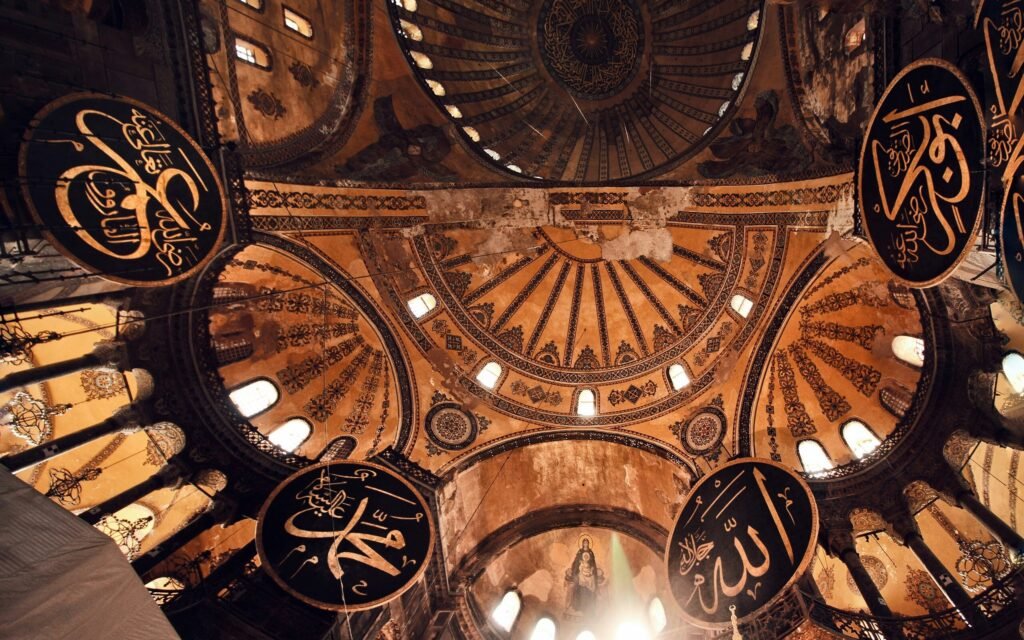
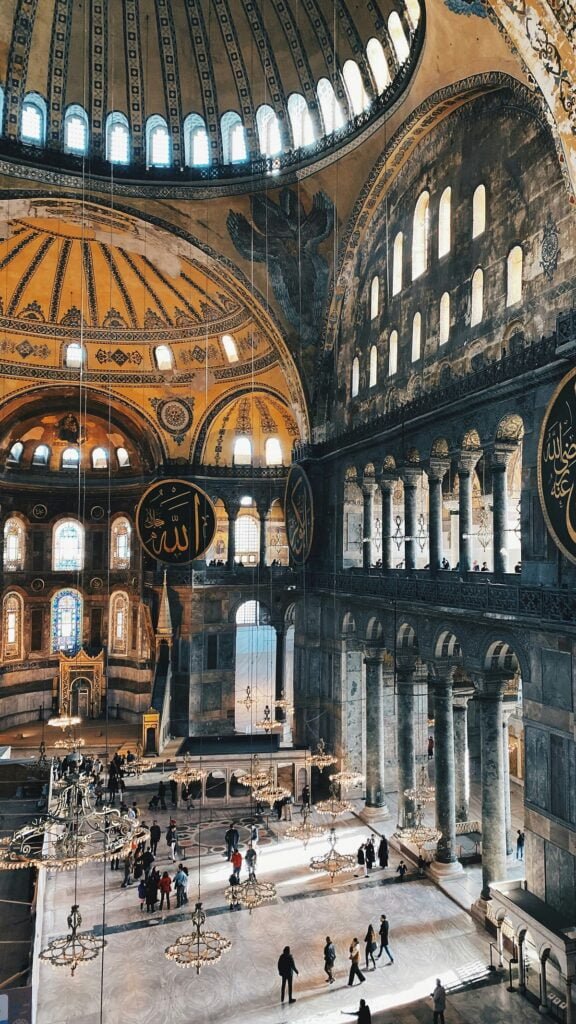
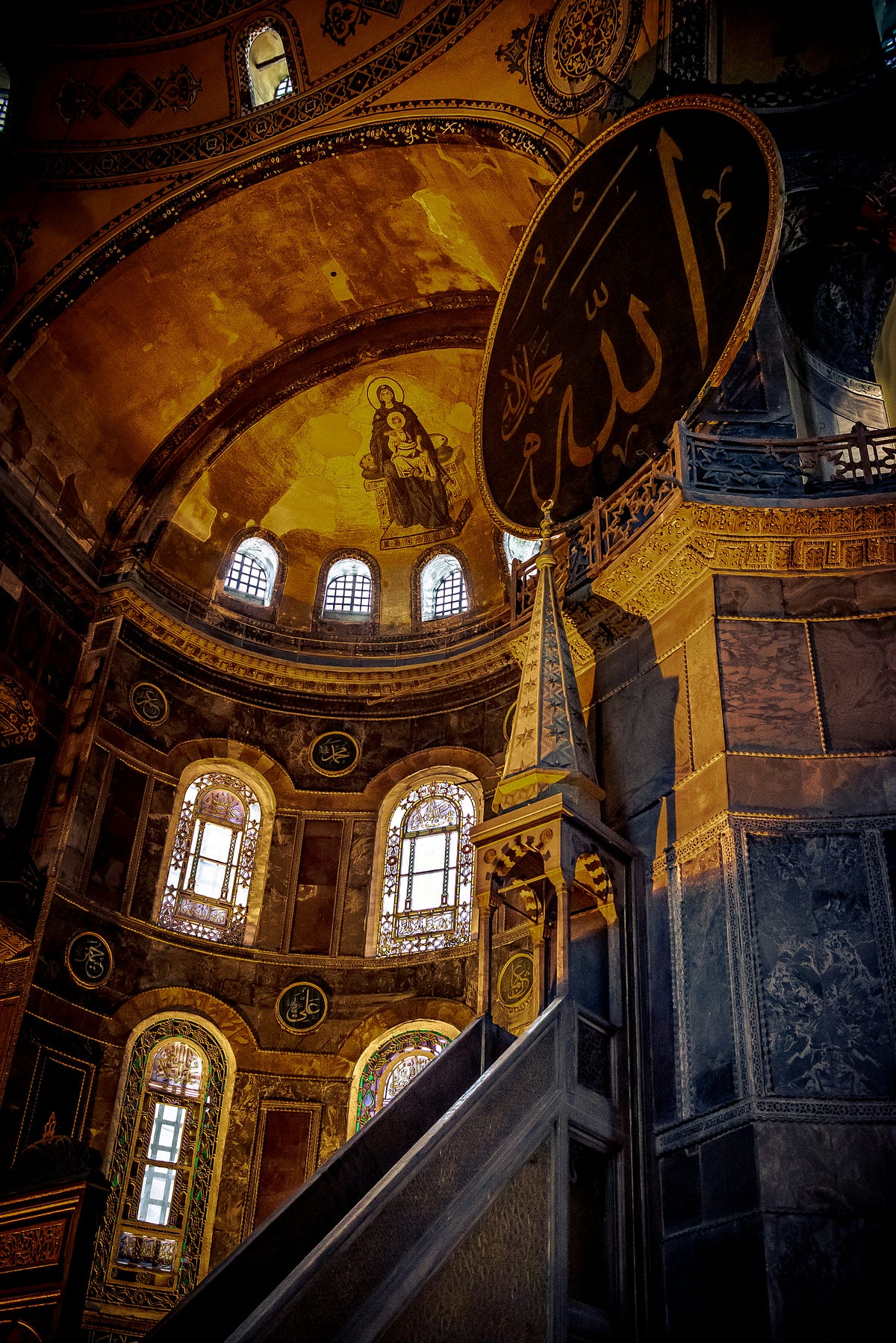
View into the Hagia Sophia from the upper floor — Photo by Linus Mimietz on Unsplash
Atheism Has No Place in Politics
While there are numerous openly atheist Turkish thinkers, journalists, writers, and artists, some of whom are considered national treasures, atheism in Turkish politics is unheard of. This may have several reasons, but the biggest is perhaps that secularist atheists would see discussing atheism publicly and advocating for political changes as contradictory to secular values. Additionally, they may believe that being openly atheist would make them appear biased and hinder their ability to advocate for secularism since the main message of Turkish secularists is that atheism and secularism are unrelated.
On the other hand, populist populations would likely aim to make any attempts by an openly atheist politician to enforce secularist principles seem like a war against Islam.
Ultimately, thanks to the fact that Muslim secularist politicians aim to keep religion personal and private, separate from politics. As a result, Muslim secularists and atheist secularists are largely indistinguishable, and atheist secularists believe they do not have to advocate for secularism on their own since secularism is to protect everyone.
The Road Ahead: Projecting Future Trends
Given the current statistical trends, it is plausible to project that the number of individuals identifying as atheists, deists, or non-traditional Muslims will continue to grow. This reflects a global trend of religious disaffiliation, particularly among younger generations who often prioritize personal experience and scientific understanding over traditional religious authority. My personal view is that more and more Turks leave organized religion altogether and identify themselves as deists.
Turkish Deism
Deism is a philosophical and religious viewpoint that posits the existence of a supreme being or creator, often referred to as “God,” based on reason and observation of the natural world rather than on revelation or religious scripture. Deists typically believe that this supreme being created the universe and set it in motion but does not intervene in its affairs through miracles or divine revelation. Instead, deists argue that the natural world operates according to rational laws established by this creator.
Deism emerged during the Enlightenment period in Europe in the 17th and 18th centuries and was influential among many intellectuals, including thinkers like Voltaire, Thomas Paine, and Thomas Jefferson.
It is not surprising that the Turkish flavor of deism is unconventional. Individuals who identify themselves as deists in Turkey typically believe in a creator who may or may not intervene in the day-to-day workings of the universe, allowing prayer as a final option. Moreover, Turkish deists often think that humans are put to the test in this world. Any action that harms others or any inaction that contradicts common decency is considered a ‘sin.’
In a Nutshell
As depicted through statistical data, Turkey’s evolving religious landscape illustrates a complex interplay of traditional beliefs, secular values, and a growing inclination towards personal spirituality, suggesting a future in which Turkey’s religious identity will be increasingly characterized by diversity, pluralism, and individual choice, challenging conventional narratives and paving the way for a more inclusive understanding of faith in the modern world.
Christianity and Islam are two of the most influential religions in the world, each with a rich history and deep-rooted traditions that have shaped societies and influenced the course of human history. With over 2 billion Christians and 1.8 billion Muslims globally, these religions form a significant bridge impacting the cultural, social, and spiritual lives of billions. The bridge between Christianity and Islam is reflected in their holy scriptures—the Bible and the Quran—and extends to their practices, rituals, and beliefs, highlighting both similarities and distinctions that render each faith unique.
Despite their differences, both religions share a common belief in the existence of one God, the importance of prayer and charity, the value of family and community, and the pursuit of peace and justice. By exploring the common ground between Christianity and Islam, we can better understand and appreciate these two religions and foster greater respect and cooperation among their followers.
Bridge Between Christianity and Islam I: Shared Monotheistic Roots
Christianity and Islam are two major religions that share a fundamental belief in the oneness of God. Both faiths consider God to be the sole creator and sustainer of the universe. This monotheistic principle is a cornerstone that unites the followers of both religions, and it is expressed in their daily prayers and religious rituals.
In addition to this belief, Christianity and Islam share a reverence for a lineage of prophets. These prophets, including Abraham, Moses, Elijah, Elisha, Jonah, Zechariah, John the Baptist, Aaron, David, Solomon, Job, Joseph, Adam, Noah, Lot, Ishmael, Isaac, Jacob, and Jesus, are considered essential figures in the history of both religions who are seen as messengers of God who had a pivotal role in guiding humanity and who left behind teachings that are still relevant today.
While there are differences in how these religions interpret and follow the teachings of these prophets, the shared belief in their importance underscores the deep similarities between Christianity and Islam. These similarities offer a path for peaceful coexistence and mutual understanding between the followers of these two faiths.
Bridge Between Christianity and Islam II: Sacred Texts and Teachings
The Bible and the Quran are two of the most important religious texts in the world, serving as the foundational scriptures for Christians and Muslims, respectively. These texts are revered by believers as sacred and are considered to contain the divine word of God.
For Christians, the Bible provides a comprehensive guide to faith and morality, covering everything from the world’s creation to the life and teachings of Jesus Christ. It is divided into two main parts: the Old Testament, which tells the story of God’s relationship with the Jewish people, and the New Testament, which focuses on the life and teachings of Jesus and the early Christian church. The Bible provides moral guidance, spiritual insights, and a framework for living a life pleasing to God. It emphasizes the importance of love, compassion, forgiveness, and humility while stressing the need for righteousness and obedience to God’s commands.
For Muslims, the Quran is the final and most complete revelation of God’s message to humanity, as conveyed by the Prophet Muhammad. It contains 114 chapters, or suras, organized according to length rather than chronology. The Quran covers a wide range of topics, including the oneness of God, the nature of humanity, and the importance of good deeds and virtuous behavior. Like the Bible, it emphasizes compassion, justice, and the importance of community, reflecting a shared moral ethos. Muslims believe that the Quran is the literal word of God and that its teachings are meant to guide all aspects of life, from personal conduct to social and political affairs.
While Muslims accept the four gospels of the New Testament for the most part, they reject the prophethood of Apostle Paul and the doctrines installed by the Roman Catholic Church in later centuries, such as the Trinity and Original Sin.
Bridge Between Christianity and Islam III: Angels, Afterlife, and Accountability
Christianity and Islam both share a belief in the existence of angels, namely Gabriel, Michael, Raphael, Azrael and the fallen angel Satan. These celestial beings are believed to serve God’s will and carry out His commands. Both religions also hold the conviction that after death, our souls will go to an afterlife where they will find their eternal destiny.
In Christianity, this is often referred to as heaven or hell, while in Islam it is referred to as paradise or hellfire. Additionally, both religions teach the concept of the Day of Judgment, where individuals will be held accountable for their actions during their life on earth. On this day, God will judge each person according to their deeds and they will be rewarded or punished accordingly. This belief is a fundamental part of both religions and serves as a reminder of the importance of leading a righteous and moral life.
Bridge Between Christianity and Islam IV: The Legacy of Abraham
Abraham, also known as Ibrahim in Islam, is a central figure in Christianity and Islam. He is considered the father of many nations and is revered for his unwavering faith in God. In Christianity, Abraham is known as the Israelites’ patriarch and is considered one of the most important figures in the Old Testament.
In Islam, on the other hand, he is considered to be a prophet and is revered for his submission to God’s will and his willingness to sacrifice his son for God. Abraham’s legacy is a testament to the shared heritage and mutual respect that can be found between Christians and Muslims, as his story is a reminder of the importance of faith, devotion, and obedience to God in both religions.
Challenges and Misconceptions
Christianity and Islam share many similarities, including core beliefs, values, and practices. Despite these commonalities, there is often a perception of tension and conflict between the two religions, especially in regions such as the Middle East, where their histories have been intertwined for centuries. These tensions can be attributed to various factors, such as political and economic conflicts, cultural differences, and misunderstandings about each other’s beliefs and practices.
However, it’s important to recognize and appreciate the similarities between Christianity and Islam and cultivate greater understanding and respect for each other’s differences. By doing so, we can create a more peaceful and unified world where people of different faiths and no faith can coexist and work together towards common goals.
Mutual Respect and Reverence
One of the most notable aspects of the relationship between Islam and Christianity is the mutual respect between the two religions. Despite their differences in beliefs, Muslims hold the Bible in high regard, considering it to be a divine revelation alongside the Quran. Additionally, Jesus Christ is revered as a significant prophet, and Muslims recognize him as the Messiah.
This respect is further emphasized by the frequent references to Jesus and his mother, Mary, in the Quran, underscoring the significance of Jesus in Islamic beliefs and serve as a reminder of the shared religious heritage between Islam and Christianity.
Moreover, throughout history, there have been periods of collaboration and peaceful coexistence between Christians and Muslims. Islamic scholars played a crucial role in preserving and translating ancient knowledge during the Middle Ages, contributing to the European Renaissance and the Scientific Revolution. This exchange of intellectual ideas and knowledge is a testament to the benefits of interfaith dialogue and cooperation between different religions.
Contemporary Dialogue
Recently, the ecumenical movement has been working to establish greater collaboration and communication between Christianity and Islam by implementing interfaith initiatives that promote dialogue and mutual understanding. These efforts are between the two religions, and they seek to build bridges that can help foster a deeper level of understanding and respect.
The ultimate goal of these initiatives is to highlight the shared values and common beliefs that can serve to unite us all as human beings, regardless of our faiths or cultural backgrounds. By working together in this way, we can create a more harmonious and peaceful world grounded in mutual respect and understanding.
Customarily, many Turkish Muslims light candles in Orthodox Churches in Istanbul — Photo by Nicola Fioravanti on Unsplash
In a Nutshell
Christianity and Islam, two of the world’s largest religions, have distinct differences in practice and theology. However, they share a profound common ground that is often overlooked. Both religions believe in one God, who is merciful, compassionate, and just. Both encourage their followers to love and serve others, to practice self-control and discipline, and to seek forgiveness for their sins.
Despite their differences, Christianity and Islam share many fundamental values that can be used to build bridges between their followers. Mutual respect, understanding, and willingness to learn from one another’s perspectives can help create a more harmonious and respectful world. By recognizing and celebrating their shared heritage, adherents of both faiths can work together to overcome fear and suspicion and promote peace and cooperation.
Afterword
I don’t endorse Christianity or Islam. However, I also don’t believe it is up to us to decide if the world would be a better place without either of these religions. Regardless of where one stands, the ideas and solutions one supports must satisfy two criteria: keep religion out of politics and aim for peaceful coexistence of us all.
Christianity’s violent past in Europe is marked by a series of conflicts, violence, and societal upheavals. Across centuries, pivotal episodes such as the Sack of Jerusalem in 1099, the Albigensian Crusade from 1209 to 1229, the Reconquista spanning the 8th to the 15th centuries, and the Baltic Crusades extending from the 12th to the 16th centuries exemplify the intricate interplay between religious fervor, geopolitical ambitions, and cultural transformations.
Join us in exploring the four key events that resulted in the loss of millions of lives due to wars, battles, massacres, forced conversions, and other violent actions associated with the Christianization of Europe.
Christianity’s Violent Past I: The Sack of Jerusalem (1099)
The Sack of Jerusalem in 1099 is one of the most notable events of the First Crusade. The purpose of the Sack of Jerusalem was primarily to capture the holy city of Jerusalem from Muslim control and to establish Christian rule over the sacred sites. The Crusaders were motivated by religious fervor and the promise of indulgences, which were granted by the Pope to those who participated in the Crusade. The capture of Jerusalem was seen as a pivotal religious victory that would allow Christians to reclaim the Holy Land and provide safe passage for pilgrims.
The aftermath of the city’s capture was marked by the massacre of its Muslim and Jewish inhabitants. Historical accounts suggest that the number of those killed ranged from 3,000 to 70,000, although the exact figures are debated among historians. The Crusaders’ actions had a lasting impact on the religious and ethnic composition of the region.
The siege and subsequent sack of Jerusalem were driven by a combination of religious fervor and the geopolitical ambitions of the Crusaders. The event was a pivotal moment in the history of the Crusades and a turning point that shaped the medieval Near East. The Crusaders’ establishment of the Kingdom of Jerusalem introduced a new Christian state in a predominantly Muslim region, setting the stage for further conflicts and subsequent Crusades.
Christianity’s Violent Past: The Albigensian Crusade (1209–1229)
The Albigensian Crusade, also known as the Cathar Crusade, was initiated by Pope Innocent III in 1209 to eliminate Catharism in Languedoc, modern-day southern France. The Cathars were a Christian sect whose beliefs diverged significantly from the Catholic Church, particularly with their dualist view that the material world was evil, conflicting with the Catholic doctrine of the Incarnation of Christ and the sacraments, leading to their condemnation as heretics.
The Crusade quickly took on a political dimension, prosecuted primarily by the French crown. It aimed not only to suppress the Cathar heresy but also to extend the influence of the French monarchy over the region of Languedoc, which had a distinct culture and language. The conflict resulted in the massacre of at least 200,000 to possibly 1 million Cathars, leading some scholars to consider it to be an act of genocide.
The Albigensian Crusade significantly reduced practicing Cathars and realignment of the County of Toulouse with the French crown. The distinct regional culture of Languedoc vanished as a result of the Crusade. The Cathars, who originated from an anti-materialist reform movement within the Bogomil churches of the Balkans, called for a return to the Christian message of perfection, poverty, and preaching.
The Crusade set a precedent for the persecution of heretic Christians, setting a clear demonstration of the lengths to which the Catholic Church and its secular allies would go to maintain religious and political authority in medieval Europe.
Christianity’s Violent Past: The Reconquista (8th-15th centuries)
The Reconquista was a complex, centuries-long process that saw Christian kingdoms in the Iberian Peninsula striving to reclaim territories from Muslim rule. It began in the 8th century and culminated in the 15th century, significantly transforming the region’s religious, political, and social landscape.
The Christianization of the peninsula was not only a religious mission to restore Christian rule over previously Visigothic lands but also a strategic move by the Christian monarchs to consolidate their power and extend their kingdoms. This period was characterized by a series of military campaigns and conquests, including the notable Battle of Covadonga, the fall of Toledo, the decisive Battle of Las Navas de Tolosa, and the conquest of Seville, which marked the end of Muslim rule in the heartland of al-Andalus. The Reconquista reached its conclusion with the fall of Granada in 1492, which led to Christian rulers’ complete control of the Iberian Peninsula.
Throughout this era, the demographic composition of the region underwent significant changes. The Muslim population decreased through conversions, expulsions, and emigration, transforming the once-diverse religious landscape into a predominantly Catholic society. Historians estimate that up to 7 million Muslims died at the hands of Crusaders, setting the stage for the Spanish Inquisition and the eventual emergence of Spain as a unified nation under Catholic monarchs. The Reconquista remains a defining period in Spain and Portugal’s history, shaping the peninsula’s cultural and religious identity.
Christianity’s Violent Past: The Baltic Crusades (12th-16th centuries)
The Baltic Crusades, also known as the Northern Crusades, were a series of military campaigns conducted by Christian military orders and kingdoms primarily against the pagan peoples around the southern and eastern shores of the Baltic Sea. These crusades aimed to convert these populations to Christianity and establish regional dominance.
The Teutonic Knights, a military order, played a significant role in these campaigns, particularly from the mid-13th century onwards. They established a militarized state in Prussia and sought to convert the local pagan population. However, the religious motive was often a pretext for acquiring land and wealth, as the crusades provided opportunities for territorial expansion and material gain, such as land, furs, amber, and slaves.
The campaigns began with the Wendish Crusade in 1147 and continued with various efforts to subjugate and convert the indigenous populations of the Baltic region, including the Prussians, Livonians, Estonians, and Lithuanians. These efforts often involved violent confrontations, forced baptisms, and the establishment of Christian institutions. Over time, the indigenous pagan practices were replaced by Christianity, leading to significant cultural and religious changes in the region.
The Baltic Crusades also had economic and political dimensions, as German merchants and nobles sought to expand their influence along trading routes in the Baltic frontier. The crusades continued this pattern of conflict, now inspired and prescribed by the Pope and undertaken by Papal knights and armed monks. The result was a profound transformation of the Baltic region regarding its religious landscape and political alignments.
In a Nutshell
Looking back at the history of Christianity spreading in Europe, it’s clear that calling it a peaceful religion is far from accurate. The four key events discussed — the Sack of Jerusalem, the Albigensian Crusade, the Reconquista, and the Baltic Crusades — offer stark reminders of the violence, bloodshed, and societal upheaval that accompanied the spread of Christianity.
From the massacre of Muslim and Jewish inhabitants in Jerusalem to the suppression and annihilation of Cathar communities in southern France, and from the centuries-long military campaigns to reclaim territories in the Iberian Peninsula to the violent subjugation of pagan peoples in the Baltic region, Christianity’s historical footprint is stained with the blood of millions.
These stories tell us that history hasn’t always been quite peaceful, and Christianity has been methodically used to justify violence and force people to change their beliefs. Looking at these stories, we need to face the fact that Christianity has a past of hurting others and is not any better than other Abrahamic religions.