Category: Religion

Explore our extensive collection of resources on religion, featuring insightful articles, thought-provoking discussions, and comprehensive guides to diverse faiths and spiritual traditions. From ancient practices to contemporary beliefs, our content delves into the history, rituals, teachings, and cultural impact of various religions. Discover new perspectives and deepen your understanding of spirituality and religious communities with our expertly curated content. Whether you’re a scholar, seeker, or just curious, find inspiration and knowledge in our dedicated category on religion.

  • Faith vs. Fact: Unveiling the Past

    Faith vs. Fact: Unveiling the Past

    The question of how we prove past events has lingered for centuries. It’s a question that ignites passionate debates, particularly when it comes to religious texts and historical figures. Recently, a comment sparked my curiosity: how do we know the events in the Bible actually happened?

    Belief vs. Knowledge: The Distinction Matters

    The answer isn’t as simple as flipping through a dusty book and declaring it truth. At its core, religion is built on faith — a belief system that doesn’t necessarily require concrete evidence. It’s a personal journey, a connection with something larger than ourselves. However, the Bible might not be the first port of call for those seeking historical knowledge.

    Let’s take the figure of Jesus as an example. Imagine a world where irrefutable proof of his existence surfaced. Imagine archaeological discoveries like an ossuary (bone box) inscribed with Jesus’ name alongside other first-century Judaean inscriptions or historical documents beyond the Bible that undeniably confirmed Jesus’ life and teachings. In such a scenario, religion as we know it might transform. We might shift from believing in Jesus to knowing about him, a monumental shift from faith to fact.

    But that’s not our reality. While a cornerstone of Christianity, the Bible isn’t universally accepted as historical documentation. The lack of irrefutable evidence doesn’t automatically disprove the Bible, but it does highlight the difference between faith and verifiable knowledge.

    Absence of Evidence vs. Evidence of Absence

    Here’s where things get interesting. The absence of evidence isn’t evidence of absence. Just because something isn’t explicitly documented doesn’t mean it didn’t happen. Ancient history is full of stories and figures whose existence is debated. Take Queen Nefertiti of Egypt, for example. Despite her captivating image on busts and reliefs, there’s no definitive information about her later life and final resting place. This absence of evidence fuels ongoing archaeological quests to uncover her tomb.

    However, when it comes to historical figures like Julius Caesar, the story changes. Caesar’s existence is corroborated by multiple sources beyond Roman records. Archaeological finds like the Theatre of Pompey, which Caesar commissioned, along with inscriptions from other nations like Gaul, and the sheer volume of information from Roman historians like Suetonius and Plutarch paint a clearer picture.

    This brings us to the crucial distinction between faith and knowledge. Knowledge demands evidence, a trail of breadcrumbs leading us back in time. Faith, on the other hand, doesn’t require the same level of verification. In some ways, faith thrives in the presence of unknowns. It allows us to fill the gaps with personal conviction.

    The Challenge of Religious Texts: Unveiling the Lens

    Now, some might argue that religious texts themselves can be considered evidence. But here’s the thing — these texts are often written long after the events they describe by people with a specific agenda. For instance, the Gospels in the New Testament were written decades after Jesus’ death, and scholars believe they were shaped by the early Christian communities’ evolving beliefs. Similarly, the Quran, the holy book of Islam, is believed to be a compilation of revelations delivered to Prophet Muhammad over 23 years. While these texts hold immense religious significance, their historical accuracy can be debated. They can be filtered through cultural lenses and personal interpretations, blurring the line between history and belief.

    So, how do we navigate the murky waters of the past? For historical events, the answer lies in a multi-pronged approach.

    Unveiling the Past: A Multi-Faceted Approach

    We scour archaeological sites, like the ongoing excavations at Pompeii that offer a glimpse into everyday life in a Roman city frozen in time. We decipher ancient languages, such as the Rosetta Stone’s inscription in three languages, allowing scholars to unlock the secrets of hieroglyphics. We piece together artifacts, like the scattered fragments of the Dead Sea Scrolls that shed light on Jewish life and beliefs during the Second Temple period. And we compare records from different cultures, like the clay tablets detailing trade agreements between Mesopotamia and neighboring civilizations, offering a more comprehensive picture of the ancient world. The more sources corroborate an event, the stronger the historical foundation becomes.

    But what about events outside the realm of traditional history? Religious experiences, for instance, are deeply personal and often defy easy categorization. Here, the concept of “evidence” takes a backseat. Individual testimonies and the transformative power of faith hold more weight. The conversion of St. Augustine, a prominent philosopher who turned to Christianity after a religious experience, is a powerful testament to the transformative nature of faith, even in the absence of traditional historical evidence.

    Beyond Proof: The Power of the Pursuit

    History is more than a collection of documented facts. It’s a tapestry woven from personal narratives, cultural shifts, and the ever-evolving understanding of the past.

    Perhaps the beauty lies in the pursuit itself. The journey to uncover the truth, whether through faith or historical inquiry, is a powerful human endeavor. It allows us to connect with those who came before us, understand our place in the grand scheme of things, and grapple with the mysteries that continue to shape our world.

    Think about the Rosetta Stone again. Before its discovery, deciphering hieroglyphics was a frustrating puzzle. The ability to finally read these ancient Egyptian texts opened a window into their civilization, their beliefs, and their daily lives. It wasn’t just about facts and dates; it was about understanding an entire culture.

    Similarly, the ongoing debate about the historicity of King Arthur and the Knights of the Round Table isn’t just about proving or disproving a single figure. It’s about delving into the medieval world, the concept of chivalry, and the power of storytelling.

    The Takeaway

    The quest to understand the past, particularly when it involves figures and events from religious texts, presents a complex interplay between faith and fact. Faith, rooted in personal belief and spiritual conviction, often exists independently of empirical evidence. It’s said to provide a profound sense of connection and meaning that does not rely on historical verification. In contrast, pursuing historical knowledge seeks tangible evidence to construct a verifiable past narrative.

    The distinction between belief and knowledge is crucial. While faith thrives in the absence of concrete evidence, allowing individuals to interpret and fill gaps with personal conviction, historical inquiry demands a rigorous analysis of archaeological finds, written records, and corroborative sources. This meticulous process can unveil a clearer picture of past events and figures, although it often leaves certain mysteries unsolved.

    While religious texts may be deeply significant to billions of people, they must be examined through a critical lens when assessed as historical documents. Their creation, influenced by the contexts and intentions of their authors, can blur the line between sacred stories and historical facts. Yet, these texts hold immense cultural and religious value, shaping the beliefs and practices of countless communities.

    Ultimately, the pursuit of understanding the past — whether through the lens of faith or the rigor of historical inquiry — is a fundamental human endeavor. It allows us to connect with our ancestors, comprehend the evolution of cultures and beliefs, and navigate the mysteries that continue to shape our world.

  • Seeing is Believing? Debating the Eye’s Origins

    Seeing is Believing? Debating the Eye’s Origins

    Throughout history, the eye has captivated the minds of scientists, philosophers, and theologians alike with its intricate and remarkable nature. Its complexity and accuracy in processing visual information have led many to ponder its origins and development. While the theory of evolution provides a compelling explanation for the eye’s evolution, some argue that its sheer complexity suggests the possibility of divine intervention. In this essay, we will explore the concept of irreducible complexity and its role in the debate about the eye’s evolution. We will then examine the opposing viewpoint that attributing the eye’s evolution to divine intervention raises other equally challenging questions.

    The Eye: A Biological Marvel

    The human eye, a masterpiece of biological engineering, showcases an intricate assembly of components. The cornea and lens focus light, the retina captures images, and the optic nerve transmits these signals to the brain. Each part plays a distinct role, working harmoniously to enable vision. Remarkably, the eye processes light, discerns colors, and adjusts focus across varying distances with precision. This intricate system, capable of capturing and processing the world’s visual wonders, often sparks debate about its evolutionary origins, as its complexity and efficiency sometimes challenge the conventional understanding of natural development.

    Arguments for Divine Design

    The argument for divine intervention in the eye’s evolution centers around the concept of irreducible complexity, introduced by biochemist Michael Behe. This idea posits that certain biological systems, like the bacterial flagellum, are so complex and interdependent that they defy gradual evolutionary explanations. Behe suggests such complex systems could not have evolved through minor, incremental modifications.

    Extending this argument to the human eye, proponents of intelligent design highlight its intricate assembly: the lens, retina, optic nerve, and other components, all of which must function in unison for vision to occur. They argue that this complexity is beyond the scope of step-by-step evolutionary processes, implying the necessity of an intelligent designer, often conceptualized as God.

    Moreover, the aesthetic aspect of the eye’s design — its beauty and elegance — is sometimes cited as evidence of divine craftsmanship. For those who subscribe to this view, the eye is not just a biological entity but a work of art, reflecting a complexity and sophistication that surpasses the boundaries of random, natural processes. This perspective sees the eye as a tangible testament to the existence of a higher power, emphasizing its design as too intricate to have emerged solely from unguided evolutionary mechanisms.

    Counterargument: Divine Intervention on Trial

    While intriguing for some, the proposition of divine intervention in the eye’s evolution encounters significant scientific counterarguments. A primary concern is the necessity for empirical evidence or a testable hypothesis to substantiate claims of divine guidance. Science operates on the principles of observable, verifiable phenomena and empirical data. In the absence of such evidence, attributing the evolution of the eye to divine involvement remains within the realm of faith rather than scientific scrutiny.

    Furthermore, endorsing divine intervention in the case of the eye raises broader questions. What about other intricate biological structures if the eye’s complexity is attributed to divine action? This leads to the issue of selective divine intervention, compelling one to discern which aspects of life receive divine influence and which do not, a distinction that lacks clear criteria and scientific backing.

    Moreover, suggesting that the eye’s complexity requires divine explanation may inadvertently diminish the explanatory power of evolutionary theory. Evolution, as established by Charles Darwin and further developed by subsequent scientists, offers a robust framework for understanding the diversity and adaptation of life. Questioning its capacity to account for complex structures like the eye challenges the foundations of modern biology. Evolutionary theory, through mechanisms like natural selection and genetic variation, provides a well-supported explanation for the gradual development of complex biological systems, including the eye.

    Evolutionary Recipe for Sight

    While some argue for divine intervention, evolutionary biologists have proposed a detailed and gradual explanation for the eye’s development. Early light-sensitive cells, present in simple organisms, are believed to be the precursors to complex eyes. Over vast stretches of time, through natural selection, these simple light detectors evolved into more sophisticated structures. Favorable mutations and adaptations, offering survival advantages, led to the development of features like corneas, lenses, and retinas. This gradual process, spanning millions of years, resulted in the intricate and efficient eyes we see today.

    Finding Harmony

    The debate over the eye’s evolution and the role of a higher power is complex and multifaceted. While science currently provides a compelling narrative for the eye’s development, the human desire to understand the fundamental mysteries of life persists. Perhaps, as our scientific understanding deepens, we may find that the beauty and complexity of the eye are not incompatible with the biological processes shaping life on Earth. Additionally, the concept of a higher power can remain a source of faith and wonder for those who find meaning in it.

    The Take Away

    The question of the eye’s origins may not have a definitive answer that satisfies everyone. However, appreciating both the scientific explanation for its development and the sense of awe it inspires can be a beautiful balancing act. Science provides a framework for understanding the natural world, while faith offers ways to connect with something larger than ourselves. Nothing stops people from recognizing the value of both perspectives.

    Further Reading

    1. CompellingTruth.org – Irreducible complexity and divine intervention.
    2. Scienceline – Breaking down irreducible complexity.
    3. Wikipedia – Overview of irreducible complexity.
    4. PBS NOVA – Interview on evolution and intelligent design.
    5. National Association of Scholars – Evolution, neo-Darwinism, and divine intervention.
    6. Lehigh University – Michael Behe on irreducible complexity.
  • The Separation of Church and State: American Democracy Under Attack

    The Separation of Church and State: American Democracy Under Attack

    The principle of separating church and state is foundational to American democracy. It is enshrined in the First Amendment of the U.S. Constitution, which states, “Congress shall make no law respecting an establishment of religion, or prohibiting the free exercise thereof.”, a statement often interpreted as a directive for the government to refrain from making laws based on religious doctrine. However, a significant and usually overlooked aspect of this principle pertains to elected officials refraining from injecting their personal religious beliefs into the political sphere.

    The misunderstanding of this principle has led to a pervasive and troubling trend in American politics. Despite elected officials’ constitutional oaths, many continue to blur the lines between their religious convictions and legislative responsibilities, which not only undermines the secular foundation of the U.S. government but also threatens the inclusivity and pluralism that are hallmarks of a healthy democracy.

    The Historical Context

    To fully grasp the significance of this issue, we must first revisit the historical context in the establishment of the separation of church and state. The American Founding Fathers, influenced by Enlightenment thinking in Europe, recognized the dangers of intertwining religion with governance. They had witnessed the strife and persecution that religious conflicts had wrought in Europe and sought to avoid such pitfalls in the new republic.

    Thomas Jefferson, one of the most vocal advocates for this separation, articulated his views clearly in a letter to the Danbury Baptist Association in 1802, where he wrote,

    I contemplate with sovereign reverence that act of the whole American people which declared that their legislature should ‘make no law respecting an establishment of religion, or prohibiting the free exercise thereof,’ thus building a wall of separation between Church & State.
    Thomas Jefferson, the separation of church and state.Thomas Jefferson


    The metaphorical wall Jefferson envisioned was to protect both religious freedom and the integrity of the government.

    Misinterpretations and Misuses

    Despite this clear intent, the separation of church and state has been subject to varying interpretations and misuses over the years. Some argue that this separation only restricts the government from establishing an official religion or from favoring one religion over another. While this is undoubtedly true, it represents a narrow view of the principle. The broader and more crucial interpretation is that elected officials should not let their personal religious beliefs dictate public policy.

    Unfortunately, politicians often conveniently ignore this broader interpretation and invoke religious rhetoric and principles to justify policy decisions, from issues like abortion and same-sex marriage to education and healthcare, both alienating citizens who do not share the same religious beliefs and compromising the objectivity and fairness that are essential to good governance.

    Preventing the Dictatorship of the Majority

    One of the most compelling reasons for maintaining a strict separation of church and state is to prevent the establishment from becoming a dictatorship of the majority. When politicians allow their religious beliefs to influence legislation, they risk imposing the religious convictions of the majority onto the minority. This not only violates the rights of individuals to freedom of conscience but also erodes the very foundation of a democratic society, which is built on the principles of equality and justice for all.

    The concept of the “tyranny of the majority” was a significant concern for the Founding Fathers. They understood that a democracy must protect minority rights against the potential overreach of majority rule. By keeping religion out of government, we ensure that laws are created based on common values and rational debate rather than religious dogma, which can be divisive and exclusionary.

    The Impact on Policy and Governance

    When politicians allow their religious beliefs to influence their policy decisions, it can lead to exclusionary and discriminatory legislation. For instance, it is not uncommon for politicians to justify laws restricting reproductive rights on religious grounds, even though not all citizens share those religious views. Similarly, attempts to deny rights to LGBTQ+ individuals are frequently couched in religious rhetoric, ignoring the secular and inclusive principles that should guide our laws.

    This practice also undermines the trust that citizens have in their government. When laws appear to be based on the personal beliefs of a few rather than the collective good of all, it erodes the legitimacy of those laws and the institutions that enforce them. Moreover, it creates a divisive political climate where citizens feel compelled to defend their personal beliefs rather than engage in constructive dialogue about the common good.

    The Role of Politicians

    Politicians are responsible for representing all of their constituents, not just those who share their religious views, meaning they must strive to make decisions based on evidence, reason, and the principles of justice and equality. While it is natural for personal beliefs to inform one’s values and perspectives, these should not be the basis for public policy in a pluralistic society.

    Elected officials must also be mindful of the symbolic power of their words and actions. When they invoke religious language or attend religious events in their official capacity, they send a message about the role of religion in government. Even if unintentional, this can create a perception of favoritism or exclusion detrimental to the social fabric.

    Moving Forward

    Addressing this issue requires a concerted effort from both politicians and citizens. Politicians must recommit to the principle of secular governance, ensuring that they ground their decisions on rational, inclusive, and evidence-based considerations. They must also be transparent about the factors influencing their decisions, helping to build trust and accountability.

    Citizens, on the other hand, have a role to play in holding their elected officials accountable by being vigilant about how religion is brought into politics and speaking out against instances where politicians violate this principle. Importantly, citizens must speak out against politicians mixing their religious beliefs into politics even when they share the same religious beliefs as those politicians. Upholding the principle of secular governance is crucial, regardless of personal religious alignment, to protect the rights and freedoms of all.
    Supporting candidates who demonstrate a commitment to secular governance and the principles of equality and justice is essential. By doing so, citizens can help ensure that the government remains a neutral and fair arbiter of the public good, rather than a tool for imposing the beliefs of one group over others.

    The Takeaway

    The separation of church and state is not only a constitutional mandate, but also a cornerstone of any fair and inclusive democracy. By ensuring that religion does not dictate public policy, citizens must protect the rights and freedoms of all individuals, regardless of their beliefs, in order to prevent the establishment from becoming a dictatorship of the majority. Additionally, it is important for citizens to recognize and address any misunderstanding surrounding this principle, reaffirming their commitment to a government that serves all people equally and justly.

    A Brief History of Church and State

    The relationship between church and state has been one of the most enduring and complex themes throughout human history. It’s a story of power struggles, alliances, and profound societal shifts. This essay explores this intricate dance, tracing its evolution from ancient civilizations to the modern concept of separation.

    Before Christianity: A Blurring of Lines

    In the ancient world, clear distinctions between religious and political authority rarely existed. Pharaohs in Egypt, emperors in Rome, and kings in Mesopotamia often held both secular and religious power. Rulers were seen as divinely chosen, and their decrees were intertwined with religious edicts. This close association offered stability and legitimacy to these empires.

    The Rise of Christianity and the Seeds of Change

    The arrival of Christianity in the Roman Empire challenged this established order. Early Christians, facing persecution, emphasized a separation between their spiritual realm and the earthly authority of the Roman state. However, with the conversion of Emperor Constantine in the 4th century, Christianity became the official religion of Rome. This marked a turning point, forging a powerful alliance between church and state.

    The Power Struggle: Popes vs. Emperors

    The following centuries witnessed a constant power struggle between the papacy and various European empires. The Holy Roman Empire, established by Charlemagne, aimed to unify political and religious authority under the Emperor. Popes, however, asserted their primacy in spiritual matters, leading to clashes like the Investiture Controversy, where control over appointing bishops was contested.

    The Reformation and the Seeds of Pluralism

    The Protestant Reformation in the 16th century shattered the religious and political unity of Europe. The rise of Protestantism challenged the Catholic Church’s authority, leading to the creation of new denominations and the concept of religious pluralism. This splintering of religious authority weakened the idea of a single, unified church governing alongside a single state.

    John Locke and the Rise of Individual Liberty

    Philosophers of the Enlightenment, like John Locke, played a crucial role in shaping the modern concept of separation. Locke argued for individual conscience as a fundamental right, independent of state control. This emphasis on individual liberty laid the groundwork for the separation of church and state in modern democracies.

    The American Experiment and the “Wall of Separation”

    The founding fathers of the United States, many of whom had fled religious persecution in Europe, were determined to prevent a state-sanctioned church. The First Amendment’s Establishment Clause enshrined this principle, stating that Congress “shall make no law respecting an establishment of religion, or prohibiting the free exercise thereof.” This created a “wall of separation” between church and state, a phrase famously used by Thomas Jefferson.

    The Modern Landscape: A Spectrum of Relationships

    Today, the relationship between church and state varies greatly across the globe. Some European countries maintain established churches, while others have a strict separation. In many Muslim-majority nations, religious law plays a significant role in governance. The concept of secularism, emphasizing a separation of the state from religion, is a dominant force in many modern democracies.

    The Take Away

    The history of church and state is a story of power, conflict, and ultimately, a search for balance. The tension between religious authority and secular governance continues to be debated. From debates on religious symbols in public spaces to the influence of religious institutions on social policies, the relationship between church and state remains a relevant and complex topic in our modern world.

  • How the West Fueled Homophobia in the Ottoman Empire

    How the West Fueled Homophobia in the Ottoman Empire

    The narrative of LGBTQ+ rights often paints a picture of a relentless march towards progress, with the West at the forefront. However, history holds a more nuanced truth, particularly when examining the Ottoman Empire. In the 18th century, the empire stood as a surprising outlier, having decriminalized homosexuality. This period of tolerance, however, was tragically cut short due to mounting pressure from Western powers, particularly France and the UK, fueling homophobia in the Ottoman Empire.

    A Society of Relative Acceptance

    Ottoman society, though not entirely devoid of prejudice, exhibited a remarkable degree of tolerance towards homosexuality compared to its European counterparts. Same-sex relationships were not explicitly outlawed, and certain social circles even embraced expressions of same-sex desire. This acceptance stemmed from a confluence of factors. First, Islamic jurisprudence, while outlining specific punishments for certain sexual acts, did not explicitly criminalize homosexuality itself. Second, the concept of privacy within the Ottoman household limited state intervention in personal matters. Finally, the Ottomans incorporated elements of Byzantine and Roman legal traditions, which, while not condoning homosexuality, did not treat it as a capital offense.

    The Rise of the “Other”

    This relative tolerance began to erode in the 18th century with increased interaction between the Ottomans and Western Europe. According to Dr. Michael Erdman, the Head of Middle Eastern and Central Asian Collections at the British Library, France and Britain, amidst growing colonial ambitions, viewed the Ottoman Empire with a mixture of fascination and disdain. They were captivated by the Ottomans’ cultural richness but also repelled by aspects that deviated from their own rigid social norms. Homosexuality, a subject of intense social stigma and legal persecution in Europe, became a particular point of contention.

    The Weaponization of Morality

    France and Britain, seeking to exert influence over the Ottomans, weaponized their own moral codes. They painted the Ottomans’ tolerance as a sign of societal decay and degeneracy. Diplomatic channels buzzed with pronouncements about the “unnatural practices” flourishing in the East. Travelogues penned by European visitors brimmed with exaggerated accounts of Ottoman vice, often focusing on homosexuality. These narratives served a dual purpose: demonizing the Ottomans and presenting Western Europe, particularly France and Britain, as bastions of morality.

    The Corrosive Effect

    The relentless pressure from Western powers had a corrosive effect on Ottoman society. While the empire initially resisted these external pressures, cracks began to appear. The intellectual elite, increasingly exposed to European ideas, began to internalize Western homophobia. Ottoman legal scholars, wrestling with the legitimacy of their own traditions in the face of sustained European critique, started to reinterpret Islamic law in a more restrictive manner. This shift, however, was not uniform. Popular attitudes towards homosexuality remained more nuanced, with pockets of tolerance persisting.

    A Legacy of Intolerance

    The late 19th century witnessed a dramatic shift. The Ottoman Empire, weakened by internal strife and external pressures, bowed to Western influence. Homosexuality was criminalized in the late 18th or early 19th century, mirroring the legal codes of France and Britain. This decision not only reflected a shift in legal interpretation but also served as a symbolic gesture of appeasement towards the West. The legacy of this decision continues to resonate today. Turkey, the successor state to the Ottoman Empire, has yet to fully decriminalize homosexuality, and societal attitudes remain marked by a strain of homophobia introduced from abroad.

    Unveiling the Hypocrisy

    The pressure exerted by France and Britain exposes a fundamental hypocrisy. French and Brits, while often directly or indirectly associating Islam with homophobia, France and Britain themselves were rife with prejudice and persecution. The public shaming and legal punishments meted out to those suspected of same-sex relations in Europe and its colonies stand in stark contrast to the relative tolerance exhibited by the Ottomans.

    The Takeaway

    The story of the Ottoman Empire challenges the simplistic narrative of Western progress on LGBTQ+ rights. It compels us to acknowledge the complex interplay of cultures and the weaponization of morality for geopolitical gain. Re-examining this history allows us to move beyond self-congratulatory narratives and fosters a more nuanced understanding of the ongoing struggle for LGBTQ+ rights globally. It is a call to recognize the progress made but also a reminder of the vigilance required to prevent the erosion of hard-won freedoms, both within and beyond our borders.

    Further Reading

  • Understanding Bible Contextualism vs Literalism

    Understanding Bible Contextualism vs Literalism


    When it comes to interpreting the Bible, two prominent approaches often come into play: Bible contextualism vs literalism. These methods shape how believers understand and apply the teachings found within the sacred text.

    Literalism: Taking the Words at Face Value

    Literalism in biblical interpretation emphasizes taking the words of the Bible at their apparent face value. Adherents of literalism believe that the text should be understood exactly as it is written, without allegorical or metaphorical interpretations. For instance, a literal reading of the creation story in Genesis would mean accepting a six-day creation period as a chronological sequence of 24-hour days.

    This approach often appeals to those who seek clear and unambiguous guidance from the Bible. It’s seen as a way to uphold the authority of scripture by adhering strictly to what is written. However, critics argue that literalism can oversimplify complex theological concepts and overlook the cultural and historical contexts in which the texts were originally written.

    Bible Contextualism: Understanding the Larger Picture

    Contextualism, on the other hand, emphasizes understanding the Bible within its broader cultural, historical, and literary context. This approach acknowledges that the Bible was written in specific times and places, using various literary genres and cultural idioms that may not directly translate to modern understanding.

    Advocates of contextualism argue that this method allows for a deeper and more nuanced understanding of the Bible’s teachings. It encourages exploration of the cultural norms, linguistic nuances, and historical events that shaped the biblical authors’ messages. For example, contextualism might involve studying ancient Hebrew or Greek to grasp the original meanings of words and phrases used in the scriptures.

    However, critics of contextualism caution that it can sometimes lead to interpretations that dilute or stray from the text’s intended message. By focusing too much on context, there is a risk of minimizing the Bible’s authority and universal truths.

    Navigating Between Bible Literalism vs Contextualism

    In practice, many scholars and believers navigate a middle ground between literalism and contextualism. They recognize the importance of taking the Bible seriously as a historical and theological document while also understanding the need to interpret its teachings in light of their cultural and historical contexts.

    For instance, understanding Jesus’ parables often requires knowing the cultural norms and societal structures of ancient Palestine. Likewise, interpreting the ethical teachings of the Bible may involve applying timeless principles to contemporary issues while respecting the original intent of the scriptures.

    Conclusion

    In conclusion, while both literalism and contextualism offer valuable insights into the interpretation of the Bible, neither approach alone can fully capture its richness and complexity. The interplay between these methods allows believers to engage deeply with the scriptures, seeking both the literal meaning of the text and its broader implications for faith and life.

    By understanding and appreciating these interpretive approaches, individuals can cultivate a more informed and thoughtful relationship with the Bible, enriching their spiritual journey and engagement with their faith community.


    This informal essay aims to provide a basic understanding of Bible contextualism and literalism, highlighting their key principles and how they influence interpretations of scripture.

  • Daniel Dennett and Lives Dedicated to an Illusion

    Daniel Dennett and Lives Dedicated to an Illusion

    In philosophy and public discourse, few statements have stirred as much controversy as the one attributed to Daniel Dennett, a prominent American philosopher known for his work on consciousness, free will, and the philosophy of mind. The quote in question goes, “There’s simply no polite way to tell people they’ve dedicated their lives to an illusion.” The sentiment Dennett expresses, according to a 2013 New York Times article, is problematic on multiple levels. Let’s delve into why this statement, regardless of its origin, is indefensible and how it undermines constructive dialogue, personal autonomy, and the very foundations of philosophical inquiry.

    There’s simply no polite way to tell people they’ve dedicated their lives to an illusion.
    Daniel Dennett

    The Arrogance of Certainty

    Daniel Dennett’s statement is troubling because it presupposes that the speaker has an infallible grasp on what constitutes reality versus illusion. This is a grandiose claim, especially considering that even in the hard sciences, our understanding of reality is constantly evolving. In philosophy, the nature of reality has been debated for millennia, from Plato’s allegory of the cave to modern discussions of simulation theory. To claim certainty in such a context is not just arrogant; it’s antithetical to the spirit of philosophical inquiry.

    Rudeness as a Philosophical Tool

    Moreover, the quote implies that it’s acceptable, even necessary, to be impolite or rude when conveying this supposed truth, which makes the statement truly indefensible. Rudeness and disrespect are not philosophical tools; they’re barriers to understanding. When we demean or belittle someone’s beliefs, we don’t open their minds; we close them. People naturally become defensive when attacked, making them less likely to engage with new ideas. This is basic psychology, not philosophical rocket science.

    The Myth of the Impolite Truth

    The idea that there’s “no polite way” to convey a message is also logically flawed. Politeness is not about softening hard truths; it’s about respecting the humanity of the person you’re addressing. It’s about recognizing that even if you believe someone is wrong, they’re still thinking, feeling, and deserving of dignity. Philosophers like Immanuel Kant argued for treating people as ends in themselves, not merely as means. Even if you believe someone’s life is built on an illusion, treating them rudely reduces them to a target for your supposed wisdom, violating their autonomy and dignity.

    The Perils of Intellectual Elitism:

    Furthermore, the quote smacks of intellectual elitism. It suggests that the speaker has reached a level of enlightenment that gives them the right to judge others’ lives. This is not only arrogant but also contradicts the democratic ideal of philosophy. From the Socratic dialogues to modern-day discussion forums, philosophy thrives on the exchange of ideas among equals. When we elevate ourselves to judges of others’ lives, we stifle this exchange. We create an us-versus-them mentality where “we” have the truth, and “they” live in illusion. This is the language of dogma, not philosophy.

    The Psychological Impact of Judgment

    Let’s also consider the psychological impact of such a statement. Telling someone they’ve wasted their life or dedicated it to an illusion is not a trivial matter. It can lead to existential crises, depression, or a loss of purpose. Even if you believe you have the truth, is it ethical to potentially shatter someone’s psychological well-being? Philosophers like John Stuart Mill argued for the harm principle — that our actions are only justifiable if they prevent harm to others. Causing psychological harm to prove a philosophical point is, at best, ethically dubious.

    The Subjectivity of Meaning

    The quote also fails to consider the subjective nature of meaning and value. What one person considers an illusion might be the very thing that gives another’s life purpose. Consider religious believers. To an atheist, their beliefs might seem illusory. But for the believer, their faith might provide comfort, community, and a framework for ethical living. Who are we to say their lives are wasted? As existentialist philosophers like Jean-Paul Sartre argued, we create our own meaning. Imposing our definition of a “meaningful life” on others is a form of bad faith.

    The Dynamic Nature of Lives

    Moreover, the idea that we can definitively judge someone’s life as wasted or dedicated to an illusion is shortsighted. Lives are not static; they’re ongoing narratives. Someone you believe is living in illusion today might have an epiphany tomorrow. Or they might use their “illusory” beliefs to do tangible good in the world. History is replete with examples of people whose beliefs we might consider misguided but who nevertheless made positive contributions. To dismiss their lives as wasted is to ignore the complexity of human existence.

    The Role of Doubt in Philosophy

    The quote also ignores the role of doubt and uncertainty in philosophical growth. Socrates, often considered the father of Western philosophy, famously claimed that the only thing he knew was that he knew nothing. This humble acknowledgment of our limitations is a cornerstone of philosophical inquiry. When we become so certain of our views that we feel justified in rudely imposing them on others, we’ve lost this humility. We’ve closed ourselves off to the possibility that we might be wrong, that there might be value in perspectives we currently dismiss as illusions.

    The Misuse of the Quote

    Another problematic aspect of the quote is its potential for misuse. As you rightly point out, it wouldn’t seem out of place coming from a religious fundamentalist. Imagine a zealot using this logic to justify rudeness towards non-believers. “There’s no polite way to tell atheists they’re going to hell,” they might say. This reveals the danger of the quote’s logic. It can be used to justify rudeness and intolerance from any ideological standpoint, not just a secular or philosophical one. In endorsing such a statement, we provide ammunition to dogmatists of all stripes. 

    The Power of Kindness in Persuasion

    The quote also fails to account for the persuasive power of kindness and respect. History shows that minds are changed more often by compassion than by confrontation. Consider figures like Martin Luther King Jr. or Mahatma Gandhi. Their success lay not in rudely dismissing their opponents’ views but in appealing to shared values with dignity and respect. In philosophy, too, the most influential thinkers are often those who engage opposing views with rigor and respect, not those who dismiss them as illusions.

    The Fallacy of Binary Thinking

    Moreover, the quote assumes a binary: either you agree with me, or you’re living in illusion. This black-and-white thinking is the antithesis of nuanced philosophical discourse. Reality is complex, and so are people’s relationships with it. Someone might hold some beliefs we consider illusory while having profound insights in other areas. By labeling their entire life an illusion, we miss the opportunity to learn from those insights. We engage in the fallacy of ad hominem, attacking the person rather than engaging with their ideas.

    The Social Context of Beliefs

    The quote also overlooks the social context of beliefs. Our views are shaped by our upbringing, culture, and experiences. Someone born into a deeply religious community, for example, might find it harder to question those beliefs. Telling them rudely that their life is an illusion ignores these social factors. It places all the blame on the individual, neglecting the role of societal influences. This goes against the insights of philosophers like Michel Foucault, who highlighted how power structures shape our understanding of truth.

    The Pragmatic Implications

    Lastly, let’s consider the pragmatic implications of this quote. If we accept its logic, we’re endorsing a world where civil discourse is replaced by self-righteous pronouncements. Where instead of engaging in dialogue, we simply declare others deluded. This doesn’t lead to understanding or progress; it leads to polarization and conflict. In an era already rife with division, do we really want to provide philosophical justification for more hostility?

    In a Nutshell

    The quote, “There’s simply no polite way to tell people they’ve dedicated their lives to an illusion,” is indefensible. It conflates rudeness with truth-telling, ignores the complexity of human lives, and undermines the very spirit of philosophical inquiry. It promotes a dogmatic, elitist approach to ideas that stifles dialogue and understanding.

    Philosophy, at its best, is a tool for understanding, not a weapon for belittling others. It’s about questioning our assumptions, respecting different perspectives, and acknowledging our own fallibility. It’s about engaging in respectful dialogue, even — especially — with those we disagree with. The path to wisdom isn’t paved with rude dismissals of others’ lives. It’s paved with humility, empathy, and a recognition that in the grand tapestry of human experience, we’re all grappling with our own versions of truth and illusion. Let’s walk this path together, with politeness, respect, and an open mind. That’s not just good philosophy; it’s good humanity.

    Afterword

    This article critically examines Daniel Dennett’s quote, “There’s simply no polite way to tell people they’ve dedicated their lives to an illusion,” primarily focusing on the quote itself rather than its context within his 2013 interview or his other works. This approach is chosen because the sentence is frequently quoted in isolation, necessitating an analysis of its standalone significance.

    Daniel Dennett’s Philosophy

    Daniel Dennett is a prominent American philosopher, cognitive scientist, and author, renowned for his contributions to the philosophy of mind, science, and biology. His work often intersects with the fields of cognitive science and evolutionary biology, providing a comprehensive view of consciousness, free will, and the nature of human existence. This essay delves into Dennett’s key philosophical ideas, emphasizing his theories on consciousness, free will, and evolution.

    The Nature of Consciousness

    Daniel Dennett’s exploration of consciousness is perhaps his most well-known contribution to philosophy. He challenges traditional views, arguing that consciousness is not a single, unified phenomenon but rather a collection of mental processes.

    The Intentional Stance

    Central to Dennett’s theory of consciousness is the concept of the “intentional stance.” This is the idea that to understand and predict the behavior of a system (whether a human, animal, or machine), one can ascribe beliefs, desires, and intentions to it. Dennett posits that this approach is a powerful tool for understanding complex systems, including the human mind.

    Multiple Drafts Model

    Dennett’s “Multiple Drafts” model further elaborates on his theory of consciousness. He suggests that there is no single, definitive “stream of consciousness” but rather multiple, parallel processes occurring in the brain. These processes are like drafts of a narrative, being continuously revised and edited, with no central “observer” overseeing them. This model challenges the Cartesian notion of a central theater of consciousness and supports a more decentralized view of mental processes.

    Free Will and Determinism

    Dennett’s views on free will are deeply intertwined with his understanding of consciousness. He aims to reconcile the concept of free will with a scientifically deterministic worldview.

    Compatibilism

    Dennett is a leading advocate of compatibilism, the belief that free will is compatible with determinism. He argues that free will should not be understood as the ability to have acted differently in an identical situation, but rather as the capacity to act according to one’s reasons and motives. This perspective maintains that human beings can be morally responsible for their actions even in a deterministic universe.

    Evolutionary Perspective on Free Will

    Dennett also incorporates evolutionary theory into his discussion of free will. He suggests that free will evolved as an advantageous trait, allowing organisms to make complex decisions and adapt to their environments more effectively. This evolutionary perspective helps to demystify free will, grounding it in natural processes rather than supernatural or metaphysical concepts.

    Evolution and the Mind

    Dennett’s work on evolution extends beyond free will to encompass the origins and development of the human mind.

    Darwinian Thinking

    A staunch proponent of Darwinian evolution, Dennett applies Darwin’s ideas to the evolution of the mind. He argues that mental phenomena, like physical traits, can be understood as products of evolutionary processes. This approach challenges the idea that human consciousness and cognition are fundamentally different from other natural phenomena.

    Memetics

    One of Dennett’s significant contributions to evolutionary theory is his work on memetics, the study of how ideas and cultural phenomena spread and evolve similarly to genes. Dennett posits that memes, like genes, undergo a process of natural selection, where the most successful ideas propagate and persist in the cultural landscape. This theory provides a framework for understanding how human culture and cognition have evolved over time.

    Conclusion

    Daniel Dennett’s philosophical work offers a comprehensive and scientifically informed perspective on consciousness, free will, and evolution. By challenging traditional notions and incorporating insights from cognitive science and evolutionary biology, Dennett provides a robust framework for understanding the complexities of the human mind and its place in the natural world. His ideas continue to provoke thought and inspire further exploration in both philosophy and science.

  • The Blurry Line Between Natural and Supernatural

    The Blurry Line Between Natural and Supernatural

    Carl Sagan’s famous dictum “extraordinary claims require extraordinary evidence,” often referred to as the “Sagan Standard,” has become a cornerstone principle in the realms of scientific skepticism and critical thinking. At first glance, it seems like an unassailable maxim. However, upon closer examination, this widely-cited phrase reveals some hidden complexities that are worth unpacking about the natural and supernatural.

    Defining the “Extraordinary”

    The crux of the issue lies in how we define what constitutes an “extraordinary” claim versus an ordinary one. Sagan seemed to be using the term as a stand-in for phenomena that appear to violate or defy our current established scientific principles and understanding of the natural world – claims that perhaps veer into realms that could be considered paranormal or even supernatural.

    The Paradox of Proving the Supernatural

    However, this is where a paradox emerges. If we accept the premise that something is truly supernatural or miraculous and thereby exists completely outside the known natural world, wouldn’t that by definition place it outside the scope and ability of scientific evidence and inquiry altogether? The scientific method is designed to probe and explain the natural, physical universe around us. But if a phenomenon operates by principles that transcend the conventional laws of nature, how could scientific evidence from within this world ever verify its existence?

    Quantum Strangeness and the Malleable “Extraordinary”

    To illustrate the blurring of this line, we can look to modern quantum mechanics. Theories like quantum entanglement or experiments like the double-slit paradox, where individual particles appear to defy our macroscopic sense of reality, undeniably reflect the bizarre, counterintuitive nature of the universe at its core. From our ordinary perspectives, these concepts appear almost paranormal. And yet, based on vast theoretical and empirical evidence, these outlandish quantum phenomena are simply how reality operates at its most fundamental levels.

    The Extraordinary Becoming Ordinary

    Wouldn’t something like quantum entanglement have been dismissed as extraordinary pseudoscience deserving of no consideration, if not for the overwhelming evidence from multiple lines of inquiry substantiating it? Here, the “extraordinary” is not relegated to the fringes but becomes a core part of our understanding of the natural world, simply because it aligns with our evolving scientific models.

    Placebo Power and Alternative Healing

    This conundrum reveals itself in other domains too. In medicine, we have the documented phenomenon of placebo effects catalyzing real symptom changes through mere belief. From a Western scientific mindset grounded in materialism, the idea that consciousness could overrule physiological dysfunction seems almost mystical. Apply this to claims of spontaneous remissions at places of pilgrimage or through alternative healing practices. Even with strong empirical evidence, the same people who half-heartedly demand evidence would still dismiss it as an “extraordinary” claim defying conventional medical science, unworthy of consideration unless meeting an arbitrarily elevated evidence bar.

    The Fine-Tuned Universe and Arguments from Ignorance

    Sagan’s example of the apparent fine-tuning of physical constants as potentially compelling evidence for an intelligent creative force also illustrates the difficulty of these delineations. Is the “fine-tuning” truly “extraordinary” enough to constitute proof of the supernatural? Or are we falling victim to the “God of the gaps” fallacy by attributing unexplained anomalies to divine forces?

    Defending Against Cultural Biases

    Perhaps the true wisdom is that Sagan’s dictum should be a starting point for more scientific rigor, not necessarily an absolute litmus test for determining the possible or impossible. We must be cautious about letting cultural biases cloud our judgment over what constitutes “extraordinary evidence.” Just because a phenomenon defies Western conventions doesn’t necessarily make it paranormal if substantiated.

    Embracing Uncertainty at the Boundaries

    Ultimately, science should acknowledge that our current working models, while stunningly effective, are incomplete representations of an underlying reality that may permanently elude human intellect. Strict delineations between ordinary and extraordinary may be more malleable than assumed. The cosmos has repeatedly subverted our intuitions about the “natural” and “possible.” Perhaps the greatest extraordinary evidence lies in retaining an open yet critical mind as we navigate the fertile terrain where our knowledge frameworks are tested.

    Recommended Reading

    Here are some online resources you can find that discuss the topic of the blurry line between natural and supernatural:

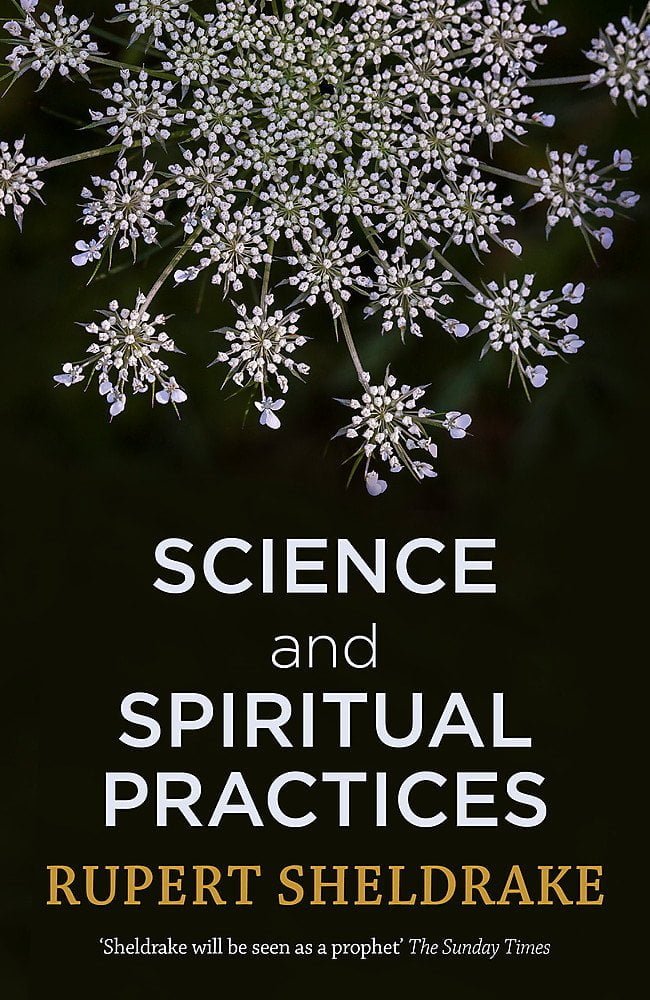
    Science And Spiritual Practices by Rupert Sheldrake

    This 2012 book by Rupert Sheldrake, a British biologist and parapsychologist, explores the relationship between science and spirituality. Sheldrake argues that science is too narrow in its focus and that there are many phenomena that cannot be explained by materialism. He discusses topics such as telepathy, near-death experiences, and the placebo effect.

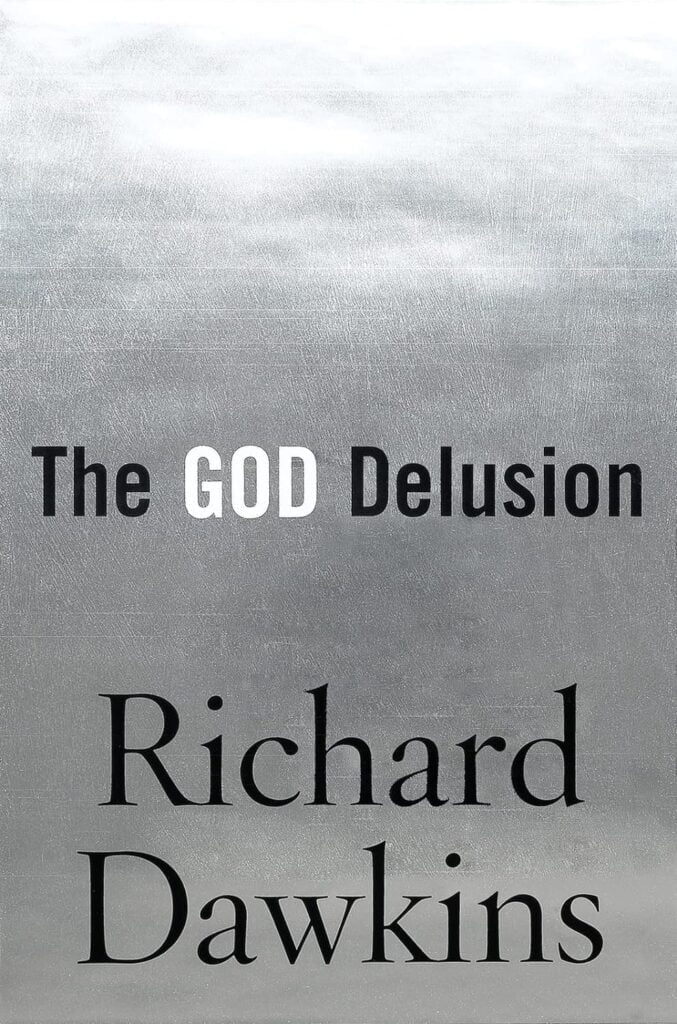
    The God Delusion by Richard Dawkins

    This 2006 book by Richard Dawkins, a British evolutionary biologist, is a critique of religion. Dawkins argues that God does not exist and that religion is a delusion. He discusses topics such as the argument from design, the problem of evil, and the nature of faith.

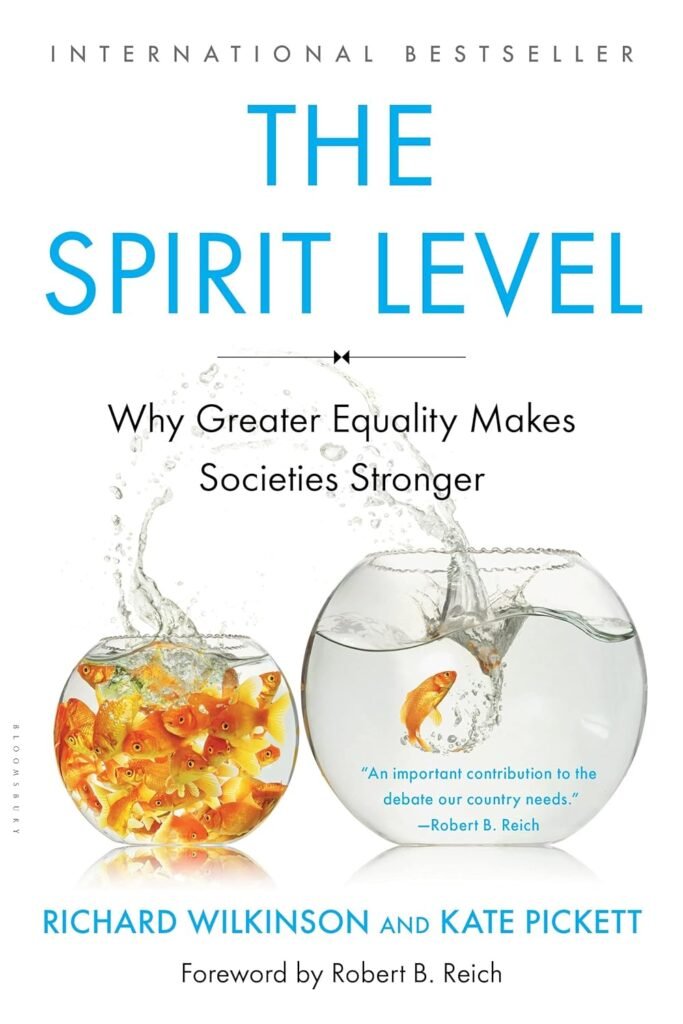
    The Spirit Level by Richard Wilkinson and Kate Pickett

    This 2009 book by Richard Wilkinson and Kate Pickett, examines the relationship between social inequality and a variety of social problems. The authors argue that more equal societies are better off in terms of a variety of social indicators, such as crime, health, and education.

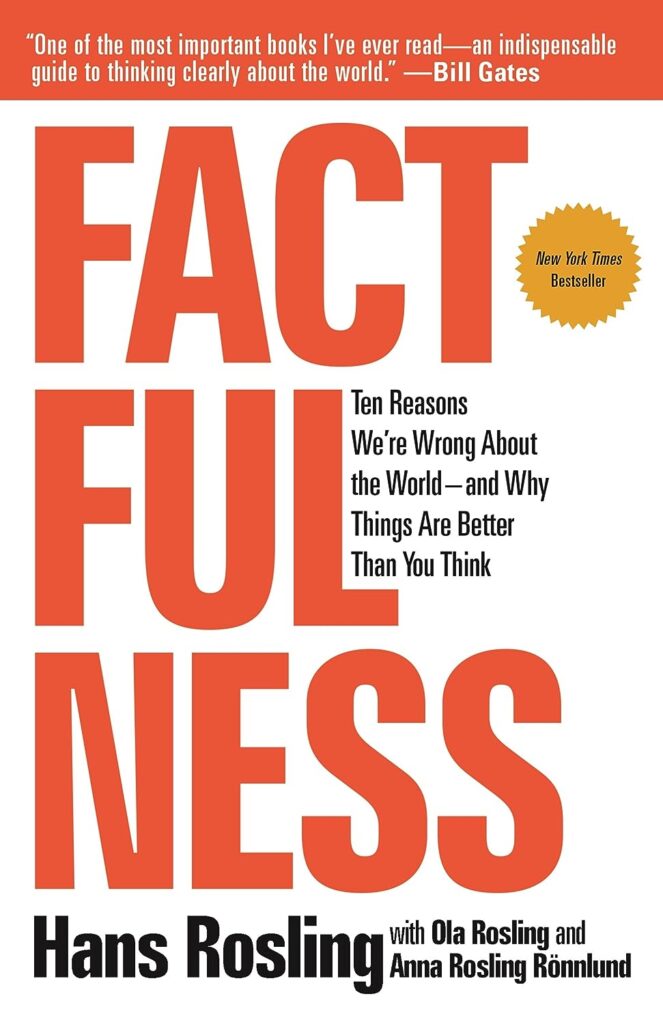
    Factfulness: Ten Reasons We’re Wrong About the World – and Why Things Are Better Than You Think by Hans Rosling

    This 2018 book by Hans Rosling, a Swedish physician and global health researcher, challenges our perception of the world. Rosling argues that the world is actually getting better in many ways, and that we are often too pessimistic in our outlook.

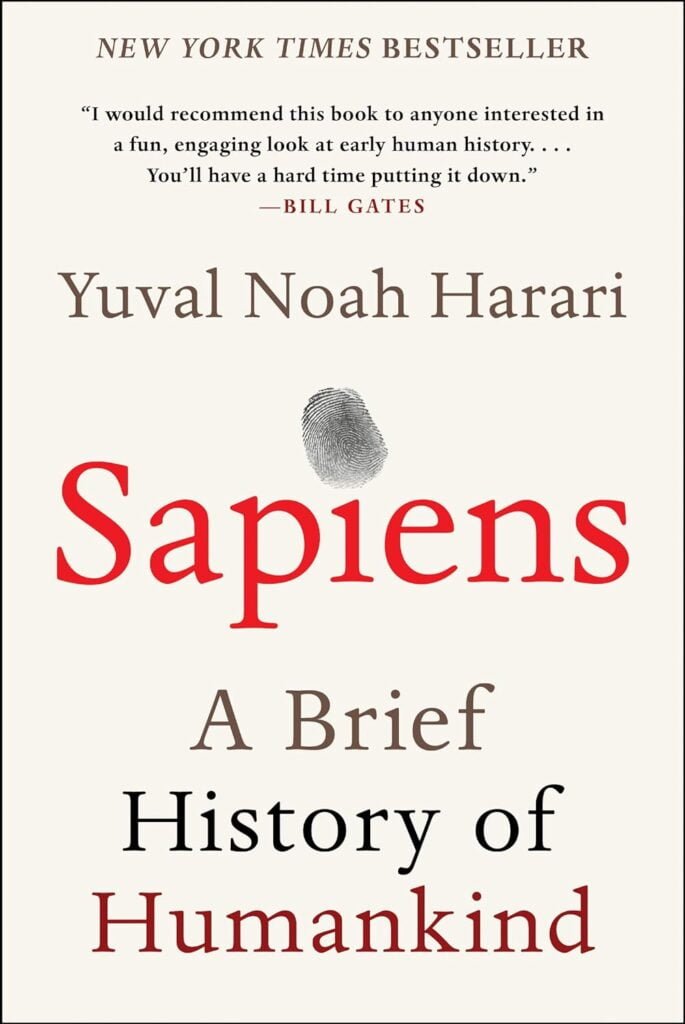
    Sapiens: A Brief History of Humankind by Yuval Noah Harari

    This 2014 book by Yuval Noah Harari, a Israeli historian, examines the history of humankind from our evolutionary origins to the present day. Harari explores topics such as the development of language, agriculture, and religion.

  • The Pre-Islamic Origins of Allah

    The Pre-Islamic Origins of Allah

    The concept of Allah, the supreme deity, has been a central pillar in the religious and cultural landscape of the Arabian Peninsula for centuries. While Islam introduced significant reforms and redefined the understanding of Allah, there remain notable similarities between the pre-Islamic and Islamic conceptions of this divine entity. In this blog entry, we delve into the common characteristics shared by the pre-Islamic and Islamic interpretations of Allah.

    Monotheistic Foundations

    Both the pre-Islamic and Islamic traditions embraced the idea of monotheism, recognizing Allah as the sole, supreme deity. Although pre-Islamic Arabia was home to a diverse array of deities and religious practices, many tribes, particularly the Quraysh, revered Allah as the highest and most powerful god.

    This monotheistic belief laid the foundation for Islam’s strict adherence to the worship of one God, rejecting the veneration of any other deities or idols. The continuity of monotheism, albeit in a more refined and exclusive form, represents a significant common thread between the pre-Islamic and Islamic understandings of Allah.

    Transcendence and Omnipotence

    In both pre-Islamic and Islamic contexts, Allah was perceived as a transcendent and all-powerful deity, exerting supreme authority over the natural world and human affairs. This belief in Allah’s omnipotence and ability to control the course of events and determine the fate of individuals and communities was deeply ingrained in the religious consciousness of the region.

    The pre-Islamic Arabic poetry and mythology are replete with invocations and supplications to Allah, acknowledging the deity’s unparalleled might and influence over the forces of nature and the destinies of humankind. This fundamental belief in Allah’s transcendence and omnipotence remained a core tenet in the Islamic conception of the divine.

    Sacred Sites and Rituals

    The pre-Islamic reverence for the Kaaba in Mecca as a sacred site and the performance of rituals and pilgrimages around it were carried over and incorporated into Islamic traditions. The Kaaba served as a focal point for religious practices and ceremonies among various Arab tribes, including the Quraysh, who oversaw its custodianship.

    Islam not only preserved the sanctity of the Kaaba but also elevated its significance, making it the direction of prayer (qibla) for Muslims worldwide and a central site for the annual Hajj pilgrimage. This continuity in the recognition of sacred sites and the importance of rituals and pilgrimages reflects a shared cultural and religious heritage between the pre-Islamic and Islamic understandings of Allah.

    Linguistic Continuity: The Name “Allah”

    Perhaps the most evident common characteristic between the pre-Islamic and Islamic conceptions of Allah is the retention of the name itself. The Arabic word “Allah,” derived from the contraction of “al-ilah” (the god or deity), has been used to refer to the supreme deity in the Arabian Peninsula for centuries.

    While Islam reshaped and redefined the attributes, nature, and relationship between Allah and humanity, the preservation of the name “Allah” signifies a linguistic and cultural continuity that spans the pre-Islamic and Islamic eras. This linguistic continuity serves as a bridge, connecting the ancient religious traditions of the region with the more recent Islamic interpretations.

    Invocations and Supplications

    The practice of invoking Allah through prayers, supplications, and invocations was widespread in both pre-Islamic and Islamic contexts. Pre-Islamic Arabic poetry and literature are replete with examples of invocations directed towards Allah, reflecting the deity’s centrality in the religious and cultural life of the region.

    Islam not only maintained this tradition of invoking and supplicating to Allah but also established a structured system of ritual prayers (salah) and supplications. This shared emphasis on seeking divine guidance, protection, and blessings through invocations and supplications underscores the common spiritual heritage of the pre-Islamic and Islamic conceptions of Allah.

    Divine Judgement and Fate

    Both pre-Islamic and Islamic belief systems acknowledged Allah as the ultimate arbiter of human destiny and fate. The belief that Allah determines the course of events and controls the fortunes of individuals and communities was deeply rooted in the religious consciousness of the Arabian Peninsula.

    This shared understanding of Allah’s role in shaping human affairs and dispensing divine judgment reflects a common worldview and a recognition of the supreme deity’s power and authority over the lives of mortals.

    In a Nutshell

    While Islam introduced significant reforms and departures from pre-Islamic beliefs and practices, the commonalities between the pre-Islamic and Islamic conceptions of Allah are undeniable. From the foundations of monotheism and the recognition of Allah’s transcendence and omnipotence to the continuity of sacred sites, rituals, and linguistic heritage, these shared characteristics reflect the enduring religious and cultural legacy of the region.

  • God Bless the Religious Phrases

    God Bless the Religious Phrases

    Some suggest removing religious phrases from the English language to accommodate secular speakers or those who do not believe in God. I am afraid I have to disagree with this approach. The beauty of the English language lies in its diversity, a blend of various cultures and historical periods that have contributed to its rich lexicon. This linguistic tapestry is adorned with many evolved words and expressions, reflecting the dynamic nature of communication.

    Examples of said phrases include “to pass away,” “to rest in peace,” “heaven,” “hell,” “godsend,” “blessing,” and “for heaven’s sake.” Although rooted in religious origins, these phrases have transcended their boundaries to become an integral part of the cultural fabric of English-speaking societies. They evoke a sense of solemnity, reverence, and shared cultural understanding. Their usage is a testament to the enduring legacy of language in shaping our worldviews and means of expression.

    Historical Context and Religious Origins

    Expressions used to describe death, the afterlife, divine providence, and other spiritual concepts have a deep history and cultural significance intertwined with religion. Phrases like “rest in peace” emerged from liturgical practices and beliefs about the soul’s journey after death. “Heaven” and “hell” directly reference religious cosmologies and realms of the sacred and profane. “Blessings” and “godsends” hearken back to petitions for divine favor and grace.

    These phrases formed an essential part of the ritual language to provide comfort, make sense of the human condition, and unite communities around shared beliefs. This language was not merely descriptive, but served a greater purpose – it was a potent tool that helped individuals navigate the intricate and often overwhelming emotions, mysteries, and hardships of the human experience.

    Transition to Secular Use

    Over centuries of use and linguistic evolution, phrases once confined to religious contexts took on new shades of meaning in secular vernacular. “Rest in peace” is now a common inscription on headstones and an expression of solemnity, regardless of one’s spiritual beliefs about an afterlife. “Heaven” and “hell” describe metaphorical states of bliss or torment. Even non-religious people use “blessings” to mean good fortunes and “godsends” for timely aid.

    This evolution of language reflects a broader societal shift where certain terms are no longer strictly limited to individual belief systems but become part of a shared cultural heritage. As a result, these phrases have become a universal way to express empathy, consolation, awe, and other profound sentiments toward the human condition.

    The Role of Language in Cultural Evolution

    The dynamic nature of language is exemplified by its continuous evolution, which reflects societies’ cultural changes and adaptability. As the fabric of societies transforms through technological progress, migrations, spiritual awakenings, and more, so too do the meanings and uses of words and phrases within them.

    Simple expressions like “To pass away” and “To rest in peace” have transcended their basic religious definitions. They have become cultural markers that signify bridging personal beliefs and collective shared experiences through language. Families saying “rest in peace” at a loved one’s graveside create a communal moment of remembrance regardless of whether they follow that phrase’s scriptural origins about the afterlife.

    The fluidity of language allows it to absorb and reflect the changing cultural landscape, highlighting its significance as a living, breathing entity that remains an integral part of human existence, identity, and means of expression.

    Current Usage and Cultural Significance

    In present times, former religious phrases are commonly used regardless of a person’s spiritual convictions or lack thereof. They have now become an integral part of our collective consciousness as signs of respect for universal human experiences like death, good fortune, moral codes, and more.

    This transformation in language usage depicts its capability to go beyond its original dogmatic roots and bring together people from all walks of life through shared cultural vocabulary. An atheist author can write about experiencing “hell” on earth without affirming beliefs about a literal fiery realm of the damned. A secular couple can “thank their lucky stars” on their wedding day as an idiom for feelings of joy without pagan connotations.

    The Importance of Preserving Linguistic Heritage

    To remove such phrases from the English language would be a disservice to its rich heritage and the diverse cultural tapestry that has shaped it over centuries. Language is not merely a tool for communication but a reflection of the human experience, our histories, arts, and our collective journey as a species. By erasing these phrases, we risk losing a crucial part of our linguistic identity and connection to the past that has helped mold the present.

    Furthermore, the removal of these phrases could contribute to the erosion of cultural understanding, empathy, and artistic expression. These linguistic fossils of ancestral worldviews have become a shared language that transcends individual modern beliefs. They allow a diverse populace to express sentiments surrounding profound aspects of existence like mortality, fortune, morality, and more without compromising personal philosophies.

    These phrases are part of our linguistic genomic makeup – losing them would strip away context for understanding the development of human culture and thought that led to our present vantage point. Like archaeological relics, they are also useful study pieces for insights into the traditions, beliefs, and mindsets of those who coined them centuries ago, providing knowledge about how our ancestors perceived and grappled with the great mysteries of life.

    Rather than purge this ancient but still relevant vocabulary, a living linguistic museum, we should embrace and underscore their cross-cultural resonance as part of global human poetry.

  • Why Every Civilization Believed in Gods

    Why Every Civilization Believed in Gods

    For millennia, humanity has gazed at the vastness of the cosmos, the intricate dance of nature, and the spark of life within ourselves, and pondered one profound question: are we alone? The answer, as evidenced by every ancient civilization we’ve encountered, has overwhelmingly been a resounding no. From the majestic pyramids dedicated to Egyptian gods to the intricate pantheons of Greece and Rome, every culture has embraced a belief in a higher power, or more accurately, a multitude of higher powers.

    This inherent tendency towards faith is perhaps unsurprising. The world around us, from the delicate balance of ecosystems to the awe-inspiring complexity of the human body, often appears meticulously designed. In the absence of scientific understanding, attributing these wonders to the works of powerful deities seems a logical conclusion.

    How Civilizations Explained the Unexplained

    Each civilization developed its own unique tapestry of gods and goddesses, reflecting their cultural values and societal structures. The Egyptians, with their dependence on the Nile’s annual floods, worshipped deities like Osiris, the god of agriculture, and Isis, the goddess of fertility. The Greeks, a seafaring people, saw Poseidon, the god of the sea, as a crucial figure, while the Romans, with their emphasis on law and order, revered Jupiter, the king of the gods.

    This wasn’t just about explaining the natural world. Deities were often seen as playing an active role in human affairs, influencing love, war, health, and prosperity. People sought to appease these powerful beings through offerings, prayers, and rituals, hoping to curry favor and avoid misfortune.

    Bridging the Divide: The Politics of Polytheism

    Interestingly, the existence of multiple gods also offered a pragmatic solution for diplomacy. When civilizations interacted, leaders sometimes incorporated each other’s deities into their own pantheon. This act of acknowledging foreign gods served a dual purpose: it fostered a sense of shared belief, promoting peaceful coexistence, and it potentially ensured that the “adopted” deities wouldn’t unleash their wrath on the new worshippers.

    The Evolution of Belief: When Gods Adapt to Changing Times

    It’s important to remember that religious belief systems are not static. As societies evolve, so too do their conceptions of the divine. Take, for instance, Allah as an example. While Allah was certainly a pre-Islamic deity in the Arabian peninsula, Islam fundamentally reshaped the concept. The all-encompassing, merciful Allah of Islam bears little resemblance to the local gods worshipped by the Arabs before the rise of Islam. This transformation reflects the changing social and political landscape of the region.

    Judaism and the Rise of Monotheism

    Judaism, another religion you mentioned, presents a unique case. Unlike the polytheistic traditions prevalent at the time, Judaism championed the concept of a single, all-powerful God, Yahweh (or Jehovah). This belief system, emphasizing a covenant between God and a chosen people, the Jews, had a profound impact on the development of Western religion.

    Beyond Centrism: Universality in the Human Experience of Faith

    It’s important to avoid portraying these belief systems as solely ethnocentric. While cultural context undoubtedly shapes how deities are perceived, the core human experience of seeking meaning and purpose in a vast universe transcends geographical boundaries. The concept of a higher power, regardless of its specific form, has provided comfort, guidance, and a sense of order for countless generations.

    The Enduring Power of Belief

    Even in our modern, scientific age, belief in a higher power persists. While the explanations for natural phenomena have shifted, the fundamental human desire to connect with something larger than ourselves remains. From the intricate cosmologies of established religions to the rise of new spiritual movements, the human search for meaning in the universe continues. Whether it takes the form of a single, all-powerful deity or a pantheon of gods and goddesses, the concept of a higher power has served as a cornerstone of human experience for millennia, and it seems likely to remain so in the foreseeable future.