Tag: Atheism

  • Do Atheists Have Beliefs Just Like Believers?

    Do Atheists Have Beliefs Just Like Believers?

    Have you ever found yourself pondering the nature of belief? Maybe you’ve wondered if atheists, who don’t believe in God, actually hold beliefs of their own. Well, you’re not alone! This question has come up in countless debates and discussions, and today, we’re going to give another go to answer it.

    Let’s start with a common assumption: atheists don’t necessarily have ny beliefs. But is that really true?

    Atheism 101

    Before we go any further, let’s clear up what atheism actually is. At its core, atheism is simply the absence of belief in gods or deities. That’s it. It doesn’t necessarily mean a person believes there are definitely no gods; it just means they don’t actively believe in any.

    Now, here’s where it gets interesting. Just because atheists don’t believe in gods, does it inherently mean they don’t have any beliefs at all?

    The Scientific Worldview

    For example, atheists on Medium tend to believe that “There is always natural causes for everything that happens in the world around us.”, which is indeed a common perspective among many atheists in the West, and it’s closely tied to the scientific worldview.

    This belief in natural causes is often called “naturalism,” and it’s a philosophical stance that everything in the universe can be explained through natural processes, without the need for supernatural explanations. That being said, this isn’t unique to atheism — many religious people in the West also accept scientific explanations for natural phenomena to varying extends.

    However the belief in natural causes is itself an assumption. It can’t be proven with 100% certainty, just like the existence of God can’t be definitively proven or disproven. So, in a way, atheists who hold this view are indeed exercising a form of belief.

    It’s Not Just Black and White

    Now, let’s shake things up a bit. Belief isn’t a simple yes-or-no matter. It’s more like a spectrum, with different levels of certainty. Some atheists might say, “I’m absolutely certain there are no gods,” while others might say, “I don’t see any evidence for gods, but I can’t be 100% sure.”

    This spectrum of belief applies to religious people too. Some might have unwavering faith, while others might have moments of doubt. The point is, both atheists and religious believers can have varying degrees of certainty in their positions.

    The Unavoidable Nature of Belief

    To be fair, it’s practically impossible to go through life without some form of belief. We all have to make assumptions about reality to function in our daily lives. For example:

    • We believe our senses generally give us accurate information about the world.
    • We believe that other people have minds and aren’t just robots or figments of our imagination.
    • We believe that the sun will rise tomorrow, based on our past experiences.

    These are all beliefs that most of us have hold in order to function, regardless of our stance on religion or the existence of gods. They’re so fundamental that we often don’t even think about them as beliefs.

    The Role of Evidence and Reason

    Now, you might be thinking, “But wait, aren’t atheists all about evidence and reason?” And you’d be right! Many atheists pride themselves on basing their worldview on empirical evidence and logical reasoning.

    However, the very belief in the importance of evidence and reason is itself a philosophical position. It’s a belief about how we should approach understanding the world. And while it’s a belief that has proven incredibly useful and reliable, it’s still, at its core, a belief.

    The Uncertainty

    All these bring us to an important point: Does this uncertainty mean atheists and theists are in the same boat, both relying on faith without irrefutable evidence? Not exactly. There’s a major difference between believing that a deity walked the earth 2,000 years ago, died, and was resurrected, and believing that the sun will set in the evening.

    What we’ve gone through so far merely suggests that when we dig down to the basics, the nature of reality itself becomes open to question, which demands humility in claiming absolute certainty about anything.


  • The Atheist’s Guide to Surviving Family Dinners

    The Atheist’s Guide to Surviving Family Dinners


    Our beliefs are like fingerprints—unique to each of us. They are shaped by a combination of our genetic makeup, life experiences, relationships, and the information we’ve encountered, creating our individual worldview and influencing how we interact with others and make decisions. When it comes to religious beliefs or the lack thereof, things become even more complex.

    Understanding Your Context

    Before deciding whether to come out as irreligious, it’s essential to consider your specific situation carefully. Reflect on your family dynamics and how open-minded your loved ones are. Are they likely to accept different viewpoints? Might your revelation cause friction or uncomfortable silence?

    Additionally, take your cultural background into account. In some cultures, religion is central to identity and daily life, making it more tricky to express irreligious views without encountering resistance. It’s also important to think about the potential personal consequences. Could revealing your beliefs impact your relationships, living situation, or even your safety?

    Finally, assess your emotional readiness. Are you prepared for potential conflicts or difficult conversations that might arise?

    Understanding Your Audience

    To illustrate why context matters, let’s imagine two scenarios. In the first scenario, you’re at a family gathering, and the topic of evolution comes up. Your elderly aunt, rooted in her traditional beliefs, equates evolution with atheism and considers it “evil.” In this situation, engaging in a debate about evolution, even to explain that evolution has nothing to do with irreligion, might lead to unnecessary tension and misunderstanding.

    On the other hand, picture a conversation with your mother, who, despite being older than your aunt, has a strong scientific background and is more open to different ideas. While you may not always agree, there is mutual respect and an understanding that differing opinions aren’t personal attacks. In this case, discussing your irreligious views might have added value.

    The Upsides of Coming Out as Irreligious

    Being open about your irreligious beliefs allows you to live authentically without hiding a significant part of who you are, which can help you make more meaningful connections with those who accept you for who you are. Additionally, by sharing your beliefs, you can help challenge and break down stereotypes and misconceptions about non-believers.

    Moreover, your openness might encourage others who are struggling with similar issues to feel less alone and more supported.

    The Downsides of Coming Out as Irreligious

    However, coming out as irreligious isn’t without its challenges. Revealing your beliefs might lead to conflicts or strained relationships with family and friends with no returns, especially if they hold strong religious views. Misunderstandings may also arise, as some people might not fully understand what it means to be irreligious, leading them to form inaccurate judgments about your character or morals.

    In highly religious communities, openly identifying as irreligious could result in social challenges, including exclusion or loss of support networks. Additionally, depending on your work environment, being open about your irreligious views could potentially affect your professional relationships and career.

    The emotional toll of unnecessarily dealing with negative reactions from loved ones is not to be underrated; it can potentially affect one’s overall well-being negatively.

    To Come Out or Not to Come Out

    If you’re considering coming out as irreligious, start small by first opening up to the most open-minded people in your life, which will make the process easier before approaching potentially more challenging conversations.

    Should you choose to share your religious views with your close circle, don’t make it a big coming-out event out of it. When the opportunity arises, you can imply where you stand, and based on their reaction, you can decide how to proceed.

    If you’re struggling with the decision or its aftermath, the best course of action is to abandon the mission. When and if the right time comes, you won’t have to struggle with making the decision.

    Selective Disclosure

    Remember, coming out as irreligious doesn’t have to be an all-or-nothing decision. You might choose to be open with some people while maintaining privacy with others, allowing yourself to be true to yourself while minimizing potential conflicts.

    For example, you might decide to share your beliefs with close friends who you trust to be understanding while choosing not to discuss the topic with more conservative family members.

    While Being True to Yourself

    Regardless of whether you choose to come out as irreligious, it’s crucial to understand that belief or non-belief is a personal matter and no one else’s business but the individual’s. Make sure you don’t become an anti-religion preacher, thinking that you are helping others by convincing them that leaving religion is better for them. People who preach their flavor of religion to those around them often do so with similar motivations.

    On a Personal Note

    When it comes to the decision to come out as irreligious, there is no universal right or wrong answer. What matters most is that you make a choice that aligns with your values, prioritizes your well-being, and helps you maintain healthy relationships with the important people in your life.

    Personally, I choose not to discuss religious matters with others, and I’m not even aware of the religious views of most of my friends. When the situation calls for it, I have no problem using religious language or acknowledging significant religious days to show that I care about the individuals. If someone needs comfort and expects religious terms, I’m willing to use them if it helps.

    Ultimately, I don’t care what people believe or disbelieve, and I strongly believe we can all peacefully coexist as long as everyone understands that religion is a private matter and must always stay out of politics.

  • Godless and Goodness: The Connection That’ll Make You Question Everything

    Godless and Goodness: The Connection That’ll Make You Question Everything

    In the minds of many people religion and morality are often intertwined. Not surprisingly, the question frequently arises: Why do atheists follow a moral code instead of simply doing whatever they feel like? Today, we’ll focus on the nature of morality, its origins, and its place in society – both religious and secular.

    That idea that morality and religion are inseparable has been ingrained in many cultures for centuries, so much so that most don’t give it another thought. Consequently, some wonder how those without religious beliefs can possibly navigate the murky waters of right and wrong, as it was their religion that invented morality.

    Does Religion Make People Moral?

    Nearly 3% of the adult population in the United States is either in prison or on parole, which is particularly noteworthy because the US is widely recognized as one of the most religious countries in the Western world, so much so that according to Pew Research 55% American population pray daily while this is merely 6% in the UK, 30% in Greece, 60% in Turkey, and 87% in Iran.

    If the hypothesis that religion is the sole or primary source of morality were to be true, one would expect to see lower rates of incarceration in such a devout nation.

    Conversely, let’s turn our attention to Japan. In this East Asian country, where Abrahamic religions have not made a significant impact, we find one of the most peaceful societies in the world. Japan’s low crime rates and social harmony stand in stark contrast to the assumption that religious belief is necessary for a moral society.

    The plot thickens when we consider certain Middle Eastern countries. Despite having highly religious populations, many of these nations grapple with widespread corruption. This further challenges the notion that religious devotion automatically translates to moral behavior on a societal level.

    Whether religion is detrimental to morality is a separate matter, and I will leave that discussion to others. However, the examples given at least illustrate that religion is not a must for morality, and religiosity does not necessarily translate into moral societies.

    The Universal Thread of Morality

    So, if religion isn’t the sole source of morality, what is? The answer may lie in what we might call “common decency” – a basic sense of right and wrong that seems to transcend cultural and religious boundaries.

    Think about your own circle of friends and acquaintances. Chances are, you know people from various backgrounds – some religious, some not. Among your religious friends, there may be those who are deeply devout yet not extreme in their views. Now, ask yourself: Is it really the fear of divine punishment that keeps these individuals from engaging in harmful or illegal activities?

    For most people, regardless of their beliefs, the decision not to harm others or break laws stems from a more fundamental place. It’s rooted in empathy, social conditioning, and an understanding of the consequences of our actions – both for ourselves and for society at large.

    The Secular Moral Compass

    But what drives people, whether they believe in a god or not, to follow moral codes?

    First, empathy and compassion matter a lot. People naturally understand and share the feelings of others, and this empathy guides many of our moral choices.

    Second, we benefit from living in a stable society. Following moral rules helps keep things stable and makes life better for everyone.


    Third, philosophical thinking provides another reason. Throughout their lives, most people spend a lot of time sorting out what is right and wrong, and, when the time comes, act on their instincts.

    There’s also an evolutionary angle. Some believe our sense of right and wrong comes from the need for cooperation and helping each other, which helped our ancestors survive.

    Additionally, acting morally usually leads to good outcomes for us personally, such as stronger relationships, a good reputation, and a clear conscience.

    Cultural influence plays a role too. We are shaped by the values and norms of our culture, many of which involve moral ideas.

    Finally, acting ethically often aligns with our own long-term interests. It helps build trust, creates positive relationships, and contributes to a healthy society.

    The Universality of Ethics

    One of the most compelling arguments for the independence of morality from religion is the remarkable similarity of basic ethical principles across different cultures and belief systems. Concepts like fairness, reciprocity, and the prohibition of murder are nearly universal, appearing in societies with vastly different religious backgrounds – or none at all.

    This universality suggests that these moral principles arise from something more fundamental than religious texts or traditions. They seem to emerge from our shared human experience, our need to live cooperatively, and our capacity for reason and empathy.

    Criticism

    Of course, discussing morality – religious or secular—is never simple. Both religious and non-religious moral systems face criticism.

    Religious morality is often criticized for being rigid or based on outdated cultural norms, which can lead to conflicts when different religious groups have opposing moral views.

    Secular morality, on the other hand, is sometimes accused of being relativistic or lacking a solid foundation. Critics argue that without a divine authority, moral rules become arbitrary. However, the existence of God does not depend on the utility of the concept of God.

    The Takeaway

    As societies become increasingly diverse and interconnected, it makes sense to move beyond the false dichotomy of religious morality versus moral chaos. Humans – religious and non-religious alike—are capable of moral reasoning, ethical behavior, and compassion.

    Rather than judgementally asking why atheists follow moral codes, perhaps everyone should ask themselves how we can encourage ethical behavior regardless of belief systems.

    #MoralityAndReligion #EthicsWithoutGod #SecularEthics

  • The Best Arguments for God’s Existence (And Why They Fail)

    The Best Arguments for God’s Existence (And Why They Fail)


    The question of whether God exists is one of the oldest and most debated topics in human history. Over the centuries, philosophers, theologians, and thinkers have proposed countless arguments to support the existence of a divine being. While some find these arguments compelling, others believe they fall short. Today we will get into some of the most famous arguments for God’s existence and discuss why they may not be as convincing as they seem.

    The Cosmological Argument

    One of the oldest and most widely discussed arguments for the existence of God is the cosmological argument. It posits that everything that exists has a cause, and because the universe exists, it, too, must have a cause. This cause, the argument goes, must be something outside the universe and not bound by the same laws — namely, God.

    Why It Fails

    Critics of the cosmological argument often point out that it leads to an infinite regress. If everything must have a cause, what caused God? To counter this, proponents claim that God is a necessary being who doesn’t require a cause. However, this exception seems arbitrary and raises the question of why the universe itself couldn’t be a necessary being without a cause. Additionally, modern physics suggests that the universe could have arisen from quantum fluctuations, challenging the idea that it needs a cause at all.

    The Ontological Argument

    The ontological argument, first proposed by St. Anselm in the 11th century, is more abstract. It starts with the concept of God as the greatest being imaginable. The argument claims that a being that exists both in the mind and in reality is greater than one that exists only in the mind. Therefore, if God is the greatest being imaginable, God must exist in reality.

    Why It Fails

    The ontological argument has been criticized for being a mere play on words. Just because we can conceive of the greatest possible being doesn’t mean that such a being exists in reality. Philosophers like Immanuel Kant argued that existence is not a predicate or a quality that can make something greater. Additionally, the argument can be used to “prove” the existence of any perfect entity, which leads to absurd conclusions.

    The Argument from Design

    Also known as the teleological argument, the argument from design observes the complexity and order in the universe and concludes that it must have been designed by an intelligent being. The complex structure of biological systems, the precise laws of physics, and the fine-tuning of the universe are often cited as evidence of this divine designer.

    Why It Fails

    One major criticism of the argument from design is the presence of flaws and imperfections in the natural world. If an intelligent designer created the universe, why are there so many imperfections and instances of poor design? Additionally, the theory of evolution by natural selection provides a robust explanation for the complexity of life without invoking a designer. The fine-tuning argument also faces challenges from the multiverse theory, which posits that our universe is just one of many, each with different physical constants. In this context, it’s not surprising that at least one universe would have the conditions suitable for life.

    The Moral Argument

    The moral argument suggests that objective moral values and duties exist and that these can only be grounded in a divine being. According to this argument, if God does not exist, objective morals do not exist either. Since we observe moral values and duties, God must exist to provide their foundation.

    Why It Fails

    One issue with the moral argument is the challenge of proving the existence of objective moral values. Moral relativists argue that morals are subjective and culturally dependent. Furthermore, it’s possible to ground morality in secular frameworks, such as human well-being or social contracts, without invoking a divine lawgiver. The existence of moral disagreements and the evolution of moral norms over time also suggest that morality might be more complex and human-centric than the argument allows.

    The Takeaway

    While the arguments for God’s existence have been influential and thought-provoking, they all face significant challenges and criticisms. The cosmological argument struggles with the question of what caused God, while the argument from design is undermined by natural explanations like evolution and the multiverse theory. The ontological argument is often seen as a linguistic trick, and the moral argument fails to conclusively establish objective moral values or their divine origin.

    In the end, whether one finds these arguments compelling often depends on personal beliefs and perspectives. That being said, none of the arguments explain why there has to be only one god and why that god has to be the Abrahamic one.

    Further Reading

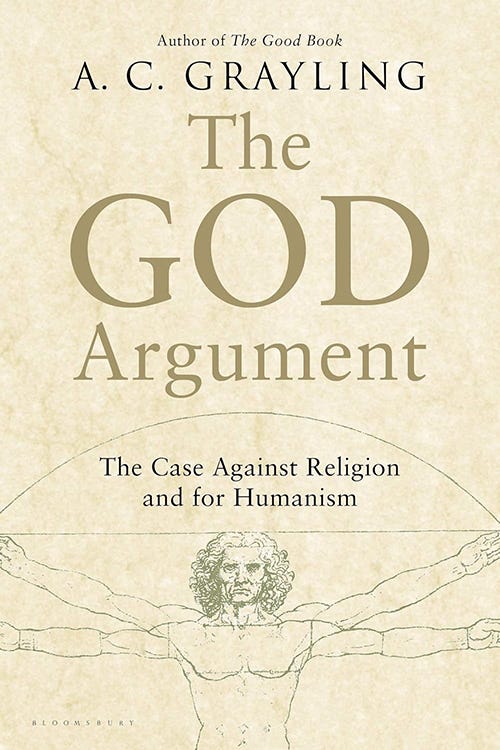
    The God Argument: The Case Against Religion and for Humanism

    The God Argument by A. C. Grayling is a significant contribution to the debate on religion and secularism. Grayling, a critic of religion, meticulously examines the arguments for the existence of God and the motivations behind religious belief. He then advocates for humanism as a compelling alternative to religion, promoting a worldview grounded in reason, evidence, and a commitment to goodness without infringing on individual beliefs or freedoms.

    Grayling presents humanism as an ethical framework based on sympathy and tolerance, aiming to understand human nature and condition. While acknowledging the historical reasons for the emergence of various faiths, he argues that organized religion should no longer hold a privileged status in society. The book asserts that a secular belief system, free from religious dogma, fosters a more compassionate and caring perspective on life.


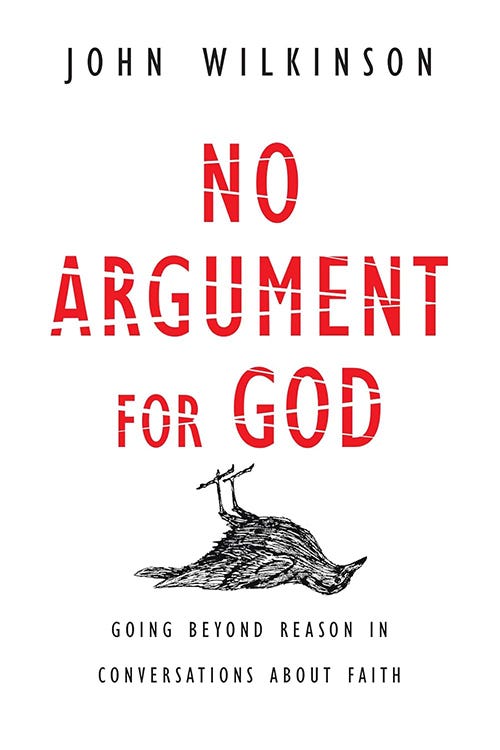
    No Argument for God: Going Beyond Reason in Conversations About Faith

    In No Argument for God, John Wilkinson challenges the prevailing notion that religion is irrational and outdated. While the New Atheists argue that belief in God is a sign of intellectual weakness, Wilkinson asserts that the perceived irrationality of faith is actually a strength. He argues that rationalism imposes artificial constraints on our understanding, focusing only on what can be empirically observed rather than exploring deeper meanings and the “why” behind existence.

    Wilkinson contends that while rational investigation is valuable, it often falls short of addressing our deeper yearnings and the search for revelation. He suggests that true understanding and fulfillment come from engaging with the divine in a way that transcends purely logical arguments, leading to a transformative encounter with God that satisfies both the mind and the soul.

    #GodExistence, #PhilosophyOfReligion, #CriticalThinking

  • Richard Dawkins, an Antitheist?

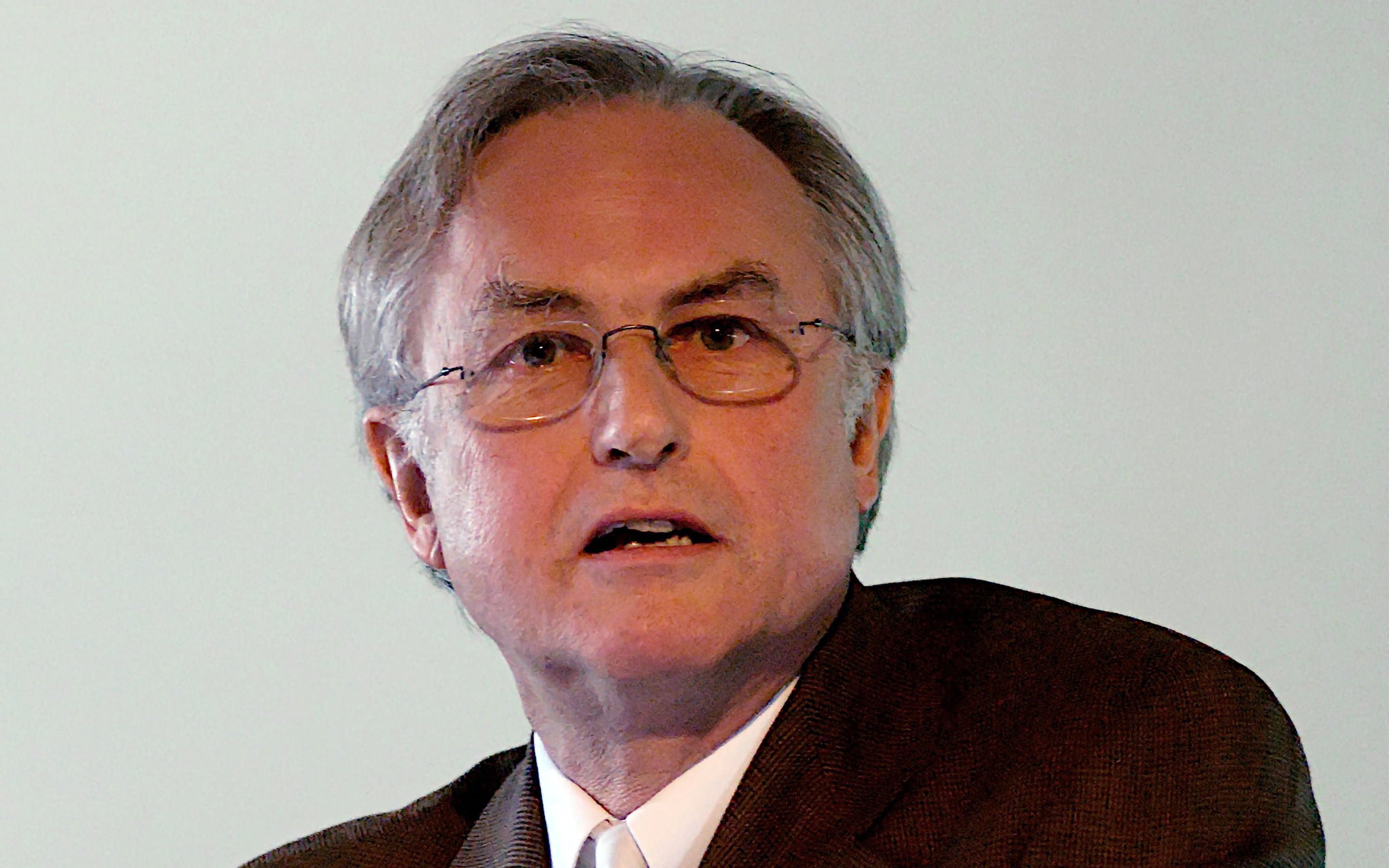
    Richard Dawkins, an Antitheist?

    Richard Dawkins, whose name often sparks heated debates about religion, science, and atheism, has unquestioningly left an indelible mark on modern thought. But how accurate is it to call him an antitheist? To answer this question, we must examine Dawkins’ beliefs, public statements, and positions on religion.

    Understanding Antitheism

    Before we can determine whether Dawkins fits the antitheist label or not, we must first make what antitheism means clear. While atheism is simply the lack of belief in gods, antitheism actively opposes the belief in deities and often argues that such beliefs are harmful to society. Antitheists typically assert that religion is both false and detrimental to human progress and well-being. While atheism can be a secularist and democratic position, antitheism often has non-democratic associations.

    Dawkins’ Background and Influence

    The British evolutionary biologist Richard Dawkins became a household name in some circles with his 1976 book “The Selfish Gene,” making the gene-centered view of evolution popular. However, it was his post-9/11 works, particularly “The God Delusion” (2006), that brought him into the spotlight as a harsh critic of Christianity and Islam.

    Dawkins, along with Christopher Hitchens, Sam Harris, and Daniel Dennett, has become the leading public figure of the “New Atheism” movement and has come to be known for his outspoken criticism of religious beliefs and institutions, sometimes overlooking historical facts.

    Dawkins’ Stance on Religion

    Dawkins has spent a significant portion of his career as a public figure arguing against the existence of God and the validity of religious beliefs. He has consistently maintained that there is no credible evidence for the existence of any supernatural being. However, being a scientist, he asserts that the existence of God is improbable rather than impossible since scientists never lay claims for the non-existence of any given such claims are by nature unprovable.

    According to his public speeches, Dawkins’ primary concern is not the abstract concept of a deity but the real-world impacts of faith. He has frequently criticized organized religion, particularly the Abrahamic faiths (Christianity, Islam, and Judaism), for their negative influences on society.

    The “Good People Doing Bad Things” Argument

    One of Dawkins’ most notable arguments is how religions cause good people to do bad things. He insists that religious beliefs can motivate otherwise moral individuals to engage in harmful or unethical behaviors due to their adherence to religious doctrines or interpretations.

    “The good people doing bad things” argument is central to antitheist thought, as it positions religion both false and harmful. Dawkins has provided numerous examples to support this claim, from historical religious conflicts to modern-day issues like opposition to stem cell research or resistance to climate change action based on religious grounds.

    Dawkins’ Ideal Society

    Dawkins says his dream society would consider the claim for any supernatural entities’ existence as baseless. Dawkins advocates for a world where decisions are based on empirical evidence and rational thought rather than religious doctrine or supernatural beliefs.

    However, it’s important to note that Dawkins does not support dogmatic atheism. The statement that he “rejects the dogma ‘there is no God’” is consistent with his scientific approach. Dawkins has often emphasized that he cannot prove with absolute certainty that no god exists. Instead, he argues that the lack of evidence for a god makes the probability of one existing extremely low.

    This position aligns with Dawkins’ scientific background. He approaches the question of God’s existence as he would any scientific hypothesis, arguing that extraordinary claims require extraordinary evidence. In the absence of such evidence, he concludes that it’s reasonable to live as if there is no god.

    Is Dawkins an Antitheist?

    Given the evidence, it’s fair to say that Richard Dawkins exhibits many characteristics of an antitheist. He goes beyond simply not believing in a god to actively arguing against the merits of religious belief. His works and public statements consistently portray religion as not just false but potentially harmful to individuals and society.

    However, Dawkins himself has not always embraced the label of antitheist. He has described himself as a “tooth fairy agnostic,” meaning he’s as certain that God doesn’t exist as he is that the tooth fairy doesn’t exist. This playful description underscores his evidence-based approach to the question of God’s existence.

    Additionally, Dawkins has admitted certain aspects of religious culture, such as the beauty of religious art and music, to have been to society’s advantage. While he strongly opposes religious beliefs and their societal impacts, he doesn’t wholesale reject every aspect of religious heritage.

    He believes in freedom of religion as a fundamental human right and opposes discriminatory bans targeting specific faiths, such as the burqa ban in France. Furthermore, he wants the inclusion of all religions and holy books as literary texts in the school curriculum, arguing that religious literacy is essential for understanding European history and culture.

    The Controversy Surrounding Dawkins

    Dawkins’ outspoken views have made him a controversial figure. Supporters praise him for his clear articulation of atheist ideas and his defense of scientific thinking. On the other hand, critics accuse him of being overly confrontational and dismissive of religious perspectives.

    Some have argued that Dawkins’ approach is counterproductive, potentially alienating moderate religious individuals who might otherwise be open to scientific ideas. Others defend his style, arguing that challenging strongly held beliefs requires a direct and uncompromising approach.

    The Takeaway

    While Richard Dawkins may not always use the term “antitheist” to describe himself, his beliefs and public statements align closely with many antitheist positions. He goes beyond atheism to actively argue against the validity and value of religious beliefs. His primary concern is not the abstract question of God’s existence but the real-world impacts of religious beliefs and institutions.

    Dawkins envisions a society guided by evidence and reason rather than faith and dogma. He rejects the belief in God and the idea that such belief is benign or beneficial. At the same time, he maintains a scientist’s openness to evidence, rejecting dogmatic atheism in favor of an evidence-based approach to the question of God’s existence.

    #RichardDawkins #Antitheism #ScienceVsReligion

  • Why Atheists Seemed Relatively Rare Species

    Why Atheists Seemed Relatively Rare Species

    Not too long ago, the idea of someone not believing in God was pretty out there. I mean, we’re talking pre-20th century here. Back then, most people looked around and thought, “Wow, everything seems so perfectly designed. There’s gotta be a big guy upstairs pulling the strings, right?”

    And honestly, can you blame them? Nature’s wild and unpredictable. It’s not like you stumble upon a fully formed watch or a cozy house just growing in the woods. Without all the scientific know-how we have today, it’s no wonder people assumed everything pointed to some cosmic creator.

    But here’s the kicker – even the smartest cookies who saw through a lot of religious mumbo-jumbo still clung to the idea of God. It’s like they couldn’t quite let go of that last thread. Why? Well, let’s take a little stroll through history and figure it out.

    The “Everything’s Designed” Argument

    Picture this: You’re walking along a beach, and suddenly, you spot a shiny watch half-buried in the sand (yes, we are talking about the infamous watch analogy). What’s your first thought? “Oh look, a naturally occurring timepiece!” Of course not! You’d assume someone made it, right? That’s basically how people used to look at the whole world.

    They’d see a flower, with all its delicate petals and vibrant colors, and think, “No way that just happened by accident.” Or they’d gaze up at the stars, marvel at the vastness of it all, and conclude, “Yep, definitely the work of a master architect.”

    This way of thinking was so darn convincing that it stuck around for ages. Even when people started questioning specific religious teachings, they often held onto the idea of a divine watchmaker. It’s like they were saying, “Okay, maybe this particular religion got it wrong, but surely someone or something kicked this whole universe thing off!”

    Why Atheism Was a Tough Sell

    Now, let’s put ourselves in our ancestors’ shoes for a minute. Imagine living in a world without Google, without telescopes that can peer into the depths of space, without microscopes that reveal the building blocks of life. Pretty mind-boggling, right?

    In that world, nature seemed random and chaotic. Storms would appear out of nowhere, diseases would strike without warning, and the cycle of life and death seemed mysterious and often cruel. Meanwhile, human-made stuff like tools, buildings, and art all had clear purposes and designs.

    Given all that, it’s not hard to see why people jumped to the conclusion that everything must have a maker. The alternative – that all this complexity just… happened – seemed about as likely as a tornado ripping through a junkyard and assembling a perfect Boeing 747 (yes, infamous tornado analogy).

    Plus, let’s not forget that in many places and times, questioning the existence of gods wasn’t just frowned upon – it could get you in serious hot water. We’re talking social outcast status at best, and “off with their heads” at worst. Not exactly a great environment for free thinking, if you catch my drift.

    Science Enters the Chat

    But then, things started to change. Slowly at first, then picking up steam as we rolled into the late 19th and early 20th centuries. Scientists began unraveling the natural world’s mysteries, and boy, they found some eye-opening stuff.

    First, there was this guy Darwin with his wild ideas about evolution. Suddenly, there was a way to explain the diversity of life without needing a divine designer. Then geologists and fossil hunters started piecing together the Earth’s history, showing that our planet and its inhabitants had been changing gradually over mind-bogglingly long periods.

    Meanwhile, physicists were busy figuring out how the universe ticks, from the tiniest particles to the largest galaxies. And let’s not forget the biologists, peering into cells and unraveling the secrets of DNA.

    All this new knowledge started to chip away at the old “everything’s designed” argument. It’s not that science disproved God, exactly. But it did provide alternative explanations for a lot of things that used to seem inexplicable without a divine touch.

    Atheism on the Rise

    As all this scientific knowledge spread, especially in Western countries, something interesting started happening. More and more people began identifying as atheists or just generally non-religious. It’s no coincidence that this trend was strongest in places with good education systems and relatively high standards of living.

    Think about it: When you’ve got a solid education, a roof over your head, and food on the table, you might be more inclined to question traditional beliefs. You’ve got the time and mental energy to ponder life’s big questions, and you’re exposed to a wider range of ideas.

    Plus, in many Western countries, the separation of church and state meant that religion wasn’t as deeply embedded in public life as it used to be. And let’s not forget the internet – suddenly, people could connect with others who shared their doubts, find information that challenged their beliefs, and explore alternative worldviews from the comfort of their own homes.

    The Global Picture

    Now, it’s important to note that this trend towards atheism isn’t happening everywhere at the same pace. In many parts of the world, especially in developing countries, religious belief is still going strong. Atheism might be seen as a weird Western idea, or even as a threat to traditional values and social order.

    But here’s the thing: As more countries develop economically and improve their education systems, we’ll likely see atheism and non-religious attitudes grow globally. It probably won’t happen overnight, and it doesn’t mean religion will disappear entirely. But the landscape of belief is definitely changing.

    What It All Means

    So, what do we make of all this? Well, for one thing, it shows how our understanding of the world shapes our beliefs. When the design argument was the best explanation we had, it made sense that atheism was rare. But as we’ve developed new ways of understanding the world, more people have found it possible to let go of the idea of a divine creator.

    Does this mean atheists have it all figured out? Hardly! There are still plenty of big questions that science hasn’t answered (and maybe never will). Things like: Why is there something rather than nothing? What happens after we die? What’s the meaning of life?

    These are the kinds of questions that used to be religion’s territory. Now, atheists and other non-religious people are having to grapple with them, too, leading to some fascinating philosophical discussions and new ways of thinking about ethics, community, and what it means to live a good life.

    Looking Ahead

    As we move forward, it’ll be interesting to see how this all plays out. Will atheism continue to grow? Will new forms of spirituality emerge? How will traditional religions adapt?

    One thing’s for sure: We’re living in a time of major change when it comes to beliefs and worldviews. The challenge for all of us – believers, non-believers, and everyone in between – is to figure out how to coexist peacefully and respectfully in this diverse landscape.

    Who knows? Maybe a hundred years from now, people will look back at our time and marvel at how much things have changed, just as we’re doing now when we think about a time when atheists were few and far between.

    In the end, whether you believe in a higher power or not, we’re all trying to make sense of this crazy, beautiful universe we find ourselves in. And that shared quest for understanding? That’s pretty amazing in itself.

    #AtheismEvolution #ScienceAndBelief #ReligionInHistory

  • Atheists Are Not Immune to Gullibility

    Atheists Are Not Immune to Gullibility

    Scrolling through online forums like Quora, I often encounter a phenomenon that leaves me scratching my head. Atheist users, in their zeal to promote their beliefs, sometimes fall into the trap of painting all religious people with the broad brush of “gullibility.”

    This approach raises several red flags. Firstly, it reeks of dismissiveness, a complete write-off of an entire segment of humanity. It suggests a lack of willingness to engage with religious folks on a deeper level, to understand their perspective, and perhaps even find common ground and help them question their own stand.

    Secondly, resorting to derogatory terms for entire demographics is classic bigotry. It’s a simplistic approach favored by populists, not by those seeking genuine understanding.

    But today, I want to shift the focus. While the tendency to stereotype religious people as gullible is problematic, it’s important to acknowledge that atheists are not immune to exploitation either. We’re all human, susceptible to the same cognitive biases and emotional manipulation tactics.

    Let’s consider a hypothetical scenario. Imagine I crave validation on a platform like Quora. I want my follower count to skyrocket and my every post to be showered with likes. Here’s the recipe for success:

    • Blame Game: Religion becomes the scapegoat for everything. Every societal ill, every historical misstep, gets pinned on religious dogma, ignoring complex political and historical contexts.
    • Grand Generalizations: All members of a particular religion are lumped together, overlooking the vast diversity of beliefs and practices within each faith.
    • Stereotype Soup: I liberally sprinkle my posts with tired clichés about religious folks, reinforcing negative preconceptions.
    • Condescending Tone: Religious people become “those poor souls” shrouded in delusion, a group to be pitied rather than engaged with.
    • Monoculture Myth: Faiths are portrayed as monolithic entities, ignoring the rich tapestry of denominations and interpretations within each religion.
    • Utopian Fantasy: I paint a picture-perfect world where all problems vanish the moment religion exits stage left, conveniently ignoring that ideologies, nationalism, and tribalism can be equally manipulative.

    Following this path might garner a temporary spike in online popularity. But ultimately, it creates an echo chamber devoid of intellectual honesty. We end up preaching to the converted, further solidifying existing biases without fostering genuine dialogue.

    So, instead, we must acknowledge that religion is a multifaceted phenomenon that encompasses a diverse array of beliefs and practices. To truly understand it, we must seek nuance, recognize its complexity, embrace context, and look beyond religious labels to explore the historical, political, and social factors that influence people’s beliefs.

    Engaging with religious individuals on a personal level is crucial for fostering respectful dialogue, allowing us to understand their motivations and perspectives and help them reconsider their positions. It’s also important to challenge our own biases, as regularly examining our assumptions helps us approach conversations with greater openness. By focusing on building bridges rather than walls, we can find common ground and shared values, facilitating a more inclusive and understanding dialogue between atheists and religious individuals.

    By adopting these principles, we can move beyond unproductive stereotypes. We can create a space for genuine human connection, regardless of one’s belief system. After all, fostering critical thinking and a healthy dose of skepticism is crucial for everyone, atheist or otherwise.

    #CriticalThinking #ReligionvsAtheism #RespectfulDialogue

  • What if the UK Monarch Came Out as Atheist?

    What if the UK Monarch Came Out as Atheist?

    The British monarchy, steeped in centuries of tradition and ceremony, remains a potent symbol of continuity and stability. One of the most significant aspects of the monarchy is its historical and constitutional connection to the Church of England. The reigning monarch is not only the head of state but also the Supreme Governor of the Church of England. This dual role is enshrined in tradition, law, and the very fabric of British society. But what would happen if the King or Queen of the UK publicly declared themselves an atheist? This question delves into the heart of the relationship between the monarchy, religion, and the British constitution.

    The Role of the Monarch in the Church of England

    To understand the potential ramifications of an atheist monarch, it’s crucial to comprehend the current role of the monarch within the Church of England. As the Supreme Governor, the monarch’s duties are largely ceremonial and symbolic. The title, established in the 16th century by Henry VIII, represents the monarch’s role in the church’s governance, although real ecclesiastical authority is wielded by the archbishops and bishops.

    The monarch’s role includes appointing bishops, participating in major religious ceremonies, and maintaining the church’s unity and doctrine. While these responsibilities are significant, they are executed within a framework that allows for substantial delegation and support from the church’s clergy.

    The Hypothetical Declaration

    The only way the public would become aware of the monarch’s atheism is through a direct verbal or written statement. Historically, monarchs have been exceedingly careful about maintaining a neutral stance on personal beliefs, especially on contentious issues like religion. The British monarch is expected to embody a sense of unity and continuity, often requiring a suppression of personal views to avoid public controversy.

    Concealing Personal Beliefs

    Given the monarch’s expected neutrality, it is highly unlikely that an atheist monarch would openly declare their lack of belief. The pressures and expectations of the role would compel the monarch to keep such personal convictions private. The history of the British monarchy is replete with examples of personal sacrifices made for the sake of duty and public service. An atheist monarch would likely follow this precedent, maintaining the facade of religious adherence to preserve the institution’s stability.

    Ceremonial Duties and Personal Beliefs

    Unlike the Pope in the Vatican, who is central to the theological and doctrinal direction of the Roman Catholic Church, the British monarch’s influence over the Church of England’s belief system is minimal. The monarch’s duties are predominantly ceremonial, involving participation in religious services, the appointment of senior church officials, and representing the church at significant events. These tasks could still be performed by an atheist monarch, as they do not require a personal endorsement of religious doctrines.

    The Constitutional Implications

    If a monarch were to publicly declare atheism, it would undoubtedly spark intense debate and media scrutiny. However, it is unlikely to cause a constitutional crisis. The modern British constitution is a flexible and evolving entity, capable of adapting to changes in societal values and norms. The Church of England itself has undergone significant reforms over the centuries, adapting to the changing landscape of British society.

    Public Reaction and Societal Impact

    The public reaction to an atheist monarch would be mixed and likely polarized. While a significant portion of the population might view the declaration as a progressive step reflecting modern secular values, others, particularly those with strong religious convictions, might see it as a betrayal of a centuries-old tradition.

    The Church’s Response

    The Church of England would face its own set of challenges in responding to an atheist monarch. However, given the church’s history of adaptation and reform, it is plausible that the church would find a way to accommodate the monarch’s personal beliefs while maintaining the ceremonial and symbolic relationship.

    The Takeaway

    In conclusion, while the declaration of atheism by the King or Queen of the UK would be unprecedented and controversial, it is unlikely to precipitate a constitutional crisis. The monarch’s role, particularly in relation to the Church of England, is largely symbolic and ceremonial, allowing for personal beliefs to remain private. The resilience and adaptability of both the British constitution and the Church of England would enable them to weather such a revelation, continuing to evolve in response to the changing values of society.

    The monarchy, with its deep-rooted traditions and symbolic significance, would undoubtedly face challenges, but it would also demonstrate its capacity to adapt and endure in an ever-changing world.

    #BritishMonarchy, #Atheism, #ChurchOfEngland

  • Are Billions of Believers Wrong?

    Are Billions of Believers Wrong?

    Religious belief has been a cornerstone of human civilization for millennia; as a result, atheism often finds itself in a challenging position. The question posed to atheists is simple and complex at the same time: Do atheists truly maintain that more than 7 billion people today, and roughly 100 billion people throughout the history of our species, are entirely wrong in their belief in a deity?

    This question touches on several important aspects of the debate between theism and atheism, including the nature of belief, the validity of popular opinion, and the importance of evidence in forming worldviews. Let’s delve deeper into these issues and examine the atheist perspective on this complex matter.

    The Fallacy of Argumentum ad Populum

    One of the first points to address is the implicit appeal to popularity in the question. The fact that billions of people believe in a deity doesn’t necessarily make that belief accurate. This logical fallacy, known as argumentum ad populum or the bandwagon fallacy, suggests that an idea must be accurate simply because many people believe it.

    History provides numerous examples of widely held beliefs that were later proven false. The response to the question astutely points out one such example: “For two millennia people believed corn and sweaty shirts created mice.” This refers to the concept of spontaneous generation, an idea proposed by Aristotle and widely accepted until the 19th century. Despite its longevity and popularity, this belief was ultimately disproven through scientific investigation.

    This historical example serves as a potent reminder that the number of people believing in something, or the duration of that belief, is not a reliable indicator of its truth. It underscores the importance of skepticism and the need for evidence-based reasoning, which are fundamental principles of the atheist worldview.

    The Human Tendency to Seek Explanations

    The response also touches on an important aspect of human psychology: our innate desire to find explanations for the world around us. As stated, “We live in a world where everything is the result of something else. It is the logical and easy conclusion to find a God in that sense.”

    This observation highlights the appeal of theistic beliefs. The concept of a divine creator offers a seemingly simple explanation for the complexities of the universe and our existence within it. It provides answers to profound questions about the origin of life, the purpose of existence, and the nature of morality.

    However, the response goes on to point out a crucial flaw in this reasoning: “Yet this conclusion usually fails in itself because it cannot explain where Gods come from.” This touches on the problem of infinite regress. This philosophical conundrum challenges the idea of a first cause or prime mover. If everything must have a cause, then what caused God? And if God doesn’t need a cause, why does the universe need one?

    This line of thinking demonstrates the atheist commitment to logical consistency. While the idea of a deity may offer comfort and apparent explanations, it often raises more questions than it answers when subjected to rigorous logical scrutiny.

    The Nuanced Position of Atheism

    Perhaps the most important point raised in the response is the clarification of the atheist position: “Atheists do not have any claims; in other words, atheists do not say there is no God. But they reject the notion that there is enough evidence for God’s existence.”

    This statement addresses a common misconception about atheism. Many people assume that atheists categorically deny the existence of any deity. In reality, most atheists take a more nuanced position. They don’t claim absolute certainty that no gods exist; rather, they assert that there isn’t sufficient evidence to justify belief in any gods.

    This stance aligns with the principle of the burden of proof in logical argumentation. Generally, the burden of proof lies with the person making a positive claim. Atheists argue that theists, who claim that a god or gods exist, bear the responsibility of providing evidence for that claim. In the absence of compelling evidence, atheists withhold belief.

    The response acknowledges a critical caveat: “However, most [atheists] are well aware [that] absence of evidence doesn’t mean evidence for absence.” This demonstrates intellectual honesty and an understanding of the limitations of knowledge. Atheists generally recognize that it’s impossible to prove a universal negative – that no gods exist anywhere in the universe. Instead, they maintain a skeptical position, open to evidence but unconvinced by the arguments and evidence presented thus far.

    The Importance of Evidence and Skepticism

    The final point made in the response draws a parallel between belief in gods and religion in other supernatural entities: “But of course, this applies to unicorns too.” This comparison serves to illustrate the consistent application of skepticism and evidential standards that atheists advocate.

    Most people don’t believe in unicorns, not because they can prove they don’t exist, but because there’s no reliable evidence. Atheists apply this same reasoning to claims about deities. They argue that extraordinary claims require extraordinary evidence and that the existence of a supreme being certainly qualifies as an extraordinary claim.

    This emphasis on evidence and skepticism is at the heart of the atheist worldview. It’s not about denying the experiences or beliefs of others, but about promoting a method of understanding the world based on observable evidence, logical reasoning, and scientific inquiry.

    The Takeaway

    The question of whether atheists believe that billions of people throughout history have been wrong about the existence of gods is complex and multifaceted. While it may seem audacious for a minority viewpoint to challenge such a widely held belief, the atheist position is grounded in principles of logical reasoning, evidential standards, and intellectual honesty.

    Atheists don’t necessarily claim that all believers are “completely wrong.” Instead, they argue that the evidence presented for the existence of deities is insufficient to justify belief. They recognize the human tendency to seek explanations and find meaning, but they advocate for a more rigorous, evidence-based approach to understanding the world.

    In the end, the atheist perspective isn’t about dismissing the beliefs of others, but about promoting critical thinking, skepticism, and a commitment to following the evidence wherever it leads. It’s a worldview that values intellectual integrity over comfort, and that seeks to understand the universe through observation, reason, and science.

    As our understanding of the world continues to evolve, it’s crucial that we remain open to new evidence and willing to challenge our assumptions. Whether one is a theist or an atheist, this approach to knowledge and belief can lead to a deeper, more nuanced understanding of our world and our place in it.

    #Atheism #CriticalThinking #ReligiousDebate

  • Does It Matter If a Scientist Is an Atheist, Christian or Muslim?

    Does It Matter If a Scientist Is an Atheist, Christian or Muslim?

    The interplay between personal beliefs and scientific objectivity has long been debated and scrutinized. While science is founded on empiricism, rationality, and impartiality, scientists are human beings with their own values, experiences, and worldviews. The question arises: Can scientists separate their personal convictions from their scientific endeavors, or do these convictions inevitably shape their approach and findings? This essay explores the complexities of this issue and argues for the importance of maintaining a clear distinction between religion and science to prevent scientific bias.

    The Pursuit of Objectivity

    Objectivity is a cornerstone of the scientific method. Science thrives on the ability to observe, measure, and interpret data without the influence of personal biases or preconceptions. Ideally, scientists should approach their research with an open mind, willing to follow the evidence wherever it leads, regardless of their personal beliefs or desires.

    However, achieving complete objectivity is a challenging endeavor. Scientists are not immune to the influence of their upbringing, cultural background, and life experiences. These factors can shape their perspectives and introduce unconscious biases, even in the most rigorous scientific investigations.

    The Role of Personal Convictions

    Personal convictions, whether religious, philosophical, or ideological, can potentially influence a scientist’s approach to their work. For example, a scientist with strong religious beliefs may be more inclined to interpret data in a way that aligns with their faith, consciously or unconsciously.

    It is important to note, however, that personal convictions do not inherently preclude objectivity. Many scientists with deeply held beliefs have made groundbreaking contributions to their fields while maintaining rigorous scientific standards and allowing the evidence to guide their conclusions.

    Separating Religion and Science

    To avoid inadvertently giving the impression of an atheist bias within the scientific community, it is crucial to maintain a clear separation between religion and science. Science operates within the realm of empirical observation and verifiable evidence, while religion concerns itself with matters of faith and spiritual beliefs.

    Introducing religious concepts or debates into scientific discourse can lead to confusion and undermine the integrity of scientific inquiry. Science should remain focused on understanding the natural world through rational and objective means, without the influence of religious dogma or supernatural explanations.

    Scientific Bias
    Photo by Milad Fakurian

    Atheist, Christian and Muslim Scientists

    When the religious beliefs of a scientist are highlighted, more often than not, it suggests that their scientific work is influenced by those beliefs, rather than simply being an aspect of their personal identity. Thus, emphasizing the number of atheist scientists to advocate for atheism can inadvertently reinforce a stereotype of bias, affecting both religious and non-religious scientists alike. 

    Science, as a discipline, is neutral and does not serve to affirm or negate the existence of deities. Therefore, it is prudent to avoid conflating atheism with scientific integrity or discovery.

    Embracing Diversity of Thought

    While maintaining objectivity is paramount, it is also important to recognize the value of diverse perspectives and approaches within the scientific community. Scientists from different cultural, religious, and philosophical backgrounds can bring unique insights and ideas that enrich the scientific discourse.

    By fostering an environment of open-mindedness and respectful dialogue, scientists can challenge one another’s assumptions, identify potential biases, and collectively strive for a more comprehensive understanding of the phenomena under study.

    Peer Review and Replication vs Scientific Bias

    One of the most effective safeguards against personal biases in science is the peer review process. Scientific findings are rigorously scrutinized by other experts in the field, who assess the methodology, data analysis, and conclusions for potential flaws or biases.

    Additionally, the principle of replication allows for independent verification of results, further reducing the impact of individual biases or personal convictions. If a study’s findings cannot be replicated by others, it calls into question the validity of the initial conclusions.

    In a Nutshell

    In conclusion, while personal convictions are an inherent part of the human experience, they should not be allowed to unduly influence the pursuit of scientific knowledge. Scientists must strive for objectivity and impartiality, relying on empirical evidence and rigorous methodology to guide their investigations.

    By maintaining a clear separation between religion and science, embracing diversity of thought, and upholding the principles of peer review and replication, the scientific community can mitigate the impact of personal biases and advance our understanding of the natural world.

    Ultimately, the goal of science is to uncover truth through rational inquiry and verifiable evidence, regardless of individual beliefs or convictions.